Naruto is Masashi Kishimoto’s long-running manga and anime about Naruto Uzumaki, an isolated young ninja who wants recognition from his village and dreams of becoming Hokage. The official materials trace it from its 1999 Weekly Shonen Jump serialization to the 2002 anime adaptation, with the manga concluding at 700 chapters and 72 volumes, while the story itself is famously split between Naruto’s early years and the later Shippuden-era escalation. Team 7, the Hidden Leaf Village, and the Nine-Tailed Fox sealed within Naruto are the core ingredients that turn a coming-of-age action story into a huge shared language across manga, anime, games, and merchandise. The best way in is not just to ask whether it is popular, but to notice how often people return to its rivalries, hand-sign jutsu, exams, and heartbreaks as defining shonen memories.
Learn
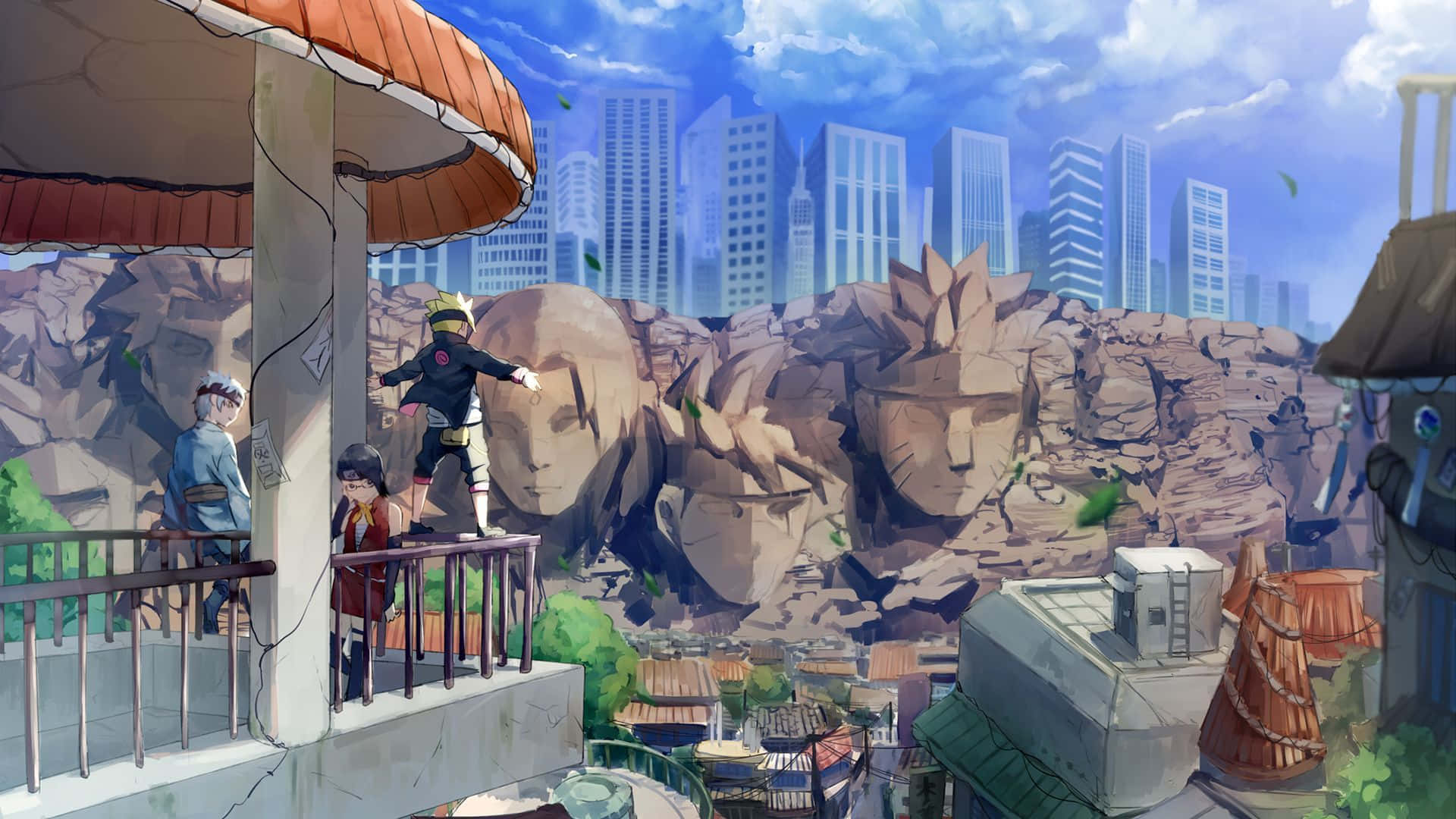
Start with the Core Story: manga, anime, and the two-part structure
Masashi Kishimoto's *Naruto* launched in 1999 and ran until 2014 across 72 volumes, while Studio Pierrot's anime adaptation aired from 2002 to 2017, split into two distinct series: the original *Naruto* (220 episodes, covering Part I with a 12-13-year-old protagonist) and *Naruto Shippuden* (500 episodes, Part II, with Naruto aged 15-17). The core story follows the orphaned Naruto Uzumaki, ostracized by his Hidden Leaf Village because the nine-tailed fox Kurama was sealed inside him at birth; he dreams of becoming the village's leader, the Hokage, to earn everyone's respect. The narrative is famous for its two-part structure, with Part I ending on the emotionally brutal Sasuke Retrieval arc (where Naruto's best friend Sasuke leaves the village), and Part II escalating into high-stakes political intrigue, the Akatsuki organization's hunt for tailed beasts, and revelations about the ninja world's ancient history starting with the Sage of Six Paths, Rikudou Sennin. The anime adaptation is famously bloated with filler—approximately 41% of the original series and 44% of *Shippuden* are non-canon episodes (295 total across both)—so new fans should follow a curated watch guide to skip these and stick to the manga-based story. Only two of the eleven films are canon: *The Last: Naruto the Movie* (set between *Shippuden* episodes 493-494) and *Boruto: Naruto the Movie* (at the very end). For the purest experience, reading the manga itself avoids all filler and showcases Kishimoto's original artwork, though the anime adds voice acting, music, and iconic animated fight sequences (like Rock Lee vs. Gaara) that remain fan favorites.
 cbr.comcbr.com
 myanimelist.netmyanimelist.net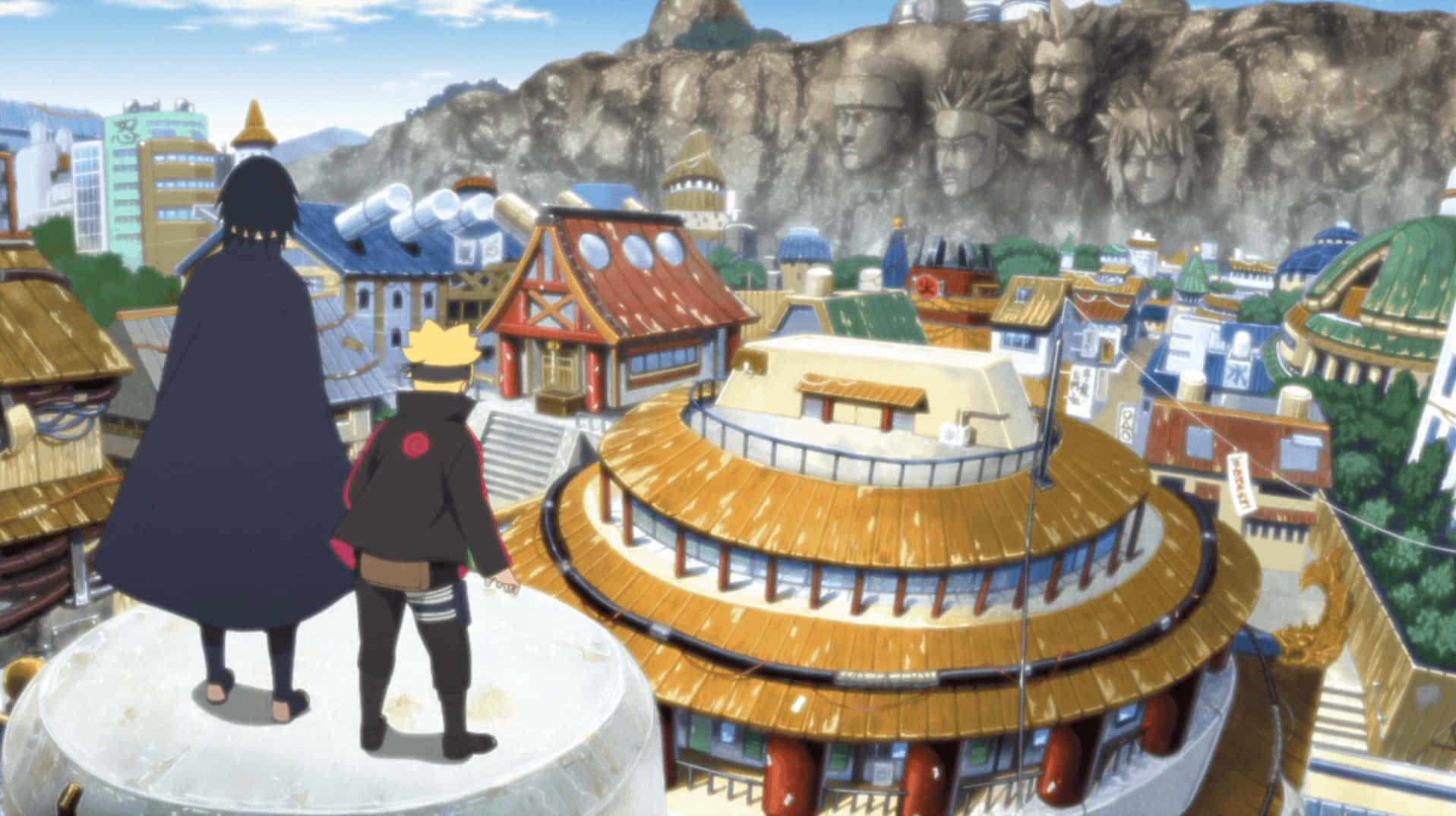
+Field notes
- —Naruto was part of shonen's 'Big Three' alongside One Piece and Bleach, and its manga ran in Weekly Shonen Jump from 1999 to 2014 (72 volumes), while the anime adaptation by Studio Pierrot split into two series: the 220-episode Naruto (2002-2007) for Part I, and the 500-episode Naruto Shippuden (2007-2017) for Part II.
- —The story's two-part structure is defined by protagonist age: Part I features Naruto at 12-13 years old with a lighter tone (academy life, early missions) that darkens through the Chunin Exams, while Part II jumps to Naruto at 15-17, introducing political intrigue, the Akatsuki organization, and deeper world history involving Rikudou Sennin (the Sage of Six Paths).
- —The anime is notorious for its filler content—approximately 41% of the original Naruto series and 44% of Shippuden are non-canon episodes (roughly 295 total), with the longest filler stretch in the original series spanning episodes 136-219, so skipping these is recommended for first-time viewers.
- —Only 2 of the 11 Naruto films are canon: The Last: Naruto the Movie (set between Shippuden episodes 493-494, crucial for Naruto and Hinata's relationship) and Boruto: Naruto the Movie (at the end). All other films are standalone adventures that don't affect the main story.
- —The core conflict centers on Naruto's drive to become Hokage—the village leader/guardian—while being pursued by the Akatsuki organization that wants to extract the Nine-Tailed Fox sealed inside him, and his relentless mission to bring back his comrade Sasuke Uchiha after Sasuke leaves the village.
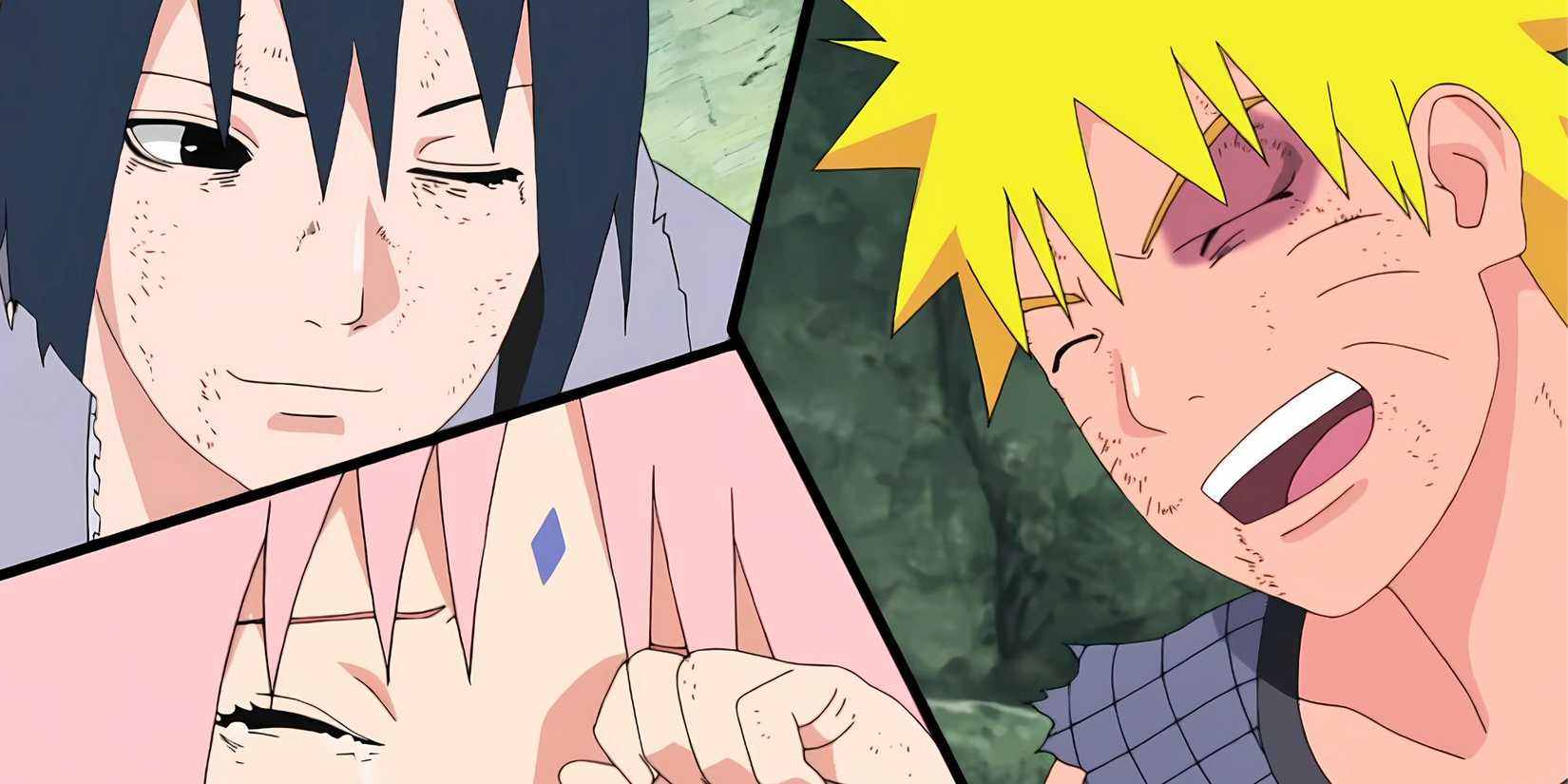
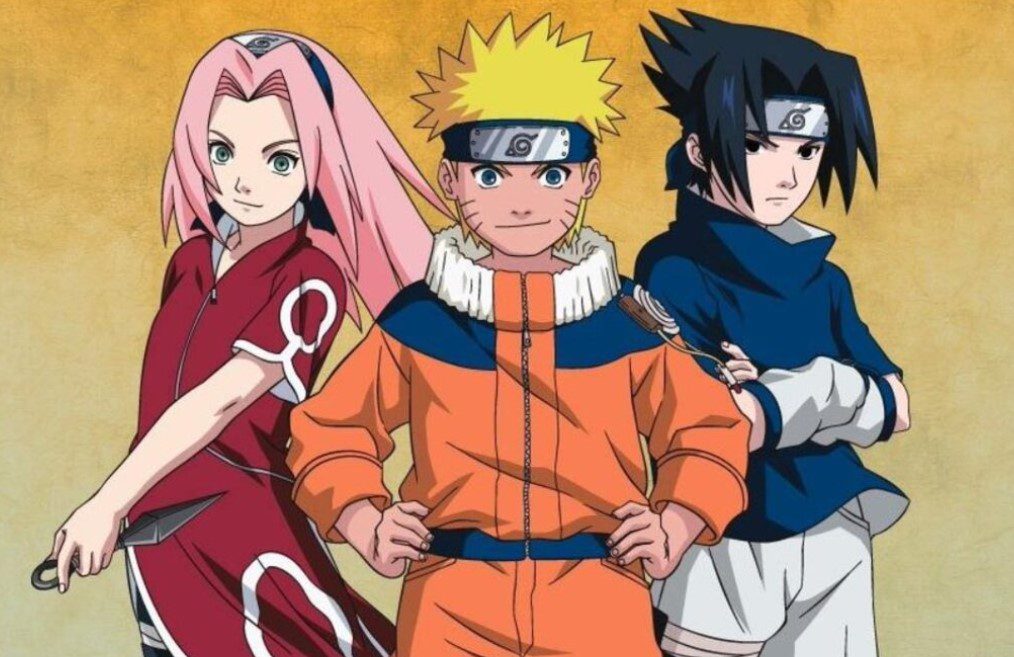
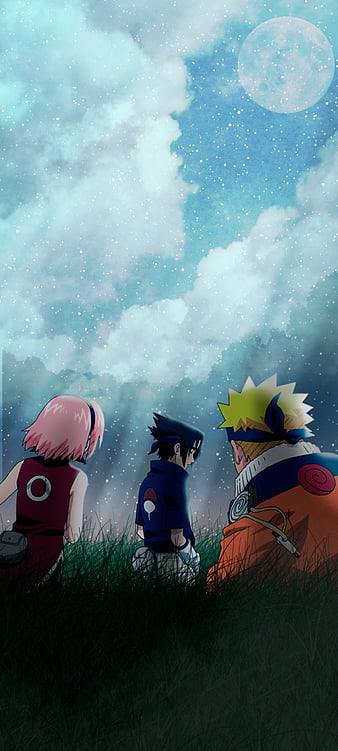
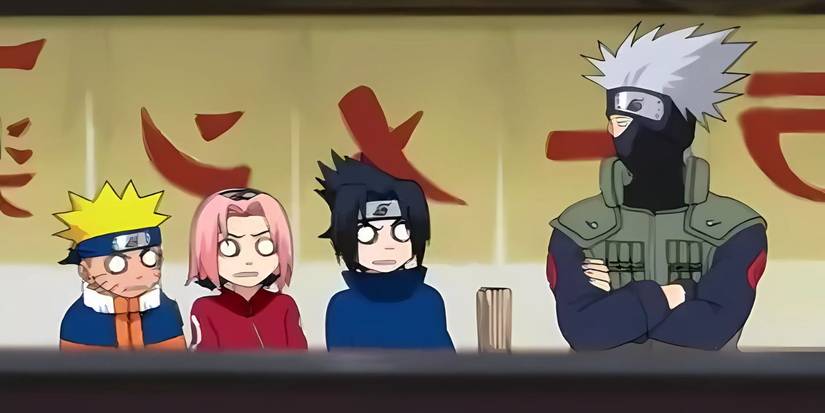
- —Team 7, originally led by Kakashi Hatake, comprised Naruto Uzumaki, Sasuke Uchiha, and Sakura Haruno, deliberately balanced: Naruto (the worst student) gains from Sakura's intelligence and Sasuke's jutsu proficiency, while Kakashi was assigned partly to monitor Naruto as the Nine-Tails' jinchuriki (in the anime, also to help Sasuke with his Sharingan development after his clan's massacre).
Discover
The Essential Naruto Experience

:max_bytes(150000):strip_icc()/Naruto-5-052225-6b898b45496b487ab685e9b642e6fb27.jpg)
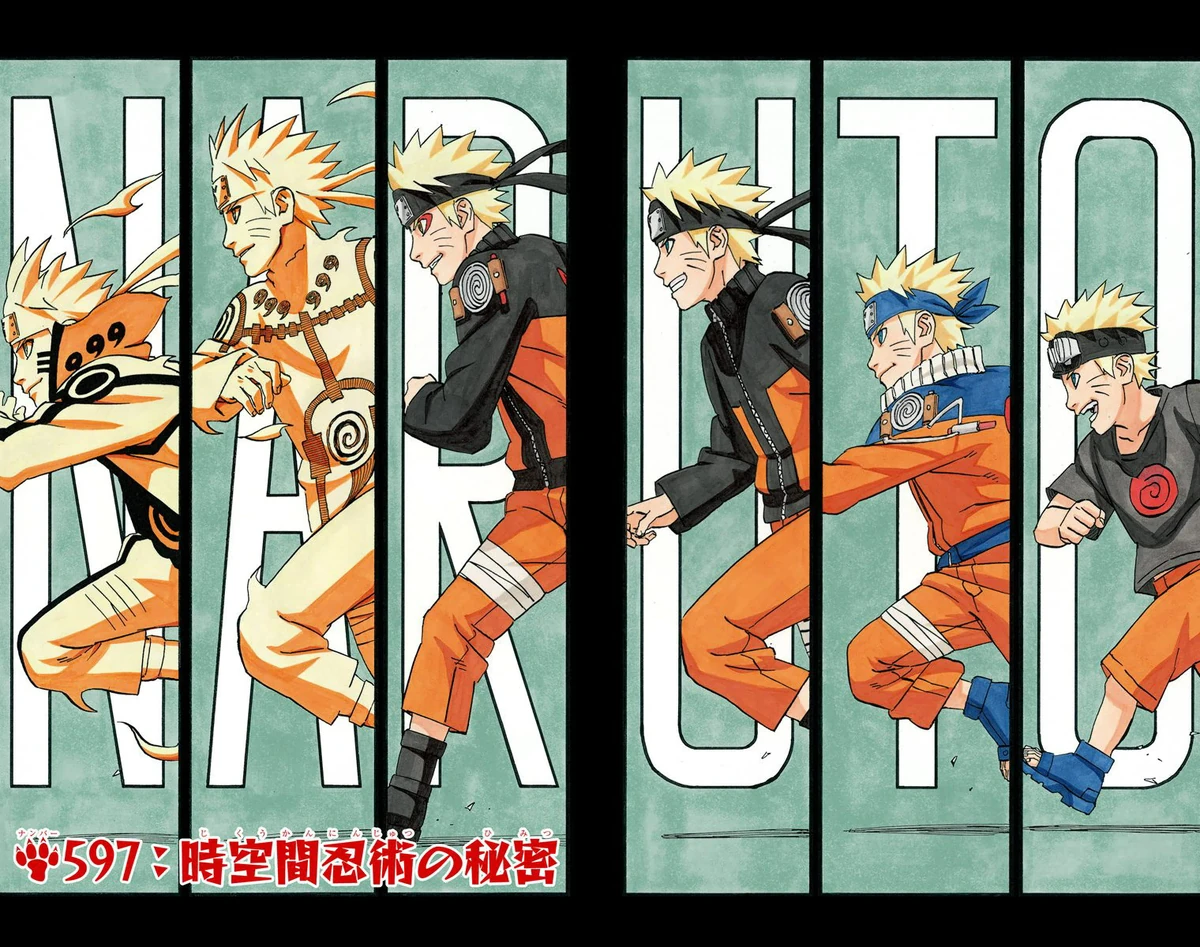
The Essential Naruto Experience cuts straight to the heart of Masashi Kishimoto's epic, a 720-episode beast where 41% of the original run and 44% of Shippuden is filler — that's 295 episodes you can skip entirely without losing a thread of the main story. The core narrative divides cleanly: Part I (220 episodes) follows Naruto Uzumaki from pariah orphan with the Nine-Tailed Fox sealed inside him to a budding ninja fighting to save his defecting friend Sasuke Uchiha, while Part II (Naruto Shippuden, 500 episodes) escalates into a war against the Akatsuki organization. Two films actually matter to canon — The Last: Naruto the Movie (placed between Shippuden episodes 493 and 494) and Boruto: Naruto the Movie — the other nine are standalone romps. The story's scaffolding is built on just a handful of essential arcs: the Prologue — Land of Waves, the Chūnin Exams, the Konoha Crush, the Search for Tsunade, and the Sasuke Recovery Mission, which together lay every emotional and plot foundation for the series. The Sasuke Recovery Mission (episodes 107–135) is a particularly brutal, canon-only gauntlet where Team 7's bonds shatter, and it's the first real test of the series' central theme — that even the deepest friendship can break under the weight of vengeance.
+Field notes
- —41% of Naruto's original 220 episodes and 44% of Shippuden's 500 episodes are filler — a total of 295 episodes you can skip without missing any manga-canon plot, making it one of the highest filler ratios in the Big Three shōnen alongside One Piece and Bleach.
- —Only two of the eleven Naruto films are canon: The Last: Naruto the Movie, which must be watched between Shippuden episodes 493 and 494 (it shows Naruto and Hinata's relationship development), and Boruto: Naruto the Movie, which concludes the story after Shippuden.
- —The Sasuke Recovery Mission arc (episodes 107–135) is 29 episodes of pure manga canon with zero filler — the entire arc is adapted straight from chapters 173 to 238, and it ends with the crushing failure of Naruto's promise to bring Sasuke home.
- —The core story of Part I anchors on five essential arcs in order: Prologue — Land of Waves (episodes 1–19), Chūnin Exams (20–67), Konoha Crush (68–80), Search for Tsunade (81–100), and Sasuke Recovery Mission (107–135) — everything between them is filler.
- —Naruto Uzumaki is an orphan whose father, the Fourth Hokage, sacrificed his life to seal the Nine-Tailed Fox demon inside his infant son — this act saved the Hidden Leaf Village but made Naruto a target of hatred and fear from the very people his father died to protect.
- —The best-ranked filler arcs worth keeping on a standard watch path are the Power arc (Shippuden episodes 290–295) and the Kakashi Anbu arc (Shippuden episodes 349–361), which the community generally considers well-integrated side stories that expand character backstory without derailing canon.
Discover
Read the Manga and Official Extensions
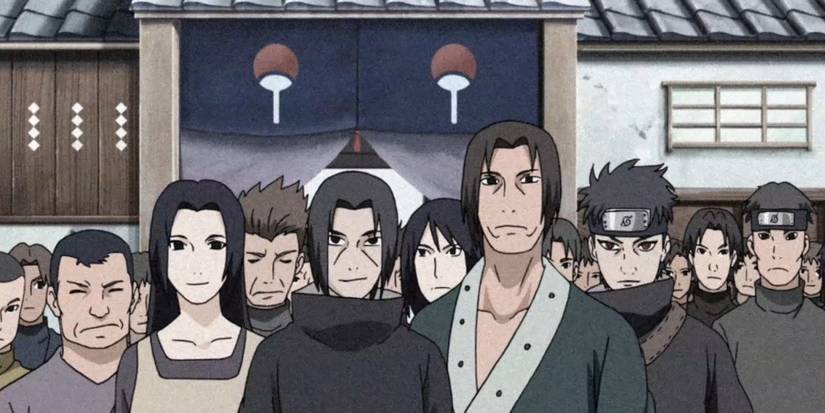

The official Naruto manga experience extends far beyond the original 700 chapters. VIZ Media and Shueisha's MANGA Plus offer a rich ecosystem of canon and licensed spin-offs, including the direct sequel 'Boruto: Naruto Next Generations' (chapter 80 as of the sources) and its current arc 'Boruto: Two Blue Vortex' (chapter 32). The post-series landscape also features standalone stories like 'Naruto: The Seventh Hokage and the Scarlet Spring'—a 10-chapter miniseries written and illustrated by Masashi Kishimoto himself, which bridges the gap into Boruto's era by following Sarada Uchiha. Beyond that, novel-to-manga adaptations expand the universe: 'Naruto: Sasuke’s Story—The Uchiha and the Heavenly Stardust: The Manga' is penned by Jun Esaka with art by Shingo Kimura (not Kishimoto), while 'Naruto: Konoha’s Story—The Steam Ninja Scrolls: The Manga' and the comedic 'Naruto: Chibi Sasuke's Sharingan Legend' offer different tones. All of these are accessible for free via the MANGA Plus platform, with latest chapters like the special one-shot 'Naruto: The Whorl Within the Spiral' released in March.
+Field notes
- —The original manga's 700 chapters are officially available to read for free on VIZ and MANGA Plus, with the concluding arc 'Naruto: The Seventh Hokage and the Scarlet Spring' serving as a 10-chapter epilogue written and drawn solely by Masashi Kishimoto (published January 5, 2016, ISBN 978-1-4215-8493-5).
- —The direct sequel 'Boruto: Naruto Next Generations' is now succeeded by 'Boruto: Two Blue Vortex', with its latest chapter (32) released on March 18, while the original Boruto series concluded at chapter 80—both are available on the same official platforms.
- —Spin-off manga like 'Sasuke’s Story—The Uchiha and the Heavenly Stardust' are not by Kishimoto: the original story is by Jun Esaka and the manga adaptation is drawn by Shingo Kimura, with the latest chapter 10 available; similarly, 'Konoha’s Story—The Steam Ninja Scrolls' (chapter 15) and 'Chibi Sasuke's Sharingan Legend' (chapter 24) add humorous and romantic angles.
- —A special one-shot titled 'Naruto: The Whorl Within the Spiral' was released as a standalone chapter, and all current free chapters are accessed via VIZ's partner MANGA Plus by SHUEISHA, which also carries the latest Shonen Jump titles like 'Sakamoto Days' volume 22.
- —For collectors, the original manga is repackaged in 3-in-1 editions (vol. 24 is the final volume), while the spin-off 'The Seventh Hokage and the Scarlet Spring' is a slim 216-page volume with a Teen age rating—distinct from the 'Boruto' volumes.
Discover
Watch Guides, Arc Breakdowns, and Scene Analysis


The Naruto watch-guide deep dive reveals a series defined by masterful arcs—like the Chunin Exams and Pain Invasion—that reward close analysis of both storytelling and craft. The Chunin Exams arc (especially from Naruto episode 24, covering manga chapters 40–41) introduces a tournament structure that forces characters to reveal hidden depths, with Rock Lee versus Gaara in the preliminaries standing out as a fight that redefines its characters' strengths and weaknesses. The Pain Invasion arc (Shippuden episodes 312–326) is more controversial: the revival of destroyed characters at the end softens the arc's emotional impact, yet the Naruto versus Pain fight is a technical high point, using smear animation and squash-and-stretch techniques that look strange on pause but create incredible dynamic movement in motion. The series' musical backbone supports these arcs—Toshio Masuda and Yasuharu Takanashi's battle tracks like "Girei" (Pain's theme, OST 2, Track 20) and the full fighting soundtrack collection from OST 1–3 and Shippuden OST 1–2 cement the emotional tone. For a first-time watcher, the guide recommends paying attention to these arc boundaries and animation choices, as they reveal how Naruto balances shonen spectacle with layered character work and sonic identity.
+Field notes
- —The Chunin Exams arc truly begins with Naruto episode 24 (manga chapters 40–41), a moment that shifts the series from individual missions into a structured tournament that exposes each character's growth and limitations.
- —Rock Lee versus Gaara in the Chunin Exam preliminaries is widely regarded as the best fight of the arc because it recontextualizes both fighters — Lee's relentless taijutsu against Gaara's sand defense — revealing their deepest motivations and weaknesses.
- —The Pain Invasion arc (Shippuden episodes 312–326) is structurally divisive: Naruto's victory over Pain is complicated by the Kyuubi's influence, and the large-scale revival of casualties undermines the arc's otherwise heavy stakes and emotional weight.
- —The Naruto versus Pain fight is a technical landmark in animation: it relies heavily on smear frames and squash-and-stretch principles that look distorted when paused but create a fluid, high-impact motion that elevates the emotional intensity of the scene.
- —Naruto's musical identity is built on composers Toshio Masuda and Yasuharu Takanashi — their battle themes from OST 1–3 and Shippuden OST 1–2 form a complete soundtrack collection that underpins every major arc, with tracks like "Girei" (Pain's theme, OST 2, Track 20) defining a villain's philosophy through sound.
- —Pain's theme "Girei" is more than background music; its title translates to "false justice," and its somber, repetitive melody mirrors Nagato's ideology of using pain to teach understanding — a key to analyzing his character arc.
Learn
Learn the Words Fans Actually Use
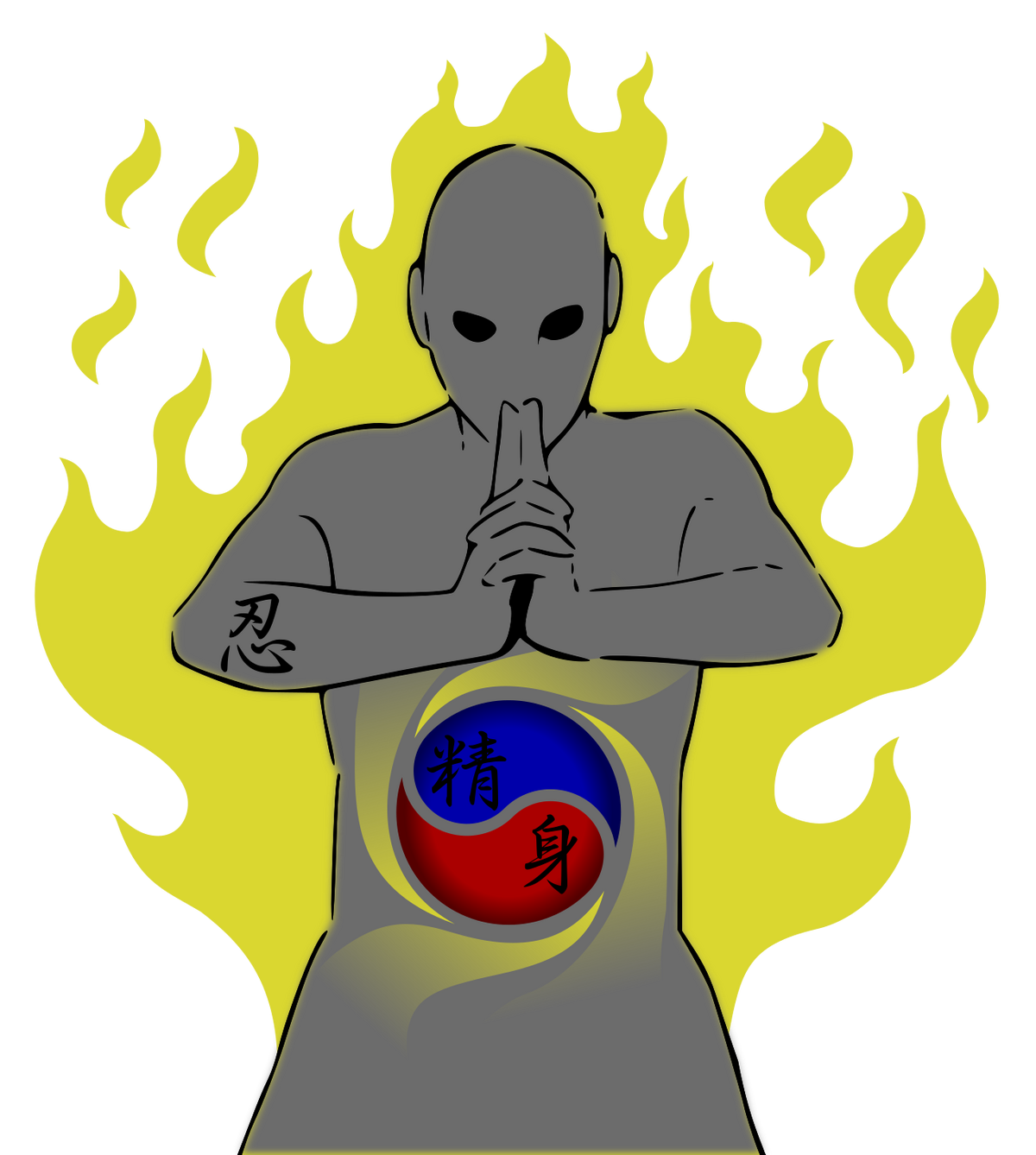
The language of Naruto's power system isn't just about 'jutsus' — it's a layered vocabulary that reveals the series' internal logic. At its core, chakra (チャクラ) is the supernatural energy that flows through all life, supposedly native to planets like Earth long before the Ōtsutsuki clan arrived to harvest it via the God Tree. The Sage of Six Paths, Hagoromo Ōtsutsuki, spread chakra through a peaceful practice called ninshū (忍宗), intending to connect people spiritually — but it was twisted into weaponized ninjutsu. Fans distinguish between three basic technique types: ninjutsu (忍術), genjutsu (幻術), and taijutsu (体術), plus specialized branches like fūinjutsu (封印術, sealing), juinjutsu (呪印術, cursed seals), and senjutsu (仙術, sage arts). Then there are kekkei genkai (血継限界), bloodline limits passed through clans — often mistaken as techniques but actually inherited abilities like the Sharingan dōjutsu or Haku's Demonic Mirroring Ice Crystals. Nature transformation (性質変化) adds another layer: five elemental releases (火遁, 風遁, 雷遁, 土遁, 水遁) in a rock-paper-scissors cycle, and advanced users can combine two natures into kekkei tōta or even three. The tailed beasts (尾獣) like Shukaku and Kurama are living chakra entities, originally split from the Ten-Tails by Hagoromo — not natural creatures, but weapons forged from the remnants of an alien god-tree. Understanding these terms is the difference between knowing the story and speaking its language.
 naruto.fandom.comnaruto.fandom.com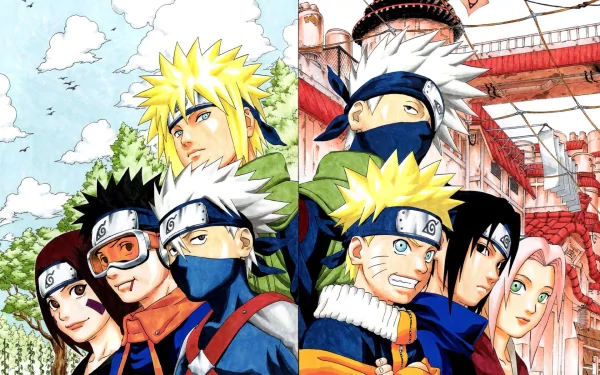
 naruto.fandom.comnaruto.fandom.com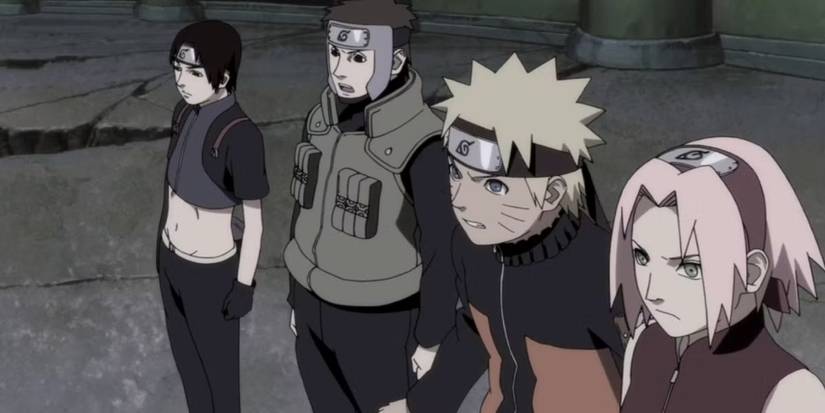
+Field notes
- —Chakra (チャクラ) isn't just magic energy — the Ōtsutsuki clan travels across planets absorbing all life's chakra to create a Chakra Fruit, and the God Tree drains every living thing on a planet to form one, suggesting chakra predates Kaguya on Earth.
- —Hagoromo Ōtsutsuki's original religion, ninshū (忍宗), was a peaceful practice meant to connect people's spirits without words — it was only later warped into ninjutsu when people learned to knead their inner chakra for combat.
- —Kekkei genkai (血継限界) are not techniques but inherited clan abilities passed through bloodlines, like the Uchiha's Sharingan or the Hyūga's Byakugan; they can enable unique jutsu, like Haku's Demonic Mirroring Ice Crystals, but the base power is genetic.
- —Nature transformation (性質変化) and shape transformation are the two components to create or modify any jutsu — the five basic elemental natures (火, 風, 雷, 土, 水) follow a strict clockwise weakness cycle: Fire beats Wind, Wind beats Lightning, Lightning beats Earth, Earth beats Water, Water beats Fire.
- —The nine tailed beasts (尾獣) are not natural creatures — they are living masses of pure chakra, born when Hagoromo split the Ten-Tails' power into separate entities to prevent his mother Kaguya's return; their names include Shukaku (one-tail) through Kurama (nine-tails).
- —Jutsu are ranked from E to S: E-rank is Academy basics like the Clone Technique, D-rank is Genin-level, C-rank is Chūnin-level, B-rank is Jōnin-level, and A- and S-ranks are for elite or forbidden techniques — higher rank means greater difficulty and chakra control required.
Explore
What Fans Collect Beyond the Show
Naruto collecting goes far beyond the usual action figures. True fans dive into the complete manga box sets—like the three-box collection from VIZ Media that houses all 72 volumes in a single, sturdy set, or the individual box sets that each contain a full story arc (Box Set 1 holds the first 27 volumes, covering Naruto's early days with Team 7). The collecting universe also includes specialized Japanese prize figures from Banpresto (often sold through sites like PopMarket), which are exclusive to Ichiban Kuji lottery games in Japan and feature deep-cut characters like Deidara, Haku, and even Gamabunta. For the truly committed, there are also Nanoblock kits and even cookbooks that let you bring the Hidden Leaf Village into your kitchen, making the hobby as much about the world-building as the fandom itself.

 popmarket.compopmarket.com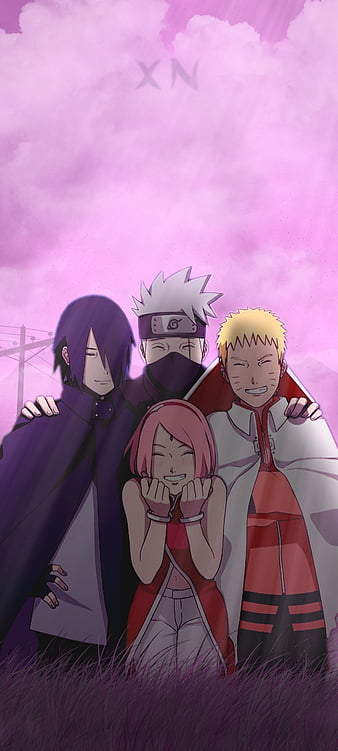
 jumpichiban.comjumpichiban.com
+Field notes
- —The Naruto Complete Manga Box Sets 1, 2, & 3 from VIZ Media hold all 72 volumes in three combined sets, each covering major story arcs—Box Set 1 contains the first 27 volumes, from the earliest Team 7 days through the Chūnin Exams.
- —Banpresto is a major supplier of Naruto figures on PopMarket, and their items are often tied to the Japanese Ichiban Kuji lottery system, meaning you can't just buy them off the shelf—you have to win them in a draw or buy them secondhand from specialty importers like JumpIchiban.
- —JumpIchiban's catalog shows an astonishing 269 Naruto figures, but the character breakdown reveals that some of the most obscure characters like Haku (3 figures), Kimimaro (1), and Gamabunta (1) have their own dedicated releases—far more than the main cast you'd expect.
- —Beyond figures, BigBadToyStore lists Naruto collectibles in 13 departments, including Nanoblock building kits (2 models), playing cards, vinyl records, and even cookbooks—turning the ninja world into a lifestyle brand.
- —The Naruto Box Set 1 (ISBN 9781421525822) from VIZ Media, published 26 February 2015, includes all 27 volumes and comes in a sturdy corrugate display box with premium items—a collector's edition for those who want the physical journey, not just the digital read.
Keep exploring
More of Naruto

Branch out
Beyond Naruto
Imagery
Know someone who’d love this?
Discovered by ArcurianAuto-generated from public sources and AI synthesis — it may be incomplete or inaccurate. Treat it as a starting point for your own exploration, not professional (medical, legal, financial, or safety) advice. Verify anything you act on. Report this page.