A typical Italian diet is less about a single menu than a pattern built around fresh, seasonal ingredients, regular meals, and the broader Mediterranean habit of centering cereals, vegetables, legumes, fruit, and olive oil. National survey work on Italian adults shows recognizable eating patterns rather than one monolithic cuisine, while guidance built for Italians translates the Mediterranean diet into practical serving sizes and everyday structure. In practice that means light breakfasts, a substantial lunch or pasta course, vegetables and pulses showing up often, and meat used more selectively than many outsiders imagine. The real fascination is that “authentic” Italian eating lives in the gap between regional food culture and measurable dietary patterns—daily habits matter as much as famous dishes.
Learn
What Italians Actually Eat Day to Day
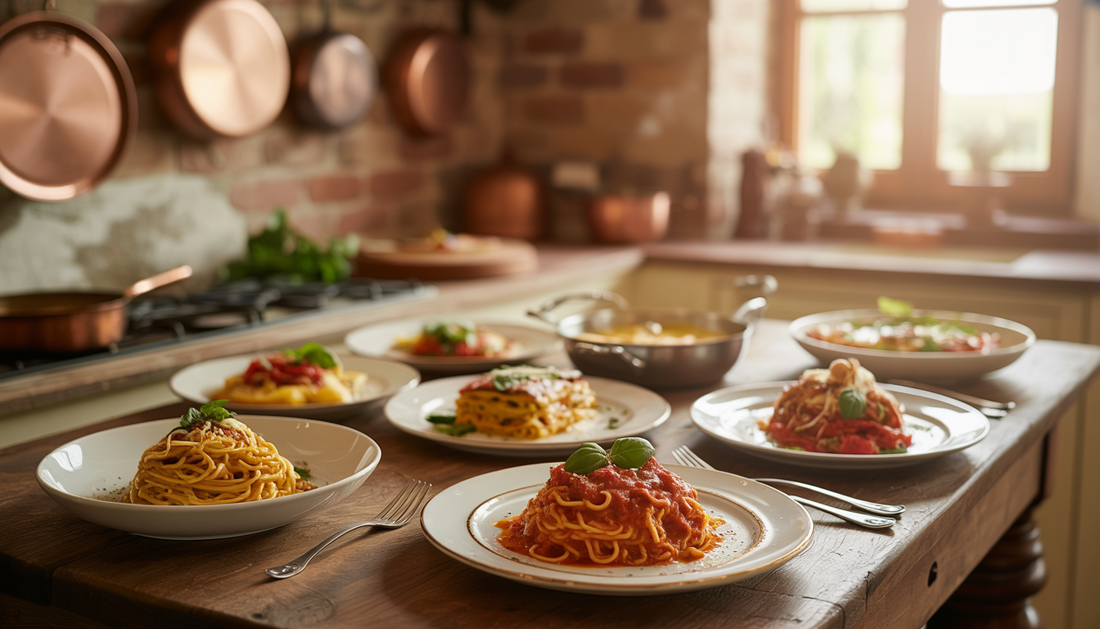
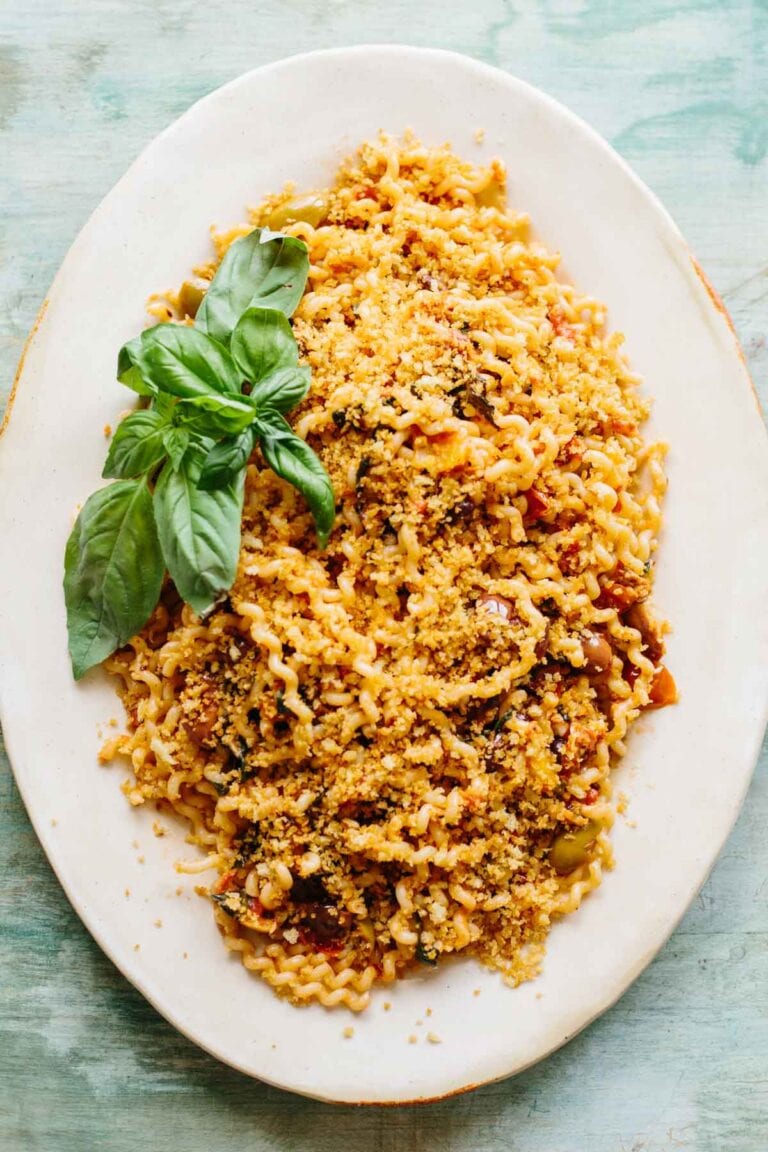
Modern Italian eating habits are far from the Mediterranean diet stereotype. According to the IV SCAI survey (2025), the largest national food consumption study, the traditional Italian diet pattern—defined by pasta, bread, vegetables, olive oil, and moderate wine—is now a minority behavior, with only a fraction of the population showing high adherence. Breakfast is still consistently a light, sweet affair: coffee or caffè latte with biscuits, bread with jam, or a cornetto pastry, rarely savory. Lunch and dinner have also shifted away from the multi-course meals of the past; the sources reveal that many adults now skip the full primo-secondo structure in favor of a single dish, and snacking (merenda) is common, especially among younger adults. The ARIANNA survey (2024) found that self-reported intake of fruits and vegetables drastically overestimates actual consumption compared to recommended portions, with processed meats, sweets, and red meat exceeding guidelines. Regional differences are pronounced: northern Italians have diets closer to Western patterns (richer in fats, processed foods, and animal products), while the South, though also shifting, retains more of the historic Mediterranean baseline. The sources consistently note a striking disconnect between perception and reality—most Italians believe they eat a Mediterranean diet, but the data shows low adherence to the official Italian Dietary Guidelines, with many falling short on legumes, fish, and nuts.
 frontiersin.orgfrontiersin.org
 sciencedirect.comsciencedirect.com
+Field notes
- —The typical Italian breakfast (colazione) is almost always sweet and light: either at home with coffee (or caffè latte) and biscuits or bread with jam, or at a bar with an espresso or cappuccino plus a cornetto pastry; savory breakfasts are virtually absent from daily routines.
- —Only a minority of Italian adults still follow the traditional multi-course meal structure (primo + secondo + contorno) on a typical weekday; the IV SCAI survey (2025) found that many simplify to a single dish, especially for lunch, and that the evening meal (cena) is often lighter, sometimes just a soup or salad.
- —The ARIANNA survey (2024) showed a stark gap between perceived and actual adherence to Mediterranean diet recommendations: 81.8% of respondents believed they ate enough fruit and vegetables, but actual consumption fell far short of the Italian Dietary Guidelines target of at least five portions a day.
- —Processed meats, sweets, and red meat are consumed in excess of recommended levels across all age groups, while legumes, fish, and nuts are eaten far below the suggested frequencies, according to the 2025 ARIANNA comparison with Italian Dietary Guidelines.
- —Regional variation is dramatic: the PLOS One analysis (2025) and the IV SCAI data both found that northern Italian adults have diets high in animal fats, butter, and processed foods (closer to a Western pattern), while southerners still eat more olive oil, fresh vegetables, and durum wheat pasta, though even there the shift away from traditional patterns is accelerating.
- —Snacking (merenda) is a consistent feature of the daily routine, especially for children and young adults; common choices include fruit, yogurt, bread with Nutella, or a packaged snack, and the habit has become more frequent among adults in the last decade, partly displacing the old afternoon coffee break.
Learn
From Mediterranean Ideal to Modern Italian Eating Patterns
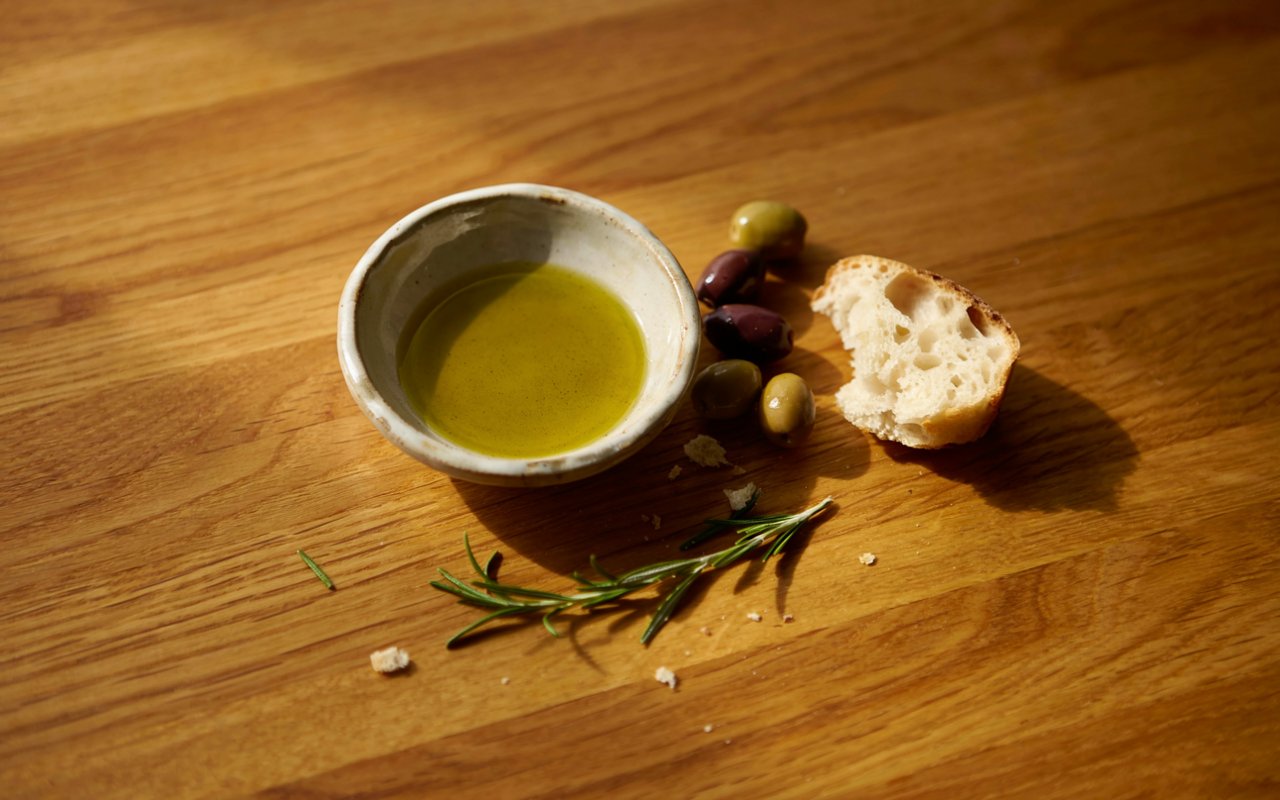
The traditional Italian diet, now codified through a series of evolving national pyramids, is far more specific and structured than the generic 'Mediterranean diet' label suggests. Recent official guidelines from the Italian Society of Human Nutrition (SINU) and the 2018 revision of the Italian Dietary Guidelines (CREA) have moved beyond simple food groups to specify exact serving sizes, frequencies, and even the glycemic index of staples. For instance, the 2014 D'Alessandro pyramid insists that only low-glycemic, high-fiber cereal foods (like stone-ground sourdough bread from Nicotera) belong at the base, while refined grains are pushed to the top as occasional treats. Historical data from 1861–2015 reveals that true adherence to this pattern peaked not in antiquity but in the post-war 'golden age' before the late 1970s, when globalization and ultra-processed foods began eroding traditional habits. The 2025 National Guidelines, using the NUTRIGRADE methodology, now issue 84 evidence-based recommendations, confirming that this diet significantly reduces all-cause mortality, cardiovascular events, and several cancers, while also integrating environmental sustainability—a stark contrast to the simplified, olive-oil-and-tomato image popular abroad.
 mdpi.commdpi.com
 sciencedirect.comsciencedirect.com
 pmc.ncbi.nlm.nih.govpmc.ncbi.nlm.nih.gov
+Field notes
- —The traditional stone-ground sourdough bread from Nicotera (a 1960s cohort in the Seven Countries Study) is the benchmark low-GI staple placed at the base of the Italian pyramid; modern refined grains are deliberately sited at the top as occasional foods.
- —Italy's 2025 National Guidelines on the Mediterranean Diet, developed by a multidisciplinary panel using the NUTRIGRADE methodology, produced 84 evidence-based recommendations covering nine health domains plus one economic domain.
- —Historical macronutrient data from 1861 to 2015 shows that the highest adherence to the Mediterranean diet in Italy occurred not in the distant past but during the post-World War II 'golden age' of industrialization and urbanization, followed by a sharp decline after the mid-1970s due to globalization and ultra-processed foods.
- —The 2018 revision of the Italian Dietary Guidelines (CREA) explicitly integrates environmental sustainability alongside health, distinguishing it from earlier versions focused solely on nutrient adequacy and chronic disease prevention.
- —SINU's 2025 updated pyramid (published in Nutrition, Metabolism and Cardiovascular Diseases) introduces a new graphic that balances health, cultural heritage, economic factors, and environmental impact, reflecting a shift from purely nutritional guidance to a broader food-system perspective.
- —The 2017 'New Modern Mediterranean Diet Italian Pyramid' explicitly based its serving sizes and frequencies on the LARN (Reference Intake of Nutrients and Energy for Italian Population) and the Italian Guidelines, not on the older U.S. or Greek pyramid models.
Learn
The Meal Structure: Colazione, Pranzo, Cena, and the Courses In Between
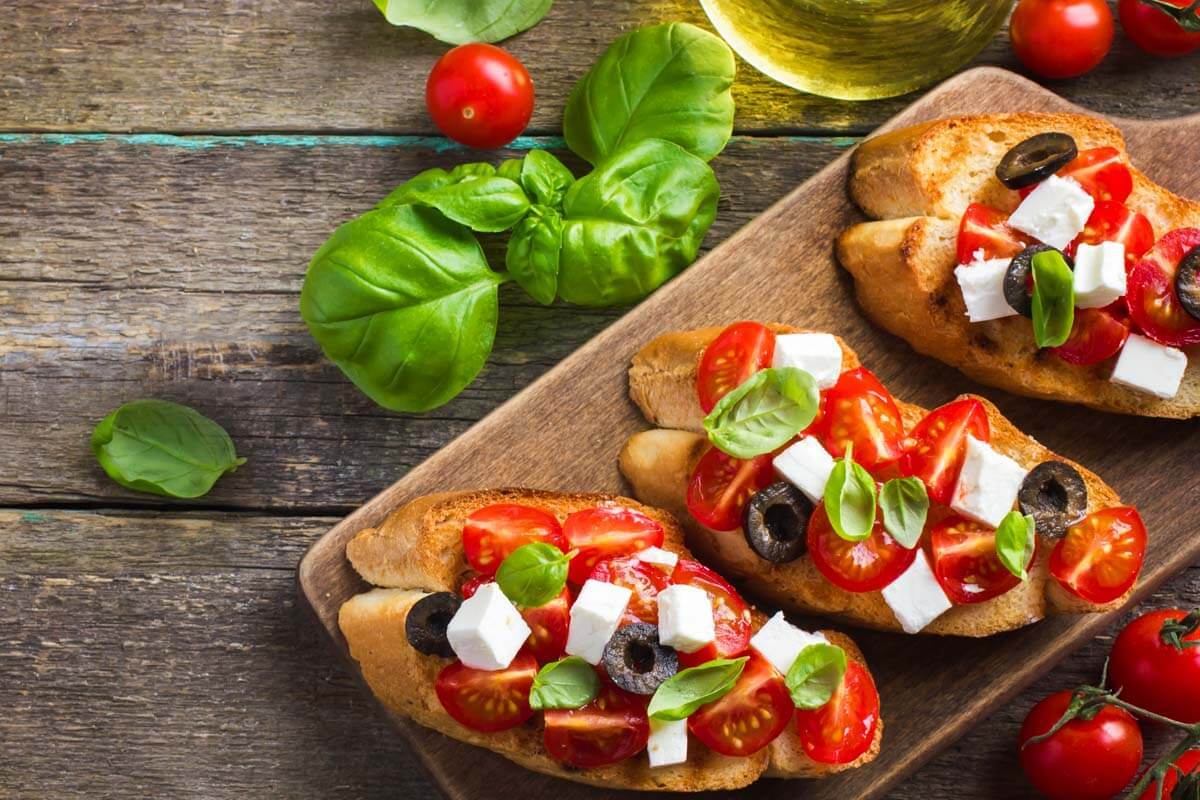
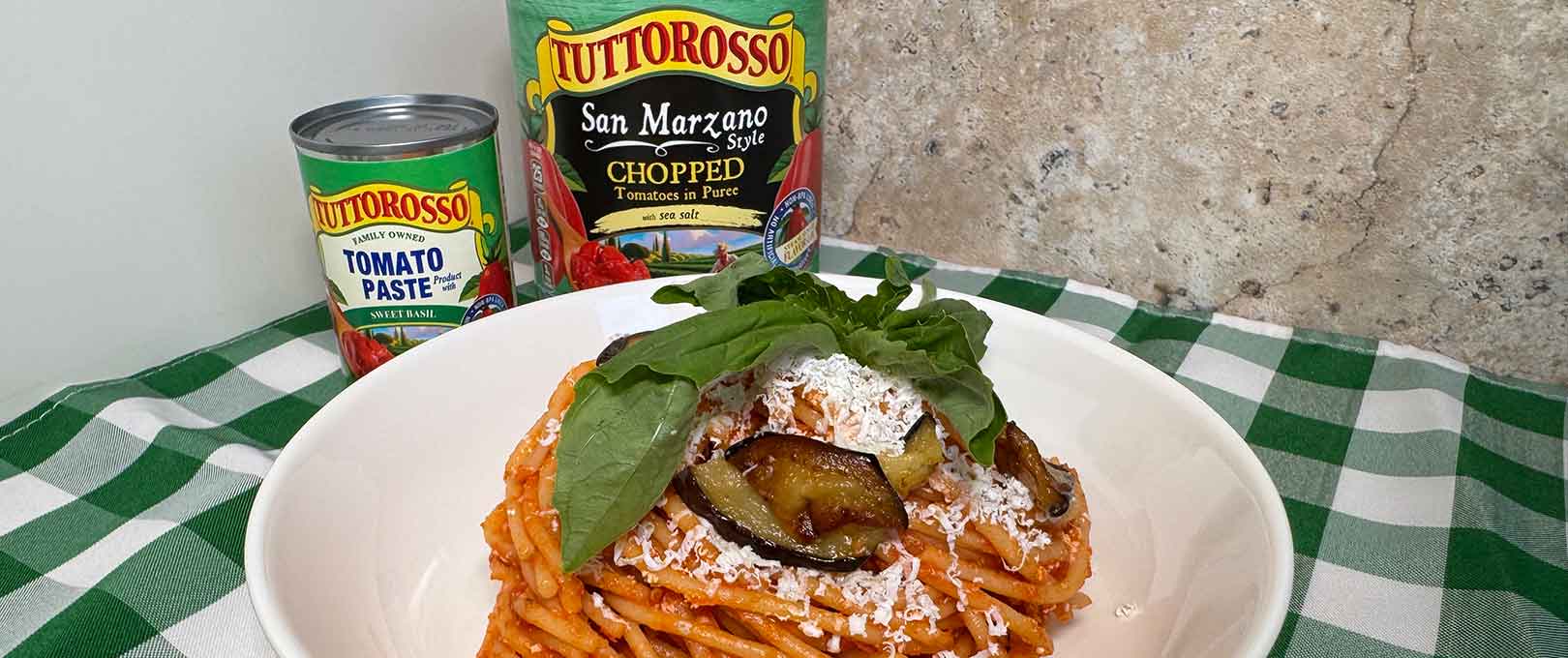
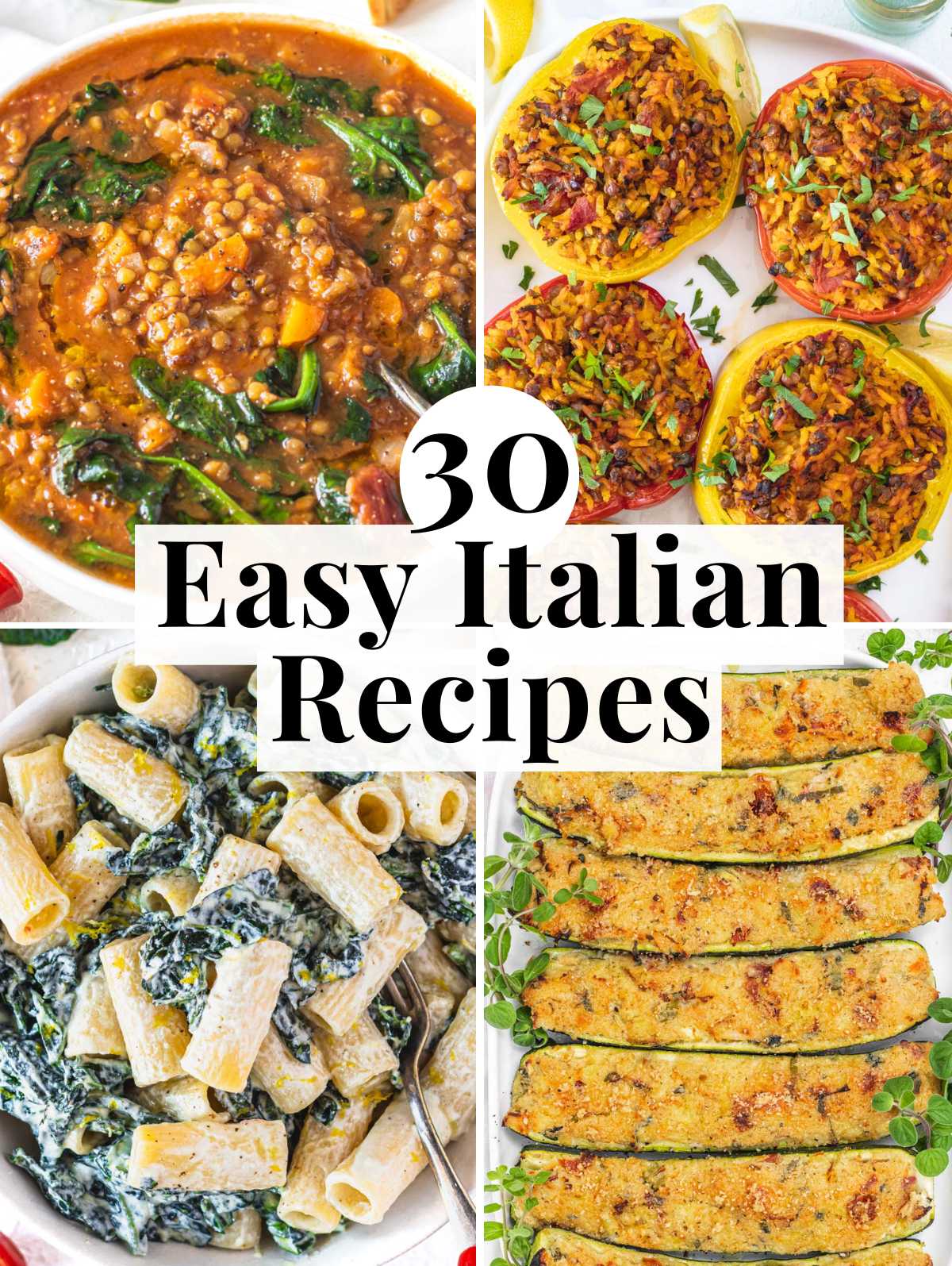
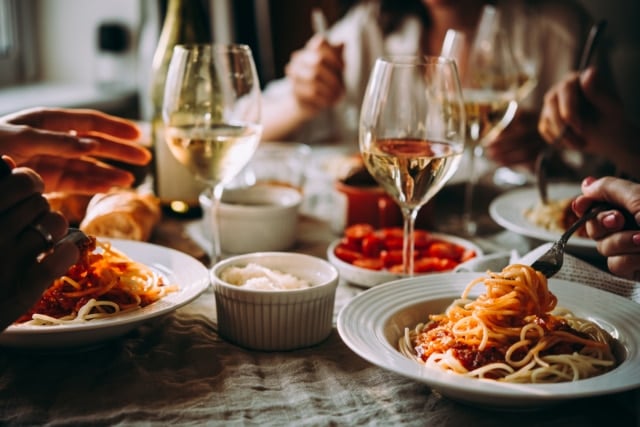
The traditional Italian meal structure is a carefully orchestrated sequence of courses designed for pacing, flavor balance, and social connection, far more rigid than most outsiders realize. Breakfast (colazione) is typically sweet and light — often just an espresso or cappuccino with a cornetto or biscotti at a bar, or at home with bread, butter, and jam — and is frequently skipped entirely. Lunch (pranzo) is the main meal of the day, traditionally consisting of antipasto (a starter like bruschetta or cured meats), primo (a starch-heavy first course such as pasta, risotto, or soup), secondo (a protein-centered main, often meat or fish served 'plain' without sides), contorno (a vegetable side dish ordered separately and served on its own plate), and dolce (dessert), followed by espresso and often a digestivo like amaro or grappa. Dinner (cena) follows a similar structure but begins later, around 8–9:30 PM. A unique feature is the merenda, a mid-morning or mid-afternoon snack for children, and the aperitivo, a pre-dinner ritual of drinks and small bites that is distinct from antipasto. In everyday dining, Italians rarely eat all courses; they select one or two, such as a primo alone or a secondo with contorno. Crucially, pasta is never a side dish but a course in its own right, and at the end of a meal, bread — always present on the table — is used to sop up leftover sauce from the plate, a practice called fare la scarpetta.
 dolcevia.comdolcevia.com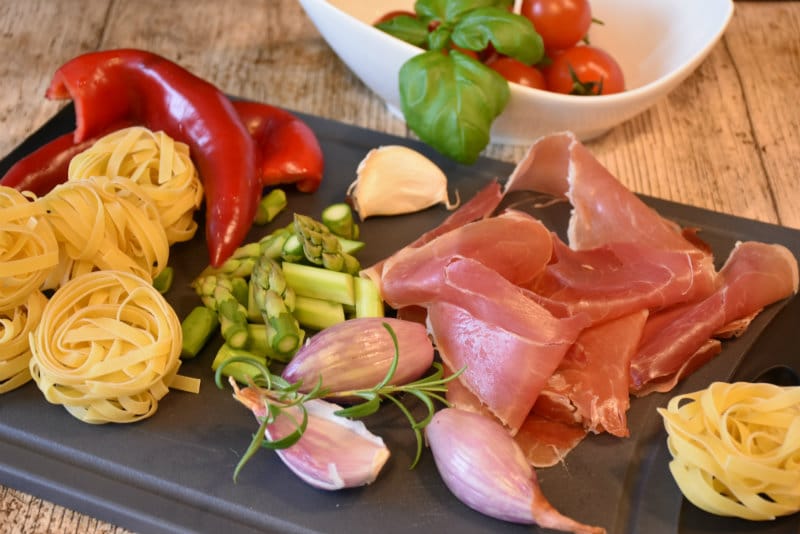
 eataly.comeataly.com
 italiancookingideas.comitaliancookingideas.com
+Field notes
- —Pasta is never a side dish in Italy; it is always served as a standalone primo (first course), and ordering it alongside a secondo (meat or fish main) without a separate contorno (side dish) would be a clear tourist mistake — the secondo is served 'plain' on its own plate, and vegetables or salad are ordered separately as contorni.
- —The practice of fare la scarpetta — using a piece of bread to wipe the last traces of sauce or broth from your plate at the end of a meal — is a deeply ingrained Italian habit, socially encouraged and seen as a sign of appreciation rather than poor manners.
- —Aperitivo is not the same as antipasto; it is a separate social ritual of light drinks (often Aperol Spritz, Prosecco, or Campari Soda) and small nibbles like olives, taralli, or cheese cubes, meant to stimulate the appetite and mark the transition from daily life to the meal, before any formal food course is served.
- —Breakfast (colazione) in Italy is almost always sweet and light — caffè latte with biscuits or bread with butter and jam at home, or an espresso and a cornetto (the Italian version of a croissant, often filled with jam, cream, or Nutella) at a bar — and many Italians skip breakfast entirely or just have a quick coffee.
- —Lunch (pranzo) and dinner (cena) are structured around five formal courses — antipasto, primo, secondo, contorno, and dolce — but in daily life, Italians rarely eat all five; a typical weekday meal might be just a primo or a secondo with a contorno, with full multi-course meals reserved for weekends, holidays, and special celebrations.
- —Coffee after a meal is always an espresso, never a cappuccino — Italians consider cappuccino a morning drink only, and ordering it after dinner is a famous faux pas; the meal often concludes with a digestivo like amaro, grappa, or limoncello to aid digestion.
Discover
Watch Home Cooks and Italian Kitchens Instead of Restaurant Spectacle


The real authentic Italian diet isn't found in restaurants or tourist menus; it lives in home kitchens, grocery hauls from local supermarkets like the Conad Superstore in Cagliari, and nonna's recipes passed down through generations. A peek into Sardinian Blue Zone shopping reveals what locals actually buy, while Rosie Maio's week-long series at her Nonna Rosa's house in Calabria shows the rhythm of home cooking. Meanwhile, Calabrian traditions like preparing fresh borlotti beans from the garden with Tropea onions and fresh tomatoes exemplify the 'cucina povera' that's actually rich in flavor and tradition. These sources demonstrate that the typical authentic diet is about seasonal, local ingredients and simple preparations made with care, not culinary spectacle.
+Field notes
- —The Sardinian Blue Zone grocery haul at the Conad Superstore in Cagliari provides a real-world look at the longevity diet of Sardinia, featuring local staple foods and their exact prices – a far cry from tourist-oriented presentations.
- —Rosie Maio's video series documents an entire week of meals prepared by her Nonna Rosa in Calabria, showing that authentic Italian home cooking relies on fresh, simple ingredients and daily routines rather than elaborate techniques.
- —The Calabrian tradition of 'cucina povera' is vividly captured in the preparation of fresh borlotti beans from the garden, combined with Tropea onions and homegrown tomatoes – a dish that appears humble but is deeply flavorful and rooted in seasonal agriculture.
- —Unlike restaurant Italian food, these home kitchens use no imported shortcuts; the borlotti beans are freshly harvested, the onions are the region's prized Tropea variety, and every ingredient comes from the immediate environment.
- —The concept of 'cucina della nonna' is not a nostalgic trope but a living practice: Rosie Maio's videos show that nonna's cooking is a daily reality in Calabria, with recipes being shared and sold as ebooks on Patreon.
Explore
Build the Pantry: Olive Oil, Dried Pasta, Legumes, and Cheese
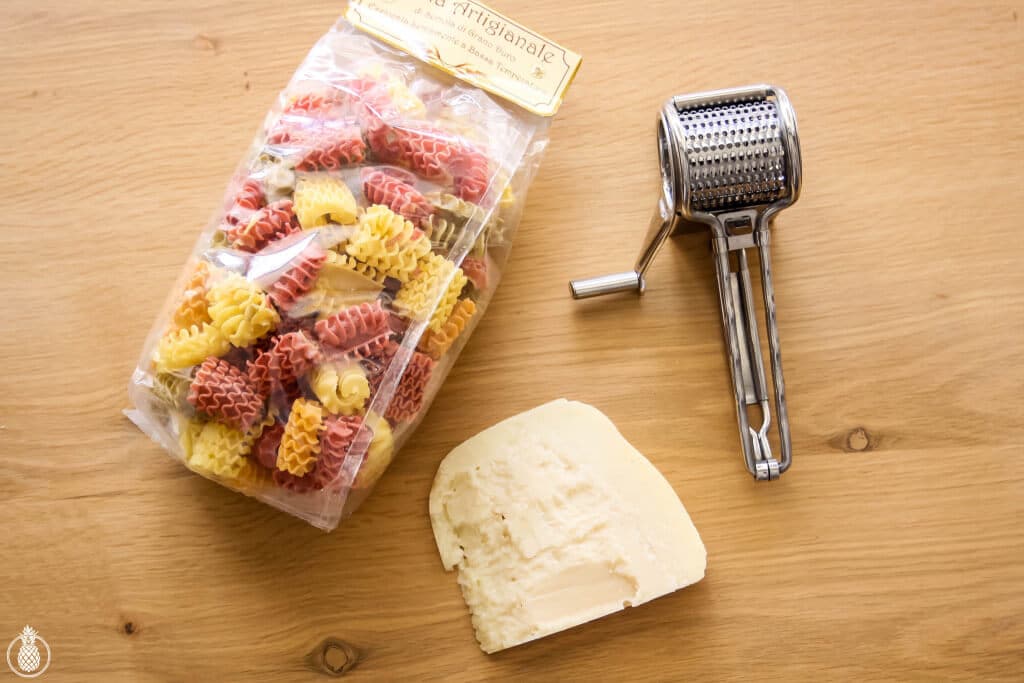
Building an authentic Italian pantry starts with olive oil sourced directly from the producer and pasta tools crafted in the region where the traditions were born. Shops like OleoOlivia offer organic extra virgin olive oil straight from a farmer in Spain, preserving traceability and freshness, while Tagliapasta, based in Bologna, provides handmade pasta equipment that respects centuries of local technique. Even micro-sellers like LittleOliveOil in London demonstrate how small-scale, specialized merchants can deliver focused quality, and broader importers such as Leprendo in Irvine, California, curate specialty produce from around the world, making regional ingredients accessible globally. The emphasis is on direct relationships and regional authenticity over mass-market convenience.

+Field notes
- —OleoOlivia sells organic extra virgin olive oil directly from a Spanish farmer, cutting out middlemen and ensuring the oil's freshness and origin traceability.
- —Tagliapasta is a Star Seller based in Bologna, Italy—the historic heart of fresh pasta—and specializes in traditional, Made-in-Italy tools for homemade pasta, not generic imports.
- —LittleOliveOil is a tiny London-based seller with only 10 sales, reflecting a growing trend of hyper-local, hands-on olive oil merchants operating on Etsy.
- —Leprendo, based in Irvine, California, curates specialty produce from around the world, acting as a bridge for U.S. buyers to access authentic Italian and global ingredients.
Keep exploring
More of The Typical Italian Diet
Branch out
Beyond The Typical Italian Diet
More to explore
In the same world.

Teishoku
Teishoku is the Japanese set meal: a fixed-price meal served as a complete tray, typically built around a main dish with…

Italian Men’s Jewelry
Italian men’s jewelry sits at an interesting intersection of classic gold-chain dressing and engineered luxury objects.…

Buccellati Borgia Sterling Silver Flatware
The Borgia pattern is one of Buccellati's most celebrated sterling silver flatware designs, distinguished by the intrica…

Espresso
Espresso is a concentrated coffee drink made by forcing hot water under high pressure through finely ground coffee, a me…
Buccellati Silverware
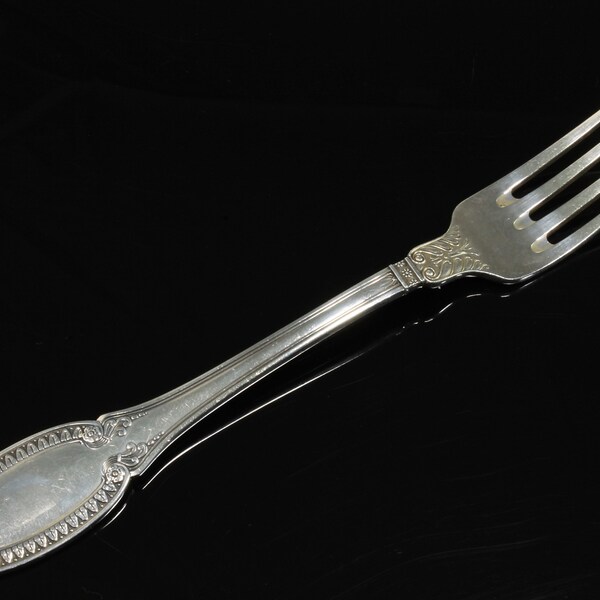
Buccellati is an Italian luxury house whose silver flatware and holloware represent some of the most technically refined…

Barolo Wine
Barolo is a DOCG red from Piedmont made from nebbiolo, and its reputation rests on a combination that catches newcomers…
Imagery
Know someone who’d love this?
Discovered by ArcurianAuto-generated from public sources and AI synthesis — it may be incomplete or inaccurate. Treat it as a starting point for your own exploration, not professional (medical, legal, financial, or safety) advice. Verify anything you act on. Report this page.