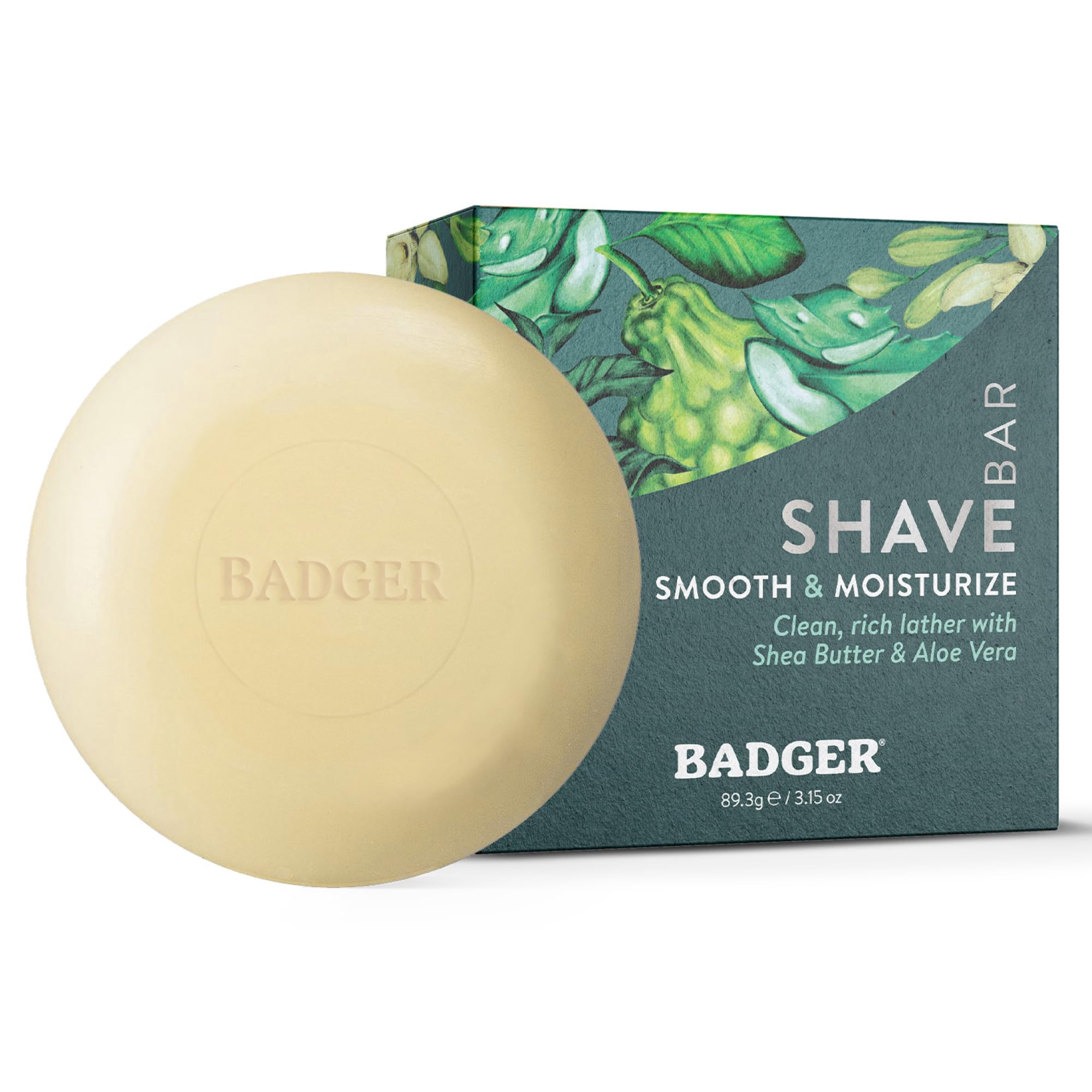
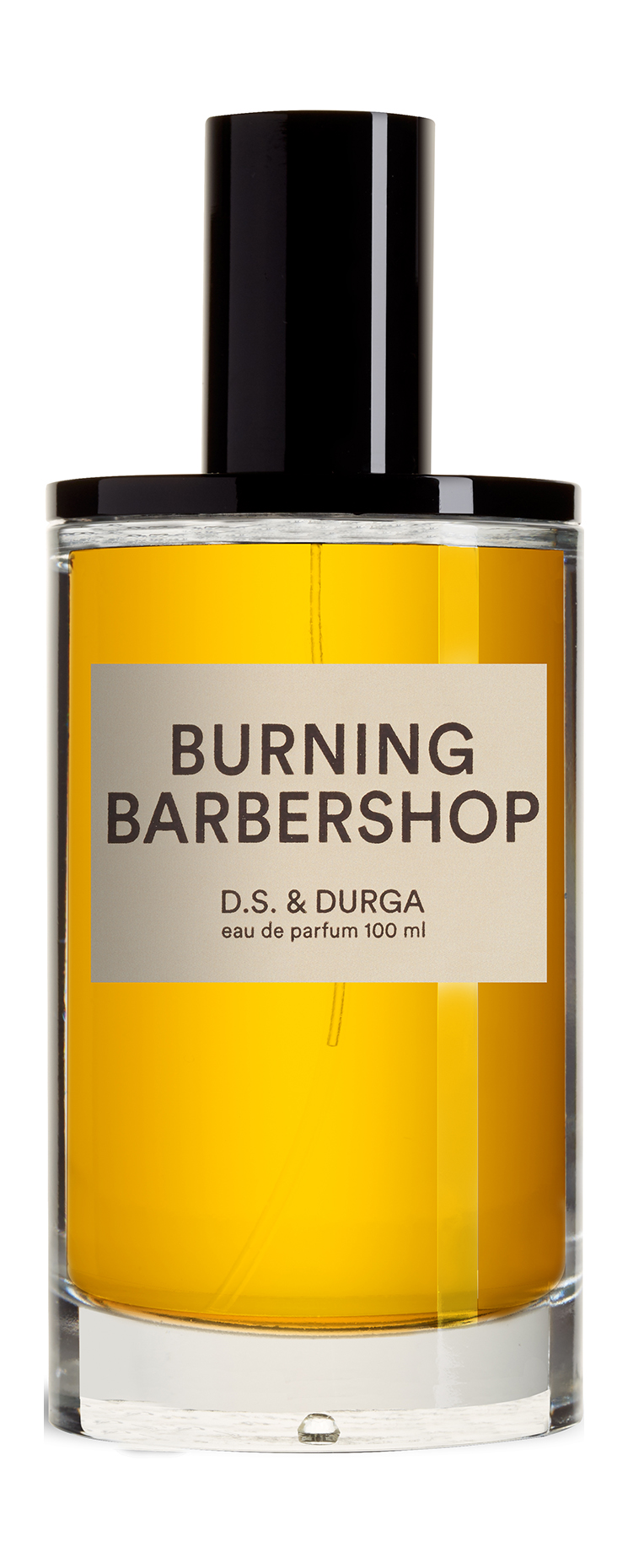
Barbershop colognes are fragrances built to evoke that just-cut, hot-towel, talc-and-tonic feeling rather than a single fixed formula. In the sources here, the style keeps circling around classic barbershop materials and effects: bergamot, lavender, oakmoss, powdery musk, bay rum, patchouli, cedarwood, and fougère structure, with some versions leaning nostalgic and clean while others push the idea into stranger territory like D.S. & Durga’s smoke-scorched Burning Barbershop. Even within one label, “barbershop” can mean crisp and office-safe, powdery and old-school, or minty, mossy, spicy, and woody. That tension—between fresh shave comfort and stylized memory—is what makes this corner of fragrance more interesting than the name first suggests.
Learn
What “Barbershop” Means in Fragrance
In fragrance, 'barbershop' is not a single scent but a constellation of traditions anchored by the fougère accord—a structure built on bergamot, lavender, oakmoss, and coumarin that dates to the late 1800s. But the category shifts depending on geography and memory: American and British barbershop smells often lean toward lavender, geranium, mint, and clean musk (think Pinaud Clubman or Brut), while Italian barbershops might smell of neroli and orange blossom, a reminder that the concept is as cultural as it is chemical. Modern interpretations play with the formula—D.S. & Durga's Burning Barbershop adds smoke and sweet citrus to the fougère skeleton, while Maison Martin Margiela's At The Barber's (2014) goes for creamy, lavender-powdery realism. The core tension is between the classic lavender-coumarin accord (what some call the 'barbershop fougère') and the broader aromatic fougère that skips coumarin in favor of more herbal, fern-like notes. Ultimately, it's a smell of ritual: shaving cream, talc, tonics, and the specific warmth of a place where men gathered.


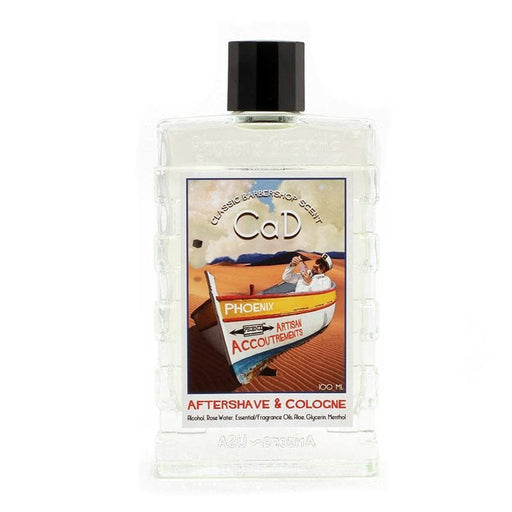
+Field notes
- —The barbershop scent is rooted in the fougère accord, a structure formalized in the late 1800s that traditionally blends bergamot, lavender, labdanum, and coumarin—named after the French word for 'fern,' though it's a fantasy of nature, not a literal reproduction.
- —A key internal debate splits the fougère family: some argue the 'barbershop fougère' requires a strong lavender-coumarin accord (often amplified by geranium), while the 'aromatic fougère' skips coumarin for a spicier, woodier profile—meaning two fragrances called fougère can smell radically different.
- —Geography matters: an Italian barbershop can smell of neroli and orange blossom rather than the lavender-mint that defines the American or British version, showing the category bends to local grooming traditions.
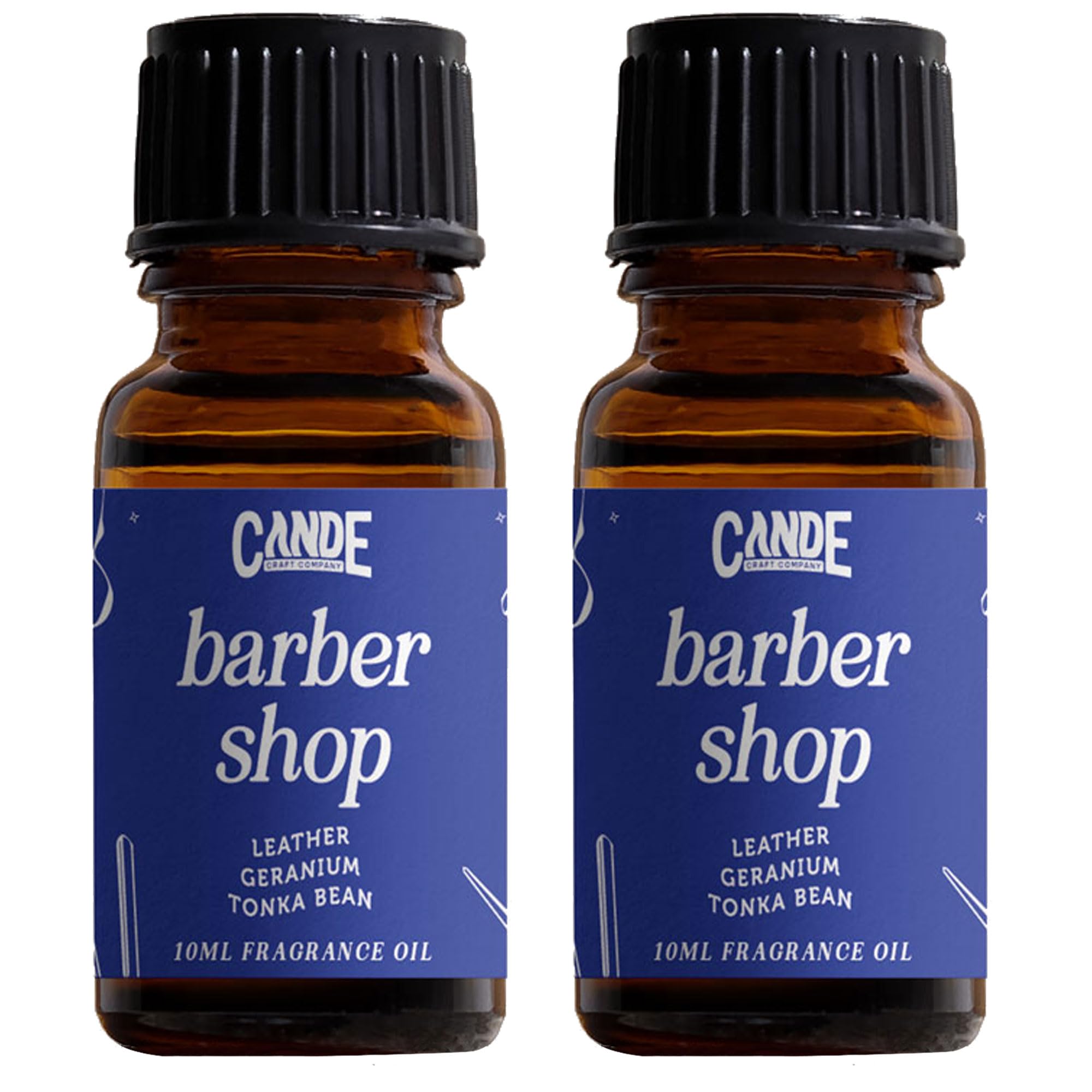
- —Maison Martin Margiela's At The Barber's (2014), created by perfumer Louise Turner, is a deliberate distillation of the experience—bitter orange, basil, and pepper open, then lavender, geranium, and rosemary form a creamy, aromatic heart, with white musk, moss, and tonka bean in the base.
- —D.S. & Durga's Burning Barbershop (2013) twists the classic by layering smoke and sweet citrus over old-school fougère vibes, proving the template can accommodate a 'burnt' or leathery edge without losing its barbershop identity.
- —Happyland's Barbershop (2019) explicitly calls back to 'the scent of clean shaves and fragrant tonics' using bitter orange, basil, ambroxan, leather, and a lavender-oakmoss base—a modern indie take that underscores how the genre persists as a nostalgic anchor.
Learn
From Tonic, Talc, and Fougère to Modern Reinterpretations
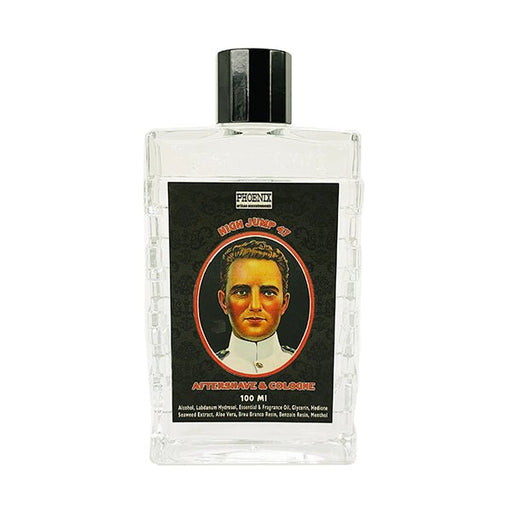
The barbershop scent tradition is a layered history that begins not with perfume but with utility: early grooming staples like bay rum—originating in the 1840s Caribbean as a rum-and-leaf distillate used by sailors to mask body odor—and mentholated hair tonics such as Osage Rub (first sold in 1901) were the true progenitors of what we now call 'barbershop fragrance'. These products landed on barbers' shelves long before fine fragrance entered the masculine wardrobe. The olfactory category that defines the barbershop today, the fougère, was invented in 1882 by perfumer Paul Parquet for Houbigant's *Fougère Royale*, built on a then-revolutionary synthetic, coumarin, alongside lavender, oakmoss, and geranium. That abstract 'fern' accord became the backbone of countless classics—Brut, Paco Rabanne Pour Homme—and established an ideal of clean, freshly-shaved masculinity. The modern reinterpretation of barbershop colognes often revisits this heritage by resurrecting nearly forgotten formulas: after Houbigant's bankruptcy, the house was revived in 2010 with a restored *Fougère Royale* composed by Roja Dove and Rodrigo Flores Roux, while artisanal producers like Ogallala Bay Rum (founded 2005) recreated bay rum from childhood memory after dismissing commercial versions as smelling 'like turpentine'. What ties these eras together is a continuous thread from Caribbean bay leaves and synthetic coumarin to today's revivalist splashes—each iteration trying to capture that elusive balance of freshness, warmth, and a hint of the barber's chair.

 scentxplore.comscentxplore.com

+Field notes
- —The first 'barbershop' scents weren't fine fragrances but functional grooming products: bay rum originated around 1840 in Saint Thomas as a distillate of rum and West Indian bay tree leaves (Pimenta racemosa), used by sailors to mask odor, and was later sold as a medicinal tonic and a popular aftershave.
- —Osage Rub, a mentholated hair tonic first sold in 1901 by Merton E. Waite and still available for about $4, was an early barbershop staple that influenced masculine grooming culture decades before luxury perfume houses targeted men—its ads promised barbers ten cents per application.
- —The fougère category was invented by Paul Parquet in 1882 for Houbigant's *Fougère Royale*, using the synthetic coumarin (first mass-produced in 1880) to create an abstract 'fern' scent—despite ferns being odorless—combining lavender, geranium, oakmoss, and a bitter-almond warmth from coumarin.
- —Houbigant's *Fougère Royale* was discontinued after the company's 1993 bankruptcy, but a restored version was released in 2016, reworked by Roja Dove and perfumer Rodrigo Flores Roux for the revived house.
- —Ogallala Bay Rum, founded in 2005 by John (owner) after he found commercial bay rums smelling 'like turpentine,' reconstructed the scent from childhood memory and became a favorite in the wet-shaving revival, with their Limes and Peppercorns variant noted as a standout.
Learn
The Notes and Structures People Use to Describe It
The barbershop fragrance is defined by the Fougère accord, a structural blueprint invented in 1882 by perfumer Paul Parquet for Fougère Royale, built on lavender, coumarin, and oakmoss — a fantasy of what a fern might smell like, since ferns produce almost no scent. This triad creates the familiar clean, powdery, herbaceous profile, with coumarin (first synthesized in 1868 by William Henry Perkin) providing sweet hay-like warmth and oakmoss adding earthy depth. Modern interpretations often replace oakmoss with vetiver, patchouli, or clean musks due to regulatory restrictions, but the core structure remains the backbone of classic men's colognes and grooming scents.

 perfumelead.comperfumelead.com


+Field notes
- —The Fougère accord is a perfumer's invention: despite its name meaning 'fern' in French, ferns have no volatile compounds, so the scent is an abstract composition of lavender, coumarin, and oakmoss first realized by Paul Parquet in 1882 for the house of Houbigant's Fougère Royale.
- —Coumarin — the molecule that gives barbershop scents their powdery, hay-like warmth — was first synthesized in 1868 by English chemist William Henry Perkin, originally in a dye factory, not a perfume lab.
- —The traditional 'holy trinity' of a barbershop Fougère is lavender (the aromatic backbone), oakmoss (earthy depth), and coumarin (powdery sweetness), with citrus top notes like bergamot and herbs like rosemary and geranium adding freshness.
- —Regional variations exist: while classic barbershop scents lean on lavender and mint (e.g., Clubman, Brut), an Italian barbershop might leave you smelling of neroli and orange blossom, showing the archetype isn't universal.
- —Modern Fougère fragrances often replace oakmoss with regulated alternatives like patchouli, vetiver, or ambroxan, shifting the profile toward fresher, more transparent compositions while retaining the lavender-coumarin core.
Discover
Video Reviews That Compare Barbershop Scents
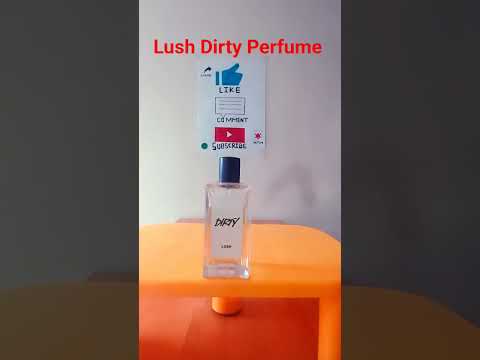

Two video reviews of barbershop colognes reveal how the genre can swing between two very different poles. The King Of Hidden Gems' take on Lush Dirty Perfume 100ML presents it as a cult-favorite, clean-cut barbershop scent built around mint, herbs, woods, and an uplifting green freshness—a classic aromatic profile that screams "gentleman." In contrast, Make it a Great Shave's review of Terry's Soap Mysterious Barbershop rejects the expected powdery citrus floral barbershop trope entirely, instead celebrating a complex, mysterious blend of citrus, pepper, amber, leather, benzoin, and even gourmand notes, with a praised skin feel. The comparison underscores that “barbershop” is a flexible concept: one reviewer celebrates the archetype, while the other finds novelty in subverting it.
+Field notes
- —Lush Dirty Perfume is described as a cult-favorite, classic fresh barbershop scent that is minty, herbal, aromatic, and masculine, giving off "serious clean-cut gentleman energy."
- —The Lush Dirty reviewer specifically notes the fragrance is "minty, herbal, aromatic, masculine, and incredibly uplifting," positioning it as a hidden gem for fans of fresh green scents.
- —Terry's Soap Mysterious Barbershop defies the standard powdery citrus floral barbershop expectation, instead offering a complex blend of citrus, pepper, spicy notes, amber, floral, leather, benzoin, gourmand, and musky notes.
- —The reviewer of Terry's Soap explicitly states that when he thinks barbershop, he thinks "powdery citrus floral," but Mysterious Barbershop is different: "complex" and "mysterious," with excellent skin feel post-shave.
Discover
Where to Read Real Wear Tests and Community Impressions




For genuine wear tests and community impressions on barbershop colognes, the real action lives across a handful of specialized platforms, each offering a different kind of insider intel. Fragrantica aggregates the largest user base with 144 reviews and 813 votes for DS&Durga's Burning Barbershop alone, plus AI-generated pros/cons and a Fragram photo gallery that captures real bottles in the wild. Basenotes delivers the deepest dive narratives, like one reviewer detailing their 10ml of the first formulation, tracking a smoky-lavender opening that shifts into a musky base over 6-7 hours—critical context for spotting reformulations. Badger & Blade is the undisputed home for wet shavers: a Stirling Barbershop thread shows a user mixing the soap with Proraso green to transform an underwhelming lather into a slick, classic barbershop experience, revealing how community tinkering can unlock a fragrance's full potential. Parfumo offers structured longevity ratings (above-average for Stirling's EDT) and a creamy-sweet descriptor you won't find on other sites. Meanwhile, LuckyScent and ScentVerdict provide polished but smaller review pools (13 and 4 reviews respectively), with ScentVerdict adding a unique 'ScentArt' visual of percentage accords. Happyland's own site has only 4 reviews, but its product page explicitly directs buyers to resell on fragrance forums—a tacit nod that the real wear tests happen elsewhere.
+Field notes
- —Fragrantica's Burning Barbershop page hosts 144 reviews and 813 ratings, but the real gems are the 'Fragram' user photos—actual bottles, sprays, and settings that show how the juice looks and ages in daily use, something no official marketing image provides.
- —Basenotes reviews often reveal batch-specific differences: a reviewer of Burning Barbershop had a 10ml sample of the 'first formulation,' noting the smoke-lavender mid lasts about 6 hours before drying down into a musky base—vital data for anyone hunting vintage vs. current juice.
- —On Badger & Blade, a Stirling Barbershop thread shows a user boosting an underwhelming soap lather by mixing in a dollop of Proraso green, transforming the performance and scent—exactly the kind of real-world hacking that never appears on a product page.
- —Parfumo explicitly rates Stirling Barbershop EDT's longevity as 'above-average' with a 'creamy-sweet' scent, while its release year is missing—a common gap that forces collectors to cross-reference other sources to date bottles.
- —Happyland's official Barbershop page has only 4 reviews but openly advises customers to resell unwanted bottles 'on any of many fragrance forums,' effectively admitting that the authentic community buzz happens off their site.
Keep exploring
More of Barbershop Colognes

More to explore
In the same world.
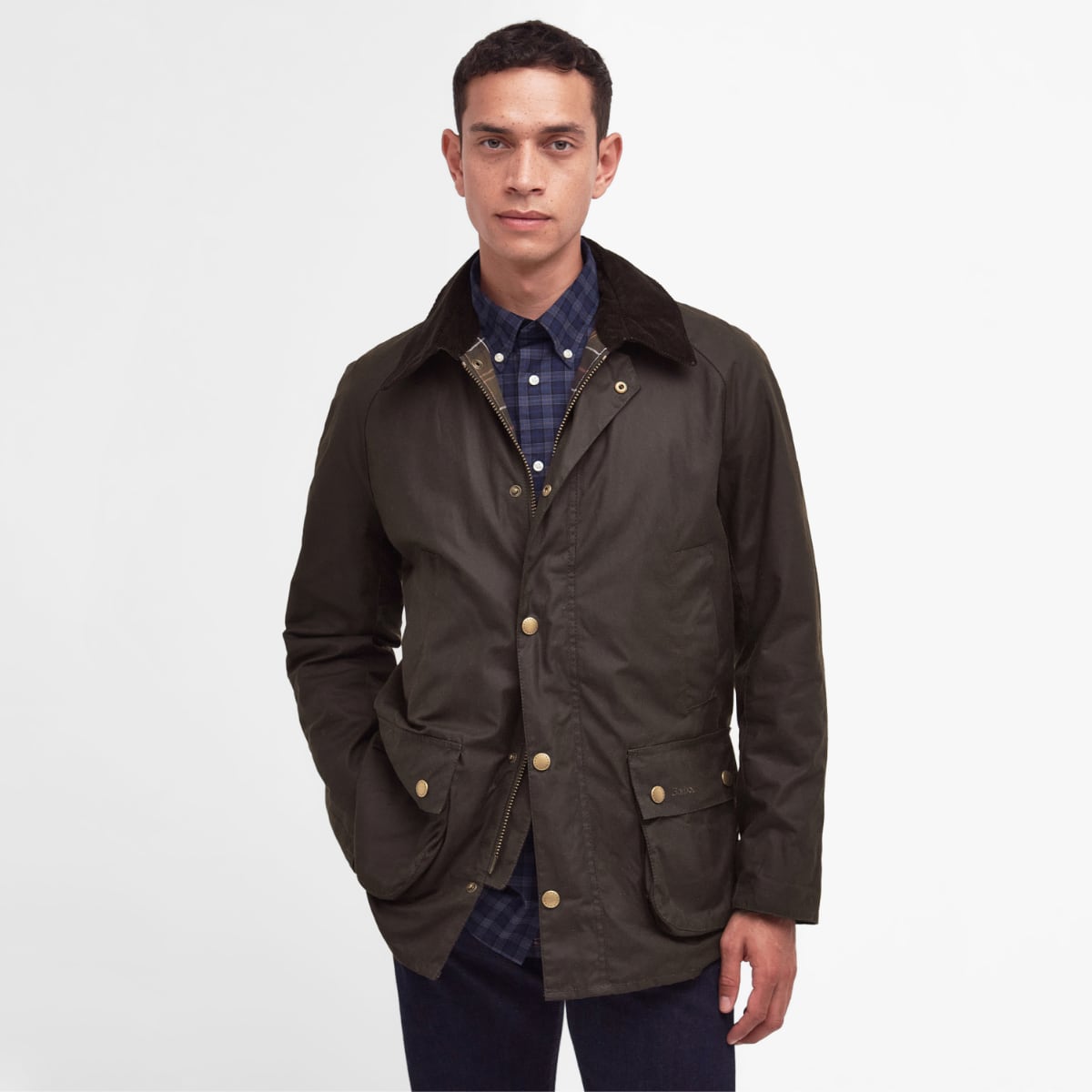
Barbour Waxed Jackets
What draws people to a Barbour jacket is not just the label but the specific world of waxed cotton field coats that have…

London Menswear Stores
London menswear shopping spans very different worlds: long-running independents like Stuarts London, established in 1967…

Façonnable Men’s Clothing
Façonnable’s men’s clothing range is built around polished, easygoing wardrobe staples rather than hard-edged trend piec…
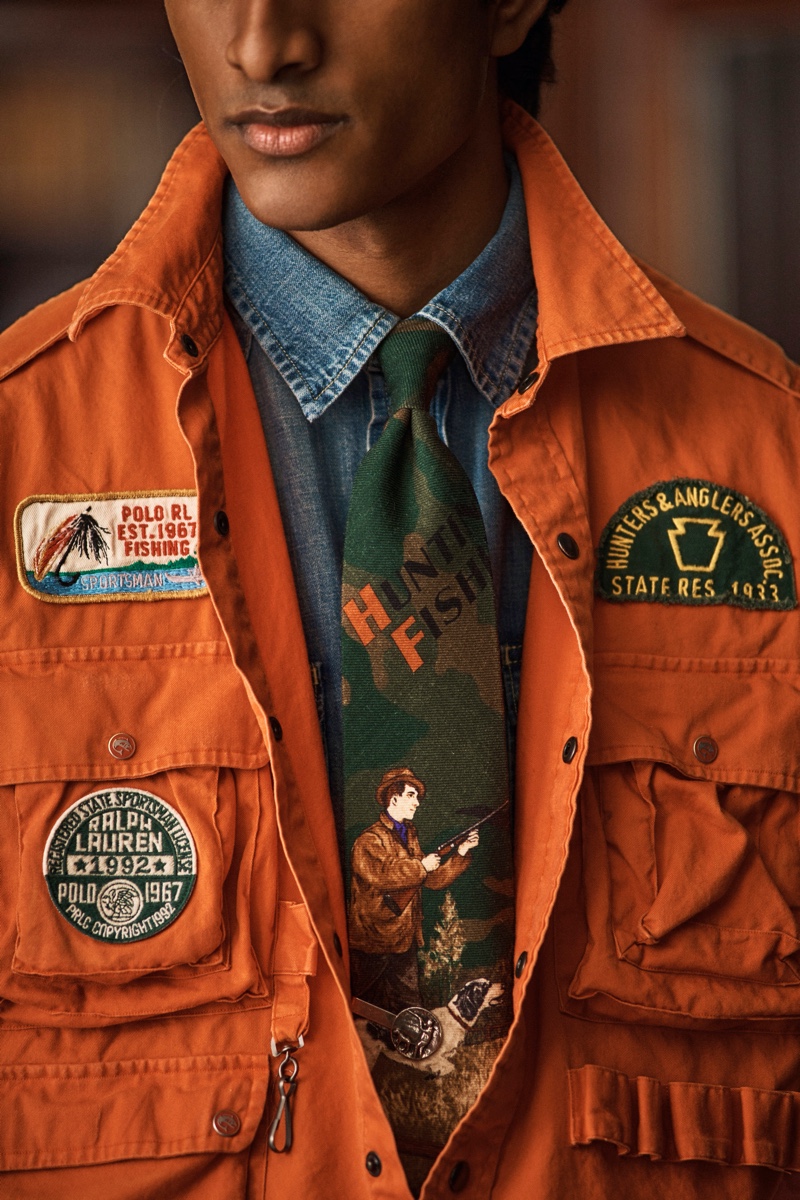
Polo Country by Ralph Lauren
Polo Country is a Ralph Lauren collection name that appears across current pieces like T-shirts, a ball cap, a utility j…
Ralph Lauren Double RL
Double RL is Ralph Lauren’s dedicated RRL world: a full line spanning men’s and women’s clothing, jeans, accessories, an…
Cohiba Cigars
Cohiba refers to two closely watched premium-cigar lines: the Cuban brand made for Habanos and the non-Cuban Cohiba sold…
Ralph Lauren Fireman Hook Jackets
This is a small but vivid corner of vintage Ralph Lauren collecting built around jackets and coats that borrow the closu…
RRL (Double RL)
RRL, or Double RL, is Ralph Lauren’s heritage-focused line built around early 20th-century workwear, military clothing,…
Know someone who’d love this?
Discovered by ArcurianAuto-generated from public sources and AI synthesis — it may be incomplete or inaccurate. Treat it as a starting point for your own exploration, not professional (medical, legal, financial, or safety) advice. Verify anything you act on. Report this page.