What draws people to a Barbour jacket is not just the label but the specific world of waxed cotton field coats that have stayed in circulation for decades. The names that matter most are model names: the Bedale, originally introduced for riding and made in 6oz Sylkoil; the Beaufort, first available in 1983 and designed by Dame Margaret Barbour with its distinctive full-width lined rear pocket; the longer Border; the tailored Bristol; the Ashby, which reworks the Engineered Bedale; and the International, Barbour’s motorcycle jacket created in 1936. Fit, fabric hand, and purpose are everything here—relaxed Bedale, suit-friendly Border, matte Sylkoil, black biker International—not just “a wax jacket.” Once you start noticing model differences and how people wear them in town, country, and on a bike, Barbour turns from a single jacket into a whole language of outerwear.
Learn
The Models That Actually Matter
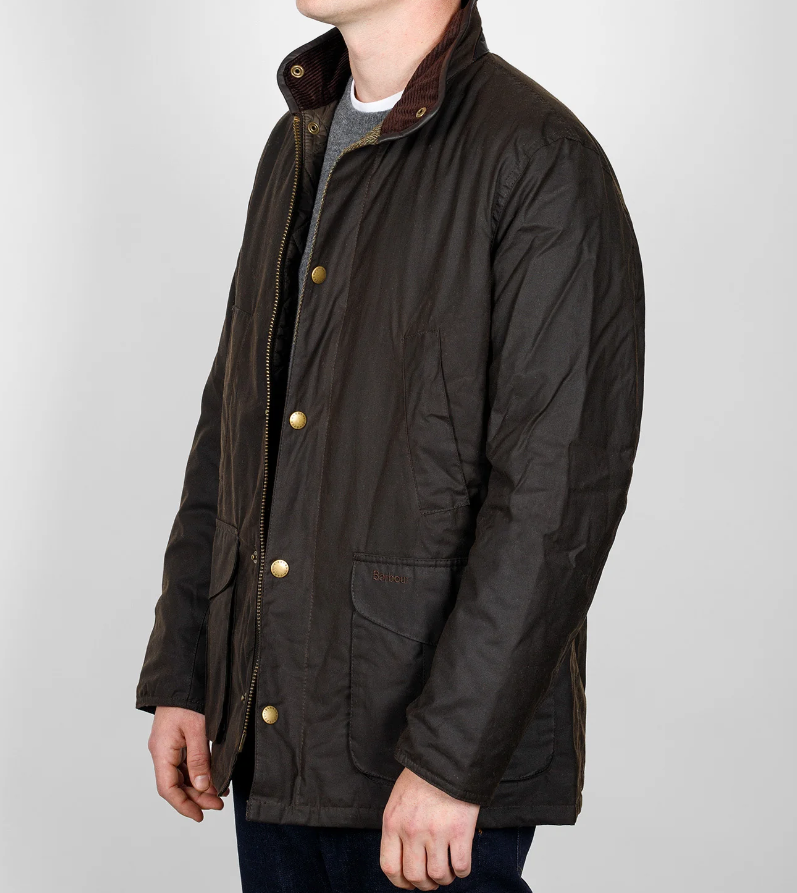
The core of the Barbour waxed jacket universe revolves around three models designed by Dame Margaret Barbour in the early 1980s—the Bedale (1980) for equestrian use, the Beaufort (1983) for shooting, and the Border for long walks in rough weather—each with a distinct length, pocket layout, and intended purpose. The Bedale is the shortest and most relaxed, originally built to sit well on a horse; the Beaufort adds a rear 'poacher's pocket' and more length for field use; and the Border offers the longest cut for maximum weather protection. Beyond these, the Ashby offers a modern, more tailored silhouette in matte Sylkoil, while the Spey provides a hip-length, utilitarian option born from fly fishing. Understanding these functional origins explains why they look similar but fit and perform very differently—the key is matching the jacket to your actual use and body type, with taller men often preferring the Beaufort or Border.


 michaelstewart.co.ukmichaelstewart.co.uk
+Field notes
- —The Bedale (1980) was designed specifically for horseback riding, with a shorter, boxier cut that doesn't bunch up in the saddle, while the Beaufort (1983) was built for shooting and features a longer hem and a large rear 'poacher's pocket' for game or gear.
- —The Border is the longest and most protective of the three core models, intended for extended walks in inclement weather across uneven terrain, and is the preferred choice for taller men or those wanting to layer over a suit.
- —The Ashby is a modern, slimmer take on the Bedale, using 6oz Sylkoil waxed cotton with a matte finish for a less glossy, more urban look, and features angled handwarmer pockets instead of the traditional bellows style.
- —The Spey was originally designed for fly fishing, giving it a shorter, hip-length boxier cut and, on some versions, a D-ring detail for attaching gear—making it a sportier, more trend-forward option than the Bedale.
- —All three classic models—Bedale, Beaufort, and Border—share the same 6oz waxed cotton fabric, corduroy collar, throat latch, brass two-way zip, and moleskin-lined handwarmer pockets; the differences are in length, pocket configuration, and overall silhouette.
- —The Classic Beaufort, Bedale, and Beadnell (women's version) sold through Orvis use Barbour's Sylkoil finish—a brushed wax outer that is the oldest and most traditional treatment—and feature double-rolled seams for full waterproofing, setting them apart from standard waxed cotton versions.
Learn
From Riding and Motorcycling to Everyday Wear
The Barbour jacket's journey from purpose-built motorcycle gear to everyday staple is rooted in a specific 1936 innovation: Duncan Barbour, a third-generation family member and motorcyclist, created the one-piece 'International' suit for the International Six Day Trials (ISDT). By 1957, 97% of ISDT riders wore it, and Steve McQueen famously donned one in 1964. The brand then pivoted in the 1980s under Dame Margaret Barbour, who designed the Bedale (1980) for horse riding—short, lightweight, with rear vents—and the Beaufort (1983) for shooting, inspired by French jackets with a full-width rear game pocket. These models transformed Barbour from a niche motorcycling and military supplier into a global lifestyle brand, worn by royalty and city-goers alike, while still being hand-made in South Shields.
 barbour.combarbour.com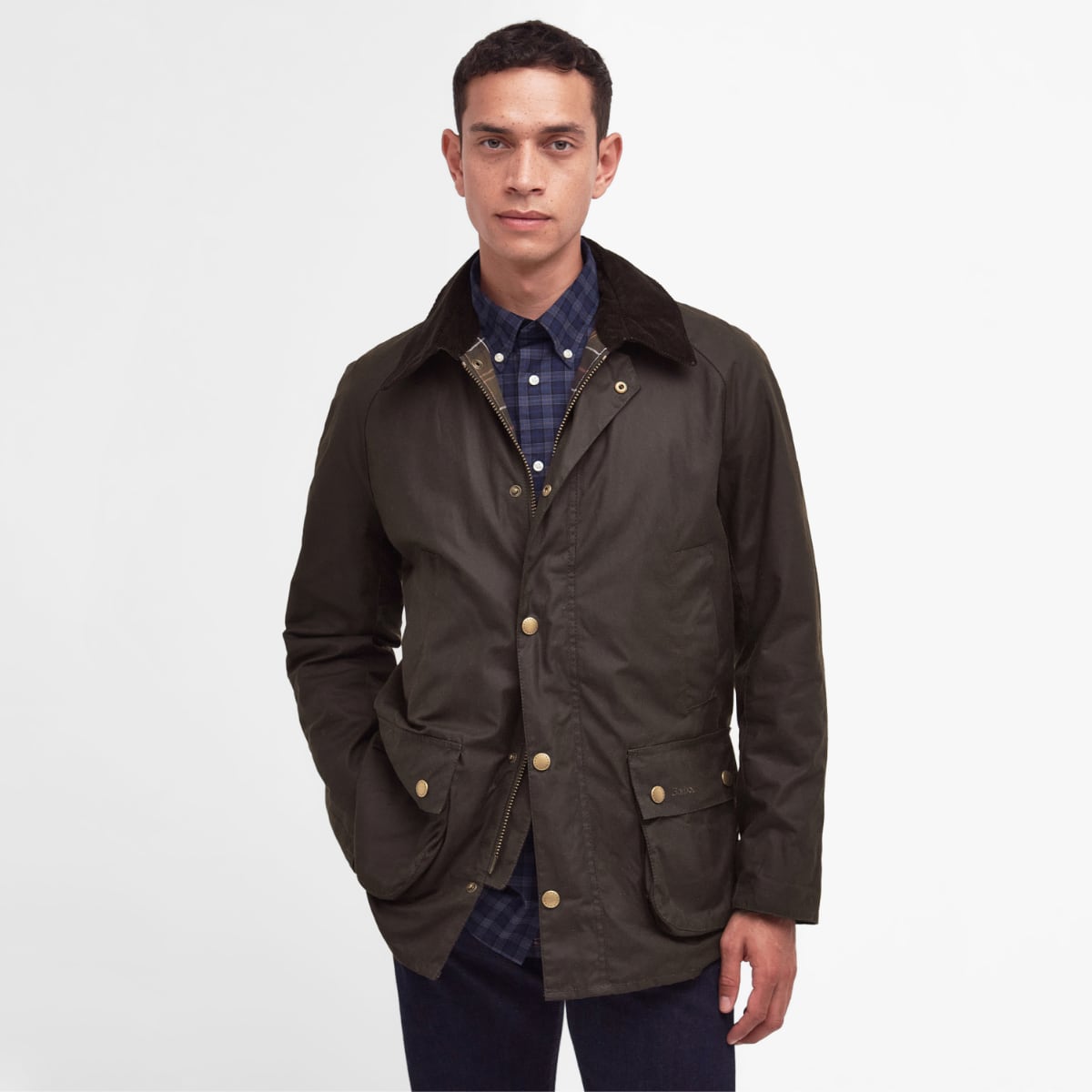
 barbour.combarbour.com

+Field notes
- —The Barbour International was first developed in 1936 specifically for the International Six Day Trials (ISDT), a grueling off-road motorcycle event, and its name comes directly from that competition.
- —By 1957, 97% of riders at the ISDT wore Barbour International suits, making it the de facto uniform for competitive motorcyclists of the era.
- —In 1940, the Barbour International was adapted into a two-piece jacket and trousers and became standard issue for Britain's submarine service during World War II.
- —The Barbour Bedale, introduced in 1980, was Dame Margaret Barbour's design for equestrian use: shorter length, relaxed fit, and rear vents to accommodate riding posture and prevent dampness from the horse.
- —The Barbour Beaufort, launched in 1983, was inspired by traditional French shooting jackets and features a full-width rear pocket called a 'carnier' designed to carry game.
- —Dame Margaret Barbour also designed the Border jacket for long walks in rough terrain; unlike the Bedale and Beaufort, it offers the most protection and can be sized up to wear over a suit.
Learn
Learn the Barbour Vocabulary
The Barbour Beaufort jacket, designed by Dame Margaret Barbour in 1983, is a masterclass in purposeful design vocabulary. Its 6oz Sylkoil waxed cotton—a brushed, matte finish that resists shine—contrasts with standard Barbour wax treatments and is termed 'thornproof' for its tightly woven long-staple cotton that withstands brambles. The Beaufort's defining feature is its full-width rear game pocket with side zips, a direct inheritance from traditional French shooting jackets that distinguishes it from the equestrian-inspired Bedale with its rear vents. The corduroy collar stands 6.5cm high and is studded for an optional hood, while the handwarmer pockets are lined with moleskin—a cotton cloth sheared to a 'soft as the skin of a mole' pile. Double-rolled seams, a labor-intensive technique, guarantee full waterproofness, and the brass two-way zip uses a YKK fastening. Together, these elements form a lexicon of rugged utility that has kept the Beaufort a classic for over four decades.

 orvis.comorvis.com

 outdoorandcountry.co.ukoutdoorandcountry.co.uk
+Field notes
- —Sylkoil is Barbour’s oldest wax treatment, a brushed wax outer that gives a matte, shine-free surface—distinct from the glossier standard finish used on other models.
- —The Beaufort’s full-width rear game pocket with side zips is a direct carryover from traditional French shooting jackets, designed to hold cartridges and game, and is the primary feature that sets it apart from the Bedale, which has flexible rear vents from its equestrian roots.
- —The corduroy collar is precisely 6.5 cm high and studded to attach an optional hood, adding versatility for wet weather.
- —Double-rolled seams are a hallmark of Barbour’s construction—a difficult process that makes the jacket fully waterproof by sealing the stitch lines.
- —Handwarmer pockets are lined with moleskin, a cotton fabric sheared on one side to create a pile that is described as 'soft as the skin of a mole', providing indulgence and warmth.
Discover
Video Guides on Fit, Patina, and Rewaxing

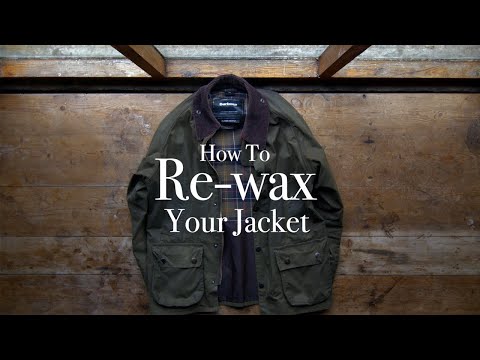
The Barbour waxed jacket video ecosystem is a rabbit hole of comparative fit, finish, and maintenance, with specific models like the Bedale, Beaufort, and Ashby each having distinct cult followings and wearers. The classic Thornproof wax, hand-applied and shiny, is now often replaced by Sylkoil, which has a matte finish and is seen as superior for patina development—yet hardcore enthusiasts argue the old formula smells better and feels more authentic. Rewaxing is a ritual that can extend a jacket's life for decades, with original Barbour wax in a tin and careful application being key. The Ashby, a slimmer cut, is often recommended over the Bedale or Beaufort for modern or trimmer builds, while the vintage 4-pocket Bedale from the late 80s, size C36/91cm, is a rare collector's item that commands respect in restoration circles. Specific video creators like 0LAF2046 have become trusted voices for deep dives on wax weight, pocket configurations, and proper rewaxing technique, treating each jacket as a unique, evolving artifact.
+Field notes
- —The Burford wax finish (original Thornproof) creates a glossy, hand-applied surface that develops a distinct patina over time, whereas the Sylkoil finish, now standard on new Barbour jackets, gives a matte, more uniform look—but old-school owners insist the Thornproof wax smells better and is more authentic.
- —In the Bedale vs. Beaufort debate, the Bedale (shorter, more fitted) is ideal for driving or equestrian use, while the Beaufort (longer, with a game pocket) suits taller frames and shooting; but for a modern, trim silhouette many recommend the Ashby, which is slimmer through the body and arms.
- —Barbour's official rewaxing video (2022) stresses that proper care—using the brand's 200g tin of wax and a sponge, applying with circular motions, then heat-setting with a hairdryer—can keep a jacket functional for decades, making the patina truly unique to each owner.
- —A rare 4-pocket Bedale from the late 1980s, size C36/91cm, is considered a holy grail for collectors; its unusual pocket configuration and slimmer cut make it a sought-after restoration project, often requiring careful rewaxing to preserve the original James Bond-era aesthetic.
- —The Ashby model gained popularity after being featured in The Crown (Netflix), but reviewers note that its slimmer fit and lighter Sylkoil wax make it less forgiving for layering than the classic Bedale or Beaufort—best for those who want a fashion-forward look over pure utility.
- —When rewaxing a vintage jacket, the key is to apply thin, even layers of wax and then hit it with a hairdryer to melt the wax deep into the cotton fibers; skipping this step leads to a sticky, uneven finish that ruins the patina development.
Discover
Where Enthusiasts Compare Fits, Fabrics, and Use Cases



Among Barbour enthusiasts, the Bedale, Beaufort, and Border are not interchangeable jackets—they are purpose-built tools, each with a distinct design DNA dating back to the early 1980s. The Bedale, introduced in 1980, was made for equestrian use: it's shorter, stops at the hip to sit comfortably in a saddle, and has side vents for movement. The Beaufort, launched in 1983, is a shooting jacket—longer, with a rear game pocket and a studded storm flap for extra weather protection. The Border, designed for long walks across rough terrain, offers the most coverage with its full-length cut and can even be sized up to wear over a suit. Experts like Tim Steiner of Stridewise, who has owned over a dozen Barbour jackets, stress that the differences go beyond length—the Bedale's moleskin-lined handwarmer pockets, the Beaufort's dual-entry cartridge pockets, and the Border's generous fit for layering all reflect their original functions. Newer models like the Ashby, with its slim modern cut and slightly lighter Sylkoil wax, cater to urban wearers who want the heritage look without the boxy silhouette. The key takeaway: choose based on how you'll actually use the jacket—the Bedale for active pursuits, the Beaufort for field work or commuting with gear, and the Border for maximum coverage in foul weather.
+Field notes
- —The Bedale was introduced in 1980 specifically for equestrian use, hence its short hip-length cut and side vents that allow freedom of movement in the saddle.
- —The Beaufort, launched in 1983 as a shooting jacket, features a rear game pocket and a studded storm flap that extends further down the placket for added weather protection compared to the Bedale.
- —The Border is the most protective of the three, designed for long walks across uneven terrain and deep undergrowth, and can be sized up to fit over a suit jacket—a versatility the Bedale and Beaufort lack.
- —Heritage menswear writer Tim Steiner, who has worn a single Bedale for a decade before reviewing it, notes that the Bedale is sleeker and sportier, while the Beaufort suits men over six feet due to its longer cut.
- —The Ashby, a newer addition, uses Sylkoil waxed cotton—a slightly lighter, matte finish—and has a slimmer, more tailored silhouette that appeals to urban wearers seeking a modern fit, while the Beaufort retains a heavier-weight wax for colder climates.
- —All three classic models share the same 6 oz waxed cotton fabric and features like a brass two-way zip, corduroy collar, and throat latch, but the Bedale uniquely has moleskin-lined handwarmer pockets for warmth, while the Beaufort and Border prioritize large bellows and game pockets.
Keep exploring
More of Barbour Waxed Jackets


More to explore
In the same world.
Barbershop Colognes
Barbershop colognes are fragrances built to evoke that just-cut, hot-towel, talc-and-tonic feeling rather than a single…
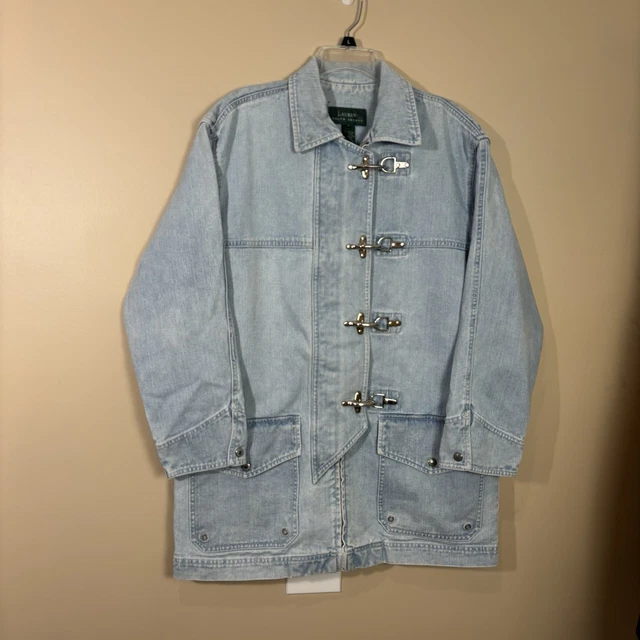
Ralph Lauren Fireman Hook Jackets
This is a small but vivid corner of vintage Ralph Lauren collecting built around jackets and coats that borrow the closu…

Levi’s 501 Big E
Levi’s 501 Big E means the red tab with the brand name in capital letters, a detail that has become a shorthand for some…

Luxury Bag Brands Where Craft Actually Leads
The most convincing luxury bag brands are the ones that make craftsmanship legible: Florence houses like Misuri and Dani…
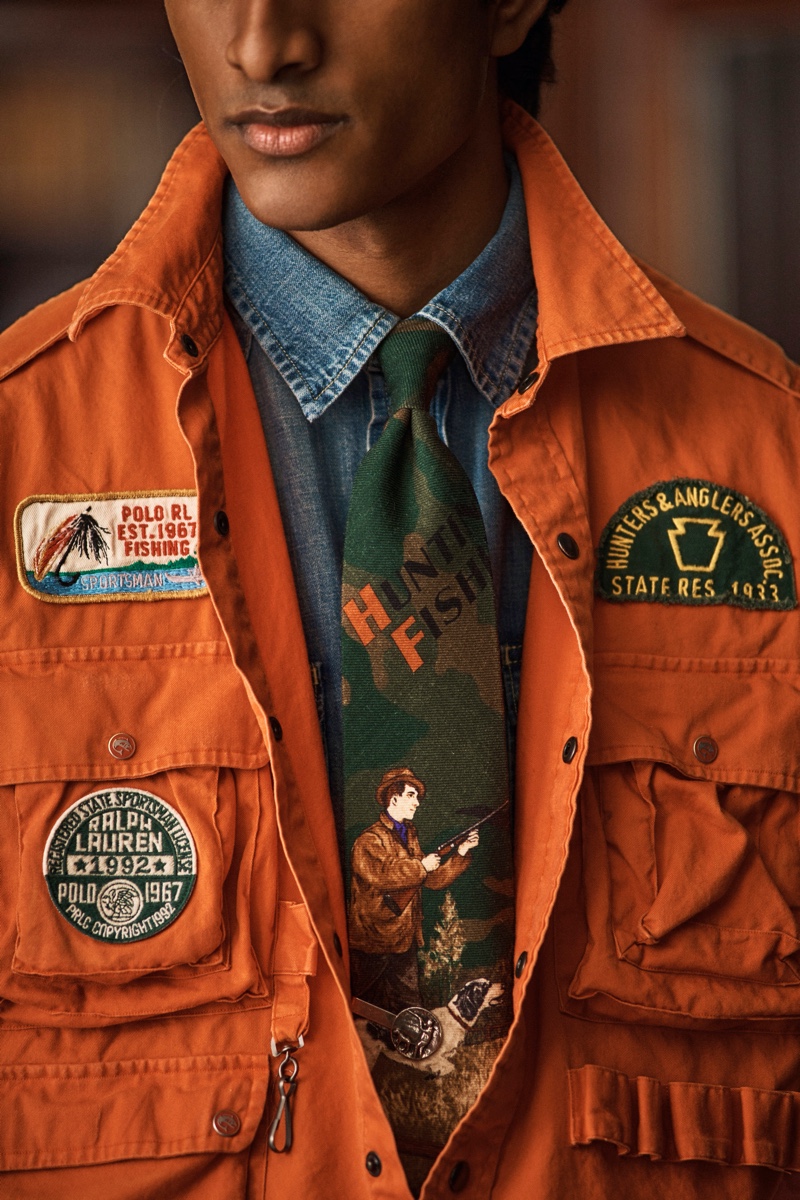
Polo Country by Ralph Lauren
Polo Country is a Ralph Lauren collection name that appears across current pieces like T-shirts, a ball cap, a utility j…
Ralph Lauren Double RL
Double RL is Ralph Lauren’s dedicated RRL world: a full line spanning men’s and women’s clothing, jeans, accessories, an…

Vintage Levi's Denim
Vintage Levi's denim is a collector's world built around reading the garment itself: care tags, the red tab, and details…
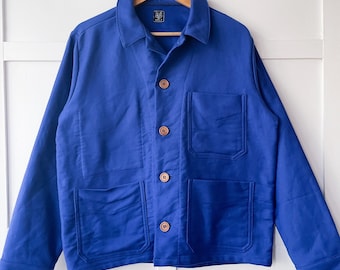
French Chore Jacket
The French chore jacket is a 19th-century French workwear staple originally made for laborers, railroad workers, and far…
More in Outdoor Pursuits & Crafts
Stay in this world.

4 Days in Kauai: How to Pace the Garden Isle Without Rushing It
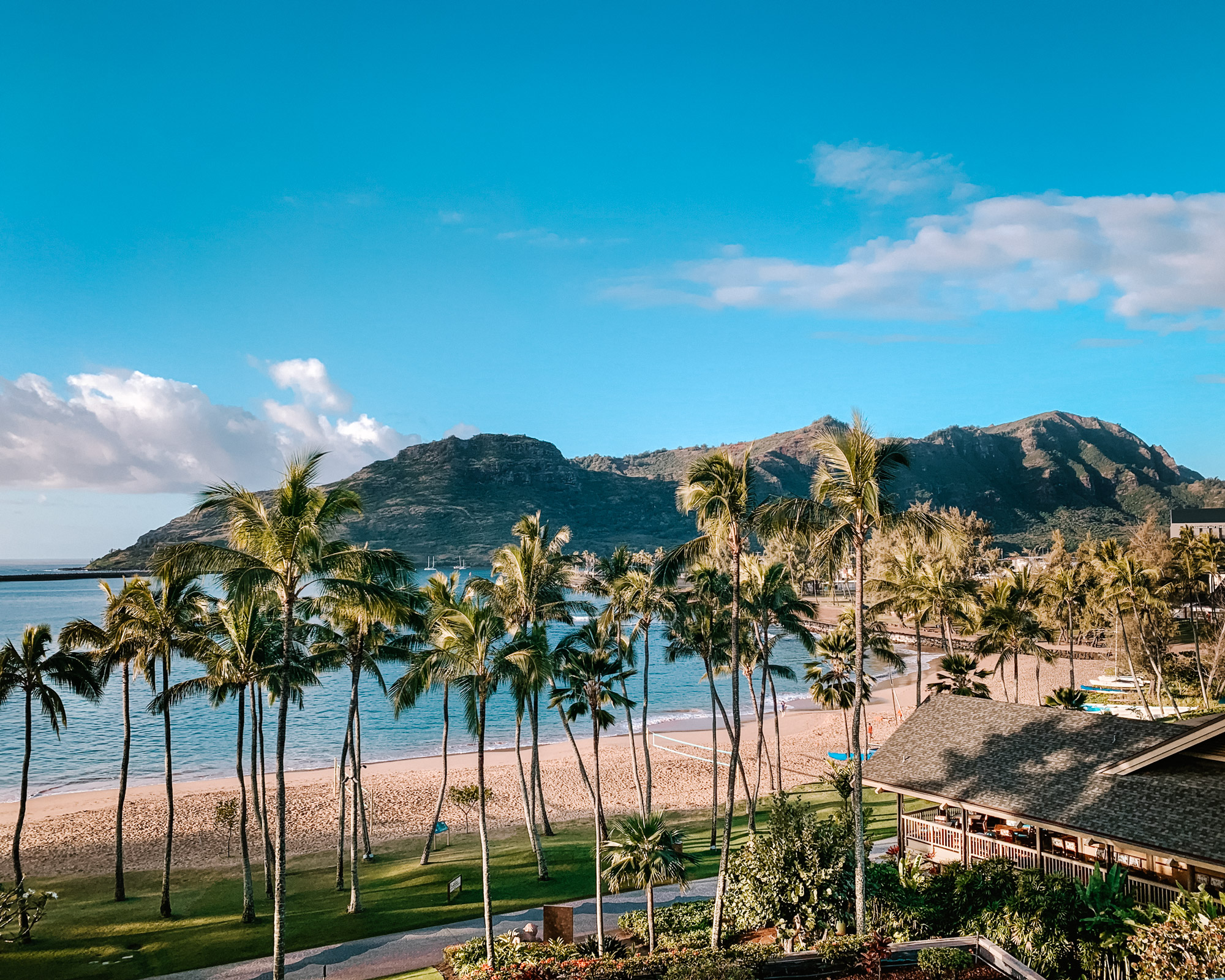
Kauai 4-Day Itinerary

Waikiki Box Jellyfish Warnings

Waikiki Budget-Friendly Stays

Things to Do in Kauai, Hawaii

Tenkara Fly Fishing
Fly Fishing
Know someone who’d love this?
Discovered by ArcurianAuto-generated from public sources and AI synthesis — it may be incomplete or inaccurate. Treat it as a starting point for your own exploration, not professional (medical, legal, financial, or safety) advice. Verify anything you act on. Report this page.