The French chore jacket is a 19th-century French workwear staple originally made for laborers, railroad workers, and farmers, built from hard-wearing fabrics like cotton drill, denim, and especially moleskin. Its appeal lives in practical details that keep showing up across modern versions: roomy patch pockets once meant for tools and tobacco tins, a simple button front, and cuffs that can be rolled back easily. The classic blue variant is often called bleu de travail, bleu de chauffe, coltin, or la blouse, and makers still sell it in forms that feel very close to historic workwear, including made-in-France moleskin versions from Vetra. What looks like a basic jacket turns out to be one of menswear's most quietly influential uniforms, constantly reinterpreted from faithful workwear reproductions to stripped-back designer editions.
Learn
What Makes a French Chore Jacket a French Chore Jacket
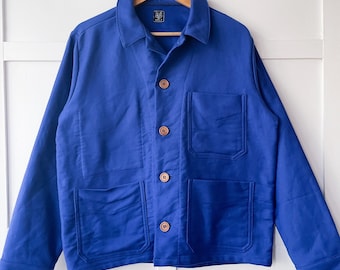
The French chore jacket—properly called a *bleu de travail* or 'work blue'—is defined by a specific set of late-19th-century specifications that most replicas get wrong. The fabric is the real giveaway: authentic French jackets use *moleskine*, a double-sided cotton weave with a smooth, shiny satin exterior (named for its mole-skin texture) and a twill interior for strength, entirely unlike the herringbone twill of German work coats that are routinely mislabeled as French. The dye is another tell—a benzoate-based Prussian blue giving a deep, slightly purple indigo, not the lighter indigo of denim. Adolphe Lafont standardized the design in 1844: an unlined jacket with a rounded collar (no lapels), four or five buttons, topstitched patch pockets, and button cuffs for rolling sleeves. It was built for railway workers and farmers to layer over overalls, with pockets sized for tools and tobacco tins. The jacket became a style icon thanks to street photographer Bill Cunningham, who bought his first from a Paris hardware store in the 1970s for its film-holding pockets, and it remains stubbornly distinct from the German lookalikes that flood vintage markets.
 prelovedpod.substack.comprelovedpod.substack.com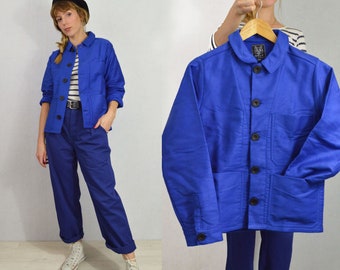
+Field notes
- —French moleskin is not a single fabric: it's a double-layer weave with a satin exterior (shiny, smooth like mole skin) and a twill interior, giving unmatched strength without weight—unlike English moleskin or German herringbone, which are common substitutes.
- —The signature blue comes from a benzoate dye (Prussian blue), not natural indigo, resulting in a deep, slightly purple cast that fades to a chalky blue; this 'hydrone' hue is unique to French workwear and immediately distinguishes it from American or German jackets.
- —The first standardized pattern was created by Adolphe Lafont in 1844: an unlined cotton moleskin jacket with a rounded collar (no lapels), four or five front buttons, and topstitched patch pockets—a design copied across Europe with almost no variation for decades.
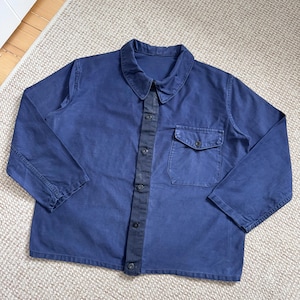
- —German chore coats are routinely sold as French because they travel through French wholesalers, but the dead giveaway is fabric: German jackets use herringbone or heavy twill, not the smooth moleskin, and often feature a more fitted cut and different pocket shapes.
- —Bill Cunningham's iconic bleu de travail was a chance purchase at a Paris hardware store in the 1970s—he chose it for the deep pockets that held rolls of 35mm film, and it became his daily uniform for four decades of street style photography.
Learn
From Bleu de Travail to Modern Menswear Staple
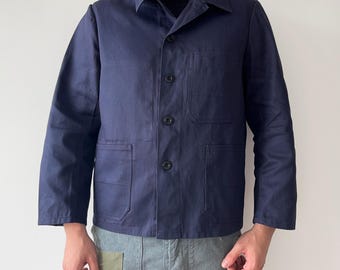
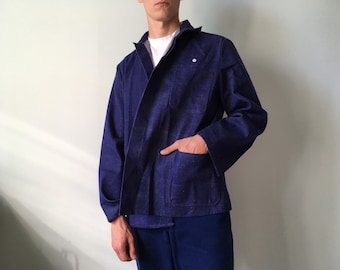
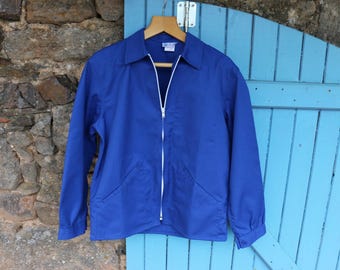
The French chore jacket—the bleu de travail—began not as a fashion item but as a standardized uniform for industrial laborers in late 19th-century France, born from the need for durable, inexpensive, and safe workwear. Its origin story is often traced to Lyon tailor Adolphe Lafont, who in 1844 sketched the first archetypal version: an unlined cotton moleskin jacket with a rounded collar, four to five sturdy buttons, generous patch pockets for tools and notebooks, and a discreet inside pocket, all topstitched for rapid production. Crucially, the jacket wasn't always blue—early workwear was black or grey, as blue dyes were prohibitively expensive until the accidental 1704 discovery of Prussian Blue by Berlin chemist Johann Jacob Diesbach, which made a dense, cheap, colorfast blue widely available. Manufacturers like Le Laboureur and Le Mont St Michel refined the garment using heavy cotton drill, herringbone twill, and especially moleskin—a tight, tear-resistant weave that became the signature fabric. The design was so effective that it remained the standard worker's uniform well into the 1970s, worn by farmers, machinists, railway staff, and dockworkers, and by 1978 the master tailor's workshop at Brest harbor alone was cutting 31 coat sizes, 11 chest sizes, and four trouser lengths to fit every body. Today, brands like Bleu de Chauffe revive the style with modern touches—organic cotton moleskin, vegetable-based resin buttons, and a suit-style shirt collar—while honoring the original's straight cut, three patch pockets, and 100% French manufacturing.
 lusinebleue.comlusinebleue.com
 bleu-de-chauffe.combleu-de-chauffe.com
+Field notes
- —The first standardized bleu de travail was designed by Lyon-based tailor Adolphe Lafont in 1844: an unlined cotton moleskin jacket with a rounded shirt collar (no lapels), four or five front buttons, two large front patch pockets, one breast pocket, and one inside pocket, all topstitched for efficient production.
- —Before Prussian Blue, early work jackets were black or grey because blue pigments were rare and expensive—woad and indigo were costly imports. The 1704 accidental discovery of Prussian Blue by Berlin chemist Johann Jacob Diesbach gave France a cheap, dense, lightfast blue dye that completely changed workwear color.
- —Moleskin—a densely woven cotton fabric with a brushed, soft surface—became the hallmark fabric of French work jackets. Le Mont St Michel adopted it as their signature in the 1960s because it was tear-resistant and durable; it's not leather but cotton, woven tightly for extreme strength.
- —By 1978, the master tailor's workshop at Brest harbor, which outfitted all dockyard workers, offered 31 coat sizes, 11 chest sizes, and four trouser lengths—showing just how precisely workwear was fitted to individuals, not produced as a one-size-fits-all garment.
- —The bleu de chauffe—a subtype of bleu de travail—was the specific jacket worn by early 20th-century rail workers who shoveled coal into steam locomotive engines. Its name literally means "boiler blues," and it's the direct inspiration for modern brand Bleu de Chauffe's Germinal jacket.
- —Bleu de Chauffe's modern Germinal jacket updates the original with organic cotton moleskin, vegetable-based resin buttons made from recycled materials, a suit-style shirt collar, and an inside pocket sized for a smartphone—while retaining the straight cut, three patch pockets, and 100% French manufacturing.
Learn
The Terms, Fabrics, and Details People Actually Use
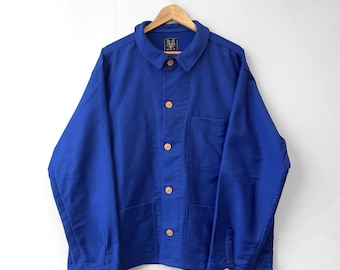
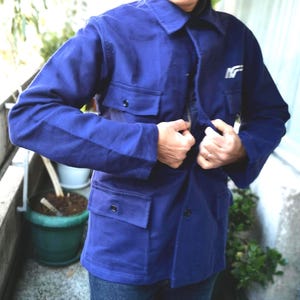
The French chore jacket, or *bleu de travail*, is a 19th-century garment born of the Industrial Revolution, designed for laborers, railroad workers, and farmers. Its defining features include a boxy, unlined cut; a rounded shirt collar without lapels; four to five front buttons; two large hip pockets for tools; one chest pocket for notebooks or tobacco; and button cuffs for easy sleeve rolling. Traditional fabrics are heavyweight cotton drill, denim, herringbone twill, and the peculiarly named "moleskin" — a double-sided weave with a smooth, shiny satin outer face and a twill inner layer, giving it a varnished look and extreme durability. The iconic deep blue came from Prussian blue dye, a cheap and easy-to-produce color that replaced earlier blacks and greys, leading to the term *bleu de travail* ("working blues") and later inspiring the English phrase "blue-collar worker." Makers like Adolphe Lafont (credited with standardizing the jacket in 1844), Le Mont Saint Michel, Vétra, Le Laboureur, and Bleu de Chauffe are the historic names to know, while the American barn jacket variant—popularized by Carhartt from 1917—differs notably in its corduroy or leather collar, heavier construction, and weatherproof finishes.

 blackhorselane.comblackhorselane.com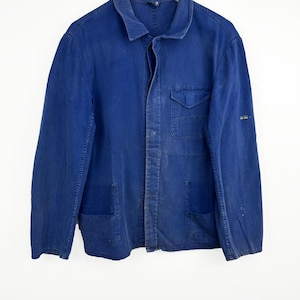
 seikk.co.ukseikk.co.uk
+Field notes
- —The term 'chore jacket' didn't enter common US usage until the early 20th century; a 1901 Kansas dry goods ad listed 'chore jackets' alongside 'Sunday jackets,' distinguishing workwear from formal wear.
- —Adolphe Lafont is believed to have created the first standardized *bleu de travail* in 1844 — an unlined blue cotton moleskin jacket with a rounded shirt collar, 4-5 buttons, two large front pockets, one breast pocket for notebooks and tobacco, and one inside pocket, all topstitched for easy production.
- —French moleskin is not a single fabric but a specific double-sided weave: a smooth, shiny satin outer layer (resembling mole skin) bonded to a twill inner layer like denim, making it exceptionally strong and almost varnished-looking — distinct from English or German moleskins.
- —The blue color of the *bleu de travail* came from Prussian blue dye (discovered in the 18th century), not indigo — it was inexpensive, easy to use, and well-suited to work clothes; earlier work jackets were often dark grey or black.
- —The American barn jacket, popularized by Carhartt's 1917 model, differs from the French original by adding a corduroy-lined collar, triple-stitched seams, copper-riveted pockets, and a heavier, weatherproof finish — details absent from traditional French chore coats.
- —Historic French manufacturers still producing traditional chore jackets include Le Mont Saint Michel, Vétra, Le Laboureur, and Bleu de Chauffe — the latter is named after the 'bleu de chauffe' variant worn by early 20th-century rail workers who shovelled coal into steam locomotives.
Discover
Video Deep Dives on French Workwear and Chore Coat Styling


The French chore coat, or *bleu de travail*, is a workwear legend with roots in 19th-century French industrial labor, defined by its dense, napped cotton fabric called *moleskine* (literally "mole skin" in French, referencing its brushed, velvety surface that resists sparks and abrasion). Unlike the American workwear that later dominated—think Carhartt and Levi's—the French version originally came in a distinctive herringbone twill or heavy moleskin, with three patch pockets and brass or horn buttons. Modern makers like OrSlow (via their 2022 collab with Canoe Club) have revived the silhouette in a textured indigo herringbone twill that fades and softens dramatically over years of wear, while brands like Le Mont St. Michel and Paynter keep the tradition alive. The real insider trick: you can often find original 1950s–60s French work coats for €5 at French *vide-greniers* (attic sales), where the untouched vintage moleskin still smells of coal dust and factory oil.
+Field notes
- —The defining fabric of the French chore coat is *moleskine*—a densely woven cotton that's brushed on the surface to feel almost velvety, named from the English term "moleskin" (a reference to the animal's hide texture, not actual mole fur). It was originally developed to resist sparks, friction, and heavy wear in French factory and railway work.
- —In 2022, the Japanese brand OrSlow collaborated with the retailer Canoe Club to produce a limited-edition French chore coat in a herringbone twill that is unusually texture-rich; the blue version uses brass buttons that feel "old but sturdy" and the fabric becomes substantially softer after four years of daily wear.
- —Before the American workwear boom (Carhartt double-knees, Levi's 501s), the French *largeot* pant—a full seat, straight-leg work trouser—was the dominant silhouette in mid-1800s French tailoring, and it nearly disappeared from commercial production until vintage specialists began digging up deadstock from French countryside brands.
- —The chore coat borrows its 3-pocket layout directly from French railway and factory uniforms; the pockets are designed to be large enough to hold a passport and a portable charger without bulging, which makes the twill version especially travel-friendly for layering.
- —Authentic French workwear from the 1950s–1970s—including the *bleu de travail*—can still be found for as little as €5 at French *vide-greniers* (village attic sales), where the original moleskin fabric often retains its historical texture and patina, with buyers often unaware of what they're holding.
Keep exploring
More of French Chore Jacket


More to explore
In the same world.

Bleu de Travail
Bleu de travail is the French blue workwear uniform that moved from workshops, farms, and factories into the modern styl…

Façonnable Men’s Clothing
Façonnable’s men’s clothing range is built around polished, easygoing wardrobe staples rather than hard-edged trend piec…

Façonnable
Façonnable is a high-end clothing brand founded in Nice, France in 1950 by Jean Goldberg, and its current official prese…
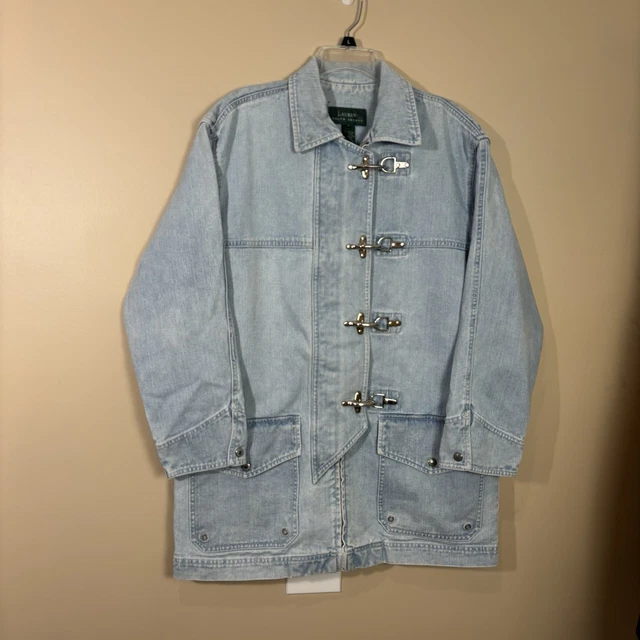
Ralph Lauren Fireman Hook Jackets
This is a small but vivid corner of vintage Ralph Lauren collecting built around jackets and coats that borrow the closu…

Tie Stores in Paris
Paris tie shopping quickly narrows to a few names that treat neckwear as a craft object rather than a basic accessory. T…
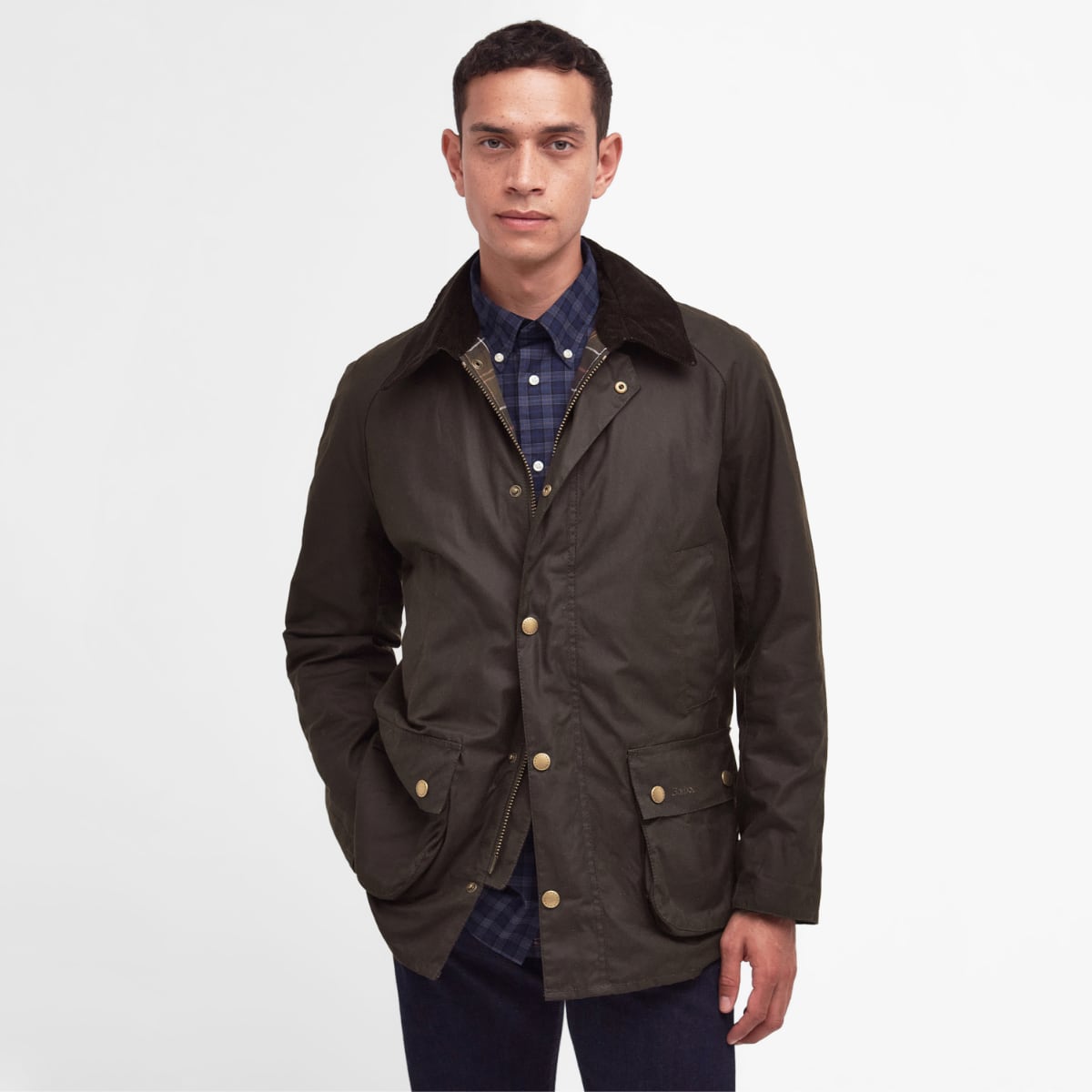
Barbour Waxed Jackets
What draws people to a Barbour jacket is not just the label but the specific world of waxed cotton field coats that have…

Vintage Levi's Denim
Vintage Levi's denim is a collector's world built around reading the garment itself: care tags, the red tab, and details…

Le Creuset
Founded in 1925 in Fresnoy-le-Grand, France, Le Creuset — literally 'the crucible' — is the French-Belgian maker whose e…
More in Heritage Menswear & Denim
Stay in this world.

Men’s Chain Link Styles

Italian Men’s Jewelry
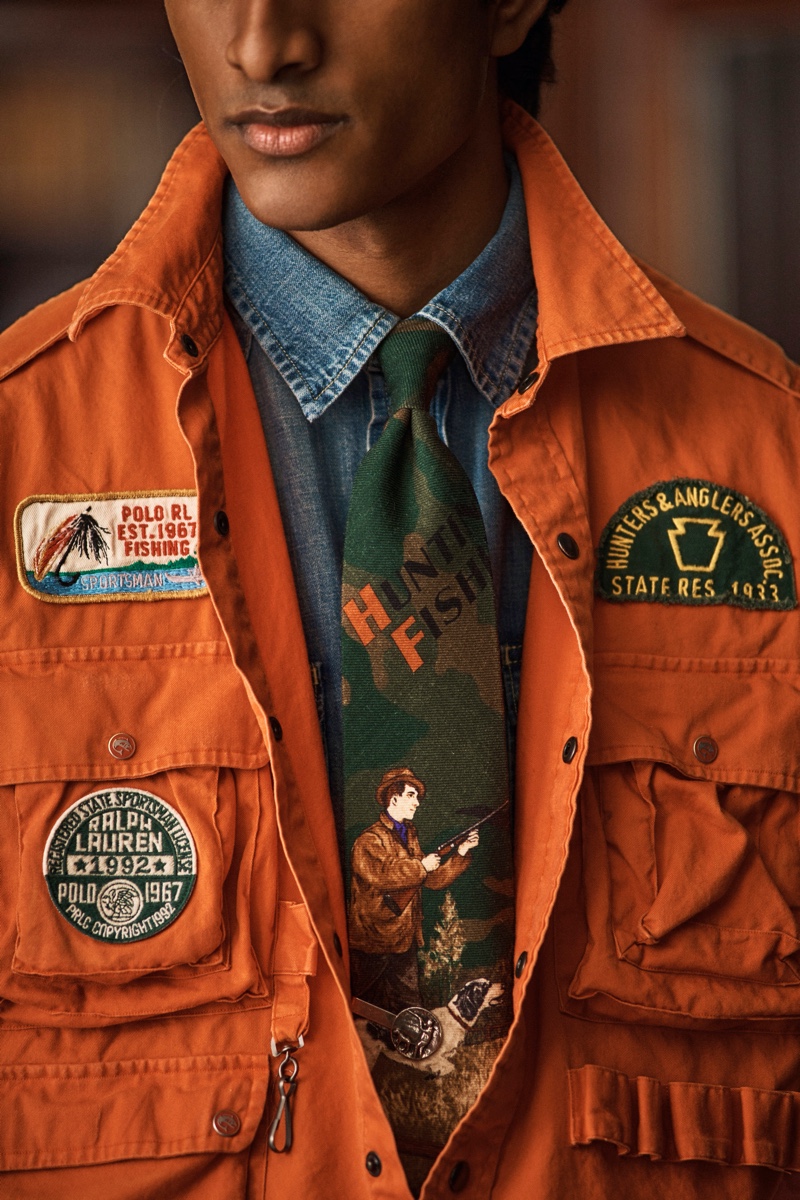
Polo Country by Ralph Lauren
Ralph Lauren Fireman Hook Jackets
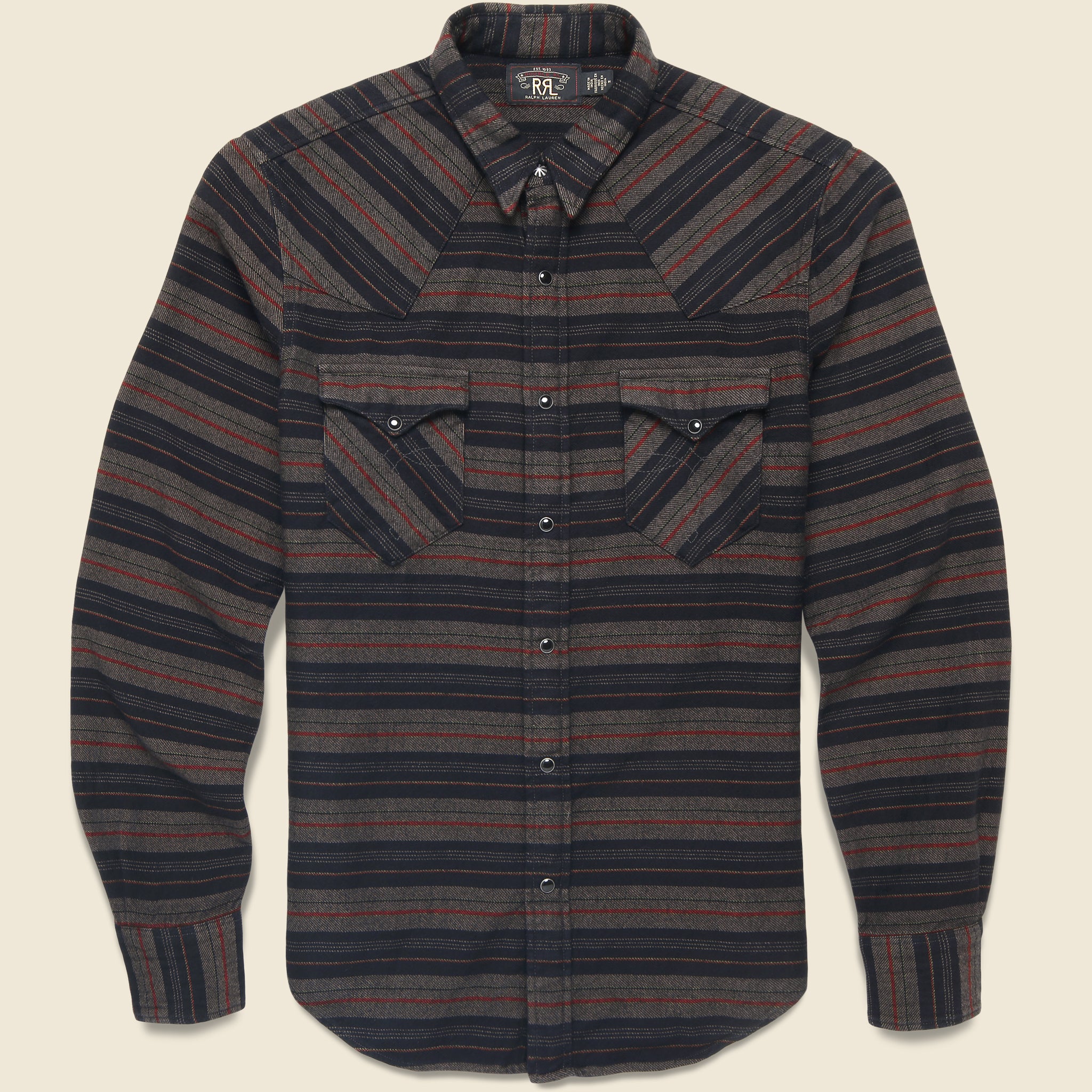
RRL (Double RL)

RRL (Double RL)
Montblanc Great Characters James Dean
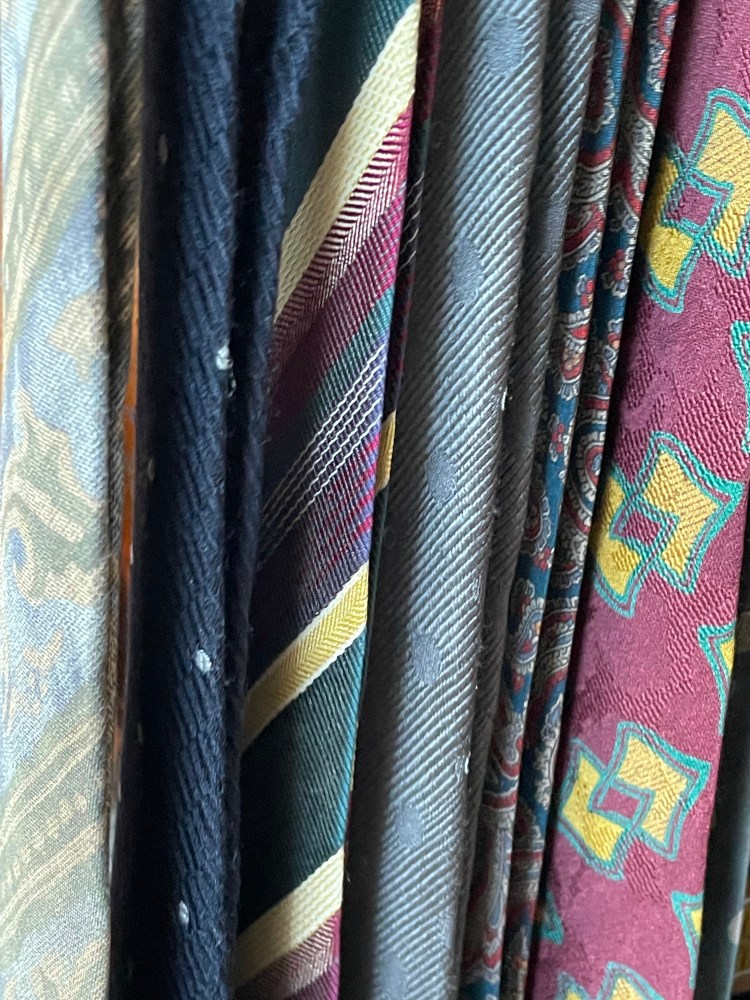
Second-Hand Men’s Ties in Paris
Know someone who’d love this?
Discovered by ArcurianAuto-generated from public sources and AI synthesis — it may be incomplete or inaccurate. Treat it as a starting point for your own exploration, not professional (medical, legal, financial, or safety) advice. Verify anything you act on. Report this page.