Bleu de travail is the French blue workwear uniform that moved from workshops, farms, and factories into the modern style vocabulary without losing its laboring-class identity. The sources trace it from 19th-century and turn-of-the-20th-century work clothing—following earlier blouses, aprons, bourgerons, and military fatigue garments—into a practical system of jackets, trousers, overalls, and coveralls built to protect against dirt and wear. Insiders recognize that the jacket alone is only part of the story: names like coltin, blouse, and bleu de chauffe point to overlapping regional and occupational forms, while the famous blue itself is central to the garment’s meaning. What makes bleu de travail interesting is that it is both a piece of social history and a living object of taste, where class, utility, and elegance still sit in visible tension.
Learn
What Bleu de Travail Actually Covers
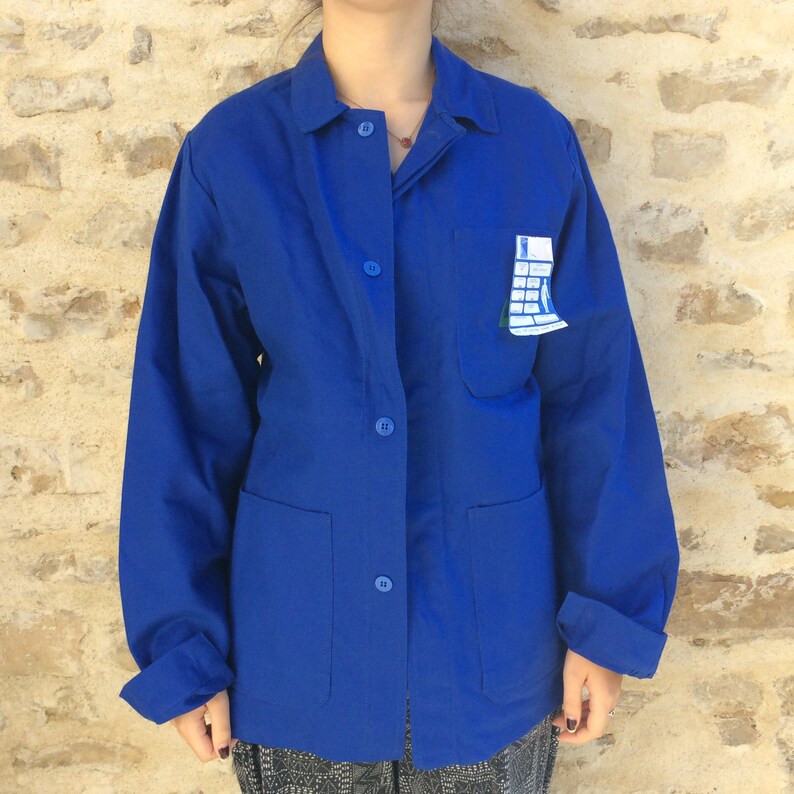
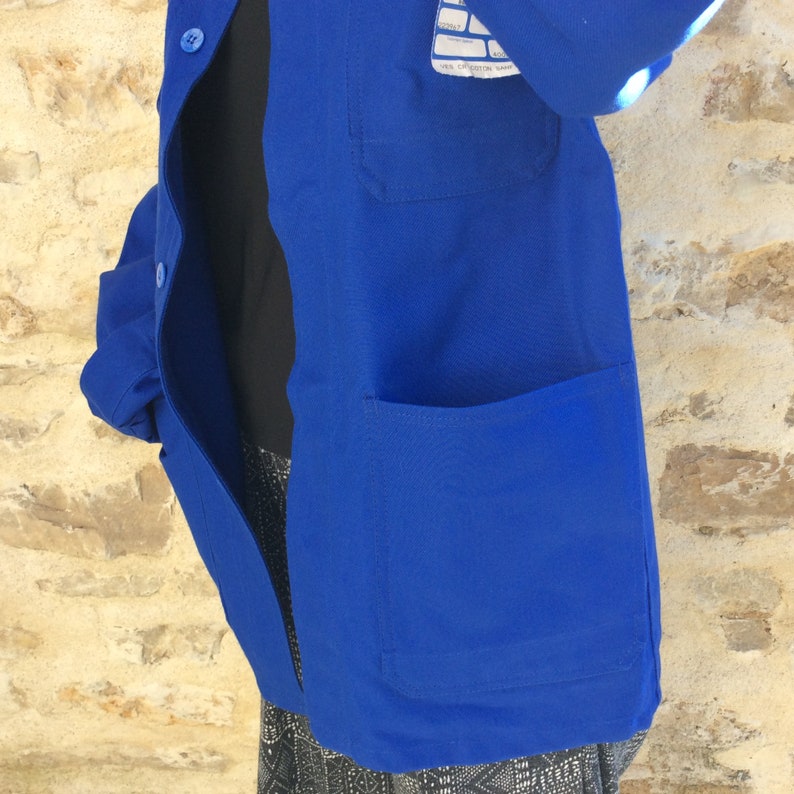
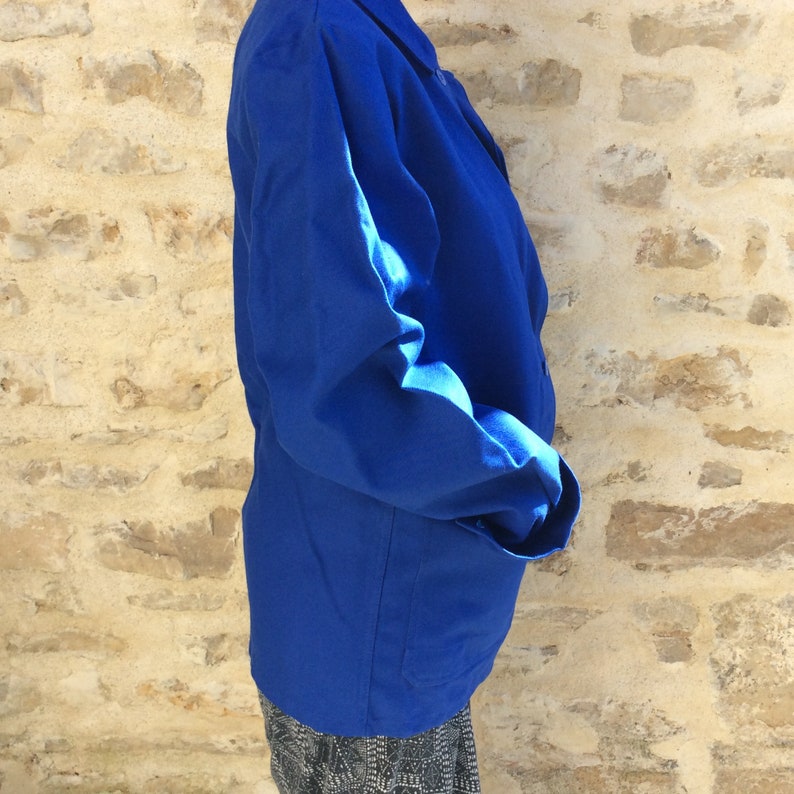
The bleu de travail—often called the French chore coat—is far more than a piece of clothing; it is a direct material record of France's industrial transformation. Born in the late 19th century, it replaced the long, belted blouse worn by peasants and artisans. In 1844, Lyon tailor Adolphe Lafont sketched the first standardized version: an unlined cotton moleskin jacket with a rounded collar, four to five sturdy buttons, generous pockets for tools and notebooks, and a boxy cut that allowed free movement while resisting sparks and snags. Early workwear was actually black or grey, not blue—blue had been too costly until Prussian blue was accidentally discovered in 1704 and later perfected as a cheap, colorfast vat dye called bleu de cuve. Factories began supplying workers directly, giving rise to specialized makers like Le Laboureur and Le Mont Saint-Michel, the latter making moleskin its signature fabric in the 1960s. By 1978, Brest harbor's master tailor alone offered 31 coat sizes, 11 chest sizes, and 4 trouser lengths. The design has changed little over a century, but its modern revival—by brands like L'Usine Bleue, Bleu de Chauffe, and Taylor Stitch—shows how a humble work garment became a timeless icon.


 lusinebleue.comlusinebleue.com
+Field notes
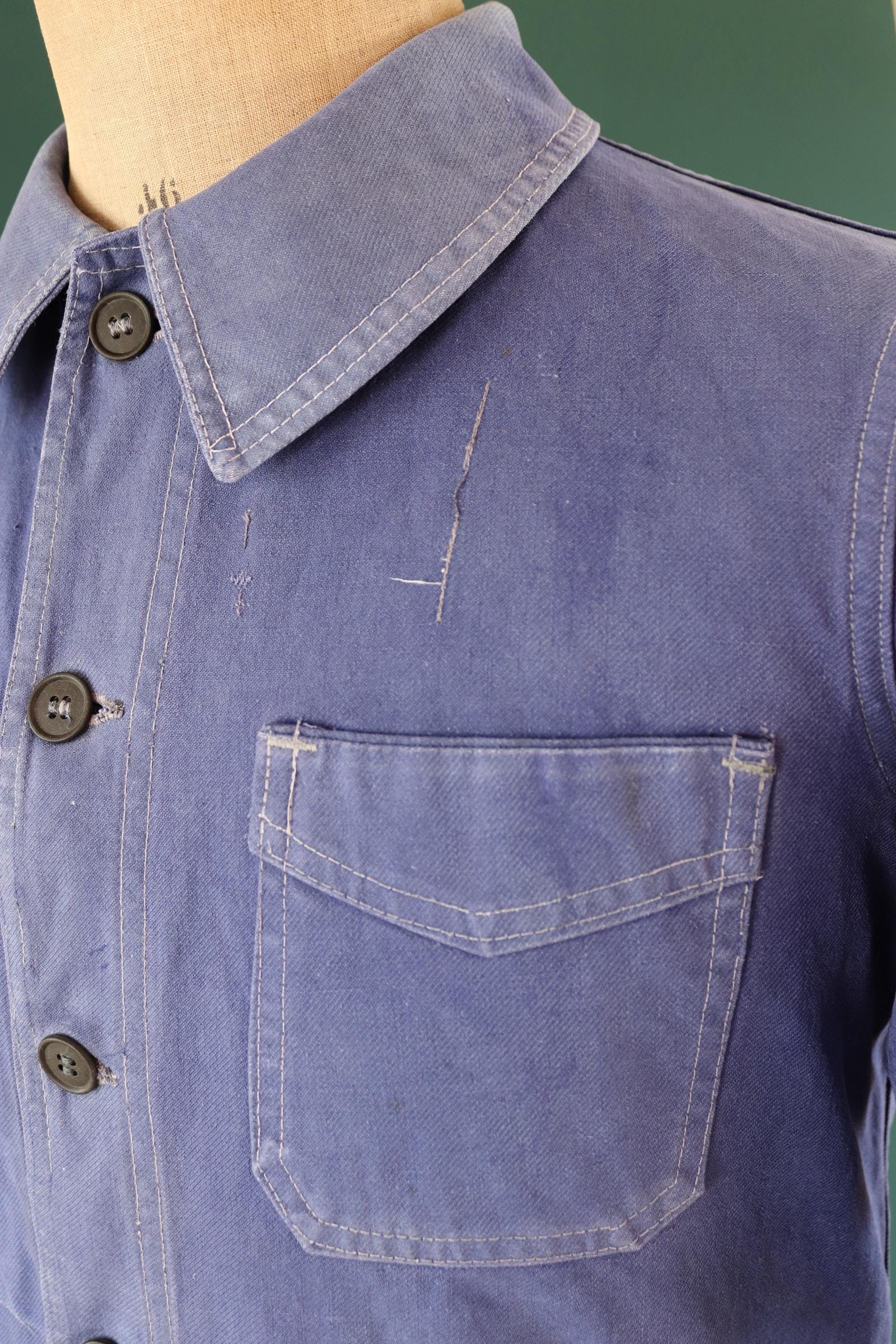
- —Adolphe Lafont, a Lyon tailor, created the first standardized bleu de travail in 1844: an unlined cotton moleskin jacket with a rounded collar, no lapels, 4–5 buttons, large front pockets, a breast pocket, and an inside pocket — all topstitched for fast production.
- —Before blue became dominant, early work jackets were black or grey because blue pigments were too precious — Prussian blue was only discovered by accident in 1704 by Berlin chemist Johann Jacob Diesbach, and cheap vat dyes (bleu de cuve) didn't appear until later.
- —In 1978, the master tailor's workshop at Brest harbor (which outfitted all dockyard workers) offered 31 different coat sizes, 11 chest sizes, and 4 trouser lengths — reflecting the enormous range needed for industrial workers.
- —The cut was deliberately designed so fabric wouldn't catch in machinery — a direct response to frequent industrial accidents — and pockets were placed to hold tools like a foldable meter stick and work gloves.
- —Le Mont Saint-Michel made moleskin (a tightly woven, tear-resistant cotton) its signature fabric in the 1960s, and workers often wore grey trousers over their blue workwear to protect it from dirt and stains.
- —The bleu de travail's design is so enduring that modern brands like Bleu de Chauffe still produce versions (e.g., the Germinal jacket) using organic cotton moleskin woven in the Vosges region, with buttons from historic French factories — keeping the 19th-century blueprint alive.
Learn
From Rural and Factory Uniform to Cultural Symbol
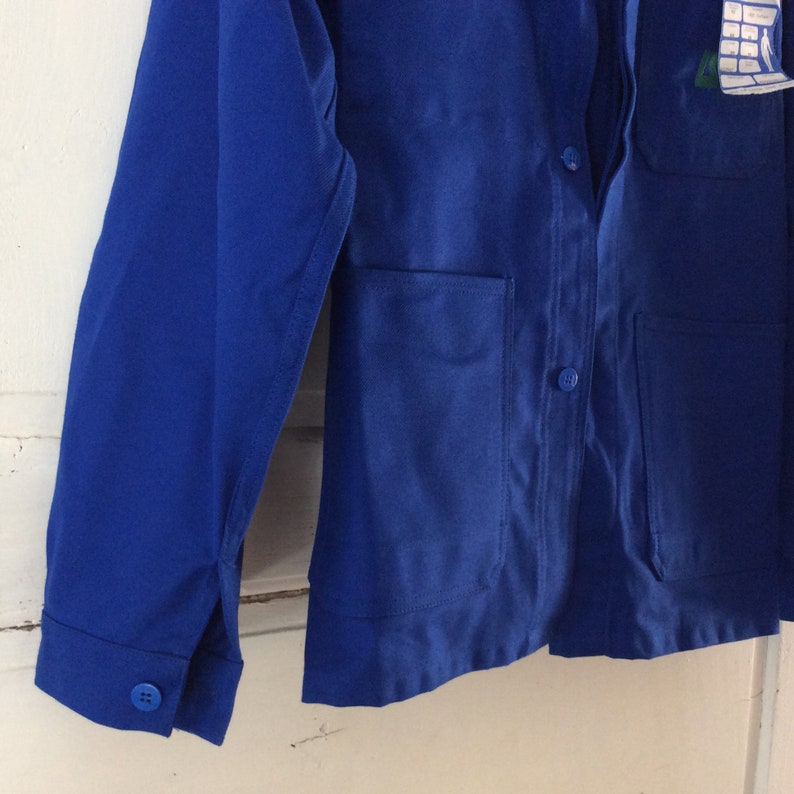
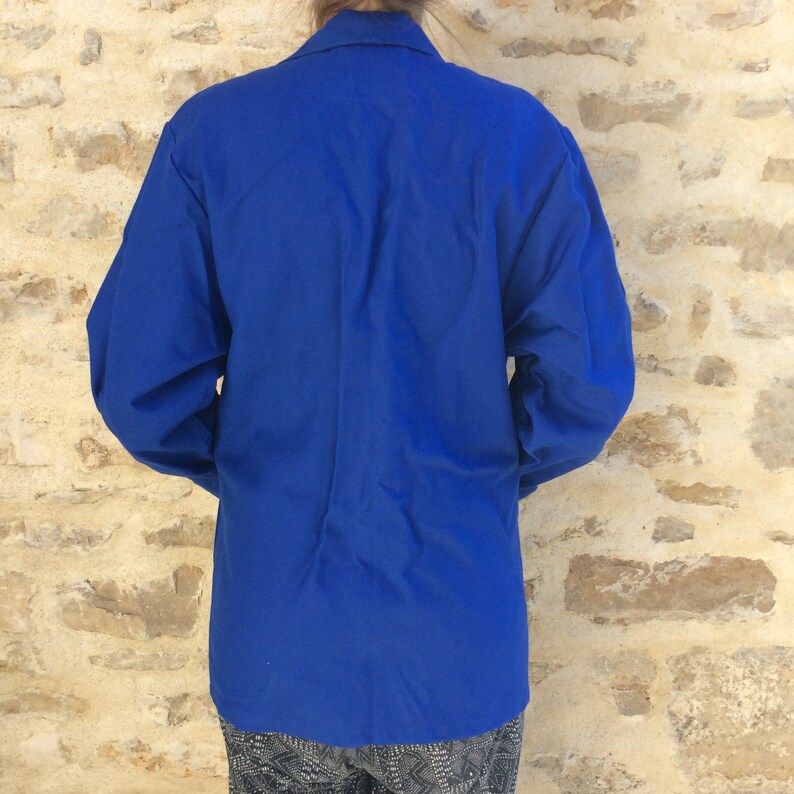
The bleu de travail began not as a deliberate uniform but as a practical response to the dangers and dirt of industrial labor, with its distinctive blue color driven by economics — synthetic indigotine dye, introduced in 1882, was cheap and durable. Early versions were simple smocks; by the turn of the 20th century, these evolved into fitted jacket-and-trouser sets or overalls, with regional French manufacturers like Le Mont St Michel specializing in tear-resistant moleskin. The blouse, its predecessor, became a visual shorthand for the working class after appearing on the barricades of the 1830 July Revolution, solidifying a social marker that oppositional terms like "cols bleus" versus "cols blancs" made explicit. While workers initially paid for their own blues, unions eventually secured employer-funded provision. Ironically, by the 1960s-70s, the garment was being adopted as a fashion statement by students and later by designers such as Marithé and François Girbaud, who transformed it into casual wear for the affluent — completing a journey from stigma to style.
 textileaddict.metextileaddict.me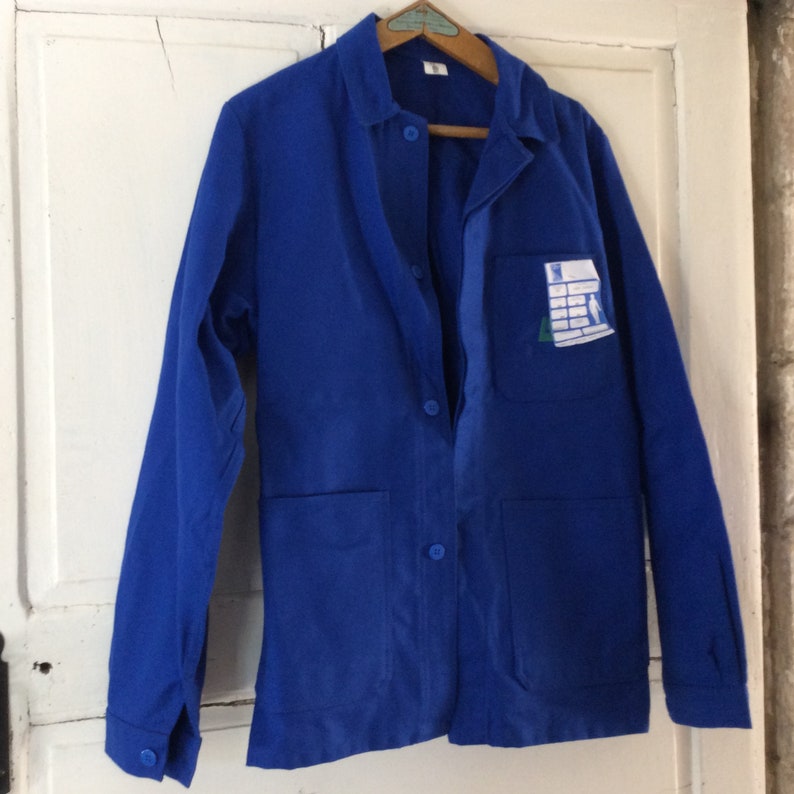
 radiofrance.frradiofrance.fr
+Field notes
- —The working man's blouse first appears in visual and written sources only after the 1830 July Revolution in Paris — it took an uprising for the garment to become a documented symbol of the laboring class.
- —Synthetic indigotine, one of the first artificial dyes developed in 1882, made blue so cheap that the color became the default for workwear, eventually lending its name to the entire category of clothing.
- —In 1978, the master tailor's workshop at the Brest harbor arsenal produced blues in 31 different coat sizes, 11 chest sizes, and 4 trouser lengths — a vivid illustration of the scale and complexity of outfitting an industrial workforce.
- —Workers often wore lightweight grey trousers over their blue work clothes to protect them from dirt, an extra layer that reveals how the blues were seen as a valued asset, not just a disposable uniform.
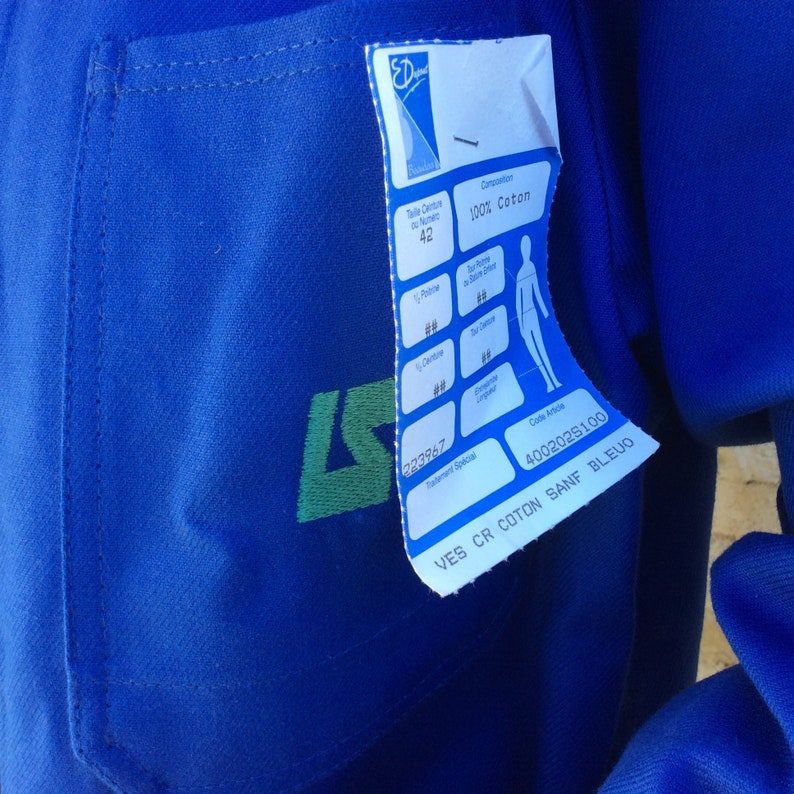
- —French manufacturers like Duthilleul et Minart (founded 1859) and Lafont (credited with inventing the overall in 1844) built thriving businesses around the bleu de travail, perfecting features like flap pockets, zip closures, and a dedicated trouser pocket for a folding meter stick.
- —By May 1968, students appropriated the bleu de travail as a political statement, while designers like Marithé and François Girbaud later reimagined it for upper-class casual wear — a complete reversal of its origins as a stigmatized marker of manual labor.
Learn
Coltin, Blouse, Bourgeron, Bleu de Chauffe: The Vocabulary That Matters
 theavantmag.comtheavantmag.com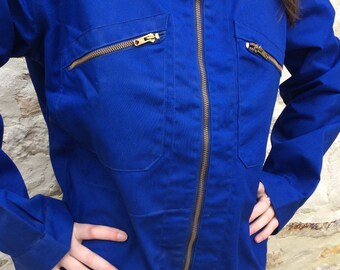
 bleu-de-chauffe.combleu-de-chauffe.com
 tissuspapi.comtissuspapi.com
Discover
Writers and Shops Treating It as Garment History, Not Just Trend
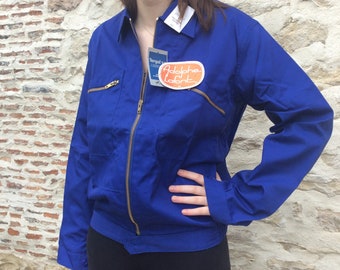
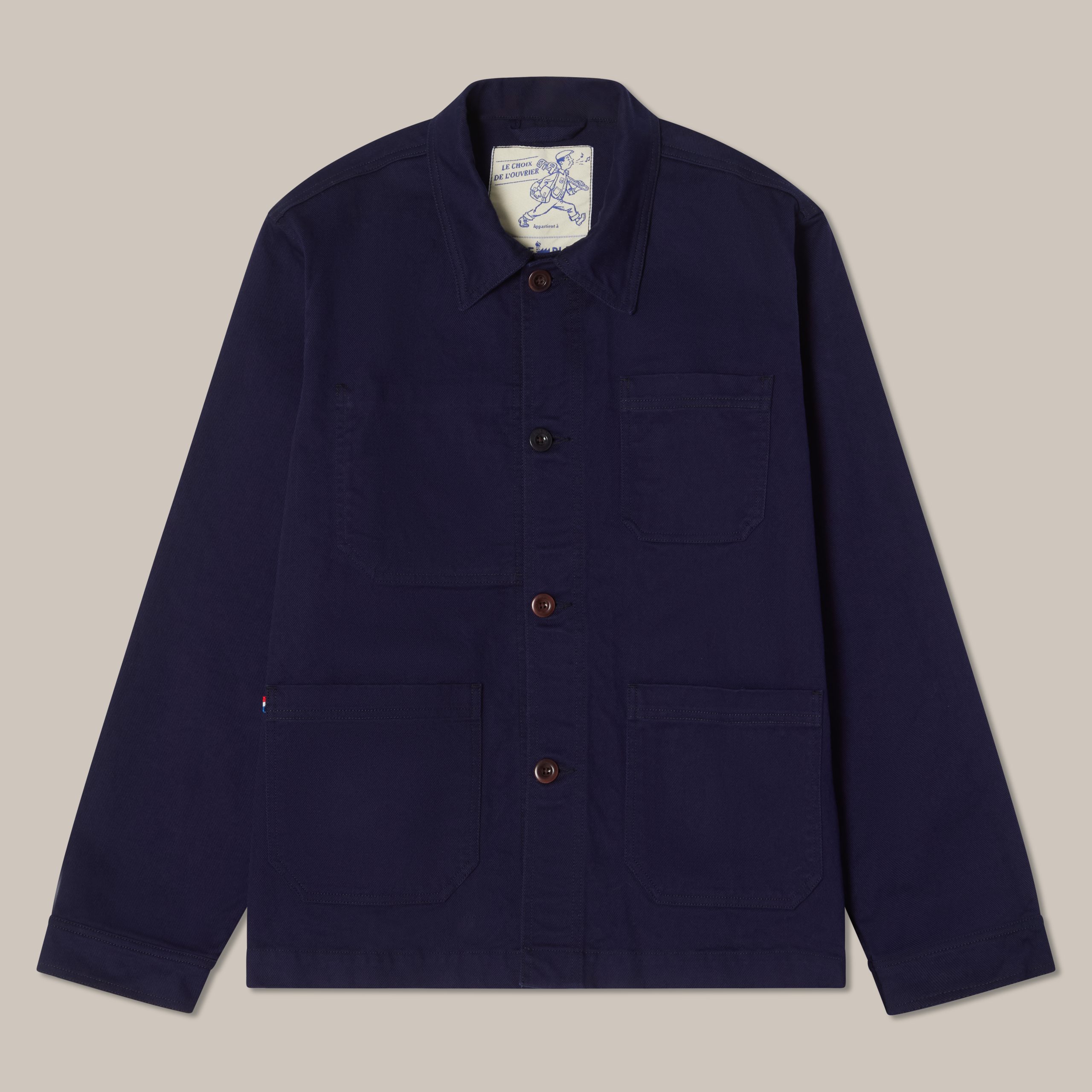
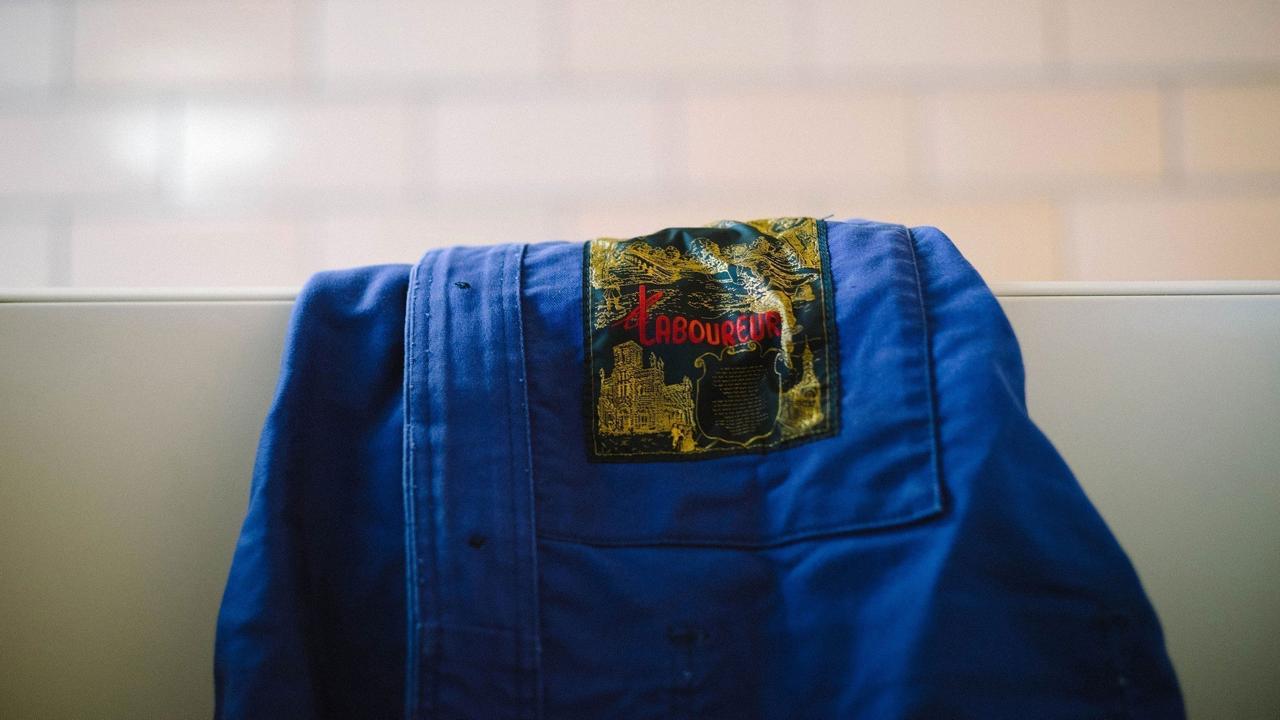
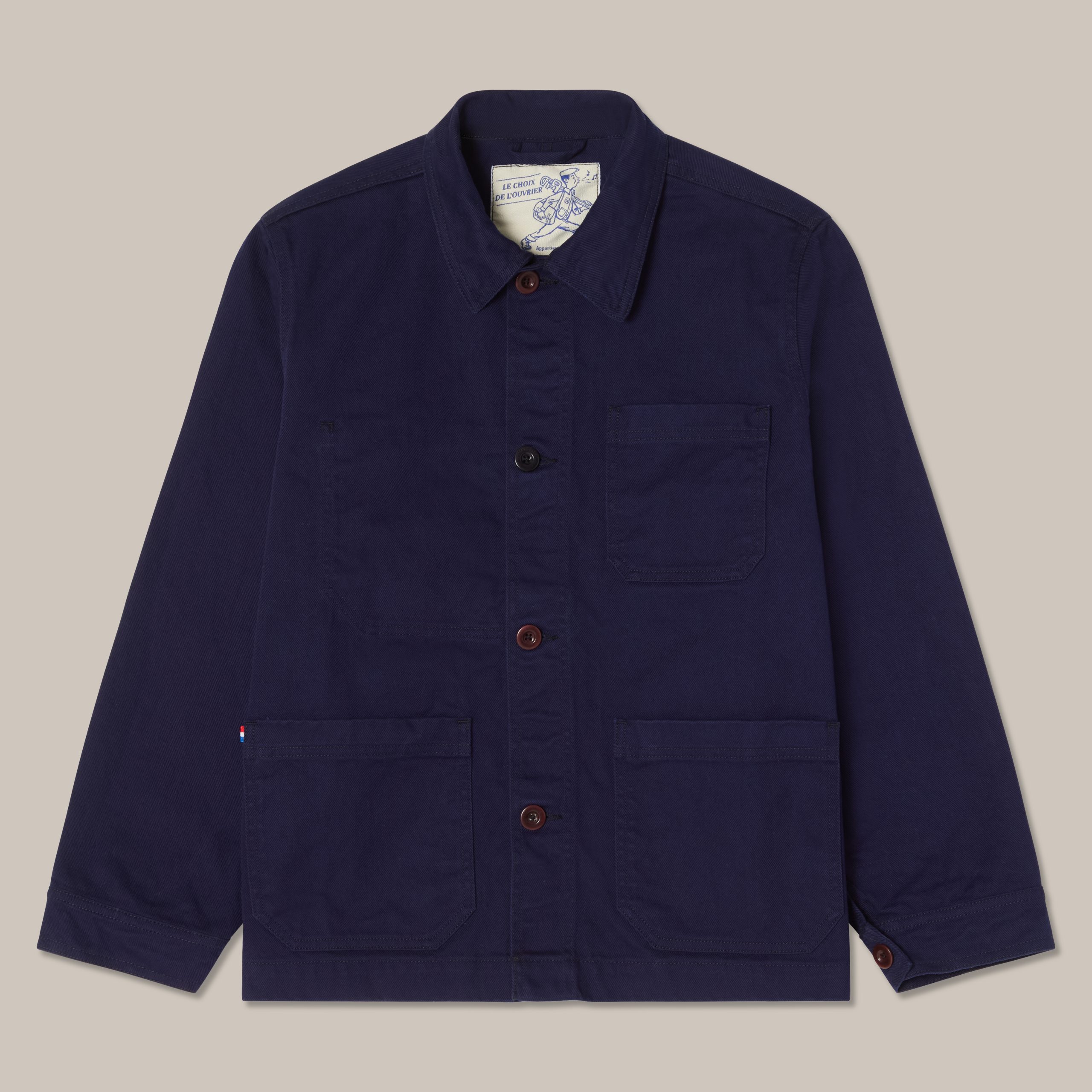

The bleu de travail—the French work jacket—was never a trend; it is a direct, unbroken line from the 1844 workshop of Lyon tailor Adolphe Lafont, who codified its four-pocket, shirt-collar, unlined moleskin blueprint for industrial labor. What makes this garment genuinely fascinating is that its canonical blue color arrived late and by accident: early work jackets were black or grey, and it took the 1704 discovery of Prussian blue (by Diesbach in Berlin) and the subsequent industrialization of synthetic dyes to make blue cheap enough for worker clothing. Today, specialists like L’Usine Bleue and Tourneur Goods treat it not as vintage nostalgia but as a living material culture—they collaborate with the same French mills (one running since 1848) and workwear factories (one producing since 1921) that made the originals, and they insist on the jacket's slow, selvedge-like break-in: two identical jackets after a year of wear become utterly unique records of their owner's life. Bill Cunningham wore a single bleu de travail found in the basement of BHV Paris as his daily uniform for decades. This is garment history, not fashion.
+Field notes
- —The standardized bleu de travail was created in 1844 by Lyon tailor Adolphe Lafont, who defined the template: unlined cotton moleskin, rounded shirt collar without lapels, four to five front buttons, two large front tool pockets, one breast pocket for notebooks/tobacco, and one inside pocket for valuables—all topstitched for fast production.
- —Before Prussian blue became available, early bleu de travail jackets were black or grey; blue was too expensive for workers until the accidental 1704 synthesis of Prussian blue by Berlin chemist Johann Jacob Diesbach made the color cheap to mass-produce.
- —L’Usine Bleue's Coltin Work Jacket uses fabric from a French mill operating since 1848, is dyed in eastern France, and is sewn in Normandy by a specialist workwear manufacturer that has been producing since 1921—each jacket is double-washed to prevent future shrinkage, then left to soften and mold over weeks of wear.
- —Bill Cunningham wore a single bleu de travail he discovered in the basement of the BHV department store in Paris as his daily uniform for decades, proving the jacket transcends fashion as a personal, long-term garment.
- —Unlike American denim where only the warp is dyed, French workwear moleskin typically has both warp and weft threads dyed the same indigo or hydrone blue, giving the fabric a deeper, more saturated 'profondeur' that fades slowly and evenly.
- —L’Usine Bleue was founded by Vincent Tallec, a Frenchman raised between Normandy and Brittany, after he moved to Sweden and found no authentic French workwear available; he launched the first pop-up in a Stockholm advertising agency office in September 2019.
Discover
See How People Wear and Compare French Work Jackets


The French work jacket—or *bleu de travail*—has evolved from humble railway and factory gear into a cult staple of heritage workwear, prized for its utilitarian charm and the way it ages. Enthusiasts obsess over subtle differences in fabric, cut, and hardware, with specific models like the Orslow x Canoe Club collaboration (featuring herringbone twill and brass buttons) celebrated for their texture-rich fade potential over years of wear. Modern interpretations range from the luxurious Bleu de Chauffe Germinal ($350+, made in France with leather accents) to affordable vintage-style options like Le Mont St. Michel and Pointer. The jacket's deep front pockets, lightweight twill, and versatile silhouette make it a favorite for travel and layering, but the real divide is between those who value authenticity (original workwear heritage) and those who prefer refined, ready-to-wear versions from brands like Drake's or Buck Mason.
+Field notes
- —The Orslow x Canoe Club French chore coat from 2022 uses herringbone twill that is "incredibly texture rich," fading and softening dramatically over four years of wear, while its brass buttons give it an old but sturdy feel—a detail that enthusiasts track obsessively.
- —The Bleu de Chauffe Germinal Work Jacket is a premium take on the French work jacket, made in France with high-end materials and often paired with their Cartouche belt bag, positioning it as a heritage piece too nice for actual chores.
- —Iconic French makers like Le Mont St. Michel offer chore coats that stay closer to the original railway-worker aesthetic, using heavyweight cotton and traditional cuts, whereas brands like Drake's and Buck Mason reinterpret the silhouette with selvedge denim or felted wool for a dressier, contemporary wardrobe.
- —The Pointer chore coat, often found on eBay for under $50, is a go-to entry point for purists seeking an authentic vintage-style jacket; it's frequently compared directly to pricier options from Paynter and Carhartt.
- —Devotees emphasize the chore coat's deep front pockets as ideal for travel—holding passports, portable chargers, and other EDC items—and note that a well-faded blue herringbone jacket is more iconic than brown versions from the same makers.
Keep exploring
More of Bleu de Travail
Branch out
Beyond Bleu de Travail
More to explore
In the same world.
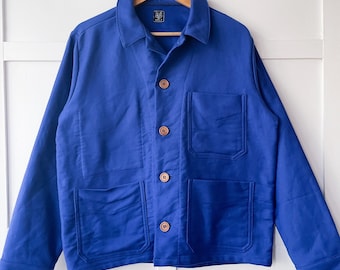
French Chore Jacket
The French chore jacket is a 19th-century French workwear staple originally made for laborers, railroad workers, and far…

Façonnable
Façonnable is a high-end clothing brand founded in Nice, France in 1950 by Jean Goldberg, and its current official prese…

Levi’s 501 Big E
Levi’s 501 Big E means the red tab with the brand name in capital letters, a detail that has become a shorthand for some…

Façonnable Men’s Clothing
Façonnable’s men’s clothing range is built around polished, easygoing wardrobe staples rather than hard-edged trend piec…

Vintage Levi's Denim
Vintage Levi's denim is a collector's world built around reading the garment itself: care tags, the red tab, and details…

Ralph Lauren Summer Outing Employee T-Shirts
These are employee-only Ralph Lauren T-shirts made for annual summer outings, and the surviving examples in the sources…

Tie Stores in Paris
Paris tie shopping quickly narrows to a few names that treat neckwear as a craft object rather than a basic accessory. T…
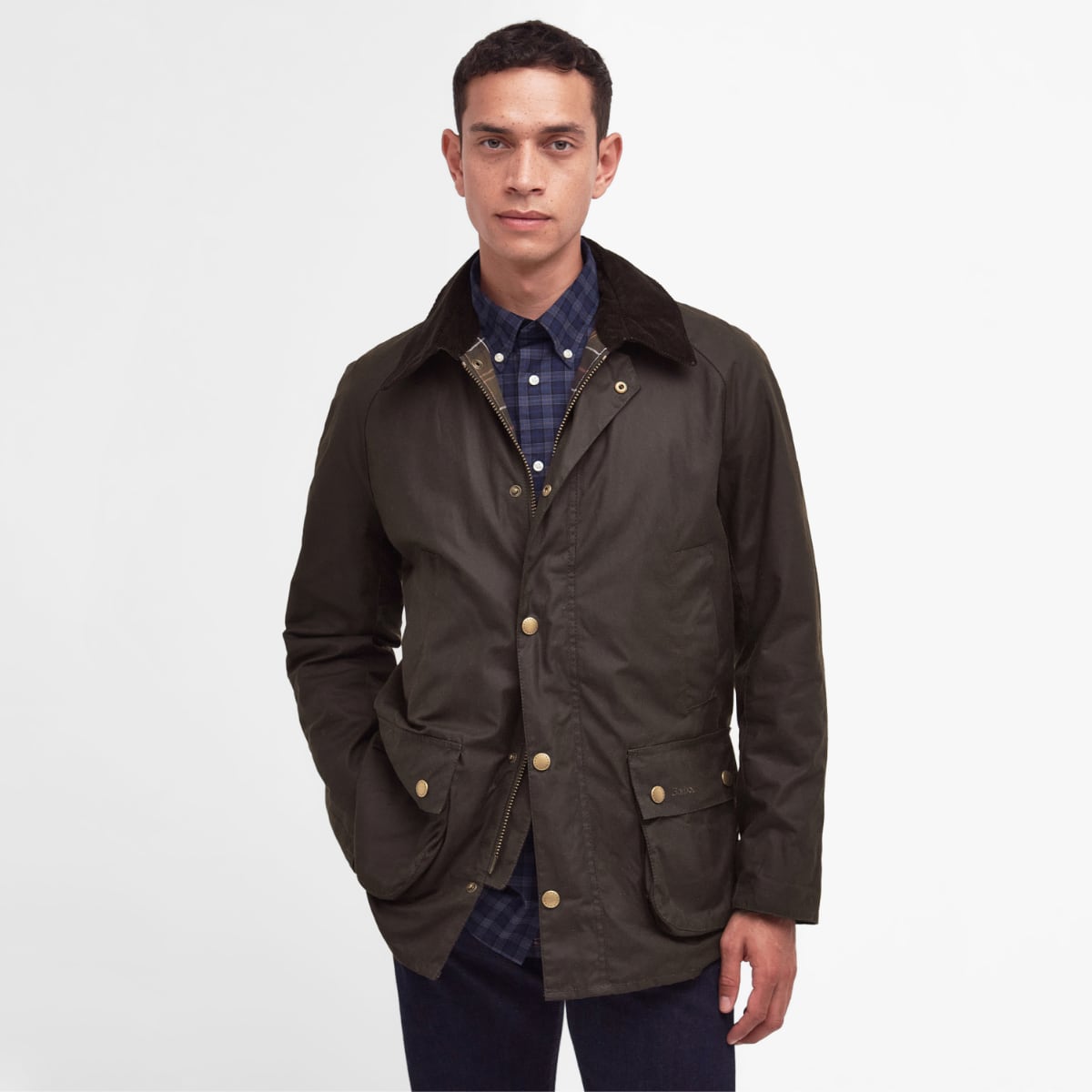
Barbour Waxed Jackets
What draws people to a Barbour jacket is not just the label but the specific world of waxed cotton field coats that have…
More in Heritage Menswear & Denim
Stay in this world.

Men’s Chain Link Styles
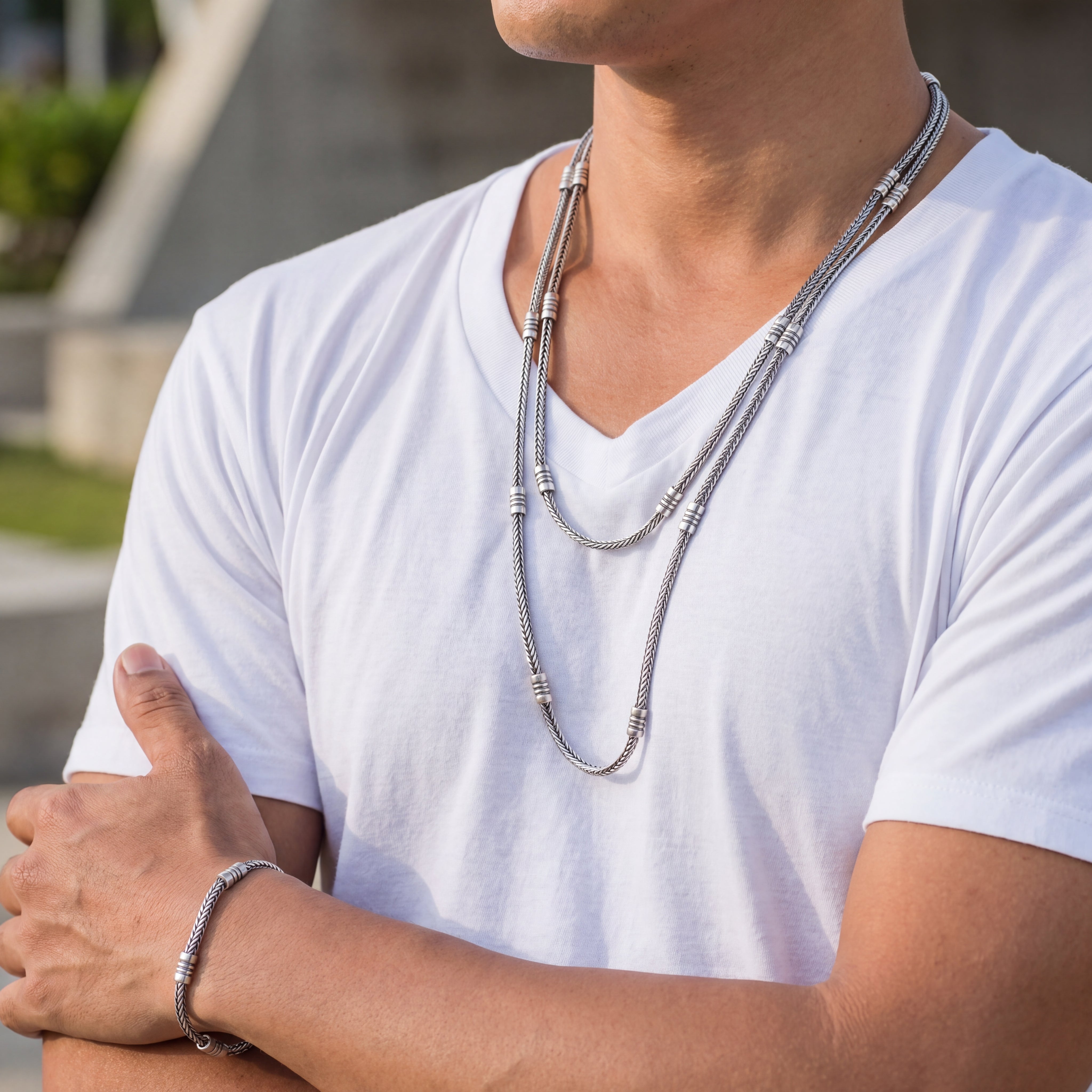
Italian Men’s Jewelry
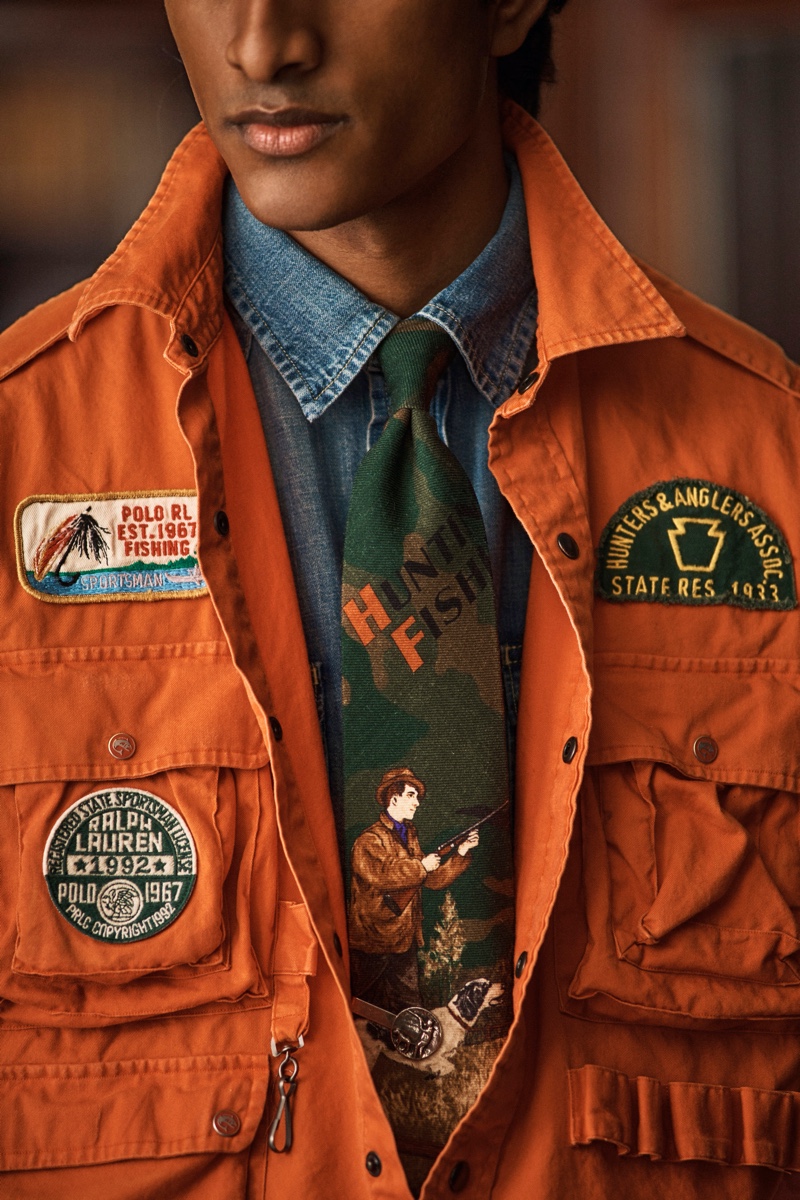
Polo Country by Ralph Lauren
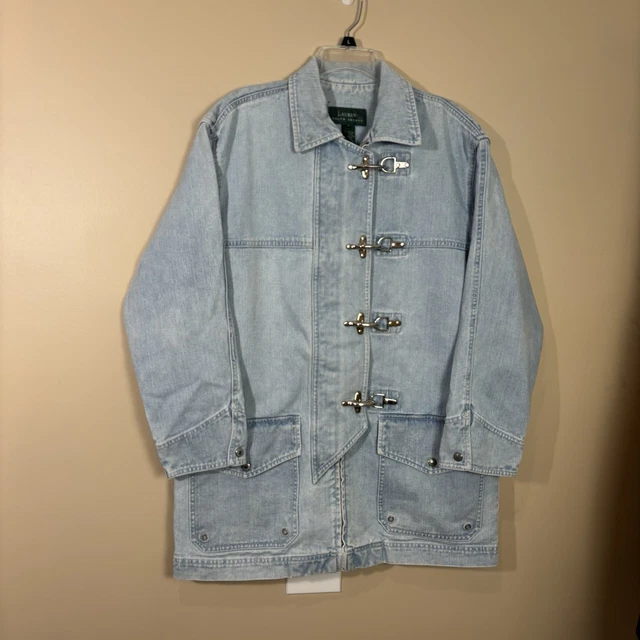
Ralph Lauren Fireman Hook Jackets
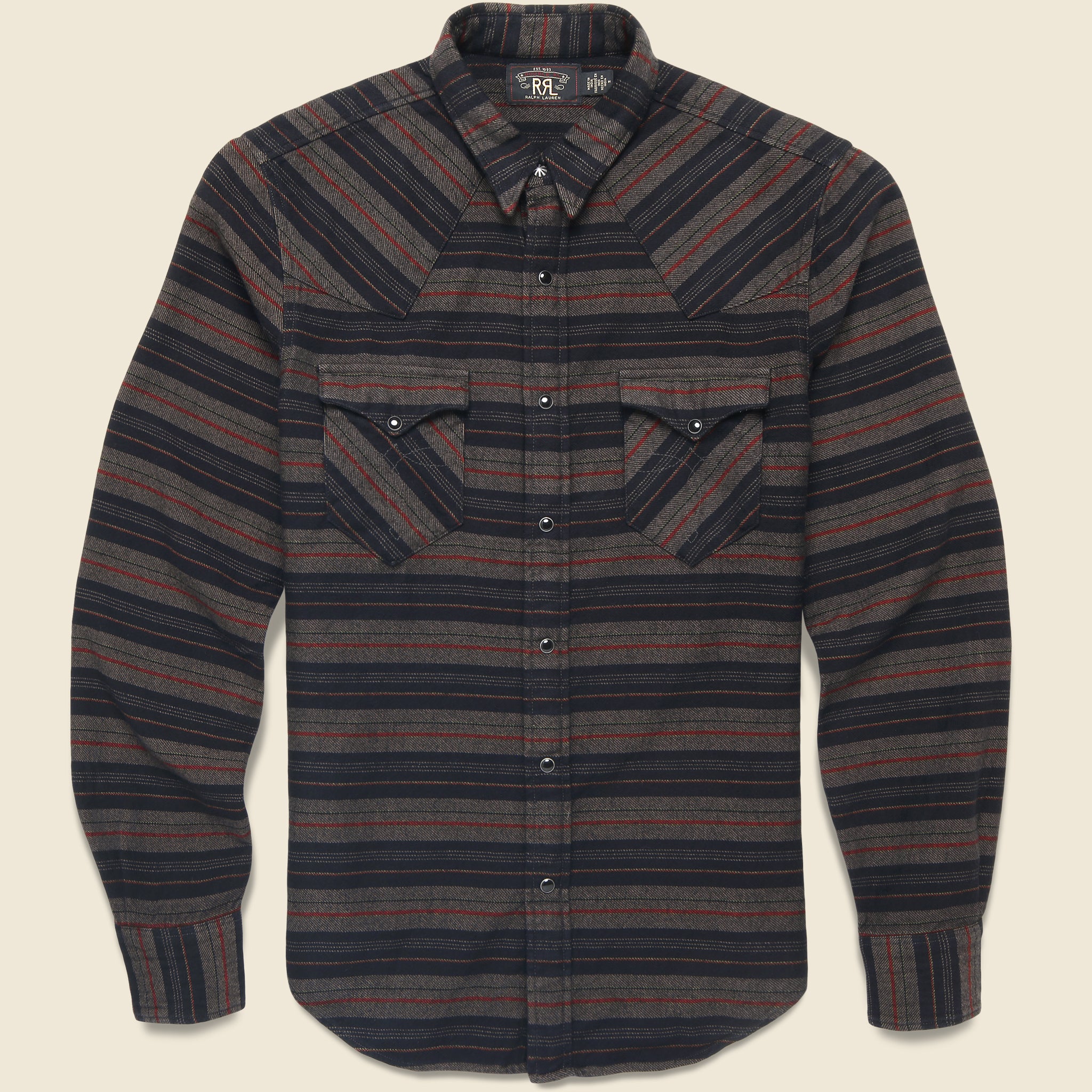
RRL (Double RL)

RRL (Double RL)
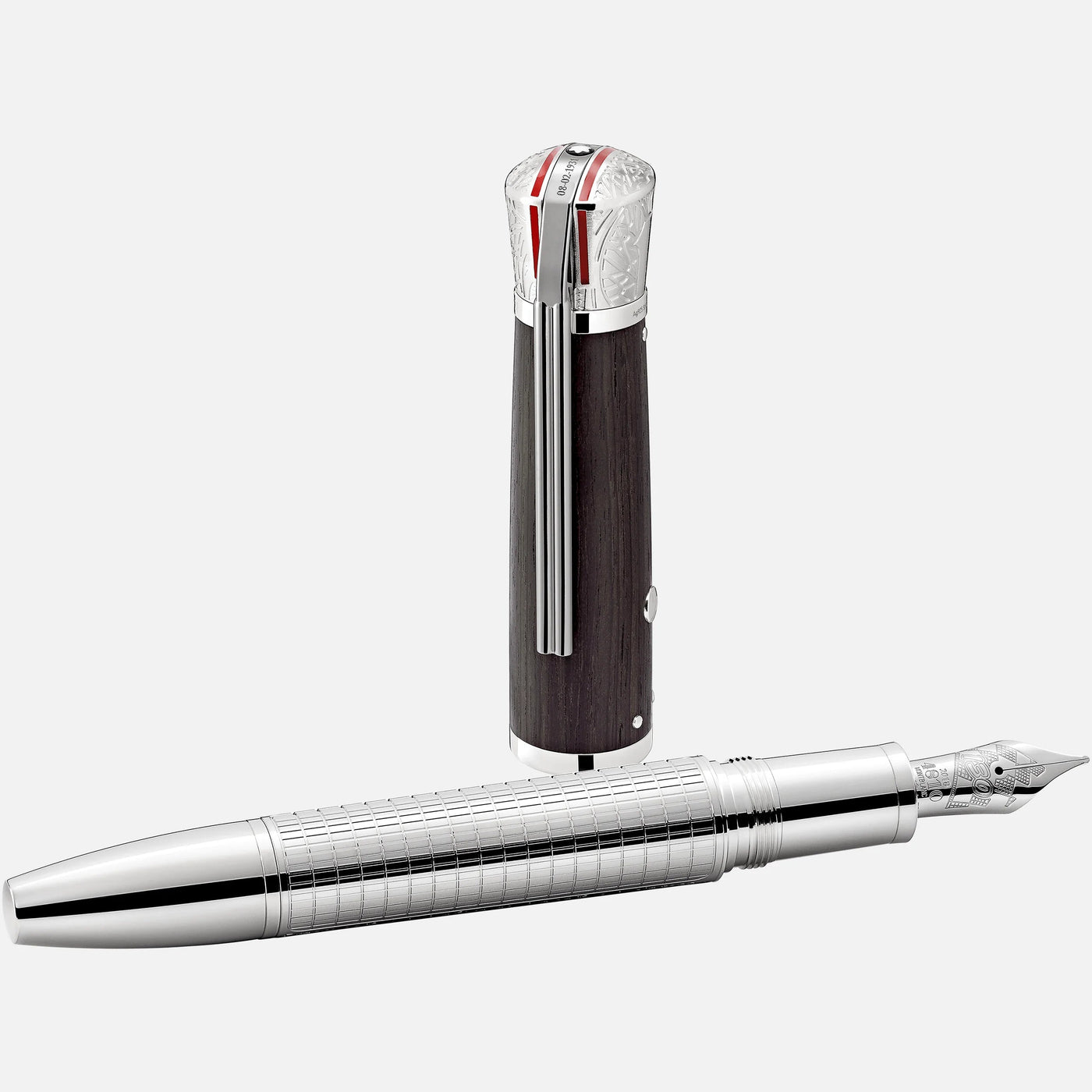
Montblanc Great Characters James Dean
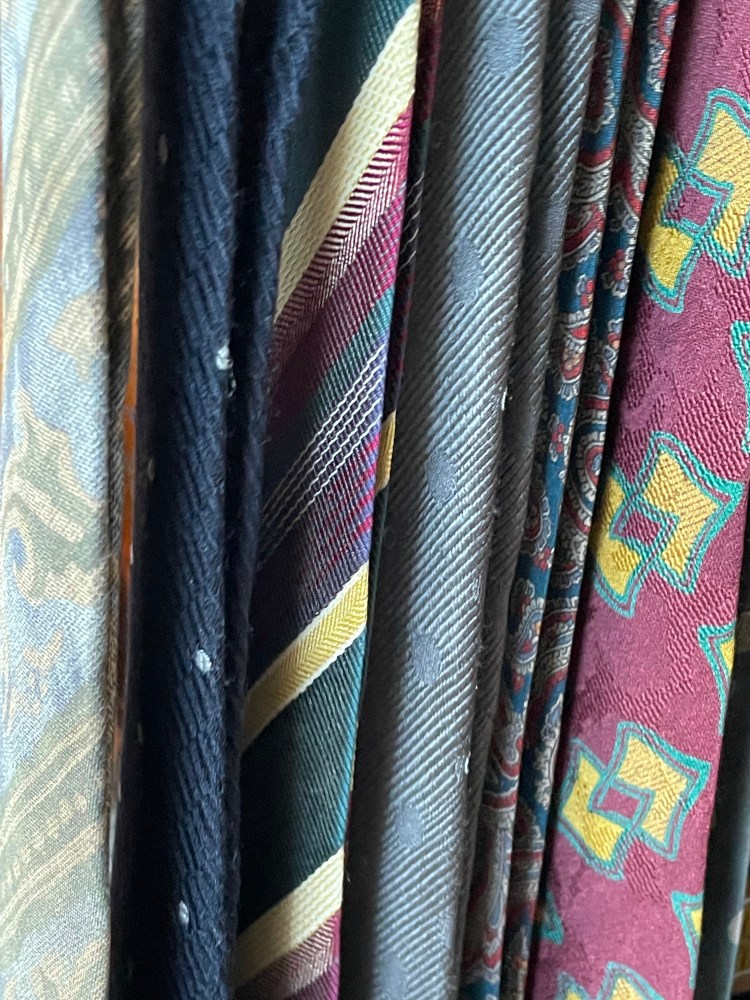
Second-Hand Men’s Ties in Paris
Imagery
Know someone who’d love this?
Discovered by ArcurianAuto-generated from public sources and AI synthesis — it may be incomplete or inaccurate. Treat it as a starting point for your own exploration, not professional (medical, legal, financial, or safety) advice. Verify anything you act on. Report this page.