Levi’s 501 Big E means the red tab with the brand name in capital letters, a detail that has become a shorthand for some of the most coveted vintage Levi’s in the collector market. The obsession is not just about age: people hunt for specifics like selvedge denim, button-fly 501s, leather patches, and transitional late-1960s pairs whose wear, repairs, and fading tell their own story. The same two words also appear on later Levi’s Premium and reproduction-era products, which is exactly why experienced buyers get so particular about tags, construction, and provenance. Once you start seeing how a tiny tab connects to 501XX lore, auction prices, and decades of denim changes, the fascination makes immediate sense.
Learn
What “Big E” Actually Signals on a 501
The "Big E" on a Levi's 501 red tab—where the word LEVI'S appears in all capital letters—is the single most reliable shorthand for dating a pair to before 1971. Introduced with the red tab itself in 1936, this uppercase logo ran continuously until Levi's rebranded in 1971, switching to a lowercase "e" that has remained the standard ever since. For collectors, a Big E tab immediately signals a pre-1971 garment, but that's only the beginning: the era of production carries with it a cascade of other details—selvedge denim from Cone Mills White Oak, button flies, hidden rivets (replaced by bar tacks in 1966), and leather or thick cardstock patches—that together define the most sought-after vintage 501s. A genuine Big E pair from the 1950s or 1960s in excellent condition can command between $2,000 and $10,000 on the secondary market, yet thrift store finds still surface regularly, making the tab a crucial first check for anyone hunting serious vintage denim.

 long-john.nllong-john.nl
 heddels.comheddels.com

+Field notes
- —The Big E tab—where LEVI'S is spelled in all uppercase letters—indicates production between 1936 and 1971; the switch to a lowercase "e" happened in 1971 and defined the modern red tab.
- —Big E 501s from the 1950s and 1960s in near-mint condition can sell for $2,000 to $10,000, yet they still turn up in thrift stores priced like ordinary jeans, making the tab an instant value indicator.
- —During the Big E era, 501s were made with Cone Mills White Oak selvedge denim (right-hand twill 3x1), button flies, and hidden copper rivets until 1966, when bar tacks replaced the hidden rivets.
- —Levi's introduced the red tab—originally in all capitals—on September 1, 1936, as a quick visual identifier for customers to spot genuine Levi's in stores; the idea came from National Sales Manager Chris Lucier.
- —By the mid-1970s, Levi's had depleted its remaining Big E tab stock, so any pair carrying that tab is definitively pre-1971; however, the modern Levi's Vintage Clothing reproduction line uses Big E tabs on reissues, so cross-referencing with other era details (patch, rivets, care tags) is essential for authentication.
- —Some sources place the Big E start date for 501s specifically at 1955 (rather than 1936), but the general consensus among specialist guides is that any capital-letter tab dates a pair to before 1971, with earlier examples from the 1930s–1950s being exceedingly rare.
Learn
From 501XX to Late-1960s Transitional Pairs
The late-1960s Big E 501s represent a critical bridge between the classic 501XX and the modernized 501. These pairs retain the iconic Big E red tab and selvage denim but adopt key updates: hidden rivets vanish in favor of bar tacks around 1966, the waistband stitching shifts from single (early) to chain (later), and the patch begins carrying a letter code (A, S, B, F, I) above the 501 lot number. Hardware like the 'foot-long R' fly button and uneven V tab persist from the XX era, while the back pocket shape and arcuate stitching remain close to earlier models. These details make late-1960s transitional pairs prized for their mix of old-world construction and modernizing touches.
 long-john.nllong-john.nl

 sandsofstyledotcom1.wordpress.comsandsofstyledotcom1.wordpress.com
+Field notes
- —The removal of hidden back pocket rivets and replacement with black bar tacks occurred around 1966-1967, marking a clear departure from the 501XX era.
- —The paper patch on late-1960s Big E 501s often features a letter (A, S, B, F, I) stamped above the '501' lot number; the 'TYPE A' is specifically associated with mid-to-late Big E production (1967-1969).
- —Two distinct waistband constructions exist among late-1960s Big E pairs: 'waist single' (single stitch) and 'waist chain' (chainstitch). The single-stitch waistband, paired with a V-stitch at the top button, is considered an earlier transitional feature from the 501XX.
- —The top button back engraving changed from letters (e.g., 'W') on early waist single Big E to numbers (e.g., '4', '16') on later waist chain Big E pairs, reflecting a gradual shift in manufacturing.
- —The red tab of these transitional pairs is double-sided with an uneven 'V' (different left and right widths) and still reads 'LEVI'S' in all caps (Big E), a feature that would be replaced by the small e tab after 1971.
- —The arcuate stitching on back pockets of late-1960s Big E 501s could be orange or yellow; the yellow stitch is closer to the 501XX style, while orange became more common later.
Learn
The Collector Vocabulary: Selvedge, 501XX, Red Tab, Patch, Repairs
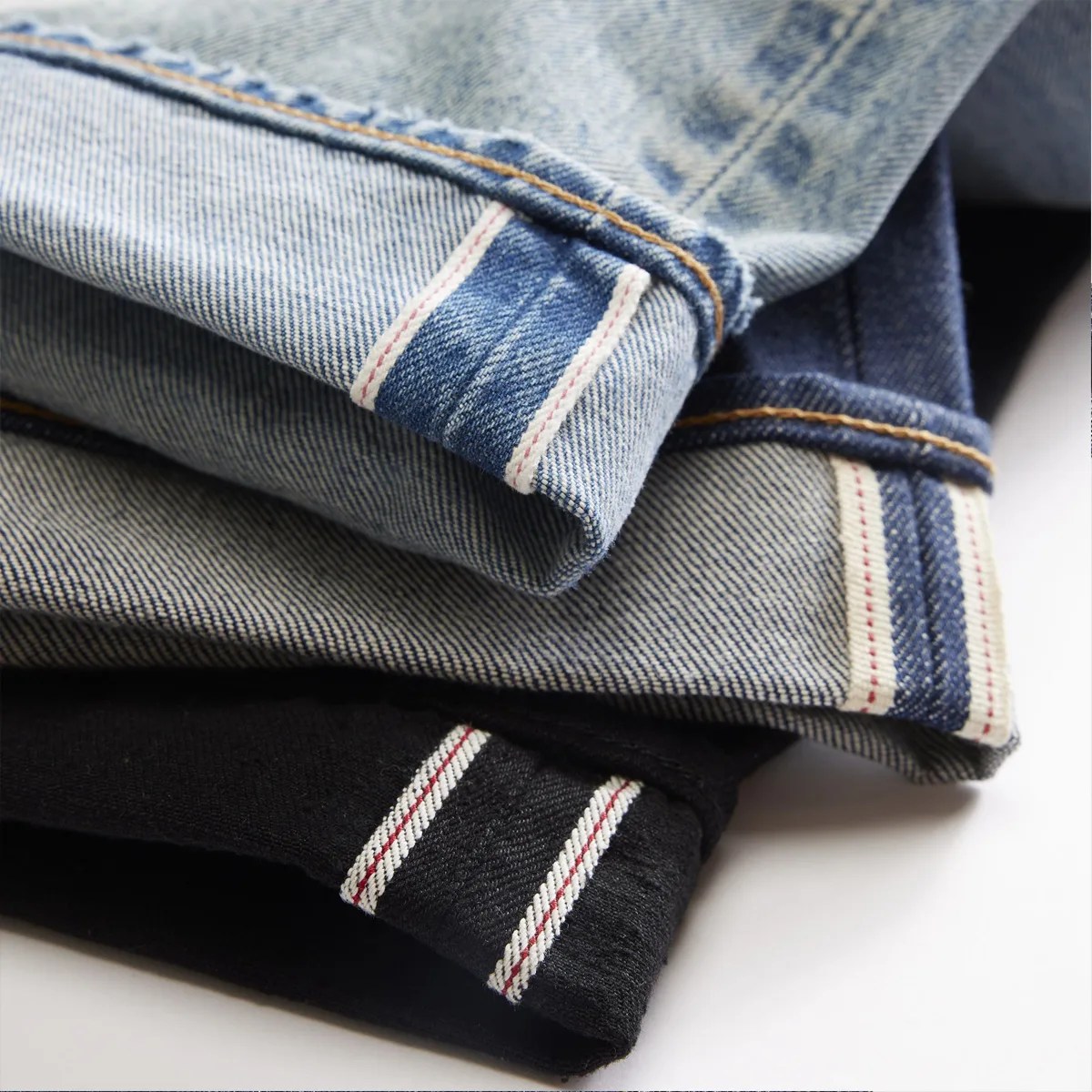
The Levi's 501 'Big E' is the holy grail for denim collectors, defined by a single capital letter on the red tab that signals pre-1971 production—a period when jeans were built with Cone Mills selvedge denim, hidden rivets, and a leather patch, all markers of American craftsmanship that can push a thrift store find into the thousands of dollars. The 1971 switch to a lowercase 'e' marked a shift to mass production, making every 'Big E' pair a relic of a bygone era, though you must cross-check with details like care tags (absent before the 1970s) and rivet styles to rule out modern Levi's Vintage Clothing reissues. The real thrill is that these treasures still hide in charity shops, often priced like any other worn denim, rewarding those who know to look for the telltale all-caps tab and the heavy, grainy feel of true selvedge.

+Field notes
- —The Big E tab ('LEVI'S') was introduced in 1936 and phased out by 1971; any pair with a lowercase 'e' is post-1971, marking the end of the hand-crafted, USA-made era.
- —Big E 501s from the 1950s and 1960s can sell for $2,000 to $10,000 in excellent condition, yet they still surface in thrift stores priced like ordinary jeans.
- —Hidden back pocket rivets indicate a production date between 1937 and 1966; after 1966, Levi's replaced them with bar tacks, a key clue when dating a Big E pair.
- —Levi's Vintage Clothing (LVC) reproductions use Big E tabs on modern reissues, so always cross-reference with care tags (absent before the 1970s) and hardware to confirm authenticity.
- —Selvedge denim, identifiable by a clean edge on the inseam, was standard on Levi's 501s until the mid-1980s, but most Big E pairs are selvedge because they predate the shift to mass production.
Discover
See Real Pairs Examined by Vintage Denim People


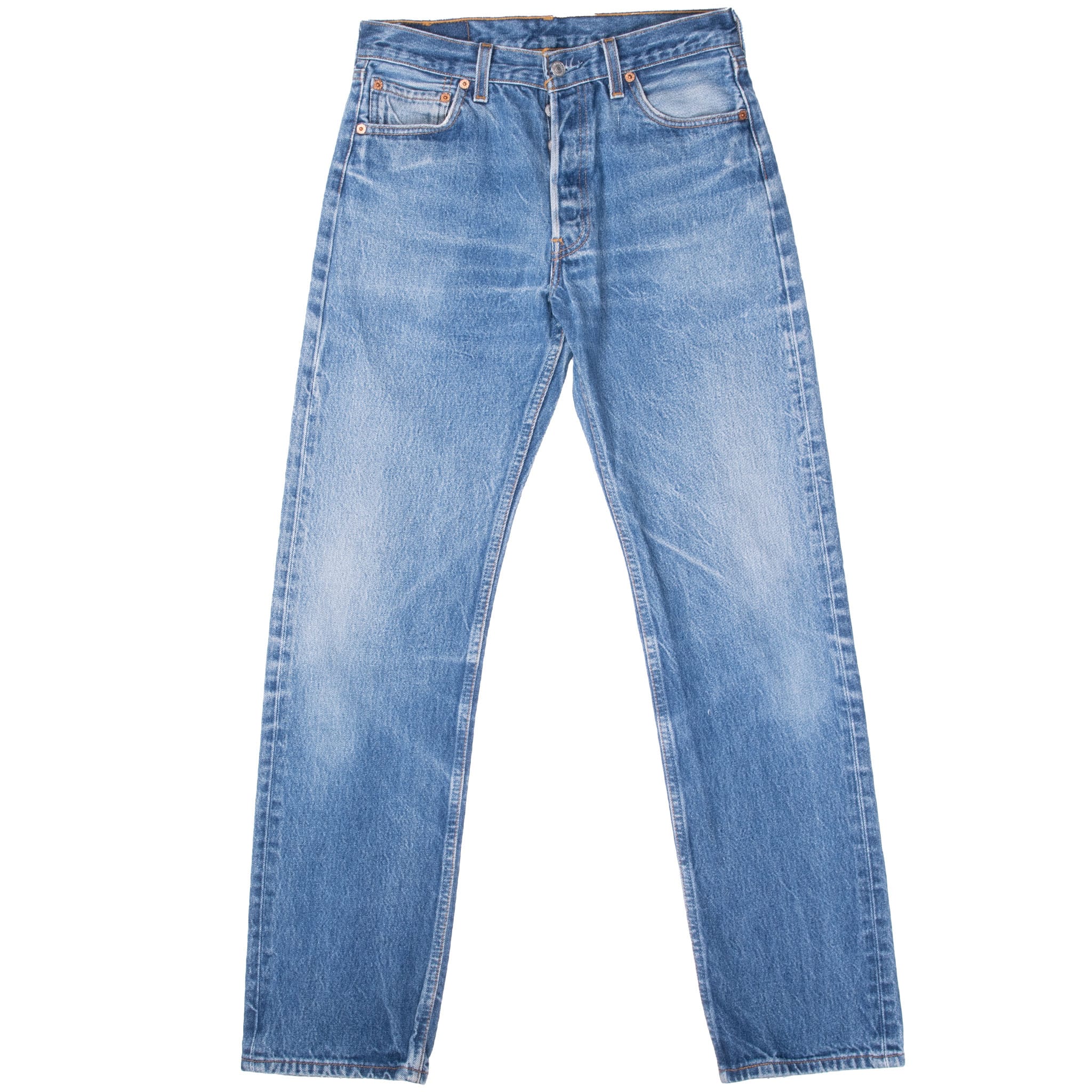
When vintage denim heads examine a pair of Big E Levi's 501s—those made before 1971 when the red tab still read 'LEVI'S' in capital letters—they focus on a constellation of tiny details that most people would miss entirely. The oldest known pair lives in the Levi's archives in San Francisco, a 501 from the 1880s that still has its original cinch back, suspender buttons, and a single back pocket, long before the modern five-pocket layout was standardized. The 501 is a button-fly, straight-leg design with a mid-rise, but the real clues are in the red tab: Big E means a capital E on the tab, while small e tabs (from 1971 onward) indicate a later era. Care tags are a more precise dating tool—Levi's introduced a date code system in 1986 that encodes the month and year (e.g., '107' means October 1987), and earlier tags from the 1970s show specific manufacturing locations printed on paper or cloth. The hidden rivets on the back pockets, the number of belt loops (five on most 501s after the 1920s, not counting the center back), and the shape of the V-stitch on the back pockets all shift over decades. Real enthusiasts also check the 'donut' vs. 'ball' rivets and the patina on the copper hardware. The leather patch on the waistband also changes—early ones said 'Patented' and later ones added 'XX' or just the 501 number—and the color of the denim's weft (the horizontal threads) can hint at 1960s vs. 1980s cone mills denim. A single pair can tell a story of two world wars, Japanese denim obsessives, and the birth of modern streetwear, and the best way to learn is to watch someone like Tracey Panek from the Levi's archive walk through a single pair on camera.
+Field notes
- —The oldest pair of 501s in existence is held in the Levi's corporate archives in San Francisco, dating to the 1880s with a cinch back, suspender buttons, and just one back pocket—predating the five-pocket layout that became standard by the 1900s.
- —The Big E red tab (all capital letters) signals jeans made before 1971; after that year, Levi's switched to the lowercase 'e' on the tab, making this the single most recognized marker of true vintage 501s.
- —Levi's introduced a care tag date code system in 1986 where a three-digit number on the back of the tag decodes the month and year—for example, '107' means the 10th month of 1987, giving collectors a precise age without guesswork.
- —The fit of vintage 501s is a mid-rise, straight-leg, button-fly jean that sits just below the belly button; they are often considered unisex, and the extra fabric overlapping the buttons is a signature detail not found on zipper-fly models like the 505.
- —Hidden rivets on the back pockets, the number of belt loops (five on post-1920s 501s, excluding the center back loop), and the shape of the V-stitch on the back pockets all change over time, giving experienced eyes an instant read on a pair's era.
- —The leather patch on the waistband evolved from early ones reading 'Patented' to later ones adding 'XX' or just '501'; the weft color (horizontal threads in the denim) also shifts between 1960s cone mills production and later decades, offering another subtle dating clue.
Keep exploring
More of Levi’s 501 Big E

Branch out
Beyond Levi’s 501 Big E
More to explore
In the same world.
Vintage Levi's Denim
Vintage Levi's denim is a collector's world built around reading the garment itself: care tags, the red tab, and details…

RRL (Double RL)
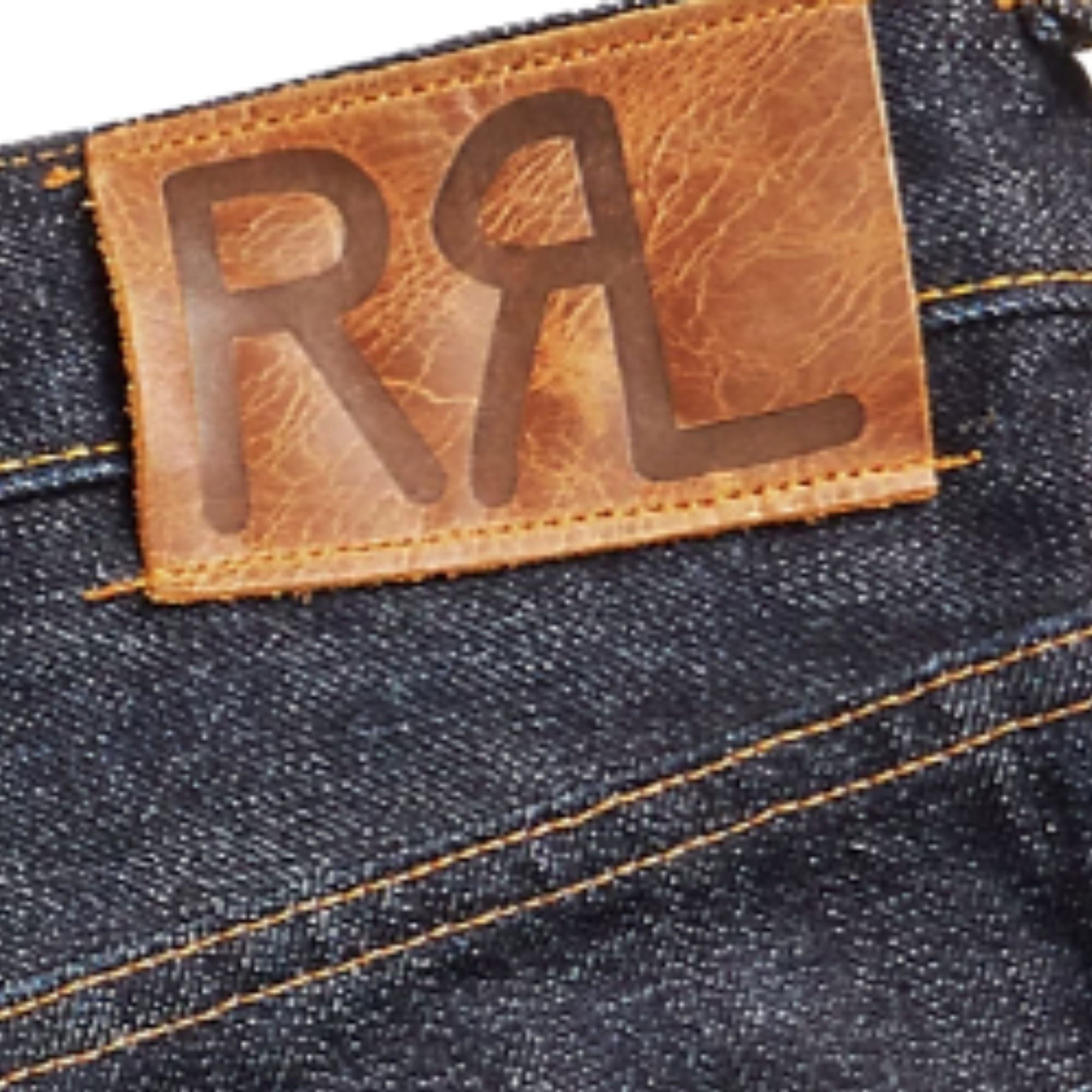
RRL, or Double RL, is Ralph Lauren’s heritage-focused line built around early 20th-century workwear, military clothing,…
Ralph Lauren Double RL
Double RL is Ralph Lauren’s dedicated RRL world: a full line spanning men’s and women’s clothing, jeans, accessories, an…
RRL (Double RL)
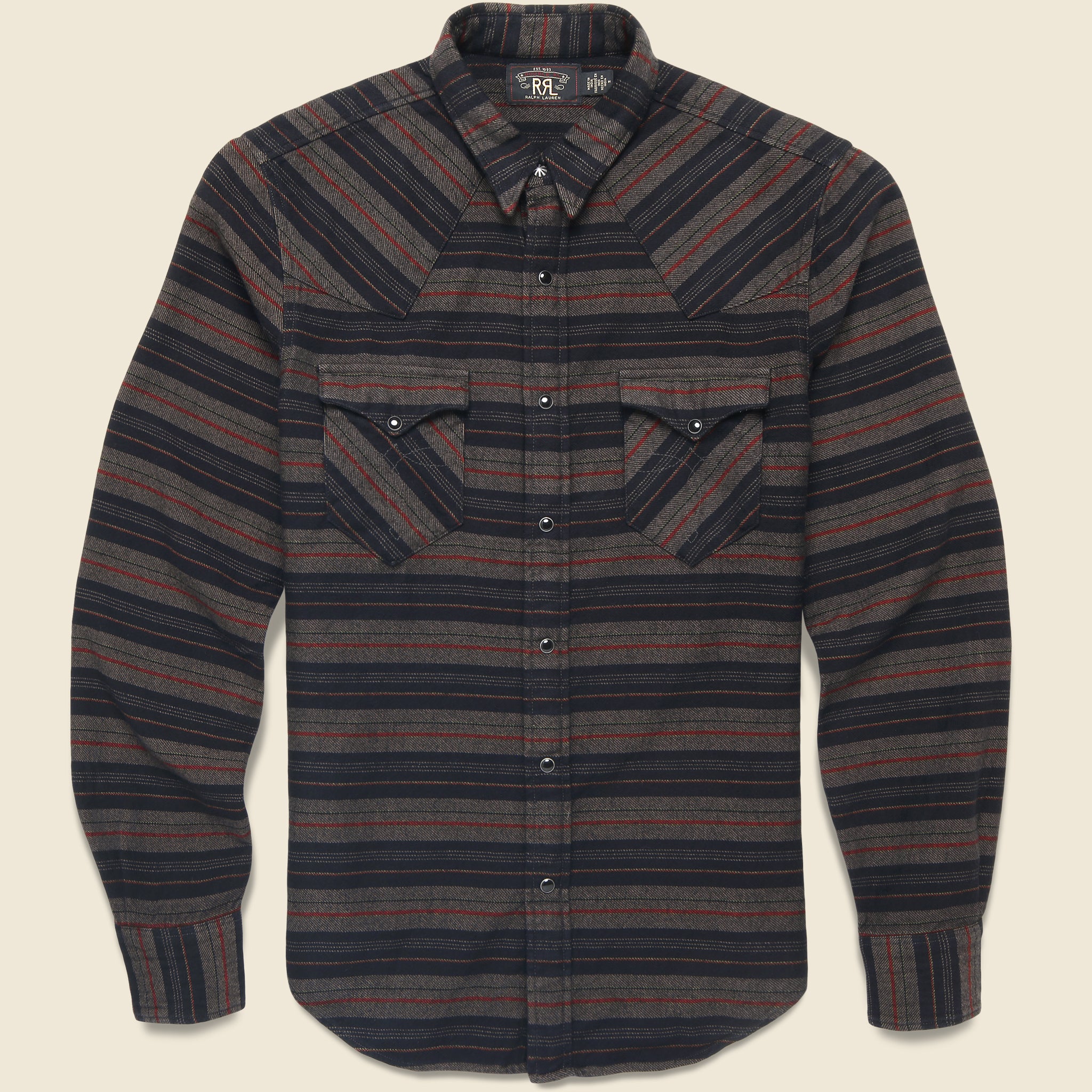
RRL, or Double RL, is Ralph Lauren’s heritage-focused line built around early 20th-century workwear, military clothing,…

RRL (Double RL)
Founded in 1993 and named after Ralph and Ricky Lauren's Colorado cattle ranch, RRL is Ralph Lauren's most obsessive sub…

Red Wing Iron Ranger
The Red Wing Iron Ranger is a Made in USA 6-inch boot in Red Wing’s Heritage line, sold across several leather and color…
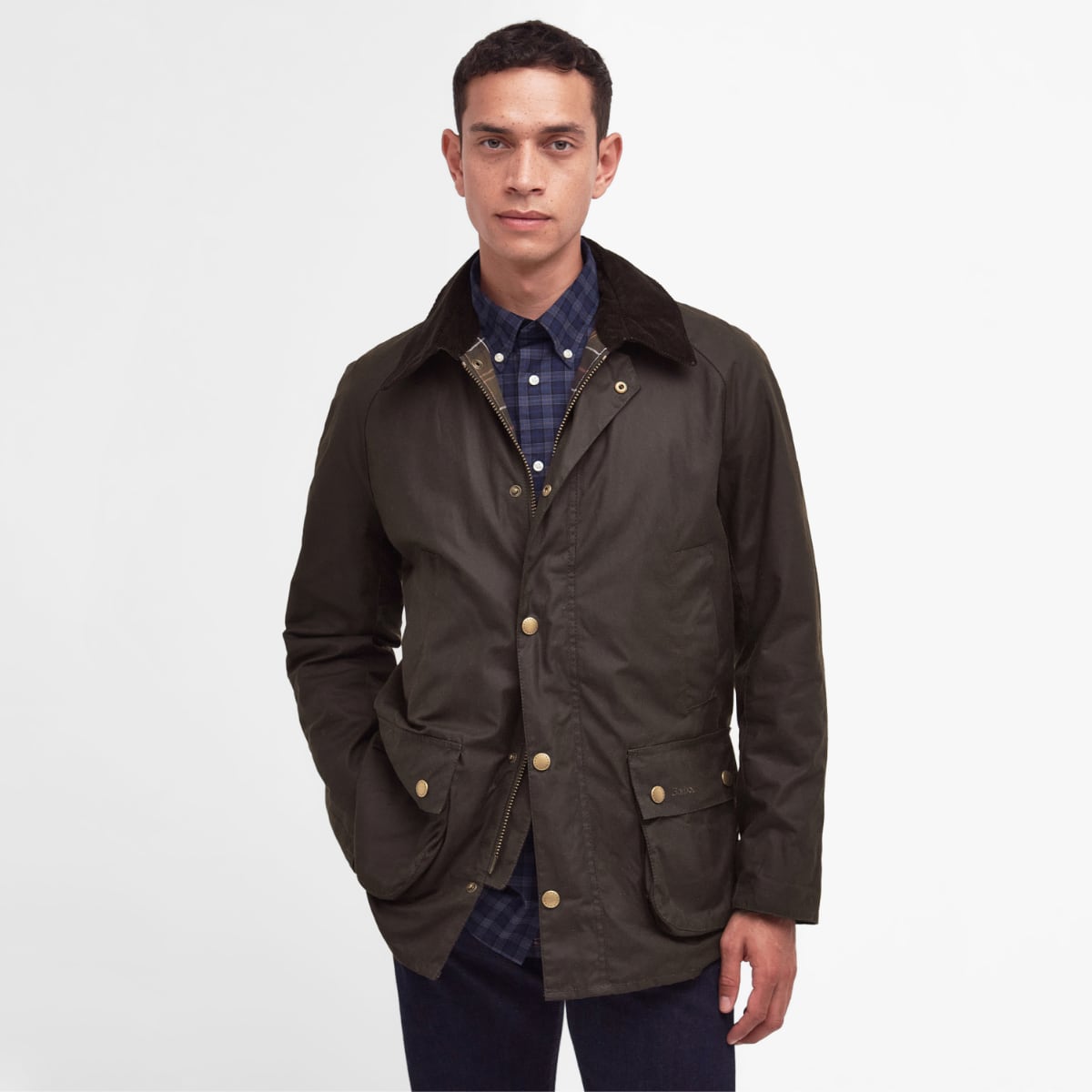
Barbour Waxed Jackets
What draws people to a Barbour jacket is not just the label but the specific world of waxed cotton field coats that have…

Vintage Rolex Watches
Vintage Rolex collecting revolves around older references whose value is tied not just to the model name, but to origina…
More in Heritage Menswear & Denim
Stay in this world.

Men’s Chain Link Styles

Italian Men’s Jewelry

Polo Country by Ralph Lauren
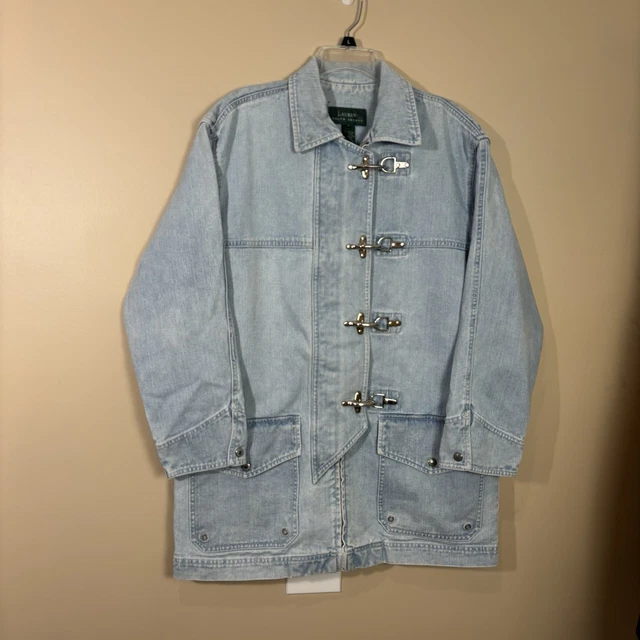
Ralph Lauren Fireman Hook Jackets
RRL (Double RL)
RRL (Double RL)
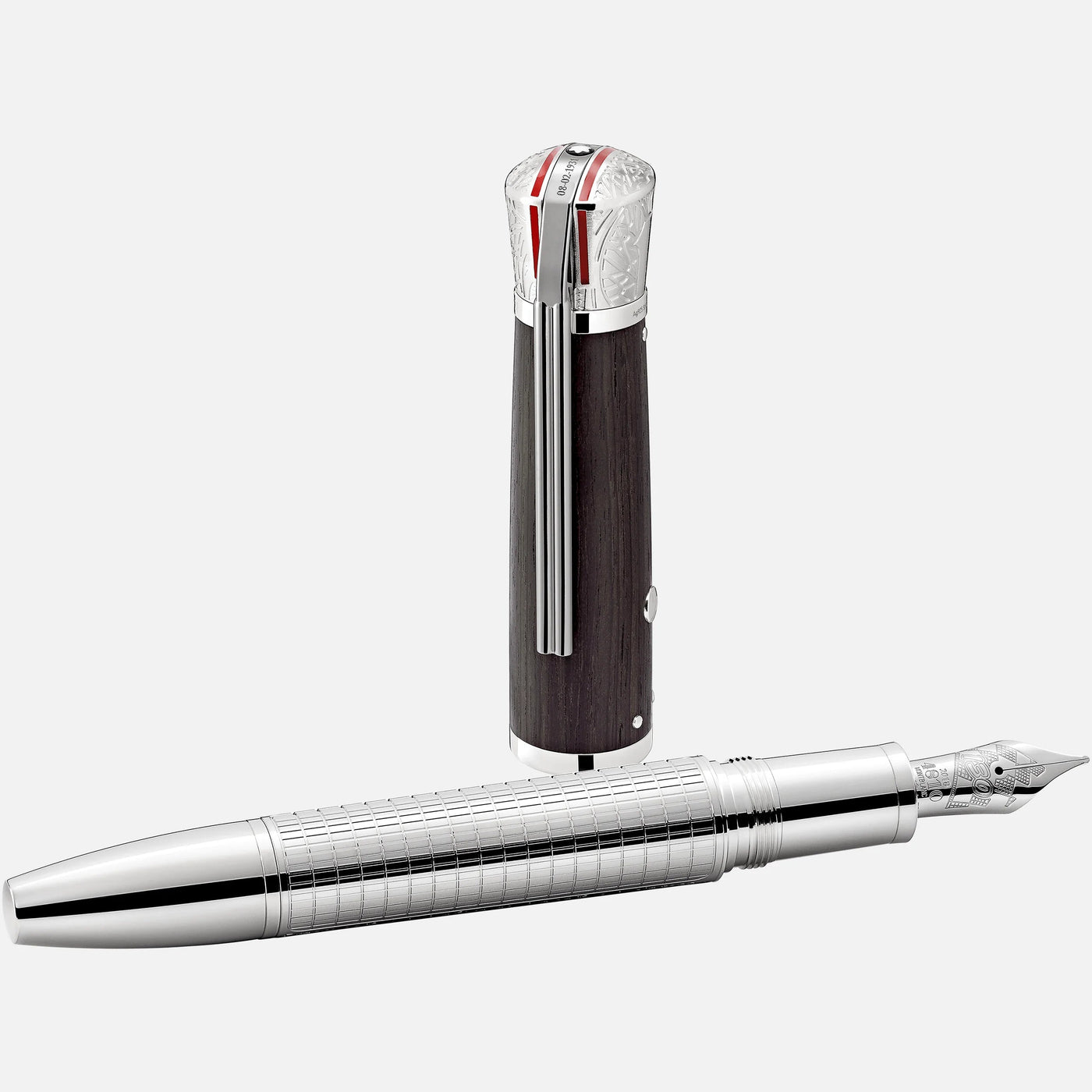
Montblanc Great Characters James Dean
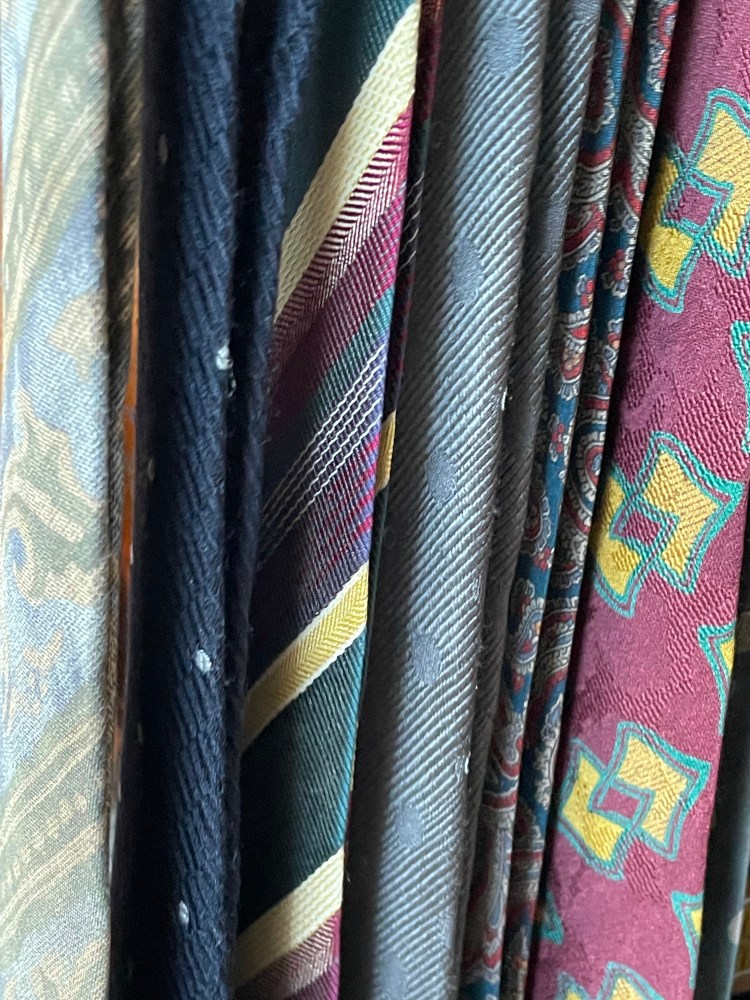
Second-Hand Men’s Ties in Paris
Imagery
Know someone who’d love this?
Discovered by ArcurianAuto-generated from public sources and AI synthesis — it may be incomplete or inaccurate. Treat it as a starting point for your own exploration, not professional (medical, legal, financial, or safety) advice. Verify anything you act on. Report this page.