Tenkara is a traditional Japanese style of fly fishing built around radical restraint: a long rod, a fixed line, and a fly, with no reel in the system. The method comes out of mountain-stream fishing in Japan and is often described as having been shaped by anglers in remote villages who made practical gear from what they had, from bamboo rods to horsehair or silk lines. Outside Japan it remained little known until the late 2000s, when Tenkara USA and Daniel Galhardo helped introduce it to a much wider audience. What makes tenkara compelling is not just its minimal tackle, but the precision and direct connection that fixed-line fishing demands once you step into moving water.
Learn
What Tenkara Actually Is on the Water
On the water, tenkara fishing revolves around a set of precise fly-presentation techniques that exploit the fixed-line rod's unique sensitivity, with the dead drift serving as the foundation and the 'pulse' as its most subversive twist. The dead drift — a drag-free imitation of a helpless insect tumbling in the current — is achieved by keeping the line off the water, letting only the fly and tippet interact with the flow, a feat far easier with tenkara's long rod and minimal line than with western gear that requires constant mending. Yet the real secret weapon is 'pulsing' the fly: by lightly tapping the rod handle or flexing the wrist, the angular hackle of a Sakasa Kebari (the reverse-hackle tenkara fly) flares and collapses in a lifelike wiggle, turning a dead bug into a struggling one. This violates western orthodoxy that worships dead drift, but it triggers aggressive strikes from trout that have already seen a dozen perfect drifts. The 'pause and drift' adds a periodic stop to inject a hop or twitch — mimicking a caddis freeing itself from surface tension or a nymph squiggling upward — while Japanese specialists talk of 'tomezuri' (stopping the fly mid-drift) and 'pon pon' (a short, sharp pull to make the fly dart upstream), each technique demanding subtle rod control rather than brute casting. A critical nuance is the concept of 'otsuri' — literally 'change' from a cashier's tray — describing the frustrating shortening of your effective drift when you over-cast: your fly lands far upstream but settles much closer due to line belly or rebound, a phenomenon experienced anglers anticipate by casting short and letting the rod tip control the drop. Every technique is a negotiation between current, rod tip height, and line contact; more line in the water gives the current control, less line gives the angler control, and the best presentations exploit that tension with surgical precision.


 ginkandgasoline.comginkandgasoline.com
 tenkaraangler.comtenkaraangler.com
 heritagetenkaraproject.comheritagetenkaraproject.com
+Field notes
- —The dead drift in tenkara is uniquely effective because the fixed line and long rod allow the angler to keep all line off the water, achieving a true drag-free drift without mending — a hard trick with a western rod that has yards of line on the surface.
- —Pulsing the fly — tapping the rod handle or flexing the wrist to make the Sakasa Kebari's reverse hackle flare — violates the western dead-drift dogma but is deadly because it imitates a struggling insect; one source calls it 'one of my favorite techniques' and says it 'goes against all convention.'
- —The 'pause and drift' technique combines a dead drift with periodic stops to twitch or hop the fly, mimicking behaviors like a caddis freeing itself from surface tension or a nymph squiggling upward, adding a dimension of life that still water cannot imitate.
- —Japanese tenkara has a concept called 'otsuri' — meaning 'change' from a cashier's tray — to describe when an over-ambitious cast results in the fly settling much closer than intended due to line rebound or belly; skilled anglers cast short and use rod tip control to avoid this hidden distance penalty.
- —Advanced techniques like 'tomezuri' (stopping the fly mid-drift) and 'pon pon' (a short, sharp upstream pull) were discussed in the Tenkara Angler Level Line Podcast as methods to provoke strikes from educated or 'gatekeeper' trout that ignore conventional presentations.
- —The dead drift can be used both upstream and downstream, but the angler must avoid 'bonking the fish on the head with the fly' — casting 4–6 feet above the target to let the fly drift naturally into the strike zone without spooking the fish.
Learn
From Japanese Mountain Streams to Global Revival
Tenkara, the Japanese method of reel-less fly fishing, originated over 400 years ago with commercial anglers and Matagi hunters in the mountain streams of Honshu, who used long, hand-cut bamboo rods and horsehair or silk lines to catch yamame, iwana, and amago. By the 1980s, the practice had nearly vanished until sports-science professor Hisao Ishigaki researched its history, demonstrated it on national television, and mentored a new generation—most critically Brazilian-born Daniel Galhardo. Galhardo, who discovered tenkara during a 2008 trip to Japan, abandoned his international banking career to found Tenkara USA in 2009, becoming the first to manufacture and distribute tenkara rods outside Japan. The technique’s radical simplicity—just a telescopic rod, a fixed line, and a single fly—initially clashed with American anglers’ instinct to match the hatch, but Galhardo’s teaching that presentation matters more than fly variety slowly won converts, especially among minimalist-minded fly fishers in places like Boulder, Colorado. Today tenkara has carved a durable niche as a streamlined alternative to Western fly fishing, sparking debates about tradition versus innovation that only deepen its appeal.

 midcurrent.commidcurrent.com


 discovertenkara.comdiscovertenkara.com
+Field notes
- —Tenkara’s earliest documented practitioners were the Matagi, traditional hunter-gatherers of the Ōu and Hida mountains, who used tenkara to catch about 100 char per day during high season, then smoked or dried the fish for trade.
- —By the 1980s tenkara was almost extinct; it was revived by Dr. Hisao Ishigaki, a sports-science professor who researched its history and demonstrated the method on Japanese television.
- —Daniel Galhardo founded Tenkara USA in 2009 after leaving a career in international banking, and became the first to introduce tenkara rods to the US market; he was personally mentored by Ishigaki to ensure the method was disseminated accurately.
- —Tenkara’s core equipment—a single telescopic rod, a fixed line, and no reel—was initially a hard sell to American anglers, who are conditioned to match the hatch and change flies frequently, but Galhardo successfully argued that proper presentation can eliminate the need for fly variety.
- —In Japan, tenkara is traditionally referred to as “kebari tsuri” (fly fishing), distinguishing it from Western fly fishing, which has its own separate Japanese term.
Explore
The Minimal Kit: Rod, Line, Fly
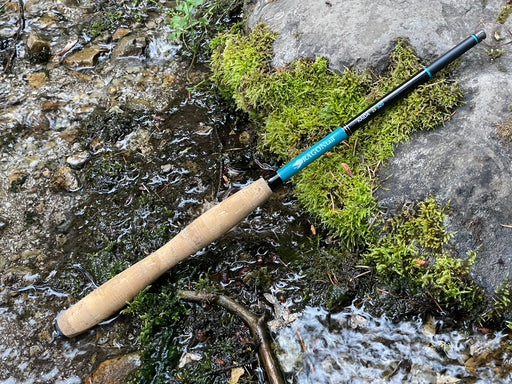
Tenkara's minimal kit—rod, line, fly—is deceptively simple, but the real art lies in matching line type and length to your rod and water. The universal starting point is a level line cut to about the same length as your rod, plus or minus the handle length (roughly 8–12 inches). For zoom rods, set the line length based on the rod's shortest extension. Furled lines, with their built-in taper, cast more easily and turn over smoothly, making them beginner-friendly, while level fluorocarbon lines are lighter, more delicate, and demand a quicker casting stroke—traditionalists favor them for Sakasa Kebari presentations. Tapered nylon lines split the difference: they're visible, cast well, and come with convenient attachment loops, but they have memory and limited adjustability. The golden rule of rigging: never touch the lilian (the tip cord) while the rod tip is extended—always collapse the rod first. Knots matter enormously: common knots like the clinch or improved clinch can cut a 4 lb test line's breaking strength to under 2 lb, so use a girth hitch or a simple sliding knot. Tippet length typically runs 3–5 feet, and the line-to-rod ratio shifts from 0.8x for tight, overhung creeks up to 1.3x for open still waters.
 discovertenkara.comdiscovertenkara.com

 tenkaratalk.comtenkaratalk.com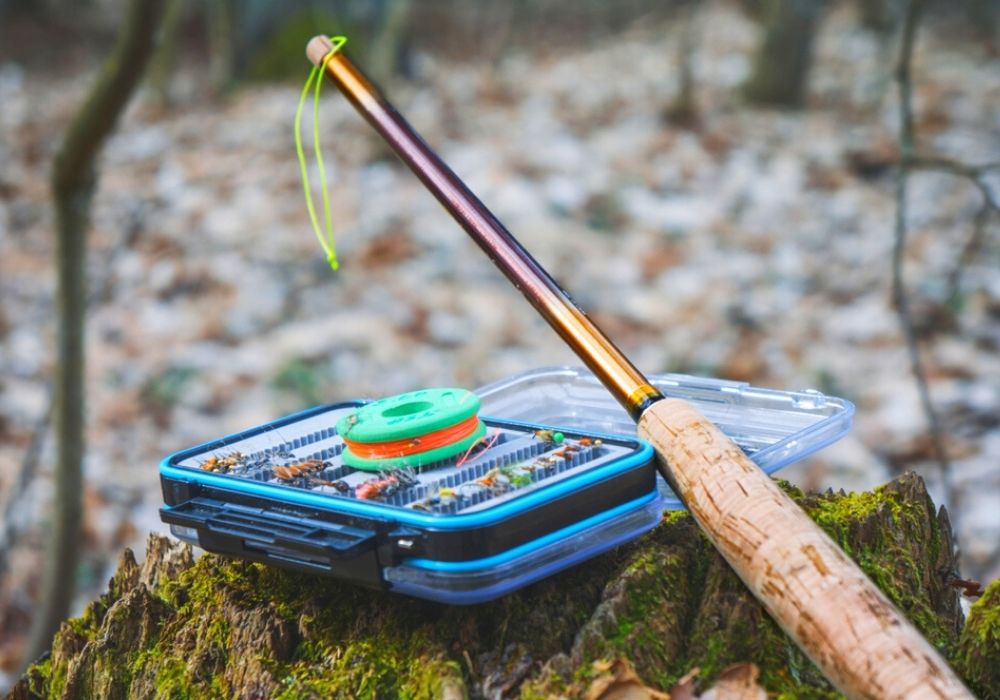
 tenkarausa.comtenkarausa.com
+Field notes
- —The near-universal starting line length is exactly the length of your full tenkara rod, plus or minus the length of the handle (about 8–12 inches); for zoom rods, you base it on the shortest segment.
- —Furled lines, made from multiple strands of nylon, fluorocarbon, or even Kevlar, offer effortless casting and smooth turnover due to their taper and mass—beginners often find them much easier than level lines.
- —Level fluorocarbon lines (typically #2.5 to #4.0 diameter) are the lightest and most delicate option, ideal for traditional Sakasa Kebari dry flies, but they sink, coil like a Slinky, and require a quick-flick casting stroke.
- —Never touch the lilian (the tiny cord at the rod tip) when the tip is extended—always collapse the rod first and trap the lilian against the rim with your thumb to prevent breaking the tip.
- —Common knots like the clinch knot, improved clinch knot, Ishikagi 'One Knot,' and water knot all test at less than half the line's rated breaking strain—use a girth hitch or simple sliding knot instead.
- —A longer rod (12 ft+) gives you greater mechanical advantage for lifting fish and keeps more line off the water, reducing surface tension and increasing sensitivity to strikes.
Discover
Watch Skilled Casters and Stream Tactics
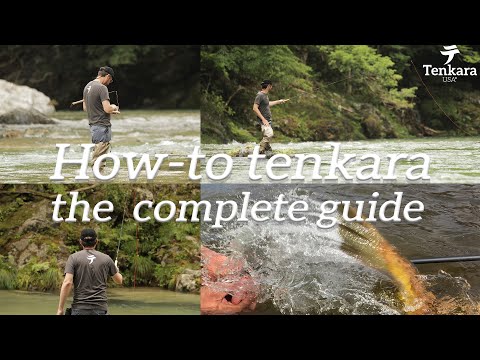

Watching skilled tenkara casters reveals that the grip—specifically the index-finger-on-top grip favored by Japanese anglers like Masami Sakakibara—fundamentally changes casting efficiency and fly control. Daniel Galhardo demonstrates that tenkara casting is intuitive, more like throwing a rock than a conventional fly cast, relying on a smooth, overhead motion without false casts to present the fly delicately. On the stream, reading water and covering runs systematically, using techniques like the 'tracer fly' (a highly visible sinking fly), not only helps detect strikes but also teaches you to understand unseen underwater currents, improving your drift and casting accuracy. The final thrill comes from landing fish directly by hand, using the rod's flexibility to absorb runs, a tactile experience that connects you intimately with the quarry.
+Field notes
- —The index-finger-on-top grip is the standard among experienced Japanese tenkara anglers; a two-finger 'V-grip' is an alternative if it feels more comfortable, but avoid a thumb-on-top grip as it reduces rod sensitivity and casting leverage.
- —Tenkara casting is a single, pendulum-like motion with no false casting—imagine skipping a rock across water—relying on the rod's tip flex (usually from a 10–13 foot telescoping rod) to load and deliver the line and fly precisely.
- —A 'tracer fly' (a white or brightly colored, high-visibility sinking fly) lets you watch the fly's underwater path, revealing how currents twist and accelerate your drift, which directly translates to better mending and more natural presentations.
- —After casting, manipulate the fly with subtle rod tip movements—pauses, twitches, or lifts—to mimic insect behavior; the key is to keep the line off the water surface to avoid drag, which spooks trout in clear mountain streams.
- —When landing a fish, never 'reel' it in; instead, keep the rod tip high, let the rod's parabolic action tire the fish, and then grab the leader and bring the fish to hand—a method that protects the delicate telescoping rod and reduces stress on the fish.
Discover
Read the Arguments About Simplicity, Technique, and Tradition
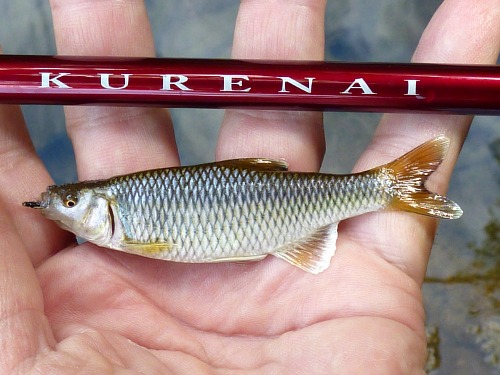
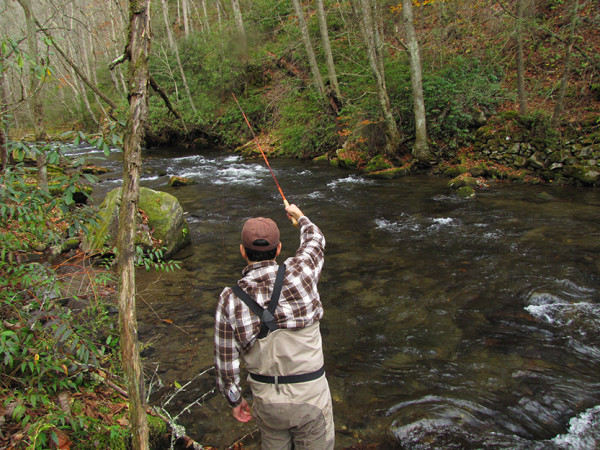
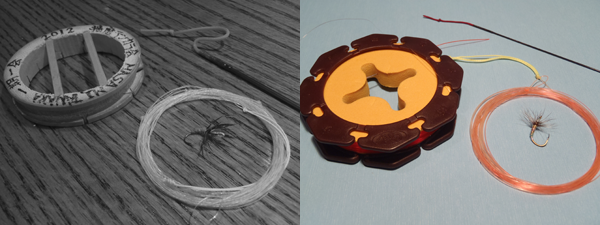


The tenkara community is deeply divided over what the practice truly is, with passionate arguments about whether it should remain a purist Japanese tradition for mountain stream trout or evolve into a broader fixed-line method adapted to Western fish and waters. Traditionalists insist that authentic tenkara means fishing for only trout and char in steep, small streams using a single wet fly presented with precise manipulation, a definition rooted in centuries of Japanese commercial fishing. Modernists counter that the US has already broken that mold—bluegills were caught on tenkara rods within weeks of the method's 2009 introduction—and that the real innovation is not the simplicity of the gear but the complexity of fly control and drag-free drifts possible with a reel-less, long-rod setup. At its core, the tension pits technique against tackle: is tenkara defined by what you fish for and how, or by the tool itself and the freedoms it grants? Both sides agree on one thing: the direct connection between angler and fish, unmediated by a reel's drag, changes the entire feel of the fight.
+Field notes
- —Within weeks of Tenkara USA's 2009 launch, an angler posted photos of large bluegills caught with a tenkara rod, immediately breaking the Japanese tradition that tenkara is exclusively for trout and char in mountain streams—a shift the founder, Daniel Galhardo, could not contain.
- —The term 'fixed line fishing' arose in the US precisely to distinguish the broader American adoption (bass, carp, even tarpon) from the narrow Japanese definition of tenkara as only for trout and char in high-gradient headwaters.
- —Tenkara enthusiasts argue the method's real strength is not simplicity but the complexity of fly control—keeping a light line off the water allows drag-free drifts and precise manipulation of the fly's path in tricky currents, something impossible with yards of floating fly line.
- —In Japan, tenkara streams are formally classified into three categories—headstreams (rods 3.0–3.3m, fast 7:3 action), 'tenkara streams' (3.6–4.0m, variable action), and 'keiryu streams'—with specific rod designs and techniques for each, showing the method is far from a one-size-fits-all approach.
- —Traditional Japanese tenkara techniques involve fishing a single wet fly 2–5 inches under the surface, with drifts lasting only three or four seconds—not swinging wets downstream as in the West, but upstream or across, using constant rod tip manipulation.
- —Modern tenkara flies (sakasa kebari) are not meant to match specific insects; the emphasis is on presentation and fly action rather than imitation, a stark contrast to the Western dry-fly tradition influenced by F.M. Halford's doctrine of exact imitation.
Branch out
Beyond Tenkara Fly Fishing
More to explore
In the same world.
Fly Fishing
Fly fishing is an angling method built around casting an ultra-light artificial fly with specialized tackle, because the…

Japanese Kitchen Knives
Japanese kitchen knives are a broad world of made-in-Japan chef’s knives that ranges from workhorse gyutos and santokus…
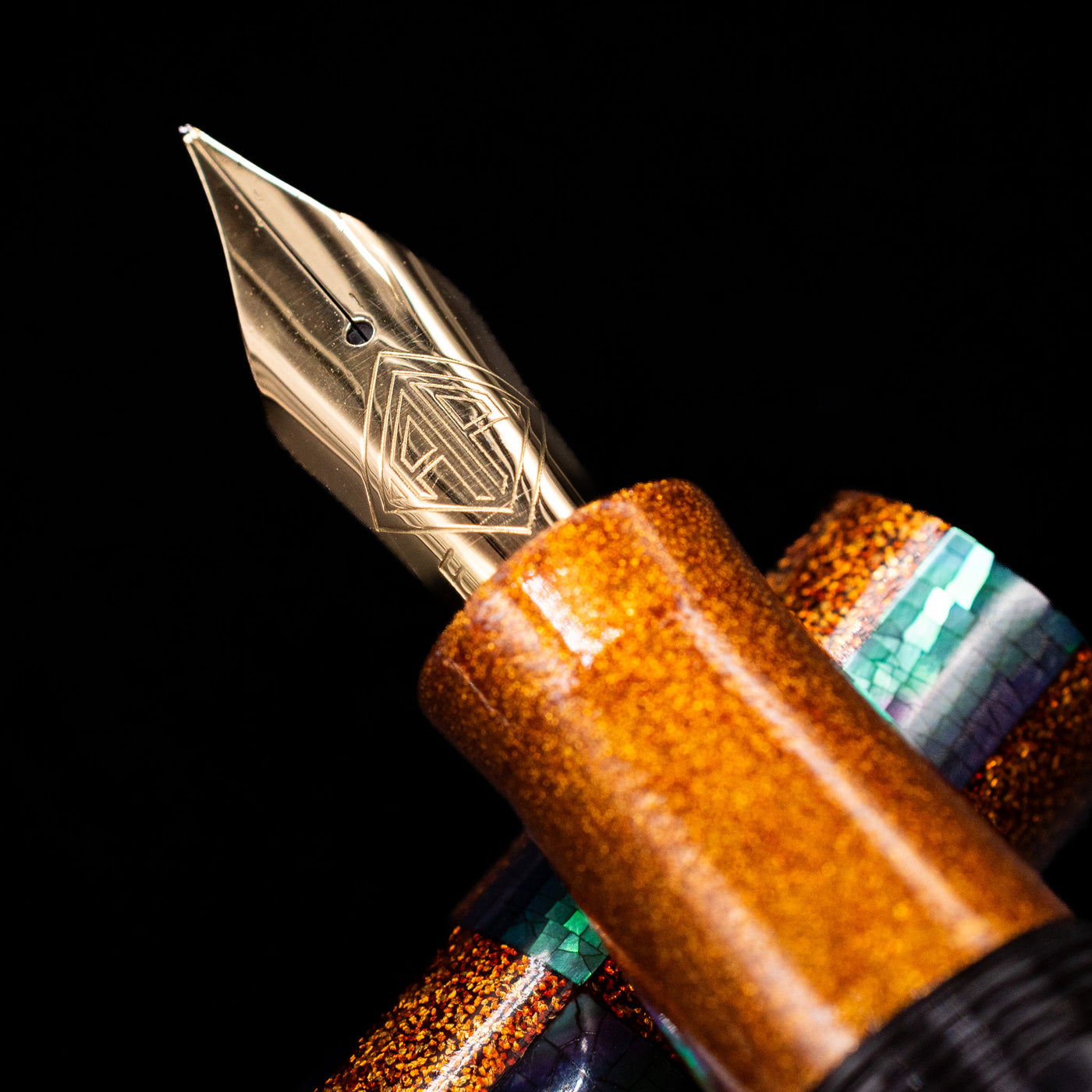
Sailor Maki-e Fountain Pens
Sailor’s Maki-e fountain pens sit at the meeting point of writing instrument collecting and a Japanese decorative art wi…

Bonsai
Bonsai is the Japanese art of growing and shaping miniature trees in containers, a practice with a long documented histo…
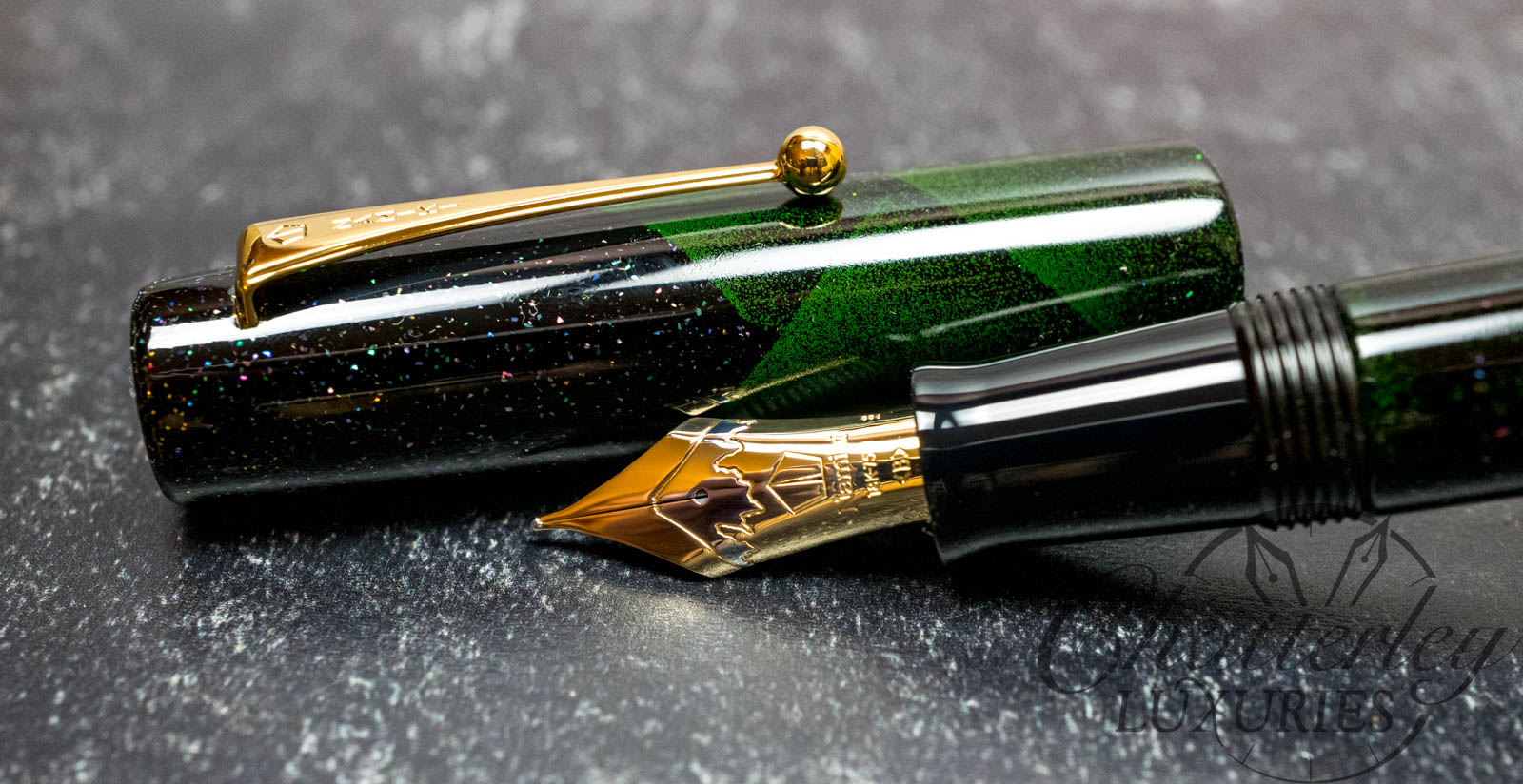
Namiki by Pilot
Namiki is Pilot’s Japanese brand for high-end fountain pens, especially models finished in maki-e and urushi lacquer. Th…
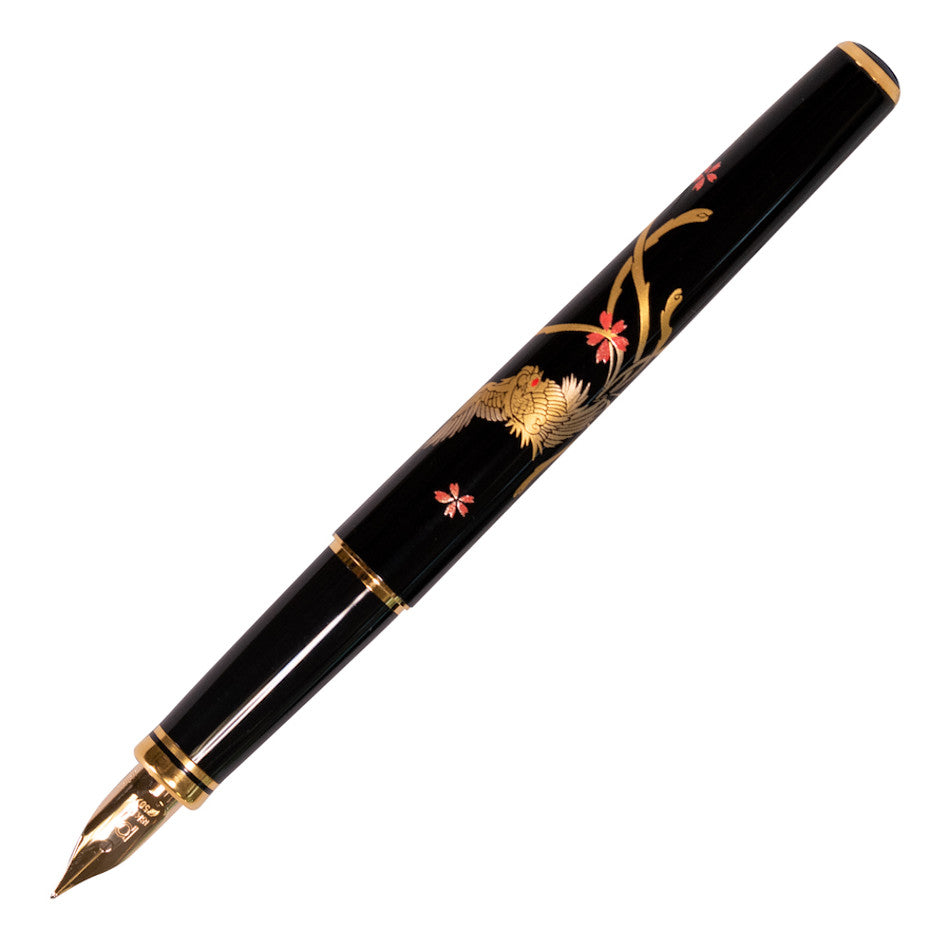
Platinum Modern Maki-e Fountain Pens
Platinum’s Modern Maki-e pens sit in a very specific corner of fountain-pen collecting: Japanese motif pens made with a…
Shohin Bonsai
Shohin bonsai are miniature trees defined less by a rigid species list than by scale and presentation: many sources plac…

Teishoku
Teishoku is the Japanese set meal: a fixed-price meal served as a complete tray, typically built around a main dish with…
More in Outdoor Pursuits & Crafts
Stay in this world.

4 Days in Kauai: How to Pace the Garden Isle Without Rushing It
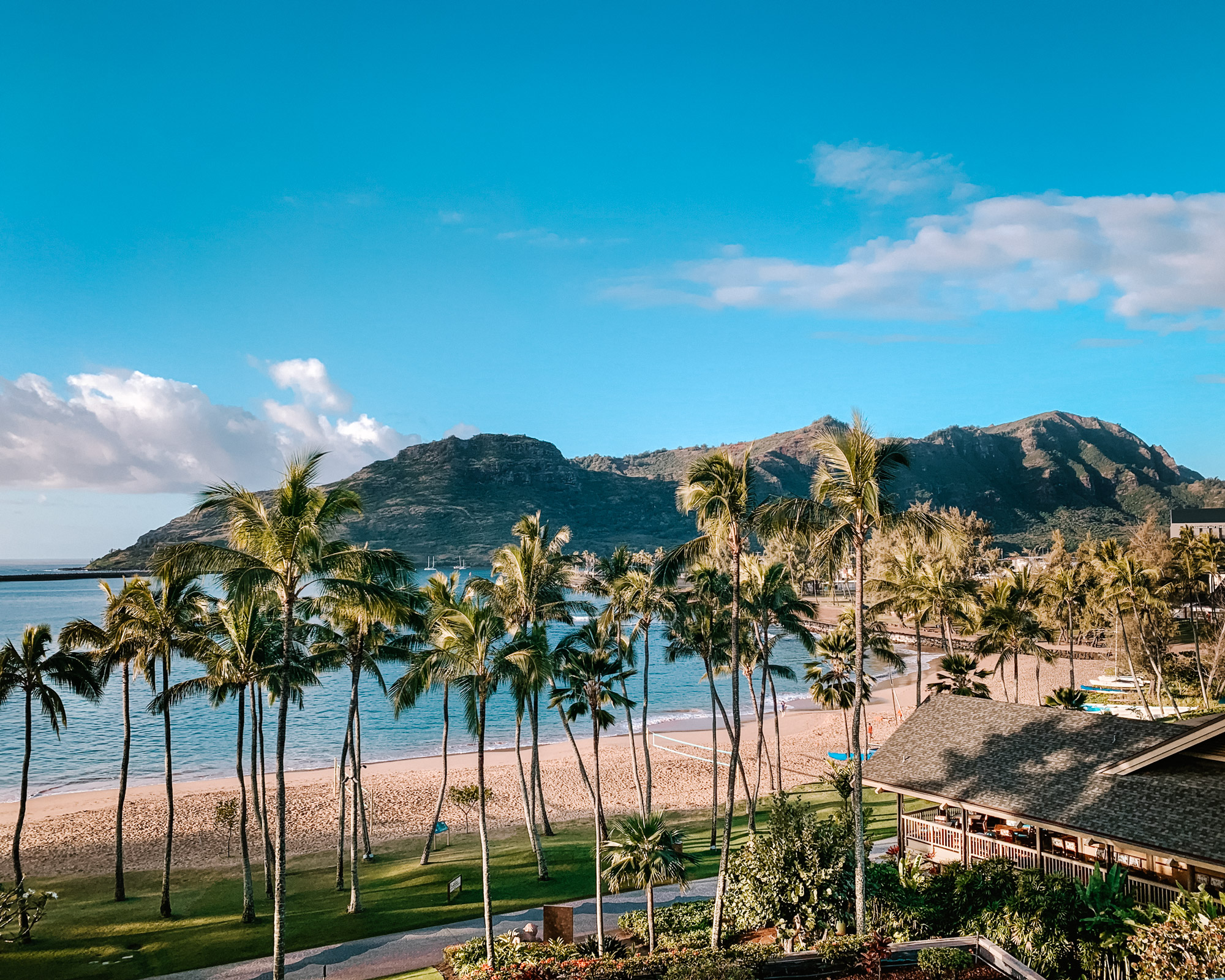
Kauai 4-Day Itinerary

Waikiki Box Jellyfish Warnings

Waikiki Budget-Friendly Stays

Things to Do in Kauai, Hawaii
Fly Fishing
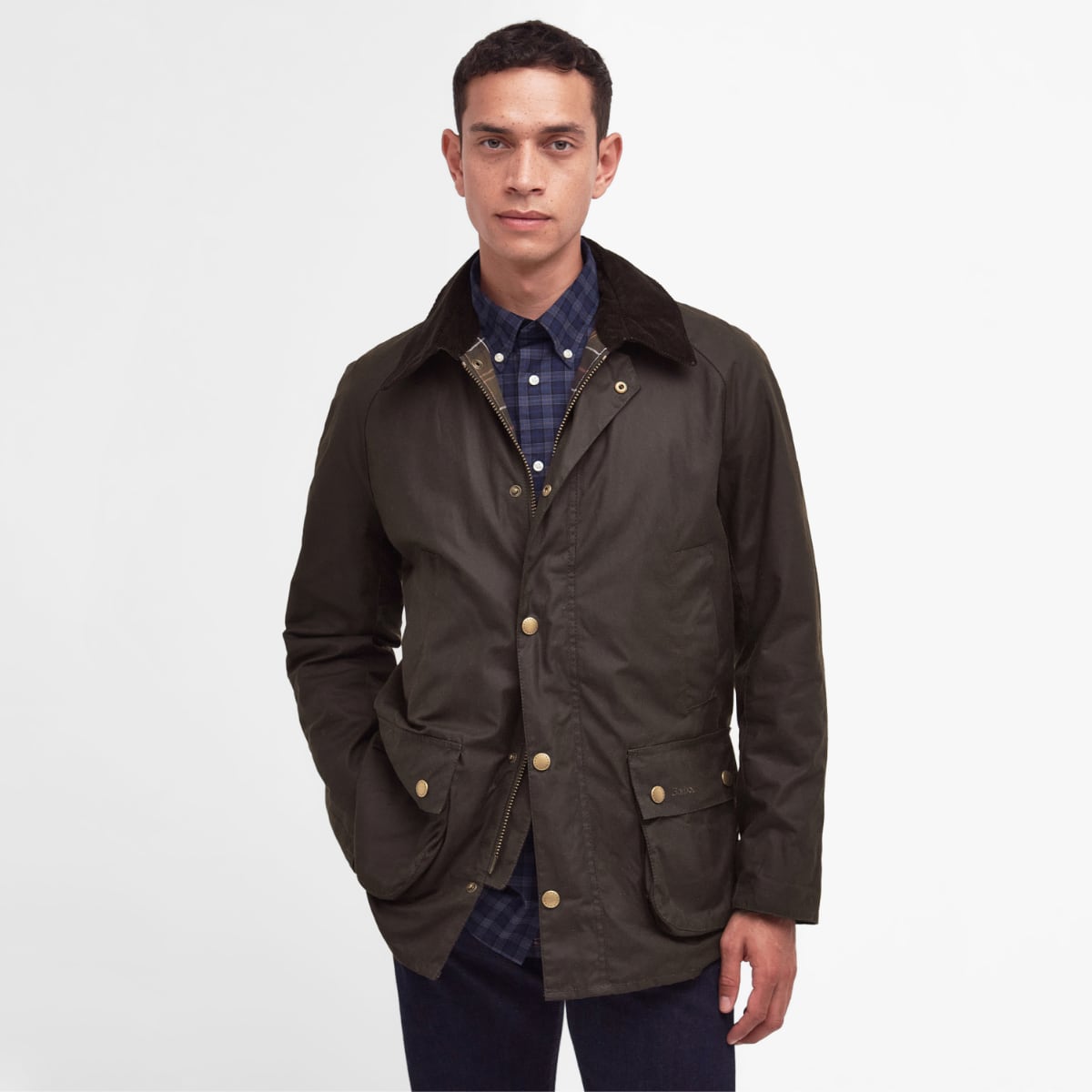
Barbour Waxed Jackets
Imagery
Know someone who’d love this?
Discovered by ArcurianAuto-generated from public sources and AI synthesis — it may be incomplete or inaccurate. Treat it as a starting point for your own exploration, not professional (medical, legal, financial, or safety) advice. Verify anything you act on. Report this page.