Japanese kitchen knives are a broad world of made-in-Japan chef’s knives that ranges from workhorse gyutos and santokus to more specialized forms sold by dedicated retailers and importers. The current market is defined as much by shape and steel as by shopping culture: gyuto, kiritsuke, nakiri, sujihiki, custom wa handles, sharpening stones, and premium handmade lines all sit side by side, with stores highlighting brands like Tojiro, Hatsukokoro, Sakai Takayuki, MAC, Miyabi, Shun, and Takamura. Some sellers lean hard into handcrafted and direct-from-Japan provenance, while others frame these knives for line cooks, collectors, or buyers seeking 1-on-1 guidance and professional sharpening. What makes the subject compelling is that a ‘Japanese knife’ is never just one thing—it is a mix of regional craft, steel choices, blade profiles, and a collector’s eye for details most home cooks never learn to see.
Learn
Start with the Knife Types People Actually Compare
The core of Japanese knife collecting starts with choosing between a gyuto and a santoku — the two double-beveled, multi-purpose blades that handle 80–90% of kitchen tasks. The gyuto, a Meiji-era adaptation of the French chef knife, features a curved belly and pointed tip, making it a gracefully versatile workhorse for rocking cuts and detailed work. The santoku, whose name means "three virtues" (meat, fish, vegetables), has a higher blade spine and a flatter edge, excelling at push-cutting and vegetable prep. From there, collectors branch into specialized single-bevel knives like the yanagiba for sashimi — a long, thin blade requiring advanced skill — or the deba for fish butchery, with its thick spine and single edge designed to cut through bones cleanly. The bunka, a modern hybrid with a distinctive k-tip, combines the precision of a nakiri's straight edge with the agility of a gyuto, perfect for uniform slices and intricate scoring. Each shape is tied to a specific culinary tradition, and knowing these distinctions reveals the difference between forcing a tool and letting a purpose-built instrument sing.

 japaneseknifelab.comjapaneseknifelab.com
 hasuseizo.comhasuseizo.com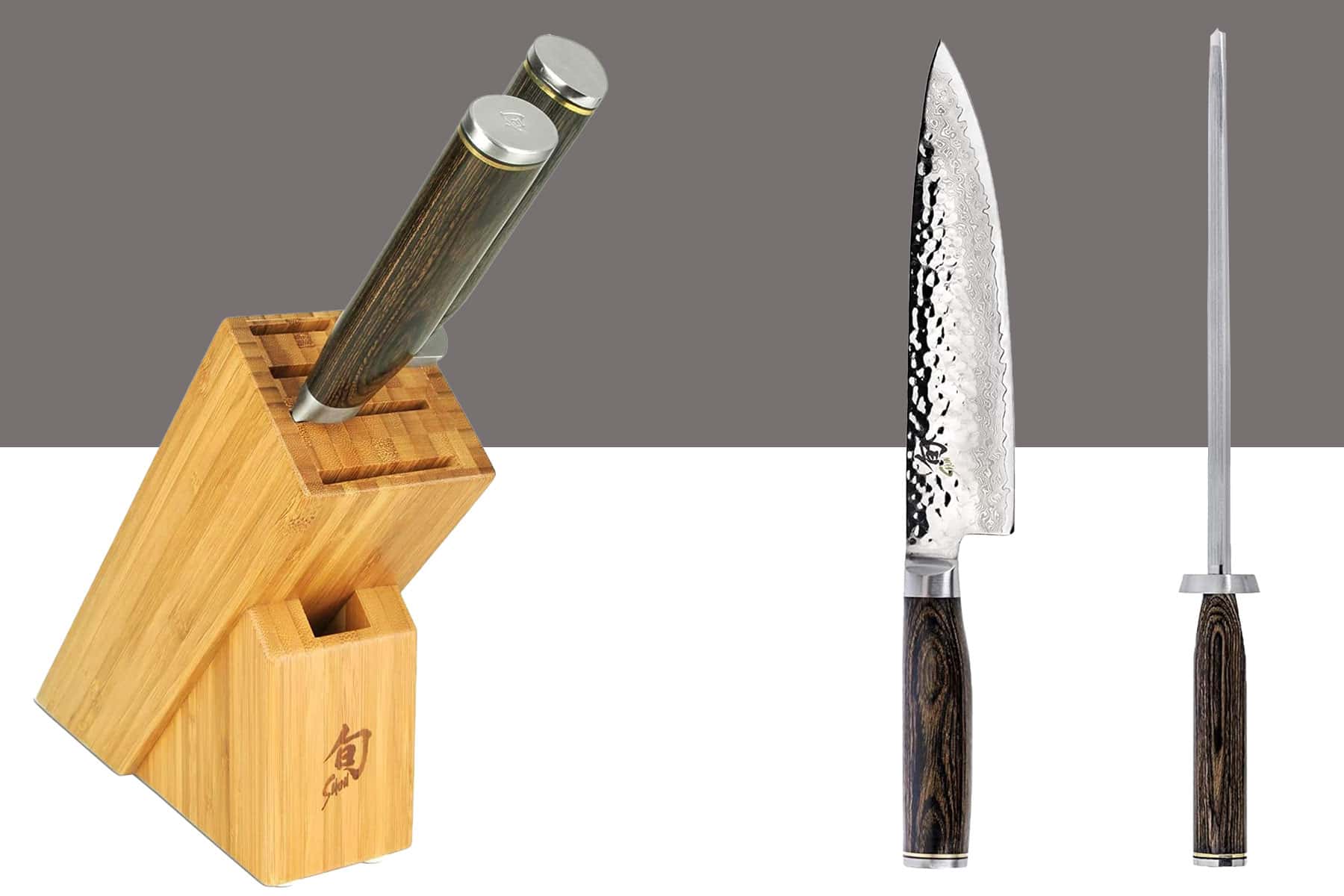
 leeknives.comleeknives.com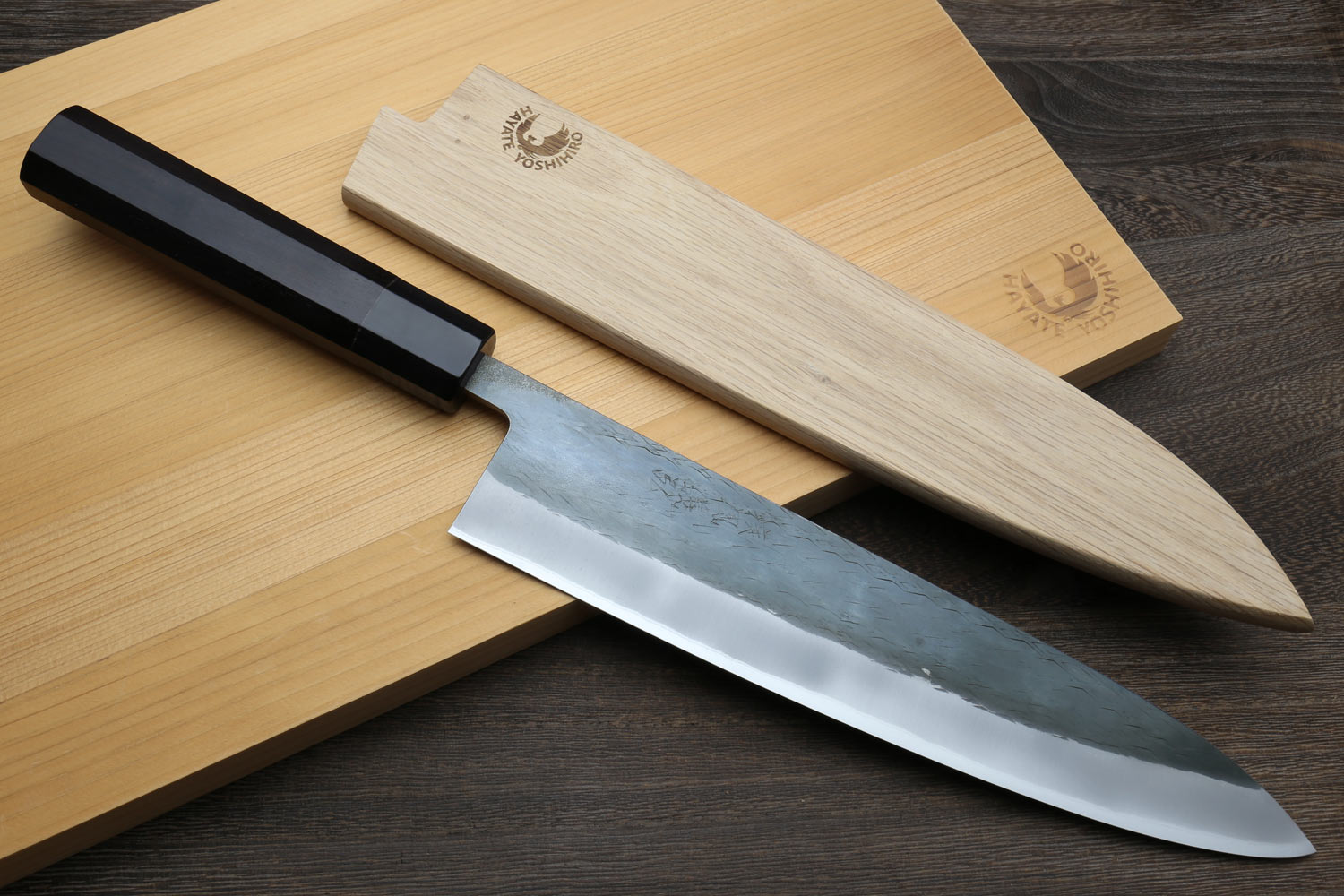
 made-in-japan.jpmade-in-japan.jp
+Field notes
- —The gyuto (牛刀), developed during the Meiji period (1868–1912), is a Japanese take on the French chef knife — lighter, thinner, and harder (typically HRC 60–65) than Western chef knives, with a curved belly suited to rocking motions and fine mincing.
- —The santoku (三徳) ranges from 150–180mm and its name translates to "three virtues" — either meaning meat, fish, and vegetables, or the cutting, crushing, and scooping motions it handles; it's the go-to for vegetable-heavy home cooking.
- —The bunka is a modern, agile all-rounder distinguished by its straight edge and angled "k-tip" (a reverse tanto-like profile), making it exceptional for push-cutting vegetables and precise detail work like scoring or piercing.
- —Single-bevel (kataba) knives like the yanagiba (柳刃, 240–330mm) and deba (出刃, 150–210mm) are professional-grade tools — the yanagiba for a single clean pull-cut through sashimi, the deba for heavy fish butchery including head removal and filleting.
- —Regional styles appear even in same-named knives: the usuba (薄刃) is a straight-edged vegetable knife used in Kyoto (Kansai) style, while the kamagata usuba has a pointed tip and is the Osaka variant; similarly, the yanagiba is standard for sashimi in Kansai, while Tokyo (Kanto) uses the squared-tip takohiki (蛸引).
Learn
Learn the Terms: Wa Handles, Nashiji, Migaki, Damascus, SG2, HAP40
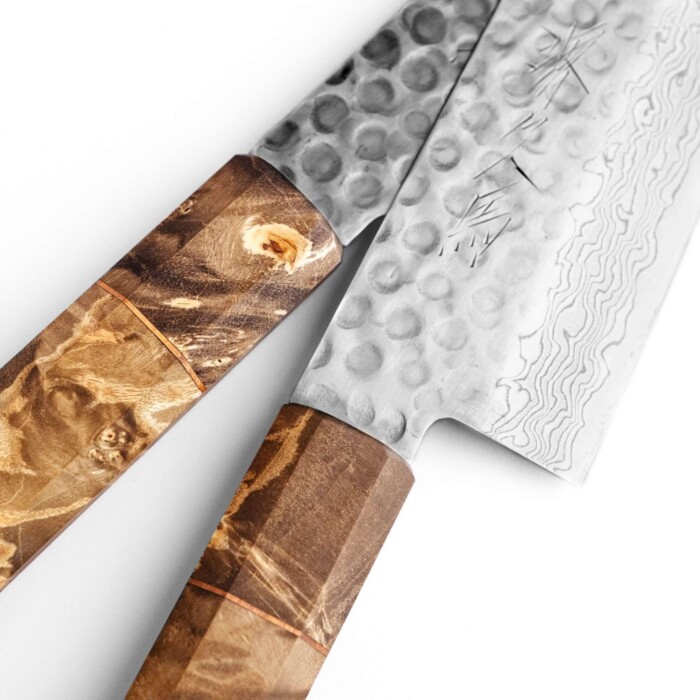
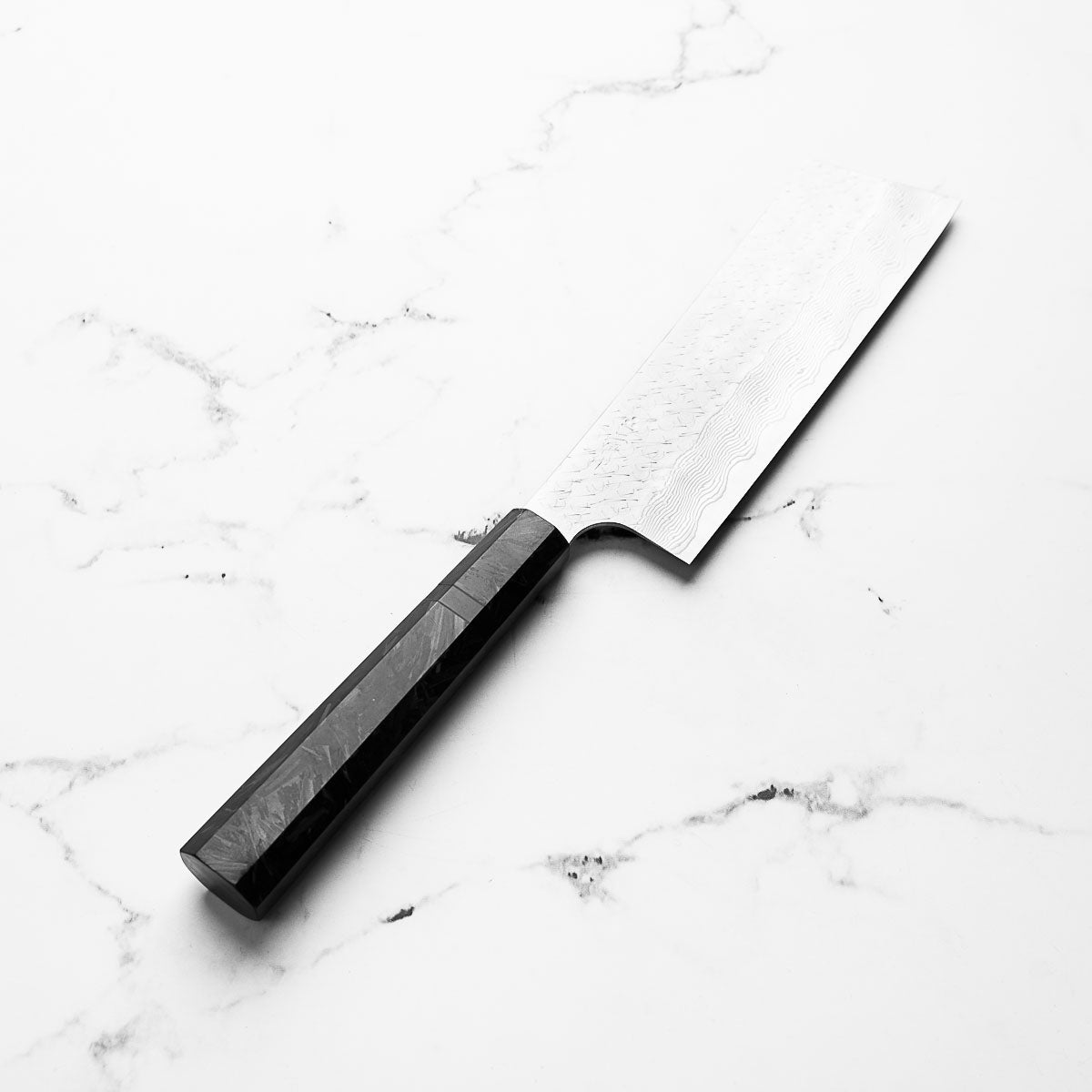
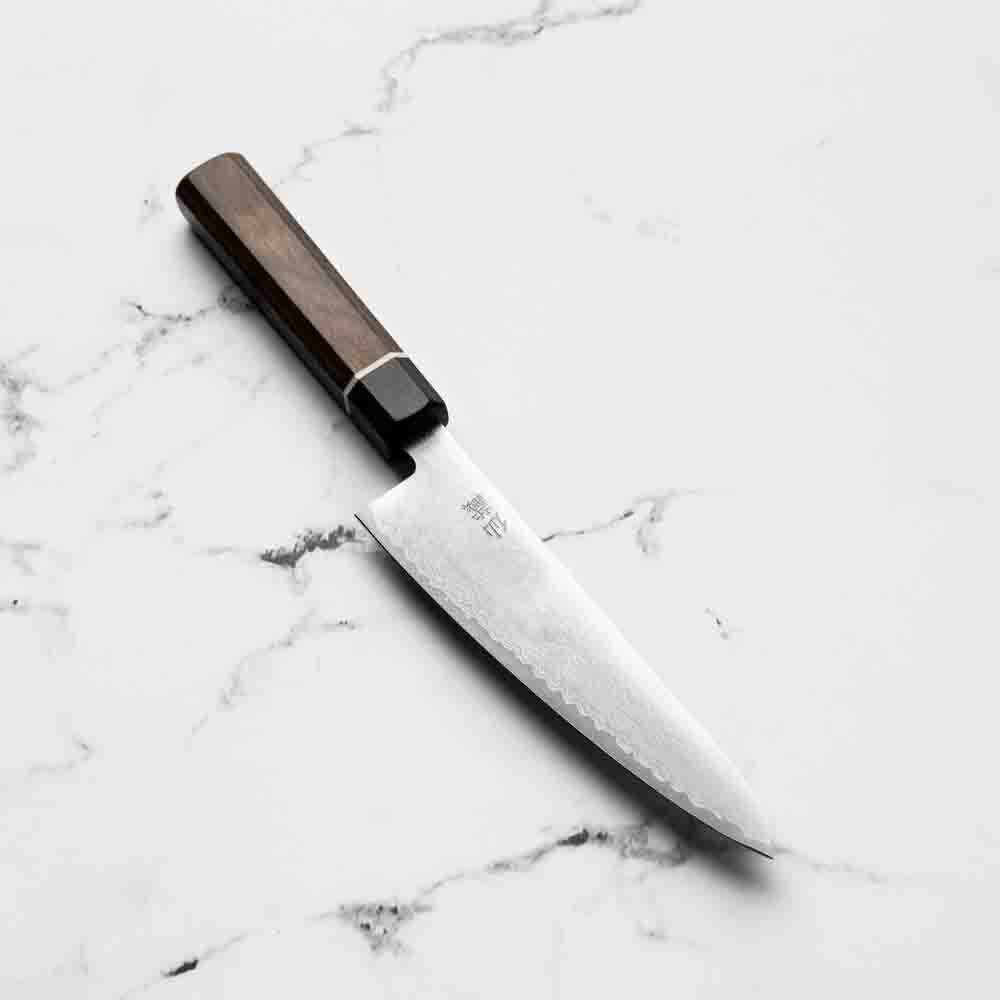
Navigating Japanese knife terminology is like being handed a map to a hidden city: every term—from the handle to the steel to the surface finish—tells you something specific about performance, maintenance, and the craftsman's intent. A *wa handle* is the traditional Japanese wooden handle, typically octagonal or oval, fitted tang-style (no bolster) and often made from magnolia or ho wood wrapped with stingray skin (samegawa) and rattan. It's lightweight, balances the blade differently than Western handles, and is designed for a pinch grip. *Nashiji* (pear-skin) finish looks like a matte, speckled surface—it's actually the unpolished cladding left from forging, which helps food release and hides fingerprints. *Migaki* is simply "polished," running from satin to mirror; it's common on monosteel or San Mai blades and shows off the steel's character but can be sticky with wet foods. *Damascus* is a layered pattern achieved by forge-welding multiple steel types, then etching with acid to reveal the layers—it's purely cosmetic on most modern knives (the edge steel is still the core that matters), but it can reduce friction on the blade face. *SG2* (also called R2) is a powdered stainless steel from Japan that hits HRC 62-64 while remaining tough and corrosion-resistant; it's a top-tier choice for those who want high edge retention with low maintenance. *HAP40* is another powdered steel, from Hitachi, even harder (HRC 65-67) and more wear-resistant than SG2, but it's trickier to sharpen and best for experienced users who prioritize edge longevity.
 bladeandboard.co.nzbladeandboard.co.nz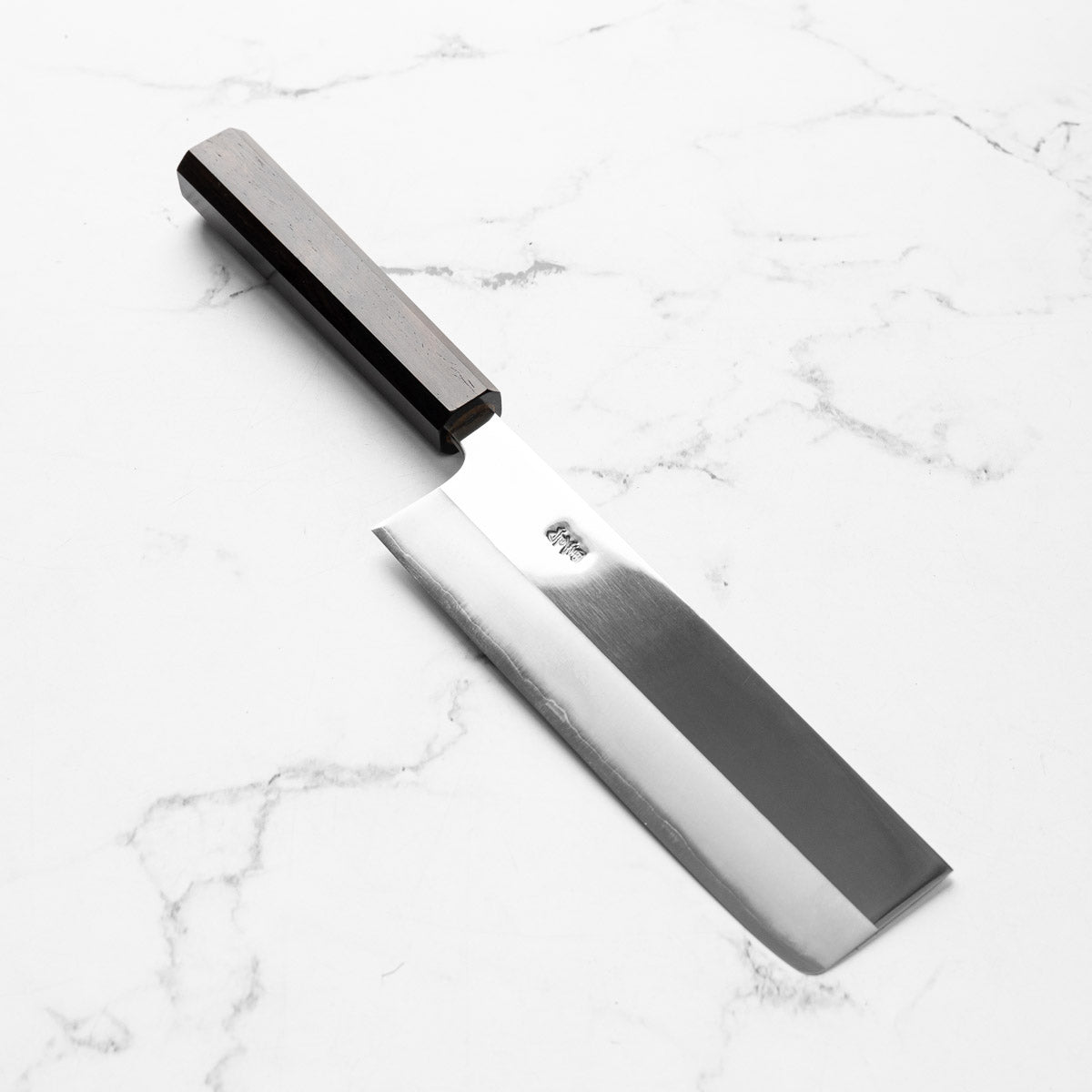
 cutleryandmore.comcutleryandmore.com
+Field notes
- —A wa handle is not just aesthetic; its lightweight, octagonal or D-shaped wood (often magnolia or ho wood) with a samegawa (ray skin) wrap and rattan binding lets you feel the blade's balance more precisely, aiding the pinch-grip technique that Japanese knives are designed for.
- —Nashiji finish—named for its pear-skin texture—is the unpolished, forged cladding left on the blade; it naturally releases food and hides light scratches, making it a low-maintenance choice that still looks handcrafted.
- —Migaki (polished) finishes range from a soft satin to mirror-like kyomen; while they look stunning, they offer less food release than textured finishes, and the blade shows every fingerprint and scratch.
- —Damascus patterns are purely decorative on modern Japanese knives—the layers are cladding over a hard steel core (like VG-10 or SG2), so the edge performance comes from the core steel, not the pattern.
- —SG2 (R2) is a powdered stainless steel that achieves HRC 62-64, giving it edge retention close to high-carbon Aogami Super but with much better corrosion resistance, and it's easier to sharpen than HAP40.
- —HAP40 is Hitachi's powdered tool steel with extreme wear resistance (HRC 65-67) and edge retention that outlasts SG2, but it requires diamond abrasives or quality ceramic stones to sharpen properly—it's not for beginners.
Learn
Where Collectors and Cooks Compare Makers, Grinds, and Sharpening
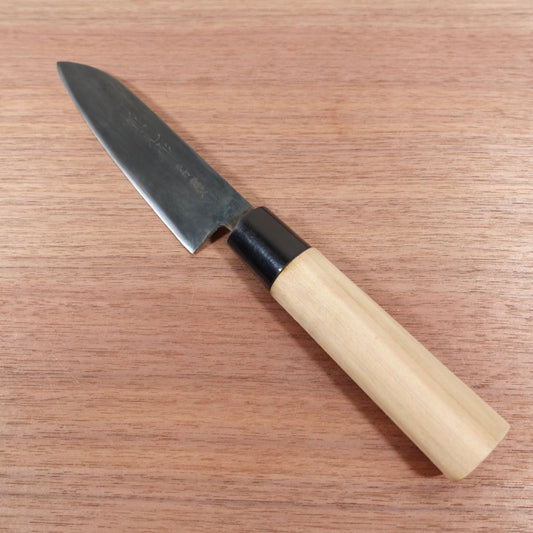
The enthusiast community around Japanese kitchen knives is less about brand loyalty and more about parsing the subtle, often undocumented differences in grind geometry, heat treatment, and OEM rebranding. Takamura's SG2/R2 line is almost universally praised for its exceptional heat treatment and laser-like thinness behind the edge, but veteran users warn it's fragile — a 'contemplative' tool for precise work, not a daily driver for rock-chopping or dense ingredients. The obsession with grind is so granular that collectors compare choil shots and taper measurements across makers like Yoshikane, Jiro, and Hatsukokoro, noting that Jiro's grinds have evolved significantly between serial number ranges and that Hatsukokoro's Komorebi essentially replicates a Yoshikane profile with a taller, less flat edge. For bargain hunters, the game is spotting rebrands: Hitohira's T10 and TP lines are confirmed Takamura VG10 and R2 under different labels, and there's speculation that Japanny's Seisuke line might rebadge the elusive Takamura Pro. The whole discourse comes down to one question: do you want a laser that needs kid-glove handling, a midweight Sanjo-style taper that falls through everything, or a rougher forged blank you'll thin yourself?
 kitchenknifeforums.comkitchenknifeforums.com
 kitchenknifeforums.comkitchenknifeforums.com
+Field notes
- —Takamura's R2/SG2 heat treatment is considered superior to Tojiro's, but its grind is so thin that users describe it as a 'contemplative' knife unsuitable for cross-chopping or heavy blade loading — it's a dedicated slicer for delicate tasks, nearly as fragile as an usuba.
- —Hatsukokoro Komorebi is essentially a Yoshikane clone with key improvements: a taller blade height (56mm at heel) and a less-exaggerated flat spot, delivering the same Sanjo-style taper and nail-flexing thinness behind the edge but with a profile that suits both push-cutting and rock-chopping.
- —Jiro's grind consistency has shifted dramatically across serial numbers; early knives like #077 show more cracking in carrots, while later ones (#459) have been reworked, making choil-shot forensics a critical skill for buyers in the secondary market.
- —Community consensus identifies Hitohira T10 and TP as direct rebrands of Takamura's VG10 migaki and R2 migaki lines, and there's strong circumstantial evidence that Japanny's Seisuke R2 line rebadges the hard-to-find Takamura Pro, sharing bolster profiles, lamination lines, and full-tang handle construction.
- —The Hatsukokoro Kurokaze Deba is a hand-forged, stainless-clad carbon blade with a thick spine and good taper — uncommon at its price point — but its fit and finish is intentionally crude, comparable to Zakuri's iron-clad AS line, appealing to cooks who prioritize grind geometry over polish.
Discover
Watch Sharpening, Cutting Feel, and Real-Use Reviews


Sharpening a high-end Japanese gyuto is less about brute force on a coarse stone and more about understanding the geometry and steel-type's response to specific grit progressions. The Hatsukokoro Ryuhyo, for instance, uses a 62-63 HRC SG2 powder stainless core clad in stainless damascus, giving it a hard, wear-resistant edge that demands diamond or high-quality synthetic stones to cut efficiently, and responds best to a polished kasumi finish on the hagane. Real-use reviews reveal that while these knives arrive shaving-sharp out of the box, their true cutting feel evolves after a few sharpenings—the initial 50/50 double-bevel on many factory knives will gradually transition to a more asymmetric geometry as the user refines their own edge, dramatically improving food release. The Tojiro DP is often cited as a benchmark first gyuto because its VG-10 steel is forgiving yet takes a keen edge easily on a 1000/6000 grit splash-and-go stone, but experienced users note its factory edge is brittle and can micro-chip on hard vegetables before a slight convexing is added. Across many sources, the consensus is that a good sharpening setup transforms a decent knife into an exceptional one, and that the single most telling test of an edge is not a paper cut but a precise hair whittling or a clean slice through an unpeeled tomato without pressure.
+Field notes
- —The Hatsukokoro Ryuhyo's SG2 powder stainless core at 62-63 HRC and 2mm spine thickness requires diamond or high-quality synthetic stones due to its high wear resistance—a regular King stone will glaz over trying to sharpen it.
- —The Tojiro DP 210mm Gyuto's VG-10 factory edge is prone to micro-chipping on hard produce (like butternut squash) until you slightly round the shoulder with a 1000-grit stone and then refine with a 6000-grit, transforming its cutting feel from grabbing to gliding.
- —Many high-end gyutos ship with a 50/50 double-bevel, but after three or four sharpenings users naturally shift to an 80/20 or 70/30 asymmetry, which dramatically improves food release and slicing performance through dense vegetables.
- —The most reliable real-use test for a properly sharpened gyuto edge is not a paper cut but a clean, pressure-less slice through a ripe tomato's skin—any grab or tear indicates a burr is still present or the apex is rolled.
Keep exploring
More of Japanese Kitchen Knives
More to explore
In the same world.

Sentan SLD Nashiji Gyuto 210mm
The Sentan SLD Nashiji Gyuto 210mm is a Japanese-style all-purpose chef’s knife sold in several ferrule colorways, inclu…

Cutlery Brands
"Cutlery brands" spans both tableware and kitchen knives, and the sources here point to a field where heritage, material…
Opinel No. 8
The Opinel No. 8 is the brand’s must-have, most iconic folding pocket knife size, offered in both stainless steel and ca…

Japanese Whisky Under $200
Shopping Japanese whisky below $200 means navigating two different pleasures at once: the appeal of Japanese craftsmansh…
Namiki by Pilot
Namiki is Pilot’s Japanese brand for high-end fountain pens, especially models finished in maki-e and urushi lacquer. Th…
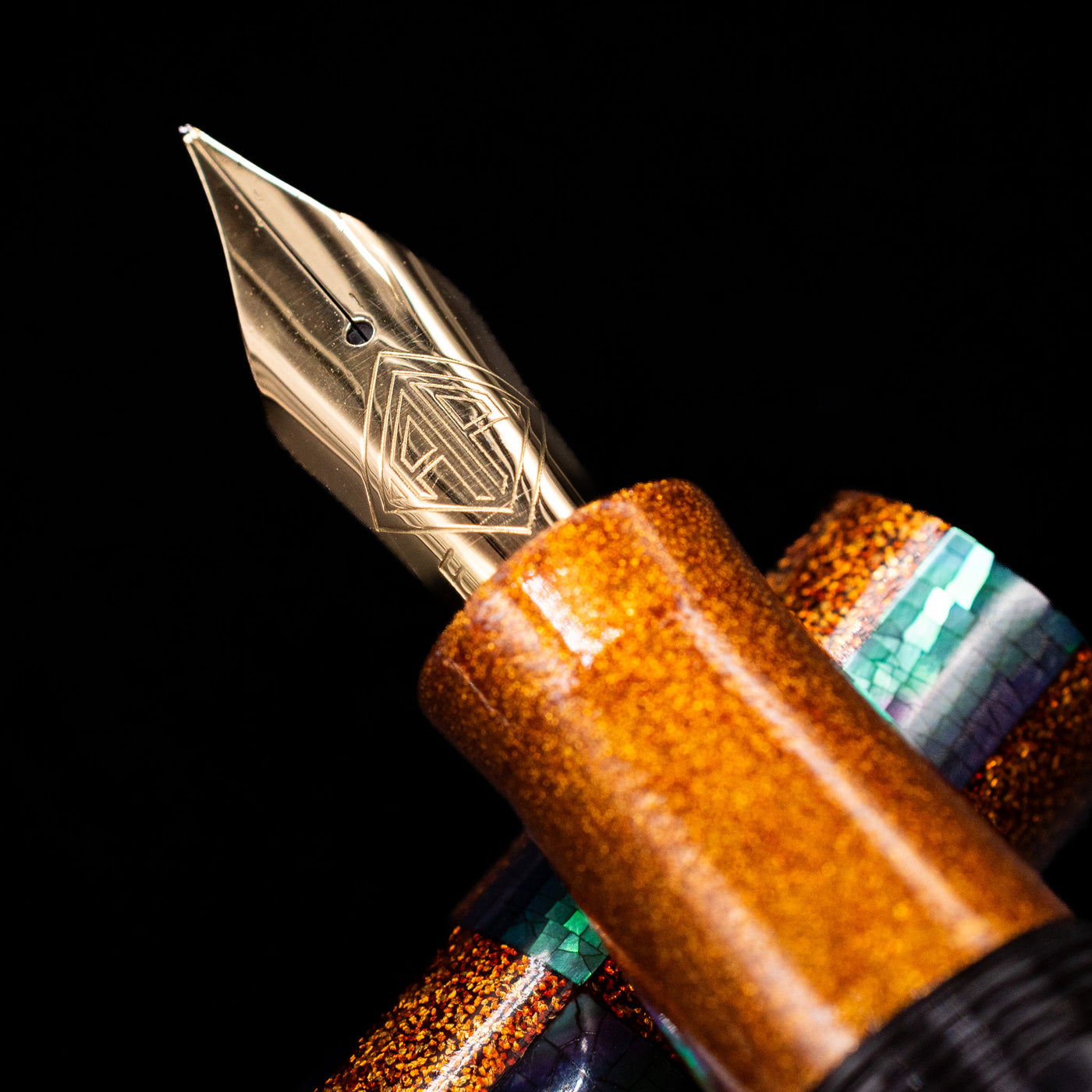
Sailor Maki-e Fountain Pens
Sailor’s Maki-e fountain pens sit at the meeting point of writing instrument collecting and a Japanese decorative art wi…
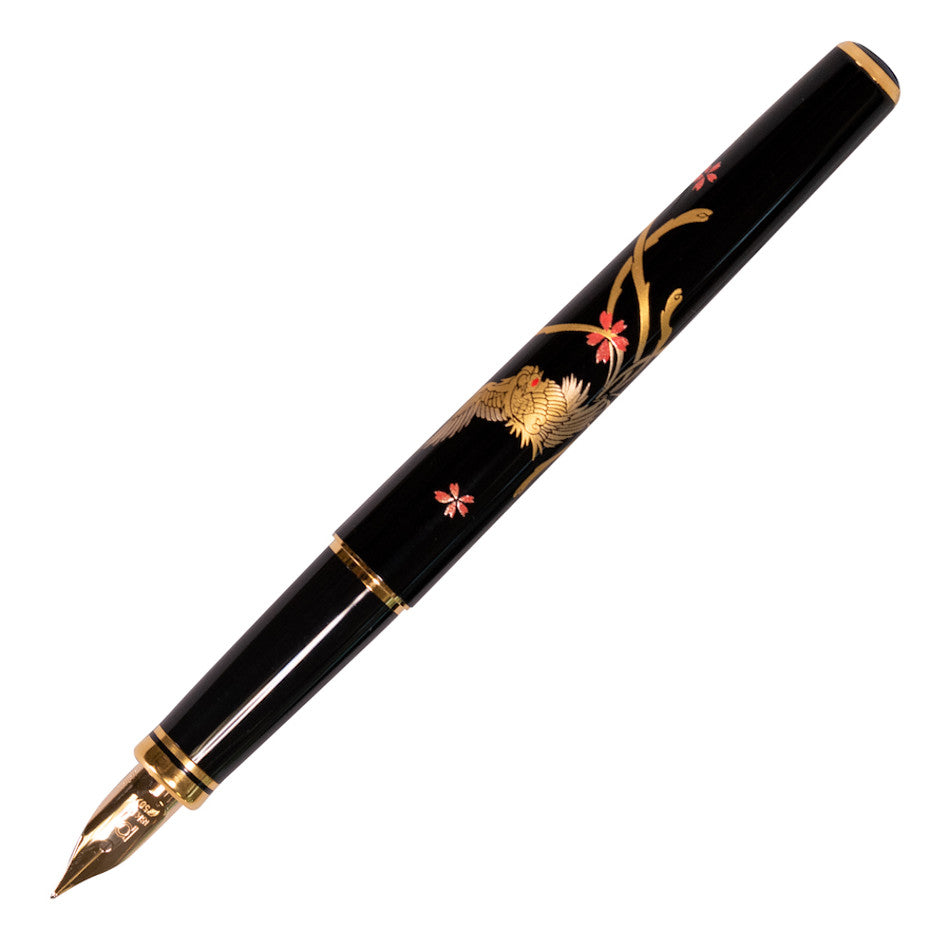
Platinum Modern Maki-e Fountain Pens
Platinum’s Modern Maki-e pens sit in a very specific corner of fountain-pen collecting: Japanese motif pens made with a…

Teishoku
Teishoku is the Japanese set meal: a fixed-price meal served as a complete tray, typically built around a main dish with…
More in Kitchen & Home Design
Stay in this world.
Sentan SLD Nashiji Gyuto 210mm

Tappan “Tappy” Chef Figures and Chalkware Advertising
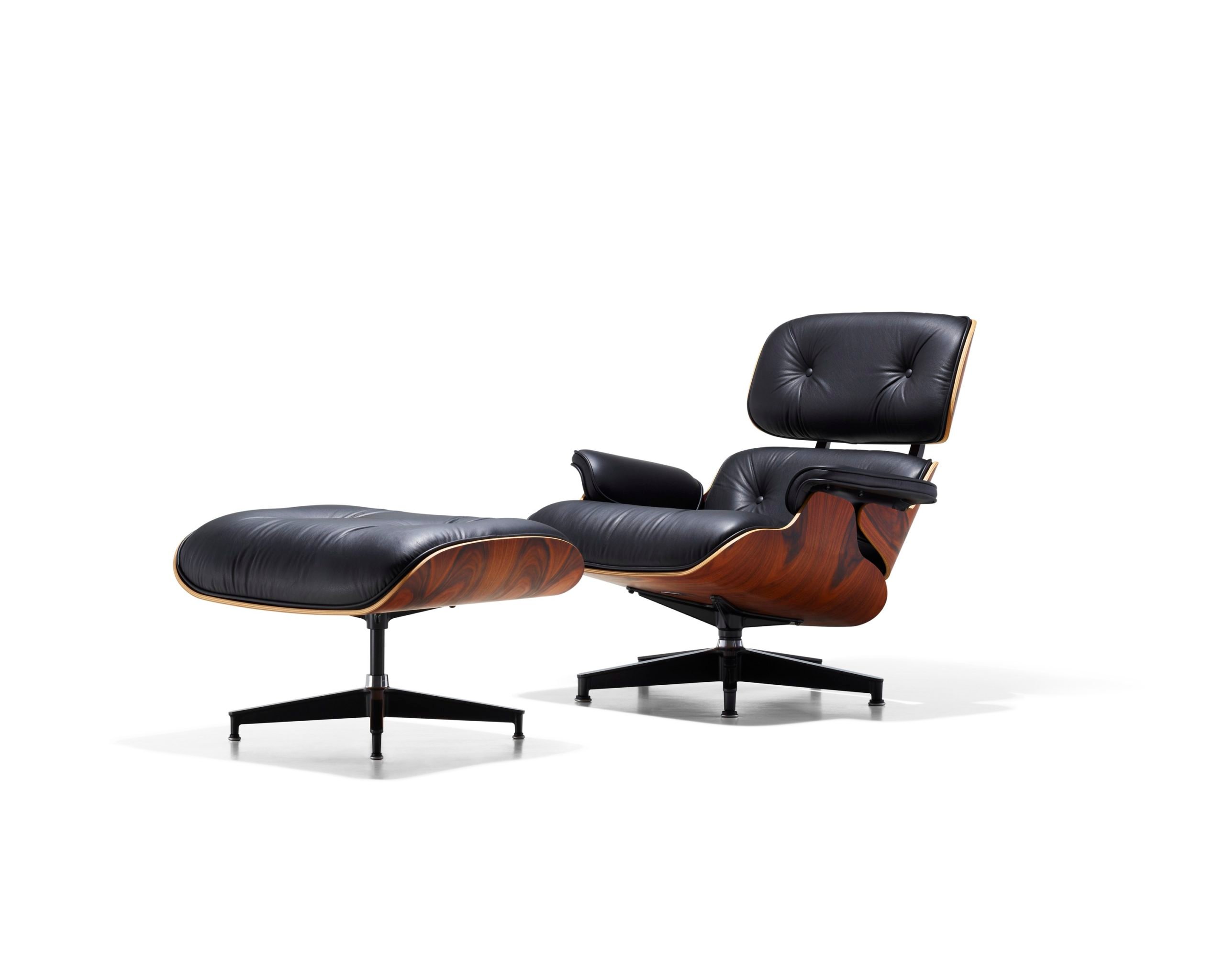
Eames Lounge Chair and Ottoman
Opinel No. 8
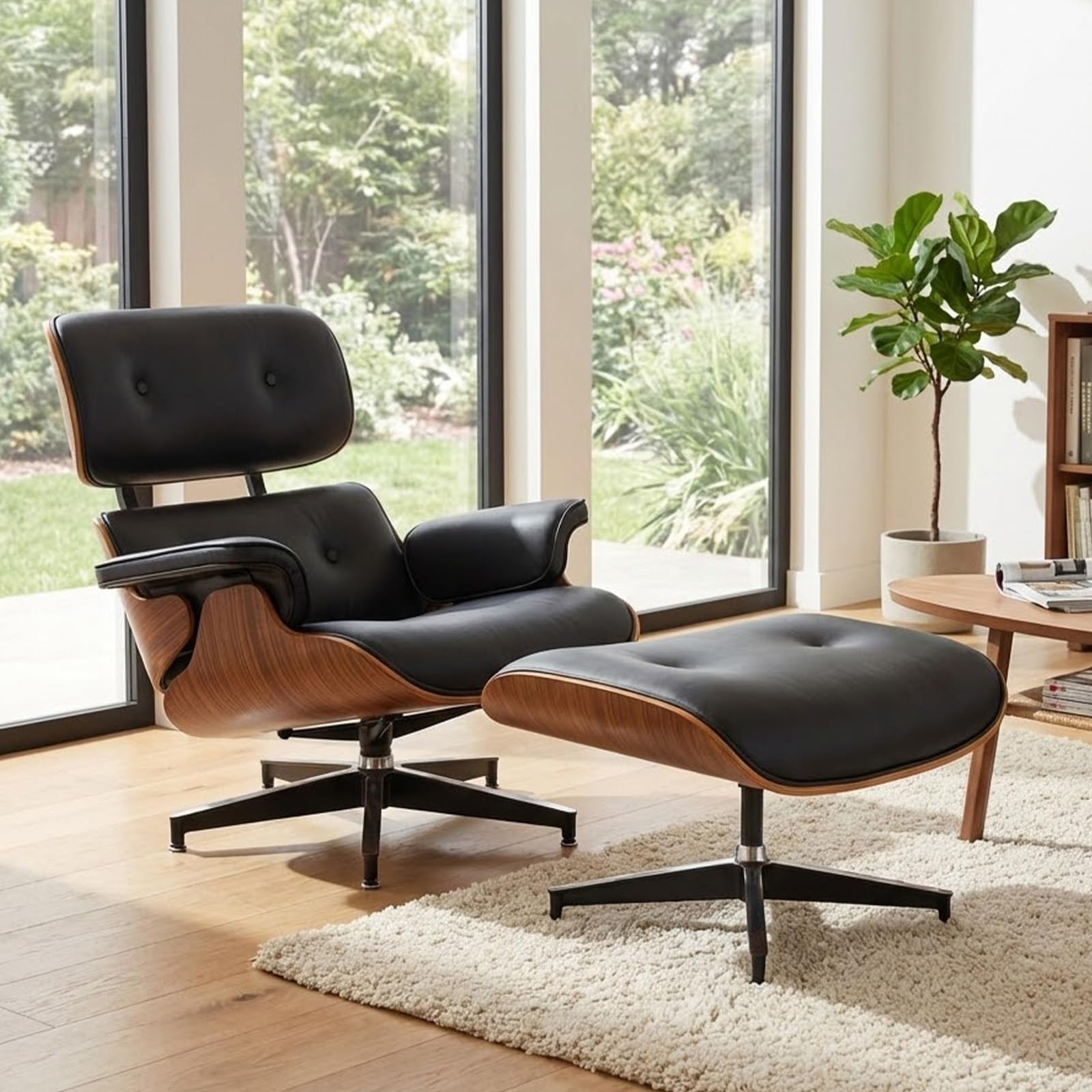
Mid-Century Modern Furniture

Jungsik
Teishoku
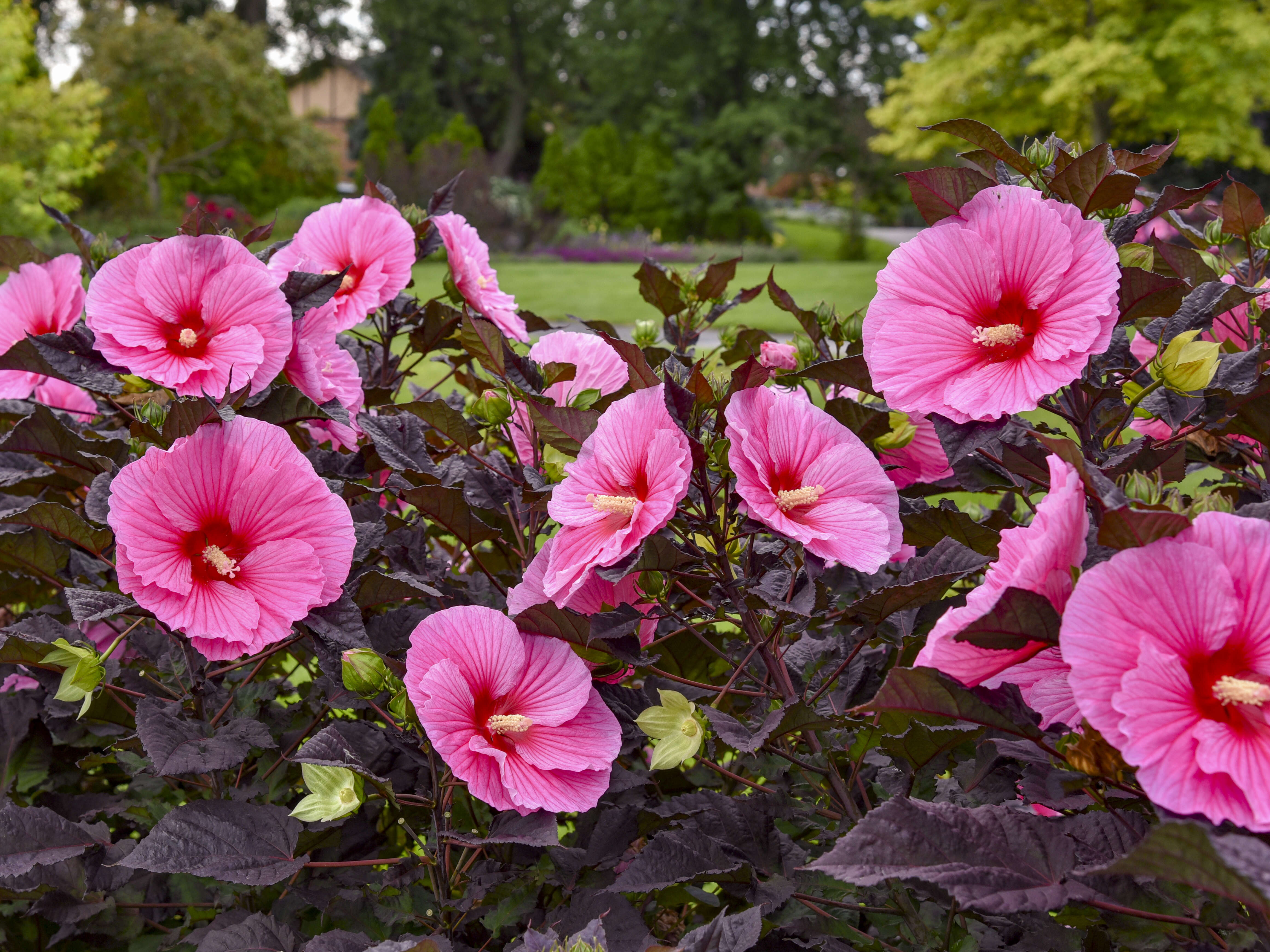
Summerific® 'Perfect Storm' Rose Mallow
Imagery
Know someone who’d love this?
Discovered by ArcurianAuto-generated from public sources and AI synthesis — it may be incomplete or inaccurate. Treat it as a starting point for your own exploration, not professional (medical, legal, financial, or safety) advice. Verify anything you act on. Report this page.