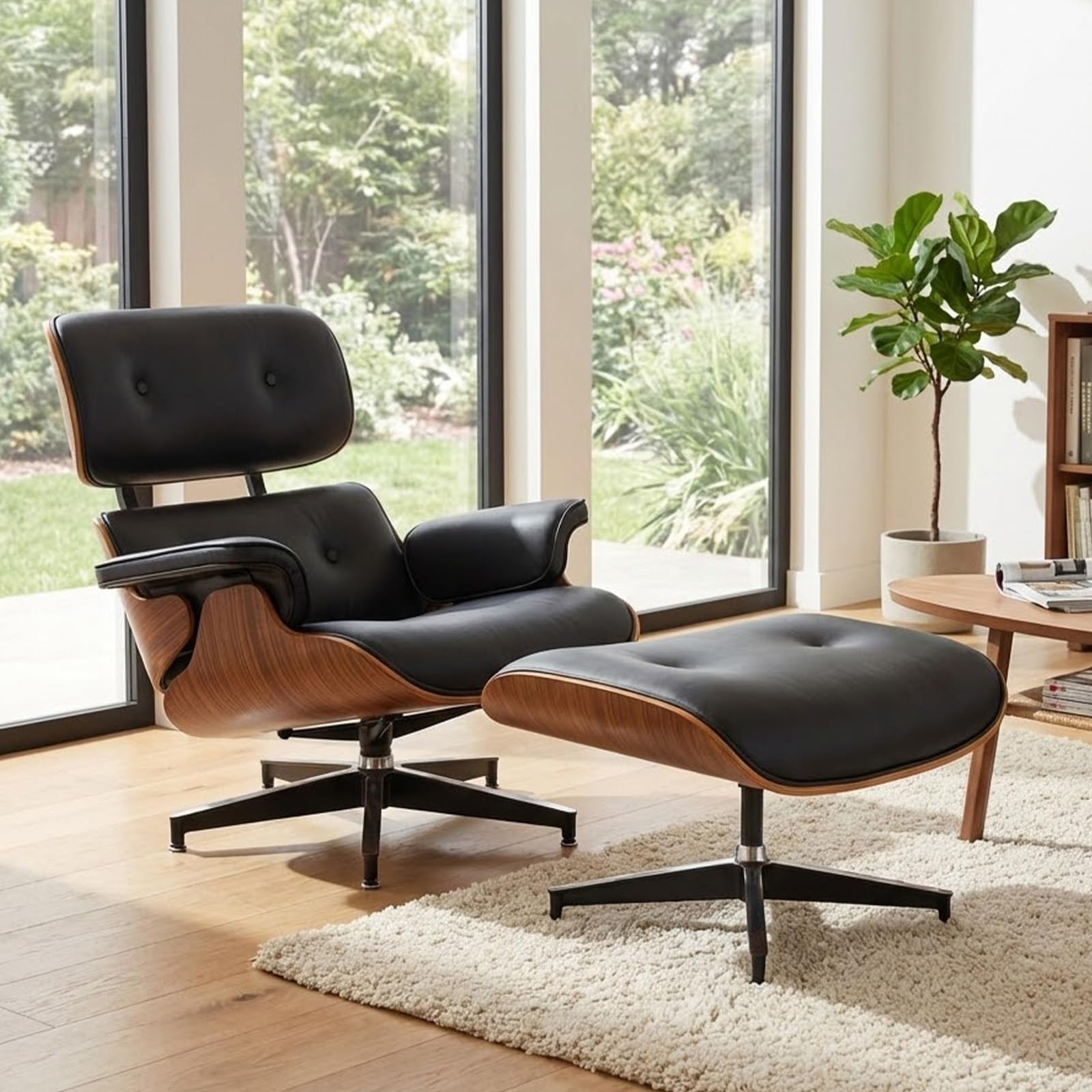
Mid-century modern furniture lives in two worlds at once: it is a living retail style category and a serious vintage collecting field built around original Scandinavian and European pieces. Across contemporary shops and specialist dealers alike, the look is defined by clean lines, warm woods, and enduring icons such as the Eames Lounge Chair and Ottoman, while collectors gravitate toward originals like teak credenzas, lounge chairs, and named models by specific makers and designers. Dealer listings make clear that the real depth starts when "mid-century modern" stops meaning a vague silhouette and starts meaning provenance, model numbers, woods, and regional schools like Danish design. If you only know the style from big-box shopping pages, the leap into originals, restorations, and design-lineage hunting is where it gets interesting.
Learn
From Retail Style to Original Pieces
Authenticating mid-century modern furniture requires looking beyond surface style to maker's marks, joinery, materials, and provenance — and the rules differ between Danish and American pieces. Before the late 1950s, Danish manufacturers often left off marks at retailers' request (like Illums Bolighus), so an unmarked piece can still be genuine. The Danish Furnituremakers' Control stamp, a voluntary certification introduced in 1959, is a powerful authenticity signal, requiring biannual factory inspections, but it is specific to Denmark (source 1, 7). American pieces from makers like Lane, Drexel, or Bassett may have foil labels, metal medallions, or model numbers stamped into the wood — but these can be missing if removed by owners (source 4, 5). The material tells its own story: true teak feels dense, shows a golden-brown grain with a subtle shimmer (chatoyance), and smells leathery when sanded; walnut and rosewood are also common hardwoods. Veneer is not a mark of fakery — many authentic Danish pieces use book-matched teak veneer over solid wood cores (source 6). The real test lies in the construction: dovetail or finger joints, wood-on-wood drawer slides, webbing held by dowels, and tapered or hairpin legs with no visible screws or modern metal runners (source 2, 4). Even licensed reissues by Knoll or Vitra, though high-quality, are not vintage and should sell for 40–70% less than an original from 1945–1975 (source 5).
 hobbsmodern.comhobbsmodern.com
 flipatik.comflipatik.com

+Field notes
- —Danish makers in the 1940s–early 1950s often omitted their own labels because retailers like Illums Bolighus preferred to brand pieces themselves; an unmarked Danish sideboard can still be authentic, especially if it predates the Danish Furnituremakers' Control stamp introduced in 1959.
- —The Danish Furnituremakers' Control stamp, a circular mark indicating voluntary factory inspections and strict standards, is a powerful authenticity signal — but it only appears on pieces made in Denmark after 1959.
- —Authentic teak is dense and heavy for its size, shows a golden-brown grain with a shimmer called chatoyance, and releases a distinctive leathery, oily smell when sanded — lightweight pieces or those lacking that grain are likely veneer over particleboard.
- —Genuine Danish credenzas from the 1950s–1960s often use book-matched teak veneer over a solid core, not solid wood throughout — veneer on well-made pieces is a sign of craftsmanship, not fakery.
- —Dovetail or finger joints, wood-on-wood drawer slides, and webbing held by dowel joints are hallmarks of hand-assembled Danish pieces; metal runners and visible screws often indicate a later reproduction or lower-quality copy.
- —Licensed reissues by Knoll or Vitra are not vintage and should cost 40–70% less than an original 1945–1975 piece, even though they are high-quality — knowing the difference between a reissue, a later production run, and a reproduction is critical for pricing.
Learn
The Scandinavian and European Thread
Scandinavian mid-century modern furniture, particularly the Danish strand, is defined by an exacting standard of authenticity that goes far beyond style—pieces are validated by maker stamps, designer signatures, and the Danish Furnituremakers Quality Control mark (mandatory after 1959), a system that separates originals from cheap copies. Designers like Arne Vodder, a student of Finn Juhl, elevated the credenza into a sculptural statement: his 1960s pieces for Sibast and Skovby Møbelfabrik feature sliding tambour doors, dovetailed teak drawers, and sculpted pulls, with the 1958 Milan Triennale Gold Medal winner (a Vodder design for Sibast) becoming a benchmark. Lesser-known figures such as Illum Wikkelsø, H.W. Klein, Kurt Olsen, and Poul Hundevad produced work of equal quality—Wikkelsø’s range from Klint classicism to Jacobsen’s Space Age, Klein’s teak and rosewood case goods for Bramin, Olsen’s Model 221 Lounge Chair that rivals Wegner’s Papa Bear, and Hundevad’s Guldhøj Chair inspired by a Bronze Age find—yet remain undervalued. Specific construction details, like the blackened metal cross braces on Ib Kofod-Larsen’s credenza for Brande Møbelfabrik or the cobalt blue baize lining in Nils Jonsson’s Troeds cabinet, mark the obsessive craftsmanship that makes these pieces both functional heirlooms and architectural objects.

 galerie-mobler.comgalerie-mobler.com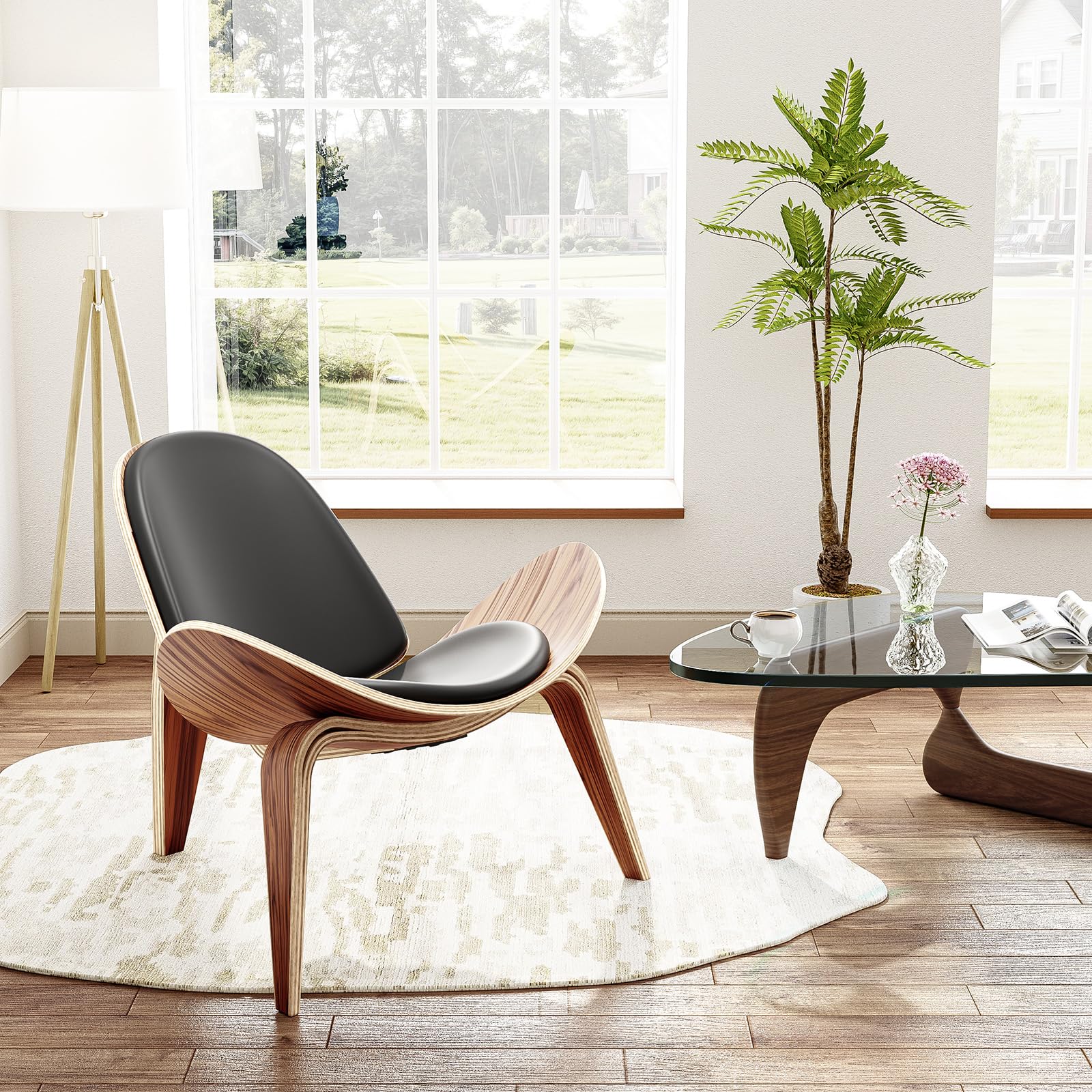
 marykaysfurniture.commarykaysfurniture.com

+Field notes
- —Authenticity is verified by specific marks: the Danish Furnituremakers Quality Control stamp (used after 1959, found on backs, undersides, or drawers), the manufacturer's name or initials branded or labeled, and the designer's signature chiseled or on a label. For unmarked pieces, materials and finishing techniques reveal provenance.
- —Arne Vodder’s teak credenza for Sibast, which won the Gold Medal at the 1958 Milan Triennale, features rare sliding tambour doors that disappear into the frame, a finished back for open-plan placement, and six felt-lined dovetailed drawers.
- —Designers like Illum Wikkelsø, H.W. Klein, Kurt Olsen, and Poul Hundevad are undervalued despite output matching the greats: Wikkelsø designed for many brands with a style spanning classicism to Space Age; Olsen’s Model 221 Lounge Chair challenges Wegner’s Papa Bear; Hundevad’s Guldhøj Chair was inspired by a Bronze Age artifact.
- —A Nils Jonsson credenza for Troeds Bjärnum uses a joinery-built teak leg frame with a continuous front-to-back stretcher instead of tapered pegs, and the top drawer retains its original cutlery tray lined in cobalt blue baize—a small detail that reveals the domestic intentionality of Swedish modernism.
- —Ib Kofod-Larsen’s sideboard for Brande Møbelfabrik incorporates blackened metal cross braces between tapered teak legs, providing a rare industrial contrast to the warm wood and making the cabinet appear to float, while the interior has sliding trays with exposed finger joinery and green felt-lined surfaces.
- —Arne Vodder’s Model 7738 credenza for Skovby Møbelfabrik features four sliding doors with signature sculpted teak pulls, five dovetailed drawers, and adjustable shelving; Vodder’s work has been used in the White House and numerous embassies, underscoring the international reach of Danish modern design.
Learn
Learn the Names That Actually Matter
If you're digging into mid-century modern furniture, the name you need to know is Victor B. Wilkins—not a star like Charles Eames, but the in-house designer who created G-Plan's most iconic pieces. His 'Fresco' range, launched in 1966, became the brand's best-selling line ever, but the real collector's obsession is the so-called 'Astro' coffee table (officially Model 8040 from the 1964 Brasilia range). Here's the twist: 'Astro' is actually a misnomer—it's the name of a different G-Plan table, but the public latched onto it and it stuck. The Brasilia range itself was directly inspired by Brazilian architect Oscar Niemeyer's sweeping curves, giving the table that dramatic arching base. Wilkins' work is so often misattributed to Danish designer Ib Kofod-Larsen that dealers still correct the confusion. These pieces were built from solid afromosia or teak with glass tops, and they represent the moment British mass-market furniture finally embraced Scandinavian modernism with confidence.


 retrovintageonline.co.ukretrovintageonline.co.uk
+Field notes
- —The 'Astro' coffee table is a misnomer: its official G-Plan model number is 8040, part of the 1964 Brasilia range, and 'Astro' properly refers to a different G-Plan table. Collectors have used the wrong name for decades.
- —Victor B. Wilkins designed both the Fresco range (G-Plan's most successful, launched 1966) and the Brasilia coffee table, yet almost no biographical information exists about him—he remains an obscure figure even among enthusiasts.
- —Wilkins' pieces are frequently mistaken for the work of Danish designer Ib Kofod-Larsen, who was brought in by G-Plan to compete with Scandinavian imports. The attribution error is so common that experienced sellers explicitly note it.
- —The Brasilia coffee table's sweeping base was directly influenced by Brazilian architect Oscar Niemeyer, giving a distinctly South American sculptural feel to a British mass-market piece—an unexpected cross-cultural design story.
- —The Fresco range combined a pop-art circle motif with Italian sculptural forms and Scandinavian teak veneer, and its sideboard (model 4070) launched in 1966 at £59—making modernist design accessible to post-war British households.
Discover
Watch Restorations, House Tours, and Dealer Walkthroughs


Restoring Danish teak furniture occupies a fascinating middle ground between cabinetmaking and conservation chemistry. Professionals like Tom Johnson of Gorham, Maine, who has been at it since 1979, approach a worn desk top not with sandpaper but with oxalic acid to lift gray water rings and white spots without stripping the original patina. The Love Brigade Vintage Revivals, documenting their work in Oregon, will French-polish a German teak sideboard using shellac — a technique they reserve for special pieces — or switch to a wipe-on polyurethane for durability. Fight Furniture, a shorter-form channel, demonstrates a faster method: removing only the outer degraded finish with a chemical stripper, then reviving the bare teak with multiple coats of Watco Danish Oil, a penetrating oil that bonds with the wood fibers rather than sitting on top. Dashner Design & Restoration tackled a free roadside Broyhill credenza whose top turned out to be Colorlith, a fiber-cement composite from the 1960s — an obscure construction detail that any restorer should know before trying to sand it. MCM redo's approach on a teak buffet leans on modern repair products: Bondo for filling deep chips in veneer, then Mohawk Blendal sticks for grain-matching touch-up. The critical lesson across all these channels is that teak's natural oils resist many modern finishes; the right sealer and technique are not optional.
+Field notes
- —Oxalic acid — not sanding — is the professional's first move for removing water rings, white spots, and gray discolorations from teak veneer without destroying the original finish. Thomas Johnson Antique Furniture Restoration has used this method since 1979.
- —Some 1960s American credenzas by Broyhill use a stone-like top made of Colorlith, a fiber-cement composite. Sanding or stripping it like wood will ruin it; Dashner Design & Restoration found it on a roadside piece and had to adjust their restoration plan accordingly.
- —The Love Brigade uses French polish (shellac) for high-end German or Danish teak pieces they consider collectible, but switches to a wipe-on polyurethane for everyday furniture that needs greater resistance to heat and moisture.
- —For Danish teak furniture by designers like Peter Hvidt and Orla Mølgaard-Nielsen, Fight Furniture recommends stripping only the worn outer layer and then applying multiple coats of Watco Danish Oil — a penetrating oil finish that soaks into the wood instead of forming a surface film.
- —MCM redo uses Bondo auto-body filler to rebuild missing chunks of teak veneer before sanding, then matches the grain with Mohawk Blendal sticks and a sanding sealer — a mix of automotive and furniture-repair products that produces invisible repairs on deep damage.
Keep exploring
More of Mid-Century Modern Furniture

More to explore
In the same world.
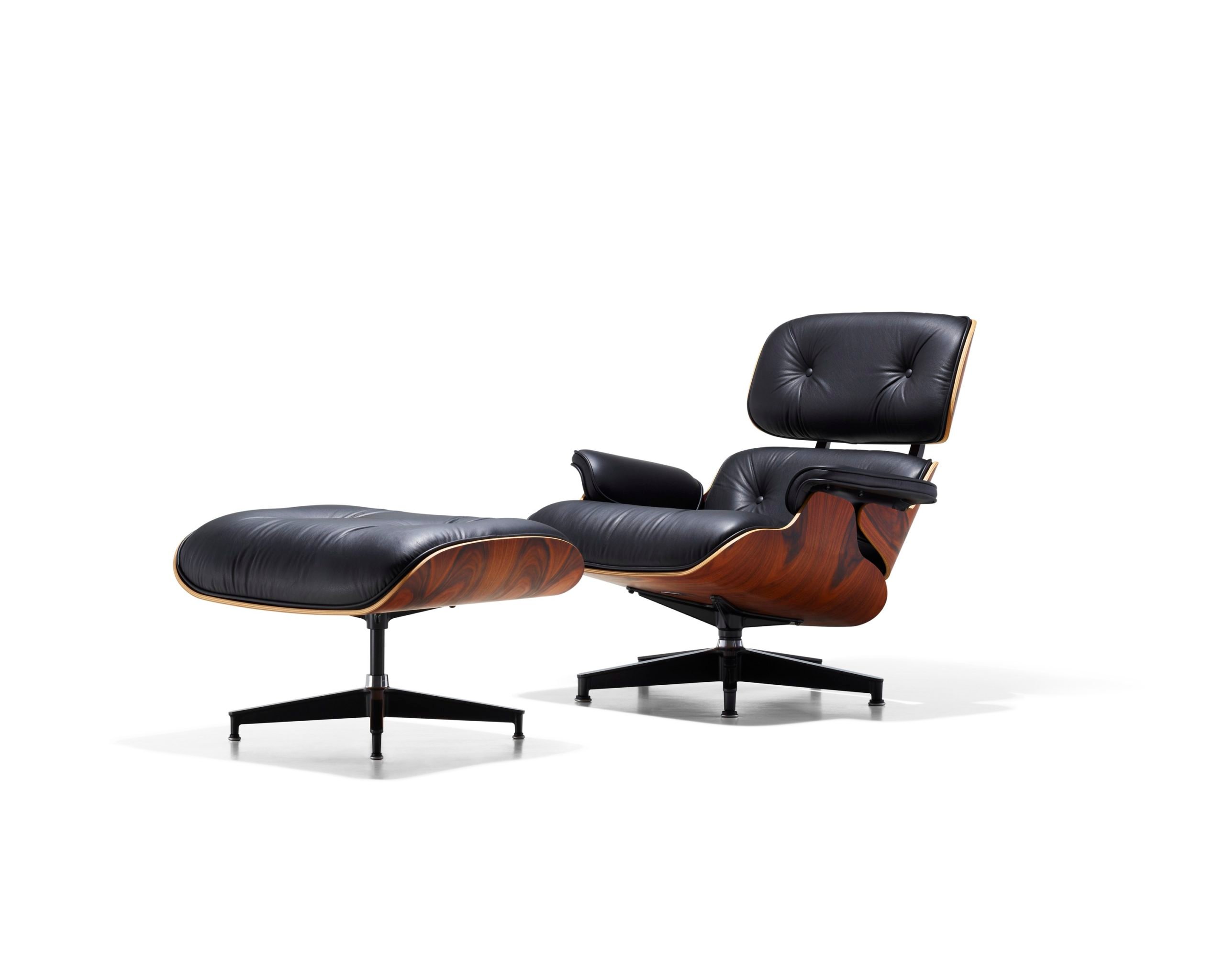
Eames Lounge Chair and Ottoman
The Eames Lounge Chair and Ottoman is one of the signature objects of mid-century modern design: a 1956 Charles and Ray…
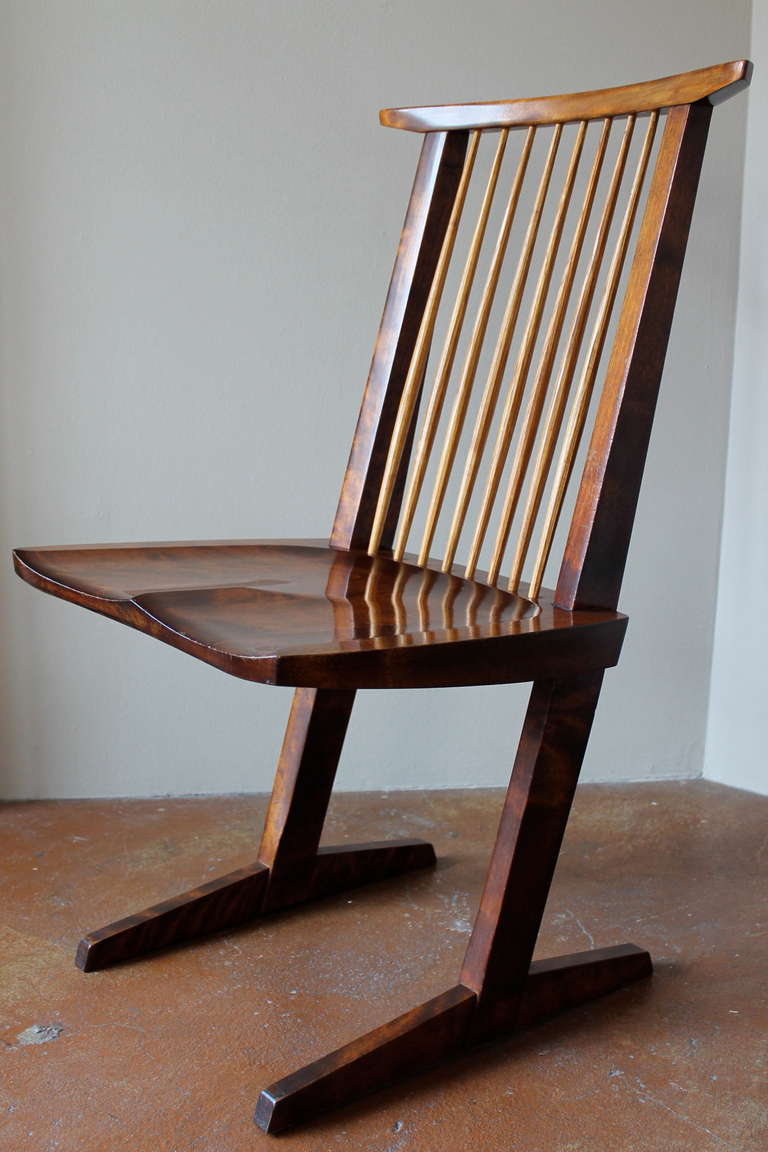
George Nakashima’s Conoid Chair
The Conoid Chair is one of George Nakashima’s signature seating designs, made in New Hope, Pennsylvania and held today b…

Vintage Rolex Watches
Vintage Rolex collecting revolves around older references whose value is tied not just to the model name, but to origina…

Vintage Watch Hunting
Vintage watch hunting is the search itself as much as the object: scanning eBay, dealer aggregators, flea markets, resal…

Tappan “Tappy” Chef Figures and Chalkware Advertising
This interest sits at the overlap of mid-century advertising collectibles and American chalkware: small figural pieces t…

Sterling Silver Silverware
Sterling silver flatware — marked 925 for its 92.5% pure silver content — sits at the intersection of functional craft a…

Cutlery Brands
"Cutlery brands" spans both tableware and kitchen knives, and the sources here point to a field where heritage, material…
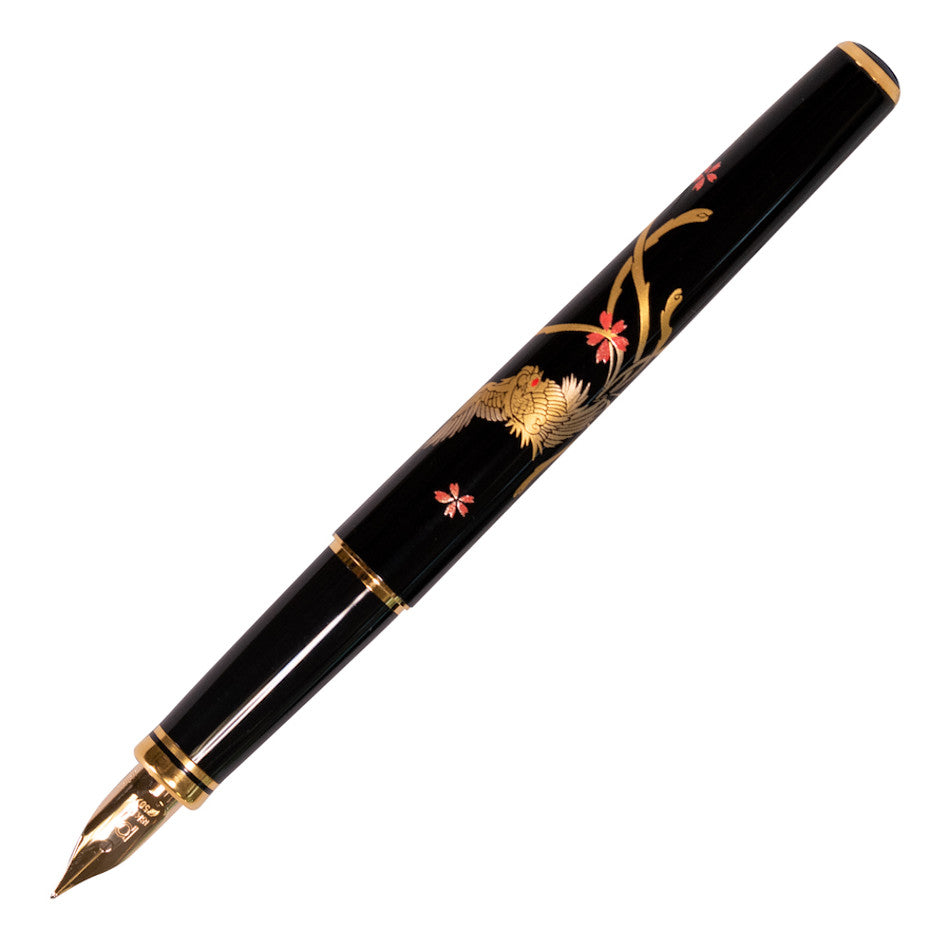
Platinum Modern Maki-e Fountain Pens
Platinum’s Modern Maki-e pens sit in a very specific corner of fountain-pen collecting: Japanese motif pens made with a…
More in Kitchen & Home Design
Stay in this world.

Sentan SLD Nashiji Gyuto 210mm
Tappan “Tappy” Chef Figures and Chalkware Advertising
Eames Lounge Chair and Ottoman
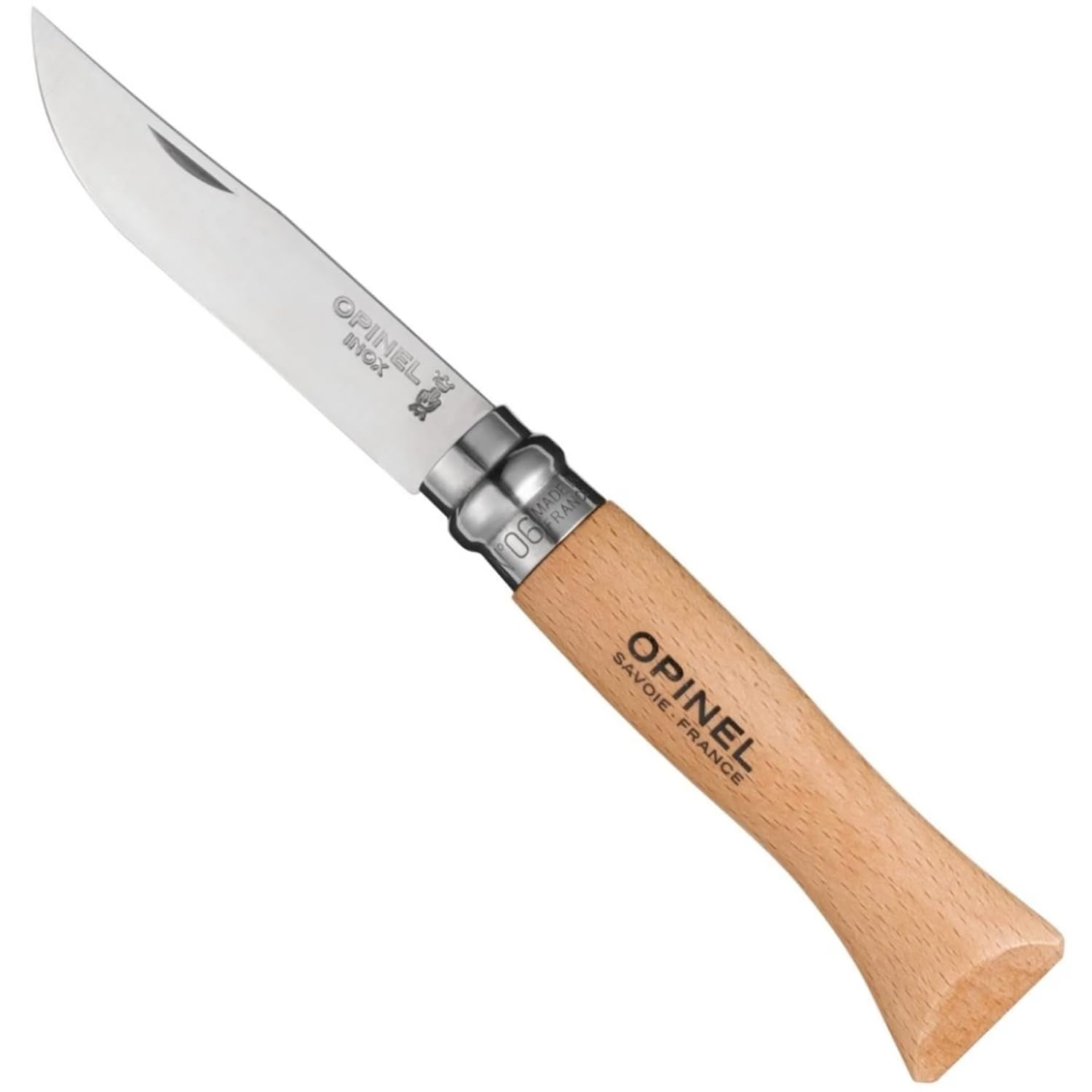
Opinel No. 8

Japanese Kitchen Knives

Jungsik

Teishoku

Summerific® 'Perfect Storm' Rose Mallow
Imagery
Know someone who’d love this?
Discovered by ArcurianAuto-generated from public sources and AI synthesis — it may be incomplete or inaccurate. Treat it as a starting point for your own exploration, not professional (medical, legal, financial, or safety) advice. Verify anything you act on. Report this page.