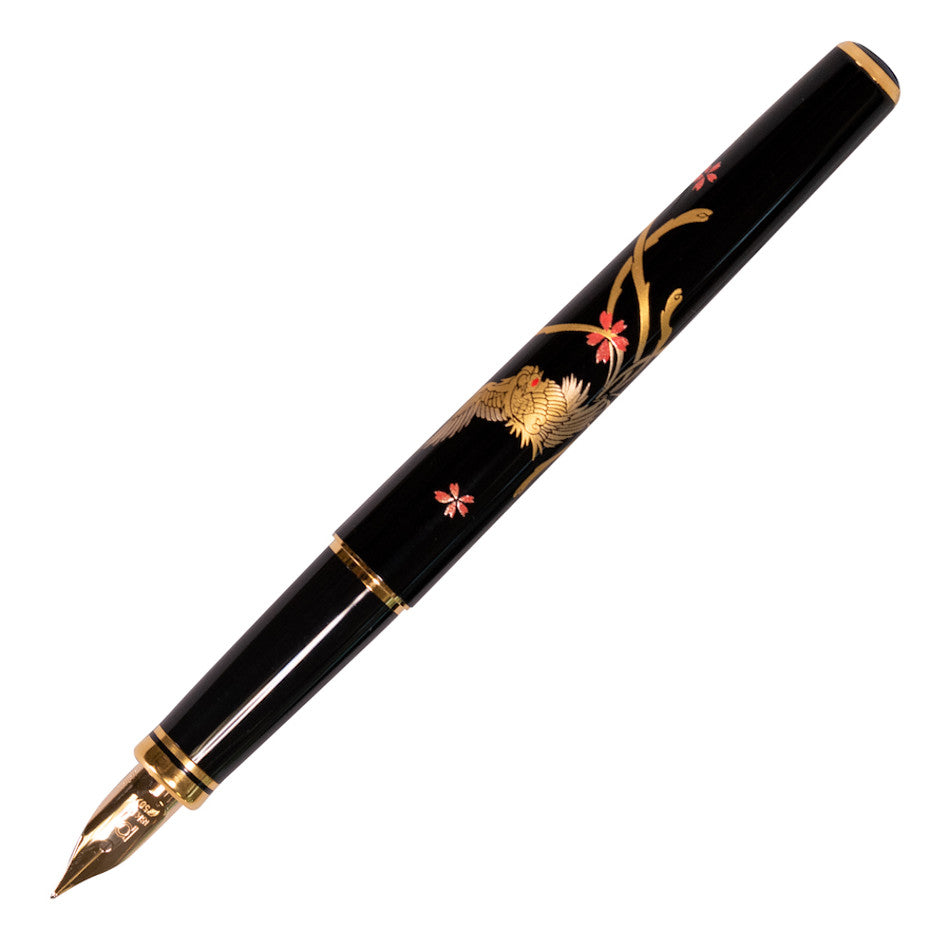
Platinum’s Modern Maki-e pens sit in a very specific corner of fountain-pen collecting: Japanese motif pens made with a modern process where the base design is screen printed over black lacquer, then finished by hand with painting and polishing. That hybrid method matters because it gives you the look and tactile lift of maki-e-inspired decoration at a far more approachable level than fully hand-painted lacquer art, with motifs like Phoenix and limited Preppy Wa editions such as Hanabi, Tsubaki, and Sake. The result is a collecting lane where production technique is part of the appeal, not a compromise. If you want to understand how fountain pens move from pure writing tool to decorated object without jumping straight to museum-tier prices, this is one of the most interesting places to start.
Learn
What Platinum Means by Modern Maki-e
Platinum's 'Modern Maki-e' is a cost-conscious reinterpretation of the ancient Japanese lacquer technique, replacing the laborious hand-painted urushi base with silk-screen printing while preserving the final hand-finishing by Maki-e artisans. The result is a design that is slightly raised and three-dimensional, with gold and silver powders applied by hand over the printed underlayer, then polished. This method allows Platinum to offer Maki-e-inspired fountain pens at a fraction of the traditional cost—from a $10 Preppy limited edition to the Classic Maki-e series under $150—making the art form accessible to enthusiasts who might never consider a thousand-dollar handcrafted piece. The technique still demands artisan skill, and the tactile quality of the raised, reflective patterns genuinely mimics the look and feel of true Maki-e, even if the production is scaled.
 fountainpenhospital.comfountainpenhospital.com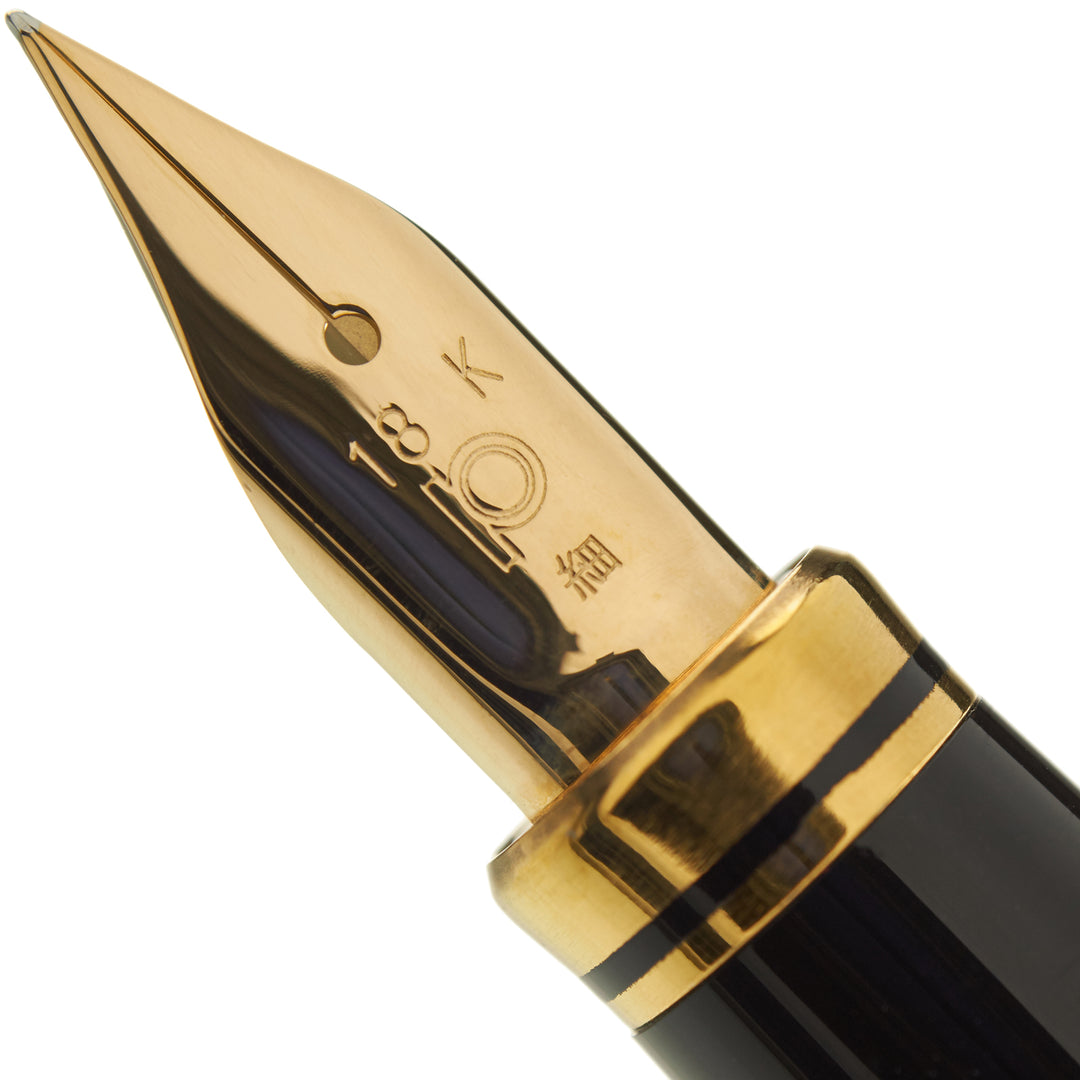
 wellappointeddesk.comwellappointeddesk.com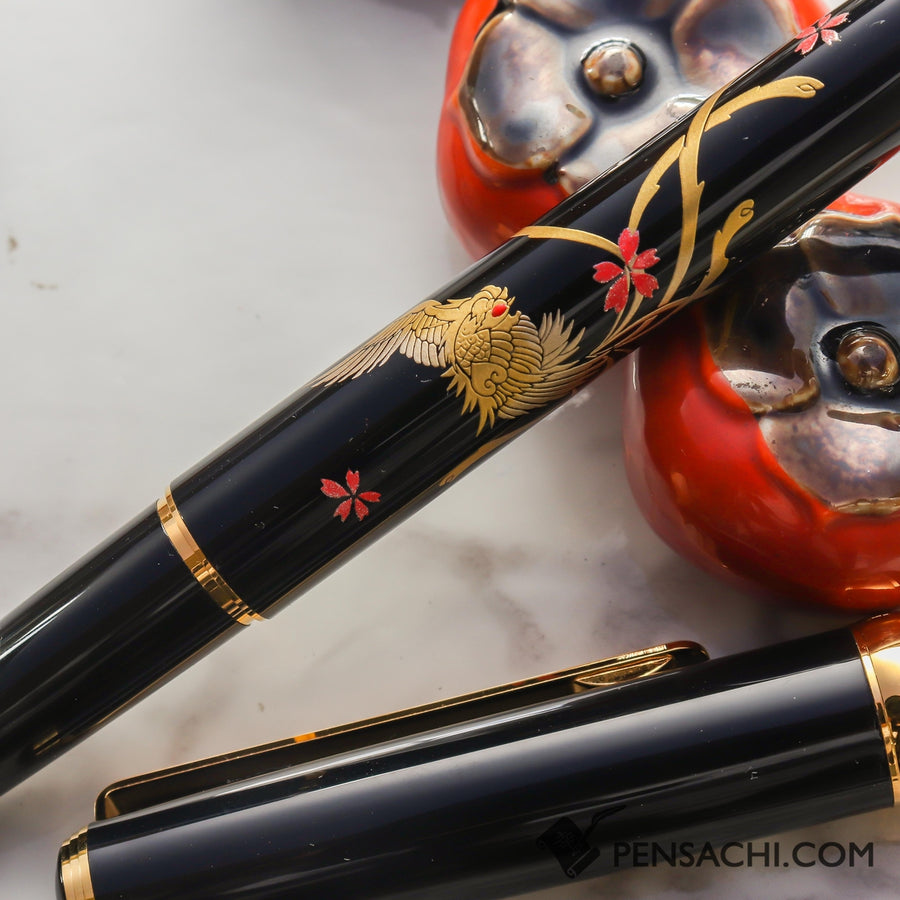
 gentlemanstationer.comgentlemanstationer.com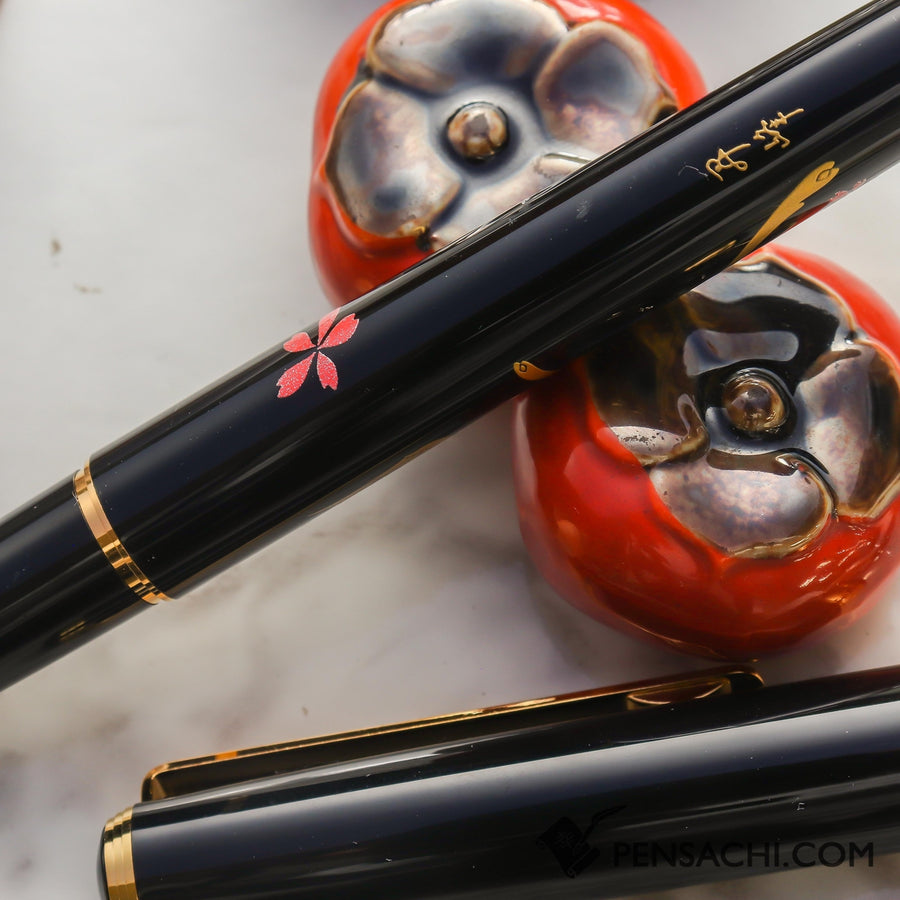
 fountainpenfollies.comfountainpenfollies.com
+Field notes
- —Modern Maki-e uses silk-screen printing instead of hand-painted urushi lacquer for the base design, then hand-sprinkles colored powders (gold, silver) and hand-polishes each pen, creating a raised, three-dimensional finish.
- —Platinum applies this technique across a wide price range: the Preppy Wa series (starting around $10-13) brings Maki-e style to the entry level, while the Classic Maki-e line (under $150) uses an 18kt gold nib and a slimmer body more akin to a Parker 51.
- —The Preppy Wa Modern Maki-e pens are limited-edition releases with themes like 'Edo-Monogatari'—each batch features 6 new patterns, bringing the total series to 24 designs by summer 2024.
- —Despite the screen-printed base, reviewers note the hand-painted details and subtle texture give the designs a genuine artisan feel, with the Bush Warbler and Plum Tree pattern described as 'adorable' and 'restrained.'
- —Platinum's own 'Slip & Seal' mechanism in the Preppy Wa prevents ink from drying out for up to a year, making these affordable Maki-e pens practical for daily carry and lending.
- —Some users report that the printed pattern on the plastic Preppy body may eventually scratch with long-term use, but overall the finish holds up well for a $10 pen.
Learn
From Traditional Motifs to Modern Production
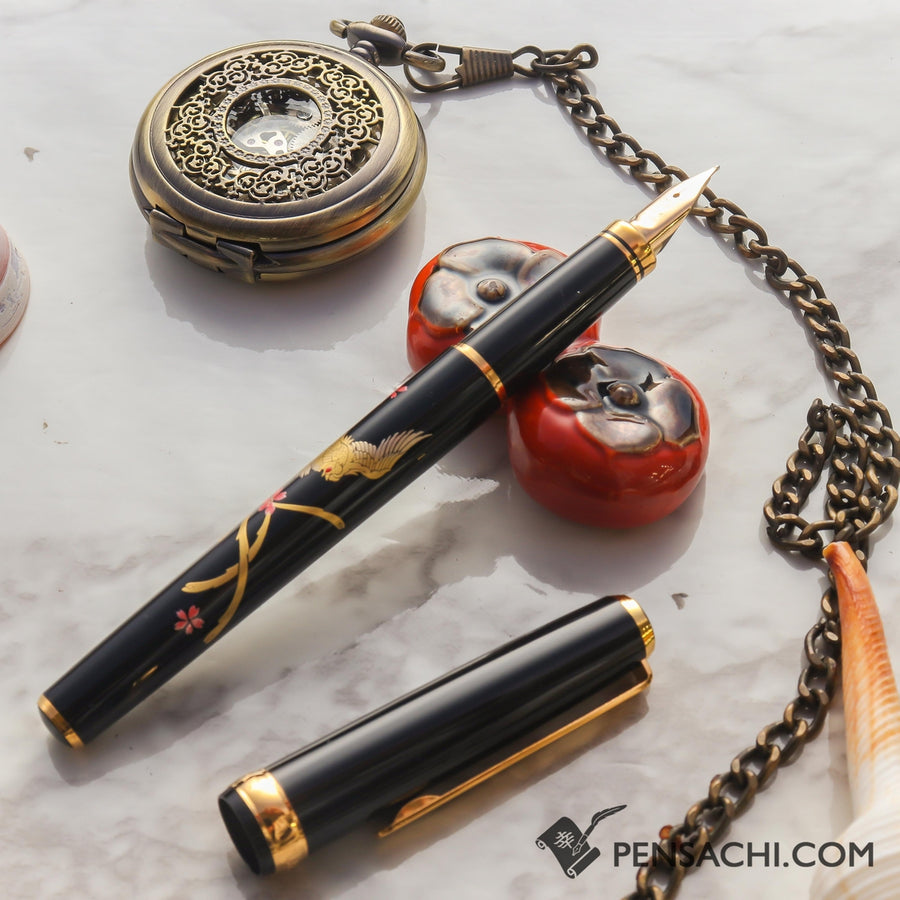
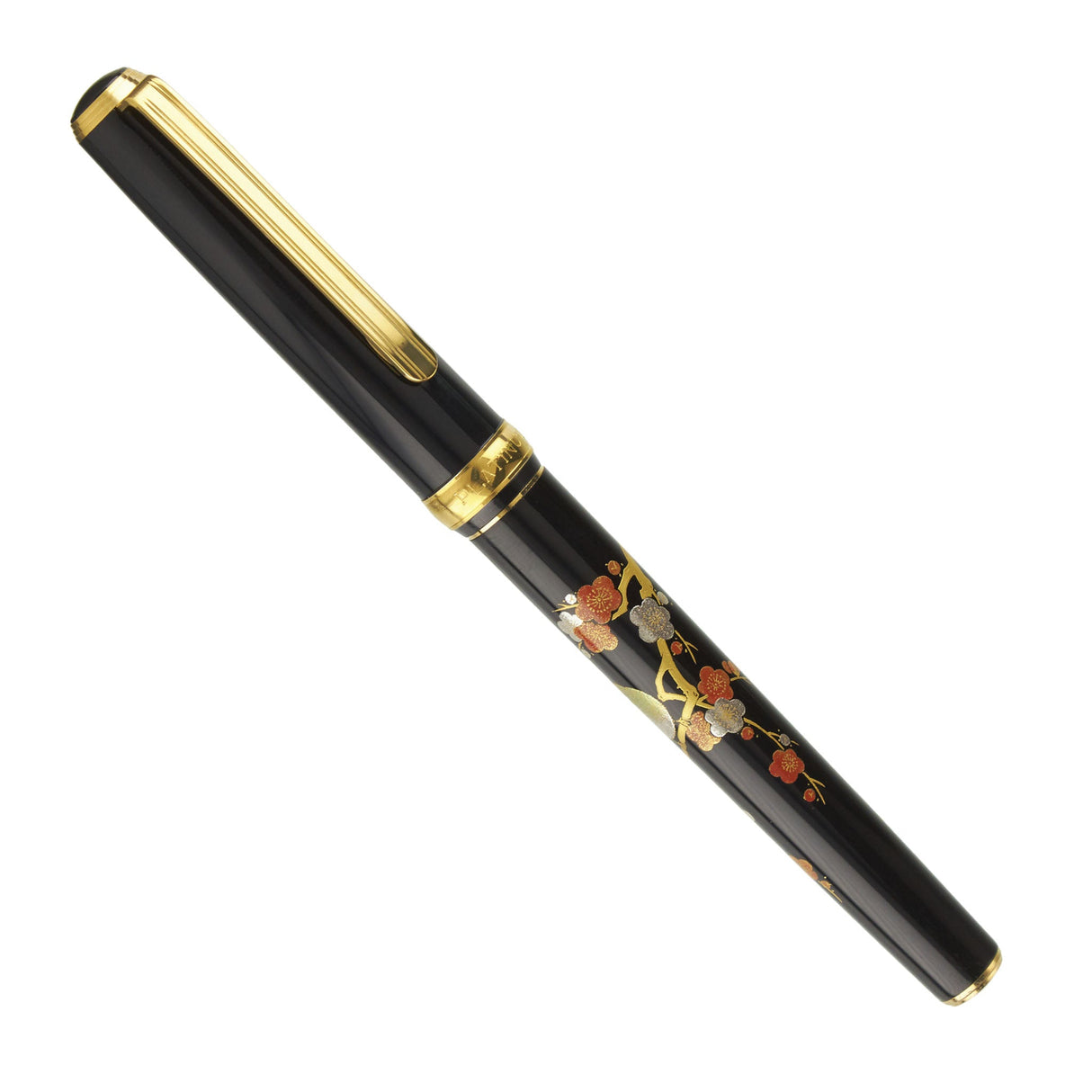
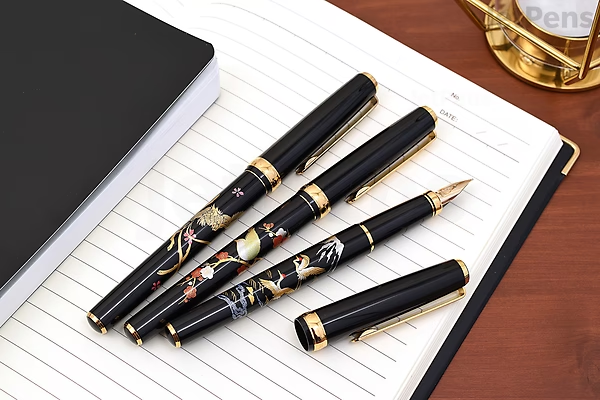
Platinum's Modern Maki-e series reimagines an ancient Japanese technique for the contemporary fountain pen market, blending industrial efficiency with artisan finishing. The process starts with a silk-screen printed black lacquer base—essentially a precisely replicated outline—applied to the pen barrel. Each pen is then individually hand-painted and hand-polished by a maki-e craftsman, and the design is given a slightly raised texture for depth, often using real gold powder. This hybrid approach makes maki-e motifs like the phoenix or crane with Mt. Fuji far more accessible than fully handmade pieces, while still requiring the artist's eye and hand for the final layers. The pens carry an 18-karat gold nib, come in fine or medium, and use a cartridge or converter fill system. In Japan, this series is known as the '美巧' (bikō) collection—'skilled beauty'—a fitting name for a line that democratizes a centuries-old art without sacrificing its soul.
 jetpens.comjetpens.com
 jetpens.comjetpens.com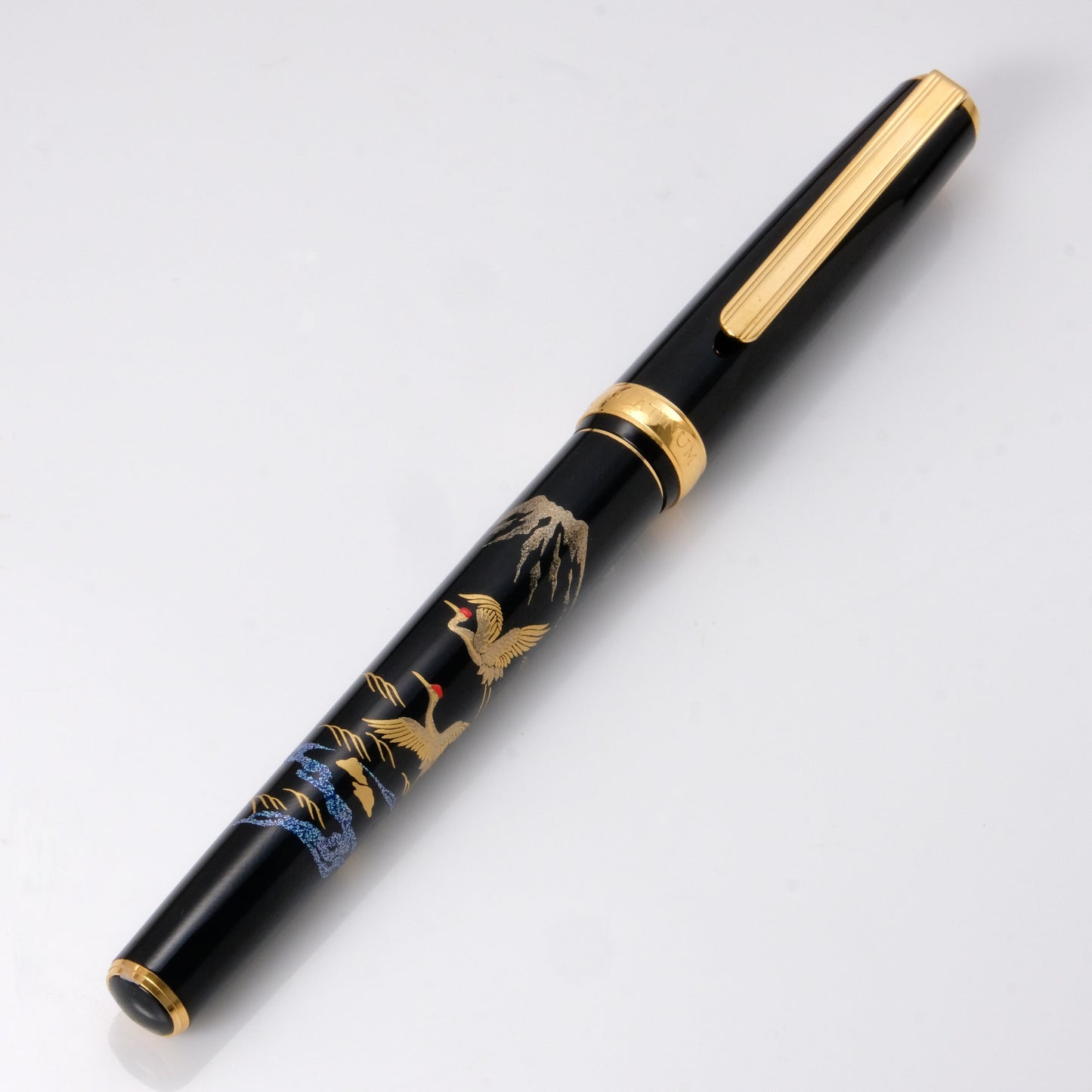

+Field notes
- —The base design is applied via silk screen printing over black lacquer, then each pen is individually hand-finished by a maki-e artist—an intentional trade-off between repeatability and the handcrafted feel that defines traditional maki-e.
- —The artwork on these pens is slightly raised from the barrel's surface, giving it a tactile depth and texture that you don't get from a simple printed design; this is a direct nod to the layered lacquer work of classical maki-e.
- —Real gold powder is sometimes used in the paint, adding a luxurious sparkle and connecting these production-line pieces to the precious-metal traditions of Heian-era maki-e.
- —In Japan, these pens belong to a collection called '美巧' (bikō), which roughly translates to 'skilled beauty'—a name that underscores the blend of mechanical precision and hand-finishing.
- —The pens are fitted with an 18-karat gold nib (available in fine or medium), and use a cartridge or converter fill system—no piston or vacuum filler here, keeping the focus on the barrel art.
- —Standard motifs like the phoenix (phoenix) and crane with Mt. Fuji (crane & Mt. Fuji) are traditional Japanese symbols of good luck and auspiciousness, making the pens not just writing instruments but portable talismans.
Explore
Where Collectors Actually Find Them



 poshmark.composhmark.com
Discover
Reviews That Focus on Finish, Motif, and Feel
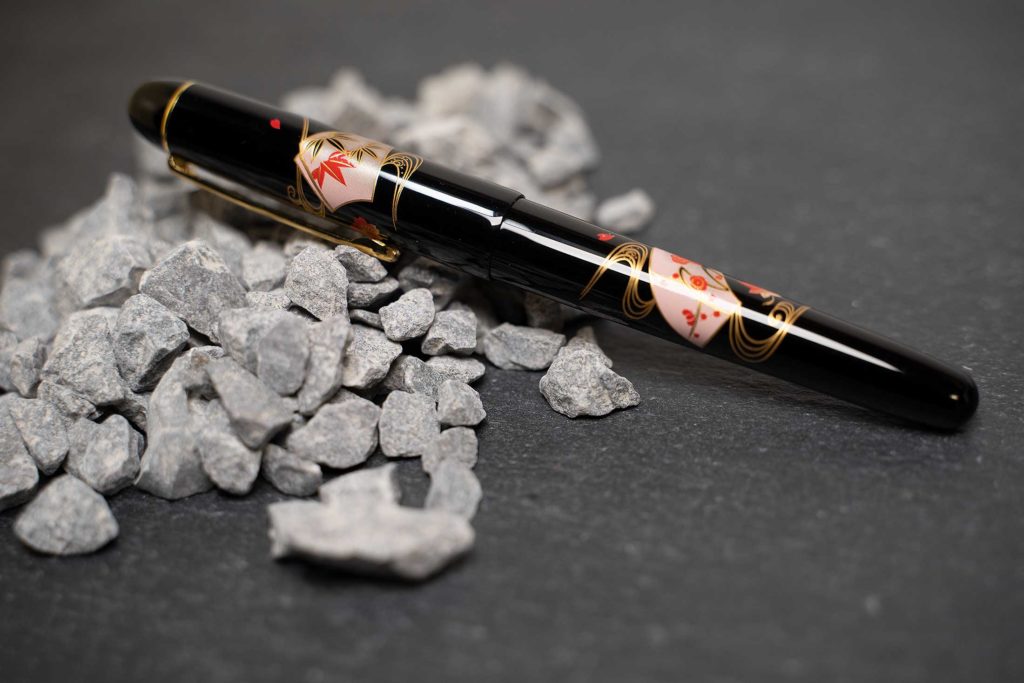
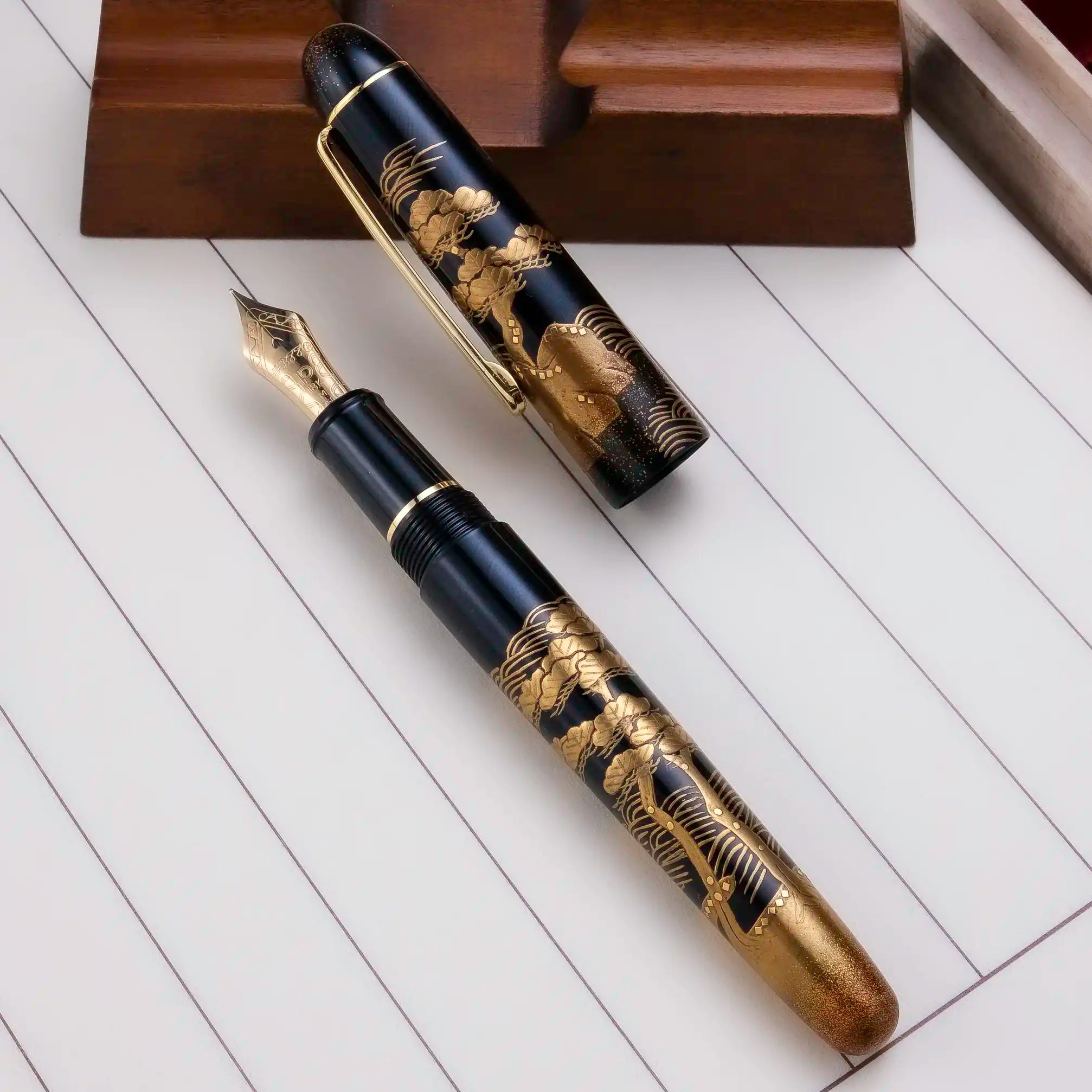
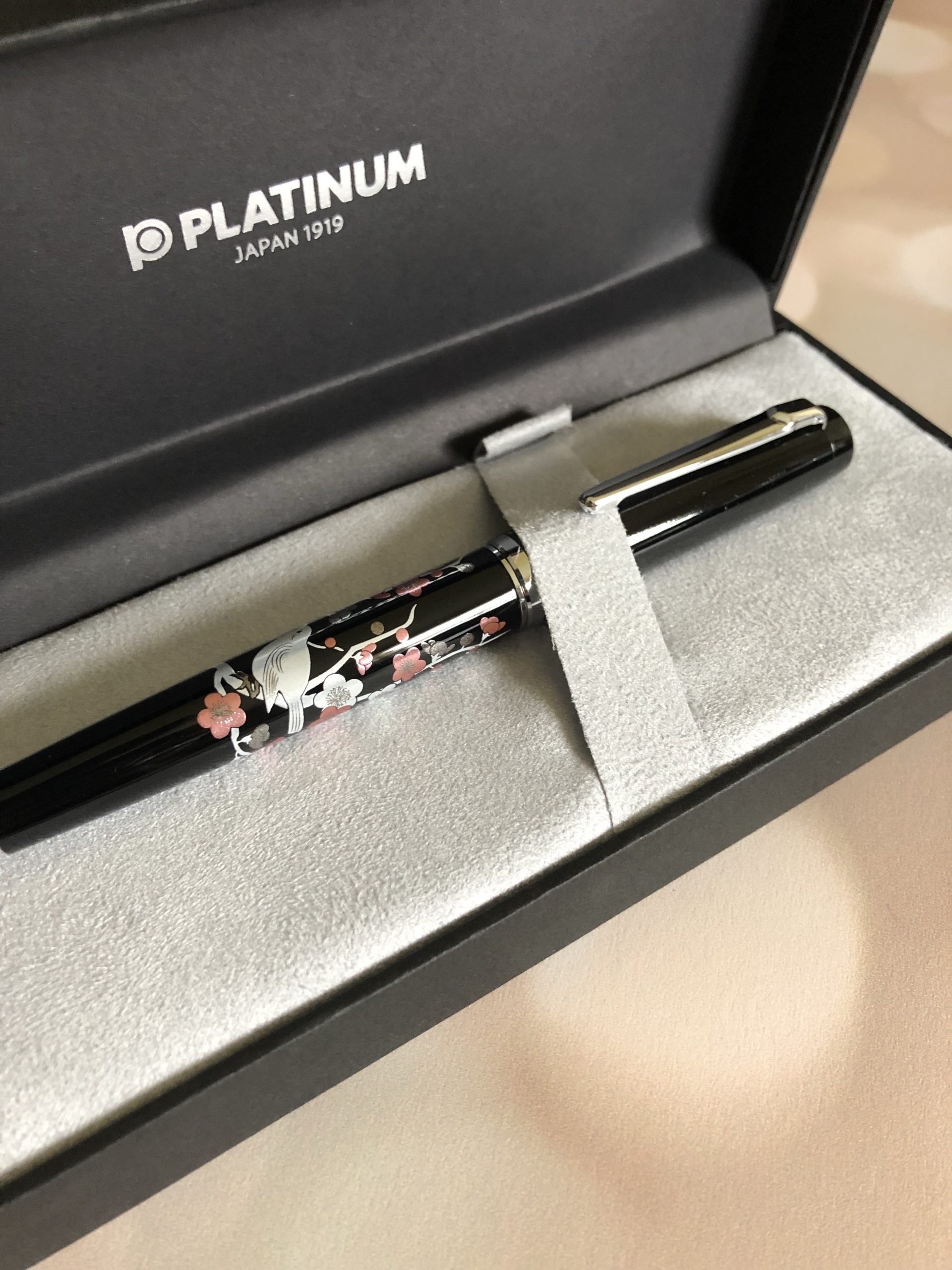

The experience of finish, motif, and feel across Platinum’s maki-e lineup spans an enormous gulf, from the $10 Preppy Wa’s silk-screened plastic barrel to the hand-built Kaga Taka Maki-e 3776 at $31,500 HKD. The Preppy Wa uses a modern shortcut—screen printing with metallic powders rather than traditional urushi lacquer—making intricate Japanese motifs like carp climbing waterfalls or bats among willows accessible at a price that invites daily use, though the printed pattern may scratch over time. Step up to the Procyon Maki-e ($140) and you get lacquer on an aluminum body with a firmer, stainless steel nib and a slip-seal cap that fights dry-out for up to a year, with a motif like brush warbler on plum tree rendered in metallic powders. The #3776 Century Maki-e (around $300–$600) uses screened maki-e on resin with a 14k gold nib, but the real leap in finish comes with the Kaga Taka Maki-e: a raised, three-dimensional technique by master Ooshita Sohkoh, who applies dozens of gold powders and hand-cut square foil pieces, signing each pen. The tactile difference is night and day—flat printed plastic versus textured, glossy, hand-layered lacquer with genuine depth.
+Field notes
- —The Preppy Wa’s “modern Maki-e” is silk-screen printing on plastic, not traditional urushi lacquer—the metallic powders are dusted onto a printed underlayer, making the pattern vulnerable to scratching and wear over months of use.
- —Platinum’s official description for the Preppy Wa confirms the technique: “Unlike conventional Maki-e, it is applied with silk screen printing instead of urushi lacquer on the underlayer, which is then sprinkled with colored powders such as gold” — a cost-saving process that still delivers an aesthetic nod to traditional lacquerwork.
- —The Procyon Maki-e ($140) uses genuine lacquer on a black aluminum body, giving it a noticeably heavier feel (28g capped) than the plastic Preppy, and the “Brush Warbler on Plum Tree” motif is built with actual metallic powders set into lacquer rather than a simple print.
- —The #3776 Century Urushi Maki-e (e.g., Sansui design) uses screened maki-e on resin, not hand-painted, but the finish still employs urushi lacquer and metallic powder; the nib features a stylized Mount Fuji engraved between the tines, and the slip-seal mechanism claims to keep the nib wet for two years.
- —The 3776 Kaga Taka Maki-e “Hama no Matsu” is the polar opposite of the Preppy: a raised (Taka) maki-e technique where lacquer is mixed with charcoal or mineral particles to create a three-dimensional pattern, then hand-sprinkled with “several dozen types of gold powders and pieces” and finished with square gold foil cut by master Ooshita Sohkoh, who signs each piece with the seal “香苑”.
Keep exploring
More of Platinum Modern Maki-e Fountain Pens

Branch out
Beyond Platinum Modern Maki-e Fountain Pens
More to explore
In the same world.
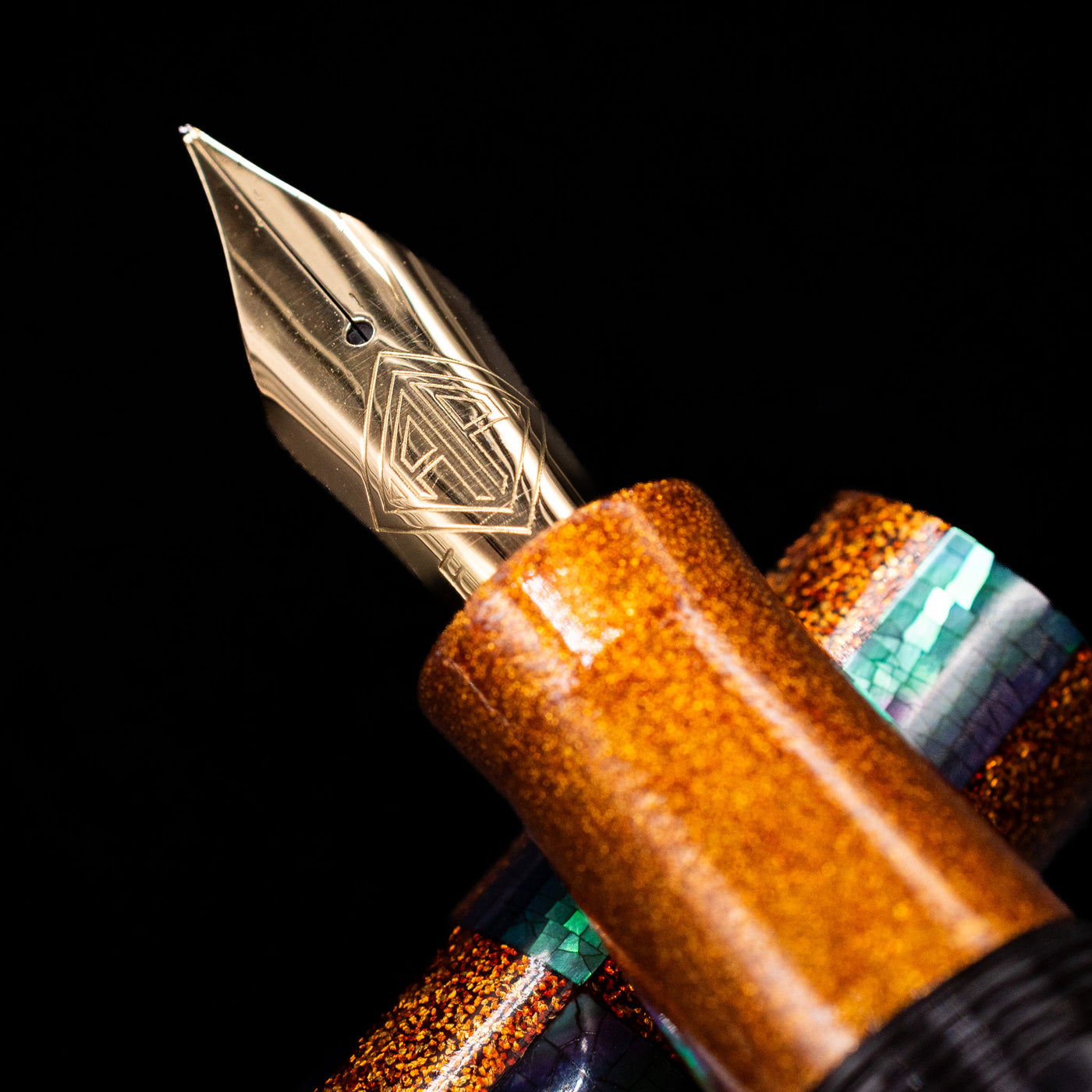
Sailor Maki-e Fountain Pens
Sailor’s Maki-e fountain pens sit at the meeting point of writing instrument collecting and a Japanese decorative art wi…
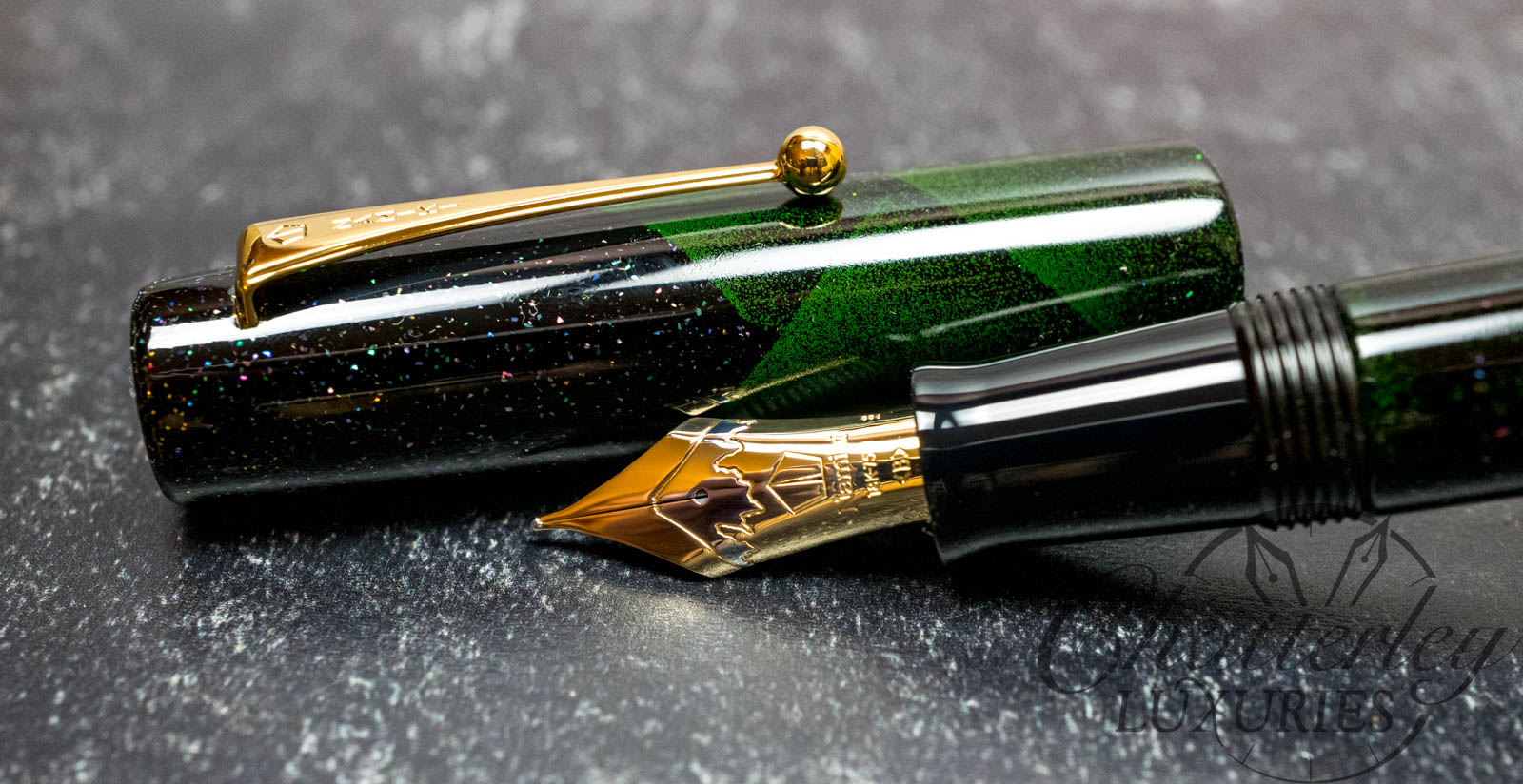
Namiki by Pilot
Namiki is Pilot’s Japanese brand for high-end fountain pens, especially models finished in maki-e and urushi lacquer. Th…

Sailor Fountain Pens
Sailor’s fountain-pen world is built around a few core families that collectors quickly learn to recognize: the rounded…
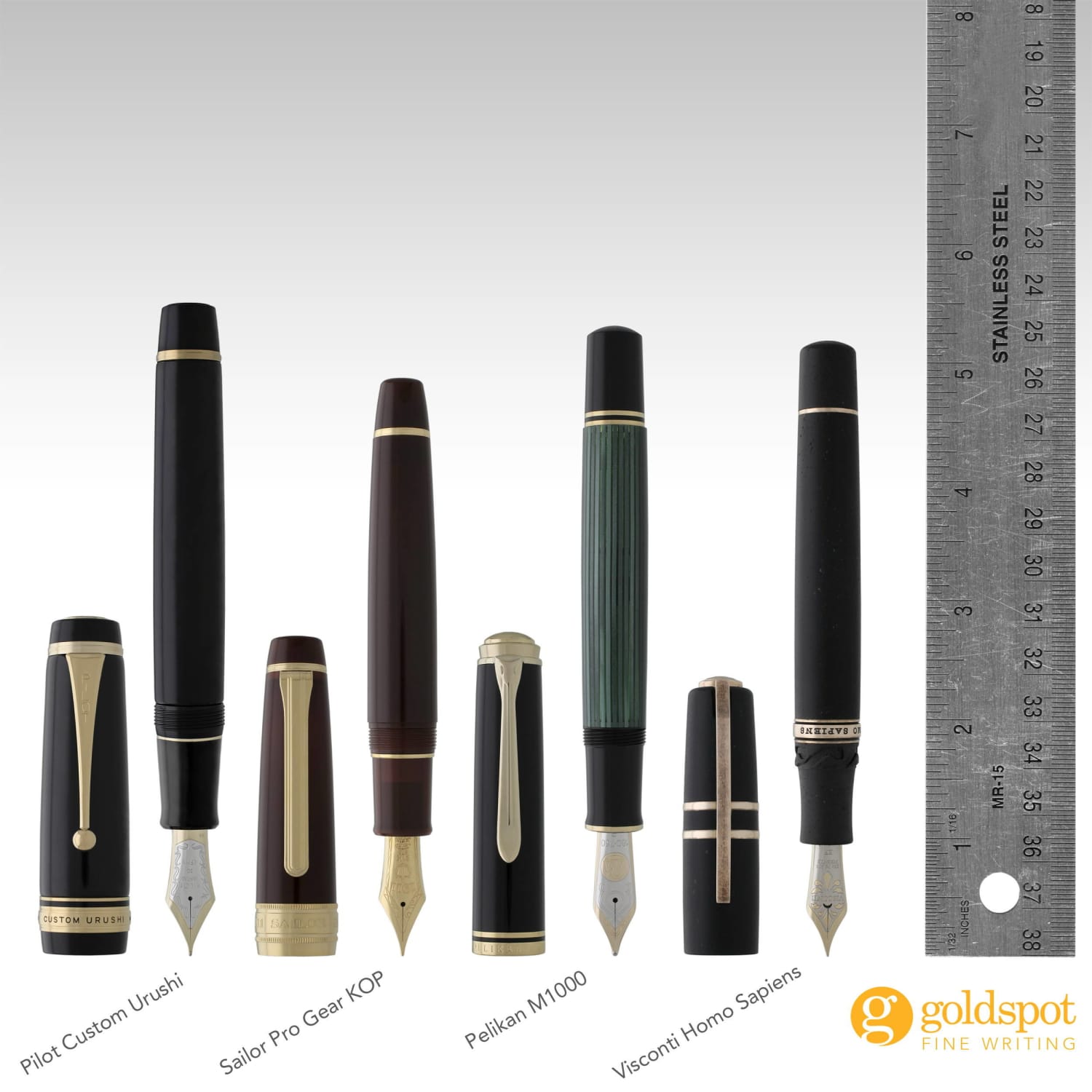
Fountain Pens
Fountain pens are refillable writing instruments that feed liquid ink to a metal nib, and for many people the appeal is…

Vintage Pelikan Fountain Pens
Vintage Pelikan collecting really starts with the Model 100, the company’s first fountain pen, made from 1929 to 1944 an…
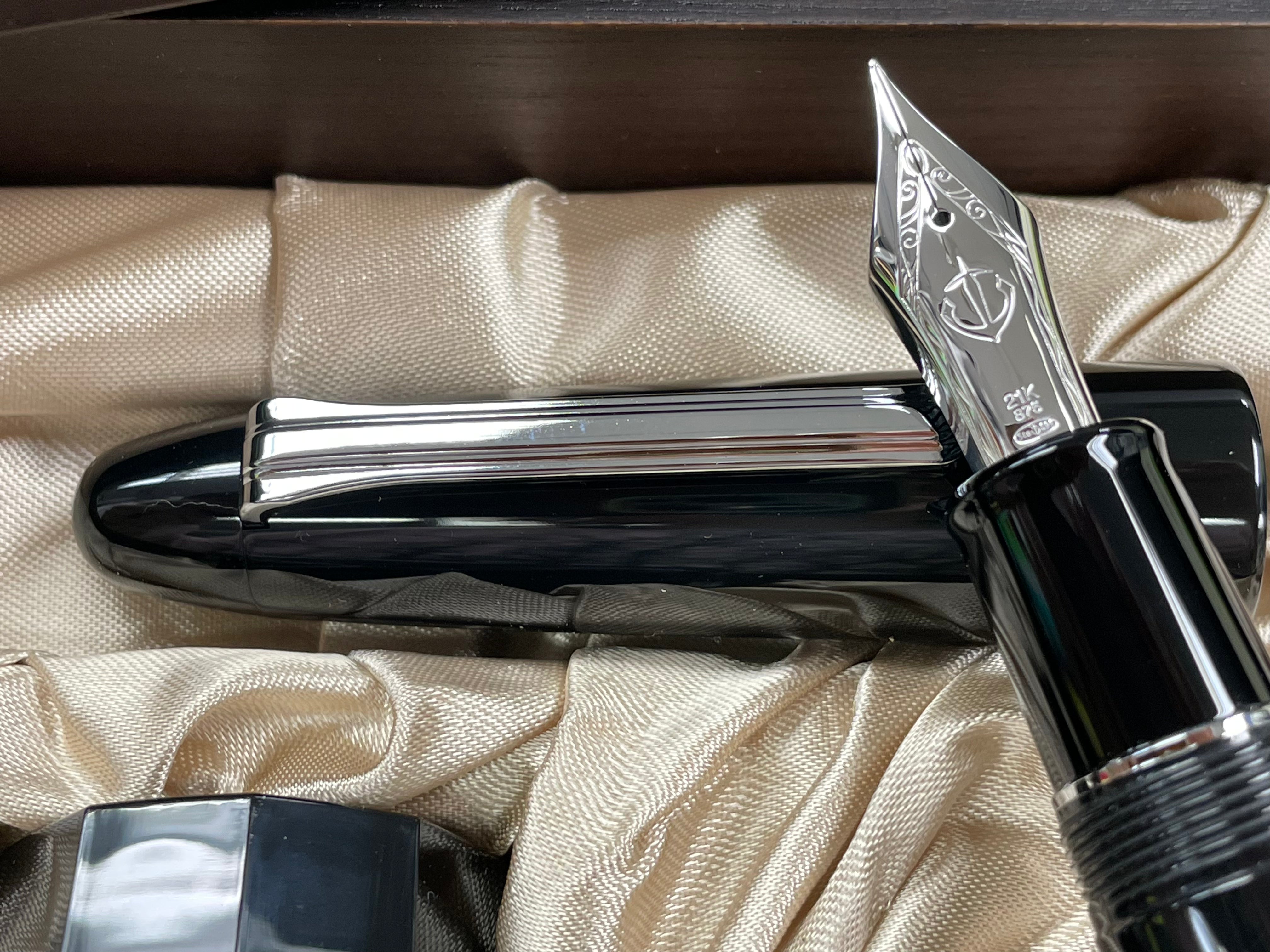
Sailor King of Pens
Sailor’s King of Pens is the company’s top-of-the-range fountain pen line, positioned by Sailor as a symbol of its techn…
Montblanc Meisterstück LeGrand
Montblanc’s Meisterstück LeGrand is a mid-to-large format within the brand’s core writing line, offered across fountain…

OHTO Fountain Pens
OHTO’s fountain-pen line is a compact corner of Japanese pen culture built around metal-bodied, fine-nib everyday writer…
More in Fountain Pens & Writing
Stay in this world.
Sailor Fountain Pens
Vintage Pelikan Fountain Pens
Montblanc Writers Edition Agatha Christie
Sailor Maki-e Fountain Pens
Montblanc Meisterstück 149
Fountain Pens
OHTO Fountain Pens
Sailor King of Pens
Imagery
Know someone who’d love this?
Discovered by ArcurianAuto-generated from public sources and AI synthesis — it may be incomplete or inaccurate. Treat it as a starting point for your own exploration, not professional (medical, legal, financial, or safety) advice. Verify anything you act on. Report this page.