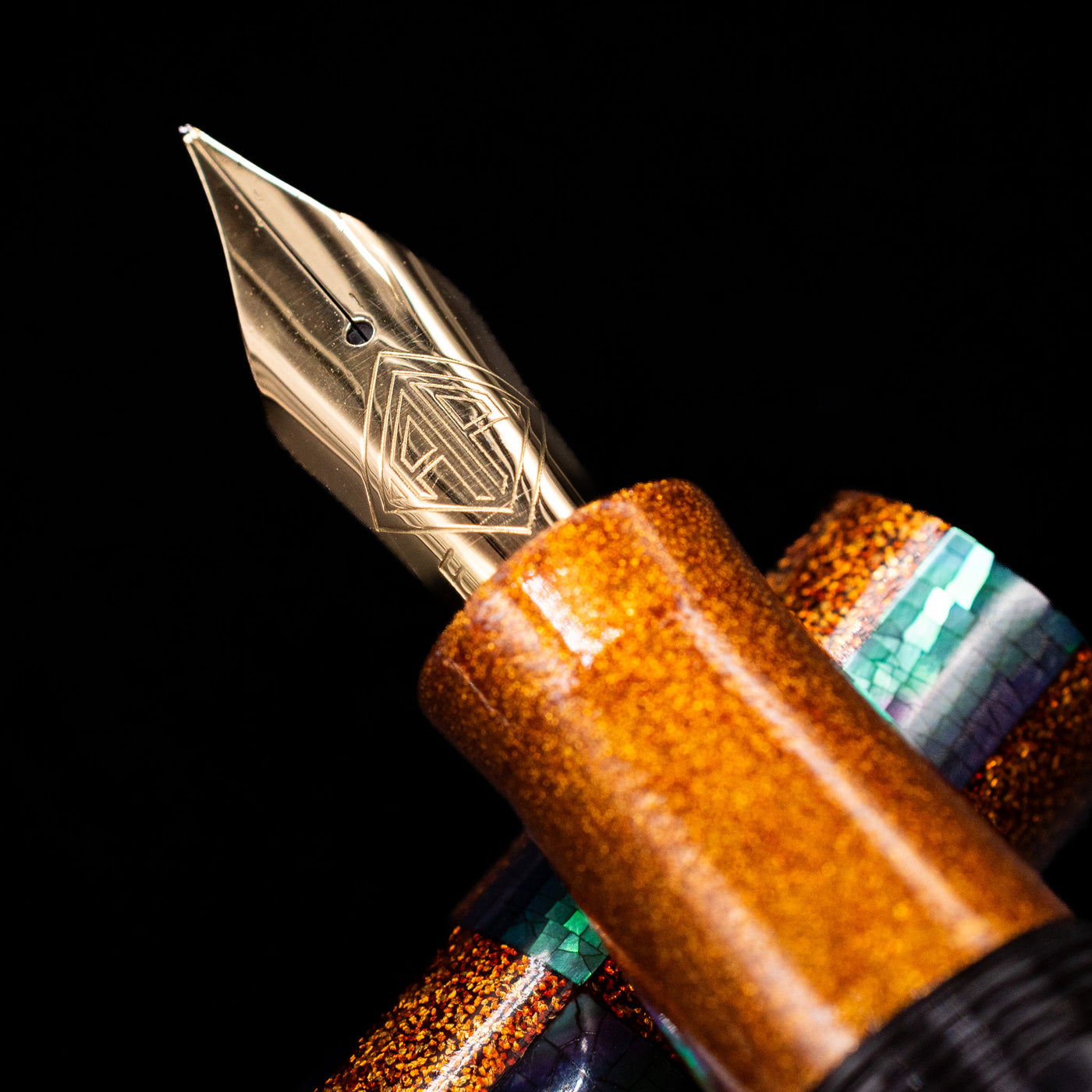
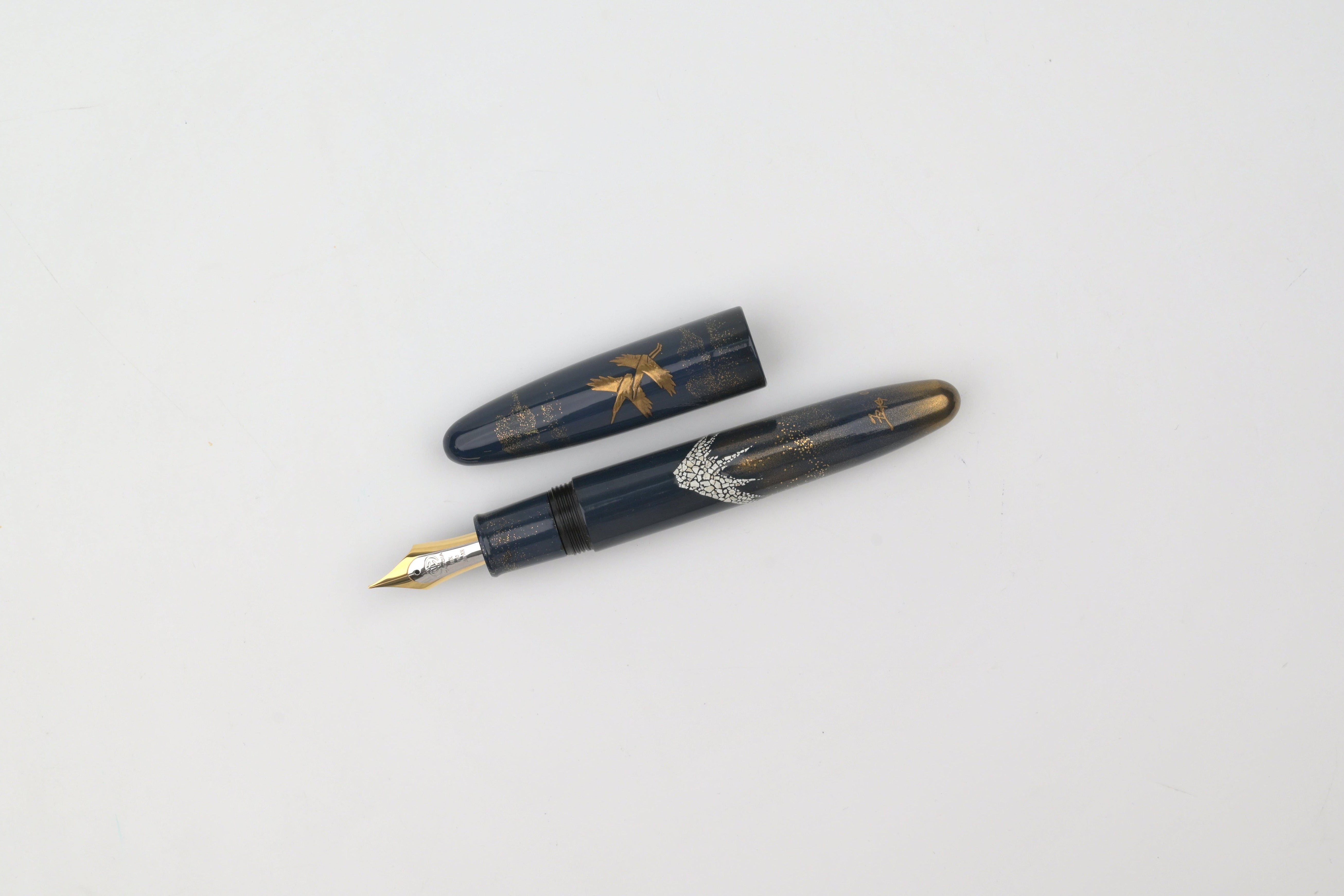
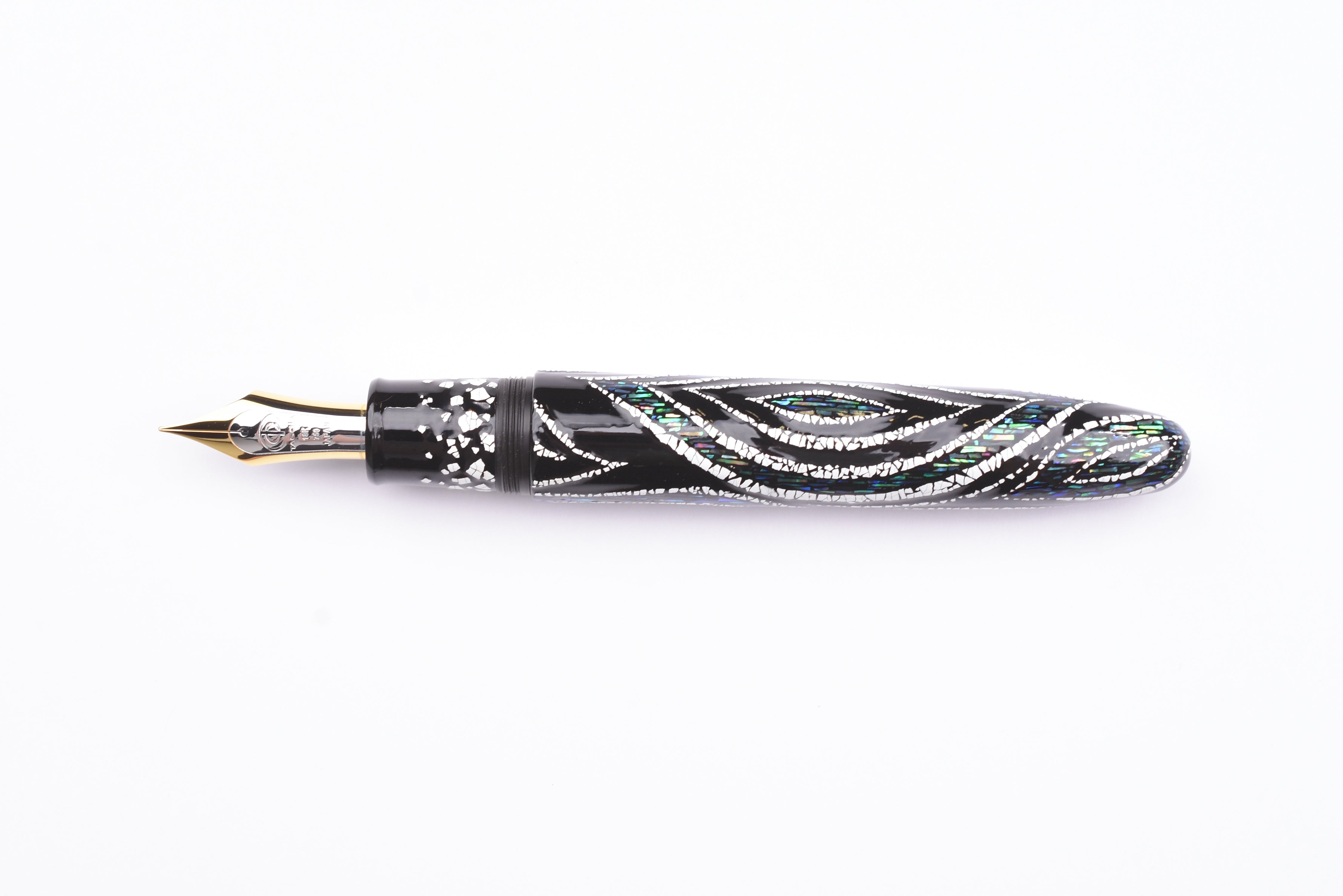
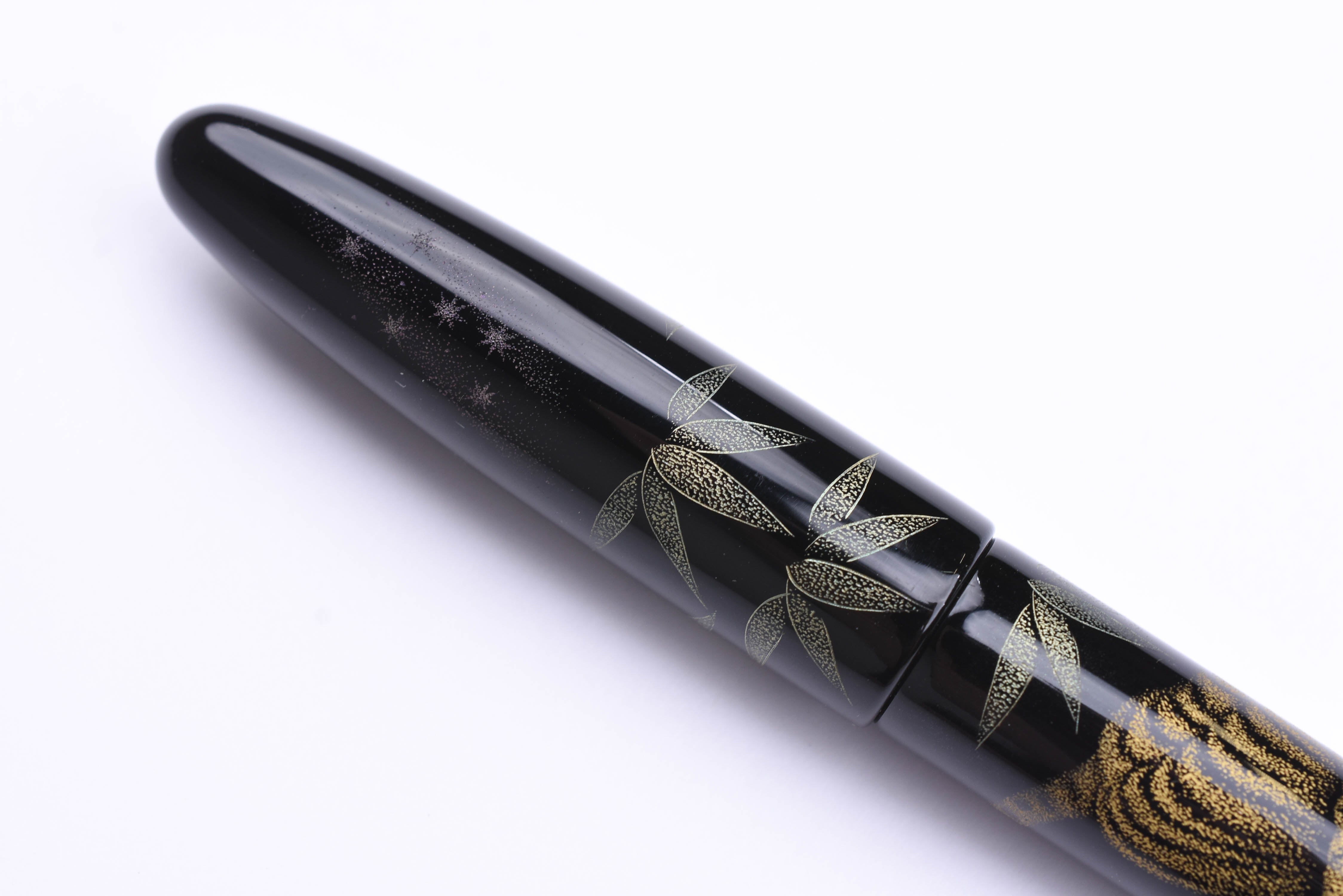
Sailor’s Maki-e fountain pens sit at the meeting point of writing instrument collecting and a Japanese decorative art with more than 1,200 years of history. The brand’s own Maki-e series emphasizes hand-applied lacquer decoration using materials such as gold, silver, enamel, and abalone shell, and the line ranges from 1911 models like Crane, Autumn Leaves, Carp, and Mt. Fuji & Crane to King of Pen pieces drawing on ukiyo-e and classical performing arts. Specific artists matter here: Sailor identifies urushi artists including Masatoshi Kobayashi and Kousen Oshita, whose family line is tied to Kaga Maki-e. If you think of fountain pens as only about nibs, these pens open up a completely different collecting language—one built around lacquer, motif, and named artisans as much as writing performance.
Learn
What Makes a Sailor Maki-e Pen Distinct
A Sailor Maki-e pen is a convergence of two distinct Japanese traditions: Sailor's precision nib-making, established in 1911 and honed in Kure, Hiroshima, and the ancient lacquer art of Maki-e, which dates back 1,200 years to the Nara Period. Maki-e itself is not a single technique but a family of methods—like Hira Maki-e (flat) versus Togidashi (polished), or the use of Raden (mother-of-pearl inlay) and Tamenuri (layered translucent lacquer) seen in models like the 'Nami' King of Pen. Sailor partners with specific, storied ateliers—such as the 130-year-old Oshita Kosen Atelier in the Hokuriku District, which produces the contemporary 'Classic Ko' series, or the Kaga-based artist Ikki Moroike, whose work has been acquired by the Imperial Household Agency. The pens themselves are often built on ebonite (hard rubber), a material prized for its warm feel and durability, and housed in Paulownia wood boxes. Ultra-limited editions, like the 'Battle of Itsukushima' pen limited to 33 pieces or the Ukiyo-e series limited to 30, feature artwork that you can feel under your fingers—raised Maki-e texture that connects the writer directly to the artisan's hand. These are not mere writing instruments; they are portable exhibitions of a craft that has survived for over a millennium, paired with nibs that many, including nib master John Mottishaw, consider among the finest in the world.
 en.sailor.co.jpen.sailor.co.jp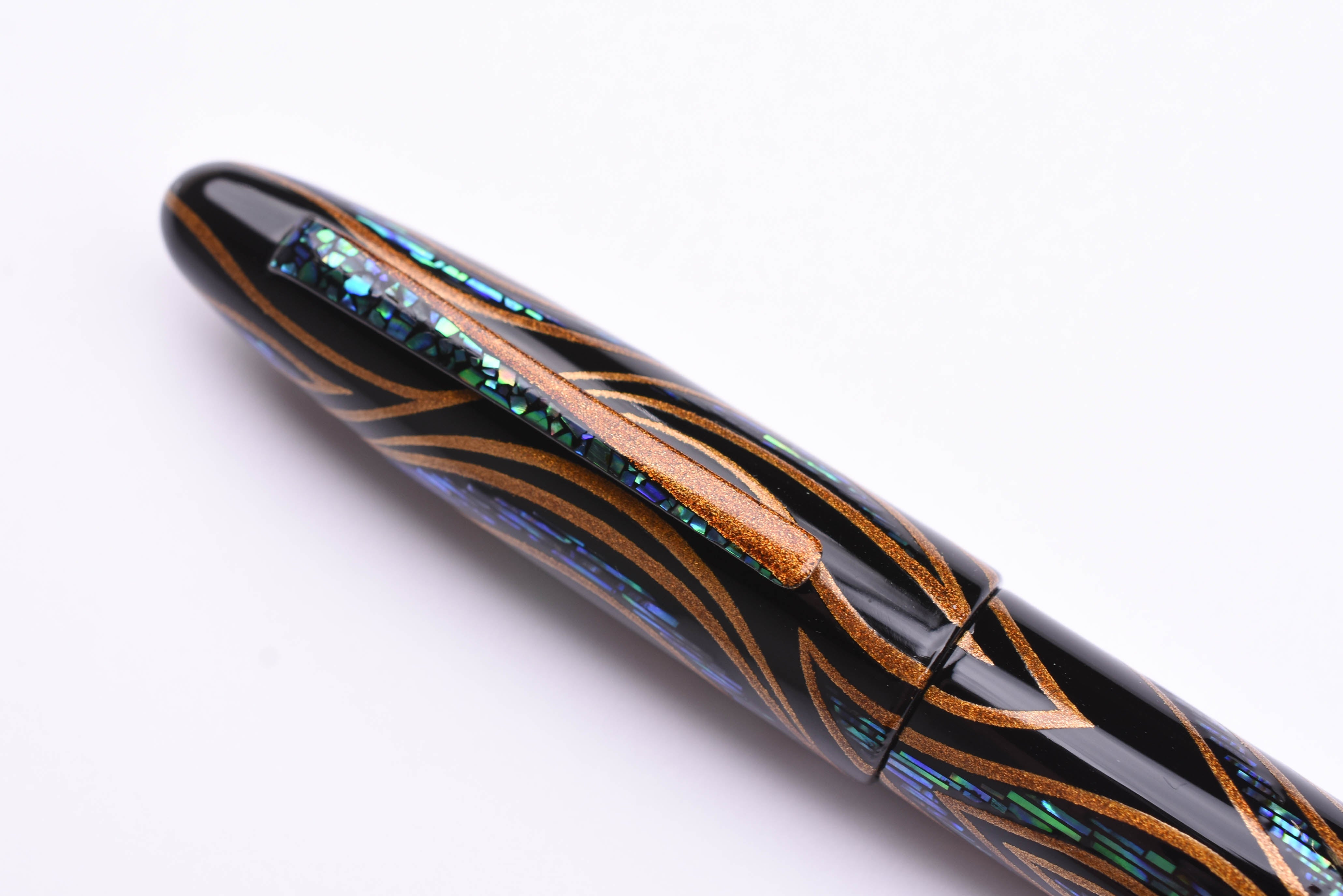
+Field notes
- —Maki-e on Sailor pens often uses ebonite (hard rubber) as the base material rather than resin, because ebonite's slight warmth and porous surface provide a superior foundation for the layers of urushi lacquer and metal powders—this is a major reason why collectors favor ebonite versions for Maki-e work.
- —The phrase 'Maki-e' literally means 'sprinkled picture'—artists brush urushi (Japanese lacquer) onto the design, then sprinkle gold, silver, or other metal powders onto the wet lacquer before it dries, a process that has been refined over 1,200 years since the Nara Period.
- —Sailor collaborates with specific, historically deep ateliers—the Oshita Kosen Atelier, which has been operating for 130 years in the Hokuriku District, produces the 'Classic Ko' Maki-e jewelry and pen series, blending Kaga-style Maki-e techniques with a contemporary aesthetic entirely different from traditional Maki-e writing instruments.
- —The ultra-limited 'Battle of Itsukushima' King of Pen, limited to just 33 pieces worldwide, was handcrafted by urushi artist Ikki Moroike, whose Maki-e work has been purchased by Japan's Imperial Household Agency, and his pieces have won top honors at the Exhibition of Kanazawa Lacquer Arts and Crafts four times.
- —The 'Tominomori Sukeemon-Masakata' King of Pen, limited to only 30 pieces worldwide, features raised Maki-e that can be felt by the fingertips—the texture of the lacquer and powder layers is intentionally tactile, letting the user sense the artist's brushstrokes while writing.
Learn
From 1,200-Year Maki-e Craft to Sailor Pen Bodies
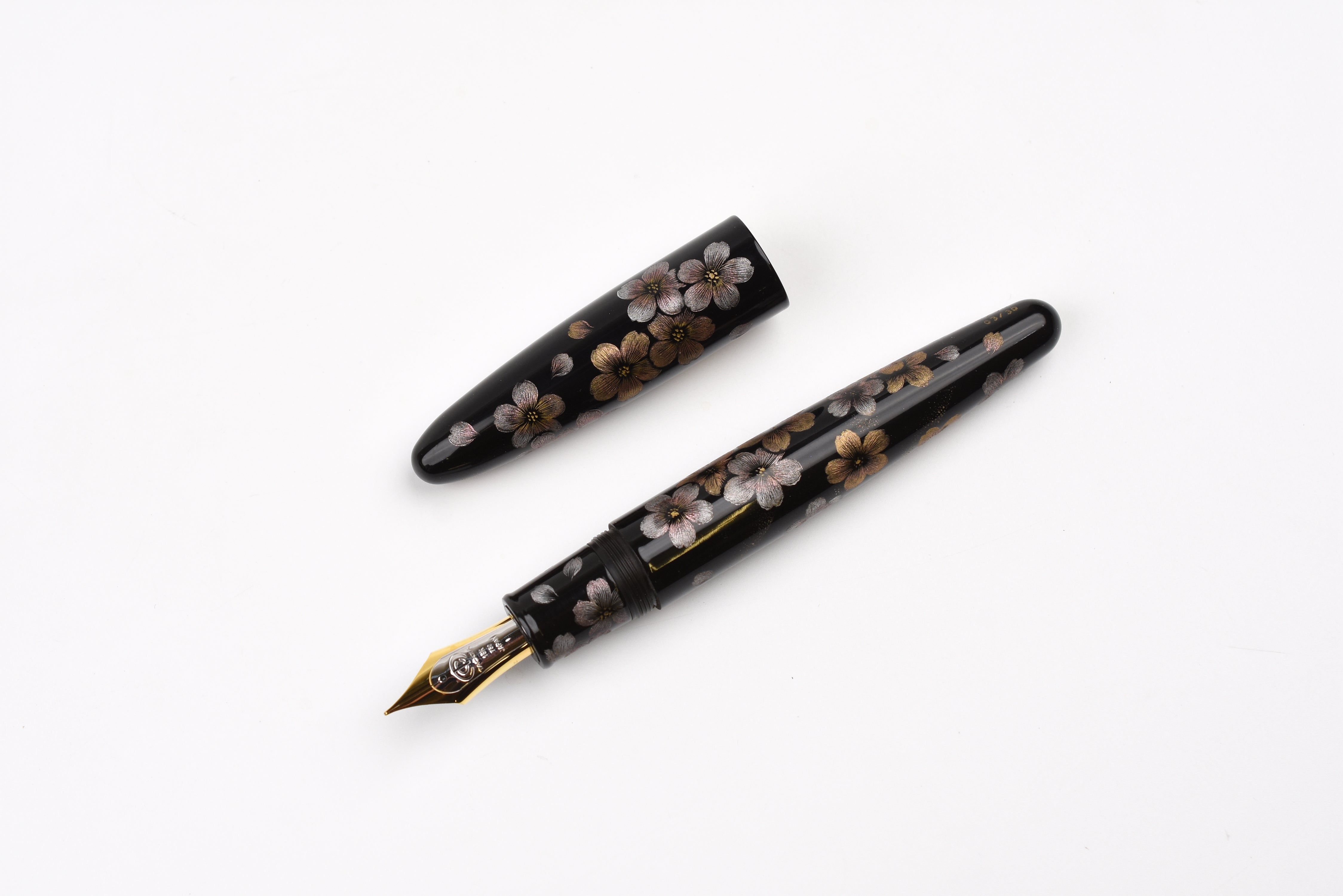
The intersection of maki-e and Sailor fountain pens is a rare convergence where a 1,200-year-old decorative craft—rooted in the Nara period's lacquer-and-powder techniques—meets modern writing instruments made not by factories, but by hand under the fifth-generation head of the Oshita Kosen Atelier, Kosei Oshita. Sailor's collaboration with this 130-year-old tea-ware and jewelry atelier, which began in 2020 with the Classic Ko jewelry brand, has produced limited-edition pens like the Sakura Nagare (King of Pen size with a 21K gold nib) that use traditional Kaga-style maki-e—specifically the Togidashi, Hira, and Taka techniques—rather than mere surface decoration. These are not just pens; they are functional art objects that require the same patient layering of urushi lacquer and sprinkling of gold, silver, or mother-of-pearl powders that once adorned inkstone boxes and Buddhist altars, now carried forward by a handful of surviving maki-e masters from the original Edo-period pool of 20,000 artisans.
 en.sailor.co.jpen.sailor.co.jp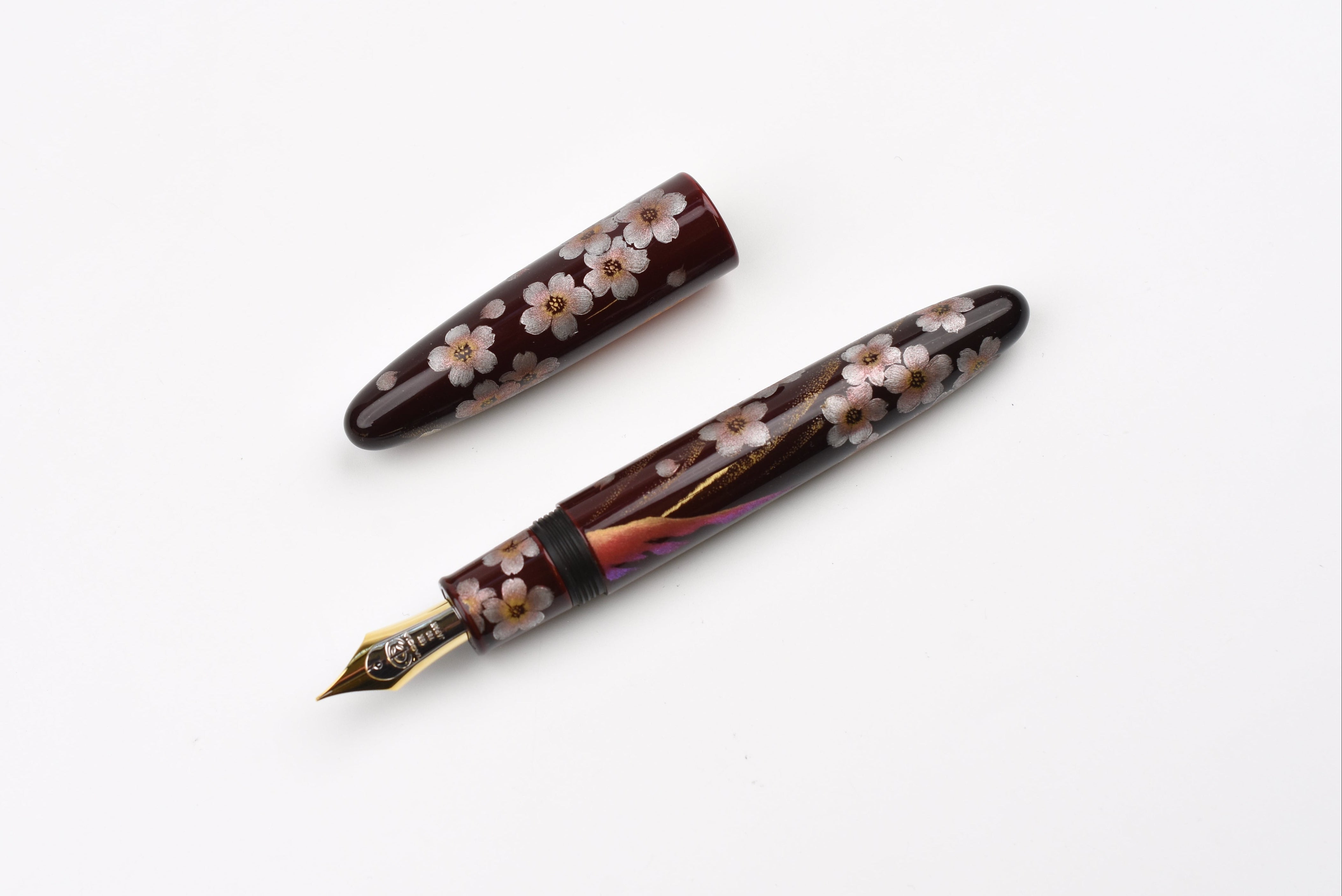
 fprevolutionusa.comfprevolutionusa.com
 chatterleyluxuries.comchatterleyluxuries.com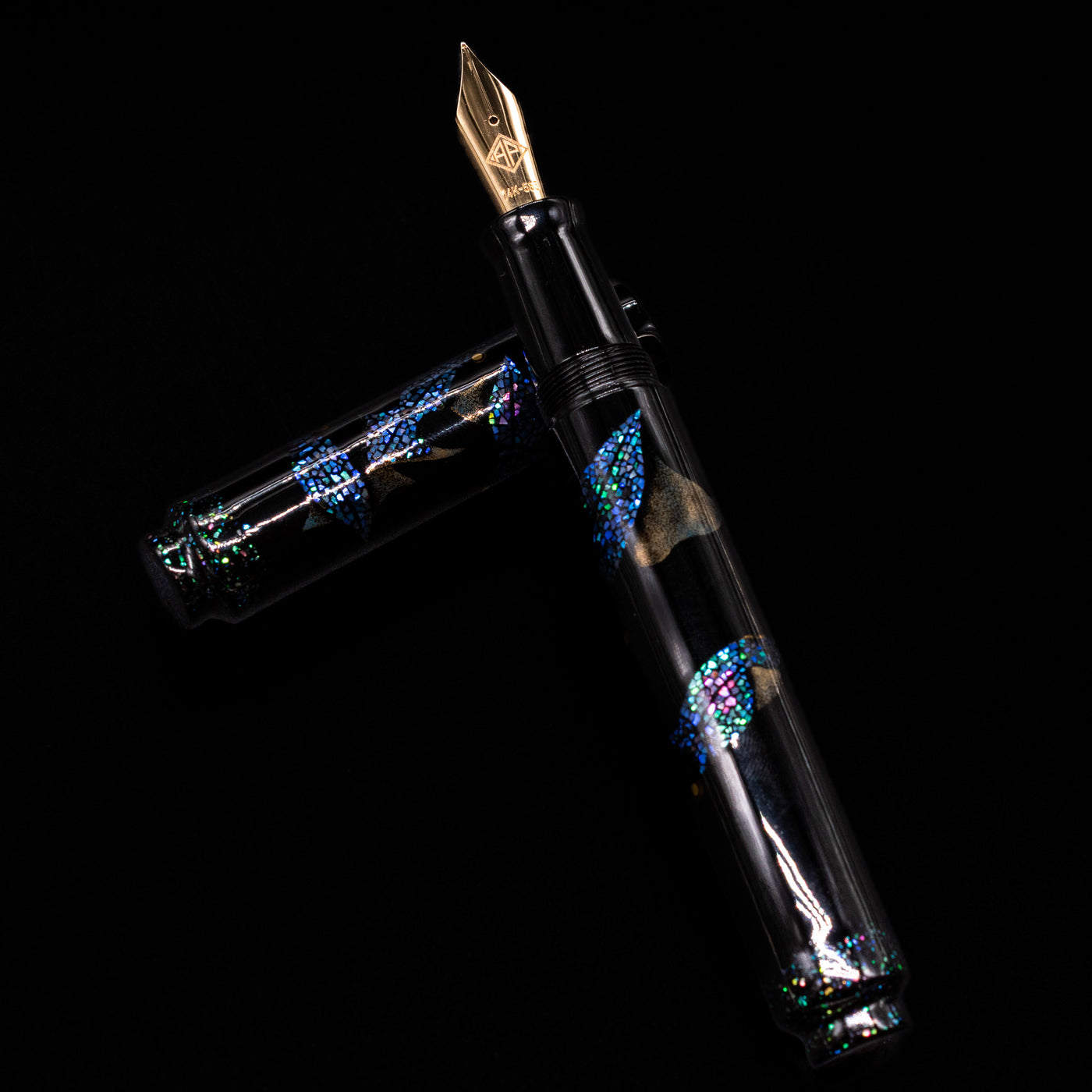
+Field notes
- —Sailor's Maki-e pens are produced in collaboration with the Oshita Kosen Atelier, a 130-year-old Kaga-region workshop that traditionally crafted tea ware before pivoting to jewelry and, in 2020, to fountain pens under the Classic Ko brand, with Kosei Oshita—the fifth-generation head—personally directing the maki-e design.
- —The Sakura Nagare (Flowing Cherry Blossom) model, designated number 11-9942, is a King of Pen—Sailor's largest size—fitted with a 21K gold nib (available in M or B) and decorated by artist Todashi Nakamura using hand-done Maki-e, not machine imprinting.
- —Each Sailor Maki-e pen uses one of three distinct Kaga-style methods: Togidashi (burnished), where the metallic design is buried under multiple lacquer layers and revealed through charcoal polishing; Hira (flat), where gold powder adheres only to the brushed design on top; or Taka (raised), where a charcoal-and-clay paste builds up the pattern in relief before the metal is sprinkled on.
- —The number of Maki-e artisans has collapsed: from around 20,000 during the Edo period to just a few hundred today, making even a basic Sailor Maki-e model (like the 14K-nibbed Tsuru or Momiji, both by Kosen Oshita) a product of an endangered lineage, not a mass-production line.
- —Urushi lacquer, the base of all Maki-e work, has a recorded history of at least 9,000 years—the oldest surviving artifact is a lacquered comb from the Torihama Shell Mound—and when fully cured, it reaches a hardness of Mohs 4, comparable to glass, meaning a maki-e pen's finish deepens in luster over decades instead of wearing off.
Learn
Know the Artists: Kousen Oshita and Masatoshi Kobayashi
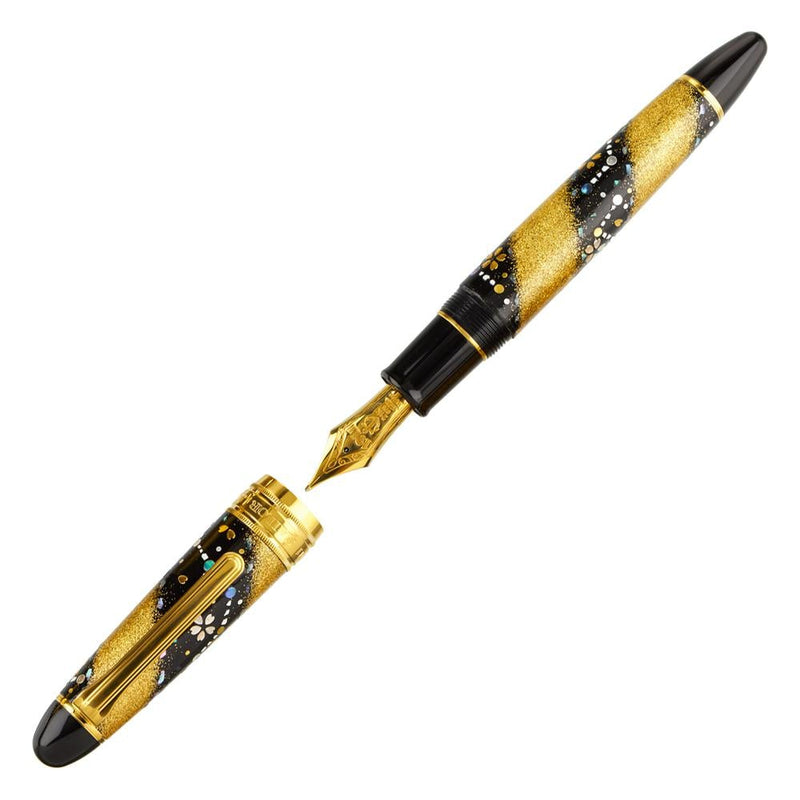
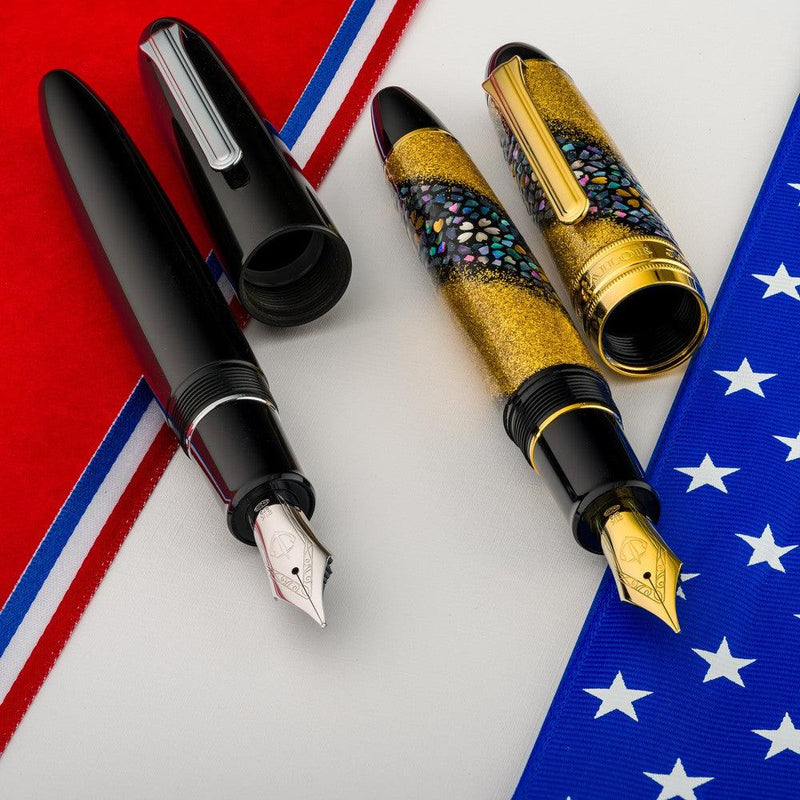
Kousen Oshita (the fourth-generation head of the Oshita Kosen Atelier) and Masatoshi Kobayashi (also known as Isana Kobayashi) represent two distinct branches of Kaga maki-e artistry that have found a natural home on Sailor fountain pens. Oshita’s atelier, rooted in over 130 years of tradition producing fine tea ware and arts and crafts, launched the Classic Ko jewelry brand in 2020 and brought an innovative, contemporary maki-e aesthetic to Sailor’s pens. In contrast, Kobayashi—a graduate of the Wajima Urushi Lacquer Institute of Art who apprenticed under his father, a well-known maki-e artist—is the force behind the Iro-Miyabi series (using the stone-textured Ishime-nuri technique) and the Rei series’ Sosaku Shunkei Kaga-nuri style. Kobayashi’s work was even selected as official gifts for G7 leaders at the 2023 Hiroshima Summit. Both artists are certified and widely exhibited: Oshita holds the title of Certified Traditional Craft Artist from Japan’s Minister of International Trade and Industry, and Kobayashi has demonstrated maki-e in Canada, New York, and the Dominican Republic at the request of Japan’s Foreign Ministry. Their specific techniques—whether Oshita’s clean, delicate Kaga maki-e on tea tools and pens, or Kobayashi’s layered Ishime-nuri and Sosaku Shunkei-nuri—make each pen a wearable artifact of living Japanese lacquer tradition.
 en.sailor.co.jpen.sailor.co.jp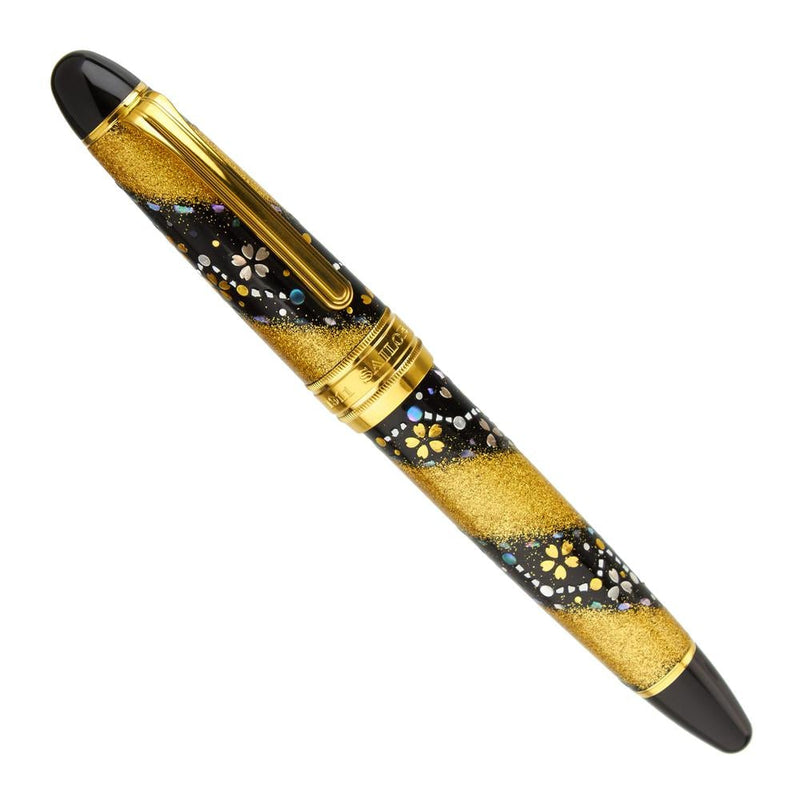
 en.sailor.co.jpen.sailor.co.jp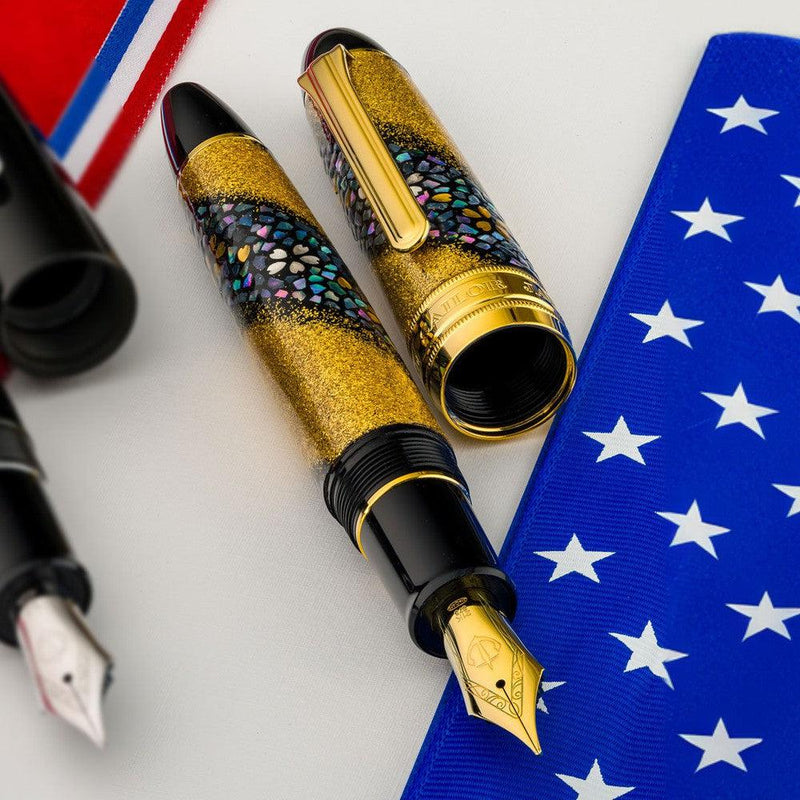
 galleryjapan.comgalleryjapan.com
+Field notes
- —Kousen Oshita, the fourth-generation head of the Oshita Kosen Atelier, began collaborating with Sailor as far back as 1960, integrating Kaga maki-e onto pen barrels decades before the 2020 launch of the Classic Ko jewelry line.
- —The Oshita Kosen Atelier has over 130 years of history specializing in tea ceremony utensils and fine crafts, and it handles everything from pearl oyster shell processing to brand direction for Classic Ko—making it a rare end-to-end maki-e jewelry operation.
- —Masatoshi Kobayashi (also known as Isana Kobayashi) studied all courses of urushi art at the Wajima Urushi Lacquer Institute of Art, then served as an apprentice under his father, a celebrated maki-e artist, before becoming a full member of the Japan Kōgei Association.
- —Kobayashi’s Iro-Miyabi fountain pens, featuring the Ishime-nuri technique (a laborious process of layering dry lacquer powder and transparent lacquer with drying periods of days to weeks), were presented to the heads of G7 nations at the 2023 Hiroshima Summit.
- —Kobayashi’s Rei series uses Sosaku Shunkei Kaga-nuri, a Kawari-nuri variant where multiple layers of urushi base coats are polished to create unique patterns influenced by the brush’s bristle thickness and lacquer viscosity—making each pen an individual expression of the artist’s hand.
- —In 2007, both Kobayashi and the Oshita atelier’s network were called upon by Japan’s Ministry of Foreign Affairs to create gifts for the President of the Dominican Republic, underscoring their status as official cultural ambassadors.
Discover
Read Reviews That Compare Themes, Sizes, and Artist Attribution

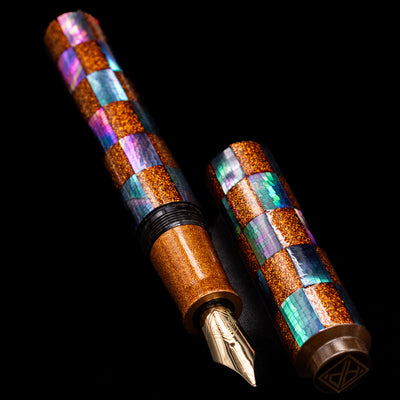

Sailor's Maki-e fountain pens are not a single model line but a family of hand-decorated works, each theme tied to a specific artist lineage and pen size. The 1911 Standard Maki-e pens (14K gold nib) come in three designs—Fuji (black resin with Mount Fuji on the cap and sailboats on the barrel), Maiko (white resin with a dancer on the barrel and fans on the cap), and Momiji (navy blue with autumn leaves)—all created by fourth-generation Kaga Maki-e artist Kosen Ohshita. By contrast, the larger 1911 L Maki-e Carp features a 21K gold nib and an entirely different theme (carp), again by the same artist, who is certified by Japan's Minister of International Trade and Industry. The Butterfly Maki-e pen, reviewed by Wonder Pens, demonstrates the meticulous technique: powdered metals like gold, mother of pearl, and copper are sprinkled onto the barrel under layers of lacquer. Packaging is also distinct—some models come in a hingeless wooden paulownia box with a yellow polishing cloth, while others use fabric-lined boxes with small arms to cradle the pen. The Kaga-Maki-e method itself, with over 1,500 years of history, is reserved for artisans who have inherited family skills and trained for decades, making each pen not just a writing instrument but a portable piece of traditional Japanese craft.
+Field notes
- —The 1911 Standard Maki-e line (14K gold nib) includes three named themes: Fuji (black resin, Mt. Fuji on cap, sailboats on barrel), Maiko (white resin, dancer on barrel, fans on cap), and Momiji (navy blue, autumn leaves)—all by fourth-generation Kaga Maki-e artist Kosen Ohshita.
- —The 1911 L Maki-e Carp uses a 21K gold nib and is also attributed to Kosen Ohshita, who is a Certified Traditional Craft Artist by Japan's Minister of International Trade and Industry; he began working with Sailor in 1960.
- —Maki-e finish involves sprinkling powdered metals—gold, mother of pearl, copper—onto the barrel under layers of lacquer, creating different sheens and textures; the Butterfly design reviewed by Wonder Pens demonstrates this with an intricate pattern of butterflies.
- —Packaging varies: the Butterfly Maki-e pen comes in a hingeless wooden box with a yellow polishing cloth, while the 1911 L Maki-e Carp ships in a paulownia wood box (75×180×33mm).
- —Kaga-Maki-e is a regional technique with over 1,500 years of history; only craftsmen who have inherited family skills and trained for many years can apply it, and Sailor’s pens use this method exclusively through licensed artists like the Ohshita family.
Keep exploring
More of Sailor Maki-e Fountain Pens
Branch out
Beyond Sailor Maki-e Fountain Pens
More to explore
In the same world.
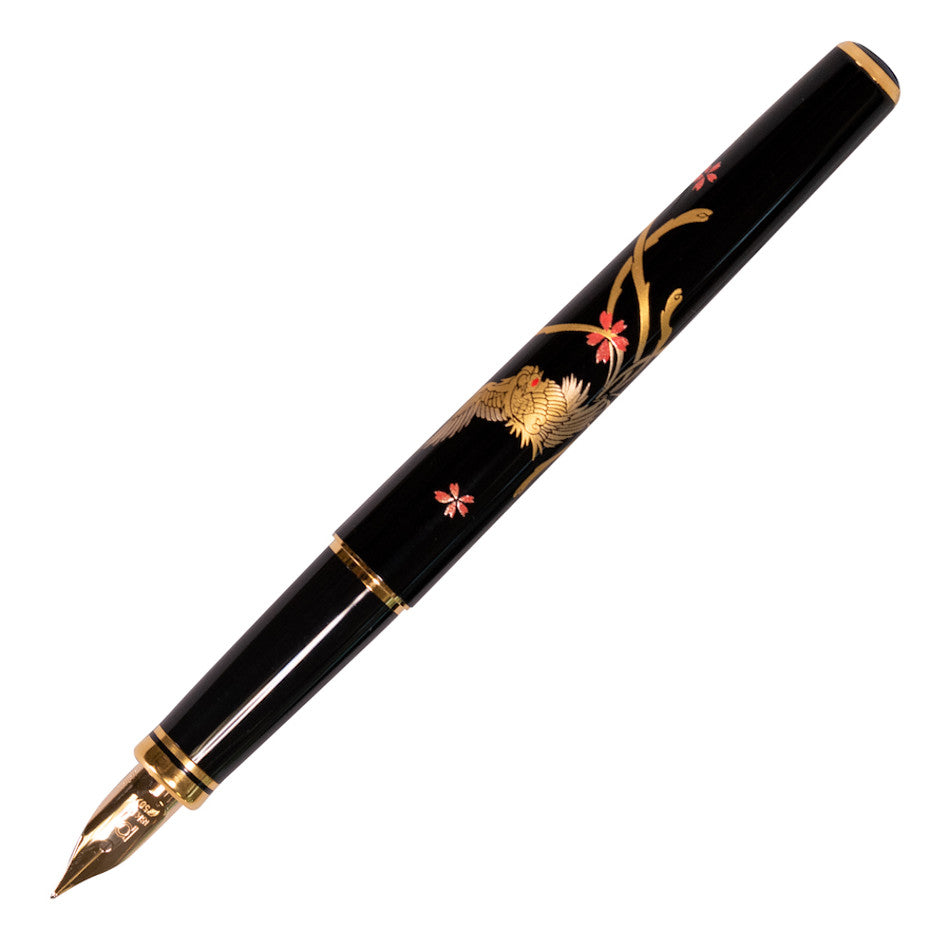
Platinum Modern Maki-e Fountain Pens
Platinum’s Modern Maki-e pens sit in a very specific corner of fountain-pen collecting: Japanese motif pens made with a…
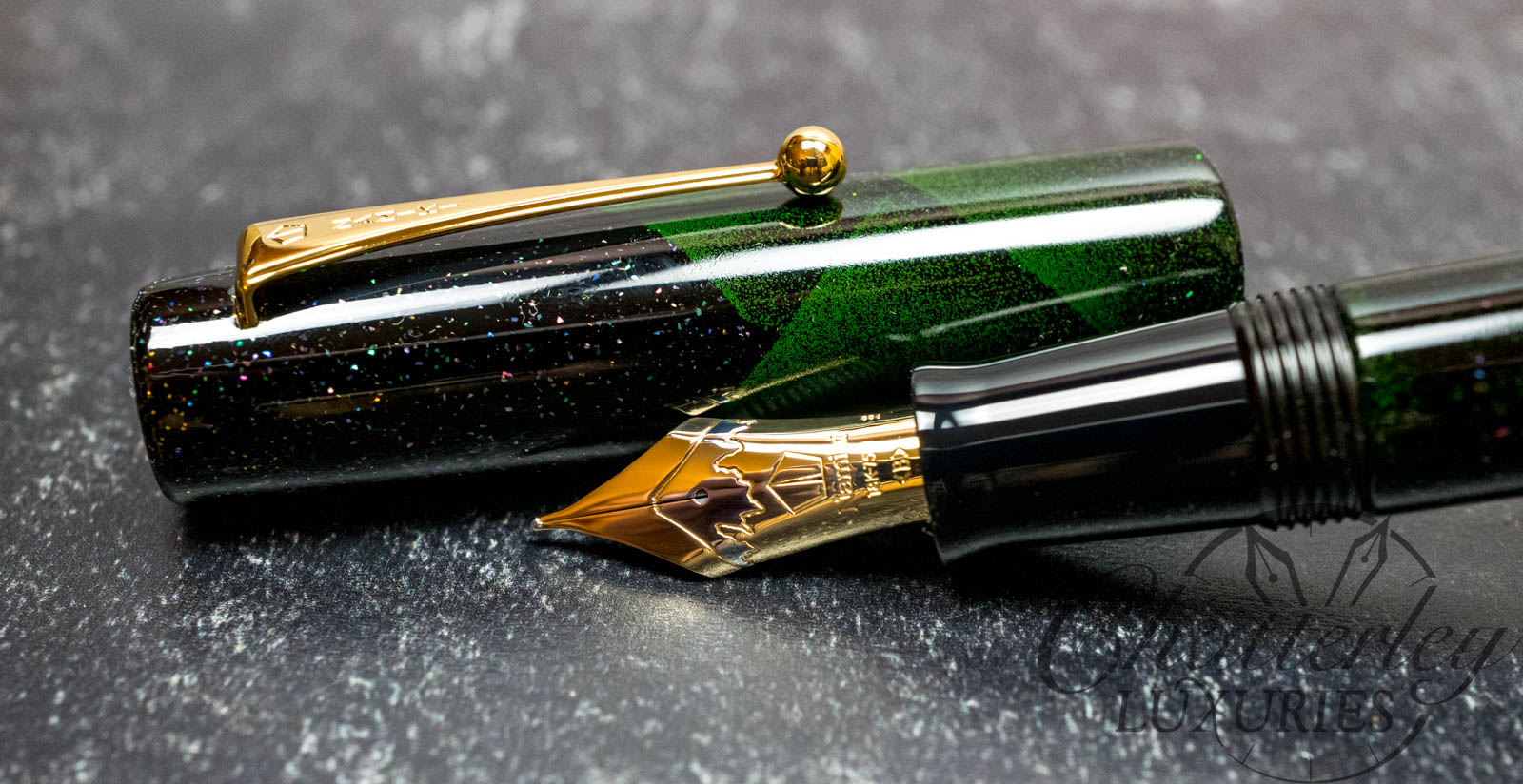
Namiki by Pilot
Namiki is Pilot’s Japanese brand for high-end fountain pens, especially models finished in maki-e and urushi lacquer. Th…

Sailor Fountain Pens
Sailor’s fountain-pen world is built around a few core families that collectors quickly learn to recognize: the rounded…
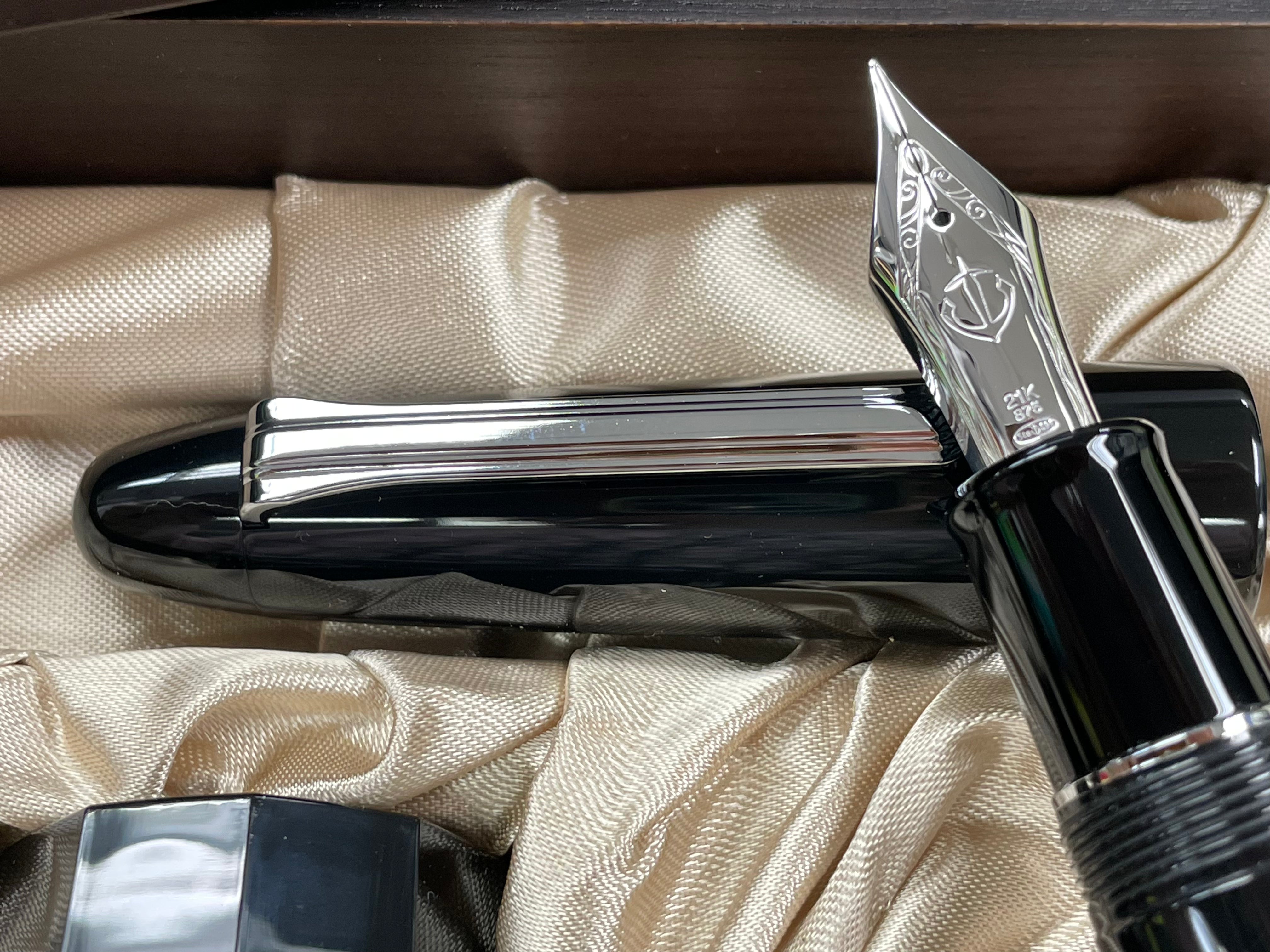
Sailor King of Pens
Sailor’s King of Pens is the company’s top-of-the-range fountain pen line, positioned by Sailor as a symbol of its techn…
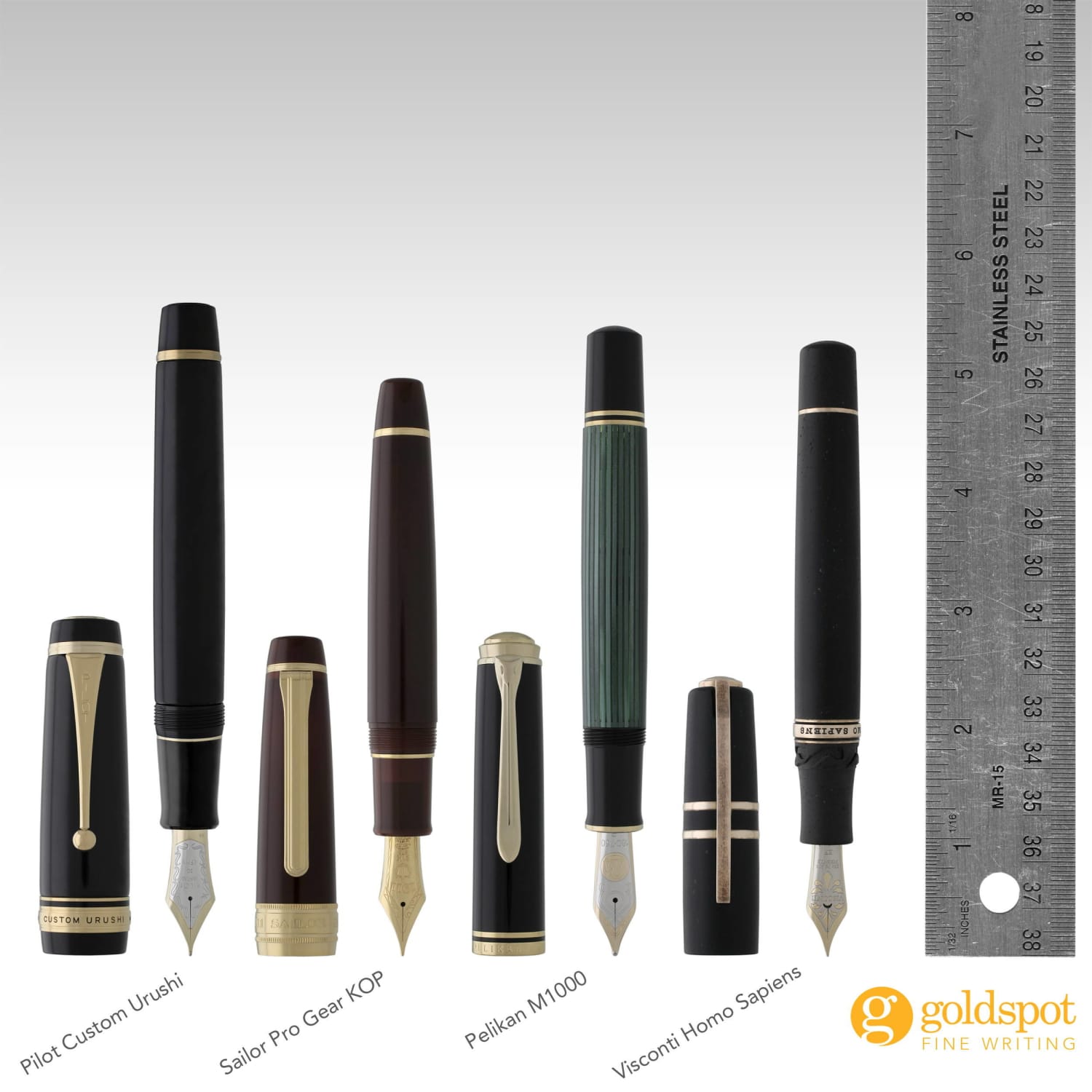
Fountain Pens
Fountain pens are refillable writing instruments that feed liquid ink to a metal nib, and for many people the appeal is…

Vintage Pelikan Fountain Pens
Vintage Pelikan collecting really starts with the Model 100, the company’s first fountain pen, made from 1929 to 1944 an…

OHTO Fountain Pens
OHTO’s fountain-pen line is a compact corner of Japanese pen culture built around metal-bodied, fine-nib everyday writer…
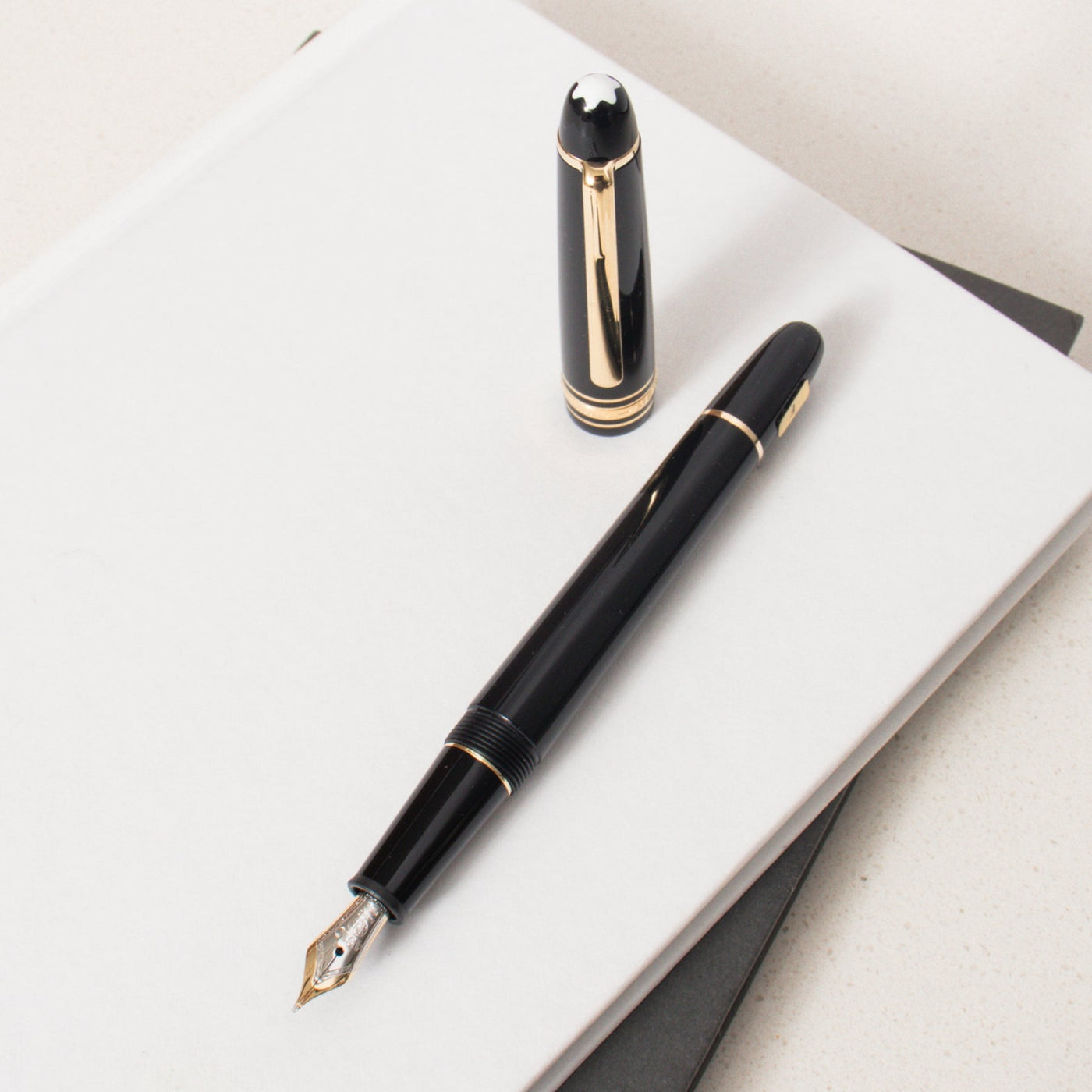
Montblanc Meisterstück 149
The Montblanc Meisterstück 149 is the flagship oversize fountain pen in the brand’s Meisterstück line, sold today in bla…
More in Fountain Pens & Writing
Stay in this world.
Sailor Fountain Pens
Vintage Pelikan Fountain Pens
Platinum Modern Maki-e Fountain Pens
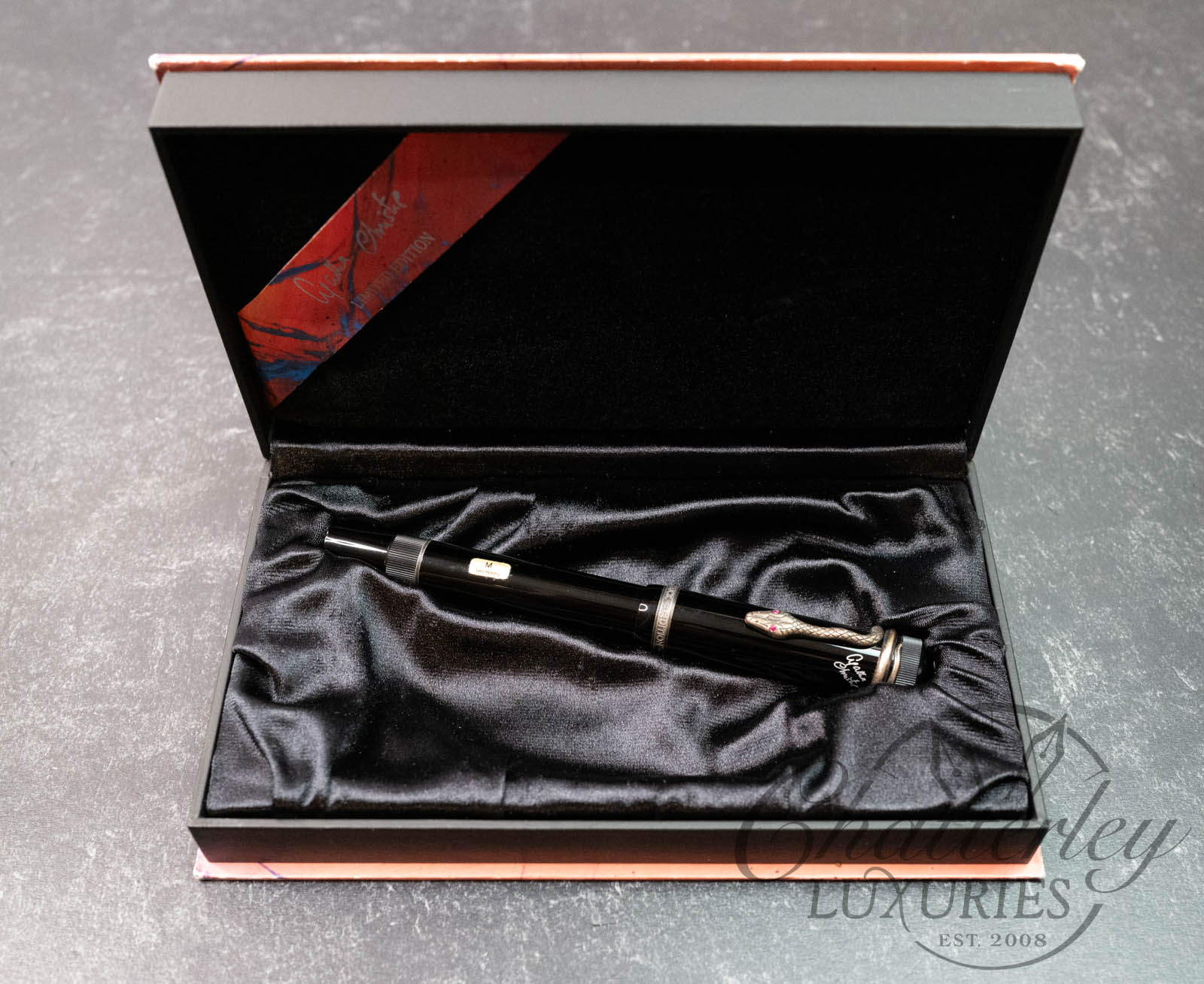
Montblanc Writers Edition Agatha Christie
Montblanc Meisterstück 149
Fountain Pens
OHTO Fountain Pens
Sailor King of Pens
Imagery
Know someone who’d love this?
Discovered by ArcurianAuto-generated from public sources and AI synthesis — it may be incomplete or inaccurate. Treat it as a starting point for your own exploration, not professional (medical, legal, financial, or safety) advice. Verify anything you act on. Report this page.