Vintage Pelikan collecting really starts with the Model 100, the company’s first fountain pen, made from 1929 to 1944 and already showing the piston-filling DNA that still defines the brand. Early details are exactly what collectors obsess over: Bakelite barrels, heart-hole nibs that disappear after 1930, opposing air vents, and the small design changes that separate one generation from the next. From there the trail runs into the larger 100N, the postwar 400 with its shift from friction-fit to screw-in nibs, and entry models like the 120 that still carry the green-striped Pelikan look people chase. What makes old Pelikans so addictive is that they sit at the sweet spot where writing feel, mechanical design, and version-spotting all matter at once.
Learn
How to Read a Vintage Pelikan at a Glance
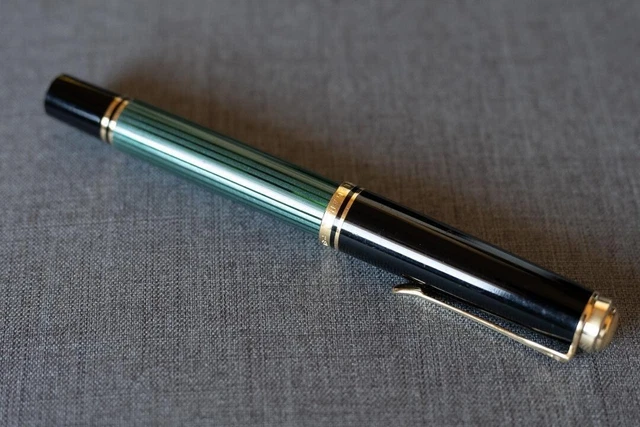
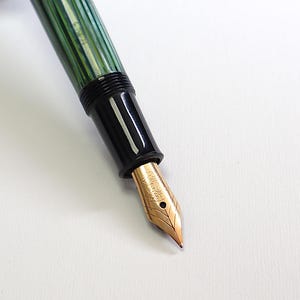
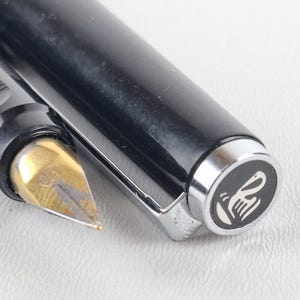
Reading a vintage Pelikan at a glance means training your eye on a handful of decisive, decade-specific details that separate a 1929 original from a 1950s classic. The very first Pelikan 100 (1929–1944) had a cylindrical cap top, no cap rings, and a heart-hole nib sourced from Montblanc—until November 1930, when that heart-hole vanished, replaced by a round breather hole and two cap rings with four air vents. The cap top itself went conical by June 1931, and the bush holding nib and feed shortened from 17mm to 12mm. From 1937, the 100N (the 'N' stands for 'neu') introduced a slightly larger nib and the imprint '585 - 14 KARAT' alongside the existing '14 KARAT'; during wartime bans on gold, you'll find palladium nibs marked 'PD' (May 1938–February 1940) or chromium-nickel steel nibs stamped 'CN' (from November 1939). Barrels evolved too: early celluloid (nitrate or acetate) often had brass reinforcing rings to prevent cracking, but acrylic resin barrels from 1940 onward dropped those rings entirely. The logo on the cap top is another instant clue: the 1878 logo had four chicks in a nest, but from 1937 it slimmed to two chicks, and after 1997 the etched logo became painted. On the post-war 400 series (launched 25 May 1950), the suffix tells the story: the 400 (1950–1956) had an unengraved cap band before 1954, then 'Pelikan 400' engraved; the 400N (1956) has a rounder, slightly longer conical cap; and the 400NN (1956–1965) has a different cap top and mechanics. A friction-fit nib appeared only in the earliest 400s (until August 1950), then screw-in units returned. Check the cap top logo, the nib material stamp, the presence or absence of barrel reinforcing rings, and the model suffix—each is a precise timestamp.

 pelikan-collectibles.compelikan-collectibles.com
 thepelikansperch.comthepelikansperch.com
 pelikan-collectibles.compelikan-collectibles.com
+Field notes
- —The first Pelikan 100 (1929) used a heart-hole nib made by Montblanc; the heart-hole disappeared in November 1930, replaced by a round breather hole, and Pelikan only began manufacturing its own gold nibs in 1934.
- —During World War II, gold was banned for nibs: palladium nibs stamped 'PD' were used from May 1938 to February 1940, and chromium-nickel steel nibs stamped 'CN' from November 1939 onward—these are instant wartime identifiers.
- —Barrel reinforcing rings are a key material clue: early celluloid barrels (1931 onward) often had brass rings to prevent cracking, but acrylic resin barrels introduced in 1940 omitted these rings entirely, giving a cleaner look.
- —Pelikan’s cap top logo shrunk from four chicks (pre-1937) to two chicks (1937 onward); after 1997 the etched logo became painted, and from 2003 a single chick appears—count the chicks for a quick era check.
- —On the 400 series, the suffix 'N' (for 'neu') was an internal designation only: the 400 (1950–1956) had no cap band engraving until 1954; the 400N (1956) has a rounder, slightly longer conical cap; the 400NN (1956–1965) has a different cap top and mechanics.
- —The earliest Pelikan 400s (May–August 1950) used a friction-fit nib unit, not the screw-in unit that became standard in later 400s and all 100/100N models—an extremely rare early-production detail.
Learn
The Model 100 and the Earliest Pelikan Timeline

Learn
Collector Terms That Actually Matter: 100, 100N, Toledo, Heart-Hole, Five Star
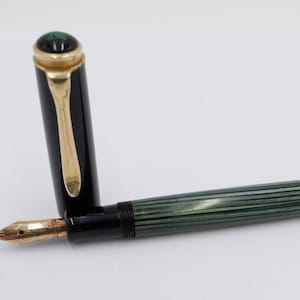
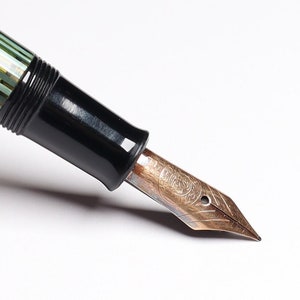
Among serious vintage Pelikan collectors, the real action isn't in modern Souveräns — it's in the pre-war 100 and 100N models, where you encounter details that define eras. The heart-hole nib, only produced from 1929 to late 1930, is the rarest of the rare: a Montblanc-made, heart-shaped breather hole that Pelikan used before switching to a round hole. The "N" in 100N stands for "neu" (new), and the model was introduced on March 25, 1937, not as a replacement but as a larger, export-market sibling. Then there's the Toledo: a precious-metal overlay model using the ancient Damasquinado technique, with 22-24 carat gold-plated pelican motifs on a steel sleeve, a clip shaped like a pelican's head, and two 14k gold milled cap rings. Production of all precious-metal models for the domestic market stopped by March 1939, and the Toledo vanished entirely in 1942, not revived until the M700 in 1986 — a 43-year gap. During WWII, gold was outlawed for nibs, so from May 1938 to February 1940 Pelikan used palladium (marked "Pd"), and from November 1939 onward, chrome-nickel steel (marked "CN"). The 100 and 100N nib units are not interchangeable — the 100N is slightly larger, but its nibs are the same size as those of the later 400-series, making them a clever donor source for restorations.
 thepelikansperch.comthepelikansperch.com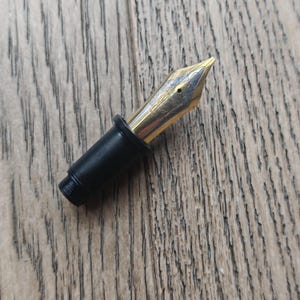
+Field notes
- —The heart-hole nib was only made from 1929 to November 1930, originally sourced from Montblanc because Pelikan hadn't yet started its own nib production (self-production began in 1934).
- —The model 100N was introduced on March 25, 1937, and the "N" stands for "neu" (new); it was produced concurrently with the smaller model 100 for the export market, not as a replacement.
- —The 100N Toledo, introduced in early 1938, used the Damasquinado technique with 22-24 carat gold-plated pelican motifs on a steel sleeve, a pelican-head clip, and two 14k gold milled cap rings; it succeeded the earlier T111 Toledo.
- —All precious-metal models (including the 100N Toledo) were discontinued for the domestic market by the end of March 1939, and worldwide by 1942; the Toledo was not revived until the M700 in 1986 — a 43-year hiatus.
- —From May 16, 1938 to February 10, 1940, gold nibs were prohibited by law, so Pelikan used palladium nibs stamped "Pd" or "-Pd-"; from November 11, 1939 onward, chrome-nickel steel nibs stamped "CN" were also used.
- —Model 100 and 100N nib units are not interchangeable — the 100N is slightly larger, but its nibs are the same size as those of the 1950s-1960s model 400 series, allowing restorers to use 400-series nibs in a 100N unit.
Explore
Where Collectors Actually Find Vintage Pelikans
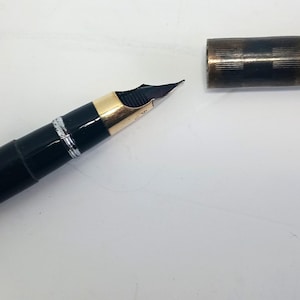
Vintage Pelikan collectors often hunt on peer-to-peer marketplaces like Poshmark and Etsy, where listings suffer from misspellings ('Pelican'), incomplete model details, and sellers who may not know what they have. The true finds require knowledge of cap band markings, nib materials, and filling systems, as demonstrated by a Poshmark listing where a 'Pelican pen' was identified as a Pelikan 140 with a 14k gold nib through comment dialogue. Meanwhile, dedicated Etsy shops like KiwiPens and BespokeFountainPens offer curated vintage selections but demand careful evaluation. Pricing varies wildly: a vintage M200 with broad nib listed at $400, while a simpler Pelikan set sold for $35. Successful hunting means scanning for common typos, asking the right questions, and using buyer protection features like Poshmark's authentication for high-value items.

 poshmark.composhmark.com
+Field notes
- —Misspellings like 'Pelican' can hide valuable Pelikans; one listing for a 'Pelican pen' turned out to be a Pelikan 140-585 with a 14k gold nib, revealed only through comment dialogue asking for model and nib markings.
- —Model identification often requires checking the cap band; sellers may not list the model number, so buyers must ask for markings like 'M___' to know exactly what they're getting.
- —Poshmark offers buyer protections like free authentication on items over $500, reducing risk for high-end vintage Pelikan purchases.
- —Etsy shops such as KiwiPens and BespokeFountainPens carry vintage Pelikans alongside other brands, requiring careful perusal of listings to find specific models.
- —Condition details like a smoothly functioning piston mechanism and nib width (e.g., Broad) are critical; a vintage M200 listing explicitly states these, helping collectors assess quality.
- —Sold listings show rapid turnover—a basic Pelikan fountain pen set sold for $35, while a vintage M200 with broad nib sits at $400, illustrating the range of values and the need to act fast on good deals.
Keep exploring
More of Vintage Pelikan Fountain Pens


Branch out
Beyond Vintage Pelikan Fountain Pens
More to explore
In the same world.
Fountain Pens
Fountain pens are refillable writing instruments that feed liquid ink to a metal nib, and for many people the appeal is…

Sailor Fountain Pens
Sailor’s fountain-pen world is built around a few core families that collectors quickly learn to recognize: the rounded…
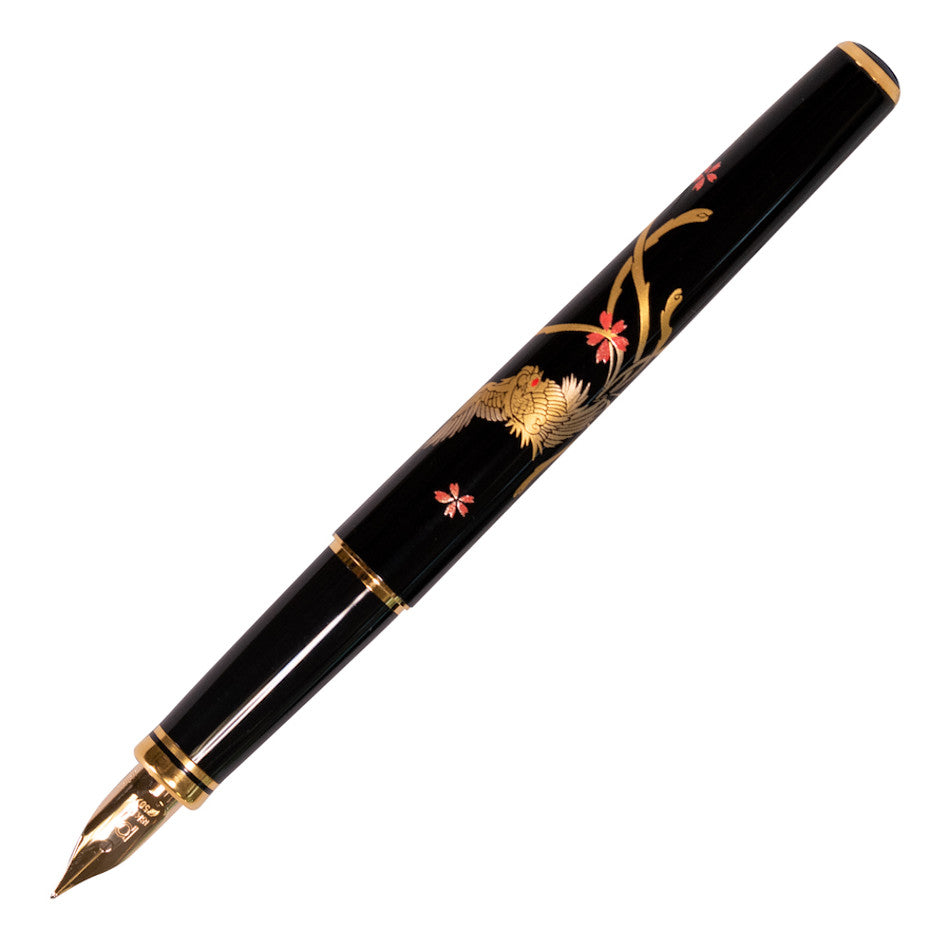
Platinum Modern Maki-e Fountain Pens
Platinum’s Modern Maki-e pens sit in a very specific corner of fountain-pen collecting: Japanese motif pens made with a…
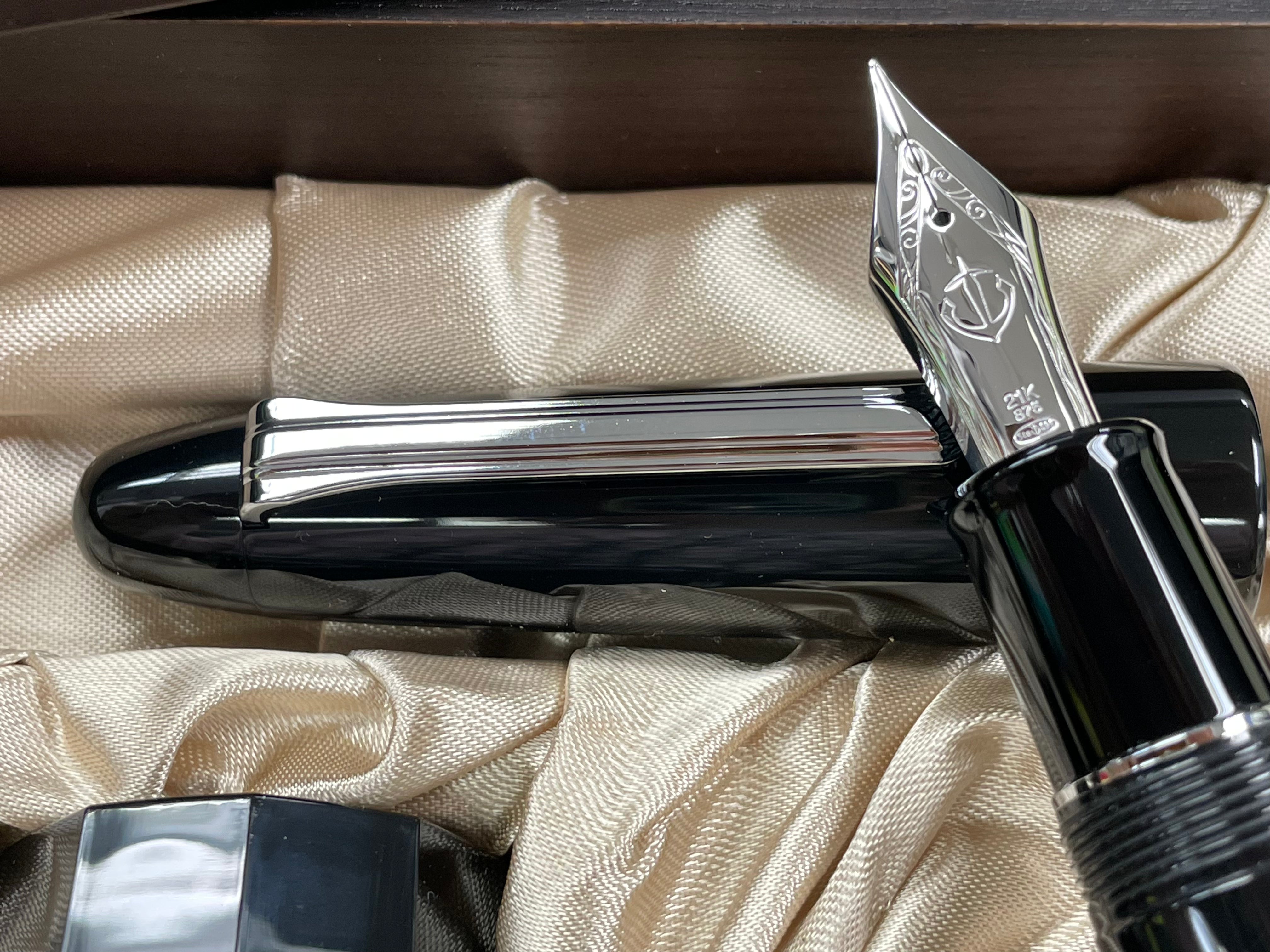
Sailor King of Pens
Sailor’s King of Pens is the company’s top-of-the-range fountain pen line, positioned by Sailor as a symbol of its techn…
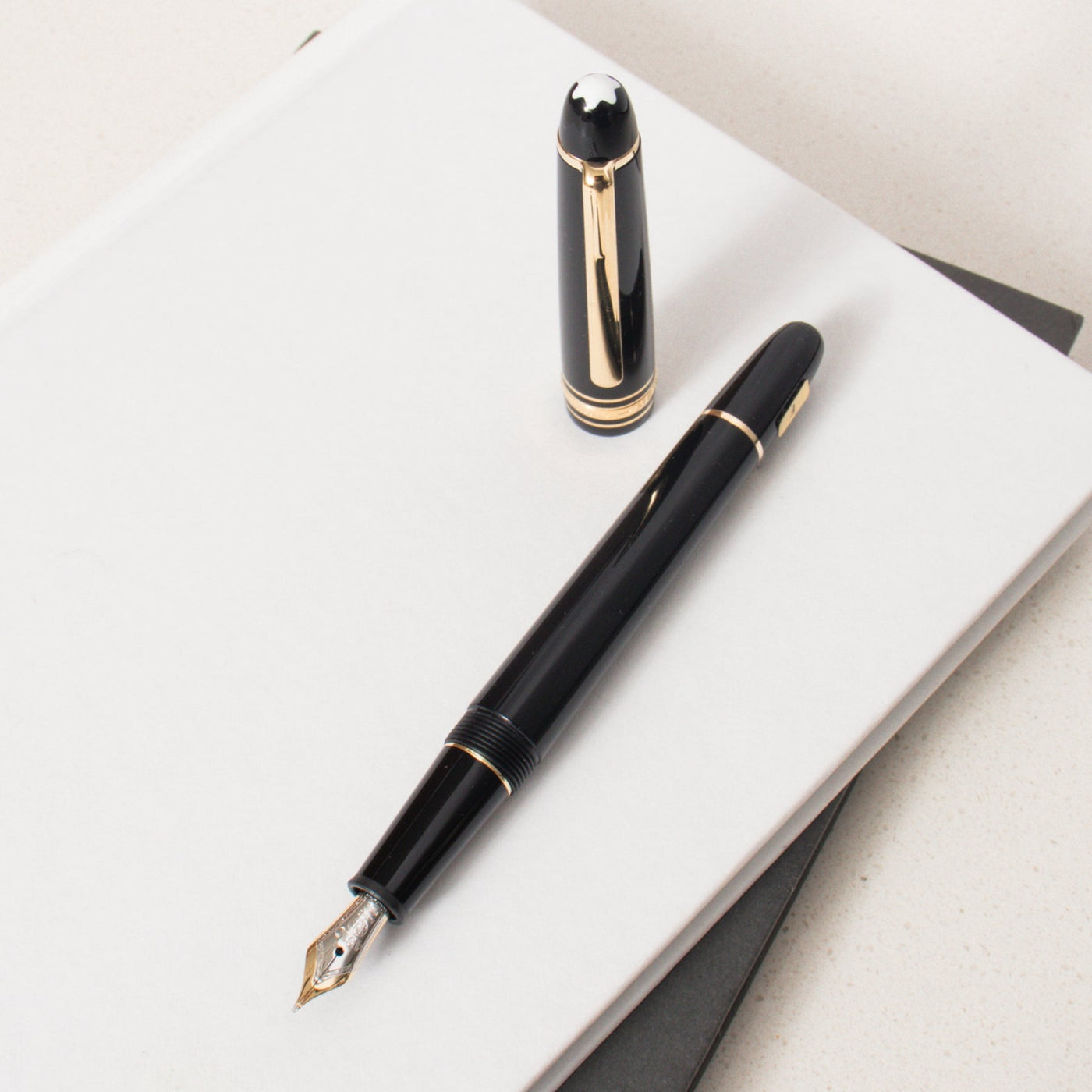
Montblanc Meisterstück 149
The Montblanc Meisterstück 149 is the flagship oversize fountain pen in the brand’s Meisterstück line, sold today in bla…
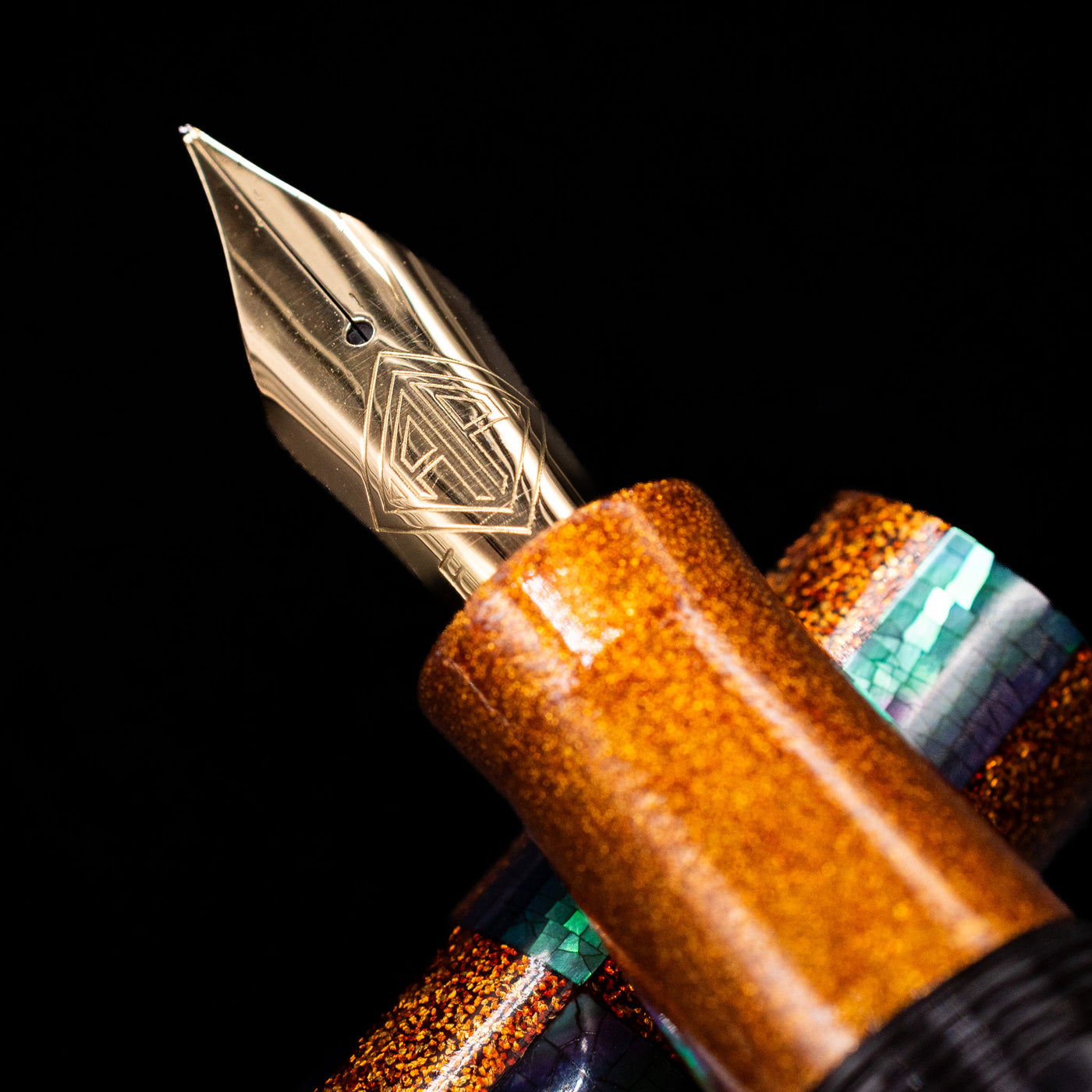
Sailor Maki-e Fountain Pens
Sailor’s Maki-e fountain pens sit at the meeting point of writing instrument collecting and a Japanese decorative art wi…

OHTO Fountain Pens
OHTO’s fountain-pen line is a compact corner of Japanese pen culture built around metal-bodied, fine-nib everyday writer…
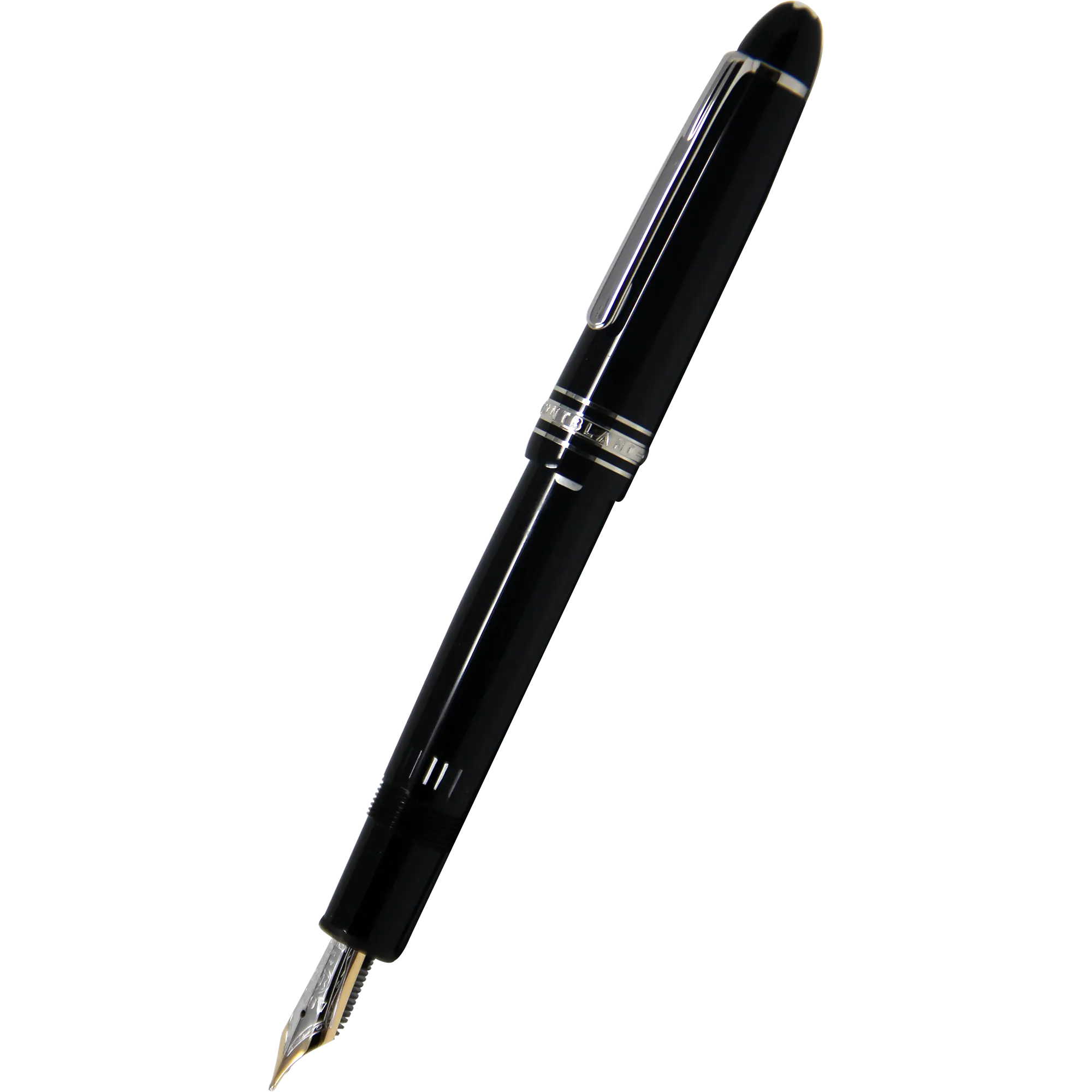
Montblanc Meisterstück LeGrand
Montblanc’s Meisterstück LeGrand is a mid-to-large format within the brand’s core writing line, offered across fountain…
More in Fountain Pens & Writing
Stay in this world.
Sailor Fountain Pens
Platinum Modern Maki-e Fountain Pens
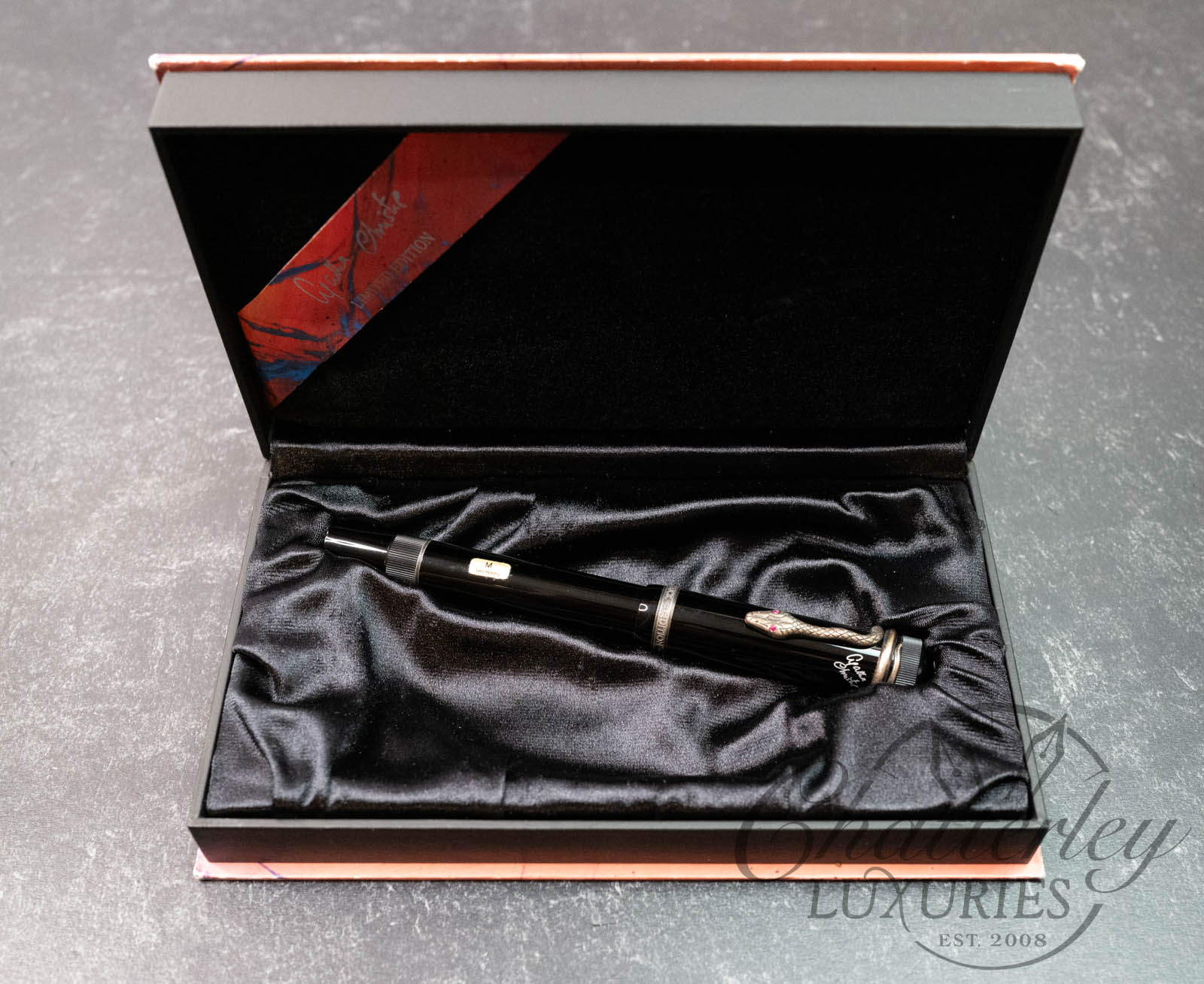
Montblanc Writers Edition Agatha Christie
Sailor Maki-e Fountain Pens
Montblanc Meisterstück 149
Fountain Pens
OHTO Fountain Pens
Sailor King of Pens
Imagery
Know someone who’d love this?
Discovered by ArcurianAuto-generated from public sources and AI synthesis — it may be incomplete or inaccurate. Treat it as a starting point for your own exploration, not professional (medical, legal, financial, or safety) advice. Verify anything you act on. Report this page.