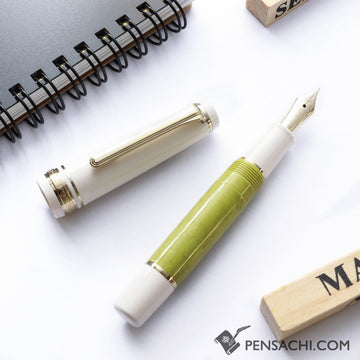
Sailor’s fountain-pen world is built around a few core families that collectors quickly learn to recognize: the rounded 1911 line, the flat-top Professional Gear line, and a ladder that runs from approachable steel-nib pens like the 1911 Jr. and Fasciner up to lacquer art, special nibs, and King of Pens. What keeps people loyal is not just the range, but the sense of continuity Sailor itself emphasizes in the 1911 series—tradition, writing feel, and finishing carried across very different price levels and formats. Even the entry models have a clear personality, from the Scandinavian-inspired 1911 Jr. colors to seasonal Professional Gear Slim editions like Dreamy Hour. If you want a pen brand where shape language, nib choice, and edition culture all matter at once, Sailor gets deep very fast.
Learn
How the Sailor Lineup Actually Breaks Down
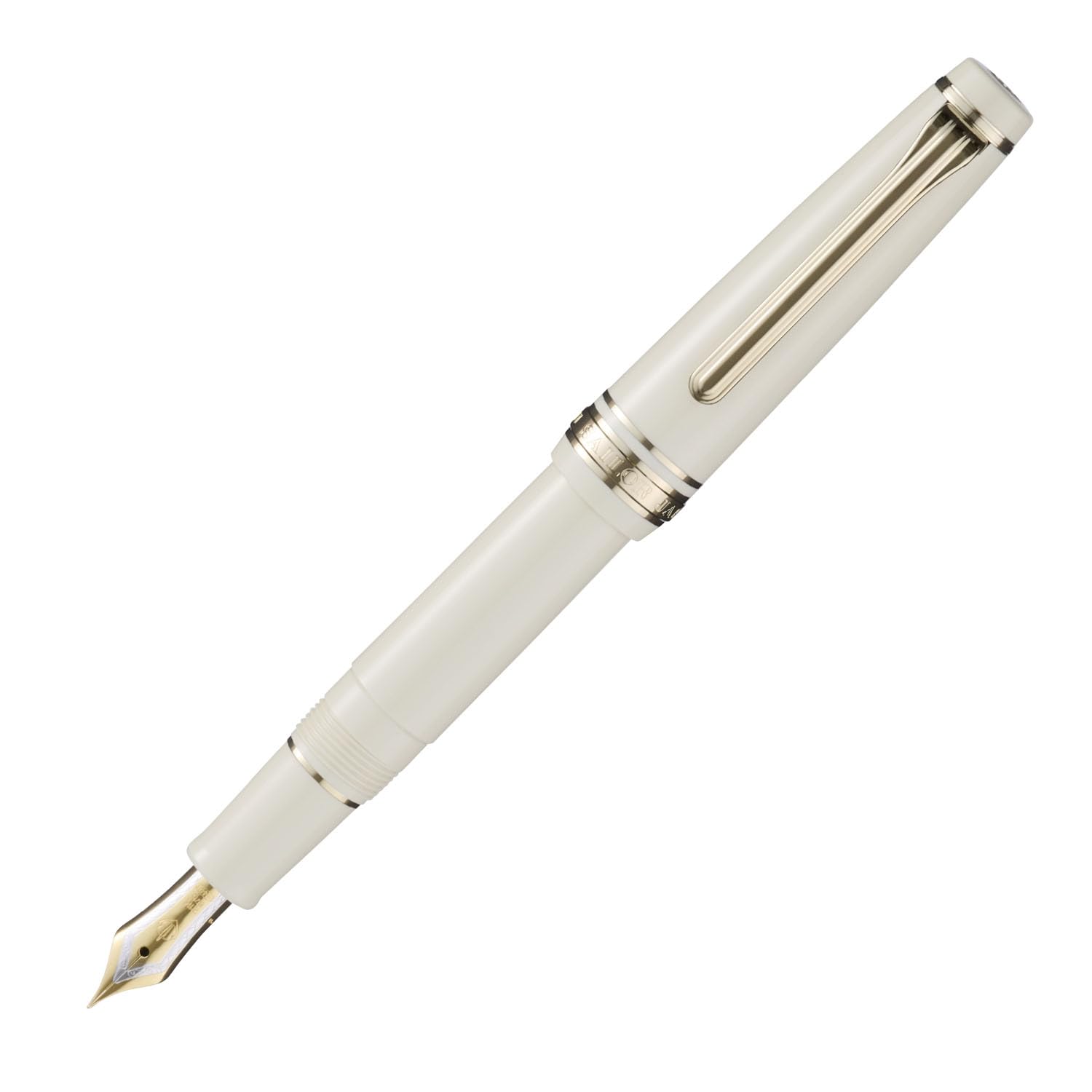
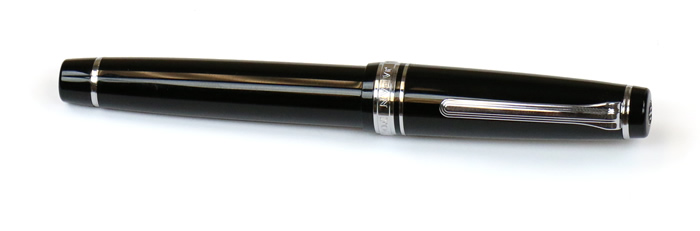
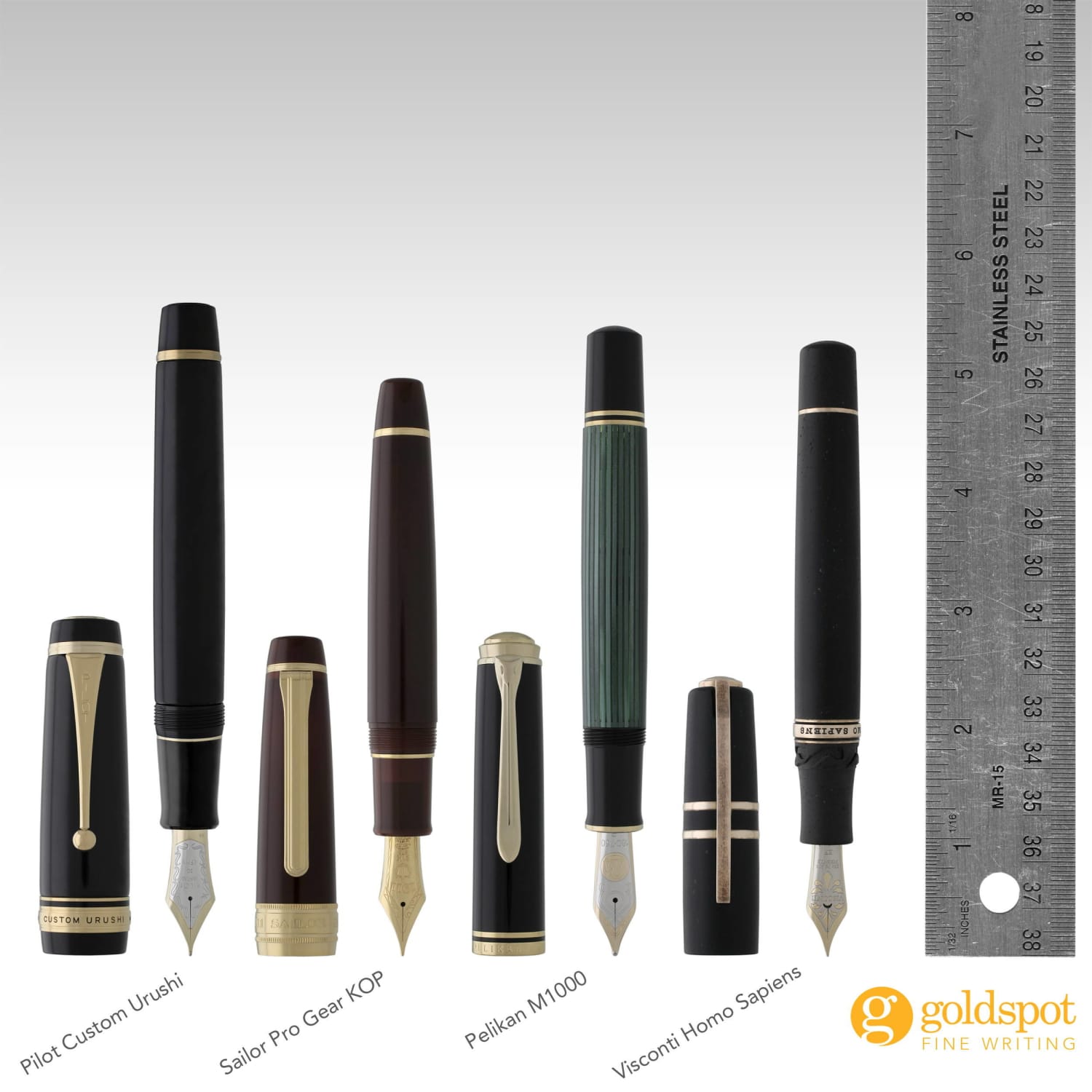
The Sailor fountain pen lineup is deceptively simple on the surface but reveals a carefully tiered system of two parallel families — the cigar-shaped 1911 (called Profit in Japan) and the flat-top Professional Gear (originally the Sapporo in its slim form). Each family comes in three sizes: a small model with a 14-karat gold nib (1911S or Pro Gear Slim), a full-size with a 21-karat nib (1911L or standard Pro Gear), and the oversized King of Pen (KOP) which uses a monster 21-karat nib roughly 1.5 times larger than the standard 21k. The KOP is only offered in Medium and Broad nibs, has a slightly softer feel for subtle line variation, and tips the scales at 34–35 grams, making it a substantial writing instrument. Beyond these core models, Sailor throws in a few curveballs: the Realo (a piston-filler version of the full-size pen with an ink window), limited runs like the Imperial Black with black ion-plated nibs, and boutique finishes such as the Pink Gold with a pink-gold-plated nib. The biggest surprise for newcomers is that despite the price gap, the 1911 and Pro Gear are mechanically identical — the choice between them is purely about whether you prefer a classic rounded silhouette or a sharp flat-top with the anchor logo finial.


+Field notes
- —Sailor's two main model lines, 1911 (rounded cigar shape) and Pro Gear (flat tops with anchor finial), are mechanically identical — the choice is purely aesthetic, with the 1911 being Japan's 'Profit' and the Pro Gear Slim originally sold as 'Sapporo'.
- —Both families come in three sizes: small (1911S or Pro Gear Slim) with a 14k gold nib, full-size (1911L or Pro Gear) with a 21k nib, and the King of Pen (KOP) which uses a 21k nib roughly 1.5x the size of the standard 21k — and the KOP is only available in Medium and Broad nibs.
- —The King of Pen is a serious heavyweight: the 1911 KOP is 15.2 cm capped and 35 grams, the Pro Gear KOP is 14.2 cm capped and 34 g — significantly larger and heavier than a standard 1911L or Pro Gear, which weigh about 22 g.
- —The KOP's 21k nib is described as 'somewhat soft,' allowing for slight line variation — a departure from Sailor's famously stiff standard nibs.
- —Sailor offers a piston-filling variant called the Realo (available in both 1911 and Pro Gear styles) based on the full-size model with a 21k nib; it features a visible ink window and a slightly tapered barrel end to accommodate the piston knob.
- —The standard Pro Gear with a 21k nib offers a wider nib selection than the KOP — available in EF, F, M, B, Z (Zoom), and MS (Music) — while the KOP is intentionally limited to M and B.
Learn
From 1911 to Modern Sailor
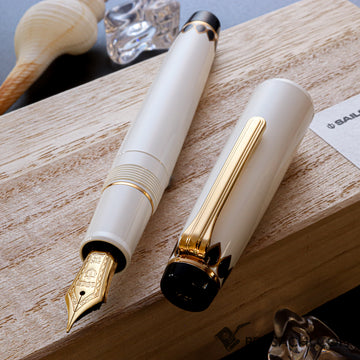
The Sailor Pen Company began in 1911 when Kyugoro Sakata, inspired by a visiting British sailor, started making gold nibs in Hiroshima. Over a century later, Sailor remains one of Japan's 'Big Three' pen manufacturers, known for their in-house nib craftsmanship and iconic models. The flagship 1911 series (called Profit in Japan) debuted in 1981, and the flat-topped Pro Gear line followed in 2003. Both families come in multiple sizes: the smaller 1911S and Pro Gear Slim use 14-karat gold nibs, while the larger 1911L and Pro Gear use 21-karat gold nibs. At the top sits the King of Pen (KOP), which features a massive 21-karat gold nib about 1.5 times the size of the regular 21-karat nib. Sailor also offers the Realo piston-filler variant and special editions like the Black Luster and Imperial Black with ion-plated finishes.

 en.sailor.co.jpen.sailor.co.jp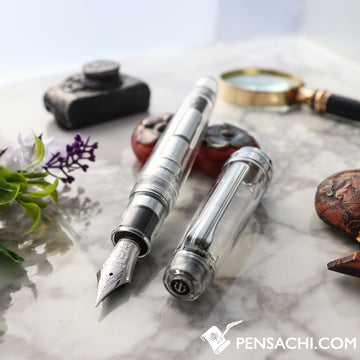
 zenpop.jpzenpop.jp
+Field notes
- —Sailor's history starts with gold nibs: founded as the Sakata Manufactory in 1911, it produced Japan's first fountain pen with a gold nib.
- —The 1911 series was launched in 1981 to celebrate the company's founding year, and is known for its classic cigar-shaped body, reminiscent of a Montblanc Meisterstück.
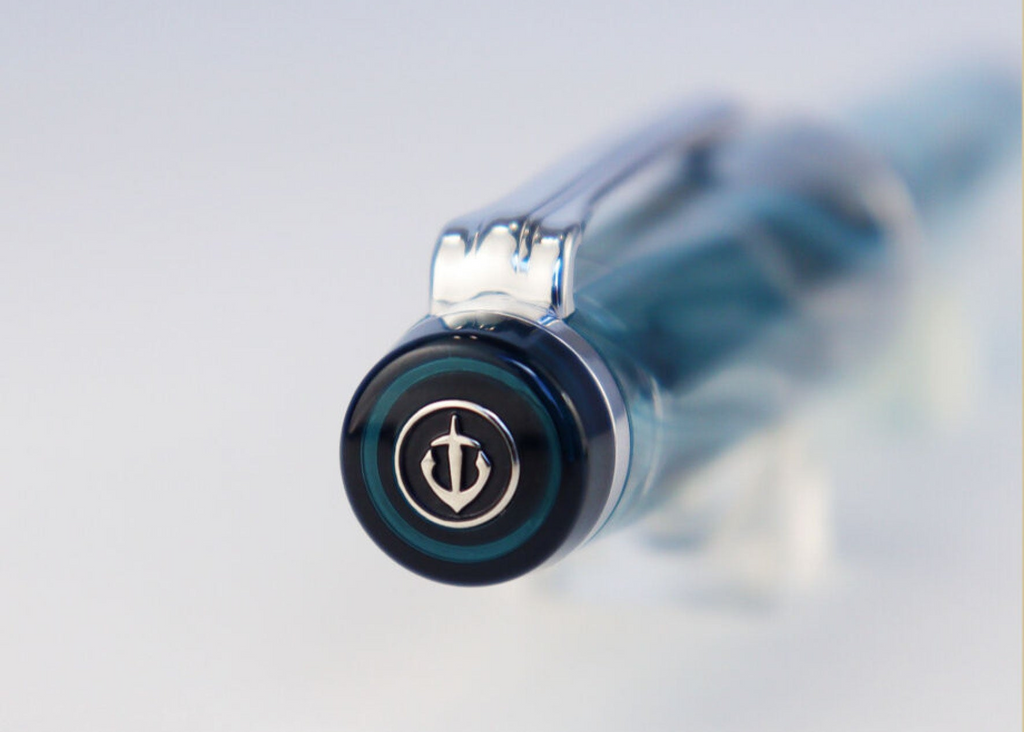
- —The Pro Gear (Professional Gear) series, introduced in 2003, has flat ends with a cut-away cap and an anchor logo finial, giving it a more modern, Duofold-like profile.
- —Sailor's King of Pen (KOP) models in both the 1911 and Pro Gear families use a 21-karat gold nib that is roughly 1.5 times larger than the standard 21-karat nib, and are available only in Medium and Broad.
- —The Realo is Sailor's piston-fill variant available in both 1911 and Pro Gear styles, featuring a visible ink window and a slightly tapered barrel end for easier piston operation.
Learn
The Sailor Terms Worth Knowing
Navigating Sailor's model names can feel like learning a second language, partly because the company maintains distinct naming conventions for its domestic Japanese market versus its export lineup. The core of the confusion lies in two fundamental shapes: the 1911 (called 'Profit' in Japan) has a classic, rounded cigar or torpedo profile reminiscent of a Montblanc Meisterstück, while the Pro Gear (Professional Gear) features a flat cap and barrel end that harkens back to the Parker Streamlined Duofold. Each line comes in three sizes: a compact version (the Pro Gear Slim, known in Japan as the Sapporo, and the 1911S or 1911 Mid-Sized), a full-size model (the Pro Gear and 1911L), and the imposing King of Pen (KOP). The nib material is a reliable shorthand: any smaller pen from these lines uses a 14-karat gold nib, while the full-size and King of Pen models are fitted with a larger 21-karat gold nib. To truly sound like an insider, know that a 'Realo' is Sailor's term for any piston-filling version of these pens, available in both 1911 and Pro Gear styles, and that the King of Pen nibs come only in Medium, Broad, and occasionally a soft variant—there are no extra-fine King of Pens.
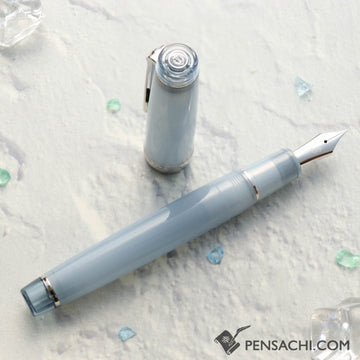
 unsharpen.comunsharpen.com
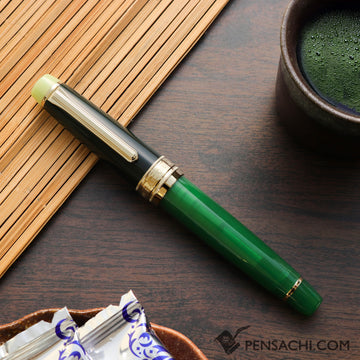 unsharpen.comunsharpen.com
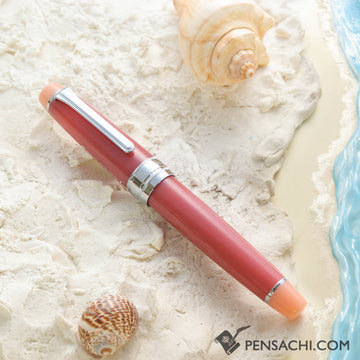 en.sailor.co.jpen.sailor.co.jp
+Field notes
- —The two flagship shapes—the rounded-cigar 1911 and the flat-top Pro Gear—map to different Japanese names: the 1911 is called 'Profit' and the Pro Gear Slim is called 'Sapporo' in Japan, which is why boxes often show different names than what you ordered.
- —The nib metal is a dead giveaway for size: 14-karat gold nibs always go on the smaller models (1911S/1911 Standard and Pro Gear Slim), while 21-karat gold nibs are reserved for the full-size 1911L, full-size Pro Gear, and King of Pen—no exceptions in the standard lineup.
- —A 'Realo' is not a separate model but Sailor's specific name for a piston-filling version of either the 1911 or Pro Gear; these are based on the full-size pens with 21-karat nibs and feature a visible ink window just below the cap threads.
- —The King of Pen (KOP) is the largest size in both the 1911 and Pro Gear families, and its nib is only offered in Medium and Broad grades because the nib itself has a slightly soft feel that provides natural line variation without needing finer points.
- —The Pro Gear Realo's barrel end is noticeably more tapered than its standard cartridge-converter sibling to accommodate an easier-to-turn piston knob, a subtle design difference that collectors point out when comparing the two filling systems side by side.
- —Even within the same model line, trim and nib plating vary significantly: the 1911L comes in both gold and rhodium trims (model numbers 11-2021 and 11-2024), and the full-size Pro Gear offers the rare 'Tri-tone' nib with alternating rhodium and gold plating for a distinctive look.
Discover
Video Reviews That Compare the Real Writing Experience


The most direct comparison of Sailor’s nib writing experience comes from Yoseka Stationery’s two‑minute video pitting the new 1911L 14k and 18k nibs against the original 14k and 21k versions—a clear sign Sailor has shifted away from its classic 21k in the standard 1911L line. Other recent uploads, like the unboxing of the King of Pens “Dreamy Hour” or PenChalet’s ten‑second tea‑themed Pro Gear teaser, focus on aesthetics and first impressions rather than side‑by‑side writing tests. For anyone wanting to understand how the new nibs actually feel on paper, that single Yoseka clip is the go‑to resource, though its brevity leaves you wanting a more extended comparison.
+Field notes
- —Yoseka Stationery’s video directly compares the new Sailor 1911L 14k and 18k nibs with the original 14k and 21k nibs—revealing a notable material change from 21k to 18k in the higher tier.
- —Despite being the most relevant comparison review, the video is only 2 minutes and 15 seconds long, offering a quick overview rather than an in-depth writing test.
- —The “Just Scribble” unboxing of the Sailor King of Pens “Dreamy Hour” Limited Edition focuses on unboxing and first impressions, not a comparative writing experience against other Sailor nibs.
- —PenChalet’s promo for the Tea Time Around the World Pro Gear collection is only ten seconds and acts as a product showcase, with no writing comparison or detailed feedback.
Discover
Collectors and Shops to Follow for New Releases
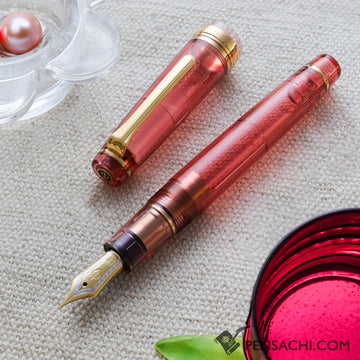
For tracking Sailor's constant stream of limited editions, dedicated collectors like Ana Jolene offer unboxings of special models like the Pro Gear Slim Manyou Ten Thousand Leaves, while Sailor's own North American in-store events provide exclusive early-access opportunities. Meanwhile, deep-dive collectors who update on Sailor nibs reveal the nuanced differences between factory offerings and the evolving preferences among enthusiasts.
+Field notes
- —Ana Jolene's channel features unboxings of new Sailor releases like the Pro Gear Slim Manyou Ten Thousand Leaves, a specific limited edition that collectors follow closely.
- —Sailor holds North American in-store events for new releases, as shown in a New Pen Day video covering a Sailor Pro Gear Slim event at a physical retailer.
- —Collectors also share detailed updates on Sailor nibs, including comparisons and changes over time, offering insights beyond what official marketing provides.
Discover
The Best Written Guides Before You Buy
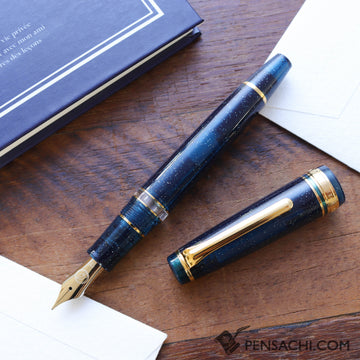
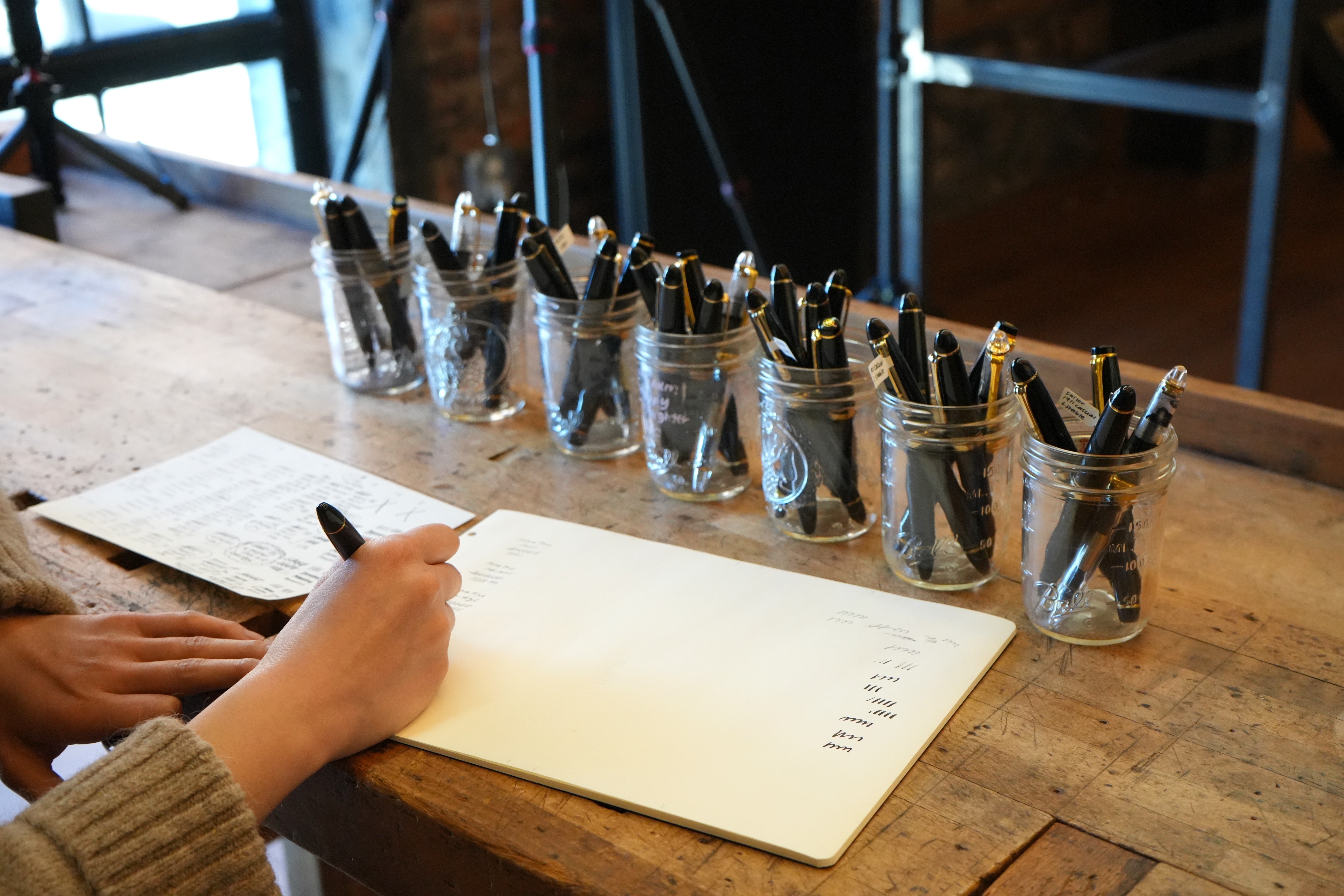
When choosing a Sailor fountain pen, the first decision is between the two classic silhouettes: the cigar-shaped 1911 and the flat-top Professional Gear (Pro Gear). Both come in multiple sizes (Slim, Standard, Large, and the oversized King of Pens) and share the same nibs, so the choice is purely aesthetic and ergonomic. Since December 2025, Sailor has expanded from two nib types to five, adding new options that affect writing feel more than ever. The defining characteristic of any Sailor nib is its signature 'feedback' — a pleasant, pencil-like scratchiness that gives you tactile control, completely different from the buttery-smooth glide of a Pilot or Pelikan. For the sweet spot of value and performance, the 1911L or Pro Gear Standard with a 21kt gold nib in Fine or Medium is the perennial favorite; the 14kt nibs on the Slim models are slightly smaller and less luxurious-feeling, but still superb. If you want line variation for sketching or calligraphy, seek out the bent-nib Fude de Mannen pens (55-degree or 40-degree angle) rather than the standard round nibs. Avoid the trap of thinking bigger nibs mean better writing — the King of Pens' massive 21kt nib is wonderful for its springiness, but the Large size is more practical for daily use.
+Field notes
- —The two core body shapes are the rounded-cigar 1911 and the flat-top Professional Gear; they share identical nibs, so your choice is purely about look and whether you post the cap (the flat-top Pro Gear posts more securely).
- —Sailor's famous 'feedback' is a controlled, pencil-like scratchiness — not a smooth glide — and fans seek it out because it provides tactile precision; if you want a buttery feel, look at Pilot or Pelikan instead.
- —As of December 2025, Sailor expanded from 2 nib types (small 14kt and large 21kt) to 5 nib types, adding new soft, zoom, and specialty options that dramatically change the writing feel — always check if you're buying a pre-2025 or post-2025 pen.
- —For everyday writing, the 1911L or Pro Gear Standard with a 21kt gold nib in Fine or Medium is the benchmark — it offers the best balance of nib size, feedback quality, and ergonomic length without the bulk of the King of Pens.
- —The Fude de Mannen pens use a bent nib (55-degree on the Green version, 40-degree on the others) that produces line variation from fine to thick by changing the pen angle — ideal for sketching but not for uniform handwriting.
- —Grey-market Sailors from Amazon can cost about 1/3 less than from official distributors, but you lose warranty and quality control — for a pen this precise, the peace of mind from a retailer like JetPens or Goulet is worth the premium.
Explore
Where to Browse the Full Range, from Basics to Special Editions
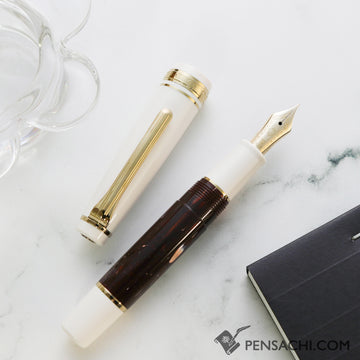
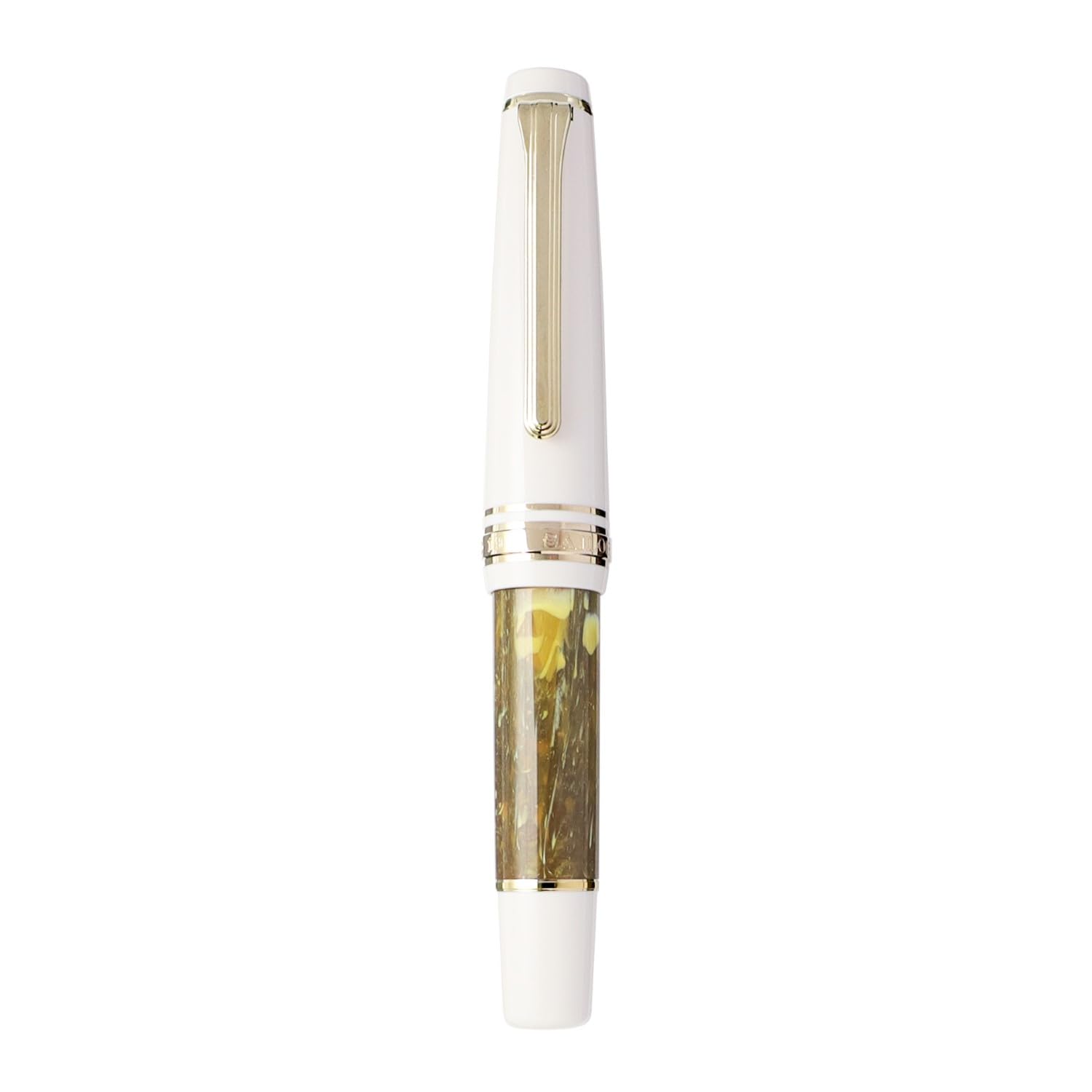
To browse the full Sailor fountain pen range—from everyday workhorses to rare limited editions—you have to look beyond typical retailers. Japanese proxy services like Buyee aggregate listings from Yahoo Auctions, Mercari, and specialty store inventories, giving you access to both current models and elusive collectibles. At the entry level, pens like the Lecoule Night Black (model 11-0800-220) offer an affordable, reliable fine-nib option. Move up to store exclusives such as the NAGASAWA Original 'Black Proske,' a Profit-type pen available in nib sizes from EF to B, only sold through that retailer. For true rarities, you can find special editions like the 2006 Realo piston-filler celebrating Sailor's 95th anniversary, fitted with a Nagamaki-togi nib—a cult favorite grind. Vintage finds include the LIFE TIME PEN 14K from the used market, while limited color runs like 'Tōriame' (passing shower) appear via Mercari. The key is knowing where to look: proxy sites unlock the Japanese secondary market for grail pens that never left Asia.
+Field notes
- —The 2006 Realo, a piston-filler model from Sailor's 95th anniversary, features a Nagamaki-tobi nib grind—a specialty tip that gives a unique writing feel—and is only commonly found on the Japanese auction circuit.
- —The 'Tōriame' (meaning passing shower) is a sought-after limited color variation of a standard Sailor model; it pops up on Mercari, often in used but excellent condition, and exemplifies Sailor's penchant for seasonal or store-exclusive finishes.
- —The Lecoule 'Night Black' (model 11-0800-220) is Sailor's budget-friendly steel-nib entry, available in fine (細字) and often discounted to around ¥7,715—a perfect starting point before exploring higher-end lines.
- —NAGASAWA, a major Sailor retailer, sells its own 'Black Proske' model based on the Profit (1911) profile, with nib choices from EF to B, proving that store collabs are a key way to access exclusive iterations outside Sailor's main catalog.
- —The 'LIFE TIME PEN 14K' is a throwback model often found used, indicating Sailor's long history of producing gold-nibbed pens that remain functional decades later—a testament to build quality and a source for vintage hunting.
Keep exploring
More of Sailor Fountain Pens

Branch out
Beyond Sailor Fountain Pens
More to explore
In the same world.
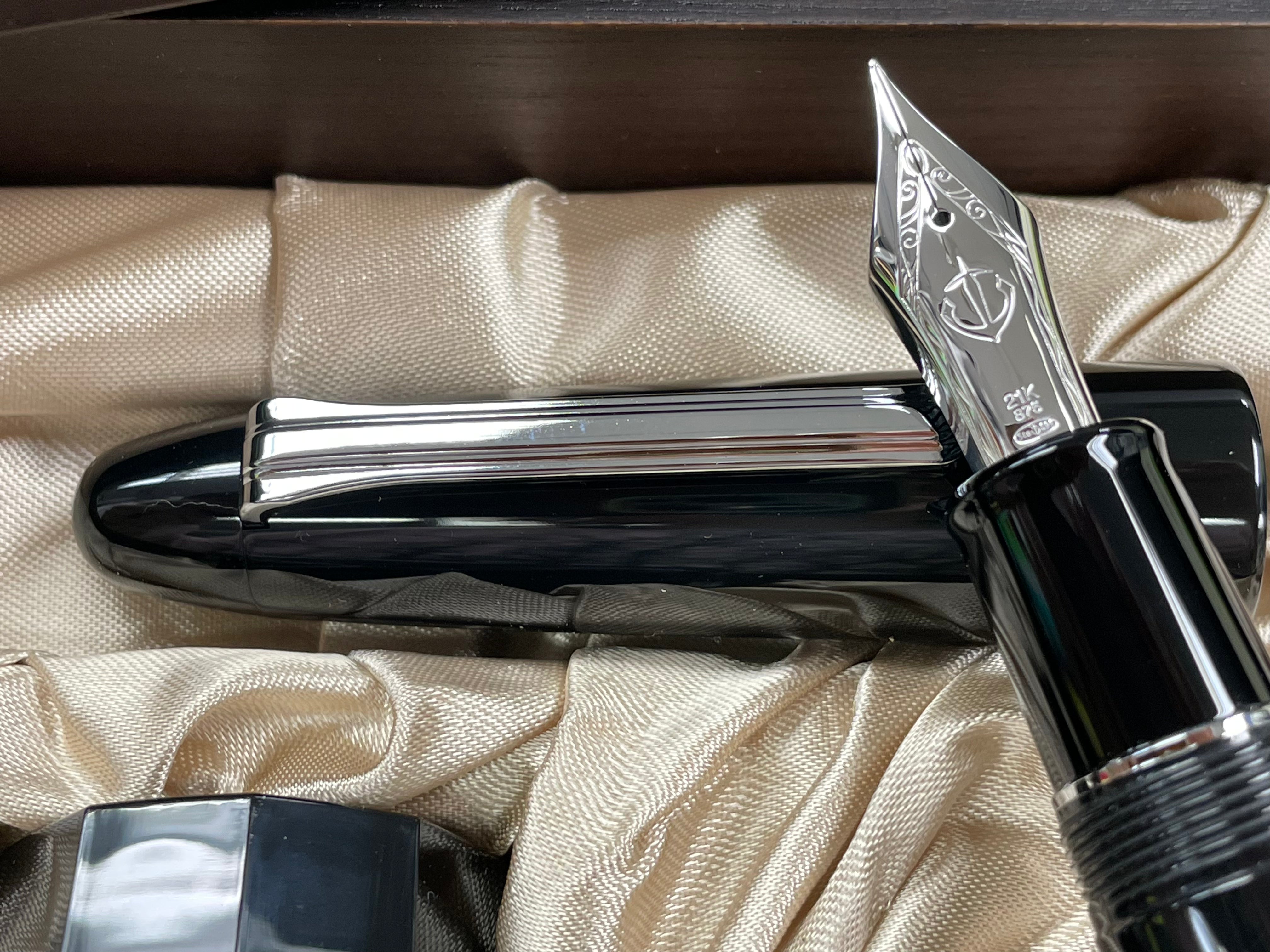
Sailor King of Pens
Sailor’s King of Pens is the company’s top-of-the-range fountain pen line, positioned by Sailor as a symbol of its techn…
Fountain Pens
Fountain pens are refillable writing instruments that feed liquid ink to a metal nib, and for many people the appeal is…
Sailor Maki-e Fountain Pens
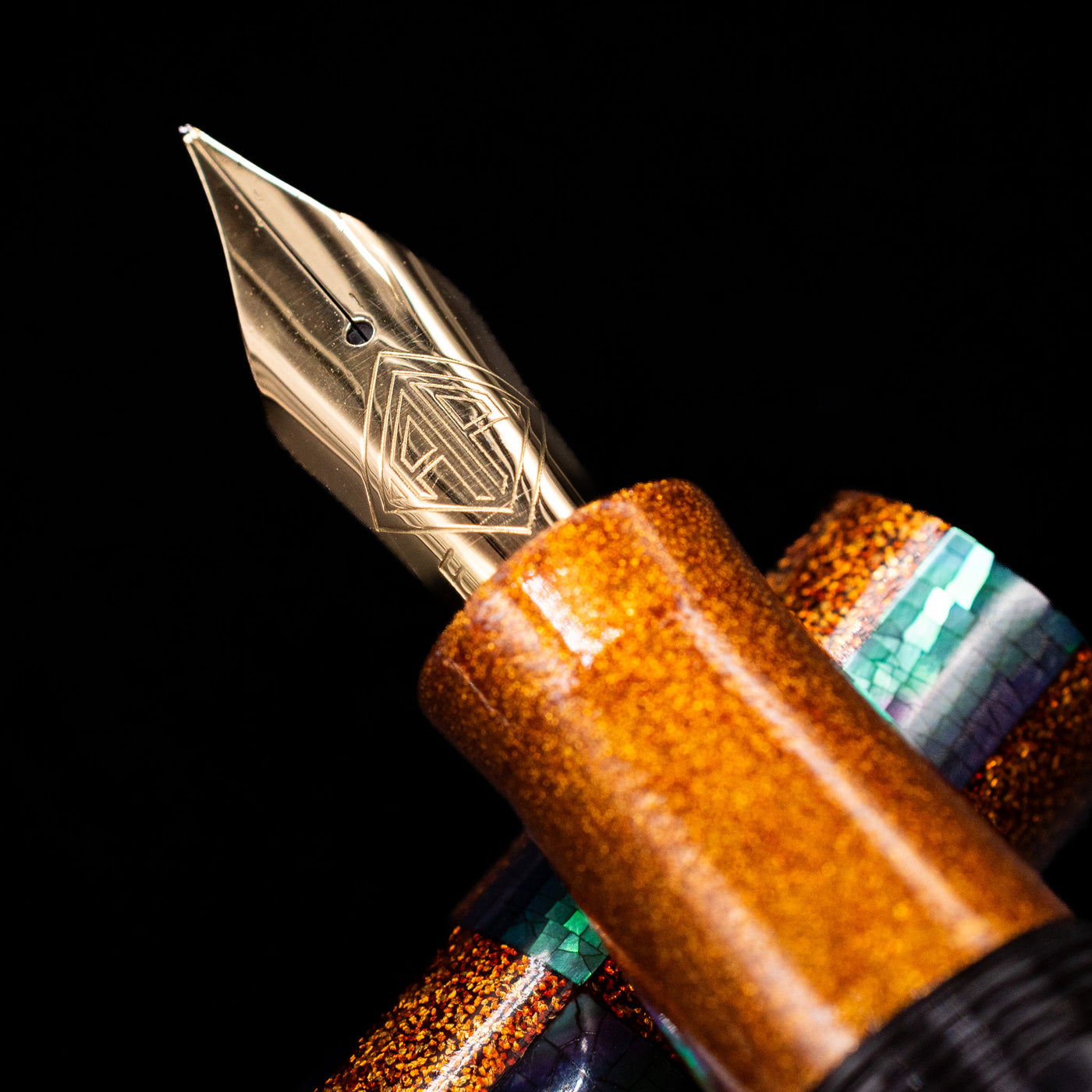
Sailor’s Maki-e fountain pens sit at the meeting point of writing instrument collecting and a Japanese decorative art wi…
Platinum Modern Maki-e Fountain Pens
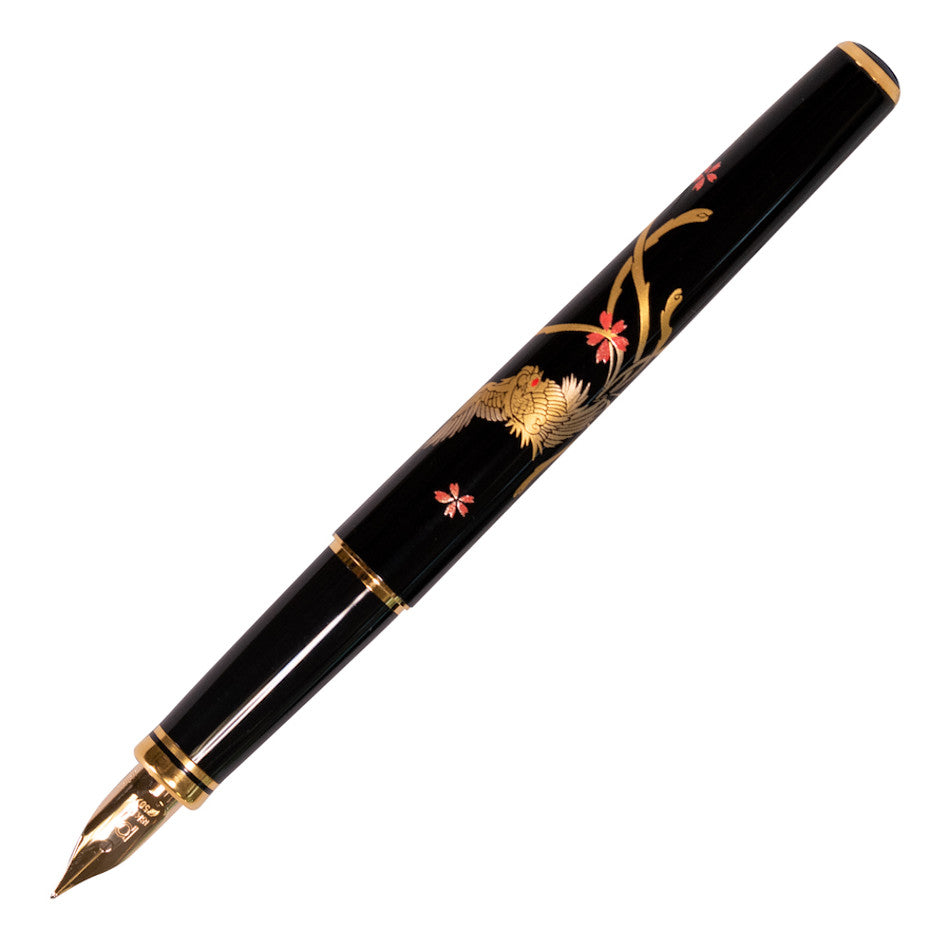
Platinum’s Modern Maki-e pens sit in a very specific corner of fountain-pen collecting: Japanese motif pens made with a…

Vintage Pelikan Fountain Pens
Vintage Pelikan collecting really starts with the Model 100, the company’s first fountain pen, made from 1929 to 1944 an…
Namiki by Pilot
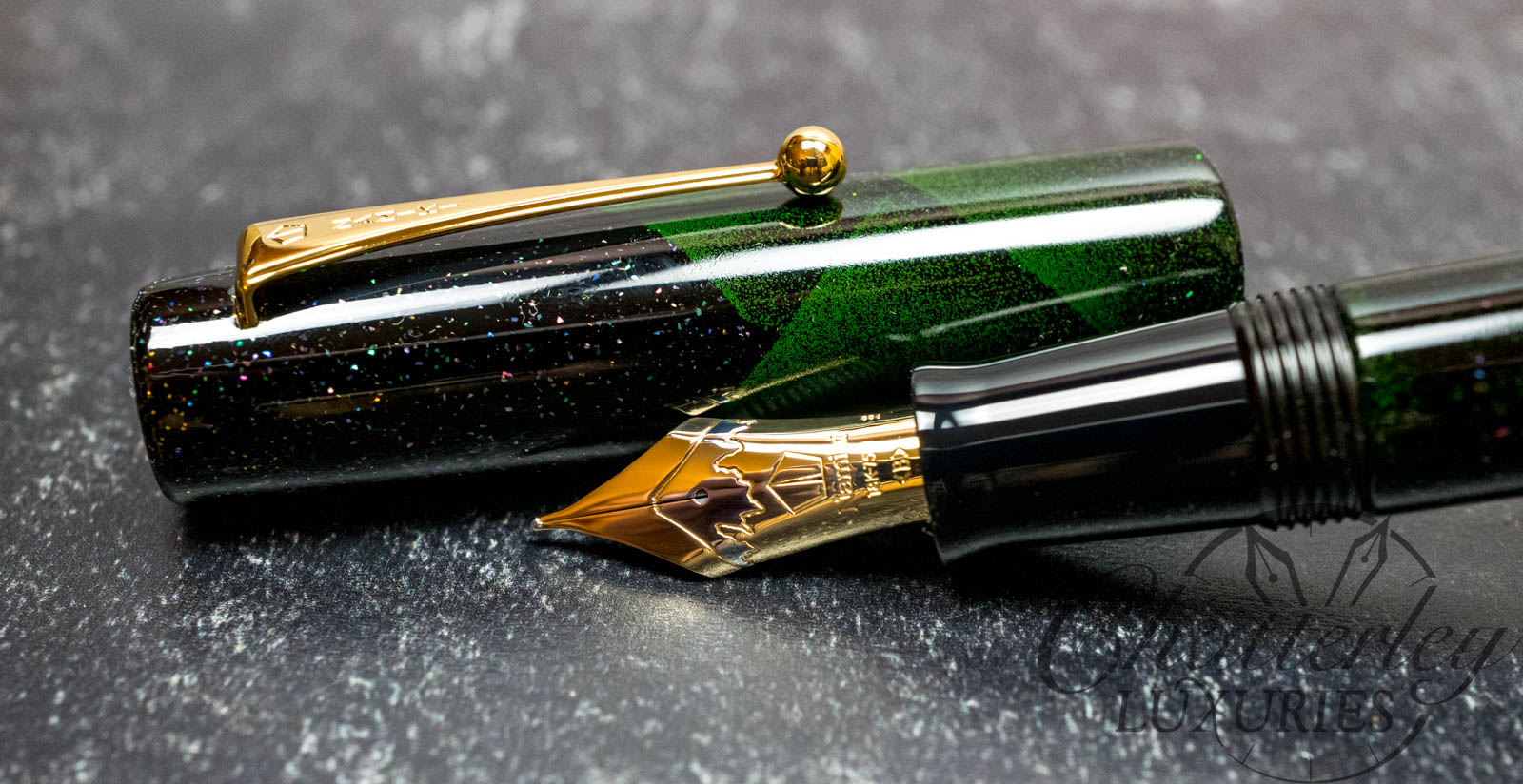
Namiki is Pilot’s Japanese brand for high-end fountain pens, especially models finished in maki-e and urushi lacquer. Th…

OHTO Fountain Pens
OHTO’s fountain-pen line is a compact corner of Japanese pen culture built around metal-bodied, fine-nib everyday writer…
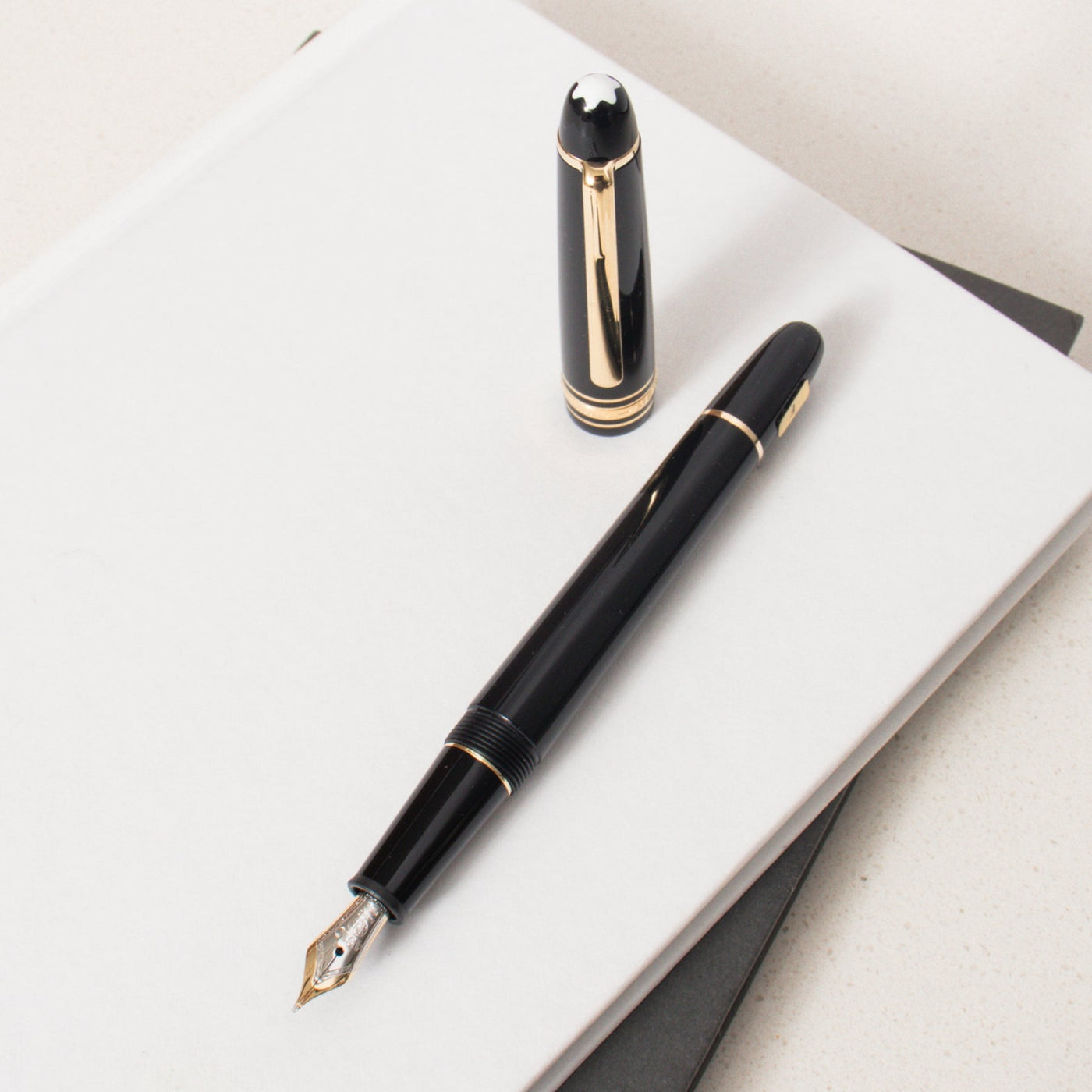
Montblanc Meisterstück 149
The Montblanc Meisterstück 149 is the flagship oversize fountain pen in the brand’s Meisterstück line, sold today in bla…
More in Fountain Pens & Writing
Stay in this world.
Vintage Pelikan Fountain Pens
Platinum Modern Maki-e Fountain Pens
Montblanc Writers Edition Agatha Christie
Sailor Maki-e Fountain Pens
Montblanc Meisterstück 149
Fountain Pens
OHTO Fountain Pens
Sailor King of Pens
Imagery
Know someone who’d love this?
Discovered by ArcurianAuto-generated from public sources and AI synthesis — it may be incomplete or inaccurate. Treat it as a starting point for your own exploration, not professional (medical, legal, financial, or safety) advice. Verify anything you act on. Report this page.