Shopping Japanese whisky below $200 means navigating two different pleasures at once: the appeal of Japanese craftsmanship shaped by Scotch tradition, and the question of which bottles are genuinely made in Japan. Recent coverage of the category keeps returning to the Japan Spirits & Liqueurs Makers Association labeling standards announced in 2021, which set clearer expectations for what can be called “Japanese Whisky” and gave producers a transition period to comply. That matters at this price because shelves can mix widely distributed, accessible bottles with labels whose age statements or branding may raise provenance questions. The interesting part is not just finding a good pour under budget, but learning how enthusiasts separate authentic Japanese distillate from the broader world of Japan-branded whisky.
Learn
How to Buy Well Below the $200 Line
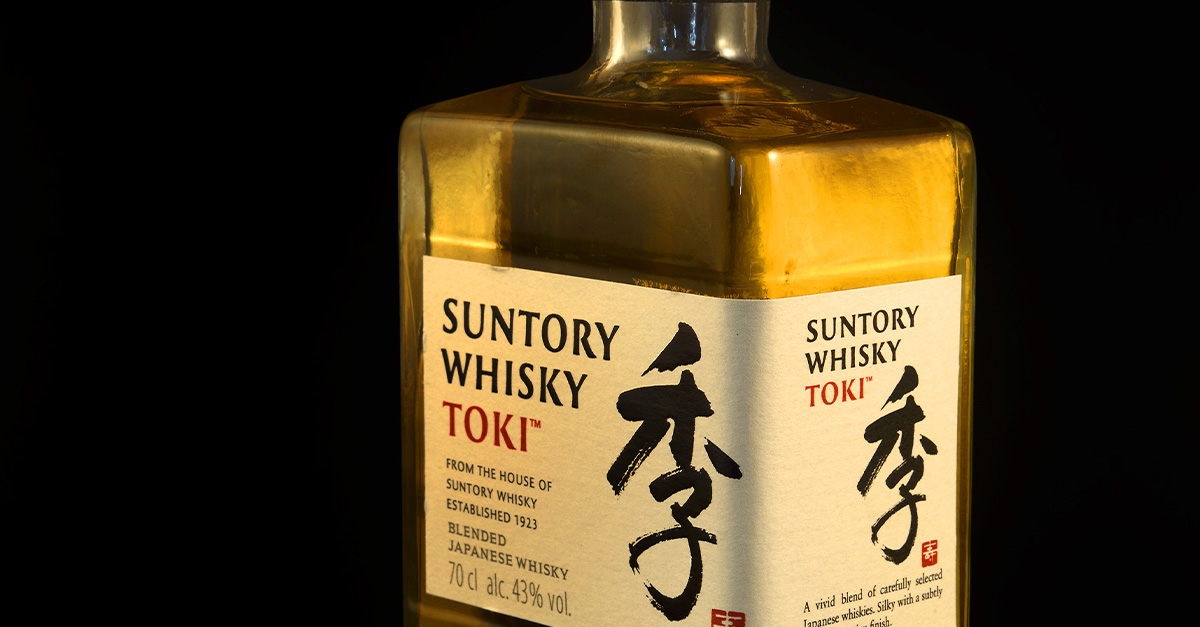
Buying well below $200 means navigating a minefield of mislabeled bottles. Since 2021, the Japan Spirits & Liqueurs Makers Association (JSLMA) has set voluntary standards requiring genuine Japanese whisky to be distilled, aged at least three years, and bottled in Japan. Shockingly, 92% of popular brands don’t qualify — but several affordable, JSLMA-compliant bottles deliver real craftsmanship without the hype. Suntory Toki ($26–35) is the entry-level workhorse for highballs; Hibiki Harmony ($75–90) offers floral complexity; and lesser-known gems like Mars Iwai Tradition ($40–50), Akashi White Oak Single Malt ($70–80), and Shizuoka Contact S ($90–100) prove you don't need a three-figure price for authentic Japanese single malt. Even beloved bottles like Nikka From The Barrel, while delicious, contain imported Scotch and aren't compliant. Instead of chasing age statements, focus on the JSLMA compliance logo or the distillery name — that's how you buy smart under $200.

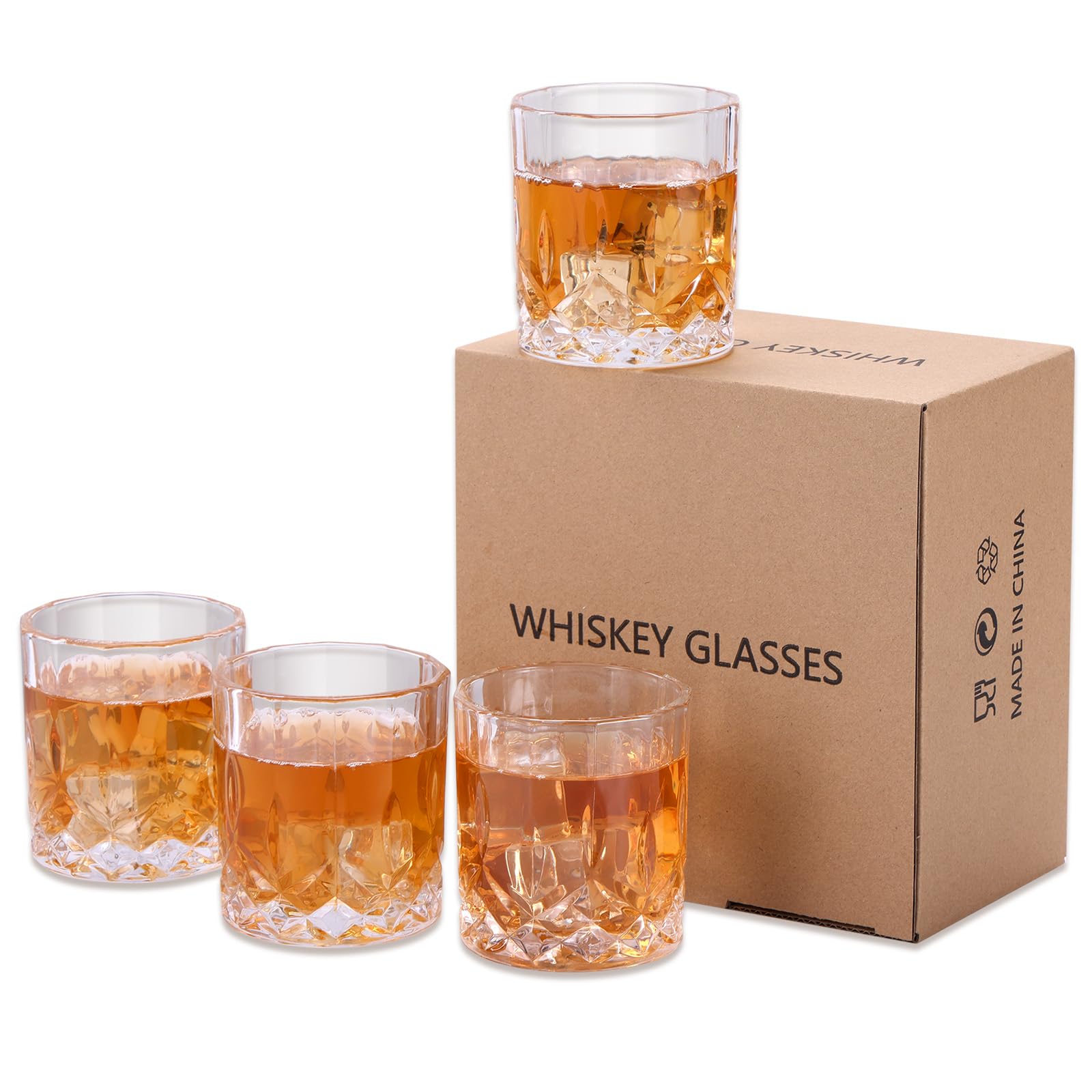
:max_bytes(150000):strip_icc():focal(1931x0:1933x2)/ses-primary-drinking-glasses-grace-kelly-01-4ff6980351074dc79a2d123a5bcc3571.jpeg)
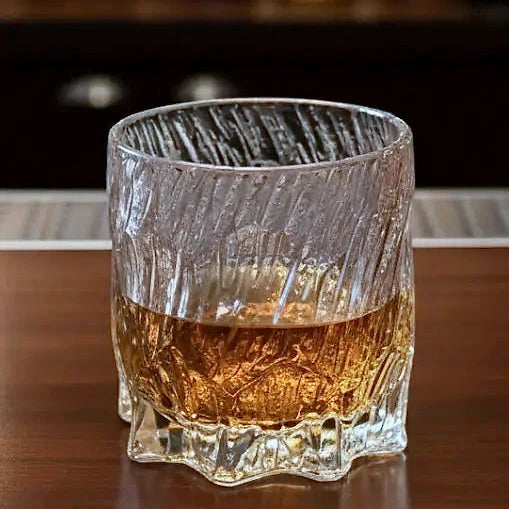
 japanesewhiskeyauthority.comjapanesewhiskeyauthority.com
+Field notes
- —92% of popular “Japanese whisky” bottles do not meet JSLMA standards — many contain imported spirits and are merely bottled in Japan.
- —Suntory Toki, at $26–35, is one of the few JSLMA-compliant whiskies under $50, designed specifically for highballs and cocktails.
- —Hibiki Japanese Harmony (around $75–90) is a JSLMA-compliant blended whisky praised for its delicate fruit and floral balance.
- —Mars Iwai Tradition ($40–50) and Akashi White Oak Single Malt ($70–80) are both on the JSLMA compliance list and offer affordable single-malt character.
- —Nikka From The Barrel is not JSLMA-compliant because it contains imported Scotch whisky, despite being a popular and flavorful choice.
- —Shizuoka Contact S (about $90–100) is a JSLMA-compliant single malt from a newer distillery, proving craft producers offer value below $100.
Learn
The Labeling Shift That Changed the Category
Before February 2021, the term "Japanese whisky" had no legal definition in Japan, meaning brands could—and did—import Scotch, Canadian, or other grain whisky, blend or bottle it in Japan, and sell it with Mount Fuji imagery and Japanese names. The Japan Spirits & Liqueurs Makers Association (JSLMA) finally stepped in, drafting voluntary standards with a working group comprising just five companies—Suntory, Kirin, Hombo Shuzo, Nikka, and Venture Whisky—a group that excluded many newer craft distilleries from the discussions. The standards require that, to carry the label "Japanese Whisky," a product must be made from malted grain and water extracted in Japan, with saccharification, fermentation, distillation, and a minimum three-year aging in wooden casks (max 700 liters) all taking place inside Japan, and bottled at or above 40% ABV with only E150a caramel coloring permitted. A three-year transition period ended on April 1, 2024, after which all JSLMA members must comply or remove the term; non-members remain unbound, leaving a loophole wide enough to drive a tank of imported whisky through. In March 2025, the association announced plans to register "Japanese Whisky" as a geographical indication (GI) with an official certification logo, aiming to close that loophole for good.


 nomunication.jpnomunication.jp

+Field notes
- —The five-company working group that wrote the standards—Suntory, Kirin, Hombo Shuzo, Nikka, and Venture Whisky—deliberated in secret from 2016 until early 2021, withholding updates even from other JSLMA members until the rules were announced.
- —Under the new rules, any use of Japanese proper nouns (e.g., Mt. Fuji, Kyoto, Tokyo Tower, Heisei) on a label is banned if the whisky does not meet the full production standards, preventing non-compliant bottles from evoking Japan through names or places.
- —The 700-liter cask limit effectively rules out the large cooperage (often thousands of liters) used for bulk grain whisky elsewhere, forcing producers to use standard barrique, hogshead, or puncheon sizes, which influences the final flavor profile.
- —JSLMA standards are voluntary for the association's members; non-member brands face no penalty for labeling imported distillate as "Japanese whisky," meaning bottles like some "Nikka From The Barrel" expressions—which contain imported Scotch—can remain on shelves as long as they adjust their labeling.
- —In March 2025, the JSLMA announced plans to register "Japanese Whisky" as a geographical indication (GI) with a certification logo, signaling a shift from voluntary guidelines toward enforceable regional protection similar to Scotch or Cognac.
Learn
Words on the Bottle That Actually Matter
When you pick up a bottle of Japanese whisky under $200, the words on the label can be misleading unless you know what to look for. Before 2021, a bottle labeled 'Japanese Whisky' could contain spirit distilled anywhere on earth, blended and bottled in Japan. That changed in February 2021 when the Japan Spirits & Liqueurs Makers Association (JSLMA) issued voluntary labeling standards that took full effect in April 2024. These standards require that to use the term 'Japanese Whisky,' the liquid must be made from malted grain, saccharified, fermented, distilled at a Japanese distillery, aged for at least three years in wooden casks of no more than 700 liters stored in a Japanese warehouse, and bottled in Japan at no less than 40% ABV. However—and this is the catch—compliance is voluntary for JSLMA members (which include Suntory and Nikka) but non-members face no legal obligation. So a bottle bought now might be genuine, but bottles bottled before 2024 carry no such guarantee. The words 'whisky' versus 'whiskey' on a label mean nothing about origin—Suntory uses 'whisky', Nikka uses 'whisky', and some smaller producers use 'whiskey' interchangeably. The real tell is whether the producer is a JSLMA member and whether the label clearly states 'Japanese Whisky' under the new rules or uses a phrase like 'world blend' or 'imported.' For anyone spending up to $200, this means you can find authentic age-stated bottles like Nikka Taketsuru Pure Malt or Suntory Hibiki Harmony that are genuinely Japanese, but you must check the fine print.
 sothebys.comsothebys.com
:max_bytes(150000):strip_icc():focal(393x0:395x2)/GettyImages-883919286-f0bdad6b36f049c391df06ec94d97df9.jpg) japanesewhiskeyauthority.comjapanesewhiskeyauthority.com
japanesewhiskeyauthority.comjapanesewhiskeyauthority.com
+Field notes
- —Before 2021, a bottle labeled 'Japanese Whisky' could legally contain bulk Scotch or Canadian whisky imported into Japan, blended there, and sold with no origin disclosure—the JSLMA's voluntary 2021 standards finally defined 'Japanese Whisky' as spirit made from malted grain, distilled, aged at least 3 years in wooden casks under 700 liters in a Japan warehouse, and bottled at 40% ABV or higher.
- —The standards are voluntary—only members of the Japan Spirits & Liqueurs Makers Association, including Suntory and Nikka, are bound by them; non-member producers face zero legal obligation, so the label 'Japanese Whisky' on a bottle from an unknown brand may still mean nothing about origin.
- —The spelling 'whisky' vs 'whiskey' on a Japanese bottle is meaningless for authenticity—Suntory uses 'whisky,' Nikka uses 'whisky,' and some smaller producers use 'whiskey' arbitrarily, with no correlation to quality or origin.
- —Post-2024, major producers like Suntory began labeling expressions that include non-Japanese spirit as 'world blends' (e.g., Hibiki Japanese Harmony is genuine, but some blends are now transparently called out); for bottles under $200, look for a clear 'Japanese Whisky' statement and avoid vague terms like 'premium blended'.
- —A bottle like Nikka Taketsuru Pure Malt (around $60–80) or Suntory Hibiki Harmony (around $100–150) is made entirely at Japanese distilleries and meets the new JSLMA standards, whereas a bottle labeled 'Japanese Whisky' for $30 from an unknown brand likely contains imported bulk spirit—check the producer's membership and the fine print for 'product of Japan' origin.
Discover
Video Tastings Focused on Value Japanese Bottles


The video content focused on value Japanese whisky under $200 reveals a market where price and availability are deeply distorted. While iconic bottles like Yamazaki and Hakushu 12 used to sit on ordinary shelves at grocery stores, they are now locked in glass cases or priced at a 2-3x markup—if you can find them at all. This scarcity has pushed enthusiasts to more creative alternatives. A single-grain, column-still whisky from Kirin's Fuji distillery quietly became the first-ever Japanese whisky export to the US, offering a clean, alternative profile. On the other end of the spectrum, Nikka's 'Malty and Soft' single malt from Miyagikyo isn't even a core product; it's a component whisky from the distillery that goes into their main blend, bottled entirely from bourbon casks with a touch of smoke. The practical advice from the Japanese language community is even more direct: if you can't buy Yamazaki, don't bother paying triple retail—drink something that's cheaper and genuinely better, like a well-chosen Scotch.
+Field notes
- —As recently as early 2024, it was still possible to find Yamazaki, Hakushu, and Hibiki on shelves at a regular Pavilions grocery store in California—a sight that would have been unthinkable just a year later, as those same bottles now vanish almost instantly or sit behind locked glass.
- —In Japan, the non-age-statement Yamazaki (often called 'Yamazaki NAS') has a retail price of about ¥5,000 (roughly $32), but at actual stores like Don Quijote it is routinely priced around ¥14,000—nearly three times the official price—making it a terrible value even before you taste it.
- —Kirin's Fuji Single Grain Whiskey, launched in Japan on April 21, 2020, was the first Kirin whisky ever exported to the US (on August 20, 2020), and its review on Kanpai Planet was one of the first English-language video reviews of it.
- —Nikka's 'Malty and Soft' single malt from the Miyagikyo Distillery is not one of their core products—it is actually a component that goes into their core single malt, and it is aged entirely in bourbon casks with just a touch of smoke, giving a softer, sweeter profile compared to Yoichi.
- —The Whiskey Nerd's review of Nikka 'Malty and Soft' describes it as the 'baseline single malt' from Miyagikyo—not a special release, but a clear, bourbon-cask-driven expression that hints at the distillery's character without the usual age statement premium.
- —The Japanese whisky community's blunt advice translates to: 'If you can't buy Yamazaki, drink this instead—it's cheaper and better'—a direct endorsement of either a non-Japanese alternative or an overlooked domestic bottle that sidesteps the hype tax entirely.
Discover
What Enthusiasts Are Reading Before They Buy
Before buying Japanese whisky under $200, enthusiasts are reading up on the evolving labeling standards set by the Japan Spirits & Liqueurs Makers Association (JSLMA) in April 2021, which aim to curb fake Japanese whisky by requiring provenance and ingredients. They are also learning that many budget-friendly bottles are actually 'world whiskies'—blends of imported Scotch or other spirits with domestic distillate—and that even authentic brands like Nikka and Suntory have limited age-statement offerings under $100. Key reads include guides that stress the importance of checking for JSLMA compliance, recommend Suntory Toki as a cocktail staple due to its low price and mixability, and warn that MSRPs often don't reflect real retail prices, which can be significantly higher due to scarcity.
+Field notes
- —The JSLMA's 2021 labeling standards are a hot topic: they require that 'Japanese Whisky' be made from malted grains, distilled and aged in Japan, and bottled at a minimum of 40% ABV, effectively banning imported blends from being labeled as authentic Japanese whisky.
- —Affordable Japanese whisky often falls into the 'world whisky' category—blends that may include Scotch or other non-Japanese spirits. Brands like Nikka and Suntory produce these, and enthusiasts must read labels carefully to avoid buying a 'fake' Japanese whisky.
- —Suntory Toki is the most widely available and cheapest authentic Japanese whisky in America, specifically designed for cocktails. Its light, smooth profile and low price make it a staple in bars, but it's not meant for sipping neat.
- —Many price lists (like the one from VinePair) show MSRPs under $100 for top Japanese whiskies, but actual retail prices can be significantly higher—sometimes double—due to rarity and demand. Enthusiasts check current online retailers before believing official prices.
- —Nearly half the affordable whiskies on one expert's under-$100 list come from Nikka, including blends and single malts, making Nikka a key brand for budget-conscious buyers.
Keep exploring
More of Japanese Whisky Under $200
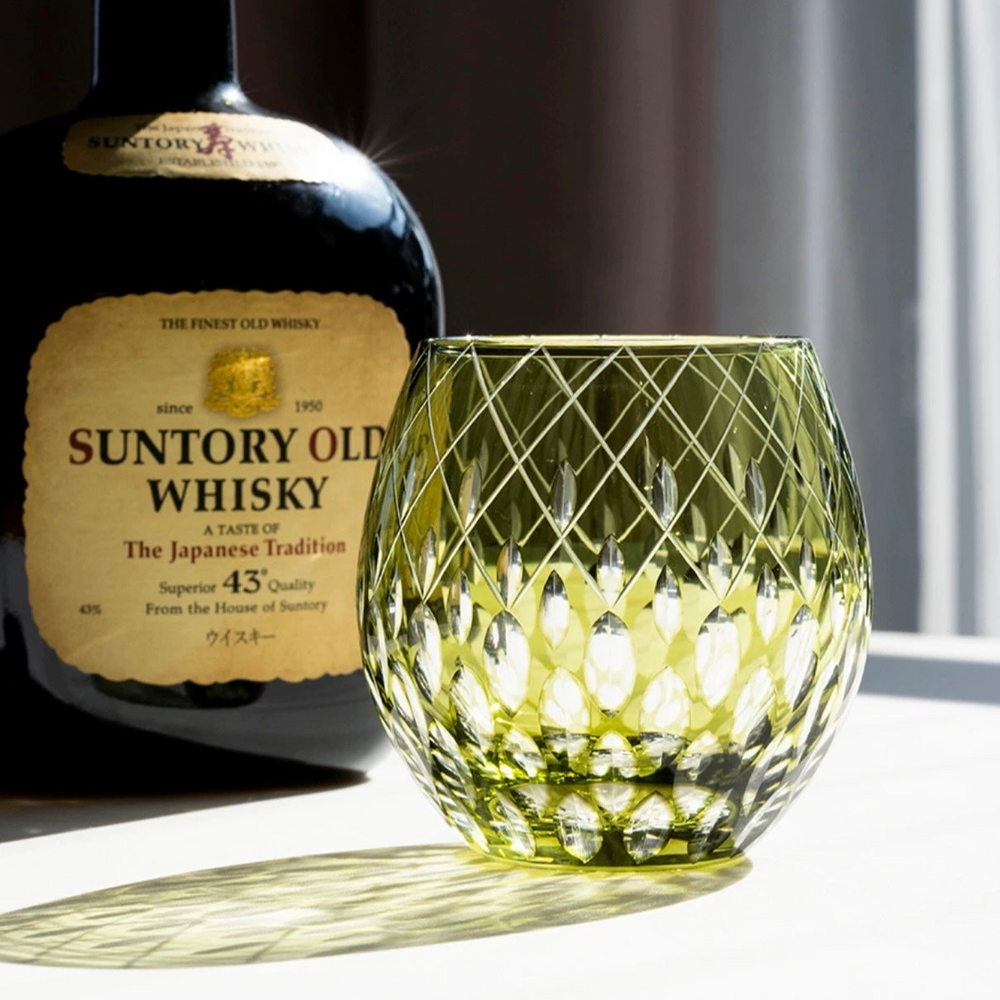
More to explore
In the same world.
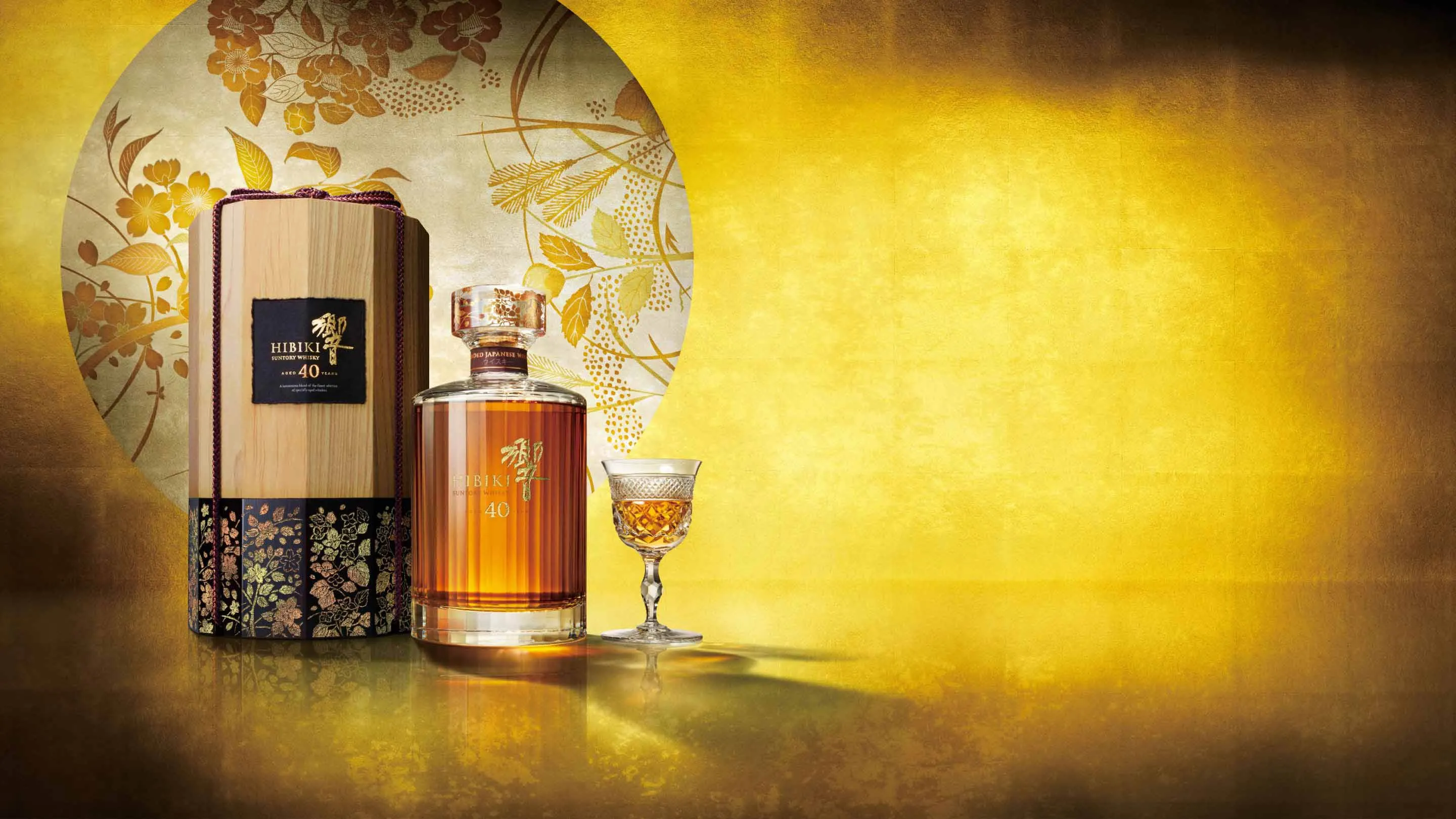
Hibiki Whisky
Hibiki is Suntory’s premium blended Japanese whisky line, presented as a celebration of harmony and the art of blending…

Suntory Torys Classic PET
This is Suntory’s Torys Classic whisky in the large PET-bottle format, a practical packaging style tied to everyday Japa…

Japanese Kitchen Knives
Japanese kitchen knives are a broad world of made-in-Japan chef’s knives that ranges from workhorse gyutos and santokus…
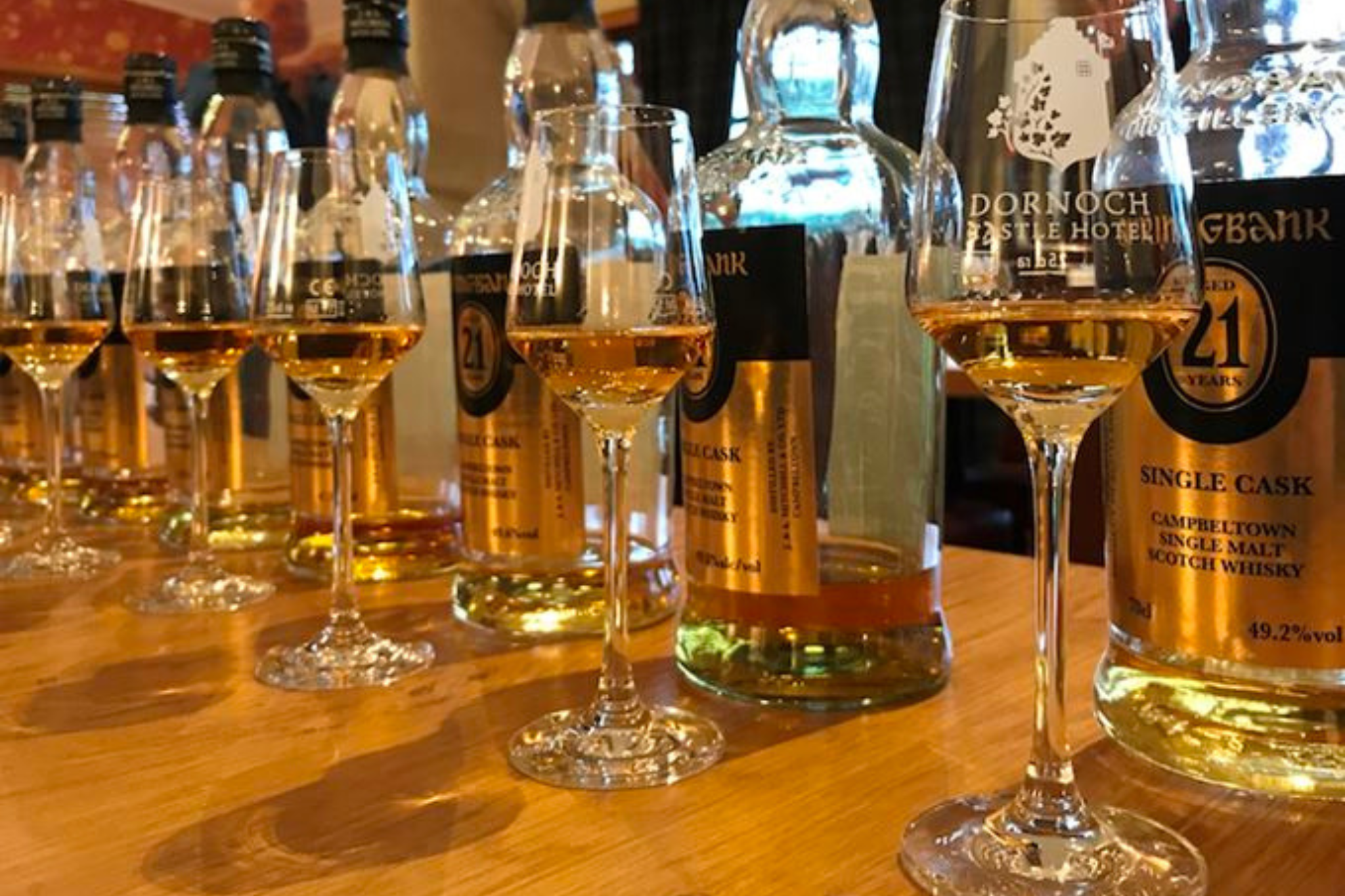
Springbank Whisky
Springbank is a Campbeltown single malt distilled since 1828, with a reputation strong enough that the distillery calls…
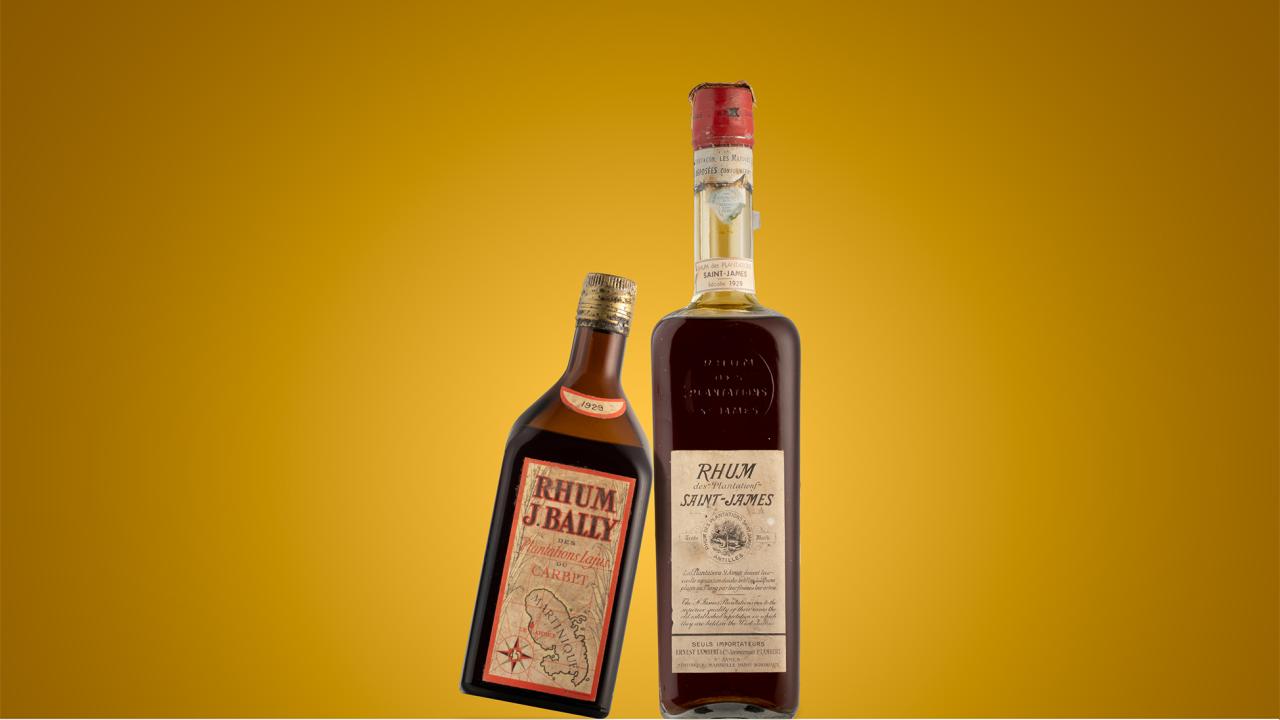
Vintage Rum
Vintage rum sits at the crossroads of spirits collecting, distillery history, and scarcity: bottles are often issued aro…
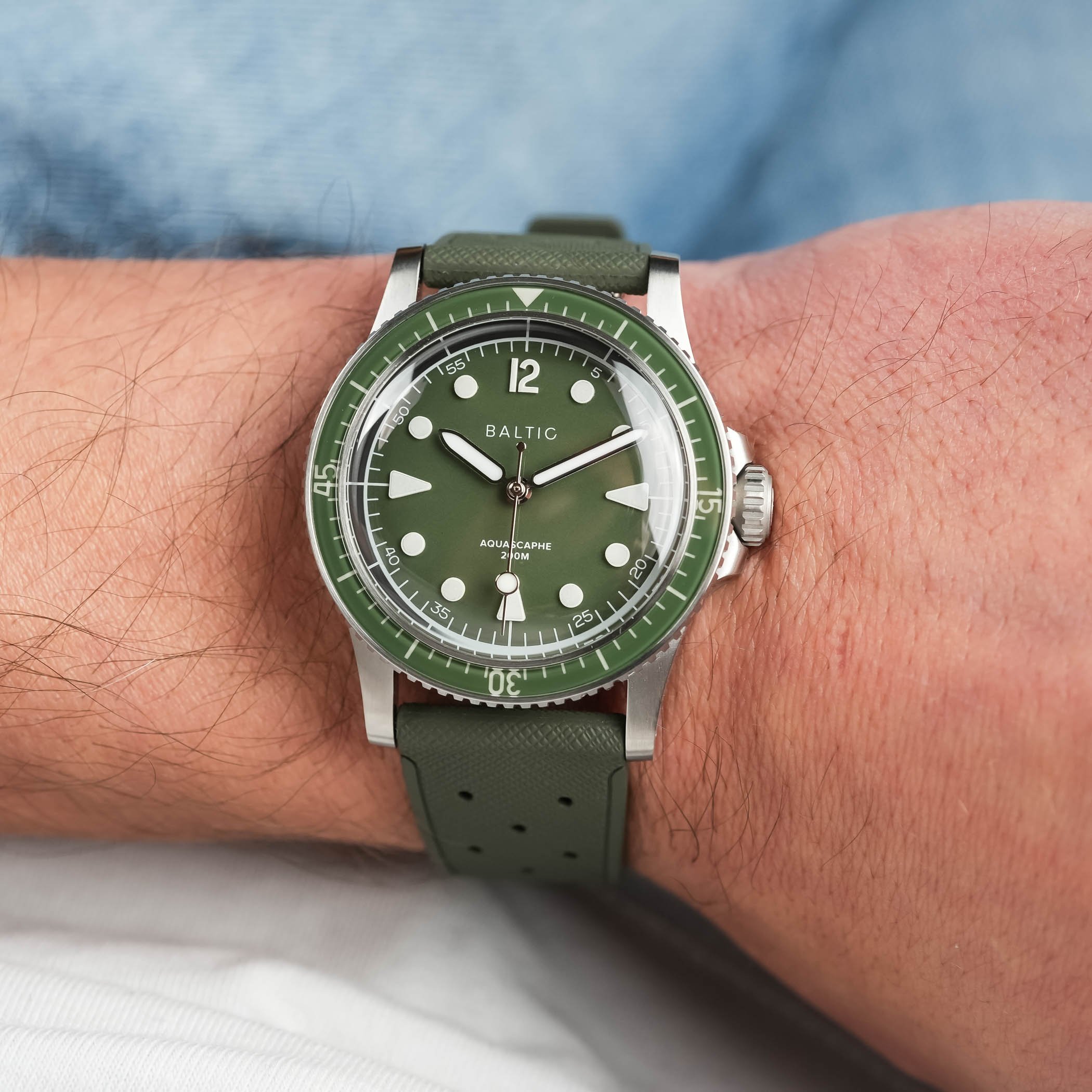
Affordable Microbrand Watches
Affordable microbrand watches are independently made watches sold outside the traditional luxury-brand system, with enth…

Affordable Watches Under $500 That Still Feel Like the Real Thing
At the sub-$500 mark, watch buyers are not just chasing low prices—they are looking for the point where finishing, relia…
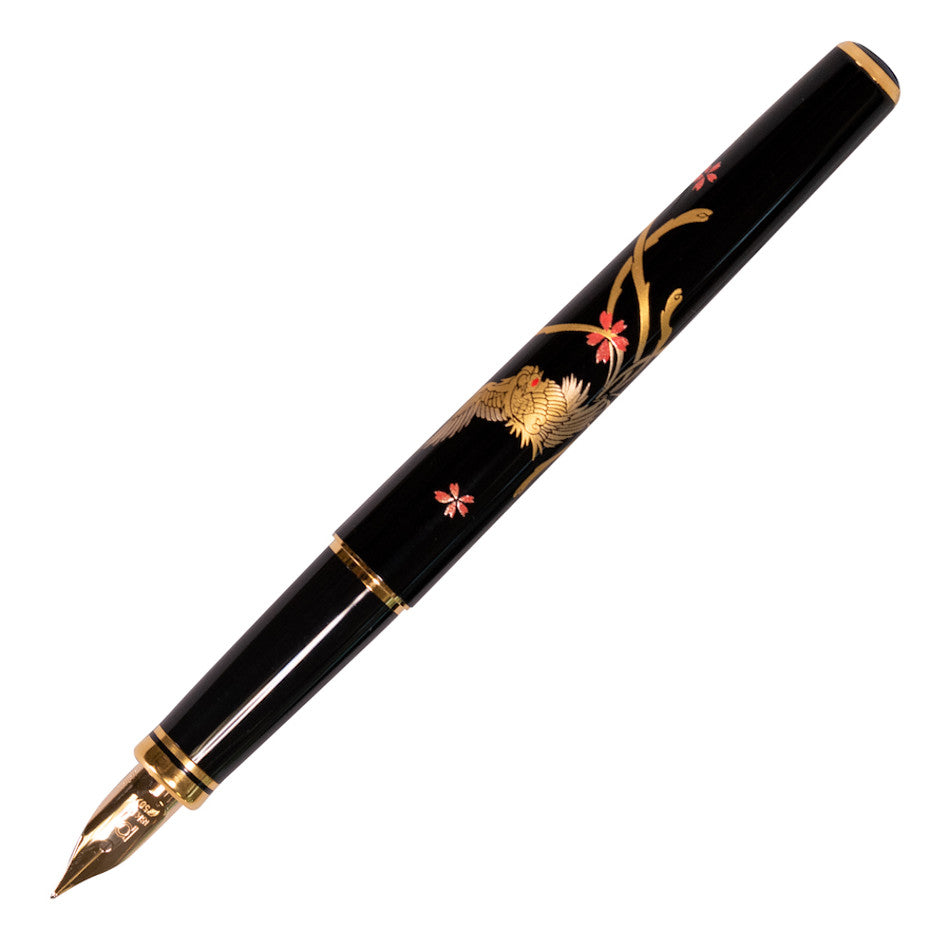
Platinum Modern Maki-e Fountain Pens
Platinum’s Modern Maki-e pens sit in a very specific corner of fountain-pen collecting: Japanese motif pens made with a…
More in Whisky & Wine
Stay in this world.
Springbank Whisky
Vintage Rum
Château Latour 1923
Suntory Torys Classic PET
Hibiki Whisky

Barolo Wine

Glassware
Know someone who’d love this?
Discovered by ArcurianAuto-generated from public sources and AI synthesis — it may be incomplete or inaccurate. Treat it as a starting point for your own exploration, not professional (medical, legal, financial, or safety) advice. Verify anything you act on. Report this page.