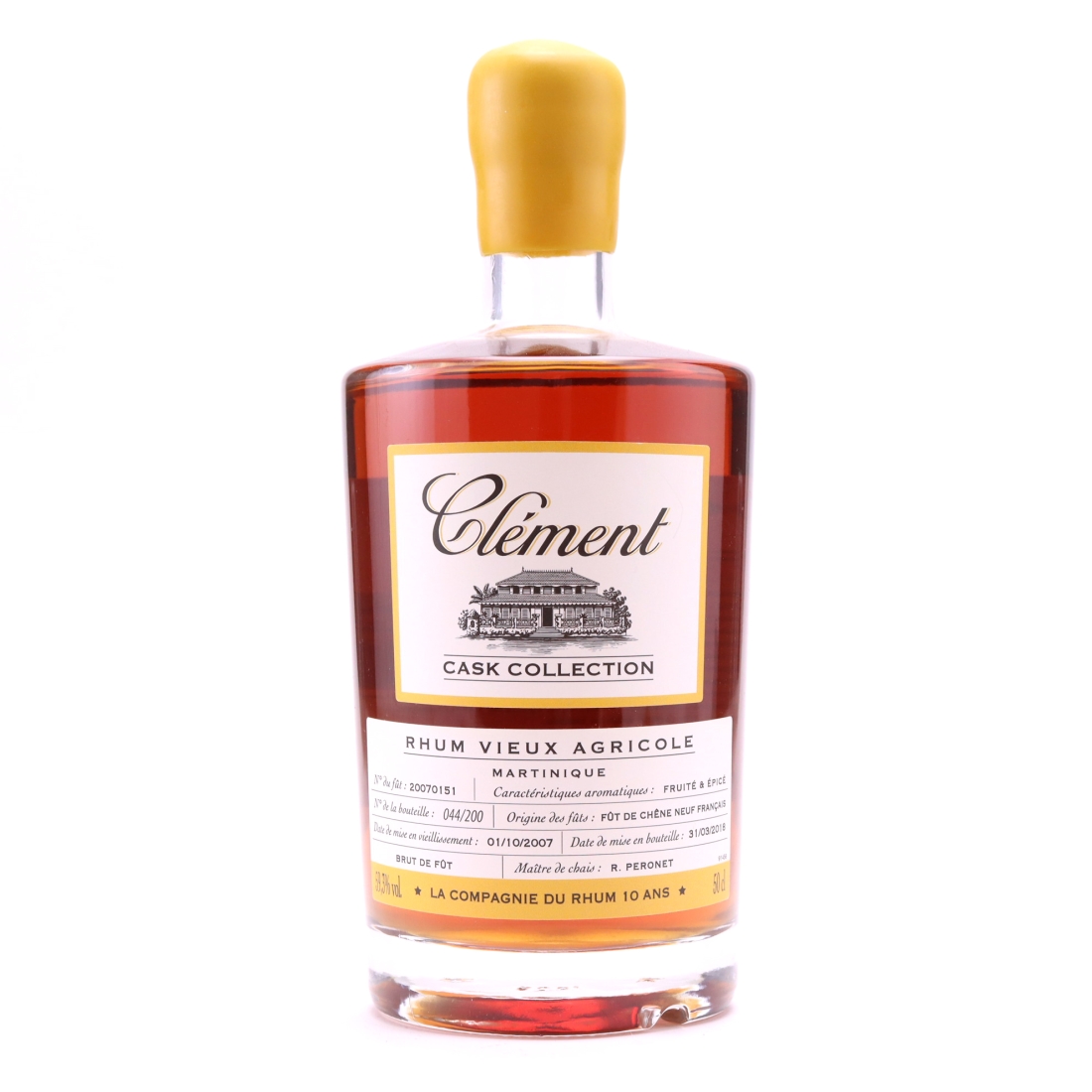
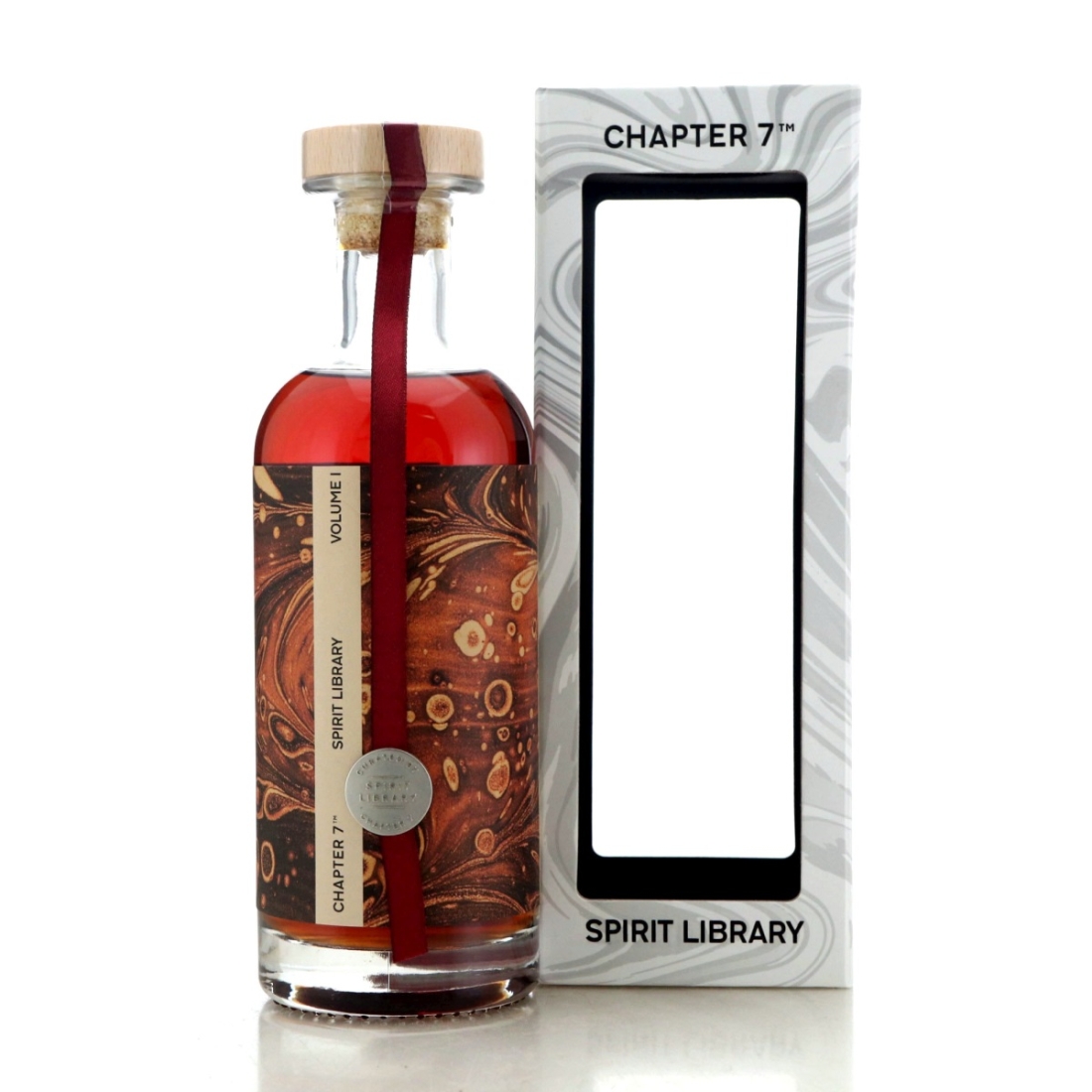
Vintage rum sits at the crossroads of spirits collecting, distillery history, and scarcity: bottles are often issued around a specific distillation or bottling year, sometimes only once and in very limited supply. The category ranges from old Martinique agricoles such as Saint James 1885 and J. Bally 1929 to bottles from closed distilleries and independent bottlers whose stocks are gone for good. At the extreme end, collectors also chase historic survivors like the Harewood Rum dated 1780 and modern releases built around vanished stocks, such as Black Tot Last Consignment. If fine wine people obsess over vintages, vintage-rum people add another layer: bottler, distillery survival, and whether the liquid in the glass can ever exist again.
Learn
What Collectors Mean by Vintage Rum
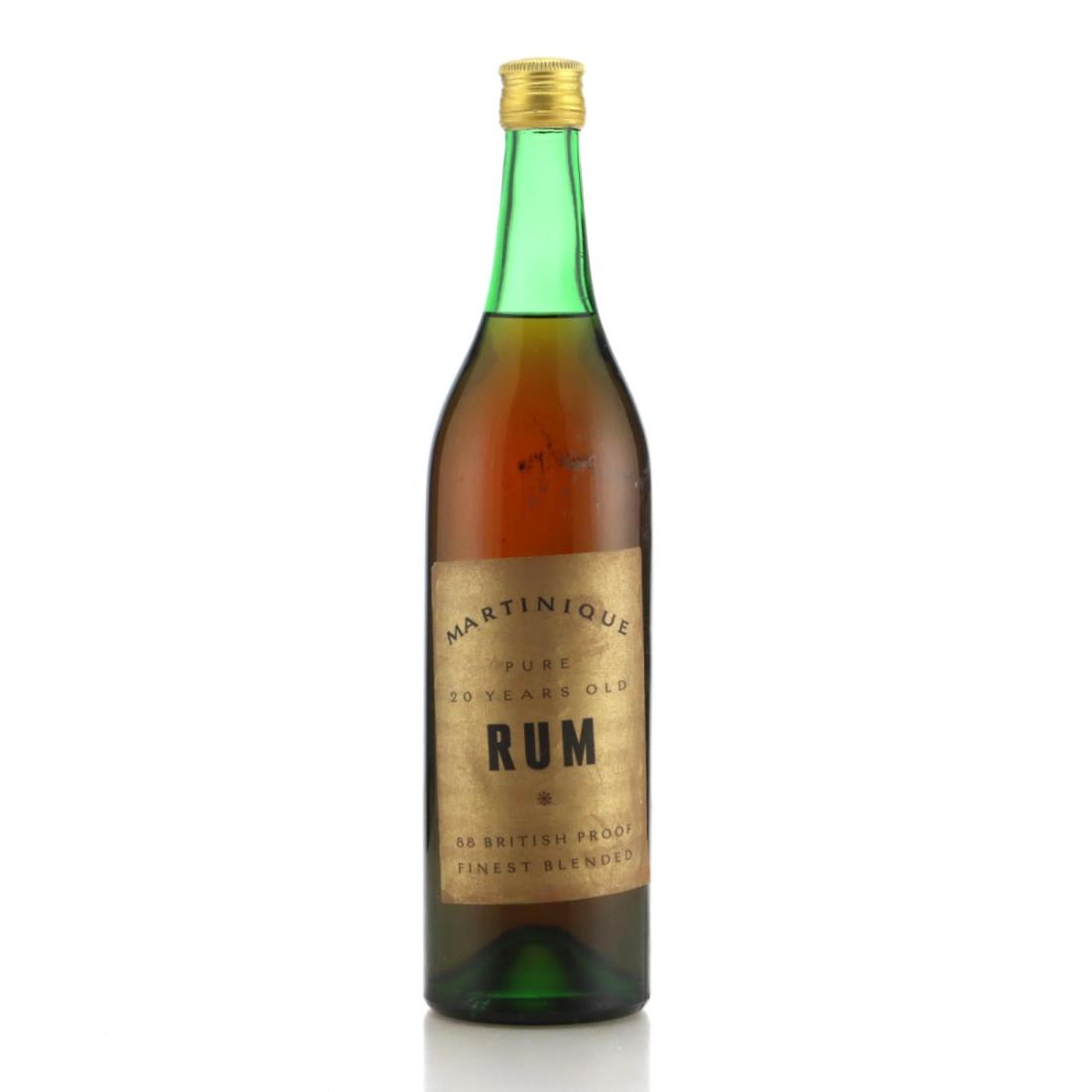
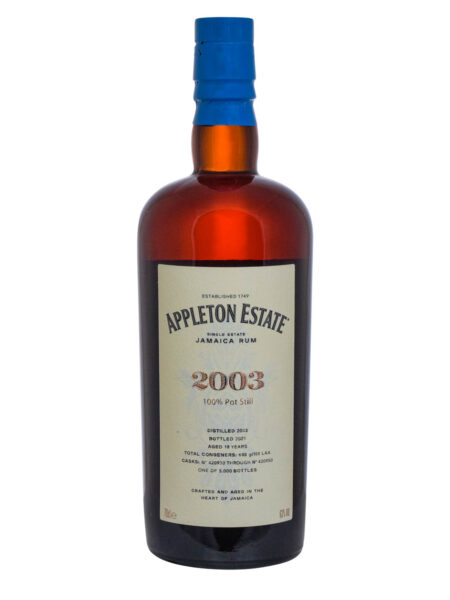
In the world of rum, 'vintage' is not simply an age statement — it is a claim of provenance, specificity, and intentional scarcity that radically distinguishes a bottle from the standard commercial shelf. True vintage rum collecting revolves around three pillars: single-cask or single-mark releases that preserve a distillery's character on a specific day (typically yielding only 150–350 bottles per cask), independent bottlers like Velier, Berry Bros. & Rudd, and Silver Seal who source and bottle at cask strength with stated distillation years, and the phenomenon of 'lost' distilleries such as Trinidad's Caroni, whose closed doors make every surviving drum finite. The market rewards the hyper-specific: a Hampden LROK mark with ester counts above 1,600 g/hLPA can command auction multiples of its original price, while standard blends and mixing rums like Wray & Nephew White Overproof hold no secondary-market appreciation. Terroir-driven rhum agricole from Martinique, Guyana's Demerara stills, and the regulated Geographical Indications of Barbados and Jamaica add layers of authenticity that whisky collectors envy, but the real inside game is tracking mark codes, barrel provenance, and the angel's share — in tropical climates, a 10-year Barbados rum can rival a 25-year Scotch in flavor complexity, making age statements a deceptive metric.
 cocktailwonk.comcocktailwonk.com
 jamaicanrumauthority.comjamaicanrumauthority.com
 jamaicanrumauthority.comjamaicanrumauthority.com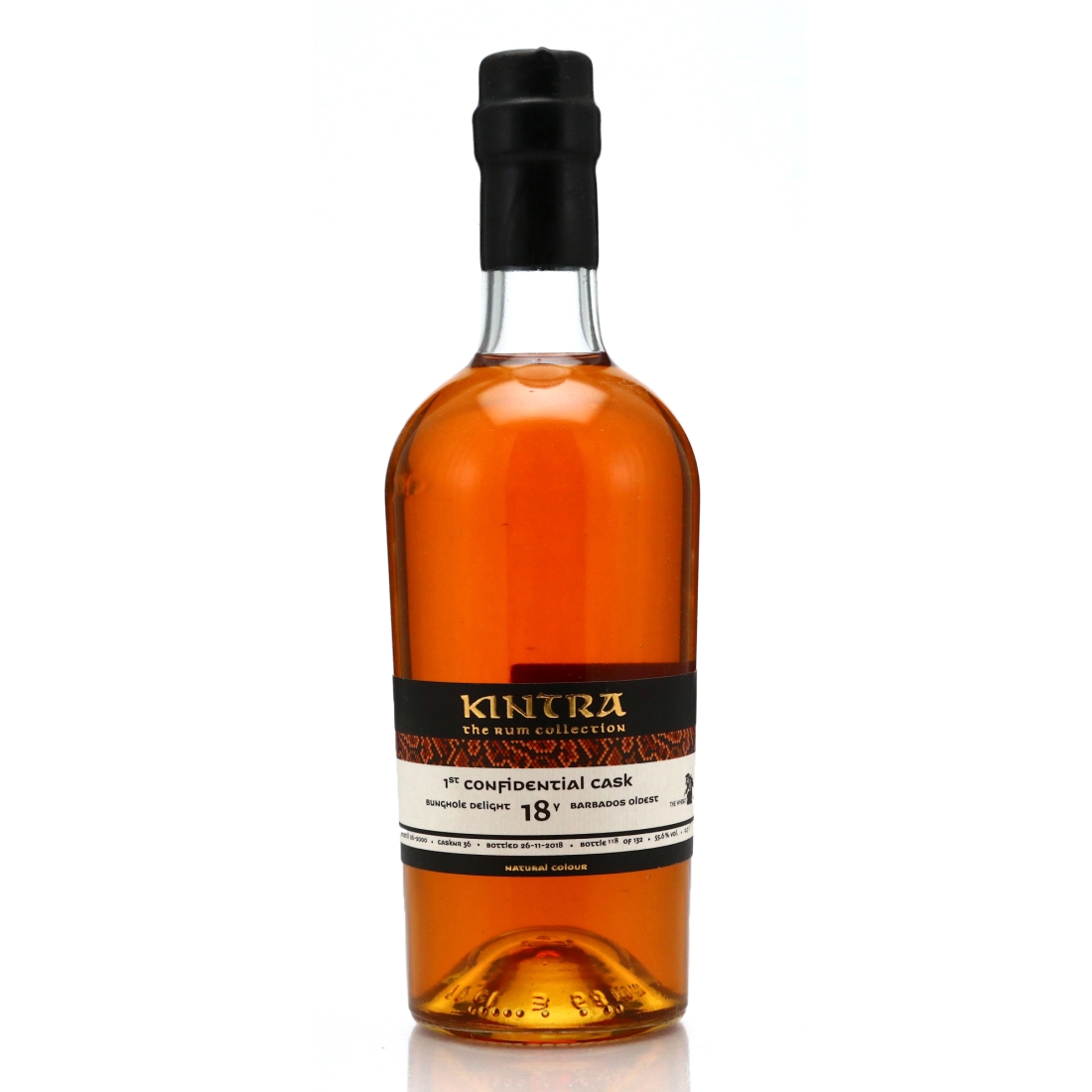
+Field notes
- —Independent bottlers like Velier, Berry Bros. & Rudd, and Silver Seal are the primary pipeline for vintage rums — they buy whole casks from distilleries, bottle at cask strength without blending, and label every bottle with the exact year of distillation, cask number, and often the bottle count (e.g., 'bottle 37 of 273'), transforming a purchase into a verifiable collectible.
- —A genuine single-cask Jamaican rum yields only 150–350 bottles per barrel (due to barrel size and a tropical angel's share of 6–8% per year), so even modest releases are genuinely scarce — not merely marketed that way.
- —The most sought-after vintage rums often come from 'lost' distilleries: Caroni's 43-bottle Velier series (2005–2019) includes the 1994 magnum of just 48 bottles, and the entire run is now legendary because the Trinidad distillery closed in 2003 and no new stock will ever exist.
- —Collectors track specific distillery 'marks' — such as Hampden's LROK (ester counts >1,600 g/hLPA) — because those production codes correspond to a predictable flavor profile and rarity level; a bottle from a single mark from 1990 (considered one of Hampden's best vintages) can be the centerpiece of a serious collection.
- —Barbados rum operates under a legally enforced Geographical Indication that mandates every bottle labeled 'Barbados Rum' must be produced, aged, and bottled on the island — giving collectors a rare documentary baseline of authenticity that most other rum-producing nations lack.
- —Standard commercial expressions in permanent production, such as Wray & Nephew White Overproof, do not appreciate on the secondary market — a case bought in 2020 is worth roughly the same today — whereas a Silver Seal Special Edition Uitvlugt 1990 (a single cask from Guyana, 185 bottles) can sell for over €800.
Learn
From 19th-Century Martinique to Historic Auction Bottles
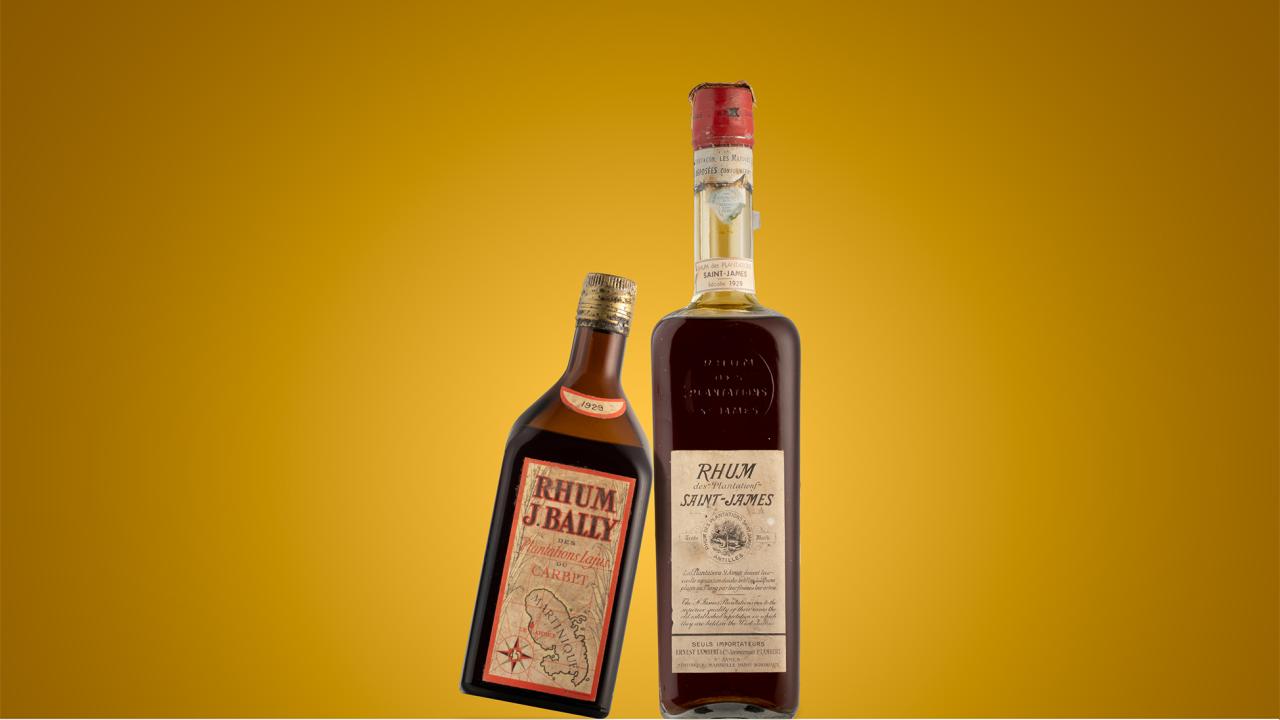
The world of vintage rum is anchored by three monumental bottles that tell a story spanning three centuries: the 1780 Harewood Rum, the Saint James 1885, and the J. Bally 1929. The Harewood 1780, discovered in 2011 in the cellars of Harewood House in Yorkshire, is authenticated as the oldest known rum in existence—distilled in Barbados from sugar grown on plantations owned by the Lascelles family, whose fortune from the slave trade built the estate. Sold at Christie's in 2013-14 for up to £8,000 per bottle, the rums were sorted into 'light' and 'dark' lots and re-bottled in their original mould-blown bottles. Saint James 1885, meanwhile, captures the moment on the eve of industrialization—produced by heating cane juice without boiling, then open-air fermenting in wooden vats with wild yeast, a method that predates Pasteur's work on fermentation. The J. Bally 1929, from Martinique, represents the apex of rhum agricole tradition: pure cane juice aged entirely in the tropics, bottled at 41.5% ABV in that iconic stumpy conical-topped bottle. Each of these rums carries not only astonishing age but also the weight of colonial history, the ingenuity of early distillers, and the obsessive care of collectors who have preserved them against decay.
 rhum-saintjames.comrhum-saintjames.com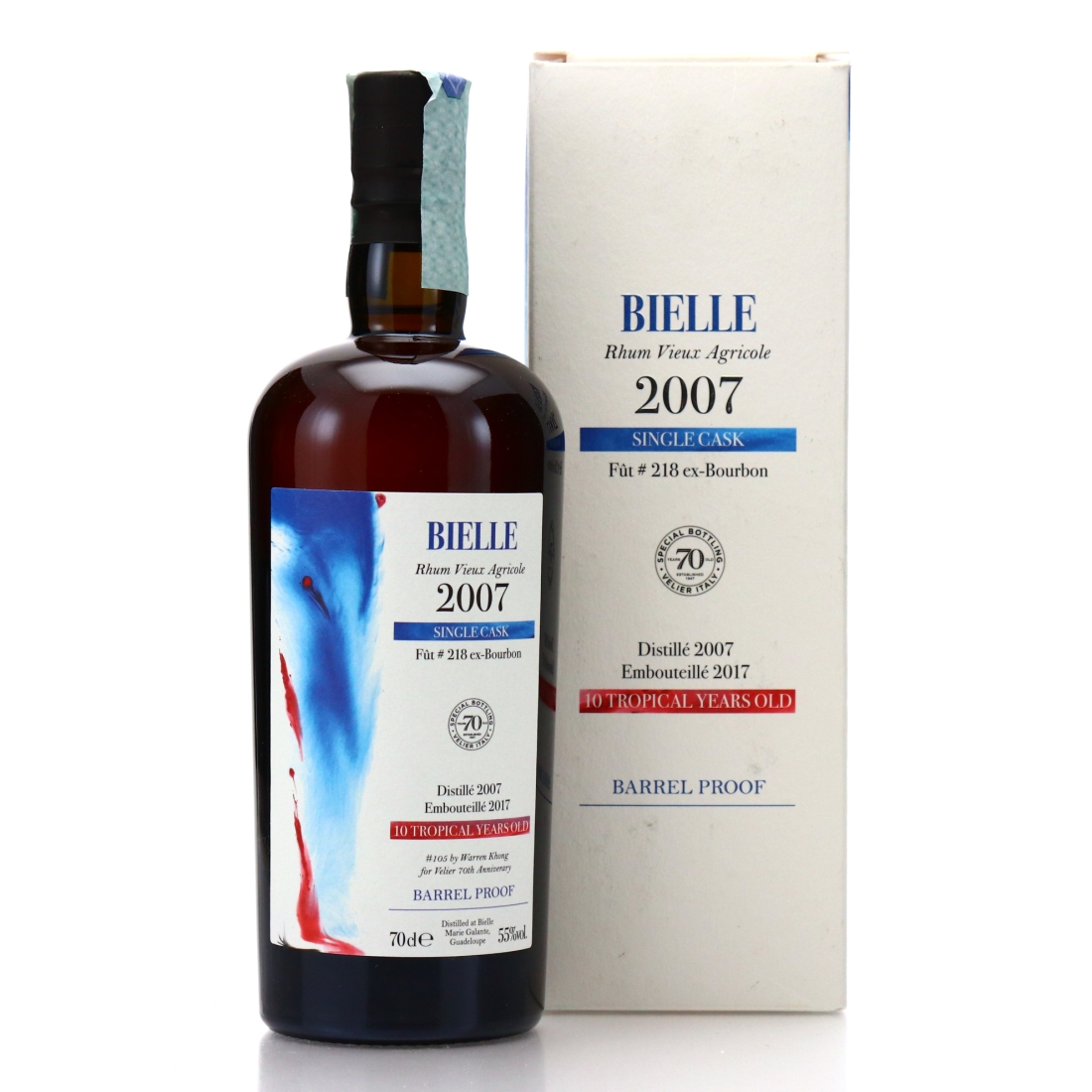

 rowspirits.frrowspirits.fr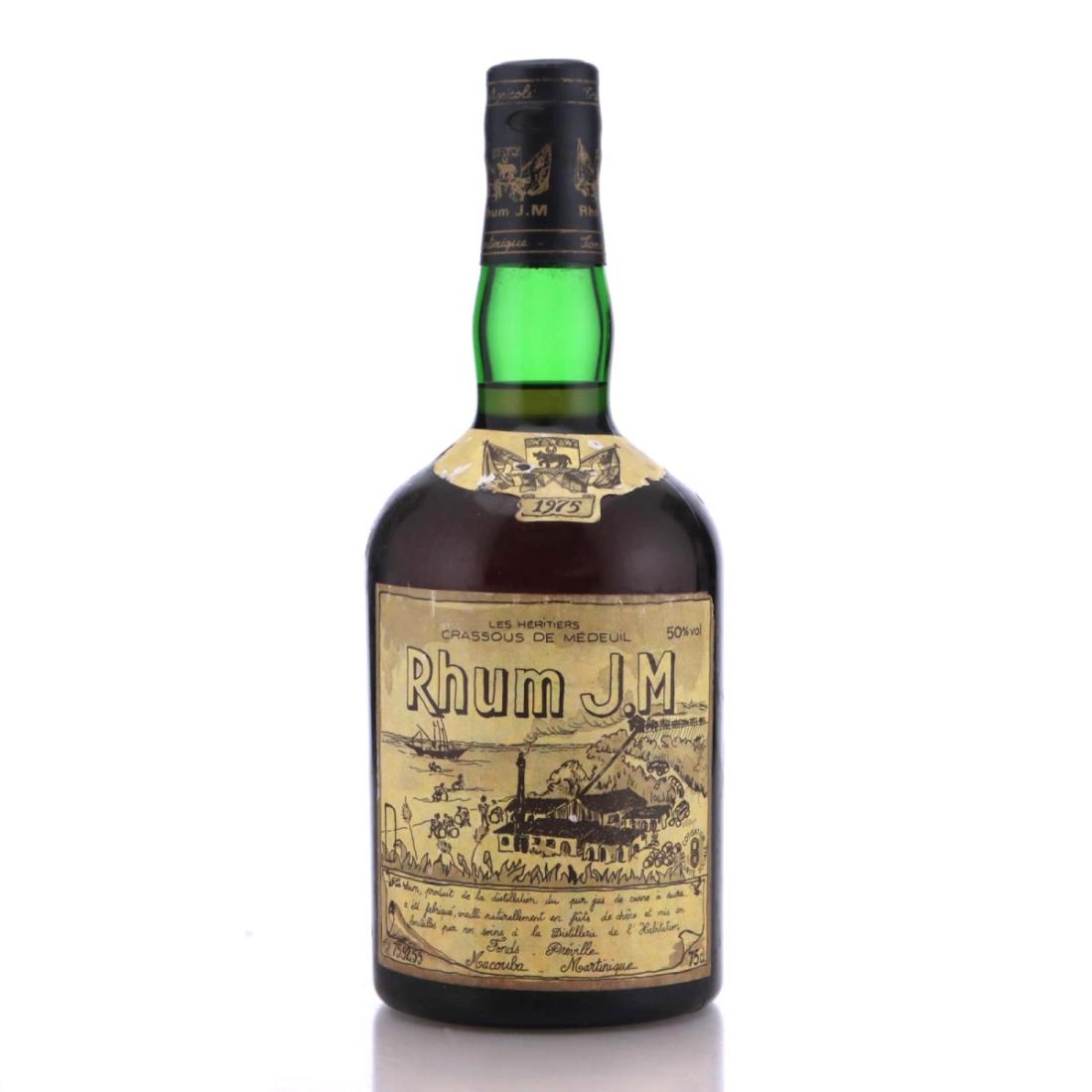
 88bamboo.co88bamboo.co
+Field notes
- —The Harewood 1780 was discovered in 2011 in a forgotten corner of Harewood House's cellar; cellar records and bottle analysis confirmed it was distilled in Barbados in 1780, making it the world's oldest known rum.
- —At Christie's auctions in 2013 and 2014, the Harewood rum was sorted into 'light' and 'dark' lots, blended, and re-bottled into the original 18th-century mould-blown bottles; each bottle sold for £4,000–£8,000.
- —The Saint James 1885 was made using a pre-Pasteur method: cane juice was gently heated without boiling to eliminate germs, then fermented in the open air in wooden vats with natural yeast—a process documented by Marc Sassier, the distillery's historian.
- —J. Bally's 1929 vintage was distilled from pure cane juice (rhum agricole) and aged entirely in the tropics; its exact age is unknown, but by comparison, the 1975 vintage was bottled at 16 years, so the 1929 likely exceeds that.
- —J. Bally is known for its distinctive pyramid-shaped and stumpy conical-topped bottles, which were discontinued after the distillery closed in 1974; production later moved to Saint James distillery in 1997 under La Martiniquaise ownership.
- —The Harewood rum's history is inseparable from the transatlantic slave trade: Henry Lascelles, who built the family fortune, controlled every aspect of the sugar trade in Barbados, owning slaving ships and plantations, including the ones that would later become Mount Gay.
Learn
Where Serious Rum Collectors Track Releases and Provenance
For serious rum collectors, tracking releases and provenance is a matter of using specialized digital tools combined with old-fashioned archival diligence. Spirit Radar, which has indexed over 55,000 bottles since 2011, scrapes nearly a million daily offers from online stores and auction sites, providing real-time market values and email alerts when a desired bottle appears — making it the closest thing to a stock ticker for rum. Meanwhile, RumX has built a community of over 50,000 registered users who log their collections and tasting notes, with a total tracked collection value exceeding €50 million, and its marketplace offers direct buying and selling. For auction history, platforms like WhiskyHunter maintain databases of past Rum Auctioneer results, though full access requires a login. Provenance verification, especially for Cuban rums, relies on physical details like lead-foil capsules and tax strips, while documented chain-of-custody records — like the Harewood House cellar book entry from 1805 that traces a bottle of 1780 Barbadian cane spirit — remain the gold standard for establishing authenticity and value.

 spirits-treasure.comspirits-treasure.com
 rumporter.comrumporter.com
 whiskyhunter.netwhiskyhunter.net
 cubanrumauthority.comcubanrumauthority.com
+Field notes
- —Spirit Radar monitors roughly one million offers daily from online stores and auctions, sending email alerts within minutes when a tracked bottle appears, and its database of over 55,000 bottles includes market-value history going back to 2011.
- —RumX has over 50,000 registered users who collectively track more than 400,000 bottles, with a total collection value estimated at over €50 million, and its integrated marketplace allows direct purchases and sales alongside community-driven valuation.
- —WhiskyHunter provides a searchable database of past Rum Auctioneer results, including hammer and buyer prices for lots like Foursquare 2004 Bourbon Cask 11 Year Old and Caroni 1982 Velier 24 Year Old, though full data is restricted to registered users.
- —For pre-embargo Cuban bottles, provenance is verified by examining label typography, lead-foil capsules, glass embossing, and tax strips — details documented in auction house condition reports from Christie's and Sotheby's spirits departments.
- —The Harewood Rum 'Dark' 1780, sold at Christie's, owes its authenticated provenance to a 1805 cellar book entry at Harewood House that recorded '226 bottles, dark and light 1780' from the Lascelles family's Barbadian estates, linking it to Mount Gay's predecessor.
Discover
Video Tastings and Bottle Deep-Dives on Rare Rum
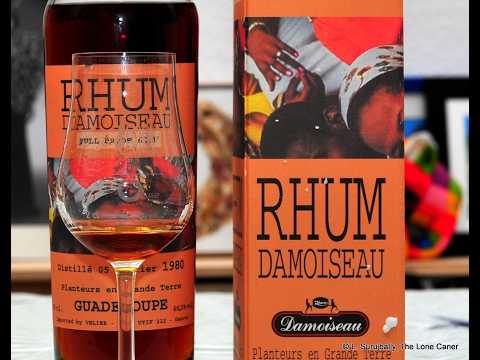

The video-tasting corner of the vintage rum world is where you get the real story—not just scores but the tactile experience of opening bottles that have sat for decades, often revealing flavors that modern regulations forbid. The Lone Caner’s deep-dive into the Velier Damoiseau 1980 shows a 2002 release that blended agricole and molasses distillates, a profile almost impossible to replicate today, while The Rum Revival’s session on 1970s Jamaican rums proves that vintage bottles like Myers’s and Appleton Dark Deluxe can still make a killer Planters Punch if you know how to handle their concentrated character. These aren’t museum pieces; they’re living records of distilling choices long abandoned.
+Field notes
- —The Velier Damoiseau 1980 (released 2002) is a blend of both agricole and molasses-based distillates from Guadeloupe, a hybrid style that gives a unique glimpse into rum production from half a century ago—something modern labeling rules in many regions wouldn't allow.
- —The Lone Caner considers this Damoiseau 1980 the 'opening act of the Age of Velier,' meaning it marked the moment Velier began redefining how rare, full-proof rums were presented to enthusiasts, long before the company became a household name among geeks.
- —The Rum Revival's tasting of 1970s Jamaican rums shows that vintage Myers's and Appleton Dark Deluxe were noticeably darker and funkier than modern equivalents, with the Appleton still carrying serious pot-still esters even in its blended form.
- —When tasting these half-century-old Jamaican rums, the host and guest (Derek from Make and Drink) found they worked exceptionally well in a Planters Punch, because the aged intensity cut through the sugar and citrus without needing to adjust the recipe dramatically.
- —Both videos emphasize that vintage bottles are not just for sipping; they offer historical distilling profiles (like the Damoiseau's agricole-molasses blend or the high-ester Jamaican style) that simply don't exist in current production, making them irreplaceable reference points.
Discover
Catalogs, Guides, and Retail Archives Worth Reading Closely

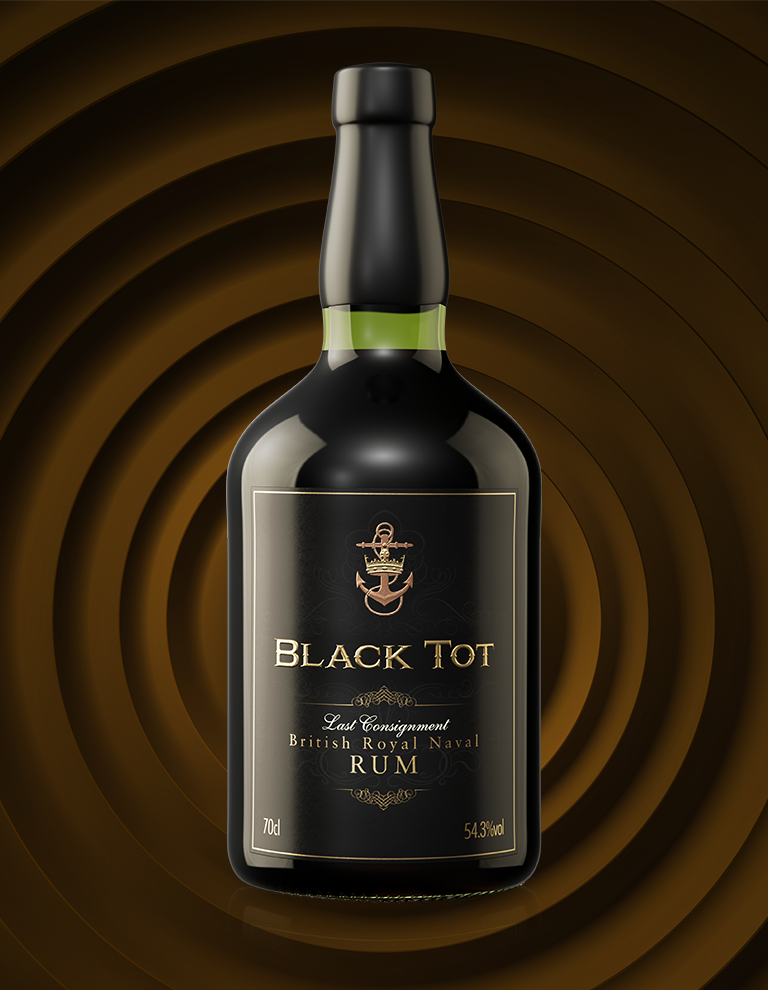


The most rewarding way to understand vintage rum is not through modern marketing materials but through the meticulous primary documents left behind by the institutions that produced, stored, and sold it. The Harewood House cellar books, for example, record a specific entry from July 1805 listing "226 bottles, dark and light 1780" stored in two separate bins, bin 9 for the dark and bin 12 for the light — a level of granular detail that allows us to pinpoint exactly when and where a legendary rum was laid down. Similarly, the British Royal Navy's Admiralty ledgers, which tracked the blending and issuance of rum aboard ships, are the only reason we know that the blend in Black Tot Last Consignment was drawn from rums distilled in the 1940s across Barbados, Jamaica, Guyana, and Trinidad, and that it was kept at the original Navy issuing strength of 54.3% ABV (95° proof) for over four decades. Christie's auction catalogues and specialist retail archives like Robs Rum Guide and Excellence Rhum preserve not just prices but the exact provenance, lot numbers, and bottling dates that collectors use to verify authenticity. For the serious student, these catalogs and cellar records are not secondary sources — they are the key evidence, as crucial as a map to a treasure hunter, revealing the true story of rums that have otherwise vanished from living memory.
+Field notes
- —The Harewood House cellar books contain a specific July 1805 entry recording "226 bottles, dark and light 1780" stored in two distinct bins — bin 9 for dark rum, bin 12 for light — offering exact provenance for one of the world's oldest known rum collections.
- —Black Tot Last Consignment was bottled from antique stone flagons that held the last stocks of Royal Navy Rum, untouched for over forty years after Black Tot Day (31 July 1970), and it survived at exactly 54.3% ABV — the original Navy issuing strength.
- —The blend in Black Tot Last Consignment was distilled in the 1940s from rums sourced across four British colonies: Barbados, Jamaica, Guyana, and Trinidad, and the blending recipe had continually evolved for over 100 years, drawing from distilleries long since lost.
- —The Lascelles family's Caribbean property in 1780 was concentrated in Barbados, including estates that later became part of Mount Gay, making it highly likely — based on cellar records — that the Harewood Rum originated from those same Barbadian sugar plantations.
- —Rob's Rum Guide and Excellence Rhum function as living catalogs with thousands of entries — Excellence Rhum alone lists over 1,400 vintage rums in stock — that preserve exact distillery names, ABV, bottling years, and region codes, serving as the de facto reference for collectors verifying provenance.
Keep exploring
More of Vintage Rum
More to explore
In the same world.
Springbank Whisky
Springbank is a Campbeltown single malt distilled since 1828, with a reputation strong enough that the distillery calls…
Château Latour 1923
This query points to a very old bottle of Château Latour from the 1923 vintage: a red Pauillac classified as 1er Grand C…
Hibiki Whisky
Hibiki is Suntory’s premium blended Japanese whisky line, presented as a celebration of harmony and the art of blending…

Japanese Whisky Under $200
Shopping Japanese whisky below $200 means navigating two different pleasures at once: the appeal of Japanese craftsmansh…

Vintage Rolex Watches
Vintage Rolex collecting revolves around older references whose value is tied not just to the model name, but to origina…

Suntory Torys Classic PET
This is Suntory’s Torys Classic whisky in the large PET-bottle format, a practical packaging style tied to everyday Japa…
Vintage Watch Hunting
Vintage watch hunting is the search itself as much as the object: scanning eBay, dealer aggregators, flea markets, resal…

Record Watches
Record was a Swiss watch company founded in Tramelan in the early 20th century, first created around the patented Sector…
More in Whisky & Wine
Stay in this world.
Springbank Whisky
Château Latour 1923
Japanese Whisky Under $200
Suntory Torys Classic PET
Hibiki Whisky

Barolo Wine

Glassware
Know someone who’d love this?
Discovered by ArcurianAuto-generated from public sources and AI synthesis — it may be incomplete or inaccurate. Treat it as a starting point for your own exploration, not professional (medical, legal, financial, or safety) advice. Verify anything you act on. Report this page.