Record was a Swiss watch company founded in Tramelan in the early 20th century, first created around the patented Sector watch and later expanded into a broad maker of wristwatches, pocket watches, and movements before being acquired by Longines in 1962. Enthusiasts remember it less as a forgotten label than as a source of distinctive vintage pieces: the military W.W.W. watches, the Datofix calendar models, and the unusual Sector pocket watch that started the whole story. The brand also survives today as a Longines line name, which can confuse newcomers unless they separate modern Longines Record models from the original Record Watch Co. If you like vintage watches where collector interest comes from overlooked history rather than hype, Record is exactly that kind of hunt.
Learn
What Record Actually Refers To
Record isn't just a forgotten Swiss brand — it's the name that began with a single, wildly ambitious design: the Sector watch, a triangular pocket watch with a retrograde display that jumped back to zero like a speedometer. Patented by an Italian watchmaker named Giovanni Sgherlino in 1903 and backed by a consortium of Tramelan businessmen, this watch was so difficult to manufacture that only a few thousand were ever made. That obsessive, high-risk engineering spirit defined Record thereafter. The company merged into Record-Dreadnought Watch Co. in 1916, cranked out in-house movements for brands like Ball and Trenton, and eventually became one of the dozen contractors for the British military's iconic 'Dirty Dozen' W.W.W. watches during WWII. After the war, Record produced complications that rivaled Patek Philippe — including the reference 6036 split-seconds chronograph with date and moon phase, which continues to command tens of thousands of euros at auction. Acquired by Longines in 1961, Record was quietly closed in 1991. So when you see 'Record' on a dial, you're looking at a manufacture that punched far above its weight, from a triangular retrograde oddity to some of the most complicated wristwatches of the mid-20th century.

 time2tell.comtime2tell.com
 woundforlife.comwoundforlife.com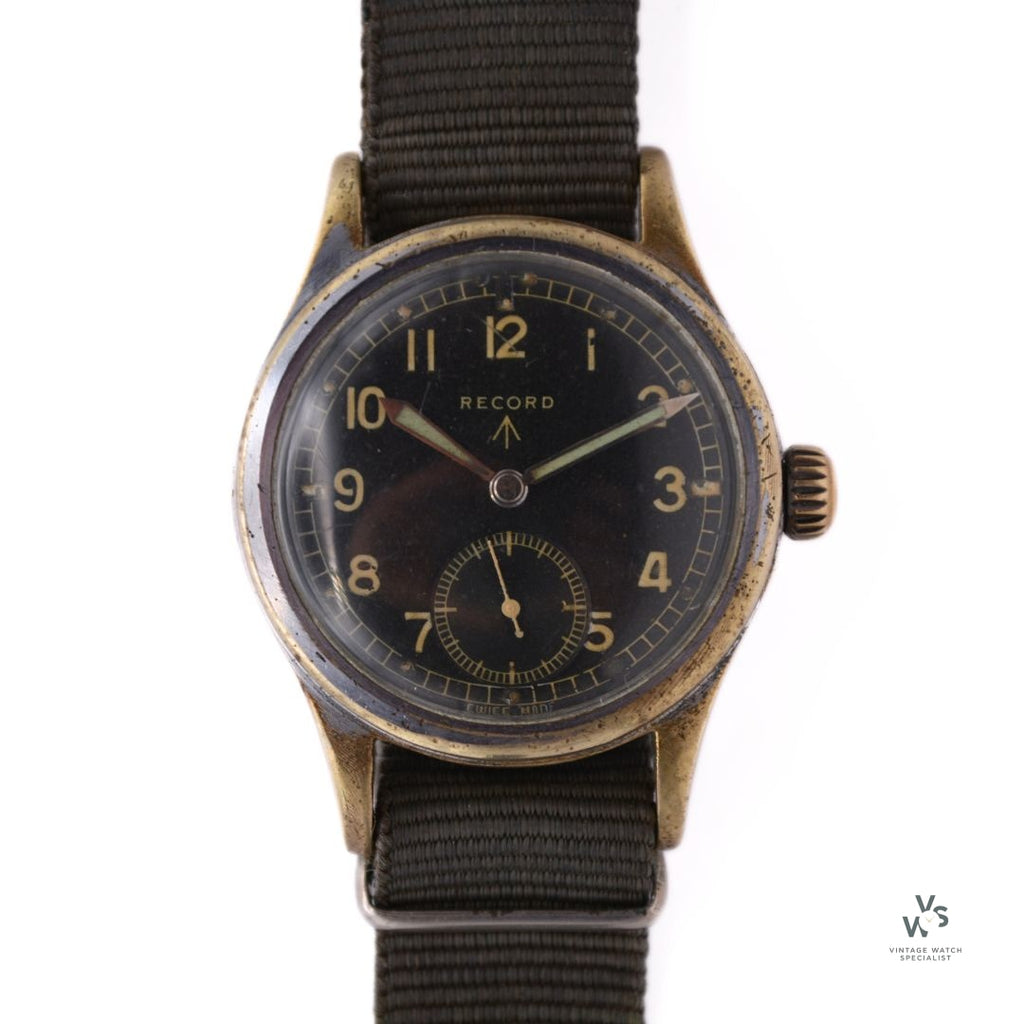
 coronet.orgcoronet.org
+Field notes
- —Record wasn't named after a chronograph record or a music record — the company was founded in 1903 specifically to produce the 'Sector' watch, a triangular pocket watch with a retrograde hand that swept a 120-degree arc and then snapped back to zero, based on Swiss patent No. 27,961 by Italian Giovanni Sgherlino.
- —The Sector watch's fan-shaped movement ran only 34 x 48.5 mm, used a cut bimetallic compensation balance with a blued steel Breguet hairspring, and was cased by Holy Frères with elaborate Niello decoration — a tiny, obsessive masterpiece that set the tone for Record's entire approach to watchmaking.
- —Record-Dreadnought Watch Co. was formed in 1916 through a merger, moving its headquarters from Tramelan to Geneva in 1924, and used multiple dial signatures (like 'Trenton') while supplying movements to other brands — a factory-within-a-factory model long before it was common.
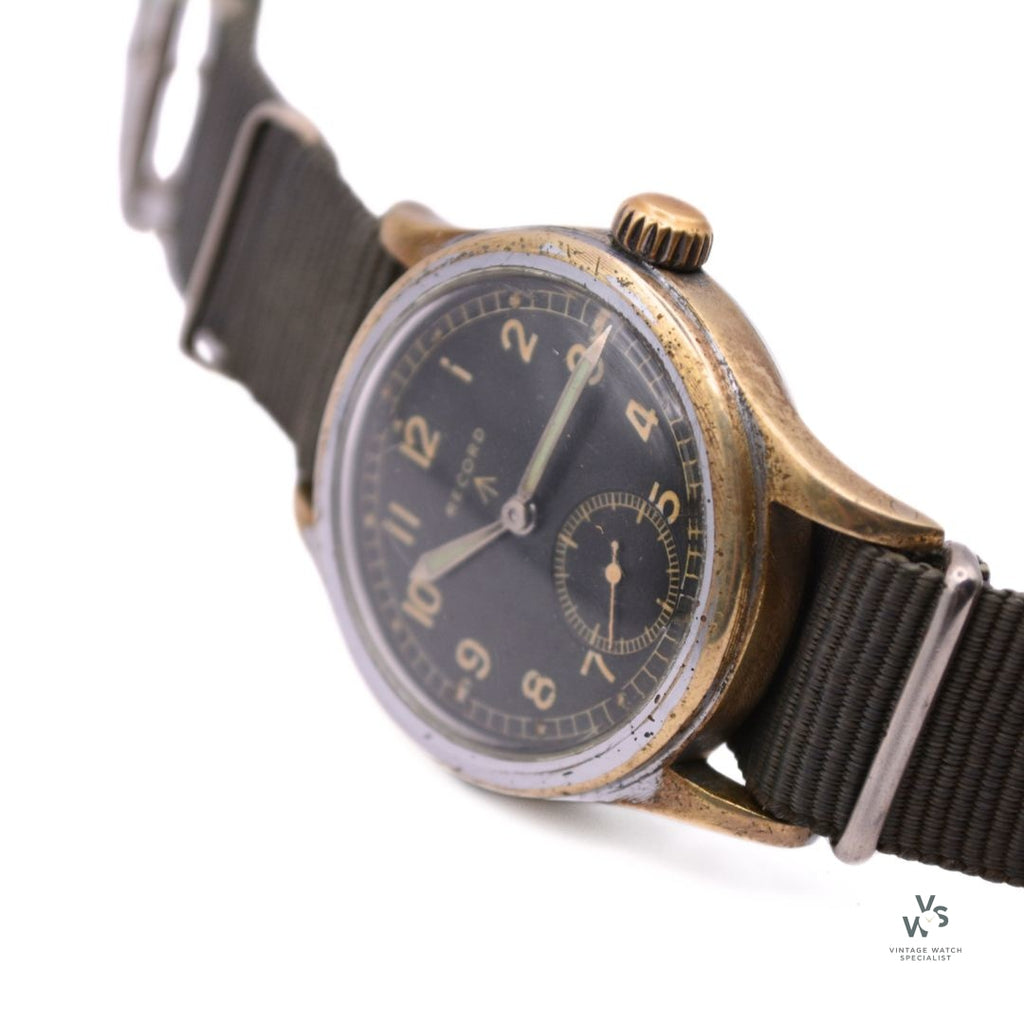
- —Record was one of only 12 Swiss manufacturers selected to produce the British MoD's 'Dirty Dozen' W.W.W. (Watch, Wristlet, Waterproof) watches in 1945, using the in-house caliber 022-18 — a robust, time-only movement that remains highly collectible and can still be found for a couple hundred dollars on eBay.
- —In the 1940s-50s, Record produced a split-seconds chronograph with instantaneous 30-minute and 12-hour counters, date, and moon phase (ref. 6036) based on a Vénus 185 ebauche — a complication level that placed it in the same league as Patek Philippe and Vacheron Constantin, with a recent auction result of €28,600.
- —Record pocket watches (caliber 435B) became the first Swiss movements to achieve wide acceptance on US railroads in 1960 — a milestone that required extreme precision and shock protection (Incabloc) that even Ball Watch Co. adopted exclusively from Record.
Learn
From the Sector Watch to the Longines Era
Record Watch began as an improbable venture in 1903 when two wine and spirits merchants from Tramelan, Dominique Ricono and Fritz Schwarz, bought the patent for the bizarre 'Sector watch'—a triangular pocket watch whose retrograde hands swept a 120-degree arc before snapping back, like a speedometer. Manufacturing proved so delicate that only a few thousand were ever made, forcing the company to pivot to high-quality conventional watches under names like Bolide and Aramis. By 1915, Record had merged with English distributors to form Record-Dreadnought Watch Co., opening a London sales office and later moving its headquarters to Geneva. The brand hit its stride in the 1930s with in-house chronographs that could stand next to Patek Philippe, and in 1945 it was one of the twelve 'Dirty Dozen' manufacturers supplying the British Ministry of Defence's W.W.W. specification—a rugged, waterproof wristwatch. Record then produced one of the first Swiss pocket watches approved for U.S. railroads in 1960, and the following year Longines acquired a controlling interest. Record continued as a sub-brand through the quartz crisis, finally closing in 1991; today its watches are rediscovered by collectors who prize the Datofix moonphase and the wartime W.W.W. calibers.


 1stdibs.com1stdibs.com
+Field notes
- —The Sector watch used a triangular case and retrograde display based on Swiss patent no. 27,961 filed by Italian Giovanni Sgherlino in 1903; the business was literally built around that one weird patent.
- —Record’s 1915 merger into Record-Dreadnought united Swiss manufacturing (Z. Perrenoud and Record) with English commercial reach (Châtelain Léal & Co) under a 1,500,000-franc share capital—a rare Swiss-English wartime collaboration.
- —Record’s W.W.W. ‘Dirty Dozen’ military watch used the in-house caliber 022-18, a manual-wind movement that could be found with Incabloc shock protection—unusual for a 1945-issue military piece.
- —In the 1930s Record produced chronographs with in-house movements that collectors today regard as equal to Patek Philippe and Vacheron Constantin—a level of quality that made Longines’ 1962 acquisition a serious prize.
- —Before being absorbed by Longines, Record became the first Swiss manufacturer to earn U.S. railroad approval for a pocket watch (calibre 435B) in 1960, and supplied Ball Watch Co. with the only Incabloc-protected service pocket watch in the U.S.
Learn
The Record Terms and Models Collectors Track
Record Watch Co. is a Geneva-based manufacturer that punches well above its weight among collectors, largely because of two distinct chapters: its rare mid-century Datofix triple-calendar moonphase watches and its role in the British military's Dirty Dozen. The Datofix, launched in 1949, is one of only eight in-house triple-calendar movements from the era (alongside Audemars Piguet, Vacheron Constantin, Omega, and Jaeger-LeCoultre), and uniquely places the moonphase at 12 o'clock instead of the usual 6. Record also supplied roughly 25,000 W.W.W. watches to the British MOD in 1945, making its Dirty Dozen model among the most common—but most have chrome-plated cases that wear heavily, creating a sharp collector hierarchy based on remaining plating and dial originality. A particularly coveted subvariant was exported to the Middle East with Arabic script and Hindu-Arabic numerals, driven by the in-house Cal. 107 movement. Longines acquired a majority stake in Record in 1961, cementing the brand's reputation for quality before it faded from the mainstream.


+Field notes
- —Record was one of only eight independent watch manufacturers listed in B. Humbert's 1954 reference 'Modern Calendar Watches' as producing their own in-house triple-calendar and moonphase caliber, alongside Audemars Piguet, Vacheron Constantin, Omega, and Jaeger-LeCoultre.
- —The Record Datofix, introduced in 1949, places its moonphase indicator at 12 o'clock on the dial—a highly unusual position compared to the traditional 6 o'clock location used by most other manufacturers.
- —Record produced an estimated 25,000 Dirty Dozen W.W.W. watches for the British Ministry of Defence in 1945, tying with Omega for the highest production volume among the twelve makers, but nearly all feature chrome-plated cases that show significant wear over time.
- —A rare variant of the Datofix was made for the Middle Eastern market in the early 1950s, with the dial signed in Arabic, Hindu-Arabic numerals for hours and date, and day/month in Arabic script, powered by Record's in-house Cal. 107 movement.
- —Record exhibited its calendar watches with moonphase at the Basel Watch Fair in both 1949 and 1950, and the company was later acquired by Longines in 1961, a testament to the regard the industry held for its in-house movements.
Explore
Where Record Shows Up on the Secondary Market
Secondary market listings for record watches are surprisingly diverse, spanning from iconic chronographs like the Zenith El Primero Chrono Flyback Stratos (ref. 24.2061.4057/67.C707) to offbeat German independents such as the Martin Braun Chrono 24, which appears on Poshmark with a dropped price and a plea for a new strap. The platforms themselves vary wildly: Vestiaire Collective hosts high-end professional sellers (e.g., Chronext) with authentication and negotiable pricing, while Grailed carries utilitarian pieces like the Victorinox Swiss Army Alpnach Automatic Chronograph (ref. 241527) sold as a full set without box or papers. Even non-watch items surface—Rolex's 2018-2019 hardcover dealer catalog (featuring the Daytona collection) pops up on Poshmark for $29, proving that the secondary market for record watches isn't limited to timepieces alone. Japanese proxy services like Buyee also channel rare Rolex references, such as a ladies' Date 6917 with a black diamond dial, serviced and refinished, showing how geographic boundaries dissolve in this market.

 us.vestiairecollective.comus.vestiairecollective.com
 poshmark.composhmark.com

+Field notes
- —Zenith's El Primero Chrono Flyback Stratos (ref. 24.2061.4057/67.C707) from 2016—a 46mm automatic with rubber-textile strap—appears on Vestiaire Collective via professional seller Chronext, listing for $8,076 after a price drop from $9,932, complete with physical authentication.
- —The Martin Braun Chrono 24, a hard-to-find German-made watch with a multi-jeweled case back, is listed on Poshmark at a 20% discount ($1,280 down from $2,200) with free authentication but notes it needs a new wristband—typical of peer-to-peer listings where condition is hit-or-miss.
- —Grailed hosts specific military-inspired models like the Victorinox Swiss Army Alpnach Automatic Chronograph (ref. 241527), originally retailing at $2,295, sold for $1,195 as a full set including both an OEM leather nylon strap and a PVD stainless steel bracelet—though without original box or papers.
- —Non-watch record-related collectibles also trade: a Rolex hardcover dealer catalog covering 2018-2019 models (with detailed Daytona info) is offered new-with-tags on Poshmark for $29, reflecting how print ephemera circulates alongside actual watches.
- —Japanese proxy services like Buyee channel rare vintage Rolex references from Yahoo Auctions, such as a ladies' Date 6917 with a black natural diamond dial—already overhauled and refinished into 'extremely beautiful' condition, complete with a one-year warranty, bypassing typical regional market limits.
Keep exploring
More of Record Watches


Branch out
Beyond Record Watches
More to explore
In the same world.

Vintage Rolex Watches
Vintage Rolex collecting revolves around older references whose value is tied not just to the model name, but to origina…

Military Watches
Military watches sit at the intersection of real field use, instrument design, and modern tool-watch collecting: brands…
Vintage Watch Hunting
Vintage watch hunting is the search itself as much as the object: scanning eBay, dealer aggregators, flea markets, resal…
Luxury Watches That Hold Value
In the watch world, “holding value” usually means a luxury piece that stays resilient on the secondary market rather tha…
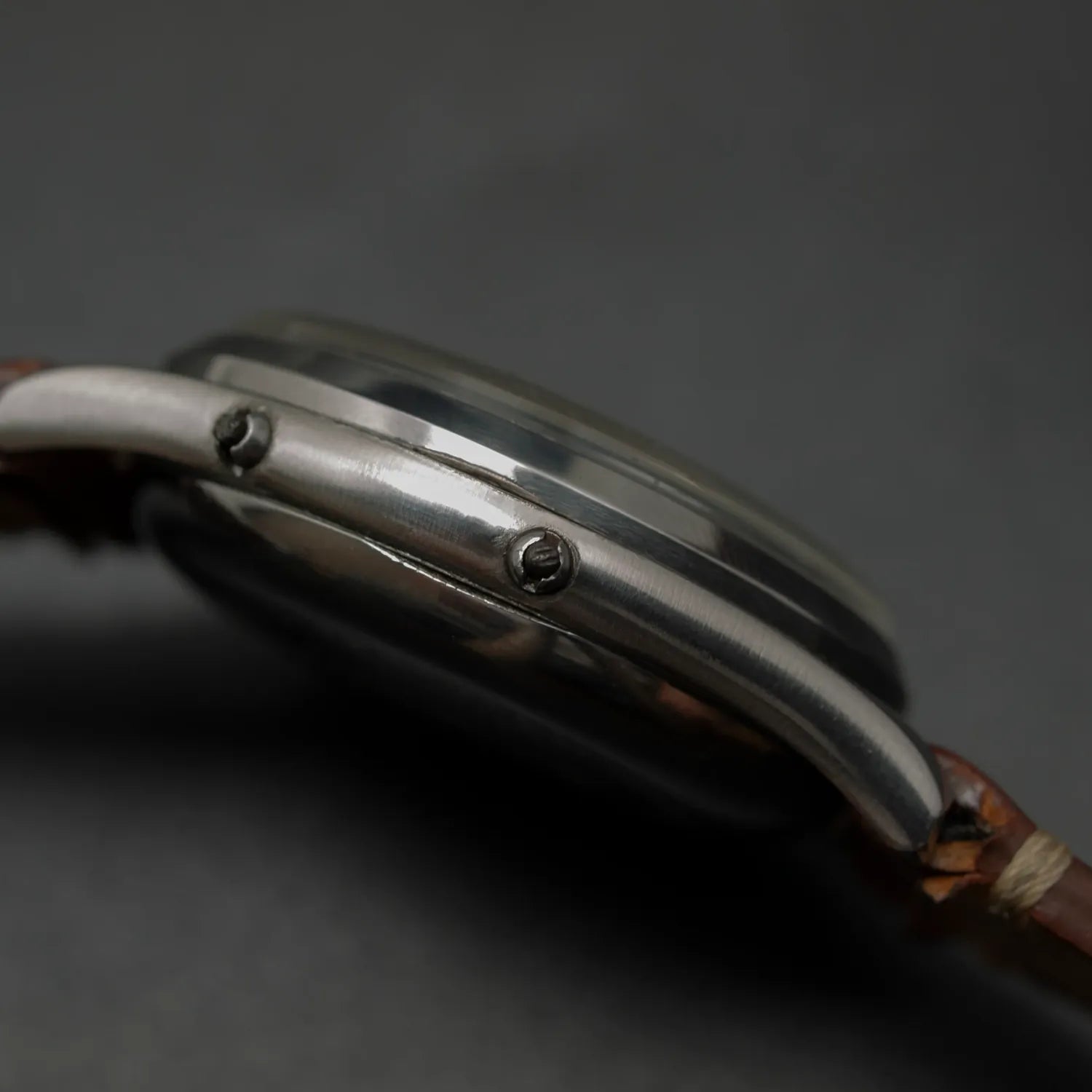
Mechanical Watches
Mechanical watches run on a clockwork movement powered by a mainspring, with energy delivered through gears to a balance…

Audemars Piguet
Audemars Piguet is a Swiss luxury watchmaker rooted in Le Brassus in the Vallée de Joux, where the brand says its craft…
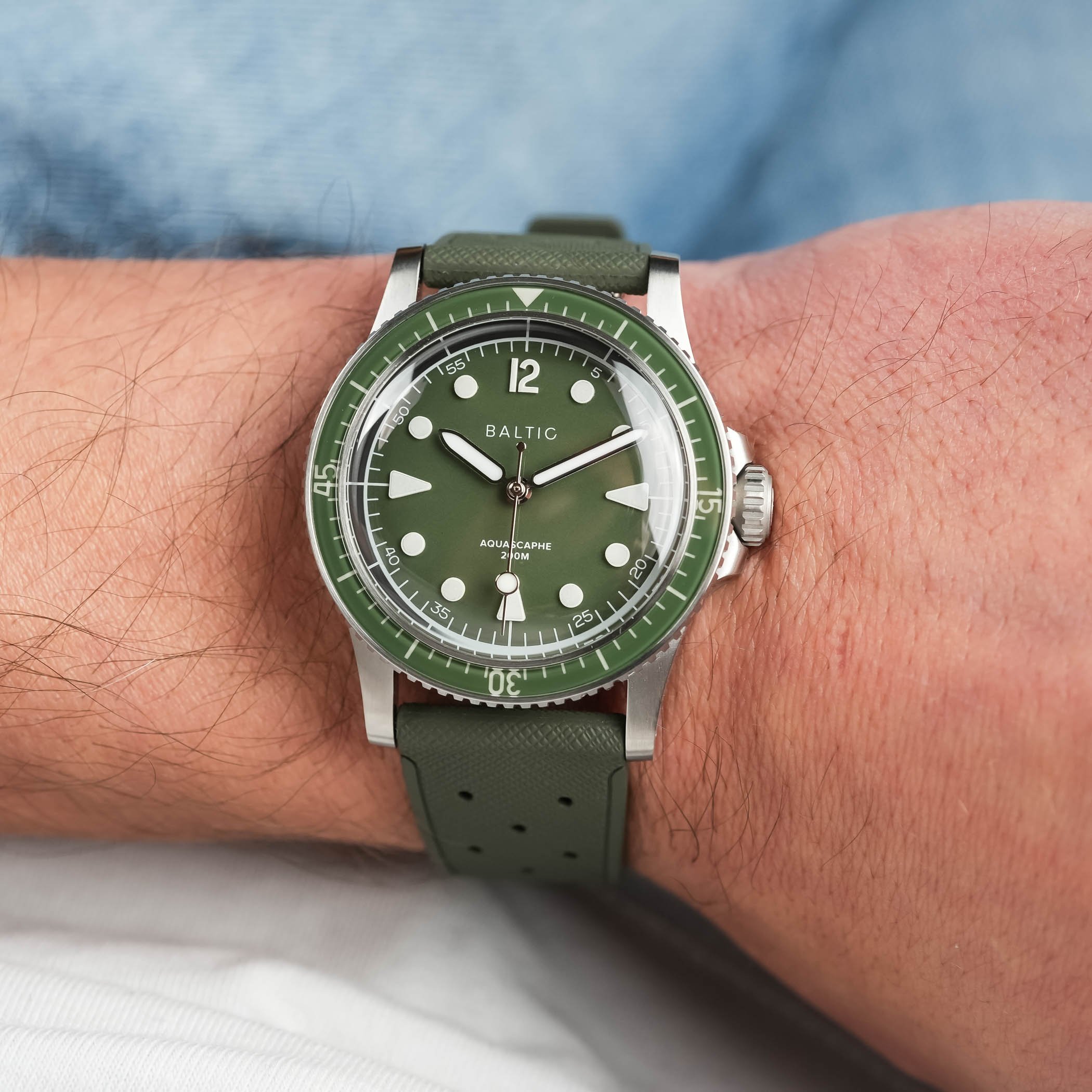
Affordable Microbrand Watches
Affordable microbrand watches are independently made watches sold outside the traditional luxury-brand system, with enth…

Vintage Omega Speedmaster
Vintage Omega Speedmasters sit at the intersection of tool-watch history, lunar mythology, and exacting collector schola…
More in Watches & Horology
Stay in this world.
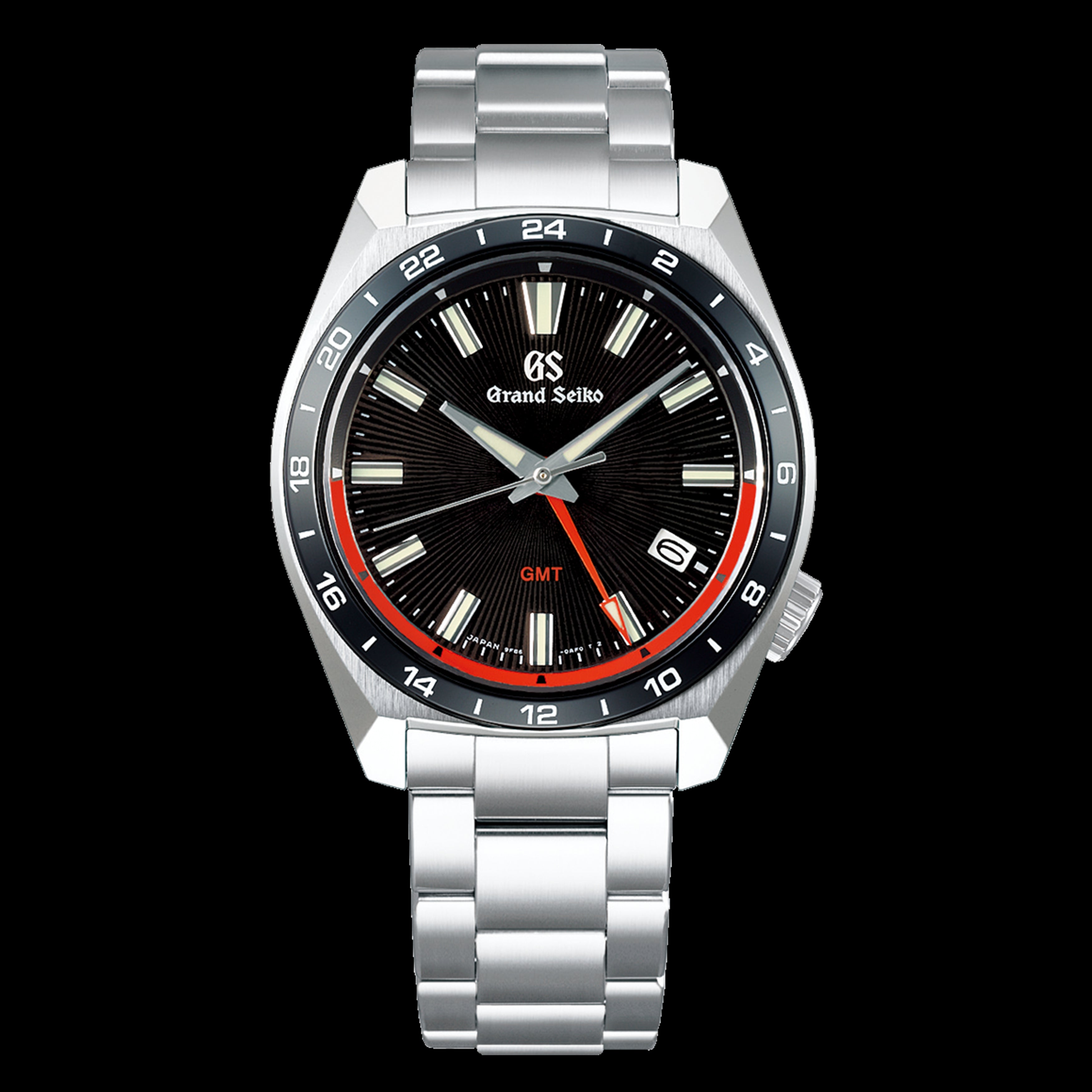
Grand Seiko SBGN001 9F GMT

Rolex Deepsea
Vintage Watch Hunting

Rolex Deepsea
Luxury Watches That Hold Value
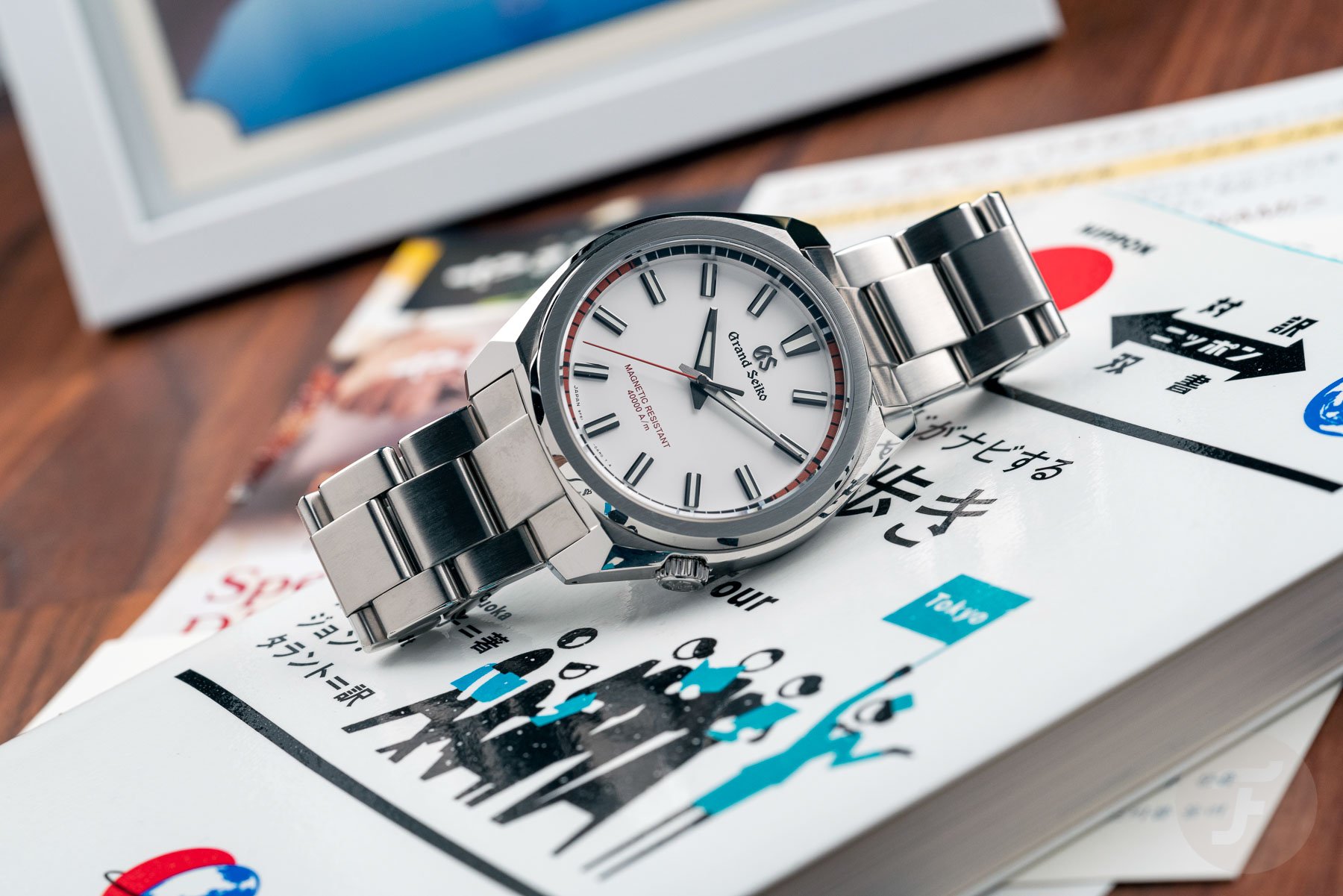
Best Luxury Quartz Watches
Skeletonized Haute Horlogerie
Best First Luxury Watch
Imagery
Know someone who’d love this?
Discovered by ArcurianAuto-generated from public sources and AI synthesis — it may be incomplete or inaccurate. Treat it as a starting point for your own exploration, not professional (medical, legal, financial, or safety) advice. Verify anything you act on. Report this page.