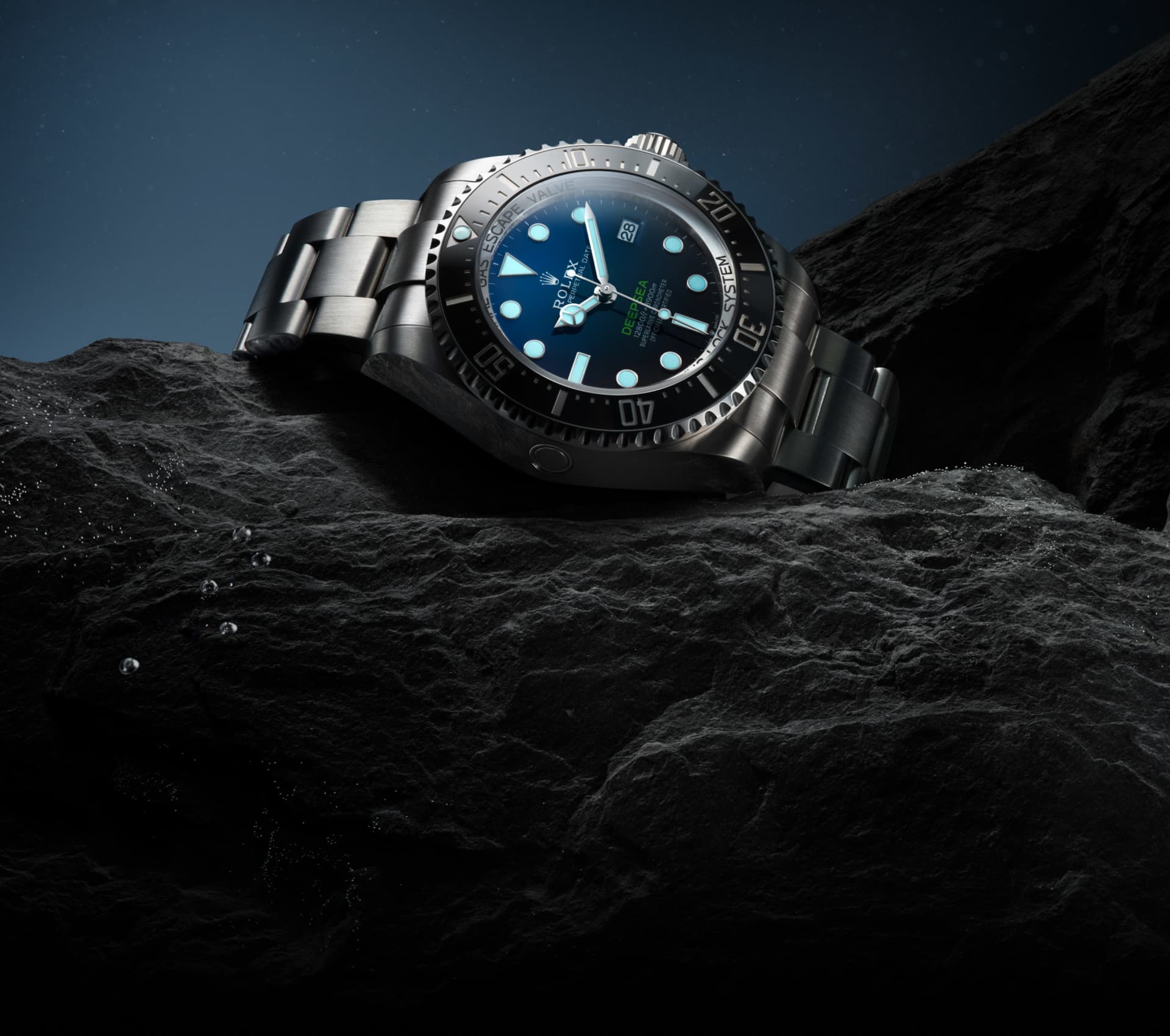
The Rolex Deepsea is Rolex’s 44 mm extreme-depth dive watch, built around the brand’s Ringlock system and rated to 3,900 metres, a specification Rolex frames as part of its long-running link to deep-sea exploration. It sits in a very specific corner of the Rolex world: a helium escape valve for saturation diving, a thick Oyster case in Oystersteel, and collector attention split between the standard black-dial model and the D-blue dial that Rolex says honors James Cameron’s historic solo dive. Recent official additions, including the 2024 yellow-gold Deepsea and the separate Deepsea Challenge in RLX titanium, make the line feel less like just a giant diver and more like Rolex’s laboratory for brute-force engineering. If you want the point where tool-watch mythology, modern Rolex hype, and genuinely overbuilt dive-watch design collide, this is it.
Learn
What the Deepsea Actually Is
The Rolex Deepsea is not merely a dive watch; it is a piece of extreme engineering that exists to survive environments no human can physically endure. Rated to a staggering 3,900 meters (12,800 feet), it achieves this through Rolex's patented Ringlock System—a three-part case architecture combining a 5.5mm-thick domed sapphire crystal, a compression ring made from nitrogen-alloyed steel (or blue ceramic on the gold version), and an RLX titanium caseback held in place by a screw-down ring. While it shares DNA with the Sea-Dweller, Rolex officially separated the Deepsea into its own collection in 2024, dropping the “Sea-Dweller” text from the dial and introducing the first precious-metal model in 18k yellow gold. The Deepsea is built for a vanishingly small audience of saturation divers who might actually use its helium escape valve, but its real purpose is to demonstrate what happens when Rolex engineers are told to stop worrying about practicality and just build the toughest thing possible.

 rolex.comrolex.com
 watchguys.comwatchguys.com

 atlaswatcheslondon.comatlaswatcheslondon.com
+Field notes
- —The Deepsea's 3,900m water resistance is made possible by the Ringlock System, a three-part architecture consisting of a 5.5mm-thick domed sapphire crystal, a compression ring (nitrogen-alloyed steel on steel models, blue ceramic on the gold model), and an RLX titanium caseback held by a screw-down ring. The compression ring alone bears the full force of the water pressure.
- —The helium escape valve, patented by Rolex in 1967, is unidirectional and automatically activates when internal case pressure exceeds external pressure, releasing helium atoms that infiltrate the case during saturation diving. Without it, the crystal could separate from the case during decompression.
- —The James Cameron 'D-Blue' dial uses a gradient that fades from deep blue at the top to pitch black at the bottom, mirroring Cameron's descent into the Mariana Trench. The green 'DEEPSEA' lettering on the dial is a deliberate match to the color of his submersible.
- —In 2024, Rolex removed the words 'Sea-Dweller' from the Deepsea dial, officially establishing it as its own distinct collection. That same year, they introduced the first precious-metal Deepsea: an 18k yellow gold model (ref. 136668LB) with a blue dial and blue ceramic bezel.
- —The current 136660 generation (2022) made two notable concessions to daily wear: the Fliplock diver's extension was removed from the clasp to make it slimmer, and the date window was enlarged by approximately 8% for better legibility.
- —The Deepsea Challenge (ref. 126067) is a 50mm titanium watch rated to 11,000 meters (36,090 feet), making it the deepest-rated production watch in the world—far beyond even the standard Deepsea's already extreme 3,900m rating.
Learn
From 2008 Deepsea to Today’s Lineup
The Rolex Deepsea has evolved from its 2008 debut into a distinct collection defined by incremental but meaningful refinements across three main references: the original 116660 (2008–2018), the upgraded 126660 (2018–2022), and the current 136660 (2022–present). Each generation retains the core engineering marvel—the Ringlock System with a 5.5mm thick sapphire crystal, a nitrogen-alloyed steel compression ring, and an RLX titanium caseback—enabling a depth rating of 3,900 meters (12,800 feet) tested to 125% of that depth per ISO 6425. Yet the details that separate them matter deeply to collectors: the 116660 introduced the iconic D-Blue gradient dial in 2014; the 126660 swapped the Caliber 3135 for the superior Caliber 3235 with 70-hour power reserve and Chronergy escapement, plus slimmer lugs; the 136660 controversially removed the flip-lock extension from the clasp while making the bezel cleaner and noticeably lighter on wrist thanks to the titanium caseback. In 2024, Rolex dropped the word "Sea-Dweller" from the Deepsea dial entirely, making it a standalone collection, and added an 18 kt yellow gold model (ref. 136668LB). For those who want Rolex's most extreme tool watch, the Deepsea is an exercise in over-engineering that no Submariner or standard Sea-Dweller can match.


 newsroom.rolex.comnewsroom.rolex.com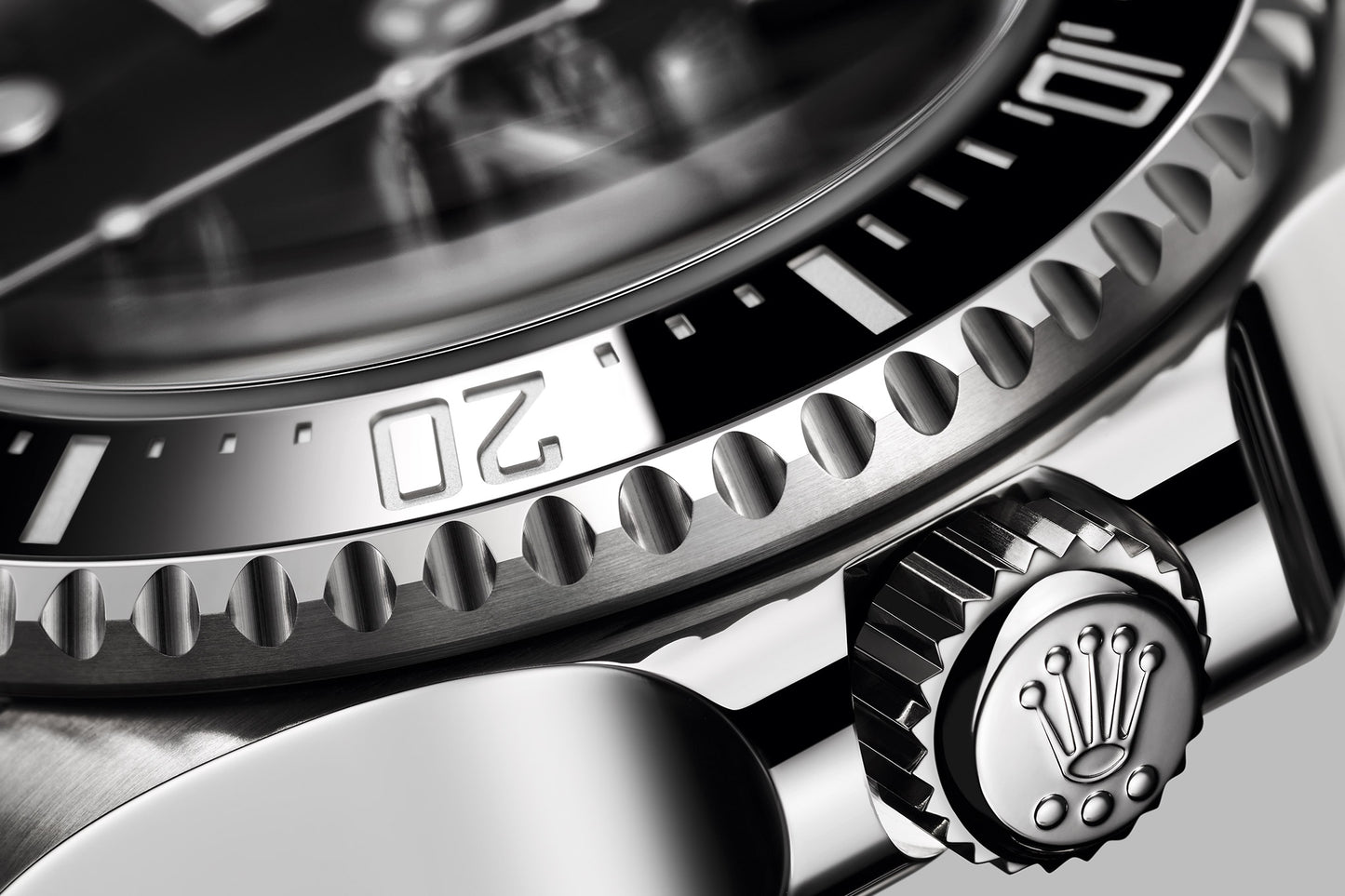
 swisswatchexpo.comswisswatchexpo.com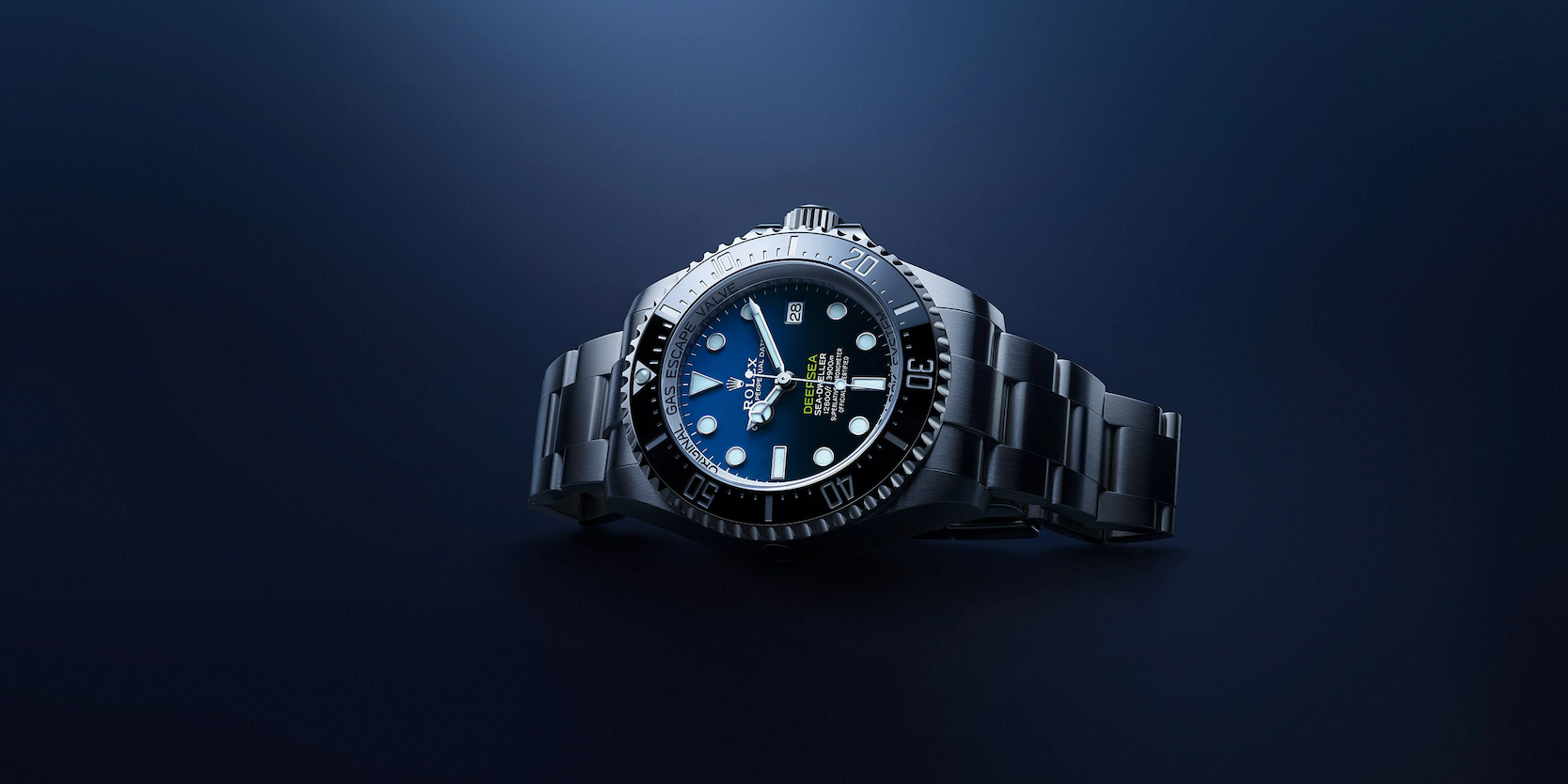
+Field notes
- —The Deepsea's Ringlock System—a patented case architecture combining a 5.5mm domed sapphire crystal, a nitrogen-alloyed steel compression ring, and an RLX titanium caseback—was introduced on the 116660 in 2008, enabling an extraordinary depth rating of 3,900m (12,800 ft), tested to 4,875m (15,994 ft) for safety reserve.
- —The transition from the 116660 to the 126660 in 2018 brought the Caliber 3235 movement, boosting power reserve from 48 to 70 hours and introducing the Chronergy escapement for improved energy efficiency.
- —The current 136660 (2022–present) removes the flip-lock extension present on the 116660 and 126660 clasps—a polarizing change that streamlines the bracelet but eliminates a practical dive feature.
- —The D-Blue dial, released in August 2014 on the 116660, commemorates James Cameron's 2012 solo dive to the Mariana Trench; the gradient from blue to black mimics the light fading during descent, and the green 'DEEPSEA' text matches the color of Cameron's submersible.
- —In 2024, Rolex dropped the 'Sea-Dweller' name from the Deepsea dial, establishing it as a standalone collection, and introduced the first precious-metal version (ref. 136668LB) in 18 kt yellow gold with a blue dial and blue ceramic bezel.
Learn
The Terms Collectors Use: Ringlock, HEV, D-blue, Challenge
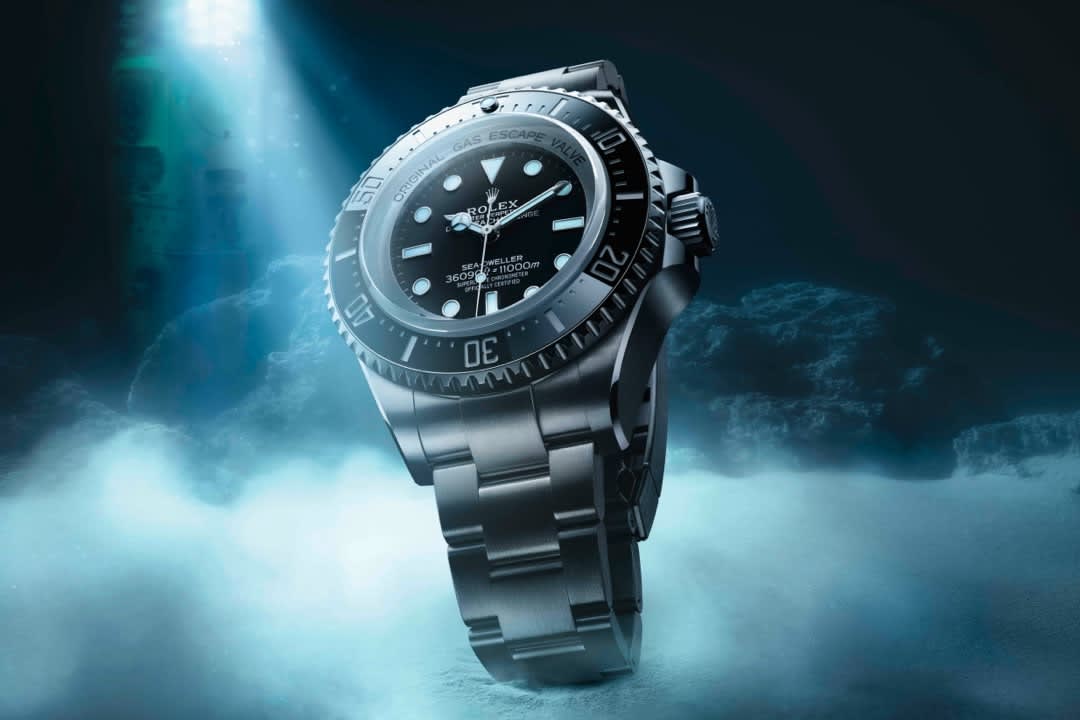
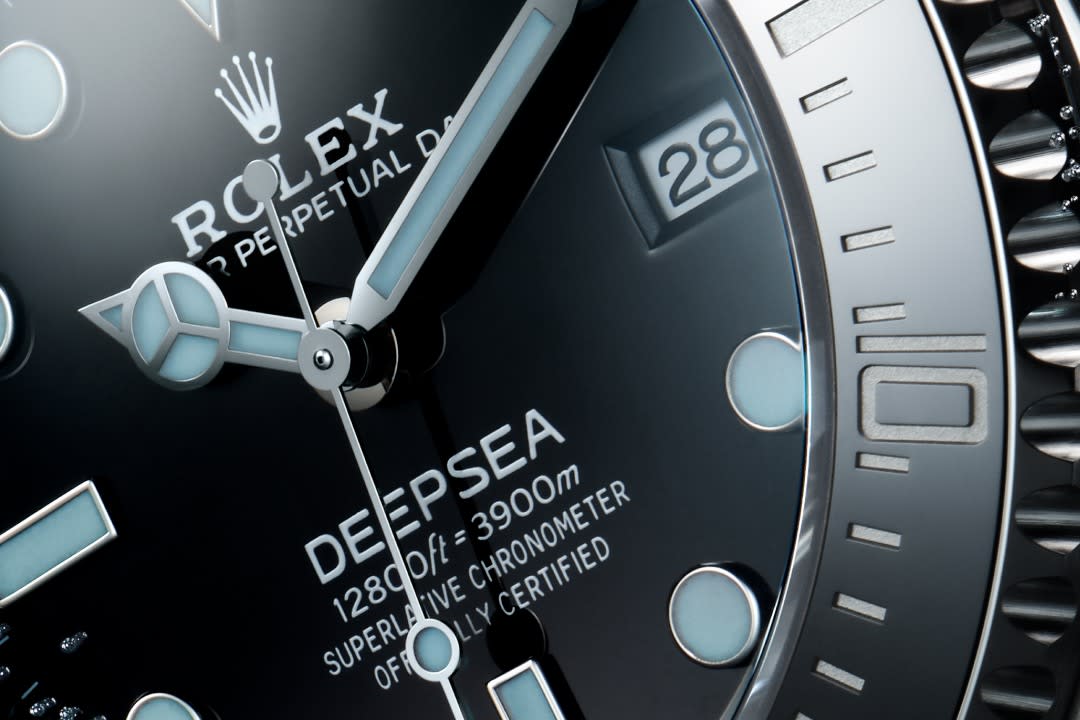
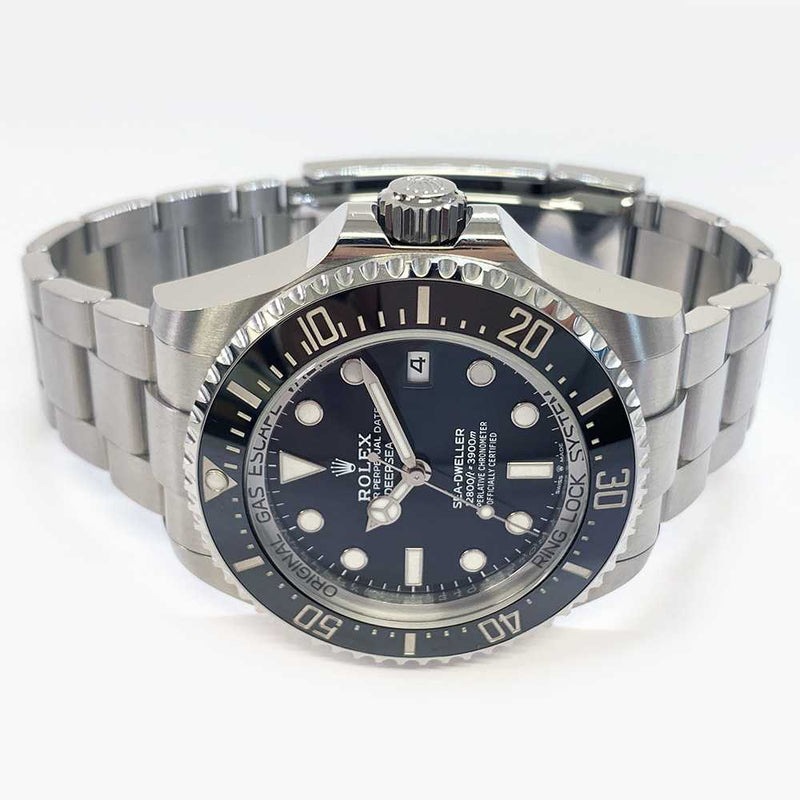
The Rolex Deepsea is a purpose-built extreme dive watch that collectors talk about with a specific vocabulary—Ringlock, HEV, D-blue, Challenge—each term pointing to a distinct engineering or design signature. The Ringlock system is the watch's hidden structural genius: a nitrogen-alloyed steel compression ring (BioDur 108, the same alloy used in orthopedic implants) sits inside the case, taking the brunt of water pressure so the case itself doesn't have to grow as thick as it otherwise would. This allows the 44 mm case to be just 17.7 mm thick instead of nearly 20 mm, while still being rated to 3,900 meters. The helium escape valve (HEV) at 9 o'clock is a functional necessity for saturation diving—helium molecules are small enough to seep into the case during decompression, and the one-way valve releases that internal pressure automatically to prevent the crystal from popping off. The D-blue dial, introduced in 2014 to celebrate James Cameron's Mariana Trench dive, graduates from deep blue to black, evoking the decreasing light at depth, and has become a collector favorite over the standard black dial. The 2022 Deepsea Challenge reference pushed the concept to its absolute limit: a 50 mm case in RLX titanium (grade 5, same alloy used in aerospace and racing) rated to 11,000 meters, making it the deepest-diving mechanical wristwatch ever produced. Collectors also watch for the 5.5 mm domed sapphire crystal with inner anti-reflective coating that gives a faint blue or purple tint in side light—a detail counterfeiters routinely botch.
 ecijewelers.comecijewelers.com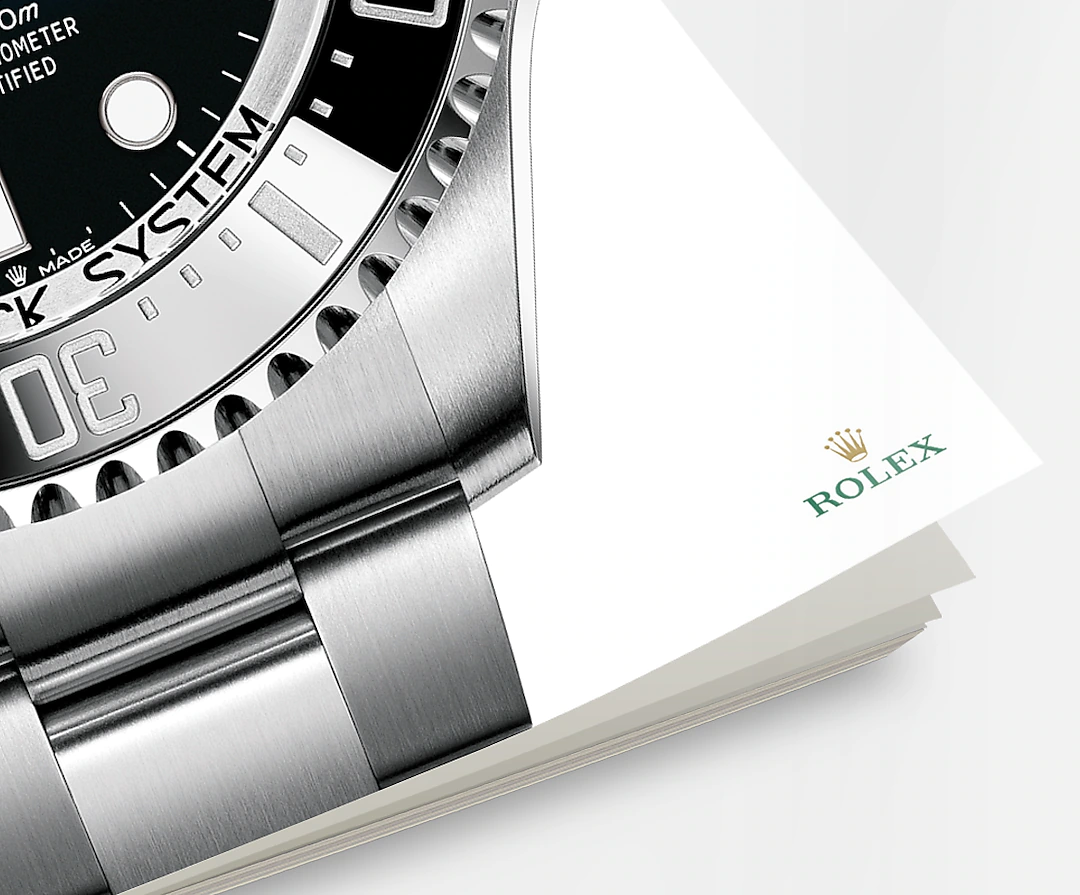
 watchesbysjx.comwatchesbysjx.com
+Field notes
- —The Ringlock system uses a compression ring made of BioDur 108, a nitrogen-alloyed stainless steel originally developed for orthopedic implants; it withstands three times the stress of Rolex's standard 904L steel and is the part that actually bears the water pressure, not the case itself.
- —The helium escape valve is a unidirectional, spring-loaded piston that activates automatically when internal case pressure exceeds external pressure; it's not a screw-down or manual valve—it's a safety release for the helium molecules that infiltrate the case during saturation diving.
- —The D-blue dial (ref. 116660) was launched in 2014 to commemorate James Cameron's solo descent to the Mariana Trench in the Deepsea Challenger submersible; its gradient from blue to black mimics the diminishing sunlight in the ocean's depths and is a specific collector marker, not just a cosmetic choice.
- —The Deepsea Challenge (2022) uses an RLX grade 5 titanium case and bracelet, making it 30% lighter than the experimental steel watch that accompanied Cameron; at 50 mm and 11,000 m water resistance, it is a separate reference from the standard 44 mm Deepsea.
- —The 5.5 mm domed sapphire crystal is anti-reflective coated only on the inner surface; under side light it shows a faint blue or purple tint, a telltale sign of a genuine Deepsea—counterfeits typically lack this coating or use a thinner mineral glass.
Discover
Videos Worth Watching Before You Try One On


Before you even think about strapping a Rolex Deepsea onto your wrist, you should know that this isn't just one watch—it's a family of three distinct generations (the 116660, 126660, and 136660 D-Blue James Cameron editions) plus the absolutely bonkers 50mm Deepsea Challenge in RLX titanium. The videos worth watching will show you that the 44mm steel Deepsea is already a hefty beast, but the Challenge is in another league entirely; side-by-side with a 41mm Submariner, the size difference is comical, and the buckle alone looks like it could anchor a boat. Yet, surprisingly, the Challenge wears lighter than you'd expect because it's Rolex's first titanium watch, with an 11,000-meter depth rating that is pure overkill for any human. The helium escape valve is standard across all models, a relic of saturation diving that most owners will never use but love to point out. And if you're after that iconic blue-to-black gradient dial, you need to understand the reference timeline: the D-Blue debuted in 2014, and the current 136660 (2022 onward) even sneaks in a titanium caseback to shave a little weight. These details are exactly what the specialists on YouTube will hammer home, and they'll save you from a shock at the boutique.
+Field notes
- —The Deepsea Challenge (ref. 126067) is Rolex's first production watch in RLX titanium, measuring a monstrous 50mm and rated to an absurd 11,000 meters—a spec that exists only to celebrate James Cameron's Mariana Trench dive, not for any practical diving.
- —Placing a 50mm Deepsea Challenge next to a 41mm Submariner shows a staggering size gap, and even the buckle is disproportionately large—yet the watch is actually worn by some buyers, as dealers confirm they sell them.
- —The James Cameron D-Blue Deepsea has evolved through three references: the 116660 (2014–2018), 126660 (2018–2022), and the current 136660 (2022–present), all featuring a gradient dial that fades from deep blue at the top to black at the bottom, mirroring the darkness of the trench.
- —The 136660 generation introduced a titanium caseback (not the full case), which helps the 44mm steel watch wear slightly lighter than its predecessor—a detail even some reviewers initially miss, as noted in a correction.
- —All Deepsea models—including the titanium Challenge—include a helium escape valve, a feature originally designed for saturation diving that today mostly serves as a visual reminder of the watch's extreme heritage.
Discover
Follow the Deepsea Through Collector and Dive-Watch Feeds
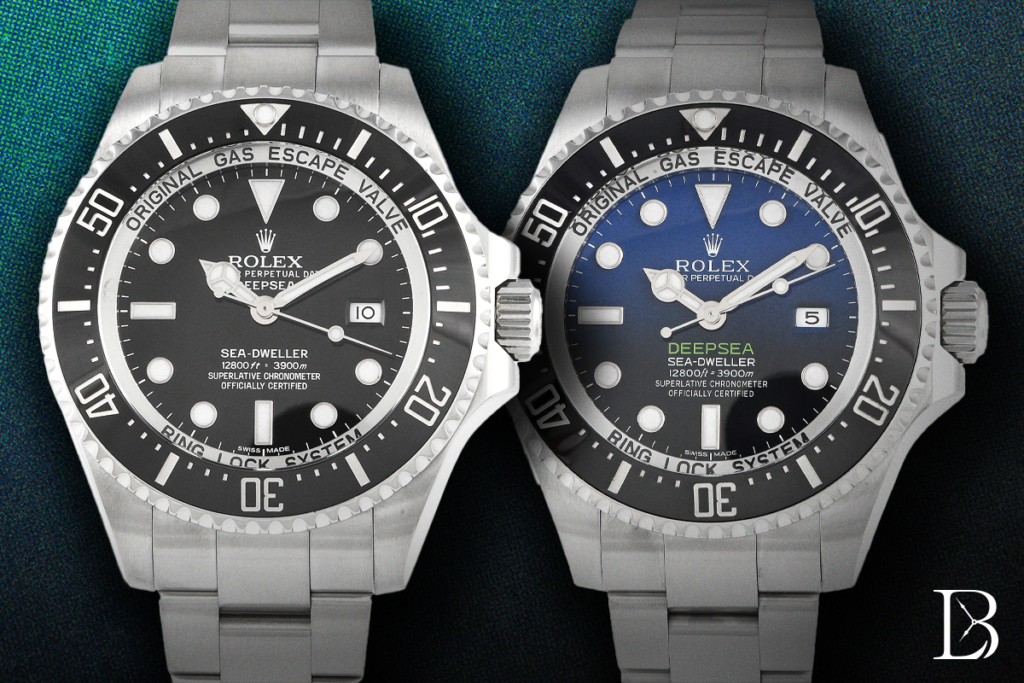
The Rolex Deepsea line, a favorite among serious dive-watch collectors, offers distinct personalities beyond its monstrous size. The standard black-dial 136660 in Oystersteel projects a tactical, tool-watch ethos, while the D-Blue variant (the 'James Cameron') features a legendary gradient dial that transitions from deep black at the top to electric blue at the bottom, a nod to the director's Mariana Trench expedition. For those who prefer opulence, the 136668 in 18k yellow gold pairs a blue dial with a heavy, high-polish presence that flips the script from diver to status symbol. But the true outlier is the 126067 Deepsea Challenge, Rolex's first production watch in RLX titanium, with a 50mm case and a staggering 11,000-meter depth rating—an instrument so extreme it requires a helium escape valve and a satin finish to reduce glare at abyssal depths. Each model shares the same basic architecture—a ringlock system and massive crown guards—but their materials and finishing tell very different stories, making the Deepsea a line where collecting is less about spec sheets and more about which version of the extreme you want on your wrist.
+Field notes
- —The D-Blue dial—often called the 'James Cameron'—isn't just cosmetic; its gradient from black to blue directly references the color change Cameron observed descending into the Mariana Trench in the Deepsea Challenge submersible.
- —The Deepsea Challenge ref. 126067 is Rolex's first production watch in RLX titanium, a proprietary grade chosen for its lightness (the 50mm case weighs noticeably less than the steel 44mm models) and corrosion resistance at extreme depths.
- —While the standard steel Deepsea (136660) is rated to 3,900 meters, the titanium Challenge goes to 11,000 meters, requiring a helium escape valve and a domed sapphire crystal nearly 9mm thick to withstand the pressure.
- —The gold Deepsea ref. 136668 uses a blue dial identical in hue to the D-Blue's bottom half but without the gradient; its case is solid 18k yellow gold, making it the heaviest and most expensive of the three, shifting the watch from dive tool to luxury statement.
- —All Deepsea models share Rolex's Ringlock System—a nitrogen-alloyed steel compression ring inside the case—but the titanium Challenge replaces the Oystersteel case with RLX titanium, while the gold model retains the ring in steel due to gold's relative softness.
Discover
Read the Best Collector Coverage and Technical Breakdowns
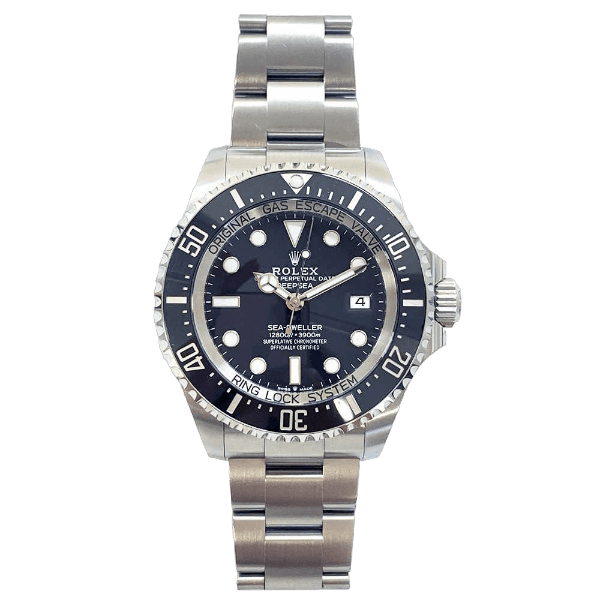
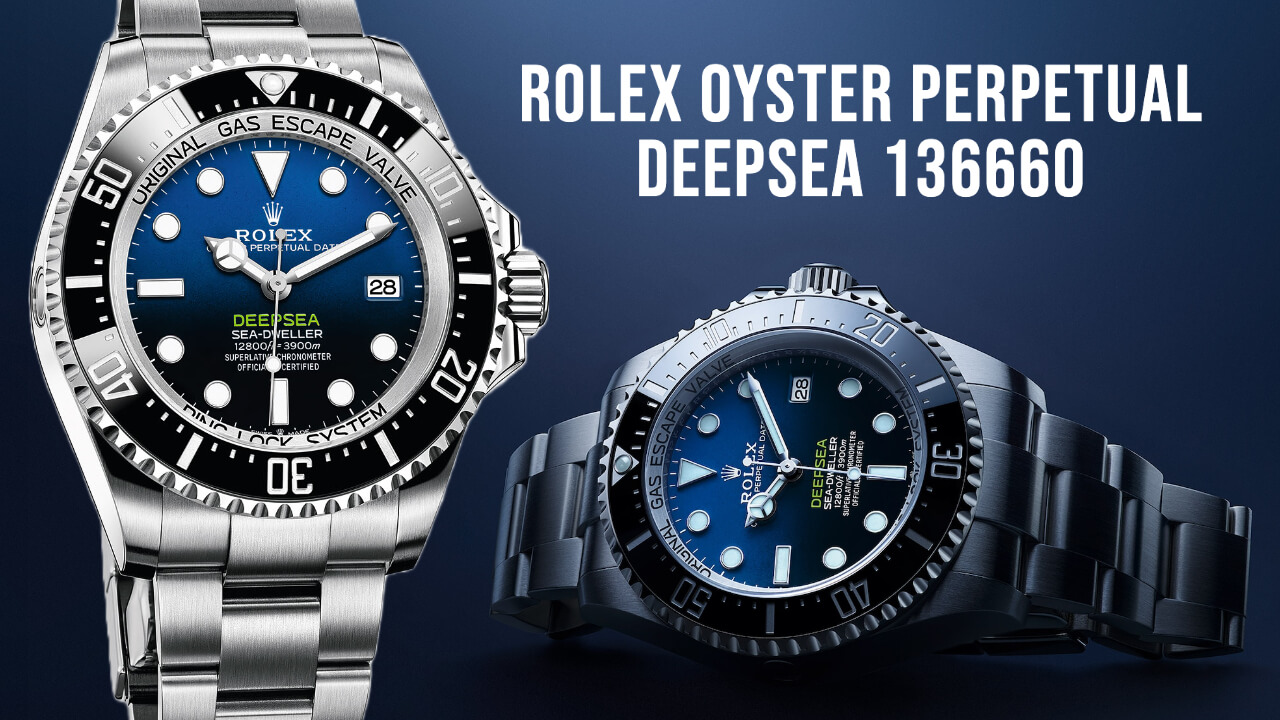
The Rolex Deepsea 136660 is the most technically refined iteration of Rolex's extreme saturation diver, a watch whose engineering bravado is matched only by its practical compromises. At its heart lies the Ringlock System, a patented case architecture built around a compression ring machined from BioDur 108 — a nitrogen-enriched superalloy originally developed for orthopedic implants — that alone bears the crushing force at 3,900 meters. This clever design shaves nearly 2 mm off the case height compared to a conventional construction, yet the watch still lands at a hefty 44 mm wide and 17.7 mm thick. Rolex managed to improve daily wearing comfort by switching the caseback to RLX titanium, noticeably reducing the heft versus the previous generation, but don't mistake this for a dress watch — the 5.5 mm domed sapphire crystal and blocky profile make it a nightmare under any buttoned cuff. The 2022 update (ref. 136660) replaces the earlier Caliber 3135 with the modern Caliber 3235, bringing a 70-hour power reserve and the more efficient Chronergy escapement, while the bezel profile was slimmed to let the crystal sit more prominently. For most buyers, the D-Blue gradient dial — blue fading to black, honoring James Cameron's 2012 dive to the Challenger Deep — remains the definitive choice, though in the flesh its visual depth is something no photo can fully capture.
+Field notes
- —The Ringlock System's compression ring is made from BioDur 108, a nickel-free austenitic stainless alloy used in orthopedic implants; Rolex claims it can withstand three times the stress of its own 904L Oystersteel.
- —Without the Ringlock System, achieving the same 3,900 m depth rating would require a case approximately 19.7 mm thick — the actual 17.7 mm height of the Deepsea represents a 2 mm reduction, a meaningful saving on the wrist.
- —The 136660's switch to an RLX titanium caseback is the single change that makes the watch remotely wearable for daily use; without it, the all-steel predecessor (ref. 126660) felt punishingly heavy under anything but a t-shirt.
- —Rolex's patented helium escape valve, introduced in 1967, is unidirectional and activates automatically when internal pressure exceeds external pressure — a critical safety mechanism during saturation diving decompression.
- —The Caliber 3235 in the 136660 uses Rolex's Chronergy escapement, a highly efficient, shock-resistant design with a full balance bridge and a blue Parachrom hairspring, boosting power reserve to 70 hours from the earlier 3135's 48 hours.
Explore
Where to Track Real Listings and Market Differences
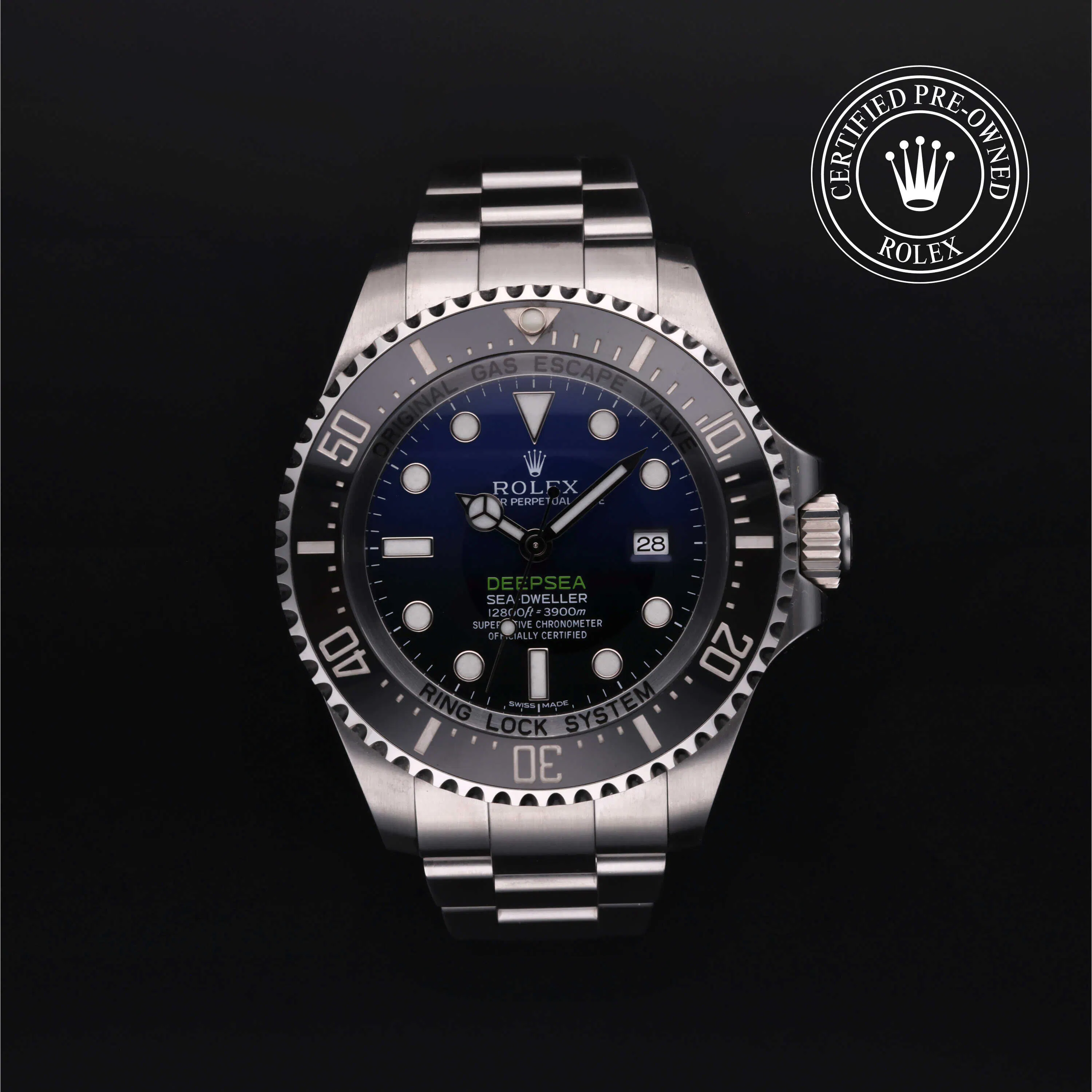
While these sources don't feature the Rolex Deepsea specifically, they demonstrate the key platforms and market dynamics for tracking real Rolex listings. Poshmark offers a peer-to-peer marketplace with free authentication on many listings, showing a wide price range from pre-owned vintage models like the 16613 Bluesy to newer references like the 126610LN. Vestiaire Collective provides a professional seller avenue with physical authentication. Market differences are stark: condition (unworn vs. good vs. like new), completeness (box/papers vs. watch only), and model generation (pre-ceramic vs. ceramic) all drastically affect pricing. For a Deepsea buyer, similar considerations apply—monitor these platforms, compare authenticated listings, and note that the Deepsea's specific references (116660, 126660) follow the same market patterns of condition and accessories affecting value.
 poshmark.composhmark.com
 poshmark.composhmark.com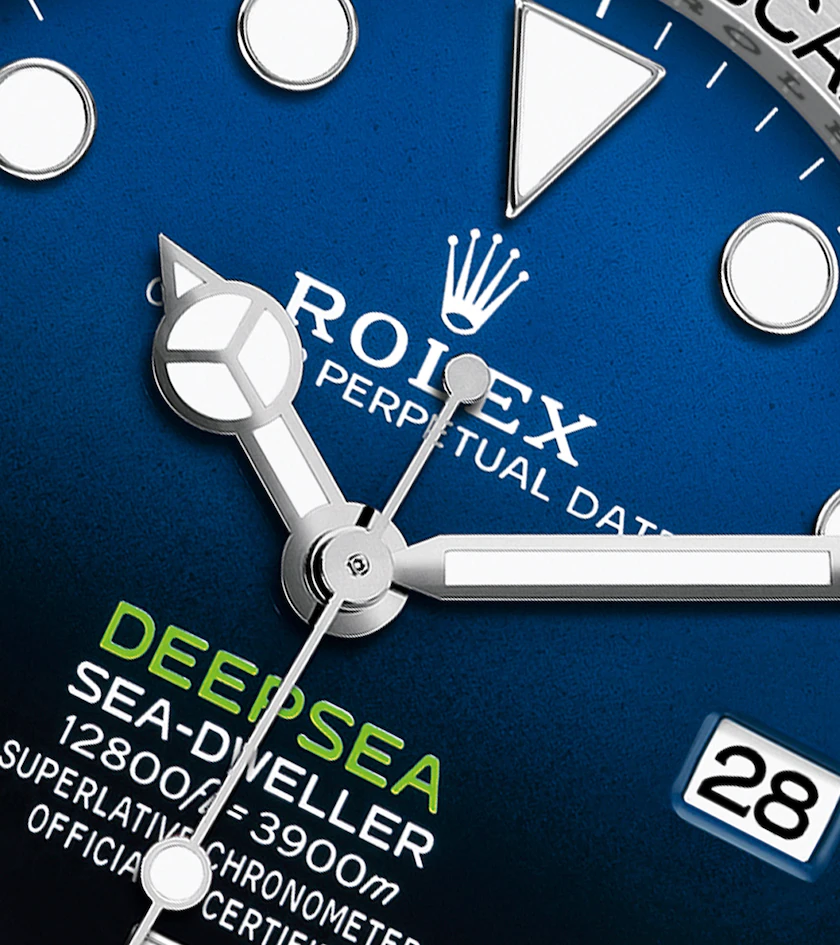
 us.vestiairecollective.comus.vestiairecollective.com
+Field notes
- —Poshmark listings often include free authentication and show a wide price range for similar models; for example, a two-tone Submariner Date 126613LB (unworn) is listed alongside a pre-owned 16613 Bluesy at $13,600, highlighting how condition and age affect value.
- —Vestiaire Collective offers a professional selling platform with physical authentication, as seen in a never-worn Datejust blue steel listed at €17,140, which contrasts with peer-to-peer listings where authentication may vary.
- —Market differences are driven by condition and completeness: a Submariner 126610LN in 'like new' condition but watch-only is listed at $14,000 (marked down from $11,000), while a full-set vintage 16613 Bluesy with box is priced at $13,600, showing the premium for accessories.
- —The presence of original box and papers significantly increases value; the 16613 Bluesy with box is listed at $13,600, whereas similar watches without may be lower, as seen in the 126610LN listing that explicitly notes 'watch only, no box or papers'.
- —For Deepsea enthusiasts, these platforms are equally relevant; tracking specific references like 116660 or 126660 requires similar attention to condition, year, and accessories, though no Deepsea listings appear in these sources.
Keep exploring
More of Rolex Deepsea

Branch out
Beyond Rolex Deepsea
More to explore
In the same world.

Rolex Deepsea
The Rolex Deepsea is Rolex’s 44 mm extreme-depth diver, introduced in 2008 as the brand’s purpose-built watch for deep-s…
Blancpain Fifty Fathoms
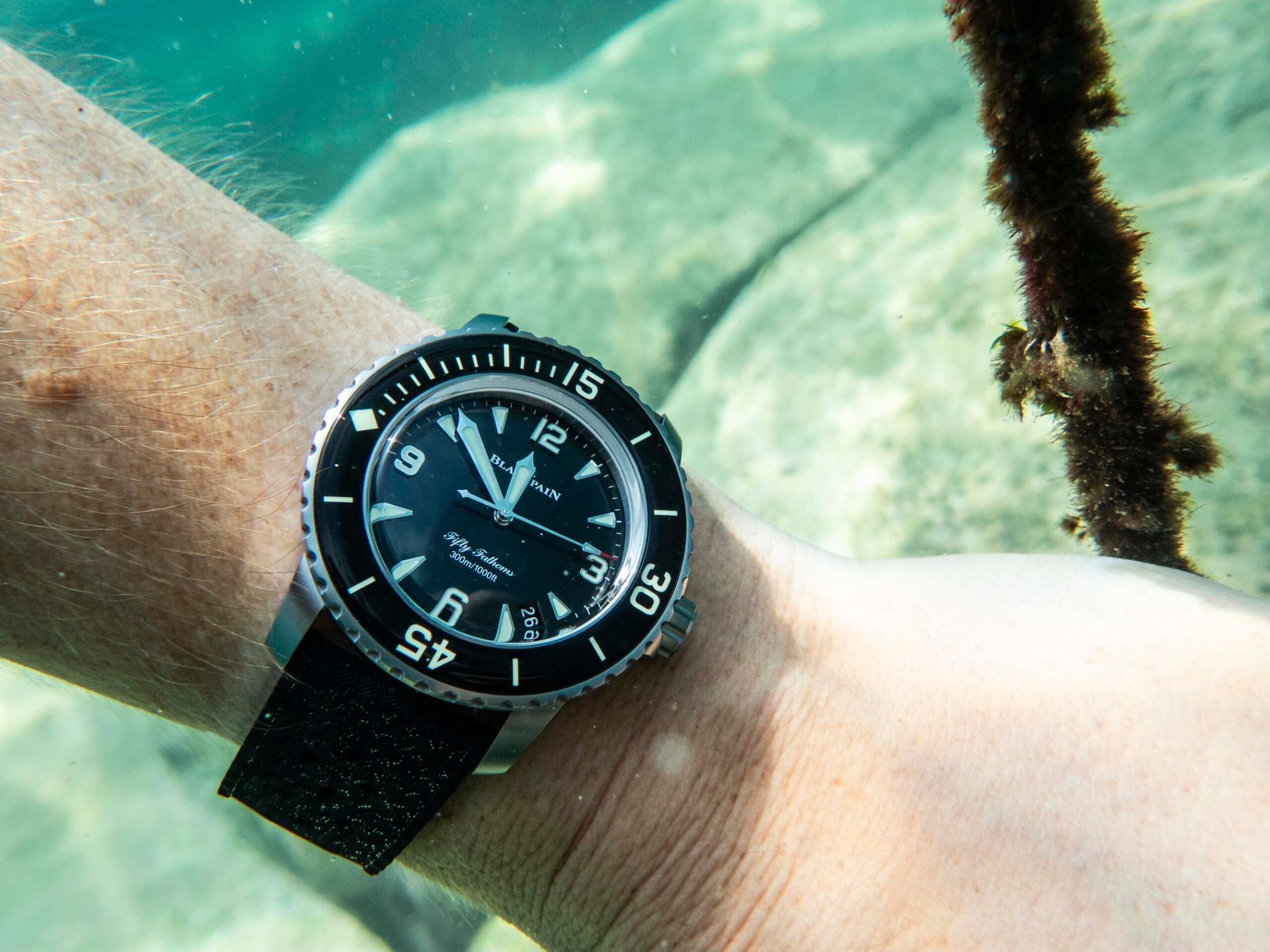
The Blancpain Fifty Fathoms is the brand’s long-running diver’s-watch family, spanning core Fifty Fathoms Automatique mo…
Vintage Rolex Submariner
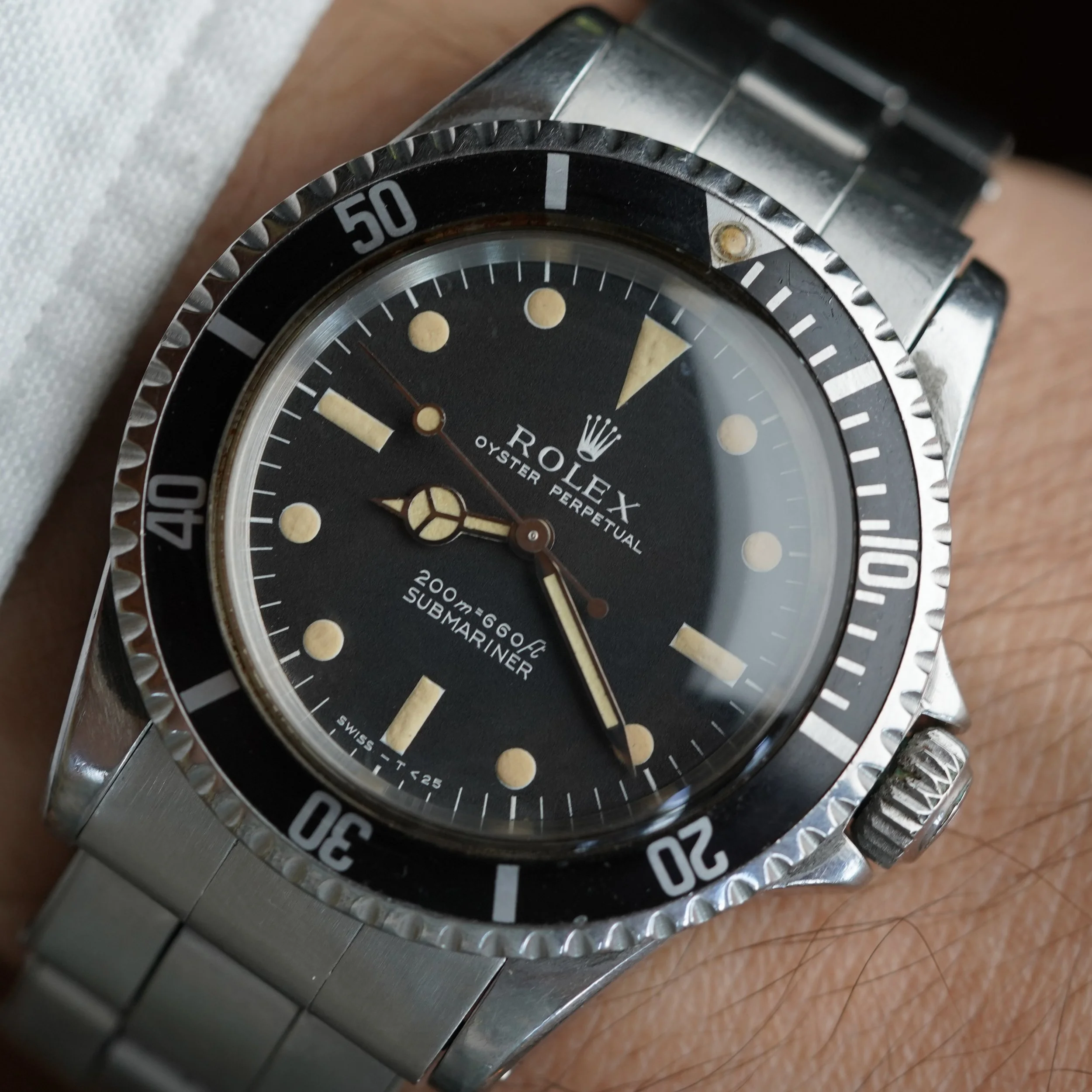
When Rolex introduced the Submariner in 1953, it permanently defined what a dive watch could be — a purpose-built tool t…

Vintage Rolex Watches
Vintage Rolex collecting revolves around older references whose value is tied not just to the model name, but to origina…
Panerai and Rolex
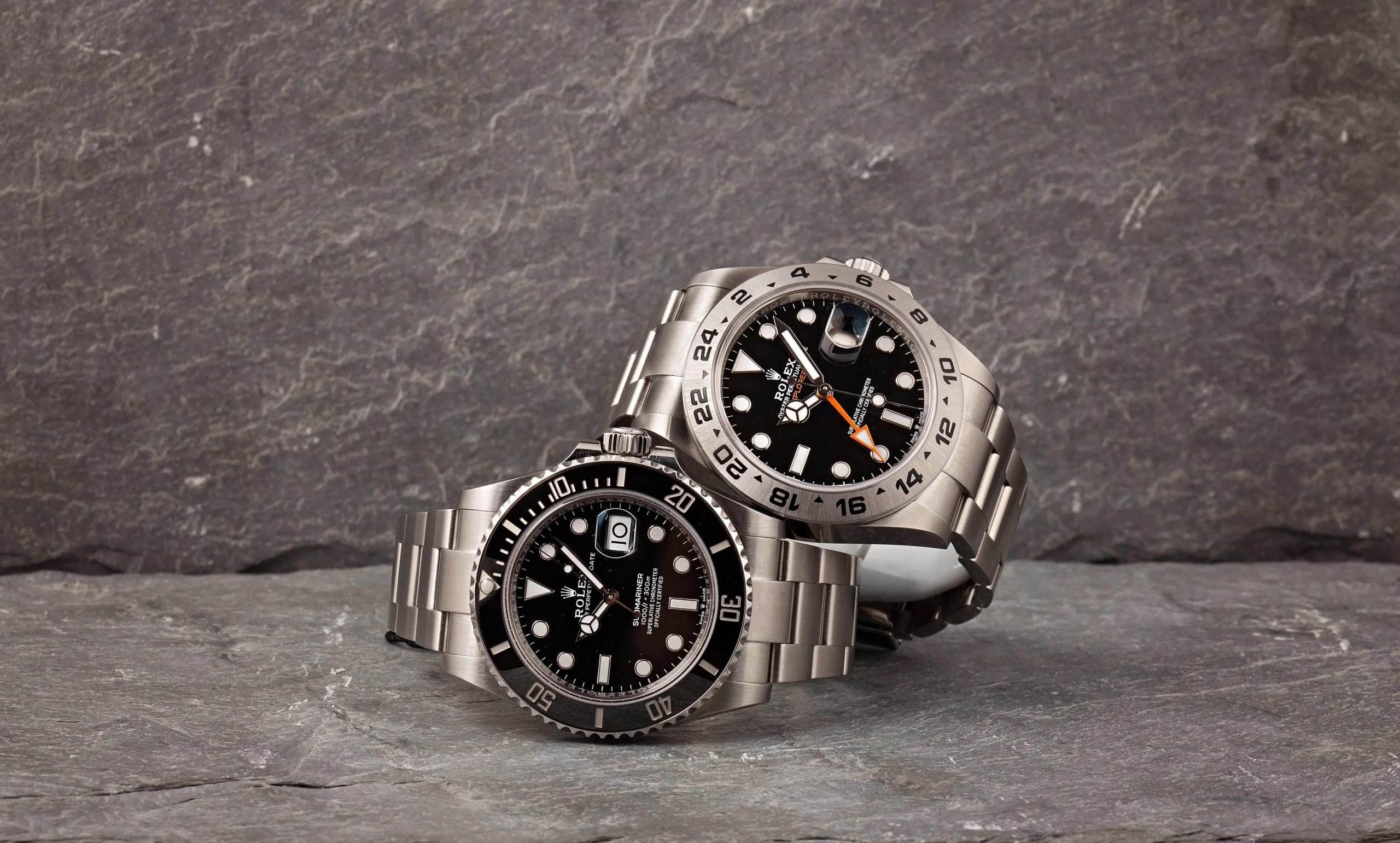
Panerai and Rolex meet in a way many newcomers miss: beyond today’s brand comparisons, early Panerai military watches we…
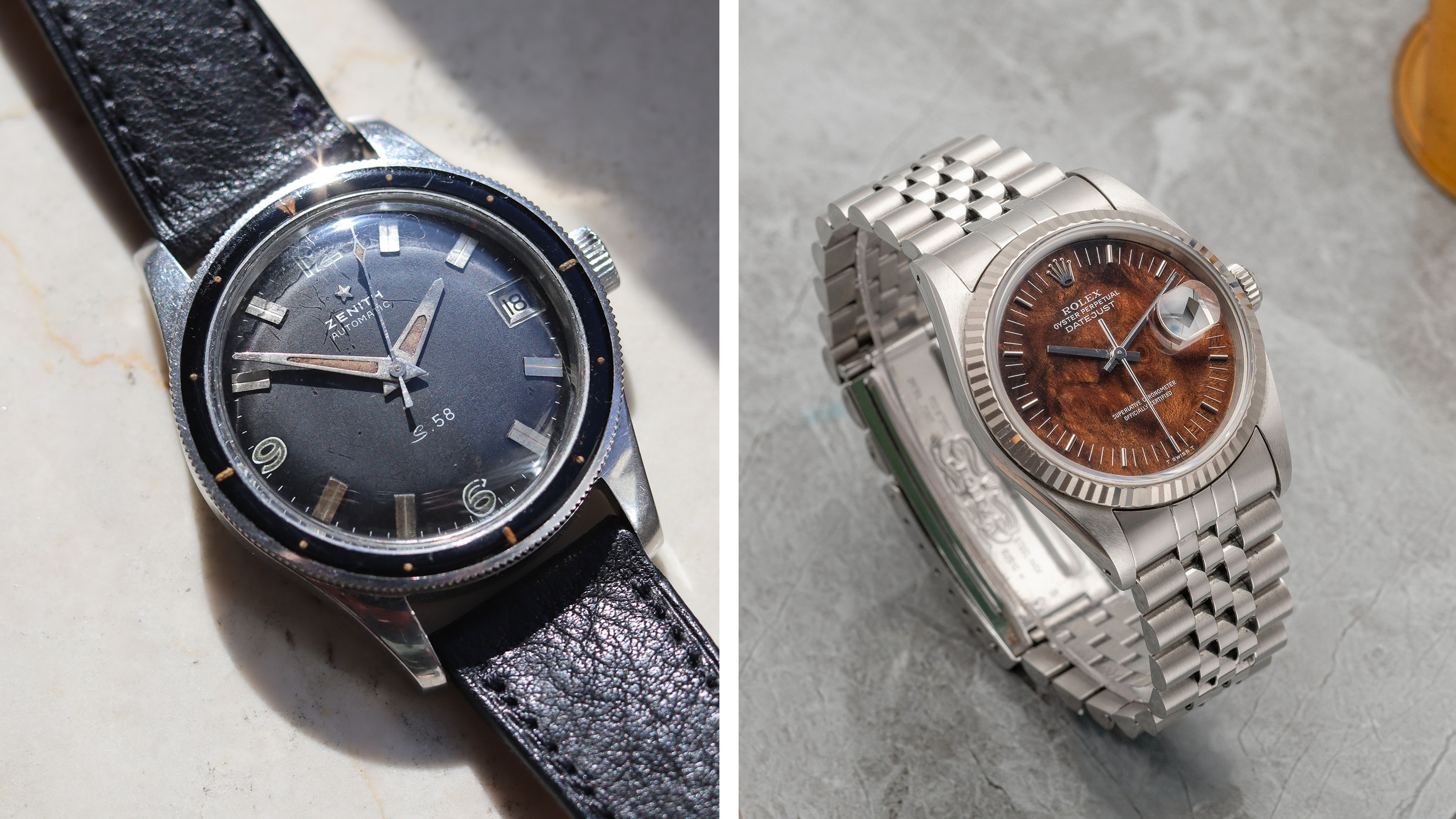
Best First Luxury Watch
A first luxury watch is less about chasing a single “best” model than making a high-stakes first purchase with clear tra…

Military Watches
Military watches sit at the intersection of real field use, instrument design, and modern tool-watch collecting: brands…

Vintage Omega Speedmaster
Vintage Omega Speedmasters sit at the intersection of tool-watch history, lunar mythology, and exacting collector schola…
More in Watches & Horology
Stay in this world.
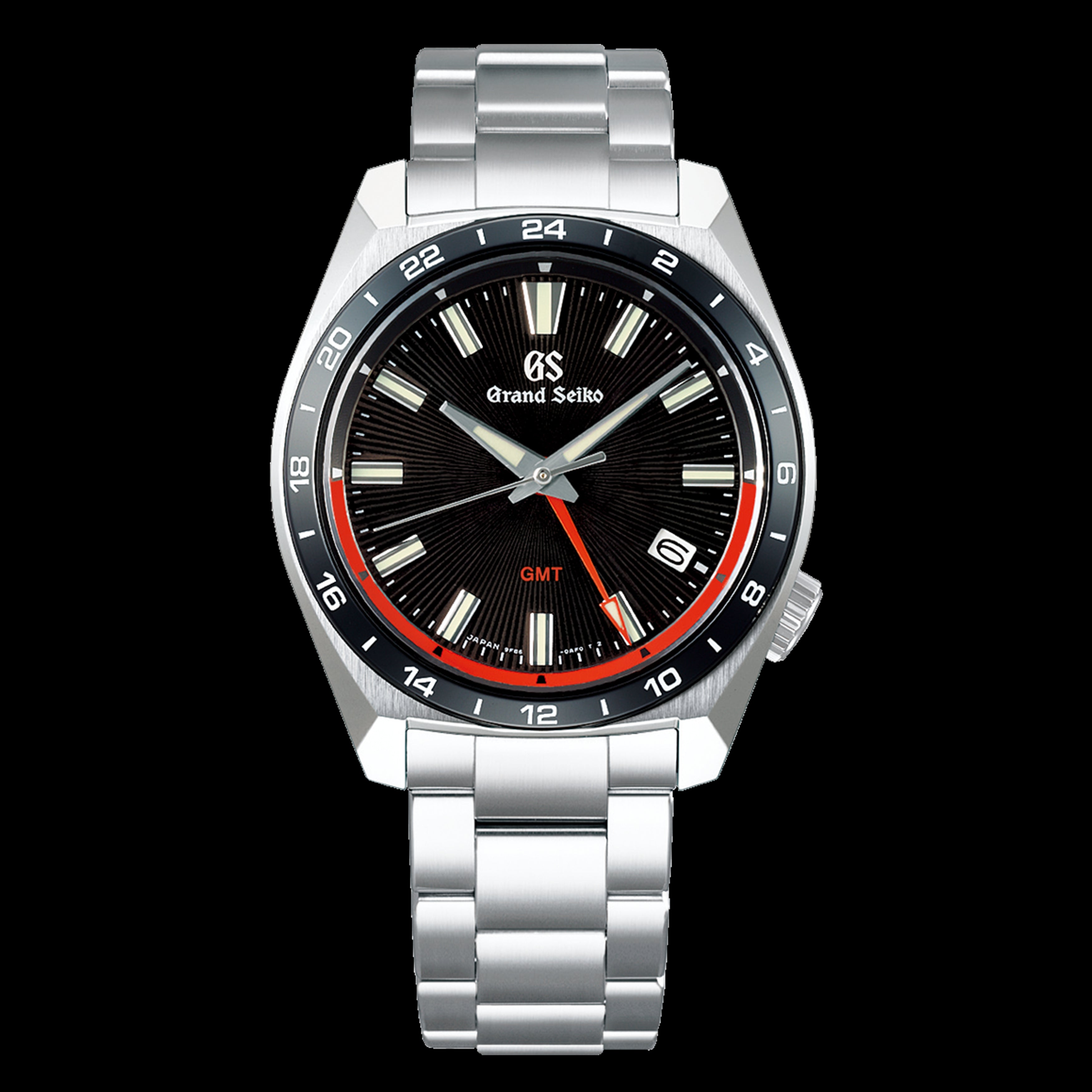
Grand Seiko SBGN001 9F GMT
Rolex Deepsea
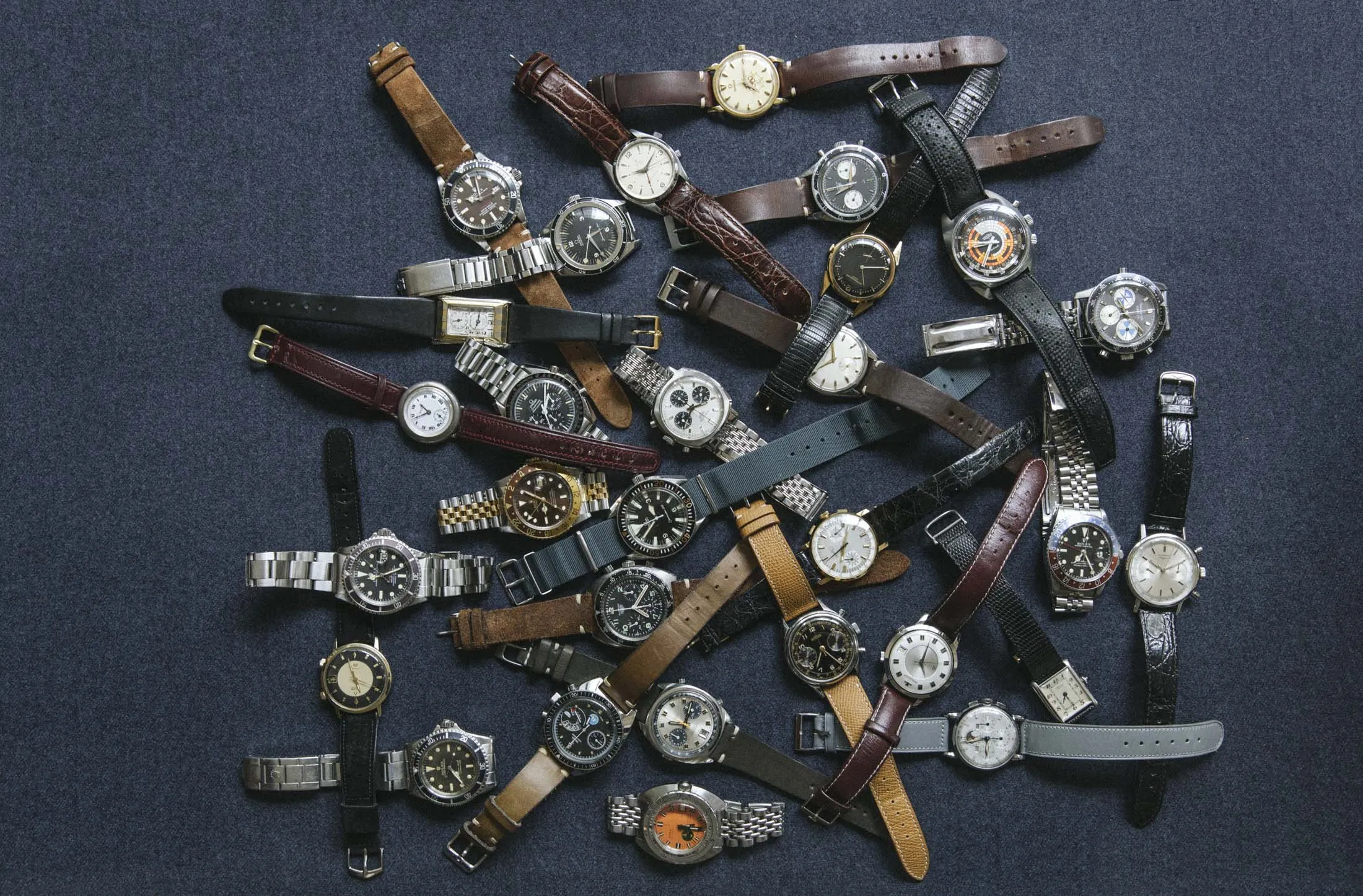
Vintage Watch Hunting
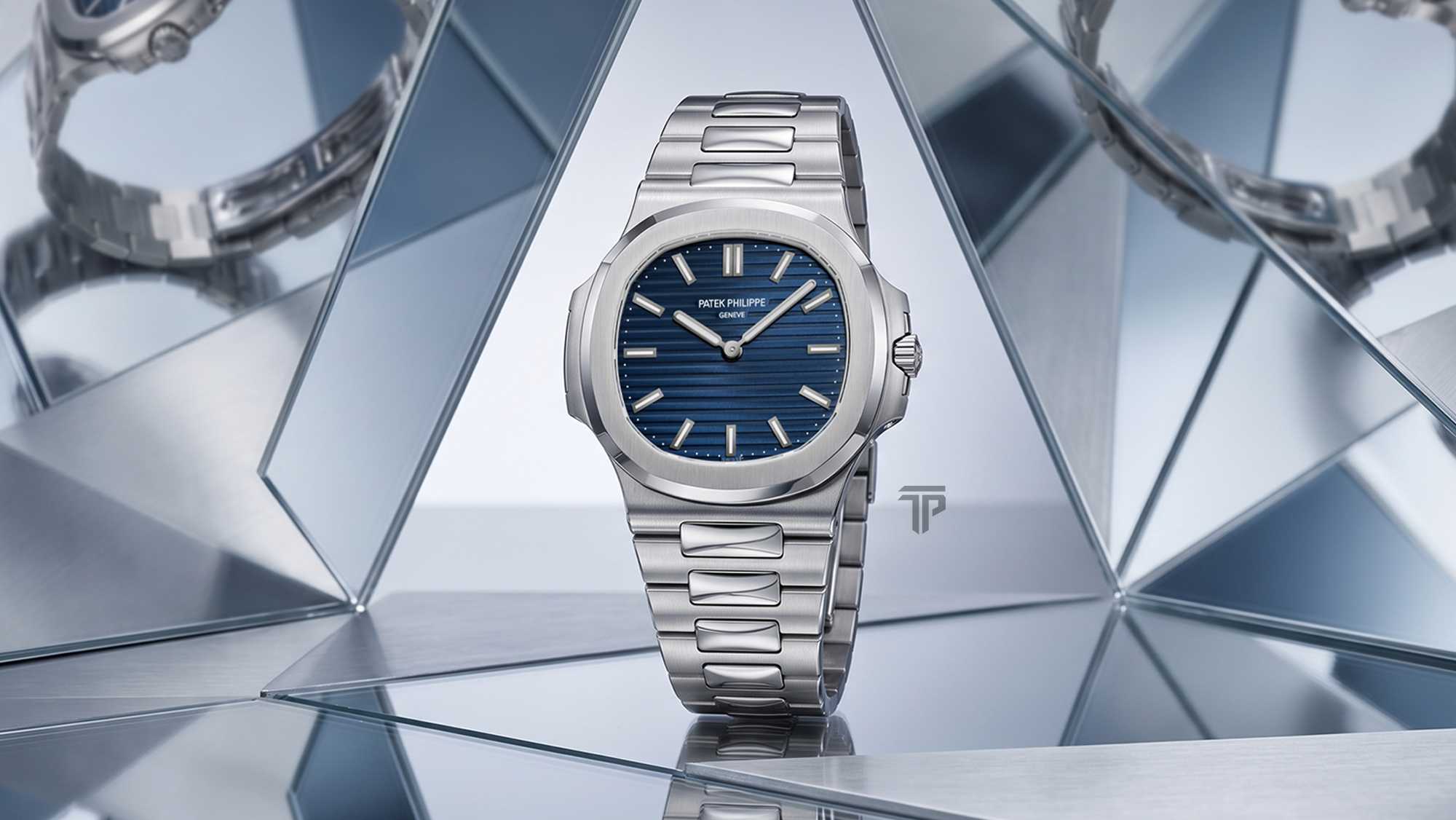
Luxury Watches That Hold Value
Best Luxury Quartz Watches
Skeletonized Haute Horlogerie
Best First Luxury Watch
Benyar Watches
Imagery
Know someone who’d love this?
Discovered by ArcurianAuto-generated from public sources and AI synthesis — it may be incomplete or inaccurate. Treat it as a starting point for your own exploration, not professional (medical, legal, financial, or safety) advice. Verify anything you act on. Report this page.