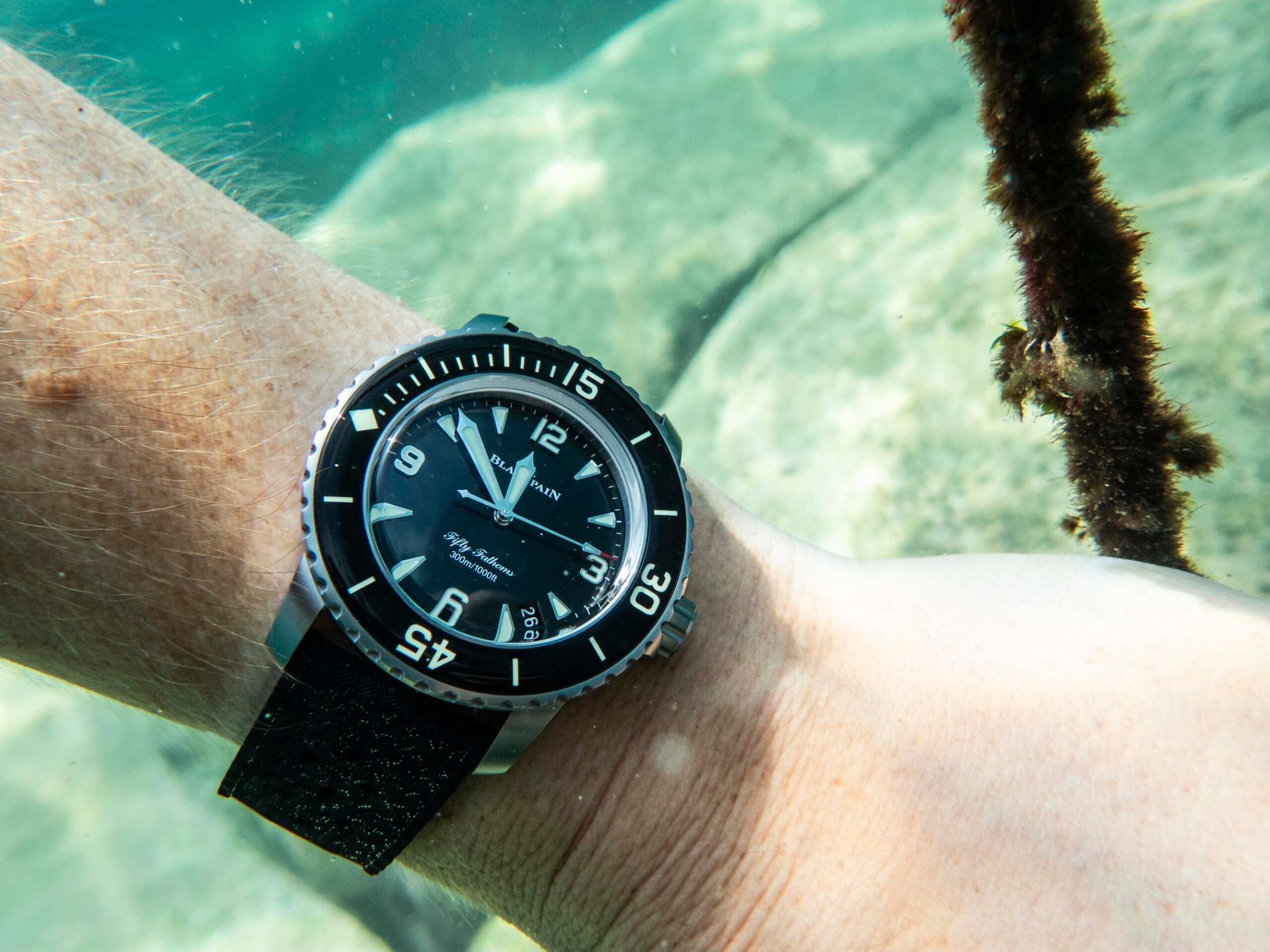
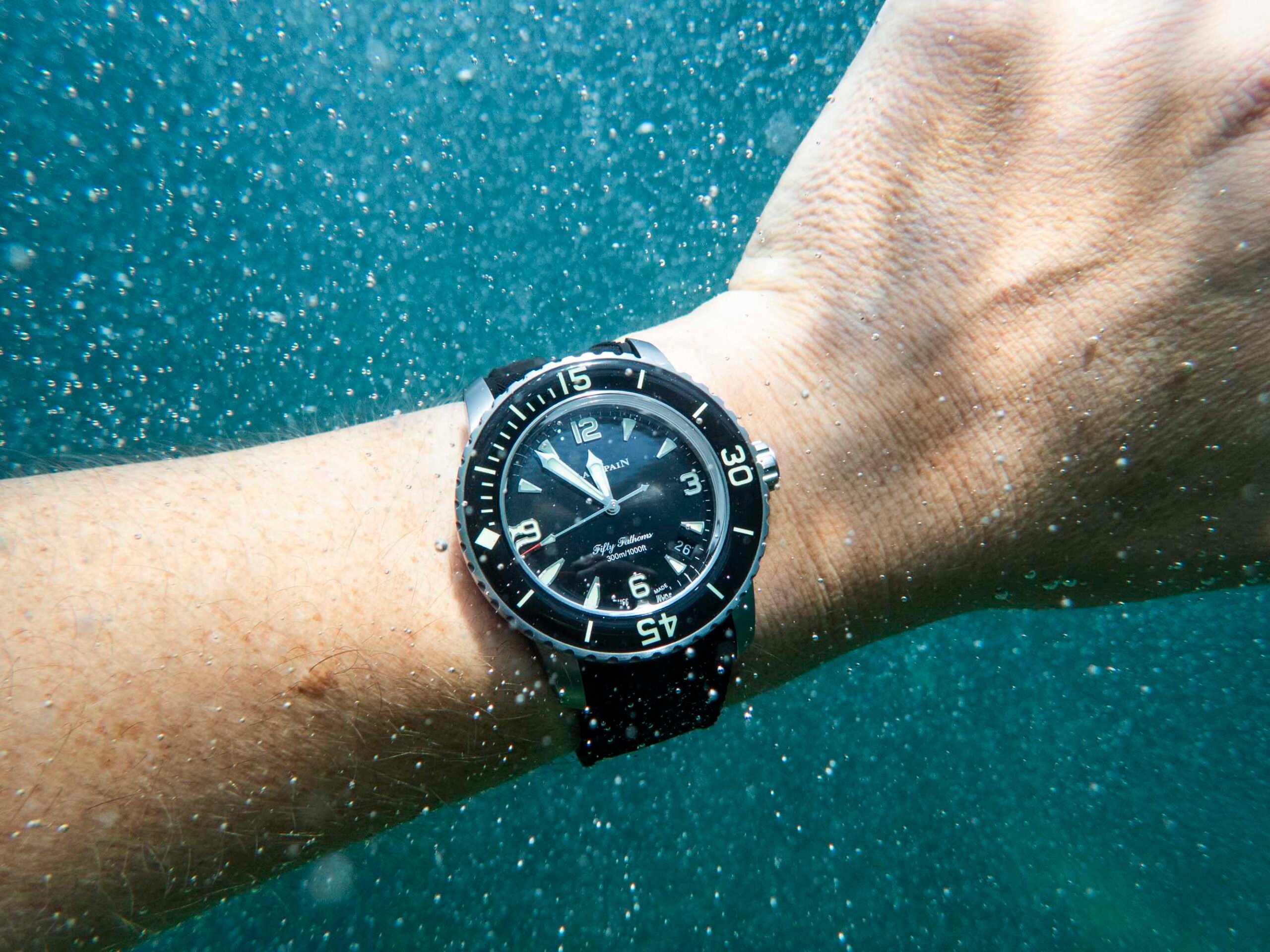
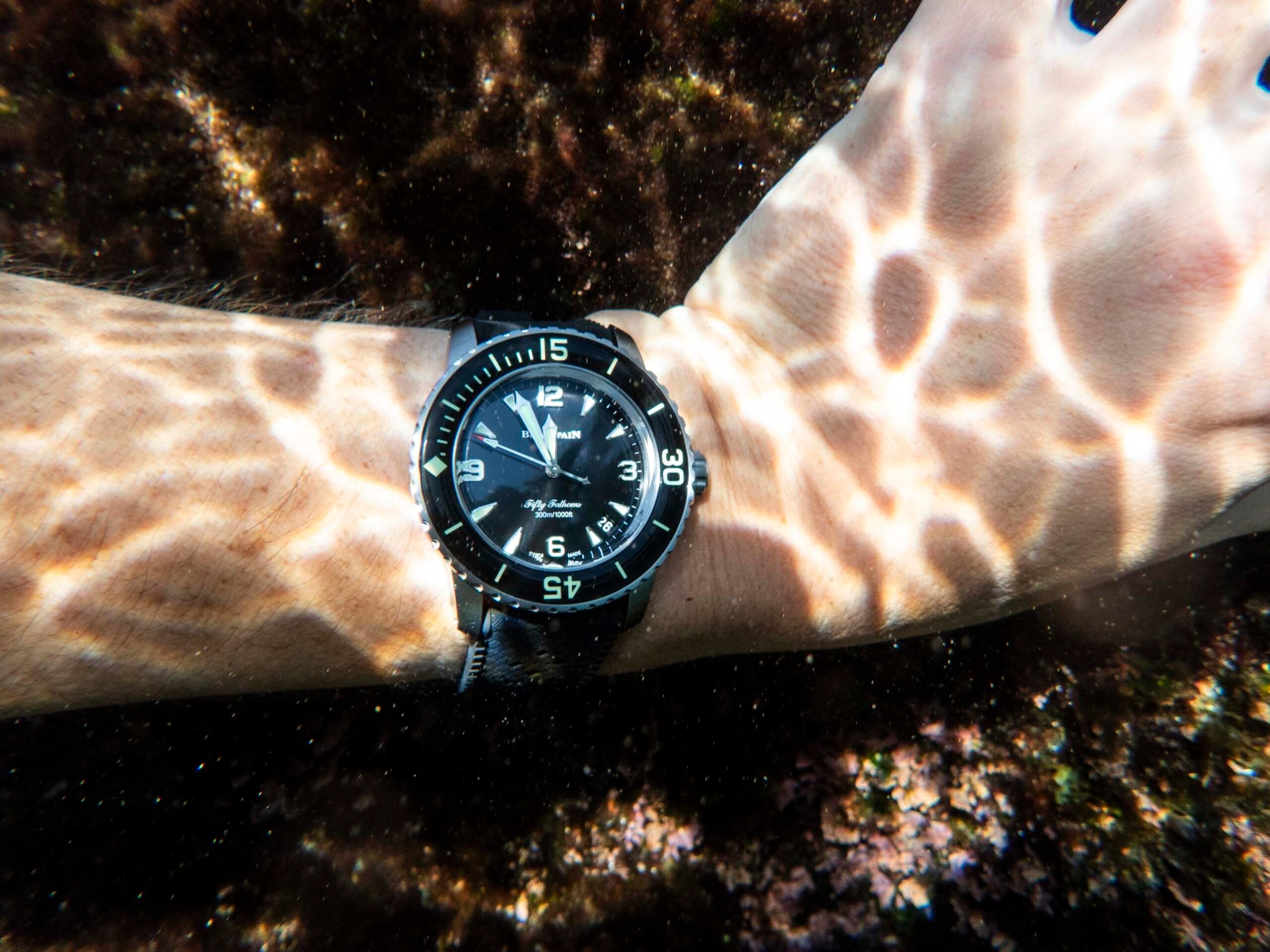
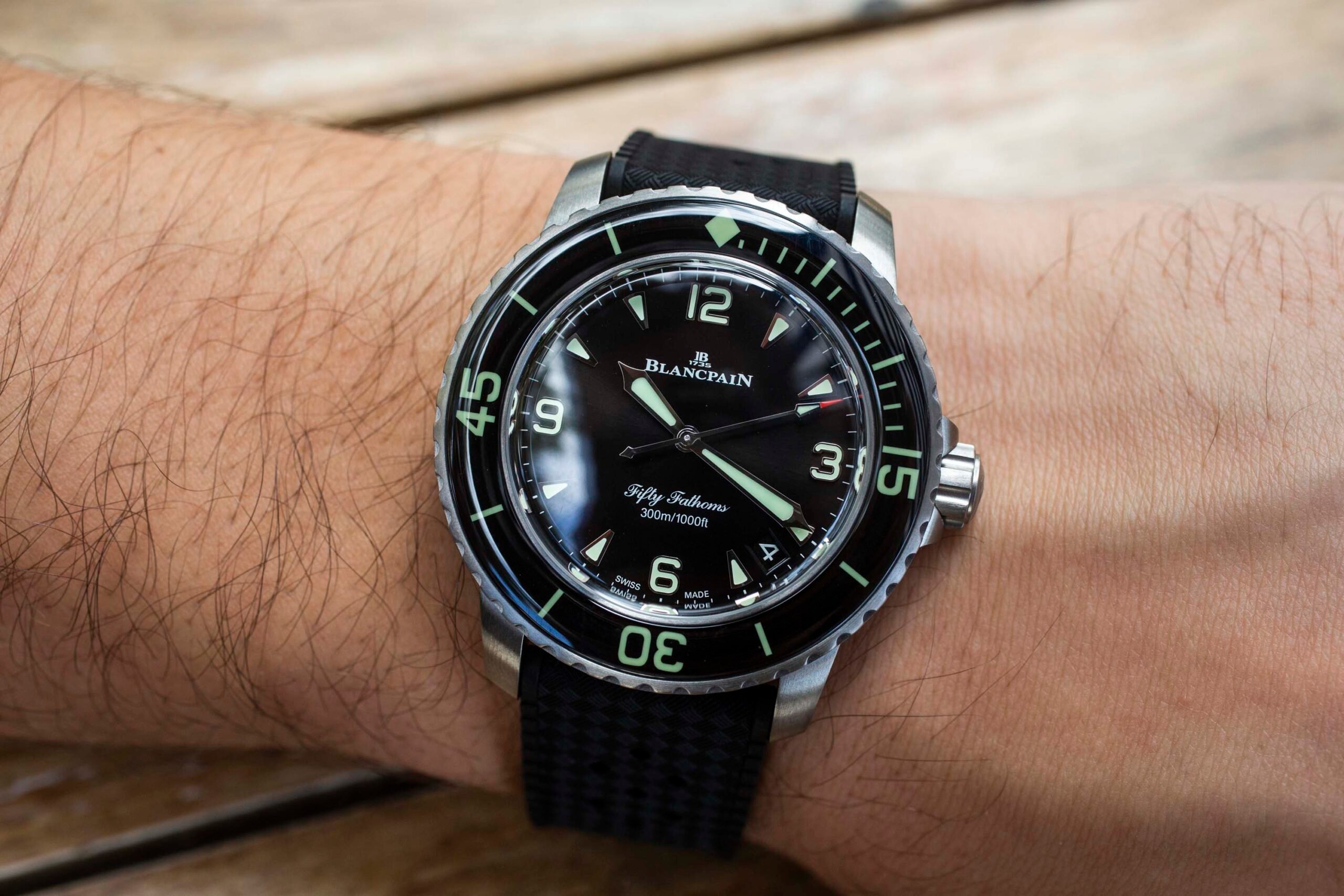
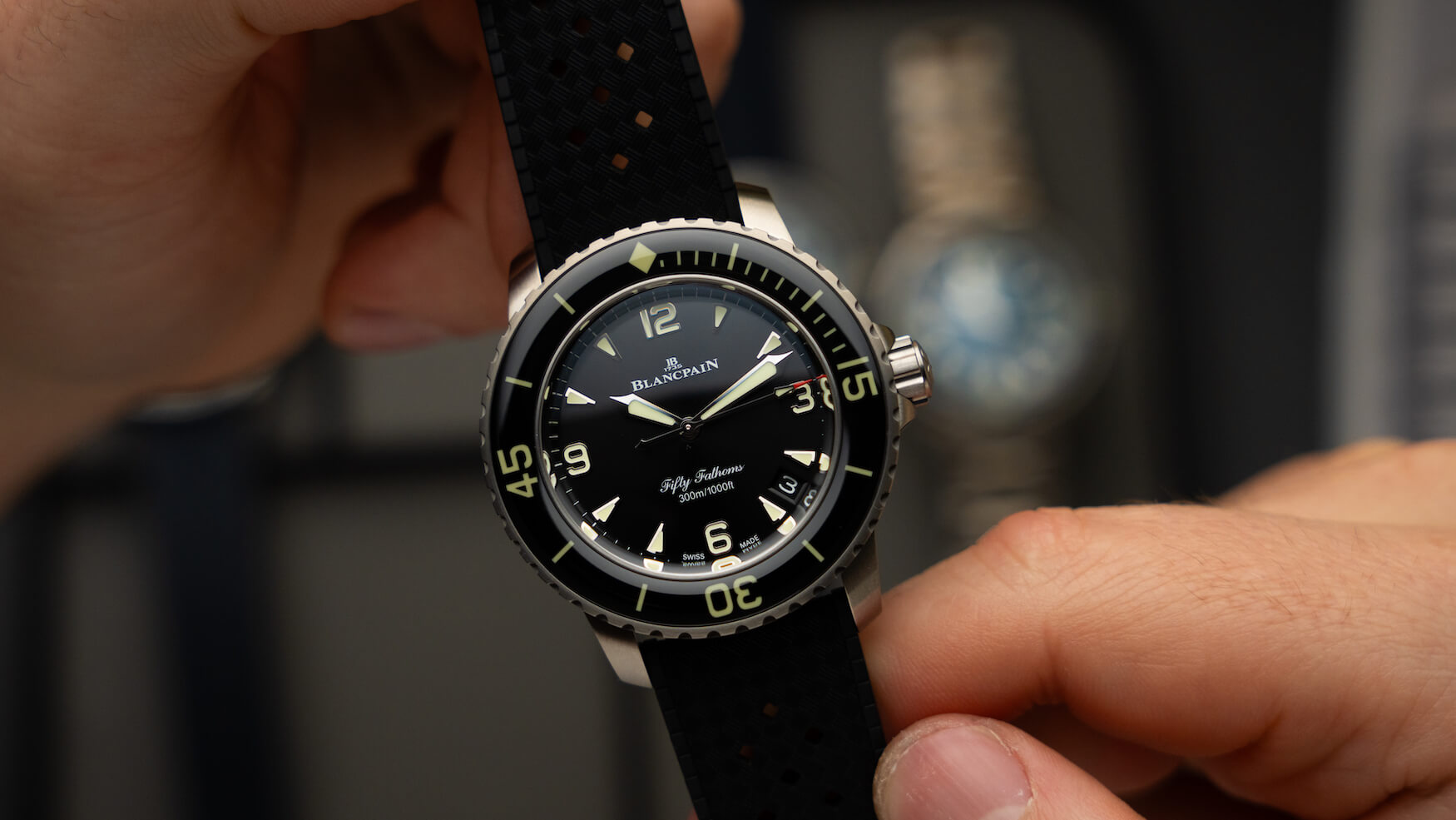
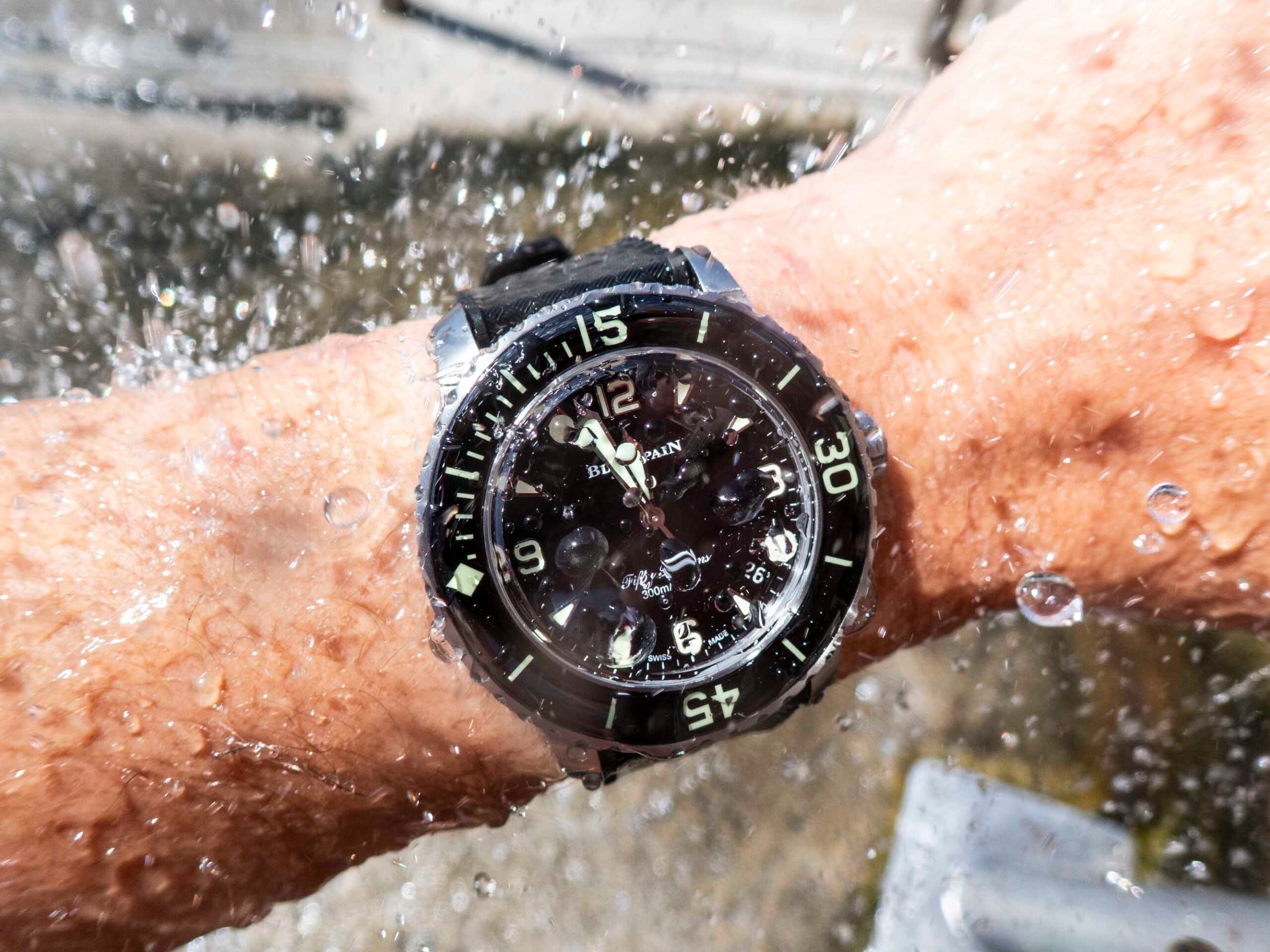
The Blancpain Fifty Fathoms is the brand’s long-running diver’s-watch family, spanning core Fifty Fathoms Automatique models, the more streamlined Bathyscaphe line, and the more overtly technical Tech 45. Current pieces show how broad the collection has become: 38.20 mm titanium Automatique models with caliber 1150 and 100 hours of power reserve, 45 mm steel or titanium versions with caliber 1315 and 120 hours, and black-ceramic Bathyscaphe references that push the watch toward a sleeker, more architectural look. What keeps collectors hooked is that this is not just one iconic diver, but an entire ecosystem of case sizes, materials, straps, and sub-families that all orbit the same legend.
Learn
How the Fifty Fathoms Family Breaks Down
The Blancpain Fifty Fathoms family spans both vintage and modern lines, each with distinct sub-collections. The vintage era (1953–1970s) includes rare military specs like the Tornek-Rayville, Milspec, and No Radiation dials. Today's catalog is massive—over 80 versions—built around three pillars: the core Fifty Fathoms Automatique ref. 5015 with its five-day Caliber 1315; the Bathyscaphe, a sleeker, more consumer-friendly 43mm variant launched in ceramic; and the aggressively modern Tech line, which started with the three-hour-bezel Gombessa and now includes a permanent 45mm titanium model with quick-change straps. The Tech ref. 5029 is the latest, swapping limited editions for a permanent spot, debuting in Grade 23 titanium with a 120-click ceramic bezel and a dial that absorbs 97% of light.
 hodinkee.comhodinkee.com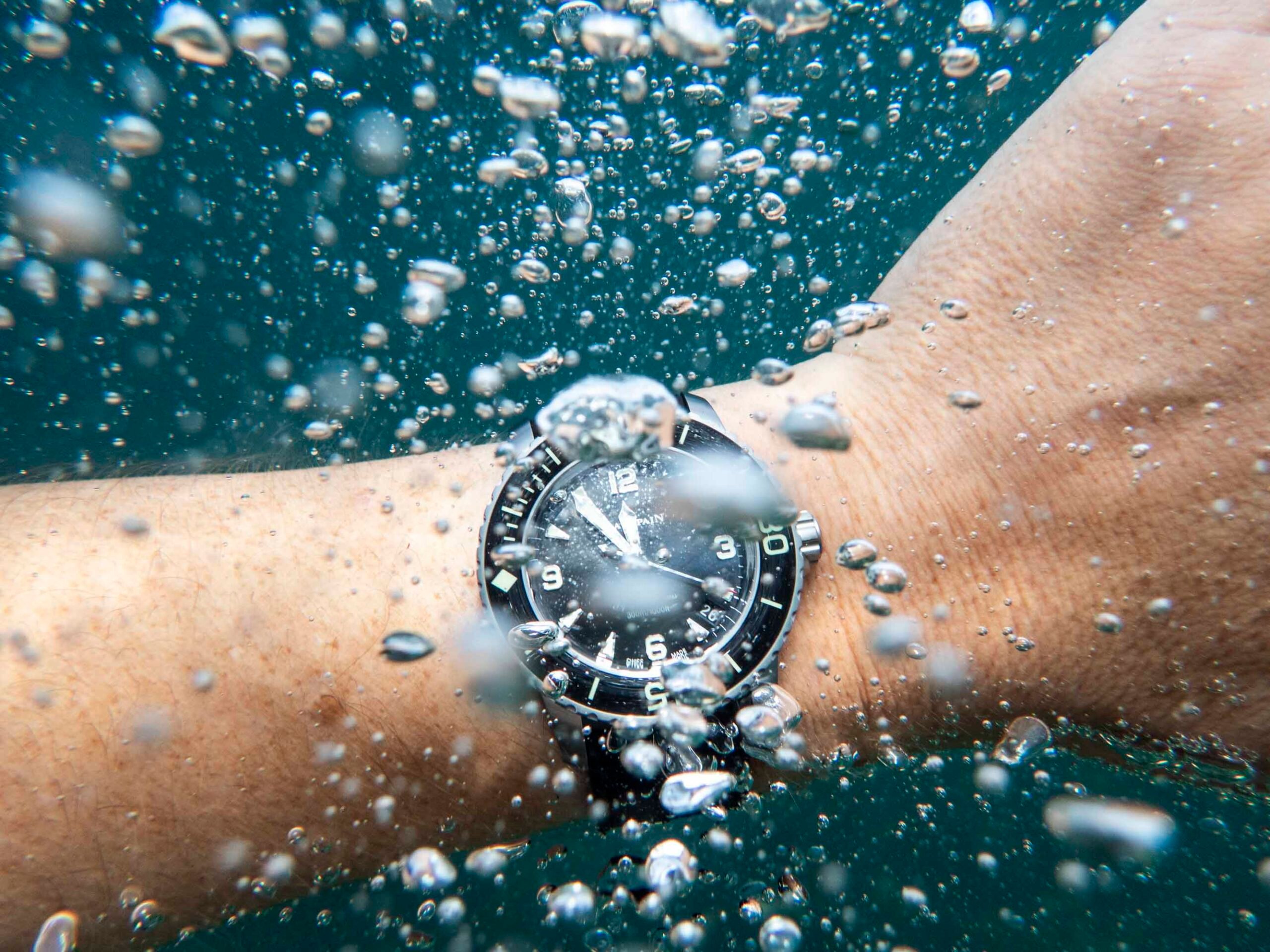
+Field notes
- —The modern Fifty Fathoms family breaks into three distinct sub-collections: the 45mm Automatique (ref. 5015), the 43mm Bathyscaphe, and the recently established Tech line (starting with the 47mm Gombessa in 2023).
- —The Bathyscaphe was originally launched in the 1950s as a more compact, civilian-friendly alternative to the military-spec Fifty Fathoms; today it's available in black ceramic with a 300m water resistance and sapphire caseback.
- —The Tech ref. 5029 uses Grade 23 brushed titanium, a unidirectional 120-click ceramic bezel, and an 'absolute black' dial that absorbs 97% of ambient light, paired with a quick-release interchangeable strap system—a first for the entire Fifty Fathoms line.
- —Core to all modern models is the in-house Caliber 1315 (or its 1315A variant), beating at 4Hz with a 120-hour power reserve thanks to three barrels, a free-sprung balance with gold screws, and a silicon hairspring.
- —Vintage collectibility centers on obscure military-issued references like the Tornek-Rayville (U.S. Navy), Milspec (with a red moisture-indicator dot on the dial), Barakuda, and No Radiation dials, each with distinct provenance and scarcity.
- —The 1953 original was born from a military spec by French combat divers—featuring a double-sealed crown, O-ring caseback gasket, and unidirectional bezel—and was water-resistant to exactly 91.5 meters, i.e. fifty fathoms.
Learn
Why Collectors Still Argue About the First Modern Dive Watch
The Blancpain Fifty Fathoms, introduced in 1953, is widely regarded as the first modern dive watch, but its origin story is surprisingly contested. It wasn't a single eureka moment—two separate quests converged: Blancpain's then-CEO Jean-Jacques Fiechter, a passionate diver, developed the watch after a harrowing near-drowning experience off Villefranche-sur-Mer, while French naval officers Bob Maloubier and Claude Riffaud independently drafted a spec for a military diver's watch. Maloubier first approached LIP, which dismissed his design as "a portable clock without any future," before Blancpain took it on. The result was a watch with innovations like a double-sealed crown, a locking unidirectional bezel, and an O-ring gasket in the caseback—features that became the template for every dive watch that followed. Yet disputes persist over who deserves primary credit, and the rivalry with the Rolex Submariner (released the same year) keeps the argument alive among collectors and historians.

 thedeadbeatseconds.substack.comthedeadbeatseconds.substack.com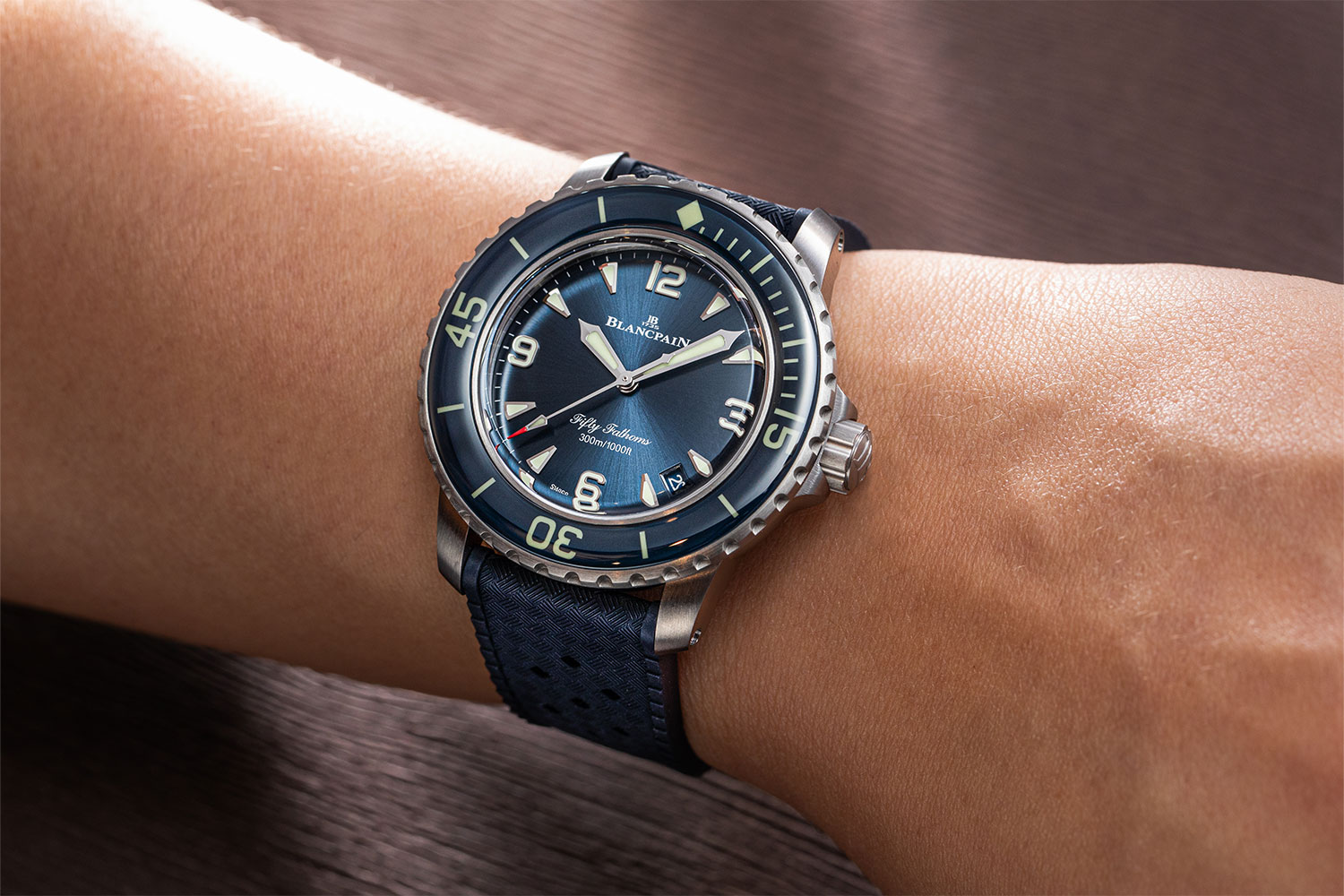
 timetellingmagazine.comtimetellingmagazine.com
+Field notes
- —Jean-Jacques Fiechter's near-drowning at 50 meters in Villefranche-sur-Mer in the early 1950s—where he ran out of air and realized he couldn't safely decompress without a reliable timer—directly inspired the Fifty Fathoms' locking bezel and water-resistant case.
- —French Navy Captain Bob Maloubier's initial design was rejected by LIP, which called it "a portable clock without any future," before he turned to Blancpain—a detail often omitted from the watch's marketing.
- —The name "Fifty Fathoms" is a Shakespearean reference (from The Tempest), not a literal depth rating—though 50 fathoms equals 91.5 meters, the watch was tested far deeper.
- —Only nine bronze-cased Fifty Fathoms prototypes exist (serial numbers 3200–3246), built as a failed pitch to the U.S. Navy; one sold at Phillips Geneva in 2015 for 125,000 CHF against a 25,000–35,000 CHF estimate.
- —The U.S. Navy's Tornek-Rayville variant (a sterile-dial Fifty Fathoms sold under a different brand to bypass procurement rules) is one of the most sought-after military watches, created after Blancpain's own pitch failed and the watch had to prove itself through grueling tests.
- —Fiechter invented a bezel that required pushing down with three fingers to rotate, preventing accidental movement underwater—a feature absent from many modern dive watches and a point of pride among purists.
Learn
Learn the References, Calibers, and Materials
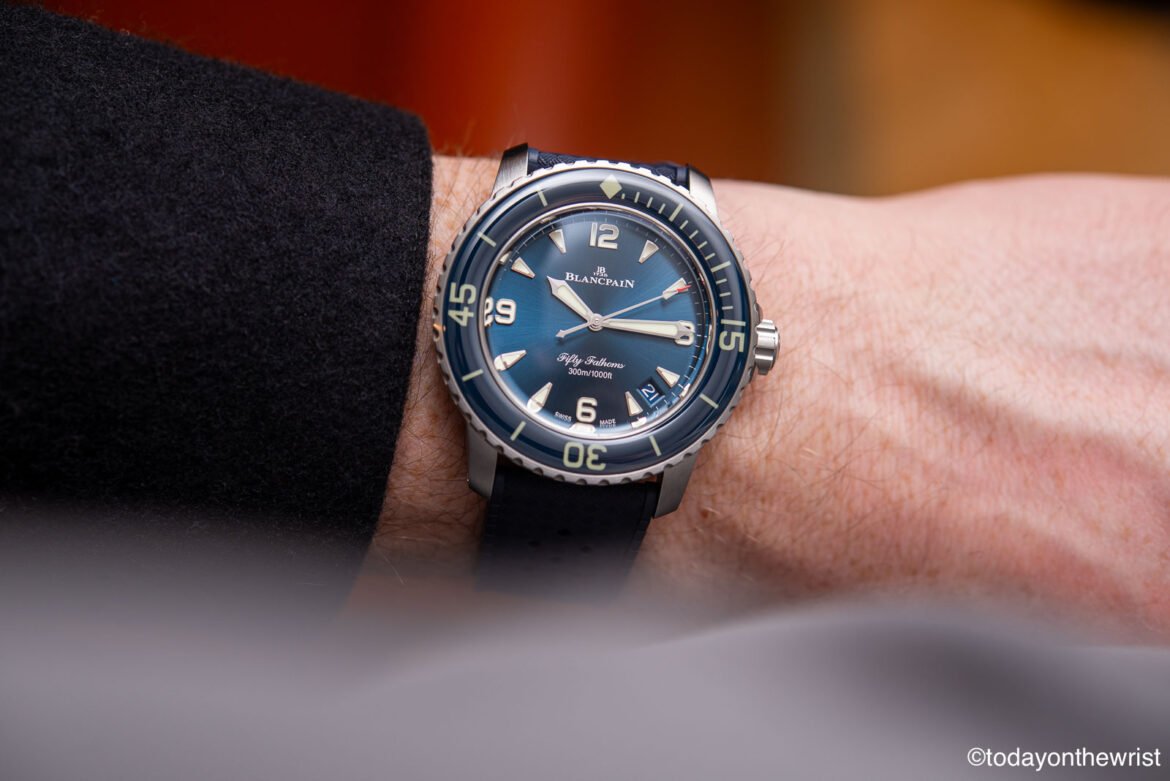
The Blancpain Fifty Fathoms, launched in 1953, is widely recognized as the first modern dive watch, developed in collaboration with the French Navy's elite combat diving unit. Its creation was driven by CEO Jean-Jacques Fiechter, himself a diver, who patented a double-sealed crown, an O-ring caseback gasket, and a unidirectional bezel. The modern collection centers on the ref. 5015 (45mm) powered by the in-house Caliber 1315 with a five-day power reserve, silicon hairspring, and free-sprung balance. In 2023, Blancpain expanded the line with the 42.3mm ref. 5010, offered in grade 23 titanium or red gold, featuring applied indices and sword hands but omitting the contrast ring found on the 5015. The vintage-inspired ref. 5008 models like the 'No Radiation' and 'Barakuda' pay homage to specific historical military references. The Fifty Fathoms remains a benchmark for tool-watch design, with continuous evolution across materials—sapphire bezels, titanium cases, and ceramic inserts—while retaining its functional DNA.

 teddybaldassarre.comteddybaldassarre.com

 blancpainblog.comblancpainblog.com
 blancpainblog.comblancpainblog.com
+Field notes
- —The original 1953 Fifty Fathoms was born from a direct military spec: French Navy Captain Bob Maloubier and Lieutenant Claude Riffaud demanded features like a locking bezel, automatic winding, and a moisture-indicating dot that turned red on the dial.
- —The core modern reference, the 45mm 5015, houses Blancpain's Caliber 1315—a movement with three series-coupled barrels delivering a full 120-hour power reserve, a free-sprung balance with gold adjustment screws, and a silicon hairspring for antimagnetic performance.
- —The 42.3mm ref. 5010, launched as a regular production model in 2023 after the 70th Anniversary Act 1 limited edition, is available in grade 23 titanium or red gold; its case is satin-brushed and it uses applied indices and sword hands, distinguishing it from the larger 5015.
- —The Bathyscaphe ref. 5000 (43.6mm), introduced in 2013, uses the same Caliber 1315 but with a glass caseback because the movement was engineered to be antimagnetic without a soft-iron cage, unlike the solid caseback on the 5015.
- —Vintage-inspired limited editions like the 'No Radiation' ref. 5008D and 'Barakuda' ref. 5008B recreate specific features of 1960s military-issue Fifty Fathoms, including the yellow 'No Radiation' logo and the distinct two-tone dials of the German Bundeswehr contract watches.
- —Modern Fifty Fathoms use a screw-system strap attachment instead of traditional spring bars, and the bezel is unidirectional with a sapphire insert—a material choice that resists scratches far better than the original Bakelite.
Discover
Video Reviews That Compare Size, Wear, and Character


The Blancpain Fifty Fathoms, launched in 1953 as the first commercially available dive watch, set the template for all modern dive watches, but its real character comes through in video reviews that compare size, wear, and the subtle differences between models. The 2026 Fifty Fathoms Tech reference 5019A-12B30-94A is a titanium beast at 47mm with a 3-hour dive bezel for saturation diving — a hyper-specialized tool that looks absurd on most wrists but makes perfect sense for professional divers. The more accessible Bathyscaphe ref. 5000 in ceramic at 43mm or even 38mm offers a wearable alternative with the same legendary build quality. Meanwhile, the Flyback Chronograph 5085F at 45mm in steel shows how Blancpain multiplies functionality without losing tool-watch integrity. The real surprise is that even at these sizes, the watches wear smaller than their diameters suggest because of short, curved lugs and the inherent lightness of grade 23 titanium in the Tech models. If you want to understand the Fifty Fathoms, you have to see them on wrist — the photos don't convey how the sapphire bezel catches light or how the 1315 movement's four-day power reserve changes daily wear habits.
+Field notes
- —The 2026 Fifty Fathoms Tech (ref. 5019A) uses grade 23 titanium — stronger and more corrosion-resistant than standard grade 5, and it makes the 47mm case feel much lighter on the wrist than you'd expect.
- —The Bathyscaphe ref. 5000 in ceramic at 43mm (and sometimes 38mm) is the most wrist-friendly Fifty Fathoms for average-sized wrists; video reviews show it sits flat because of the short, downsized lugs, unlike the chunky original.
- —The Flyback Chronograph 5085F (45mm steel) uses a cam-actuated flyback mechanism — rare at this price point — and video reviews point out that the push-pieces at 2 and 4 are recessed into the case, protecting them from accidental activation underwater.
- —The Fifty Fathoms was not the first dive watch ever — Panerai made them for the Italian Navy from 1935 — but it was the first sold to the general public, and video reviewers emphasize that its 1953 origin story still dominates how enthusiasts compare it to the Submariner.
- —The 1315 movement in the standard Fifty Fathoms has three series-coupled mainspring barrels for 120 hours of power reserve — watch reviewers note that a full five days means you can take it off Friday and wear it Monday without resetting, which changes how you live with the watch.
- —The 2026 Tech model's 3-hour bezel is designed for saturation diving, where decompression stops can last much longer than a standard 60-minute dive; video reviews describe it as a legitimate professional tool that looks ridiculous in a boardroom but is pure purpose on the wrist.
Discover
Collector Writeups Beyond the Brand Catalog
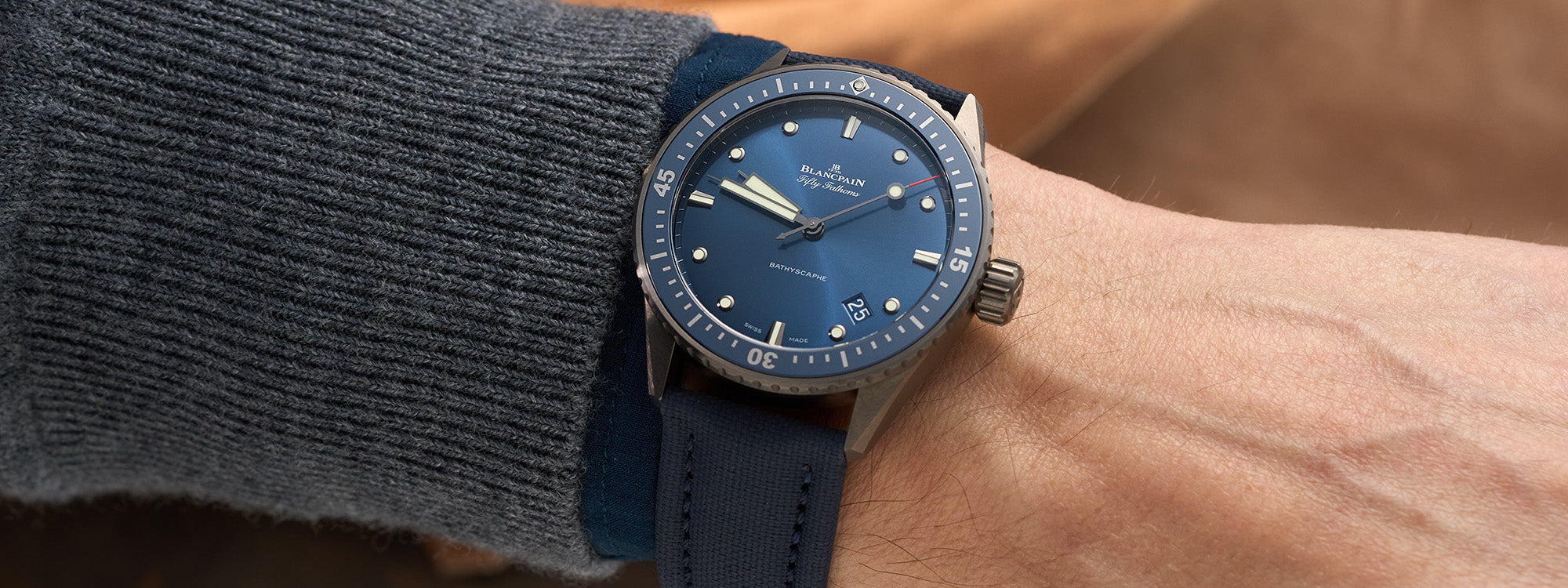
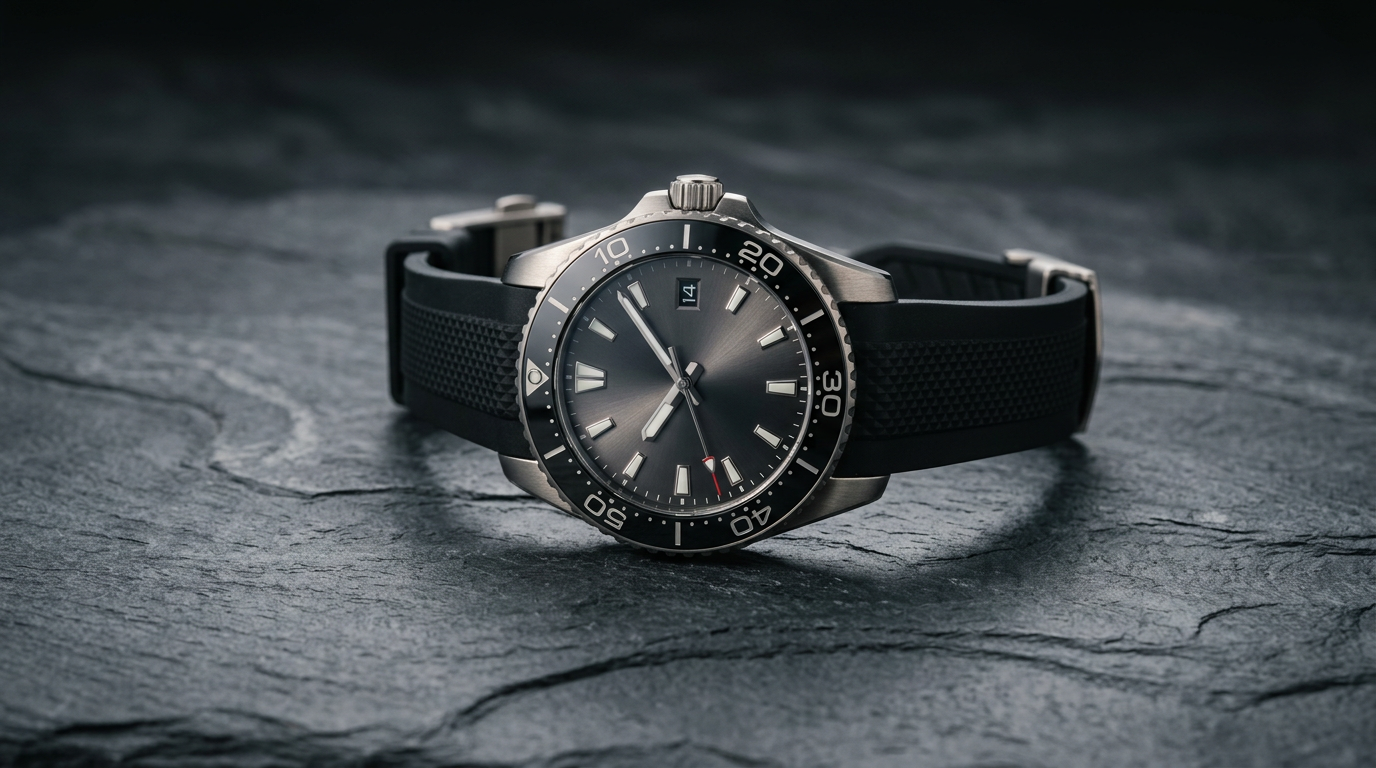
For the serious collector, the Blancpain Fifty Fathoms is a rabbit hole of military provenance, micro-variations with cryptic code names, and a design language that never needed fundamental improvement — just deeper documentation. The watch was born in 1953 from a direct collaboration between Blancpain CEO Jean-Jacques Fiechter and Captain Bob Maloubier of the French Nageurs de Combat, who needed a wrist instrument for their underwater missions. Its three foundational patents — a double-sealed crown, a caseback O-ring channel secured by a metallic locking disk, and a unidirectional bezel that physically prevented accidental rotation — established the template for every modern dive watch that followed. Yet the Fifty Fathoms nearly vanished in the 1970s, killed by quartz and a misguided pivot toward blingy luxury-sport aesthetics, before being resurrected in 2007 by new management. The modern lineup is now a sprawling system that runs from the 45mm Automatique (ref. 5015, with its Caliber 1315 delivering 120 hours of power reserve via three barrels) to the more wearable 43mm and 38mm Bathyscaphe variants, all sharing the same in-house movement architecture. The collecting community hangs on obscure military spec models — the sterile-dial Tornek-Rayville for U.S. Navy SEALs, the “No Radiation” dials from an era of radioactive lume, and the Barakuda tribute with its distinctive red-and-white markings — each carrying a specific, verified operational history that makes the Fifty Fathoms one of the most genuinely documented, rather than retroactively mythologized, watches in horology.
+Field notes
- —The Fifty Fathoms's three foundational patents — a double-sealed crown, a caseback O-ring channel with a metallic locking disk, and a unidirectional bezel that blocks accidental rotation — were all filed by Fiechter in the early 1950s and remain unimproved in principle: every modern dive watch still uses this exact trinity of solutions.
- —The modern Caliber 1315 found in both the 45mm Fifty Fathoms Automatique (ref. 5015) and the Bathyscaphe is a genuinely sophisticated in-house movement with three barrels for 120 hours of power reserve, a free-sprung balance with adjustable gold screws, and a silicon hairspring for magnetic resistance — it is not a cheaper, detuned movement even in the smaller-cased Bathyscaphe.
- —The Bathyscaphe, named after Auguste Piccard's deep-diving submersible, was originally sold in the 1950s as a literal smaller-diameter sibling to the Fifty Fathoms — same design philosophy, reduced size — and then disappeared for decades until Blancpain revived it in 2013 as a more wearable, everyday diver.
- —The 'No Radiation' variant got its name because the dial markings warned against the use of radium-based lume, a genuine workplace safety concern when the watches were issued to French combat divers; collectors pay a significant premium for these historically specific dials.
- —The sterile-dial Tornek-Rayville was the U.S. Navy's version of the Fifty Fathoms, produced by a separate distributor (Tornek) for American SEAL teams from about 1958 onward — it lacked the Blancpain name entirely, which is now considered a mark of extreme rarity and military authenticity.
- —The modern Fifty Fathoms lineup now contains over 70 distinct references, including the 42mm and 38mm sizes added in 2025, making it one of the largest and most technically varied dive-watch families on the market — all sharing the same 300-meter water resistance and in-house movement architecture.
Keep exploring
More of Blancpain Fifty Fathoms

Branch out
Beyond Blancpain Fifty Fathoms
More to explore
In the same world.

Rolex Deepsea
The Rolex Deepsea is Rolex’s 44 mm extreme-depth dive watch, built around the brand’s Ringlock system and rated to 3,900…

Rolex Deepsea
The Rolex Deepsea is Rolex’s 44 mm extreme-depth diver, introduced in 2008 as the brand’s purpose-built watch for deep-s…

Blancpain Villeret
The Blancpain Villeret collection is the brand’s dress-watch center of gravity: restrained white dials, slim round cases…
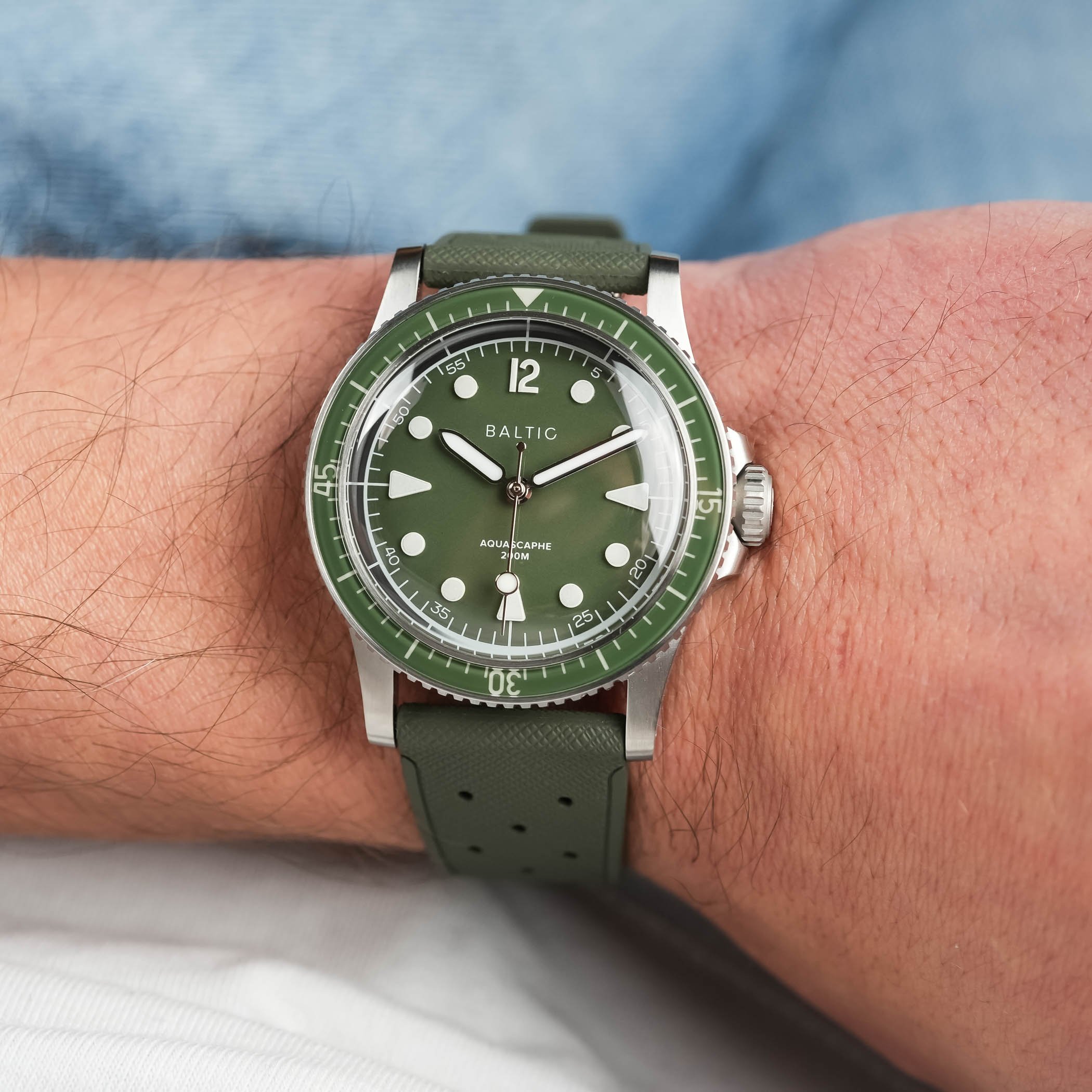
Affordable Microbrand Watches
Affordable microbrand watches are independently made watches sold outside the traditional luxury-brand system, with enth…

Affordable Watches Under $500 That Still Feel Like the Real Thing
At the sub-$500 mark, watch buyers are not just chasing low prices—they are looking for the point where finishing, relia…

Military Watches
Military watches sit at the intersection of real field use, instrument design, and modern tool-watch collecting: brands…

Audemars Piguet
Audemars Piguet is a Swiss luxury watchmaker rooted in Le Brassus in the Vallée de Joux, where the brand says its craft…
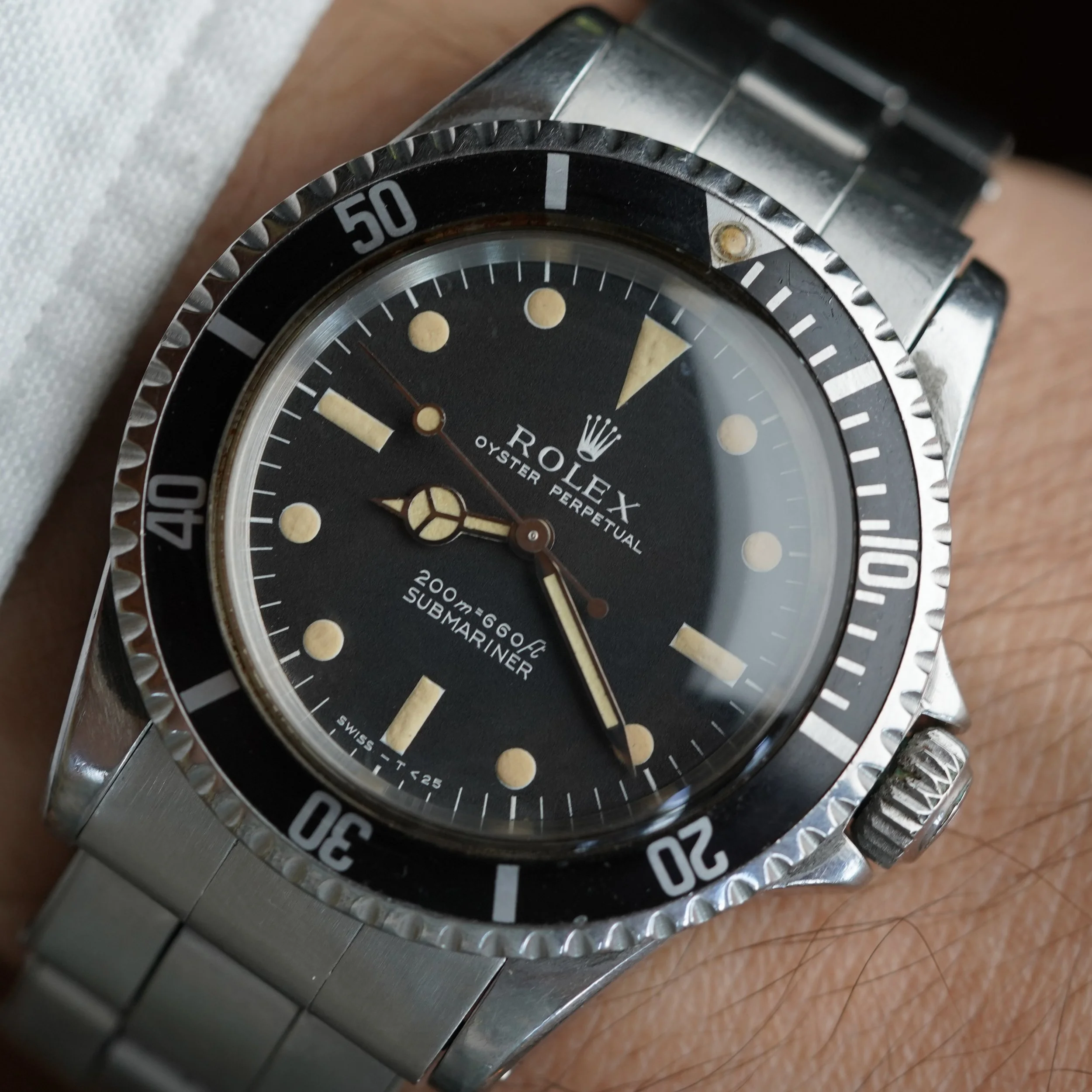
Vintage Rolex Submariner
When Rolex introduced the Submariner in 1953, it permanently defined what a dive watch could be — a purpose-built tool t…
More in Watches & Horology
Stay in this world.
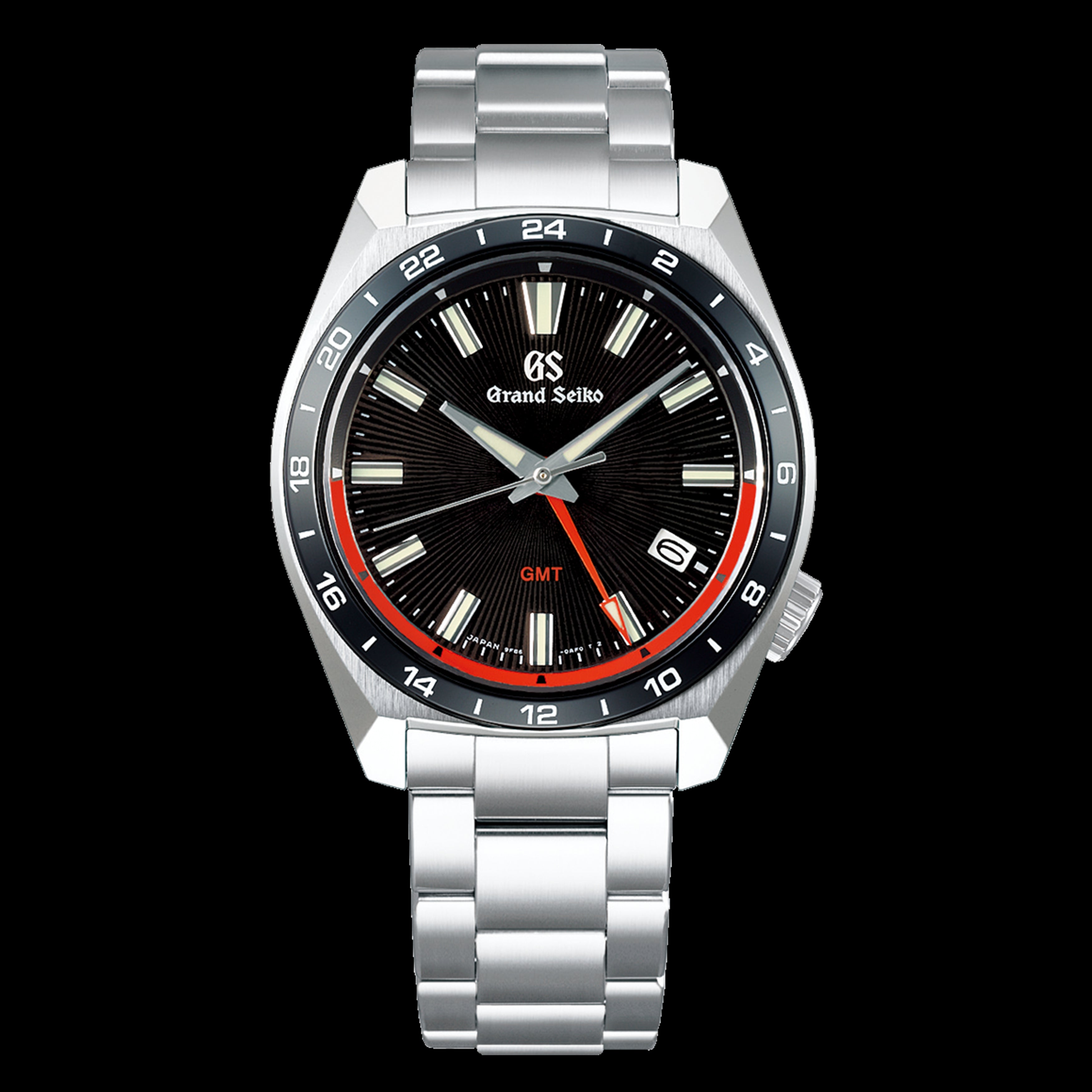
Grand Seiko SBGN001 9F GMT
Rolex Deepsea
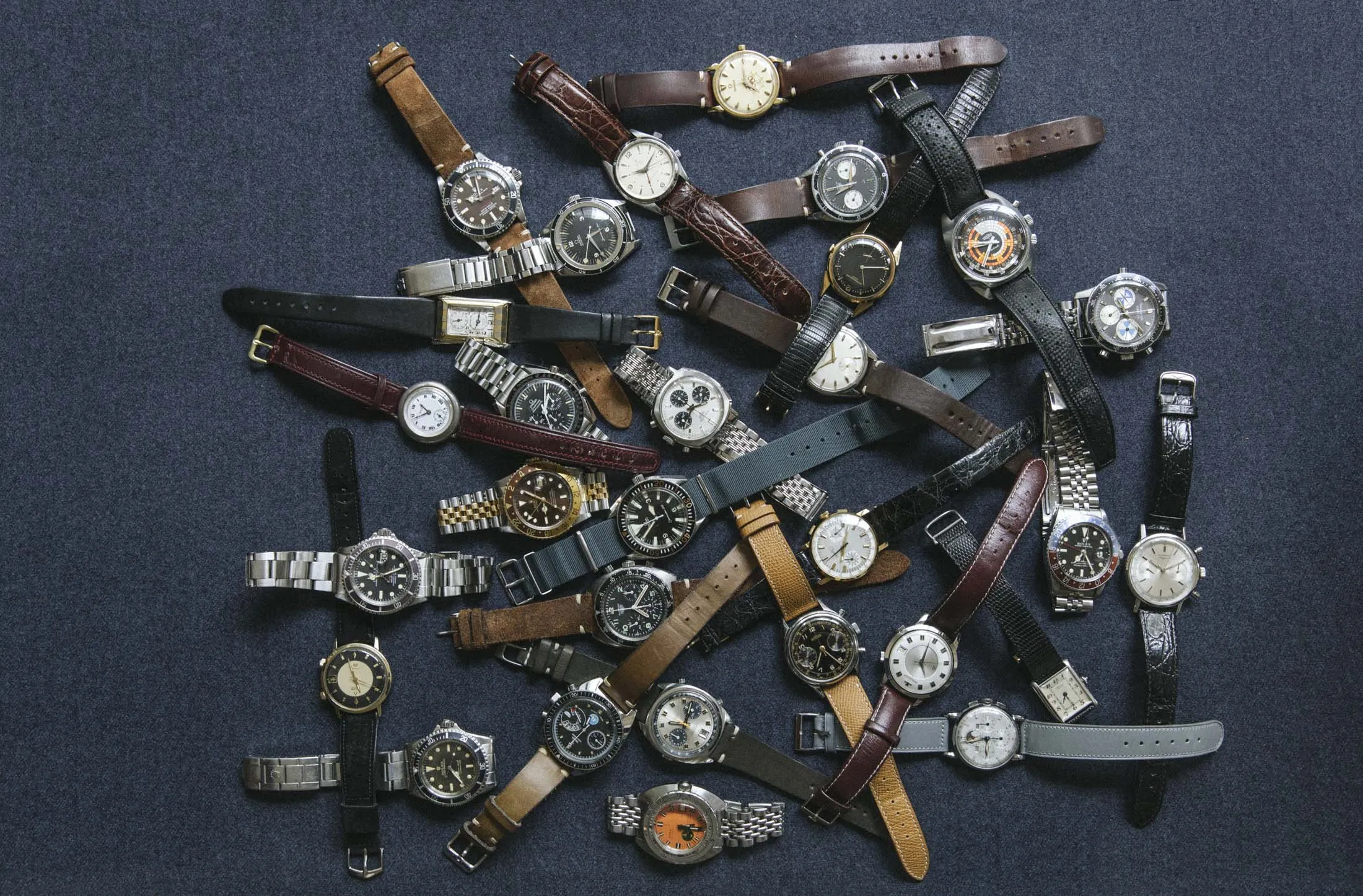
Vintage Watch Hunting
Rolex Deepsea
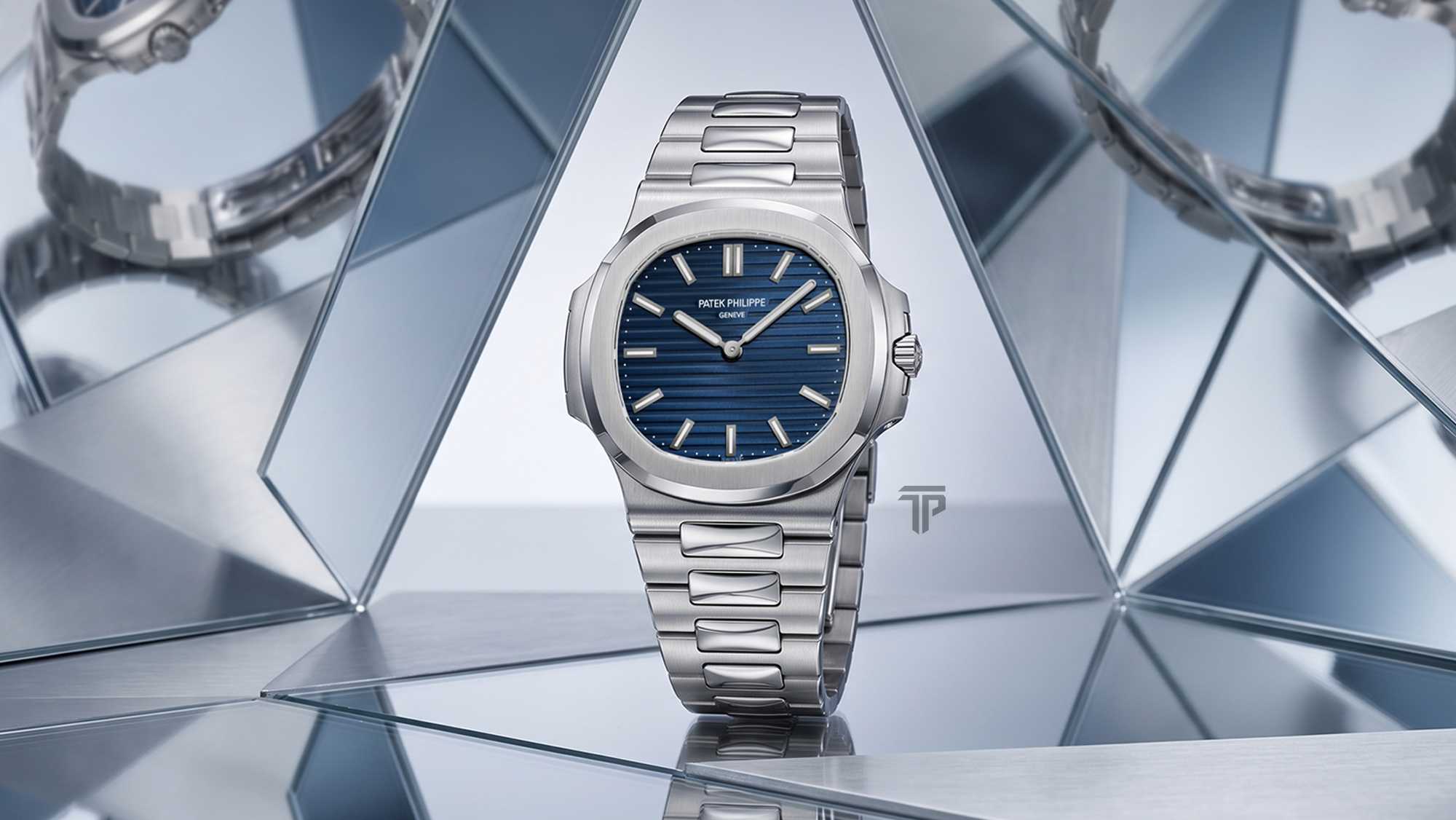
Luxury Watches That Hold Value
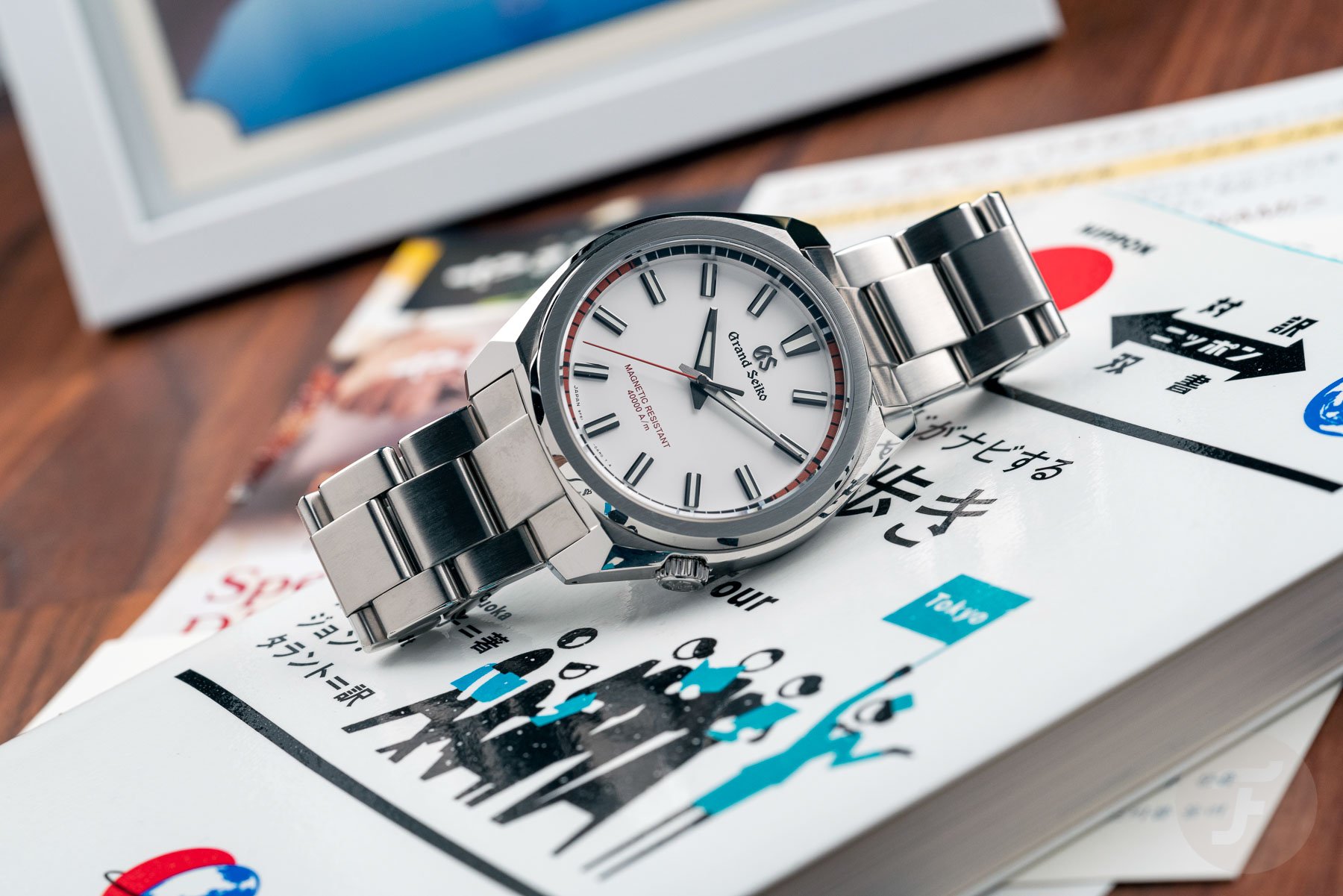
Best Luxury Quartz Watches
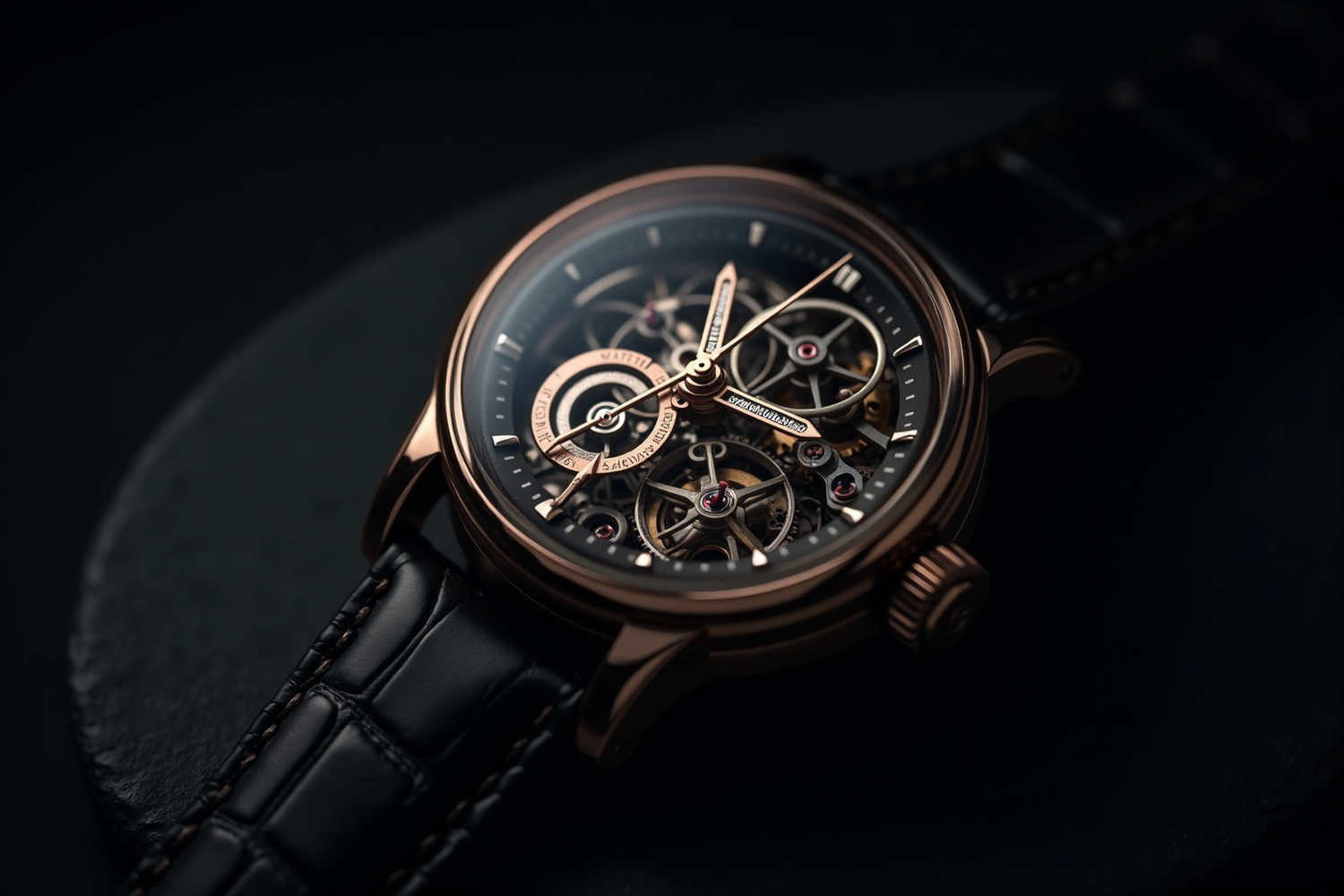
Skeletonized Haute Horlogerie
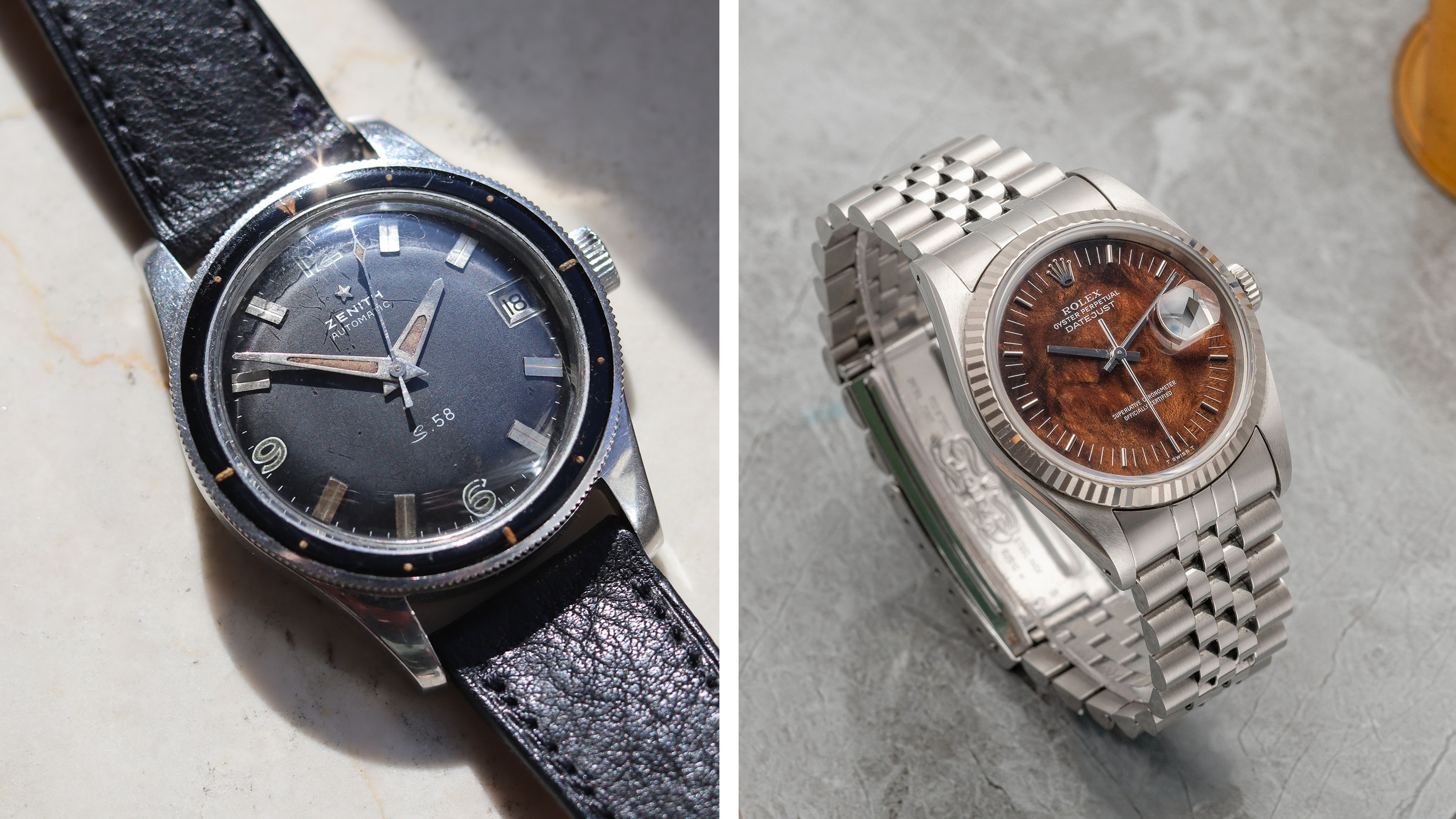
Best First Luxury Watch
Imagery
Know someone who’d love this?
Discovered by ArcurianAuto-generated from public sources and AI synthesis — it may be incomplete or inaccurate. Treat it as a starting point for your own exploration, not professional (medical, legal, financial, or safety) advice. Verify anything you act on. Report this page.