Military watches sit at the intersection of real field use, instrument design, and modern tool-watch collecting: brands like Marathon sell Swiss-made watches positioned as authentic military issue pieces, while G-SHOCK, Luminox, Bremont, MTM, Breitling, and Fortis all frame specific lines around military or professional service contexts. What makes the category interesting is that it is not one look but several overlapping lineages—dive watches, pilot’s watches, tactical quartz pieces, and stripped-down field watches built around legibility, durability, water resistance, lume, and shock protection. Enthusiasts care less about camouflage styling than about whether a watch feels genuinely mission-driven, from a MIL-SPEC diver to a pilot-developed Flieger or a G-SHOCK built around punishment-proof practicality. Follow this subject for long and you stop asking which watch looks military and start asking which designs earned that reputation through actual use, procurement, and purpose-first engineering.
Learn
What Collectors Mean by a Military Watch
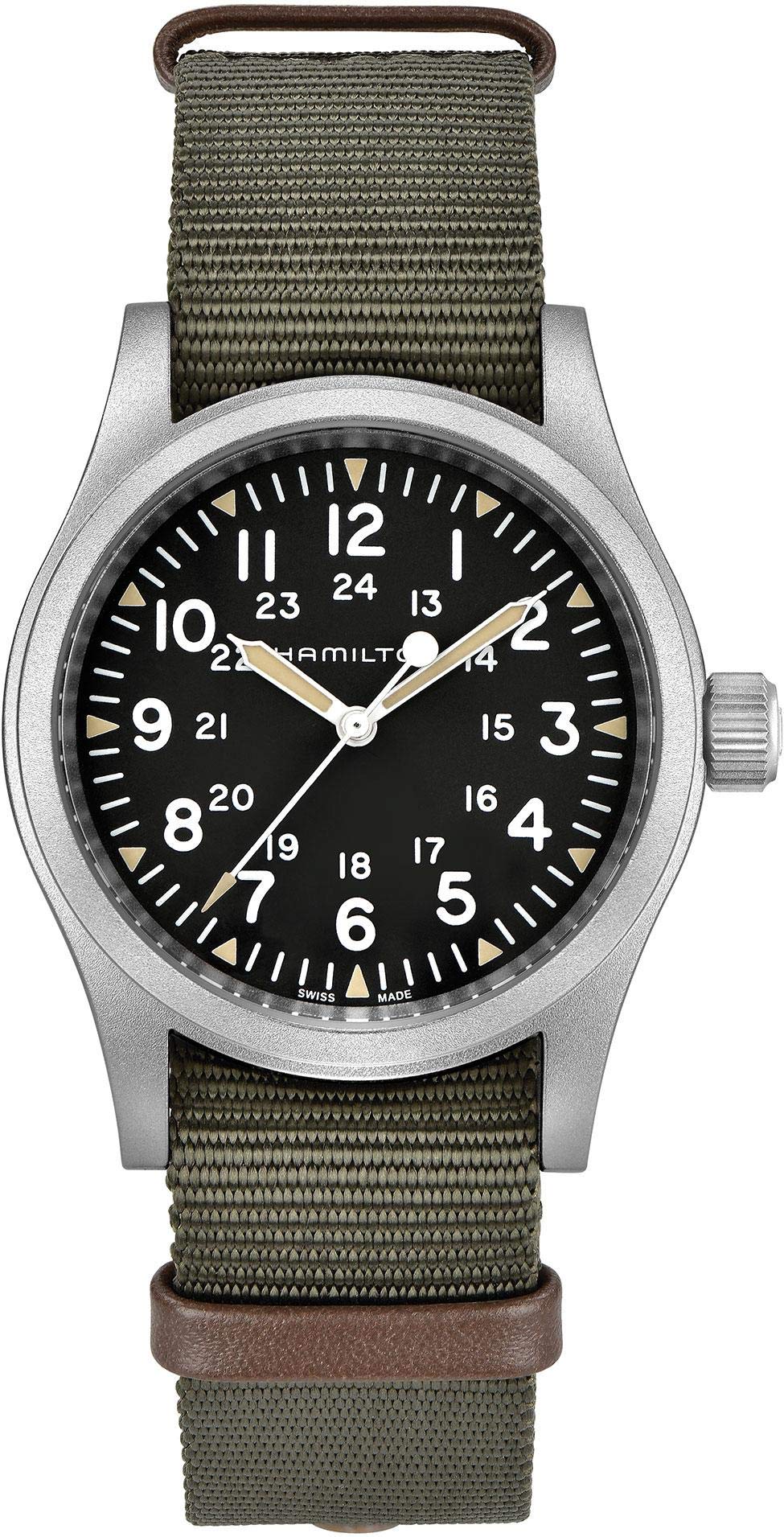
For a collector, 'military watch' is a category defined by use and specification, not by appearance. The term covers watches built to meet operational demands like durability, water resistance, and shock protection, rather than any single design language. The real distinction lies in what a watch was built to do: field watches were designed for ground troops who needed compact, reliable, and legible timekeepers (often in 36–40mm cases with 12- and 24-hour markings), while pilot watches evolved for different environments, and dive watches followed separate naval standards. The US military stopped issuing standard-issue watches after Vietnam, treating them as personal kit, which is why actual military-issue pieces from contracts like the British 'Dirty Dozen' (W.W.W. specification) carry a unique provenance that no civilian spec can match.

 chotovelli.comchotovelli.com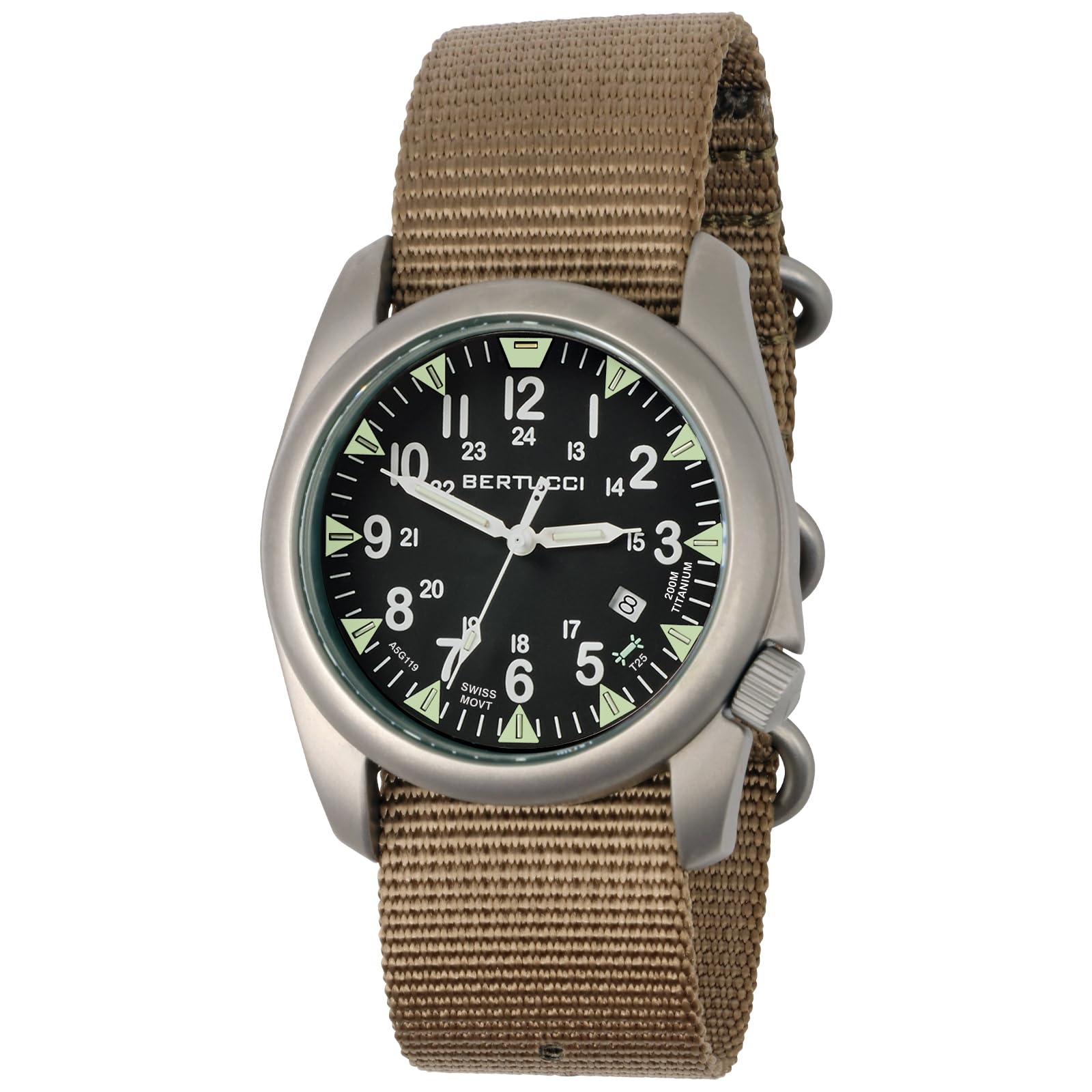
 ottuhr.comottuhr.com
 twobrokewatchsnobs.comtwobrokewatchsnobs.com
 wisstraps.comwisstraps.com
+Field notes
- —The term 'military watch' is not a design category but a use category — a watch built to operational standards for durability, water resistance, and shock protection, rather than to a specific aesthetic.
- —Field watches were defined for ground troops and prioritized compactness (36–40mm), simplicity, and legibility, with both 12- and 24-hour markings for quick reading without interpretation.
- —The US military stopped issuing a standard-issue watch after the Vietnam era; now service members buy their own based on role, choosing watches with tritium illumination, sapphire crystals, and shock-resistant movements.
- —The British 'Dirty Dozen' (1944–45) was a single specification (W.W.W.) for 12 Swiss firms, producing 145,000–150,000 units with shared features: 15 jewel chronometer-grade movements, black dials, sub-seconds at 6, and broad arrow casebacks.
- —A military watch's most meaningful quality certification is documented use by actual combat units — e.g., the French Navy's combat diver corps using a Blancpain Fifty Fathoms on real missions — which no civilian standard can replicate.
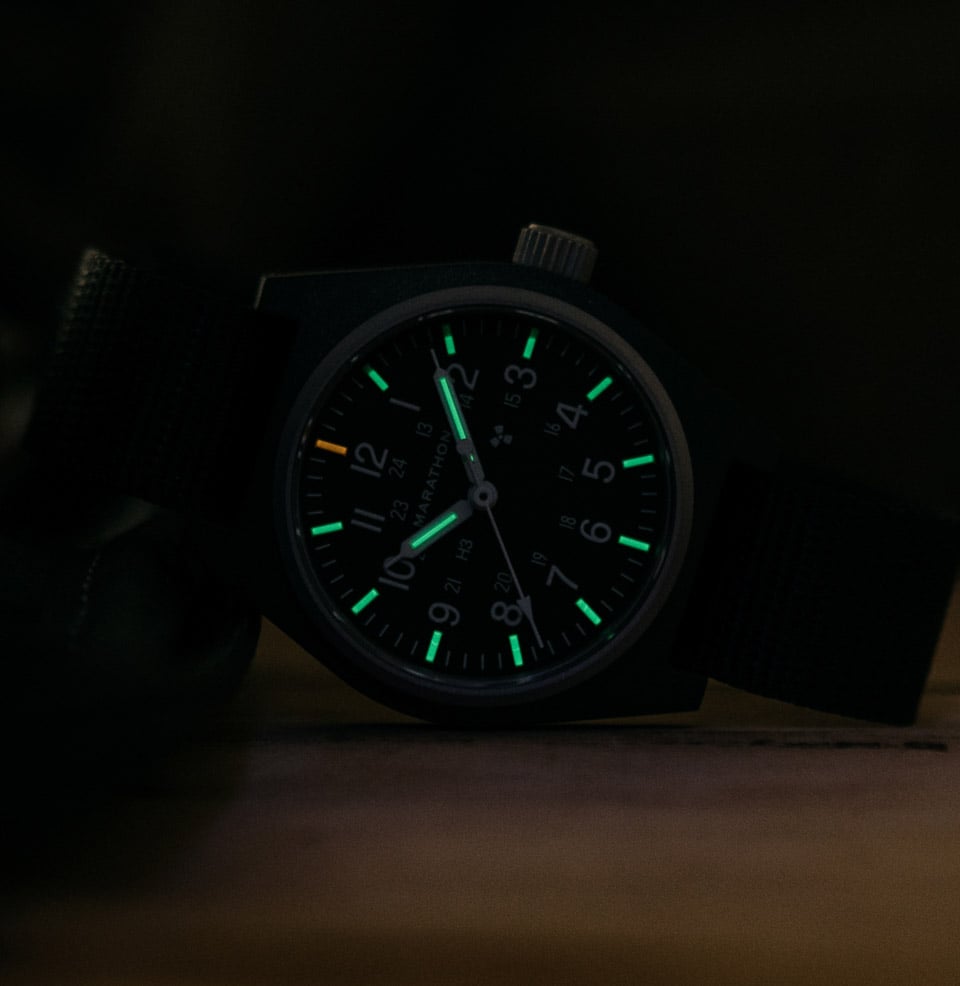
- —The Marathon Navigator, designed for Kelly Air Force Base in the mid-1980s, exemplifies the 'service DNA' approach: a composite fiber case, sterile dial with tritium tubes, and 12- and 24-hour layout, built for practical use without branding.
Learn
From Issued Instruments to Modern Tactical Tool Watches
The military watch—what we now casually call a 'field watch' or 'tool watch'—was born not from design trends but from brutal operational necessity. The entire concept of the wristwatch for men was popularized by WWI soldiers who jury-rigged lugs onto their pocket watches so they could read the time while handling a rifle in the trenches; newspapers of the era called it a 'silly ass fad.' By WWII, this ad-hoc solution had been formalized into rigid government specifications. Britain’s 1944 'Watch, Wristlet, Waterproof' (W.W.W.) tender—colloquially known as the 'Dirty Dozen' after the twelve Swiss firms that filled it—produced 145,000–150,000 near-identical watches with chronometer-grade movements, radium lume, sub-seconds, and a sealed crown, all stamped with the Broad Arrow pheon of Crown property. Meanwhile, the U.S. specification A-11, built by Bulova, Elgin, and Waltham, introduced the hacking-seconds feature critical for synchronizing troop movements, earning it the nickname 'the watch that won the war.' These originals tell a story of form dictated by function: black dials, white numerals, matte cases, absurd legibility, and zero ornament. Over the decades, the same ethos drove the military dive watch—Blancpain’s Fifty Fathoms, issued to French combat divers in the 1950s, and later the CWC and Marathon quartz models—proving that the most meaningful quality certification a watch can carry is not a commercial spec but an engraved service number from a unit that trusted it with lives.

 watchtime.comwatchtime.com
 anordain.comanordain.com
+Field notes
- —The wristwatch for men was effectively invented by WWI soldiers who soldered crude lugs onto their pocket watches and strapped them to their wrists with scrap leather because fumbling for a pocket watch in a trench cost precious seconds—the New York Times in 1916 dismissed the trend as a 'silly ass fad.'
- —Britain's 1944 W.W.W. (Watch, Wristlet, Waterproof) specification produced the 'Dirty Dozen'—twelve Swiss makers (including Vertex, Jaeger-LeCoultre, and Omega) delivering 145,000–150,000 near-identical watches, each with a 15-jewel chronometer-grade movement, radium luminous hands, a sealed crown, and the Broad Arrow pheon marking Crown property.
- —The American A-11 specification—built by Bulova, Elgin, and Waltham—was the first mass-produced military watch to incorporate hacking seconds, a feature that allowed squads to synchronize watches precisely, which is why it's still called 'the watch that won the war.'
- —U.S. watch brands Hamilton, Waltham, Elgin, and Bulova dominated WWII military production, but the war ironically crippled the American watch industry: after the conflict, Swiss competitors—who had been making watches for both sides during the war—flooded the market, and by the 1950s the U.S. wristwatch industry was effectively finished.
- —Combat diving in WWII (Italian frogmen, British SBS, U.S. UDTs) created demand for watches that could be read underwater by feel and in darkness, leading directly to the 1953 Blancpain Fifty Fathoms—the first modern dive watch—which was an issued piece for French Navy combat divers, not a retail product.
- —Military watches were never sold to troops; they were Crown property stamped with an issue number and tracked against a soldier's pay book, which is why surviving examples with intact engraving and original service provenance command a premium far beyond any equivalent civilian model.
Learn
The Terms That Actually Matter: MIL-SPEC, Field, Flieger, Tritium, Quartz
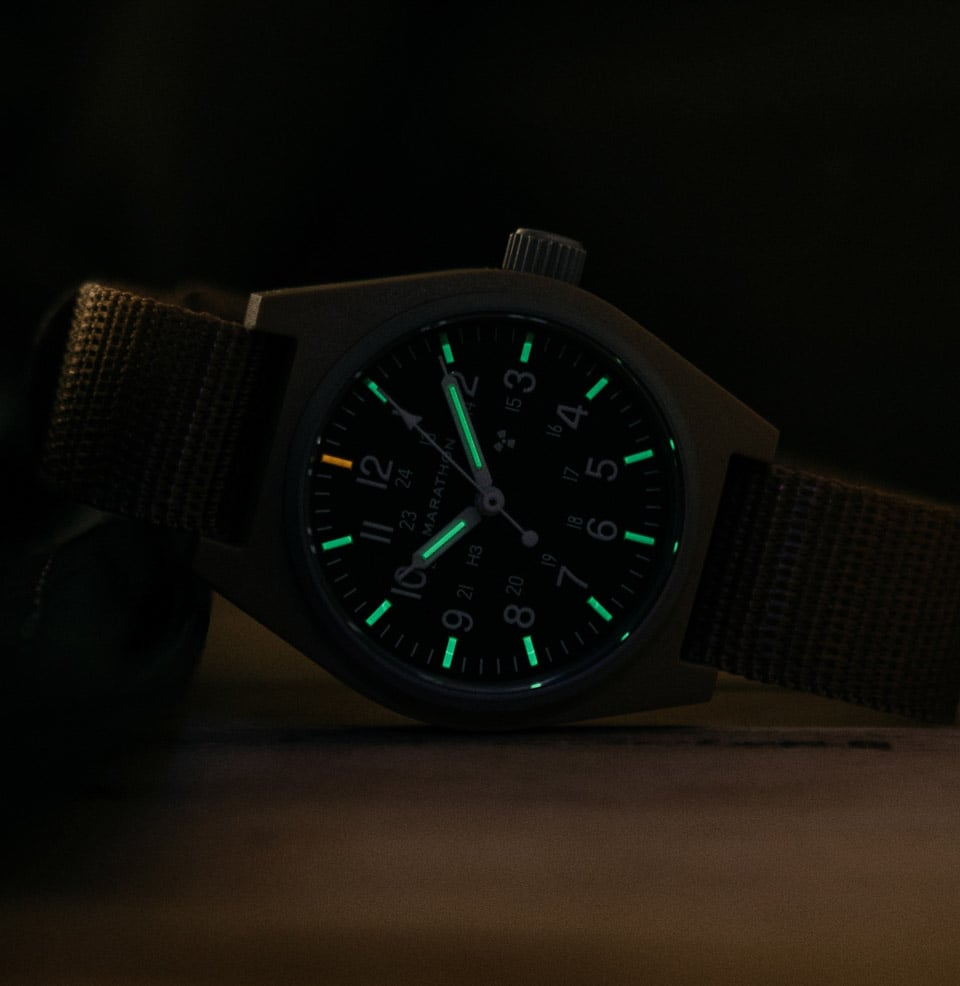
When collectors toss around 'MIL-SPEC,' they're usually invoking a real, often-misunderstood government procurement code—not a vibe. The US military’s watch specs live inside actual documents with names like MIL-PRF-46374G and GG-W-113, and they’re surprisingly granular. For instance, MIL-PRF-46374G (1999) breaks wristwatches into Types (I, II, III) based on lifespan and features like an elapsed-time ring, and Classes (1 through 4) depending on whether the movement is mechanical or quartz and whether the battery is pre-installed, packed separately, or not included at all. The earlier GG-W-113 (1967) was a pilot-specific standard requiring a 15-jewel mechanical movement with hacking seconds and tritium lume, built by Benrus, Hamilton, and Marathon. Meanwhile, the ground-troop spec MIL-W-3818B (1962) called for 17 jewels and was first fulfilled by Benrus after a competition. Tritium—used from the 1960s to the 1990s—is radically different from today’s Super-Luminova: it’s a radioactive gas sealed in tiny glass tubes (GTLS) that glows continuously without any charging, about 100 times brighter than phosphorescent paint. And while quartz movements are now ubiquitous in military-issue watches like the Casio F-91W, the official spec still reserves Class 4 for mechanical movements—a nod to the fact that a battery-free option can matter in the field.
 60clicks.com60clicks.com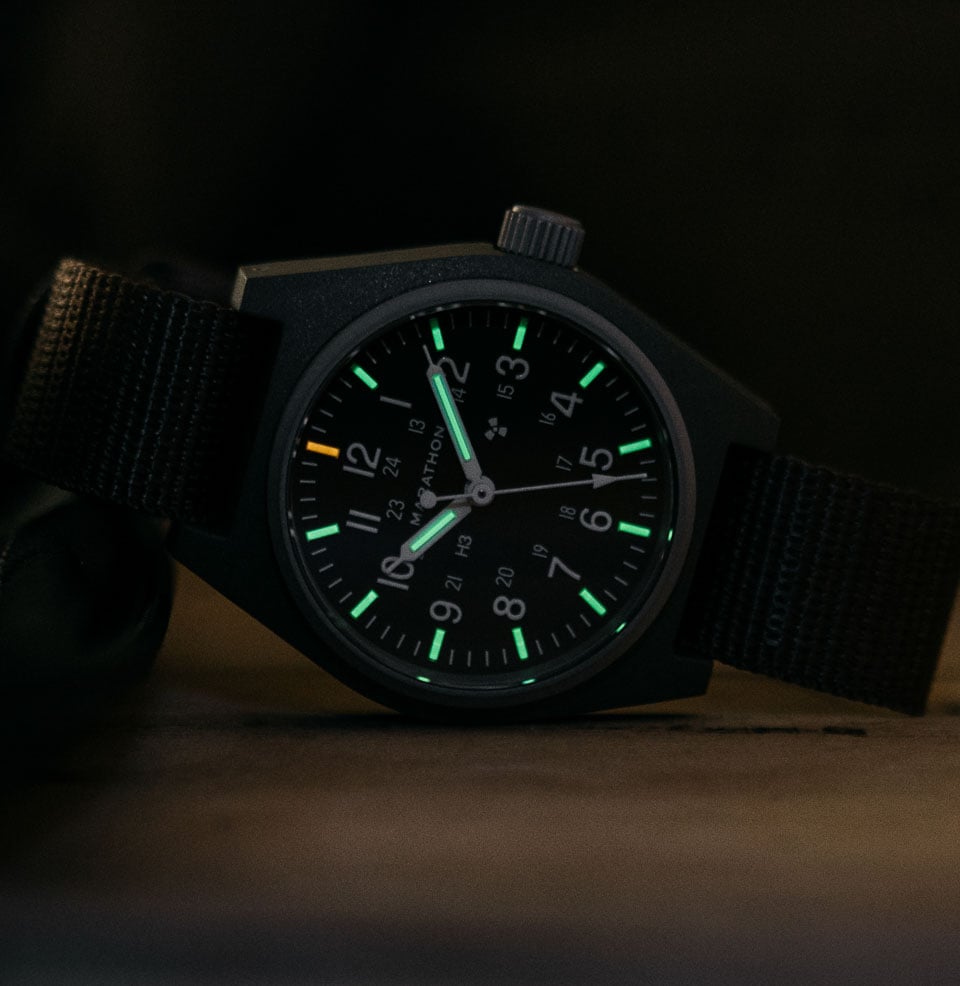
+Field notes
- —MIL-PRF-46374G, the 1999 general-purpose wristwatch spec, classifies watches into three Types (I: short-life 2-year; II: long-life 5-10 year maintainable; III: long-life with elapsed time ring) and four Classes that range from 'battery installed' (Class 1) to 'fully mechanical, no battery' (Class 4). The same spec mandates two dial colors: M for silvery metallic and B for black.
- —The GG-W-113 pilot watch spec, issued June 6, 1967, required a mechanical movement with 15 jewels, hacking seconds, shock resistance (surviving a 4-foot drop onto wood), and tritium-illuminated hands. It was produced solely by Benrus, Hamilton, and Marathon, and remained in use until the late 1980s when quartz models began replacing it.
- —MIL-W-3818B (1962) was the ground-troop counterpart to the pilot's GG-W-113, calling for 17 jewels, a 36-hour power reserve, and a black dial with tritium-filled hour markers. Benrus was the first and only company initially approved, and the Marine Corps ordered 10,849 units in early 1964.
- —Tritium illumination (GTLS) used in military watches from the 1960s through the 1990s glows constantly at roughly 100 times the brightness of Luminova, with a guaranteed life of 10 years. Early radium paint (used until the 1960s) was far more dangerous: dial painters who licked their brushes to sharpen the tip developed mouth cancer from ingesting the radioactive material.
- —Quartz movements entered official US military specs with MIL-PRF-46374G, which permits electrical movements for Type II and III watches (Classes 1-3) while still reserving Class 4 for mechanical. The Casio F-91W, a digital quartz watch introduced in 1989, became a de facto issue piece due to its low cost and durability, with over 120 million produced.
Discover
YouTube to Learn the Real Distinctions


For anyone wanting to understand the real distinctions in military watches, YouTube channels like Teddy Baldassarre and Watch Report are essential viewing. They cut through the marketing hype to explain what makes a watch a genuine tool for military use rather than just a costume piece. You'll learn that brands like Marathon are still contracted by the US government for Search and Rescue operations, with models like the GSAR and MSAR featuring tritium gas tubes for self-illumination that requires no battery or external charging—a key differentiator from standard divers. The videos also highlight obscure but crucial details: lug width quirks like the Luminox 3001's aggravating 21mm strap, or the realization that a 36mm case like the Marathon MSAR Arctic White is considered “small” yet still chunky because it's built to a government spec, not fashion trends. These channels also expose the irony of luxury “tool watches”—the Rolex Deepsea or Breitling Navitimer, which are now primarily jewelry—versus real military-issue pieces that still serve a functional purpose.
+Field notes
- —Marathon watches are still actual US government contractors for Search and Rescue; the GSAR (Government Search and Rescue) and MSAR (Medium Search and Rescue) are built to mil-spec, not just styled like military gear.
- —The Luminox 3001 Heritage Diver is a 30th anniversary reissue of the original Navy SEAL 3001, released in 2024, and uses tritium gas tubes for illumination—no pressing a button or charging in sunlight. But its strap is a frustrating 21mm width, which limits aftermarket options.
- —Many watches marketed as “tool watches” today—like the Rolex Deepsea or Breitling Navitimer—are functionally jewelry that needs regular oiling and servicing, unlike true military-issue watches like Marathon which are still aligned with their original rugged purpose.
- —The Marathon MSAR in Arctic White is a 36mm automatic diver, extremely small by modern standards but still chunky and robust because it's built to military specifications, not fashion trends.
- —Teddy Baldassarre's video “18 of the Best Military Watches” covers a broad range including Seiko, Casio, Marathon, and Tudor, offering a curated collection of military-style timepieces with real functional heritage.
Discover
Accounts and Feeds for Tool-Watch Collectors
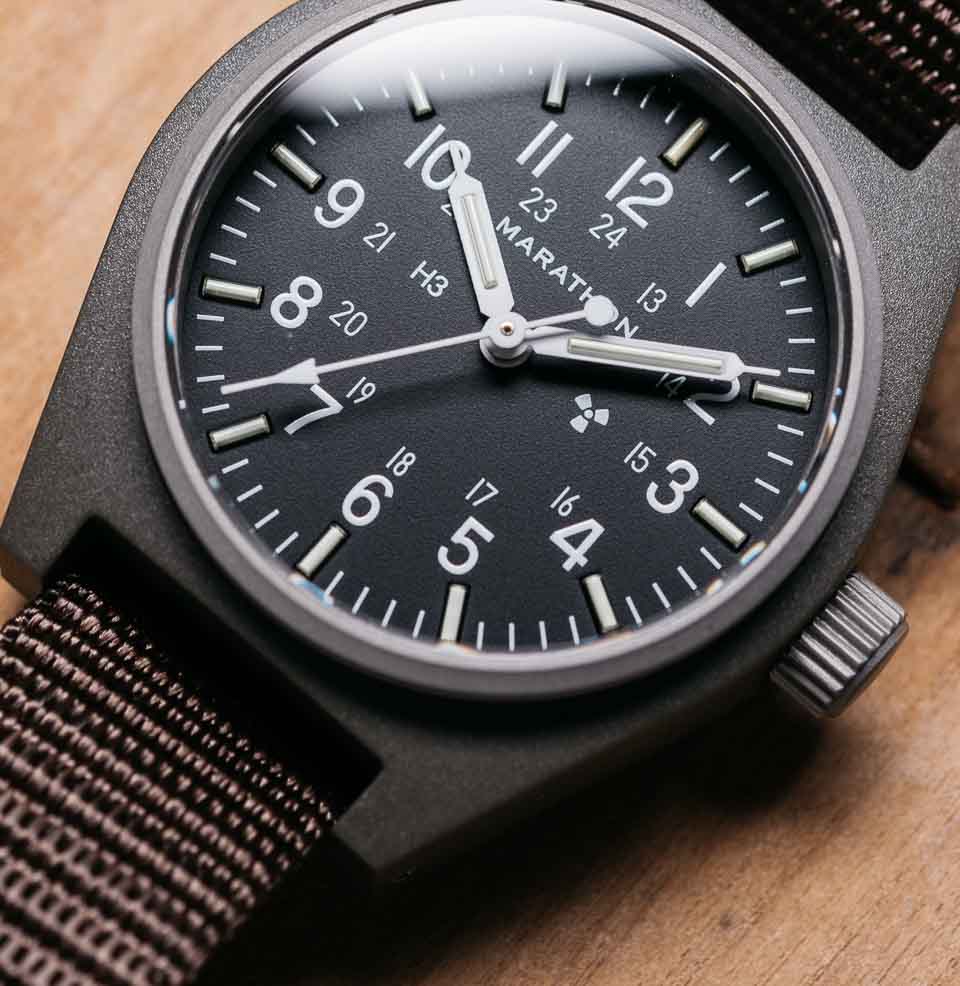
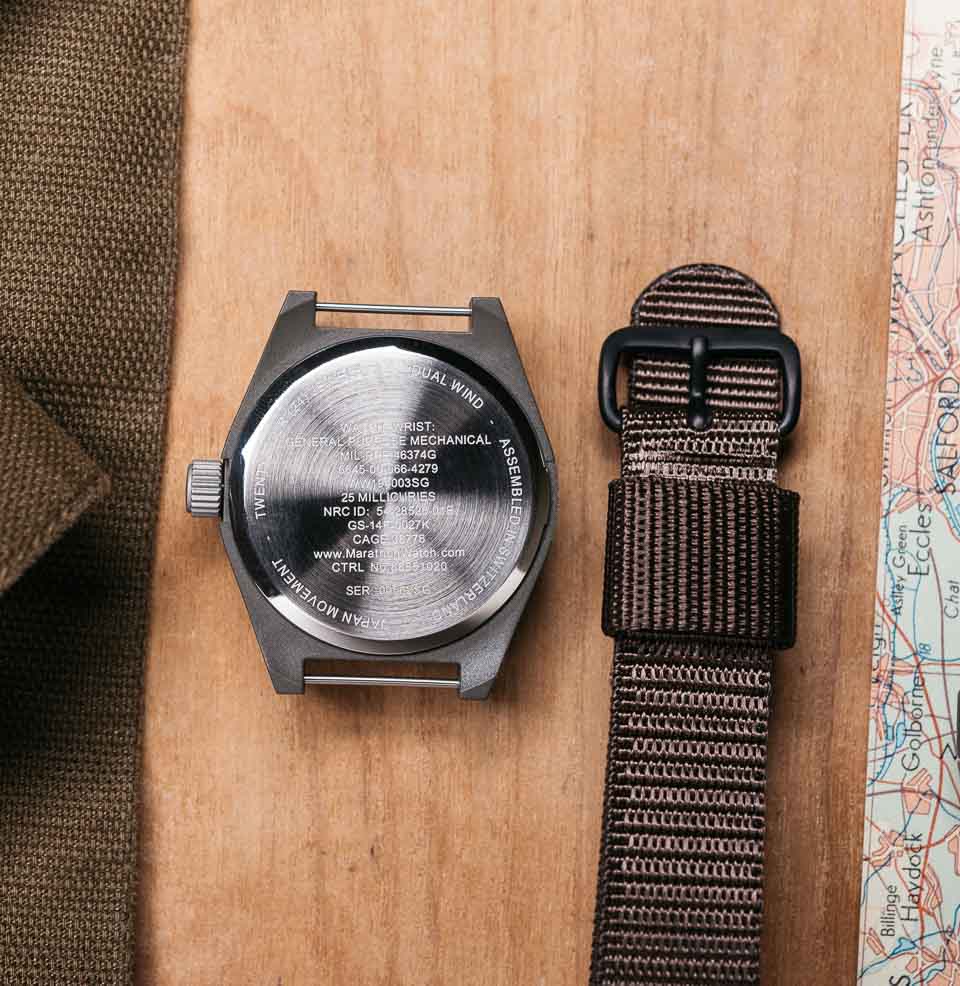
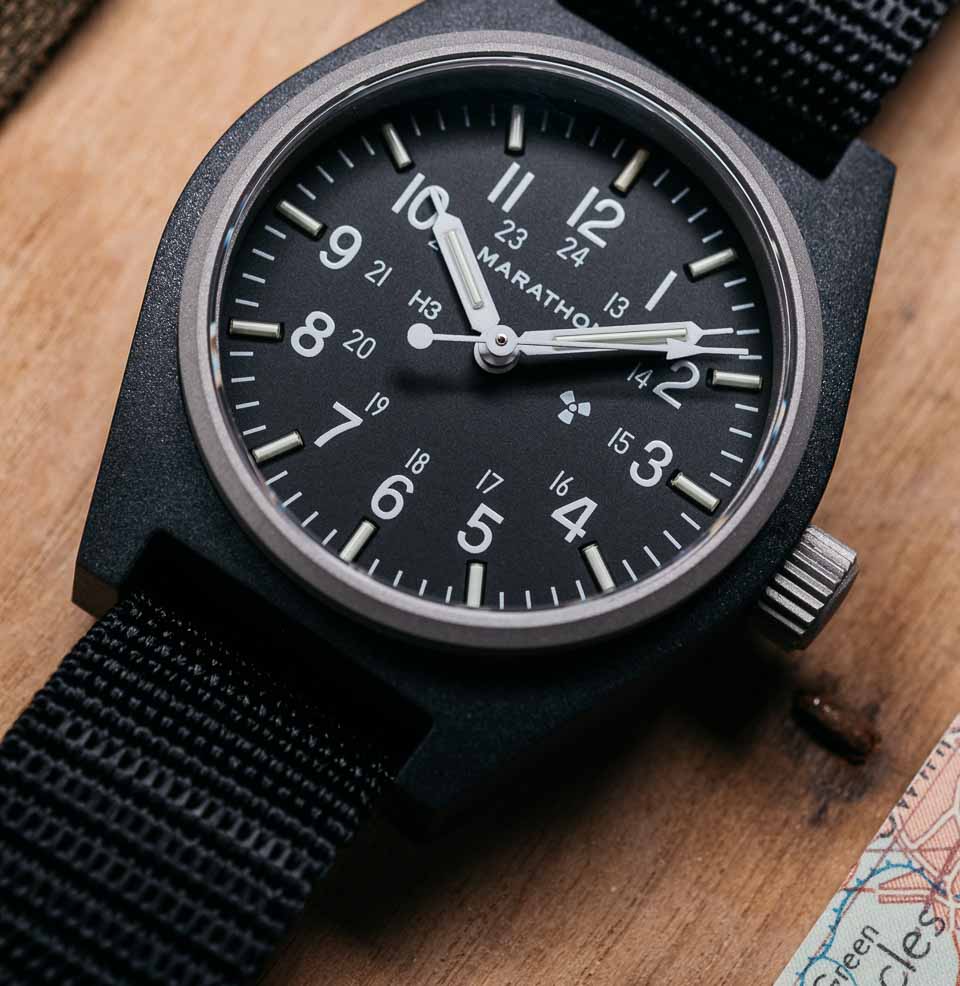
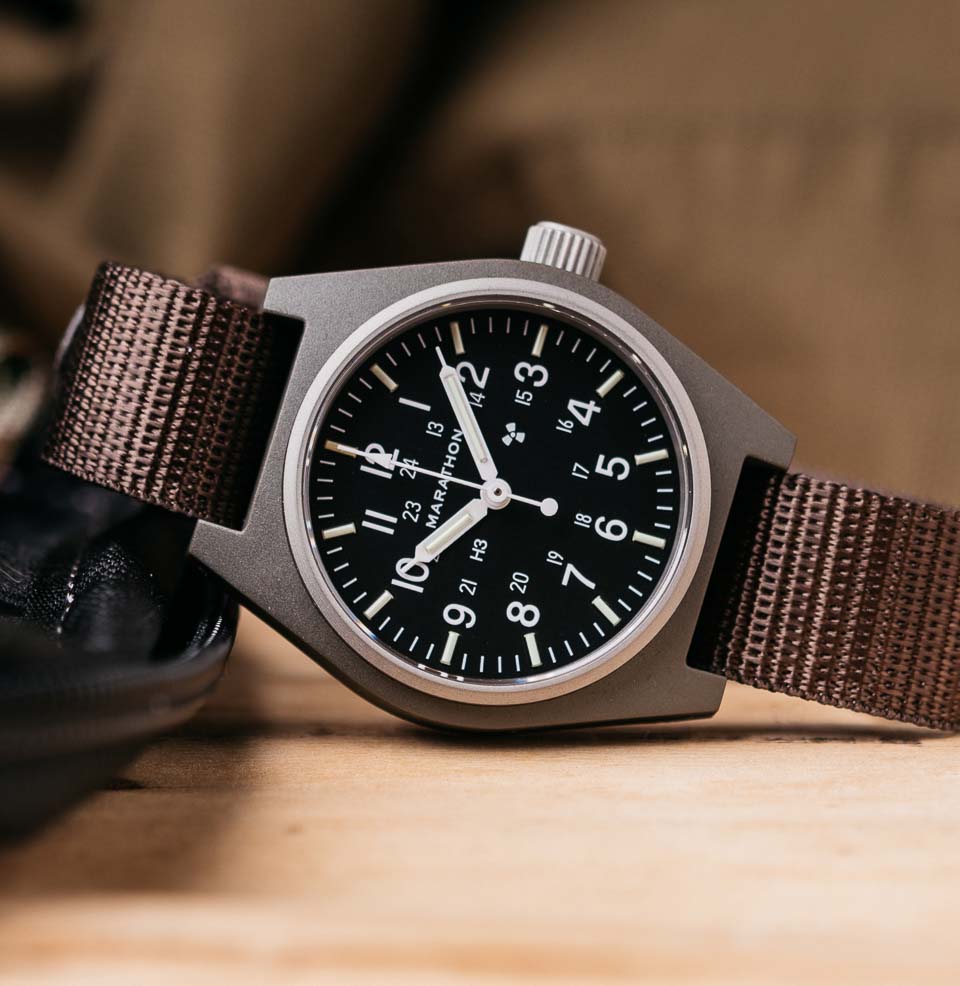
For collectors who care about watches that actually served a military purpose—not just look like they did—Marathon and Luminox are the real deal. Marathon's GSAR (Government Search and Rescue) and MSAR (Medium Search and Rescue) lines are built to U.S. military MIL-SPEC standards, made in Switzerland at La Chaux-de-Fonds, and use tritium gas tubes for 24/7 readability without needing a battery charge or a button push. The Arctic editions (white dials) are especially distinctive because they're not just fashion statements; they were designed for high-contrast legibility in snow and ice environments. Luminox, meanwhile, leans hard into its Navy SEAL association, with the new MIL-SPEC 3350 model being marketed as a no-compromise field watch. These are timepieces where the functionality genuinely justifies the cult following.
+Field notes
- —Marathon's GSAR and MSAR watches are built to U.S. military MIL-SPEC and ISO 6425 dive-watch standards, not just marketing claims—the Arctic white-dial versions were specifically designed for extreme visibility in snow and ice environments.
- —The Arctic edition of the Marathon GSAR uses tritium gas tubes for hands and hour markers, providing constant self-illumination for up to 25 years without any external light source or battery; you can read it in total darkness after hours underground.
- —The case is machined from 316L surgical-grade stainless steel and topped with a scratch-resistant sapphire crystal—Marathon doesn't cut corners on materials even for a 'budget mil-spec' watch.
- —Marathon's MSAR (36mm) is a true compact tool watch—don't mistake its size for weakness; it's still chunky and heavy-duty, deliberately designed for smaller wrists or under-cuff wear while keeping full diver certification.
- —Luminox's MIL-SPEC 3350 series (reference XS.3355) claims MIL-SPEC technical compliance and is explicitly tied to the Navy SEAL brand identity, aiming at collectors who want the 'tactical' look without actually serving in special forces.
- —The GSAR uses the Sellita SW200 automatic movement (26 jewels, 38-hour power reserve, 28,800 bph)—a workhorse Swiss caliber that's easier to service and replace than in-house movements, which suits the 'tool watch' philosophy.
Explore
Where to Buy: New-Issue Style, Tactical Quartz, and Collector-Friendly Tool Watches
For military watch enthusiasts seeking new-issue style, tactical quartz, and collector-friendly tool watches, the secondary market offers surprising depth beyond the usual suspects. The Victorinox True Infantry Chrono (model IN241578) stands out with its uncommon telemeter scale—a feature rarely seen on modern military watches—paired with ISO-certified shock and magnetic field protection. The Casio G-Shock GW-7900B-1 G-Rescue "Blackout Edition" is a discontinued cult favorite combining Tough Solar and Multi Band 6 atomic timekeeping in a stealthy all-black package, often overlooked but prized for its no-compromise functionality. Meanwhile, the Luminox Series 0200 proves that tactical quartz doesn't have to be expensive, delivering a 47mm Swiss-made diver with a rotating bezel and luminous hands for around $150. These pieces represent distinct entry points into military watch collecting, from the rugged utilitarianism of Casio to the Swiss precision of Victorinox and Luminox, all available without the premium of retail markups.

 poshmark.composhmark.com
 poshmark.composhmark.com
+Field notes
- —The Victorinox True Infantry Chrono (model IN241578) includes a telemeter scale on the dial—a surprising feature for a military watch, as telemeters are typically found on pilot or racing chronographs and allow the wearer to measure distance by sound.
- —The Casio G-Shock GW-7900B-1 "Blackout Edition" from the G-Rescue series combines Tough Solar charging with Multi Band 6 atomic sync (auto-correcting to the time signal daily), making it essentially a set-and-forget watch—no battery changes, no manual time setting.
- —The Luminox Series 0200 is a Swiss-made tactical diver with a 47mm plastic case and quartz movement—larger and lighter than many steel divers, and a strong entry point into Luminox's proprietary illumination system that uses self-powered tritium gas tubes, not standard lume paint.
- —The Victorinox Garrison Mil (model 241083) offers a clean field-watch aesthetic with an inner 24-hour track in red and a 40mm brushed stainless steel case—smaller than many modern tactical watches, making it a versatile collector-friendly option with Swiss quartz reliability.
- —The Fortis B-42 Official Cosmonauts (reference 638.10.11M) is a legitimate piece of space history—Fortis supplied these automatics to the Russian space program, and this model features a 42mm case, bidirectional bezel, and an ETA-based movement with certification for space flight.
Keep exploring
More of Military Watches

Branch out
Beyond Military Watches
More to explore
In the same world.
Mechanical Watches
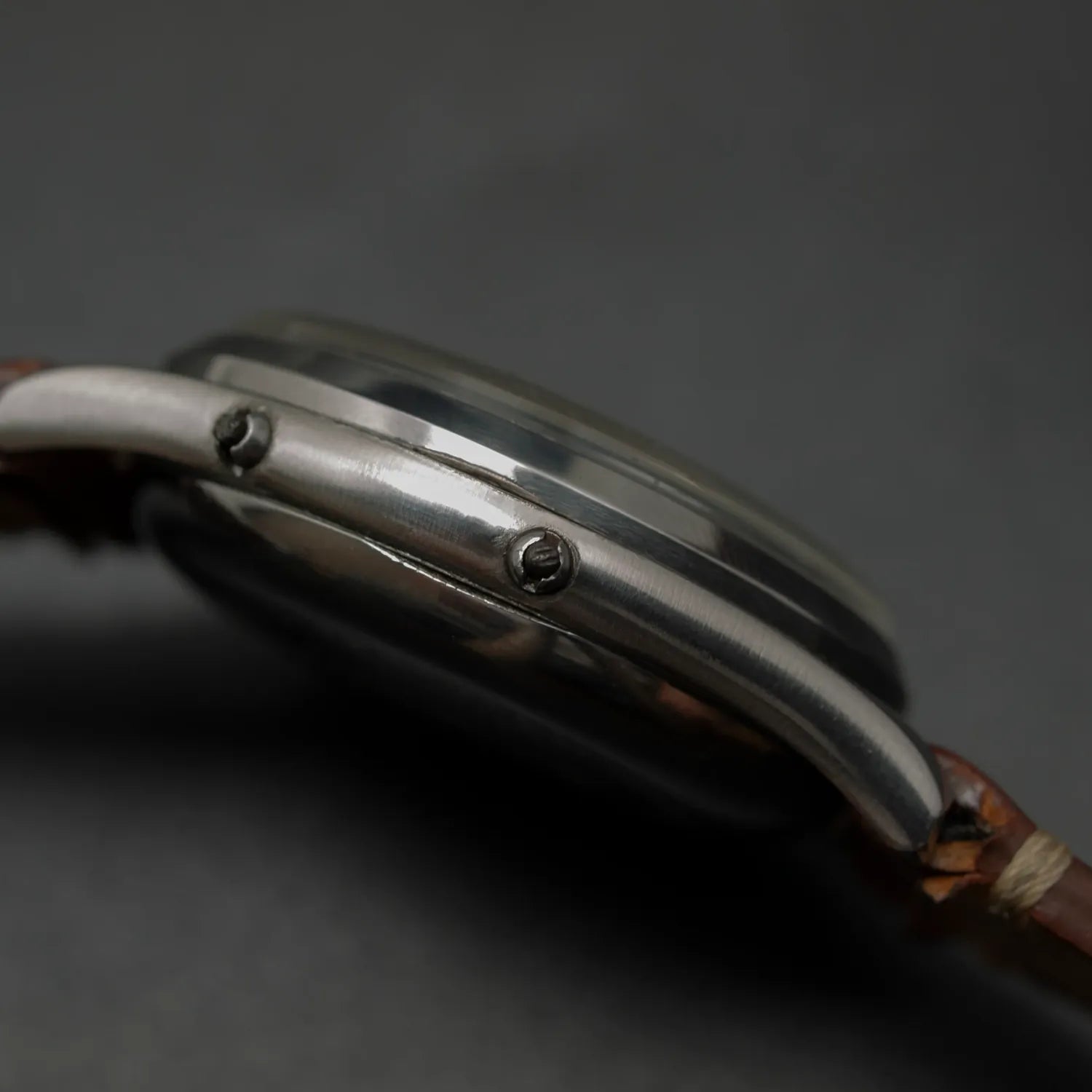
Mechanical watches run on a clockwork movement powered by a mainspring, with energy delivered through gears to a balance…

Vintage Rolex Watches
Vintage Rolex collecting revolves around older references whose value is tied not just to the model name, but to origina…
Affordable Microbrand Watches
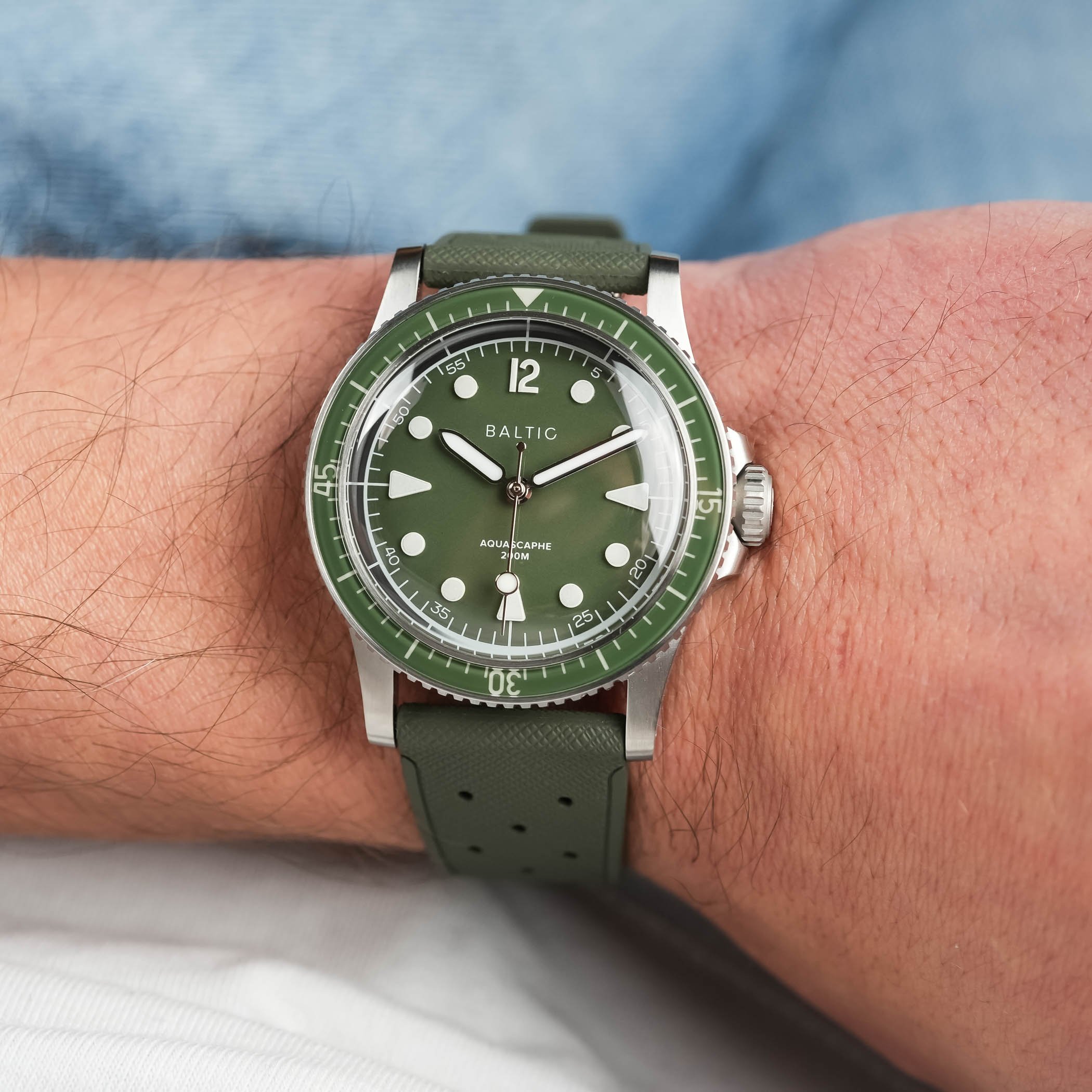
Affordable microbrand watches are independently made watches sold outside the traditional luxury-brand system, with enth…

Affordable Watches Under $500 That Still Feel Like the Real Thing
At the sub-$500 mark, watch buyers are not just chasing low prices—they are looking for the point where finishing, relia…
Best First Luxury Watch
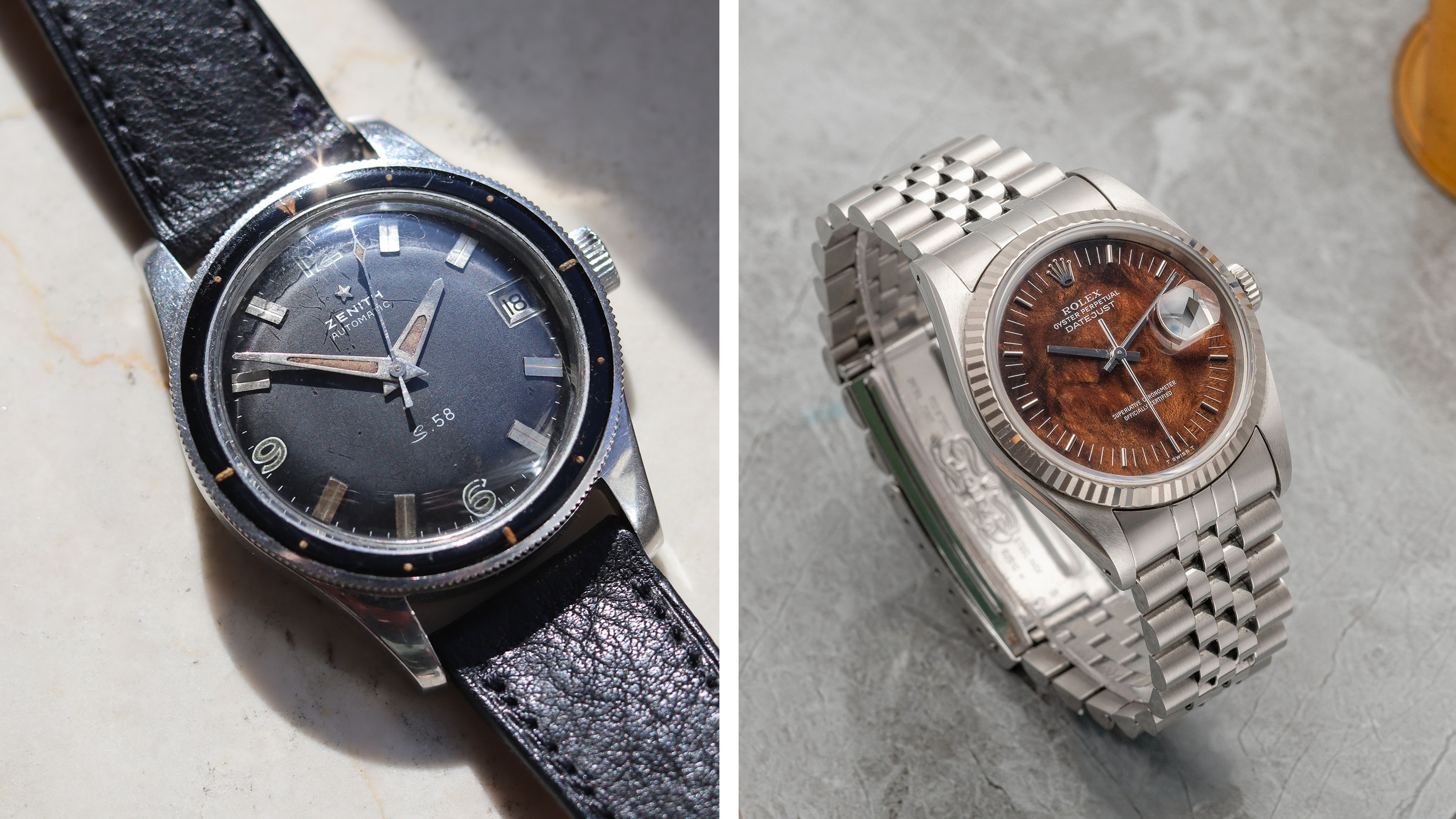
A first luxury watch is less about chasing a single “best” model than making a high-stakes first purchase with clear tra…
Vintage Watch Hunting
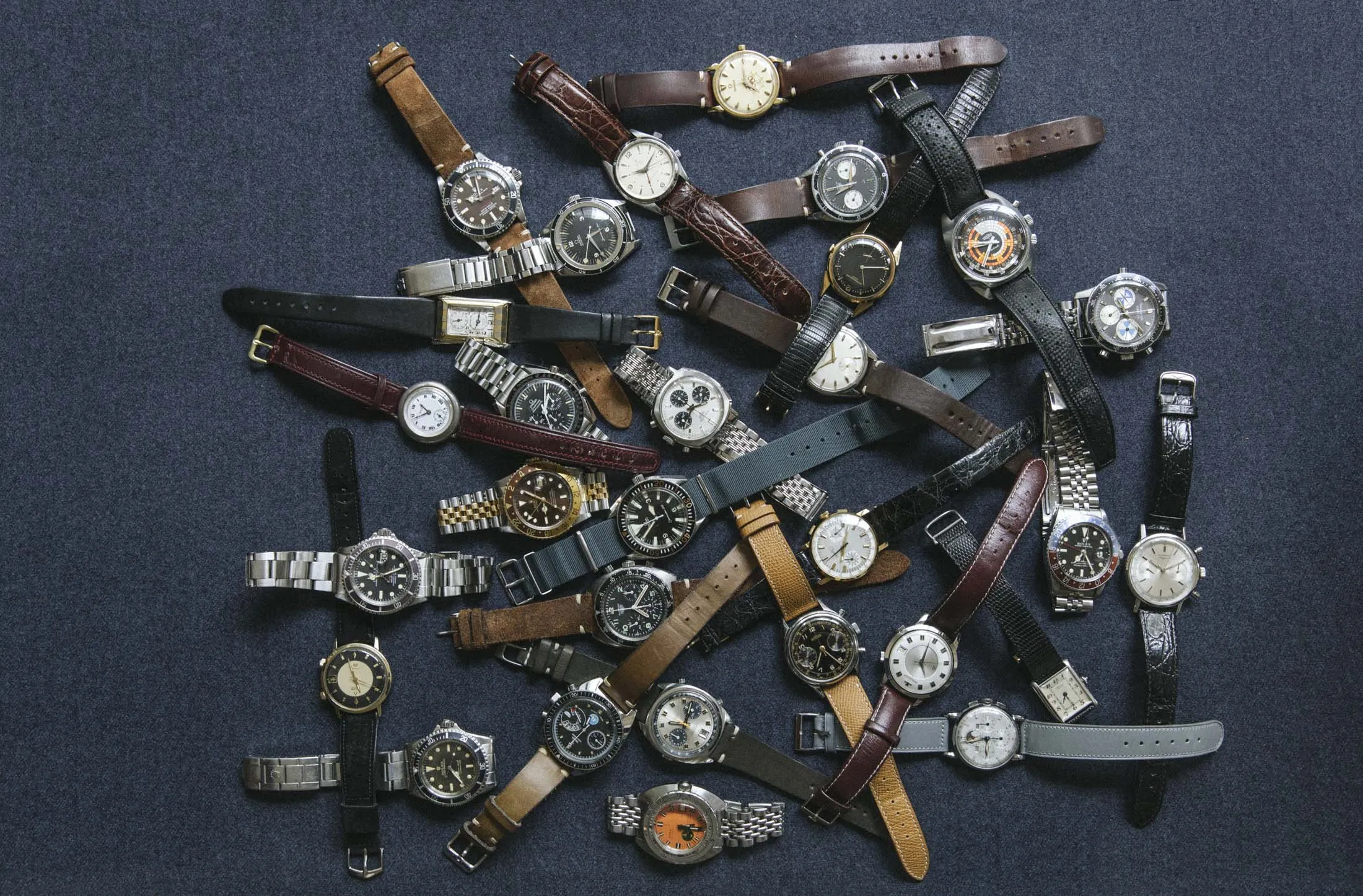
Vintage watch hunting is the search itself as much as the object: scanning eBay, dealer aggregators, flea markets, resal…

Record Watches
Record was a Swiss watch company founded in Tramelan in the early 20th century, first created around the patented Sector…

Rolex Deepsea
The Rolex Deepsea is Rolex’s 44 mm extreme-depth dive watch, built around the brand’s Ringlock system and rated to 3,900…
More in Watches & Horology
Stay in this world.
Grand Seiko SBGN001 9F GMT

Rolex Deepsea
Vintage Watch Hunting
Rolex Deepsea
Luxury Watches That Hold Value
Best Luxury Quartz Watches
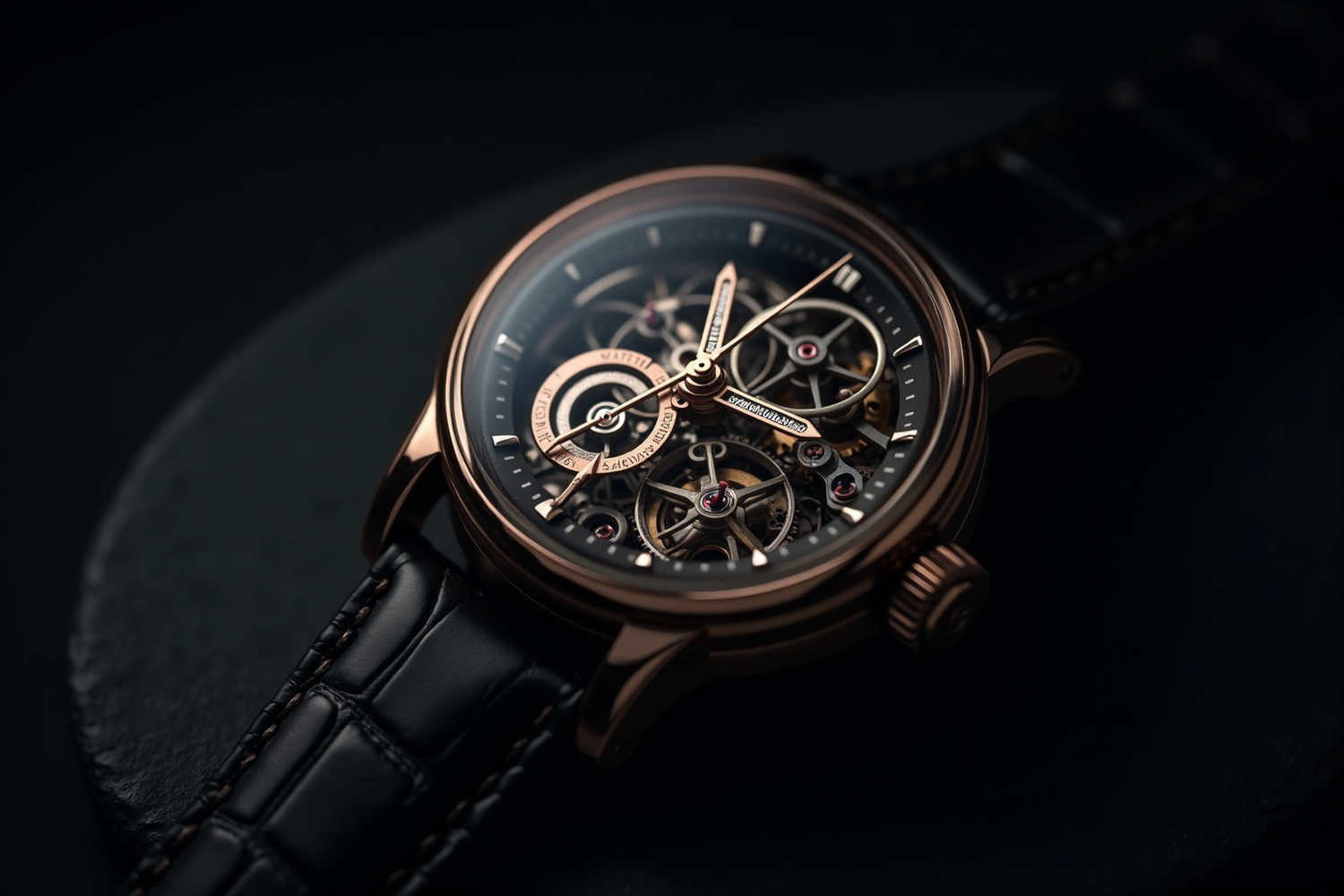
Skeletonized Haute Horlogerie
Best First Luxury Watch
Imagery
Know someone who’d love this?
Discovered by ArcurianAuto-generated from public sources and AI synthesis — it may be incomplete or inaccurate. Treat it as a starting point for your own exploration, not professional (medical, legal, financial, or safety) advice. Verify anything you act on. Report this page.