Affordable microbrand watches are independently made watches sold outside the traditional luxury-brand system, with enthusiasts drawn to the mix of strong specifications, distinctive design, and direct-to-buyer pricing. In the sources here, that value shows up in very concrete ways: Vaer’s 36mm DS2 Meridian pairs 15ATM water resistance with sapphire crystal at $249, Spinnaker’s Fleuss 40 is praised for compact proportions and sub-$500 appeal, and Baltic’s Aquascaphe is treated as a benchmark affordable diver still priced under $1,000. Brands such as Zebec in East Lothian and Decima’s $499–$599 Gatekeeper line also show how small operations can build identity around place, format, and a tight collection rather than heritage marketing. The fun of this category is learning which specs, case sizes, and design choices feel genuinely thoughtful instead of just cheap.
Learn
What Actually Makes a Watch a Microbrand
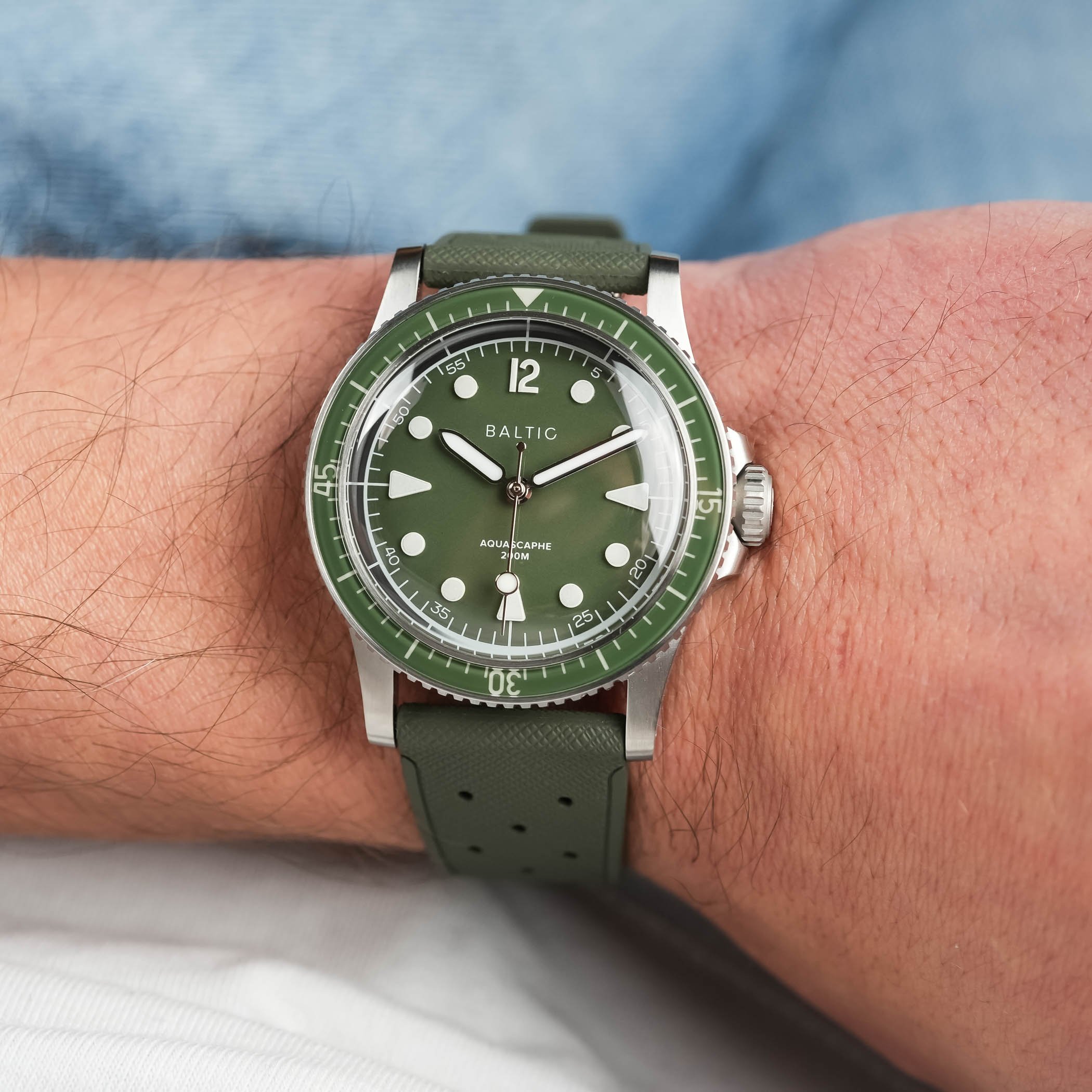
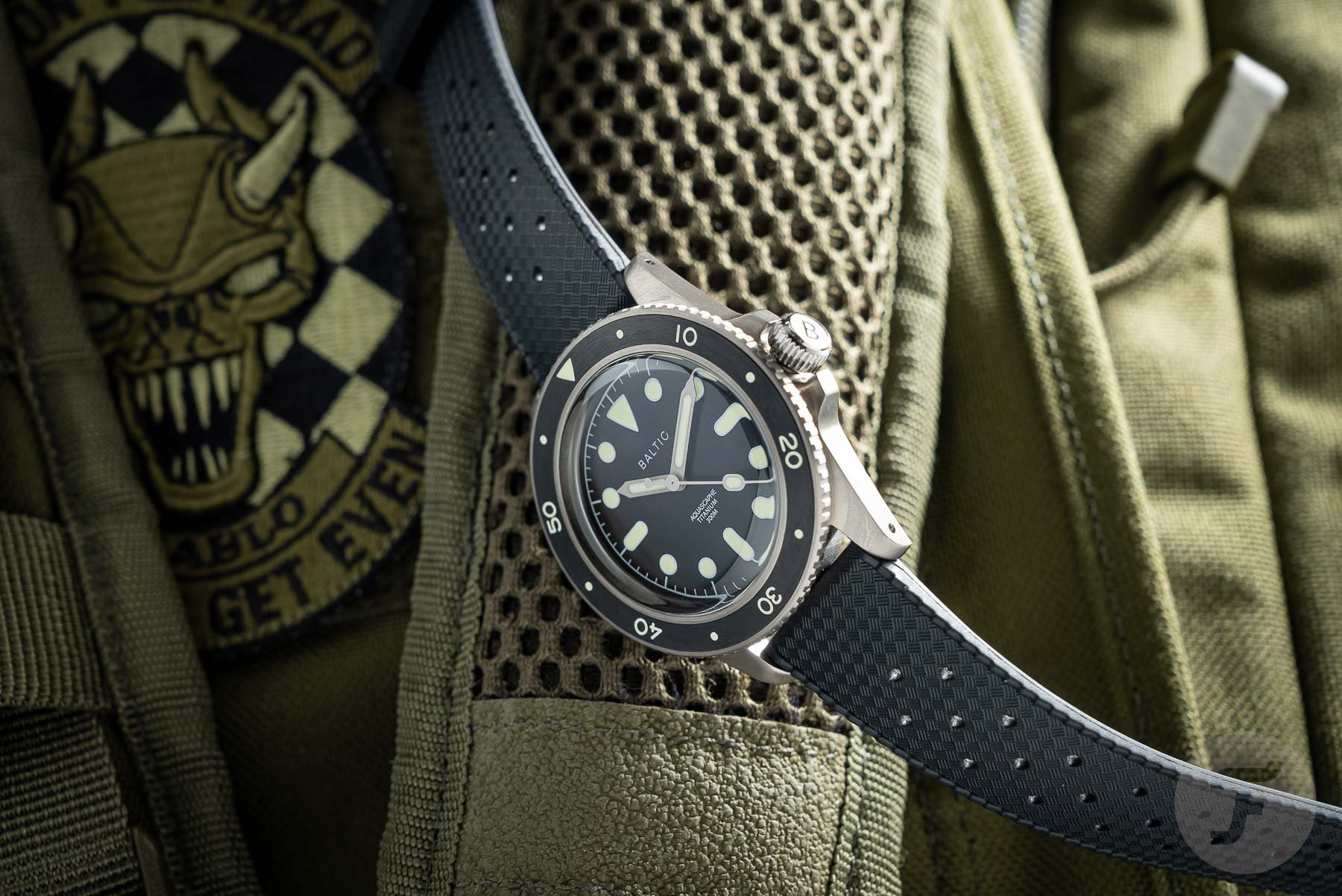
A microbrand watch isn’t just a cheap alternative to a big-name diver; it’s a direct expression of an enthusiast’s vision, often born from a collector’s frustration with what the mainstream offers. Brands like Clemence, Wren, and Brew prove that the real differentiators are obsessive proportions (the Photic MKII’s 10.5mm thickness), honest movement choices (the Sellita SW210 manual-wind in Brew’s Metric), and a willingness to take risks on dial colors and case sizes that the big Swiss houses might dismiss. The defining characteristic isn’t volume or marketing budget—it’s the personal connection between the founder and the buyer, visible in details like the luminous sapphire bezel on the Islander ISL-24 or the gradual patina designed into the Typsim 100M’s lume. Microbrands thrive by cutting out middlemen and delivering specs—sapphire crystal, solid-link bracelets, reliable automatics—that would cost triple from a heritage brand.


 hodinkee.comhodinkee.com
+Field notes
- —Microbrands like Vaer and Spinnaker deliberately offer multiple case sizes (36mm, 38mm, 39mm, 42mm) to fit different wrists, something many legacy dive-watch lines still ignore, with Vaer’s DS2 even offering a 36mm quartz option for $249.
- —Clemence Photic MKII hits a rare 38.5mm case width, 10.5mm thickness, and 46.5mm lug-to-lug for around $870—proportions that most established brands reserve for much pricier watches, achieved through patient iteration rather than rushing to market.
- —Brew’s Metric Manual Wind swapped its usual quartz for a Swiss Sellita SW210 manual-wind movement, slimming the case to 8.5mm at $875—a deliberate, enthusiast-focused move that signals microbrands can step up in mechanical ambition without ballooning prices.
- —Islander’s ISL-24 packs a Seiko NH36 automatic, sapphire crystal with AR coating, a luminous sapphire bezel insert, solid-link bracelet with milled clasp, and drilled lugs—all under $500, leveraging aftermarket SKX013 part compatibility to keep repairs cheap.
- —The Wren Diver 38, born from Craig Karger’s Wrist Enthusiast Instagram community, sold out its first 300-piece run and then refined the formula with fumé dials and a subtle brand name swap—showing how microbrands can incubate a following before even launching a watch.
- —Typsim 100M at $999 uses period-correct acrylic crystal, friction-fit aluminum bezel, and a brass dial that patinas over time, plus lume developed with RC Tritec that starts white and ages naturally—proof that microbrands can champion historical accuracy over flashy specs.
Learn
How the Affordable Microbrand Diver Became a Modern Staple
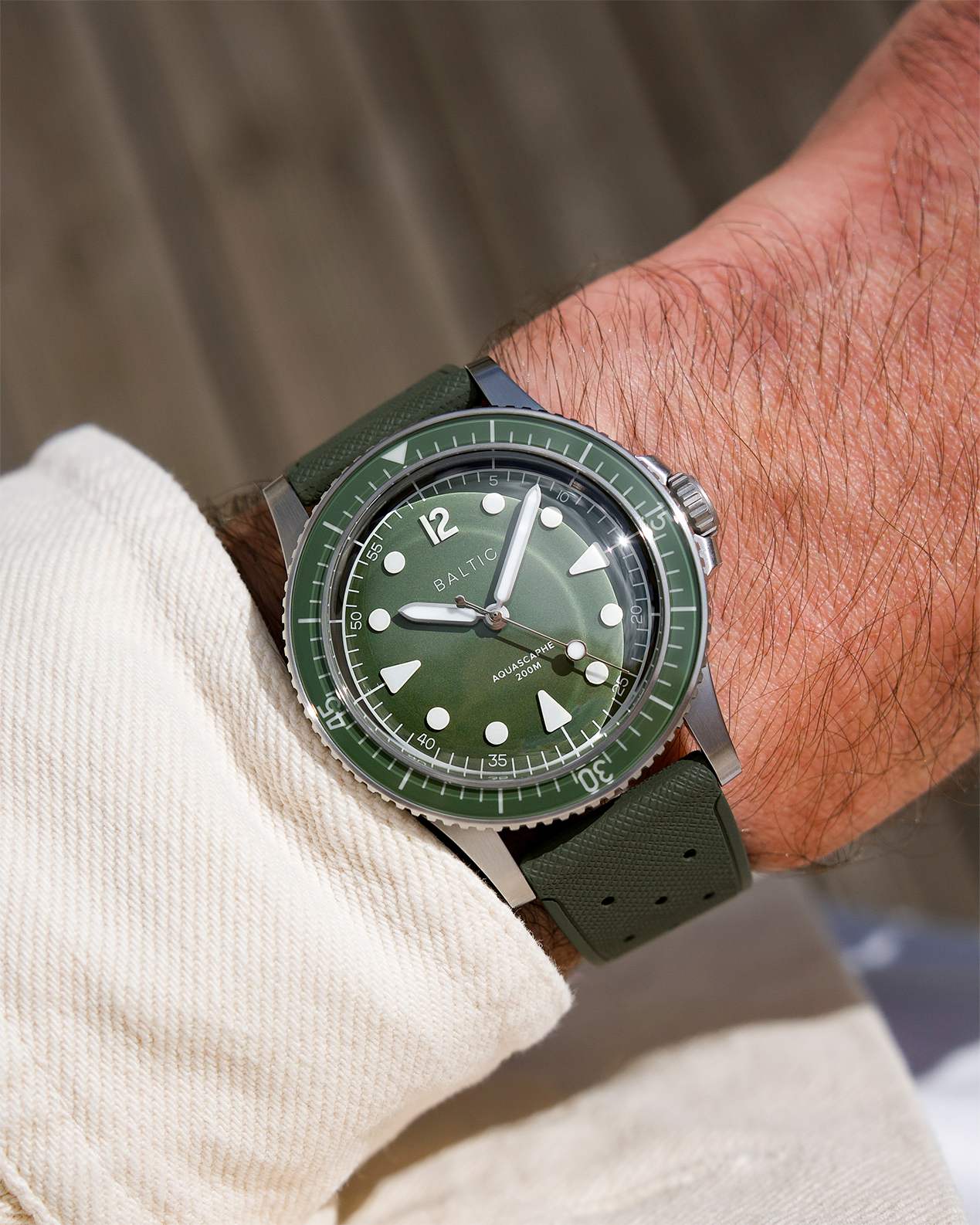
The affordable microbrand diver didn't just appear—it was forged in 2018 when Baltic dropped the Aquascaphe, a 39mm skin-diver that paired a Miyota 9039 movement with a sapphire bezel insert and sandwich dial for well under $1,000, a combination that was nearly unheard of at the time. That watch, founded by Etienne Malec out of a father's vintage watch notes, became the template that cracked the market open, proving you could deliver Fifty-Fathoms-level charm, 200m water resistance, and drilled lugs without the luxury price tag. Brands like Spinnaker followed with the Fleuss 40, offering similar specs (sapphire crystal, solid lume, Miyota 9039) in a 40mm vintage-inspired case at roughly $400–$500, slotting confidently between Japanese entry-level divers and pricier microbrands. The result is a segment that now feels as established as Seiko's Prospex line, built on compact proportions, honest movements, and a design language that borrows lovingly from the 1960s while refusing to be a pure homage.

 gearpatrol.comgearpatrol.com
 thecalibratedwrist.comthecalibratedwrist.com

+Field notes
- —Baltic's Aquascaphe, launched in 2018, is widely considered the first affordable microbrand diver to break into mainstream watch culture—pricing under $1,000 with an original retro design, modern materials, and a level of craftsmanship that had few competitors at the time.
- —The Aquascaphe's 39mm case (38mm without bezel), 47mm lug-to-lug, and 12mm height hit a 'sweet spot' that many divers miss, using a fully brushed 316L case with drilled lugs and a screw-down crown to achieve 200m water resistance without feeling like a brick.
- —Spinnaker's Fleuss 40, at 40mm diameter, 11mm thick, and 47mm lug-to-lug, occupies a middle ground between Japanese entry-level divers like the Orient Kamasu and vintage-inspired microbrands like the Baltic Aquascaphe or Lorier Neptune, offering stronger specs than most microbrands while keeping prices around $400–$500.
- —Both the Baltic Aquascaphe and Spinnaker Fleuss 40 use the Miyota Cal. 9039 automatic movement—a reliable, thin workhorse with a 42-hour power reserve that allows for compact case designs, making it the de facto movement for this category.
- —Baltic's founder Etienne Malec built the brand from his father's vintage watch-collecting journals, and the Aquascaphe's design—sandwich markers, double-domed sapphire crystal, lumed sapphire bezel insert—deliberately channels 1960s skin-diver aesthetics (like the Blancpain Fifty Fathoms) while using thoroughly modern materials.
Learn
Where Collectors Compare Specs, Case Sizes, and Honest Value
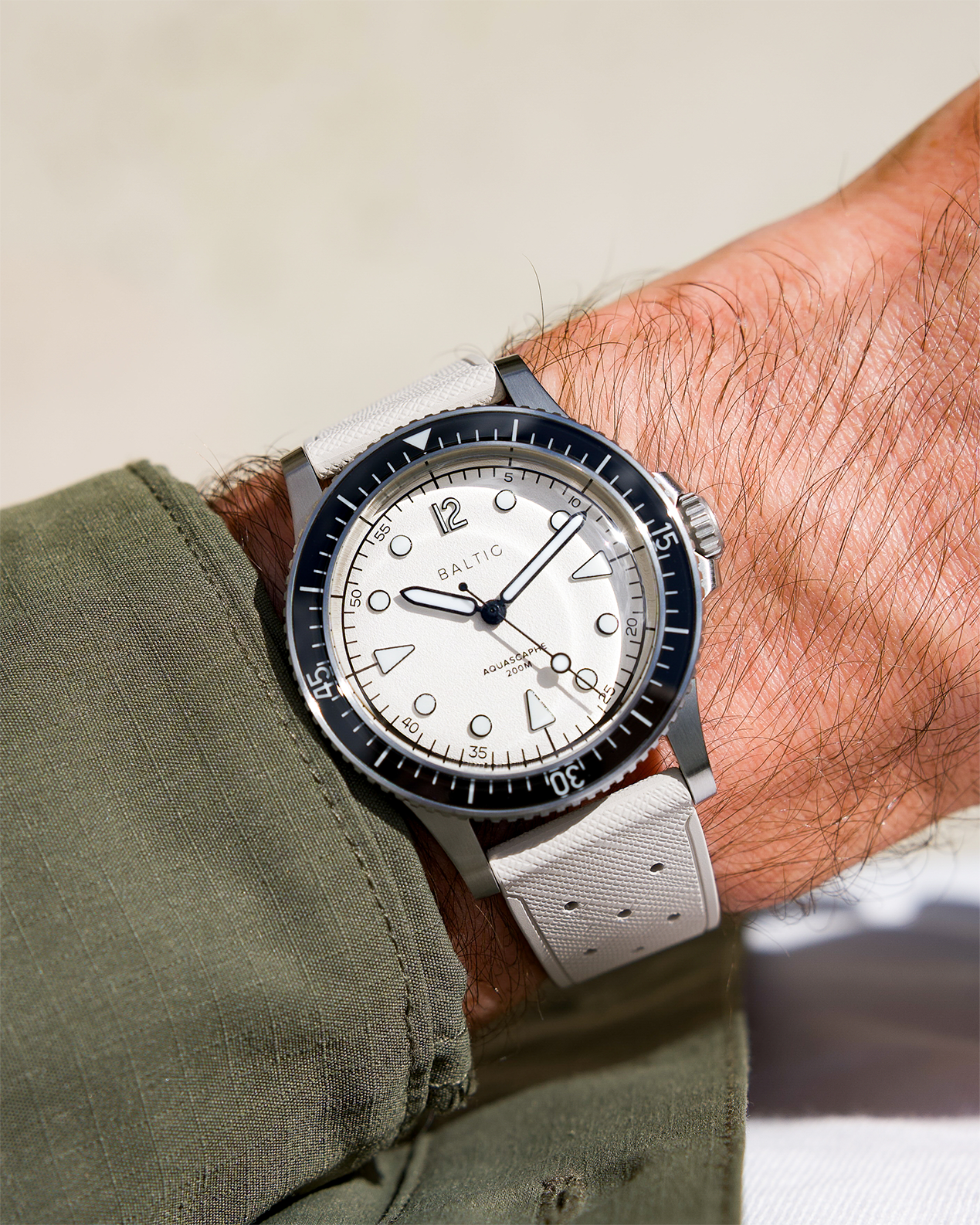
When collectors get serious about microbrand divers, they stop talking about brand names and start splitting hairs over bezel action tolerance, lume color temperature, and case proportions that make or break a 36mm watch. A deep dive into enthusiast discussions reveals that the real battle isn't between Seiko and Citizen—it's between the sweeping quartz Seiko VH31 (four beats per second for a smooth hand) versus the decade-long battery of a Ronda 715, or between a $132 Escapement Time SKX homage with an initially loose bezel that tightens with neglect and a $152 Watchdives Pelagos-style diver with a better-aligned aluminum bezel and sharper finishing. Meanwhile, the Watchdives Seafarer WD007Q surprises everyone by bringing Grade 2 titanium, applied indices, and Swiss Super-LumiNova C3 to the $160 price point, while NTH earns repeated praise for its 'superb proportions' on its sub-style cases—details like the exact 44mm lug-to-lug of the WM216 or the helium escape valve on the Scurfa D1-500 at under $400 AUD show that value comes from purposeful engineering, not just low cost. For buyers under €200, names like Helson, Maranez, and Deep Blue pop up, but veterans warn that microbrand service and longevity are real trade-offs, which is why many collectors treat these as fun, disposable tools rather than heirlooms.

 watchuseek.comwatchuseek.com
 watchuseek.comwatchuseek.com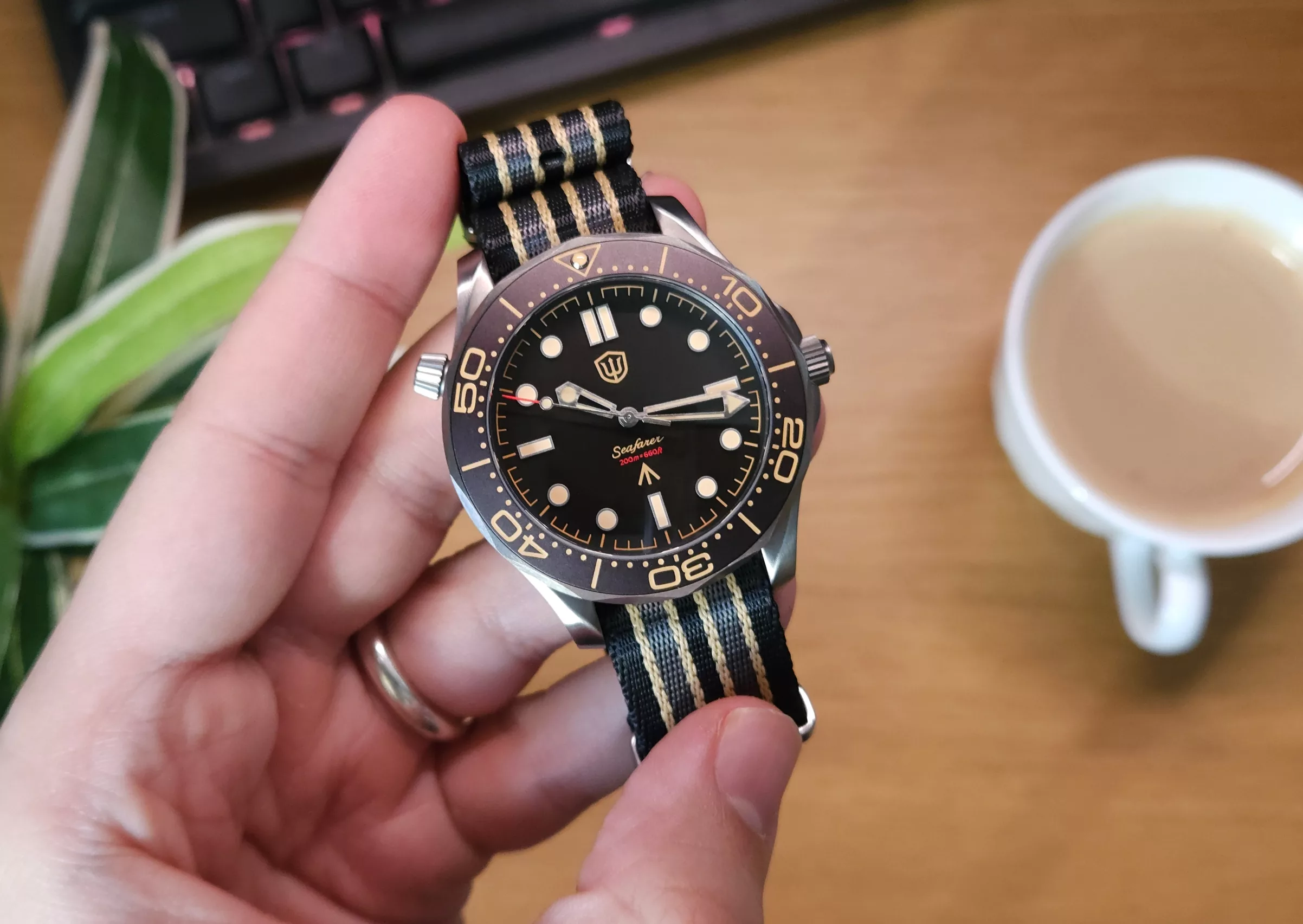
+Field notes
- —The Watchdives 1969 Pro (Pelagos homage) and Escapement Time Quartz Diver (SKX homage) are nearly identical in thickness and bezel diameter, but the Pro wears larger due to a longer lug-to-lug and a slightly domed sapphire crystal versus the ET's flat beveled crystal—a subtle geometry difference that changes wrist feel more than any spec sheet suggests.
- —The Watchdives Seafarer WD007Q undercuts nearly every titanium diver on the market at $160 by using Grade 2 titanium and a Seiko VH31 sweeping quartz movement, but the real surprise is the applied indices and C3 Swiss Super-LumiNova—features usually reserved for watches triple the price.
- —NTH's sub-style cases, like the Oberon II and Barracuda, are repeatedly cited by collectors for having 'superb proportions' that make them feel significantly more refined than other microbrand divers around $500, though you'll have to buy used to hit that budget.
- —The Scurfa D1-500 packs a Ronda 715 movement with a five-year battery life, a single domed sapphire crystal, 500 meters of water resistance, and a helium escape valve—all for under $400 AUD—making it one of the few genuine tool-diver specs at that price point.
- —The WM216, a 36mm sandblasted diver from WM Watch, offers a 44mm lug-to-lug and 11.5mm thickness with AR-coated sapphire and the reliable NH35 automatic movement for well under $200, but its 100m water resistance and 4 o'clock screw-down crown signal it's designed for desk-diving aesthetics over true saturation specs.
- —Experienced collectors advise that if you actually plan to dive with a microbrand watch, buy a Casio Duro or G-Shock instead—because microbrands lack reliable service networks and the $500 watch is essentially disposable if the crystal or gasket fails underwater.
Discover
YouTube and Video Reviews That Catch the Details Specs Sheets Miss


YouTube reviews of affordable microbrand watches go far beyond the spec sheet by showing how a watch actually behaves on a real wrist, under different lighting, and in daily use. The Everyday Gear review of the Vaer DS4 Meridian, for instance, makes the case that the 38mm version is the right choice for a 6.5-inch wrist—a crucial detail that a simple diameter listing can't convey. Just the Watch's review of the Second Hour Mandala Mk3 brings out the visual and tactile character of the guilloché dial and toothed handset, elements that are meaningless on paper but define the watch's personality, and also highlights the convenience of quick-release spring bars, a feature often buried in fine print. Meanwhile, Rudi Ward's overview of ten microbrands under £1,000 builds trust by explicitly stating the video is not sponsored and uses only original or credited footage—an honesty signal that no brand-issued spec sheet can match. Together, these videos prove that the real picture of a watch emerges not from a list of dimensions and movement calibers, but from the nuanced, firsthand impressions a reviewer shares.
+Field notes
- —The Everyday Gear review of the Vaer DS4 Meridian emphasizes that for a 6.5-inch wrist, the 38mm case is ideal while the 42mm would be too large – a fit nuance missing from spec sheets that list only case diameter.
- —Just the Watch's review of the Second Hour Mandala Mk3 highlights the guilloché dial and toothed handset – design details that affect legibility and character in person, not just aesthetic specs.
- —The same Mandala Mk3 review notes the quick-release spring bars at 20mm, a practical strap-changing feature often omitted from basic spec lists but highly valued in use.
- —Rudi Ward's roundup of 10 microbrands under £1,000 explicitly states it is not sponsored and uses only original or credited footage, adding a layer of trust that brand-issued spec sheets lack.
Discover
Brands and Reviewers Worth Following Right Now


Discover
The Best Current Lists and Reviews to Track the Field


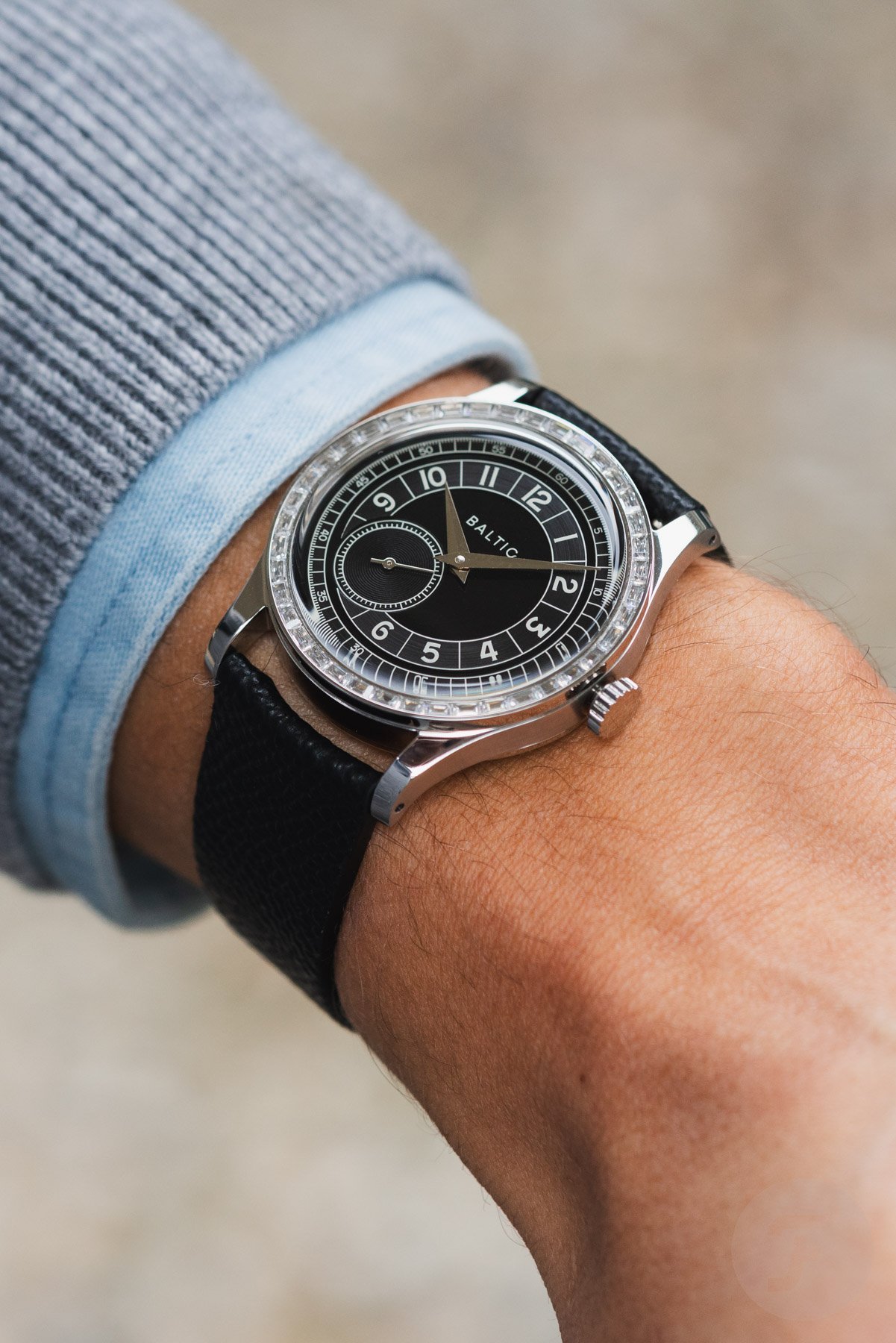
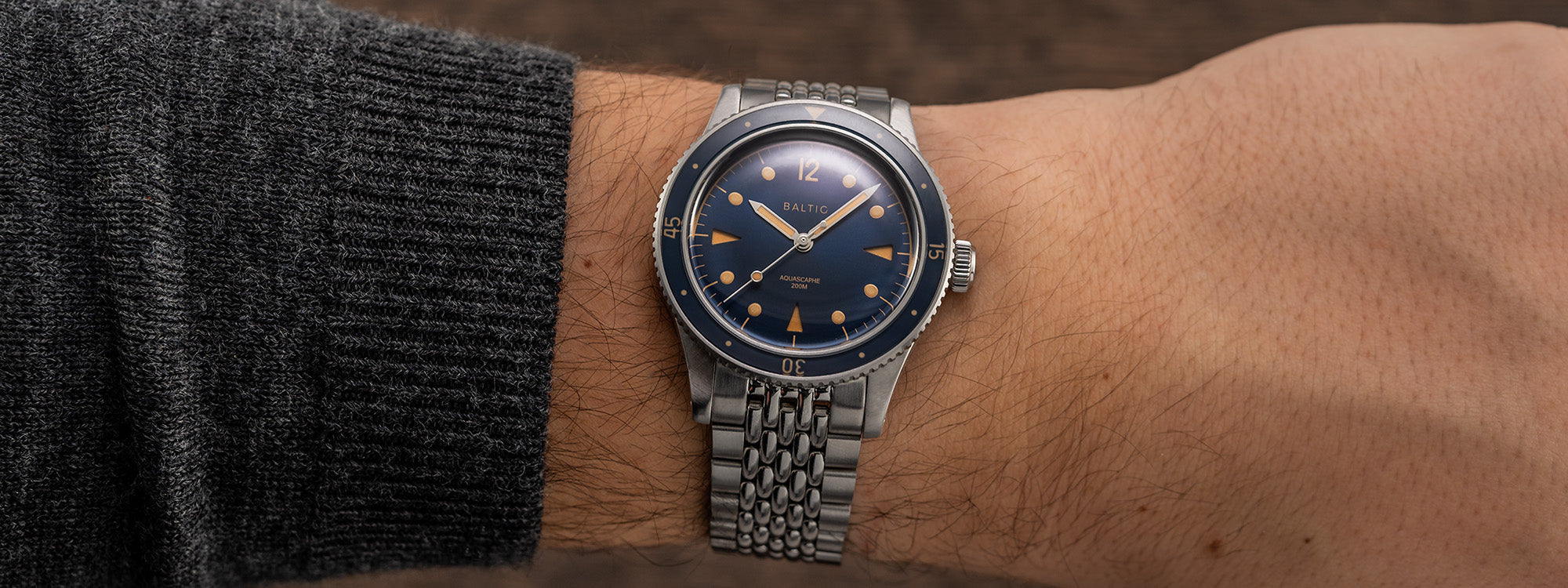
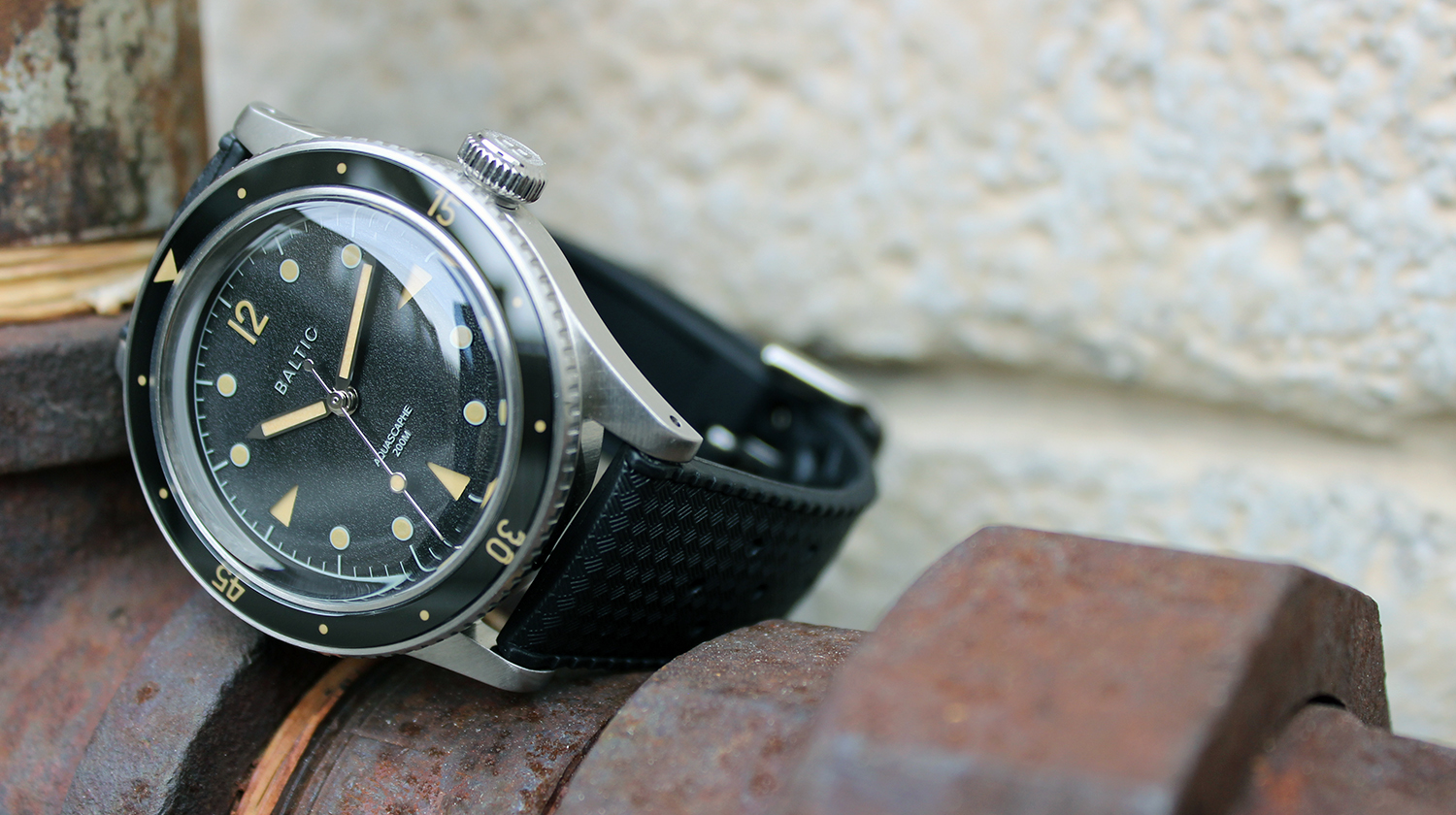
To track the affordable microbrand watch field (under $1,000), you need to follow a few key review sites that have been doing this long enough to know which releases are genuinely interesting versus just good renders. Two Broke Watch Snobs and Wrist Enthusiast are the best sources for hands-on, opinionated coverage—they've been reviewing microbrands for nearly a decade and have the context to separate hype from substance. Gear Patrol and Teddy Baldassarre provide more polished, mainstream-friendly reviews that capture the broader impact of releases like the Baltic Aquascaphe MK2. The most important 2025-2026 releases to track include Brew's first Swiss mechanical (the Metric Manual Wind at $875), Baltic's MK2 Aquascaphe overhaul, the historically obsessive Typsim 100M, and the Monta Noble 40 which simply out-finishes watches costing twice as much. Serica's 35mm Ref. 7505 field watch is also a standout for reviving true mid-century proportions that almost nobody else is making today. The field has moved well past the old Seiko-movement-in-a-generic-dive-case formula; the best new microbrands are using Sellita and Miyota 9000-series movements, offering COSC certification, titanium cases, and genuine design originality.
+Field notes
- —The Brew Metric Manual Wind marked the brand's first Swiss mechanical movement (Sellita SW210), letting the case slim to just 8.5mm thin—a meaningful design change from their usual quartz approach, limited to 125 pieces at $875.
- —The Baltic Aquascaphe MK2, launched September 2025, is a total overhaul of the watch widely considered the 'definitive affordable microbrand diver,' adding a sandwich dial, fully lumed bezel, and Maxi-style indices while keeping the Miyota 9039 and 200m water resistance.
- —The Typsim 100M, designed by Seattle architect Matthew Zinski, uses a box acrylic crystal, friction-fit aluminum bezel, and a brass dial plate with RC Tritec lume designed to slowly patina—all period-correct choices that prioritize authenticity over modern convenience, at $999.
- —Monta's Noble 40 uses an in-house-designated M-22 caliber (based on Sellita SW300) with 56 hours of power reserve and their refined 3-slot quick-adjust clasp, priced at $1,595 introductory then $1,895 full retail—proving the independent space now competes on finishing that embarrasses watches at twice the price.
- —Serica's Ref. 7505 field watch revives true mid-century military proportions at just 35mm wide, 9.6mm thick, and 41.5mm lug-to-lug—a size almost nobody launches today—while still including a screw-down crown and serious build quality.
Explore
Where to Buy Direct and What to Compare Before You Click
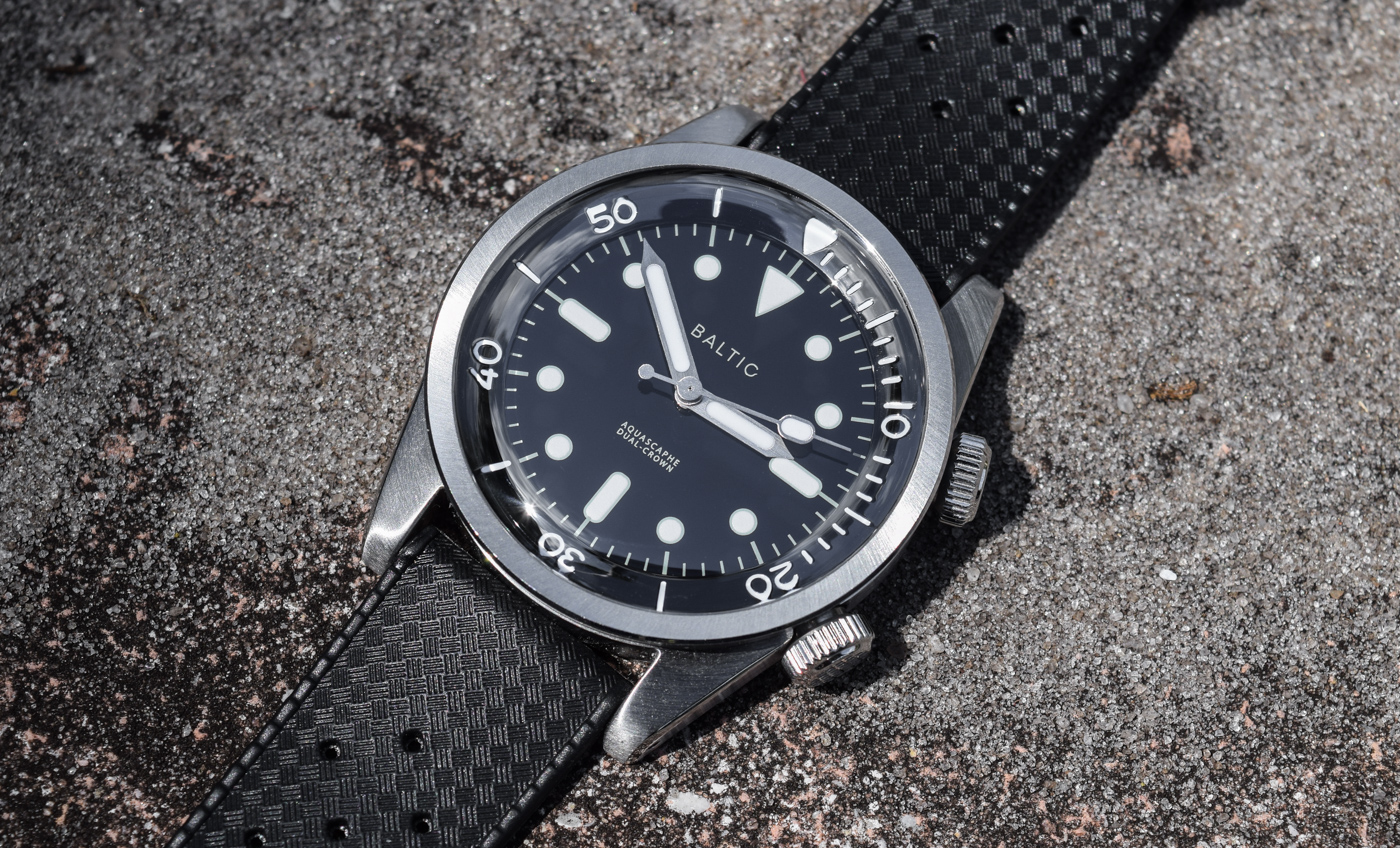
Stepping into the world of affordable microbrand watches means navigating a marketplace split between official direct-to-consumer (D2C) brands and resale platforms like Poshmark, Grailed, and others. Official channels—from brand websites to authorized dealers—offer warranty coverage, model-specific support, and the newest releases, while resale marketplaces can turn up deep discounts, limited editions, and sold-out references, albeit with a higher risk of wear or missing documentation. Before clicking 'buy,' you need to compare not just price but also the movement (Japanese NH35A vs. Swiss Sellita, for example), case construction (316L stainless steel vs. plated brass), water resistance rating, crystal type (sapphire vs. mineral), and the completeness of the kit (original box, papers, extra links). Microbrands often distinguish themselves through quirky dials, capsule-limited collaborations (like Spinnaker x Islander), and unusual colorways that can vanish after a single production run, so verifying the exact model number—say, a Spinnaker SP-5119-11 versus a SP-5126-LIW33—saves you from a mistaken purchase. Trusted resale also means checking the seller's return policy and authenticity guarantees; platforms like Poshmark fold authentication and a buyer-protection policy into the transaction, while peer-to-peer deals on Grailed may rely solely on the listing photos. The golden rule: know the retail MSRP, the movement spec, and the condition flags before you commit.
 poshmark.composhmark.com
 poshmark.composhmark.com
 grailed.comgrailed.com
+Field notes
- —The most common automatics in budget microbrands like Spinnaker and Bliger use a standard-issue Japanese NH35A or NH36 movement (24 jewels, hacking, hand-winding); always verify the caliber before comparing prices, because a Swiss Sellita or a Miyota 9-series can justify a higher tag.
- —Many microbrands run limited editions of exactly 70, 100, or 200 pieces—like the Spinnaker x Islander "Dark of Light" SP-5126-LIW33 marked 1/70—which only appear on the secondary market once the official run sells out, so resale platforms are the only way to get specific colorways or collabs.
- —Water resistance is wildly inconsistent across microbrands at the same price: a Spinnaker Piccard SP-5098-33 hits 550m, while a Bliger "Custom Dive" manages only 50m (5 ATM) despite a 300m-looking diver case; always confirm the exact meters listed, not just the category.
- —Poshmark listings often drop prices 20–50% below MSRP—like a Vaer C5 Tactical Ameriquartz originally $299 listed at $175—but you lose the brand's warranty and support, so factor in whether you'd pay extra for a new-in-box from Vaer's own site for full peace of mind.
- —Case material matters: solid 316L is the microbrand standard for durability, but plated brass or rose-gold PVD coatings (like Bliger's custom) can wear off over time; the listing should explicitly state "316L stainless steel" or risk a cheaper base metal underneath.
- —Resale authentication varies by platform: Poshmark includes a free authentication service and buyer protection, while Grailed relies on community reporting and disclaimers—so a Baltic MR Classic Salmon on Grailed may come without an independent check, making high-res photos of the movement and caseback critical.
Keep exploring
More of Affordable Microbrand Watches


Branch out
Beyond Affordable Microbrand Watches
More to explore
In the same world.

Affordable Watches Under $500 That Still Feel Like the Real Thing
At the sub-$500 mark, watch buyers are not just chasing low prices—they are looking for the point where finishing, relia…
Benyar Watches
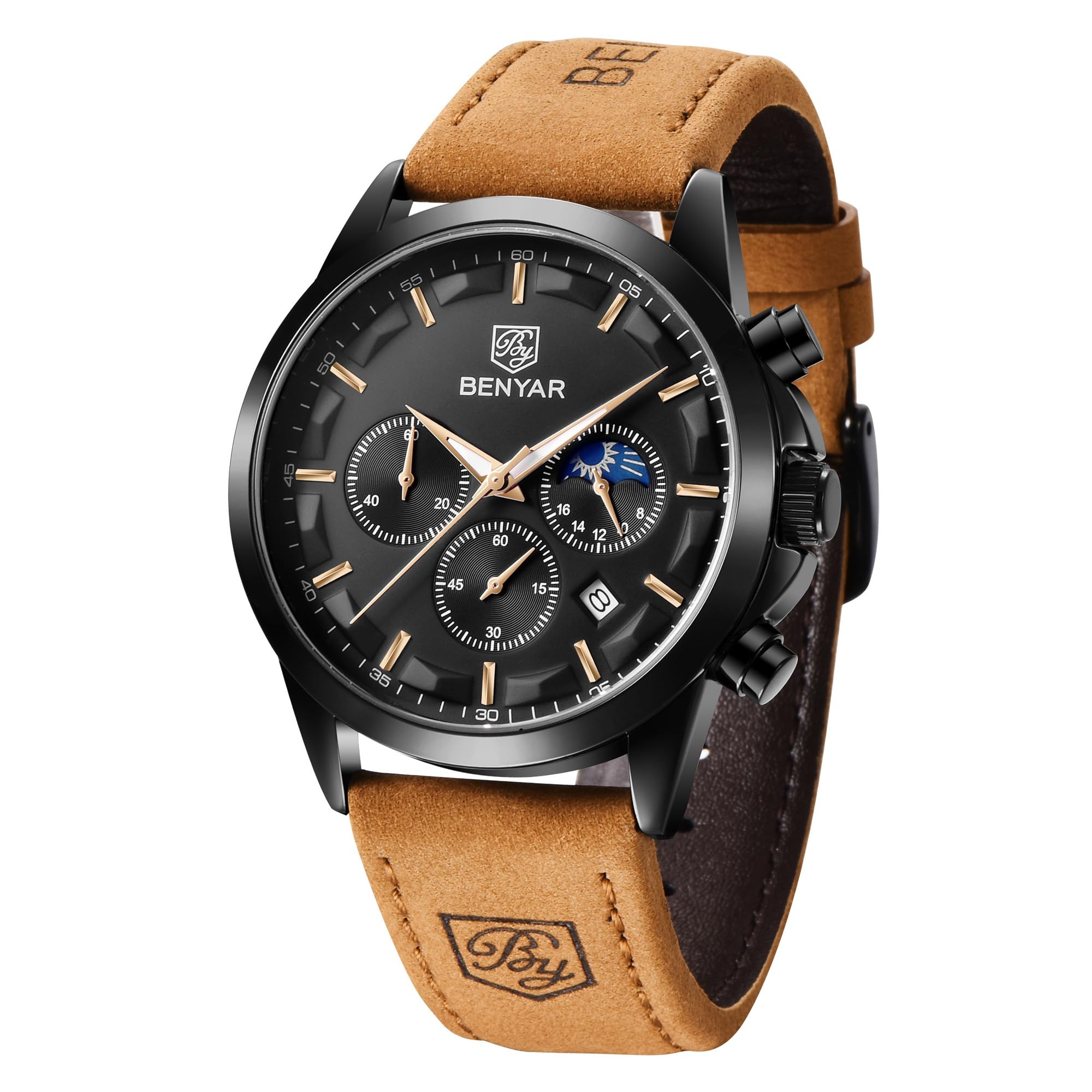
Benyar is a budget watch label sold through its own storefronts alongside Pagani Design and Bersigar, with a catalog cen…
Best First Luxury Watch
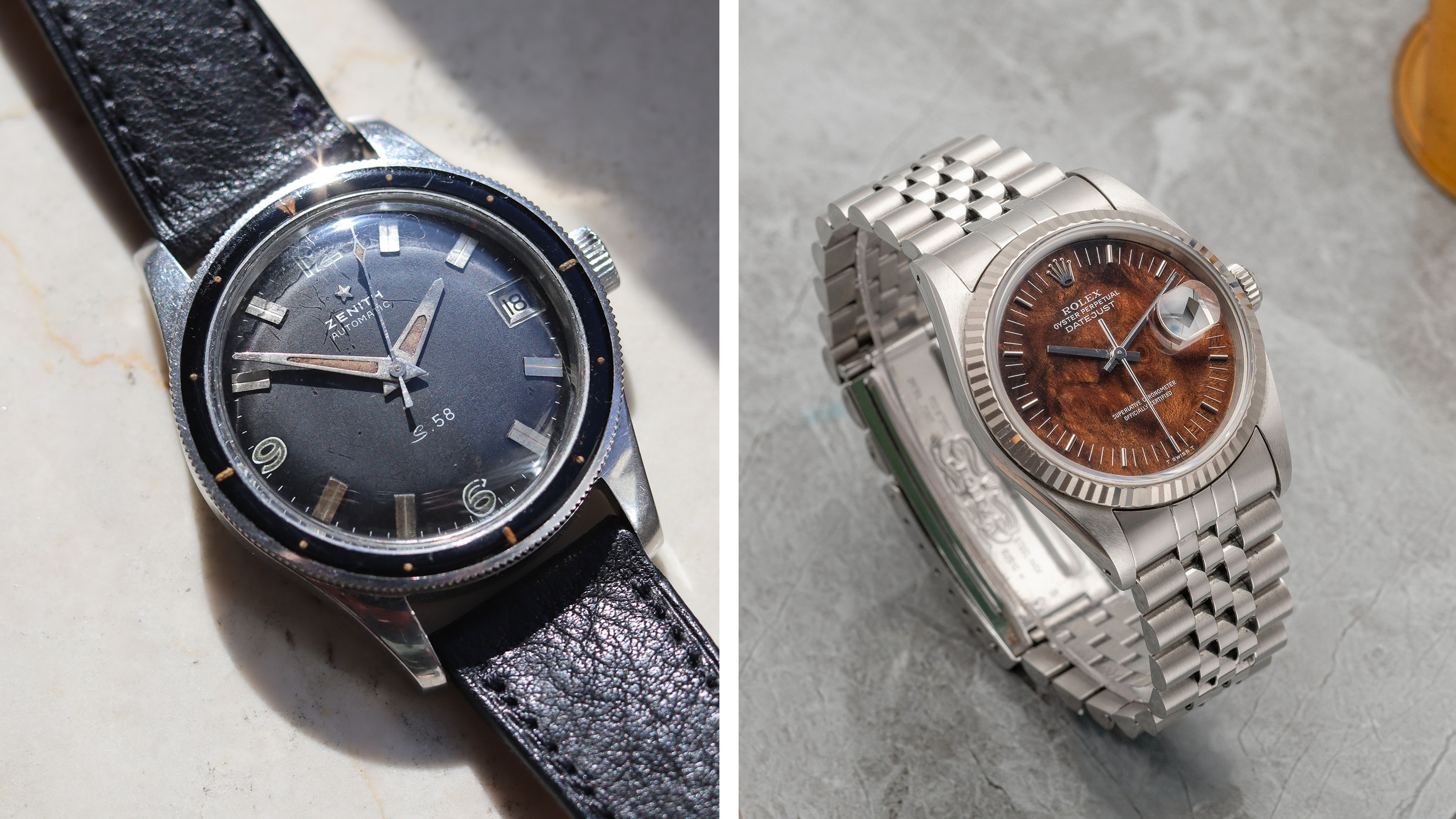
A first luxury watch is less about chasing a single “best” model than making a high-stakes first purchase with clear tra…

Military Watches
Military watches sit at the intersection of real field use, instrument design, and modern tool-watch collecting: brands…
Best Luxury Quartz Watches
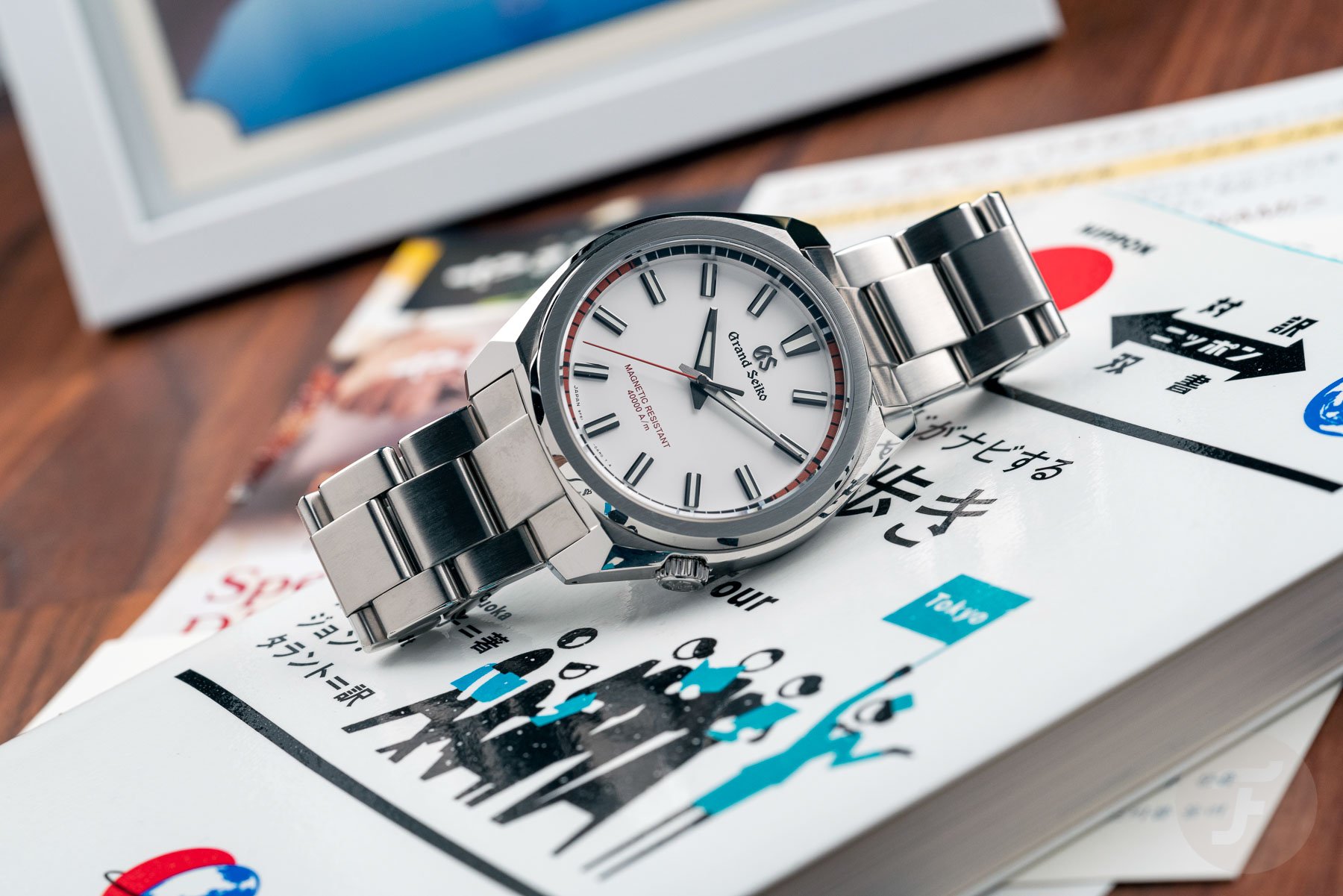
Luxury quartz watches sit in the part of watch collecting where convenience, finishing, and accuracy matter just as much…
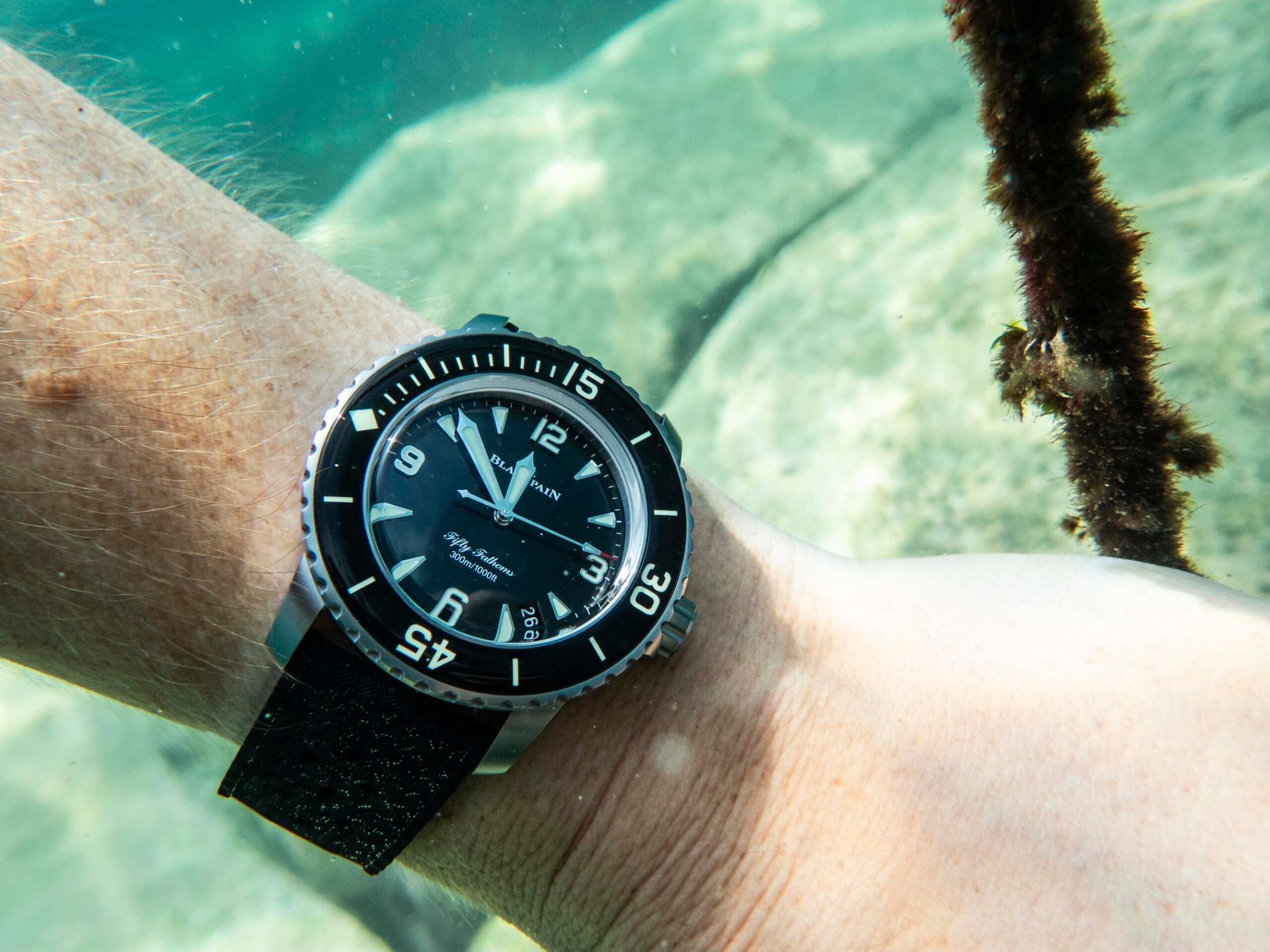
Blancpain Fifty Fathoms
The Blancpain Fifty Fathoms is the brand’s long-running diver’s-watch family, spanning core Fifty Fathoms Automatique mo…

Rolex Deepsea
The Rolex Deepsea is Rolex’s 44 mm extreme-depth dive watch, built around the brand’s Ringlock system and rated to 3,900…
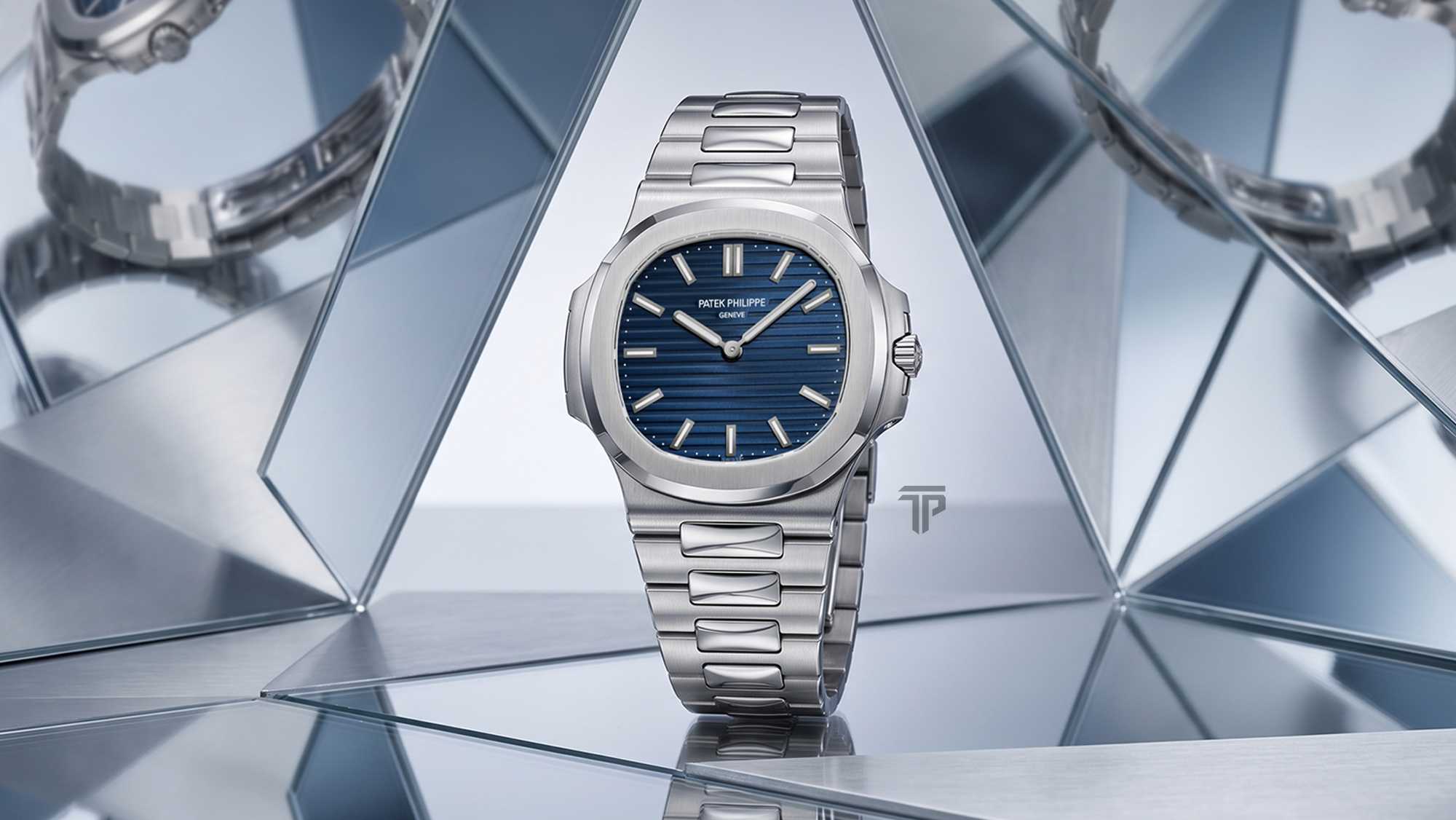
Luxury Watches That Hold Value
In the watch world, “holding value” usually means a luxury piece that stays resilient on the secondary market rather tha…
More in Watches & Horology
Stay in this world.
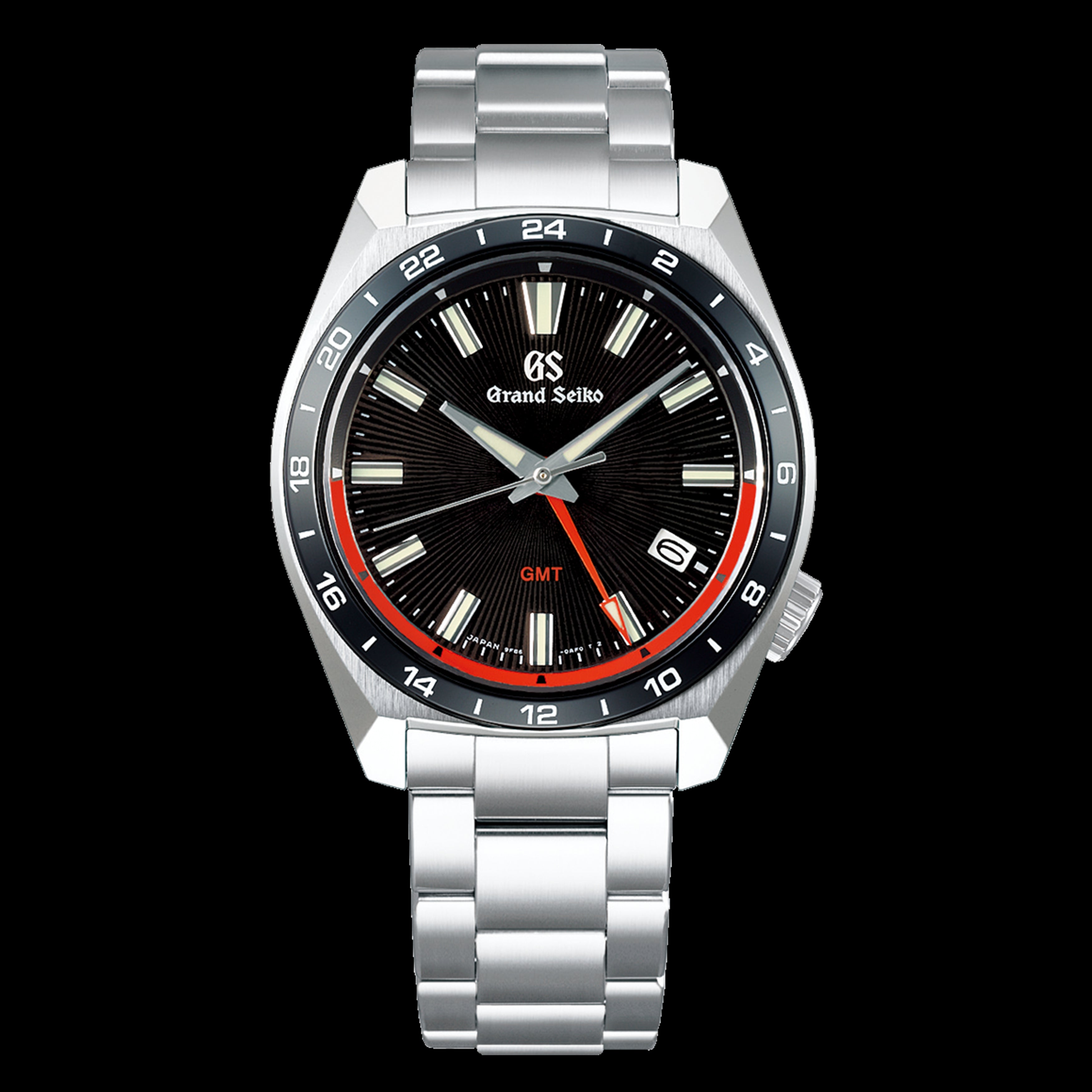
Grand Seiko SBGN001 9F GMT

Rolex Deepsea
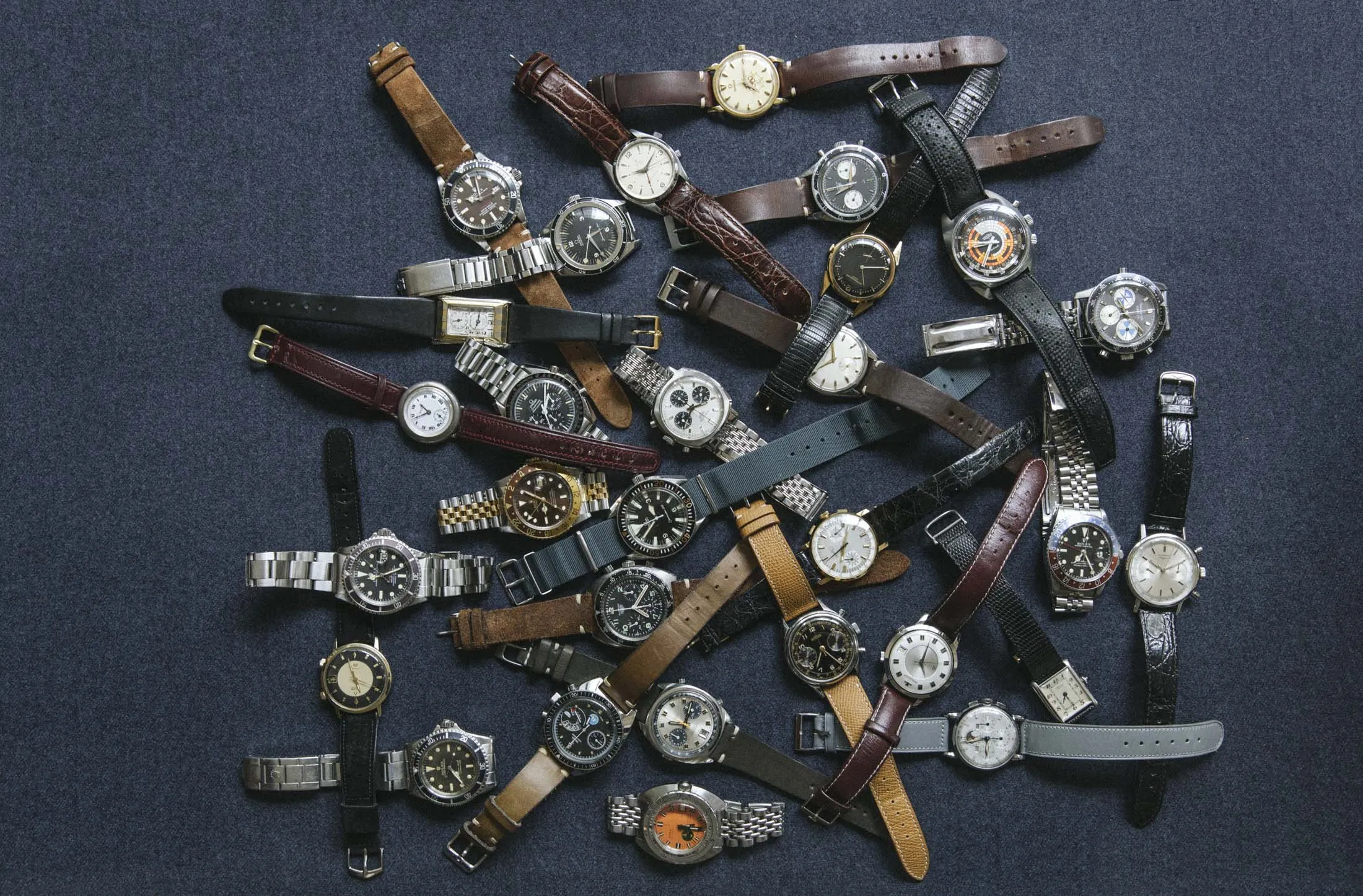
Vintage Watch Hunting
Rolex Deepsea
Luxury Watches That Hold Value
Best Luxury Quartz Watches
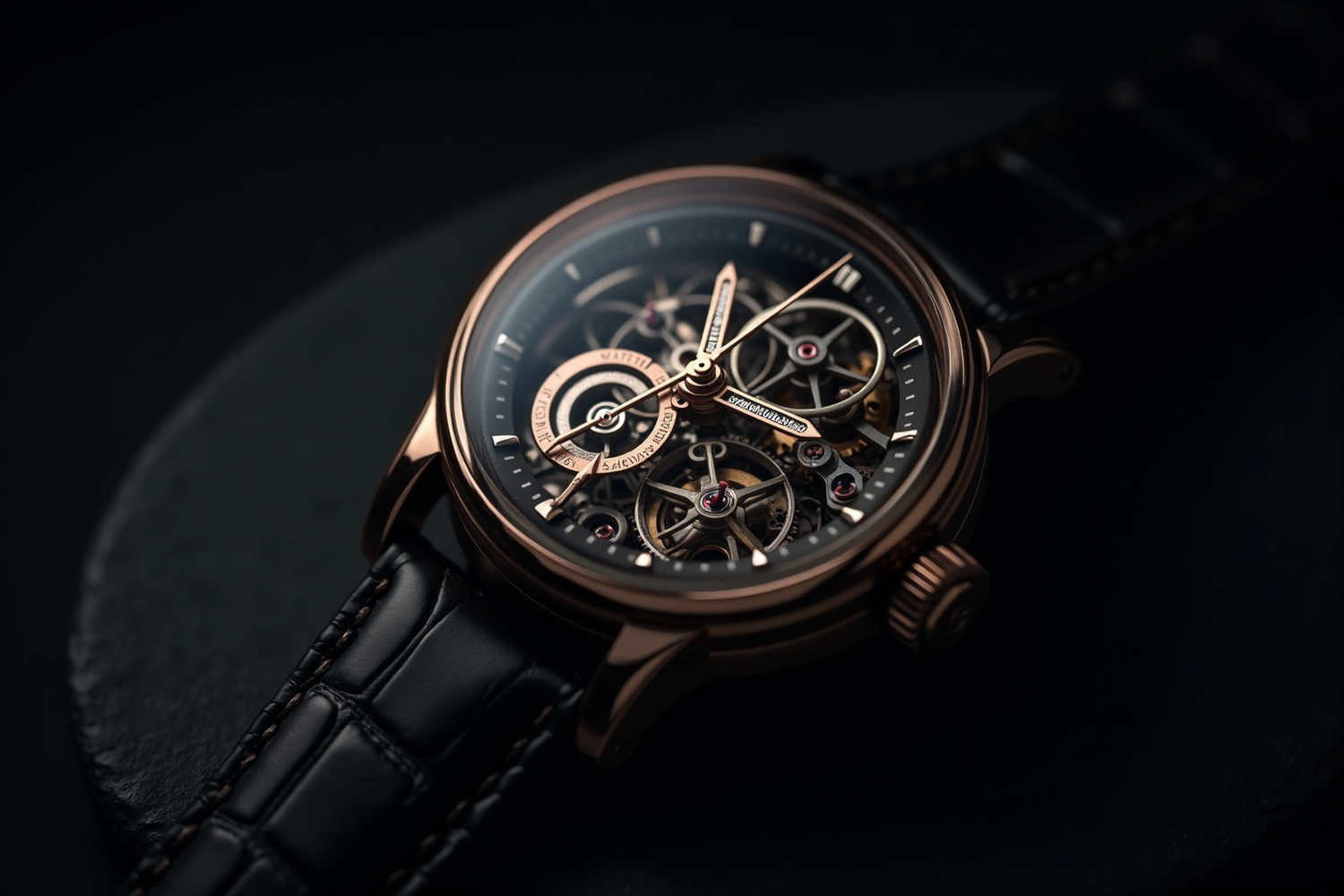
Skeletonized Haute Horlogerie
Best First Luxury Watch
Imagery
Know someone who’d love this?
Discovered by ArcurianAuto-generated from public sources and AI synthesis — it may be incomplete or inaccurate. Treat it as a starting point for your own exploration, not professional (medical, legal, financial, or safety) advice. Verify anything you act on. Report this page.