A first luxury watch is less about chasing a single “best” model than making a high-stakes first purchase with clear trade-offs around price, resale, servicing, and long-term wear. The sources here repeatedly frame the decision around real transaction data, secondary-market behavior, and the beginner shortlist that keeps recurring in modern watch buying—especially brands like Rolex, Tudor, and Omega, with the Omega Seamaster specifically called out as a common entry point. They also stress that movement type and total ownership cost matter as much as brand prestige, from automatic-versus-quartz decisions to the shock of major service bills. The interesting part is that your first watch is really your first test of taste: are you buying a symbol, a daily wearer, or a piece you can live with after the honeymoon fades?
Learn
How to Choose Your First Luxury Watch Without Guessing
Choosing your first luxury watch in 2026 is less about hype and more about informed data: the pre-owned market, now valued at over $22 billion globally, offers better value than buying new, which typically incurs 20-40% depreciation the moment you leave the boutique. The sweet spot for a first serious watch is $2,500 to $7,000, where you get genuine Swiss or Japanese movements, sapphire crystals, and brand heritage that holds value. In 2026, the entry Rolex Submariner crossed $10,050 retail, making brands like Omega and Tudor—with in-house movements and strong service networks—more rational alternatives. The Omega Speedmaster Reduced ref. 3510.50, at a $3,130 fair market value from 460 samples, or the Tudor Black Bay 58 Master Chronometer at $4,975, are standout picks. Always buy from a dealer who documents authentication and condition, and factor in service costs—a simple three-hand automatic overhaul runs roughly $500-$900—to avoid a costly surprise.
 jamaisvulgaire.comjamaisvulgaire.com
+Field notes
- —In January 2026, the retail price of a Rolex Submariner 124060 hit $10,050, a psychological five-figure threshold that shifts the entire entry-luxury conversation toward alternatives like the Omega Aqua Terra or Cartier Tank.
- —The Omega Speedmaster Reduced ref. 3510.50 is the most accessible Moonwatch entry at a fair market value of $3,130, based on 460 real transactions—making it a data-backed choice under $3,500.
- —A pre-owned luxury watch typically loses 20-40% of its value the moment it leaves the boutique, so buying certified pre-owned lets you enter near the price floor while still getting a manufacturer-level warranty.
- —Rolex grey-market premiums on steel sports models compressed from 80% above retail in 2021-22 to just 25-35% in early 2026, meaning the premium for immediacy on a no-date Submariner dropped from $7,000-$8,000 to roughly $1,500-$3,000.
- —Before buying, always verify movement condition, dial originality, box, papers, and service history—an apparently attractive listing can become expensive if the watch has heavy polishing, compromised seals, or incorrect replacement parts.
- —Plan for service costs: a base mechanical overhaul on a simple three-hand automatic from Rolex, Omega, or Tudor ranges from roughly $500 to $900, while chronograph rebuilds can cost significantly more.
Learn
The Terms That Actually Matter Before You Buy
Before you drop serious money on your first luxury watch, you need to speak the language dealers use behind the scenes. The single most important distinction is between a watch's official reference number and what you'll actually pay on the grey market, where brand-new watches from unauthorized dealers can sell for 20-30% below MSRP. Condition terminology is equally critical: a seller promising a "mint" watch or a "slider" that looks unworn means something very different from "NOS" (New Old Stock, a never-worn vintage piece) or a "beater" that's been worn hard. And never confuse a limited edition (a specific quantity made) with a mere reference number variation—the difference could mean paying double or triple over retail for the same model. Whether your watch is "full set" with box and papers or "naked" (just the watch), and whether its movement is automatic, manual, or quartz, all of this gets encoded in the reference number itself.


 gearpatrol.comgearpatrol.com
+Field notes
- —The grey market is not the same as the secondary pre-owned market: it's brand-new watches sold through unauthorized dealers, often at 20-30% below MSRP, but for hot limited editions you might pay double or triple retail. Always check whether a deal is grey market or pre-owned.
- —"Naked" means the watch comes with no box, papers, or accessories. A "full set" includes everything original. Resale value on a naked watch can be significantly lower, especially for Rolex and Patek Philippe.
- —Watch reference numbers are not random—they encode case material, movement type, dial variant, and sometimes the era. For example, a Rolex ref. 126610LN tells you it's a steel Submariner with a ceramic bezel and no-date (the 'LN' suffix). Learning to decode them separates a standard piece from a rare variant.
- —"NOS" (New Old Stock) refers to an unworn vintage or discontinued watch that sat in a dealer's inventory for years—often with original factory stickers. It is not the same as "mint" or "unworn," which describe modern pre-owned watches.
- —A "slider" is a pre-owned watch in condition so good it could pass as brand new; the only giveaway is a warranty date more than a few weeks old. Dealers use this term for pieces that sell fast because they look fresh.
- —The terms "caliber" and "movement" are synonyms—manufacturers use "caliber" as a model name for the engine inside. The balance wheel and hairspring (balance spring) are the oscillating heart; innovations like the Breguet overcoil improve precision.
Learn
Why the Modern Starter Shortlist Keeps Coming Back to Rolex, Tudor, and Omega
In 2026, the $3,000–$12,000 first luxury watch decision converges on Rolex, Tudor, and Omega because each offers a distinct, durable value proposition rooted in genuine horological history, not marketing noise. Rolex—with the Oyster case (1926) and Perpetual rotor (1931)—remains the default for heritage and resale, but the entry Submariner now crosses $10,050 MSRP, and grey-market premiums have compressed to 25–35% after peaking at 80% in 2021–22. Omega answers with no-dealer-games access, the Seamaster Diver 300M (James Bond’s 1990s icon) and the Speedmaster Professional; its Aqua Terra line spans 28–41mm, making it the most unisex family. Tudor, founded by Rolex’s own Hans Wilsdorf, delivers tool-watch credibility with the Black Bay family (launched 2012, GPHG-winning ref. 79220R), now including the 39mm BB58 Master Chronometer at $4,975 and the 37mm BB54—a genuine 1954-descended design with the famous snowflake hand. Choosing among them isn’t about brand prestige alone; it’s a five-axis decision of archetype, usage, permanence, dealer access, and ten-year carry cost, and getting even one axis wrong can cost thousands in resale.

 ukwatchmarket.co.ukukwatchmarket.co.uk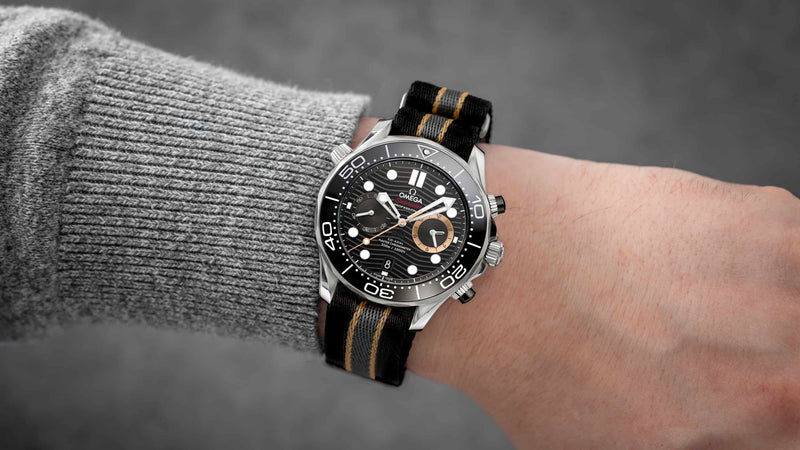
 monochrome-watches.commonochrome-watches.com
 lewatchbuyers.comlewatchbuyers.com
 wristenthusiast.comwristenthusiast.com
+Field notes
- —The Rolex Oyster case (1926) and Perpetual rotor (1931) are the technical foundation of every modern Rolex, and the current Oyster Perpetual ref. 134300 (41mm) uses the in-house Caliber 3230 with a 70-hour power reserve, updated in 2025 with matte pastel dials in pistachio, beige, and lavender.
- —In January 2026, the Rolex Submariner 124060 (no-date) MSRP hit $10,050 and the date version 126610LN hit $10,400—a five-figure psychological barrier—while the Tudor Black Bay 58 Master Chronometer sits at $4,975, making the gap between an entry Rolex and a top-tier Tudor nearly $5,000.
- —Tudor’s Black Bay line started in 2012 with the 41mm burgundy ref. 79220R (14.8mm thick), which won the Revival prize at the Grand Prix d’Horlogerie de Genève and marked Tudor’s return to the US market after nearly a decade; its design directly descends from the 1954 Tudor Oyster Prince Submariner ref. 7922.
- —Omega’s Seamaster family began with a 1948 water-resistant gents’ watch and the professional Seamaster 300 from 1957; the Diver 300M became the official watch of James Bond in the 1990s, and today the collection includes the Planet Ocean (600m water resistance) and the Aqua Terra, which offers sizes from 28mm to 41mm across both men’s and women’s lineups.
- —Rolex’s grey-market premiums on steel Submariners have collapsed from an 80% peak in 2021–22 to just 25–35% today, meaning a “no-date” Sub can be had for about $1,500–$3,000 over retail—a dramatic shift that makes the Rolex purchase decision less about scarcity and more about whether you want to play the AD game.
- —Tudor was created by Rolex founder Hans Wilsdorf in 1926 as a more accessible line using the same Oyster case and Perpetual rotor innovations but with economical movements, and the modern Black Bay’s snowflake hand—a square hour marker—comes from the 1960s Tudor Submariner ref. 7016, not from any Rolex model.
Discover
YouTube to Watch Before Spending Real Money


Before spending real money on your first luxury watch, the consensus among top YouTubers is clear: don't just buy one watch — build a small, purposeful collection. Roman Sharf of Luxury Bazaar, with over 20 years in the game, suggests a $5,000 to $10,000 budget for three to five watches: an everyday piece (he singles out the Tissot PRX as a standout under $1,000), a dress watch, a conversational piece, and a statement watch. Teddy Baldassarre's definitive starter guide reinforces this with specific models like the Orient Bambino, Hamilton Khaki Field, Seiko Turtle, and Tissot PRX itself, proving you don't need Rolex money to start well. If you truly only want one watch, ExquisiteTimepieces recommends 2026 picks like the Hamilton Khaki Field, Tudor Pelagos, Omega Seamaster Planet Ocean, and even independent pieces like the Chronoswiss Neo Digiteur or Glashütte Original Seventies Chronograph. The real surprise is how much value exists under $10K — and that the best first luxury watch isn't about a single purchase, but about curating a set with intention.
+Field notes
- —Roman Sharf's formula for a first luxury watch collection under $10K: an everyday piece (he recommends the Tissot PRX), a dress watch, a conversational piece, and a statement watch — you need 3-5 watches, not 10.
- —Teddy Baldassarre's 13 definitive starter watches include specific models like the Orient Bambino, Hamilton Khaki Field, Orient Kamasu, Seiko Turtle, Seiko Cocktail Time, and Tissot PRX — all highly accessible and well-regarded in the community.
- —For a single-watch collection in 2026, consider the Hamilton Khaki Field, Tudor Pelagos, Omega Seamaster Planet Ocean, Chronoswiss Neo Digiteur, or Glashütte Original Seventies Chronograph — covering tool, dive, and haute horology.
- —Roman Sharf advises that you don't need a huge collection — a curated set of 3 to 5 watches, each serving a distinct purpose (everyday, dress, conversation, statement), is more effective than owning many mediocre pieces.
- —When buying a Rolex as a first luxury watch, Roman Sharf's guide covers the key differences between authorized dealers and the grey market, emphasizing best practices to get the right watch at the right price.
Discover
What Collectors Read When They Want More Than Listicles
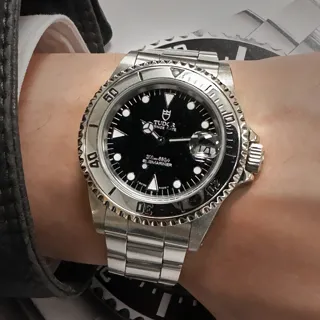

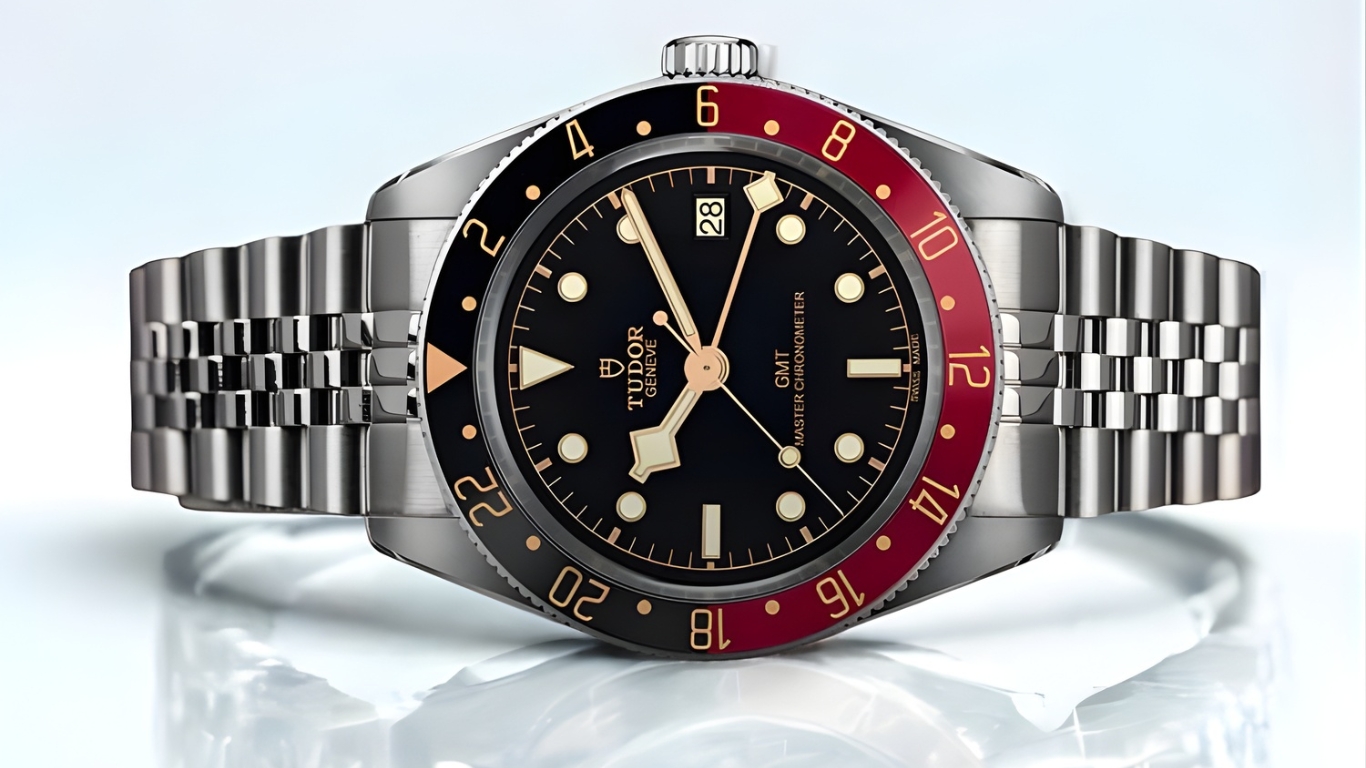

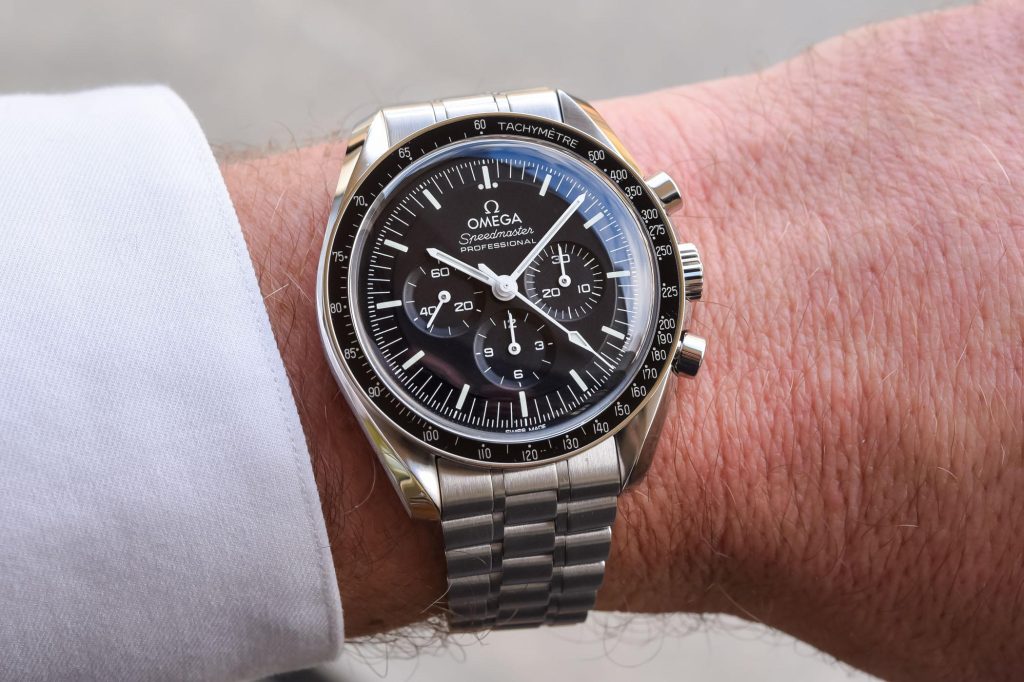
The first luxury watch decision in 2026 has become a five-axis problem — archetype, usage, permanence, authorized-dealer access, and ten-year carry cost — that most first-time buyers get wrong. With the entry Rolex Submariner crossing $10,050 (the 124060 no-date) and grey-market premiums compressing from 80% to 25-35%, the entire entry-Rolex conversation has shifted into the bracket where an Omega Aqua Terra, Speedmaster Professional, or Cartier Tank Louis become rational adjacent picks rather than downgrades. Tudor’s Black Bay 58 at $4,975 with the in-house MT5402 movement offers a 39mm vintage-informed alternative that avoids AD games entirely, while the Omega Seamaster Diver 300M (retail $6,700, secondary around $4,212) trades at roughly 37% below retail — a predictable depreciation pattern that favors buying at the right cycle point. Service costs add another layer: a Patek Calatrava overhaul runs $3,500, while Rolex, Omega, and Tudor base services fall into lower range-based brackets that depend heavily on movement complexity and parts availability. The smartest first-watch buyers ignore flex culture and instead match the watch to their actual wrist feel, wearing intent, and tolerance for dealer friction.
+Field notes
- —The Rolex Submariner no-date ref. 124060 hit $10,050 in January 2026 after a 7% catalogue-wide price increase driven by a 15% US import tariff on Swiss watches and a USD that weakened ~12% against the CHF over the prior year.
- —Grey-market premiums on steel Rolex sports models have collapsed from 80% at the 2021-22 peak to 25-35% in early 2026, meaning a no-date Submariner can now be had for $1,500-$3,000 above retail instead of $7,000-$8,000.
- —The Omega Seamaster Diver 300M ref. 210.30.42.20.01.001 has a 2026 retail of $6,700 but trades on the secondary market at roughly $4,212 — a 37% discount — because Omega produces watches at volume without artificial scarcity, making value retention about buying at the right cycle point, not persistent premiums.
- —Omega Speedmaster Professional (ref. 310.30.42.50.01.001) retains 75-85% of its $6,550 retail on the secondary market, making it one of the strongest value-holders outside Rolex, while Seamaster Diver 300M references typically retain 60-75% of retail within the first few years.
- —Tudor Black Bay 58 references like the blue 79030B and black 79030N use the in-house MT5402 calibre in a 39mm case that corrected the oversized 41mm issue of the original Black Bay revival, and the line now includes bronze (79012M), 18k gold (79010SG), and 925 silver (M79018V) variants.
- —The honest cheat-sheet for the $3K-$12K bracket: buy Rolex if you want heritage plus recognition and can tolerate dealer games; buy Omega if you want heritage without the waitlist nonsense; buy Tudor if you want a tool watch you’ll actually beat on without worrying about scratches affecting resale.
Explore
Where to Buy: Authorized Dealers, Pre-Owned Specialists, and Deal-Making Reality
For a first luxury watch, the difference between a smooth transaction and a costly mistake often comes down to choosing the right seller. Authorized dealers offer the safety of a full manufacturer's warranty and the experience of trying on the watch, but you'll almost certainly pay full retail. Pre-owned specialists and vintage dealers—like the ones found on Etsy, for example—offer a more interesting path. Sellers like ElegantSwiss, a New York-based shop focused on authentic luxury watches at discount prices, or RelicWatchesShop, a UK-based Star Seller specializing in authentic vintage timepieces with a strong record for customer satisfaction, can provide access to discontinued models and significant savings. The real trick, especially with vintage pieces from the 1930s like a Longines in platinum and diamonds, is that you can often make an offer, negotiating a price rather than being locked into a sticker tag. But this freedom comes with responsibility: you must scrutinize the seller's history, look for the "Rave reviews" and "Star Seller" badges seen on shops like ConnoisseurOfTime and VintageWatchCorner, and understand that buyer protection policies differ markedly between a boutique and an Etsy store. The best deal isn't always the lowest price—it's the one where you trust the person on the other end of the transaction.

+Field notes
- —Etsy hosts a surprising number of serious watch dealers, not just hobbyists. ElegantSwiss, based in New York, explicitly positions itself as a seller of 'Luxury authentic watches at discount prices,' suggesting you can find new or like-new luxury pieces below retail on a platform not typically associated with high-end watch sales.
- —Star Seller status on Etsy is more than a badge—it's a pattern of reliability: ConnoisseurOfTime (Georgia, US) has 'Rave reviews' with an average rating of 4.8 or higher, exactly the same credential as RelicWatchesShop in the UK, and VintageWatchCorner in North Carolina. For a first-time buyer, filtering for this badge across any platform is a pragmatic shortcut to reduce risk.
- —Many Etsy watch listings allow you to 'make an offer,' a key deal-making feature that differs from the fixed-price model of most authorized dealers. This opens a negotiation path on vintage pieces like the 'A958 Vintage 1930's Longines Wrist Watch in Platinum Diamonds Mechanical', letting you potentially secure a better price if you know the market.
- —The pre-owned world on Etsy offers specific, time-capsule finds impossible at an authorized dealer, such as a 1930s Longines in platinum with diamond markers, described as having a 'matte finish' and a 'discolored' dial in the listing. The condition quirks are part of the appeal and the risk—you must read the descriptions and study the photos, not just the title.
Keep exploring
More of Best First Luxury Watch

Branch out
Beyond Best First Luxury Watch
More to explore
In the same world.
Best Luxury Quartz Watches
Luxury quartz watches sit in the part of watch collecting where convenience, finishing, and accuracy matter just as much…
Luxury Watches That Hold Value
In the watch world, “holding value” usually means a luxury piece that stays resilient on the secondary market rather tha…

Affordable Watches Under $500 That Still Feel Like the Real Thing
At the sub-$500 mark, watch buyers are not just chasing low prices—they are looking for the point where finishing, relia…

Vintage Rolex Watches
Vintage Rolex collecting revolves around older references whose value is tied not just to the model name, but to origina…
Affordable Microbrand Watches
Affordable microbrand watches are independently made watches sold outside the traditional luxury-brand system, with enth…
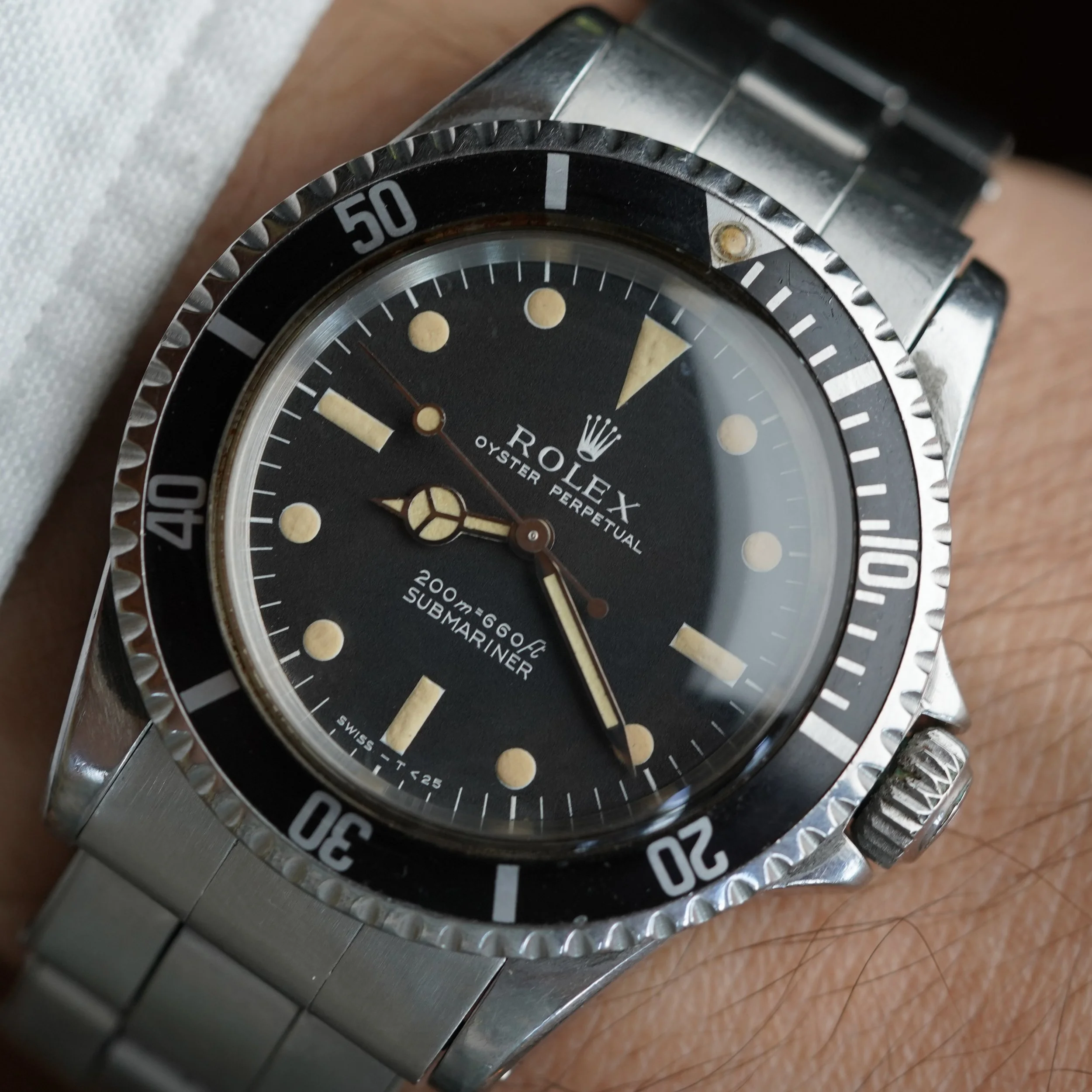
Vintage Rolex Submariner
When Rolex introduced the Submariner in 1953, it permanently defined what a dive watch could be — a purpose-built tool t…

Military Watches
Military watches sit at the intersection of real field use, instrument design, and modern tool-watch collecting: brands…
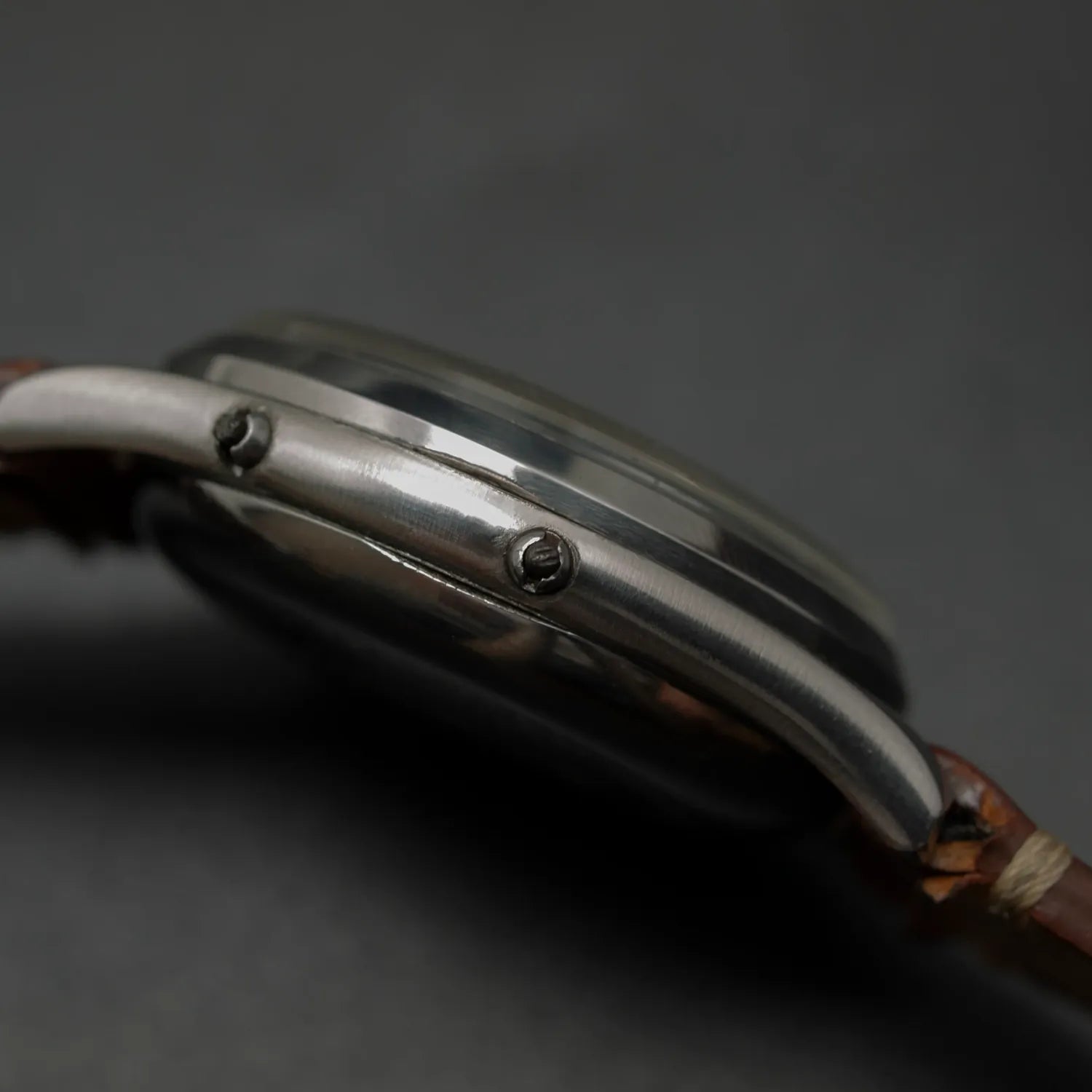
Mechanical Watches
Mechanical watches run on a clockwork movement powered by a mainspring, with energy delivered through gears to a balance…
More in Watches & Horology
Stay in this world.
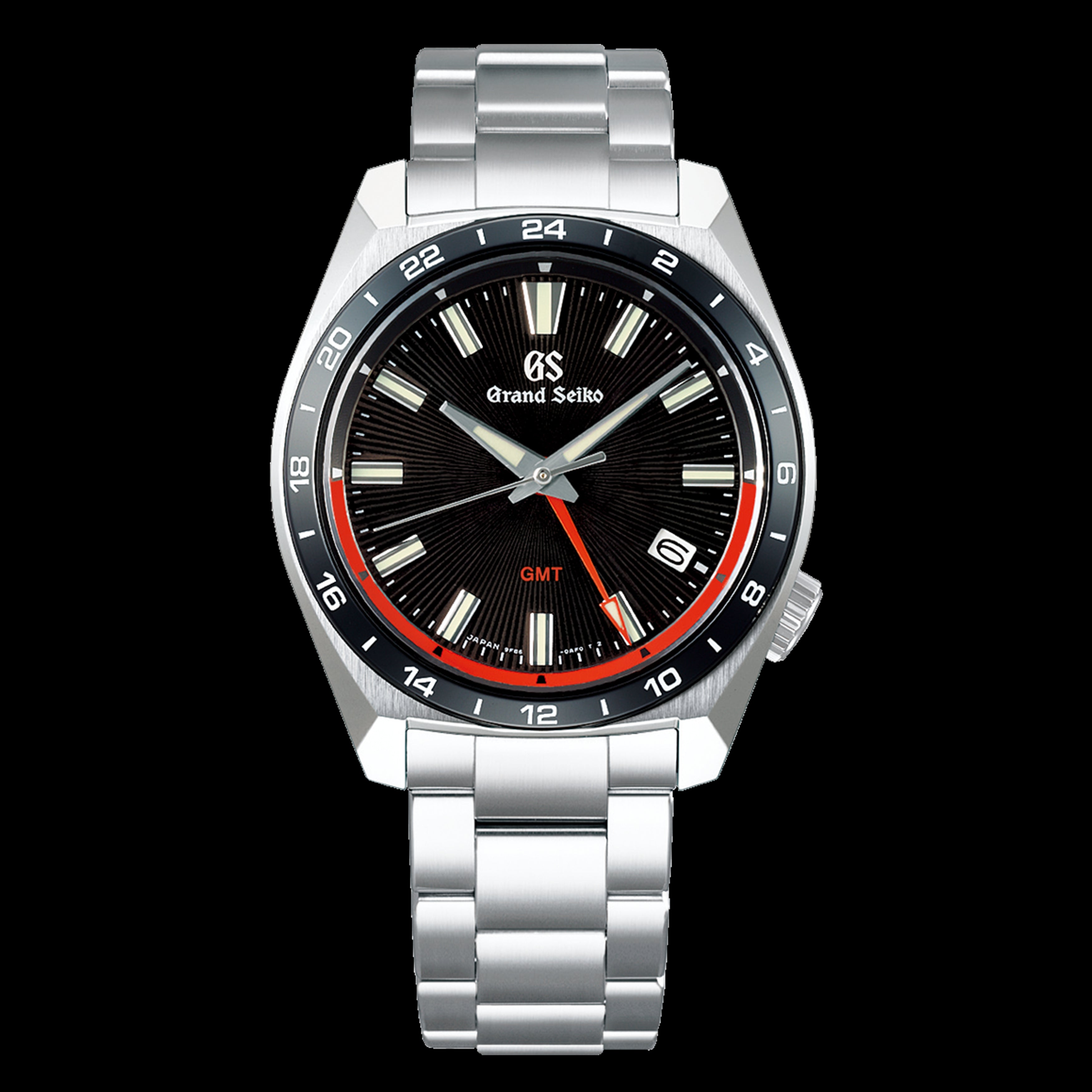
Grand Seiko SBGN001 9F GMT

Rolex Deepsea
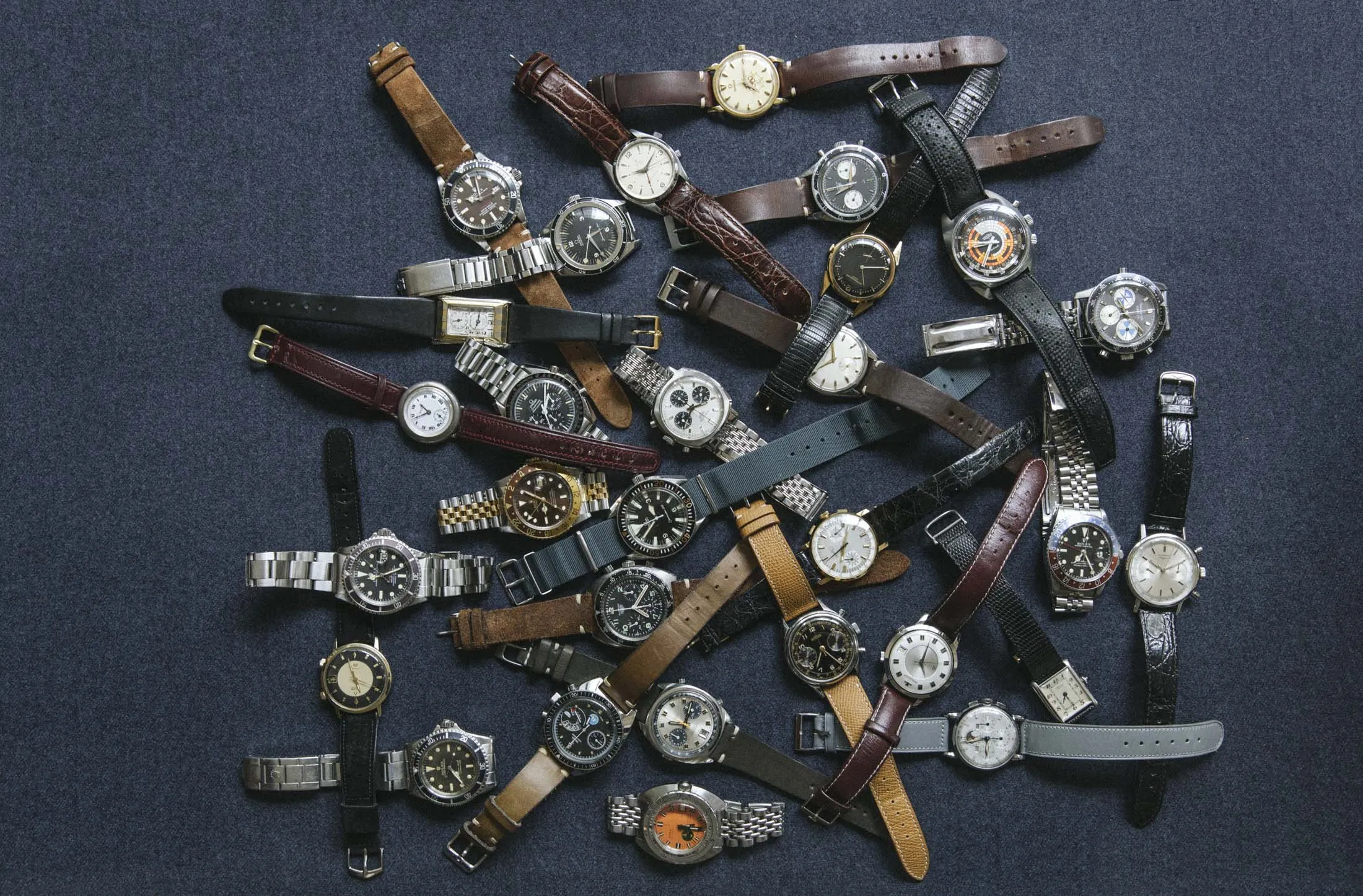
Vintage Watch Hunting

Rolex Deepsea
Luxury Watches That Hold Value
Best Luxury Quartz Watches
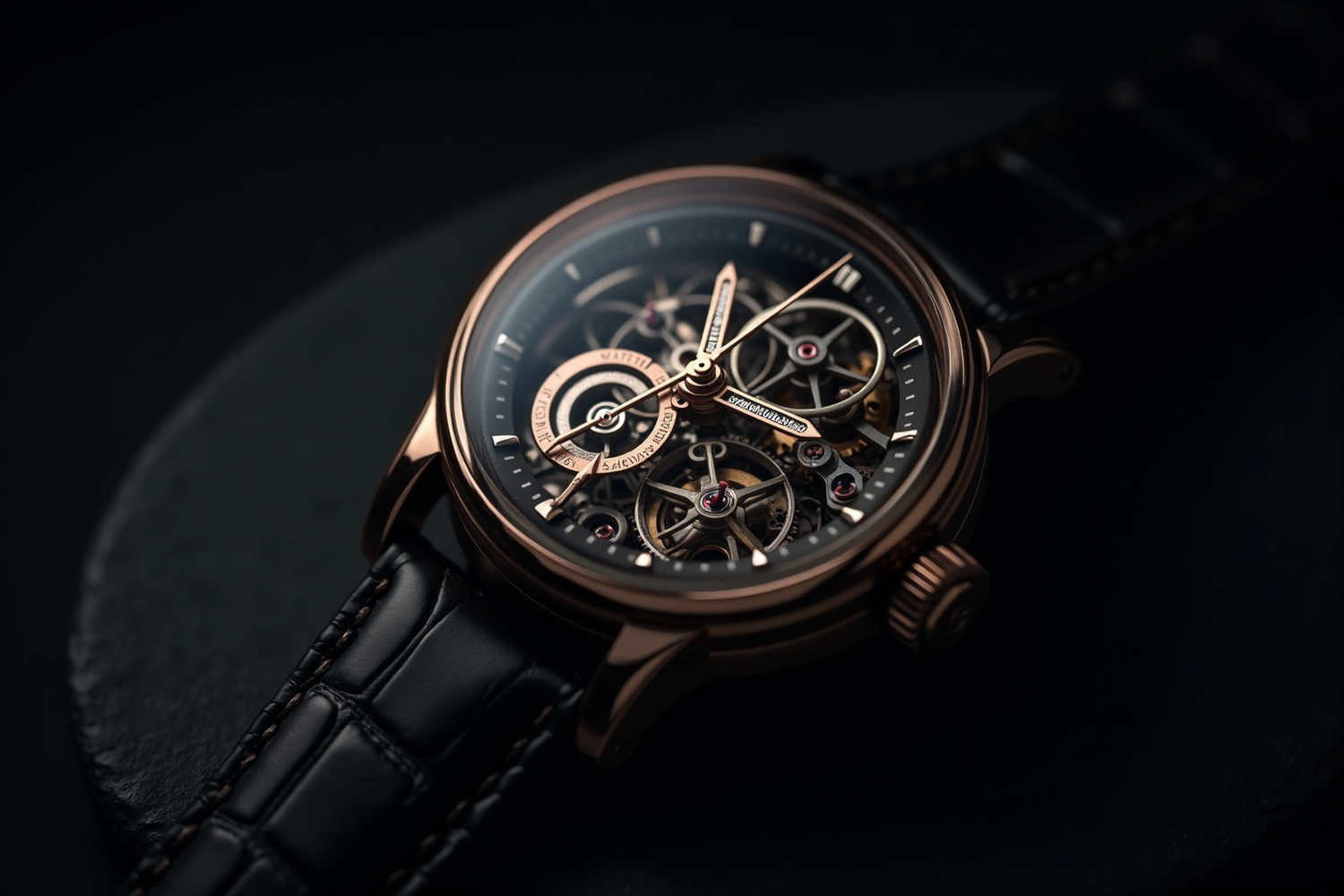
Skeletonized Haute Horlogerie
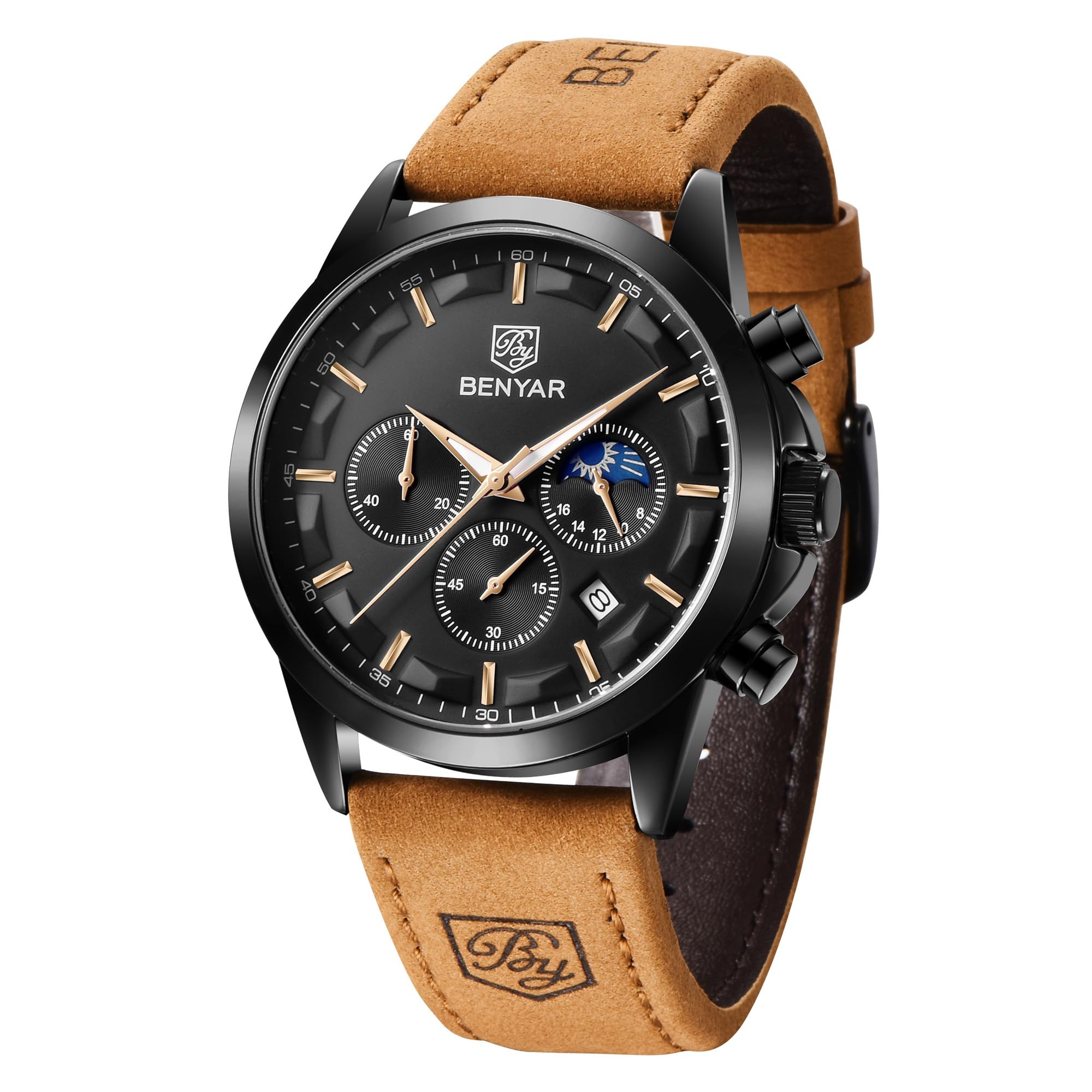
Benyar Watches
Imagery
Know someone who’d love this?
Discovered by ArcurianAuto-generated from public sources and AI synthesis — it may be incomplete or inaccurate. Treat it as a starting point for your own exploration, not professional (medical, legal, financial, or safety) advice. Verify anything you act on. Report this page.