Mechanical watches run on a clockwork movement powered by a mainspring, with energy delivered through gears to a balance wheel rather than a quartz crystal. That basic distinction is why enthusiasts care so much about winding feel, movement architecture, and the difference between hand-wound and self-winding watches. The current landscape stretches from accessible starter pieces and field watches like Hamilton’s Khaki Field Mechanical to higher-end movement families such as Grand Seiko’s 9S, where finishing and manufacturing are part of the appeal. Once you start paying attention to what is happening under the dial, a watch stops being just a timekeeper and becomes a small machine you wear every day.
Learn
What Actually Makes a Watch Mechanical
A mechanical watch is a self-contained machine that stores energy in a coiled mainspring, then precisely meters it through a gear train and escapement to drive a balance wheel oscillating at a constant rate—typically 21,600 to 36,000 vibrations per hour—converting that rhythm into the steady movement of the hands. Unlike quartz, there's no battery; the entire system is a closed mechanical loop that manufactures regularity from an irregular world, constantly negotiating friction, gravity, and temperature. The real surprise is that the watch doesn't 'measure' time but repeats a process: store energy, transmit it, release it in discrete impulses via the escapement, and use those impulses to sustain the balance wheel's oscillation, which in turn decides when the train can advance. This loop makes a mechanical watch feel less like a device and more like a living mechanism, always correcting itself in real time.

+Field notes
- —The mainspring is a thin strip of hardened steel, 20–30 cm long, coiled inside a toothed barrel. Its inner end hooks onto the barrel arbor, the outer end into the barrel wall, and winding tensions it via a ratchet wheel and click that prevent reverse unwinding. This 'compact steel battery' stores all the energy the watch needs for 24–72 hours depending on power reserve.
- —The gear train (or wheel train) does more than transmit power—it drastically accelerates rotation. The mainspring barrel turns once in about 7 hours, but by the time that rotation reaches the escape wheel it's spinning once every 5 seconds, a speed increase achieved through four stages: center wheel, third wheel, fourth wheel, and escape wheel pinion.
- —The escapement is where 'the poetry starts'—it chops continuous energy into precise beats. In most modern watches it's a Swiss lever escapement, where a locking lever alternately stops and releases the escape wheel, giving the balance wheel exactly one tick and one tock per oscillation. High-end alternatives like Omega's Co-Axial reduce sliding friction for better long-term accuracy.
- —The balance wheel and hairspring form a harmonic oscillator; the wheel's inertia and the spring's elasticity create a near-constant period of swing. Beat rates vary: 21,600 vph is relaxed and may extend service intervals, while 28,800 vph (common in many Swiss calibers) or the high-beat 36,000 vph of Zenith's El Primero offer smoother timekeeping but more wear.
- —Mechanical watches do not 'keep time' by measuring it; they keep time by repeating a defined process. The entire system—mainspring, gear train, escapement, balance—is a closed loop that manufactures regularity inside an irregular world, constantly negotiating friction, shock, and temperature to produce a steady rhythm.
Learn
From Hand-Wound Tradition to Modern Mechanical Revival
The mechanical watch revival is one of the most surprising reversals in industrial history—a story that begins with the quartz crisis of the 1970s, when Seiko's 1969 Astron, accurate to five seconds per month against the best Swiss chronometer's five seconds per day, triggered a collapse that wiped out two-thirds of the Swiss watch workforce by 1983. What saved mechanical watchmaking wasn't better precision, but a radical redefinition of value. While the Swiss industry tried to match quartz on its own terms in the 1970s, the true turning point came when a handful of visionaries—driven by the furious determination of George Daniels, who in 1976 invented the co-axial escapement to prove mechanics could outperform electronics—reframed mechanical watches as objects of emotion, heritage, and artisanal craft, not mere timekeeping tools. By 2008, Swiss mechanical watches had become the world's leading watch exporters by value, a resurgence driven not by competing on accuracy but by building communities of collectors who valued finishing, history, and mechanical complexity over quartz precision. The revival was not a return to the past but a reinvention: old technologies were given new meanings through value recombining, temporal distancing, identity marking, and conceptual bridging, culminating in a market where a single hand-finished mechanical movement can cost more than a car because it is no longer a tool—it is a statement.


+Field notes
- —In 1976, George Daniels created the co-axial escapement—a radical two-wheel design that reduced friction and need for lubrication—as a direct act of defiance against the 'electricians' who dominated watchmaking, proving that mechanical accuracy could rival quartz without a battery.
- —The quartz crisis hit hardest between 1974 and 1983: Swiss watch exports dropped by half, tens of thousands of jobs vanished, and generations of craft knowledge—how to hand-finish a bridge or regulate a movement—nearly disappeared
- —The Swiss had quartz first: their Centre Electronique Horloger (CEH) built the Beta 21 prototype that broke accuracy records in 1967, two years before Seiko's Astron, but the industry chose to protect its 1,600 companies and 90,000 mechanical workers rather than pivot to electronics
- —Between 1970 and 1983, the Swiss mechanical watch industry was widely declared obsolete, yet by 2008—without ever competing on quartz accuracy—it had reemerged as the world's top watch exporter by monetary value
- —The recovery was driven by four cognitive mechanisms—value recombining, temporal distancing, identity marking, and conceptual bridging—that reframed mechanical watches from timekeeping instruments into heritage objects, while enthusiast communities were mobilized to define new market boundaries
Learn
The Terms Collectors Use: Calibers, Finishing, Beat Rate, Power Reserve
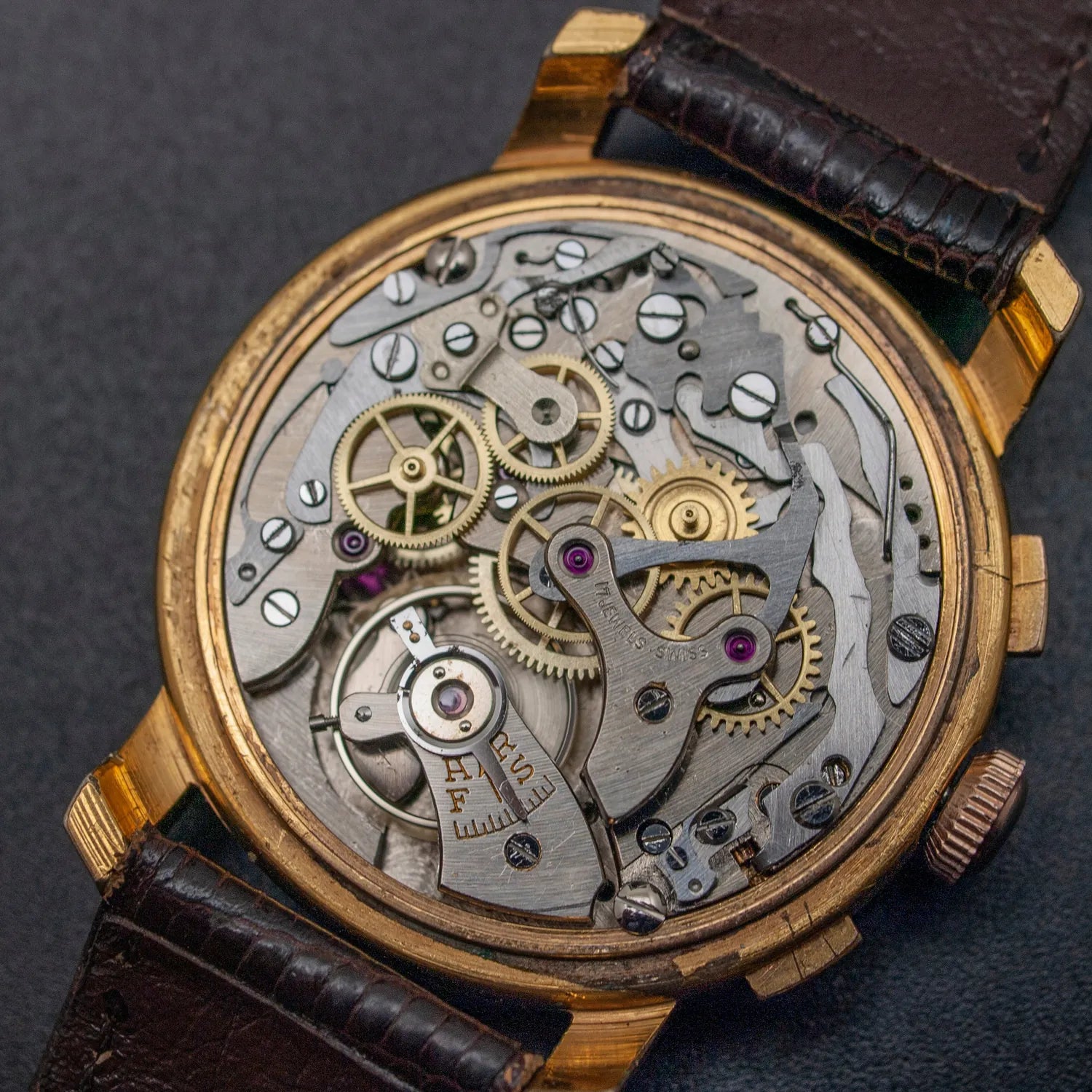
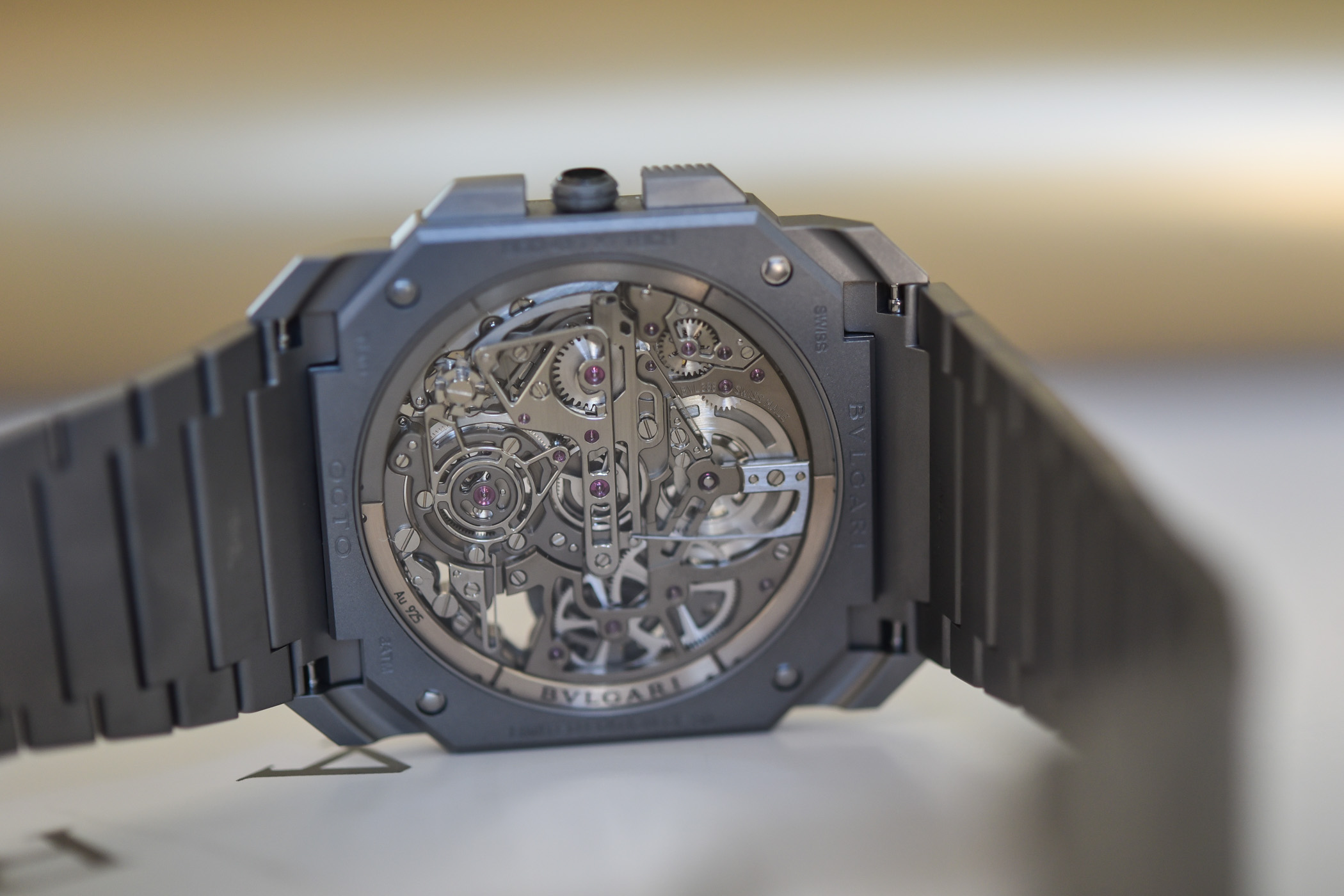
When collectors talk about a watch, they're really talking about the movement — the caliber. The caliber is the engine, designated by a specific model number like Rolex 3135 or ETA 2824-2, and it determines everything from accuracy and service cost to what complications the watch can support. Beyond the name, the real story is in the finishing: anglage (angled chamfering on bridges and plates) isn't just decorative — it removes sharp edges that could shed debris into the movement during servicing. Beat rate, measured in vibrations per hour (vph) or hertz (Hz), tells you how smoothly the seconds hand sweeps — 28,800 vph (4 Hz) is the modern standard, while 21,600 vph (3 Hz) gives a slightly more stuttering sweep. Power reserve, often listed in hours (from 38-hour cheap movements to 80-hour modern ones like Tissot's Powermatic 80 or 120-hour high-end calibers), tells you how long the watch will run when unworn. And jewels — synthetic rubies acting as bearings — are typically 17–25 for a simple three-hander; more doesn't mean better, just a more complex layout.

 gearpatrol.comgearpatrol.com
 phigora.comphigora.com
+Field notes
- —Caliber (or calibre) is simply the movement's model designation — Rolex calibre 3135, ETA 2824-2, Miyota 8215 — and it's the key to knowing what's inside a watch, affecting accuracy, lifespan, service cost, and available complications.
- —Finishing like anglage (angled chamfering on bridges and plates) serves a functional purpose: it removes sharp edges so that when the watch is serviced, no tiny metal debris breaks off and contaminates the movement.
- —Beat rate, measured in vibrations per hour (vph) or hertz (Hz), dictates how smoothly the seconds hand sweeps — 28,800 vph (4 Hz) is the modern standard, while 21,600 vph (3 Hz) produces a slightly more jerky motion.
- —Power reserve tells you how long a fully wound watch will run without being worn — entry-level movements often manage 38 hours, while modern calibers like Tissot's Powermatic 80 stretch to 80 hours, and high-end pieces can reach 120 hours.
- —Jewels (synthetic rubies) act as low-friction bearings for the gear train pivots; a simple three-hand watch typically uses 17–25 jewels, and a higher count doesn't automatically mean better quality — just a more complicated gear layout.
Discover
YouTube Channels for Learning Mechanical Watches by Seeing Them in Hand


The best way to learn about mechanical watches is to see them in motion, and YouTube channels like Teddy Baldassarre, Ben's Watch Club, and Just One More Watch offer exactly that—detailed, in-hand looks that reveal how movements work, how watches are made, and what makes one more interesting than another. Teddy Baldassarre's channel stands out for its factory tour of Tudor, where he films the entire assembly process, from raw metal to the final timing test, showing the hairspring, balance wheel, and case finishing up close. His deep dive on the Grand Seiko Spring Drive, with help from the brand's National Training Manager, explains the hybrid mechanical-quartz regulation that creates that smooth sweep, a feature most watch fans misunderstand. Ben's Watch Club is the go-to for affordable watches under $500, laying out specific models like the Timex E-Line, Jianghun JH0301, and San Martin SN0150-G, and explaining why each one punches above its price. Just One More Watch brings a more conversational, enthusiast-driven take, often focusing on overlooked or quirky pieces. Together, these channels let you compare finishing, movement visibility, and bracelet quality without needing to visit a boutique.
+Field notes
- —Teddy Baldassarre's factory tour of Tudor (filmed at their manufacture) shows the complete assembly line, including hairspring production, bezel finishing, and the T0/T1/T2/T3 testing stages, giving an inside view of what distinguishes a mass-market movement from a high-end one.
- —Baldassarre's 2020 video on the Grand Seiko Spring Drive, featuring a detailed presentation from GS's National Training Manager Joe Kirk, breaks down the unique hybrid regulation system that uses a quartz oscillator to brake the mainspring's power, creating that iconic one-second-per-day accuracy and dead-seconds hand sweep.
- —Ben's Watch Club focuses relentlessly on sub-$500 watches, and his 2025 ranking includes specific picks like the Timex E-Line, Jianghun JH0301, and San Martin SN0150-G, comparing their bracelets, movements, and lume quality—details that casual reviews skip.
- —Just One More Watch approaches watches from a collector's perspective, often featuring microbrands and vintage models that mainstream channels ignore, making it a resource for spotting interesting design trends and uncommon calibers.
Discover
Where to Read Beyond Specs: Collector Writing, Buying Guides, and Movement Obsessions


When you move past spec sheets and glossy ads, the real conversation among watch enthusiasts shifts to movement architecture, finishing, and the design philosophy behind a caliber. Jack Forster of HODINKEE argues that a 'great' movement isn't necessarily a beautiful one—the Valjoux/ETA 7750, designed by Edmond Capt, is celebrated for its industrial reliability and clever engineering, not its looks. Specs like jewel count and beat rate (typically 28,800 vph today) aren't just numbers; they reveal history and friction-reduction engineering, with synthetic ruby bearings allowing near-frictionless pivots. For a first mechanical, the differences are subtle: a 21,600 vph movement sweeps slightly more jerkily than a 28,800 vph one, and sapphire crystal versus mineral glass or a 316L stainless steel case versus chrome-plated brass mark serious quality tiers. The independent watch scene has standardized around workhorses like the Seiko NH35, Miyota 9015, and Sellita SW200, each with distinct quirks in winding smoothness, accuracy, and service cost. Understanding these trade-offs—rather than chasing marketing claims—is what separates a collector from a casual buyer.
+Field notes
- —Jack Forster argues that a movement can be 'great' in very different ways: the Valjoux/ETA 7750 is praised not for beauty but for how its designer, Edmond Capt, engineered a reliable, industrial-scale automatic chronograph—a genius of function over form.
- —Jewel count isn't a vanity metric; synthetic ruby bearings were invented to reduce friction at gear-train pivots, enabling energy to travel from the mainspring to the balance with near-zero loss—a design innovation from the early 18th century that became practical only with mass-produced synthetic rubies.
- —A first-time buyer should look for 316L stainless steel cases and sapphire crystal rather than cheaper chrome-plated brass or mineral glass; the Vostok Komandirskie is a classic example of a watch that uses chrome-plated brass, which lacks the longevity of 316L steel.
- —Beat rate differences are subtle but tangible: a movement at 21,600 vph produces a slightly more stuttering seconds hand sweep than a 28,800 vph caliber—a detail most beginners won't notice but seasoned enthusiasts use to gauge a watch's character.
- —The microbrand world relies on a handful of proven movements—Seiko NH35, Miyota 9015, Sellita SW200—each with specific traits in winding feel, accuracy, and service intervals; knowing these workhorses helps you judge a watch's real-world performance beyond the brand's story.
Keep exploring
More of Mechanical Watches
More to explore
In the same world.
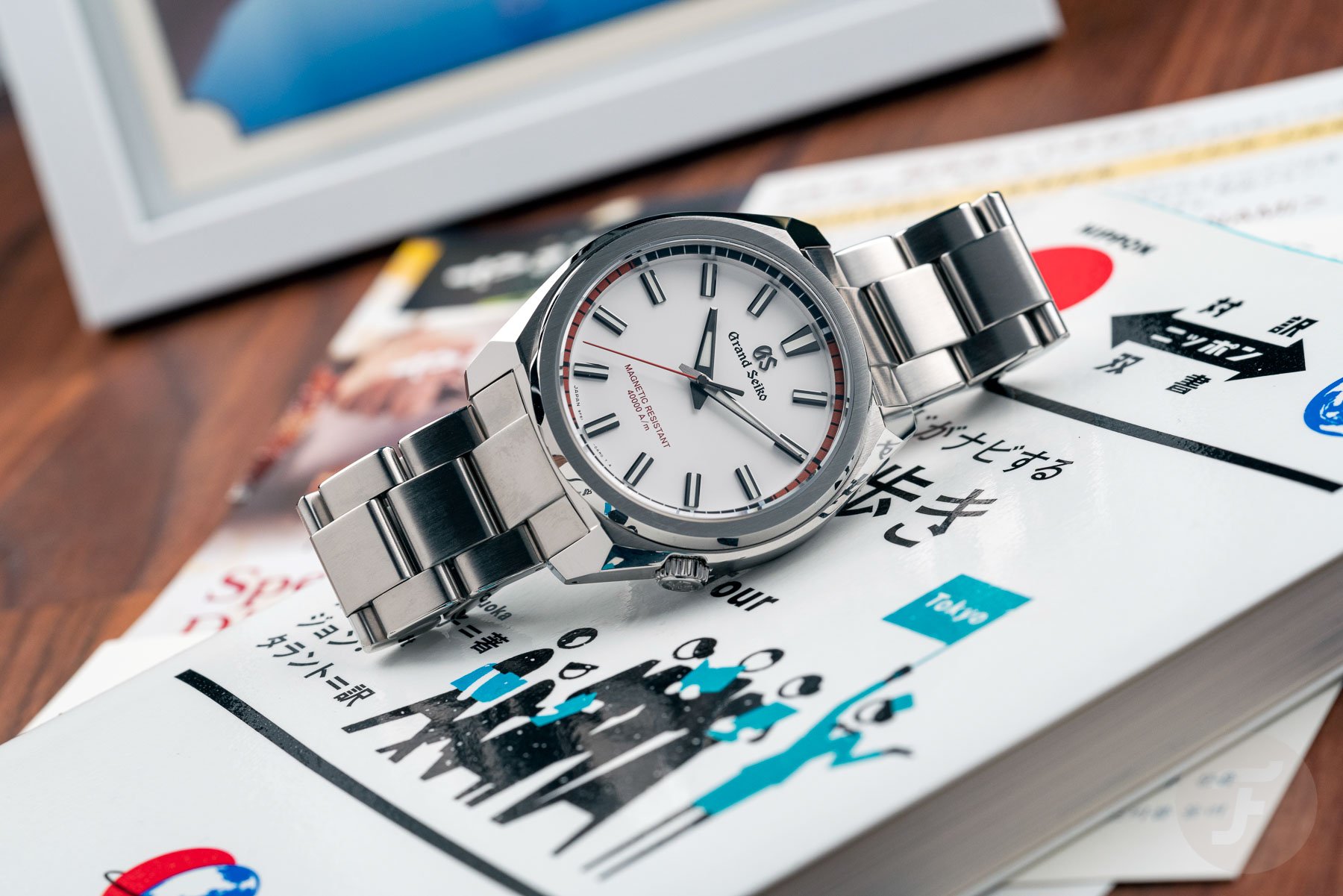
Best Luxury Quartz Watches
Luxury quartz watches sit in the part of watch collecting where convenience, finishing, and accuracy matter just as much…

Military Watches
Military watches sit at the intersection of real field use, instrument design, and modern tool-watch collecting: brands…
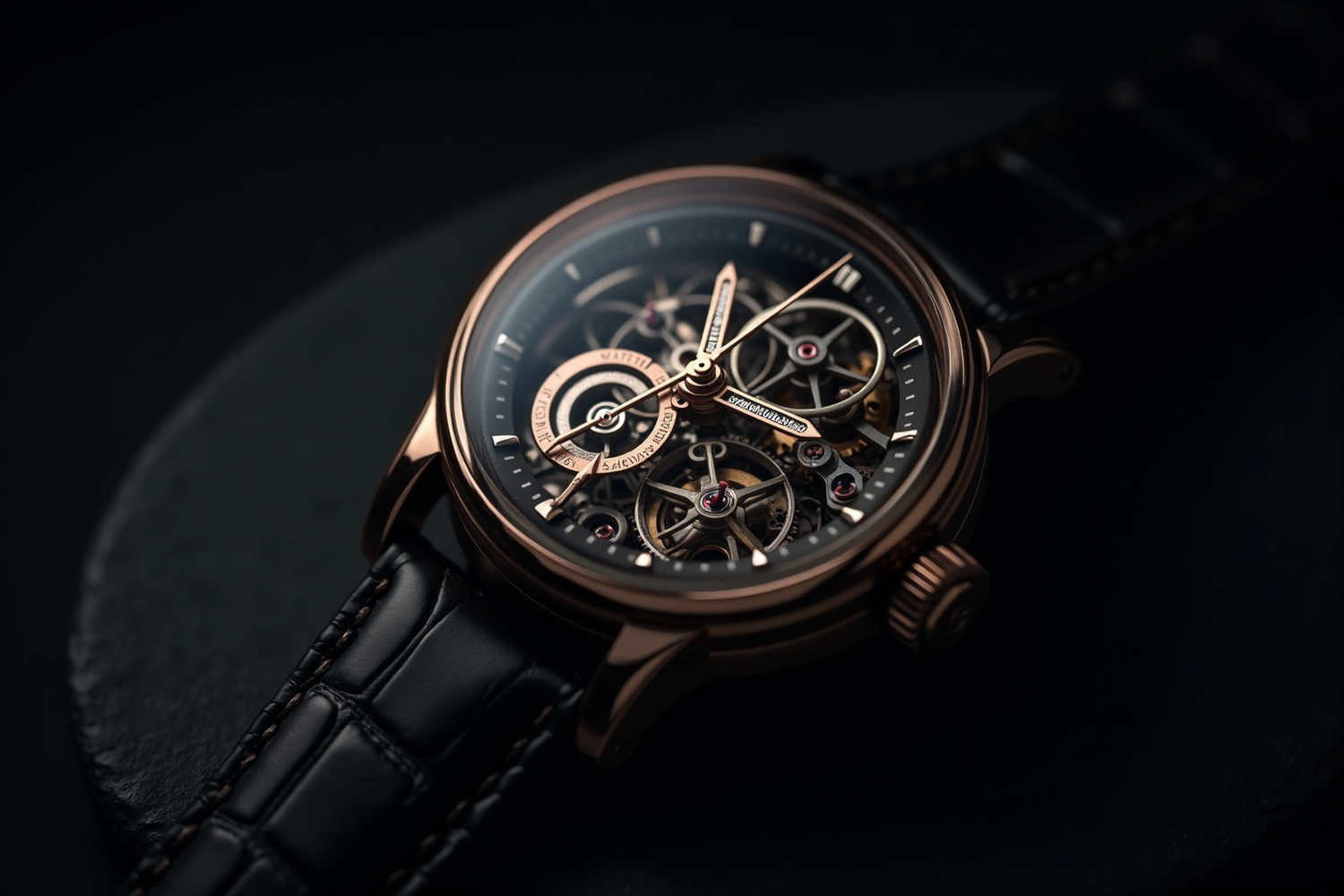
Skeletonized Haute Horlogerie
This corner of watchmaking is about turning the movement itself into the dial, then finishing it so the mechanics are no…

Affordable Watches Under $500 That Still Feel Like the Real Thing
At the sub-$500 mark, watch buyers are not just chasing low prices—they are looking for the point where finishing, relia…
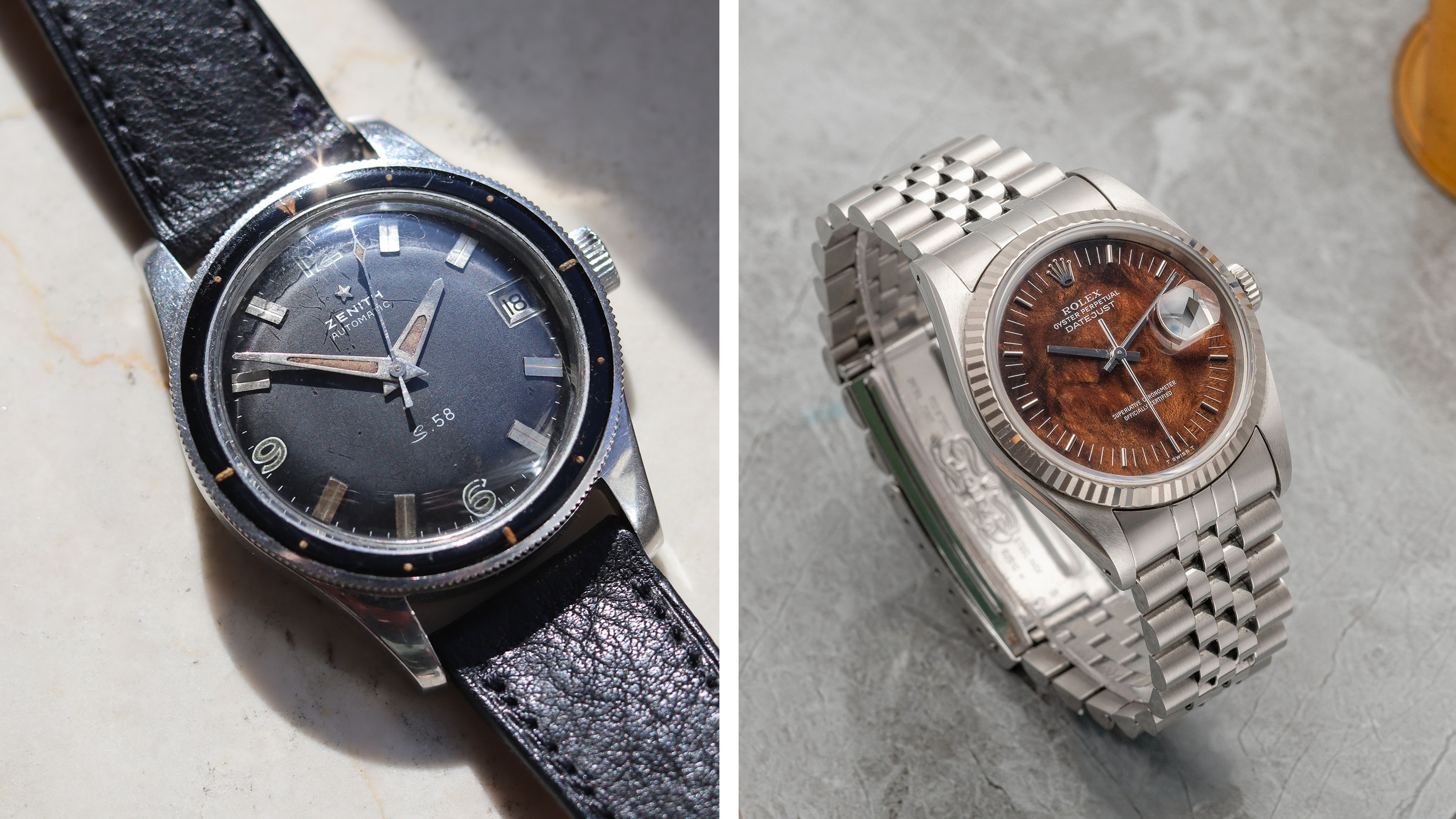
Best First Luxury Watch
A first luxury watch is less about chasing a single “best” model than making a high-stakes first purchase with clear tra…
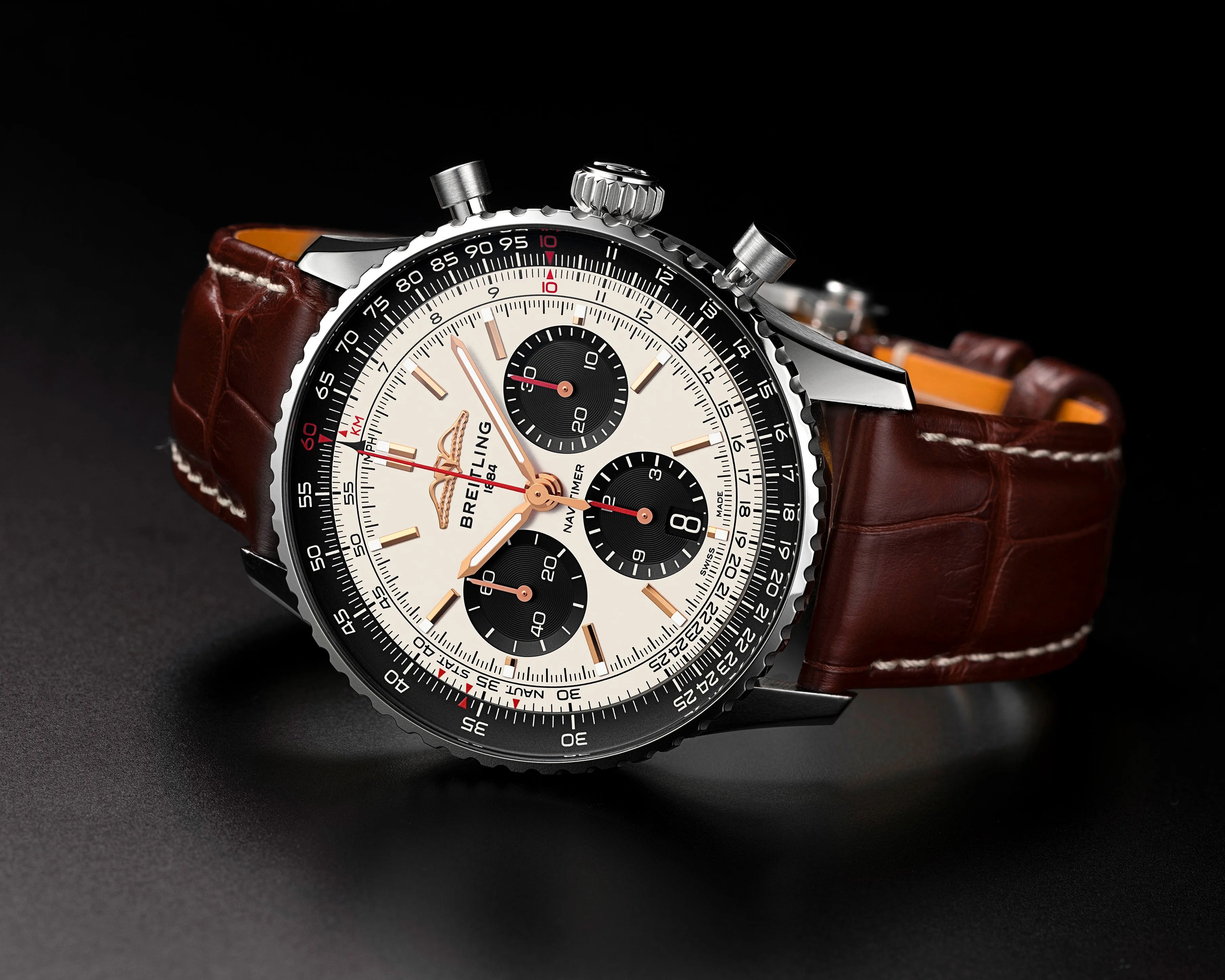
Breitling Navitimer
The Breitling Navitimer is a mechanical chronograph defined by aviation use and its signature circular slide rule, a fea…

Vintage Rolex Watches
Vintage Rolex collecting revolves around older references whose value is tied not just to the model name, but to origina…
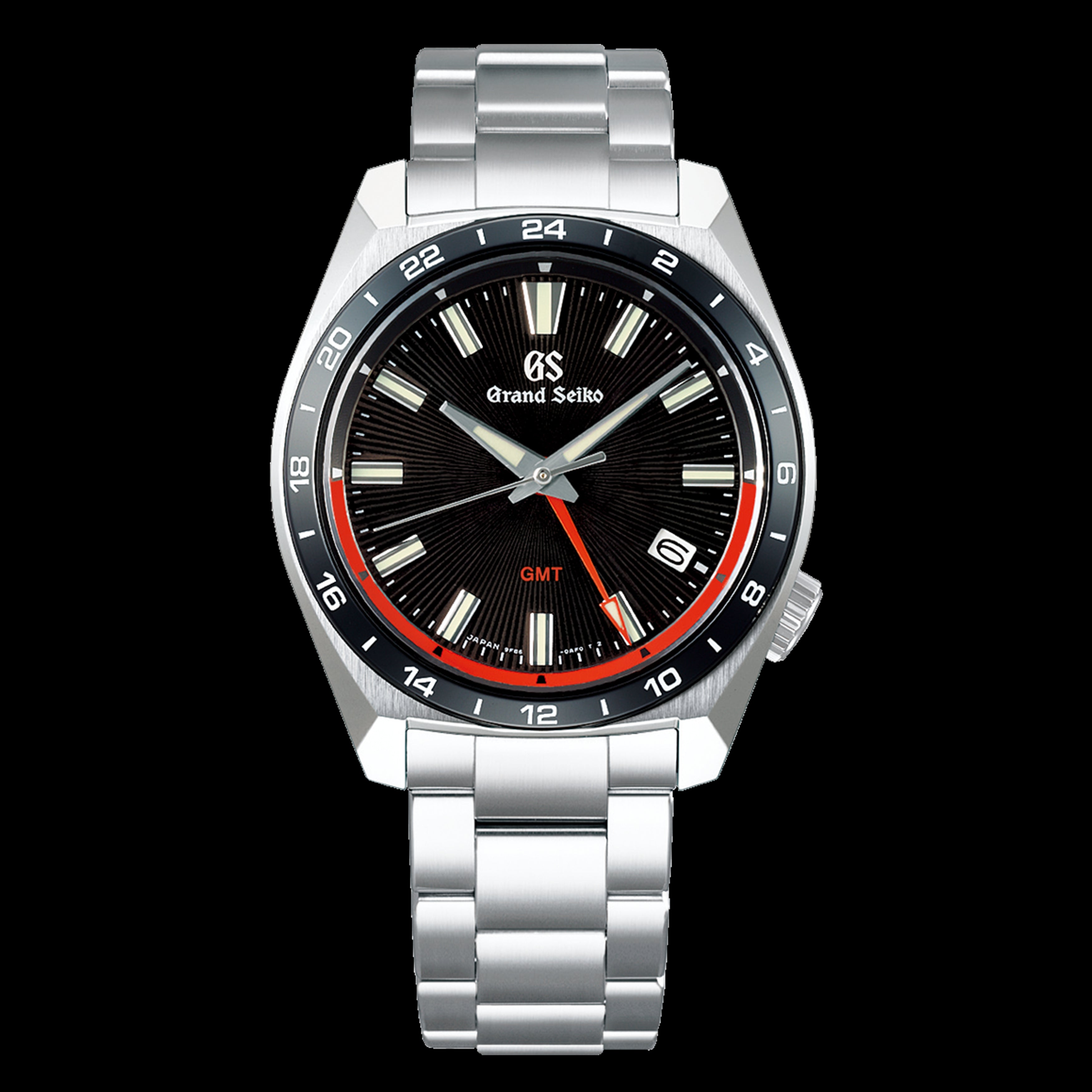
Grand Seiko SBGN001 9F GMT
The SBGN001 is the watch that introduced Grand Seiko’s first 9F quartz GMT, released in 2018 as a limited edition of 800…
More in Watches & Horology
Stay in this world.
Grand Seiko SBGN001 9F GMT

Rolex Deepsea
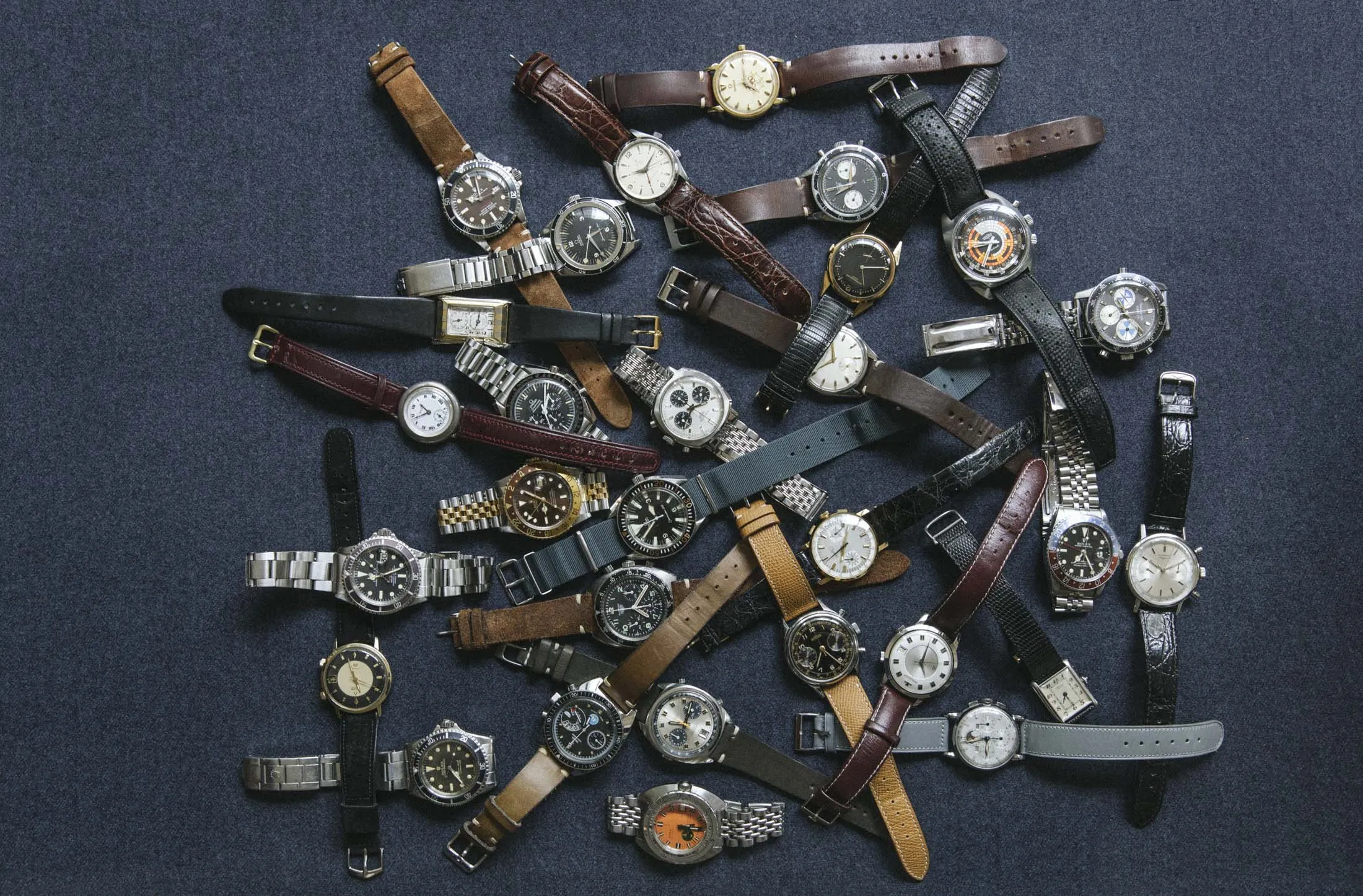
Vintage Watch Hunting

Rolex Deepsea
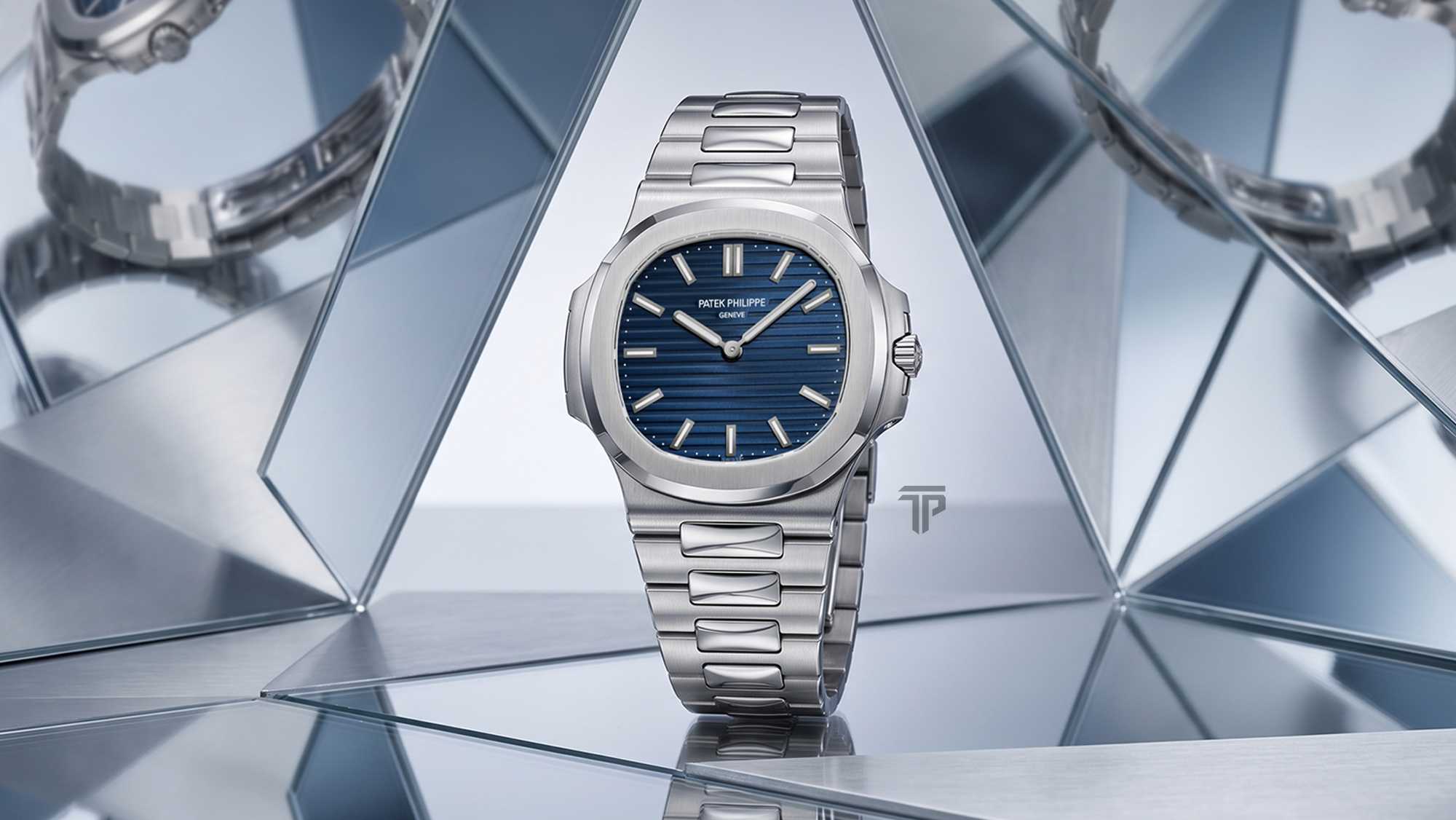
Luxury Watches That Hold Value
Best Luxury Quartz Watches
Skeletonized Haute Horlogerie
Best First Luxury Watch
Imagery
Know someone who’d love this?
Discovered by ArcurianAuto-generated from public sources and AI synthesis — it may be incomplete or inaccurate. Treat it as a starting point for your own exploration, not professional (medical, legal, financial, or safety) advice. Verify anything you act on. Report this page.