This corner of watchmaking is about turning the movement itself into the dial, then finishing it so the mechanics are not just visible but staged as art. The sources here point to several distinct expressions of that idea: Girard-Perregaux’s Three Bridges architecture carried into a Neo-Tourbillon Skeleton, Czapek’s Antarctique Squelette “Révélation” with the movement placed dial-side, and Jaeger-LeCoultre Hybris Artistica pieces that explicitly fuse technical spectacle with decorative craftsmanship. At the far end, brands like MB&F, Richard Mille, and Kross Studio push the same instinct into biomorphic cases, sapphire architecture, or a central floating tourbillon. If you want watches that make finishing, structure, and mechanical theater impossible to ignore, this is one of the richest collecting paths in modern high horology.
Learn
What Actually Defines a Skeletonized High-Horology Watch
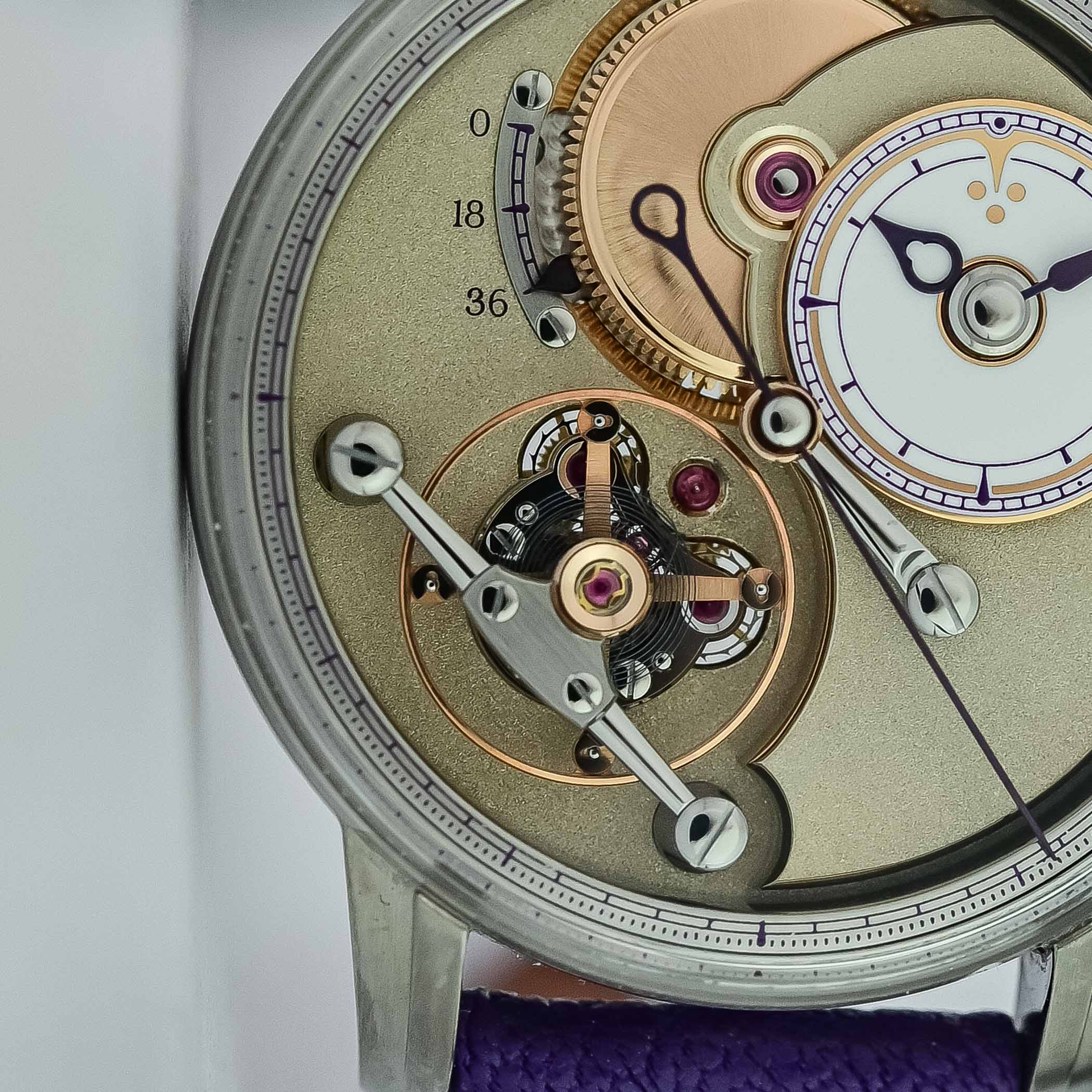
True skeletonization in high horology is not about removing a dial—it's about carving away material from the movement's plates and bridges themselves, a technique pioneered by André-Charles Caron at the court of Louis XV in 1760. Modern masters like Audemars Piguet, H. Moser & Cie., Girard-Perregaux, and Greubel Forsey treat each bridge as a visible structural element, demanding extreme hand-finishing and design discipline. The best skeleton watches (e.g., Moser's Endeavour Tourbillon Skeleton with its anthracite drawn-stroke bridges, Vacheron Constantin's cal. 2160 SQ in titanium, or Greubel Forsey's radically open Tourbillon 24 Secondes Architecture) balance legibility with depth, often incorporating flying tourbillons or minute repeaters that add kinetic drama. Openworking (removing the dial) is distinct from skeletonization (hollowing the movement); only the latter reveals the gear train, mainspring barrel, and escapement in a three-dimensional mechanical landscape.
 parisselectbook.comparisselectbook.com
 monochrome-watches.commonochrome-watches.com
 hodinkee.com.auhodinkee.com.au
+Field notes
- —Skeletonization originates with André-Charles Caron in 1760, who hand-carved pocket-watch plates at Versailles to reveal the mechanism—a physical manifestation of Enlightenment rationalism.
- —Unlike mere openworking (removing the dial), true skeletonization carves the movement's main plate and bridges themselves, leaving only the structural skeleton needed for integrity.
- —H. Moser's Endeavour Tourbillon Skeleton uses the ultra-thin calibre HMC 814 with a double hairspring from sister company Precision Engineering AG; the barrel is also hollowed so you can see the spring wind.
- —Greubel Forsey's Tourbillon 24 Secondes Architecture (final edition limited to 11 pieces) uses a convex conical-frustum titanium case with full-periphery sapphire crystal, making the 354-component movement itself the dial.
- —Girard-Perregaux's Minute Repeater Flying Bridges suspends a chiming movement with two gongs and a flying tourbillon inside a 46mm monobloc pink gold case, using box-shaped sapphire crystals as sound chambers.
- —Audemars Piguet's Royal Oak Flying Tourbillon Automatic Skeleton (ref. 26735ST) balances open architecture with legibility by contrasting brushed and mirror-polished bridges, available in steel, sand gold, and platinum.
Learn
From Three Bridges to Dial-Side Movements
The journey from Girard-Perregaux's 1867 Three Bridges pocket chronometer to Czapek's 2023 Antarctique Révélation reveals a radical shift in how watchmakers treat the visible movement. Constant Girard's original insight — aligning the barrel, gear train, and tourbillon under three parallel arrow-tipped bridges — turned a technical regulator into a conscious aesthetic composition, winning a gold medal at the 1889 Paris Universal Exhibition with the legendary La Esmeralda pocket watch. The neo-classic approach taken in 2014's Neo Tourbillon with Three Bridges further modernized the bridges into arched, black, openworked forms, and by 2018 a fully skeletonized version stripped away almost all mass, leaving only slender black bridges suspended like a cable-stayed bridge. Czapek took an even more radical route: rather than just skeletonizing a conventional movement, they inverted the escapement and moved the entire SXH7 caliber to the dial side, essentially flipping the movement upside down so the wearer sees the platinum micro-rotor, the reworked crown mechanism, and the hand-bevelled bridges right on the front. The result, after three years of development, is a watch that achieves what Czapek calls "mechanical beauty unleashed" — a filigree mainplate and a smoked sapphire seconds ring at 4:30 that barely occludes the view, making the movement itself the primary visual event rather than the dial.
 czapek.comczapek.com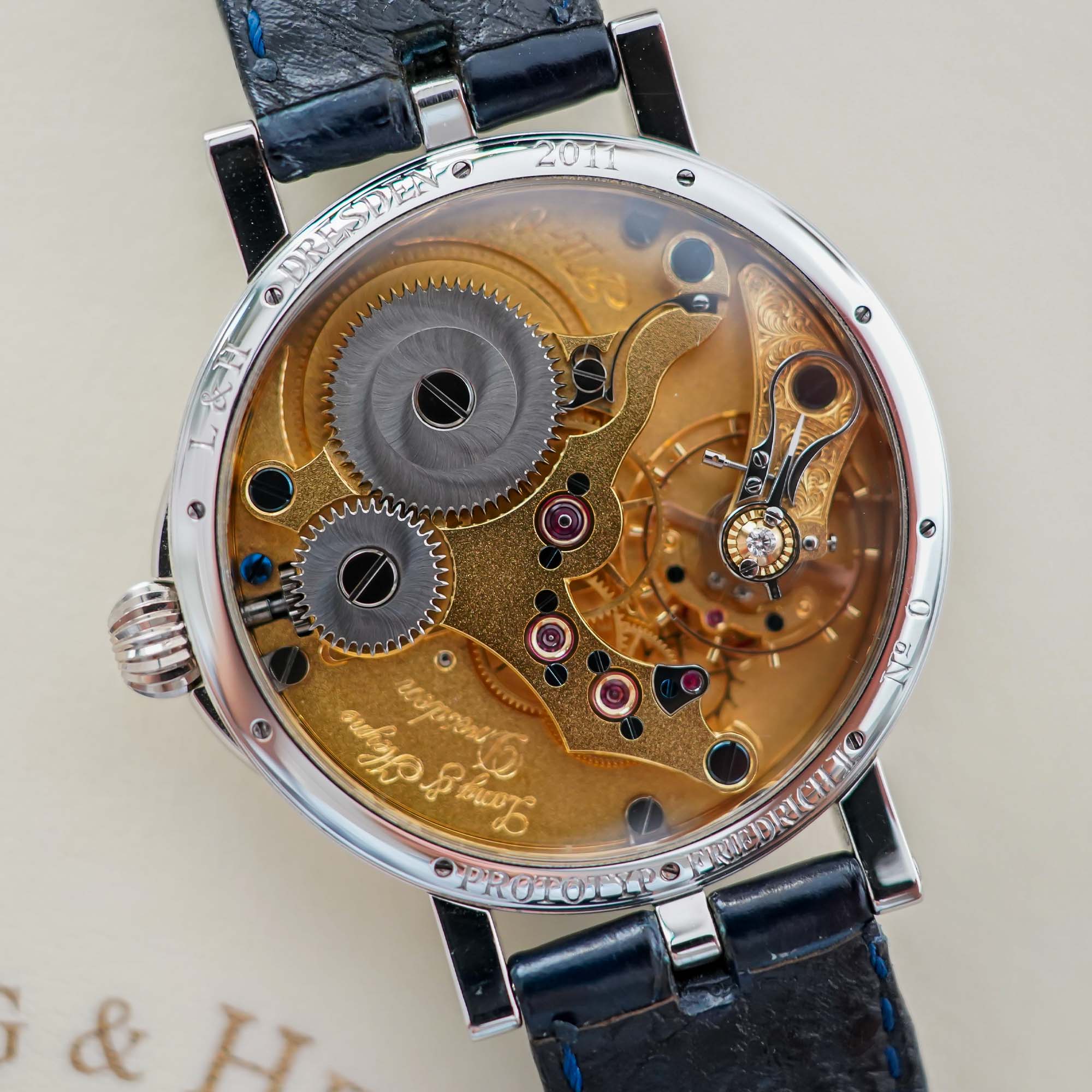
 lacotedesmontres.comlacotedesmontres.com
 hautehorlogerie.orghautehorlogerie.org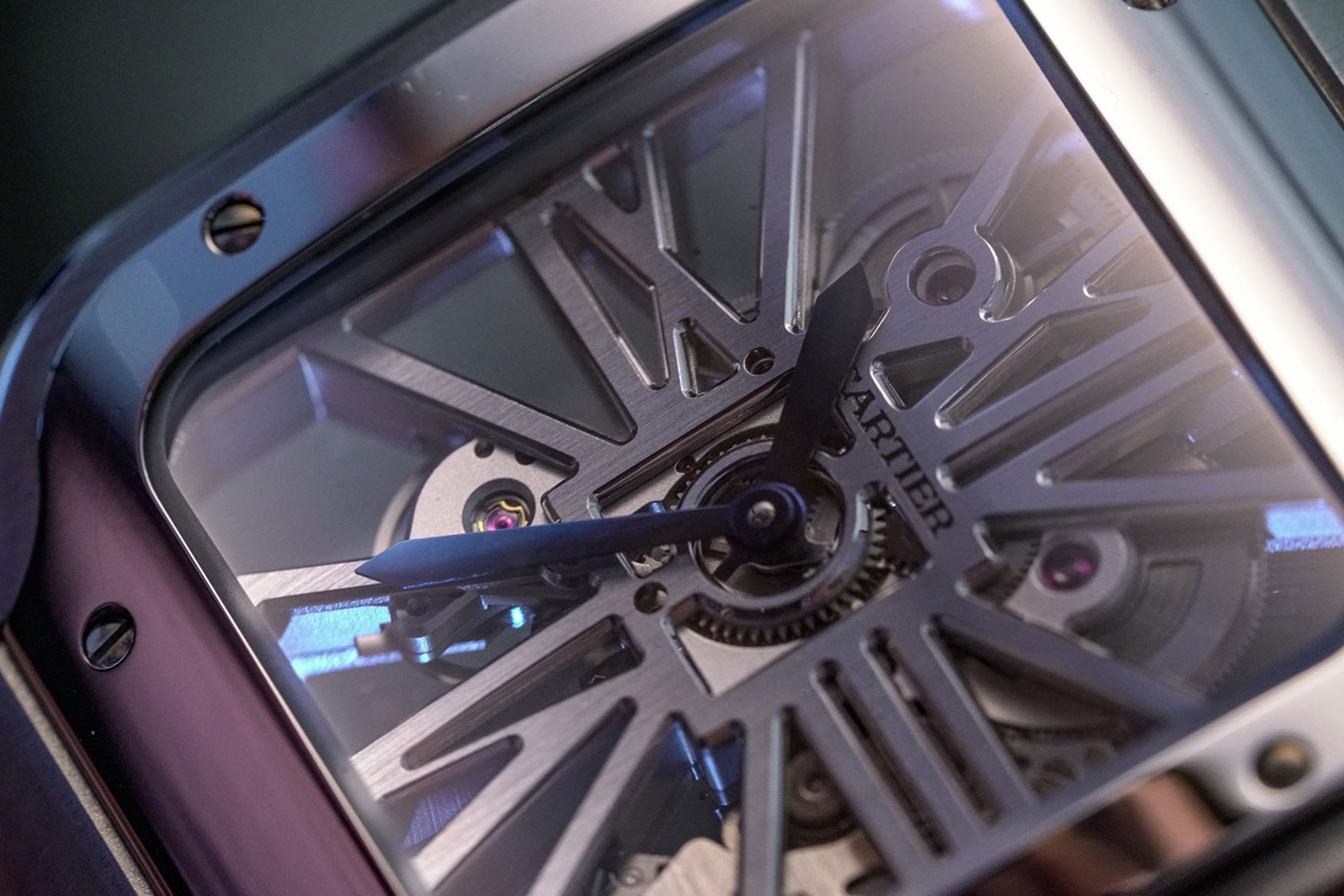
+Field notes
- —Girard-Perregaux's Tourbillon with Three Gold Bridges was patented in 1884 and won a gold medal at the 1889 Paris Universal Exhibition; the most famous example, 'La Esmeralda,' is said to have belonged to Mexican president Porfirio Díaz.
- —The 2018 Girard-Perregaux Neo Tourbillon with Three Bridges Skeleton is the first skeleton version of that model, using arched, black, openworked bridges inspired by modern suspension bridges like the Millau Viaduct and the Mohammed VI Bridge in Rabat.
- —Czapek's Antarctique Révélation uses the entirely reworked in-house SXH7 caliber, which inverts the escapement and repositions the seconds hand to a subdial at 4:30 because a central seconds bridge would block the view through the skeletonized mainplate.
- —Developing the SXH7 took three years; the original concept was a trompe-l'œil drawing of the movement on the dial, but the team decided instead to literally turn part of the movement upside down in the case and skeletonize the main plate.
- —Girard-Perregaux has been skeletonizing movements since 1998, a practice that combined with the Three Bridges architecture to produce the Neo Skeleton, which uses titanium to keep the 45mm case light despite the massive boxed sapphire crystals that create an airy, bezel-less look.
- —The Czapek SXH7 uses a smoked sapphire ring for the seconds display, discreetly attached to a larger sapphire ring for hours and minutes, to maximize transparency so the wearer can see deep into the mechanism without obstruction.
Learn
The Terms Collectors Use: Skeleton, Openworked, Flying, Multi-Axis, Artistic Crafts
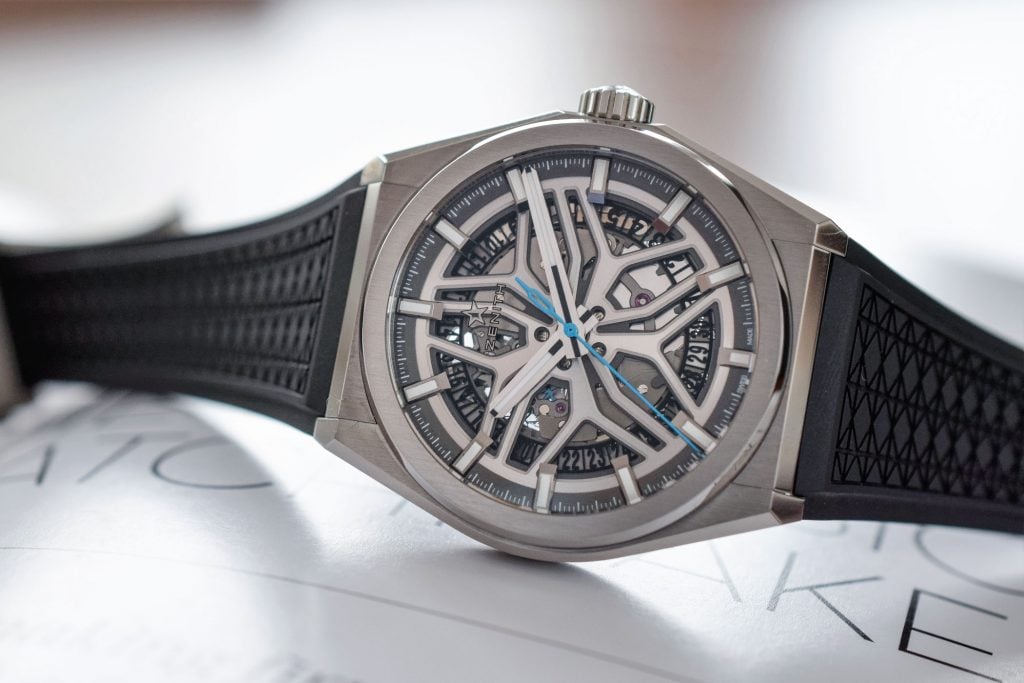
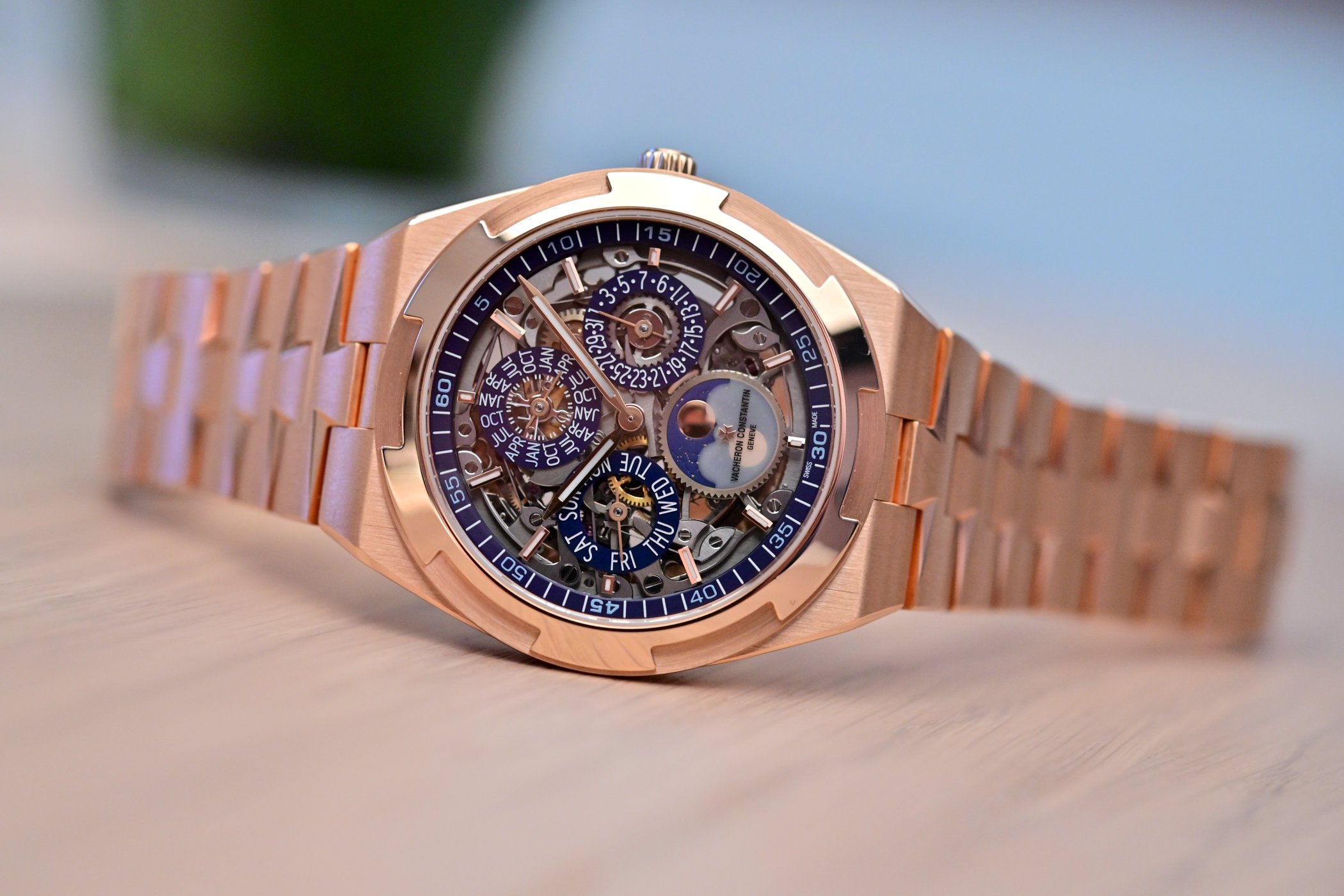
In haute horology, the difference between 'skeletonized' and 'openworked' is not just pedantic — it reflects two distinct philosophies of removing material. According to the FHH and experts, skeletonization removes metal from both sides of a movement until it is transparent through its entire thickness, creating a true 'skeleton' of the caliber; the classic example is Audemars Piguet's Royal Oak 'Jumbo' Extra-Thin Openworked (ref. 16204XT) with its 2.7mm-thick caliber 7124. Openworking, by contrast, removes material only from specific layers — say, cutting away a dial or the surface of a bridge — to reveal particular mechanisms without fully hollowing the movement. The technique traces back to 1760, when André-Charles Caron, working at the court of Louis XV, began hand-carving pocket-watch plates and bridges to satisfy Enlightenment curiosity. A flying tourbillon, meanwhile, is a subtype in which the cage is supported from only one side (no upper bridge), making it appear to float — a visual trick that demands exceptional precision. Multi-axis tourbillons, such as Jaeger-LeCoultre's Gyrotourbillon (first released in 2004), rotate the escapement on two or more planes, cancelling gravity from all positions and creating a hypnotic, heartbeat-like expansion and contraction of the hairspring. Purists reserve 'artistic crafts' for hand-finishing like anglage, perlage, and Côtes de Genève applied to these cut-away bridges — visible through the skeletonized mainplate.


+Field notes
- —Skeletonization removes metal from both sides of the movement, achieving full transparency through the entire thickness; openworking only cuts away material from certain layers, such as a dial or the surface of a bridge, revealing mechanisms partially.
- —André-Charles Caron, a watchmaker at the court of Louis XV, pioneered the skeleton watch in 1760 by hand-carving plates and bridges of his pocket watches — driven by the Enlightenment belief that revealing mechanism is as important as telling time.
- —Audemars Piguet's Royal Oak 'Jumbo' Extra-Thin Openworked ref. 16204XT uses the 2.7mm-thick caliber 7124, which is genuinely skeletonized (not just openworked) — its bridges are cut away and finished with sharp internal angles and contrasting textures on front and back.
- —A flying tourbillon has no upper bridge — the cage is cantilevered from a single lower pivot, making it appear to float; this architectural choice demands extreme precision and is a hallmark of brands like Blancpain.
- —Jaeger-LeCoultre's Gyrotourbillon, introduced in 2004, is a multi-axis tourbillon that rotates the escapement on two inclined planes, cancelling gravity from all positions; its ultra-light aluminium carriage completes a full rotation in 60 seconds.
- —The distinction matters to collectors because a watch marketed as 'openworked' may only have a cut-away dial, while a true 'skeleton' shows the entire movement architecture — the difference can affect both the visual drama and the value.
Discover
Video Coverage That Shows Finishing, Architecture, and Wrist Presence


Videos covering luxury watches with visible movements and artistic finishing reveal a world where technical spectacle meets handcrafted detail. The MB&F HM12 Guardian transforms from a robot-headed wristwatch into a table clock, its futuristic front hiding a traditionally finished back with graining, guilloché by Kari Voutilainen, snailed barrels, and a bercer bridge—activated by a second crown that flips down a face shield. Vacheron Constantin's unique Les Cabinotiers Minute Repeater Tourbillon Skeleton strips away 40% of the Calibre 2755 TMR SQ's main plate over a year of development, then lavishes its 473 components with nine distinct finishes, from bridge bevelling to mirror-polished hammers. HORAGE revisits its acclaimed K-TOU titanium flying tourbillon with the Tourbillon 2 Skeleton, offering cases in 904L steel or 18kt Honey Gold. Manufacture Royale's 1770 flying tourbillon in steel undercuts the hype with genuine substance from its Le Locle workshop. And Patek Philippe's 5316P-001 packs a minute repeater, perpetual calendar, and tourbillon into a 40.2 mm platinum case with an enamel dial, proving that even grand complications can have clean wrist presence.
+Field notes
- —The MB&F HM12 Guardian's dual-crown system: one sets time, the other deploys a face shield over the flying tourbillon, while the caseback reveals traditional finishing by Kari Voutilainen—grained finish, guilloche rotor, snailed barrels, and a bercer bridge.
- —Vacheron Constantin's Les Cabinotiers Minute Repeater Tourbillon Skeleton required a year of development to skeletonise the Calibre 2755 TMR SQ, removing 40% of the main plate, and its 473 parts receive nine distinct finishes including bevelling of bridges, sandblasting, mirror polishing of hammers, and sunburst on the crown wheel core.
- —HORAGE's Tourbillon 2 Skeleton is the spiritual successor to the Tourbillon 1, featuring the K-TOU titanium flying tourbillon calibre, with case options of 904L stainless steel or 18kt Honey Gold/White Gold via a 'Golden Ticket' upgrade.
- —The Manufacture Royale 1770 flying tourbillon in steel uses the in-house arm Tec movement from Le Locle, and the reviewer notes it bucks the industry trend of sensational marketing by delivering substantial watchmaking and finishing at an affordable price.
- —The Patek Philippe 5316P-001 in platinum combines a minute repeater, perpetual calendar, and tourbillon in a 40.2 mm case with an enamel dial, reviewed with detailed wrist presence and acoustic demonstration.
Discover
Where to Read Serious Coverage on Finishing and Independent Watchmaking
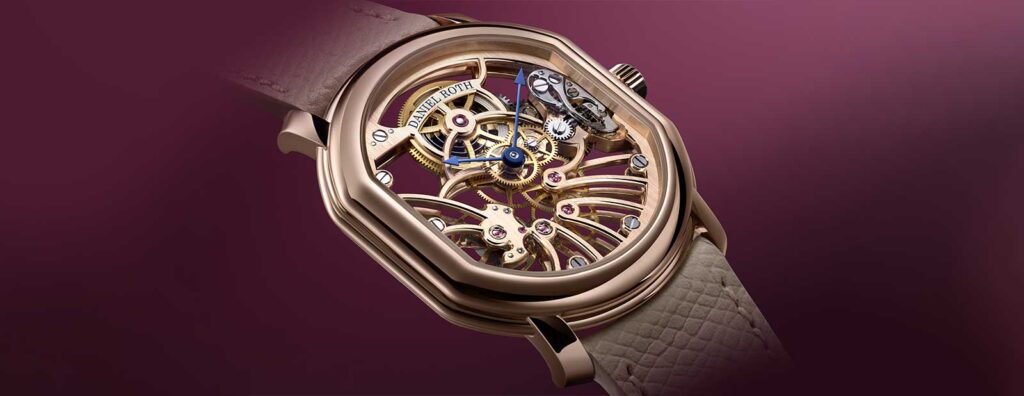

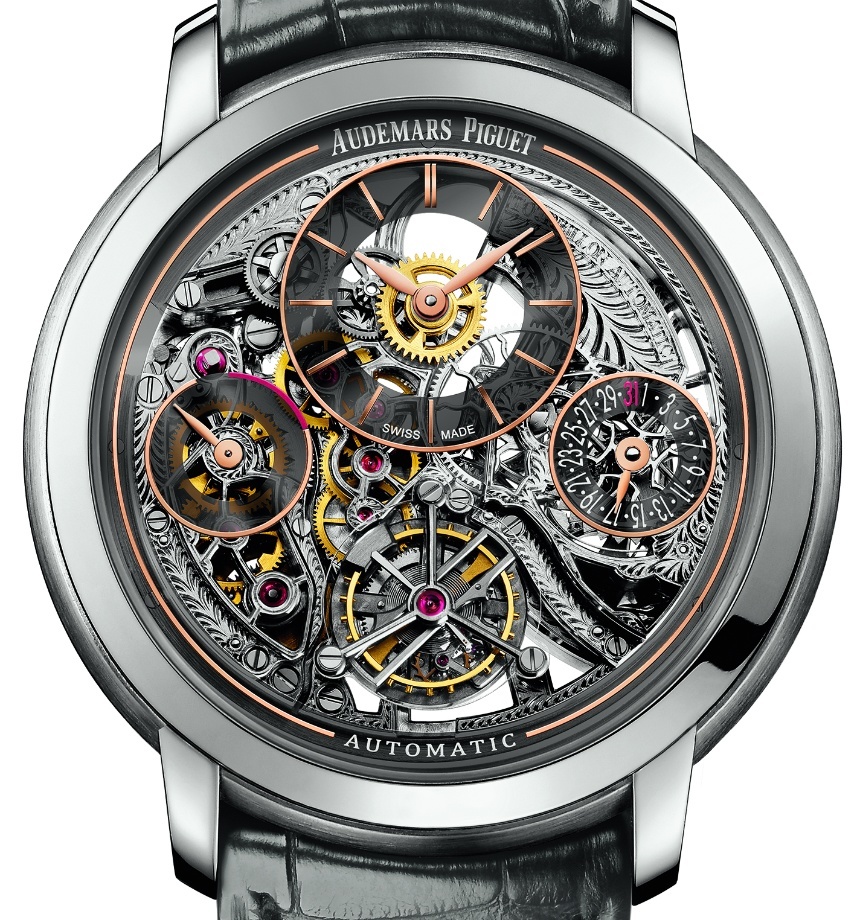


For serious coverage of finishing and independent watchmaking, publications like FratelloWatches, Revolution Watch, aBlogtoWatch, Hodinkee, and Escapement Magazine are essential. Fratello provides clear terminology distinctions between openworked and skeletonized, citing FHH definitions and detailing Audemars Piguet's caliber 7124 with its 2.7mm thickness and sharp internal angles. Revolution Watch offers in-depth reporting on independent brands like Daniel Roth, highlighting the rare fully hand-finished Calibre DR002SR that required redesigning the bridges and plates. aBlogtoWatch covers a wide range, from the AP Jules Audemars Tourbillon Openworked with its hidden crown in platinum to the Antoine Preziuso Tourbillon of Tourbillons with three linked tourbillons and resonance. Hodinkee delivers hands-on impressions, such as the H. Moser Endeavour Tourbillon Skeleton pairing the caliber HMC-814 with an elegant 5N red gold case. Escapement Magazine provides historical context, tracing Arnold & Son's UTTE back to 2013 and explaining the reliability prerequisites of skeleton watches. Together, these sources offer the specific details—model references, calibers, hand-finishing techniques, and independent makers' philosophies—that casual searches miss.
+Field notes
- —The distinction between openworked and skeletonized is defined by the Fondation Haute Horlogerie; openworking involves cutting away the dial for a view, while skeletonizing removes material from the movement itself. AP's Royal Oak 'Jumbo' Extra-Thin Openworked ref. 16204XT uses a 2.7mm-thick caliber 7124 with visibly skeletonized bridges and sharp internal angles.
- —Daniel Roth's Extra Plat Rose Gold Skeleton is not a simple skeletonization of an existing movement; the Calibre DR002SR was entirely redesigned with bridges held to the mainplate by pillars, and fully hand-finished examples are extremely rare due to labor intensity.
- —Audemars Piguet's Jules Audemars Tourbillon Openworked features a hidden crown in a symmetrical 950 platinum case, powered by the hand-decorated automatic caliber 2875 with 54-hour power reserve.
- —H. Moser's Endeavour Tourbillon Skeleton uses the caliber HMC-814, first introduced in 2024 for the Streamliner skeleton, but pairs it with the brand's more classic 40mm 5N red gold Endeavour case featuring a concave bezel and sculpted flanks.
- —Arnold & Son's Ultrathin Tourbillon Skeleton traces its lineage to the 2013 UTTE with the A&S8200 caliber, which had twin barrels and 90-hour power reserve; the new skeletonized version reveals the movement's thought processes but has prerequisites for reliability that experts appreciate.
- —Antoine Preziuso's Chronometer Tourbillon of Tourbillons uses the exclusively developed movement AFP-TTR-3X with 570 components, three tourbillons linked by a differential on a rotating mainplate, and leverages resonance to converge the three escapements to a single frequency.
Explore
Where Collectors Actually Hunt These Watches
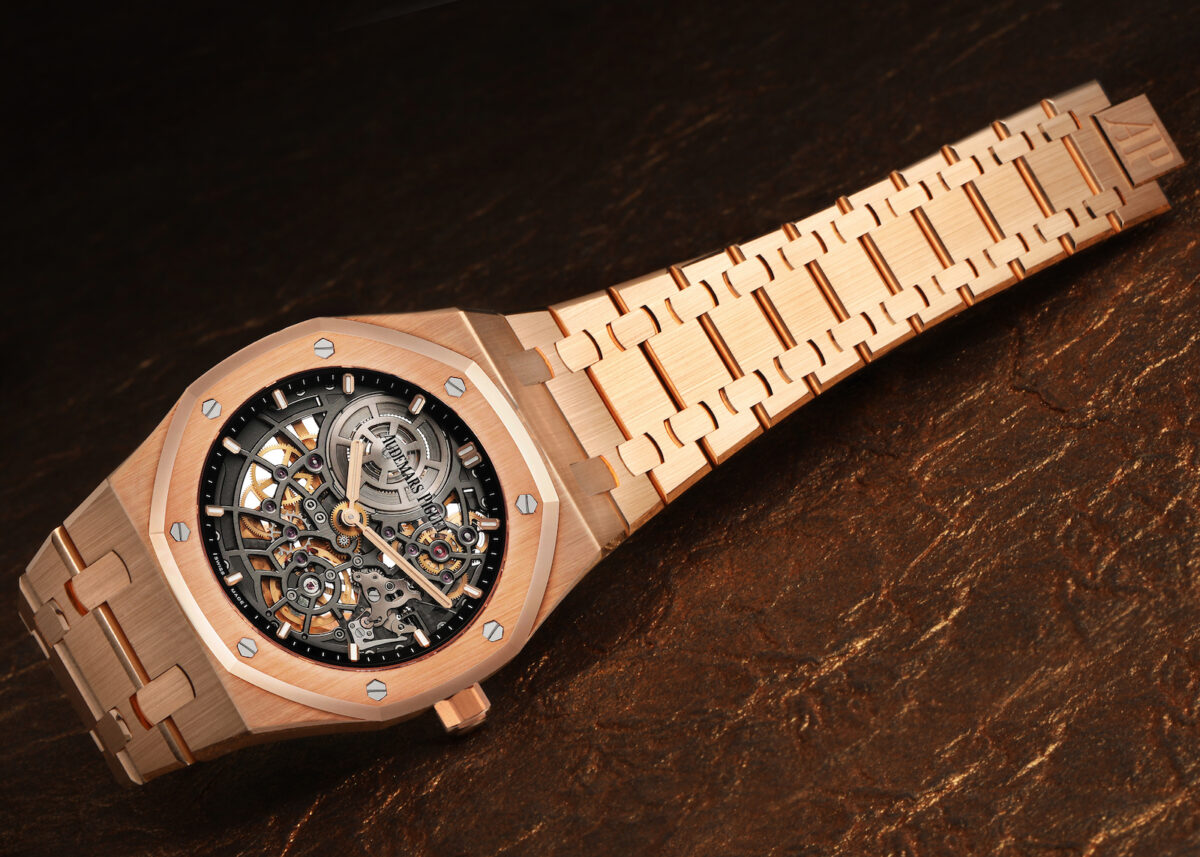
For collectors hunting luxury watches with visible movement and artistic finishing, the battleground has shifted from auction houses to peer-to-peer marketplaces like Poshmark and Grailed, where the thrill of discovery is matched by the risk of encountering outright fakes. These platforms offer everything from a Zenith Elite Automatic with a skeleton backcase and a diamond-encrusted Audemars Piguet open-work dial to a vintage Bulova Accutron Skeleton 218 with its tuning-fork quartz movement. But the comment sections tell the real story: a Patek Philippe Tourbillon listed for $20,000 is immediately called out as 'Fake AF,' while a Hublot Skeleton Chronograph sits at $6,000 with only the seller's word for authenticity. The community self-polices fiercely, and savvy buyers rely on the platforms' authentication services (included on items over $500) as a first line of defense. It’s a high-stakes treasure hunt where the prize is a masterpiece of horological finishing—if you can separate the genuine from the glamorous impostor.
 poshmark.composhmark.com
 poshmark.composhmark.com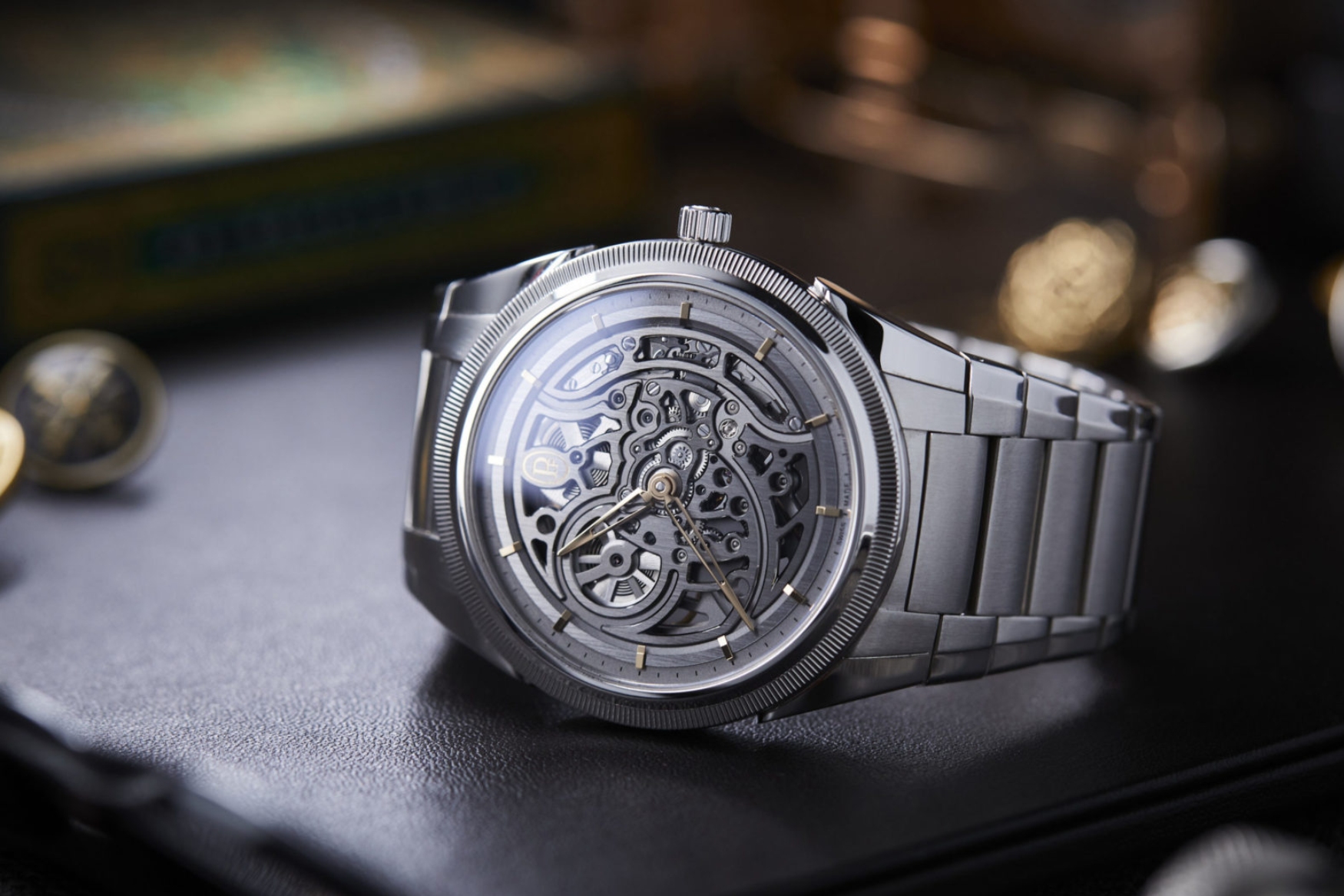
 grailed.comgrailed.com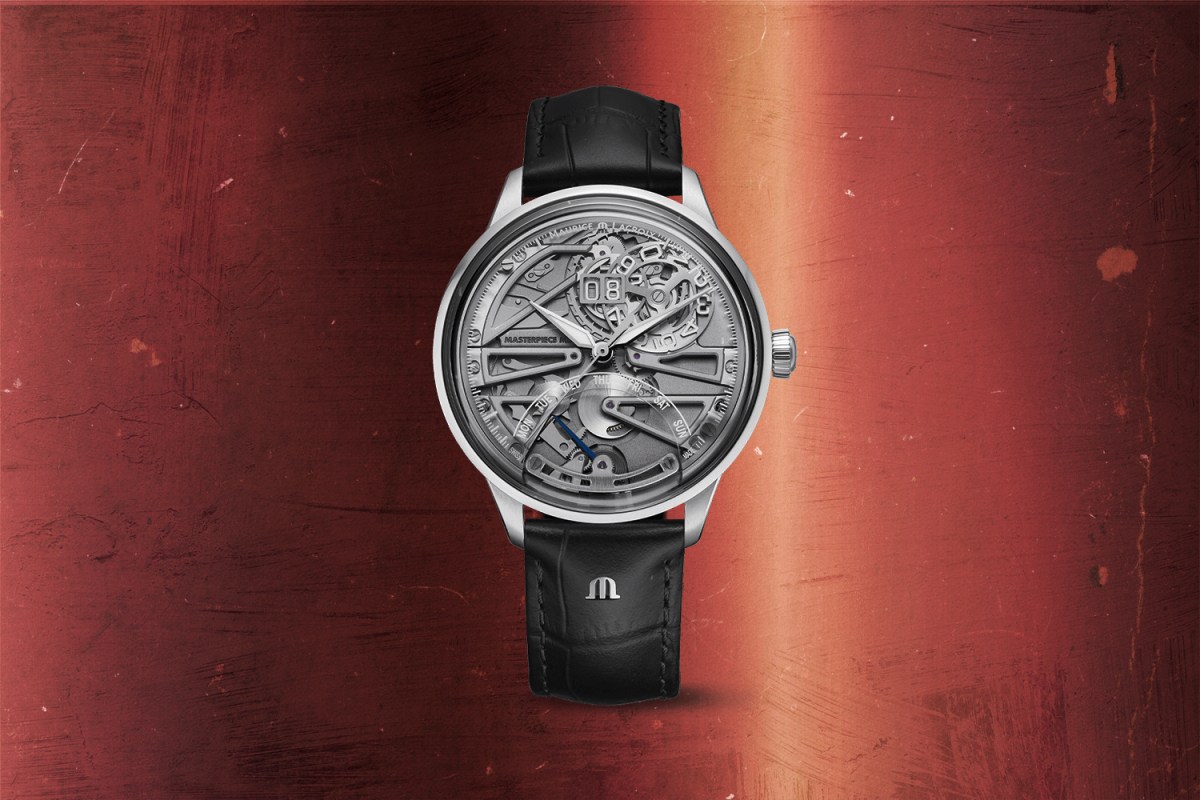
+Field notes
- —Poshmark listings for luxury skeleton watches often draw immediate skepticism in the comments: a Patek Philippe Tourbillon model 00505289 1A was called out as 'Fake AF' by a user, illustrating how community policing is an essential, if chaotic, authentication tool on these platforms.
- —Grailed is a prime hunting ground for affordable visible-movement watches with character, such as the vintage Bulova Accutron Skeleton 218 (reference number not given, but the '218' denotes the tuning-fork caliber) and the Japan-only Pierre Nicol two-tone skeleton quartz, both listed under $350.
- —A Zenith Elite Automatic 37mm with a skeleton backcase (ref. Harwa) sold on Poshmark with the platform's 'FREE authentication included' badge—a service that covers items over $500 and is a key differentiator for buyers nervous about fakes on peer-to-peer marketplaces.
- —High-end skeleton chronographs like the Hublot Silver and Black Skeleton Chronograph ($6,000) and an Audemars Piguet diamond-embellished open-work watch ($5,000) appear on Poshmark with seller discounts and bundle offers, signaling that even luxury pieces are sold as part of a broader secondary-market strategy.
- —The presence of streetwear-adjacent skeleton watches on Grailed—like the vintage Pierre Nicol (a Japanese brand tied to Seiko production)—shows that collectors interested in visible movements also hunt for unexpected, region-exclusive designs that blend horology with subcultural fashion.
Keep exploring
More of Skeletonized Haute Horlogerie
Branch out
Beyond Skeletonized Haute Horlogerie
More to explore
In the same world.

Blancpain Villeret
The Blancpain Villeret collection is the brand’s dress-watch center of gravity: restrained white dials, slim round cases…
Mechanical Watches
Mechanical watches run on a clockwork movement powered by a mainspring, with energy delivered through gears to a balance…

Audemars Piguet
Audemars Piguet is a Swiss luxury watchmaker rooted in Le Brassus in the Vallée de Joux, where the brand says its craft…

Audemars Piguet Code 11.59
Code 11.59 is Audemars Piguet’s contemporary round-cased collection, revealed in 2019 as a platform for both new design…
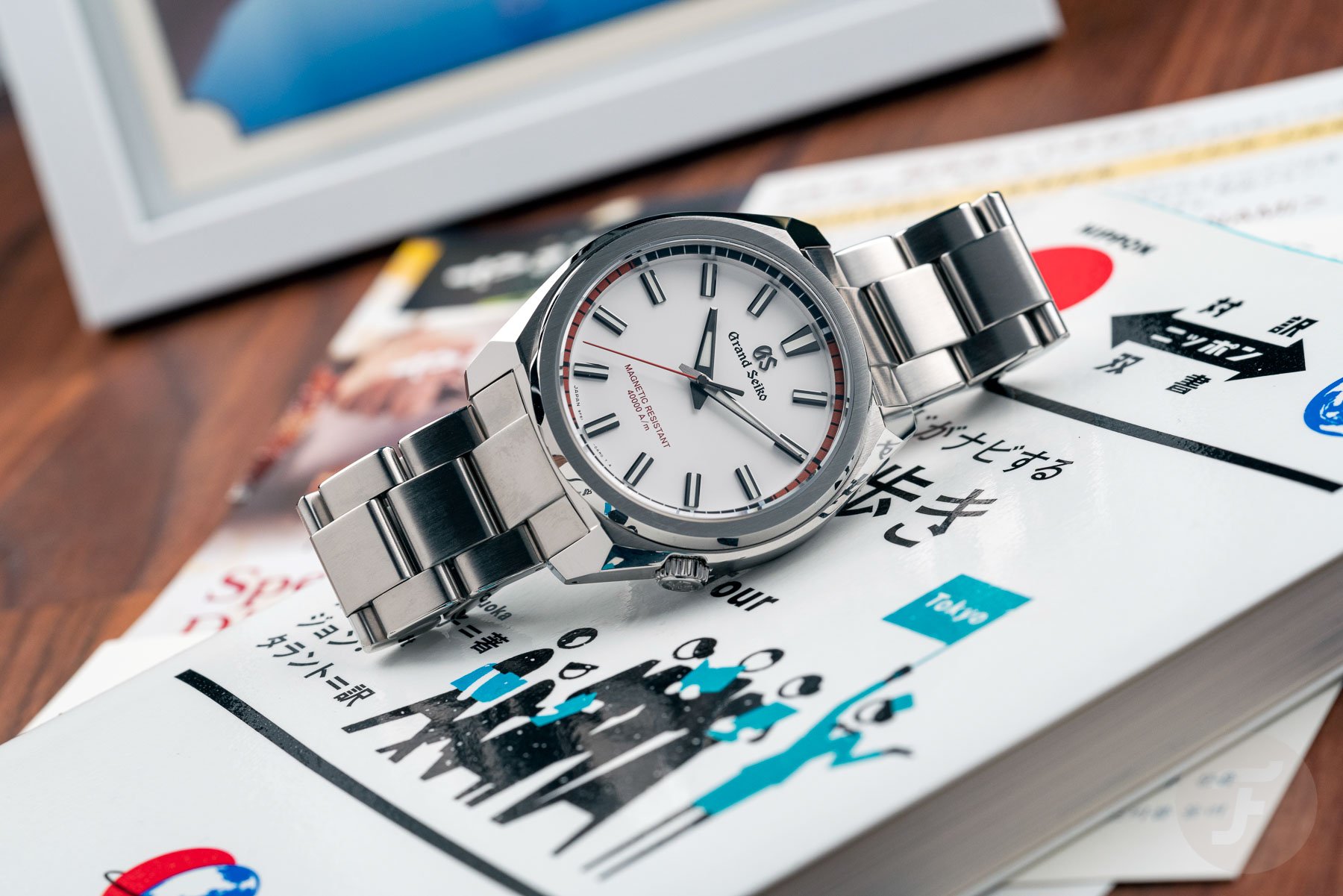
Best Luxury Quartz Watches
Luxury quartz watches sit in the part of watch collecting where convenience, finishing, and accuracy matter just as much…
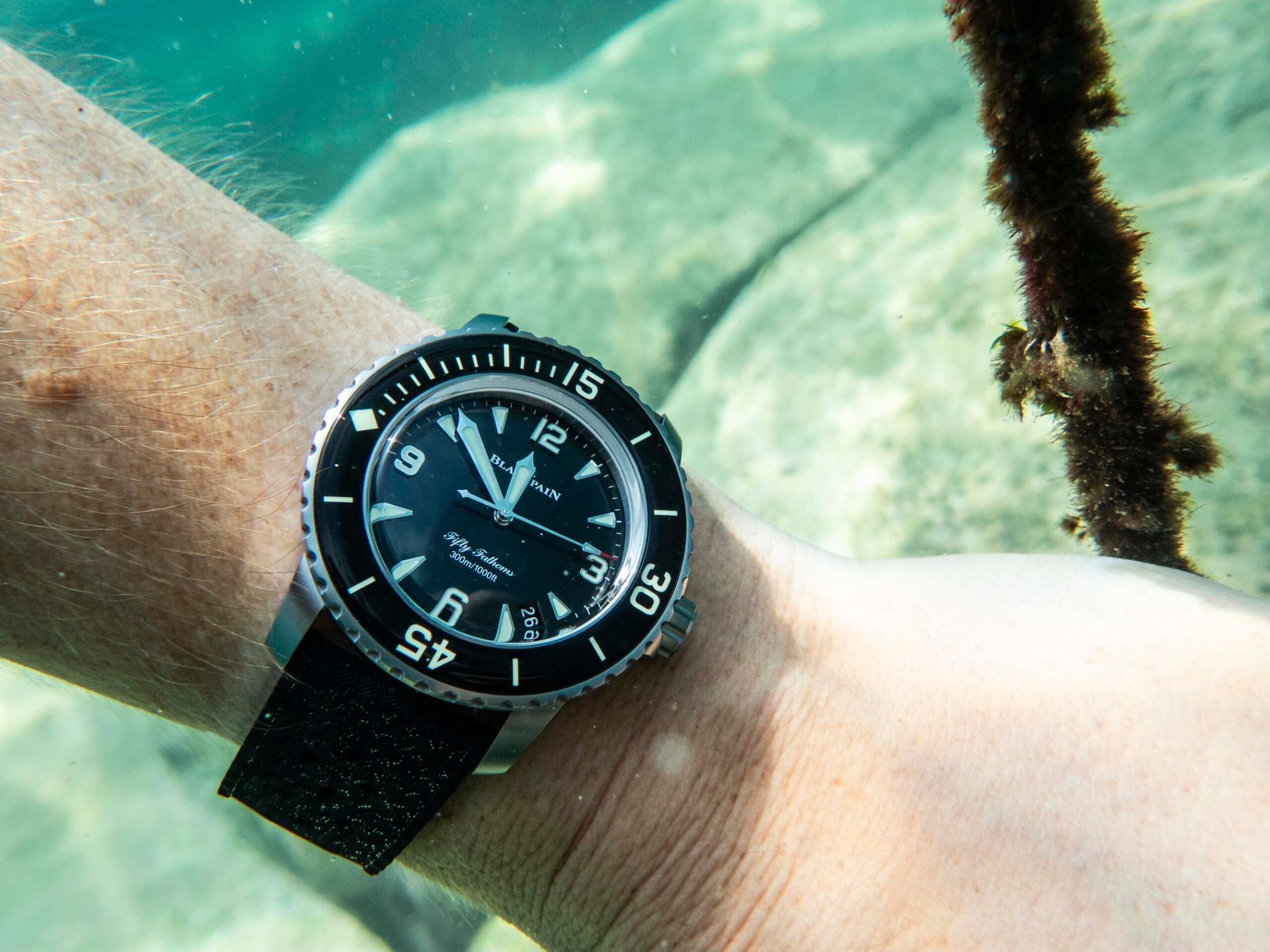
Blancpain Fifty Fathoms
The Blancpain Fifty Fathoms is the brand’s long-running diver’s-watch family, spanning core Fifty Fathoms Automatique mo…
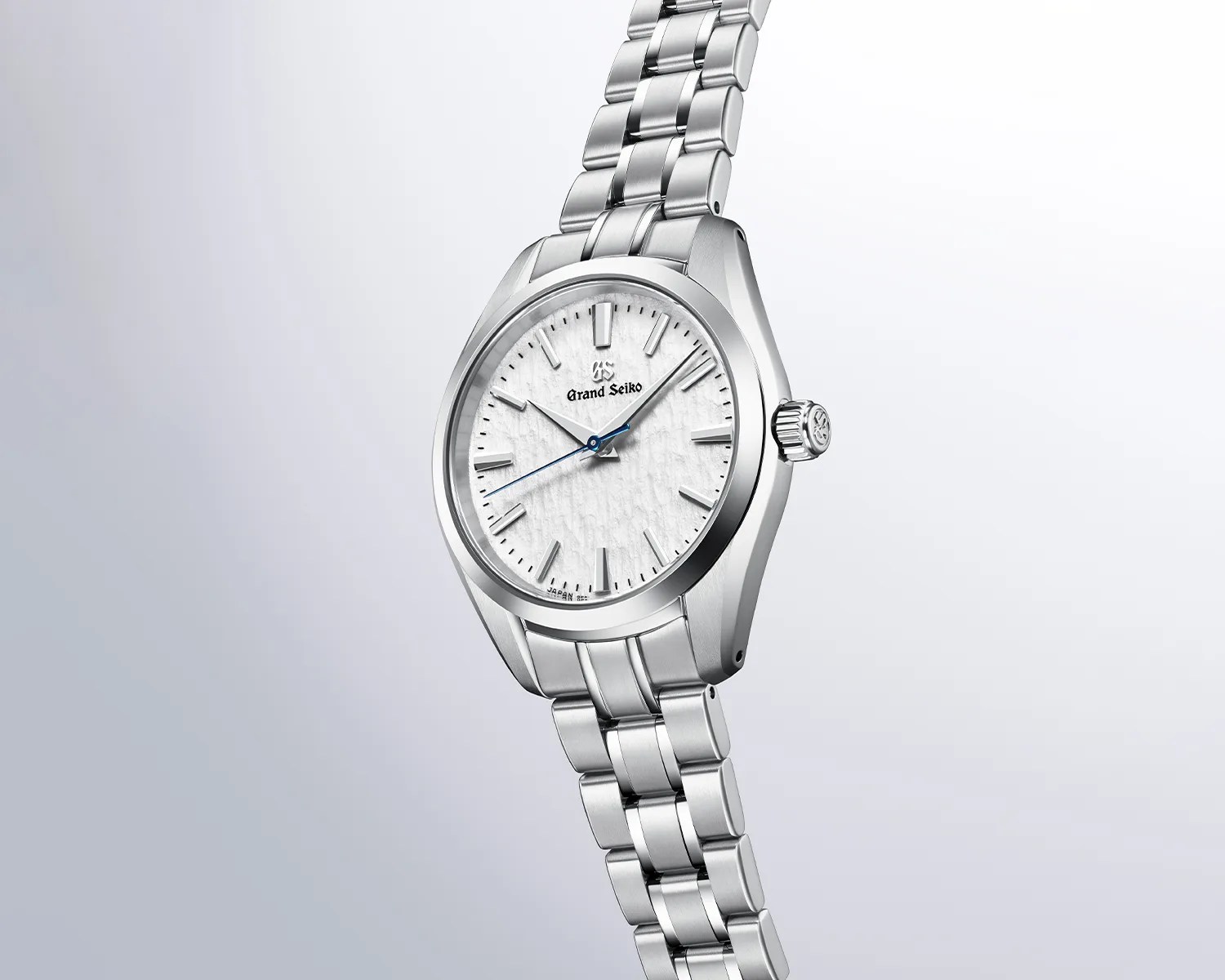
Grand Seiko Snowflake
The Grand Seiko Snowflake is the brand’s best-known dial expression: a snow-white, textured surface inspired by windswep…

Rolex Deepsea
The Rolex Deepsea is Rolex’s 44 mm extreme-depth dive watch, built around the brand’s Ringlock system and rated to 3,900…
More in Watches & Horology
Stay in this world.
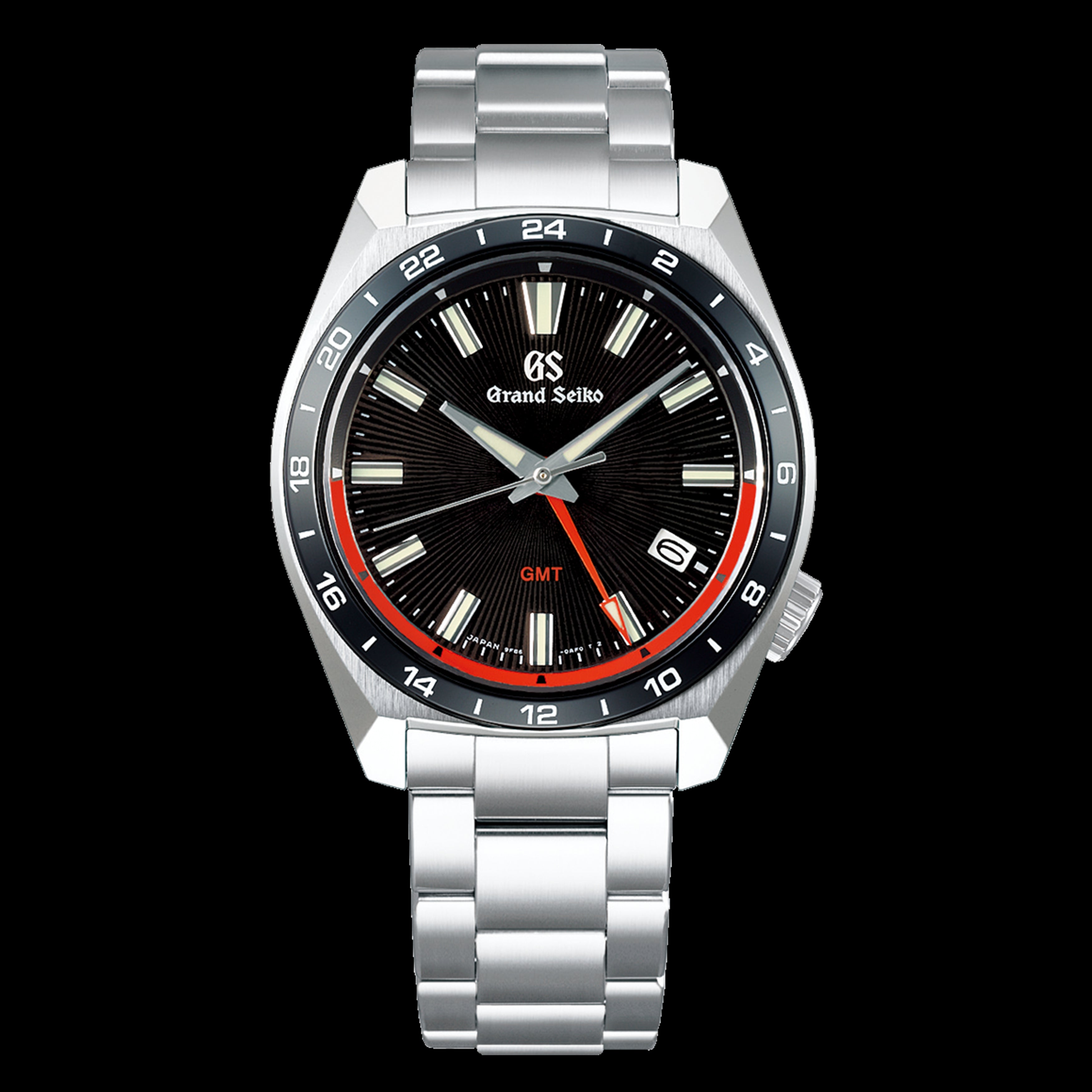
Grand Seiko SBGN001 9F GMT

Rolex Deepsea
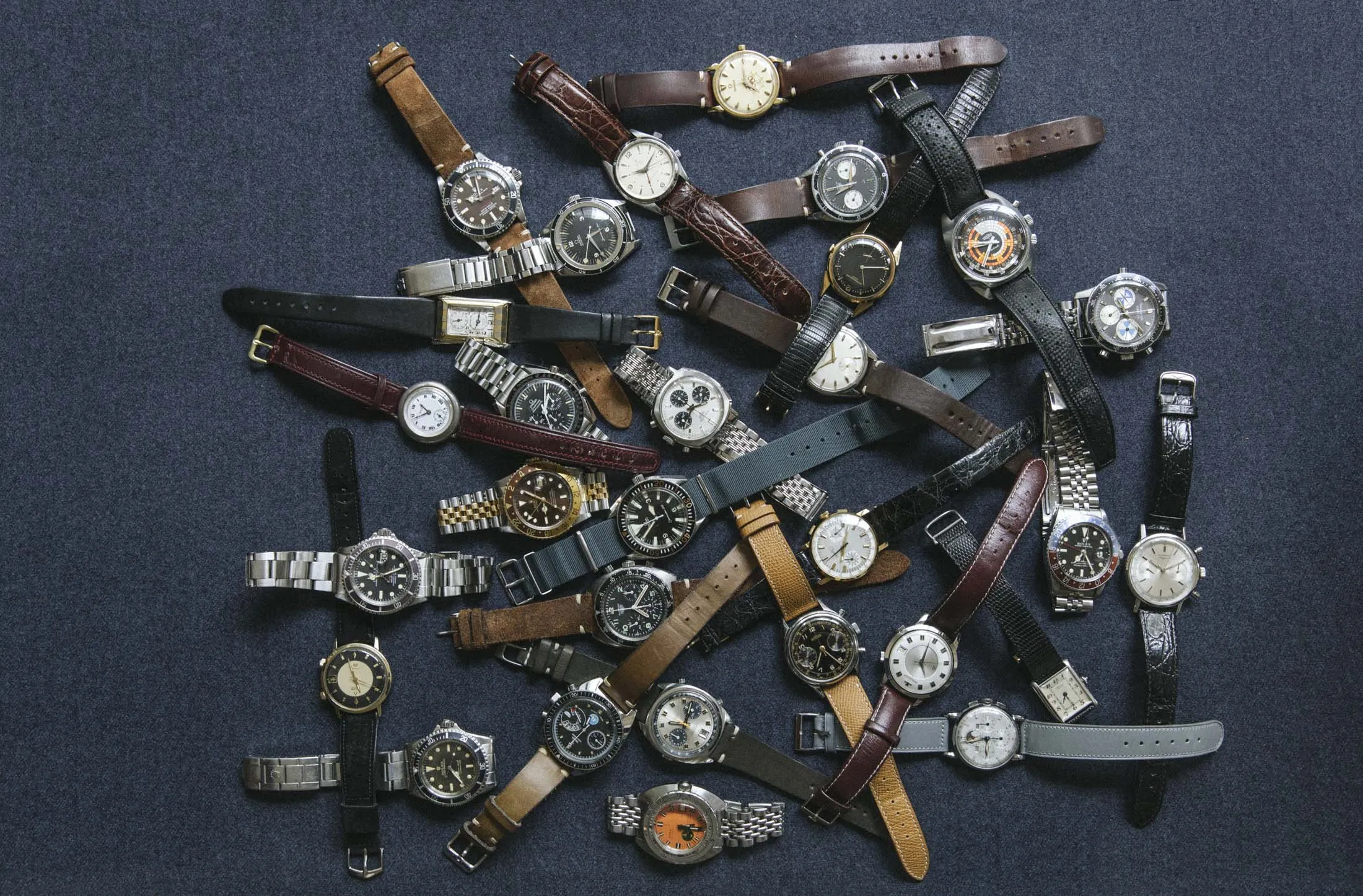
Vintage Watch Hunting
Rolex Deepsea

Luxury Watches That Hold Value
Best Luxury Quartz Watches
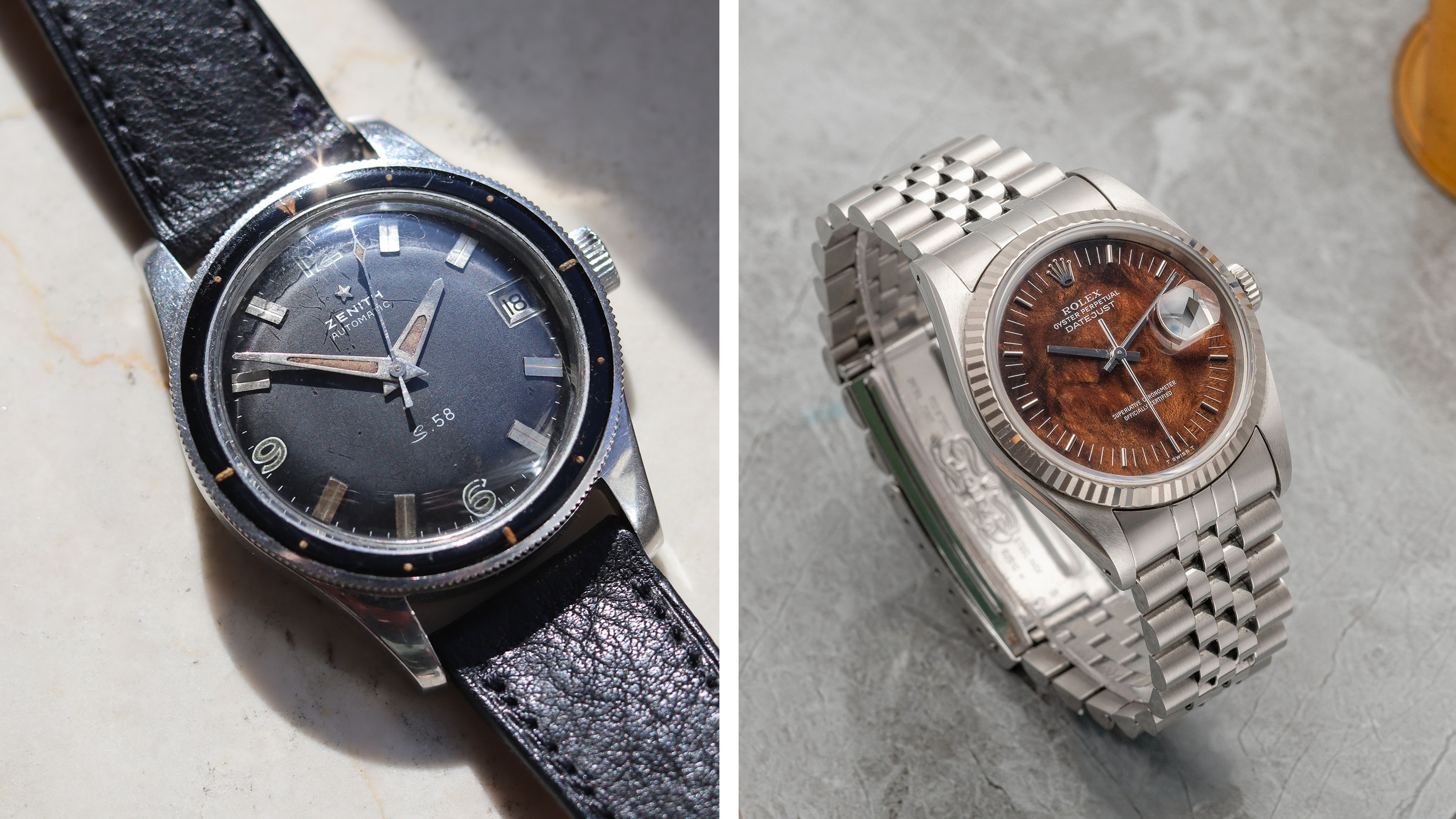
Best First Luxury Watch
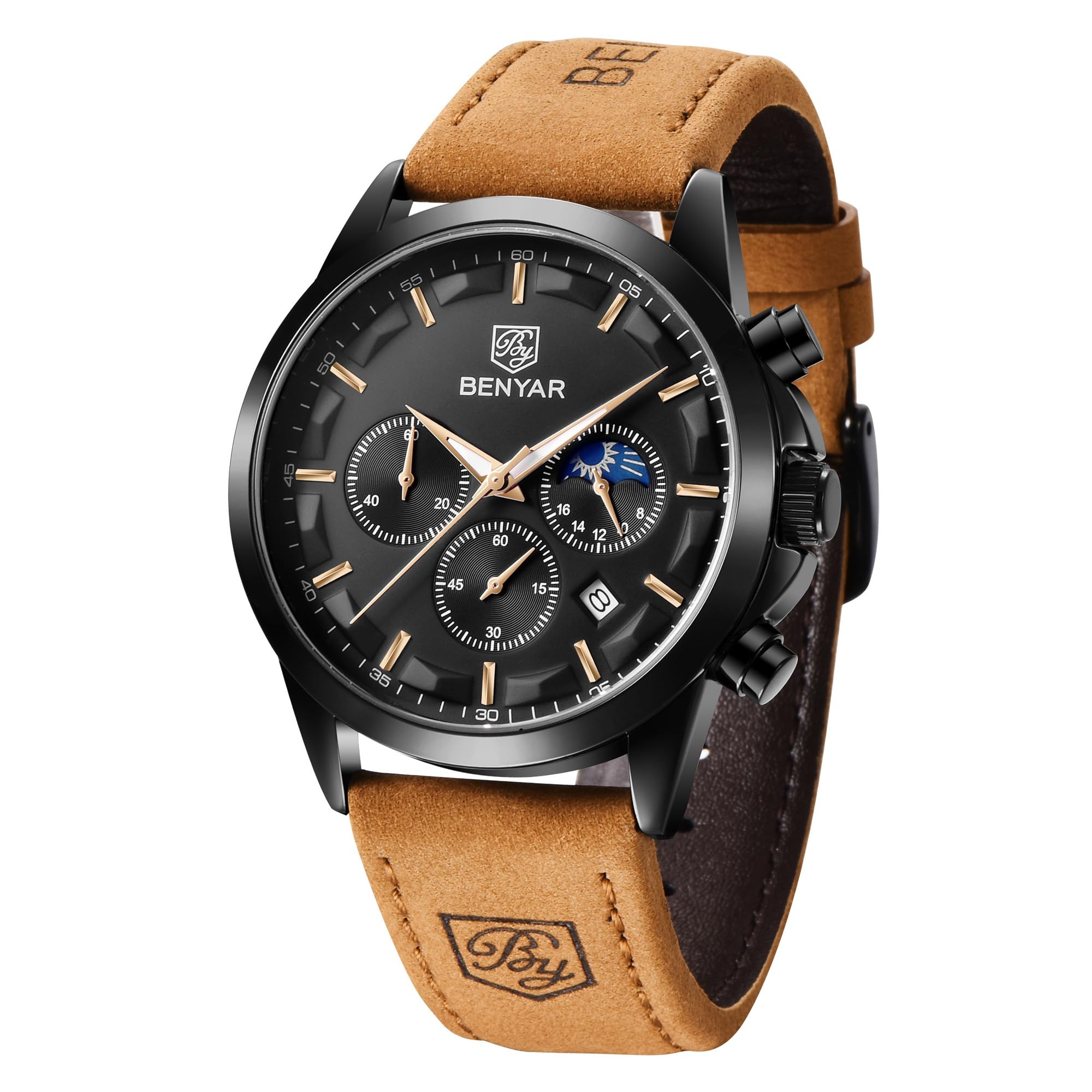
Benyar Watches
Imagery
Know someone who’d love this?
Discovered by ArcurianAuto-generated from public sources and AI synthesis — it may be incomplete or inaccurate. Treat it as a starting point for your own exploration, not professional (medical, legal, financial, or safety) advice. Verify anything you act on. Report this page.