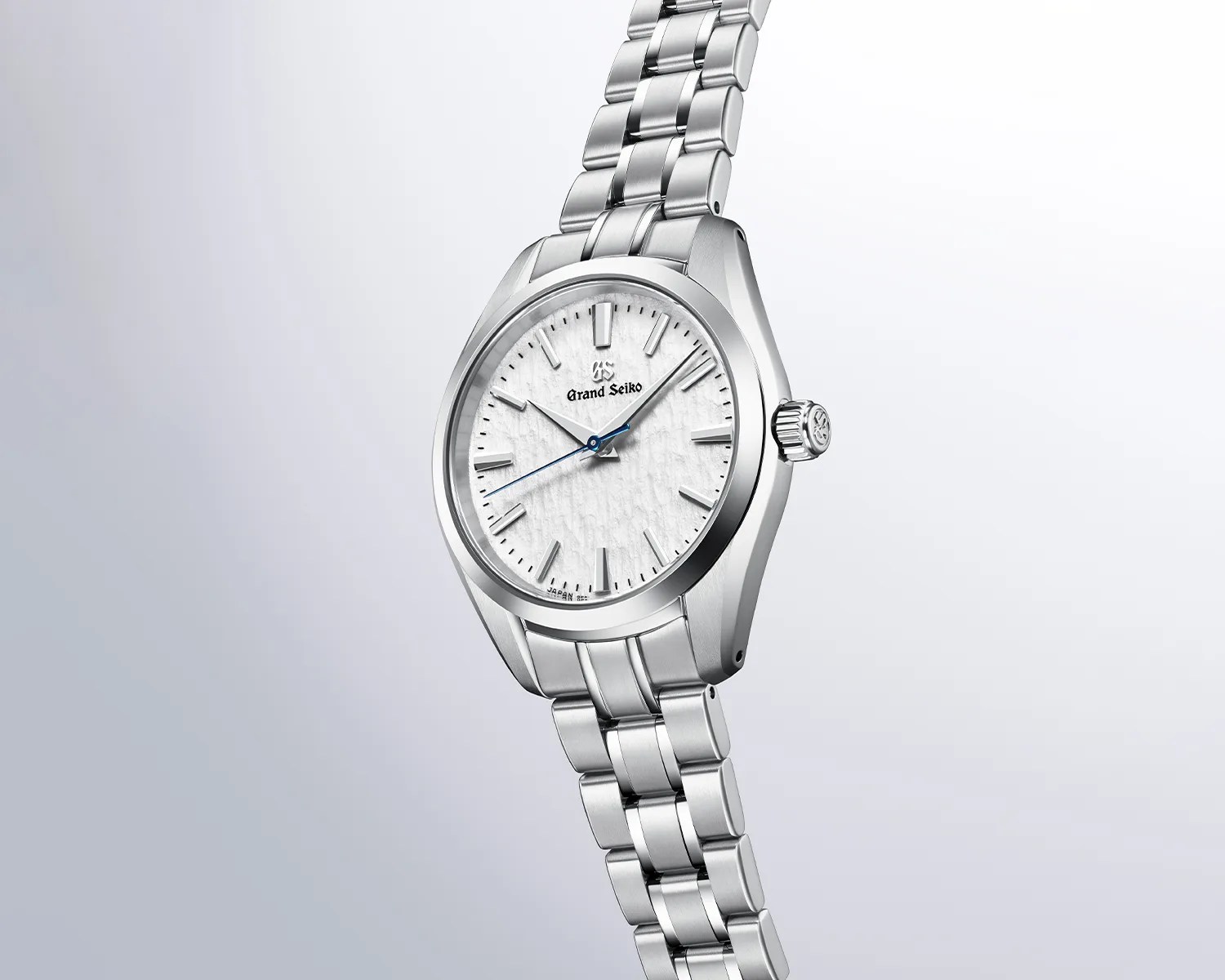
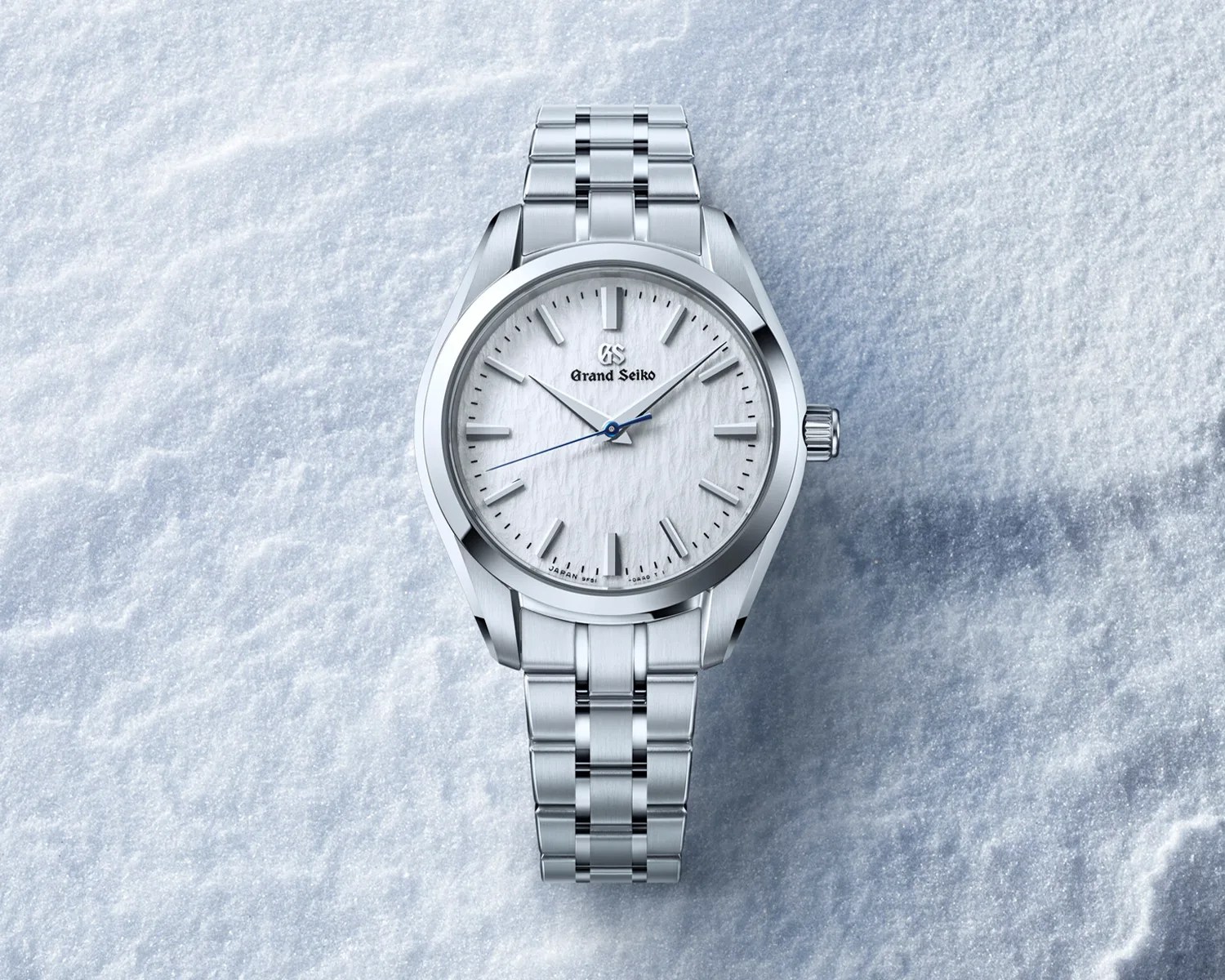
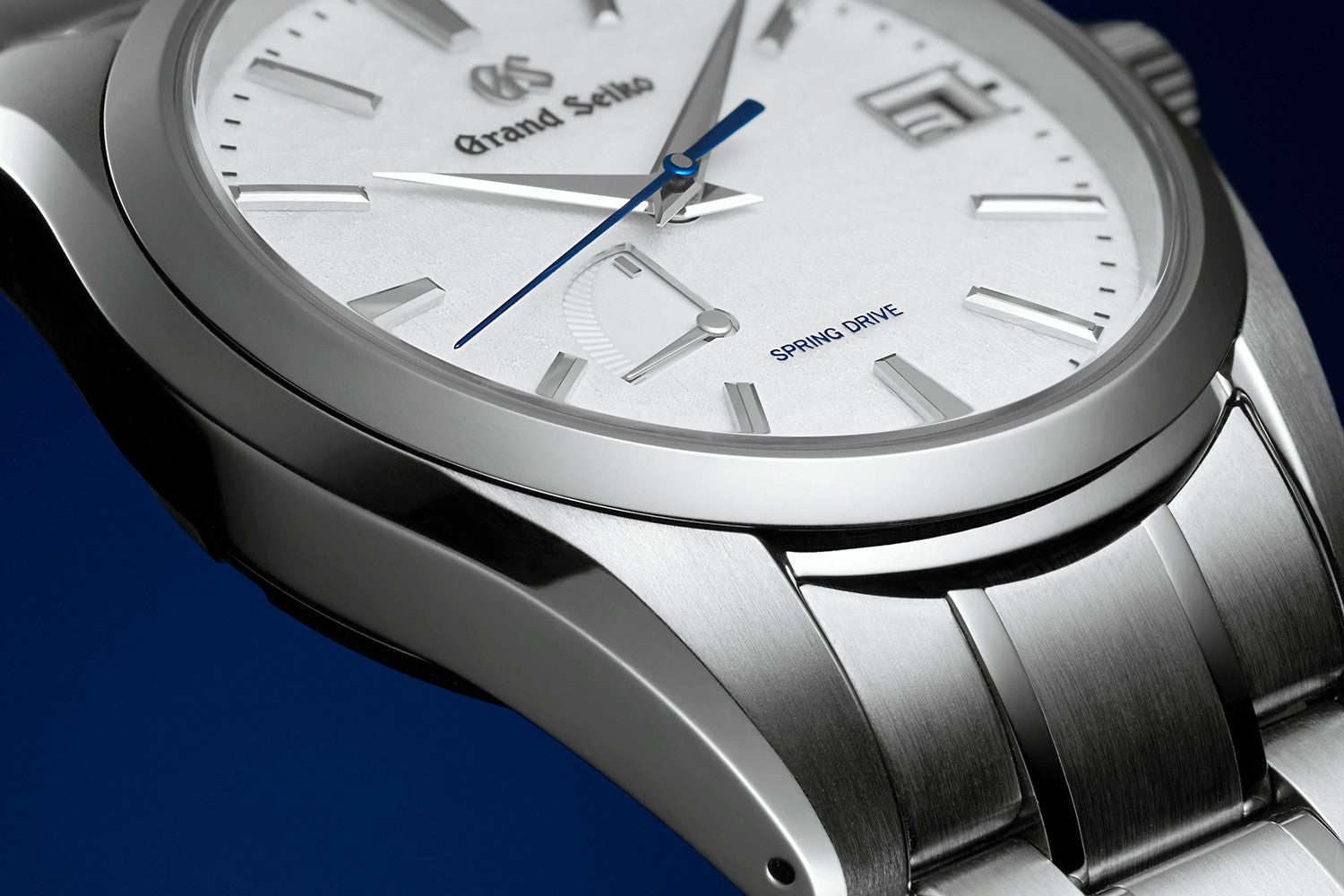
The Grand Seiko Snowflake is the brand’s best-known dial expression: a snow-white, textured surface inspired by windswept snow around Shinshu and Shiojiri, rendered across several references rather than a single watch. The classic version most collectors mean is the titanium Spring Drive SBGA211, descended from the 2005 SBGA011, but the name also extends to pieces like the quartz SBGX355 and the compact STGF359. What makes the Snowflake matter is that it compresses several Grand Seiko signatures into one object—nature-led design, in-house dial craft, and the strangely smooth seconds glide of Spring Drive. If you want one watch that explains why Grand Seiko devotees talk about texture, light, and finishing with near-religious intensity, this is the place to start.
Learn
What “Snowflake” Actually Refers To
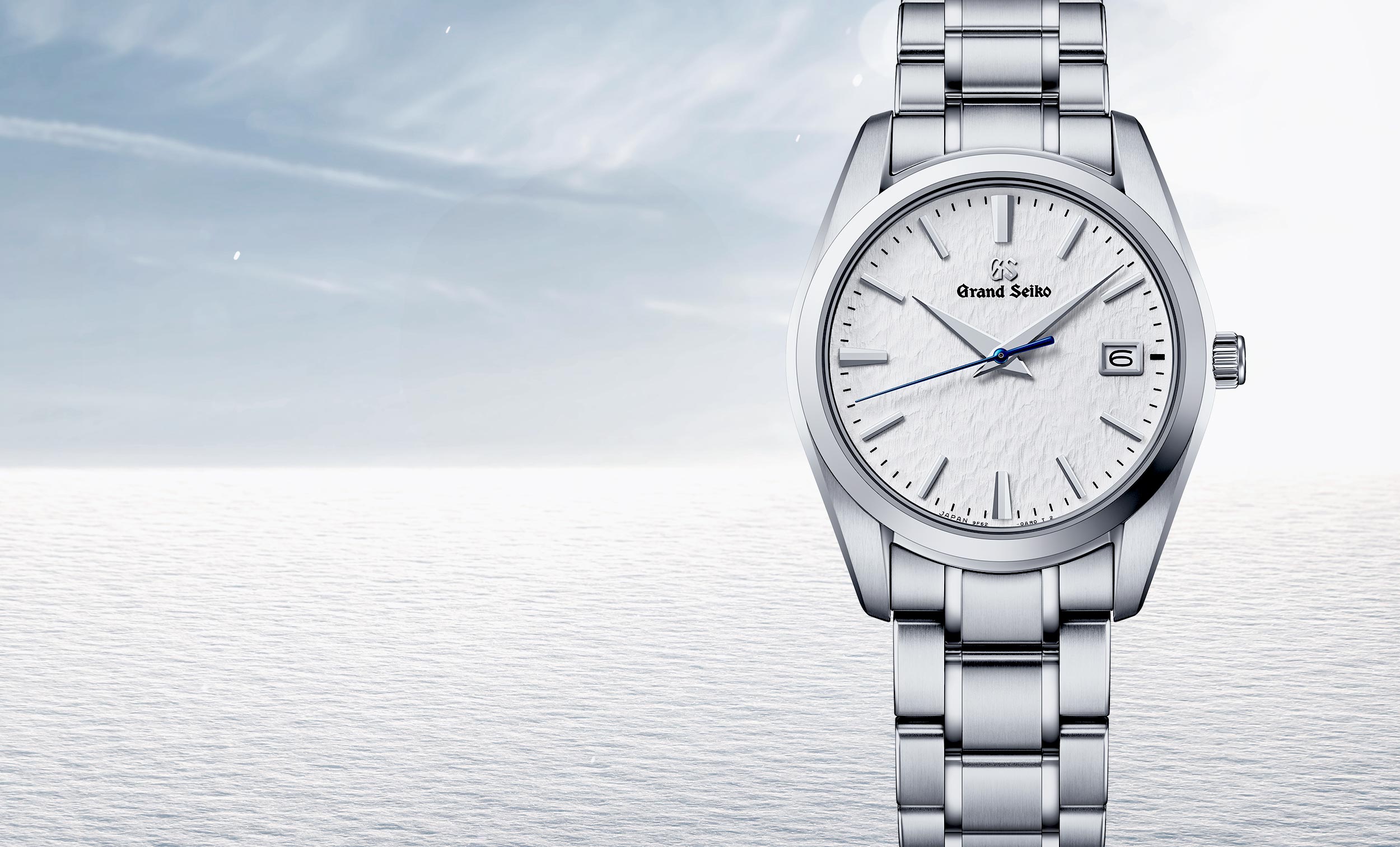
The 'Snowflake' name doesn't come from Grand Seiko itself — it was coined by the enthusiast community and later adopted by the brand. It refers specifically to the dial's unique texture, which is made by stamping a brass plate and then silver-plating it to achieve a pure white, uneven surface that mimics the windswept snow around the Hotaka mountains in Shiojiri, home of the Shinshu Watch Studio. The original model, the SBGA011 launched in Japan in 2005, had a double signature ("Seiko" at 12 and "Grand Seiko" at 6), which confused international buyers, so in 2017 it was replaced by the SBGA211 with a single Grand Seiko logo — the exact same watch underneath, but with clearer branding that helped turn it into a global phenomenon.
 grandseikogs9club.comgrandseikogs9club.com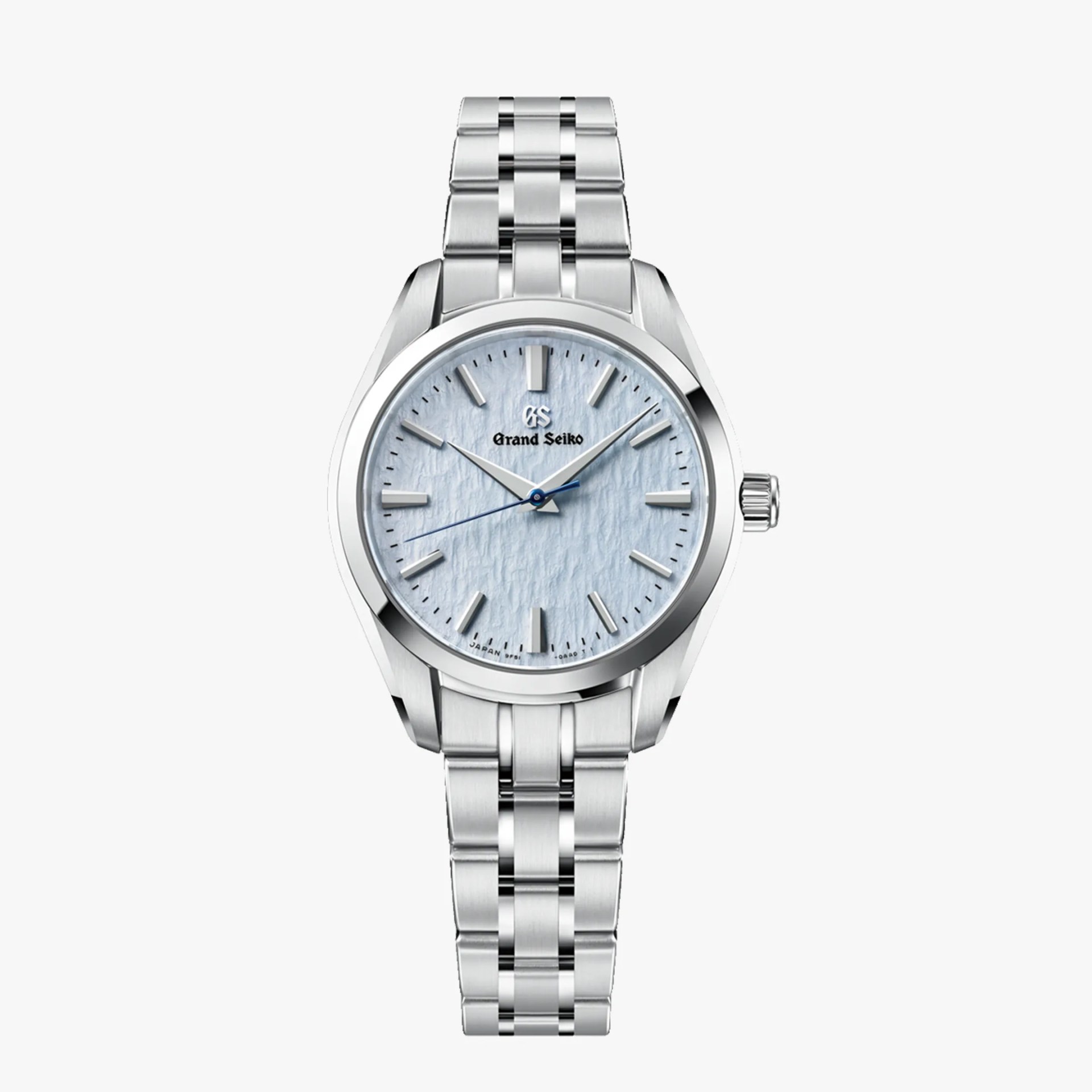
+Field notes
- —The Snowflake dial traces its design concept to a sample dial from the 1970s found in the Grand Seiko archives; modern watchmakers revived the stamping technique and achieved the pure white color through a silver-plating process with variable immersion times, avoiding paint that would obscure the texture.
- —The original 2005 release, reference SBGA011, was only sold in Japan until 2010 and carried both "Seiko" at 12 o'clock and "Grand Seiko" at 6 — a dual branding that created market confusion about whether it was a Seiko or a Grand Seiko.
- —In 2017, when Grand Seiko became an independent brand, the SBGA211 replaced the SBGA011 with a single "Grand Seiko" logo at 12, with no other changes — identical case, movement, and dial — making the branding the only difference between the two references.
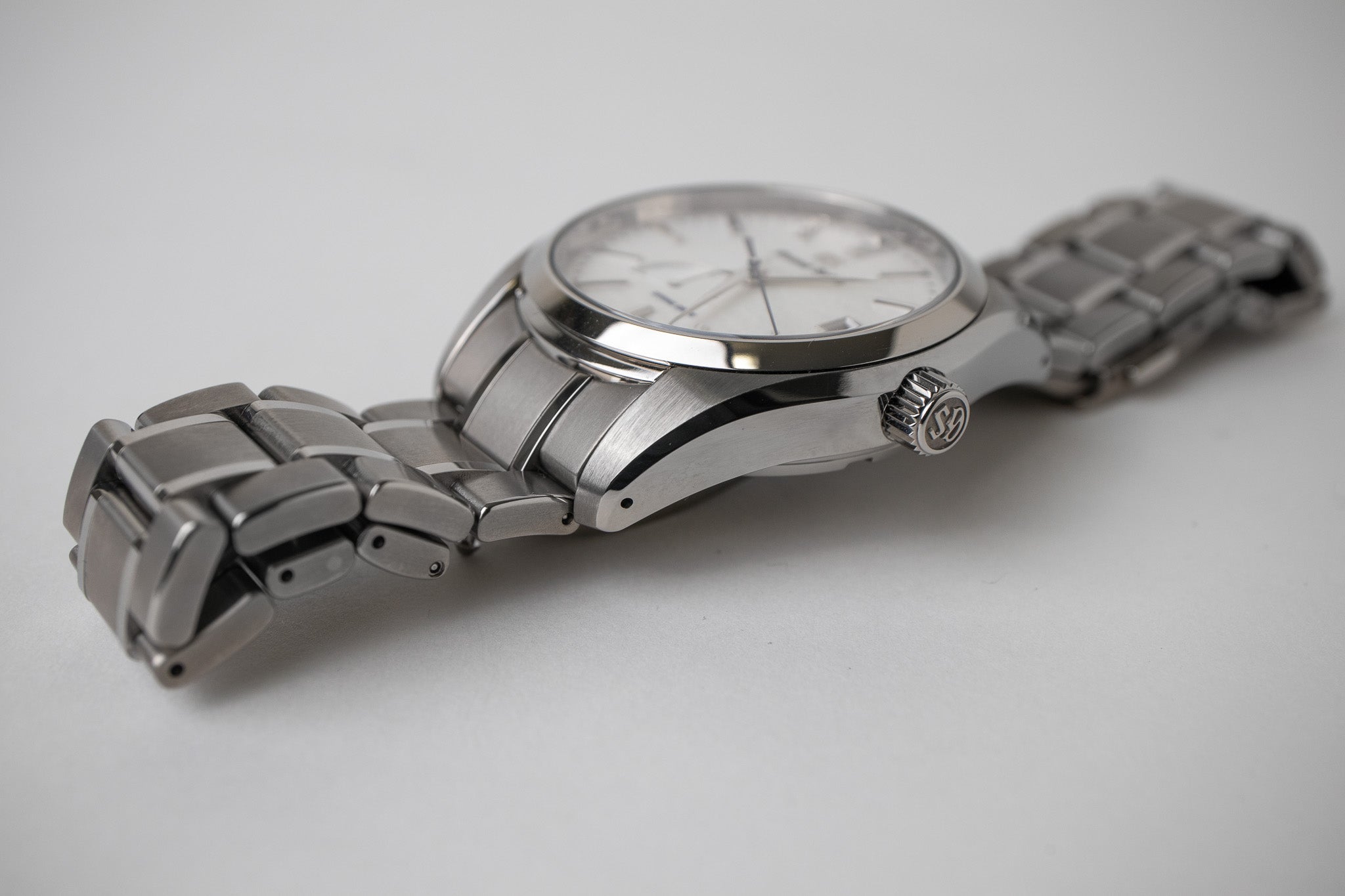
- —The SBGA211 case is made of High-Intensity Titanium, an alloy that is much brighter than typical titanium and can be finished with Zaratsu polishing (a technique adapted specifically for titanium), and it measures 41mm wide, 12.5mm thick, with a 20mm lug width.
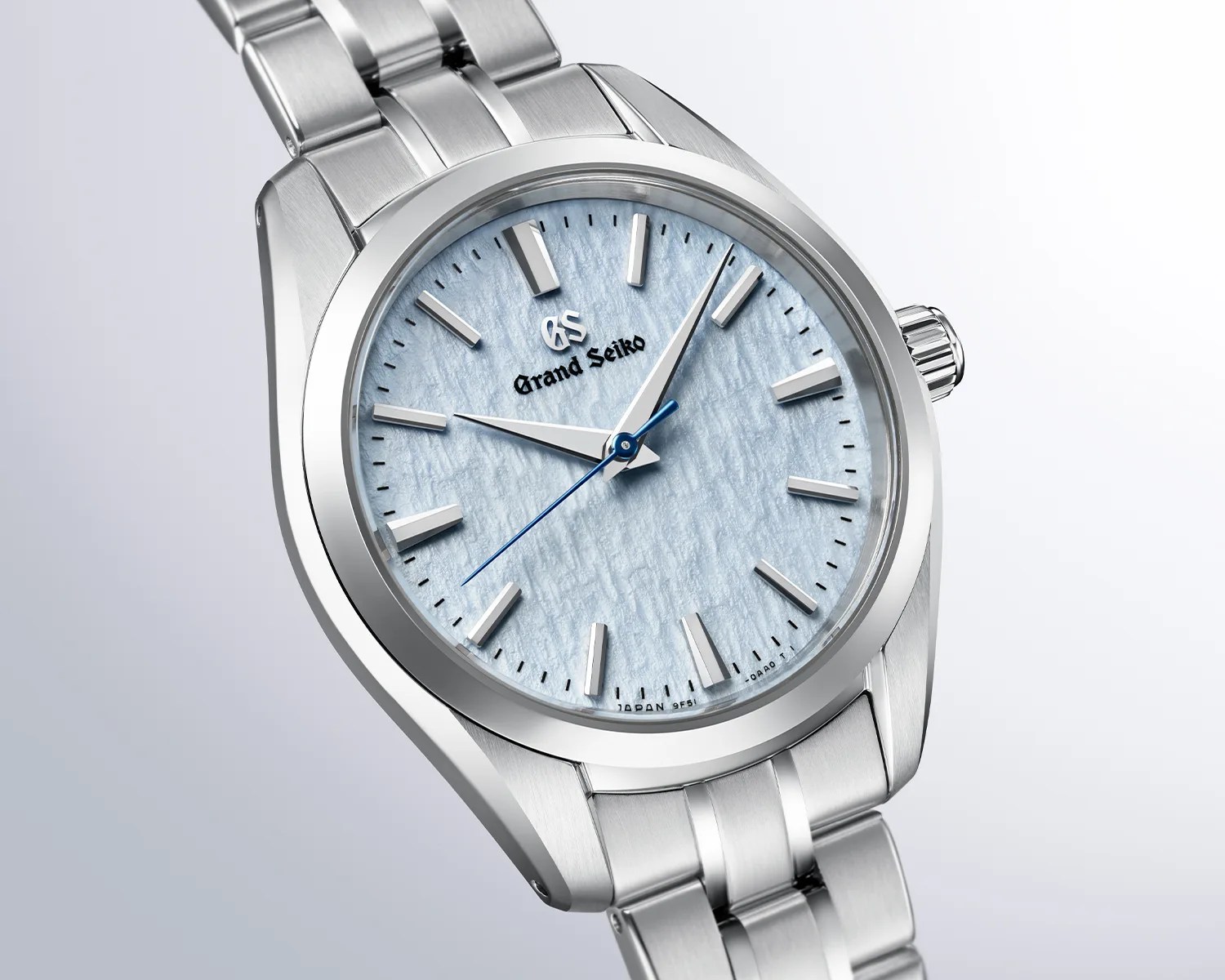
- —In 2021, Grand Seiko expanded the Snowflake dial to a ladies' model for the first time with the STGF359, a 28.9mm stainless steel case that uses the same dial texture but runs on a quartz movement — and a diamond-set sequel, the STGF385, followed in 2024.
- —The dial's uneven, silver-plated surface refracts light to give a shimmering effect that mirrors the snow-capped Hida Mountains visible from the Shinshu Watch Studio, and the blue tempered-steel seconds hand on the Spring Drive models glides silently and continuously, reinforcing the winter scene.
Learn
From SBGA011 to SBGA211: How the Signature Reference Evolved
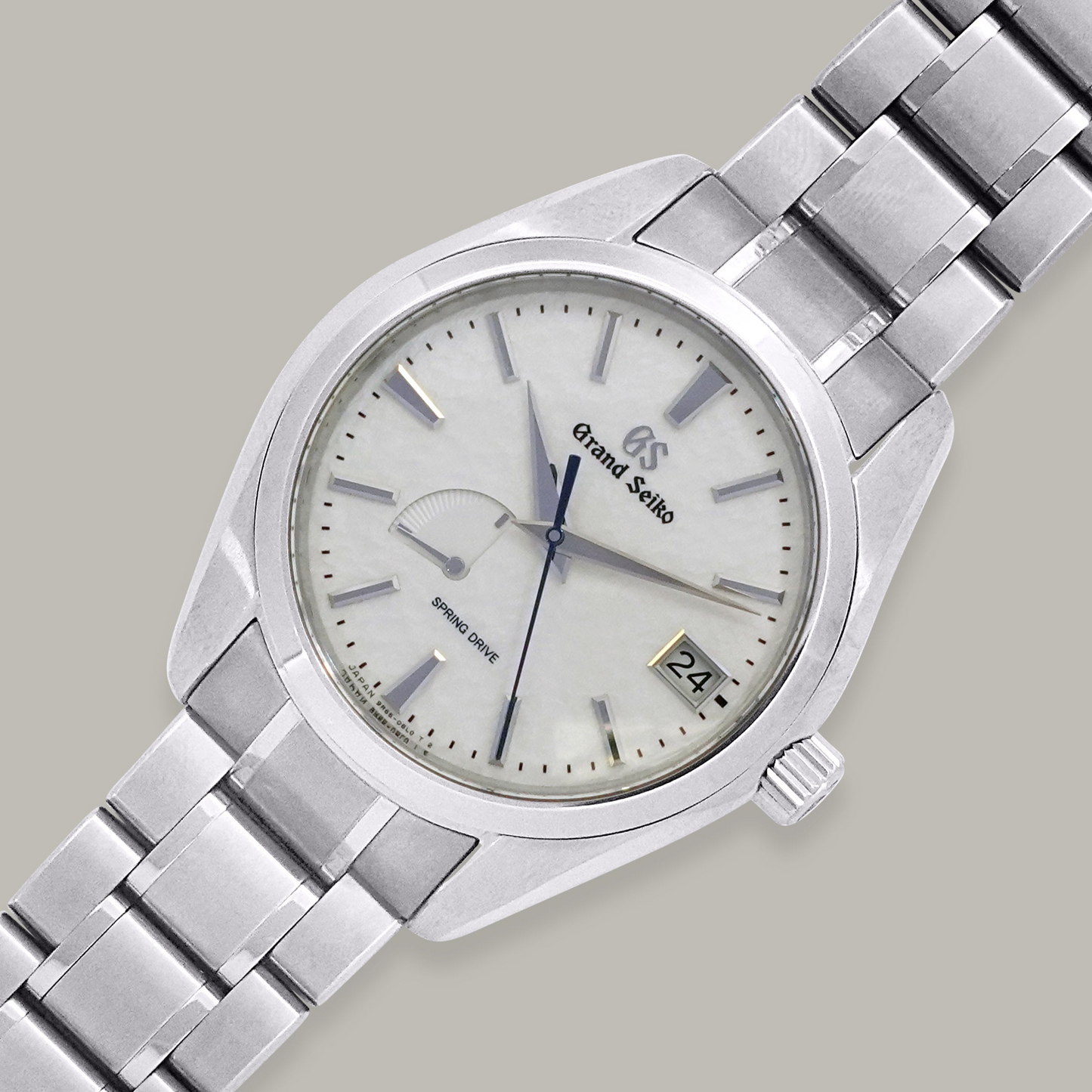
The Grand Seiko Snowflake's journey from a Japan-only model to a global icon is a story of two watches: the original SBGA011 (2005–2017) and its successor the SBGA211 (2017 onward). The SBGA011 launched in October 2005 with a dual-branded dial — 'Seiko' at 12 o'clock and 'Grand Seiko' at 6 — reflecting the brand's then-subordinate status under parent Seiko. Its dial, inspired by the winter snow on the Hida Mountains seen from the Shinshu Watch Studio, was achieved through a silver-plating process that preserved a rough, reflective texture without using white paint. This process revived a technique from a 1970s Grand Seiko sample dial found in the archives. Inside beat the Caliber 9R65 Spring Drive, whose glide-motion seconds hand and ±1 second per day accuracy became inseparable from the watch's meditative character. In 2010, the SBGA011 became available internationally, but the dual branding confused buyers paying a premium for what looked like a 'Seiko.' The tipping point came in 2017 when Grand Seiko became an independent corporation and rebranded the Snowflake as the SBGA211, dropping the Seiko logo entirely. The community had already nicknamed it 'Snowflake' years before Grand Seiko officially adopted the name. Today the SBGA211 is the brand's best-selling icon, while the discontinued SBGA011 is a sought-after collector's piece that can fetch $3,000–$5,000 pre-owned, a quiet emblem of the transition that made Grand Seiko a worldwide phenomenon.

 watchreviewhq.comwatchreviewhq.com
+Field notes
- —The SBGA011 (2005–2017) was originally branded with 'Seiko' at 12 o'clock and 'Grand Seiko' at 6 o'clock, a dual-logo design that confused international buyers when it launched outside Japan in 2010 — they were paying a premium price for something that read as a 'Seiko.'
- —The Snowflake dial was not painted white: Grand Seiko artisans silver-plated a brass blank using a process revived from a 1970s sample dial, varying the immersion time to achieve pure white without covering the texture — paint would have drowned the uneven surface.
- —The name 'Snowflake' was never given by Grand Seiko at launch; it was coined by the enthusiast community and only later adopted officially by the brand.
- —The Caliber 9R65 Spring Drive inside both references combines mechanical winding with quartz regulation, enabling a perfectly smooth glide-motion seconds hand that sweeps without ticking — a feature Hodinkee describes as making time feel 'uninterrupted' and 'unhurried,' like meditation.
- —In 2017, when Grand Seiko spun off as an independent corporation, the SBGA211 replaced the SBGA011 with a single 'Grand Seiko' logo at 12 o'clock, keeping identical dimensions (41mm titanium case, 12.5mm thick, 100m water resistance) but updating the bracelet and clasp.
- —The SBGA011 is now discontinued and trades on the pre-owned market between $3,000 and $5,000 depending on condition and completeness, with pristine full-set examples exceeding $5,000 — reflecting its status as a transitional collector's piece.
Learn
Read the Snowflake in Grand Seiko’s Own Language
The Grand Seiko Snowflake, best known as the SBGA211 (and its predecessor SBGA011 from 2005), is a masterclass in Japanese craft and engineering. Its dial is not painted white; instead, it achieves its snowy, windswept texture through a variable-immersion silver-plating process that refracts light like real snow—a technique perfected over decades at the Shinshu Watch Studio in Shiojiri, beneath the Hotaka Mountains. Powering the watch is Caliber 9R65, a Spring Drive movement that took over 20 years to develop, combining a mainspring, a quartz oscillator, and an electromagnetic brake in the Tri-Synchro Regulator to deliver a gliding seconds hand and an average accuracy of ±1 second per day. The case and bracelet are crafted from High-Intensity Titanium—30% lighter than steel and polished to a mirror finish using the Zaratsu technique, adapted specifically for titanium. This synthesis of natural inspiration, proprietary movement technology, and meticulous finishing has made the Snowflake an icon, even inspiring a ladies' version, the STGF359, in 2021. Every detail—from the blued steel second hand to the power reserve indicator at 8 o'clock—is intentional, reflecting Grand Seiko's philosophy of making the invisible visible.


 grand-seiko.comgrand-seiko.com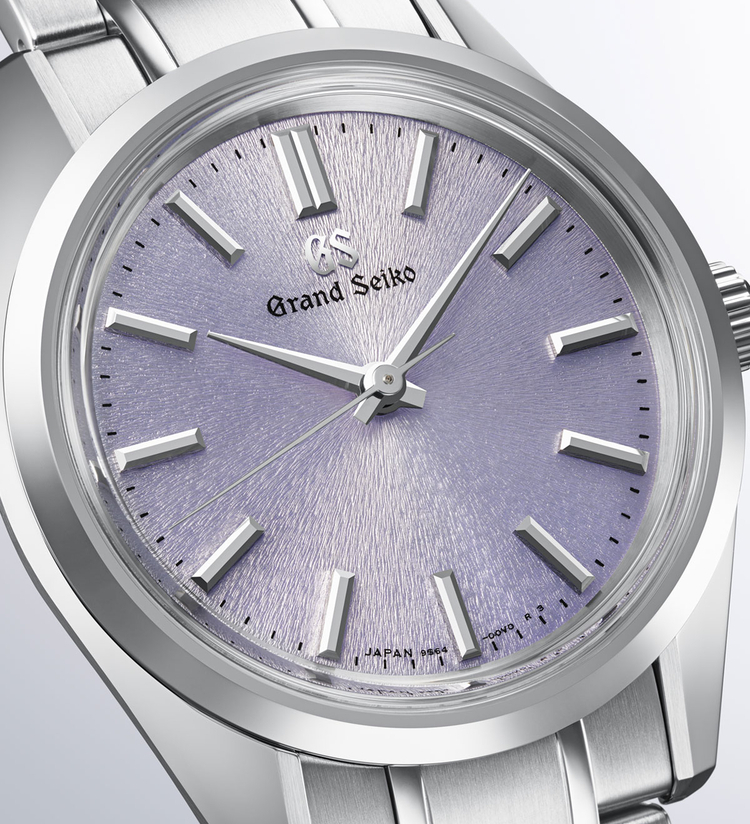

+Field notes
- —The Snowflake dial's pure white color is not achieved with white paint; it is the result of a silver-plating process where varying immersion times create a snowy texture without any white pigment.
- —The Spring Drive's Tri-Synchro Regulator harmonizes three forms of energy—mechanical (mainspring), electrical (generated by the glide wheel), and electromagnetic (braking controlled by a quartz oscillator)—to produce a silent, gliding seconds hand with accuracy of ±1 second per day.
- —The case and bracelet of the SBGA211 are made of High-Intensity Titanium, an alloy that is 30% lighter than stainless steel yet can be polished to a bright, distortion-free mirror finish using Grand Seiko's Zaratsu technique, which had to be specially adapted for titanium.
- —The original Snowflake reference SBGA011 (launched in Japan in 2005, globally in 2010) bore both 'Seiko' and 'Grand Seiko' on the dial; after the brand split in 2017, it was replaced by the SBGA211 with only 'Grand Seiko' branding.
- —In June 2021, Grand Seiko introduced the STGF359, the first ladies' watch to feature the Snowflake dial, with a 28.9mm stainless steel case and the same Zaratsu-polished and hairline-finished surfaces on a smaller scale.
- —The SBGA211's blue-tempered steel seconds hand moves in a completely smooth glide motion, contrasting with the white, textured dial and visually expressing the seamless flow of time achieved by the Spring Drive mechanism.
Discover
Video Reviews That Show the Dial, Case, and Glide in Motion


Discover
Buyer Guides and Collector Writeups Worth Reading Before You Hunt One


The Grand Seiko Snowflake (SBGA011/SBGA211) represents the singular watch that transformed Grand Seiko from a Japanese domestic obscurity into a globally recognized luxury powerhouse. Its story is one of deliberate design constraints, obsessive materials science, and a quiet cult following that forced the brand's hand. The dial—inspired by snowdrifts outside the Shinshu Watch Studio in Nagano—was born not from paint but from a 1970s die-stamping discovery and a finicky silver-plating process where the immersion time itself had to be varied to achieve the exact white without compromising the texture. Two nearly identical references define the collector landscape: the SBGA011 (2005–2017), stamped “Seiko” at 12 and “Grand Seiko” at 6, and the SBGA211 (2017–present), the single-branded version released after Grand Seiko became an independent entity. Both share a 41mm high-intensity titanium case that weighs barely 100g, a Zaratsu-polished finish requiring three years to master, and the 9R65 Spring Drive movement whose seconds hand glides in perfect silence. The real hunt isn’t between the two—it’s about presence of mind to secure the SBGA011 before the 2017 rebranding cemented its collectibility, and about resisting the compulsion to overpay for hype on a model that was, for years, the watch that insiders bought quietly before the rest of the world caught on.
+Field notes
- —The Snowflake dial is not painted white—the white is achieved by a silver-plating process where the immersion time was experimentally varied to produce a pure white while preserving the deep, crater-like texture; no white colorant is used at all.
- —The original die-stamped dial that inspired the Snowflake was a sample found in Grand Seiko's archives dating to the 1970s; the modern artisans copied that 1970s technology to create the current dial's texture.
- —The SBGA011 is the OG Snowflake launched in 2005 (Japan-only until 2010), branded “Seiko” at 12 and “Grand Seiko” at 6; the SBGA211 replaced it in 2017 when Grand Seiko became a standalone brand, removing the Seiko logo entirely—the SBGA011 is generally preferred by collectors for that dual-branding quirk.
- —The 41mm case and bracelet are made of high-intensity titanium, bringing the total weight to approximately 100g—roughly half what a steel watch of this size would weigh—and the Zaratsu hand-polishing employs a tin plate method that takes roughly three years to master, creating distortion-free mirror surfaces where two planes meet at a razor-sharp ridge.
- —Grand Seiko never officially named the watch “Snowflake” at launch; the nickname came from the enthusiast community, and the company only later embraced the term officially—a rare instance of a factory adopting a collector-given moniker.
- —The SBGA011 is already superseded, and with its dual Seiko/Grand Seiko branding now gone, those who wanted the pre-autonomy look had a finite window to acquire one before the SBGA211 rollout—making the 2017 transition a defining event for Snowflake collecting.
Keep exploring
More of Grand Seiko Snowflake

Branch out
Beyond Grand Seiko Snowflake
More to explore
In the same world.
Grand Seiko SBGN001 9F GMT
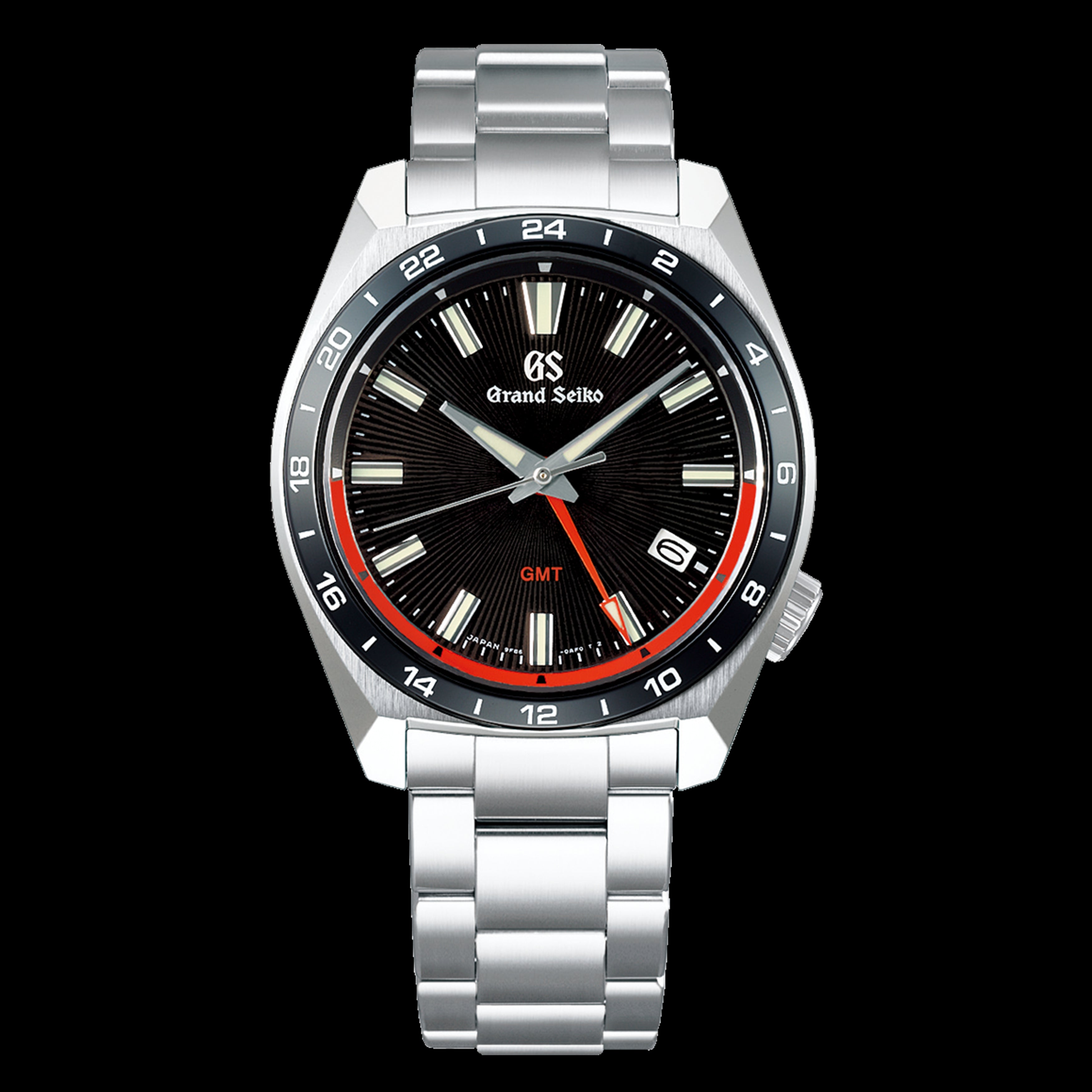
The SBGN001 is the watch that introduced Grand Seiko’s first 9F quartz GMT, released in 2018 as a limited edition of 800…

Best Luxury Quartz Watches
Luxury quartz watches sit in the part of watch collecting where convenience, finishing, and accuracy matter just as much…
Mechanical Watches
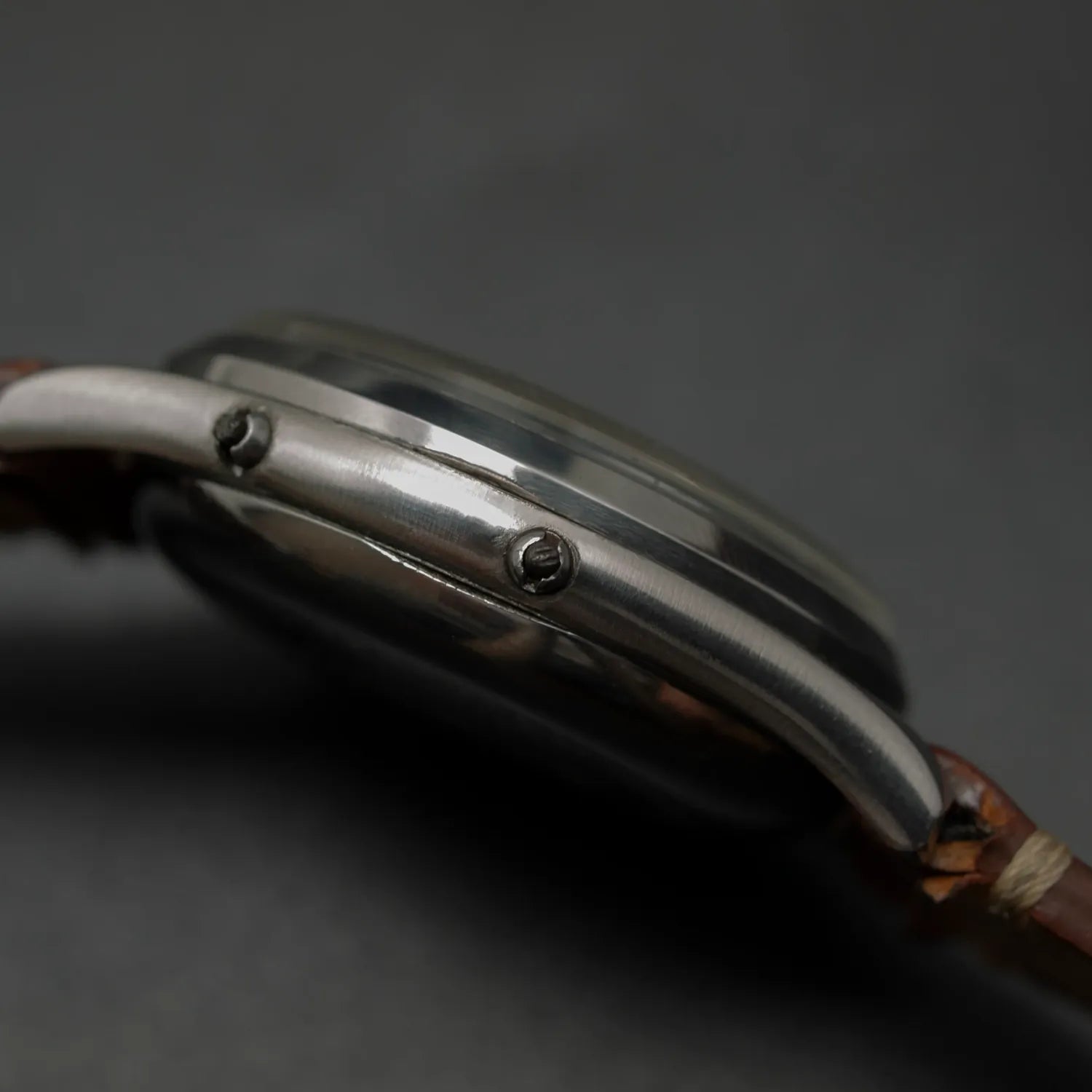
Mechanical watches run on a clockwork movement powered by a mainspring, with energy delivered through gears to a balance…
Skeletonized Haute Horlogerie
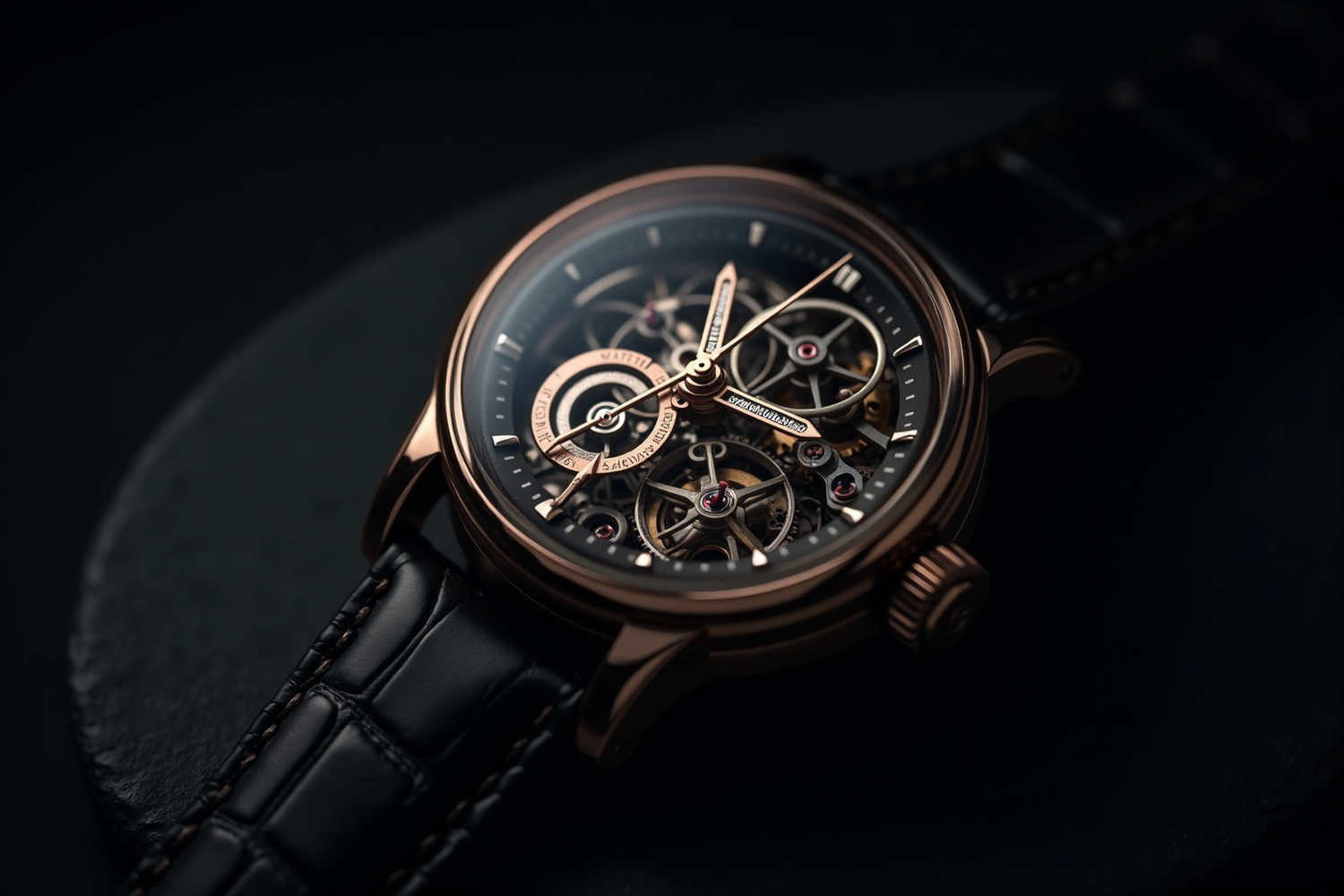
This corner of watchmaking is about turning the movement itself into the dial, then finishing it so the mechanics are no…

Blancpain Villeret
The Blancpain Villeret collection is the brand’s dress-watch center of gravity: restrained white dials, slim round cases…

Piaget Reference 9801
Piaget reference 9801 appears in the market as a small 27mm manual-wind dress watch, often in 18k gold and frequently in…
Blancpain Fifty Fathoms
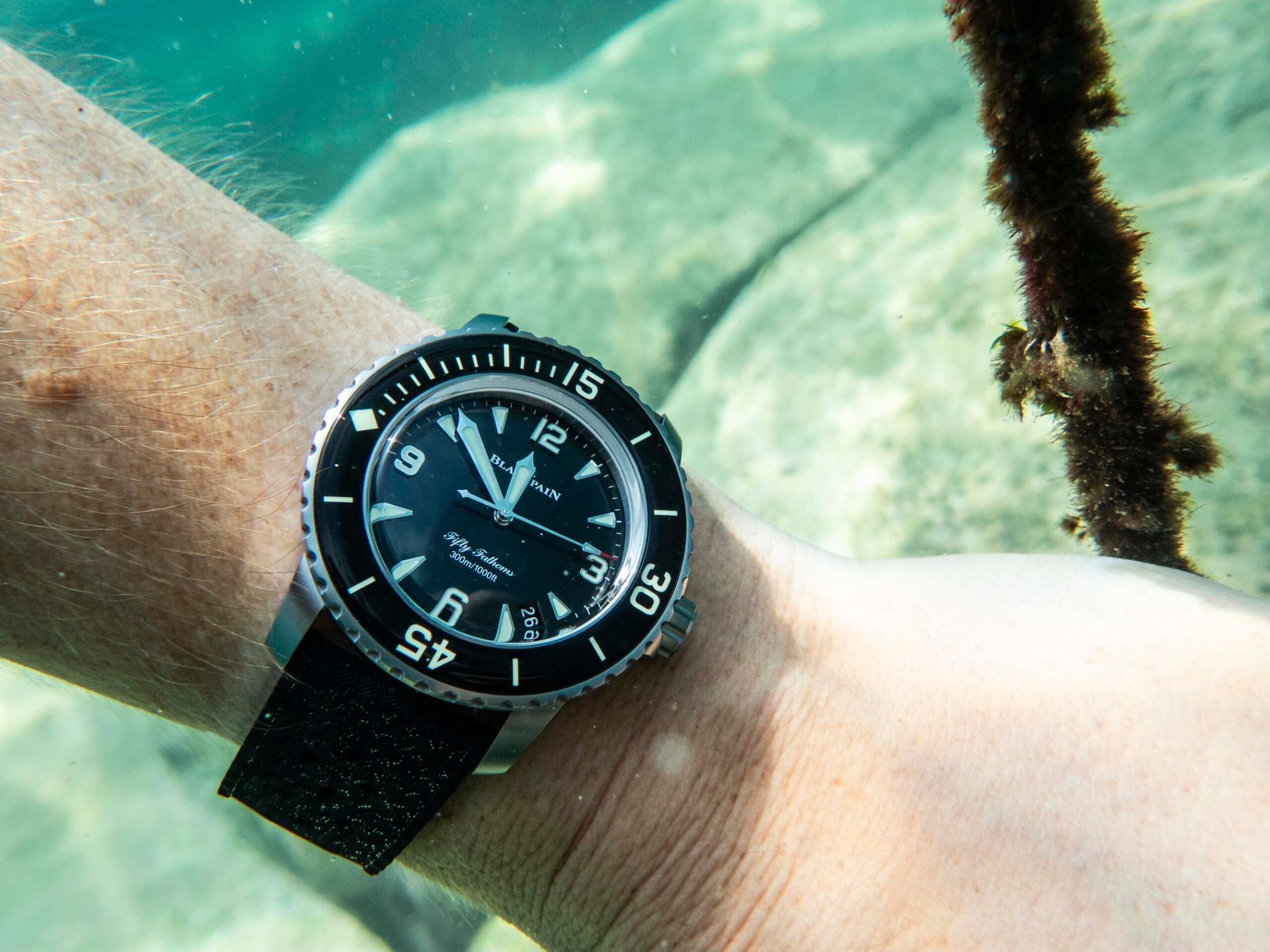
The Blancpain Fifty Fathoms is the brand’s long-running diver’s-watch family, spanning core Fifty Fathoms Automatique mo…

Vintage Rolex Watches
Vintage Rolex collecting revolves around older references whose value is tied not just to the model name, but to origina…
More in Watches & Horology
Stay in this world.
Grand Seiko SBGN001 9F GMT

Rolex Deepsea

Vintage Watch Hunting

Rolex Deepsea
Luxury Watches That Hold Value
Best Luxury Quartz Watches
Skeletonized Haute Horlogerie
Best First Luxury Watch
Imagery
Know someone who’d love this?
Discovered by ArcurianAuto-generated from public sources and AI synthesis — it may be incomplete or inaccurate. Treat it as a starting point for your own exploration, not professional (medical, legal, financial, or safety) advice. Verify anything you act on. Report this page.