In the watch world, “holding value” usually means a luxury piece that stays resilient on the secondary market rather than collapsing after purchase, which is why buyers keep circling a small group of brands named again and again in resale guides: Rolex, Patek Philippe, Audemars Piguet, and, in some lists, names like Omega, Cartier, Tudor, and F.P. Journe. The sources consistently frame this as a mix of craftsmanship, heritage, controlled supply, and collector demand rather than a guarantee that every watch will appreciate. They also point to a post-boom correction that has separated hype-driven spikes from models with deeper staying power, with watches like the Royal Oak and Patek Philippe often treated as benchmarks. The interesting part is that this subject is less about finding a magic brand than learning how the secondary market rewards certain references, condition, and timing.
Learn
What “holds value” actually means in watch collecting
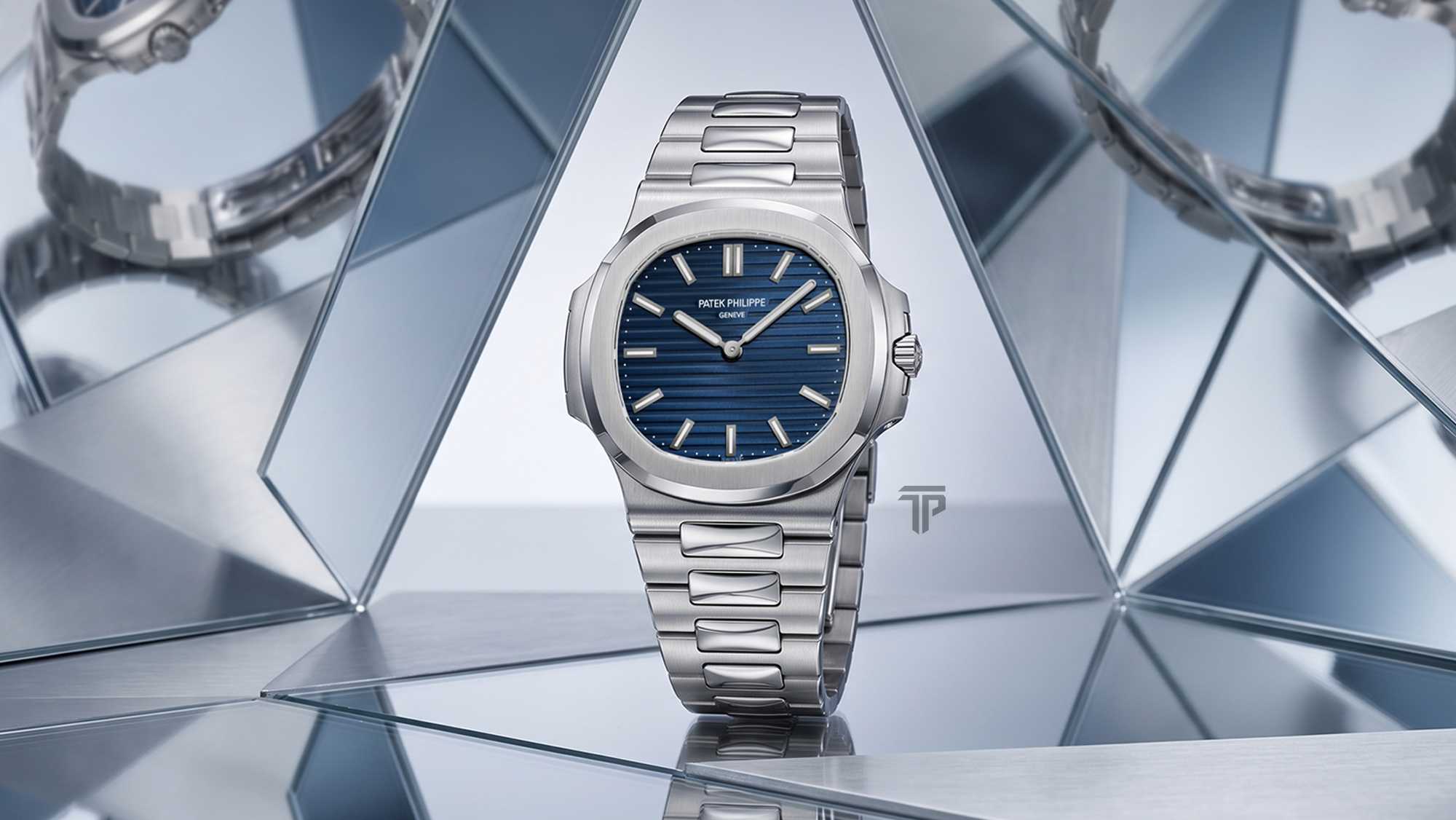
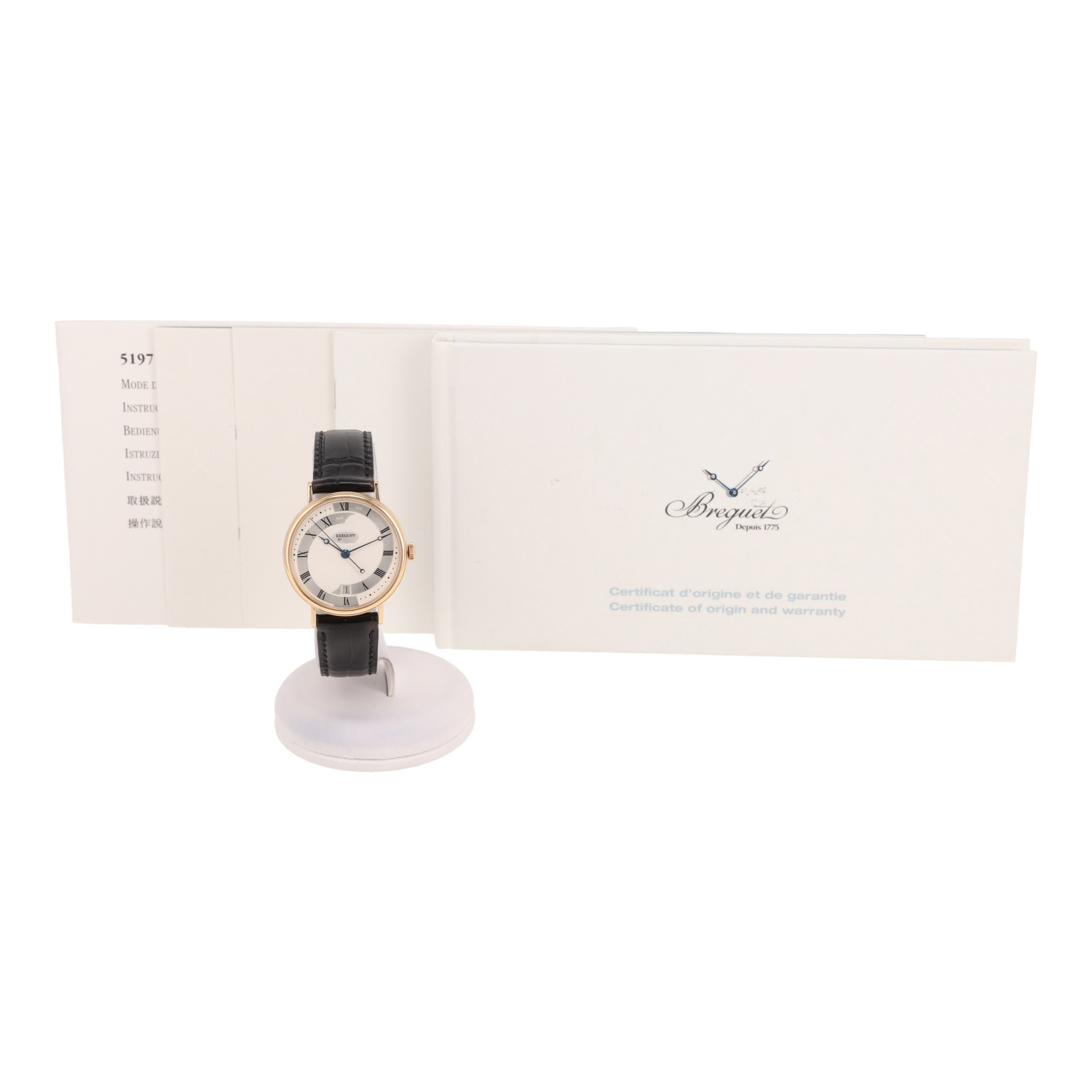
What really drives value retention in luxury watches isn't just the brand name but the specific condition of the individual piece. A watch that is 'original'—with unpolished case, matching hands and dial, and its original box and papers—commands a premium that a polished or refinished example of the same reference simply cannot match. The market has matured: flipping for profit is mostly over except for a few steel Daytonas, and even Rolex's average 6.1% annual appreciation masks the reality that after dealer fees most sales yield a loss. Data from 2026 shows Rolex, Patek Philippe, and Audemars Piguet are the only brands still trading above retail, though Patek has settled at -0.2% after the post-2022 correction, while Cartier has quietly emerged as the fastest-selling brand with a 32-day average turnover. For collectors, the path to value lies in buying the highest-quality example of any given reference, prioritizing originality over cosmetic freshness.


 luxuryofwatches.comluxuryofwatches.com
+Field notes
- —Condition is the single most important factor in watch collectibility—an original, unpolished case with matching dial and hands and complete box and papers is worth significantly more than a polished or refinished example, even if both are the same reference.
- —Only three brands—Rolex, Patek Philippe, and Audemars Piguet—still have positive value retention on the secondary market as of early 2026. Rolex's average premium over retail is 6.7%, but flipping is largely over: even steel Daytonas are no longer guaranteed profit after dealer fees.
- —Patek Philippe's secondary market has stabilized post-bubble at -0.2% average appreciation across 94 tracked references, signaling a return to fundamentals. The Nautilus 5711's legendary six-figure peaks have receded.
- —Cartier is the surprise performer of 2026: fastest average turnover at 32 days on the secondary market, with +1.1% appreciation, proving that 'jewelry watches' can hold value when demand outpaces supply.
- —There is a critical distinction between 'authentic' and 'original'—a watch can be 100% authentic (genuine parts from the manufacturer) yet have replacement hands, a polished case, or a service dial, which dramatically reduces its desirability among serious collectors.
Learn
From brand prestige to secondary-market benchmarks
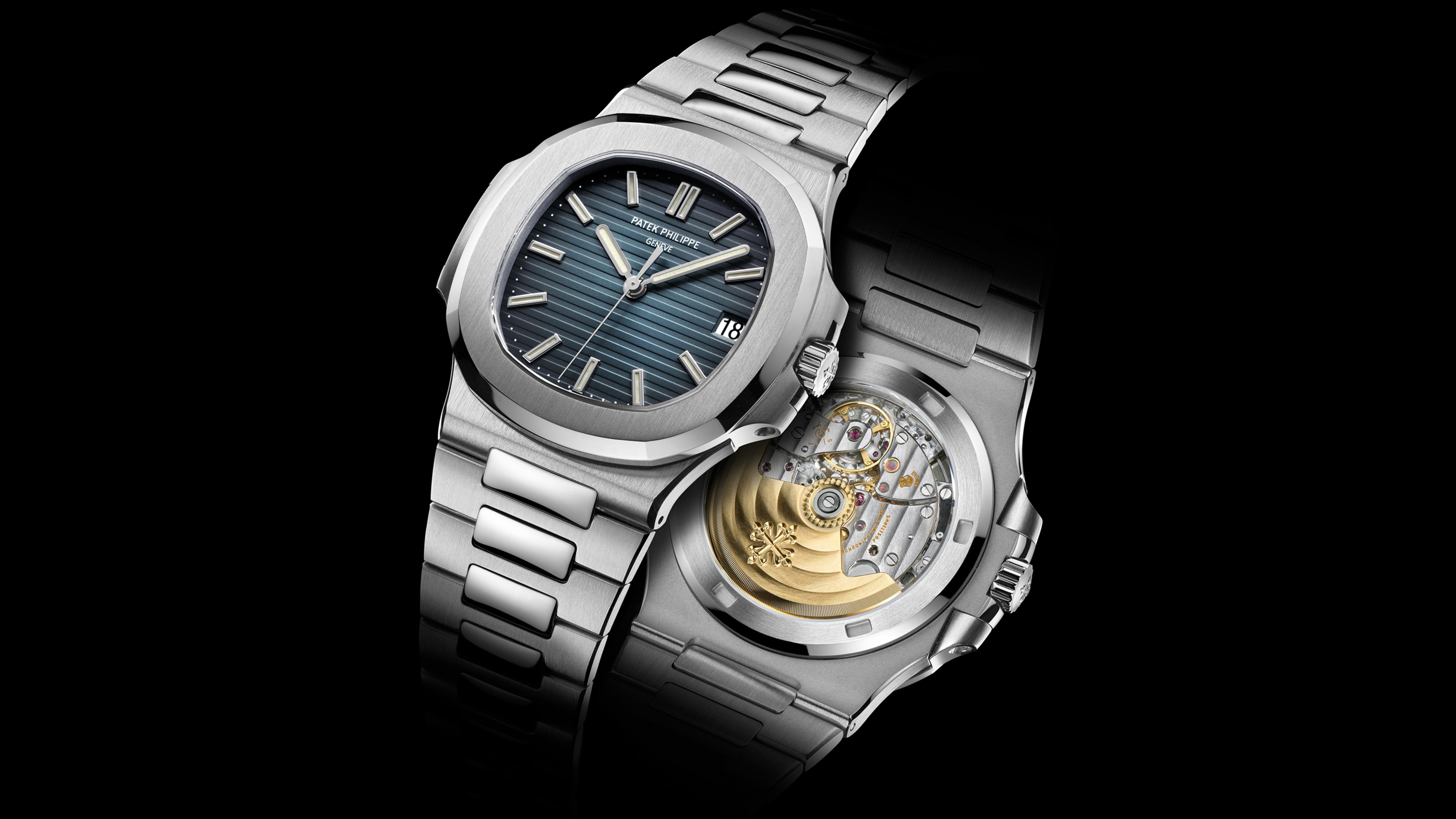
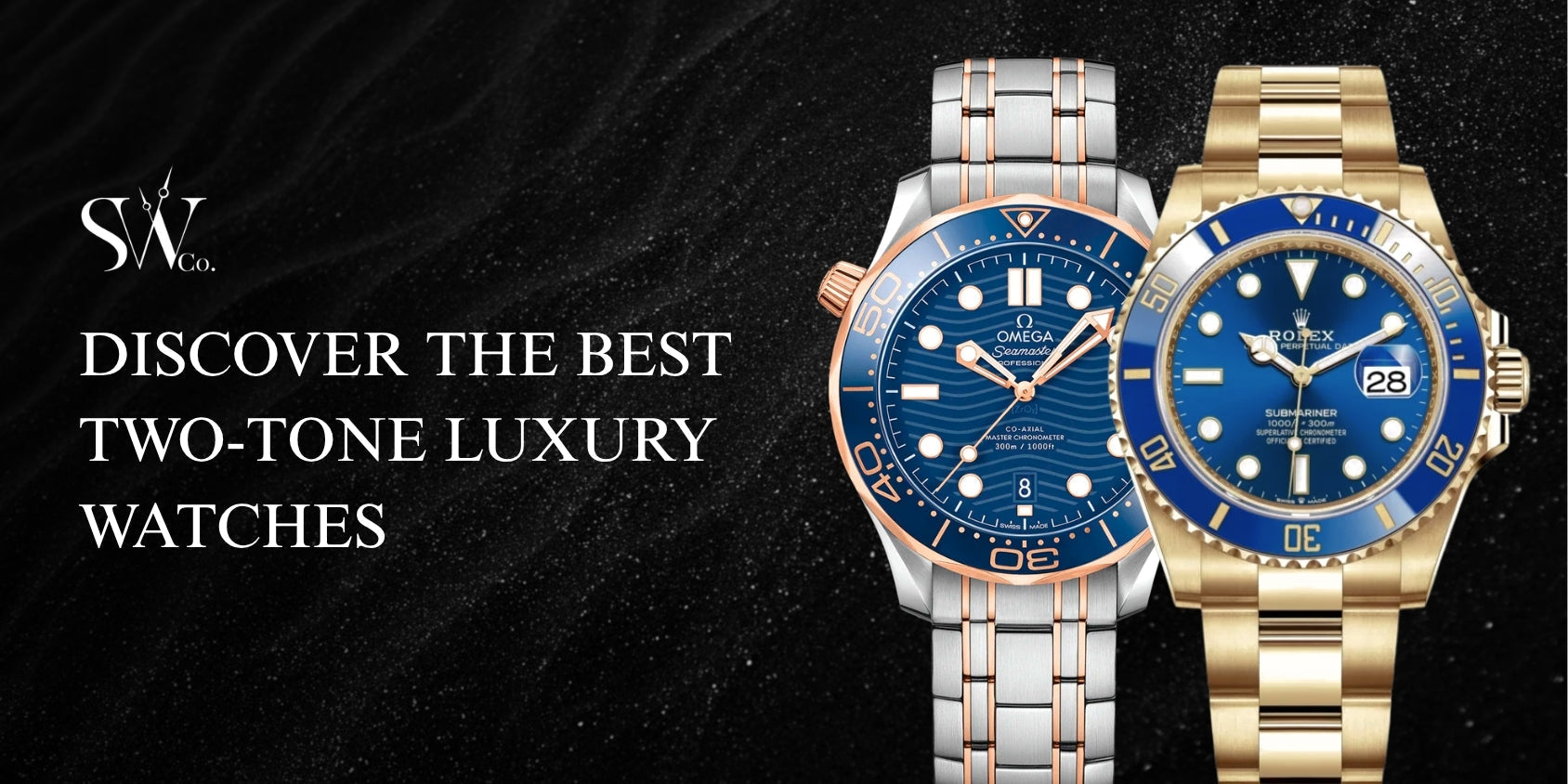
The luxury watch secondary market has matured from a speculative frenzy into a data-driven, structurally sound ecosystem where value retention is increasingly concentrated among a few dominant brands. Bob's Watches' 15-year sales record reveals Rolex average prices surged over 550% from ~$2,050 in 2010 to ~$13,426 by mid-2025, but the trajectory was not a straight line—a 250% foundation phase (2010–2015) gave way to moderate consolidation, then an explosive 93% spike from late 2020 to March 2022, followed by a sharp 31% correction into late 2022 and eventual stabilization. By 2025, secondary prices grew 4.9% overall, but Patek Philippe led with 12.1% year-over-year appreciation and Rolex followed at 4.6%, while 28 of 35 tracked brands actually declined. The Big Three—Rolex, Patek Philippe, and Audemars Piguet—now account for over half of secondary-market value, with Audemars Piguet alone doubling Omega in fourth place. Brands are fighting back with certified pre-owned programs and stricter allocations, converting the grey market from a flipper paradise into a healthier, more transparent arena where elegant references like Cartier's Santos and Tank and Vacheron Constantin's Overseas (+17.3% on Chrono24) are gaining momentum as collectors shift from pure tool-watch hype to aesthetic-driven choices like moon phases (+15.3%) and rectangular cases (+9.3%).
 quillandpad.comquillandpad.com
 ukwatchmarket.co.ukukwatchmarket.co.uk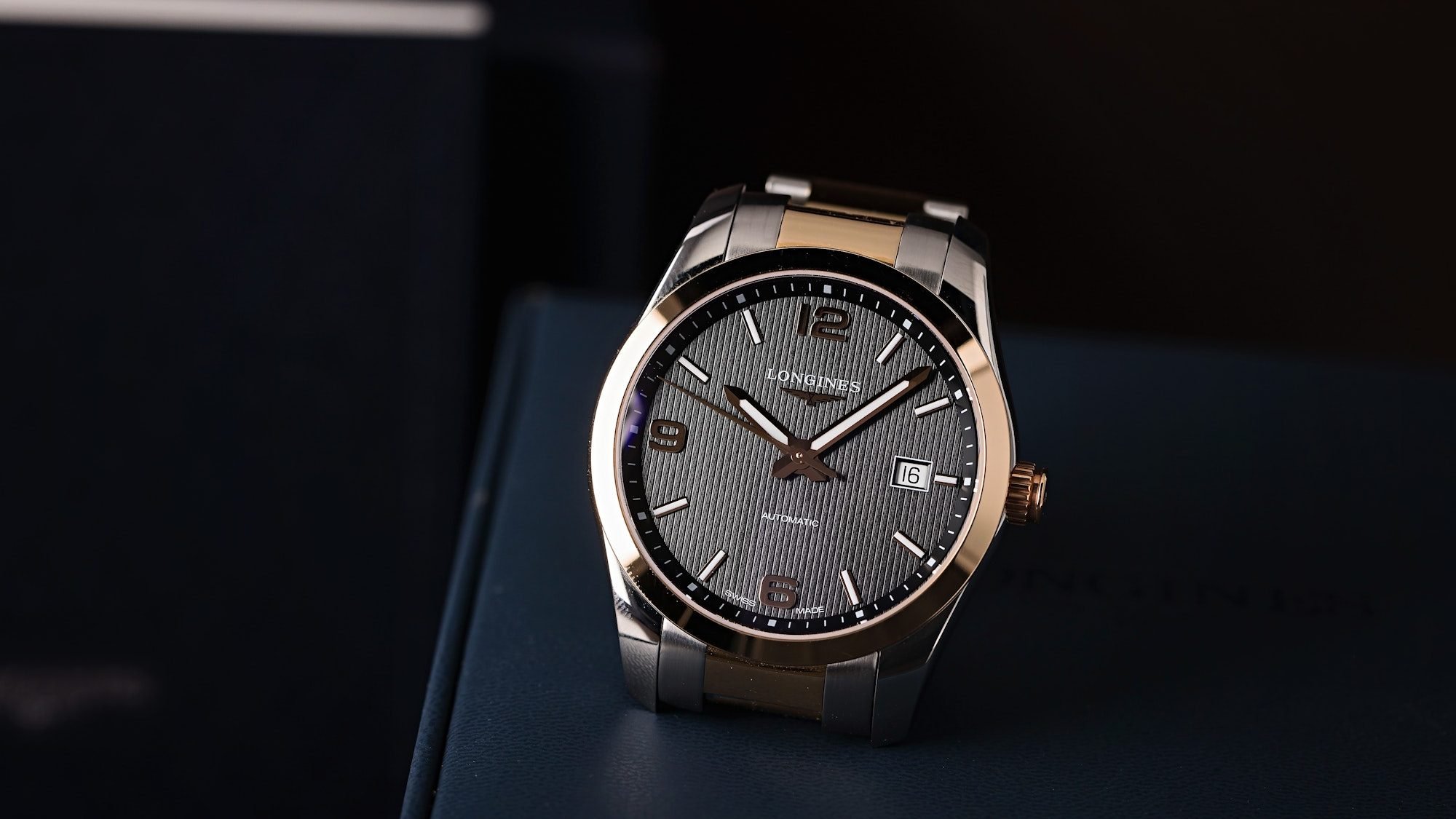
 insight-luxury.cominsight-luxury.com
+Field notes
- —Bob’s Watches’ 15-year transaction data shows average Rolex prices climbed from about $2,050 in July 2010 to around $13,426 by June 2025, but the path included a 93% manic surge from late 2020 to March 2022 (peaking at ~$17,206) followed by a 31% correction and eventual stabilization.
- —As of early 2026, Patek Philippe prices grew 12.1% year-over-year and Rolex 4.6%, yet 28 of 35 tracked brands saw price declines—the rally is almost entirely a Big Three story; group-owned brands like LVMH (-6.3%) and Richemont (-5.3%) significantly underperformed.
- —Rolex, Patek Philippe, and Audemars Piguet together represent more than 50% of secondary-market transactions by value (nearly $10 billion), and they are the only high-volume brands with a positive overall value retention ratio between retail and secondary pricing.
- —The grey-market bubble, fueled by Rolex scarcity and pandemic cash, saw Rolex account for 44% of Chrono24 transactions by May 2022; by end of 2024 that share dropped to 34% and prices fell for seven straight quarters as flippers faded and brands launched certified pre-owned programs.
- —In 2025, collectors shifted from tool-watch dominance toward elegance: demand for rectangular cases rose 9.3%, moon phase complications grew 15.3%, and Vacheron Constantin’s Overseas collection grew 17.3% on Chrono24—while Cartier gained 8.3% on steady Santos and Tank demand rather than hype launches.
- —From August 2018 to January 2023, average secondary prices for top models from Rolex, Patek Philippe, and Audemars Piguet rose at an annual rate of 20%, outperforming the S&P 500’s 8%—and these watches recovered from the 2008 crash in under two years, faster than most traditional financial categories.
Learn
The resale terms buyers need to understand
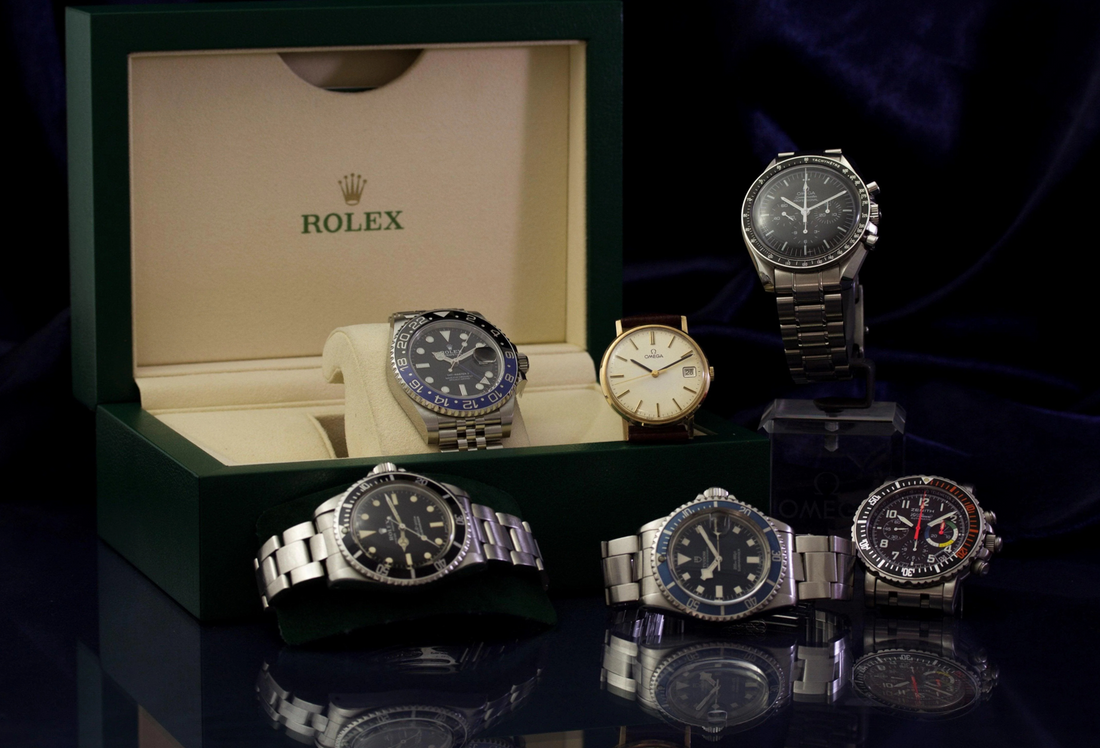
Navigating the resale market for luxury watches means decoding a specific vocabulary that directly impacts value. Terms like 'BNIB' (Brand New In Box) and 'NOS' (New Old Stock) indicate unworn condition but carry different implications—BNIB is a current model fresh from an authorized dealer, while NOS is a vintage or discontinued piece that was never sold, often commanding a premium for its frozen-in-time status. 'Full set' or 'box & papers' (B&P) signals the watch comes with its original presentation box, warranty card, manuals, and hang tags; the coherence of these items—matching the exact reference and era—matters more than sheer quantity for resale value. 'Unpolished' is a coveted term because polishing alters the original case geometry, reducing collector appeal and price, especially on Rolex sports models. 'Sealed' or 'Double Sealed'—most often applied to Patek Philippe—refers to a watch still in its factory vacuum-sealed plastic bag and outer cardboard box, a detail that can add thousands to the asking price. Understanding 'ghost bezel' (fading of an aluminum bezel insert from sun exposure), 'service dial/hands' (replacement parts installed during maintenance), and 'scrambled serial' (post-2010 Rolex random serials) helps you spot originality and avoid overpaying. Seasoned sellers also use 'conus' (Contiguous United States) for shipping scope, 'ohpf' (On Hold Pending Funds) for a pending sale, and 'full set' vs. 'head only' (just the case and dial, no strap or box) to set expectations. Knowing these terms turns you from a casual browser into a buyer who can identify a 'slider' (a pre-owned watch that looks unworn) and negotiate with confidence.

 jdwatchesny.comjdwatchesny.com
+Field notes
- —‘NOS’ (New Old Stock) does NOT mean the same as ‘BNIB’ (Brand New In Box): BNIB is a current model fresh from an AD, while NOS is a vintage or discontinued watch that was never sold, often commanding a premium for its frozen-in-time condition and scarcity.
- —‘Full set’ is not a universal checklist—brands like Patek Philippe, Rolex, and Omega each have different expected contents. A genuine complete set means the box, warranty card, manuals, hang tags, and even era-appropriate accessories all match the exact reference; mismatched parts can slash resale value.
- —‘Sealed’ and ‘Double Sealed’ apply most often to Patek Philippe watches: a ‘Double Sealed’ watch still has its factory vacuum-sealed plastic bag AND its outer cardboard box, adding thousands to the price. A single ‘Sealed’ watch only retains the bag, still rare but less valuable.
- —‘Unpolished’ is a major value driver—polishing removes metal and softens sharp case lines, making a watch less appealing to collectors. A Rolex Daytona with a sharp, unpolished case can command a 10–20% premium over an equivalent polished example.
- —‘Ghost bezel’ describes the fading of an aluminum bezel insert from UV exposure, common on vintage Rolex GMT-Masters and Submariners. Collectors value a consistent ghost—neither too faint nor patchy—as a sign of honest wear and originality.
- —‘Service dial’ or ‘service hands’ indicate replacement parts installed during an official service. While they guarantee the watch runs perfectly, they reduce originality and can knock 10–30% off the price for a vintage Rolex, because collectors prize factory-original dials over service replacements.
Discover
Video channels that track prices, references, and market shifts


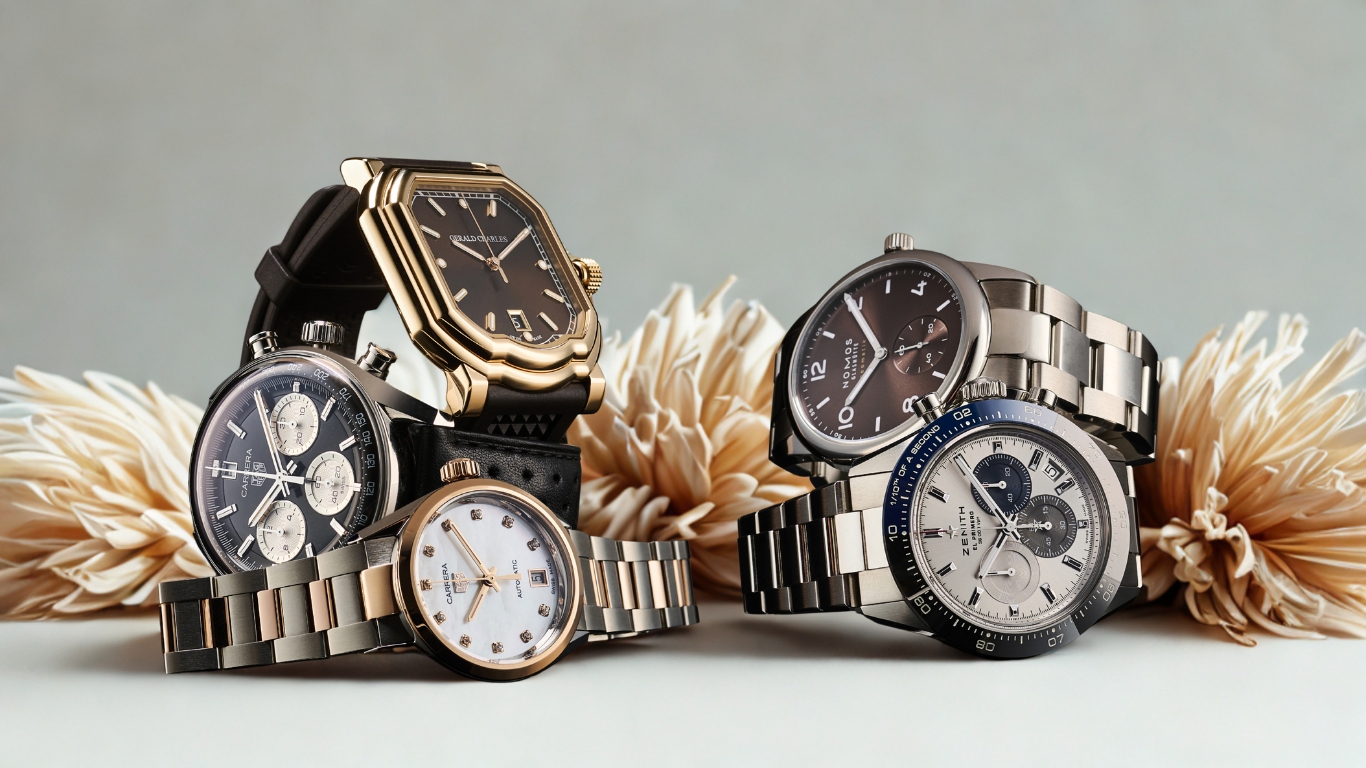
The watch market in 2026 is undergoing a sharp, K-shaped correction where trophy-level pieces from brands like F.P. Journe and rare Cartier (think the London Crash) soar at auction—Sotheby's Hong Kong pulled $53 million in 13 hours—while mid-tier steel models soften, and even gold Rolexes face pressure as precious metal prices whipsaw from $5,600 to below $4,700 an ounce. Channels like SJX Watches and the Dual Time Podcast track this divide using primary market reports from Vontobel and secondary data from EveryWatch, while Menta Watches and WatchGuys dig into auction results and retail pricing strategy, revealing that value concentration is less about brand prestige and more about scarcity, originality, and emotional buying. Roman Sharf notes Rolex's 7% price hike amid a second year of Swiss export decline, underscoring that the herd chasing hyped steel references is losing ground to collectors who understand that the real money in watches follows the rule of extreme rarity and provenance, not catalog numbers.
+Field notes
- —The market is K-shaped: superlative rarities (e.g., F.P. Journe independents, Cartier London Crash) command premiums and auction records, while bread-and-butter steel models from major brands lag—a divergence tracked by Vontobel's primary market report and EveryWatch's secondary data, per the SJX Podcast.
- —Rolex raised retail prices 7% in 2026 despite Swiss watch exports falling for a second consecutive year, indicating brands are protecting margins rather than chasing volume, as discussed on the Dual Time Podcast.
- —Sotheby's Hong Kong pulled $53 million in a single 13-hour session in April 2026, one of the strongest auction results in years, driven by trophy Cartier (notably the London Crash) and other condition-sensitive rarities, as analyzed by Menta Watches with Davidoff Brothers.
- —Gold prices crashed from over $5,600/oz to below $4,700/oz shortly after Rolex, AP, and others raised retail prices, creating a dilemma for brands over whether to adjust pricing downward—a situation Robertino from WatchGuys calls a key test of how brands respond to raw material volatility.
- —SJX Watches argues that industry market reports have limited utility for individual collectors because they aggregate broad trends, while the real value decisions come from emotional buying and specific, non-fungible watches—not financialised indices.
Discover
Where to read sharp coverage on value retention and market demand

If you want to understand which luxury watches actually hold value and why, you need to stop reading generic listicles and start following the outlets that publish real transaction-level data. Loupe's quarterly market reports track over 62,000 references across Chrono24, eBay, and dealers, giving you sell-through rates and average days on market — not just asking prices. The Hudson Index newsletter, written by dealer Danny Vassallo, offers a rare inside look at what dealers actually see in the trade-in room, including how behavioral cues determine access and pricing. BQ Watches has built its own Transaction Price Index that benchmarks Rolex families against a Q1 2024 baseline, revealing that Datejust is up 23 points while Daytona has fallen 26 points. WatchPro surfaces Morgan Stanley's value retention (VR) metric, the cleanest measure of how much above (or below) retail a watch actually trades. The Luxury Playbook ties it all together with broader market context, calling 2026 a structural transition year where condition and completeness matter more than the recovery narrative. For the sharpest view, skip the hype and go straight to the data.
+Field notes
- —Loupe's 2026 Pre-Owned Watch Market Report and Q1 2026 update track 62,000+ references and 480,000+ active listings, providing real sell-through rates and average days on market — not just asking prices. They reveal that Cartier has the fastest turnover (32 days) while IWC's Portugieser family is down 25-30%, creating genuine buying opportunities for patient dealers.
- —Hudson Index on Substack, written by Danny Vassallo, is the only source that openly discusses dealer-side dynamics like the 'trade-in illusion' — the gap between perceived value and real liquidity — and the unwritten rules of dealer access. It's the closest thing to a dealer's internal briefing, updated weekly.
- —BQ Watches publishes a quarterly Pre-Owned Market Index with a proprietary Transaction Price Index benchmarked to Q1 2024 = 100. In Q1 2026, the Rolex Datejust sat at index 123 while the Daytona collapsed to 74 — a level of reference-level precision you won't find in aggregate market reports.
- —WatchPro surfaces Morgan Stanley's value retention (VR) metric, which compares average secondary market prices to retail. Their January 2026 snapshot shows Rolex VR dropped to 6.7% (from 10.1% in October 2025) because retail price hikes outpaced secondary gains — a clear early warning that flipping is no longer viable for most models.
- —The Luxury Playbook's 2026 market report confirms that the post-2022 correction has bottomed, and that independent makers like F.P. Journe, MB&F, and De Bethune continue to outperform the broader market. Crucially, it warns that buyers should 'anchor on condition, completeness, and the precise reference rather than chasing the broader recovery narrative across the wrong references.'
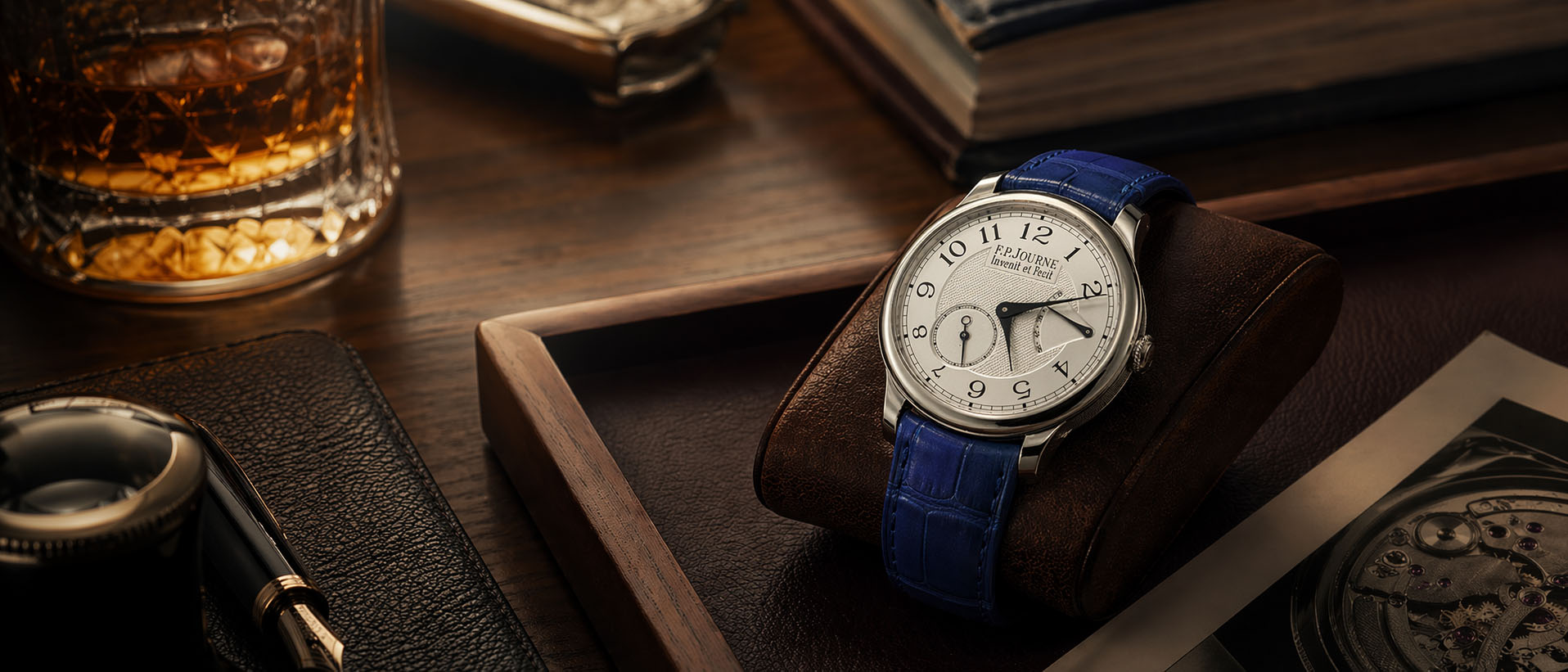
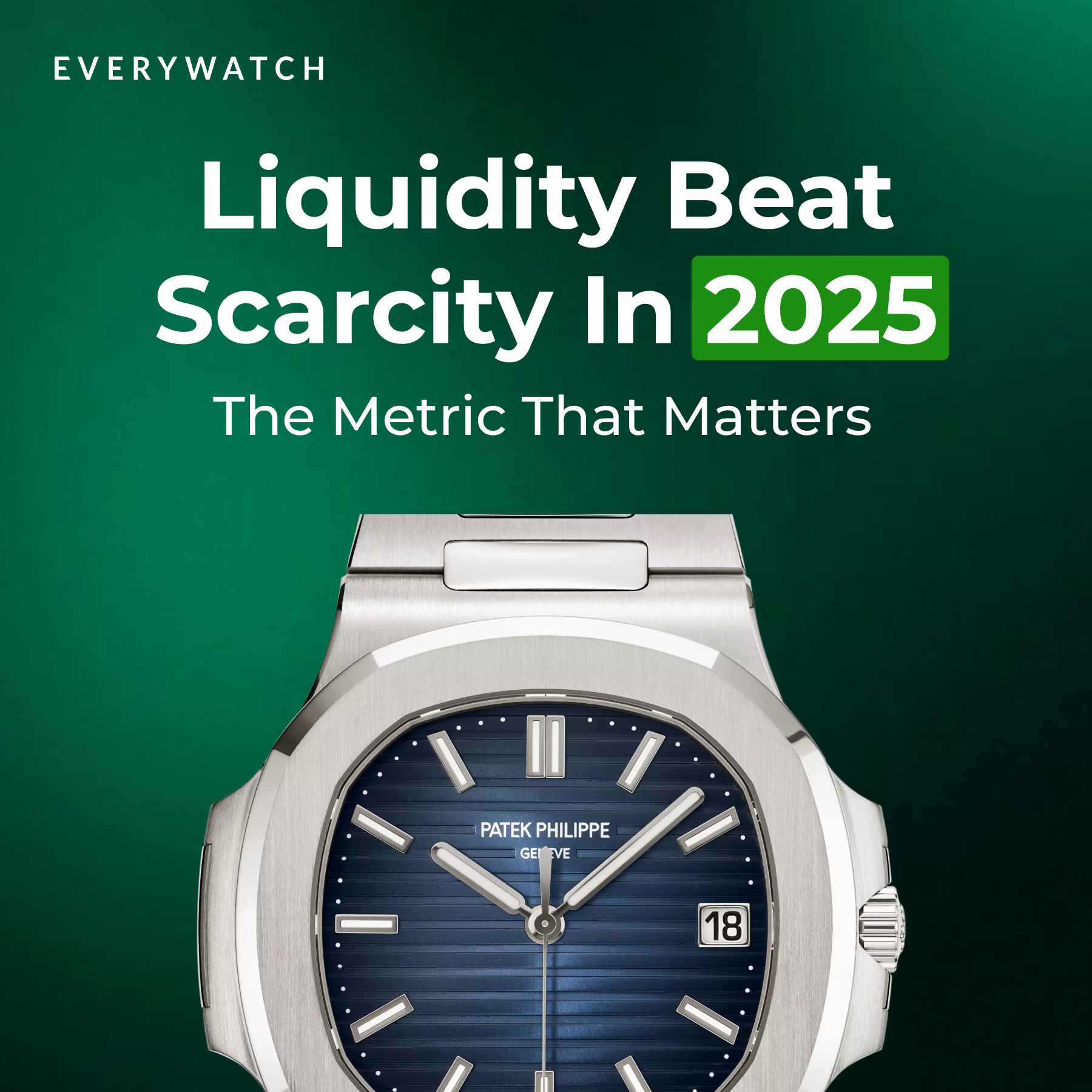
- —EveryWatch's analysis flips conventional wisdom on its head: in 2025, turnover rate (percentage of listings that sell) became a better predictor of value retention than scarcity. F.P. Journe, for example, sells in just over five weeks at a median six-figure price because its market is liquid — not because it's artificially constrained.
Explore
Where serious buyers compare pre-owned inventory
For serious value-retention buyers, the pre-owned luxury watch market operates on a granular understanding of specific references, condition nuances, and niche sales platforms that casual shoppers overlook. A Patek Philippe with the Gyromax balance wheel or annual calendar patent commands attention, yet the real action is in hunting for specific Rolex models like the two-tone Submariner Ref. 16613 'Bluesy' or the Datejust 16233 with Roman numerals, often sold on peer-to-peer sites like Poshmark or Etsy shops such as ElegantSwiss. Japanese proxy services like Buyee unlock access to over a million items through secret auctions, dramatically widening the pool beyond US listings. Authenticity is the linchpin—platforms like Vestiaire Collective highlight detailed specs down to case dimensions (33mm x 7mm) and diamond weights (0.80ct), while condition grading separates 'very good' from pristine. The savvy buyer doesn't just search for 'Rolex' but knows the exact reference and understands that bracelet stretch or a replaced leather strap can drop price by 15% or more.
 poshmark.composhmark.com
 media.buyee.jpmedia.buyee.jp
 us.vestiairecollective.comus.vestiairecollective.com
 us.vestiairecollective.comus.vestiairecollective.com
+Field notes
- —Rolex Submariner Date reference 16613, nicknamed 'Bluesy,' with its blue sunburst dial and two-tone gold/steel Oyster bracelet, is a pre-ceramic aluminum bezel model that collectors actively seek for its vintage proportions—bracelet stretch and honest wear are actually prized patina rather than flaws.
- —The Rolex Datejust 16233 with Roman numerals on a leather strap is a specific configuration that trades below its original bracelet counterpart, offering entry-level luxury at roughly $7,000 from sellers like Luxury's Closet, which bundles 15% off for multiple purchases.
- —Japanese proxy service Buyee aggregates over 60,000 luxury items monthly, including secret sealed-bid auctions where the bidding status stays private—this opaque system lets professional buyers source at wholesale-like margins by avoiding typical middleman markups.
- —Vestiaire Collective listings for an Audemars Piguet Royal Oak Lady Ref. 67621ST.ZZ.123OST.O1 show precise engineering details (33mm case, 7mm thickness, Grande Tapisserie dial) and seller location (Slovenia), underscoring how international peer-to-peer sales require trusting condition ratings and authentication promises.
- —Patek Philippe's historical patents—like the Gyromax balance wheel and annual calendar—are hallmarks that value-focused buyers look for in pre-owned pieces, but Vestiaire Collective data shows zero Patek Philippe listings available, signaling how rapidly these references sell when they appear.
- —Etsy shop ElegantSwiss, based in New York with 96 sales, positions itself as a discount source for authentic luxury watches, suggesting that even non-specialist platforms can yield serious finds if you know the seller's track record and pricing strategy.
Keep exploring
More of Luxury Watches That Hold Value

Branch out
Beyond Luxury Watches That Hold Value
More to explore
In the same world.

Vintage Rolex Watches
Vintage Rolex collecting revolves around older references whose value is tied not just to the model name, but to origina…
Best First Luxury Watch
A first luxury watch is less about chasing a single “best” model than making a high-stakes first purchase with clear tra…
Best Luxury Quartz Watches
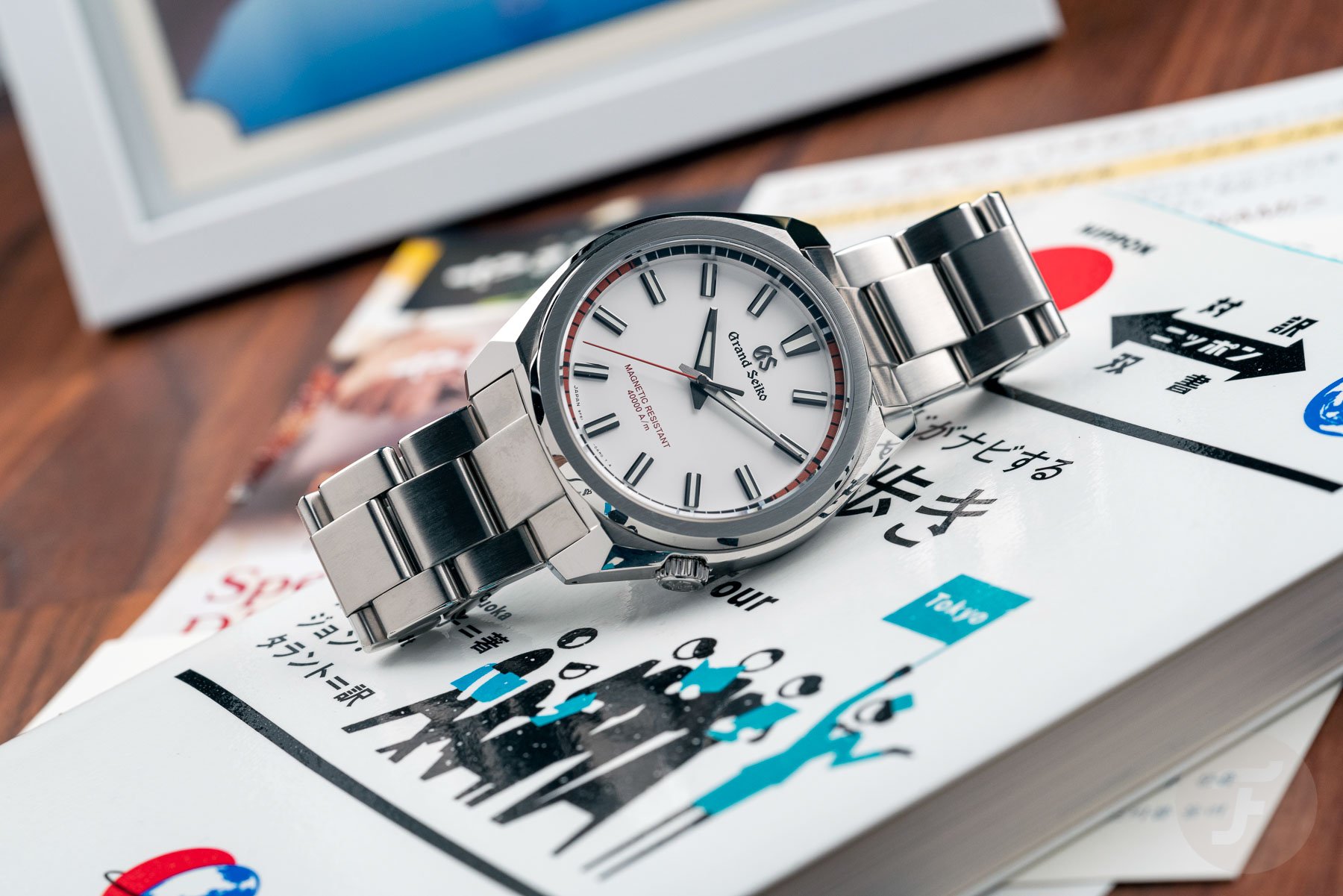
Luxury quartz watches sit in the part of watch collecting where convenience, finishing, and accuracy matter just as much…

Audemars Piguet
Audemars Piguet is a Swiss luxury watchmaker rooted in Le Brassus in the Vallée de Joux, where the brand says its craft…

Affordable Watches Under $500 That Still Feel Like the Real Thing
At the sub-$500 mark, watch buyers are not just chasing low prices—they are looking for the point where finishing, relia…
Vintage Watch Hunting
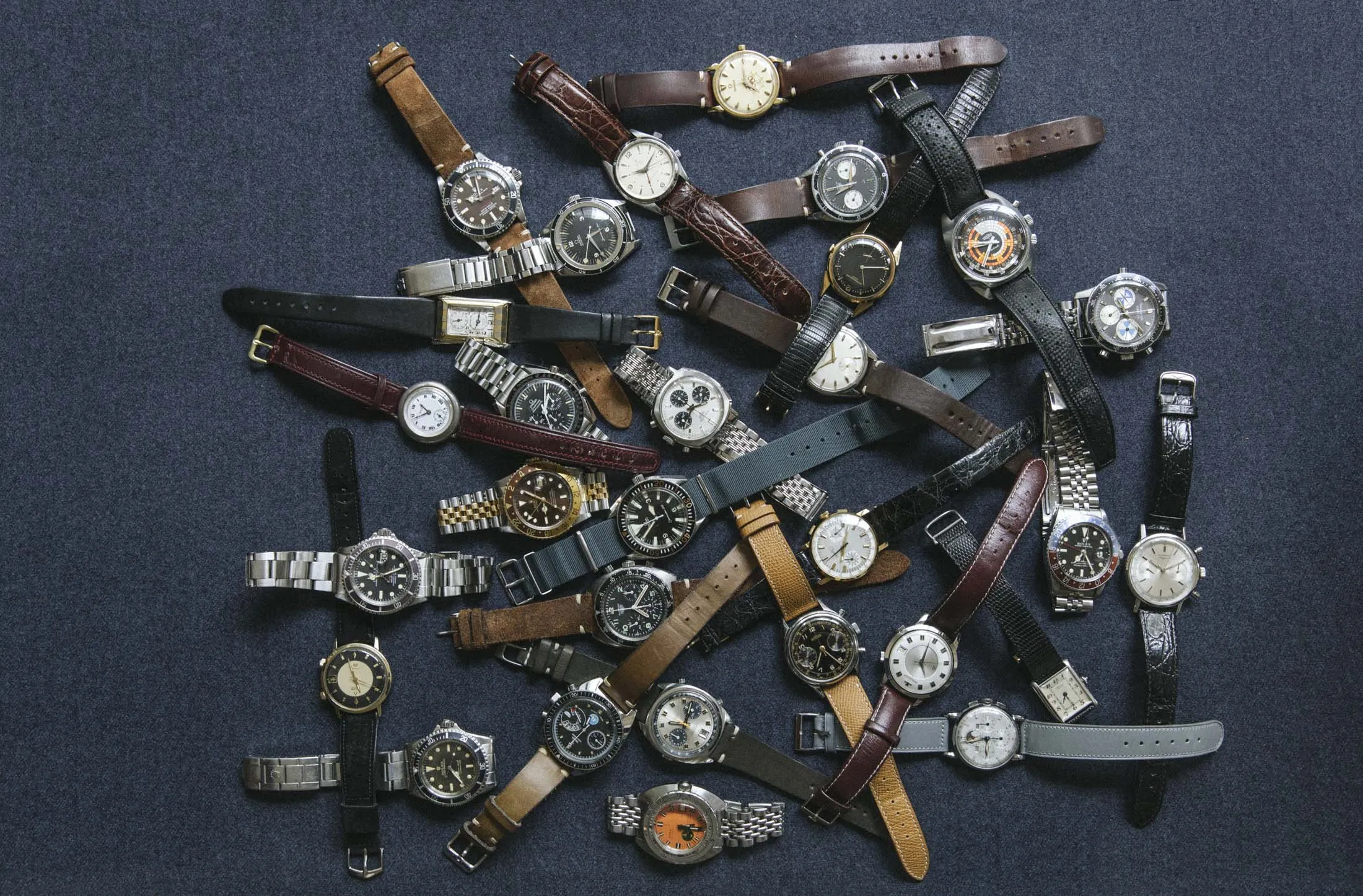
Vintage watch hunting is the search itself as much as the object: scanning eBay, dealer aggregators, flea markets, resal…
Vintage Rolex Submariner
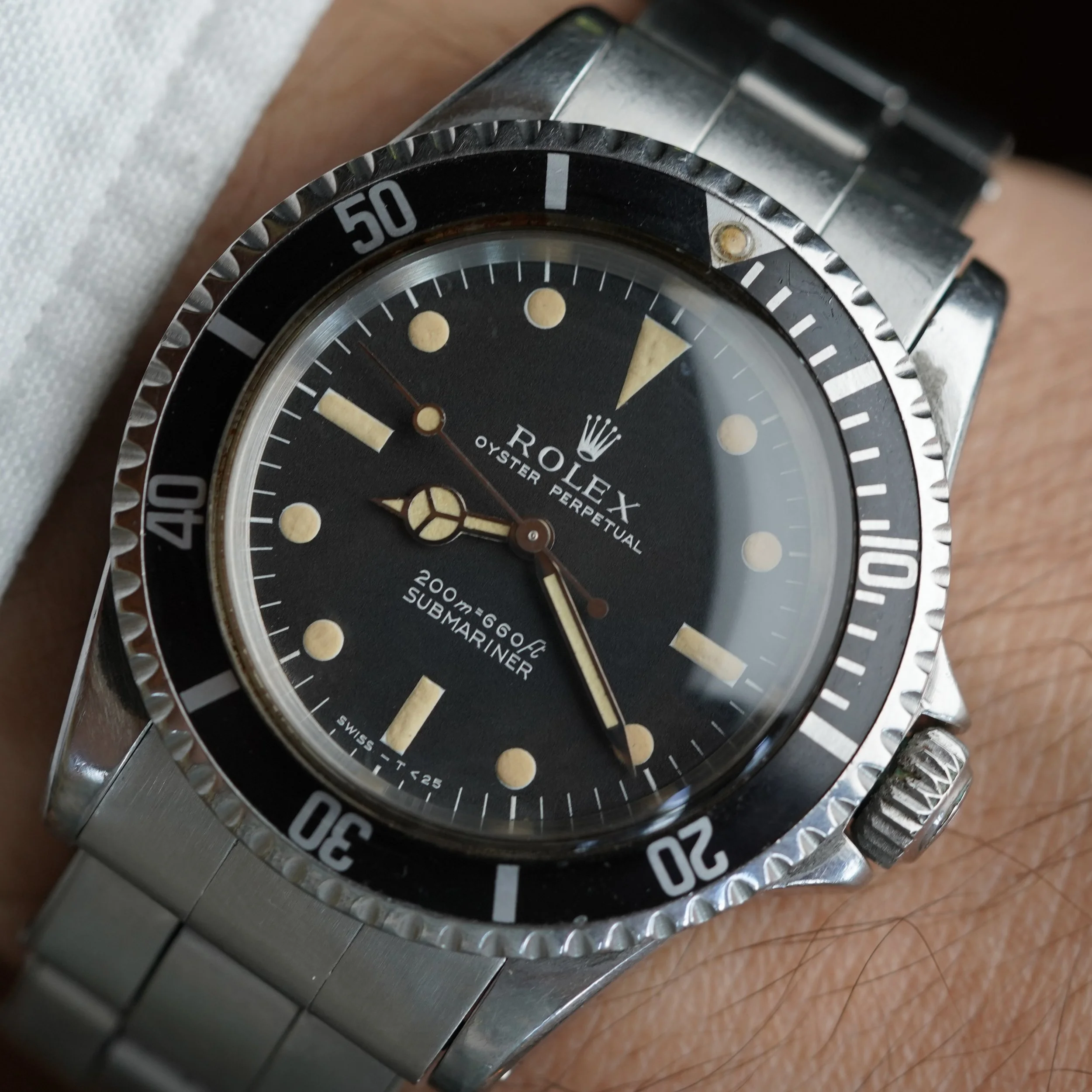
When Rolex introduced the Submariner in 1953, it permanently defined what a dive watch could be — a purpose-built tool t…
Mechanical Watches
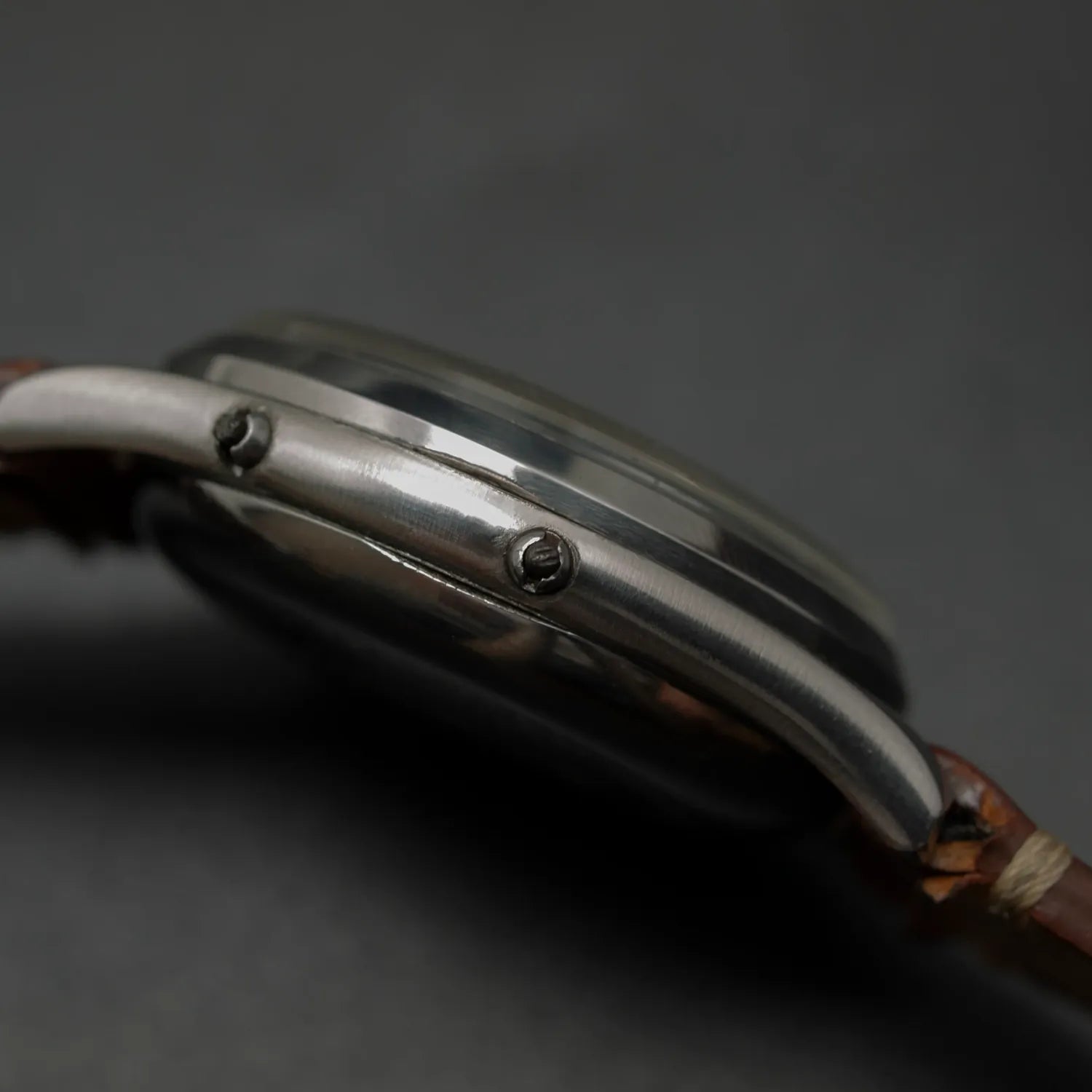
Mechanical watches run on a clockwork movement powered by a mainspring, with energy delivered through gears to a balance…
More in Watches & Horology
Stay in this world.
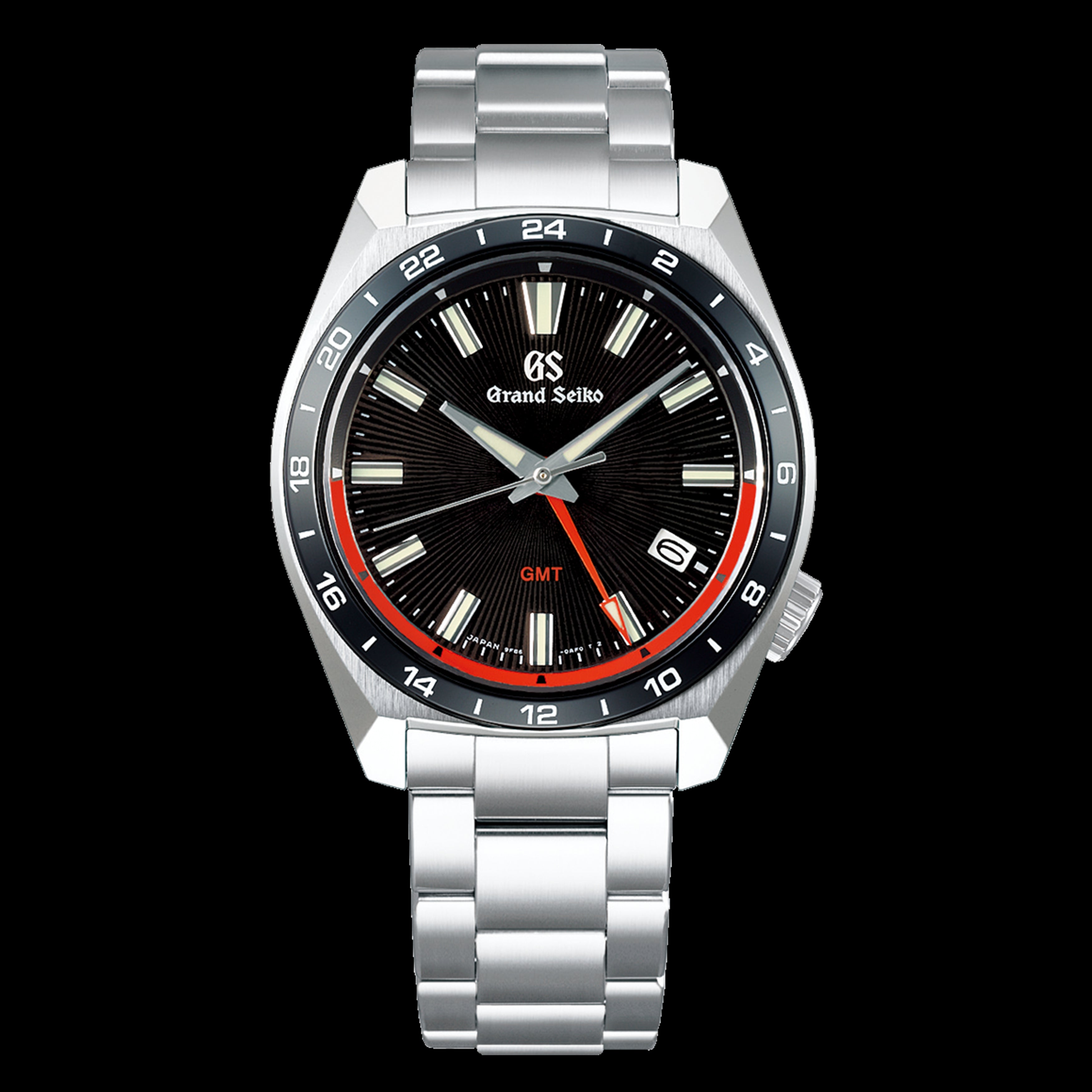
Grand Seiko SBGN001 9F GMT

Rolex Deepsea
Vintage Watch Hunting

Rolex Deepsea
Best Luxury Quartz Watches

Skeletonized Haute Horlogerie
Best First Luxury Watch
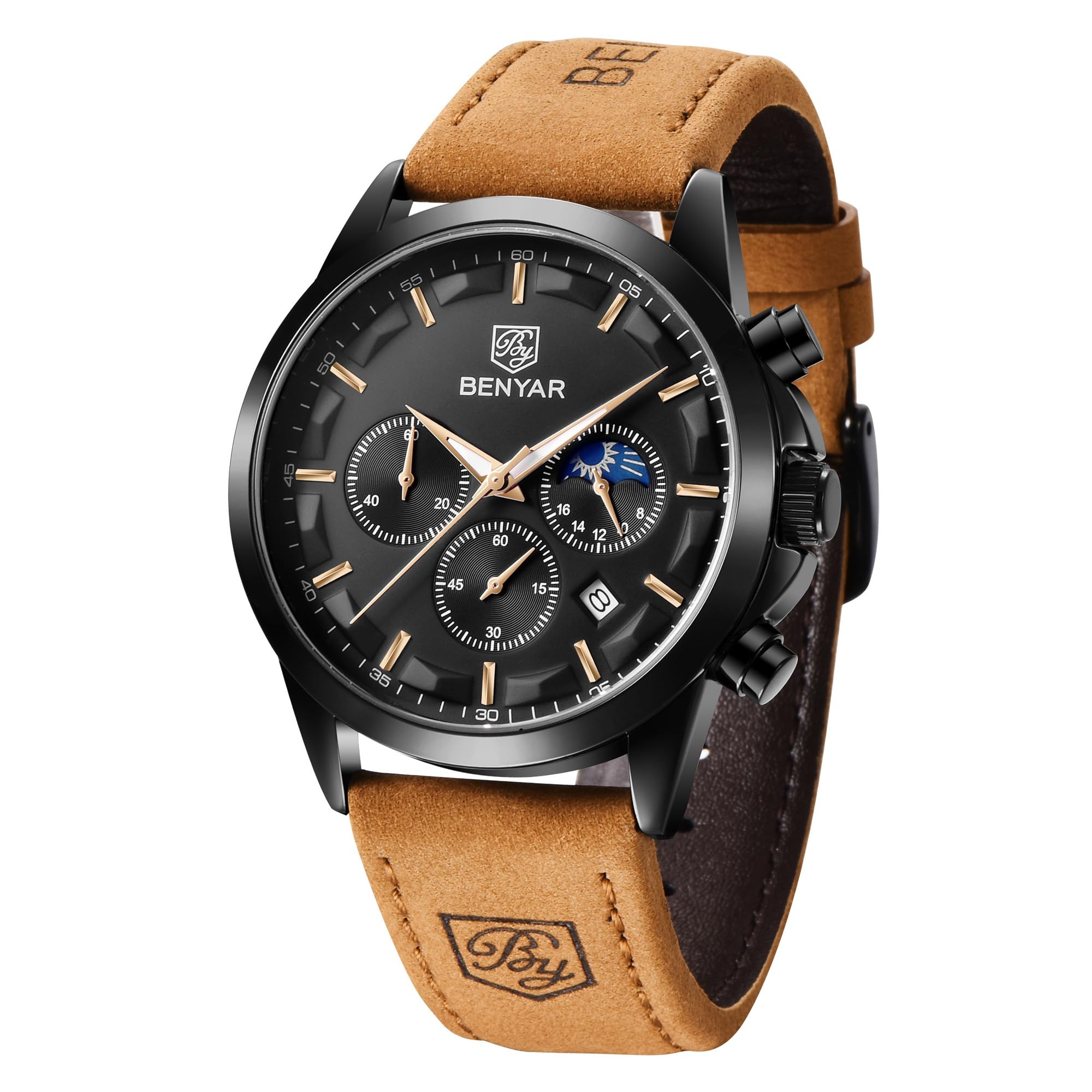
Benyar Watches
Imagery
Know someone who’d love this?
Discovered by ArcurianAuto-generated from public sources and AI synthesis — it may be incomplete or inaccurate. Treat it as a starting point for your own exploration, not professional (medical, legal, financial, or safety) advice. Verify anything you act on. Report this page.