Code 11.59 is Audemars Piguet’s contemporary round-cased collection, revealed in 2019 as a platform for both new design language and a wide spread of complications. What makes it matter is the tension at its core: a watch that reads as classic from the front but is built around an unconventional architecture, with a round bezel and caseback framing an octagonal middle case, plus signatures like openworked lugs and, in some models, two-tone mixes of gold and black ceramic. The line spans everything from straightforward selfwinding pieces to flyback chronographs powered by the in-house Calibre 4401, and it was widely discussed as AP’s bold move beyond the gravitational pull of the Royal Oak. If you want to understand modern high-end watch culture at its most opinionated, Code 11.59 is one of the clearest case studies.
Learn
Why Code 11.59 Is More Than “AP’s Round Watch”
Audemars Piguet’s Code 11.59, launched in 2019, was initially dismissed as a bland round watch, but its true genius lies in a radically complex case architecture that hides an octagonal middle beneath a round bezel, with lugs welded only to the top of the bezel to create a floating effect. The collection debuted with 13 references and six entirely new in-house movements, including AP’s first integrated flyback chronograph (Caliber 4401), and has since expanded to include 38mm sizes, ceramic mid-cases, and the Ultra-Complication Universelle RD#4, which won the Aiguille d’Or at GPHG 2023. The double-curved sapphire crystal—concave inside, convex vertically—produces optical depth that photos can’t capture, while the galvanically grown gold logo on lacquer dials serves as both a design flourish and an anti-counterfeiting measure. Far from a one-off experiment, the collection has matured into AP’s most technically ambitious platform, proving it can exist beyond the Royal Oak’s shadow.

 watchguys.comwatchguys.com


+Field notes
- —The Code 11.59’s case is a three-part construction: a round bezel sits atop a hidden octagonal middle case (a deliberate nod to the Royal Oak), with lugs welded only to the upper bezel, making the watch appear to float on the wrist.
- —The double-curved sapphire crystal is concave on the dial side and convex vertically from 12 to 6 o’clock, creating an optical depth effect that flat photographs fail to convey; it’s thinner at the center and thicker at the edges, akin to a high-end camera lens.
- —The collection launched in 2019 with 13 references and six entirely new in-house movements, including AP’s first integrated flyback chronograph caliber (4401), yet most negative attention focused on the entry-level three-hand model rather than the technical tour de force.
- —The AP logo on the dial is not printed or applied but galvanically grown from 18K gold onto the lacquer surface, adding depth and serving as a built-in anti-counterfeiting feature.
- —The Ultra-Complication Universelle RD#4, a Code 11.59 variant with 40 functions and 23 complications, won the Aiguille d’Or Grand Prix at GPHG 2023—watchmaking’s highest honor—vindicating the collection after its controversial debut.
- —Despite initial backlash, the collection now offers stainless steel (introduced in 2023), 38mm rose gold, and black ceramic mid-case options, proving AP’s commitment to evolving the line beyond its 41mm gold-only origins.
Learn
The 2019 Launch and the Debate It Sparked
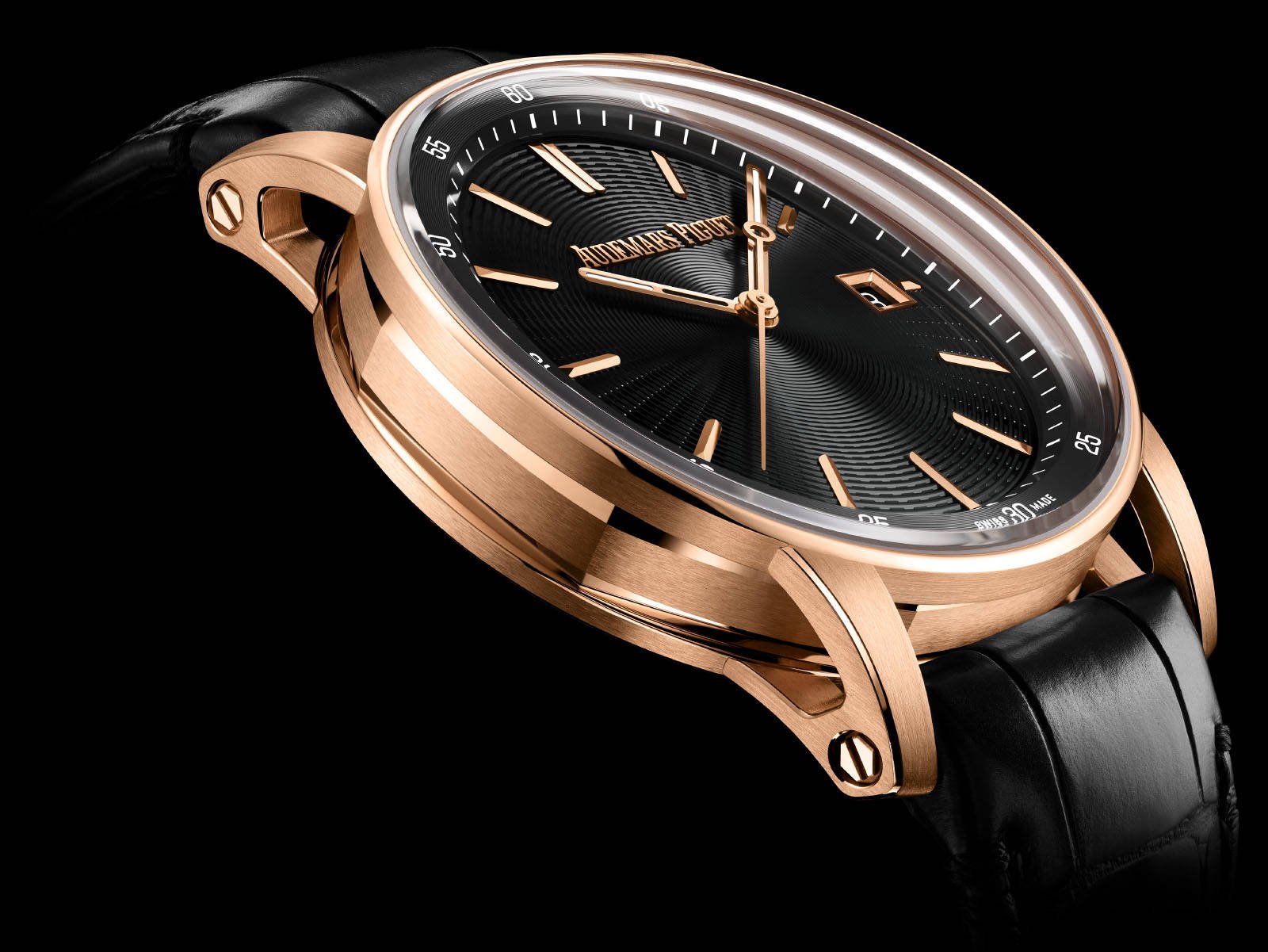
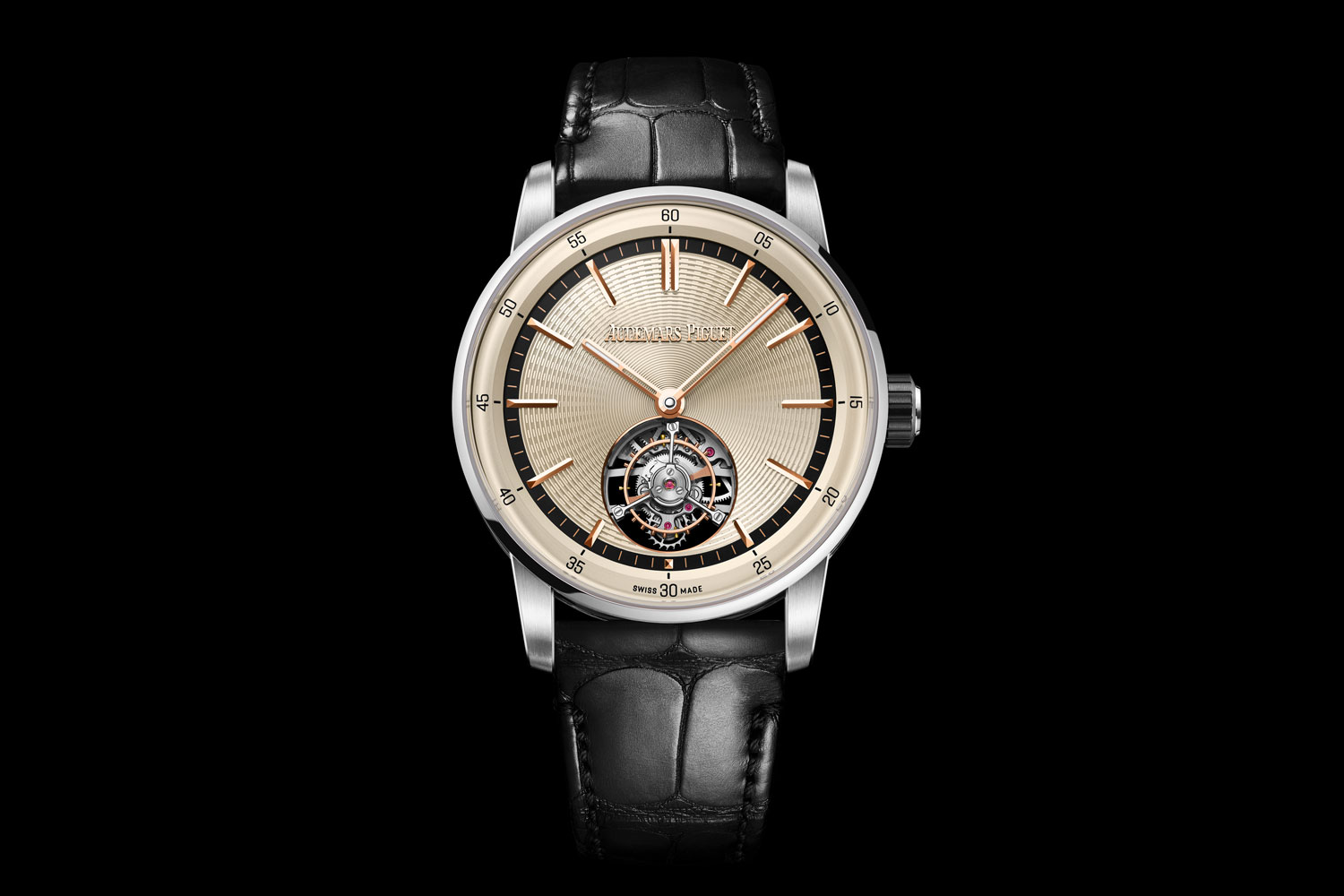
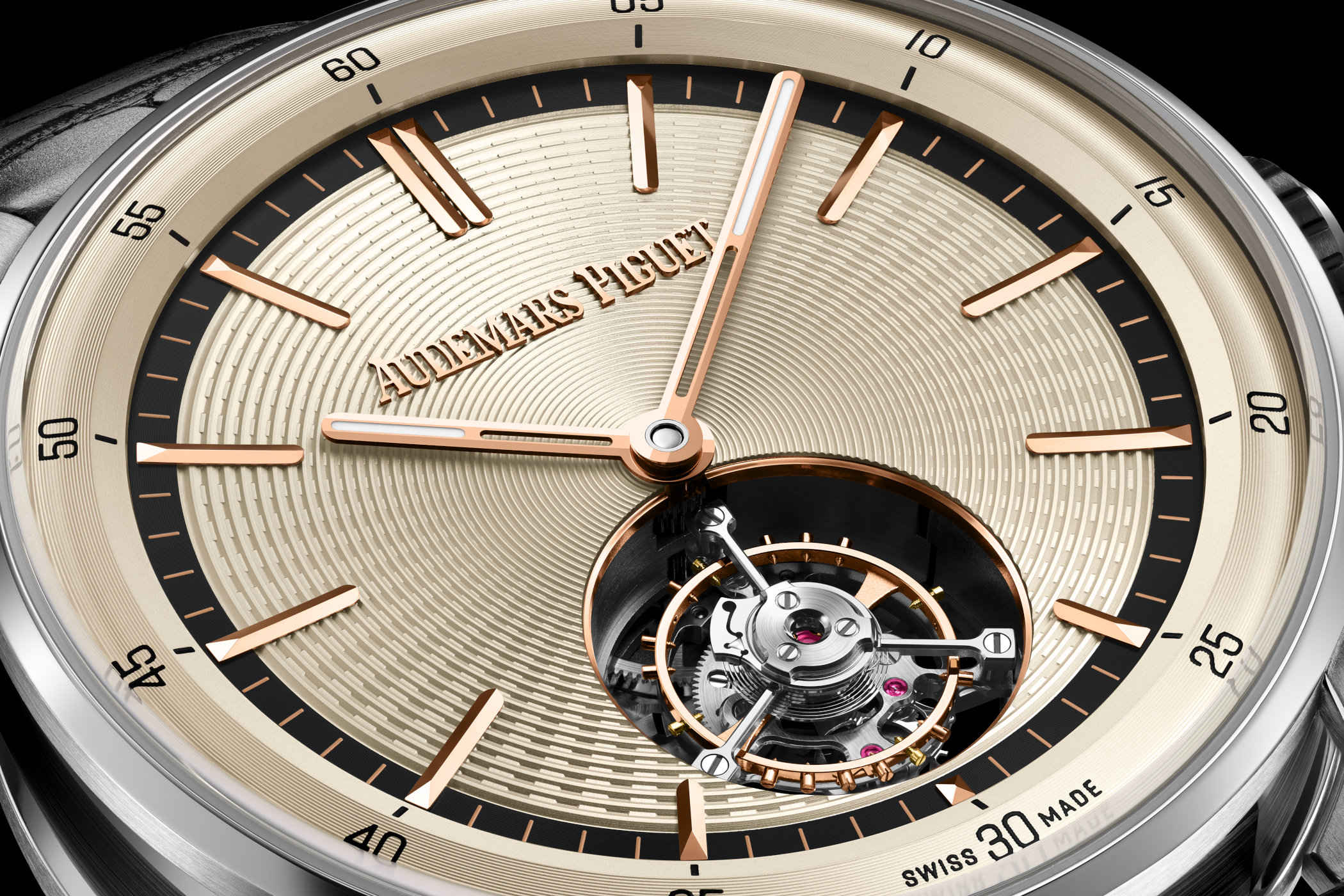
When Audemars Piguet unveiled the Code 11.59 collection at SIHH 2019, it was the brand's most ambitious launch since the Royal Oak in 1972 — 13 references across six models, three brand-new in-house calibres, and a radically new case architecture that married a round bezel with an octagonal mid-case and floating lugs. CEO François-Henry Bennahmias had spent seven years developing the collection as a deliberate move to diversify beyond the Royal Oak, which had come to define (and confine) the brand. But the internet response was swift and brutal: hundreds of sneering Instagram comments, turd emojis, and the nickname 'the Royal Joke' appeared before most critics had even seen the watches in person. Much of the vitriol focused on the entry-level three-hand date model, which was admittedly plain, while the true technical hero — the in-house integrated chronograph caliber 4400 — was largely ignored. Within days, Bloomberg declared the launch a 'dud,' and even enthusiasts who genuinely liked the design felt afraid to say so publicly. The backlash underscored a deeper tension in watch culture: the same social media ecosystem that democratized horological knowledge also enabled a pile-on that punished innovation before it had a chance to breathe.

 revolutionwatch.comrevolutionwatch.com
+Field notes
- —The collection launched with 13 references across six sub-collections, from a simple three-hand date to a minute repeater, powered by three entirely new in-house movements — including the caliber 4400 integrated automatic chronograph, which later made its way into the Royal Oak line.
- —The case design is a clever hybrid: from above it appears round, but a side view reveals an octagonal mid-case with lugs that attach to the bezel and merely rest against the case bottom, creating a floating effect that AP said took years to perfect.
- —Online critics unleashed turd emojis and the nickname 'the Royal Joke' within hours of the reveal, before any hands-on reviews; one Instagram account's abuse was even projected on a screen at the Dubai Watch Week Horology Forum while panellists looked on.
- —Much of the hatred was misdirected at the simplest three-hand entry model, which was never intended to be the collection's hero — the real star was the in-house chronograph movement (caliber 4400), but the brand failed to steer the narrative toward it.
- —CEO François-Henry Bennahmias called Code 11.59 'the biggest launch since 1972,' and AP had spent seven years on R&D to create a new pillar that would reduce the company's overwhelming dependence on the Royal Oak, which brought in the bulk of sales.
- —The launch was accompanied by an unprecedented marketing blitz — Geneva airport was decorated with the collection's pink forest campaign artwork, and the galvanic growth process used to craft the gold logo got its own segment during the reveal.
Learn
The Terms Collectors Use: 4401, Two-Tone Cases, Ceramic Middles
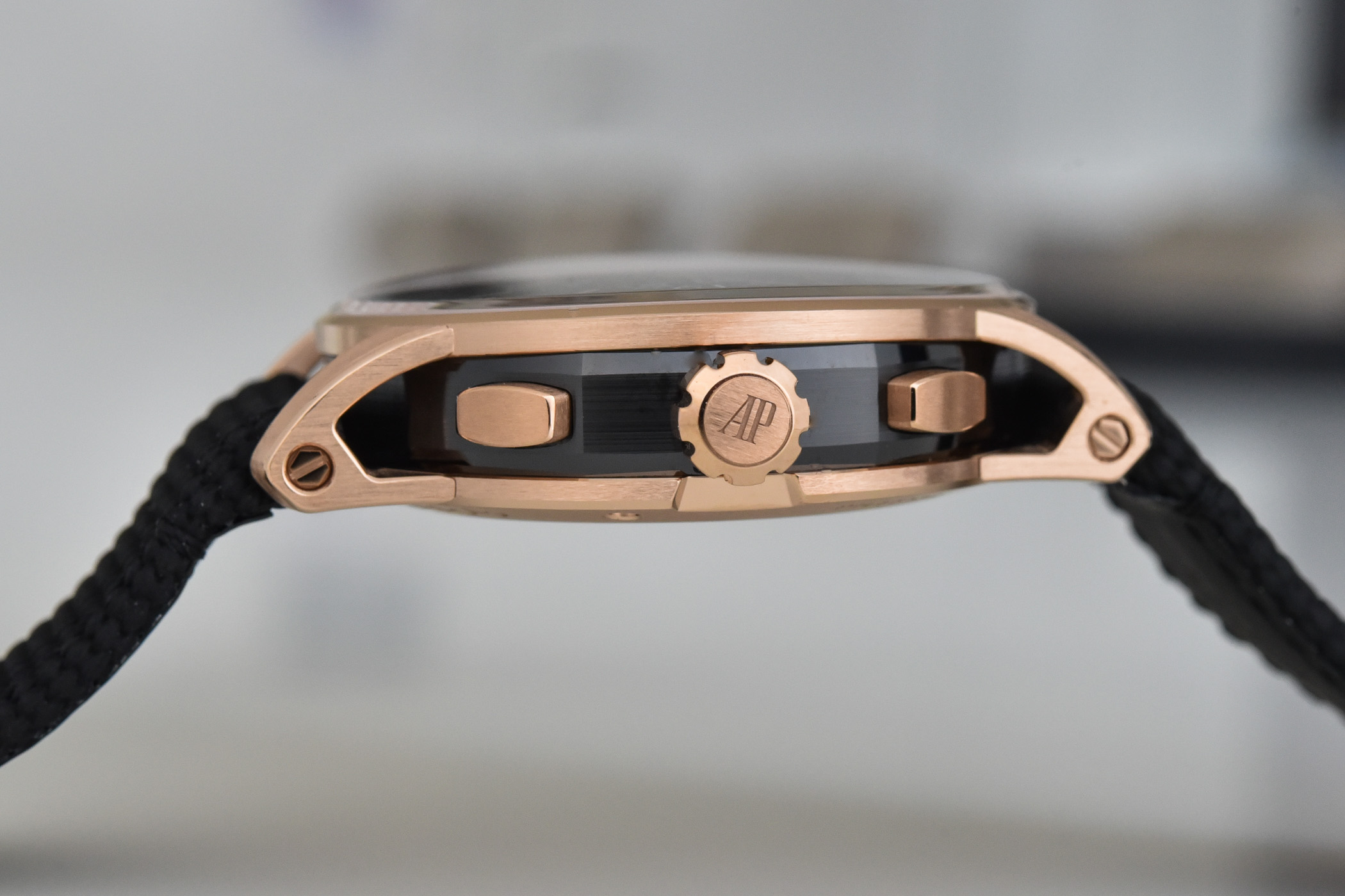
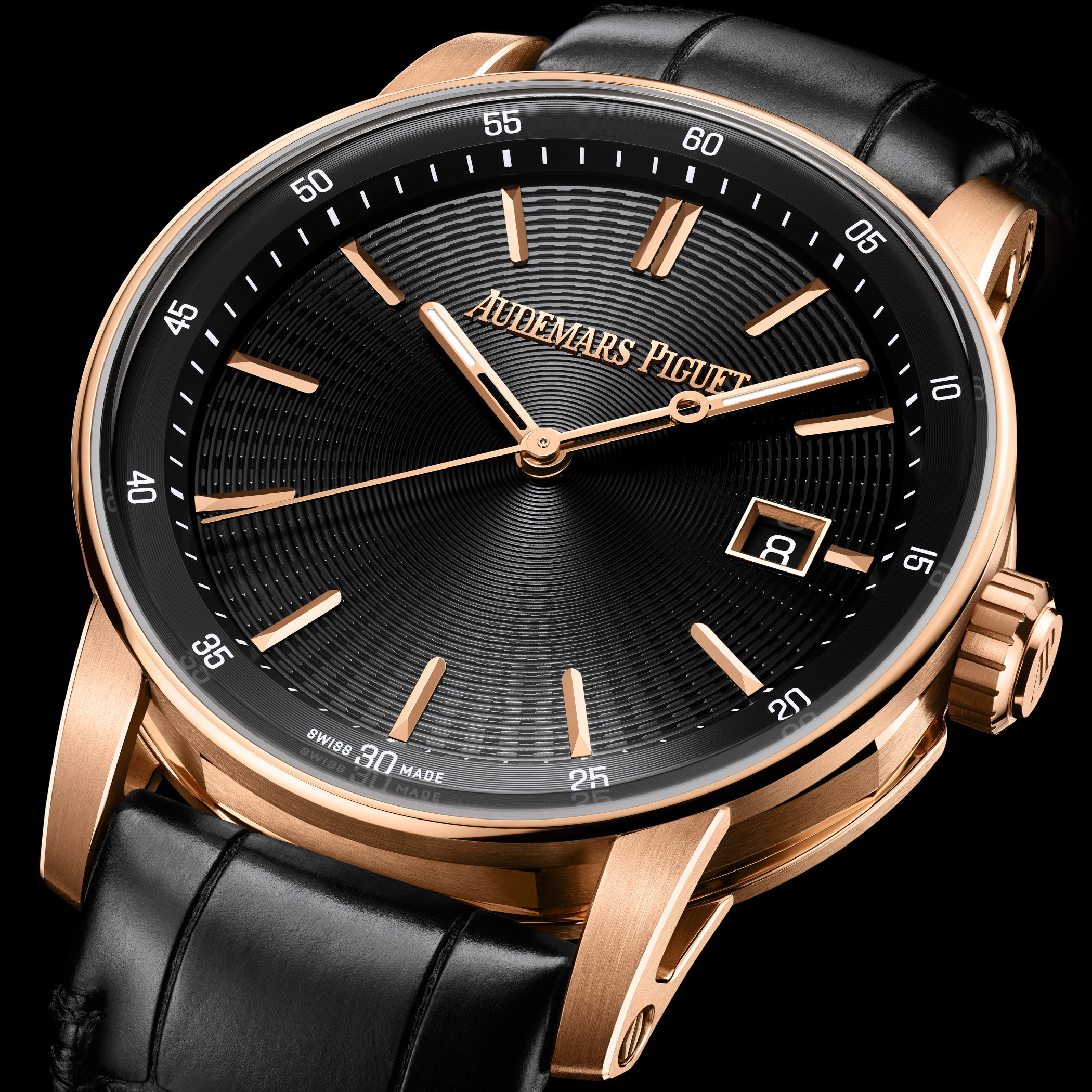
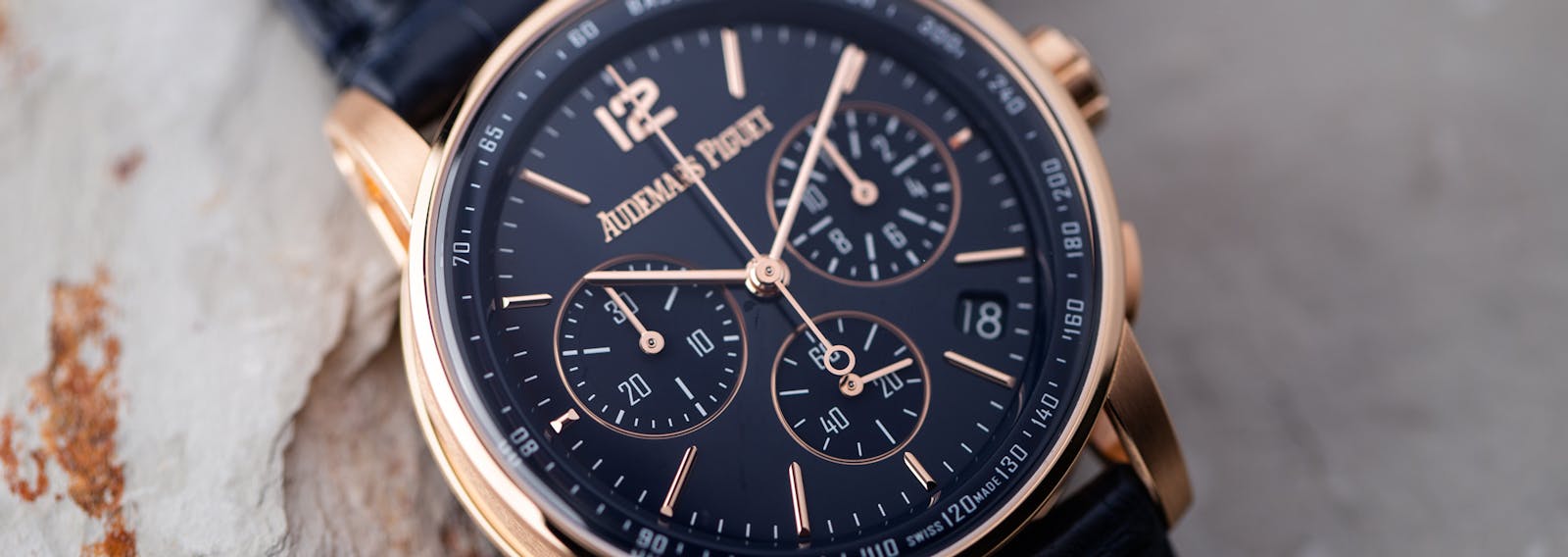
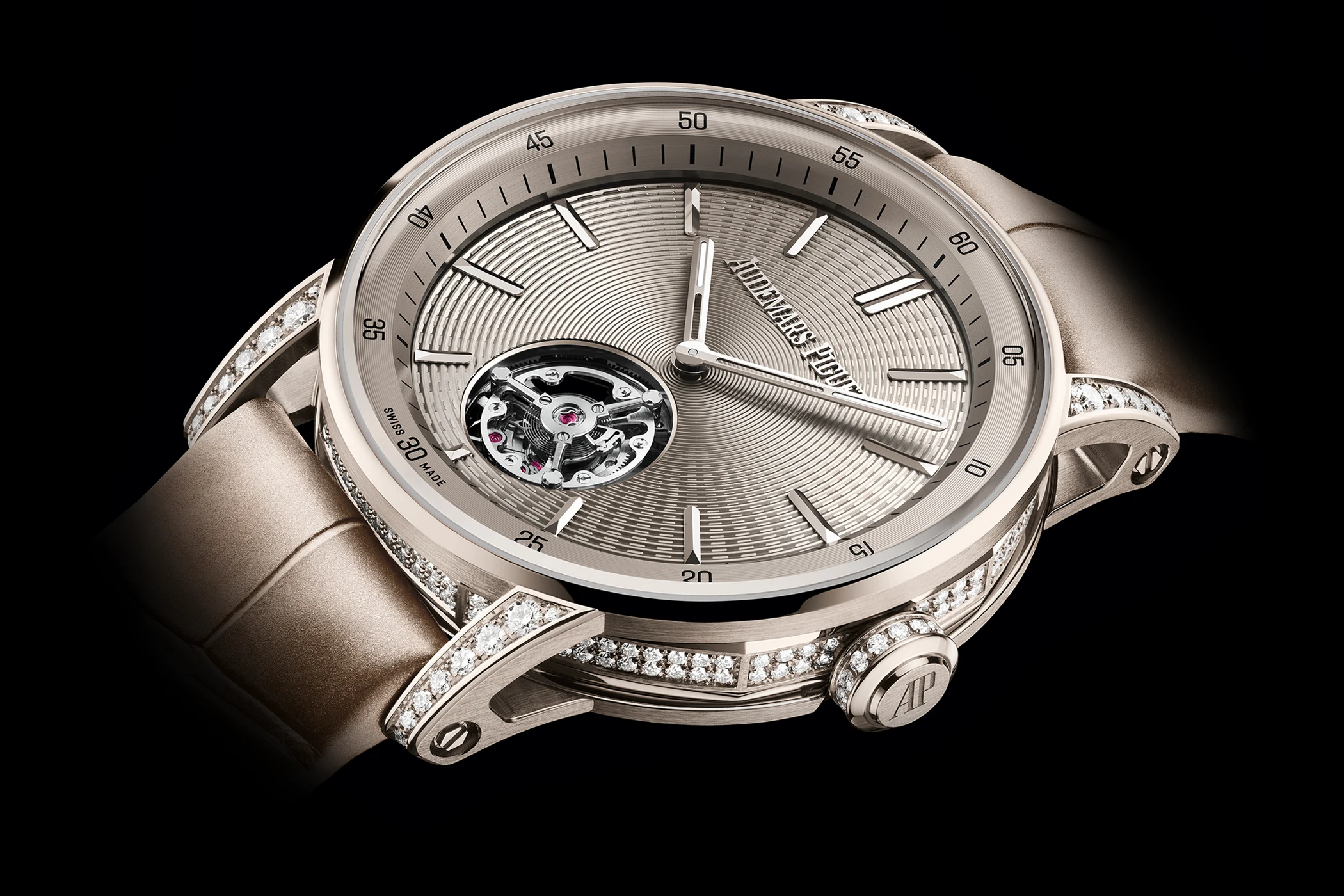
The Code 11.59 Selfwinding Chronograph, particularly in its two-tone gold-and-black-ceramic guise, is where Audemars Piguet’s technical audacity truly lands. Collectors key in on the in-house Calibre 4401 — AP’s first fully integrated chronograph movement, finally replacing the module-based calibres that had long served the Royal Oak line. It beats at 4 Hz with a 70-hour power reserve, packs a column wheel and flyback function, and feels as crisp as a $40,000 watch should. But the real talking point is the case: a three-part construction with an octagonal middle case machined from zirconium oxide ceramic by the Swiss specialist Bangerter. That ceramic is sintered at roughly 1,400°C, shrinking by about 25%, then finished with diamond tools before being framed by 18-carat white or pink gold bezel, lugs, and caseback. The vertical satin-brushing on the dial is deliberately aligned with the case’s *traits tirés* — a detail that screams the level of hand-finishing obsession that separates these references from the earlier, all-metal Code 11.59 models. For anyone following AP, the “4401” and “ceramic middle” aren’t just specs; they’re the collectors’ shorthand for a watch that finally answered the question of what a modern, non-Royal Oak AP could be.
 monochrome-watches.commonochrome-watches.com
+Field notes
- —Calibre 4401 is Audemars Piguet’s first in-house integrated chronograph movement, replacing the older module-based chronographs used in Royal Oak and Offshore variants; it runs at 4Hz with a 70-hour power reserve.
- —The two-tone case pairs an 18-carat white or pink gold bezel, lugs, and caseback with a black ceramic octagonal middle case — a material and construction first for the Code 11.59 collection.
- —The black ceramic middle case is produced in collaboration with Swiss family-owned company Bangerter, using zirconium oxide powder with a secret binder, sintered at approximately 1,400°C, shrinking by about 25%, then machined with high-precision diamond tools.
- —Calibre 4401 features a column wheel and flyback function, allowing the chronograph to be restarted without first stopping or resetting it — a refinement collectors had long demanded from AP.
- —The vertical satin-finishing on the dial is meticulously aligned with the case’s polished and brushed surfaces (the *traits tirés*), a detail that required new manufacturing processes to marry the ceramic and gold components seamlessly.
Discover
Video Reviews That Actually Examine the Case Architecture


The Code 11.59 by Audemars Piguet is a polarizing collection that, beneath its controversial exterior, hides a meticulously engineered case architecture often overlooked by casual critics. Video reviews that truly drill into the construction reveal a three-piece case—separate lugs, middle case, and bezel—that creates layered depth and an unexpected lightness on the wrist. The double-curved sapphire crystal, a technical marvel, distorts light uniquely across its domed surface, while the indices are crafted from solid gold, not painted or plated. Inside, the integrated calibers like the 4401 automatic chronograph movement are finished to haute horlogerie standards, visible through the sapphire caseback. These details, when examined closely, refute the lazy claim that the Code 11.59 is merely a derivative design.
+Field notes
- —The case is a true three-piece construction—separate lugs, middle case, and bezel—designed to create visual depth and a lighter wear than its chunky Royal Oak sibling.
- —The double-curved sapphire crystal is a defining architectural feature: it bulges outward in two axes, producing a distinctive distortion that changes with viewing angle.
- —The hour markers are cut from solid gold—not applied metal or paint—adding subtle heft and a warm, uncompromising premium feel.
- —Inside, the caliber 4401 (in the chronograph versions) is an integrated automatic movement with a column wheel and flyback function, finished with Geneva stripes and perlage visible through the exhibition caseback.
- —Despite early criticism of the design, the case architecture incorporates hidden complexity: the lugs are hollowed out to lighten the silhouette, and the bezel is polished to contrast the brushed middle case.
Discover
The Best Written Takes: From Buyer’s Guides to Opinion Pieces


The Audemars Piguet Code 11.59, launched at SIHH in January 2019, was the brand's most ambitious new collection since the Royal Oak, designed explicitly to break its decades-long dependence on that octagonal icon. The name itself is an acronym—Challenge, Own, Dare, Evolve—paired with "11.59" symbolizing the minute before midnight and the anticipation of what comes next. Its case is a masterclass in hidden complexity: a round bezel sits atop an octagonal middle case, with open-worked lugs that attach only at the top of the ultra-slim bezel, creating the illusion the watch floats on the wrist. The double-curved sapphire crystal—concave on the inside and convex from 6 to 12—generates an optical depth that photographs struggle to capture. The reception was famously polarizing: watch journalist Adam Craniotes noted that every element was finished to exacting standards, yet the watch lacked a clear identity—was it a dress watch or a sports watch? Over time, however, the collection has won respect. The Ultra-Complication Universelle RD#4 took the Aiguille d'Or Grand Prix at GPHG 2023, watchmaking's highest honor, validating what critics initially dismissed. The launch itself was a technical tour de force: 13 references powered by six entirely new movements, including the first integrated flyback chronograph caliber 4401 and the new automatic perpetual calendar caliber 7138. For collectors, the arc from controversial debut to critical acclaim offers one of the most compelling narratives in contemporary horology.
+Field notes
- —The Code 11.59's name is a deliberate acronym: Challenge, Own, Dare, Evolve. The '11.59' references the minute before midnight, symbolizing anticipation for the new day and the brand's forward-looking philosophy.
- —The case is a three-piece 'sandwich' construction with screws running from the caseback through the middle section into the bezel, creating exceptional structural rigidity. This design was inspired by a 1945 platinum frameless prototype from AP's archives.
- —The double-curved sapphire crystal is thinner at the center and thicker at the edges, eliminating visual distortion like a high-end camera lens. It's concave on the underside and convex vertically from 12 to 6 o'clock.
- —At launch in 2019, the collection comprised 13 unique references powered by six entirely new in-house calibers, including the integrated flyback chronograph caliber 4401 and the automatic perpetual calendar caliber 7138.
- —The Ultra-Complication Universelle RD#4, with 40 functions and 23 complications, won the Aiguille d'Or Grand Prix at GPHG 2023—watchmaking's highest honor—validating the collection's technical ambition after its controversial debut.
- —Watch journalist Adam Craniotes noted that the Code 11.59 had a split identity at launch: the thin hands and indices suggested a dress watch, but the generous dimensions and chronograph complications made a stronger case for a sports watch—a tension that polarised collectors.
Keep exploring
More of Audemars Piguet Code 11.59


Branch out
Beyond Audemars Piguet Code 11.59
More to explore
In the same world.

Audemars Piguet
Audemars Piguet is a Swiss luxury watchmaker rooted in Le Brassus in the Vallée de Joux, where the brand says its craft…

Blancpain Villeret
The Blancpain Villeret collection is the brand’s dress-watch center of gravity: restrained white dials, slim round cases…

Piaget Reference 9801
Piaget reference 9801 appears in the market as a small 27mm manual-wind dress watch, often in 18k gold and frequently in…
Skeletonized Haute Horlogerie
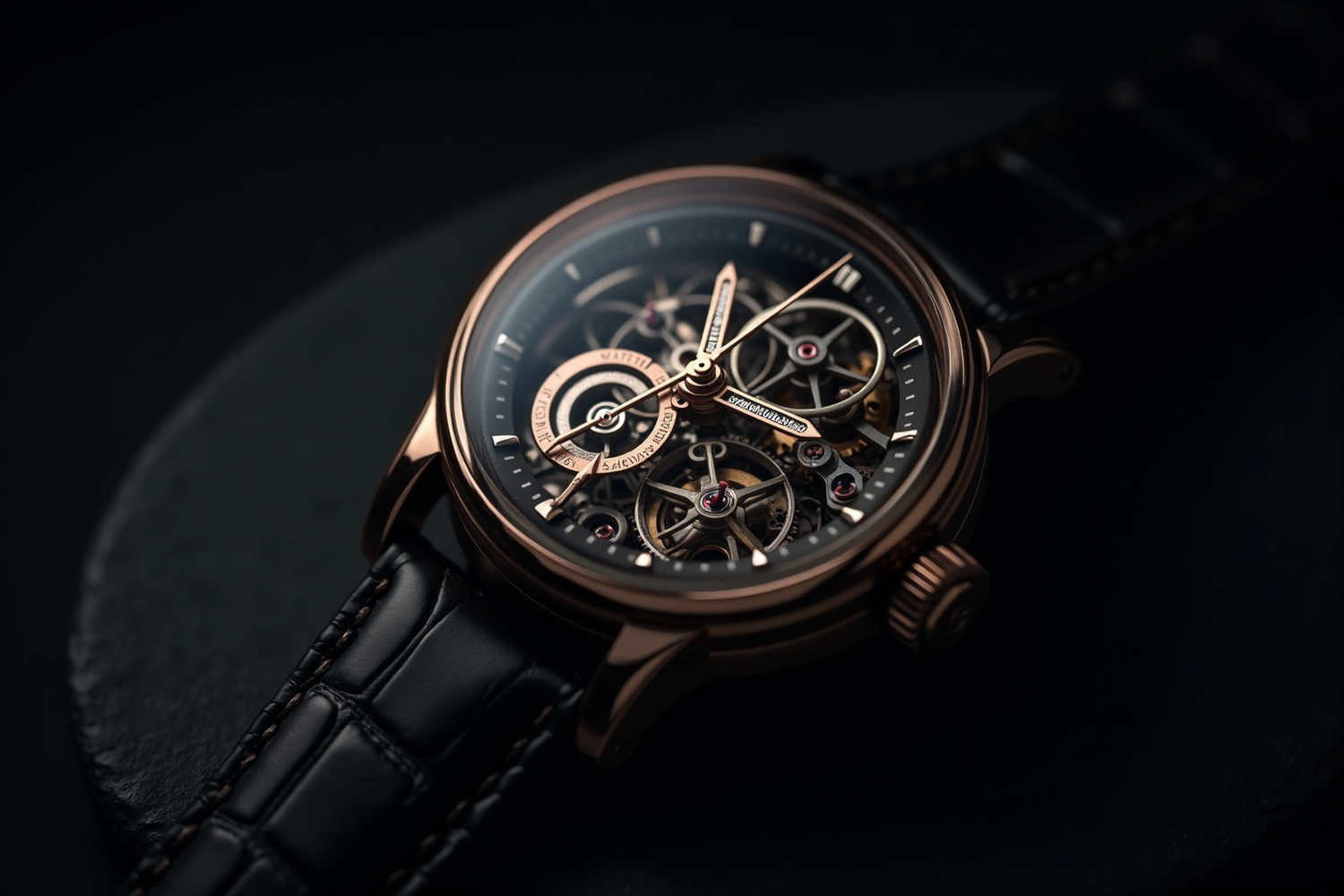
This corner of watchmaking is about turning the movement itself into the dial, then finishing it so the mechanics are no…

Vintage Rolex Watches
Vintage Rolex collecting revolves around older references whose value is tied not just to the model name, but to origina…

Breitling Navitimer
The Breitling Navitimer is a mechanical chronograph defined by aviation use and its signature circular slide rule, a fea…

Best Luxury Quartz Watches
Luxury quartz watches sit in the part of watch collecting where convenience, finishing, and accuracy matter just as much…

Blancpain Fifty Fathoms
The Blancpain Fifty Fathoms is the brand’s long-running diver’s-watch family, spanning core Fifty Fathoms Automatique mo…
More in Watches & Horology
Stay in this world.

Grand Seiko SBGN001 9F GMT

Rolex Deepsea

Vintage Watch Hunting

Rolex Deepsea

Luxury Watches That Hold Value
Best Luxury Quartz Watches
Skeletonized Haute Horlogerie
Best First Luxury Watch
Imagery
Know someone who’d love this?
Discovered by ArcurianAuto-generated from public sources and AI synthesis — it may be incomplete or inaccurate. Treat it as a starting point for your own exploration, not professional (medical, legal, financial, or safety) advice. Verify anything you act on. Report this page.