Fly fishing is an angling method built around casting an ultra-light artificial fly with specialized tackle, because the fly itself is too light to cast the way you would with conventional gear. That simple difference changes everything: the fly line carries the cast, presentation matters as much as distance, and anglers split techniques into dry flies, nymphs, wet flies, streamers, stillwater, saltwater, and species-specific approaches. The educational culture around it is unusually strong, with dedicated instruction in casting, fly tying, reading water, and conservation from groups like Fly Fishers International, outfitters like Orvis, and public-facing guides from the National Park Service. What pulls people in is not just catching fish, but learning to read currents, insect life, and fish behavior closely enough that a tiny imitation lands like it belongs there.
Learn
How fly fishing actually works on the water
Fly fishing on the water is fundamentally about reading the situation and matching your technique to what the fish are actually doing, rather than just casting. The key insight is that trout feed subsurface 80–90% of the time, even when no hatch is visible, so nymphing is the default approach unless fish are visibly rising. The real skill is not in choosing a fly but in identifying productive water: looking for seams where fast water meets slow, often marked by foam lines ("foam is home"), and understanding that structure like boulders or gravel bars creates these holding lies. The presentation itself is critical—the weight of the fly line, not the fly, delivers the cast, and mending that line to achieve a drag-free drift is what fools a fish. A 9-foot, 5-weight rod with a weight-forward floating line is the consensus starting kit for most beginners, and the pause in the backcast (counting "one-thousand-one") is the timing detail that makes or breaks accuracy.
 flyloops.netflyloops.netflyloops.netflyloops.net
+Field notes
- —The single most useful skill in fly fishing is not casting distance or fly identification, but reading the water and matching your technique to what fish are doing—a framework where you start with dry flies if fish are rising, default to nymphing (since trout feed subsurface 80-90% of the time even without a visible hatch), and switch to streamers in high, cold, or coloured water.
- —Trout consistently hold in seams where fast water meets slow water, which are often marked by foam lines on the surface—the adage "foam is home" is a reliable way to spot these lies, even when the underlying structure (like a boulder or gravel bar) is not visible.
- —The pause in the backcast is the critical timing element: count "one-thousand-one" as you let the line straighten behind you before starting the forward stroke—rushing this collapse causes the fly to land short, and hitting a paper-plate target 7 out of 10 times from 20-30 feet is the standard beginner accuracy metric.
- —A 9-foot, 5-weight rod with a weight-forward floating line is the consensus starting kit for most beginners, versatile enough for trout in rivers, bass in ponds, and a wide range of species; medium-fast action rods forgive timing errors and load easily at short distances.
- —Nymphing is the most productive method on most days—if there's no surface activity, start with a nymph; set an indicator at about 1.5 times the water depth, and if the current is faster or deeper, use a tungsten-beaded pattern like a Hare's Ear for extra weight.
- —In stillwater with no obvious activity, the most productive spots are early morning and evening near inlet streams, and fishing a streamer or nymph along drop-offs and structure, allowing a slow retrieve to mimic natural movement.
Discover
Watch the core techniques: casting, dry flies, nymphs, and streamers


Fly fishing's core techniques — casting, dry flies, nymphs, and streamers — are far more accessible than the sport's mystique suggests. Tom Rosenbauer famously opens by saying the belief that fly fishing is 'really technical and far too difficult to learn' is 'nothing could be further from the truth.' The real art starts not with perfect loops, but with 'reading the water' — identifying the 10% of a river that actually holds trout, based on shelter, available food, and current breaks. Nymph fishing, often the mostproductive method, demands a dead-drift drift with an indicator, while streamer fishing flips the script: you strip or swing the fly aggressively to trigger a reaction strike. Wet flies, a classic technique, are fished subsurface with a swing or a slow retrieve, making them a versatile crossover between nymphs and streamers. The critical insight? Each technique dictates its own rig: nymphs rely on weight and a strike indicator; streamers need a stout leader and often a sink-tip line; dry flies demand a floating line and a delicate presentation. Mastering when to use each — rather than how to cast perfectly — is what separates consistent anglers from the rest.
+Field notes
- —Tom Rosenbauer, host of the 'Orvis Guide to Fly Fishing,' insists the sport is not overly technical: he demonstrates beginners catching sunfish and bass on a local pond to prove that anyone can start immediately.
- —Reading the water is the foundation: on big rivers, no more than 10% of the water actually holds fish; trout seek 'lies' with shelter, current breaks, and food availability — not random pools.
- —Nymph fishing is the most consistently productive method — Simon Gawesworth's full 30-minute breakdown on The New Fly Fisher covers rigging with split shot and an indicator to achieve a dead-drift, the key to fooling trout feeding below the surface.
- —Wet flies are a historical subsurface technique that bridges nymph and streamer fishing: they are fished on a swing or slow retrieve, often with a soft hackle pattern that pulses in the current, a method detailed in Ventures Fly Co.'s complete guide.
- —Streamer fishing is the most aggressive technique, targeting big trout with large, articulated flies that imitate baitfish; Tom Rosenbauer's advanced lesson emphasizes stripping the fly with erratic, long pulls to trigger a reaction strike from trophy browns and brook trout.
- —Setting up a streamer rig requires a stout 0X or 1X tippet and a strong knot like the Clinch or Triple Surgeon's, since these flies are bulky and must withstand hard strikes from large fish — a practical tip from Ventures Fly Co.'s beginner episode.
Explore
Build fundamentals through structured instruction
The Fly Fishers International (FFI) Learning Center is the most structured, no-nonsense gateway into fly fishing fundamentals, built around a curriculum that treats the sport as a teachable sequence of skills rather than a mystery. Their core instructional slide deck—the same one used in their annual in-person workshops—starts by brutally distinguishing fly fishing from conventional fishing: in fly fishing, it's the weight of the line that pulls the fly, not the weight of the lure. That single fact rewires everything about gear choice, casting mechanics, and reading water. The Learning Center's materials are divided into four distinct pillars—Fly Fishing Skills, Fly Casting, Fly Tying, and Conservation—and each has its own downloadable PDF, video library, and even a dedicated "Teacher's Package" so you can teach the class yourself. The beginner fly tying manual (all 81 pages) walks you through exactly 12 classic patterns you can actually catch fish on, from an Olive Woolly Bugger to a Joe's Hopper, while the personal conservation module drills home that FFI was an early advocate for catch-and-release—back in the 1960s—and now partners with the "Keep 'em Wet" campaign to set the standard for handling fish. The real secret sauce is that FFI's Learning Center is not just a library: it's a curriculum designed by a national governing body, with certified casting instructors you can look up by name, and a password-protected video vault (passcode LC2018 for the beginner tying video) that makes the whole thing feel like an insider's toolkit.
 flyfishersinternational.orgflyfishersinternational.org
+Field notes
- —The decisive distinction that defines the whole sport: in fly fishing, it's the weight of the fly line that delivers the fly, not the weight of the lure or sinker—this is why a fly rod is built to cast the line, not the lure, and why the reel is mainly a line holder for most fish.
- —The FFI Learning Center is organized into four non-negotiable pillars—Fly Fishing Skills, Fly Casting, Fly Tying, and Conservation—and its downloadable slide decks are the same ones used in live annual workshops, meaning you're essentially getting the in-person class curriculum for free.
- —The beginner fly tying manual prescribes exactly 12 patterns to start with—including the Olive Woolly Bugger, Gold Ribbed Hare's Ear Nymph, and Elk Hair Caddis—because these are both historically proven and easy to tie; it even breaks down which vice type (rotary vs. fixed) you'll need for each.
- —FFI's conservation module reveals they were pushing catch-and-release as early as the 1960s (with a patch that literally said "Catch and Release"), and now they officially partner with the "Keep 'em Wet" campaign, which means the standard is: never squeeze the fish, wet hands at all times, and support it facing the current until it swims off.
- —There is a dedicated "Teacher's Package" for casting instruction that includes all the slides, drills, and even a list of certified casting instructors you can search by name—so if you want to take a class, you can skip YouTube and go straight to an FFI-certified pro.
- —The beginner fly tying video (a full workshop by Jerry Coviello, FFI Fly Tying Group Chair) is password-protected with the code LC2018, and the file is 229MB—this is not a casual TikTok clip but a detailed, in-depth manual you're meant to download and watch while at the vise.
Learn
The culture around the sport: clubs, conservation, and local water knowledge
The culture around fly fishing is far more than just catching fish; it's a deeply rooted community of conservation, education, and local stewardship. Clubs like the Triangle Fly Fishers (Chapter #345 of Trout Unlimited in North Carolina) and the Gunnison Gorge Anglers in Colorado are entirely volunteer-run, focusing on stream restorations, trash cleanups, and educating new anglers. These organizations, often affiliated with both Trout Unlimited and Fly Fishers International (FFI), act as the nervous system of the sport, connecting local water knowledge to larger conservation efforts. Events like the Fly Fishers Workshop in Rochester, New York, and FlyFest in Redding, California, are not just about gear but are hubs for learning about cold water conservation, native fish recovery (like the Apache trout), and even low-waste practices. The true insider view is that these clubs are the gatekeepers of the best local fishing—they know the exact needs of the Bighorn River or the San Miguel, and their members are the ones planting trees, testing water, and mentoring the next generation, all while sharing a meal and a laugh.


 sethgreentu.orgsethgreentu.org
+Field notes
- —Triangle Fly Fishers in North Carolina is a 100% volunteer-run Trout Unlimited chapter that coordinates all its events through Meetup, making its gatherings open to anyone while official membership requires joining Trout Unlimited.
- —The Gunnison Gorge Anglers in western Colorado focus on local 'community science projects' to strengthen native fish populations and clean water, relying entirely on volunteers for hands-on work like habitat restoration.
- —The Fly Fishers Workshop in Rochester, NY, is the largest fly fishing event in Upstate New York and will feature conservation outreach from WXXI Kids, RIT's Collaborative for Plastic & the Environment, and Finger Lakes PRISM, with the entire event going low-waste via Impact Earth Composting.
- —FlyFest, FFI's signature event in Redding, California, is a three-day immersive experience with world-class casting instruction, fly tying demos, and a trade show, all designed to meet anglers at their skill level and build community.
- —Magic City Fly Fishers in south-central Montana run a trout trivia quiz on their site, testing local knowledge of rivers like the Yellowstone, Bighorn, and Rock Creek while promoting the conservation of wild trout in the region.
- —Buckeye United Fly Fishers, founded in 1975 after a meeting in a fishing shop called Mickey Finn’s, spun off a sister club (Northern Kentucky Fly Fishers) to manage growth and now organizes travel trips across nine states from their base in Cincinnati.
Discover
Read current magazines and destination-focused coverage
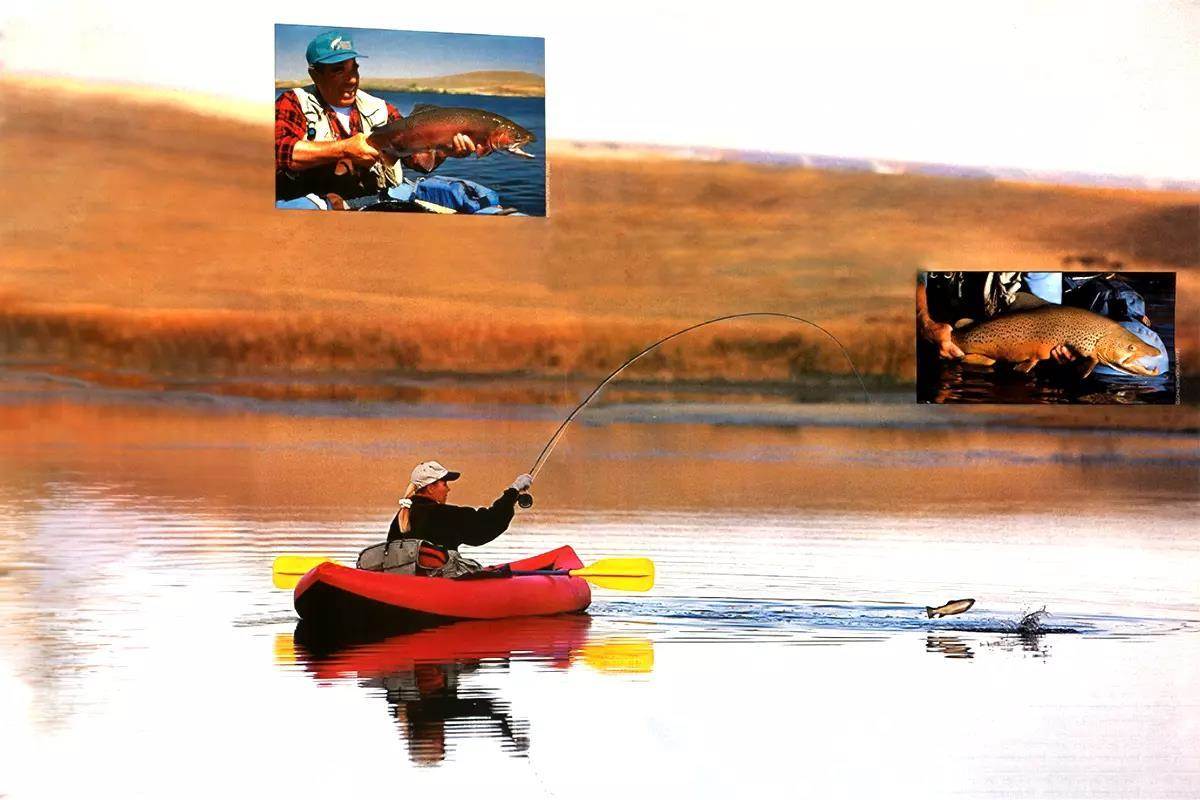
Fly Fisherman Magazine is the definitive English-language source for deep, up-to-date coverage of fly-fishing techniques, gear, and destinations, with a strong emphasis on stillwater tactics and species-specific approaches. The current issue (June-July 2026) and the 2026 Gear Guide offer detailed, editor-tested reviews from brands like G. Loomis, Abel, Orvis, and Simms. The magazine also produces a podcast, Loop to Loop, and exclusive video series from Fish Camp covering bluewater and striped-bass fly fishing. Notable recent articles include Barry and Cathy Beck's legacy film and a throwback to sight-fishing for stillwater trout, celebrating classic writers like Ernest Schwiebert and Lefty Kreh.
+Field notes
- —The Fly Fisherman Gear Guide 2026 names specific high-end gear combinations, such as a 6-weight G. Loomis NRX+ rod paired with an Abel Vaya reel and Scientific Anglers Sonar Trout Express fly line, used to land a rainbow trout on a Sparkle Minnow.
- —Stillwater trophy trout anglers often need to abandon floating lines and tiny dries for sinking lines and long casts; the most common mistake is failing to match retrieve speed to the natural prey.
- —In drought and low-water conditions, experts recommend using lighter line weights and longer leaders—plus moving slowly or not at all—to avoid spooking trout in clear, shallow flows.
- —A dedicated stillwater destination feature profiles South Park's Antero, Spinney Mountain, and Elevenmile reservoirs in Colorado—three lakes within 20 minutes of each other where large trout school heavily in spring, summer, and fall.
- —Fly Fisherman's Loop to Loop podcast season 1 includes episodes with influential anglers like Andy Mill and 90-year-old Joe Humphreys ("Mr. Penn State"), offering deep, personal perspectives on techniques and history.
- —The Fish Camp video series, posted weekly by Fly Fisherman, teaches advanced skills such as reading ocean currents for bluewater species (like tarpon) and understanding striper behavior with Abbie Schuster of Kismet.
Explore
Starter setup: rod, reel, fly line, leader, and flies that make sense first
For a first fly fishing setup, forget the hype: a 9-foot, 5-weight rod paired with a weight-forward floating line is the universal starting point, covering roughly 80% of freshwater situations from small streams to medium rivers. The rod weight must match the line weight—in fly fishing, the line, not the lure, provides the casting weight, so mismatching makes casting feel like a fight. Your reel's primary job is holding line and balancing the rod; for trout, an expensive drag is unnecessary. Start with a pre-matched combo like the Redington Crosswater, TFO NXT Black Label, or Orvis Encounter to eliminate guesswork. Your fly selection should be minimal: half a dozen patterns across dry flies (Adams, Elk Hair Caddis), nymphs (Hare's Ear, Pheasant Tail), and streamers (Woolly Bugger), with a 9-foot tapered leader and matching tippet (4X–5X for trout). Kits often skimp on line quality and tools, so prioritize a decent floating line and basic accessories—nippers, forceps, floatant, polarized sunglasses—over fancy rods. Assembly takes about 10 minutes, and the whole system can be ready for around $350–400.
 flyfishingspecialties.comflyfishingspecialties.com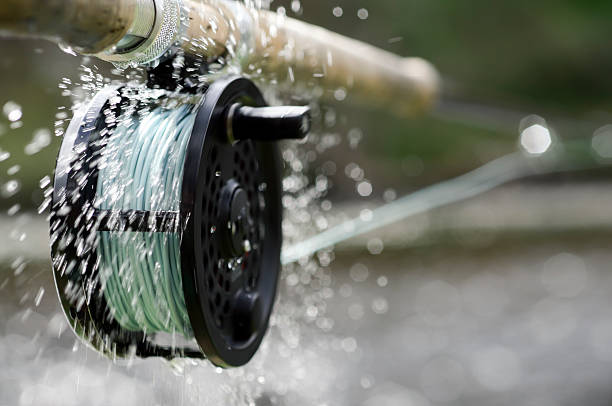
 fishinggearinsider.comfishinggearinsider.com
 wildwaterflyfishing.comwildwaterflyfishing.com
+Field notes
- —The 9-foot, 5-weight rod with weight-forward floating line is the gold standard for beginners because it handles dry flies, nymphs, and small streamers across trout, panfish, and modest bass—a single versatile setup that eliminates the need for a quiver of rods.
- —In fly fishing, the fly line provides the casting weight (not the fly), so a 5-weight rod must be paired with 5-weight line; mismatching makes casting feel like fighting your gear, which is why pre-matched combos like Redington Crosswater or Orvis Encounter remove the guesswork.
- —Start with only 6–12 fly patterns across three categories—dry flies (Adams, Elk Hair Caddis, Blue Wing Olive), nymphs (Hare's Ear, Pheasant Tail), and streamers (Woolly Bugger, Muddler Minnow)—since expert guides consistently rely on about a dozen proven patterns even for experienced anglers.
- —The reel's primary role for trout is holding line and balancing the rod; a smooth retrieve and durable construction matter more than a high-end drag system, because trout rarely test a reel's drag compared to saltwater species.
- —Use a 9-foot tapered leader (4X–5X for trout) with a matching or one-size-smaller tippet (e.g., 3X leader with 3X or 4X tippet) to avoid spooking fish—the tapered leader transitions from the thick, colored fly line to nearly invisible monofilament.
Keep exploring
More of Fly Fishing

More in Outdoor Pursuits & Crafts
Stay in this world.
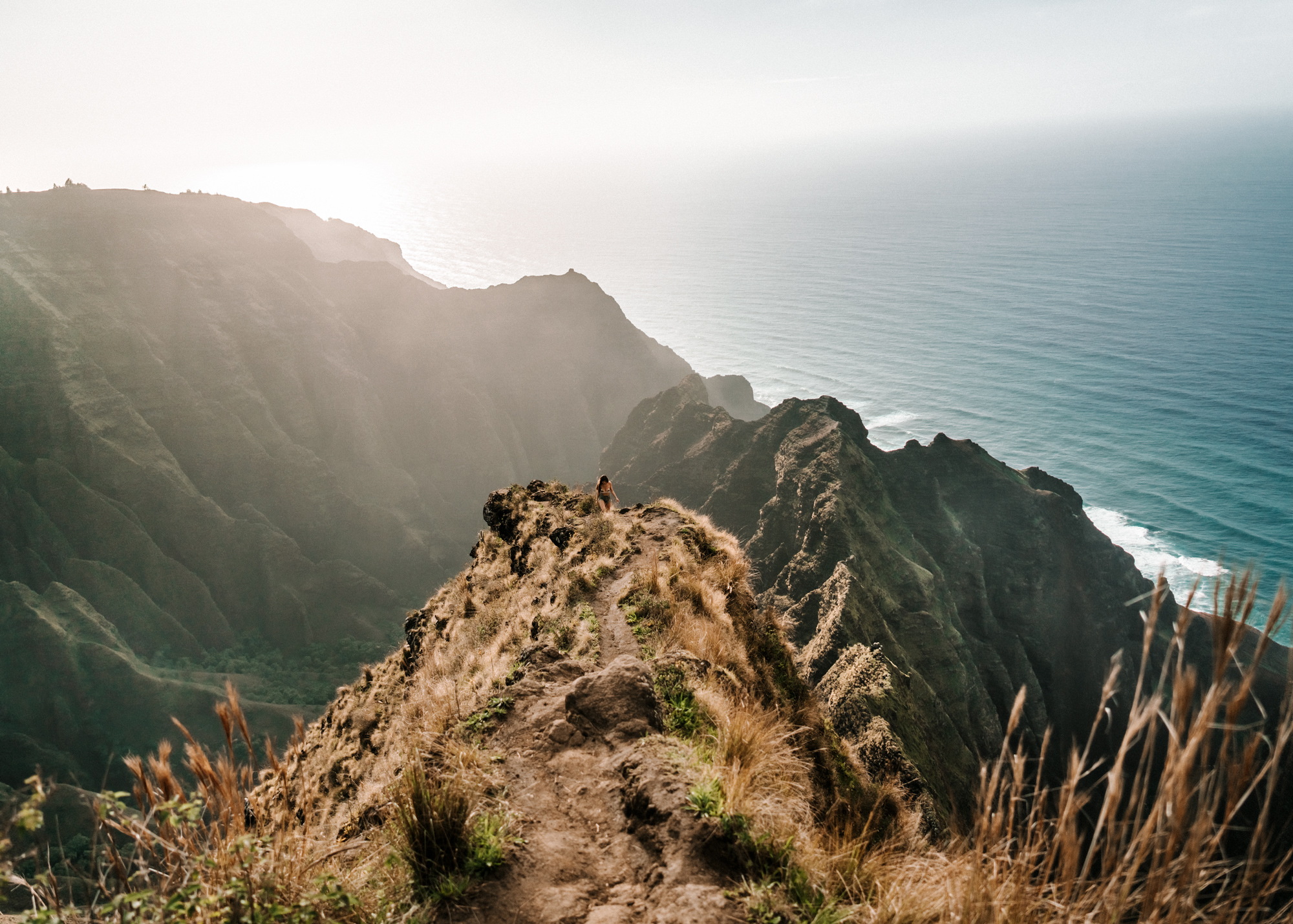
4 Days in Kauai: How to Pace the Garden Isle Without Rushing It

Kauai 4-Day Itinerary

Waikiki Box Jellyfish Warnings

Waikiki Budget-Friendly Stays

Things to Do in Kauai, Hawaii

Tenkara Fly Fishing
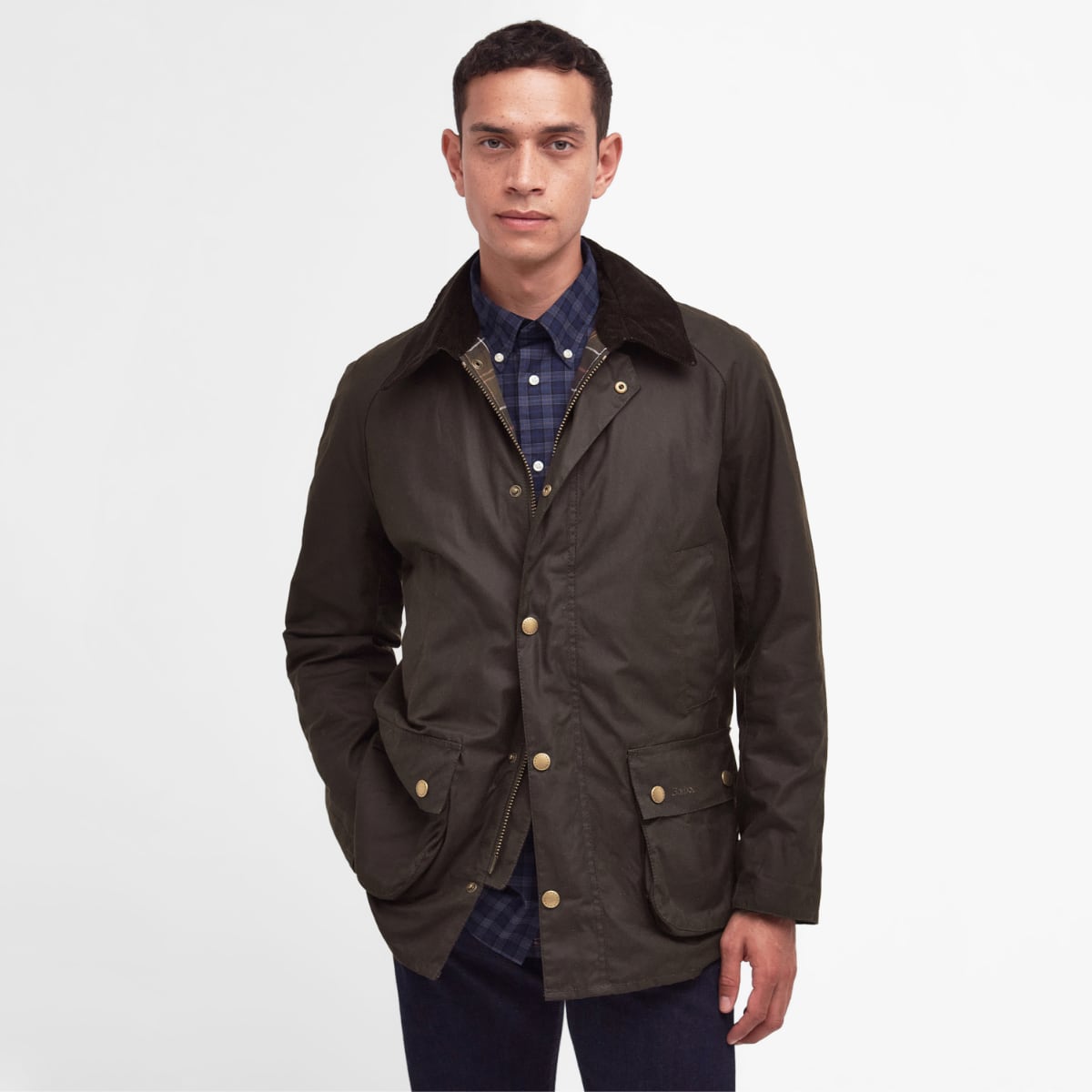
Barbour Waxed Jackets
Imagery
Know someone who’d love this?
Discovered by ArcurianAuto-generated from public sources and AI synthesis — it may be incomplete or inaccurate. Treat it as a starting point for your own exploration, not professional (medical, legal, financial, or safety) advice. Verify anything you act on. Report this page.