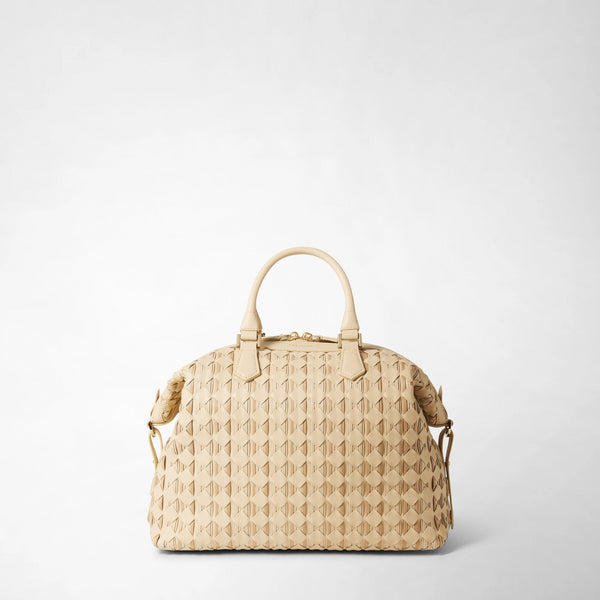
The most convincing luxury bag brands are the ones that make craftsmanship legible: Florence houses like Misuri and Daniele Bardis center fine leather, timeless lines, and custom work, Serapian turns its Milan atelier into a bespoke experience, and Delvaux still defines itself through emblematic models like Le Brillant and its early handbag patent legacy. Quality here is not just prestige pricing; it shows up in structured construction, handcraft, personalization, warranties, and house signatures that survive trend cycles. Strathberry’s sculptural bar closure, AKINNA’s structured leather bags with a five-year warranty, and MARK / GIUSTI’s workshop-driven craft identity all point to the same deeper question: which brands make bags that feel authored rather than merely branded? That is where this subject gets interesting, because the best-made bags reveal themselves in edge paint, leather temper, stitching discipline, and whether a house has a real point of view once the logo disappears.
Learn
How to Judge Luxury Bag Quality Beyond the Label
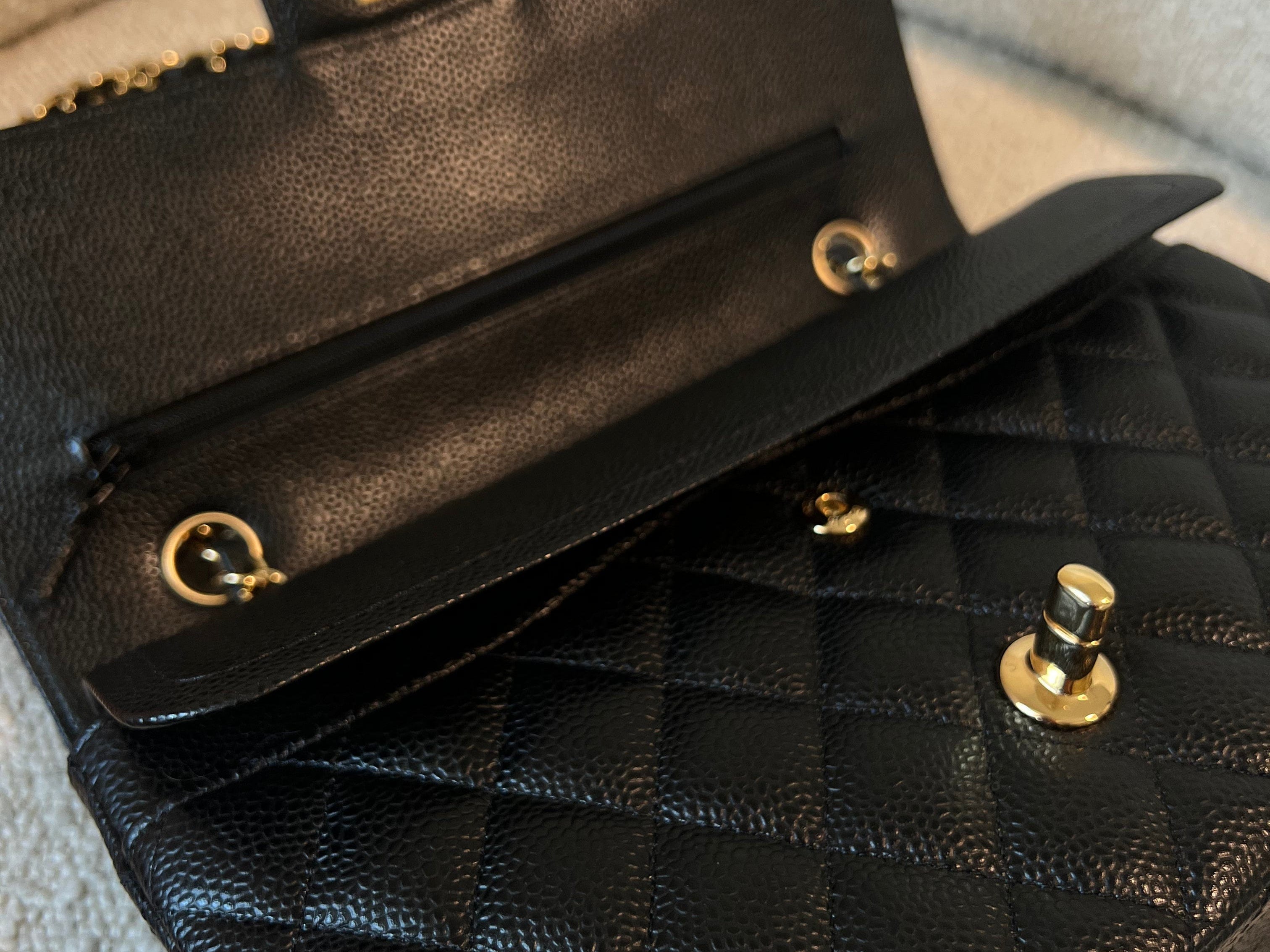
Judging luxury bag quality beyond the label means reading the construction, not the logo. The single most reliable signal is stitch density: a benchmark of 8–10 stitches per inch separates mid-tier from mass-market, while 10–14 SPI signals true luxury (source [3][7]). Even more telling is the stitch method—hand saddle stitching, where each stitch is independent (used by Hermès on every Birkin and Kelly), will hold together when a machine lockstitch seam unravels (source [4][7]). Edge finishing is another giveaway: a proper edge-painted bag undergoes multiple layers of sanding, priming, and polishing to create a smooth, crack-resistant seal; rough or peeling edges instantly downgrade a bag regardless of leather (source [5]). Open the bag and check the lining—high-end makers use suede (often Italian micro-suede from Luigi Carnevali at just 0.5mm) or Chèvre leather for structure and breathability, not polyester (source [2][4]). Finally, probe the stress points: handle bases, D-ring loops, and strap anchors are where poor stitching or weak hardware attachment fails first (source [3]). Master these technical tells, and you can spot a bag built to endure regardless of what name is stamped on the front.

 poelle.compoelle.com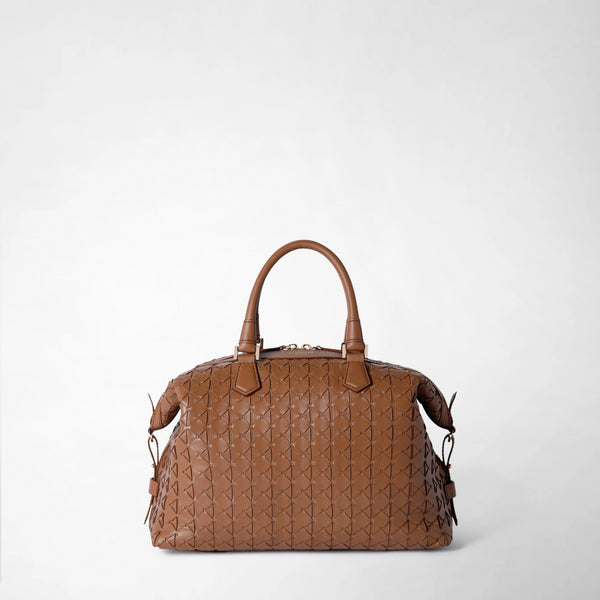
 priveporter.compriveporter.com
+Field notes
- —Stitch count per inch (SPI) is the first numerical checkpoint: 8–10 SPI is the quality benchmark for leather goods; fewer than 6 indicates cost-reduced construction that will loosen under load, while luxury bags often hit 10–14 SPI.
- —Saddle stitching—two needles with independent thread paths—outlasts machine lockstitching because a single broken stitch won't cause the seam to run; Hermès uses hand saddle stitching on every Birkin and Kelly.
- —Edge painting (or edge coating) requires multiple layers of sanding, priming, painting, and polishing to create a smooth, rounded finish that resists cracking; rough or peeling edges directly downgrade a bag's quality grade regardless of the leather.
- —High-end bags use suede linings (often Italian micro-suede from makers like Luigi Carnevali at just 0.5mm thickness) or Chèvre leather for grip, breathability, and structure; mass-market bags use polyester, which doesn't age well or protect contents.
- —The attachment points that most commonly fail first are D-ring loops, handle bases, and strap anchors—these high-load areas demand denser stitching and reinforced construction, yet are where manufacturers most often cut corners.
Learn
Old-World Leather Houses and the Meaning of Craft Heritage
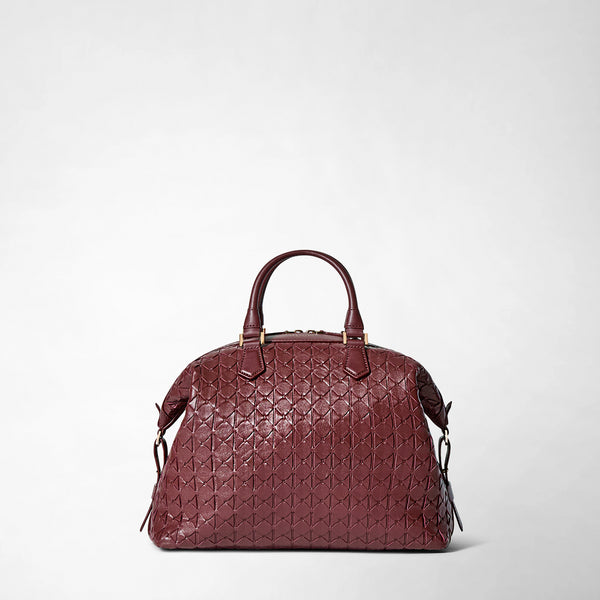
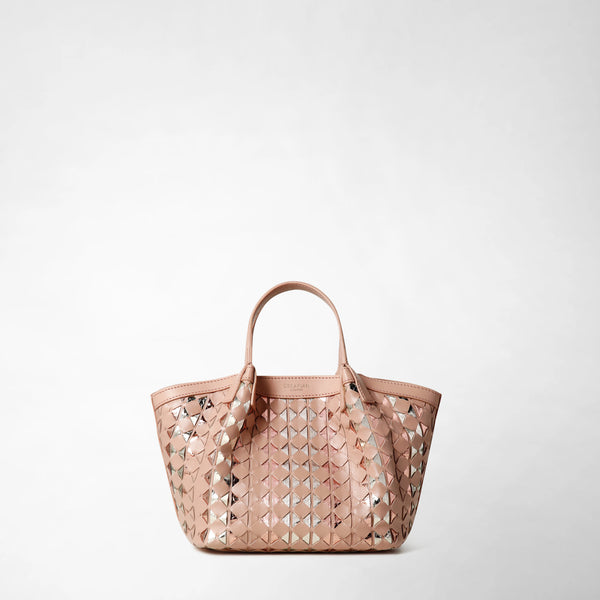
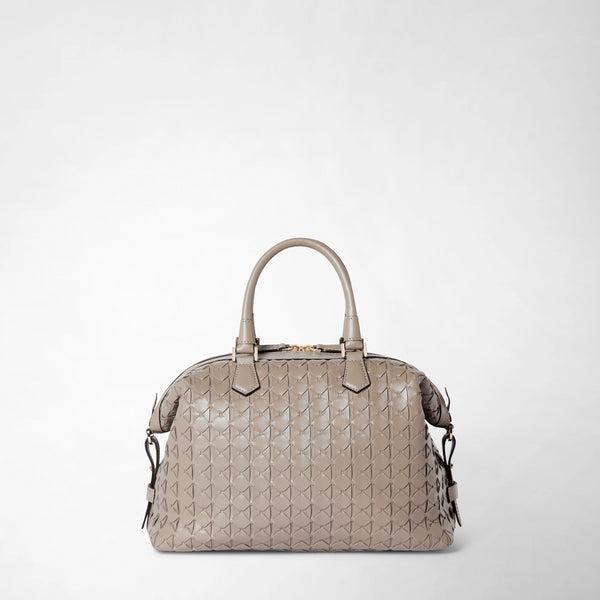
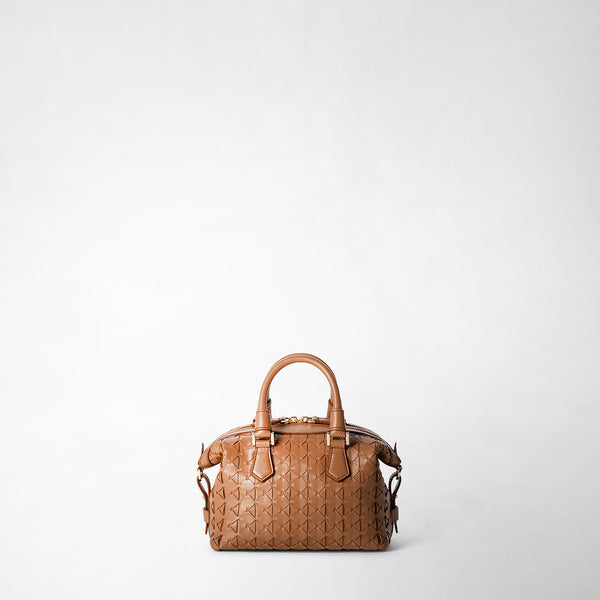
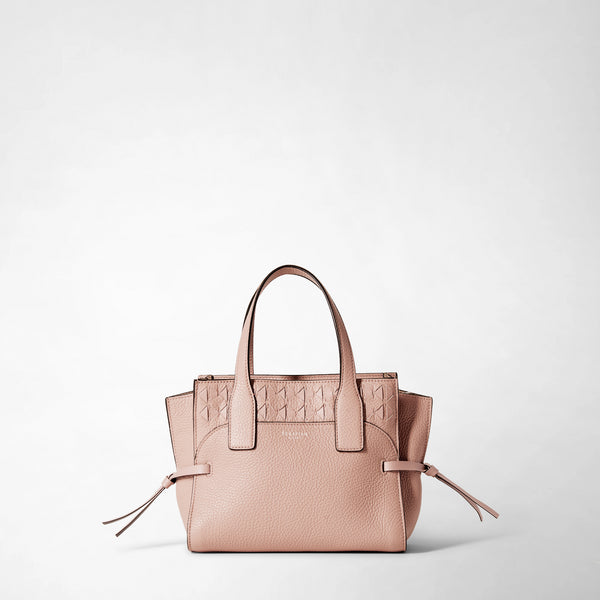
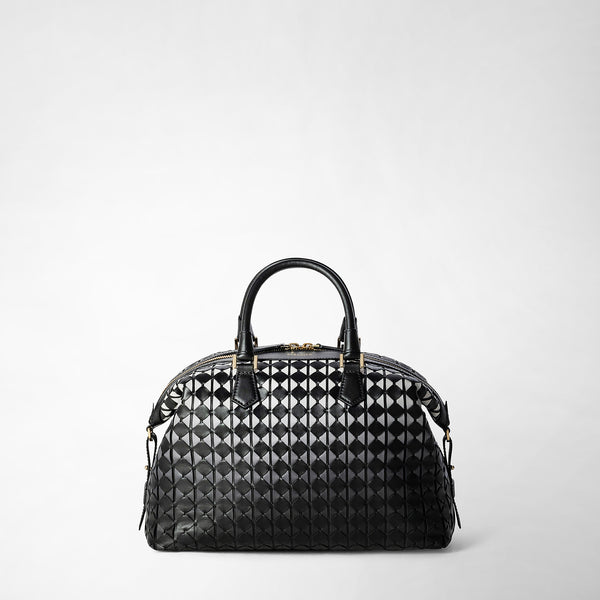
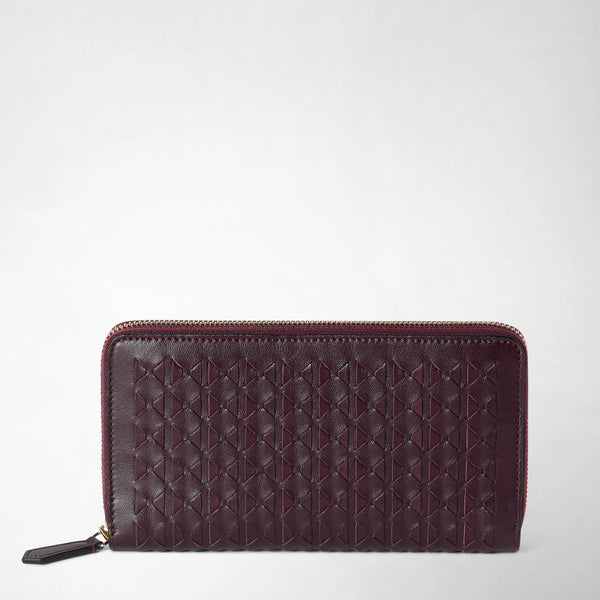
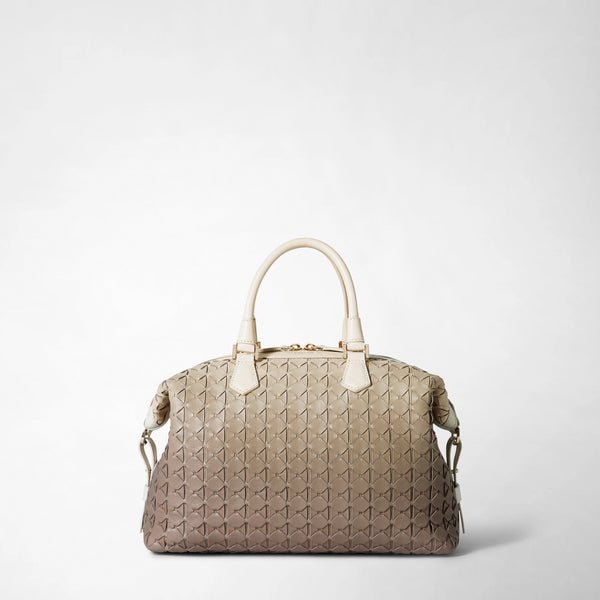
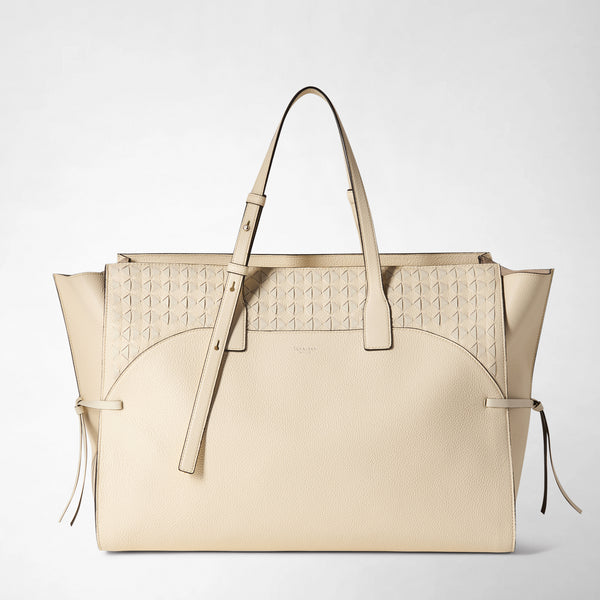
Old-World leather houses like Delvaux, Misuri, and Serapian define craft heritage through centuries of unbroken tradition, specific archival practices, and proprietary techniques that transcend the mere use of premium materials. Delvaux, founded in 1829 in Brussels, is recognized as the oldest fine leather goods house in the world, having served as an official supplier to the Belgian Royal Court since 1883 and filing the first-ever luxury handbag patent in 1908—a innovation that effectively invented the modern handbag. Its iconic Brillant bag, introduced for the 1958 Brussels World Fair and inspired by Le Corbusier’s Philips Pavilion, is built from 64 separate leather pieces and is documented in the house’s Livre d’Or, a catalog of over 3,000 designs that serves as a sacred repository of craftsmanship. Misuri Firenze, established in 1906 in Florence, stakes its reputation on the same Florentine savoir-faire that has shaped its Kelly-style bag since 1954, using Tuscan leather and offering personalized initials. Serapian, meanwhile, brings a distinct Italian perspective with its 1947 Mosaico technique—handwoven strips of lamb nappa that evoke Byzantine mosaics—and its exclusive Evoluzione leather from 1965, a treated calfskin that blends technology with durability. These houses share a philosophy of patience and transmission: Delvaux’s artisans train novices in precious gestures that give each bag life, while Serapian has its Mosaico artisans sign inner tags, making the maker’s identity part of the object’s value. In this world, quality is not abstract but encoded in patents, golden books, and signatures—a legacy that positions each bag as a piece of living history rather than just an accessory.
 misuri.commisuri.com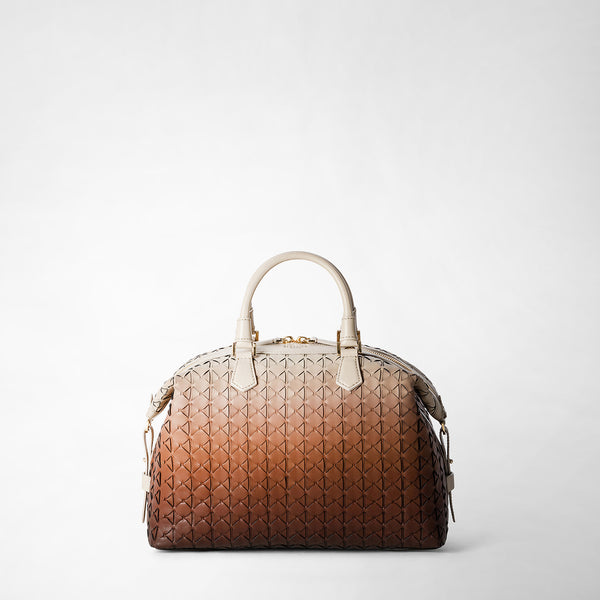
+Field notes
- —Delvaux, founded in Brussels in 1829, is the world’s oldest fine leather goods house, predating the Belgian kingdom itself; it has held the title of 'Official Supplier to the Royal Court of Belgium' since 1883.
- —In 1908, Delvaux filed the first-ever luxury leather handbag patent in the world, the 'Princesse', effectively inventing the modern handbag as a distinct category.
- —Delvaux’s Brillant bag, introduced in 1958 for the Brussels World Fair, was inspired by Le Corbusier’s Philips Pavilion; it comprises 64 distinct leather pieces and is signed by the house as its 'one and only' architectural masterpiece.
- —The house maintains 'le Livre d’Or', a golden book cataloging over 3,000 handbag designs since 1908, making it one of the largest archives in luxury leather goods.
- —Serapian’s Mosaico technique, invented in 1947, involves handweaving strips of lamb nappa to create a surface that blends Byzantine mosaic effects with origami precision; each bag is signed on an inner tag by the artisan who made it.
- —Misuri Firenze, dating from 1906 in Florence, has produced its Kelly-style bag since 1954—predating Hermès’ own Kelly fame—crafted from Tuscan leather with free custom initials, emphasizing Florentine continuity.
Learn
Where Bag People Compare Leather, Structure, and Wear
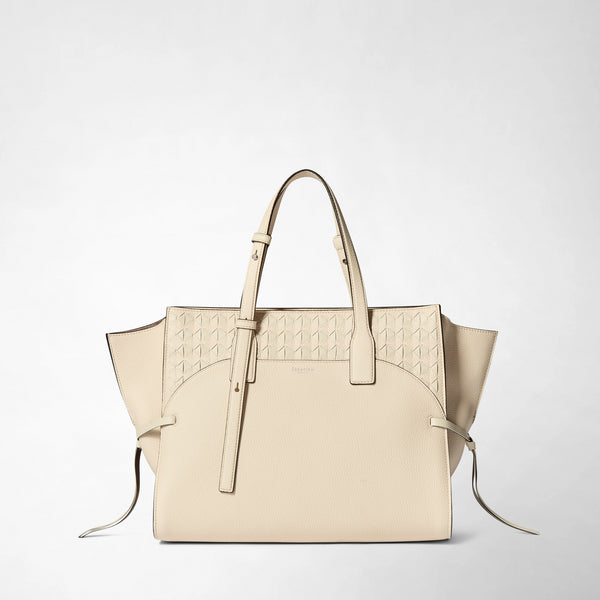
Among luxury bag enthusiasts who obsess over leather, structure, and real-world wear, the conversation constantly circles back to a handful of houses that deliver uncompromising craftsmanship—but each has its own trade-offs. Hermès remains the gold standard for hide variety, with Togo softening into a relaxed slouch, Epsom holding sharp lines (even when doused in sparkling water), and Swift taking on a gorgeous drape in a 30 Birkin, though recent batches of Togo can look dry from the boutique. Delvaux, the oldest fine leather goods house in the world (founded 1829, beating Hermès by eight years), offers a quieter, architectural alternative with the Le Brillant and Tempête, priced $3,000–$10,000; its ateliers in Belgium and France keep quality consistent, but the brand remains deliberately under-the-radar. Meanwhile, mid-tier upstarts like Strathberry catch flak for corner wear and detached strap attachments on totes, yet their leather is praised as comparable to the now-discontinued Coach 1941 line ($800+), and the interior suede and packaging are considered first-rate—though the nano tote barely fits a phone. The takeaway: no brand is flawless, but the true connoisseur picks by leather behavior, not logo.
 forum.purseblog.comforum.purseblog.com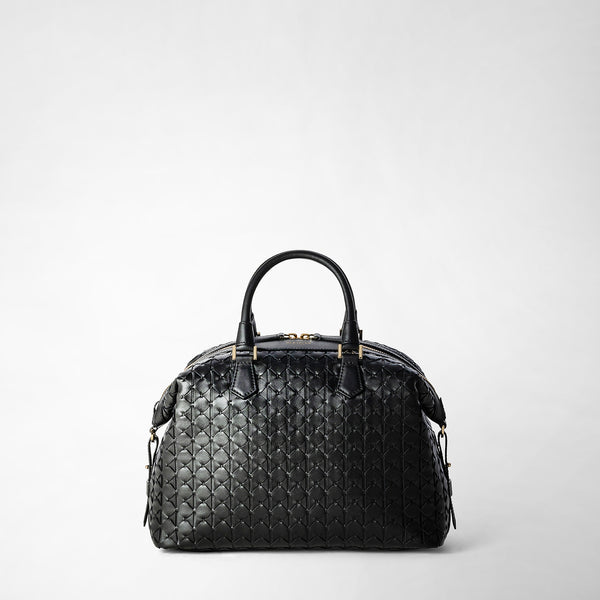
+Field notes
- —Hermès Epsom leather can survive a soaking without warping: one owner spilled an inch of sparkling water on a B25 in Craie Epsom, wiped it clean, and dried it upside-down over a wine bottle with zero damage—countering the myth that Epsom develops waves or bulges.
- —Delvaux holds the title of the world's oldest fine leather goods house, founded in Brussels in 1829—predating Hermès by eight years and Louis Vuitton by 25—yet remains far less known, with prices starting around $3,000 for standard leather models.
- —Strathberry's leather quality is often compared to Coach's now-discontinued 1941 line (bags in the $800+ range), but durability is inconsistent: one heavy user reported corner wear, a dent, and the long-strap attachment separating from the interior after a few months.
- —Against Dooney & Bourke's Alto line (around $700), Strathberry wins decisively in leather feel, refined finish, and interior details like pale beige suede with both a slip pocket and zip pocket—but the bags often look larger in photos than in person.
- —The Polene Numero Neuf Mini is praised by enthusiasts for being both structured and soft, fitting far more than its 'mini' label suggests—a direct contrast to the Strathberry Nano Tote, which barely holds a phone and is described as true nano sizing.
- —Longtime Hermès fans note that recent Togo leather can look dry straight from the boutique, though it still slouches gracefully in a 30 Birkin; Clemence is heavy but survives snowstorms better than nylon, which goes 'wilted and flaccid' when wet.
Discover
Video Deep Dives on Construction, Leather, and Long-Term Wear


These video deep dives reveal that the true mark of luxury bag quality lies in the specifics of leather selection, construction methods, and finishing details that casual shoppers miss. Strathberry, a Scottish brand, uses leather that feels comparable to legacy luxury houses but comes at a significantly lower price point, with Tanner Leatherstein praising its protective finish that still allows natural grain variation. The brand's execution is described as flawless, with production outsourced to Ubriq in Spain, giving it an edge over heritage names. In a head-to-head comparison of iconic models—Loewe Amazona, Hermès Plume, and Delvaux Coolbox—the focus shifts to structural elements like stitching density, edge painting, and hardware weight that separate the merely expensive from the genuinely durable. Meghan Markle's 2017 sighting boosted Strathberry's profile, but reviewers argue the brand stands on its own merits, offering a clean, modern aesthetic that rivals the traditional giants without the inflated price tag.
+Field notes
- —Strathberry's leather has a protective finish that still lets you feel the natural grain patterns, a balance that Tanner Leatherstein compares to 'lower weight dissection' leather choices seen in other luxury brands.
- —The brand manufactures its bags at Ubriq in Spain, a detail Strathberry proudly shares, giving it a production pedigree that reviewers say rivals legacy houses.
- —Tanner Leatherstein's video notes that Strathberry's bar closure is a distinctive hardware feature that adds structural integrity and a signature look, though he doesn't name the exact metal alloy used.
- —In the head-to-head between Loewe Amazona, Hermès Plume, and Delvaux Coolbox, the deciding quality factors are not brand name but the precision of stitching, the hardness of edge paint, and the weight of the hardware.
- —Meghan Markle was seen with a Strathberry bag in 2017, giving the brand a visibility boost, but reviewers argue the quality justifies the attention independent of celebrity endorsement.
Discover
Accounts to Follow for Quiet Luxury Bags and Craft Detail

For those who appreciate quiet luxury, Strathberry has become a compelling player by delivering construction and materials that rival legacy houses at a fraction of the price—Tanner Leatherstein's detailed dissections reveal full-grain calf leather, clean internal engineering, and protective yet tactile finishes, all made traceable to their Ubrique, Spain workshops. The brand's clean, modern designs gained a visibility boost when Meghan Markle carried one in 2017, but serious leather enthusiasts follow accounts like Leatherstein's to see past the hype: his acetone tests and cross-sections expose exactly where Strathberry's value lies, notably in consistent grain patterns and high-quality support materials that outperform many established names. If you want to follow accounts that geek out on craft specifics rather than logos, look to channels that cut bags open and show you the spine of the leather.
+Field notes
- —Tanner Leatherstein's acetone stripping of a Strathberry bag revealed a beautiful calf grain underneath, confirming the leather is genuine full-grain and not painted-over corrected grain—a rare find at the $495–$550 price point.
- —Meghan Markle was photographed with a Strathberry bag in 2017, but the brand was already rising; her endorsement simply accelerated awareness among quiet-luxury followers who value understated design over logos.
- —Leather enthusiasts praise Strathberry's production location—Ubrique, Spain—a region known for high-end leather craftsmanship, which adds a layer of traceability rare in accessible luxury brands.
- —The internal structure of a Strathberry bag shows carefully engineered support materials and very clean seams, according to Leatherstein's cut-open reviews; the only noted weakness is a slightly soft gusset that can show wrinkles over time.
- —Strathberry's leather strikes a balance between a protective enough finish to resist daily wear and a surface that still allows the natural grain patterns to be felt—a detail that sets it apart from many mass-luxury competitors.
Discover
What to Read When You Want More Than Best-Of Lists

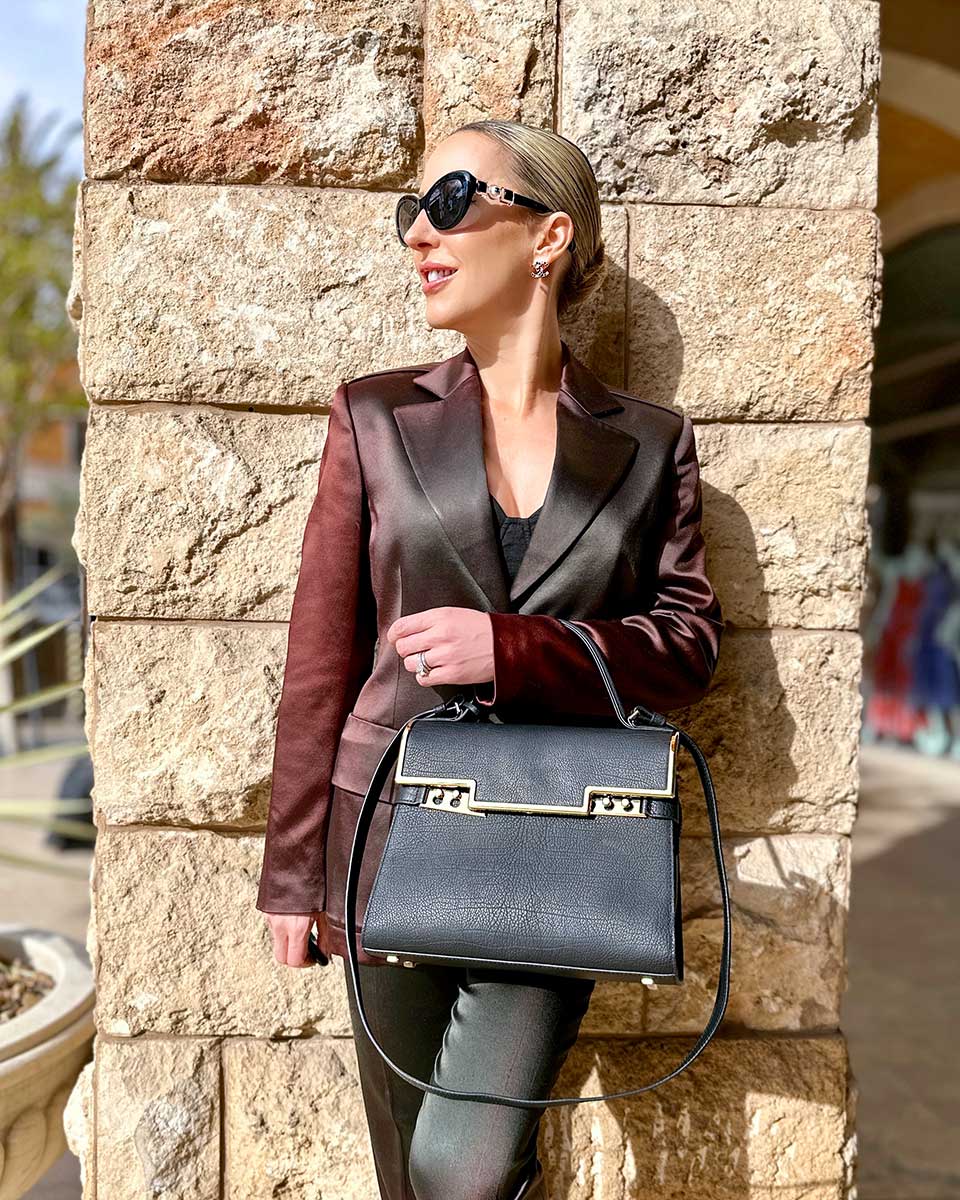

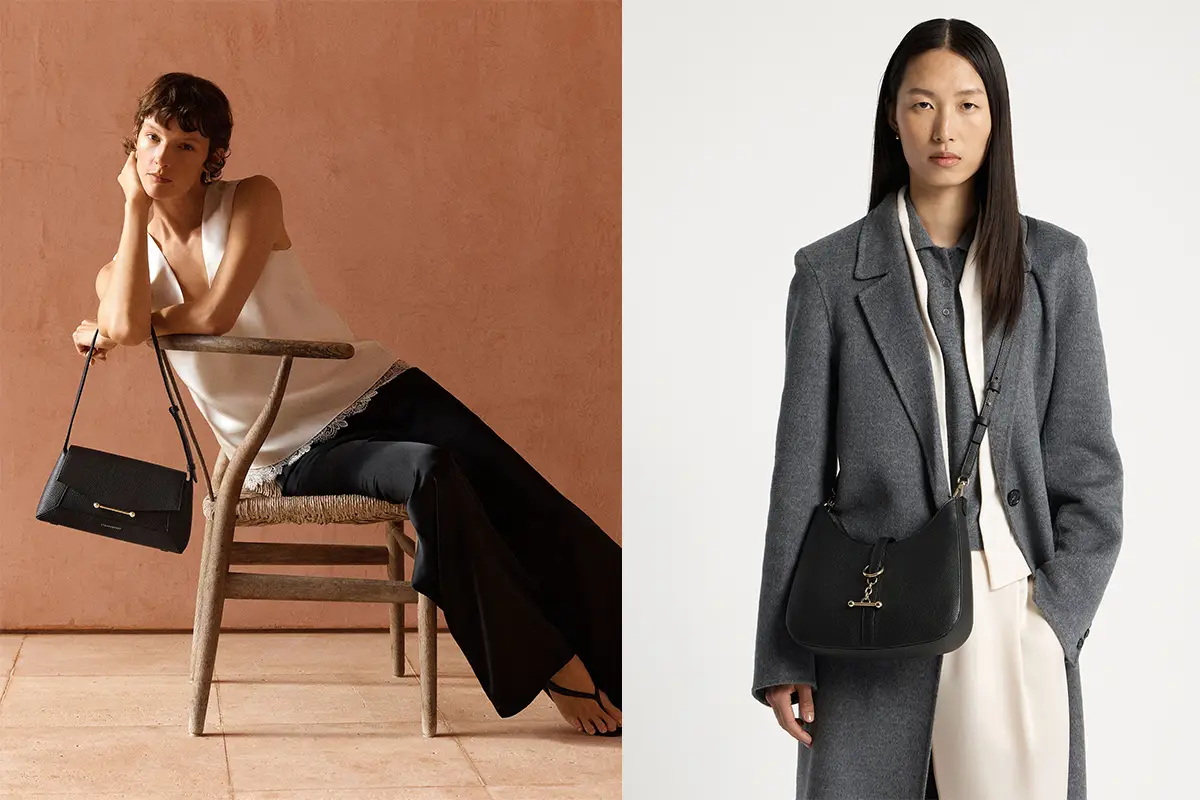

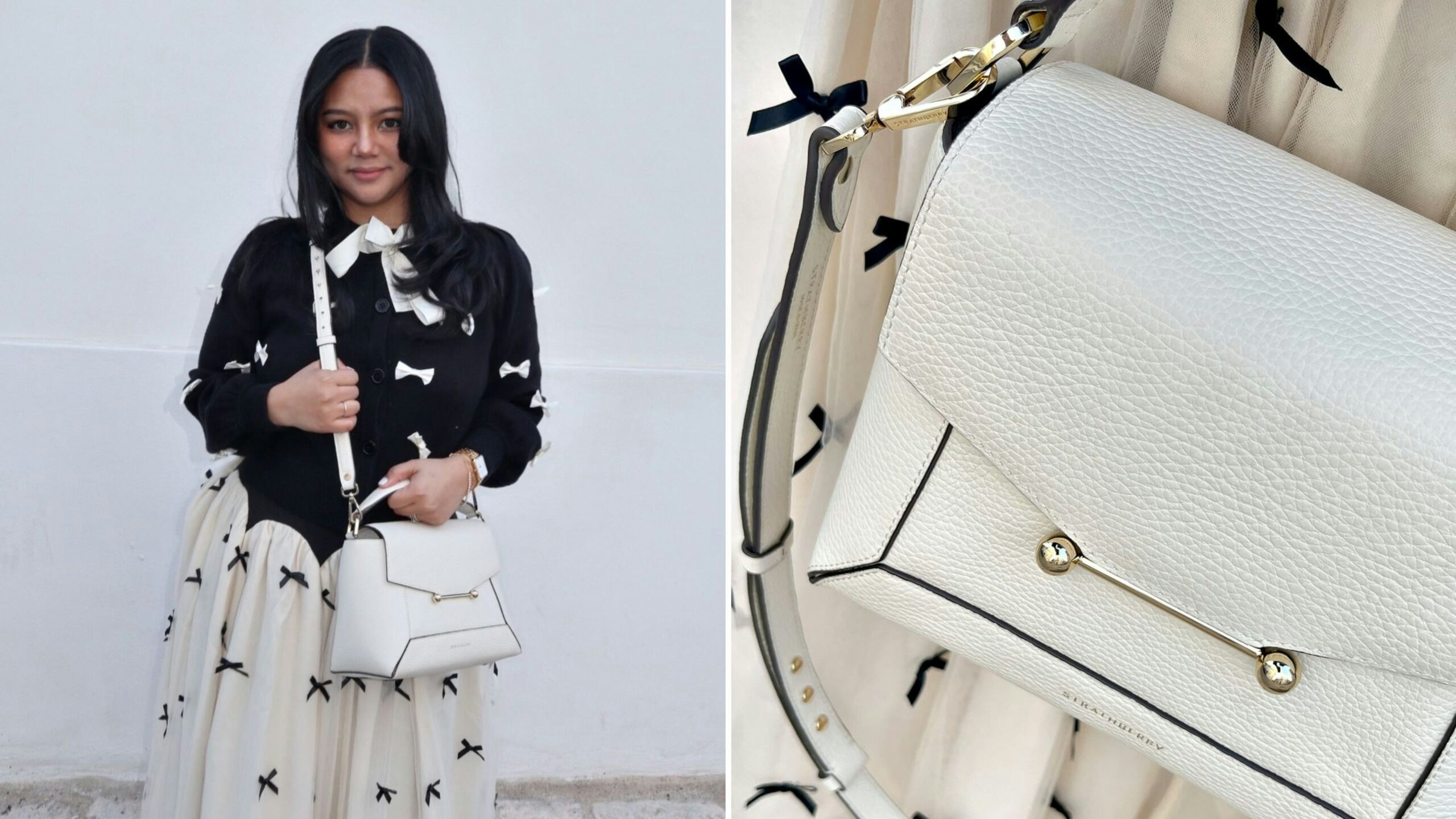
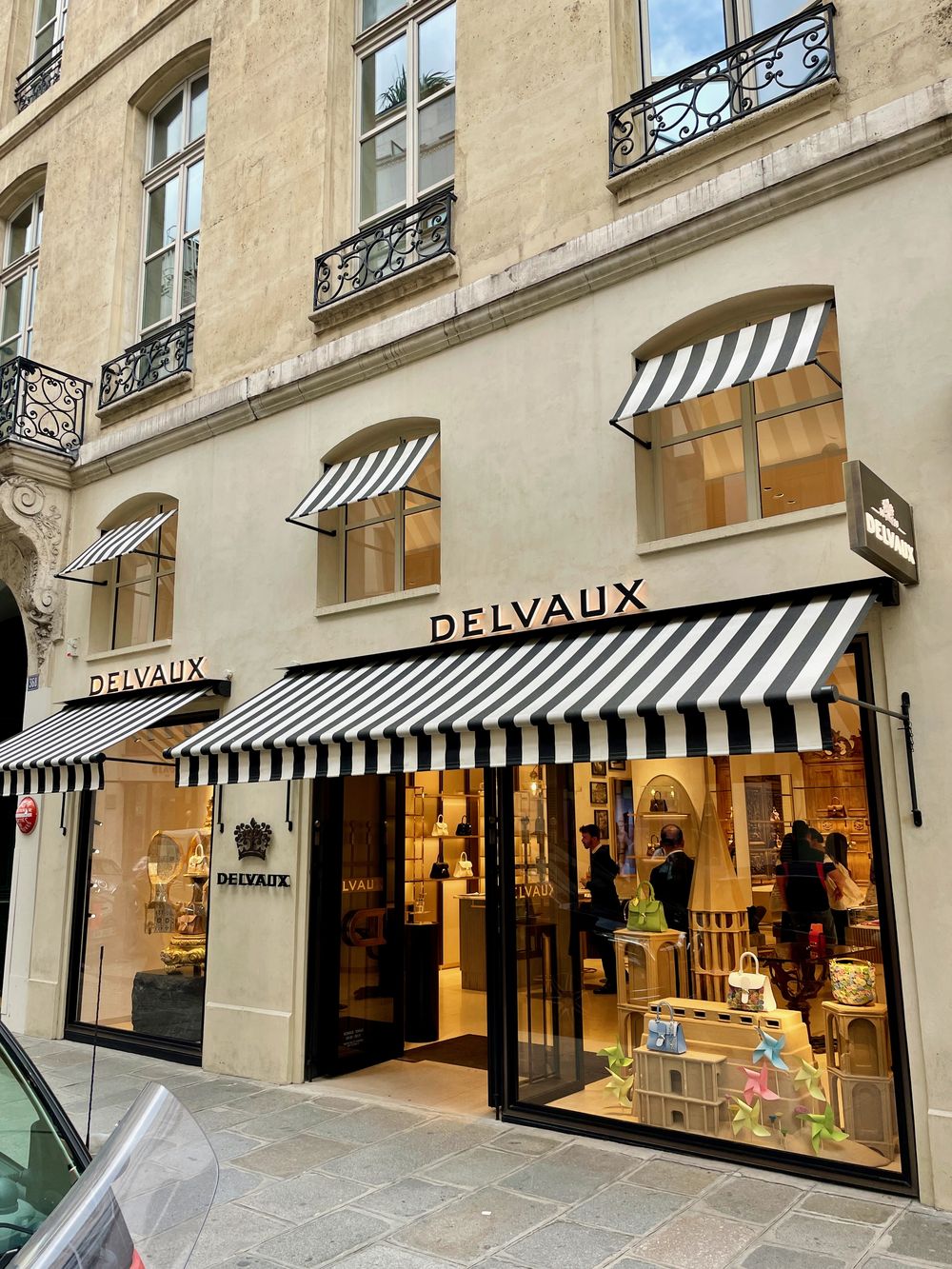
When you move past best-of lists, you discover that luxury handbags like Strathberry and Delvaux reveal their true quality in construction details most shoppers never notice. Strathberry's Midi Tote, for instance, shows messy edge finishing with excess glue and dust, and a dangerous 'fatal flaw stitch'—horizontal stitching on strap attachments that creates a perforation line prone to tearing under vertical force. Delvaux, the oldest fine leather goods house (1829), has long been revered as a grail brand, but a leather artisan's hands-on examination now suggests the bags are mostly machine-sewn, not hand-sewn as many believed, demoting them from the top tier alongside Hermès. Yet Delvaux's Tempete remains a compelling alternative at $5,900—understated, full-grain calf leather, with a functional buckle and no waiting list. Strathberry's Mosaic, the brand's most-sold model at $495, impresses with its faceted front and Music Bar hardware, but the brand still grapples with quality inconsistencies that only a deep dive will catch.
+Field notes
- —Strathberry's edge finishing is often sloppy: visible glue seepage beyond lines, with fuzz and dust trapped in the finish, as shown on the Midi Tote.
- —Strathberry uses a 'fatal flaw stitch'—horizontal stitches on vertical strap attachments—which acts as a perforation line and risks tearing under the weight of the bag.
- —Delvaux, despite its 1829 heritage, is now believed to be primarily machine-sewn rather than hand-sewn, based on close examination of a friend's Tempete and official assembly videos.
- —The Delvaux Tempete is a practical alternative to Hermès: priced around $5,900, available without a waitlist, and comes with a crossbody strap—unlike a Birkin.
- —Strathberry's Mosaic, their most-sold bag at $495, features a unique faceted front and 'Music Bar' closure, but buyers should note its interior is smaller than expected.
Explore
Brands and Retail Paths Worth Watching if Quality Is the Priority
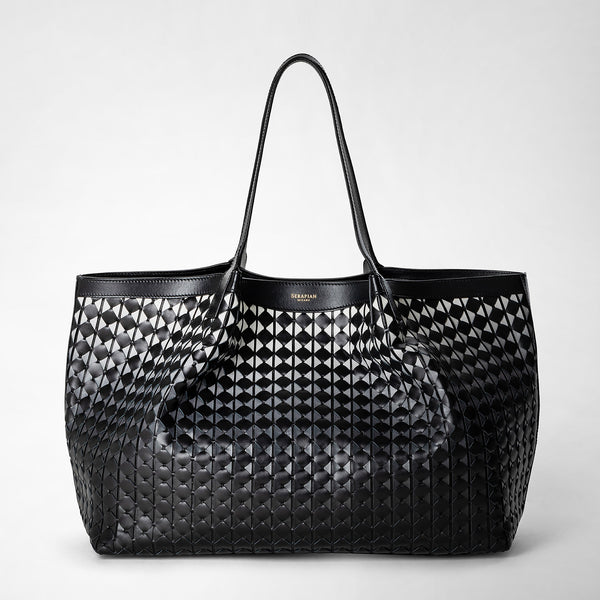
When prioritizing construction and material over trend-driven logos, Delvaux and Strathberry represent two counterintuitive paths to genuine luxury. Delvaux, the oldest fine-leather house in the world (founded in Brussels in 1829), produces the Brillant — a structured top-handle bag first designed in 1958 — in leathers like the pebbled but soft 'Rodeo' and the glassy 'Box Calf,' with each bag requiring multiple hours of hand-stitching and a signature D-shaped buckle that requires a dedicated cleaning cloth (supplied in the box). The Brillant Mini, often seen in sought-after discontinued colors such as the 'nude' Rodeo, retains a formidable resale value and is frequently sold with its mirror, two dust bags, and original box — evidence of the house's obsessive presentation. Stratherry, by contrast, is a younger Edinburgh-based label (founded 2013) that has quietly built a reputation for bar-lock closures and exquisite color-blocking (like a sold-out Allegro Midi in Navy/Burgundy/Vanilla) using full-grain Spanish leathers, offering a cleaner, less-heralded alternative at roughly one-seventh the price of a Delvaux. The key insight: both brands are consistently under-represented in mass-market luxury discourse, meaning their quality-to-recognition ratio is unusually high for anyone willing to bypass the usual Maison names.
 poshmark.composhmark.com
 us.vestiairecollective.comus.vestiairecollective.com
 poshmark.composhmark.com
+Field notes
- —The Delvaux Brillant Mini in 'nude' Rodeo leather was already a discontinued, highly sought-after color when listed at $4,850 (markdown from $5,800); its copper-toned buckle comes with a dedicated cleaning cloth, and the full set includes a wrapped mirror and two dust bags inside the original box — a level of packaging ritual you won't find from most modern houses.
- —The Delvaux Brillant Mini in black Box Calf (noir) is sold in 'very good condition' on the secondary market for approximately S$5,336, with only two minor scratches noted — demonstrating that even a used example of this structured 1958 design retains significant value.
- —An ostrich-leather variant of the Delvaux Brillant — a mix of brown leather and ostrich skin — appeared on the resale market for $1,944 (sold), suggesting that exotic-material iterations of this model can be found at a fraction of the calfskin versions when buyers watch for individual seller listings.
- —Stratherry's Allegro Midi, sold out in the Navy/Burgundy/Vanilla colorway, originally retailed for $795 and was listed NWT on Poshmark for $715 — proof that this Edinburgh brand's color-block releases can become collectible almost immediately after selling out.
- —Stratherry's signature bar-lock detail is the brand's visual anchor, and the brand's official description emphasizes 'the finest leathers' — but unlike Delvaux, Stratherry's resale market is still developing, with pieces like the Mosaic Nano in taupe listing for $495 and the Lana Hobo for $398 (originally $595), making it a more accessible entry into artisan-level construction.
Keep exploring
More of Luxury Bag Brands Where Craft Actually Leads
Branch out
Beyond Luxury Bag Brands Where Craft Actually Leads
More to explore
In the same world.
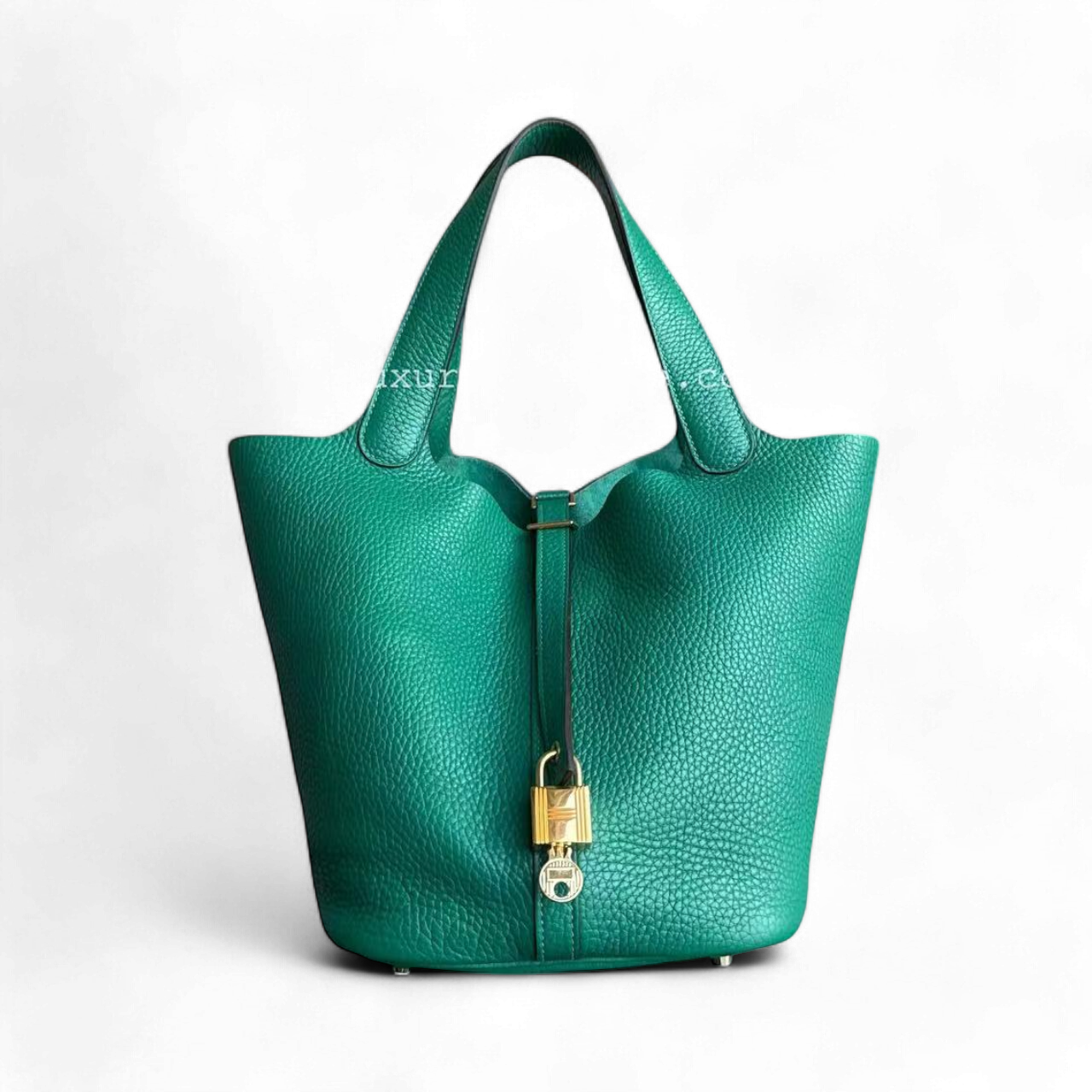
Hermès Birkin
The Birkin is Hermès’s storied top-handle bag, traced by the house to a 1984 Paris-to-London flight where Jane Birkin de…

CHANEL Handbags
CHANEL’s handbag world spans classic flap bags, hobo bags, shopping bags, backpacks, evening bags, and mini bags, with t…
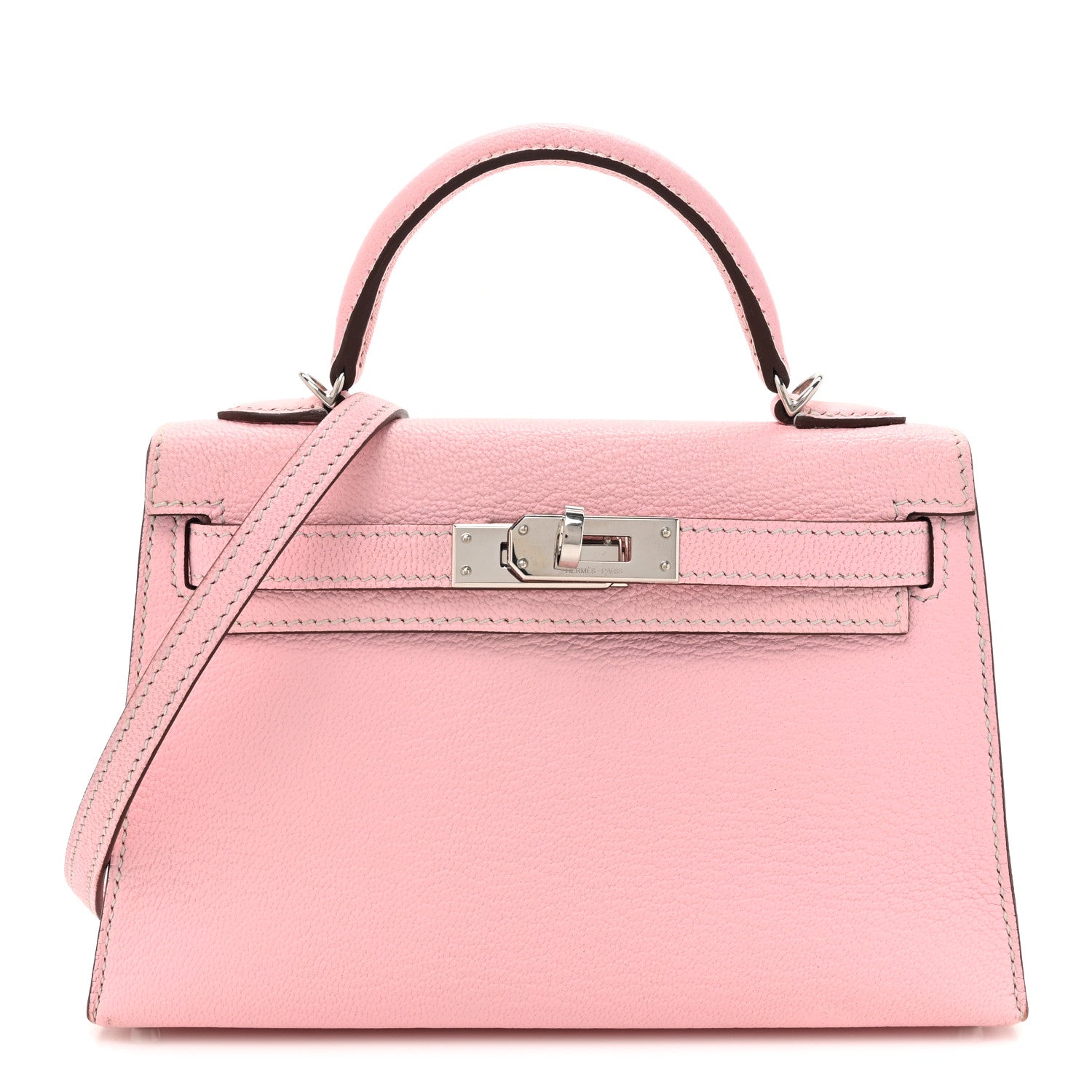
Hermès Le Petit Sac
Hermès Le Petit Sac is a very small handmade Hermès bag built around reduction rather than capacity: a reversible Mysore…

Buccellati
Founded in Milan in 1919 by Mario Buccellati, Buccellati is an Italian high jewellery house revered for its signature te…
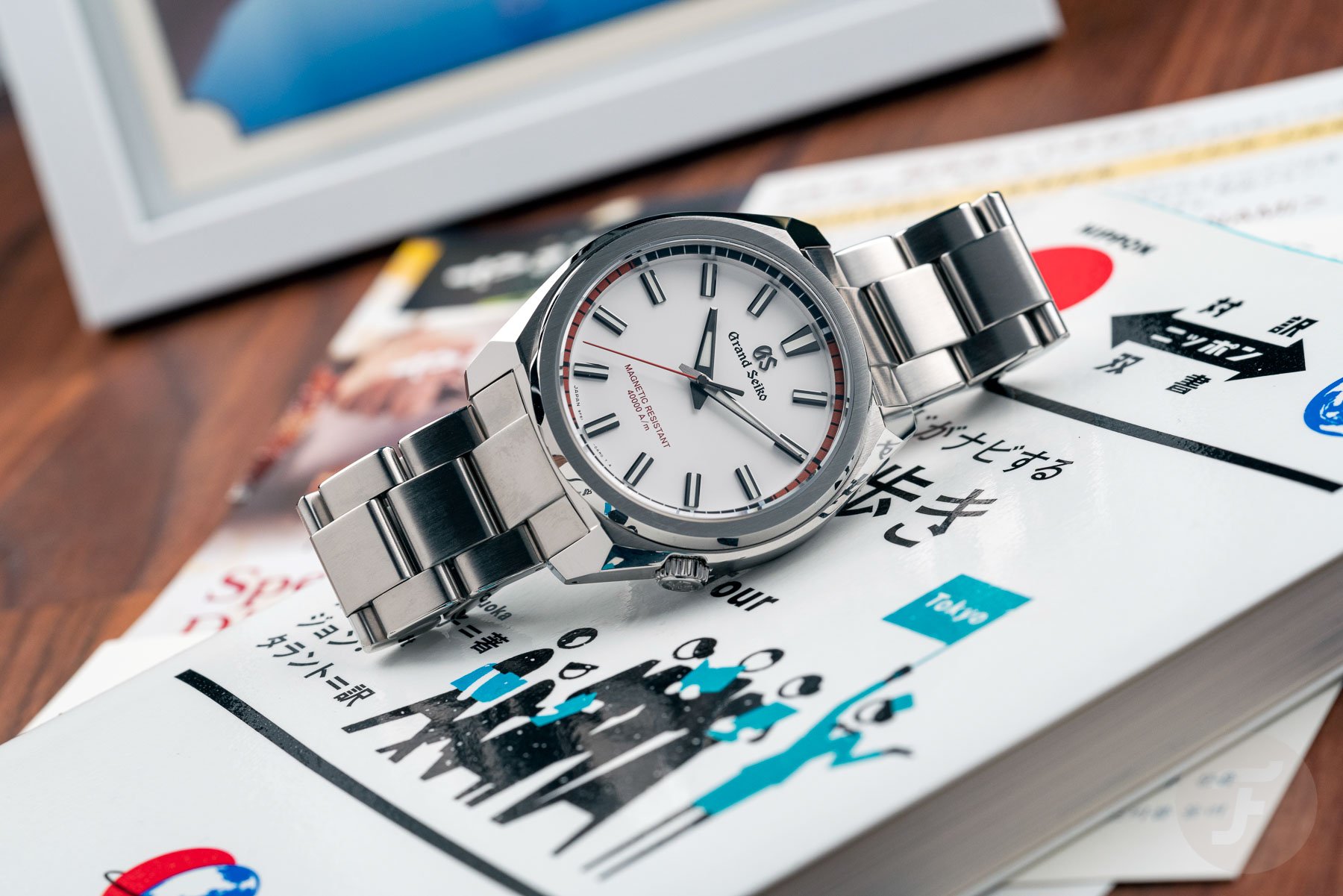
Best Luxury Quartz Watches
Luxury quartz watches sit in the part of watch collecting where convenience, finishing, and accuracy matter just as much…
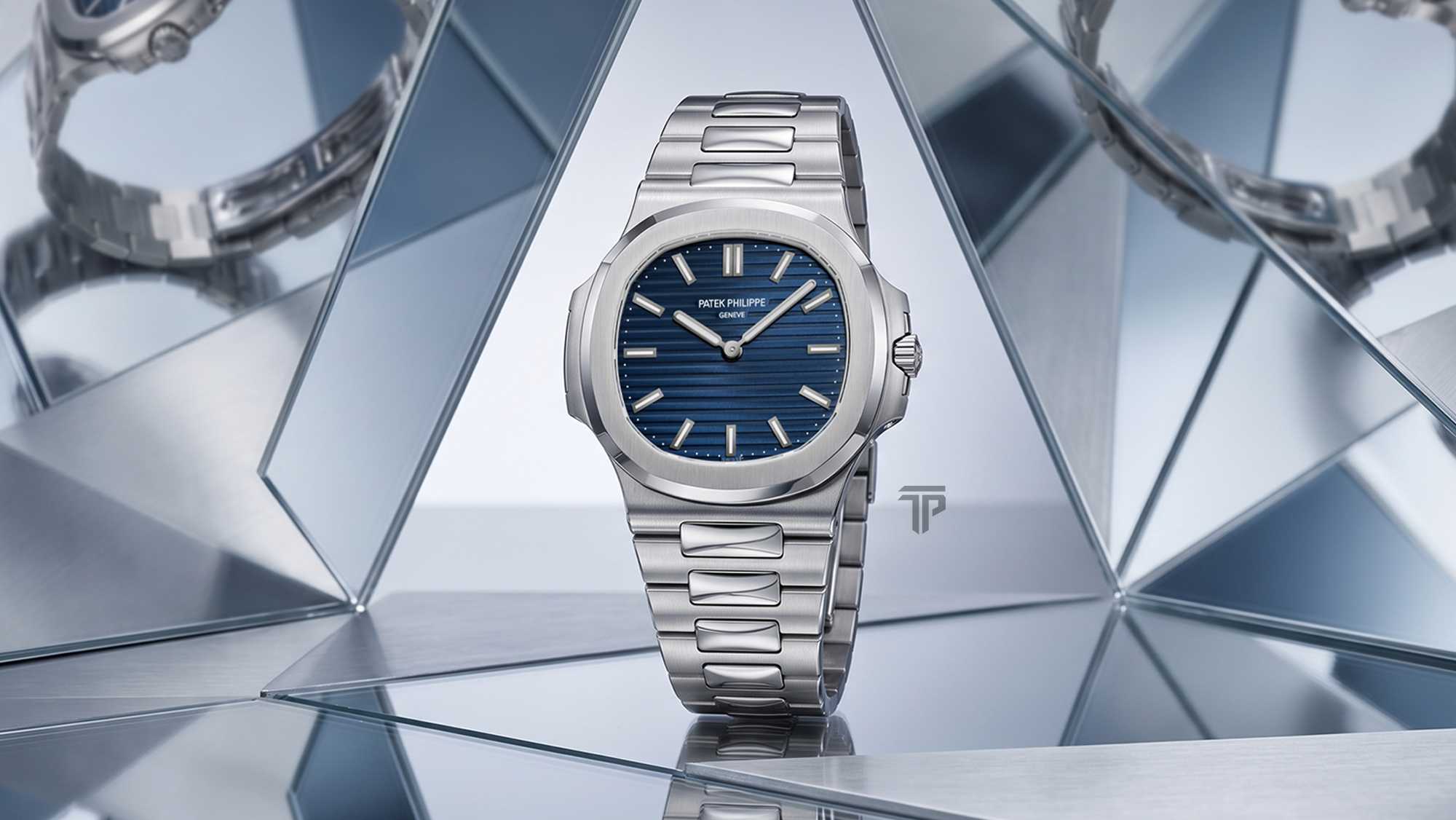
Luxury Watches That Hold Value
In the watch world, “holding value” usually means a luxury piece that stays resilient on the secondary market rather tha…

Audemars Piguet
Audemars Piguet is a Swiss luxury watchmaker rooted in Le Brassus in the Vallée de Joux, where the brand says its craft…
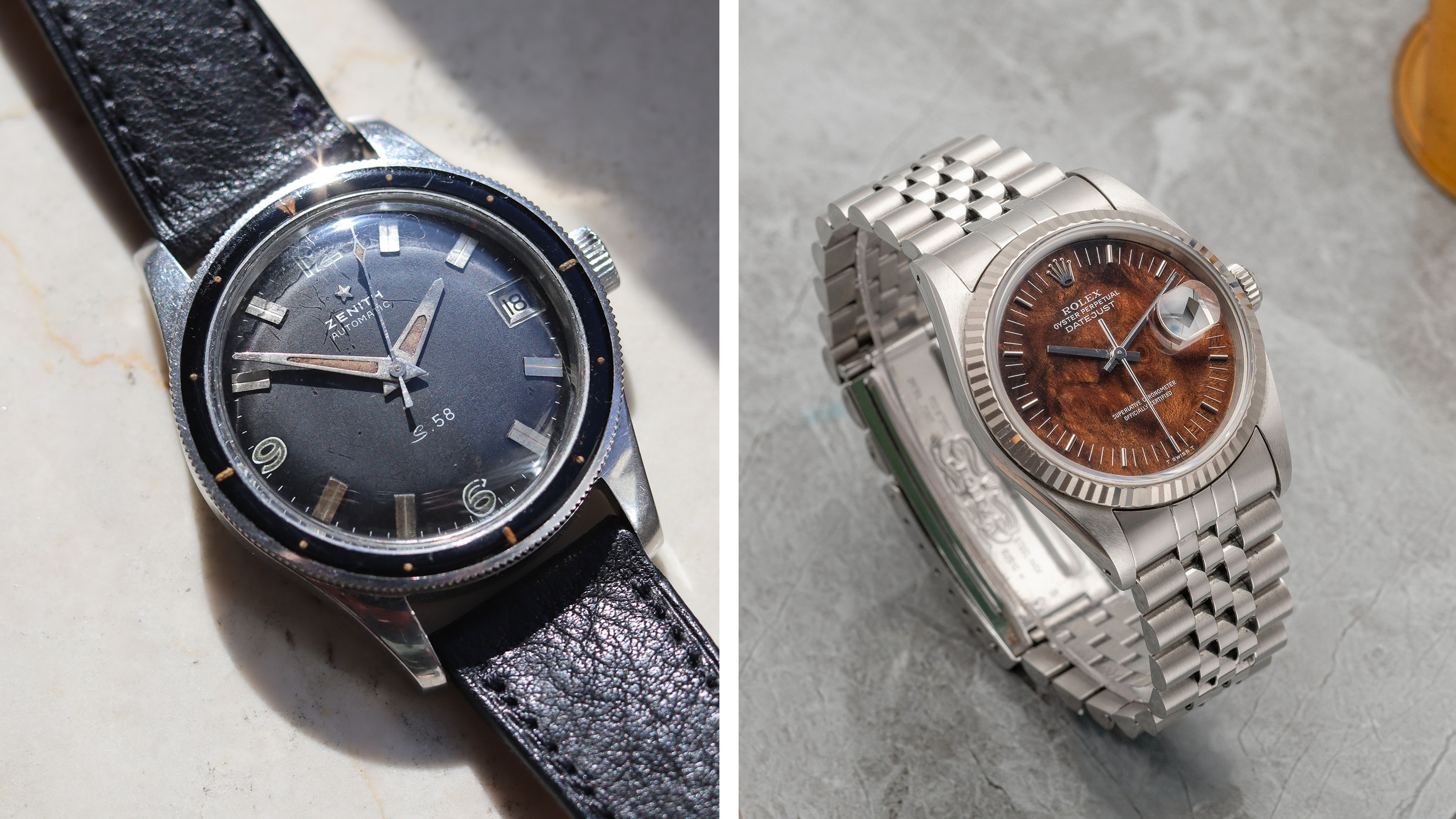
Best First Luxury Watch
A first luxury watch is less about chasing a single “best” model than making a high-stakes first purchase with clear tra…
More in Luxury Bags & Accessories
Stay in this world.
See all of Luxury Bags & Accessories →
Know someone who’d love this?
Discovered by ArcurianAuto-generated from public sources and AI synthesis — it may be incomplete or inaccurate. Treat it as a starting point for your own exploration, not professional (medical, legal, financial, or safety) advice. Verify anything you act on. Report this page.