The Birkin is Hermès’s storied top-handle bag, traced by the house to a 1984 Paris-to-London flight where Jane Birkin described needing something more practical and Jean-Louis Dumas sketched a supple, spacious rectangular holdall with a burnished flap. What keeps collectors obsessed is not just the origin story but the hierarchy inside the line itself: standard sizes and leathers sit far below limited-edition riffs like Touch, Ghillies, Faubourg and Cargo, while the Himalayan Birkin has become a category of its own in the auction world. Recent sales coverage has only sharpened that aura, with Jane Birkin’s original bag setting an auction record and specialists focusing ever more closely on rarity, condition and microscopic detail. The real fascination starts when you stop seeing a Birkin as a single bag and start reading it as a coded system of materials, editions and market signals.
Learn
How the Birkin Became a Collector’s Object
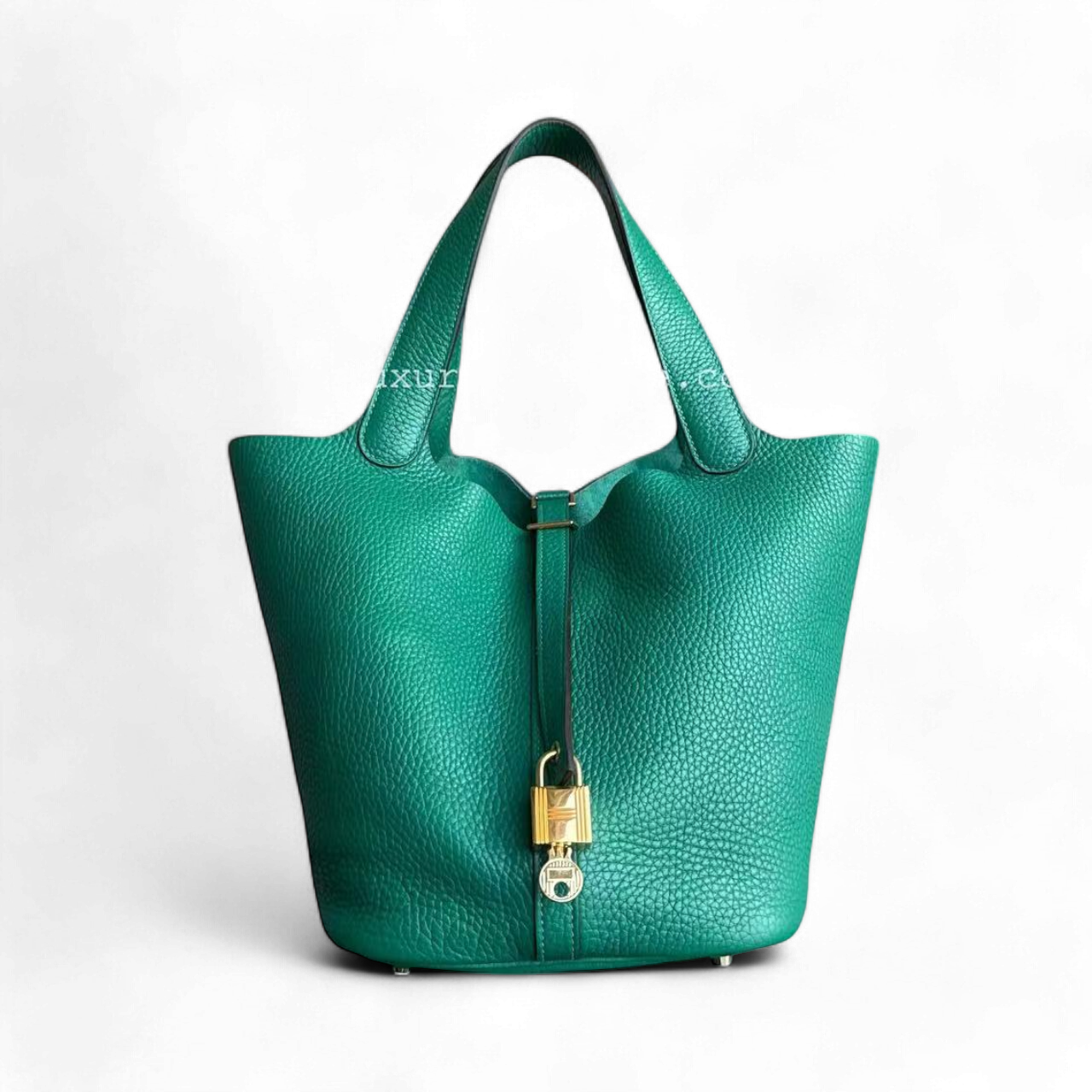
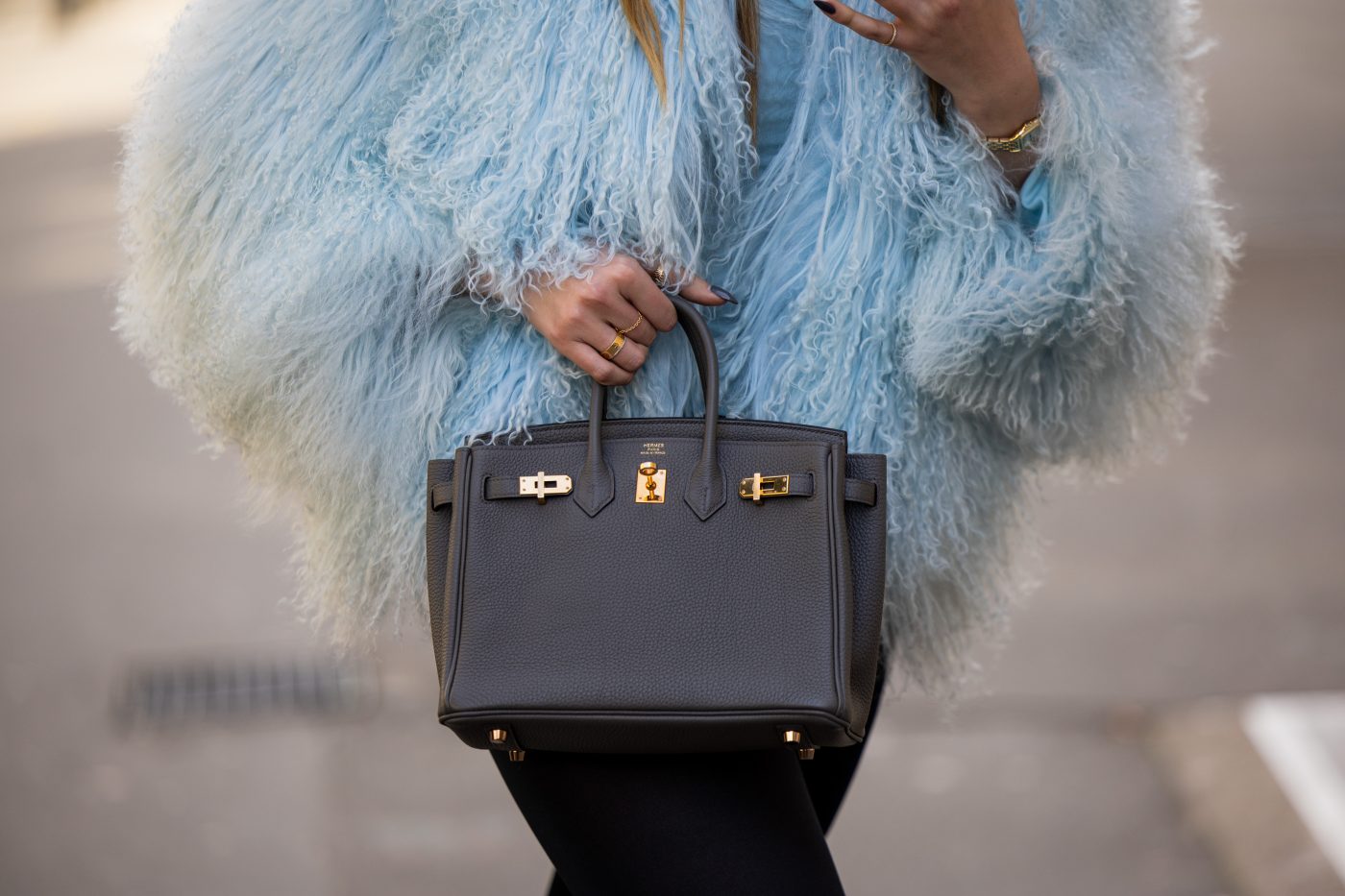
The Hermès Birkin's journey from a practical travel bag to a multi-million-dollar collector's object is driven by a perfect storm of scarcity, craftsmanship, and speculative demand. Since 2021, Sotheby’s alone has sold nearly $100 million in Birkins, with 2025 sales up over 70% year-over-year, cementing the bag as one of the most consistently valuable luxury assets. What separates a Birkin from other handbags isn't just the 18–40 hours of hand-saddle-stitching by a single artisan, but the maison's deliberate withholding of supply—select boutiques receive tiny allocations twice a year, and clients rarely know what colors or styles will arrive. This controlled scarcity has turned the secondary market into a competitive arena where the Birkin 30 in Togo leather averaged $22,300 at auction in 2025, and limited editions like the Himalaya or Faubourg regularly sell for multiples of retail. The real collector's game is in the details: size (25 and 30 dominate), color (neutrals and pinks like Rose Sakura lead), material (exotic skins command huge premiums), and construction (Sellier models beat Retourne for structural rarity). Newer date stamps outperform older ones, and condition can swing value by 30% or more. The Birkin is no longer just a bag—it's a financial asset with its own micro-market dynamics.
 sothebys.comsothebys.com
 sothebys.comsothebys.com
+Field notes
- —Birkin sales at Sotheby’s surged over 70% in 2025 compared to 2024, and 95% since 2023, with the average Birkin 30 in Togo leather reaching $22,300—reflecting a 6% annual increase.
- —Hermès limits boutique allocations to twice a year, and clients often don’t know which colors or styles will appear—a supply strategy that fuels secondary-market premiums.
- —The Shadow Birkin, designed by Jean Paul Gaultier in 2009, is the only Birkin to break from the classic structured silhouette, using a trompe-l’oeil raised impression instead of a true flap.
- —The Mini Kelly 20 II, launched in 2016, has become so competitive on the secondary market that a pristine example can sell for more than a Birkin 25, driving a shift toward ultra-compact sizes.
- —Neutral tones (Black, Etoupe, Gold) and specific Hermès pinks like Rose Sakura command the highest resale values, while bright colors typically sell for less.
- —A single Birkin takes a minimum of 18 hours (and up to 40 hours) of handwork by one artisan, using the saddle stitch—a two-needle technique that cannot be replicated by machine and ensures the seam never unravels.
Learn
The 1984 Origin Story and the Dumas Sketch Mythos
The Hermès Birkin's origin story is a masterpiece of serendipity, unfolding in 1983 or 1984 on an Air France flight from Paris to London. The singer-actress Jane Birkin — then a young mother, her wicker basket recently crushed by her husband's car — found herself upgraded to business class and seated next to Jean-Louis Dumas, the executive chairman of Hermès. When her makeshift bag's contents spilled across the aisle, Dumas remarked she needed one with pockets. Birkin retorted that the day Hermès made such a bag, she'd buy it; Dumas, with the unfurling confidence of the man who *was* Hermès, said he would. So began an impromptu design session: Birkin, frustrated that Hermès offered nothing between the petite Kelly and a suitcase, sketched a spacious rectangular holdall with room for a baby's bottles onto the nearest paper at hand — the airline's sick bag, the unmistakable "vomit bag." Dumas delivered a prototype in 1984, gifting it to Birkin on the condition she lend her surname to the design. The bag released at roughly $2,000. The original prototype, still bearing its shoulder strap, Birkin's nail clippers, and humanitarian stickers she affixed, made its first-ever public sale at Sotheby's "Fashion Icons" auction in July 2025 — a singular, un-estimated artifact that embodies the entire legend.


 scmp.comscmp.com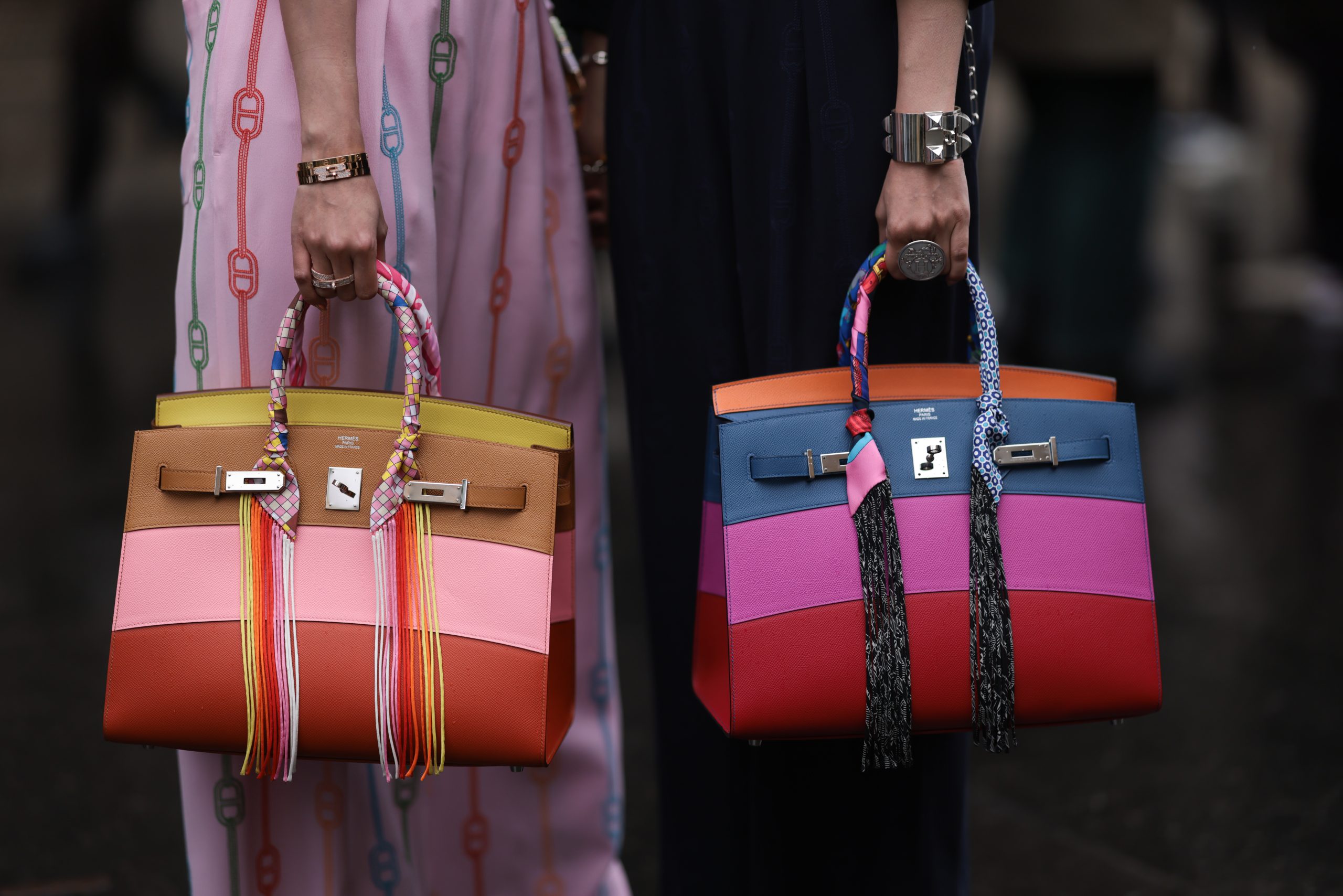
 smithsonianmag.comsmithsonianmag.com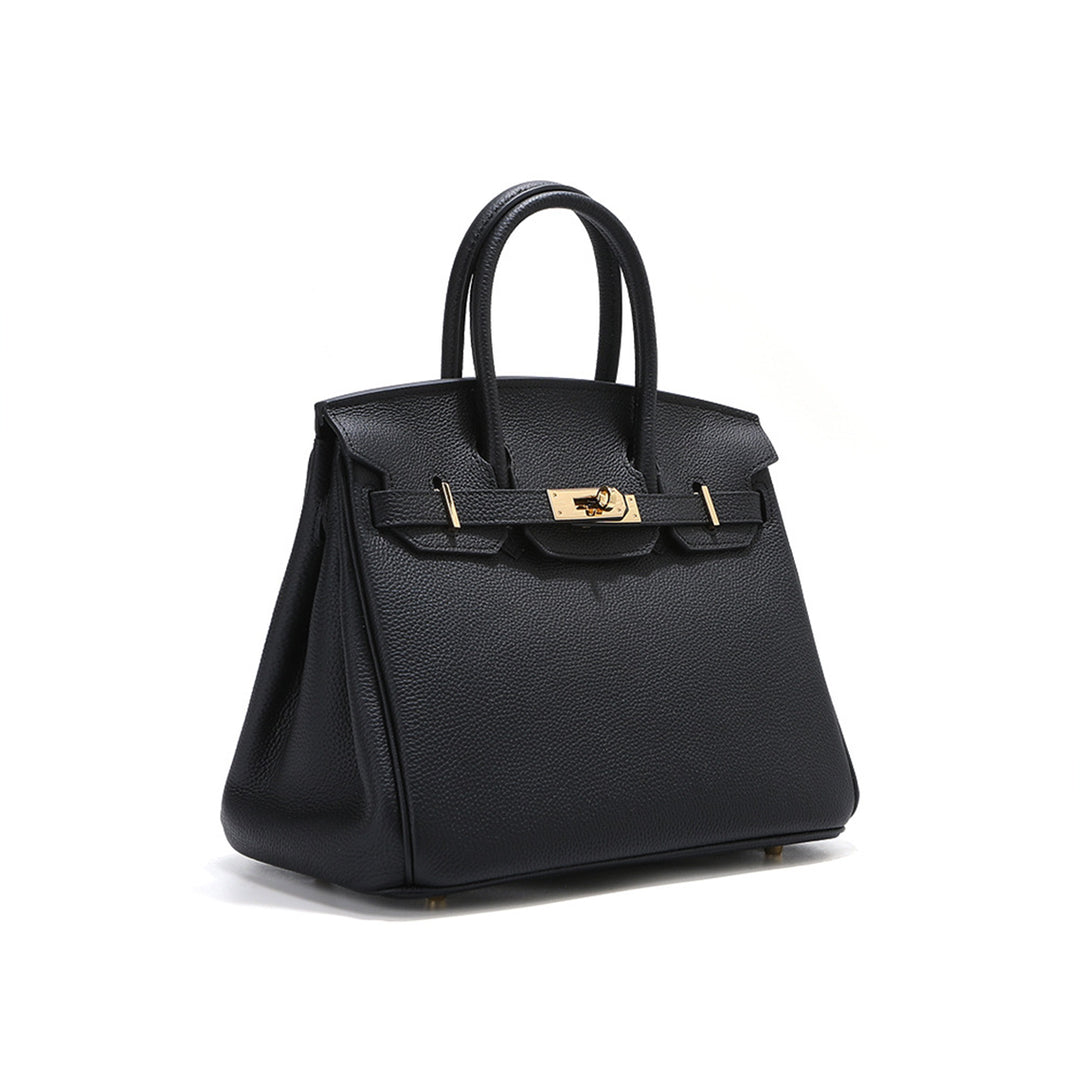
+Field notes
- —The entire genesis began because Jane Birkin's then-husband, director Jacques Doillon, had intentionally reversed his car over her wicker basket just days before the flight, destroying her primary bag — a petty act that forced her onto the plane with an inadequate replacement and set the stage for her encounter with Dumas.
- —Dumas's offer to Birkin was not merely to commission a custom bag: he proposed that she never *buy* the bag at all, instead exchanging the right to christen the design with her surname. Birkin, flattered, agreed — a sans-cash deal that transformed a doodle into the world's most monetized handbag.
- —The prototype bag — created in 1984 and presented to Birkin in 1985 — was the first and only Birkin to carry seven unreplicated features, including its original shoulder strap, Birkin's own nail clippers, and a set of humanitarian stickers she personally adhered to the side. Sotheby's refused to release a pre-sale estimate, citing its status as "completely apart from any other handbag."
- —The bag's overlooked, exact design detail is that Birkin demanded a bag "bigger than the Kelly but smaller than Serge's suitcase," referencing the vast leather travel cases of her partner Serge Gainsbourg — a precise sizing constraint that Hermès's artisans took as their literal brief.
- —The prototype was not just any Birkin; it was the one Birkin herself carried for decades, and when it finally came to auction through Sotheby's "Fashion Icons" sale on July 10, 2025, it was the first time the bag had ever been sold — its market value deliberately obscured even from public estimate, a rarity in the auction world.
- —Jane Birkin, during a 2012 Hermès show interview, drily noted that the bag's fame had so overtaken her that when she went to America to sing, audiences asked "Birkin? Like the bag?" — to which she replied "Yes indeed: and the bag will now sing," a pointed self-deprecation that sealed the bag's pop-culture immortality.
Learn
Learn the Words: Touch, Ghillies, Faubourg, Cargo, Himalayan
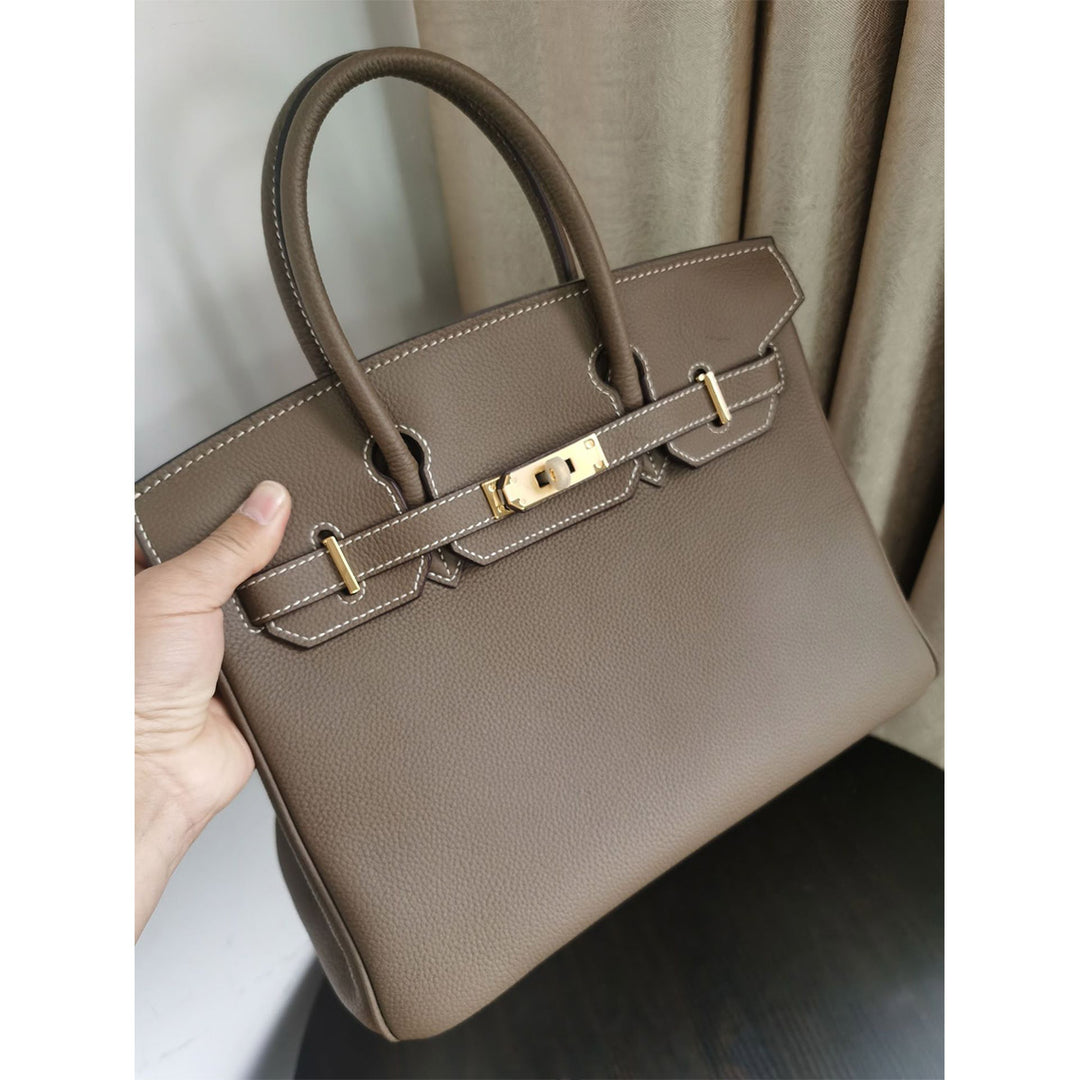
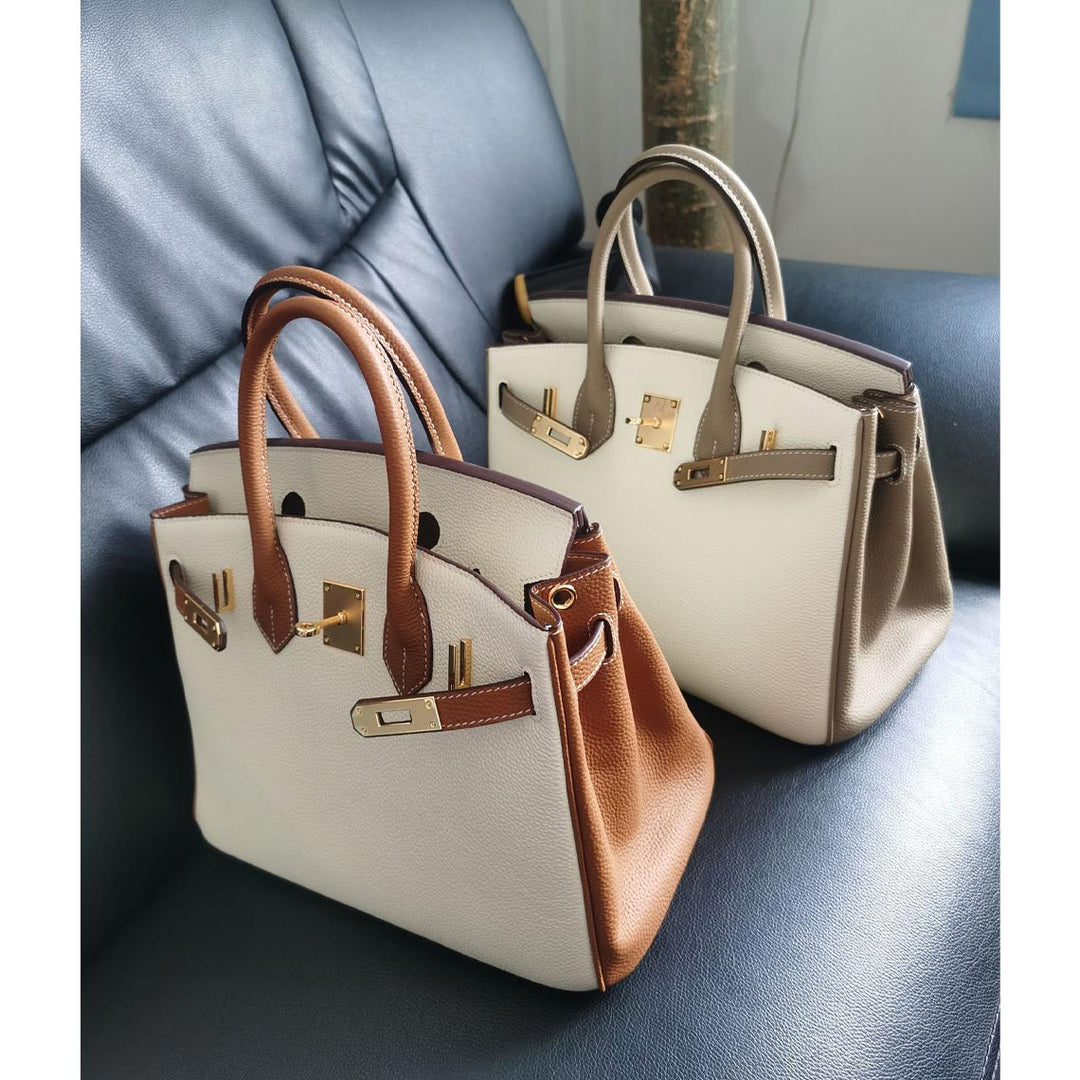
The Hermès Birkin's limited editions each carry a distinct design philosophy and backstory that reward deeper knowledge. The Touch Birkin, introduced in 2017, features exotic-material vertical stripes, often in lizard or crocodile, set against a leather body—a subtle flash of rarity. The Ghillies Birkin, from 2012, descends from Hermès' 2011 haute bijouterie jewelry line and is defined by intricate decorative leather trim that wraps the bag's edges, making it one of the hardest-to-find editions. The Faubourg Birkin, launched in 2019, miniaturizes the brand's flagship at 24 Rue du Faubourg Saint-Honoré into a 20 cm Sellier bag, with models named Day, Night, Snow, Midnight, Disco, and Rainy Days—each translating the store's architecture, like its orange façade and awnings, into hand-crafted leather panels. The Cargo Birkin, a utilitarian outlier, adds exterior pockets and straps, flipping the Birkin's usual refinement into something almost tactical. And the Himalayan Birkin, the holy grail, achieves its coveted snowy-to-charcoal gradient not through dye but by hand-buffing matte Niloticus crocodile with felt wool, a finish that also hides scuffs—making it as practical as it is iconic.
 sothebys.comsothebys.com
+Field notes
- —The Touch Birkin (2017) uses exotic-material vertical stripes—often Shiny Niloticus lizard—embedded into a leather body, a deliberate move that makes the bag feel classic at a glance but rare on closer inspection.
- —The Ghillies Birkin (2012) directly extends Hermès' 2011 haute bijouterie jewelry collection, giving the bag decorative leather trim that echoes fine metalwork—an unusual crossover from jewelry to leather goods that most collectors miss.
- —The Faubourg Birkin (2019) exists only in a 20 cm Sellier construction and is built around architectural details of the 24 Rue du Faubourg Saint-Honoré boutique—the Snow Faubourg and Rainy Days Faubourg are the scarcest sub-editions, with the Rainy Days version achieving €203,200 at Christie's in 2024.
- —The Himalayan Birkin's signature fade from white to smoky gray is achieved by hand-buffing matte Niloticus crocodile with felt wool—no two bags are identical, and the matte finish incidentally hides everyday wear, making the mythically expensive bag surprisingly durable.
- —The Himalayan name doesn't come from a crocodile species; it's a visual reference to snow-capped mountains, and the effect traces back to 1990s-era 'Natura Vert Celadon' croc bags that let the natural skin gradient show—Hermès deliberately revived that look for the Himalayan.
- —Cargo Birkins (early 2010s) swap the Birkin's usual clean lines for external pockets and strap detailing, a direct nod to utilitarian military bags—this utilitarian detour from classic Birkin elegance makes them a polarizing but deliberate statement piece.
Discover
Watch Auction and Collector Coverage, Not Just Boutique Styling


The July 2025 Sotheby's Paris auction of Jane Birkin's personal Hermès Birkin was a watershed moment for handbag collecting, with bidding starting at €1 million and ending at €8.6 million after a fierce ten-minute battle among nine bidders, ultimately won by a Japanese private collector. This sale not only crushed the previous handbag auction record—the $513,000 Himalaya Kelly—but also redefined the Birkin as a blue-chip collectible whose provenance (the original bag that inspired the design) proved far more valuable than any exotic leather or diamond hardware. For collectors, the event demonstrated that rarity alone isn't the metric; a direct link to the object's origin story can command multiples beyond any boutique-exclusive release.
+Field notes
- —The opening bid of €1 million at Sotheby's Paris instantly surpassed the previous handbag auction record of $513,040 set by a Hermès White Himalaya Niloticus Crocodile Diamond Kelly 28 in 2021.
- —The bidding war lasted 10 minutes and involved 9 collectors via phone, online, and in the room, with the final hammer price of €8.6 million ($10.1 million).
- —The winning bidder was a private collector from Japan, underscoring the international demand for iconic fashion artifacts.
- —The Birkin 40 is the largest standard production size and is considered by enthusiasts as the 'ultimate airport flex' for collectors who prioritize function and visibility.
Discover
Read the Market Through Auction Guides and Specialist Writeups
The Birkin market, as seen through Sotheby's and Christie's specialist write-ups, is a case study in scarcity-driven economics. Since 2021, Sotheby's has moved nearly $100 million in Birkins, with 2025 sales alone up over 70% year-over-year and 95% since 2023, pushing the average Birkin 30 in Togo to $22,300. Limited editions like the Shadow, Ghillies, and Club follow a predictable price arc: a spike right after release, a 4-6 year dip as novelty fades and supply trickles into the secondary market, then a rebound as archival pieces gain new collectors. Condition is brutal—visible wear can knock 30% or more off value. The real action is in the Birkin 25 and 30, which dominate demand; larger 35s and 40s lag. Exotics like the crocodile Himalaya (estimated at 600,000–900,000 HKD at Christie's) sit at the top, while neutrals and pastels consistently outperform bright colors. The takeaway: this is a market where timing, size, and specific editions—not just brand—dictate returns.
+Field notes
- —Birkin sales at Sotheby's grew more than 70% in 2025 versus 2024 and 95% since 2023, with the average Birkin 30 in Togo leather hitting $22,300—a 9% increase from 2023.
- —Limited editions like the Ghillies, Shadow, and Club follow a predictable value curve: an initial post-release price spike, then a 4-6 year decline as more bags enter the secondary market, followed by a rebound as new collectors seek archival pieces.
- —Condition is ruthless: pristine or 'store fresh' bags command a premium, while visible wear can slash values by 30% or more.
- —The Birkin 25 and 30 sizes dominate secondary-market demand; larger sizes like 35 and 40 are less coveted and typically sell for less.
- —The Shadow Birkin, introduced in 2009 by Jean Paul Gaultier, is the only Birkin to abandon the traditional structured silhouette, using a trompe-l'oeil raised impression instead of a separate flap and strap.
- —Exotic skin Birkins like the White Matte Niloticus Crocodile Himalaya 30 with palladium hardware carried a 2009 estimate of 600,000–900,000 HKD at Sotheby's, illustrating the stratospheric premium for rare materials.
Keep exploring
More of Hermès Birkin

Branch out
Beyond Hermès Birkin
More to explore
In the same world.

CHANEL Handbags
CHANEL’s handbag world spans classic flap bags, hobo bags, shopping bags, backpacks, evening bags, and mini bags, with t…
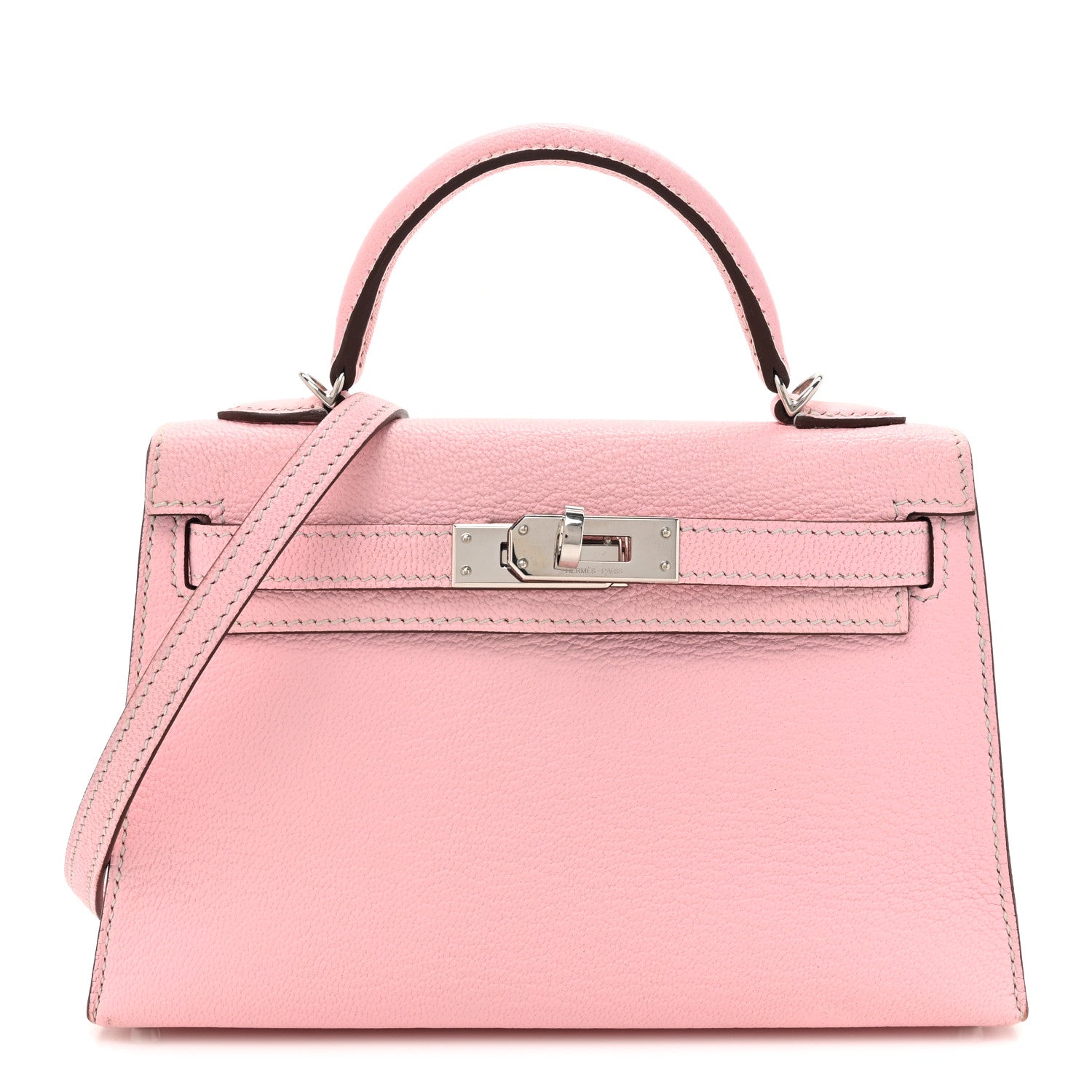
Hermès Le Petit Sac
Hermès Le Petit Sac is a very small handmade Hermès bag built around reduction rather than capacity: a reversible Mysore…
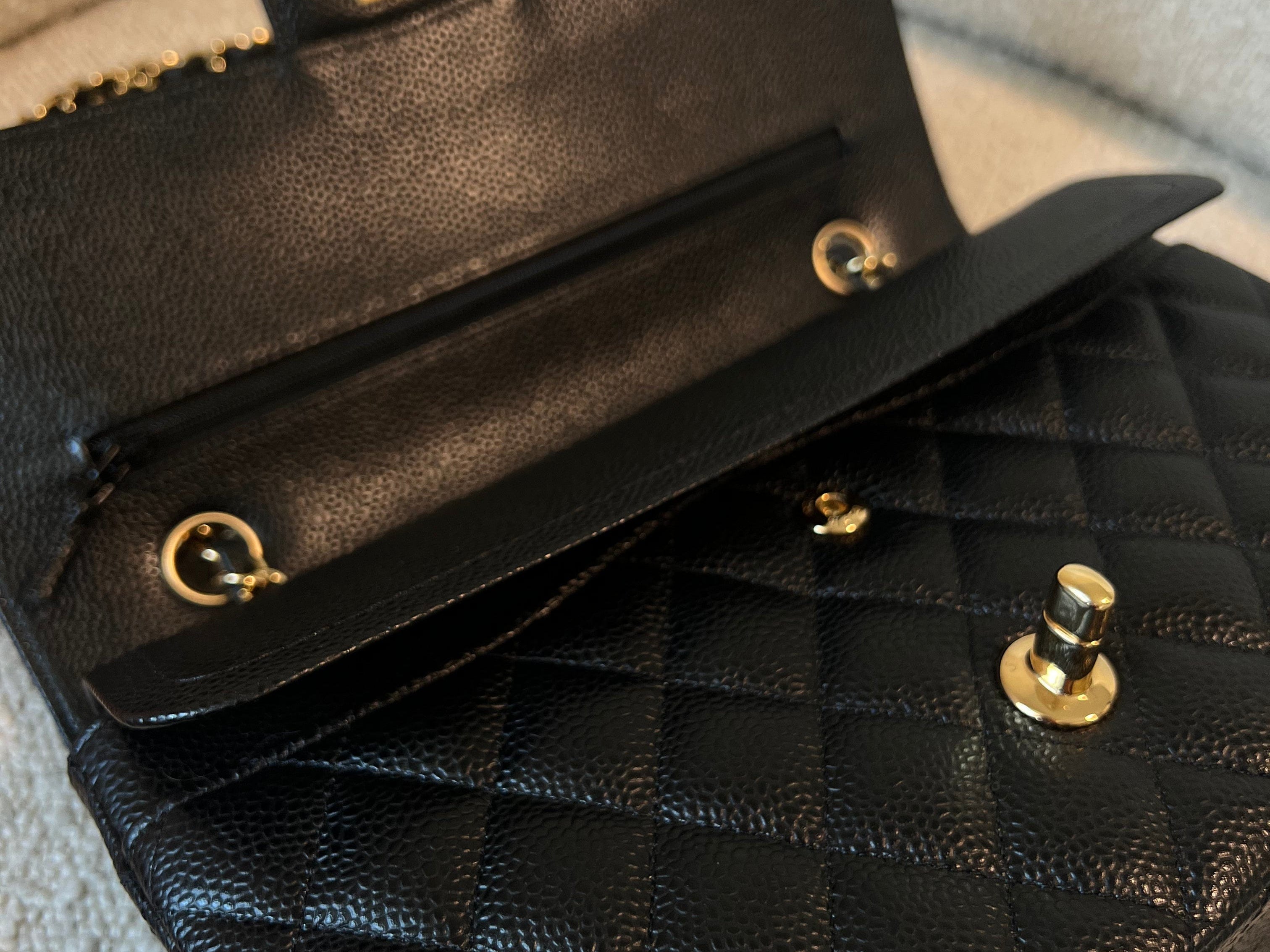
Chanel Classic Flap
The Chanel Classic Flap — officially the 11.12 handbag — was created by Karl Lagerfeld in 1983 as a reinterpretation of…

Luxury Bag Brands Where Craft Actually Leads
The most convincing luxury bag brands are the ones that make craftsmanship legible: Florence houses like Misuri and Dani…
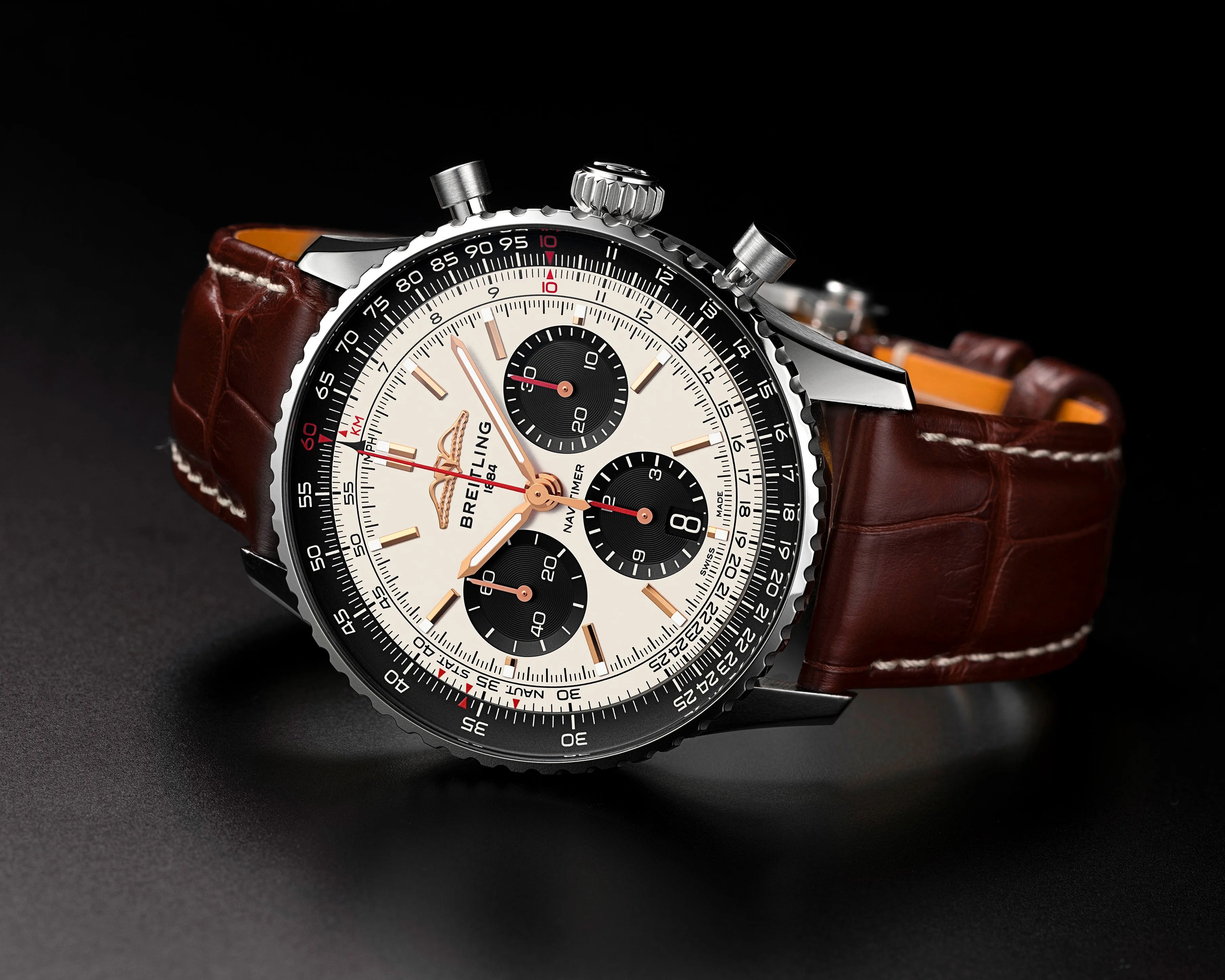
Breitling Navitimer
The Breitling Navitimer is a mechanical chronograph defined by aviation use and its signature circular slide rule, a fea…
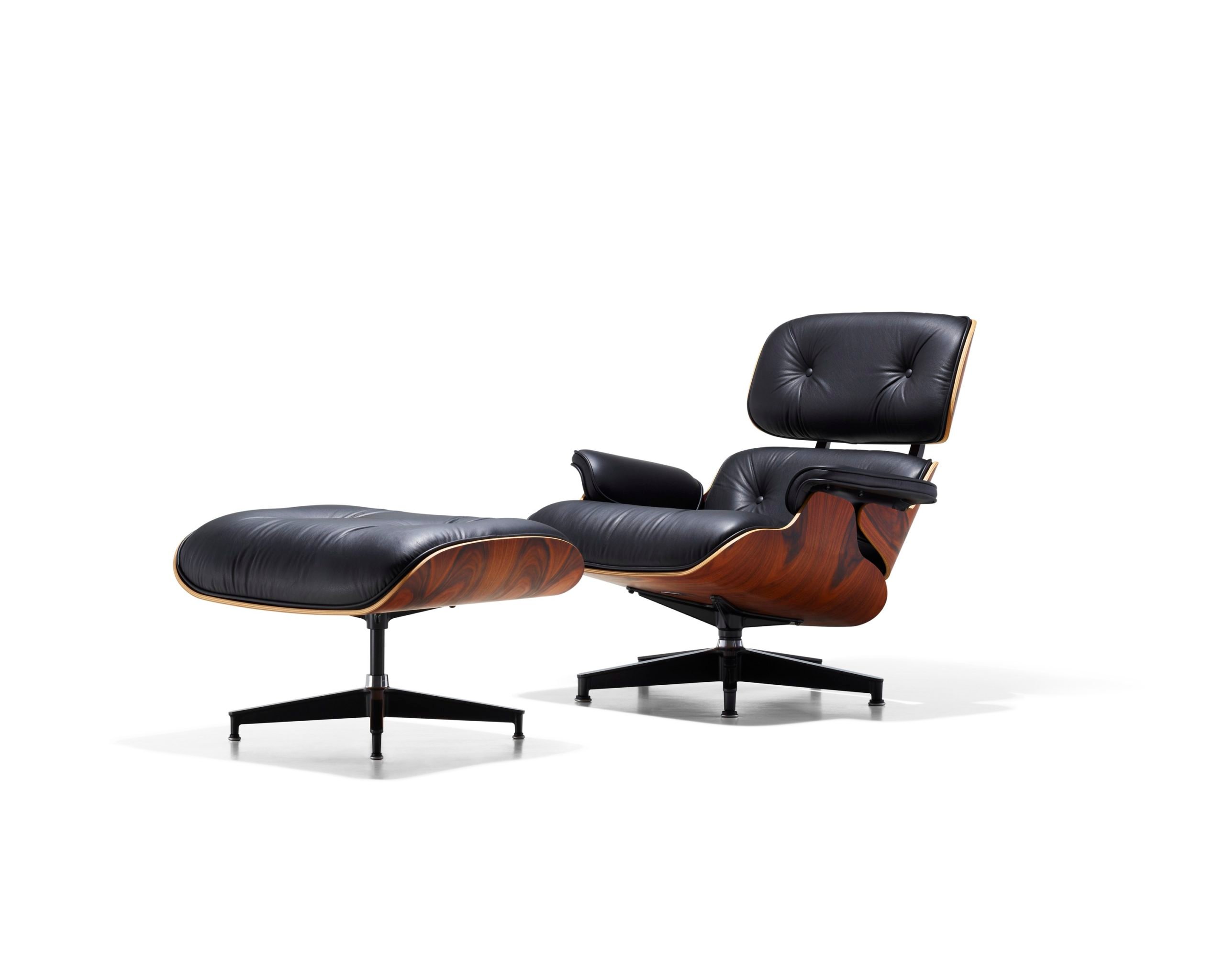
Eames Lounge Chair and Ottoman
The Eames Lounge Chair and Ottoman is one of the signature objects of mid-century modern design: a 1956 Charles and Ray…

Vintage Rolex Watches
Vintage Rolex collecting revolves around older references whose value is tied not just to the model name, but to origina…
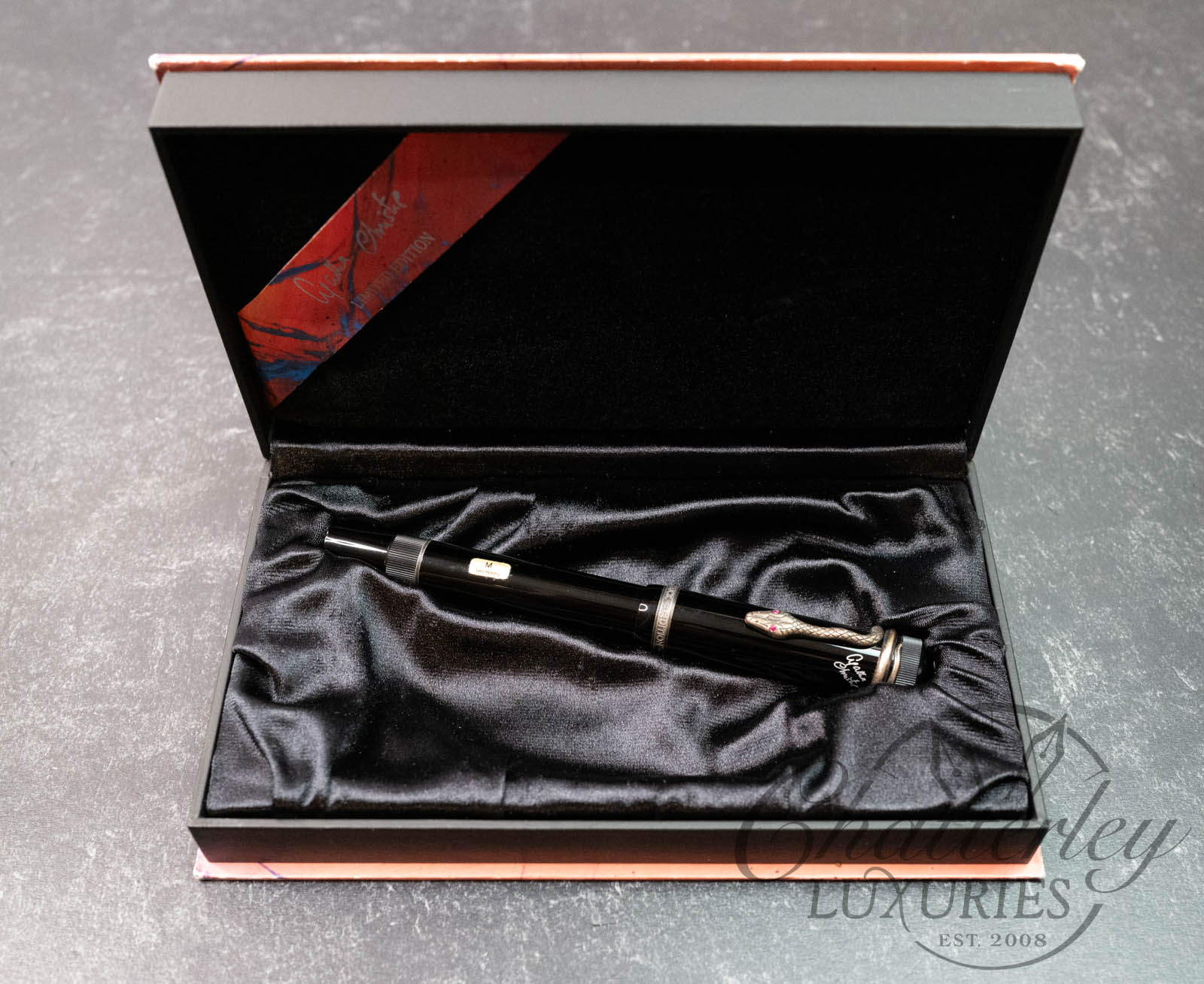
Montblanc Writers Edition Agatha Christie
This is Montblanc’s 1993 Writers Edition tribute to Agatha Christie, a fountain pen that shows up across collector, deal…
More in Luxury Bags & Accessories
Stay in this world.

2mm Semi-Solid Franco Chain
Luxury Bag Brands Where Craft Actually Leads
Hermès Le Petit Sac
CHANEL Handbags
Chanel Classic Flap
Imagery
Know someone who’d love this?
Discovered by ArcurianAuto-generated from public sources and AI synthesis — it may be incomplete or inaccurate. Treat it as a starting point for your own exploration, not professional (medical, legal, financial, or safety) advice. Verify anything you act on. Report this page.