Parachute’s sheets sit at the intersection of bedding performance and design-brand loyalty: the line is built around premium natural fibers, especially linen and percale, and sold as part of a broader bedding system rather than as anonymous basics. In the sources here, the two defining personalities are clear—linen in 100% European flax with a deliberate hint of texture, and percale in 100% long-staple Egyptian cotton aimed at sleepers who want crisp, smooth, breathable coolness. Coverage from Architectural Digest and Harper’s Bazaar treats Parachute’s linen and percale as the brand’s signature sheet stories, which is exactly where a curious buyer should start. The interesting question is not just “are they good sheets?” but which Parachute fabric identity matches the way you actually sleep and make a bed.
Learn
The Two Core Parachute Sheet Personalities
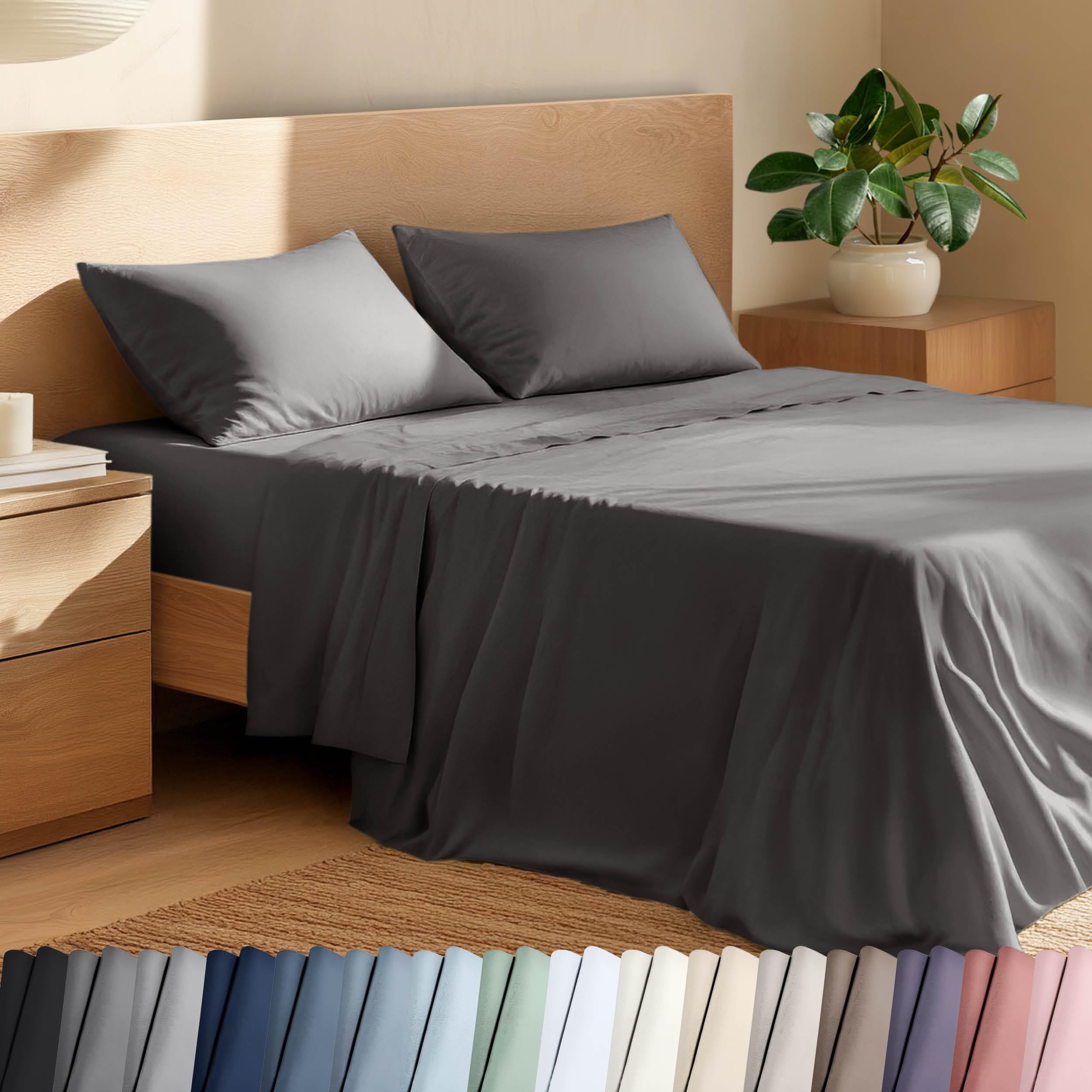
Parachute's two core sheet personalities—percale and sateen—are built from the same 100% long-staple Egyptian cotton but diverge completely in weave and feel. The percale uses a classic one-over-one-under construction at 300 thread count, yielding a crisp, matte, breathable finish that hot sleepers swear by; it's the kind of sheet that makes you feel like you're in a five-star hotel. The sateen, by contrast, employs a satin-like weave that gives it a smooth, silky hand and a subtle sheen, perfect for those who prioritize softness over cooling. Both are made in a family-run Portuguese factory, share 16-inch fitted-sheet pockets and envelope-style pillowcases, and—true to European style—don't include a top sheet by default. The choice between them comes down to whether you want a cool, crisp bed or a soft, luxurious one.
 sleepopolis.comsleepopolis.com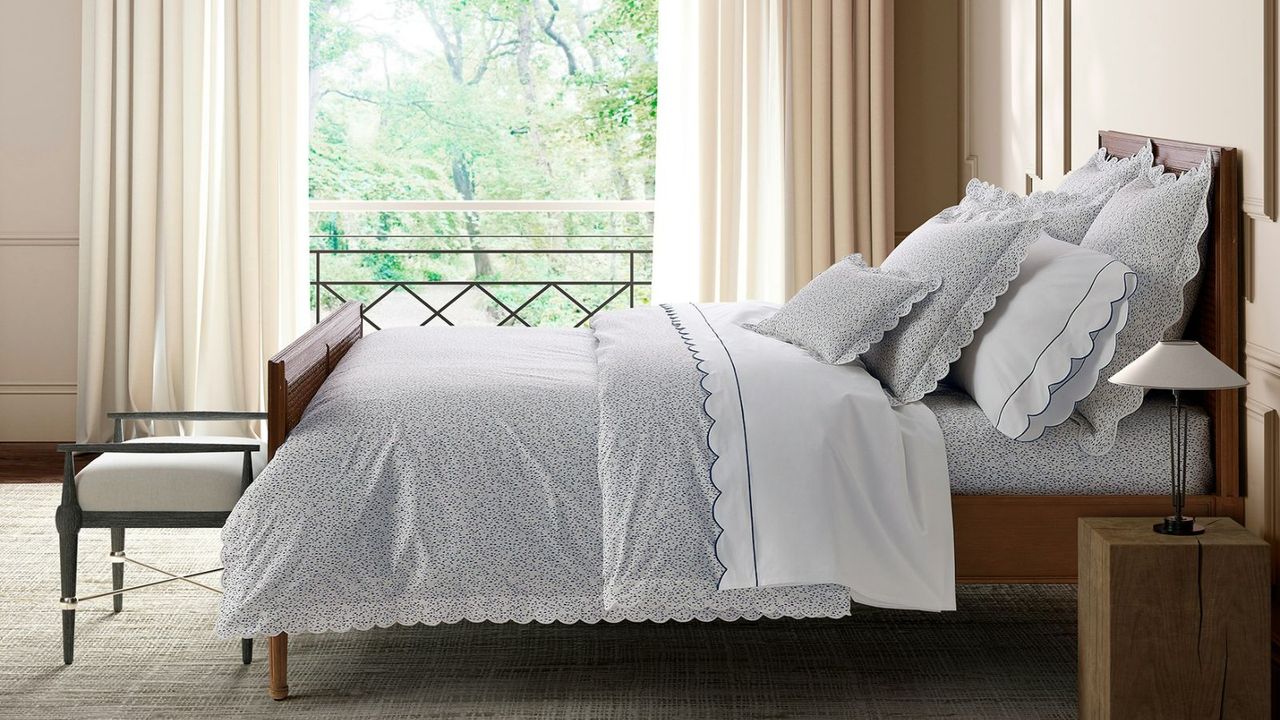
 thequalityedit.comthequalityedit.com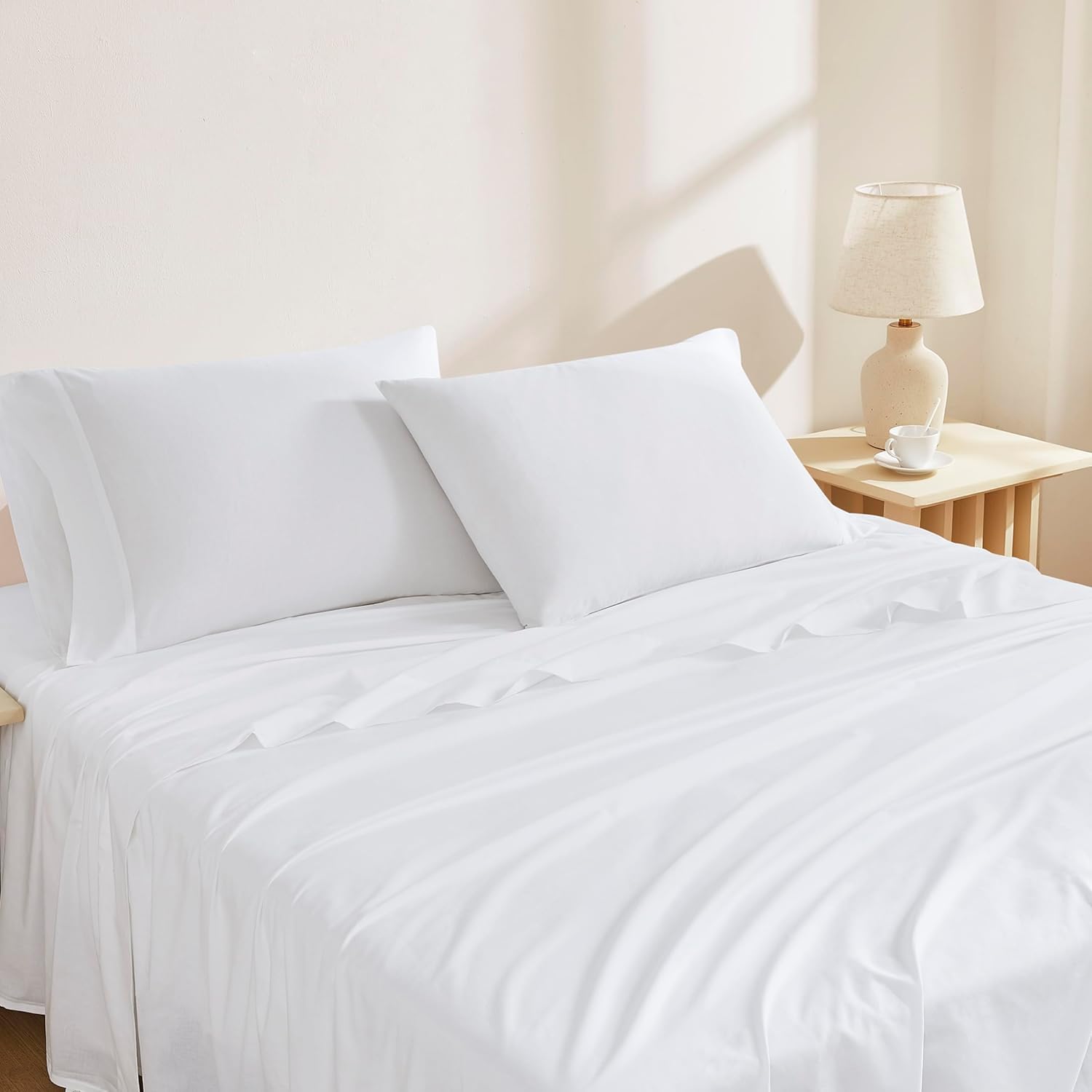
 mattressmiracle.camattressmiracle.ca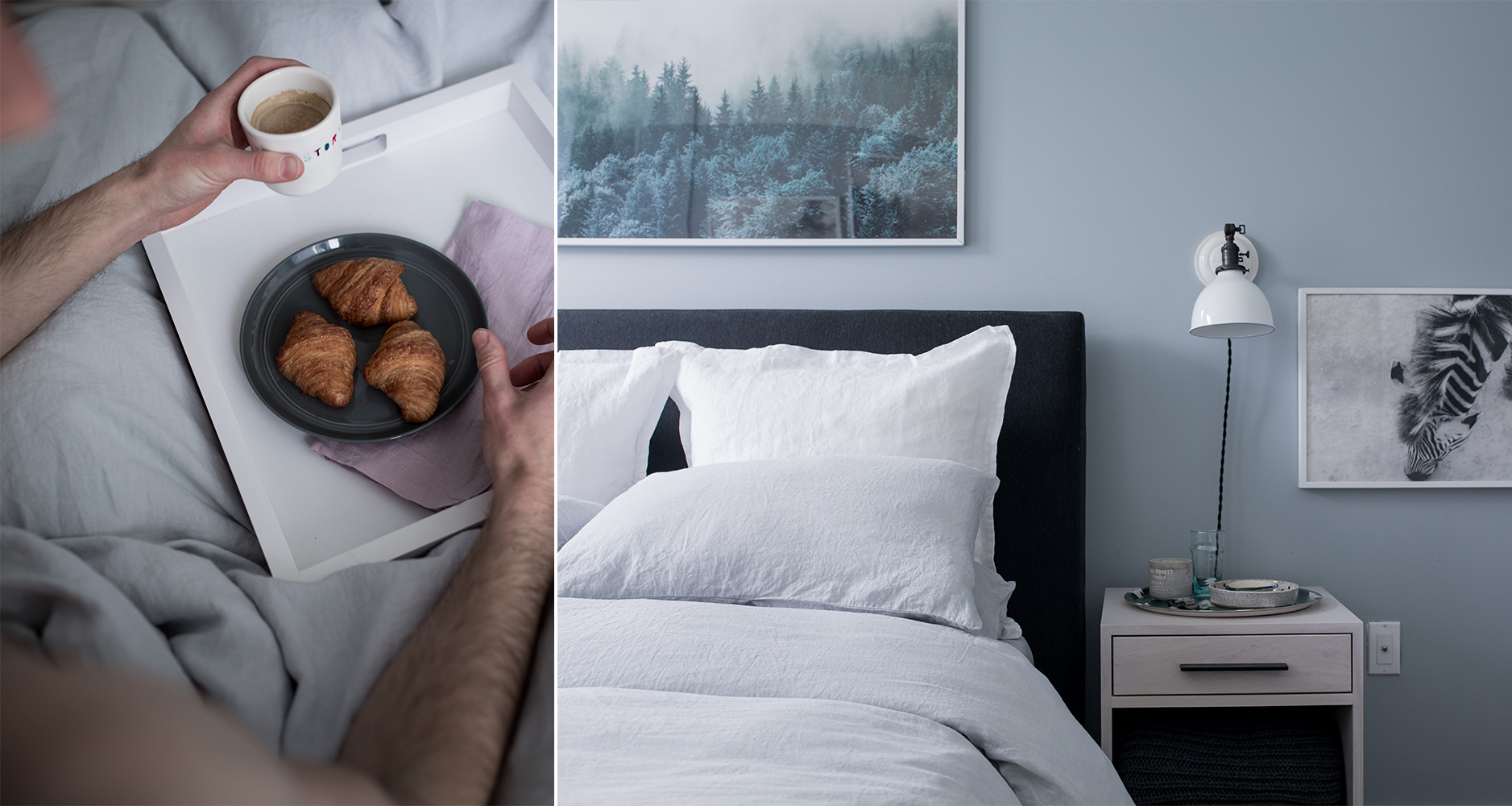
 mattressclarity.commattressclarity.com
+Field notes
- —Parachute's percale sheets use a 300-thread-count, one-over-one-under weave of 100% long-staple Egyptian cotton, delivering a crisp, matte finish that feels cool and breathable—exactly like a high-end hotel bed.
- —The sateen variant uses the same Egyptian cotton but with a satin-like weave that creates a smooth, shiny surface with a softer, more silky hand feel, appealing to those who want a luxurious, slightly warmer sleep.
- —Both collections share identical construction details: 16-inch fitted sheet pockets, envelope-style pillowcase closures, and the option to buy a top sheet separately—but the weave alone dictates the entire feel.
- —Parachute's percale sheets are made at a family-run factory in Portugal, and the sheets are designed to soften with each wash, meaning the initial crispness gradually gives way to a lived-in comfort.
- —The sateen sheets, while still breathable, are not as cooling as percale; hot sleepers are better off with percale, while those who prioritize a silky texture over temperature regulation should choose sateen.
Learn
How to Read Parachute’s Sheet Language
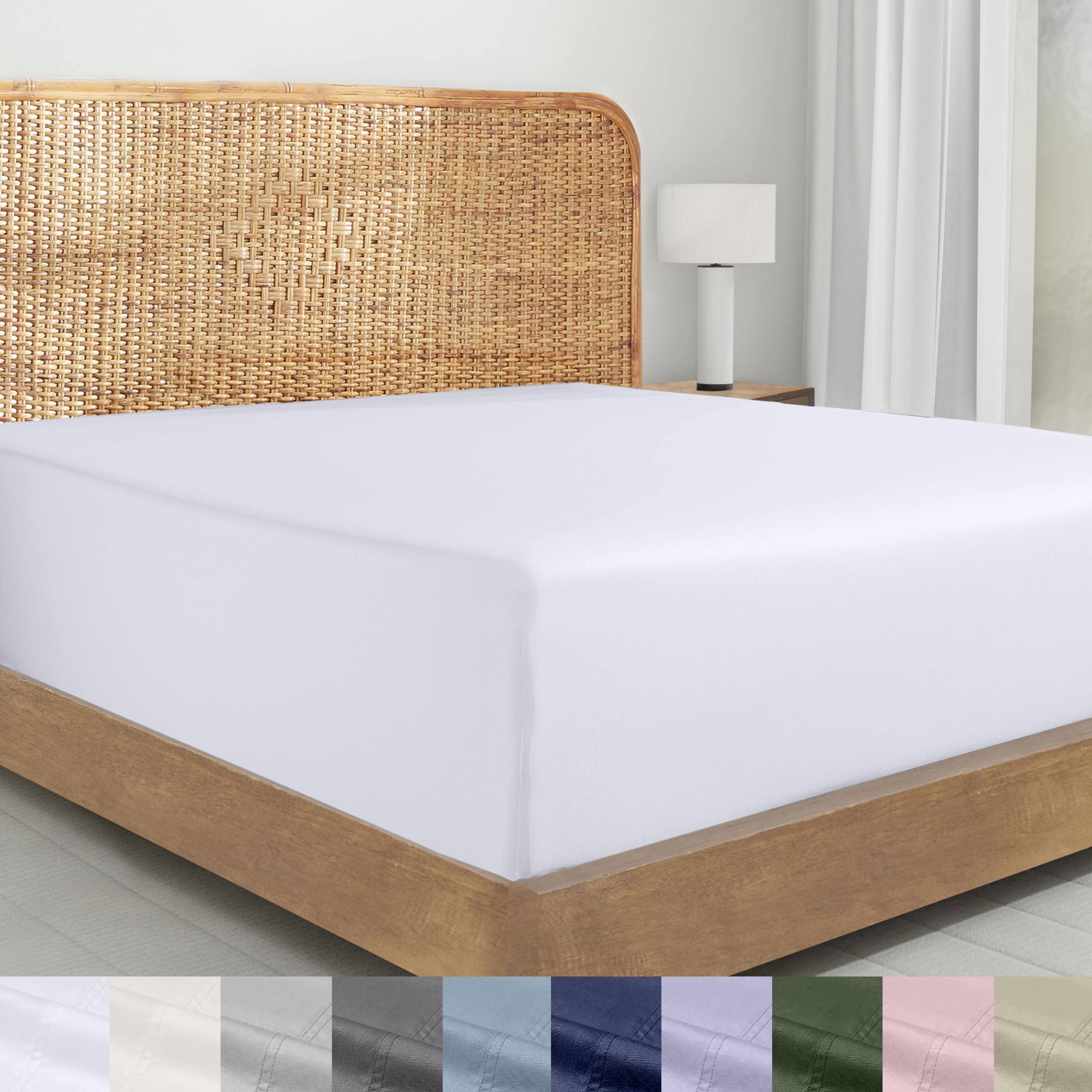
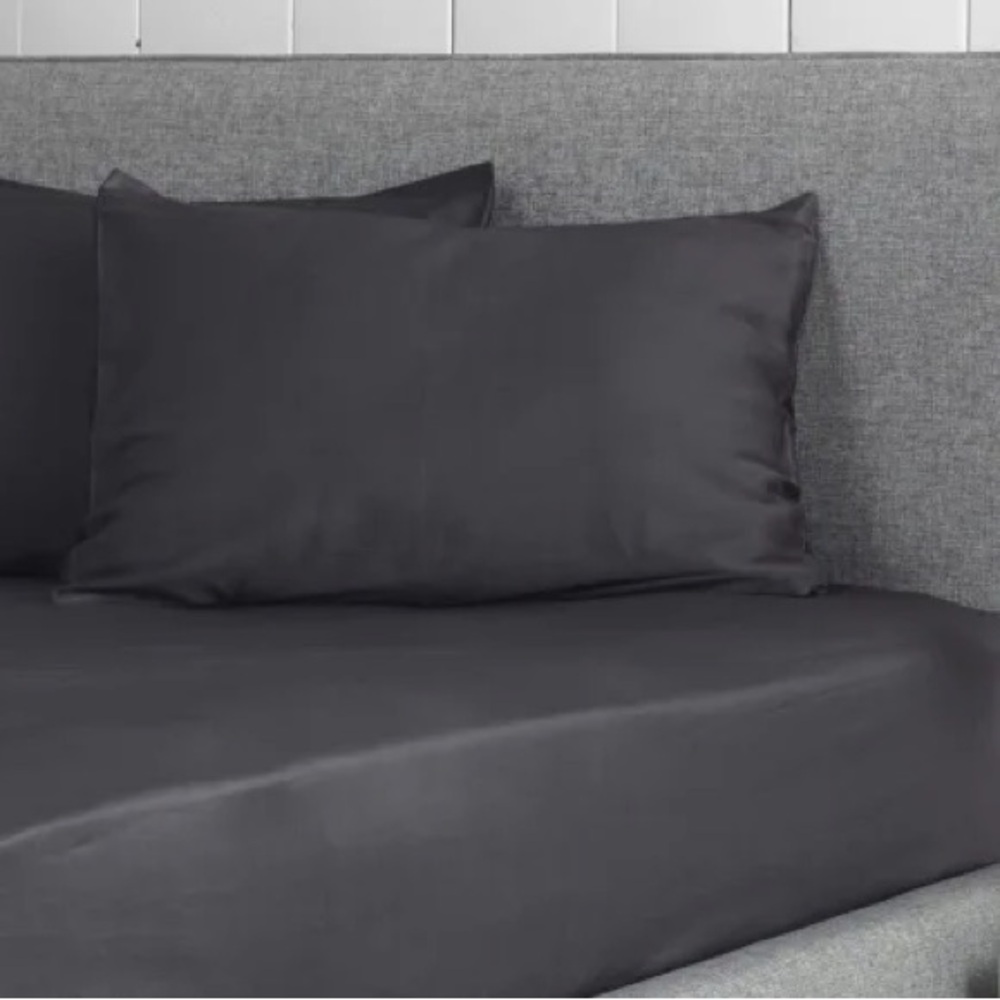
Parachute's sheet language revolves around three distinct fabric constructions—percale, sateen, and linen—each engineered for a specific sleep feel. Percale uses a one-over-one-under weave in 100% long-staple Egyptian cotton, delivering a crisp, matte, hotel-bed hand that's ideal for hot sleepers. Sateen, from the same Egyptian cotton, is woven with a higher thread count for a smooth, silky drape but sleeps slightly warmer. Linen, made from European flax, offers the most breathable, temperature-regulating option with a naturally wrinkled texture that softens over time. Crucially, Parachute's sheet sets do not include a top sheet by default—you must add it separately for an additional cost. The brand also sells all components individually under its "Sheets à la Carte" program, allowing you to mix fitted sheets, top sheets, pillowcases, and shams across colors and patterns. Fitted sheets feature 16-inch pockets, and pillowcases use envelope-style closures (either back or side) to keep pillows secure. Parachute explicitly avoids listing thread counts, arguing they're irrelevant beyond a certain threshold, and focuses instead on fiber quality—specifically, certification of its long-staple Egyptian cotton as OEKO-TEX Standard 100. The company does not use the term "sateen" loosely; it is a specific weave in its own collection, not a finish applied to percale. Understanding which weave your sleeping habits demand matters far more than the brand name alone.

 mattressnerd.commattressnerd.com
+Field notes
- —Parachute's sheet sets never include a top sheet by default—you must buy it separately, adding roughly $40 to the base set price for a comparable comparison with other brands.
- —The company intentionally omits thread counts from its marketing, arguing that beyond a certain threshold thread count is irrelevant; they rely instead on the certification of their long-staple Egyptian cotton via the OEKO-TEX Standard 100.
- —Fitted sheets have 16-inch pockets, and pillowcases use envelope-style closures (back or side) to prevent pillows from slipping out—a detail that distinguishes them from brands using zippers or open-ended cases.
- —Through its "Sheets à la Carte" program, Parachute sells every component individually—fitted sheet, top sheet, pillowcase set, sham set, and duvet cover—in multiple weaves, allowing you to mix colors like Dusk, Moss, Adobe, Java, and Bone across the same bed.
- —Parachute's sateen is not a finish applied to percale; it is a distinct collection with its own weave structure and higher price point, using the same OEKO-TEX-certified Egyptian cotton but woven for a silky rather than crisp hand.
- —The percale weave is produced in Portugal using a classic one-over-one-under construction, which creates a lightweight, matte finish that becomes softer with each wash—this is the same construction used in high-end hotel bedding.
Discover
What Editors Actually Test in Parachute Sheets


Editors testing Parachute sheets don't just rub fabric between their fingers; they scrutinize specific, technical attributes that determine whether a set earns a spot on their bed long-term. For percale, the defining test is the weave's breathability and crispness—experts confirm the one-over-one-under weave creates a matte, airy handfeel ideal for hot sleepers, but they also note it's intentionally less soft than sateen or linen straight out of the package. Longevity is a major focus: reviewers at House Beautiful reported no pilling, tearing, or seam-splitting after more than 50 washes, emphasizing that the sheets actually get softer with age rather than degrading. The material choice is non-negotiable—Parachute's percale uses 100 percent long-staple Egyptian cotton, which testers at Sleepopolis highlight as superior for smoothness and durability because longer fibers don't fray like short-staple alternatives. Color fastness surfaces as a real concern: one editor noted slight fading with a rich hue, a specific risk editors flag for shoppers considering deep colorways. Finally, the fitted sheet's 16-inch pockets are explicitly tested—they accommodate thicker mattresses without popping off, a detail reviewers confirm is critical for a secure fit.
+Field notes
- —Percale's one-over-one-under weave gives it a matte look and an airy, crisp feel that cools hot sleepers—but it's deliberately less soft than sateen or linen, and editors stress that's part of the design, not a flaw.
- —After 50+ washes, testers at House Beautiful saw zero pilling, tearing, or seam-splitting across multiple Parachute sets; the sheets got cozier over time rather than wearing out.
- —Parachute percale uses 100 percent long-staple Egyptian cotton; Sleepopolis notes the longer fibers produce a smoother, more durable sheet because short fibers don't stick out and fray.
- —One editor reported color fading after consistent use of a rich-hue set—a specific risk with deeper Parachute colors that testers flag for anyone choosing bold shades over neutrals.
- —Each Parachute fitted sheet comes with 16-inch pockets, which testers confirm are deep enough to stay secure on thicker mattresses without snapping off during sleep.
- —Parachute's percale sheets are lightweight and breathable but intentionally not as soft as sateen or linen; editors at The Good Trade note that's due to the structure of the percale weave itself, not lower quality.
Discover
See Linen Texture and Percale Drape Before You Buy


When you order Parachute sheets online, you're really choosing between three distinct fabrics—percale, sateen, and linen—and each one has a completely different personality that you won't fully grasp until it's on your bed. The percale is crisp and cool, but it wrinkles exactly like any traditional percale, so don't expect that hotel-smooth look. The sateen, made with a different weaving method, feels absurdly soft right out of the package and somehow gets even plusher after a few washes—though it also wrinkles more than most sateens because the softness comes from a looser weave that doesn't hold a crease. Then there's the linen, which plays by its own rules entirely; its signature rumpled texture is part of the appeal, but it also takes a bunch of wash cycles to reach its peak comfort. The only real way to know which one suits you is to feel the hand of the fabric and see the drape in person, which is why Parachute's swatch program is an essential step before committing to a full set.
+Field notes
- —Parachute percale sheets wrinkle the same way any well-made percale does—the crisp, matte finish is part of the deal, but you need to accept that ironing is optional unless you want that crisp hotel-corner look.
- —The Parachute sateen sheet set feels incredibly soft from the first wash and only becomes more comfortable with repeated laundering, but it wrinkles more than most sateens because the same softness comes from a weave that doesn't hold lines.
- —Parachute's linen sheets have a distinct, textured rumple that's inherent to the fiber—it's not a flaw, but the look you're buying into—and they require several wash cycles to soften into their most sleepable state.
Keep exploring
More of Parachute Sheets


Branch out
Beyond Parachute Sheets
More to explore
In the same world.

Façonnable Men’s Clothing
Façonnable’s men’s clothing range is built around polished, easygoing wardrobe staples rather than hard-edged trend piec…

Cutlery Brands
"Cutlery brands" spans both tableware and kitchen knives, and the sources here point to a field where heritage, material…
Ralph Lauren Double RL
Double RL is Ralph Lauren’s dedicated RRL world: a full line spanning men’s and women’s clothing, jeans, accessories, an…
Barbour Waxed Jackets
What draws people to a Barbour jacket is not just the label but the specific world of waxed cotton field coats that have…
French Chore Jacket
The French chore jacket is a 19th-century French workwear staple originally made for laborers, railroad workers, and far…
Polo Country by Ralph Lauren
Polo Country is a Ralph Lauren collection name that appears across current pieces like T-shirts, a ball cap, a utility j…

Façonnable
Façonnable is a high-end clothing brand founded in Nice, France in 1950 by Jean Goldberg, and its current official prese…
RRL (Double RL)
RRL, or Double RL, is Ralph Lauren’s heritage-focused line built around early 20th-century workwear, military clothing,…
Imagery
Know someone who’d love this?
Discovered by ArcurianAuto-generated from public sources and AI synthesis — it may be incomplete or inaccurate. Treat it as a starting point for your own exploration, not professional (medical, legal, financial, or safety) advice. Verify anything you act on. Report this page.