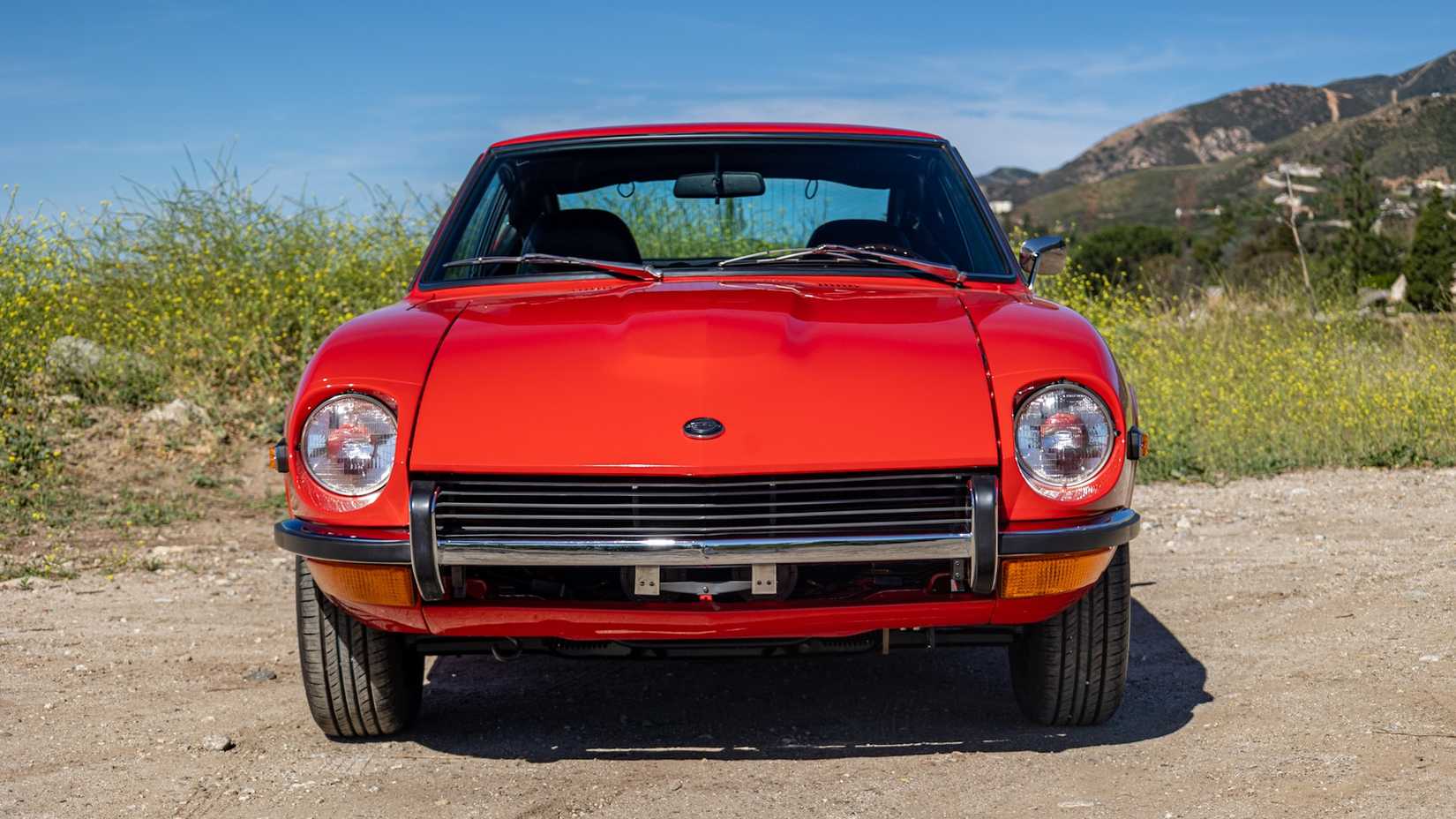
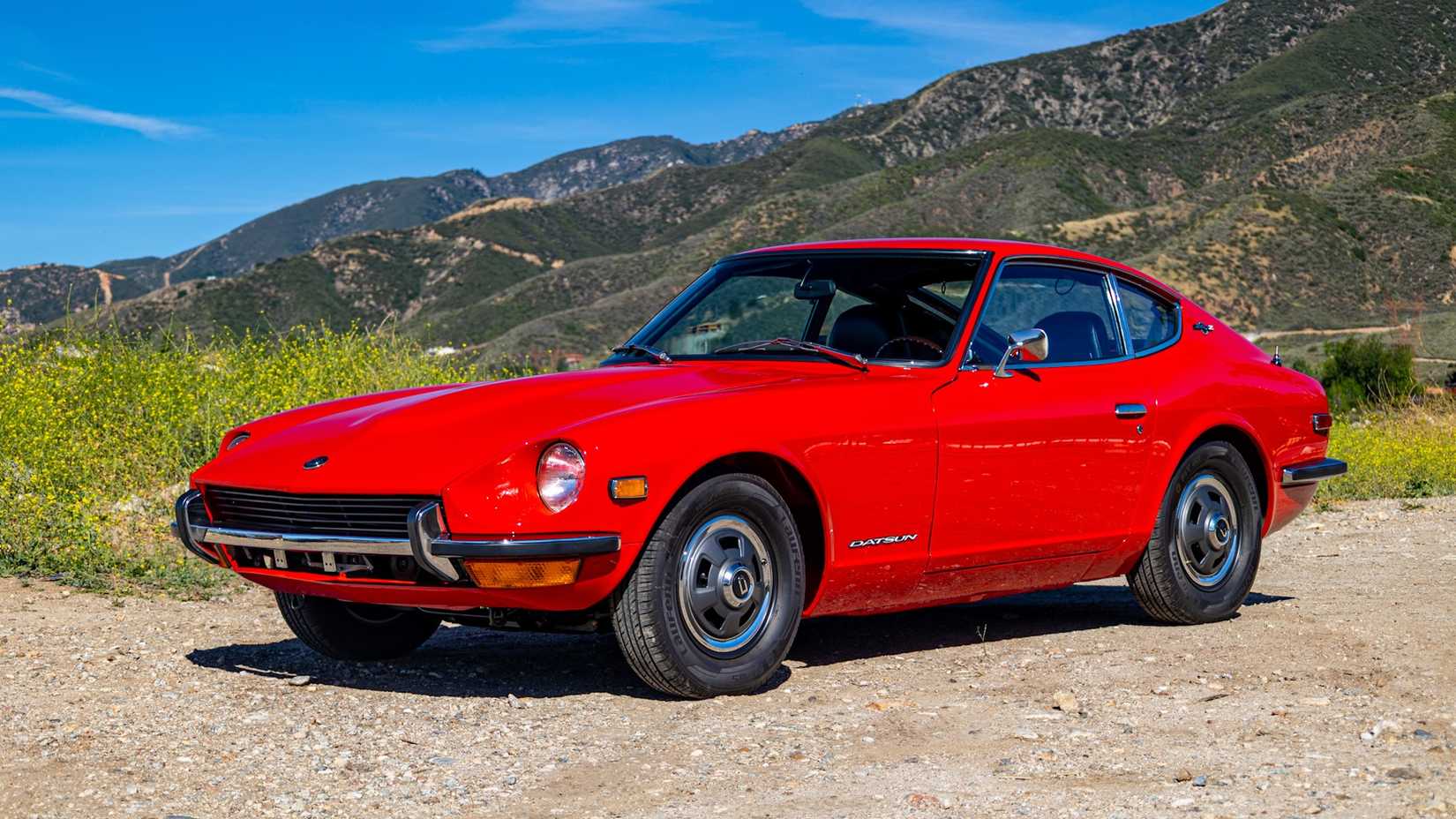
The Datsun 240Z is the export-badged S30-generation Nissan Fairlady Z, a late-1960s-to-1970s sports car that reshaped how people saw Japanese performance cars. Source material around the car consistently comes back to the same essentials: the L24 2.4-liter inline-six, rear-wheel drive, four-wheel independent suspension, and a light package of roughly 1,000 to 1,100 kg that made it feel far more sophisticated than its price suggested. It also built real competition credibility, with Nissan’s own heritage archive highlighting a 1972 HLS30 rally car that finished third overall at the 41st Rallye Monte-Carlo. What makes the 240Z endure is that it sits at the crossroads of elegant styling, usable engineering, and a collector culture obsessed with the fine differences between export-market cars, Japanese Fairlady Z roots, and period-correct details.
Learn
What the 240Z Actually Is: S30, Fairlady Z, and Export-Spec 240Z
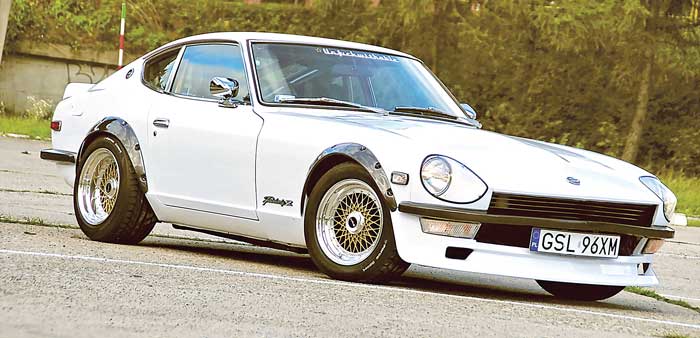
The Datsun 240Z is just one face of the S30-chassis Z-car, a global platform that wore different names, engines, and compliance parts depending on where it landed. In Japan, it was the Nissan Fairlady Z, initially powered by a 2.0L L20A inline-six with twin SU carbs, while export markets—especially the US—got the 2.4L L24 in the Datsun 240Z. The S30 family also included the JDM-only 432 (with the S20 twin-cam engine from the Skyline GT-R, named for its 4 valves, 3 carburetors, and 2 camshafts), the lightweight Z432-R competition special, and the 240ZG homologation model with the distinctive long-nose "G-Nose" fiberglass front end. Later variants like the 260Z (RS30/RLS30) and 280Z (HLS30 in later form) added weight, emissions gear, and, in the US, federally mandated 5-mph bumpers. Chassis codes are a decoder ring: HS30 (right-hand drive 240Z), HLS30 (left-hand drive), GS30 (2+2), PS30 (432), and so on. Today, the most prized survivors are early 1970 "Series 1" 240Zs with matching numbers, but the Z community also embraces engine swaps—particularly RB25/RB26 and LS—so buying a modified car is accepted and can still be a smart entry point.
 jdmbuysell.comjdmbuysell.com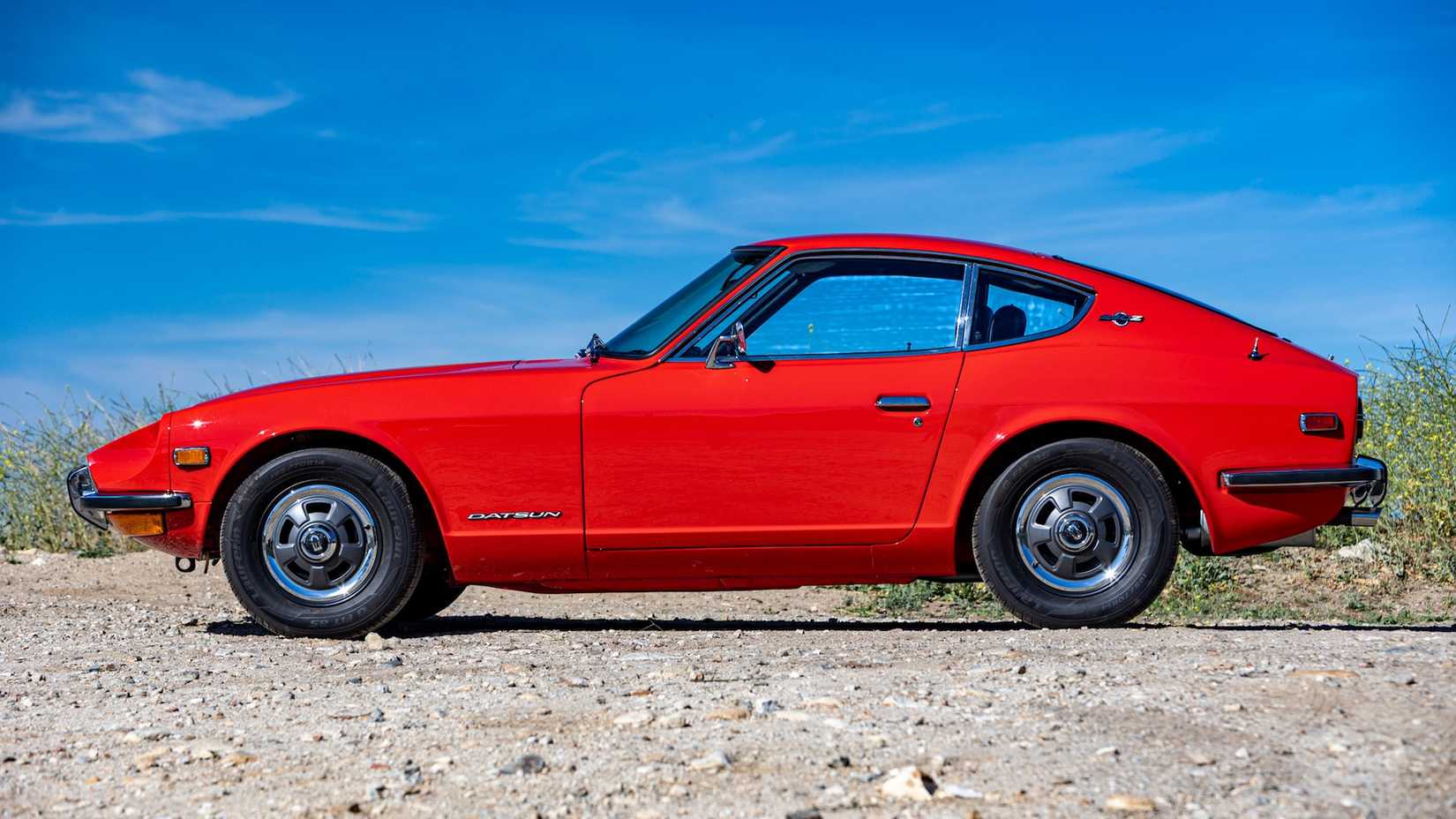
 hagerty.comhagerty.com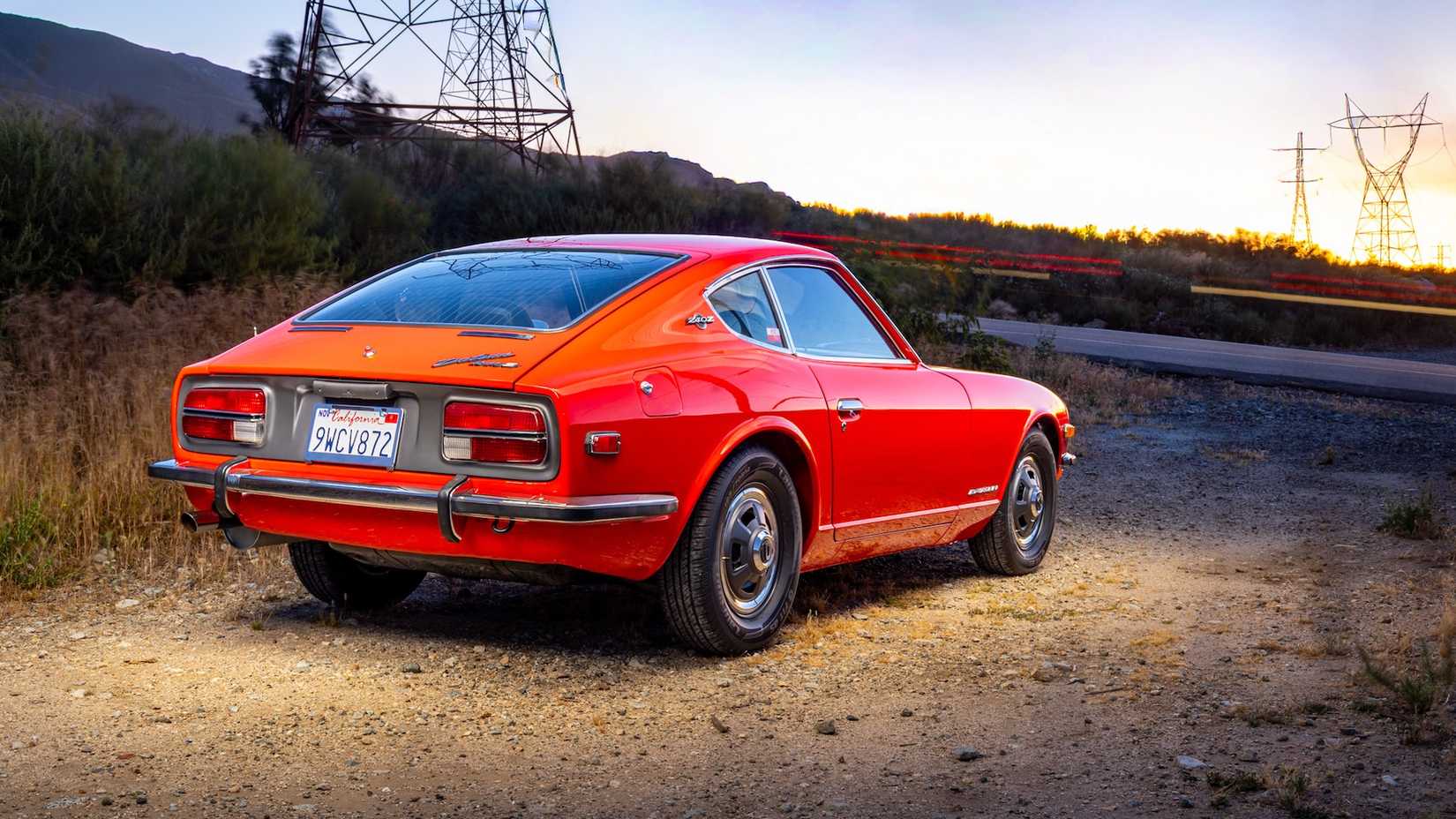
+Field notes
- —The JDM Fairlady Z launched with a 2.0L L20A engine, not the 2.4L L24; the 2.4 was introduced to Japan in 1971 as the Fairlady 240Z (HS30-S) to match export specs.
- —The chassis prefix tells you exactly what you're looking at: HLS30 is a left-hand-drive 240Z (or later, 280Z with a different serial range), HS30 is right-hand-drive, RS30/RLS30 are 260Z, and GS30/GRS30 are 2+2 variants.
- —The PS30 (Z432) used the S20 twin-cam straight-six from the Hakosuka Skyline GT-R producing 160 hp, and only about 420 were ever built; the Z432-R (PS30-SB) was a bare-bones homologation special with fiberglass panels and thinner gauge steel.
- —The 240ZG (HS30-H) homologation special featured a long-nose aero panel ("G-Nose") and overfenders to allow legal Group 4 competition; it was sold only in Japan.
- —European-spec 240Zs received unique suspension tuning and compliance parts under the code H(L)S30Q, developed specifically to handle higher-speed Autobahn driving and differing local tastes.
- —Today, value splits sharply: a concours early 'Series 1' 240Z can fetch $80k–$250k+ at auction, while a driver-grade 260Z or 280Z with documented rust repair and an engine swap (RB or LS) often sits between $10k and $60k.
Learn
How It Changed Nissan’s Image in the Early 1970s
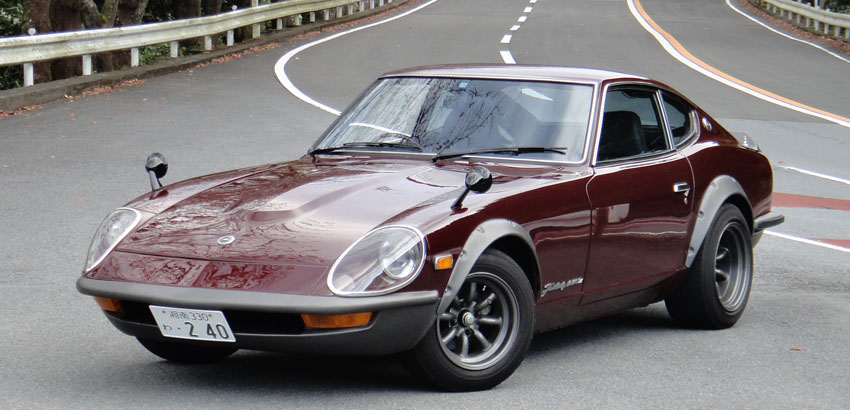
The Datsun 240Z didn't just sell well—it single-handedly rewrote what 'Japanese car' meant to the American public. Before the Z, Nissan's U.S. image was defined by reliable but forgettable sedans and copycat British roadsters like the 1600 and 2000 Sports. The mastermind behind the transformation was Yutaka Katayama (Mr. K), a rebel executive whom Nissan's conservative Tokyo board had essentially exiled to California. He bet everything on two cars: the practical, all-independent-suspension 510 sedan to beat the Volkswagen Beetle, and a halo sports coupe that would make people forget about Jaguars and Porsches. Designer Yoshihiko Matsuo, then in his 30s, had been secretly sketching a low, fast two-seater with a 2.4-liter straight-six—an engine created by cutting the 510's four-cylinder in half? No, it was actually a new six derived from that same block family. The 240Z debuted at the Tokyo Motor Show in October 1969, but its real launch was at the Pierre hotel in New York four days later. Priced at $3,500, it undercut the Toyota 2000GT by nearly half, yet delivered 150 hp, 0–60 in 8 seconds, and a 125 mph top end. It was the first Japanese car that didn't apologize for being Japanese.

 classicmotorsports.comclassicmotorsports.com
 roadandtrack.comroadandtrack.com
 japanesenostalgiccar.comjapanesenostalgiccar.com
 hagerty.comhagerty.com
+Field notes
- —Nissan's conservative management effectively 'banished' Yutaka Katayama to California because his aggressive, car-culture-obsessed ideas clashed with the boardroom orthodoxy. He was given the U.S. post partly as a test—if his theories failed, the embarrassment wouldn't be blamed on Tokyo's collective decision.
- —The 240Z's 2.4-liter straight-six was not a bored-out version of the 510's four-cylinder, as is often murmured. It was an entirely new SOHC six, using a cast-iron block and alloy head, producing 151 bhp and 146 lb-ft—figures that made its Jaguar E-Type and Porsche 911 rivals take notice for a car that cost a third less.
- —At its New York press launch on October 22, 1969, at the Pierre hotel, the 240Z was positioned less as a sports car and more as a 'GT coupe'—a deliberate move to capture American buyers who wanted style and comfort, not just track-day bravado. Nissan's own internal marketing film showed the design team cross-referencing Jaguar, Porsche, and Ferrari seating packages against Road & Track's own test data panels.
- —The 240Z was not, as a persistent myth claims, developed specifically for America. It was an export derivative of the Japanese-market Fairlady Z, which used a 2.0-liter engine to dodge Japanese tax brackets. The U.S. version got the larger 2.4-liter motor, but the core S30 chassis was designed in Japan under chief designer Yoshihiko Matsuo.
- —Toyota's 2000GT, released two years earlier, had proven Japan could build a beautiful sports car—but at $6,800 (nearly double the Z's $3,500), it remained a collector's curiosity. The 240Z created an entirely new category: a fixed-head, fastback coupe with 150 hp, fully independent suspension, rack-and-pinion steering, and a 125-mph top speed, all for a price that made European alternatives look like indulgences.
- —Chief designer Yoshihiko Matsuo, who died in July 2020 at age 86, later told journalists that his ideal sports car formula remains a small, lightweight chassis with a straight-six that's easy to turbocharge—not the bloated, complex 370Z that followed. He lamented that his own middle-class neighborhood in Japan, once full of Nissan Laurels and Cedrics, now sees his neighbors buying German cars because Nissan's prices have crept out of the enthusiast's reach.
Learn
Where Owners and Restorers Compare Chassis Codes, Trim, and Survival Stories
 zcar.comzcar.comzcar.comzcar.com
.JPG.980c14fbaf127d76b50dee65c30f694e.JPG)
 classiczcars.comclassiczcars.com
 bringatrailer.combringatrailer.com
Discover
Video Deep Dives: Walkarounds, Restorations, and S30 Driving Feel
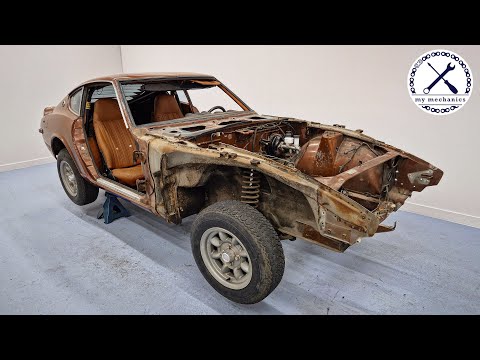

Walking around a Datsun 240Z, especially via these deep-dive video restorations, reveals a car built with an almost mechanical honesty that modern vehicles have lost. The 1973 model in the 'my mechanics' series came from a single California owner, sat in a garage for 40 years, and still wore its original blue plate — a time capsule that retained its original L24 engine (an E88 head, with a casting date code of 2X161, meaning October 16, 1972, per the ZCarGuide rebuild). The restoration process uncovers delightful specifics: the steering rack gets yellow-zinc-plated steel parts, the suspension is rebuilt with adjustable KW coilovers, and the body is refinished in Safari Gold with Glasurit clear coat. Driving impressions from the Petrolicious piece frame the Z as 'the 911 of Japan' — not because it was fastest, but because Datsun took overhead cam engines, disc brakes, and independent suspension and made them affordable and balanced. The owner Dave Scholz emphasizes the car's modularity and the 'Dare to be Different' spirit. Even the little community touches — like a Japanese father-son project (Steve's POV) using a Liqui Moly fuel system cleaner and parts from Datsun Garage — show that the 240Z is a car that encourages you to get your hands dirty, whether you're an expert restorer or a dad teaching his kid how to turn a wrench.
+Field notes
- —The 1973 240Z in the 'my mechanics' restoration still had its original California blue plate and had not been driven since 1983 — a 40-year slumber that preserved the car in remarkably original condition, including its matching-numbers L24 engine.
- —That L24 engine, per a separate rebuild by ZCarGuide, uses an E88 cylinder head and a P30 block; the casting code '2X161' decodes to October 16, 1972, giving you an exact birthday for the engine — a level of specificity parts vendors love.
- —In the front-axle restoration episode, every steel part (steering rack components, brackets) was yellow-zinc plated for rust protection, then the rest was finished in matte black — the factory-correct visual contrast that makes a restored Z's engine bay look so crisp.
- —Petrolicious owner Dave Scholz calls the 240Z 'the 911 of Japan,' pointing out that Datsun's genius was packaging sophisticated tech (overhead cams, disc brakes, independent suspension) into an affordable coupe that handled with balance rather than brute force.
- —The sibling-run Japanese channel 'Steve's POV' reveals real-world DIY culture: a father-son team working on an S30, using a Liqui Moly gasoline system cleaner and ordering parts from Datsun Garage with a promo code — showing how online communities sustain these cars today.
- —During the paint process, the 'my mechanics' channel applied a dry guide coat to find low spots, used epoxy primer over bare metal and body filler, and finished with Ditzler (PPG) Glasurit clear coat in Safari Gold — a paint code and brand choice that period-correct restorers will recognize.
Discover
Read the Buyer’s Guides Before You Fall for One

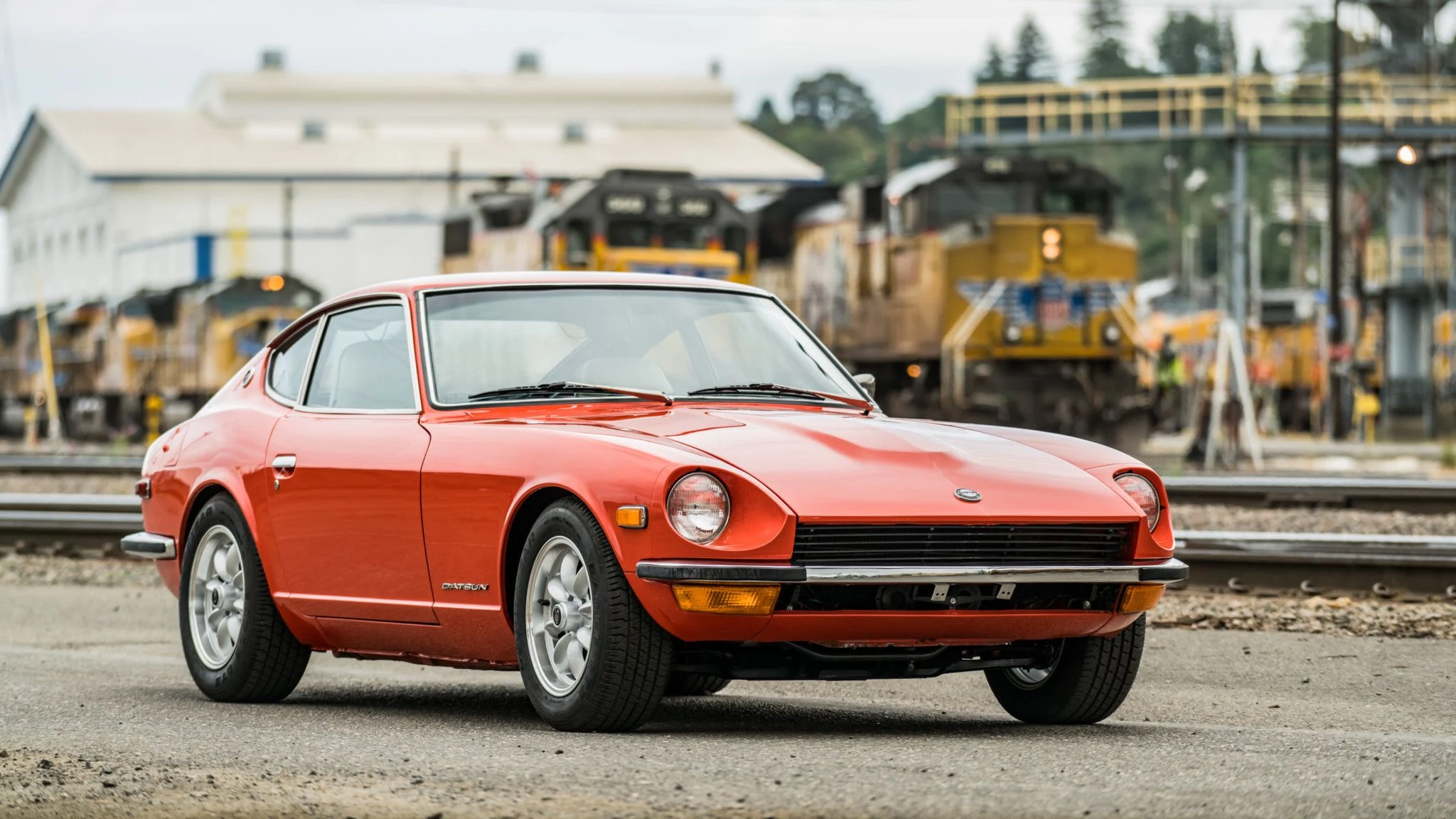

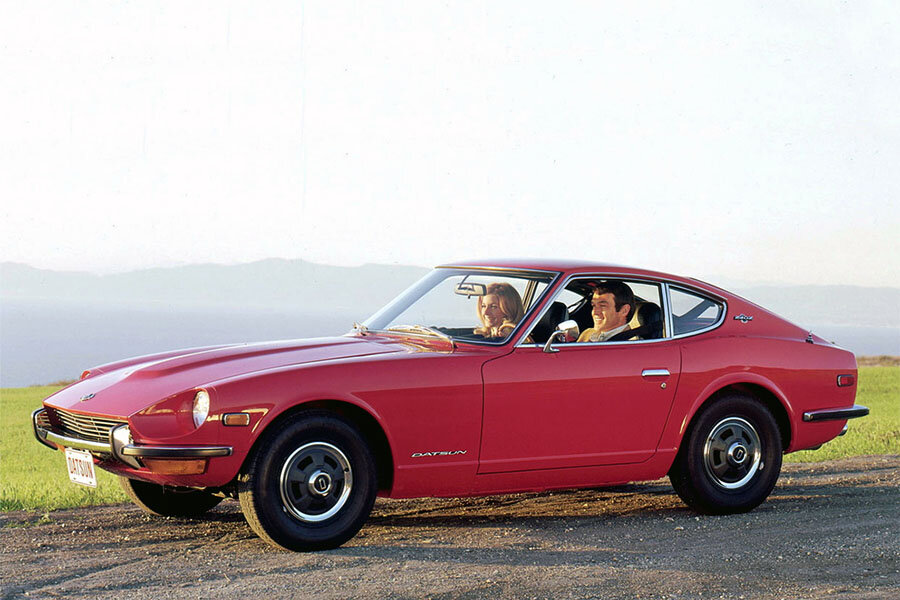
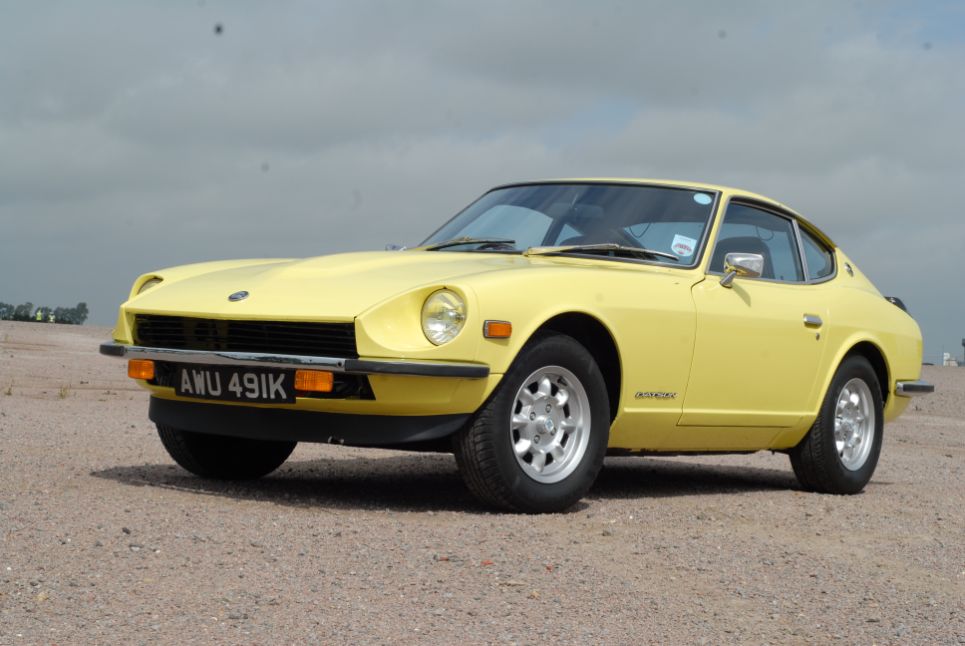

If you're thinking about buying a Datsun 240Z, the first thing to know is that the car was designed to be an affordable, reliable sports car for the American market, and that ethos is still reflected in its pricing—decent drivers can be found under $20K. But the real secret? Rust is the only thing that kills a Z car, and the sources agree it's not a matter of *if* but *where*. The 240Z's unibody construction means structural rust in areas like the frame rails, floor pans, and rear hatch channel can turn a $10K car into a $30K restoration project overnight. The good news is that mechanicals are simple and parts are plentiful, so a solid, unrusted 240Z is a joy to own. The bad news is that finding one that hasn't been eaten by the tin worm requires knowing exactly where to look—and the haggle starts the moment you spot bubbling paint on a rocker panel.
+Field notes
- —The 240Z is a unibody car, not a body-on-frame design, which means any serious rust in the floor pans, frame rails, or rear hatch area isn't just cosmetic—it's structural, and repairing it is both expensive and often not financially viable, which is why so many rusted examples were scrapped rather than saved.
- —The most vulnerable rust zones are the battery tray, the front suspension crossmember beneath the radiator, the rear hatch channel, the lower front fenders, and the dogleg area behind the doors—these are the first places to bubble or rot through, because Datsun used thin steel with zero galvanization.
- —Despite the famous story, German stylist Albrecht Goertz's role in the 240Z design is now understood to be minor; the car was actually the work of Yoshihiko Matsuo and Akio Yoshida under Yutaka Katayama's direction, with Goertz's contribution limited to distant inspiration from a stillborn c1964 design.
- —The earliest 1969 production cars, known as HLS30 Series I, had numerous running changes—including a different crankshaft from December 1969 onward—and the first four production cars (HLS30 #1–4) were preproduction mules that were destroyed, while cars #6, #7, and #8 were used for marketing and then given to race teams, two of which still compete in vintage racing today.
- —A torque check on the 240Z's SOHC 2.4-liter straight-six is worth more than a compression test: the original Hitachi carburetors (SU copies) are finicky and rarely set up correctly, so a misfire or flat spot in the midrange often points to carb or ignition issues, not a worn engine—many engines are surprisingly healthy even when they run badly.
- —Buying the best body you can afford is the golden rule here: even if the engine is tired, a rust-free shell is worth saving because mechanical rebuilds are straightforward, but a rotted unibody will cost more to fix than the car will ever be worth—and the sources recommend you walk away from any 240Z with visible structural rust in the frame rails or floors.
Keep exploring
More of Datsun 240Z
Branch out
Beyond Datsun 240Z
More to explore
In the same world.
.jpg)
Ferrari Testarossa
The Ferrari Testarossa is Ferrari’s mid-engined 12-cylinder successor to the Berlinetta Boxer, unveiled at the Paris Mot…
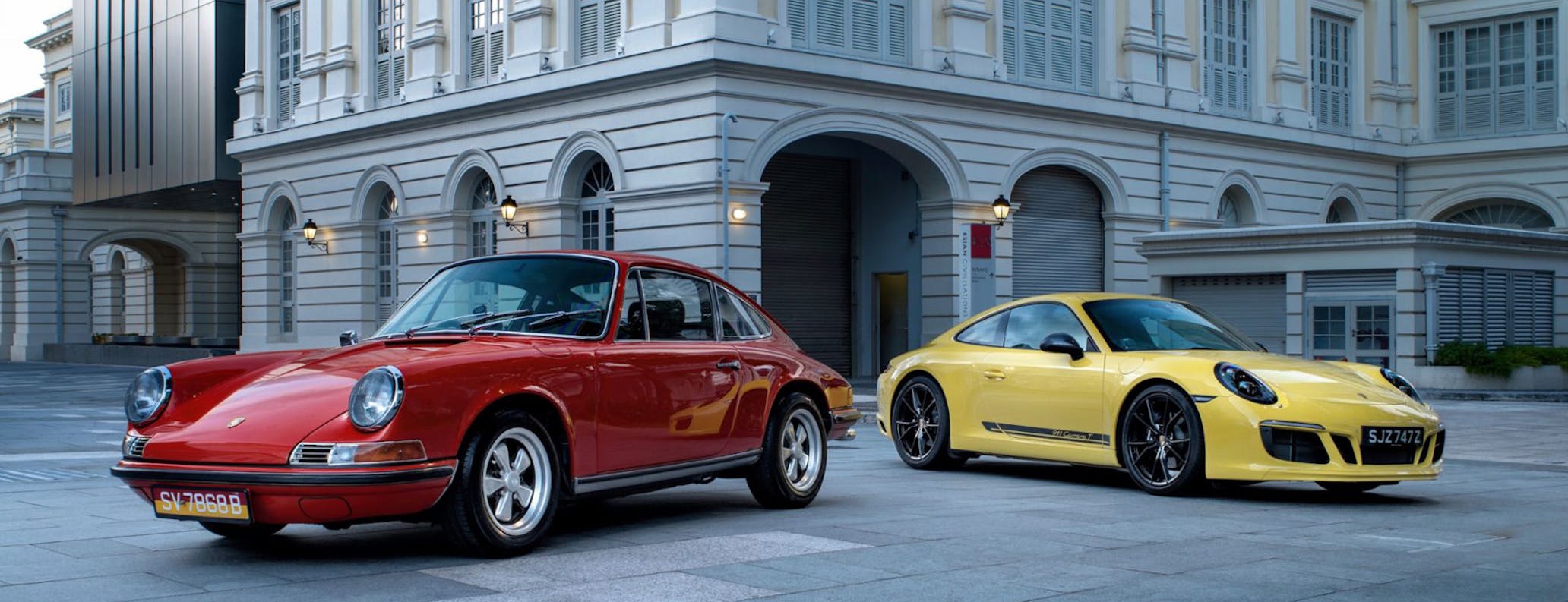
Porsche 964
The Porsche 964 — built from 1989 to 1994 — represents one of the most ambitious reinventions of the 911 formula: beneat…
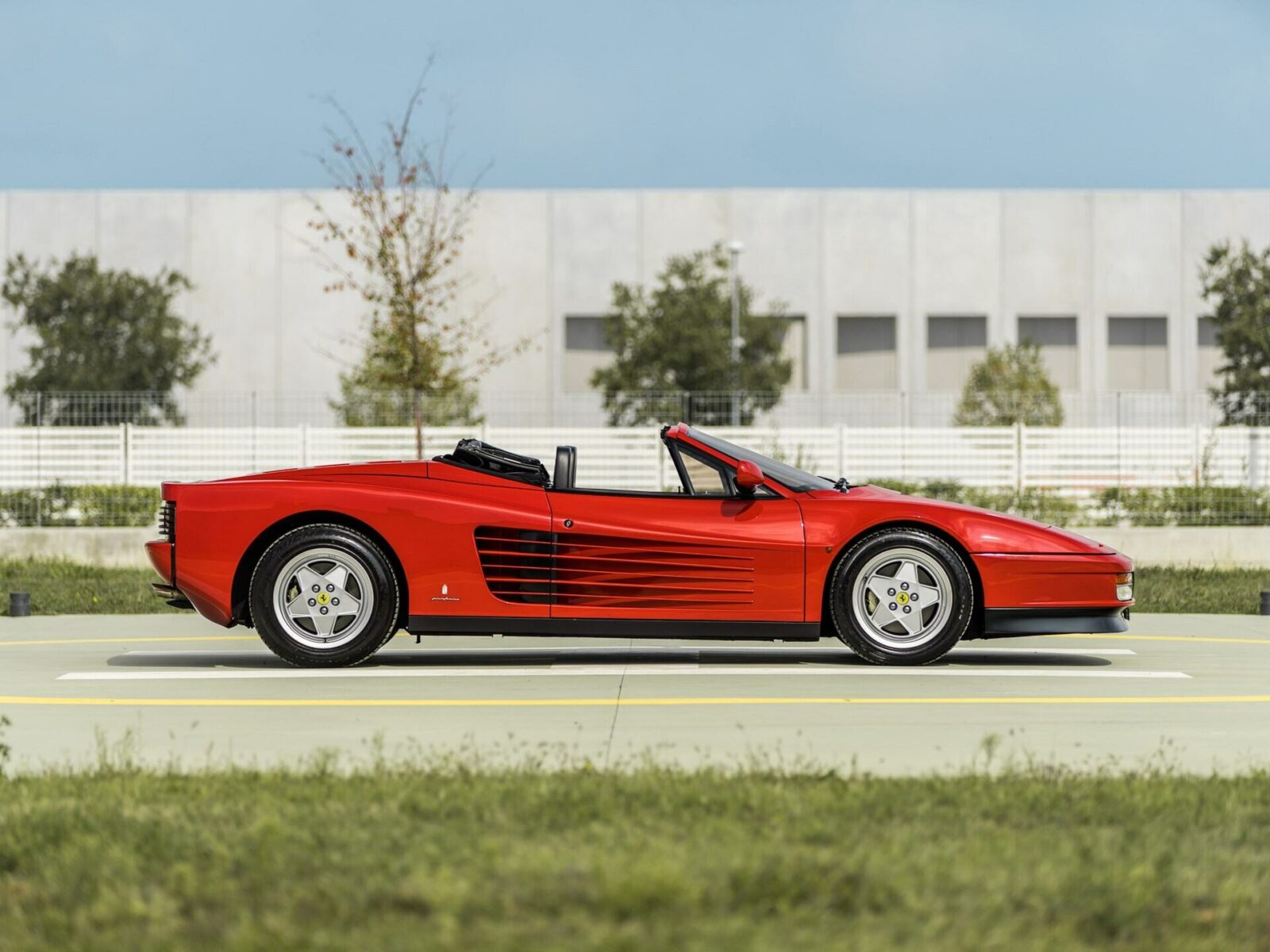
Ferrari Testarossa
This isn’t a Lamborghini at all: the Testarossa is Ferrari’s flat-12 flagship introduced in 1984 as the heir to the 512…

Porsche 911
The 911 is Porsche’s long-running family of rear-engine, high-performance sports cars, now spanning a wide range of Carr…
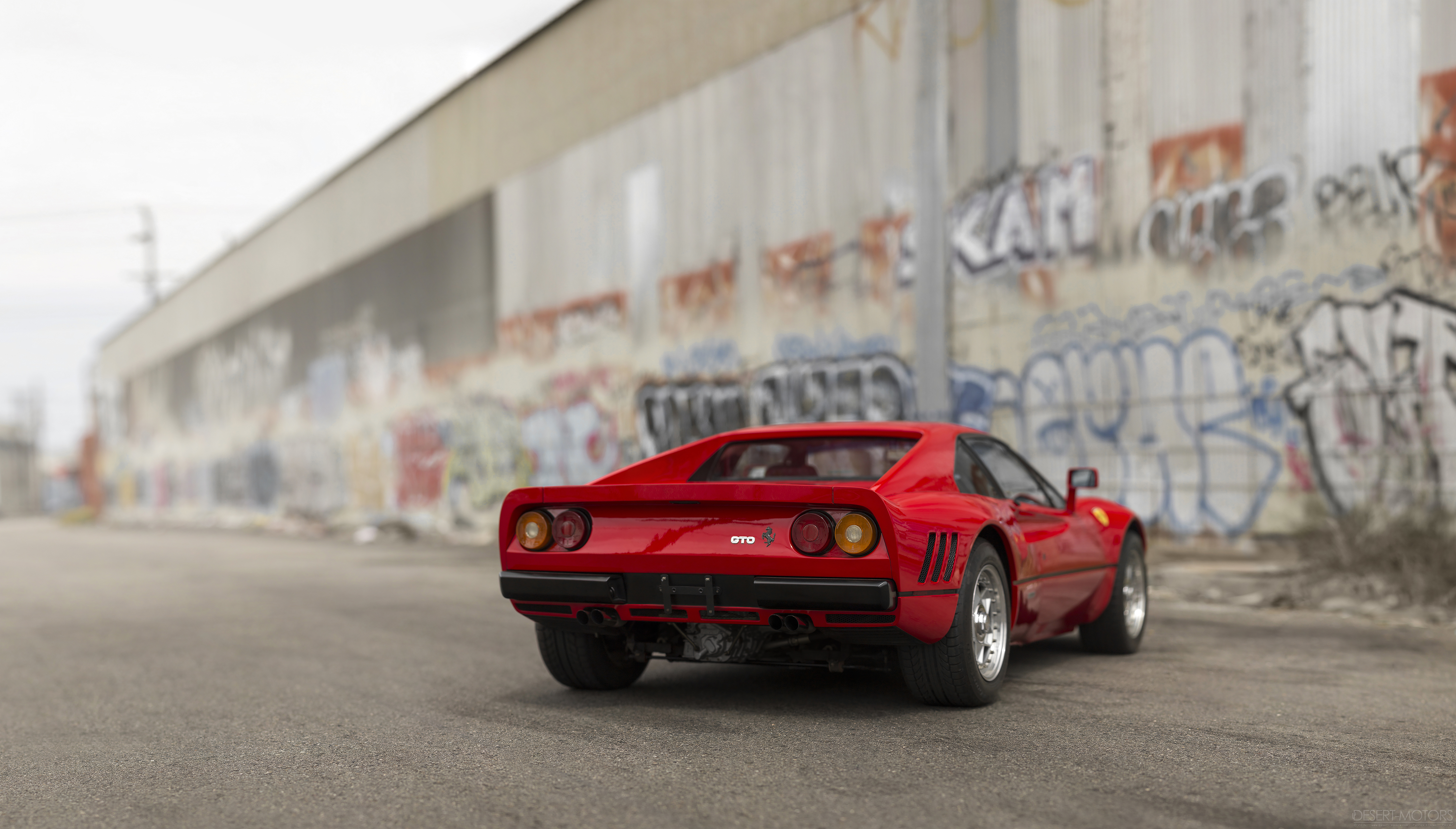
Ferrari in the 1980s
Ferrari’s 1980s output is a study in contrasts: wedge-shaped flat-12 flagships like the 1984 Testarossa, sharper-evolved…
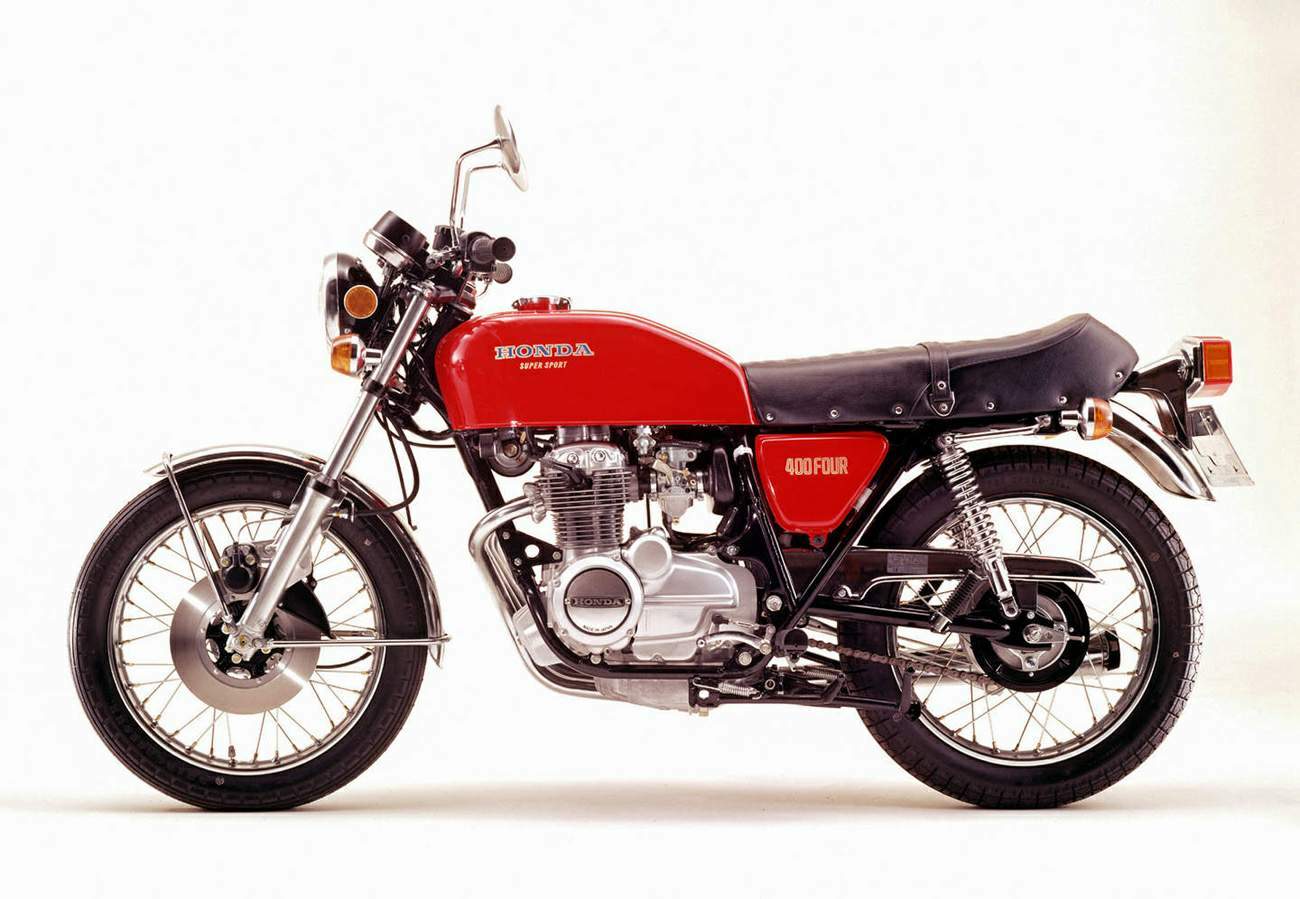
Honda CB400
Honda’s CB400 name has covered multiple motorcycle families, but the model most riders mean today is the CB400 Super Fou…
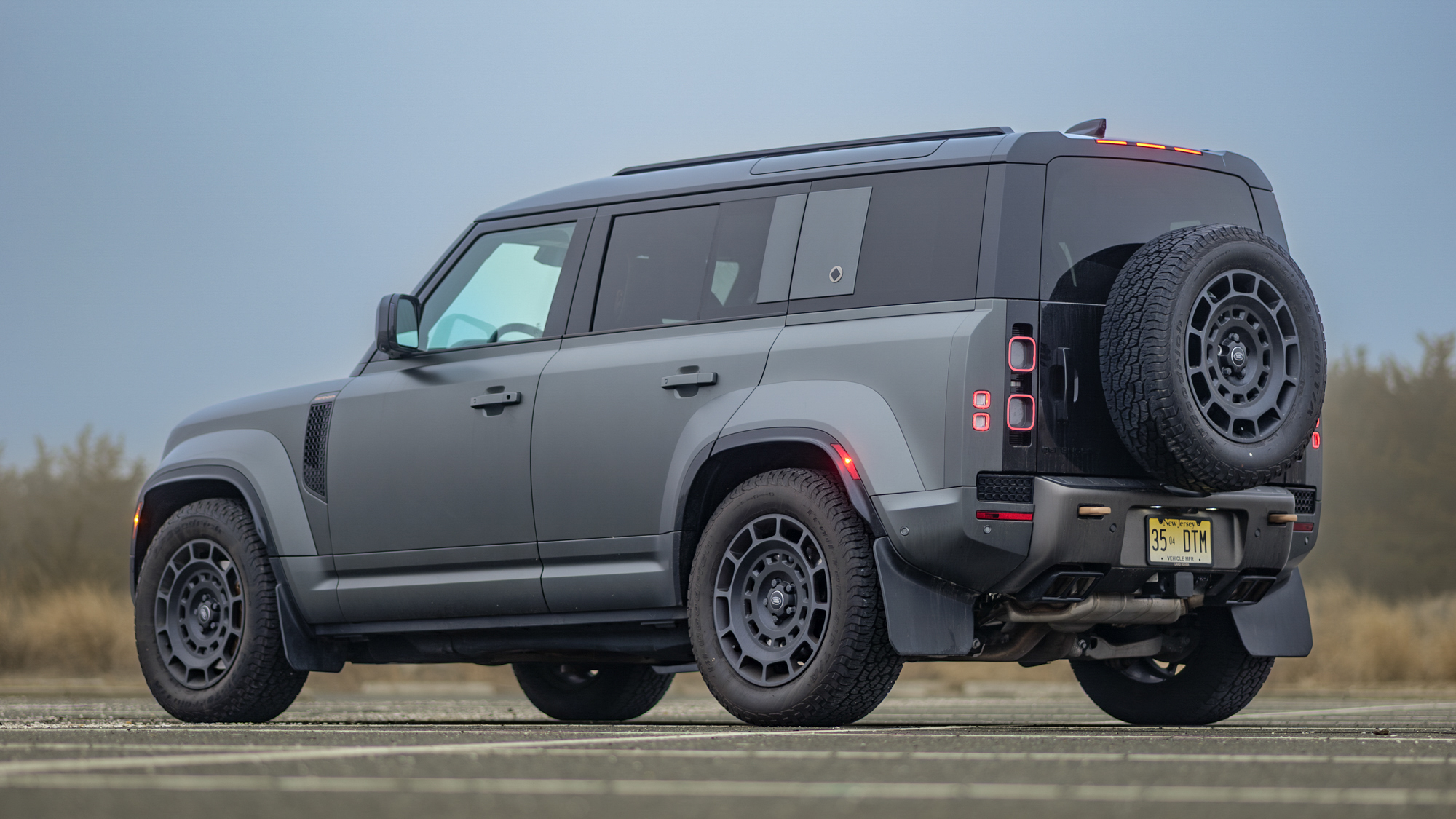
Land Rover Defender 110
The Defender 110 is Land Rover’s longer-wheelbase Defender, positioned as the load-carrying, family-capable version with…
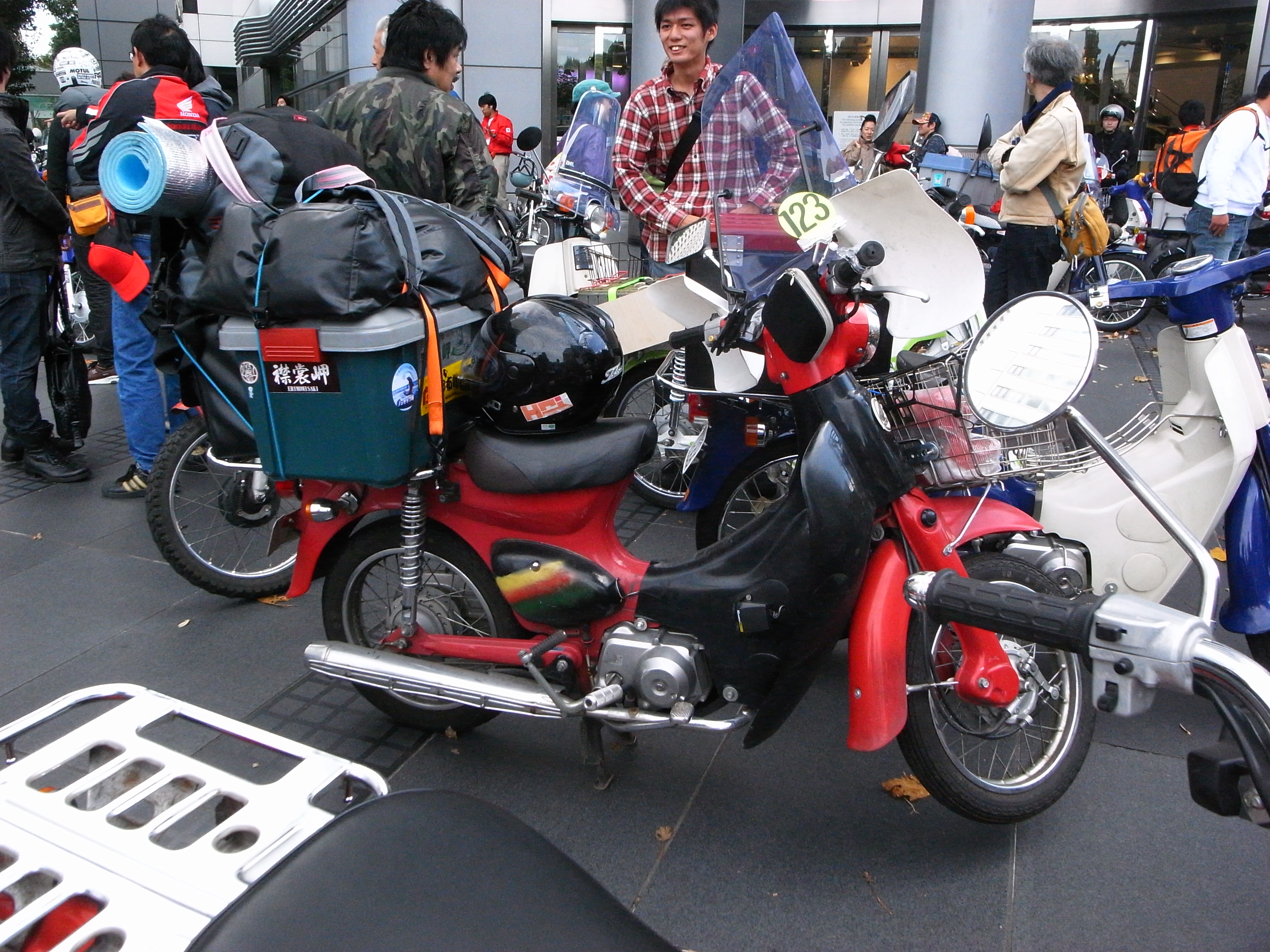
Honda Super Cub
The Honda Super Cub is Honda’s long-running underbone motorcycle, built continuously since 1958 and widely recognized as…
More in Cars & Motorcycles
Stay in this world.

Electric Vehicle Design
Land Rover Defender 110
Honda CB400
Honda Super Cub
Ferrari Testarossa
Ferrari Testarossa
Porsche 911
Ferrari in the 1980s
Imagery
Know someone who’d love this?
Discovered by ArcurianAuto-generated from public sources and AI synthesis — it may be incomplete or inaccurate. Treat it as a starting point for your own exploration, not professional (medical, legal, financial, or safety) advice. Verify anything you act on. Report this page.