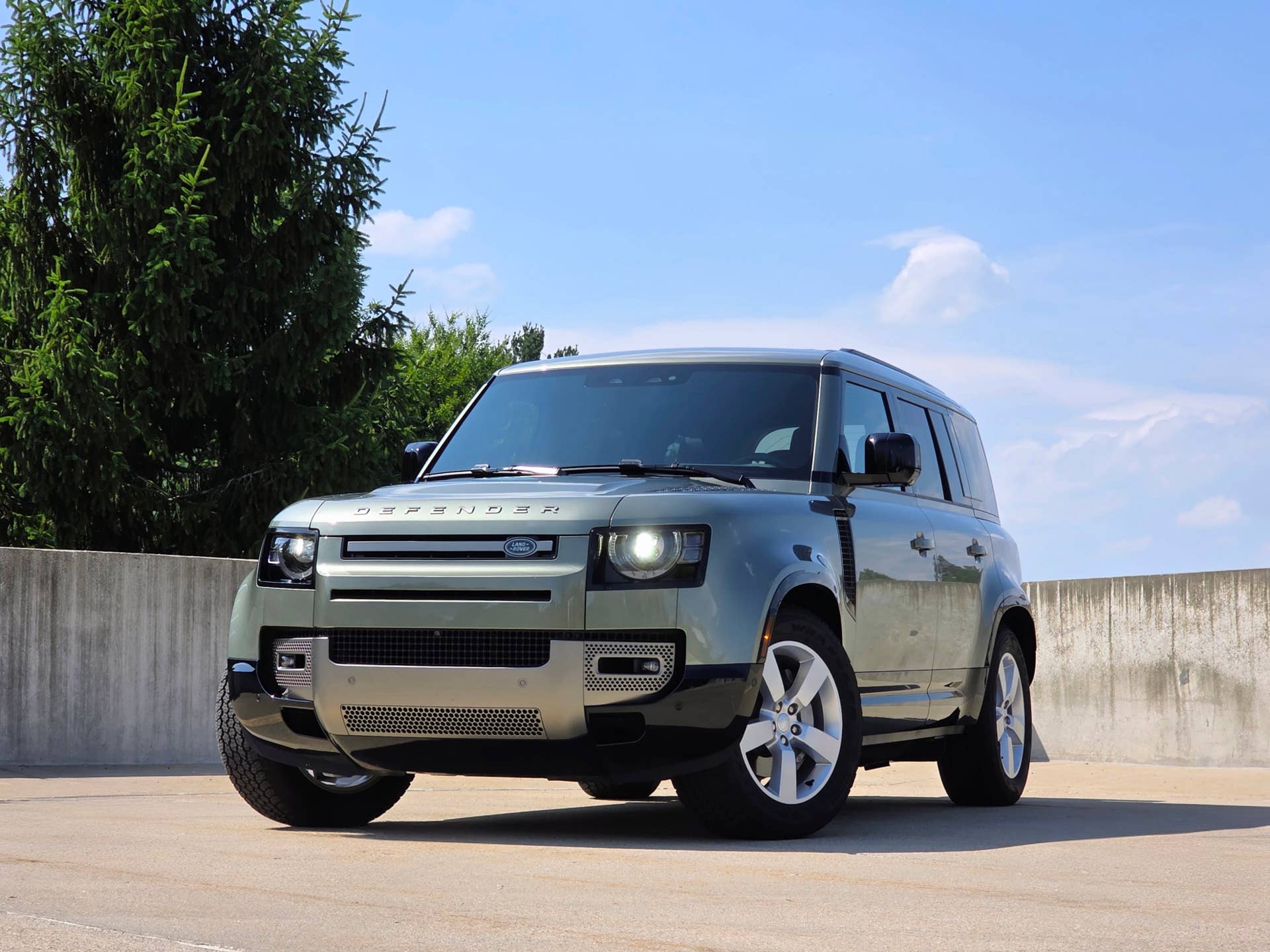
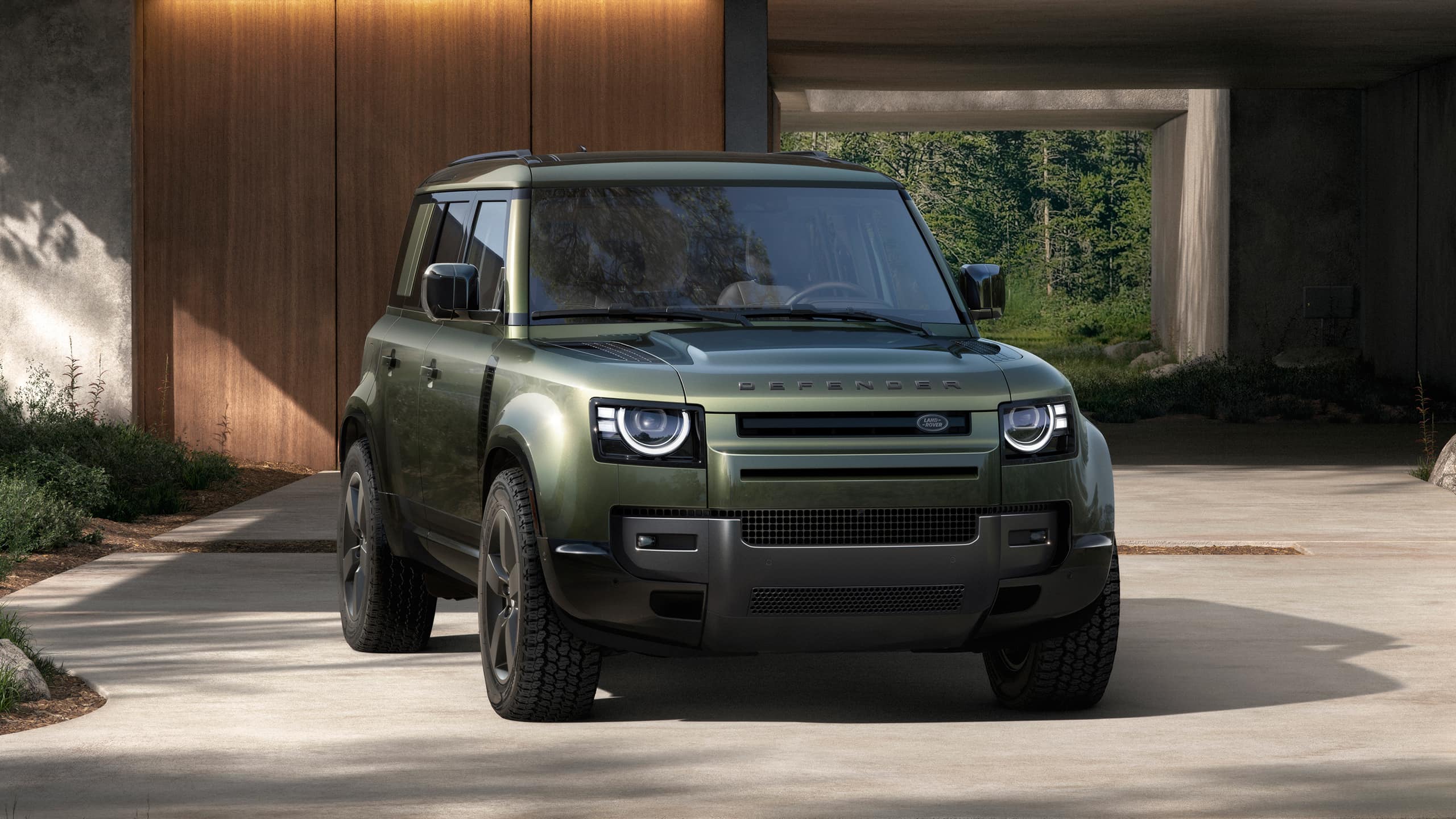
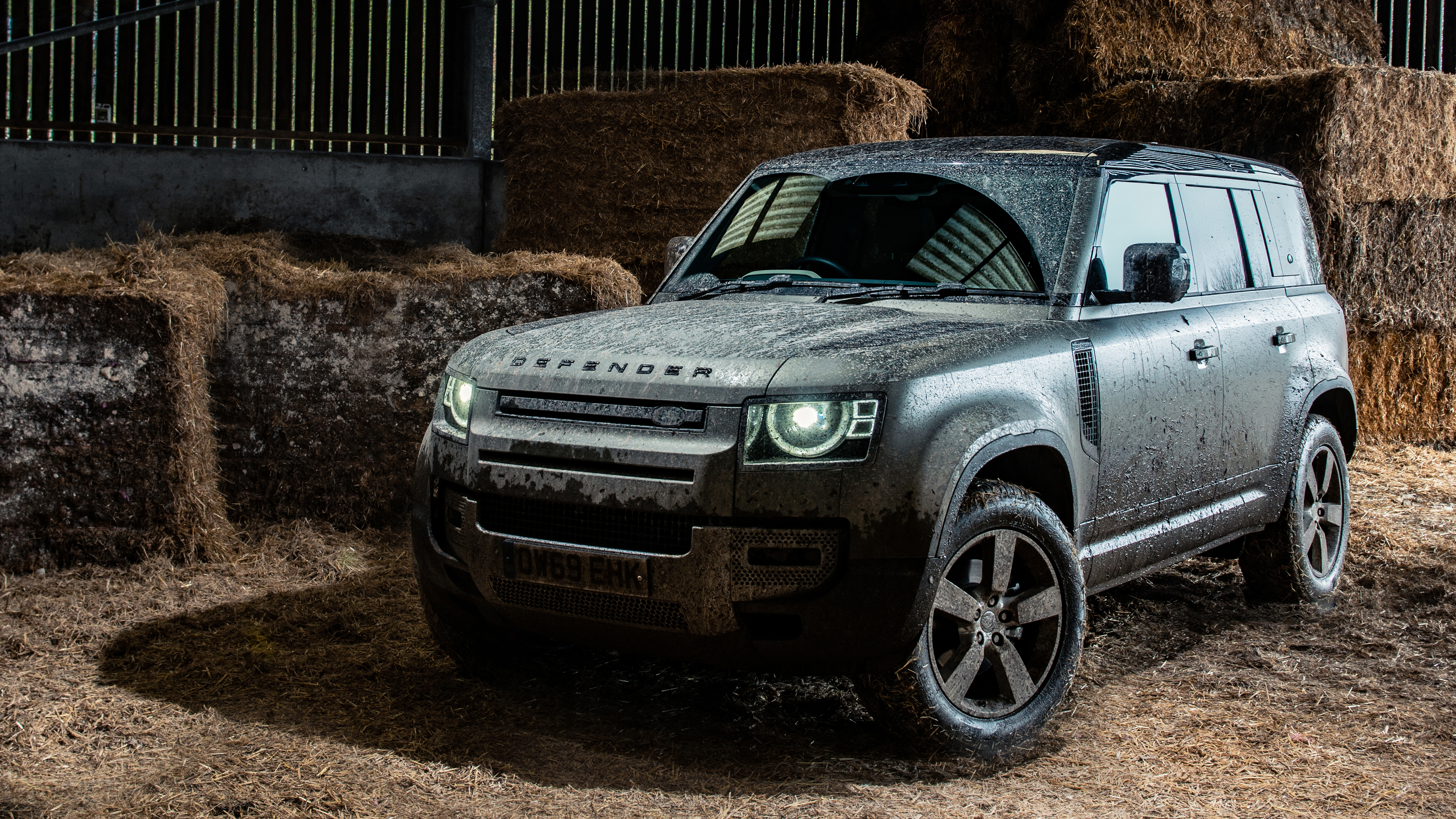
The Defender 110 is Land Rover’s longer-wheelbase Defender, positioned as the load-carrying, family-capable version with space for up to seven seats and a substantial cargo area. Current official listings emphasize its broad range of trims—including S, X-Dynamic SE, X-Dynamic HSE, X, V8, and Trophy Edition variants—and headline figures such as up to 518 hp and up to 8,200 lb towing capacity in the U.S. market. What makes the 110 especially interesting is the way one nameplate stretches from practical utility spec to high-power flagship, while still selling the same promise: “Load up. Go anywhere.” If you want to understand why people obsess over Defenders, the 110 is where packaging, off-road image, and model-variant minutiae all collide.
Learn
How the Defender 110 range is actually structured
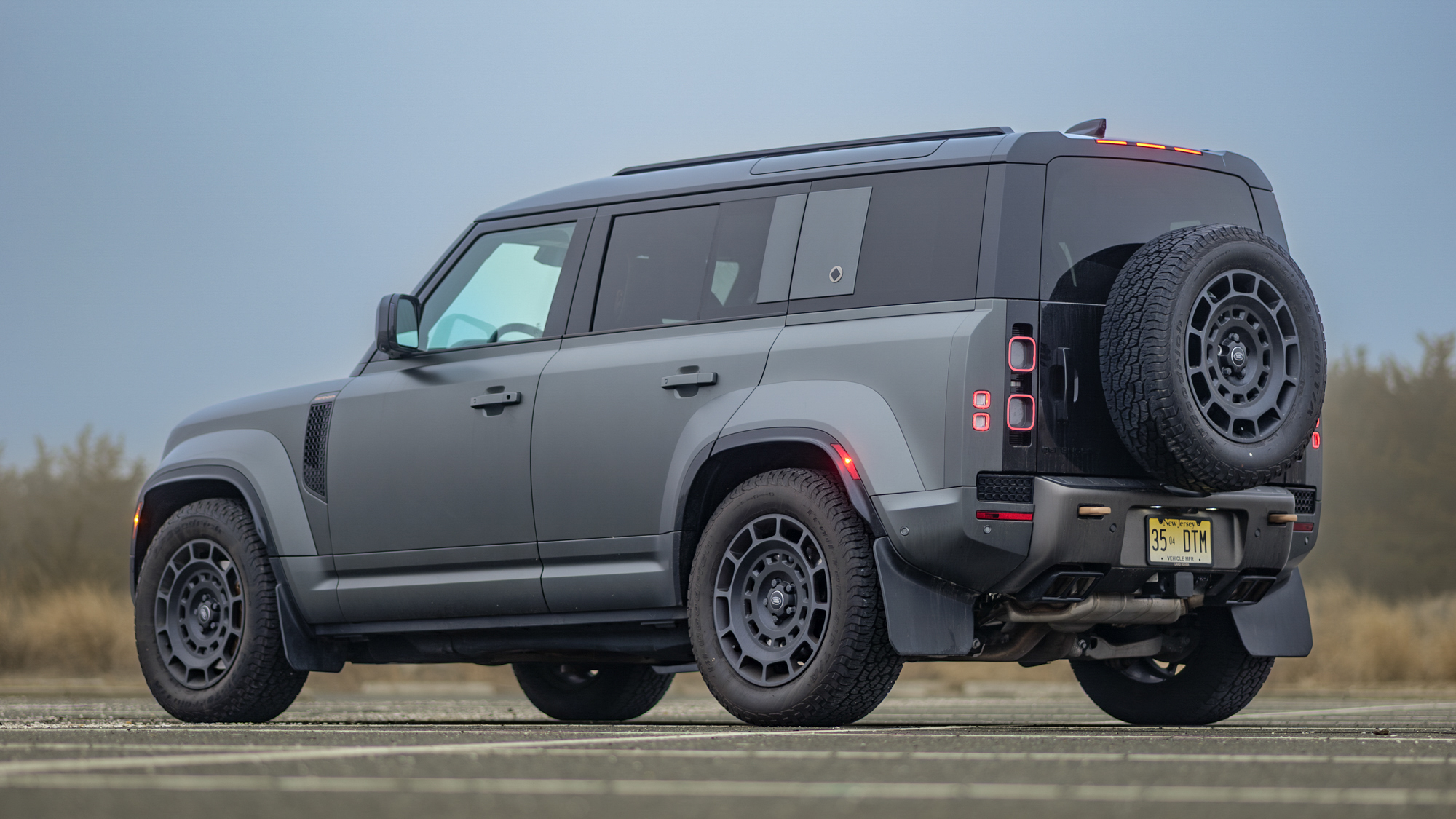
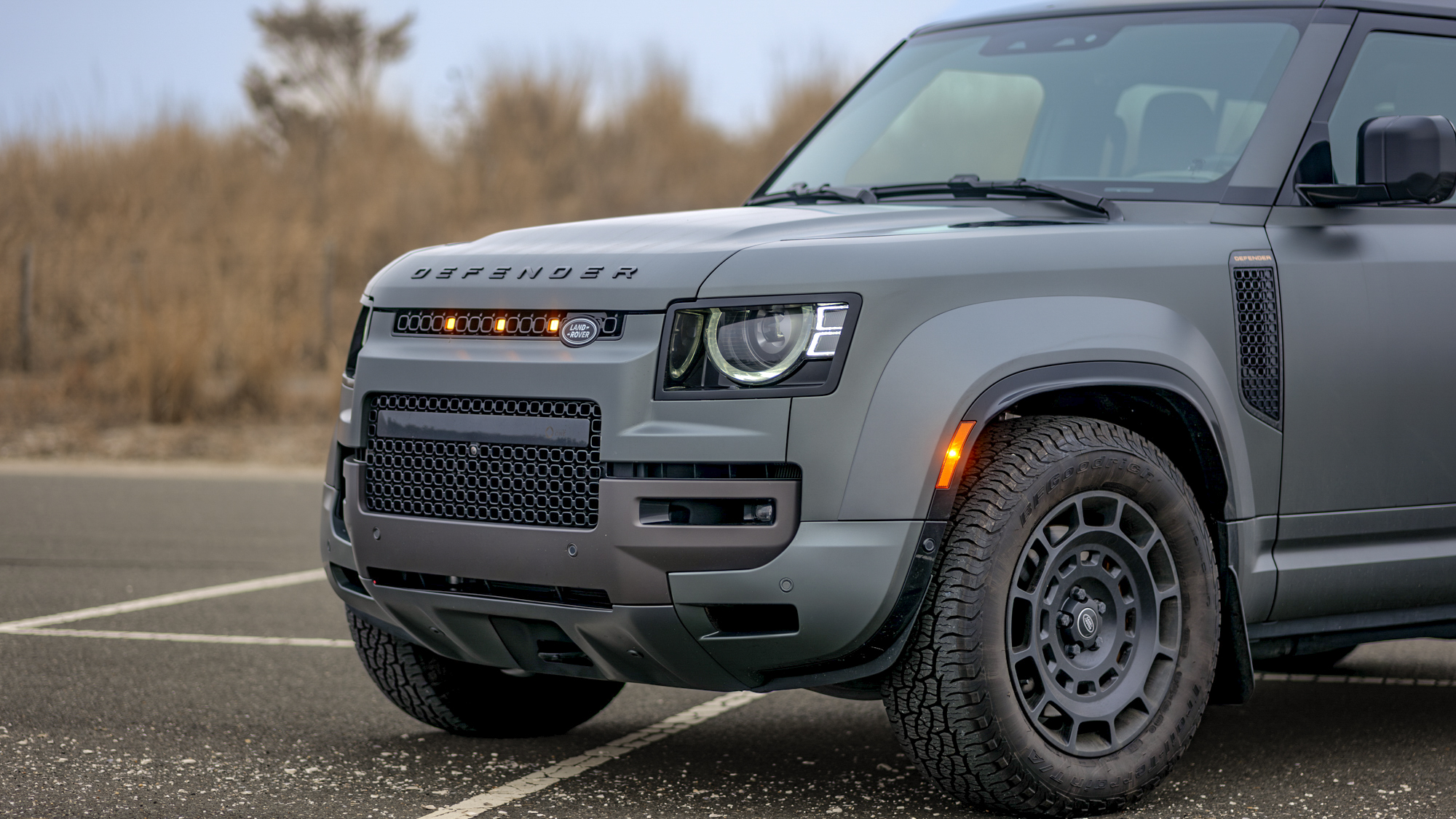
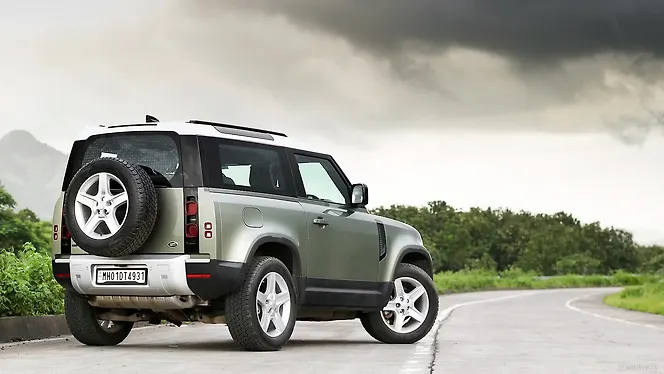
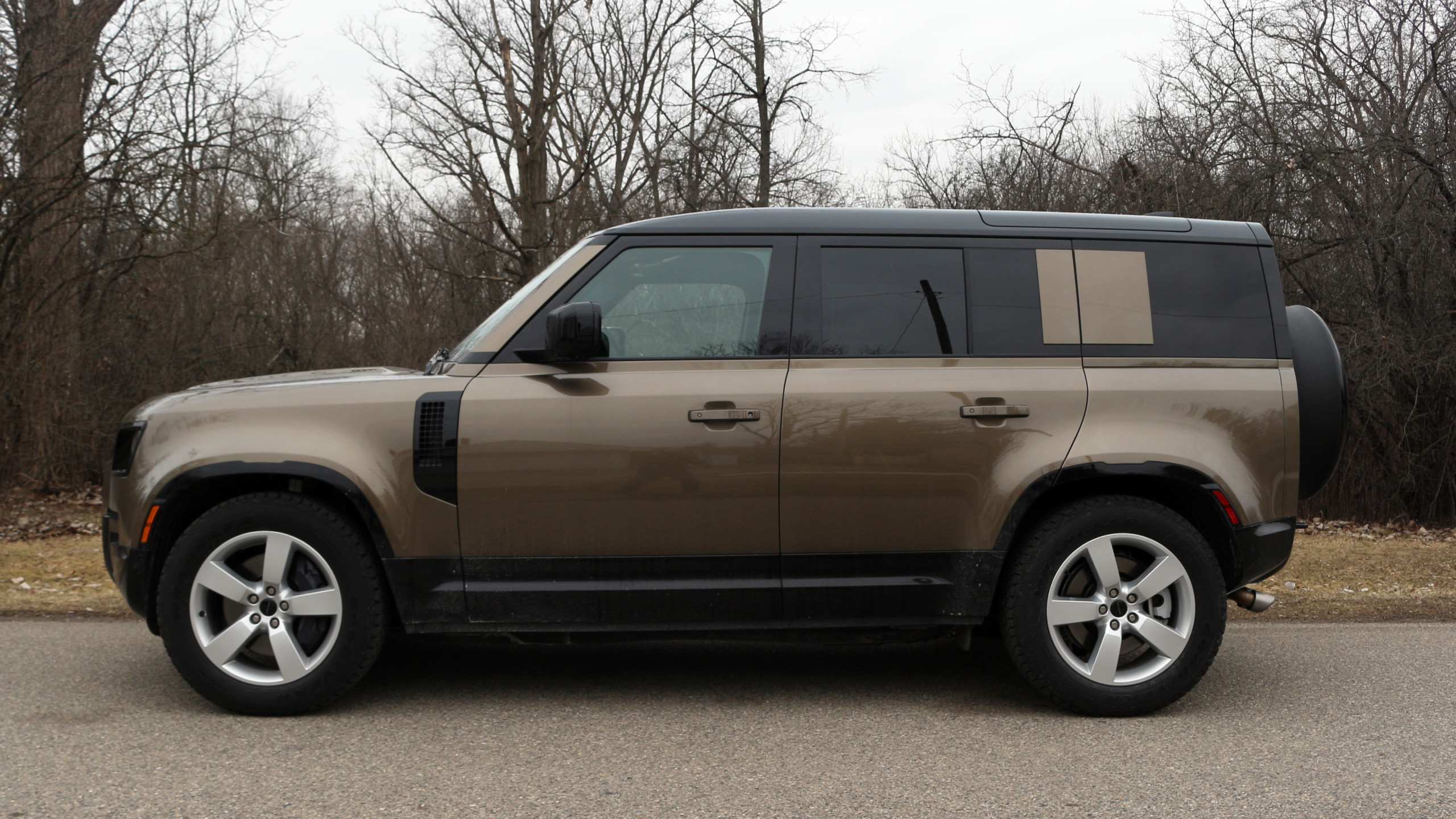
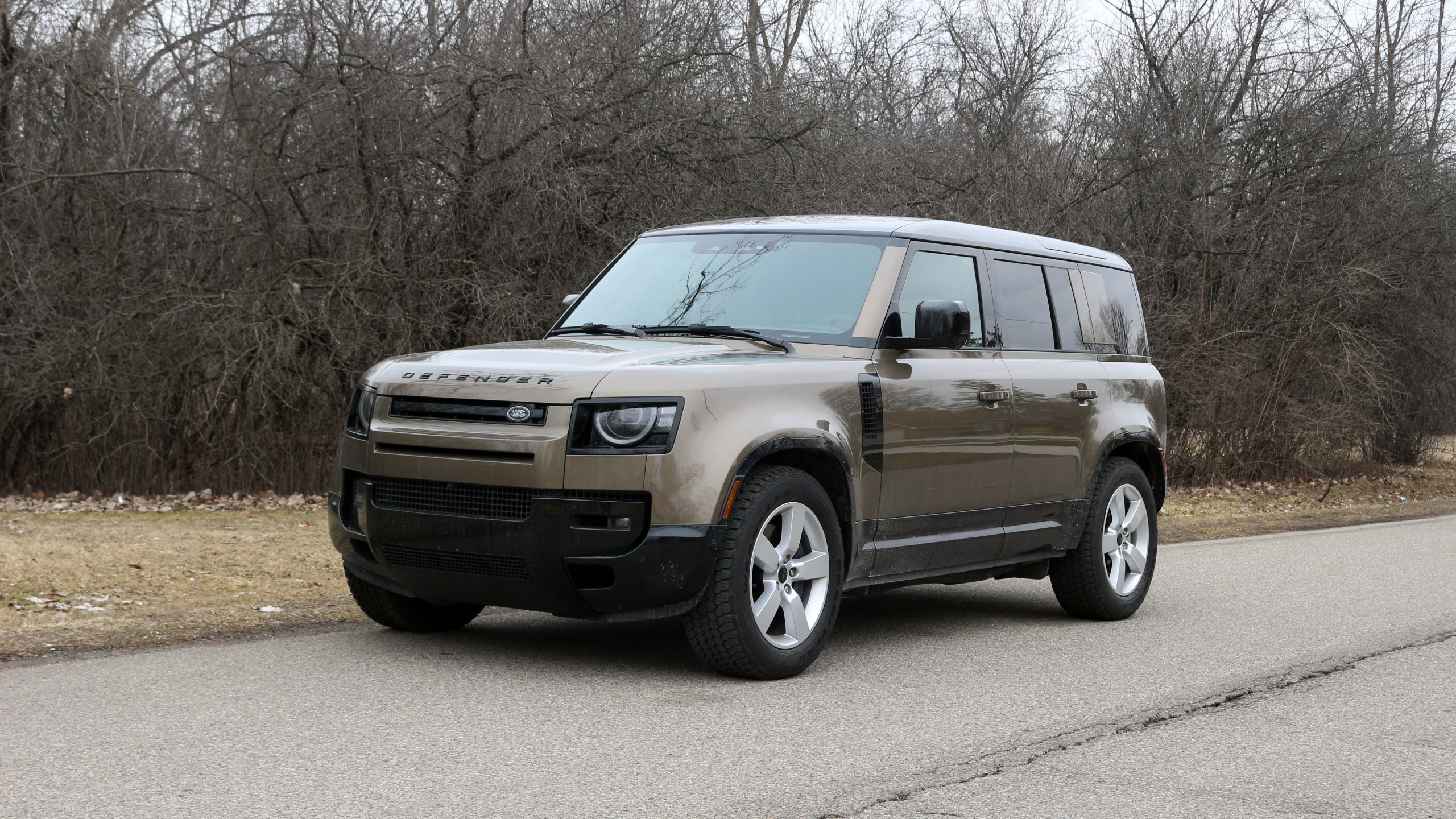
The Defender 110 range is structured around four core trim levels—S, X-Dynamic SE, X, and V8—plus two special editions (Trophy Edition and OCTA) that each shift the balance between luxury, off-road hardware, and powertrain. The 110 body itself is the five-door, mid-length chassis (between the two-door 90 and three-row 130), seating up to seven with an optional third row. Engine choices run from the P300 (2.0L turbo four, 296 hp) to the P400 (3.0L inline-six mild hybrid, 395 hp), then the supercharged V8s—P500 (493 hp) and P525 (518 hp)—and finally the twin-turbo V8 OCTA with 626 hp. Critically, the 110 is the only Defender that offers the Trophy Edition (limited-run with off-road tires and electronic active differential) and the 110-specific X trim with Terrain Response 2, air suspension, and Wade Sensing. Pricing for a 110 S starts around $75,700 (2026), climbing to $189,300 for the OCTA, and the gap between trims isn't just about features—the X trim, for instance, swaps the standard coil springs for adaptive air suspension, while V8 models get quad exhaust and 22-inch wheels as standard. The 110 also matches the 90's 8,200-pound tow rating and 11.5 inches of ground clearance, making it the most versatile Defender for buyers who want genuine off-road capability without sacrificing passenger space.
 driving.cadriving.ca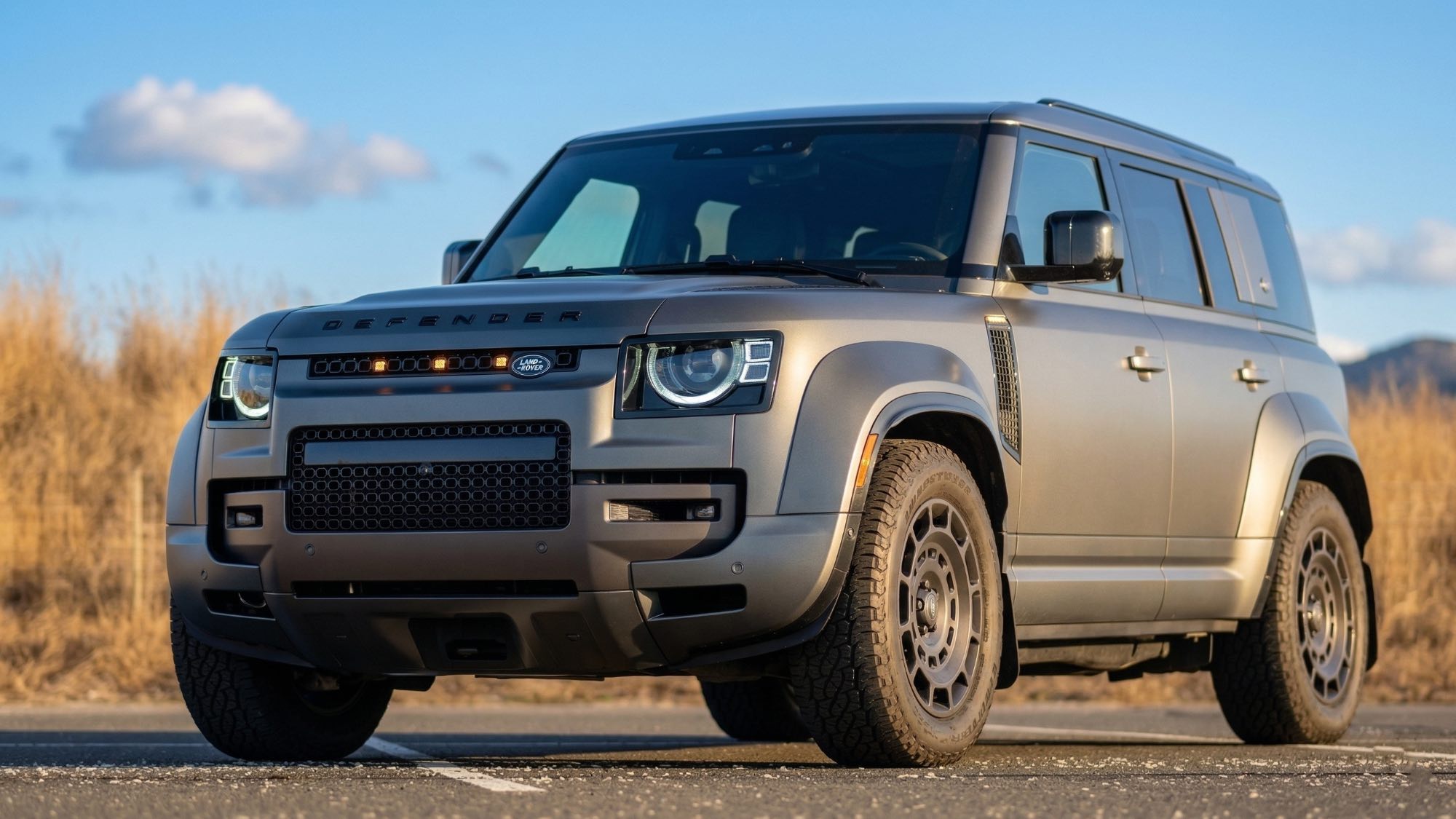
 4wdtalk.com4wdtalk.com
 landroverbethesda.comlandroverbethesda.com
+Field notes
- —Every 2026 Defender 110 starts with the ‘S’ trim, which includes a 2.0L P300 four-cylinder or optional 3.0L P400 mild-hybrid six-cylinder, 19-inch Style 6010 wheels, LED headlights, keyless entry, and a 13.1-inch Pivi Pro touchscreen; the 110 S is the only way to get the base P300 engine in a five-door Defender.
- —Jumping to the X-Dynamic SE adds gloss-black roof panels, 20-inch dark grey wheels, a Meridian surround sound system, configurable cabin lighting, and the option of the P500 V8 (493 hp), which is unavailable on lower trims—making the SE the only non-X trim with a supercharged V8.
- —The 110-exclusive Trophy Edition (limited to two colorways—Deep Sandglow and Keswick Green) upgrades to all-terrain tires, an electronic active differential, and a tow hitch receiver as standard, yet it retains the P400 six-cylinder; it's a factory-built overlander rather than an aesthetic package.
- —Unlike the 90, the 110 X trim with the P400 six-cylinder is the only way to get Terrain Response 2 (configurable drive modes), adaptive air suspension, Wade Sensing, ClearSight interior rearview mirror, and a head-up display in the 110 line—it’s the peak of off-road electronics before the V8.
- —The 2026 Defender 110 OCTA, priced at $189,300, uses a twin-turbo 4.4L V8 producing 626 hp (badged P635), a first for the Defender; it also gets unique OCTA-specific drive modes and a wider track, but it loses the low-range transfer case found on every other Defender 110.
- —Ownership data from J.D. Power gives the Defender 110 an 82/100 Quality and Reliability rating, but the mild-hybrid P400 has a known DC-DC converter failure issue and a class action lawsuit over windshield fragility; CarEdge estimates 10-year ownership costs at $18,846.
Learn
Why the 110 became the do-everything Defender shape
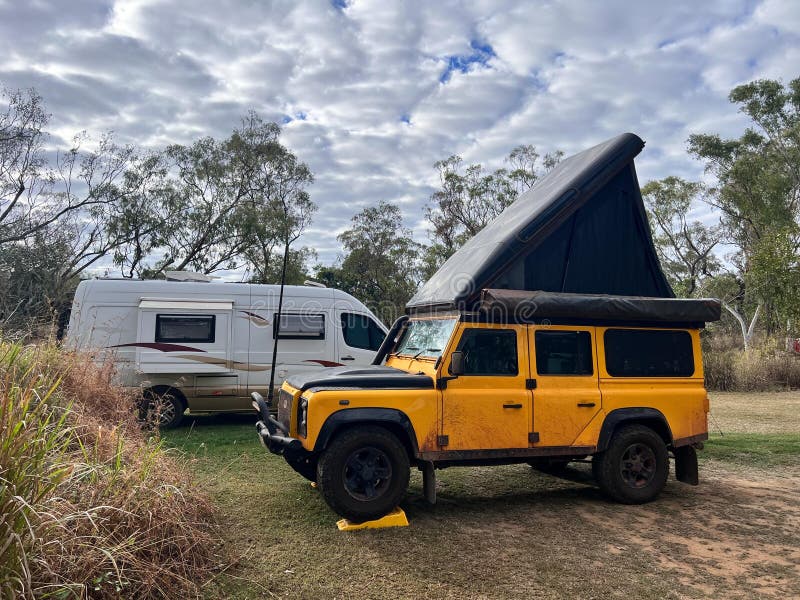
The Land Rover Defender 110's status as the quintessential do-everything shape stems from a pragmatic engineering compromise that landed at exactly 110 inches of wheelbase. When the 'One Ten' launched in 1983, it replaced the leaf-sprung Series III with a coil-sprung, permanent four-wheel-drive chassis borrowed from the Range Rover, balancing a usable payload and tow rating (up to 3,500 kg braked) with superior axle articulation and ride quality. Unlike the short 90, which sacrifices space for agility, or the extended 130, which was never sold new in North America and turns like a barge, the 110 offered five body styles — station wagon, hard top, soft top, pickup, and double cab — while sharing identical driveline architecture with its siblings. This flexibility, combined with a production run spanning 1983 to 2016 and a global reputation for ruggedness, made the 110 the default choice for farmers, overlanders, and eventually collectors, who now pay an average of $68,258 at auction for a platform that remained recognizably the same for 33 years.

 lrheritagecollection.org.uklrheritagecollection.org.uk
+Field notes
- —The 110 debuted in 1983 as the 'Land Rover One Ten' (not a Defender), alongside the Ninety in 1984 and the One Two Seven in 1985; the Defender name only arrived in 1990 when Land Rover needed to distinguish the workhorse from the new Discovery line.
- —The 110's 110-inch wheelbase (actually the same as the original Range Rover) provided the Goldilocks compromise: the 90's 92.9-inch wheelbase is too cramped for rear passengers and cargo, while the 130's 127-inch wheelbase is unwieldy and was never officially sold in the US.
- —Coil springs replaced the Series III's leaf springs, delivering dramatically better axle articulation and ride quality; this suspension, along with the permanent 4WD and locking center differential from the Range Rover LT230 transfer case, made the 110 far more capable off-road than its predecessor.
- —The 110's ladder-frame chassis and aluminium body panels over a steel frame create a restoration pattern where the bulkhead, footwells, rear crossmember, and seat box mounts rot predictably; the longer body adds more seams where water sits compared to the 90.
- —Averaging $68,258 at auction in recent years, the 110 commands a premium over other Defender variants because it offers the widest range of body styles and seating configurations (up to seven passengers in a station wagon), making it the most versatile platform for restomod builds.
- —The 110's permanent four-wheel-drive system with a lockable center differential — a feature absent from most leaf-sprung Series vehicles — gave it a major edge in towing and off-road ability, with a braked towing capacity of up to 3,500 kg (7,700+ lb) in many markets.
Learn
Where Defender 110 owners compare builds, tires, and travel setups
The Defender 110 community is split between two distinct eras of ownership, each with its own priorities. Owners of the new L663 (2020+) P300s, like the one documented on L663.guide, obsess over matte paint protection film (PPF) that covers door handle cups and panel edges — areas the factory program neglects — and debate tire weight as a performance factor, with the KO3's 255/60R20 offering a wet-weather improvement over the KO2. Meanwhile, the classic 300 TDI and 200 TDI builders on forums like Defender Source and Expedition Portal trade knowledge about Wolf steel wheels in 235/85R16 versus 265/75R16, with spacers to dial in stance, and treat a 2-inch Old Man Emu spring lift as a soft-capability cap. A recurring theme: a 1998 300 TDI owner shopping for BFG KO3s in 235/85R16 balked at a 14-pound-per-tire weight difference between a 31-inch KO3 and the only AT option in the 33-inch size, the WildPeak AT4W, worrying his 130-horsepower engine would notice the extra mass. The classic builders also trade notes on removing all nine seats to build storage for a family of five, extending a building thread over years. The common thread is that these are not fast projects — builds often take 'longer than you think,' with one 1992 CSW bought as a wreck for £361 in 2009 still being finished years later. The shared knowledge is granular, from A-pillar grab handle phone mounts and custom-made AC tunnels, to the specific debate of whether 16-inch wheels are 'more desirable' than 18s for load rating and durability on an overland rig.

 defendersource.comdefendersource.com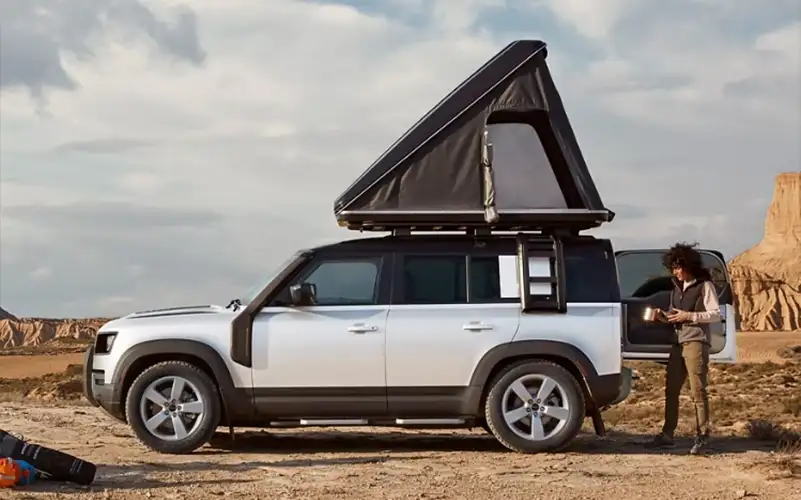

 forum.expeditionportal.comforum.expeditionportal.com
+Field notes
- —The factory Land Rover PPF program skips door handle cups, panel edges, and the roof, so a third-party install is an additional $8,000 for full coverage — a matte finish that then requires handwash-only cleaning because automated car washes will damage it.
- —BFGoodrich KO3 tires in 255/60R20 on a 2025 P300 are a deliberate upgrade over the OEM all-seasons for wet performance, but the community notes that the 33-inch 255/85R16 option (KO3) is 14 pounds lighter per tire than the only comparable all-terrain in that diameter, the Falken WildPeak AT4W at 60 lbs, a weight penalty that owners of 130-horsepower 300 TDI engines factor into their tire choice.
- —On classic 110s (1984–1998), 16 x 7-inch wheels are considered 'perfect' for 255/85R16 BFG MTs by experienced builders like evilfij on Expedition Portal, who recommend a mild 2-inch lift from Old Man Emu springs as the maximum needed rather than regearing diffs, because even a heavily laden 110 isn't that heavy.
- —A 1998 RHD 300 TDI owner building an overland rig for a family of five + dog documented a plan to remove the original 9 seats and build storage, with the thread noting the truck already had a Hannibal roof rack and rooftop tent when imported from Germany to the Netherlands, and that its first shakedown trip of 5,000 miles through the Balkans only suffered a broken brake disc guard.
- —One builder on Defender2.net started from a 1992 110 CSW 'wreck' bought for £361 on eBay, with a promise of 'a very good chassis, bulkhead and B-posts,' and set to work in a 1,400 sq ft workshop, stripping it to the frame and noting that builds 'take longer than you think' — a sentiment echoed across every thread.
Discover
Video channels that test the 110 beyond the brochure


Forget the glossy brochure—these video channels put the Land Rover Defender 110 through real-world hell and back, revealing a machine that's both brutally capable and maddeningly flawed. Expedition Portal's Scott Brady took a 2020 Defender deep into Namibia, tackling Van Zyl's Pass and other remote routes near the Angolan border, proving the platform's genuine overlanding chops long before most reviewers touched dirt. But The Fast Lane Car's brutal honesty about their third Defender in a month—yes, third—exposes persistent reliability gremlins that no marketing campaign mentions. And while the new 2026 Defender Octa, with its 467kW twin-turbo V8 and 6D Dynamics suspension that ditches anti-roll bars, targets BMW X5 M and Mercedes-AMG GLE63 owners, CarsGuide's Laura Berry notes its $304,500 price tag in Australia and a towing capacity of just 3000kg. The Octa also gets 33-inch tyres and a 68mm wider track, plus bizarre Body and Soul Seats that use tactile audio technology, a gimmick that seems at odds with the Defender's workhorse heritage. Meanwhile, What Car?'s 2026 update warns that despite improvements, the Defender still isn't cheap, and AutoNext's short clip shows the Octa's launch control engaging like a supercar, because apparently, financial responsibility takes a back seat to twin-turbo V8 fun.
+Field notes
- —Expedition Portal was among the first to properly overland-test the 2020 Defender, spending four days in Namibia on routes like Van Zyl's Pass near the Angolan border—far from any dealer lot or paved road.
- —The Fast Lane Car revealed a stark reality: after owning three Defenders in a single month, they candidly shared the love-hate experience, highlighting that reliability issues persist even in the 'new' model.
- —The 2026 Defender Octa packs a 4.4-litre twin-turbo V8 producing 467kW, with a 6D Dynamics suspension that eliminates traditional anti-roll bars, giving it a 68mm wider track and 323mm ground clearance.
- —CarsGuide's Laura Berry noted that the Octa's towing capacity is just 3000kg in Australia, and its $304,500 price tag puts it in direct competition with the BMW X5 M, Mercedes-AMG GLE63, and Range Rover Sport SV.
- —The Octa introduces Body and Soul Seats with tactile audio technology—a feature that vibrates music through the seat—a bizarre luxury touch for a vehicle built for mud and rocks.
- —AutoNext's 12-second clip shows the Defender Octa engaging launch control like a supercar, underscoring the absurdity of a 2.5-tonne off-roader with sports-car acceleration.
Explore
The accessories people obsess over: racks, storage, protection, and recovery
The Defender 110 accessory ecosystem splits sharply between the classic 1990–2016 models and the new L663 generation (2020+), but the obsessions are the same: roof racks, heavy-duty storage drawers, rock sliders, and creature comforts for overlanding. For new-gen owners, the Bison Gear OX PRO roof rack is a standout because of its aluminum crossbars (90x25 mm) and integrated cable channels for wiring LEDs or Starlink without drilling, while the Front Runner Slimline II rack (2166 mm long) lets you stash an under-rack table via dedicated foot-rail openings. The real obsession, however, is storage: Front Runner's 4 Cub Box Drawer & Fridge Slide combo ($2,810) swallows 40–80 L fridges and can carry 113 kg per drawer, but old-school owners favor ARB's Outback Modular system (£1,595) for its steel frame and roll-top upgrade option, or the Big Country Savute steel drawer (£1,409) for dusty trails. Rock sliders like Voyager Offroad's L663-specific units ($2,389) are claimed jackable, pullable, and indestructible, bridging from fender flares to frame without drilling, while Land Rover's own accessories—like the 6.3-gallon side-mounted gear carrier, deployable roof ladder, and integrated air compressor—show the factory has embraced the overland add-on culture.
 roverparts.comroverparts.com
 bison-gear.combison-gear.com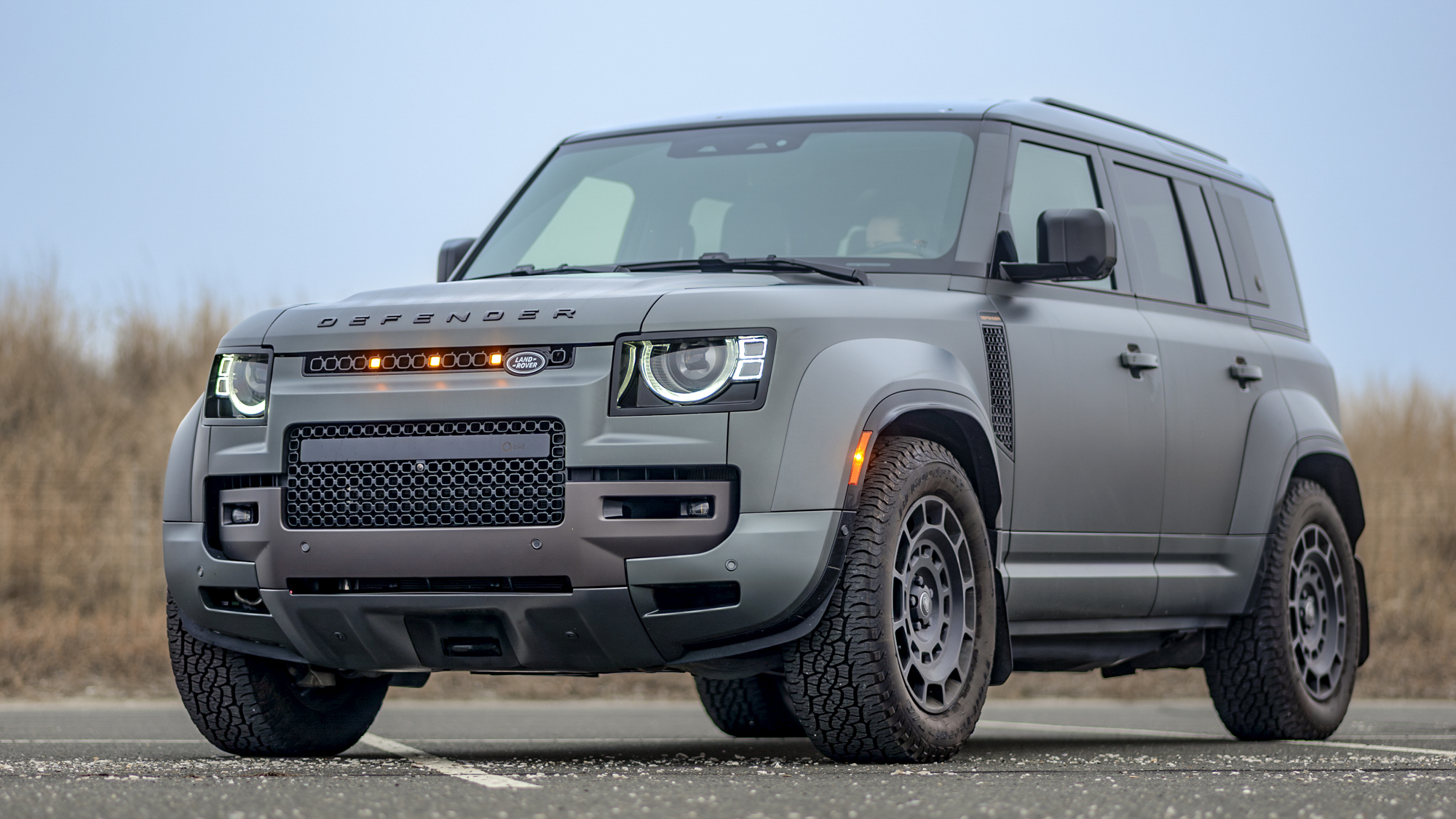
+Field notes
- —The Bison Gear OX PRO roof rack for L663 Defenders uses 90x25 mm aluminum crossbars with 296 mm spacing and hidden cable channels for running LED or Starlink wiring without drilling—a detail most racks miss.
- —Front Runner's Slimline II rack for the 2020+ Defender 110 (2166 mm long) has foot rails with openings that let you mount an under-rack table like the Pro Stainless Steel Prep Table, saving cargo space.
- —The Front Runner 4 Cub Box Drawer & Fridge Slide combo ($2,810) includes a fridge slide that handles 40–80 L fridges, a small storage tray, and a flat deck rated for 150 kg of stacked gear—modular and overbuilt.
- —Voyager Offroad's rock sliders for the L663 Defender 110 ($2,389) span from fender flares to frame, install with no drilling or modification, and are marketed as jackable and pullable—not just side protection.
- —ARB's Outback Modular drawer system for classic Defender 110s (1990–2016) is built with a steel frame and fixed top drawer, offering an optional roller-top upgrade—a rarity among drawer systems for dusty environments.
- —Land Rover's genuine accessories include a 6.3-gallon side-mounted gear carrier (waterproof, lockable, but requires roof rails and doesn't fit V8s) and an integrated air compressor in the cargo space—factory nods to overlanding.
Keep exploring
More of Land Rover Defender 110
Branch out
Beyond Land Rover Defender 110
More to explore
In the same world.

Porsche 964
The Porsche 964 — built from 1989 to 1994 — represents one of the most ambitious reinventions of the 911 formula: beneat…

Porsche 911
The 911 is Porsche’s long-running family of rear-engine, high-performance sports cars, now spanning a wide range of Carr…
Ferrari Testarossa
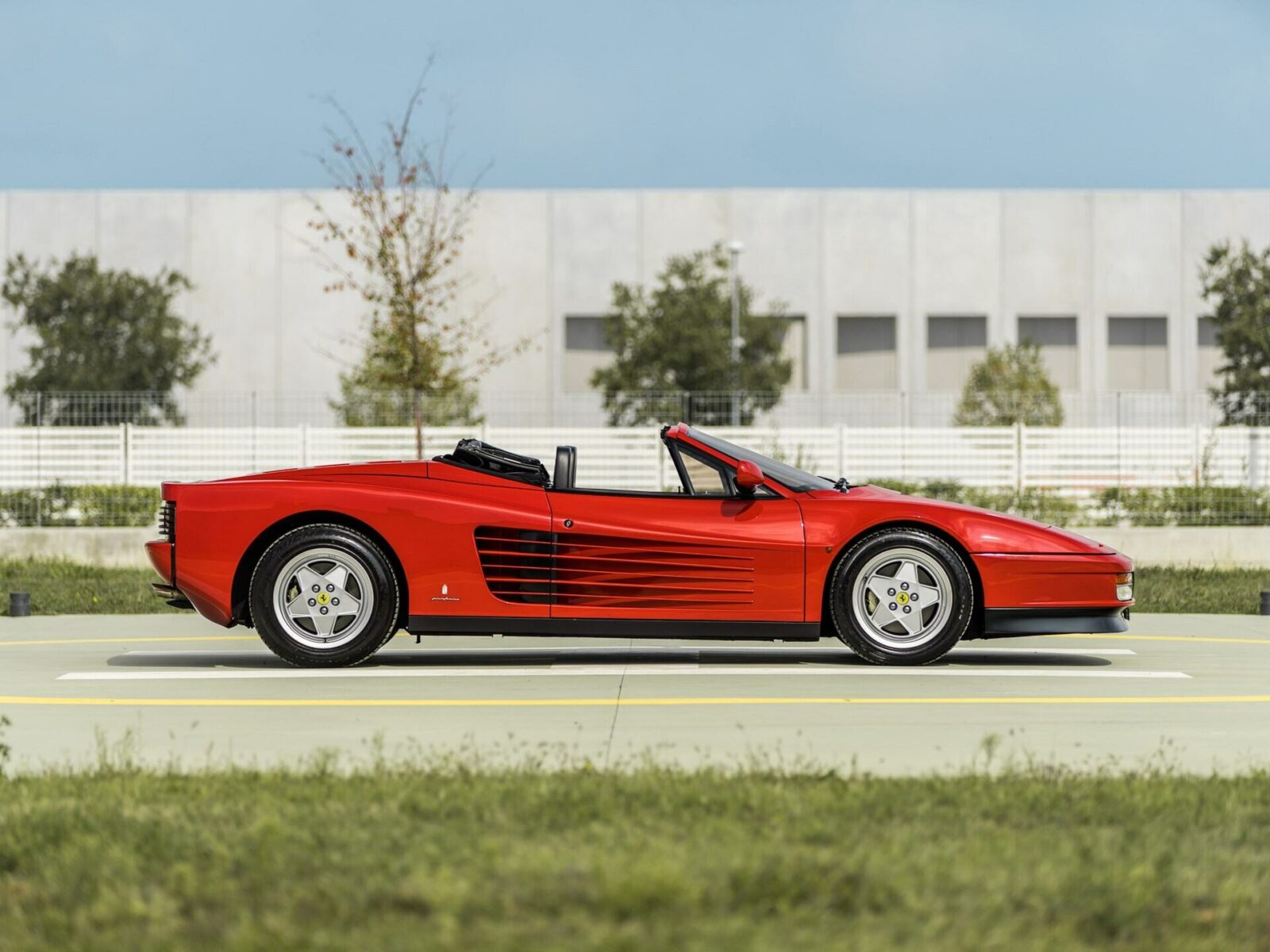
This isn’t a Lamborghini at all: the Testarossa is Ferrari’s flat-12 flagship introduced in 1984 as the heir to the 512…
Datsun 240Z
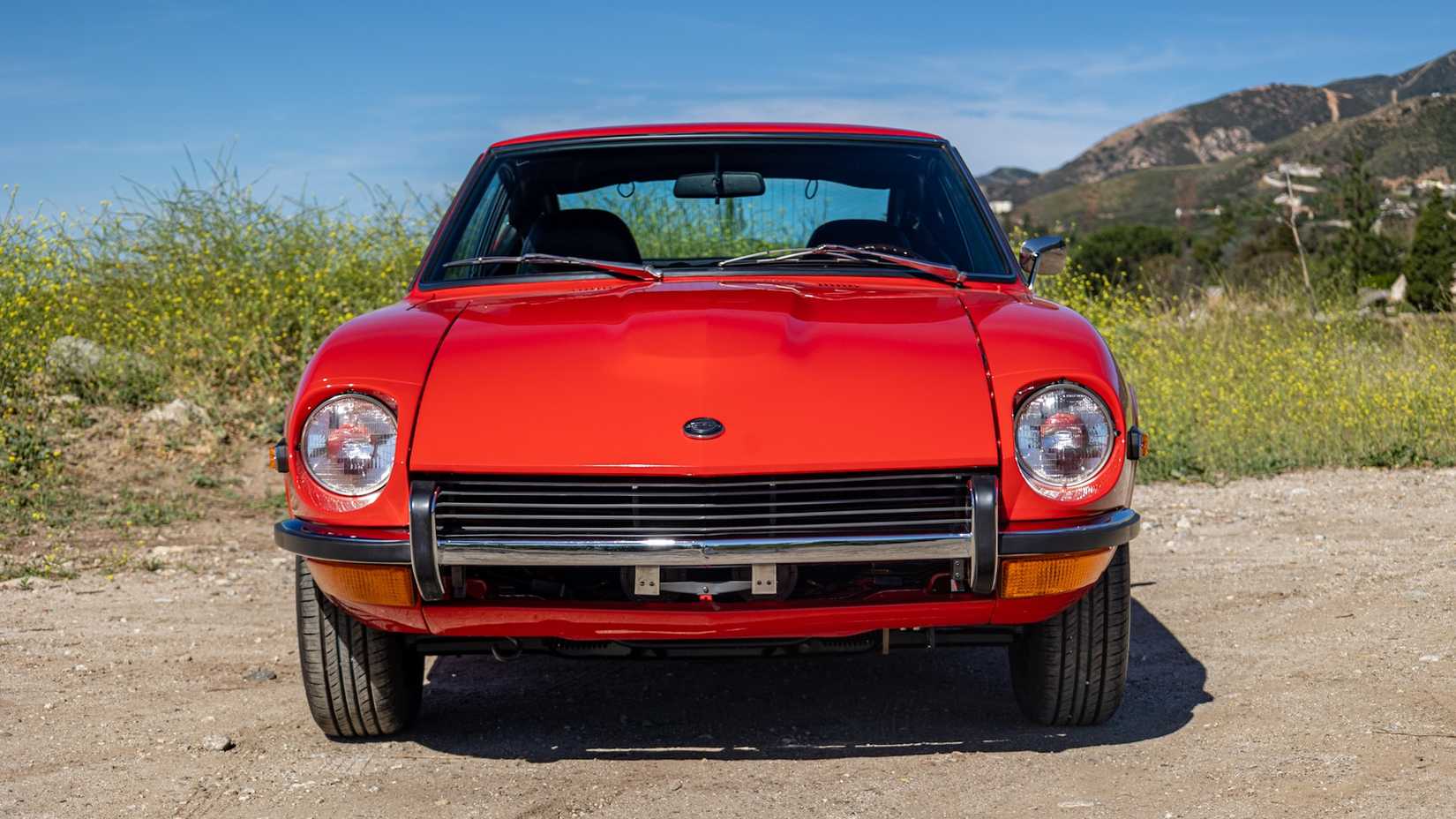
The Datsun 240Z is the export-badged S30-generation Nissan Fairlady Z, a late-1960s-to-1970s sports car that reshaped ho…

Rolex Deepsea
The Rolex Deepsea is Rolex’s 44 mm extreme-depth diver, introduced in 2008 as the brand’s purpose-built watch for deep-s…

Rolex Deepsea
The Rolex Deepsea is Rolex’s 44 mm extreme-depth dive watch, built around the brand’s Ringlock system and rated to 3,900…
.jpg)
Ferrari Testarossa
The Ferrari Testarossa is Ferrari’s mid-engined 12-cylinder successor to the Berlinetta Boxer, unveiled at the Paris Mot…

Red Wing Iron Ranger
The Red Wing Iron Ranger is a Made in USA 6-inch boot in Red Wing’s Heritage line, sold across several leather and color…
More in Cars & Motorcycles
Stay in this world.

Electric Vehicle Design
Datsun 240Z
Honda CB400

Honda Super Cub
Ferrari Testarossa
Ferrari Testarossa
Porsche 911
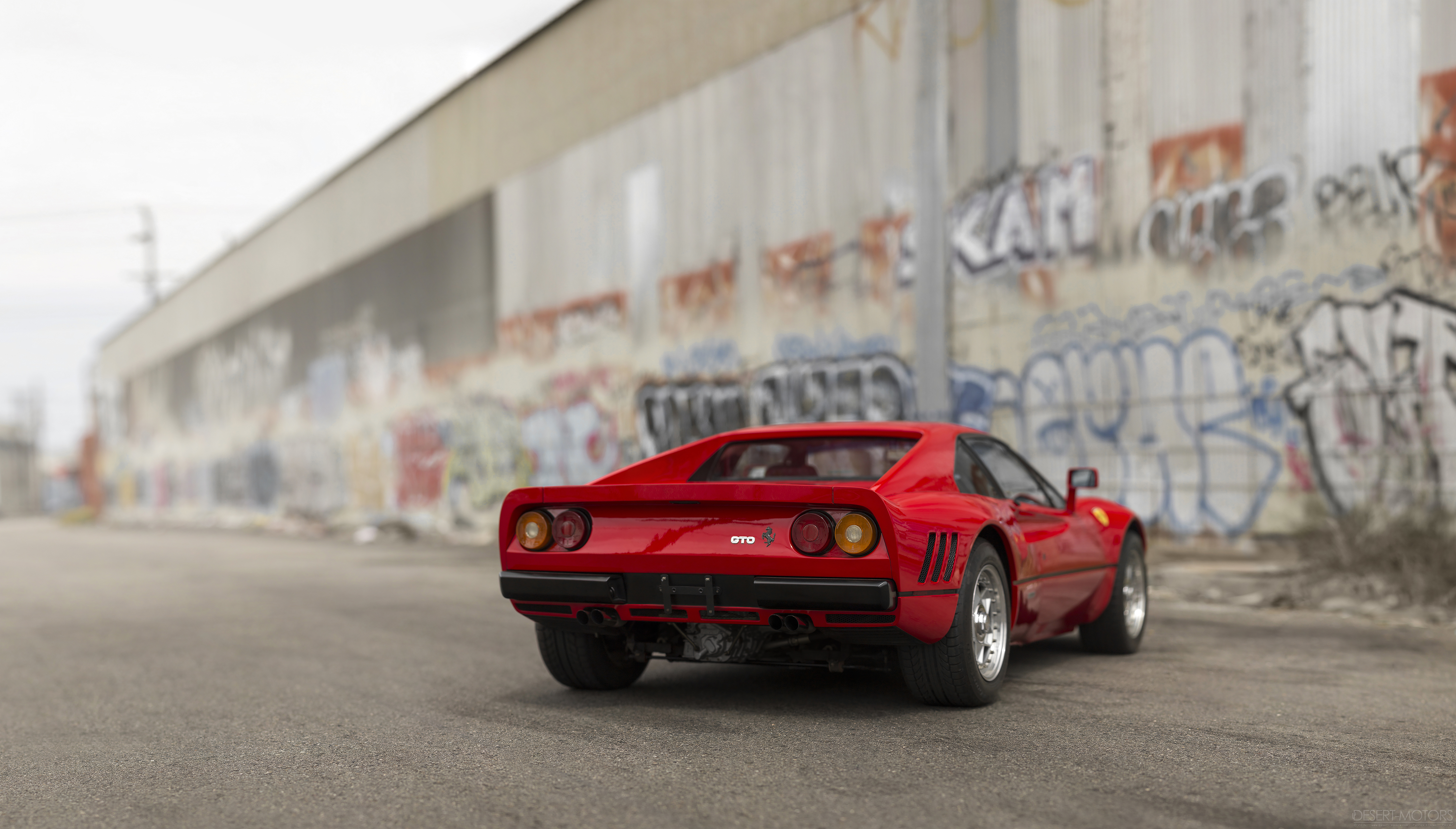
Ferrari in the 1980s
Imagery
Know someone who’d love this?
Discovered by ArcurianAuto-generated from public sources and AI synthesis — it may be incomplete or inaccurate. Treat it as a starting point for your own exploration, not professional (medical, legal, financial, or safety) advice. Verify anything you act on. Report this page.