The Honda Super Cub is Honda’s long-running underbone motorcycle, built continuously since 1958 and widely recognized as the most produced motor vehicle in history, with production passing 100 million in 2017. Its defining formula is simple but unusually durable: a small four-stroke single, step-through chassis, and everyday usability that made models like the C50, C70, C90, and today’s C125 part of daily life in many countries. Honda’s own history frames it as a customer-first design from Soichiro Honda, while its public image was cemented in places like the US by the “You Meet the Nicest People on a Honda” era. What makes the Cub worth deeper attention is that it’s not just a famous small bike—it’s a global platform with regional versions, long-lived mechanical lineages, and a cult of riders, restorers, and custom builders who treat it as both tool and icon.
Learn
Why the Super Cub became the everyday motorcycle
The Honda Super Cub became the everyday motorcycle by deliberately rethinking what a motorcycle could be: not a toy for thrill-seekers but a practical, reliable tool for ordinary people. Conceived after Soichiro Honda and Takeo Fujisawa returned from Europe in 1956 impressed by the ubiquity of mopeds, the Cub was engineered for accessibility—an automatic centrifugal clutch eliminated the need for manual gear changes, a low step-through frame made mounting easy for anyone (including riders in skirts), and a large plastic leg shield kept riders clean. Its 50cc four-stroke engine, a bold choice when two-strokes dominated, delivered exceptional fuel economy and durability, while the famous 'You meet the nicest people on a Honda' campaign in the US reframed motorcycling as wholesome family fun. By 2017, more than 100 million units had been produced across 16 plants in 15 countries, making it the most manufactured motor vehicle in history. Its simple, robust design and adaptability to local markets meant it served everyone from noodle delivery boys in Tokyo to commuters in Brazil and Alaska, earning the affectionate motto 'Start with the Cub, end with the Cub.'


 global.hondaglobal.honda
 nippon.comnippon.com
+Field notes
- —The Super Cub’s design prioritized universal accessibility: a step-through frame, automatic centrifugal clutch, and large leg shield were inspired by the founders’ observation of Europe’s moped culture, enabling anyone—including a noodle delivery boy or a skirt-wearing rider—to use it easily.
- —Honda chose a 50cc four-stroke engine over the common two-stroke for better fuel economy and reliability, which made the Cub cheaper to run and more durable than its rivals.
- —The Super Cub was launched with enough production capacity to meet demand: Takao Fujisawa set a target of 30,000 units per month, and first-day sales exceeded 1,000 units, quickly forcing Honda to raise output to 60,000 per month.
- —The 'You meet the nicest people on a Honda' advertising campaign in the United States separated the Cub from the outlaw biker image and positioned motorcycling as mainstream, family-friendly transportation.
- —The Super Cub’s reliability and simplicity led to the saying 'Start with the Cub, end with the Cub,' meaning it was ideal for beginners yet remained a rewarding ride for experienced motorcyclists.
- —Global production from 15 countries, with variants like the moped-style C310 in Belgium and adaptations in Brazil, allowed the Cub to meet local needs and become the most-produced motor vehicle ever.
Learn
From the 1958 original to the modern C125
The Honda Super Cub, first released in 1958 as the C100, was born from a 1956 European trip by Soichiro Honda and Takeo Fujisawa, who saw a gap for a simple, accessible daily rider. It broke scooter convention with a low-backbone frame, large leg shields, and an automatic centrifugal clutch—freeing the left hand entirely. The air-cooled 49cc four-stroke OHV engine was chosen over cheaper two-strokes for its cleaner emissions and fuel economy. Named by designer Jozaburo Kimura, who repurposed the old 'Cub F' logo and added 'Super' to signal freshness, the bike sold over 1,000 units on launch day and hit 30,000 per month within its first year. By its third year, annual production neared 560,000, making the Cub the bedrock of Honda's global expansion. The modern C125 retains the same step-through silhouette and semi-automatic transmission, but with a 124cc fuel-injected engine, disc brakes up front, and a four-speed gearbox, proving that the original recipe still works after six decades.
 global.hondaglobal.honda
 global.hondaglobal.honda
+Field notes
- —The C100's automatic centrifugal clutch was so novel that development tested eight prototypes across three experimental bikes, ensuring the left hand was completely free—a feature that made the Cub instantly accessible to anyone, including women in skirts and tray-carrying delivery riders.
- —Soichiro Honda insisted on an outer tire diameter of exactly 21 inches (533mm)—smaller than European moped tires—after studies showed it was the ideal size for the average Japanese rider's physique and for stable low-speed handling.
- —Takeo Fujisawa shocked his engineers by declaring a target of 30,000 units *per month* (not per year) when the entire Japanese motorcycle market sold only 40,000 units monthly; the Cub surpassed that goal within its first year.
- —Honda chose a four-stroke OHV engine over a cheaper two-stroke specifically to keep exhaust clean and fuel consumption low—even though it raised production costs—relying on high volume to cover the margin.
- —The name 'Super Cub' was improvised by designer Jozaburo Kimura, who noticed leftover 'Cub F' logo proofs and added 'Super' because the word felt fresh and exciting in late-1950s Japan; Soichiro Honda approved instantly with a simple 'Oh, that's nice.'
- —The modern C125 (released in 2018) keeps the classic underbone silhouette and centrifugal clutch but adds fuel injection, a 124cc engine, a four-speed transmission, and a front disc brake—upgrades that preserve the Cub's ultra-light, easy-riding character while meeting modern regulations.
Learn
The model names and terms Cub people actually use
Inside the Cub world, you almost never hear 'Super Cub' — instead, people rattle off codes like C100, C50, C90, and suffixes like Z, Z-Z, or DX that pinpoint the exact era and spec. The real Rosetta Stone is Honda's three-digit Product Code embedded in every OEM part number (e.g., 001 for the original C100), a system that predates computers and lets old-school mechanics identify a part's birth model at a glance. Frame numbers are the only definitive way to date a bike, with production year tables mapping VIN ranges down to the month — C50-000001 kicked off in October 1967. Later variants like the C50L (single-seat moped) and the 'C' series (two-tone seats, 12V electrics) show how Honda tweaked the recipe for different markets, while the OHV-to-OHC engine shift around 1964 marks a fundamental fork in the model family tree.
 fourstrokebarn.comfourstrokebarn.com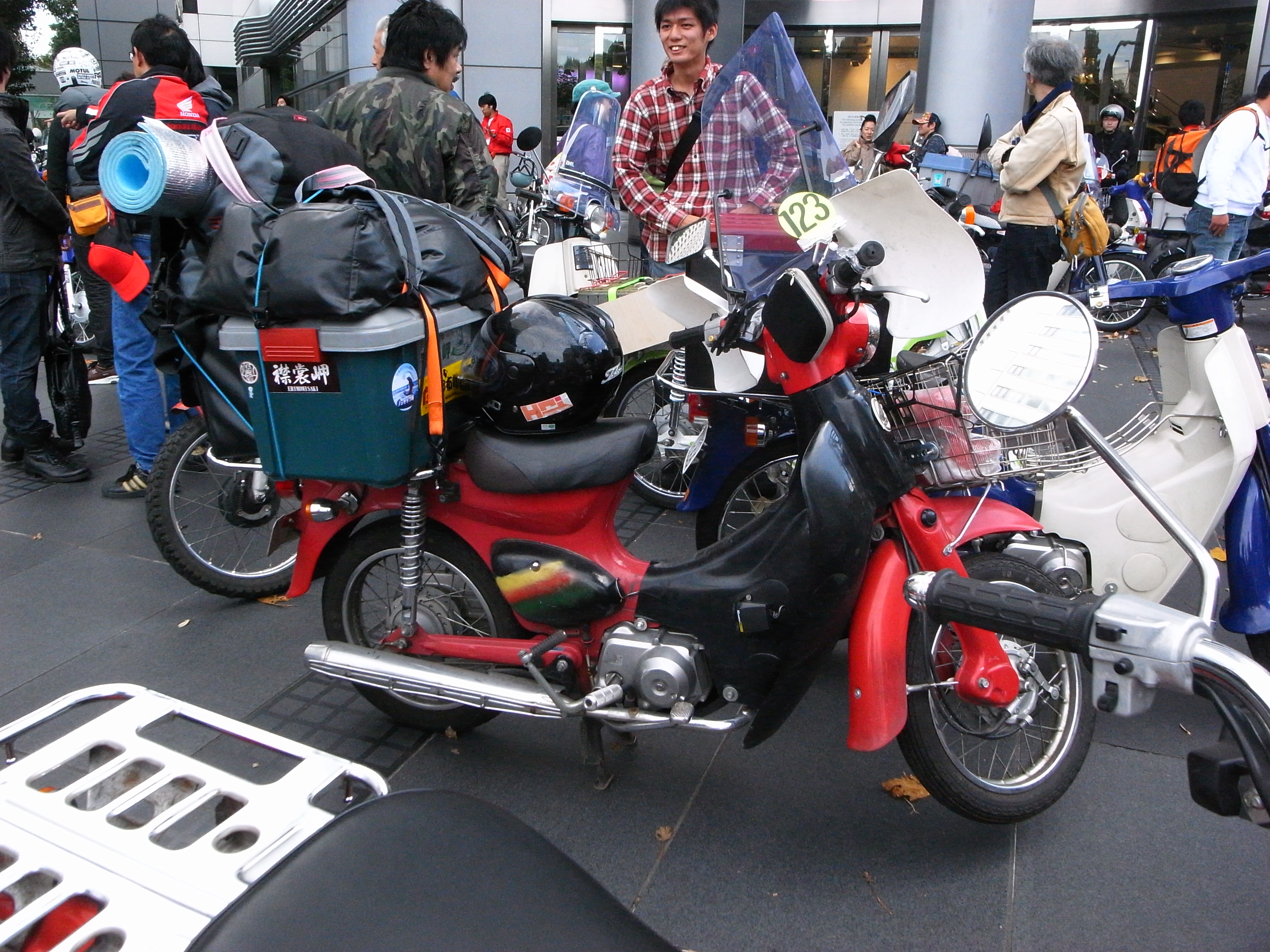


 weeksmotorcycle.comweeksmotorcycle.com
+Field notes
- —The three-digit Honda Product Code (e.g., 001 = C100, 002 = C105/C105T) is the key to decoding OEM part numbers — the format is xxxxx-111-xxx, where the middle '111' tells you the original model. This was essential before digital parts fiche existed.
- —Frame numbers are the only reliable way to identify a Cub's production year and exact variant. For example, C50 frame numbers start at 000001 in October 1967 and run through a systematic letter prefix system (K, L, M...) before switching to longer numeric sequences like 6000047 for late 1978 models.
- —The 'C' suffix models (C50-C, C70-C, C90-C) from the late 1970s are easily spotted by their two-tone dual seats, restyled headlamp cowling, 12-volt electrics, and CDI ignition — a major jump from the earlier 6V points systems.
- —The C50Z-A (also called the C50L) had a single seat and carrier with no pillion provision, created to comply with a new legal definition of a moped — it's not the same as the later C50LA which uses a 3-speed fully automatic transmission.
- —The engine architecture split in 1964: first-generation Cubs (C100, C102, CM90) used a pushrod OHV engine based on the C200 Benly, while the C65 introduced a new OHC design that later appeared in the updated C50 and eventually the C90 — a totally different lineage.
- —The C102 was a special early variant that included an electric starter — a rare feature for a 50cc bike in the late 1950s, making it stand out even among the Cub family.
Discover
What to watch: restorations, ride films, and custom Cub builds


If you're looking to watch someone bring a Super Cub back from the dead, the real gold isn't in polished showroom restorations—it's in the gritty revival videos. Motorcycle Rewind's C70 Passport had been seized solid for 19 years, and the process of freeing a 1982 engine with stale fuel and dried seals is pure mechanical drama. On the opposite end, DIY Wood Studio's 77-minute teardown of a 1982 C90 is almost ASMR-like in its thoroughness, every bolt cataloged and cleaned. For something more modern, The Bad Idea Bros in New Zealand wrench on the 2017 NBC110 'Postie Bike,' the step-through used by postal services, showing how to piece together a disassembled parts-bin Cub. And if you want to see a ride film rather than a rebuild, the 2001 Super Cub 90 review—literally titled 'The Ultimate Delivery Legend?'—captures why these bikes own urban streets. The variety is the point: each channel reveals a different truth about the Cub's resilience, from abandoned frame repair to full customs.
+Field notes
- —Motorcycle Rewind's 1982 Honda C70 Passport revival video is a masterclass in dealing with a 19-year-old seized engine: the pistons were welded to the cylinders by rust, and the channel shows every step of breaking it free without splitting the cases, from penetrating oil soaks to careful heat cycling.
- —DIY Wood Studio's 1982 Super Cub C90 restoration runs 77 minutes and documents a total teardown of every component—including the wiring harness and carburetor—making it an invaluable reference for anyone planning a concours-level rebuild, with 248.7K views proving its cult status.
- —The Bad Idea Bros build on a 2017 NBC110 Super Cub—known in New Zealand as a 'Postie Bike' because it's the exact model used by the national postal service—and their custom build focuses on making a disassembled parts-bike roadworthy again, complete with a generic aftermarket exhaust and a DIY speedo bracket.
- —DT Restoration's 1980 Super Cub C50 video (141.5K views) shows a frame so rusted the swingarm pivot had to be cut out, and the repaint is done with what appears to be rattle-can single-stage urethane—proof that you don't need a spray booth to bring a Cub back from abandonment.
- —The 2001 Honda Super Cub 90 review titled 'The Ultimate Delivery Legend?' isn't a restoration but a ride-and-review film that highlights the 90cc engine's legendary fuel efficiency and the bike's historical role as a pizza-delivery icon in the UK and Asia.
Discover
Read the stories behind the bike’s worldwide spread
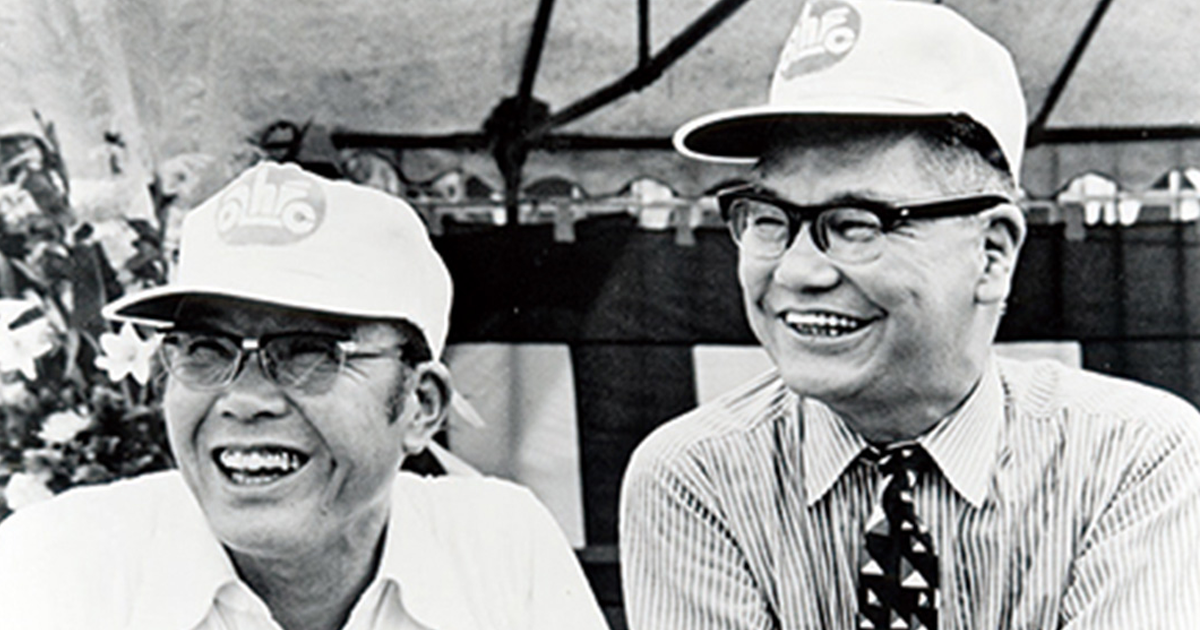
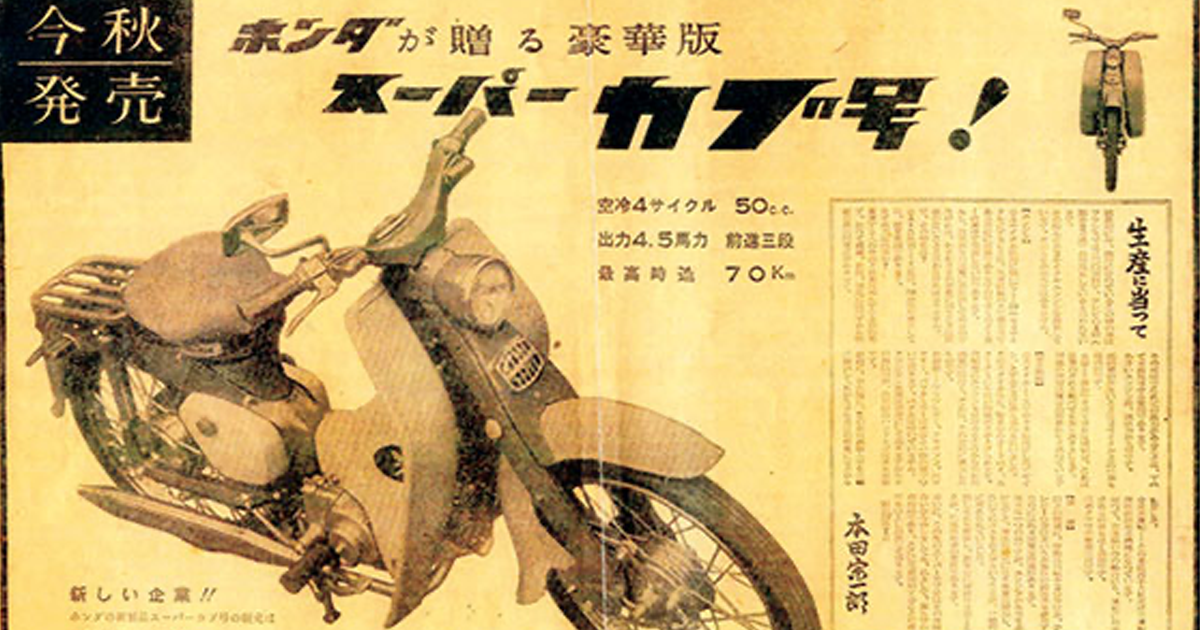
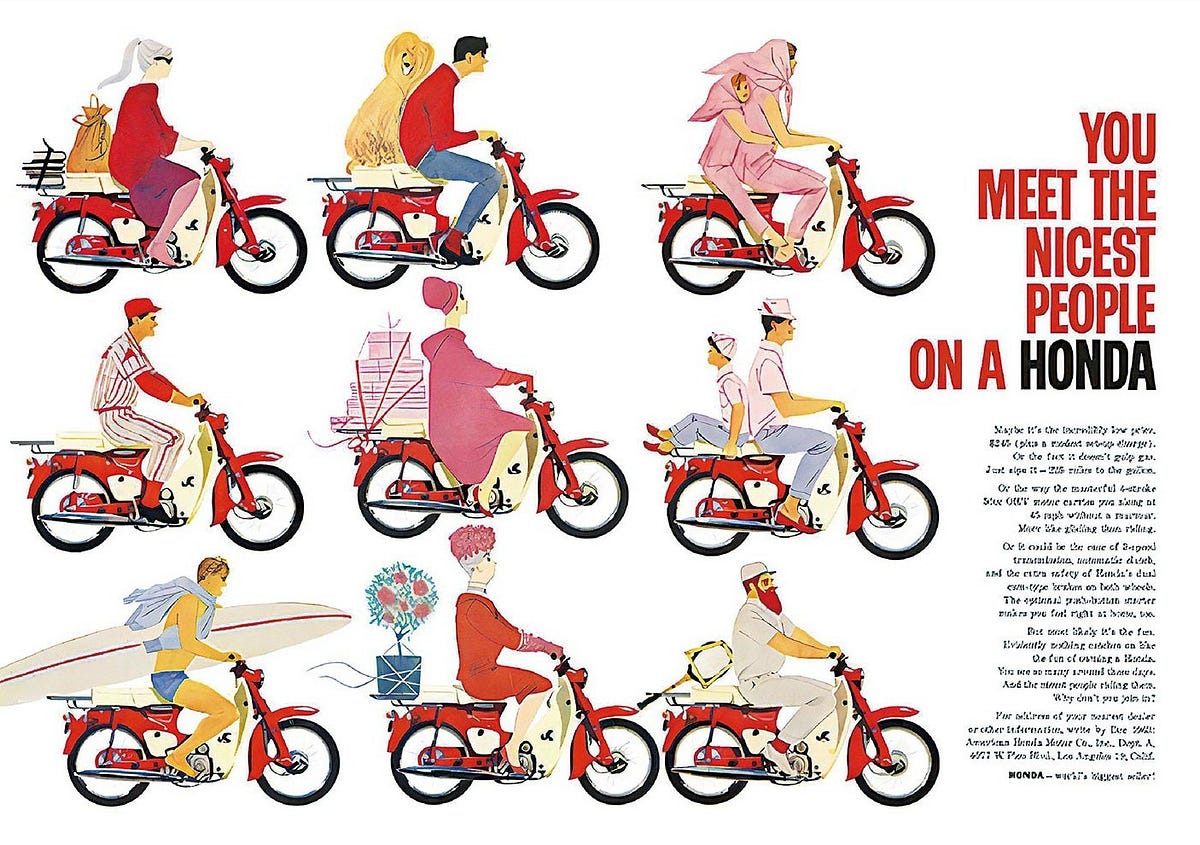
The Honda Super Cub's global journey is less a story of meticulous conquest than of accidental brilliance—a machine designed for Japan's narrow streets and noodle deliveries that ended up reshaping mobility from Los Angeles to Jakarta. When Honda's co-founder Takeo Fujisawa first dispatched the Cub to America in 1959 alongside the Dream 250 and Benly 125, the big bikes flopped; only 170 total Hondas sold in six months. Americans, accustomed to Harley-Davidson's 900cc-plus thunder, saw the little 50cc Cub as a toy, not a vehicle. But that 'toy-like familiarity' became its secret weapon. US customers loaded Cubs onto pickup trucks for camping trips, parents gave them as Christmas presents, and teenagers bought them with part-time job money. The Cub wasn't fighting for road dominance—it was creating an entirely new category of recreational and utility mobility. By 1961, just two years after export began, the series reached one million global units, and the Cub's iconic 'You meet the nicest people on a Honda' campaign—launched three years after its Japanese debut, deliberately late, by Tokyo Graphic Designers under Tsugio Ogata—cemented its role as America's friendly handshake with Japanese engineering, ultimately making it the best-selling motor vehicle in history.
+Field notes
- —Honda's first American subsidiary, founded in Los Angeles in 1959 with just eight employees, initially sold only 170 motorcycles of all models in six months—the 50cc Super Cub (called the Honda 50) was a surprise hit precisely because nobody expected a small bike to sell in a market dominated by 900cc Harleys and 650cc Triumphs.
- —American buyers treated the Super Cub not as daily transport but as recreational gear—loading it onto pickup trucks for camping, hunting, and fishing trips, or giving it as a Christmas gift to teenagers, a use case entirely different from its Japanese role as a delivery workhorse.
- —The Super Cub's iconic 'You meet the nicest people on a Honda' campaign didn't launch until three years after the bike's 1958 debut—Tsugio Ogata's Tokyo Graphic Designers created it deliberately late, after the Cub had already proven itself, to broaden appeal beyond the existing motorcycle subculture.
- —Within two years of its 1958 Japanese release, the Cub captured roughly 60% of Japan's annual motorcycle sales (167,000 units in its second year against a national total of around 300,000), funding the construction of Honda's new Suzuka Factory with advanced production lines for global expansion.
- —The Cub's US breakthrough was nearly scuttled by early focus on bigger bikes—Honda's Kihachiro Kawashima prioritized 250cc and 350cc Dreams, whose clutches failed and oil leaked on American highways, air-freighting warranty repairs nearly bankrupted the operation until the Cub's toy-like familiarity saved it.
Keep exploring
More of Honda Super Cub
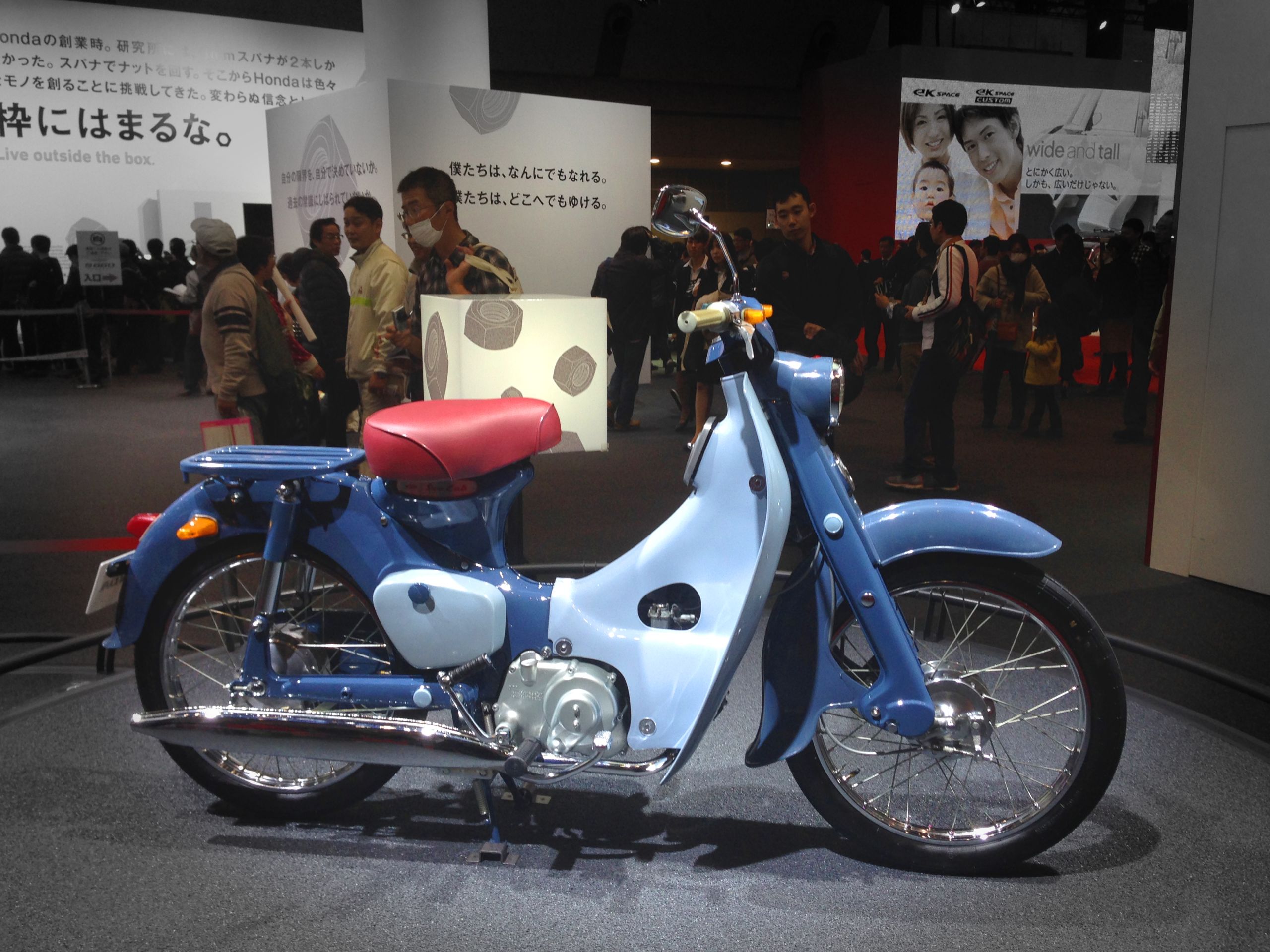


More to explore
In the same world.
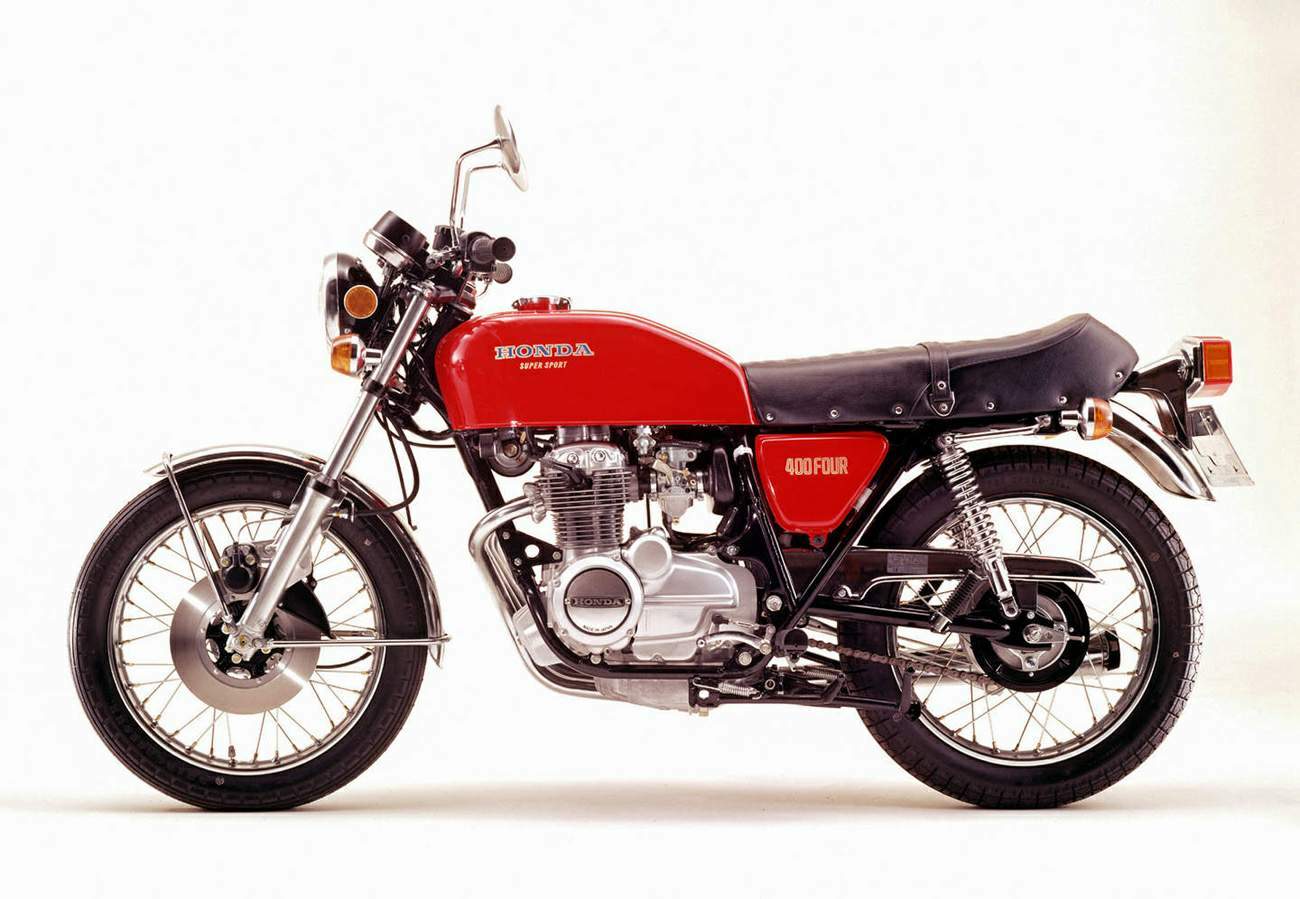
Honda CB400
Honda’s CB400 name has covered multiple motorcycle families, but the model most riders mean today is the CB400 Super Fou…
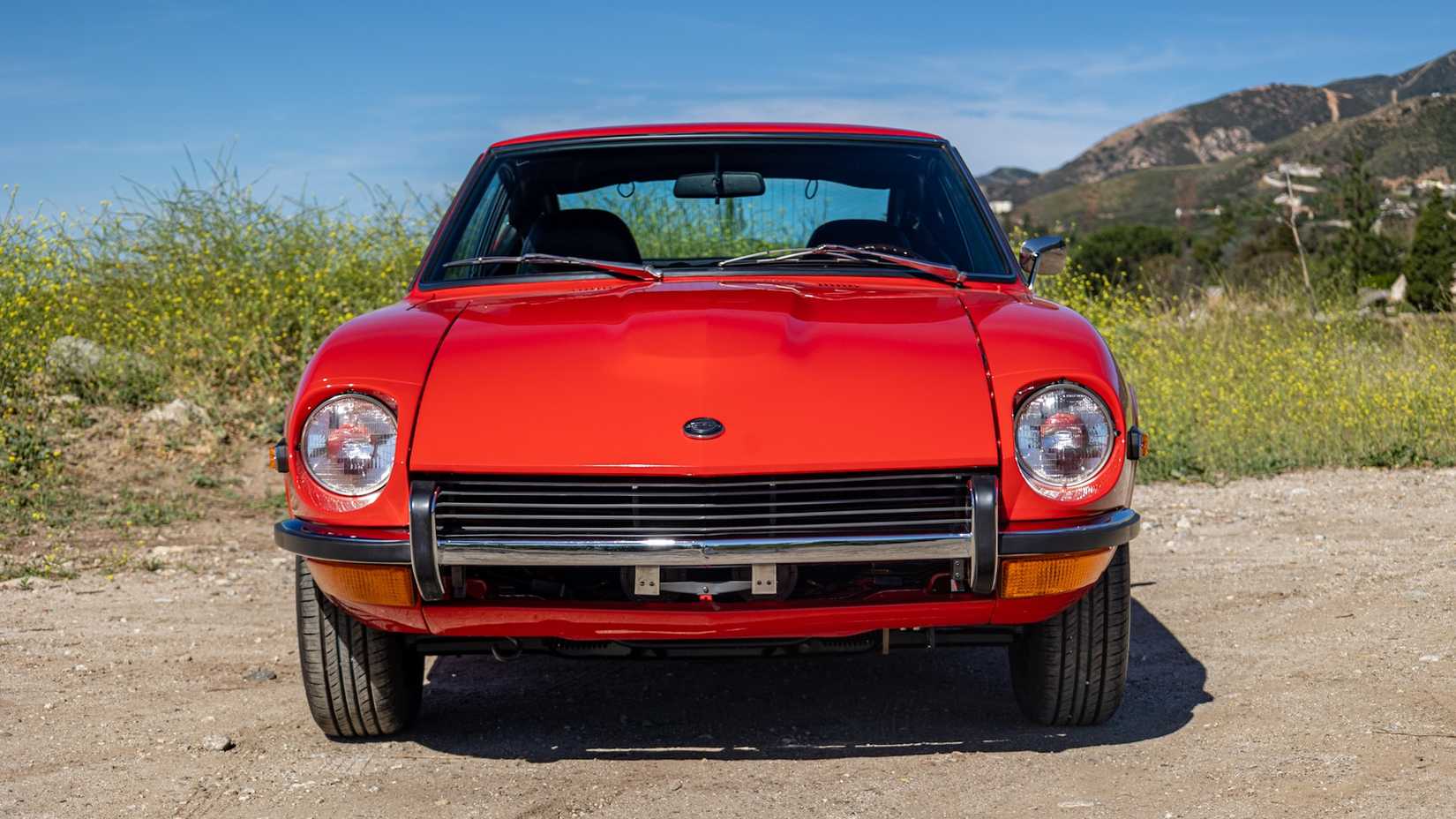
Datsun 240Z
The Datsun 240Z is the export-badged S30-generation Nissan Fairlady Z, a late-1960s-to-1970s sports car that reshaped ho…
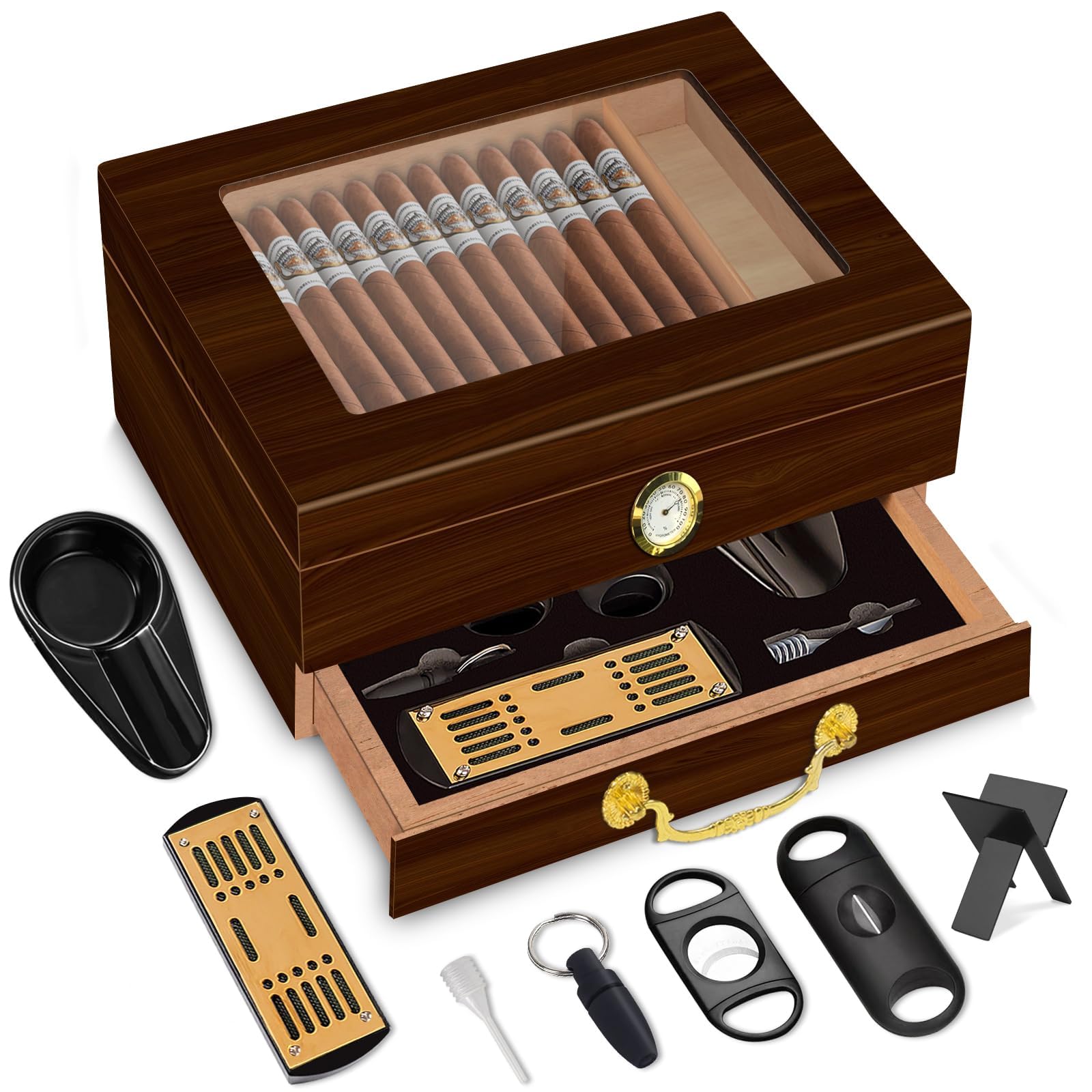
Cohiba Cigars
Cohiba refers to two closely watched premium-cigar lines: the Cuban brand made for Habanos and the non-Cuban Cohiba sold…
.jpg)
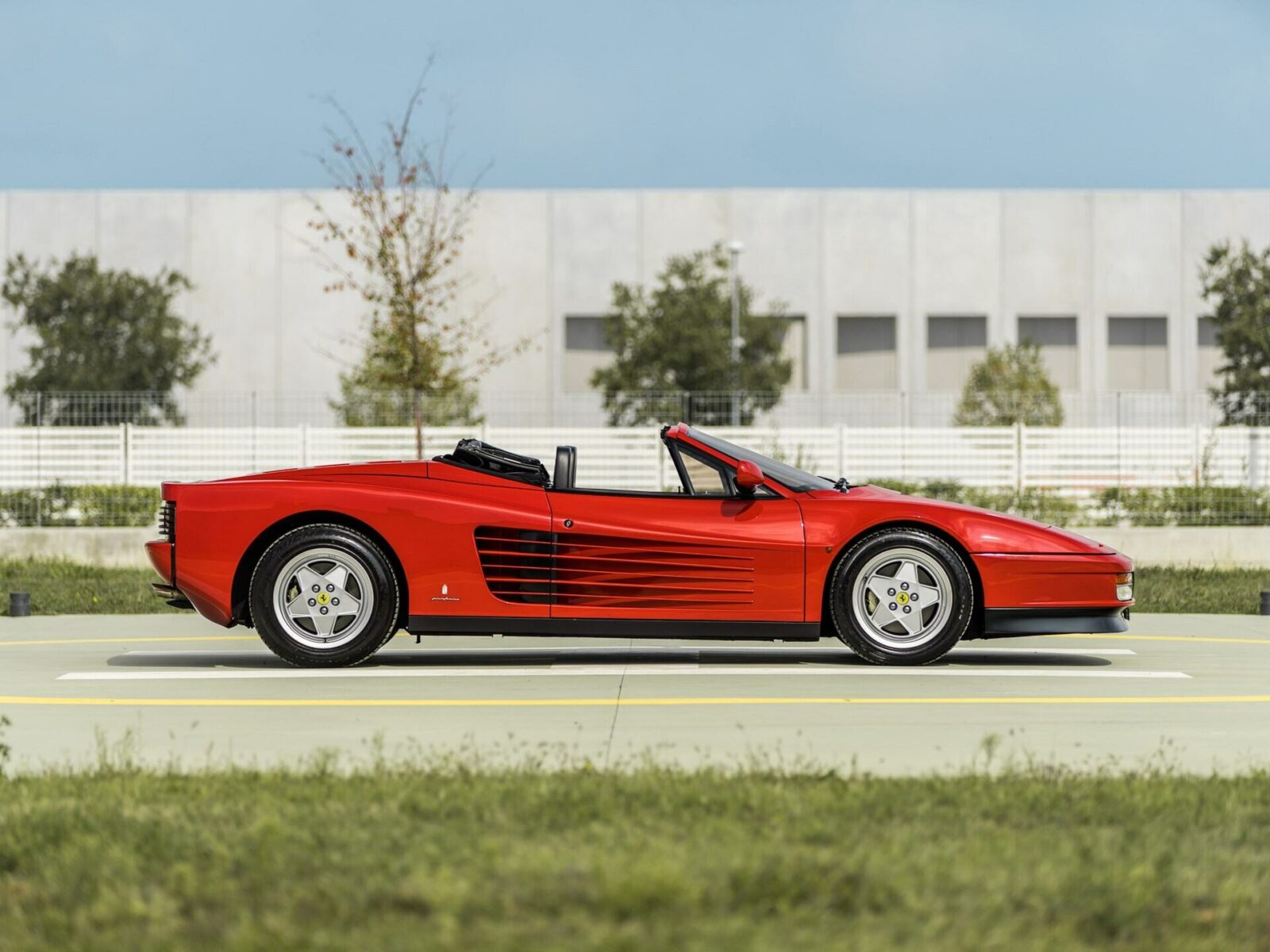
Ferrari Testarossa
The Ferrari Testarossa is Ferrari’s mid-engined 12-cylinder successor to the Berlinetta Boxer, unveiled at the Paris Mot…

Porsche 911
The 911 is Porsche’s long-running family of rear-engine, high-performance sports cars, now spanning a wide range of Carr…
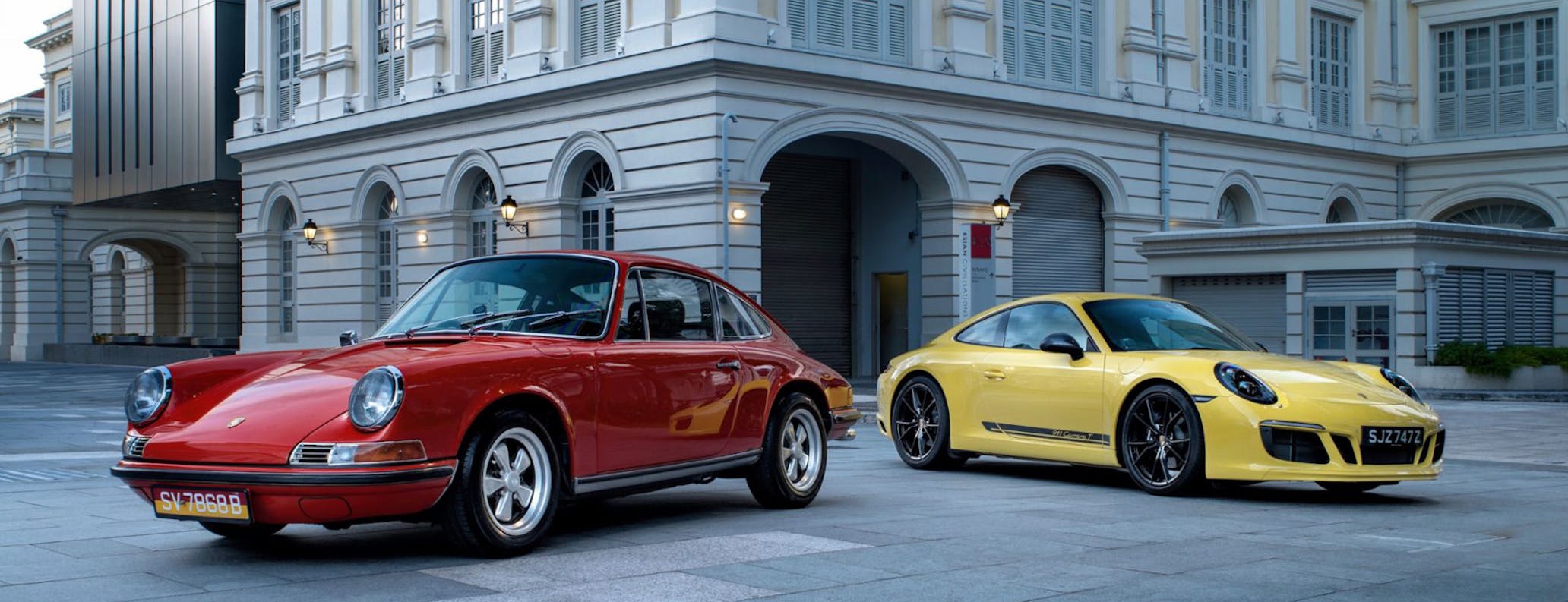
Porsche 964
The Porsche 964 — built from 1989 to 1994 — represents one of the most ambitious reinventions of the 911 formula: beneat…
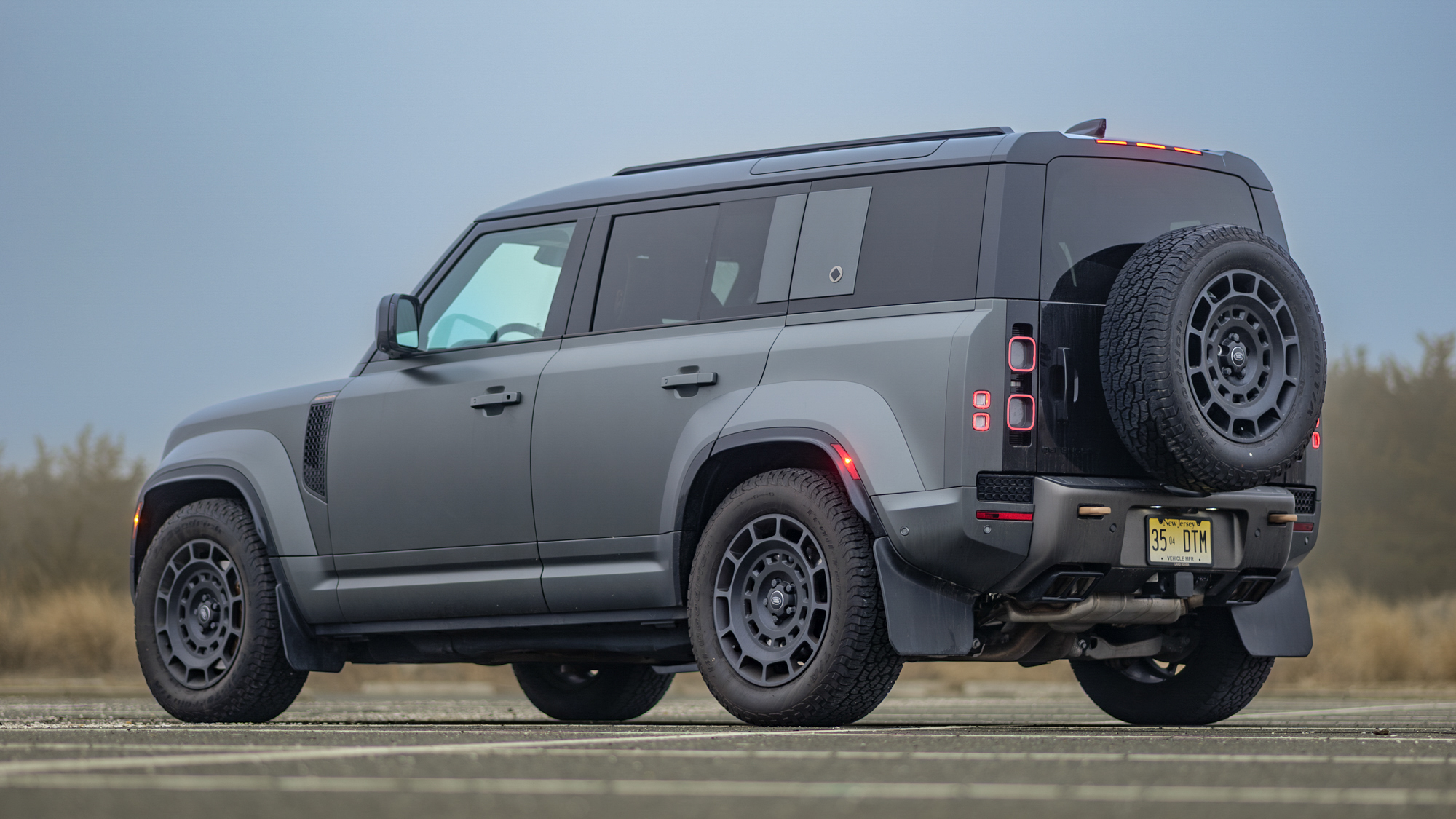
Land Rover Defender 110
The Defender 110 is Land Rover’s longer-wheelbase Defender, positioned as the load-carrying, family-capable version with…

Vintage Pelikan Fountain Pens
Vintage Pelikan collecting really starts with the Model 100, the company’s first fountain pen, made from 1929 to 1944 an…
More in Cars & Motorcycles
Stay in this world.

Electric Vehicle Design
Land Rover Defender 110
Datsun 240Z
Honda CB400
Ferrari Testarossa
Ferrari Testarossa
Porsche 911
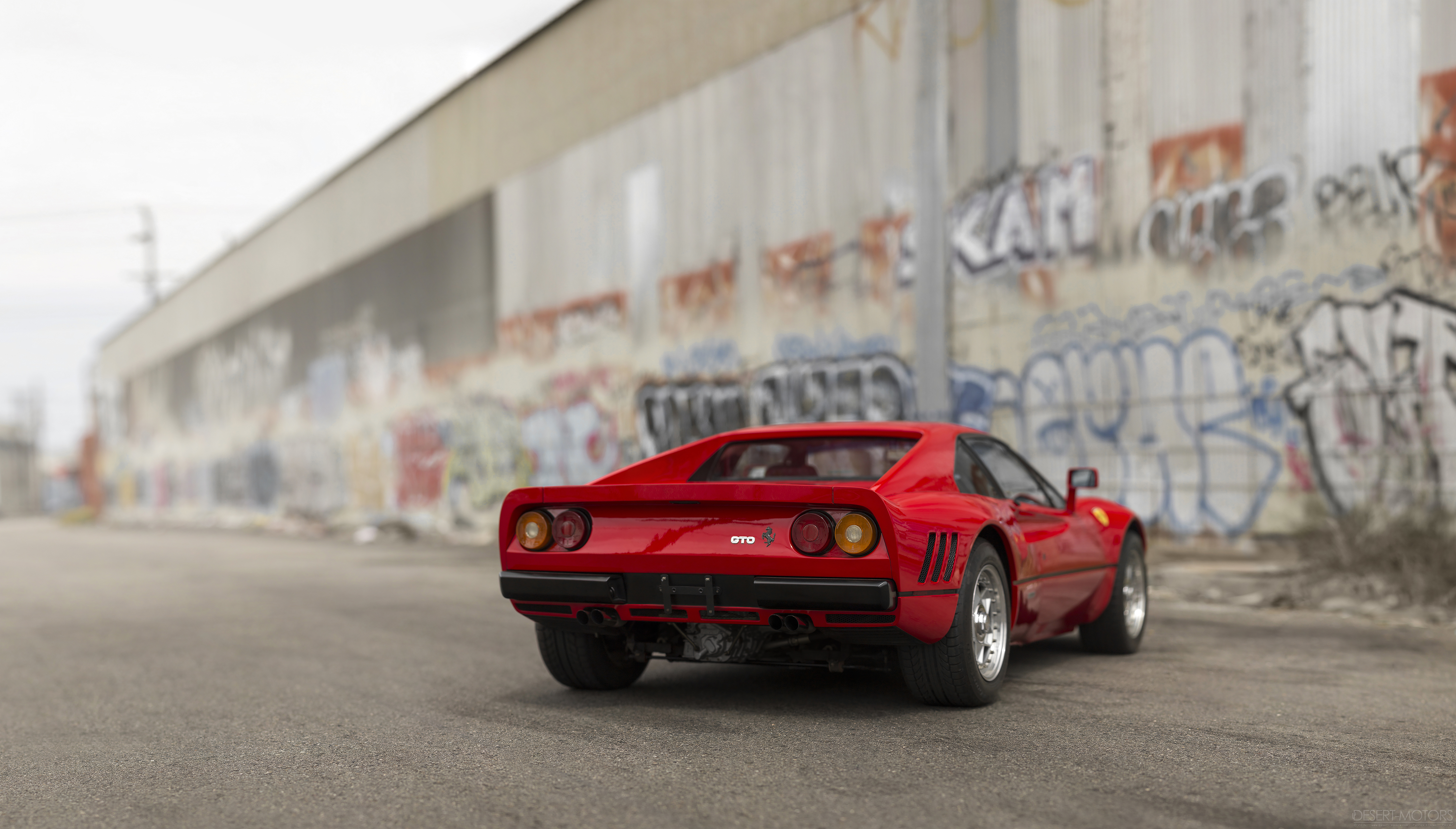
Ferrari in the 1980s
Know someone who’d love this?
Discovered by ArcurianAuto-generated from public sources and AI synthesis — it may be incomplete or inaccurate. Treat it as a starting point for your own exploration, not professional (medical, legal, financial, or safety) advice. Verify anything you act on. Report this page.