The Contax T2 is a high-end 35mm compact film camera that has become a status object as much as a shooter’s tool, prized for its titanium body and Carl Zeiss Sonnar T* 38mm f/2.8 lens. Sources around it keep circling the same tension: it offers autofocus and programmed exposure in a luxurious point-and-shoot form, yet its market price has climbed so far that even admirers frame it in terms of hype, value, and whether it is really worth the premium. Manuals and reviews alike point to the appeal of a camera that feels unusually refined for a pocketable automatic, with user-friendly controls and a reputation built on both image quality and design. The interesting question is not just whether the T2 is good, but why this particular 1990 compact became one of film photography’s most argued-over cult objects.
Learn
Why the Contax T2 Became the Luxury Point-and-Shoot Everyone Debates
The Contax T2, launched by Kyocera in 1990, is the film camera that broke out of the enthusiast bubble and into pop culture, largely thanks to Kendall Jenner using it on *The Tonight Show* in 2017. Its titanium body and Carl Zeiss Sonnar T* 38mm f/2.8 lens deliver genuinely exceptional image quality—sharp, with minimal distortion—that still outperforms most modern compact film cameras. But the hype has detached price from reality: a serviced T2 now regularly sells for around $2,000, a sum that buys you a point-and-shoot with aging electronics, no true manual exposure, and a notorious fragility in its battery contacts and film transport system. The camera commands loyalty for its build and optics, but the astronomical cost reflects celebrity cachet and scarcity, not engineering that justifies the premium over cheaper alternatives like the Yashica T4 or Ricoh GR1.

 casualphotophile.comcasualphotophile.com

 myleskatherine.commyleskatherine.com
 shootitwithfilm.comshootitwithfilm.com
+Field notes
- —The T2's price explosion traces directly to Kendall Jenner pulling one out on *The Tonight Show* in 2017; before that, clean examples could be had for $400–500, but by 2026 a serviced body routinely commands $2,000.
- —The 'T' in T2 stands for titanium, and the body is milled from it—including the battery cover, a disc of solid metal—making it one of the few point-and-shoots that still feels expensive in the hand decades later.
- —The Carl Zeiss Sonnar T* 38mm f/2.8 lens is a 5-element, 4-group design with multicoating that delivers sharpness and color rendition that some reviewers say still beats Leica compact lenses of the era.
- —Despite its luxury reputation, the T2 offers no true manual exposure—only aperture-priority and program mode—and its aperture-priority is crippled: in low light it will only shoot at f/2.8, removing depth-of-field control.
- —The electronics are the camera's weak point: battery connection faults cause random lockups mid-roll, and the automatic rewind can damage film if the motor stalls, making a $2,000 T2 a gamble without a recent service.
- —Japan Camera Hunter Bellamy Hunt once received roughly 60 requests per week for a T2—so many that he stopped taking them entirely, instead wishing a manufacturer would simply make a new premium compact film camera to meet demand.
Learn
The 1990s Premium Compact Era Behind the T2
The 1990s premium compact era was a brief flashpoint when camera makers like Kyocera (for Contax), Leica, Konica, and Minolta raced to build the ultimate pocket-sized film camera. These were not plastic toys—they were titanium-clad, Zeiss-lensed, and priced for professionals who wanted SLR-grade optics in a jacket pocket. The Contax T2, launched in 1990, became the icon of that moment, but its rivals—the Leica Minilux, Konica Hexar, Minolta TC-1—pushed similar ambitions. The era collapsed with digital, but the T2's reputation was later supercharged by celebrity sightings and collector frenzy, turning a well-made compact into a four-figure trophy. Behind the hype, it remains a product of a time when camera companies believed serious photographers would pay for a tiny titanium box with a superb lens.


 thephoblographer.comthephoblographer.com

 cameralegend.comcameralegend.com
+Field notes
- —The Contax T2's closest rival was the Leica Minilux; both shared nearly identical size, weight, and design philosophy as high-end compacts aimed at the luxury market.
- —The T2 body is made of titanium, a material almost never used in point-and-shoot cameras, giving it a cold, solid feel that instantly signaled quality over plastic contemporaries.
- —A notorious design quirk: the T2's Program AE mode is identical to selecting f/2.8 in Aperture Priority, meaning the camera will only shoot wide-open if the exposure actually demands it—you cannot force it.
- —Unlike many premium compacts of its era, the Contax T2 lacks a hotshoe, limiting flash options to the built-in forward-facing unit.
- —The T2's Carl Zeiss Sonnar 38mm f/2.8 T* lens uses a 5-element/4-group design, a direct descendant of the pre-war Contax Sonnar formula that gave the camera its renowned sharpness and contrast.
- —Kendall Jenner using the Contax T2 on primetime TV in 2017 (photographing Jimmy Fallon) catapulted the camera into the mainstream, accelerating its price from around $500 in the mid-2010s to over $2,000 by 2026.
Learn
The Terms Owners Actually Need to Know: Sonnar, T*, Program AE, AF, 38mm
The Contax T2, released in 1990–1991 by Kyocera under the Contax brand, is a titanium-bodied 35mm point-and-shoot that pairs a retractable Carl Zeiss Sonnar 38mm f/2.8 T* multi-coated lens (5 elements in 4 groups) with a suite of semi-automatic controls. Its lens design descends from the original German Contax rangefinder lineage, and the T* coating reduces flare and improves contrast. The camera offers both Program AE (shutter speeds 1s–1/500s) and a limited Aperture Priority AE mode, but critically, the aperture ring's f/2.8 setting is identical to the Program mode—so you cannot force the lens wide-open unless the light demands it. Autofocus is infrared-based, with a manual focus thumb dial offering preset distances (0.7m, 1m, 2m, 5m, ∞). Exposure compensation spans ±2 EV in 1/2-step increments via a top dial, shown in a small window. The built-in flash only fires in Program AE mode and has a pre-flash red-eye reduction option. A notable quirk: the T2 lacks a hotshoe or accessory shoe, limiting off-camera flash. The viewfinder is usable with both eyes open but is tight for eyeglass wearers. Special editions include a platinum body with ostrich leather grip (limited to 1,100 units) and a gold-plated finish. The main rival was the Leica Minilux, sharing similar size, spec, and luxury positioning.


 manualsbase.commanualsbase.com
+Field notes
- —The Program AE mode and Aperture Priority at f/2.8 are the same physical setting on the lens ring—meaning you cannot force the lens to stay wide-open in bright conditions; the camera will stop down if it thinks the scene is too bright.
- —The lens is a Carl Zeiss Sonnar 38mm f/2.8 with T* multi-coating, 5 elements in 4 groups—directly descended from the Sonnar design used on pre-war Contax rangefinders, not a Tessar like the Yashica T series.
- —The built-in flash can only be used in Program AE mode, not in Aperture Priority—and the camera has no hotshoe or accessory shoe whatsoever, eliminating any option for external flash.
- —Exposure compensation is set via a dedicated top dial in 1/2 EV steps from -2 to +2, with the current value displayed in a small window—rare for a point-and-shoot of its era.
- —The T2 focuses using infrared autofocus, not passive contrast detection, and offers a manual focus thumb dial with five preset distances (0.7m, 1m, 2m, 5m, and ∞)—making it workable in low-contrast or dark scenes where passive AF would fail.
- —A platinum special edition with ostrich leather grip was produced in a limited run of 1,100 units, and the camera also came in champagne silver, black titanium, and gold-plated finishes.
Discover
Video Reviews That Test the T2 Against the Hype


Video reviews of the Contax T2 consistently acknowledge its cult status and premium build, but many argue that the hype has outpaced the camera's actual performance. Matt Osborne's side-by-side shooting in Budapest concludes that while the Carl Zeiss Sonnar 38mm f/2.8 lens delivers exceptional sharpness and contrast, the Leica Minilux produces more neutral color rendering, making the T2's color signature a matter of personal taste rather than objective superiority. The 'metal fingers' channel praises the T2's pocketable form factor and lens quality but questions its value given current prices, noting that the fixed, non-zoom lens limits compositional flexibility. A direct comparison on 'MinusOneStop' using the same expired Agfa Vista 200 film reveals the T2 exhibits a slight greenish tint, which may be a lens characteristic or film-stock interaction. Meanwhile, Josep Bautista's video highlights a common issue: the T2's electronics can fail, and repairs, especially for the leaf shutter or circuit board, are increasingly difficult and expensive, casting doubt on the camera's long-term reliability despite its legendary status.
+Field notes
- —Matt Osborne's Budapest test with the T2 vs. a Leica Minilux shows the Zeiss Sonnar lens produces slightly cooler, higher-contrast images compared to the Leica's more neutral color profile, making the choice more about aesthetic preference than outright quality.
- —The 'metal fingers' review emphasizes that the T2's fixed 38mm f/2.8 lens, while sharp, is a limitation compared to zoom-equipped point-and-shoots, and the camera's current inflated price makes it hard to recommend over alternatives like the Olympus Mju II or Yashica T4.
- —In a direct comparison using expired Agfa Vista 200 film, the T2 introduced a noticeable green tint that the Leica Minilux did not, suggesting the T2's metering or lens coatings can interact unpredictably with certain film stocks.
- —Josep Bautista's video documents a found T2 with a malfunctioning shutter and winding mechanism, underlining that the camera's complex electronics and leaf shutter are failure-prone and require specialist repair that is becoming cost-prohibitive.
Discover
Buyer’s Guides, Honest Reviews, and Price-Reality Check Reading

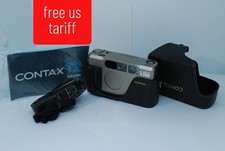
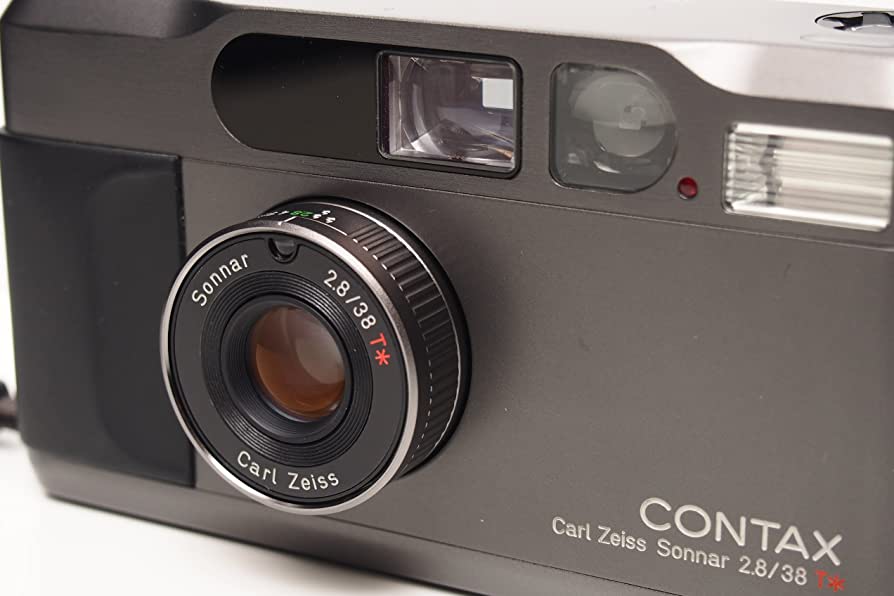
The Contax T2, a titanium-bodied 35mm point-and-shoot released by Kyocera in 1990 with a Carl Zeiss Sonnar T* 38mm f/2.8 lens, has become the most expensive compact film camera on the market, routinely selling for around $2,000 in 2026. Its price was famously catapulted by celebrity sightings — most notably Kendall Jenner using one on live TV with Jimmy Fallon in 2017 — and sustained by limited supply and a film revival that turned premium compacts into collector items. While the lens delivers genuinely stunning sharpness and color, especially on Portra 400 and Lomo 800, the camera's aging electronics are a real risk: repair options are scarce, with Suwa Camera in Nagano, Japan being one of the few shops holding spare parts (charging roughly $200 for a repair). For those who can afford the gamble, it produces beautiful images effortlessly, but for most shooters, the hype has far outpaced the practical value.
+Field notes
- —The Contax T2's price explosion is directly traceable to a 2017 appearance by Kendall Jenner on The Tonight Show, where she used the camera to photograph Jimmy Fallon — an event widely credited with shifting mainstream demand and sending prices from a few hundred dollars to over $1,000 within months.
- —Few people realize that the Carl Zeiss Sonnar 38mm f/2.8 T* lens in the T2 is the same optical formula used in the earlier Contax T (1984) and later refined in the Contax T3, giving the T2 a lens lineage that's rare for a point-and-shoot.
- —A working Contax T2 in 2026 typically costs about $2,000, but that price buys a camera that offers no manual control beyond aperture-priority — no manual focus, no shutter speed dial, and no interchangeable lens — making it functionally a premium automatic snapshot camera.
- —The only authorized repair specialist still holding genuine spare parts for the T2 is Suwa Camera in Nagano, Japan; they do not accept international orders or credit cards (COD only), so non-Japanese owners face a significant logistical hurdle if the electronics fail.
- —Despite the hype, the T2's build is genuinely exceptional: its titanium body, cold to the touch, and a battery cover made from a milled disc of solid metal give it a tactile quality that plastic point-and-shoots from the same era simply cannot match.
- —Shooters who have used the T2 alongside other premium compacts note that its true advantage is not the metal body but the Zeiss T* coating, which reduces flare and ghosting so effectively that images look noticeably clearer compared to cameras like the Olympus Stylus or Yashica T4.
Keep exploring
More of Contax T2

Branch out
Beyond Contax T2
More to explore
In the same world.

Contax T2 Film Camera
The Contax T2 is a premium 35mm compact from 1990 that sits at the exact intersection of luxury object and serious shoot…
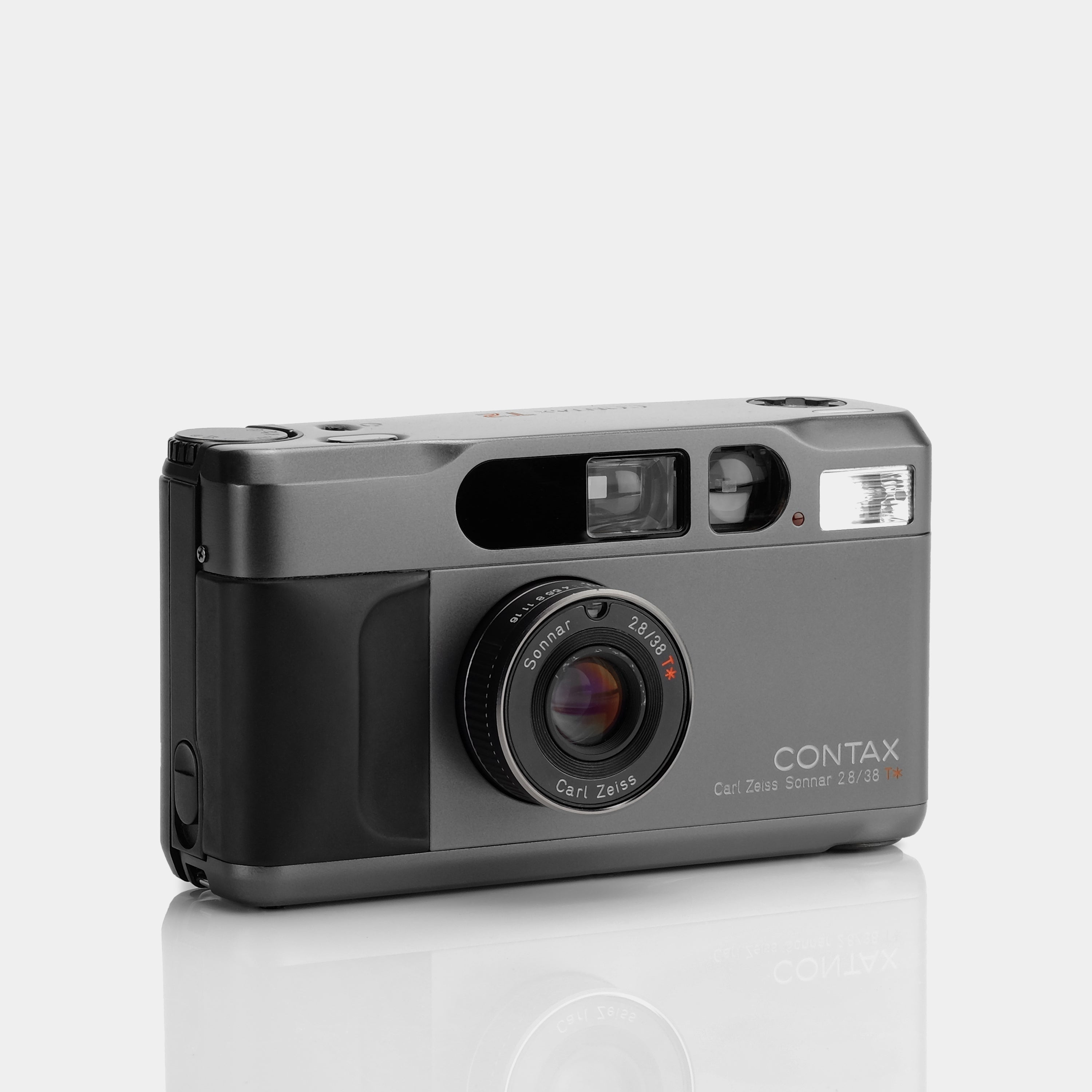
Contax T2 Point-and-Shoot Film Camera
The Contax T2 is a premium 35mm autofocus compact released in 1991 by Kyocera under the Contax name, and its appeal come…
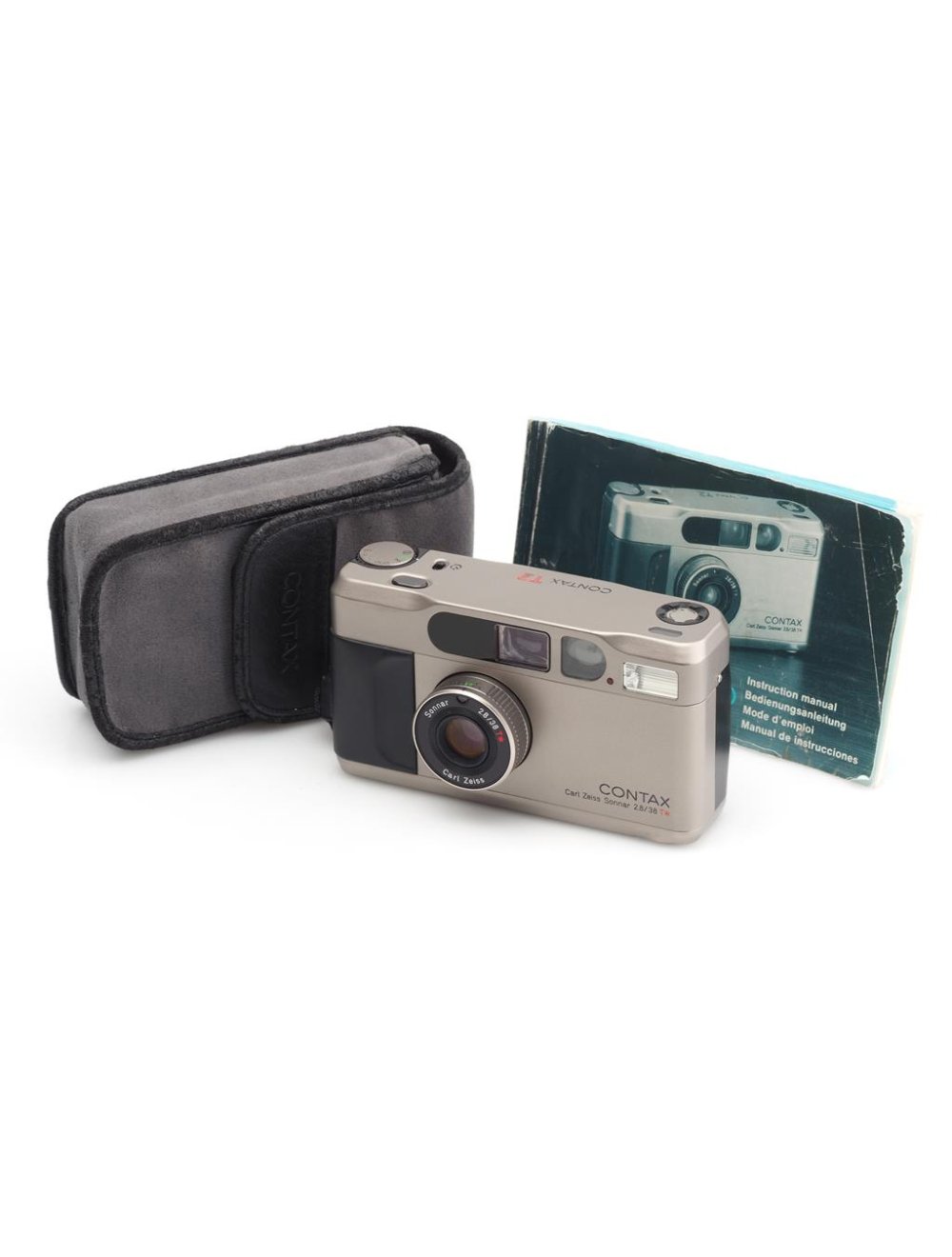
Contax T2 Camera
The Contax T2 is a 1991 autofocus 35mm compact built by Kyocera under the Contax name, and it matters because it turned…
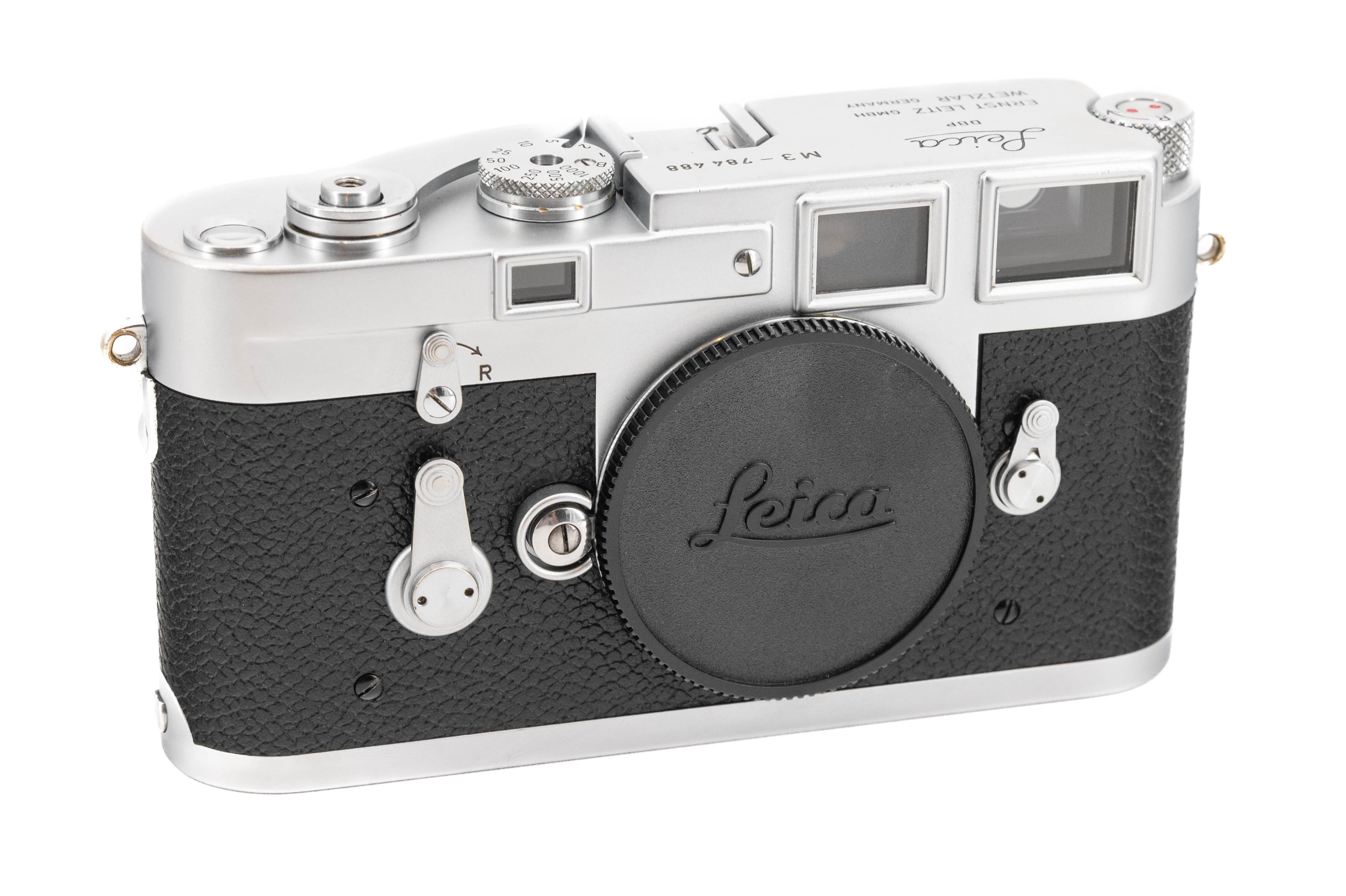
Leica M3 Camera
The Leica M3 is the 35mm rangefinder that began Leica’s M-system era in 1954, replacing the company’s earlier screw-moun…

Leica M3 Film Camera
The Leica M3 is the camera that launched the M system in 1954, and it matters because it reset what a 35mm rangefinder c…

Leica M3
Introduced in 1954 by Ernst Leitz GmbH, the Leica M3 was a radical departure from everything Leitz had built before — re…

Film Photography
Film photography is the chemical side of photography: images are recorded on gelatin film, paper, or even hard plates ra…
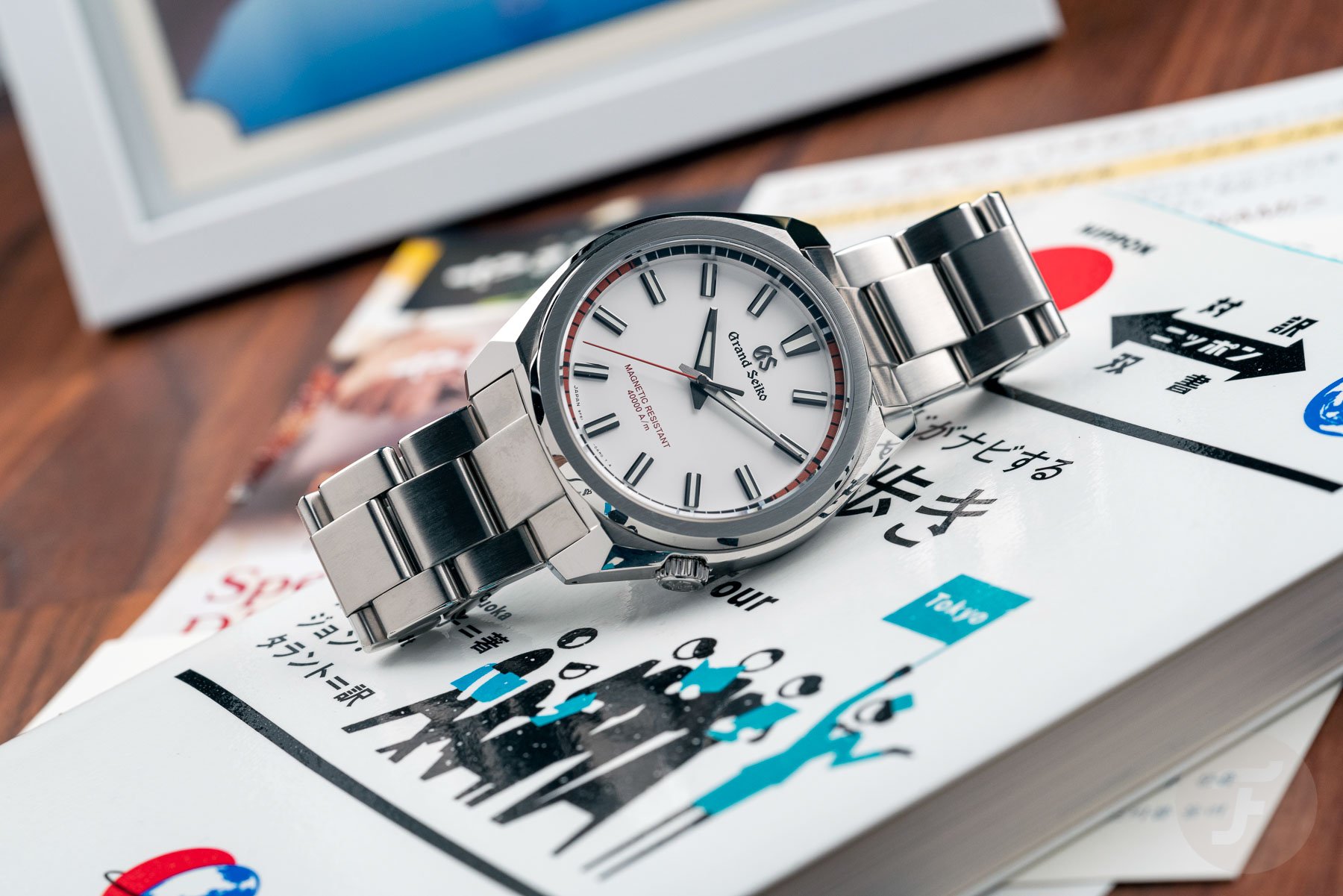
Best Luxury Quartz Watches
Luxury quartz watches sit in the part of watch collecting where convenience, finishing, and accuracy matter just as much…
More in Film & Analog Photography
Stay in this world.
Contax T2 Point-and-Shoot Film Camera
Leica M3 Film Camera
Contax T2 Film Camera
Contax T2 Camera
Film Photography
Leica M3
Imagery
Know someone who’d love this?
Discovered by ArcurianAuto-generated from public sources and AI synthesis — it may be incomplete or inaccurate. Treat it as a starting point for your own exploration, not professional (medical, legal, financial, or safety) advice. Verify anything you act on. Report this page.