Film photography is the chemical side of photography: images are recorded on gelatin film, paper, or even hard plates rather than by an electronic sensor, a process that defined the medium for well over a century before digital took over. What keeps people hooked now is not just nostalgia but the whole chain of choices and consequences—35mm versus medium or large format, color negative versus slide, exposure discipline, and the look that emerges in development and scanning. Current guides and communities put special emphasis on learning the basics well, choosing film stock intentionally, and understanding how exposure settings shape the final image. The deeper appeal is that film makes every frame feel consequential, turning technique, materials, and patience into part of the picture itself.
Learn
What Film Photography Actually Involves
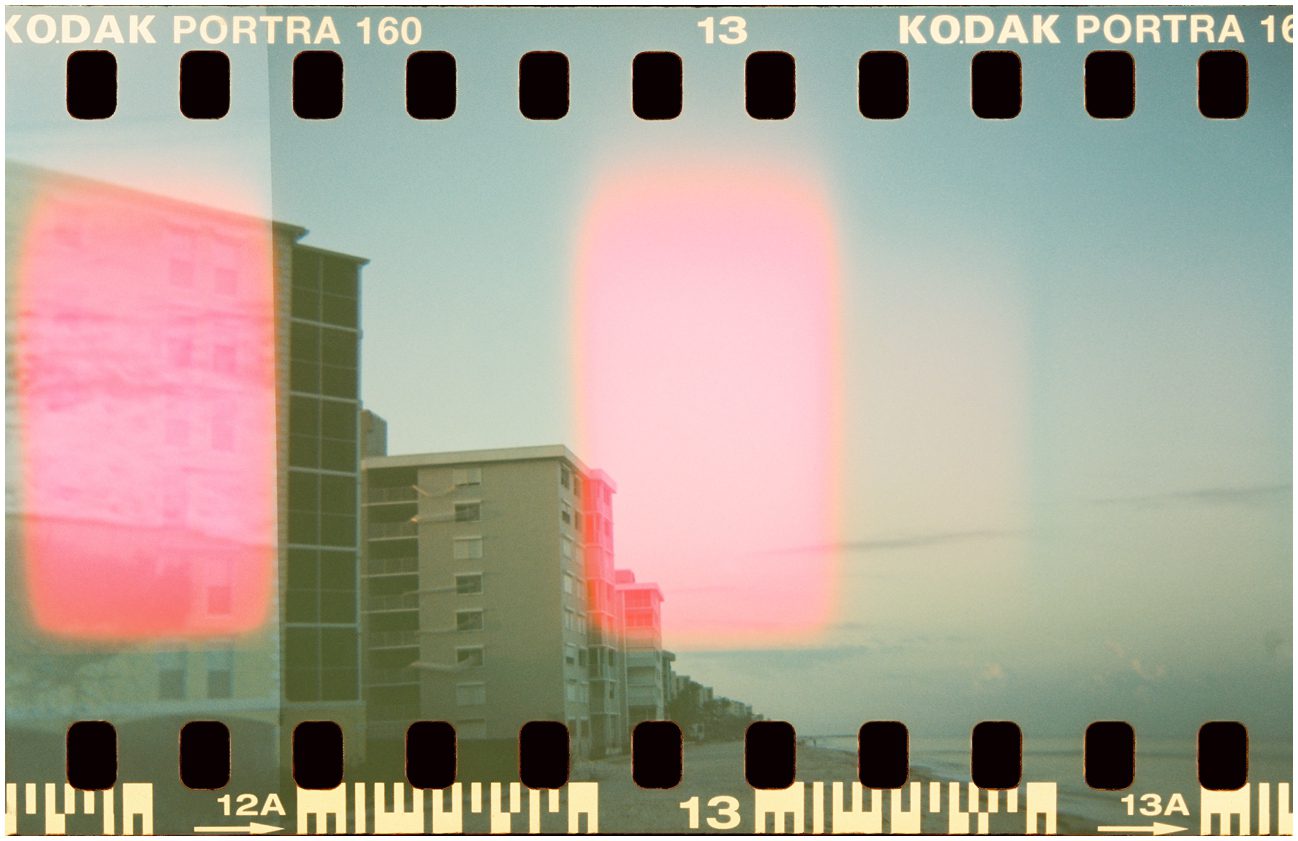
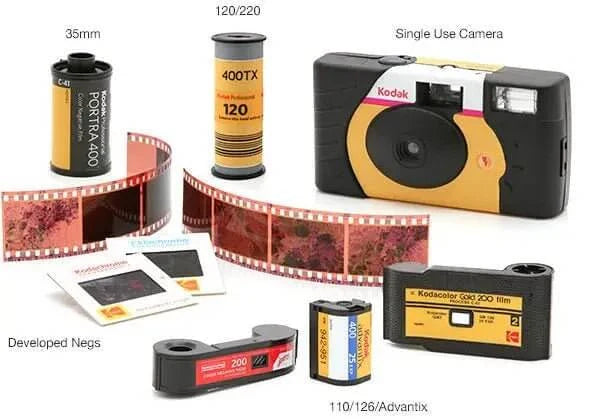
Film photography is the practice of capturing images using a light-sensitive emulsion (silver halide crystals) coated on acetate or polyester, rather than a digital sensor. Unlike a digital camera's instant feedback, film demands a deliberate, extended workflow, which is exactly why it remains a creative choice in 2026. You start by choosing and storing your film (refrigerate for months, freeze for years, but let it warm up 1–2 hours before opening), load it into a camera, and measure light carefully. Every frame costs roughly 75 cents to a dollar, so you shoot intentionally. After exposure, the film undergoes chemical processing (C-41 color negative at exactly 38°C, or variable times for black-and-white), then scanning and minimal editing are needed to preserve the medium's characteristic look. Mastering each phase—from metering for shadows with negative film to communicating push/pull instructions at the lab—separates reliable results from unpredictable ones.

 analog.cafeanalog.cafe
 analog.cafeanalog.cafe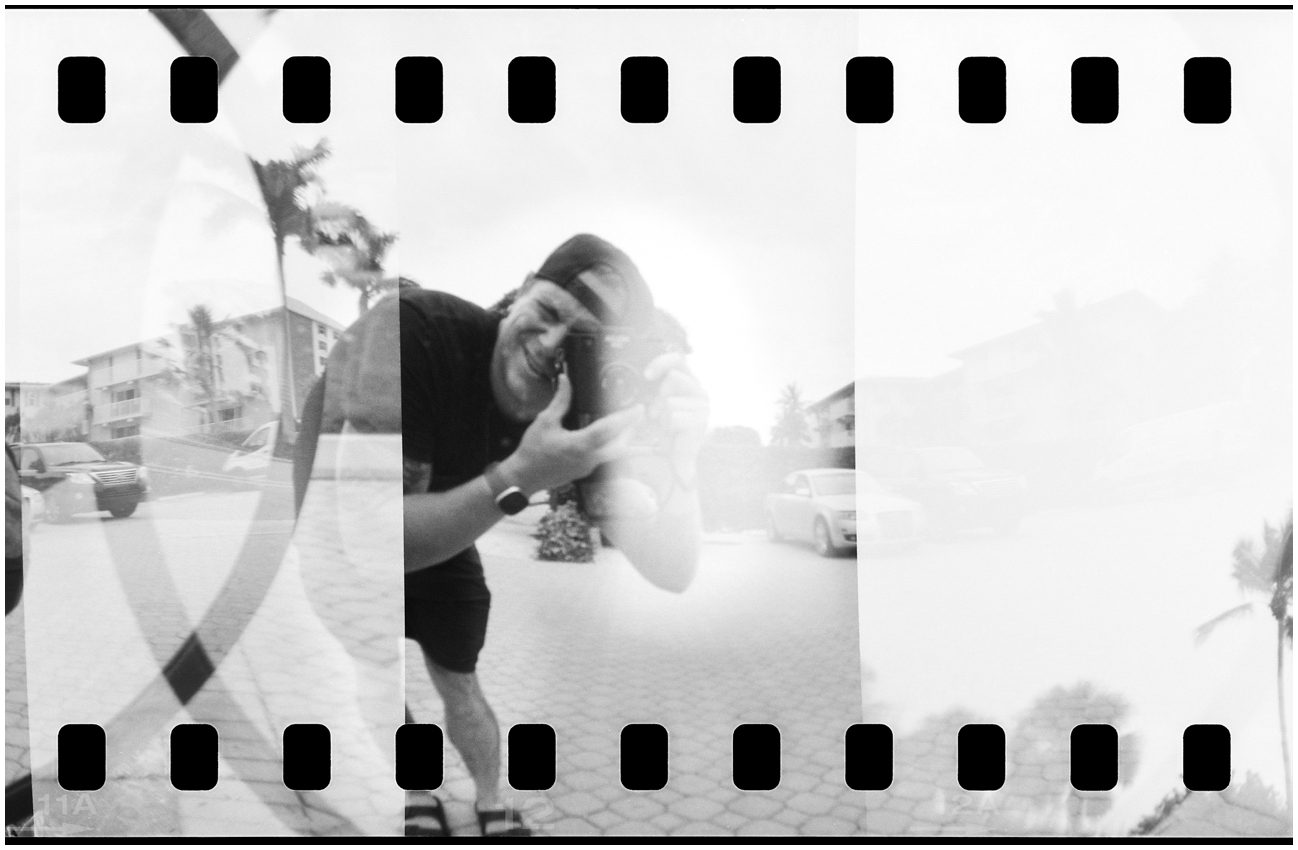
 dpreview.comdpreview.com
+Field notes
- —Film uses silver halide crystals on acetate or polyester bases, reacting to light to form a latent image that's revealed through controlled chemical development, not a sensor.
- —For best results, store film in a refrigerator at 35–40°F for months or in a freezer for years, but let it warm for 1–2 hours before opening to prevent condensation damage.
- —Each 35mm frame costs roughly $0.75–$1.00 including film and processing, forcing a more intentional, slower approach than digital.
- —When metering for color negative film, you should expose for the shadows to preserve detail, as negative film has more tolerance for overexposure than underexposure.
- —Manual mechanical SLRs often need no batteries, accept films without DX-codes (like Lomochrome Color'92), and enable double exposures, while giving you full creative control over blur and brightness.
- —C-41 color negative processing is standardized at 38°C, ensuring global consistency, while black-and-white development times vary based on the developer's choice.
Explore
Learn Exposure, Camera Choice, and the First Roll
 trovatten.comtrovatten.com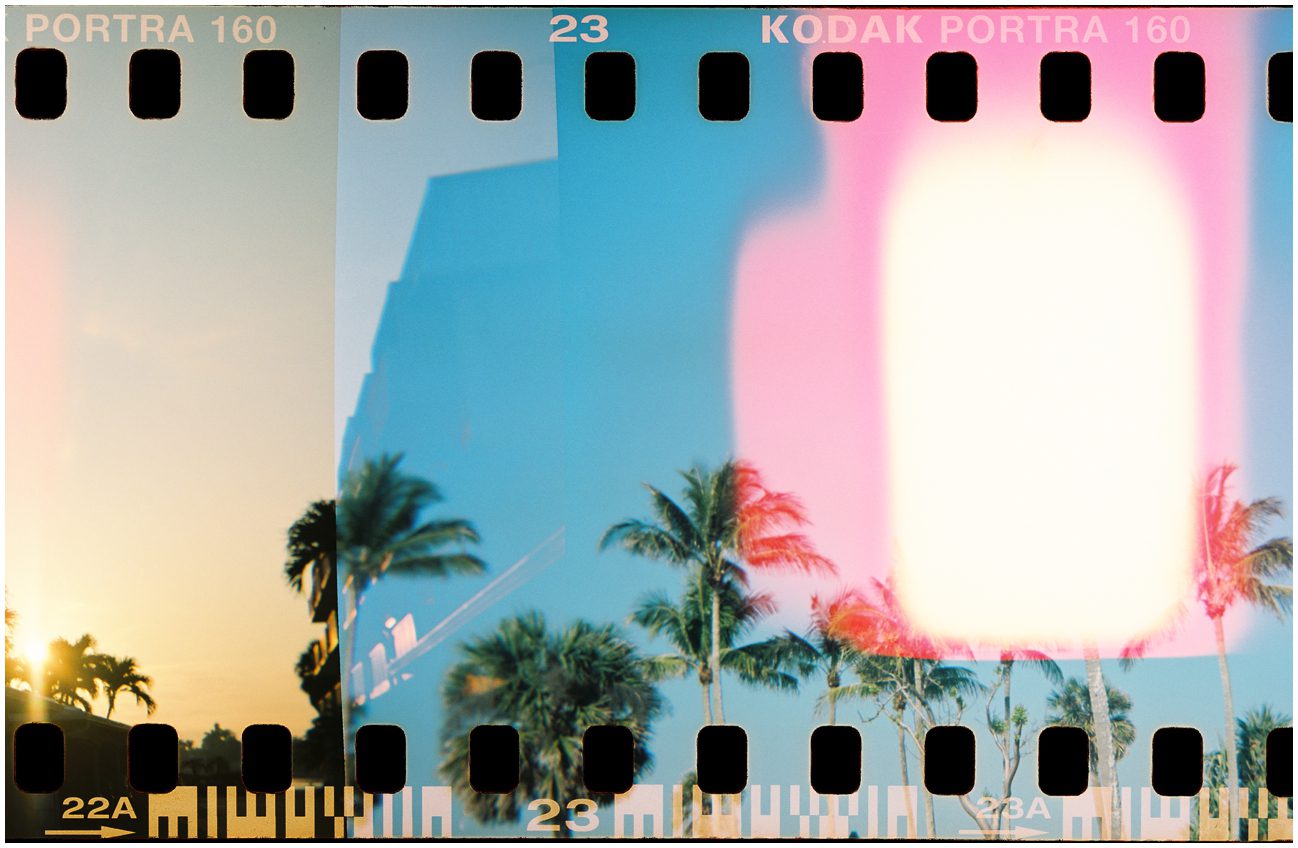
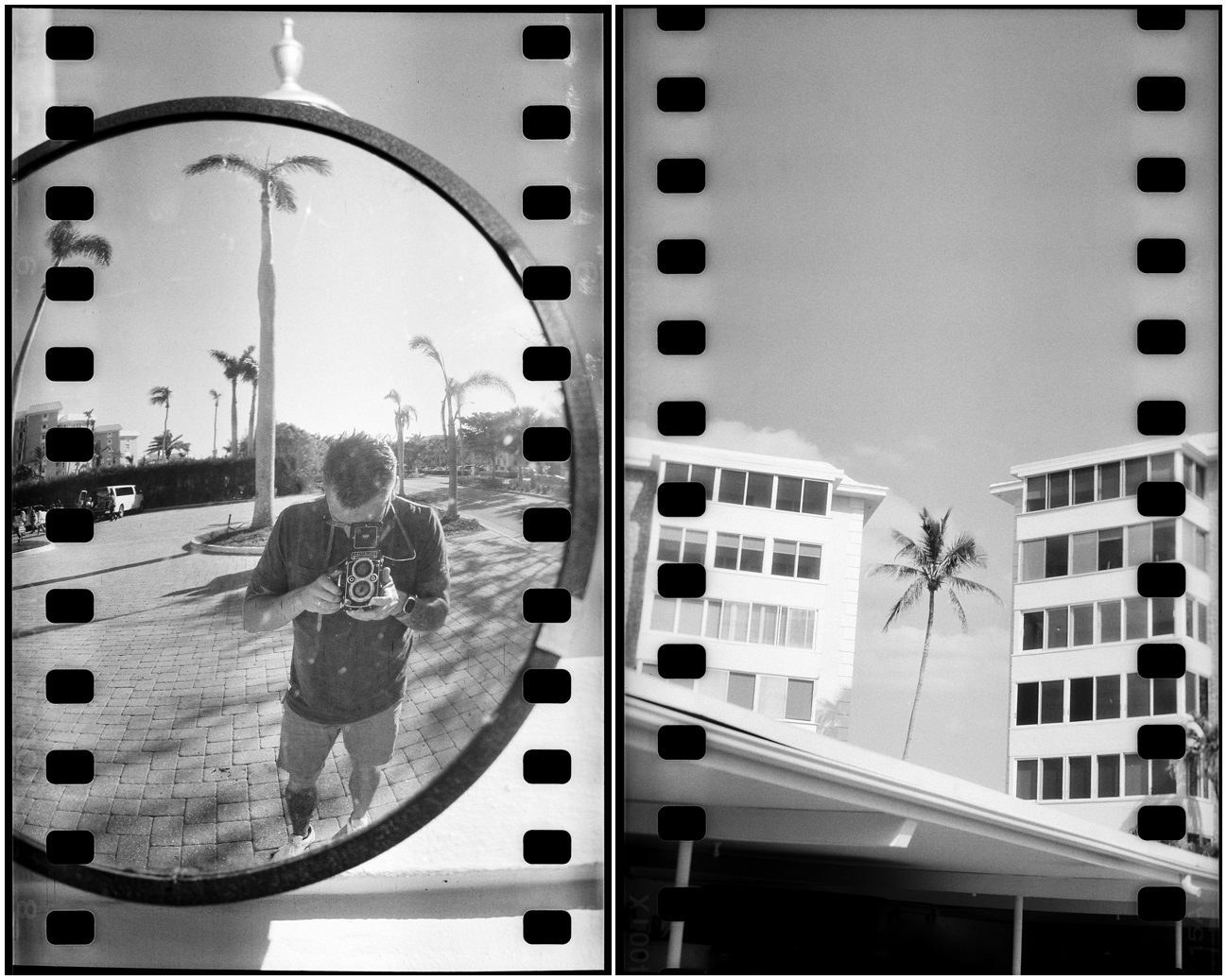
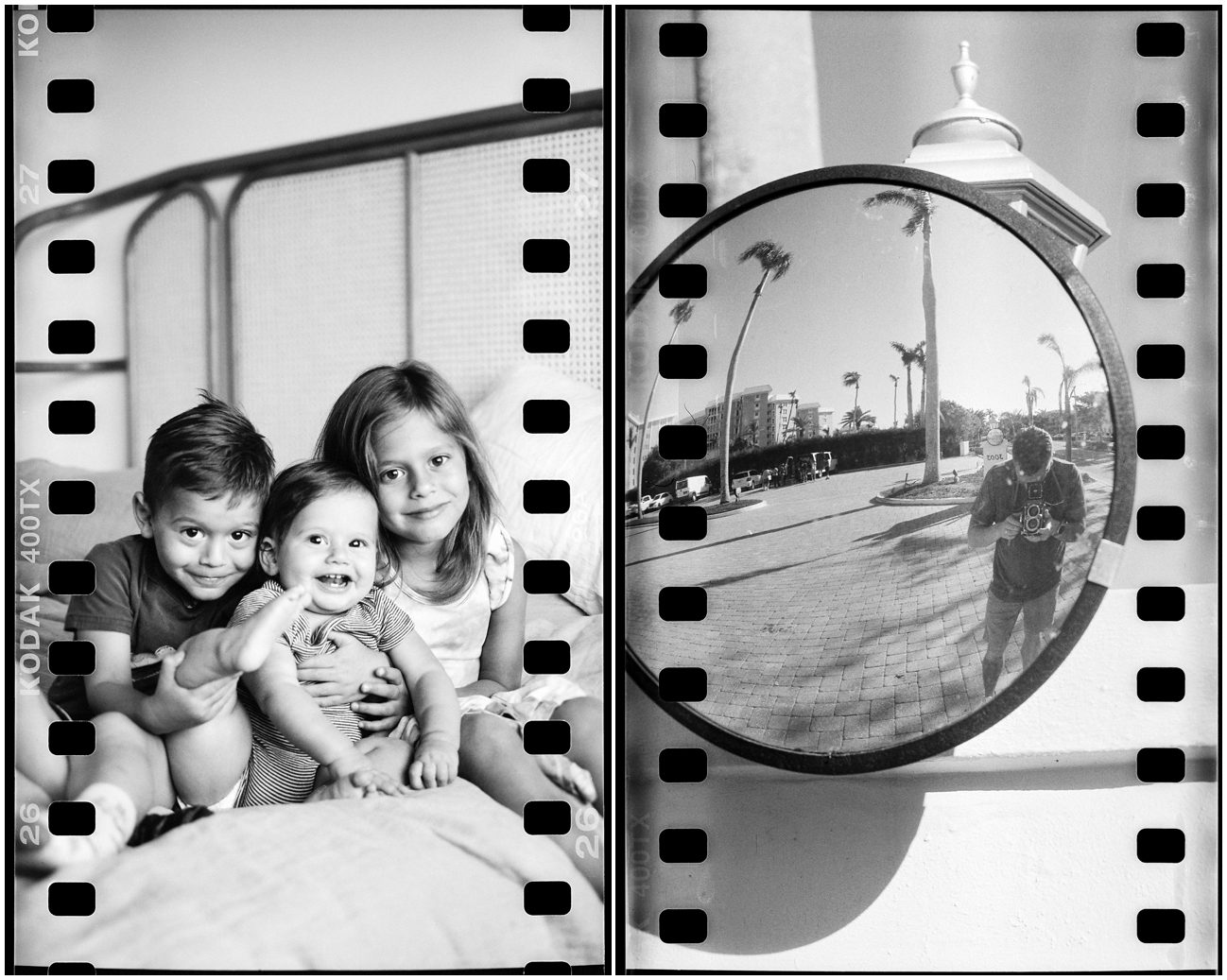
Learn
The Terms That Unlock the Medium
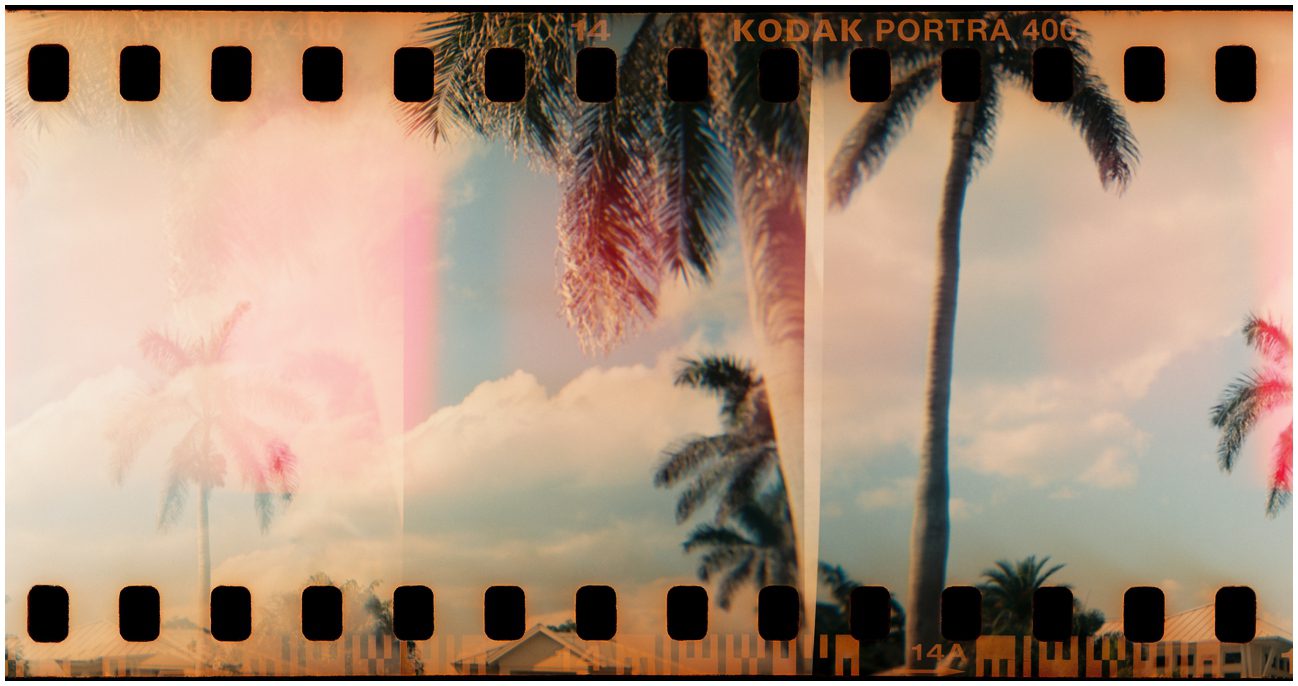
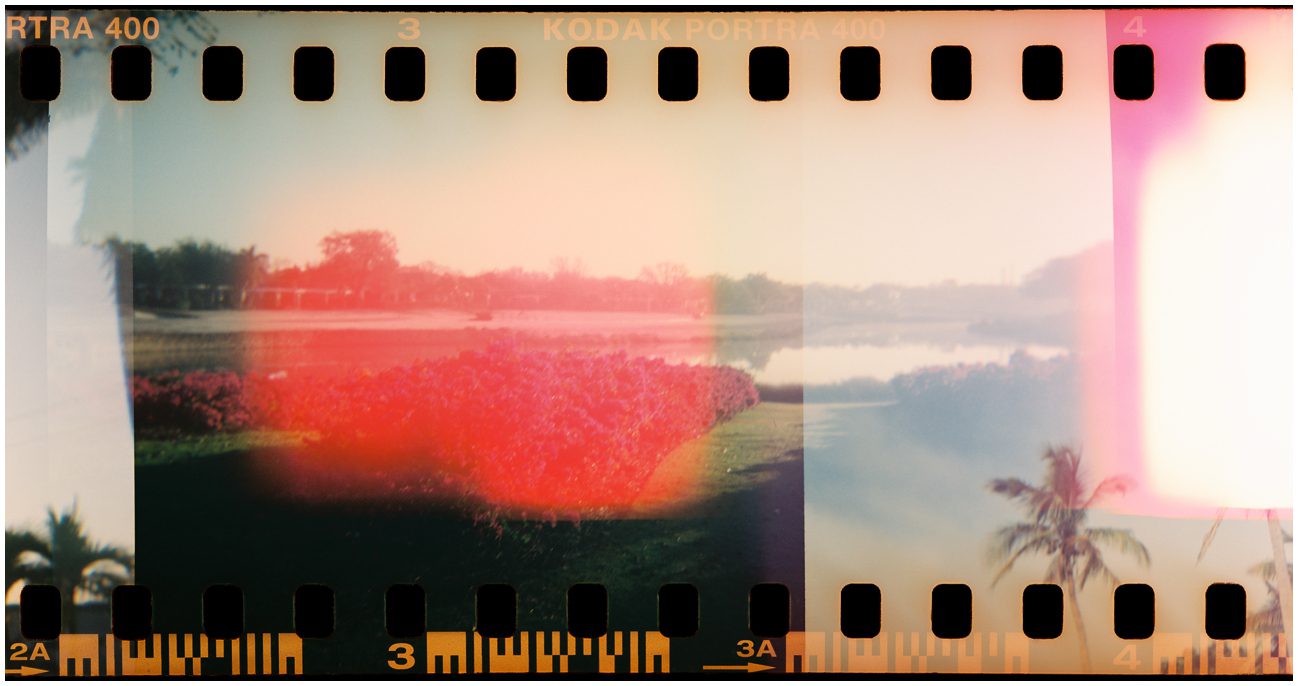
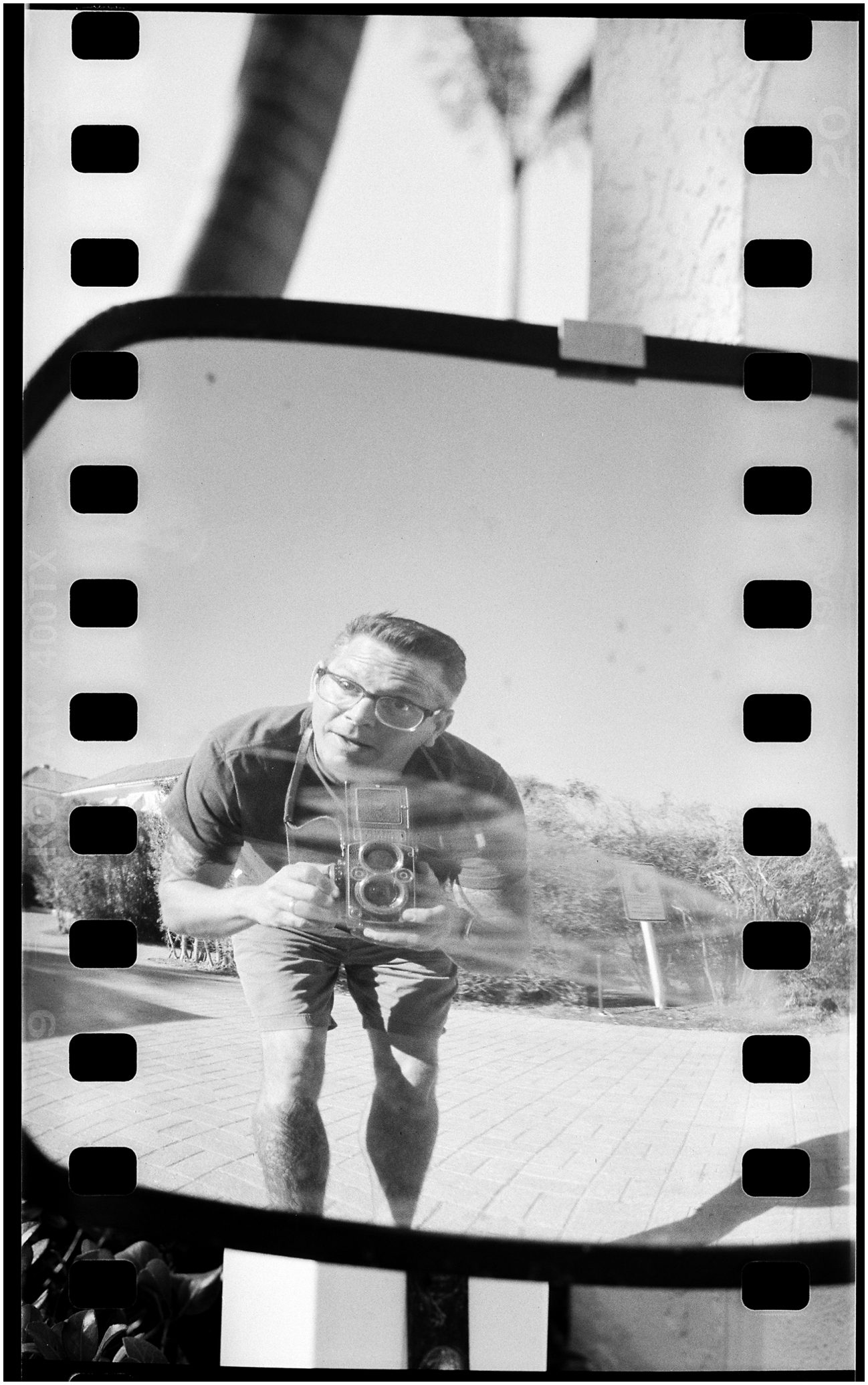
Film photography's inner logic is revealed through a handful of precise terms that govern how light becomes image. The exposure triangle—shutter speed, aperture, and ISO—forms the core, with the critical twist that film's ISO is fixed by the roll you load, forcing deliberate choices. Aperture (f-stops like f/2.8 or f/16) controls both light intake and depth of field: a wide aperture gives that dreamy background blur called bokeh, while a narrow one keeps everything sharp. Shutter speed (measured in fractions of a second, e.g., 1/125) freezes or blurs motion, but the real film-specific magic lies in reciprocity—the rule that adjusting one setting requires compensating with another. Film stock choice dramatically shapes the result: Kodak Portra 400 leans warm and forgiving for portraits, while Fuji Velvia slide film is brutally precise with only 2-3 stops of latitude. The Sunny 16 rule offers a no-battery backup: in bright sunlight at f/16, set shutter speed to the reciprocal of your film's ISO. And if you outgrow 35mm, medium format (120 film) gives negatives three times larger, meaning richer detail and a look that digital full-frame sensors still chase. Every term here is a lever you can pull, not jargon to memorize.
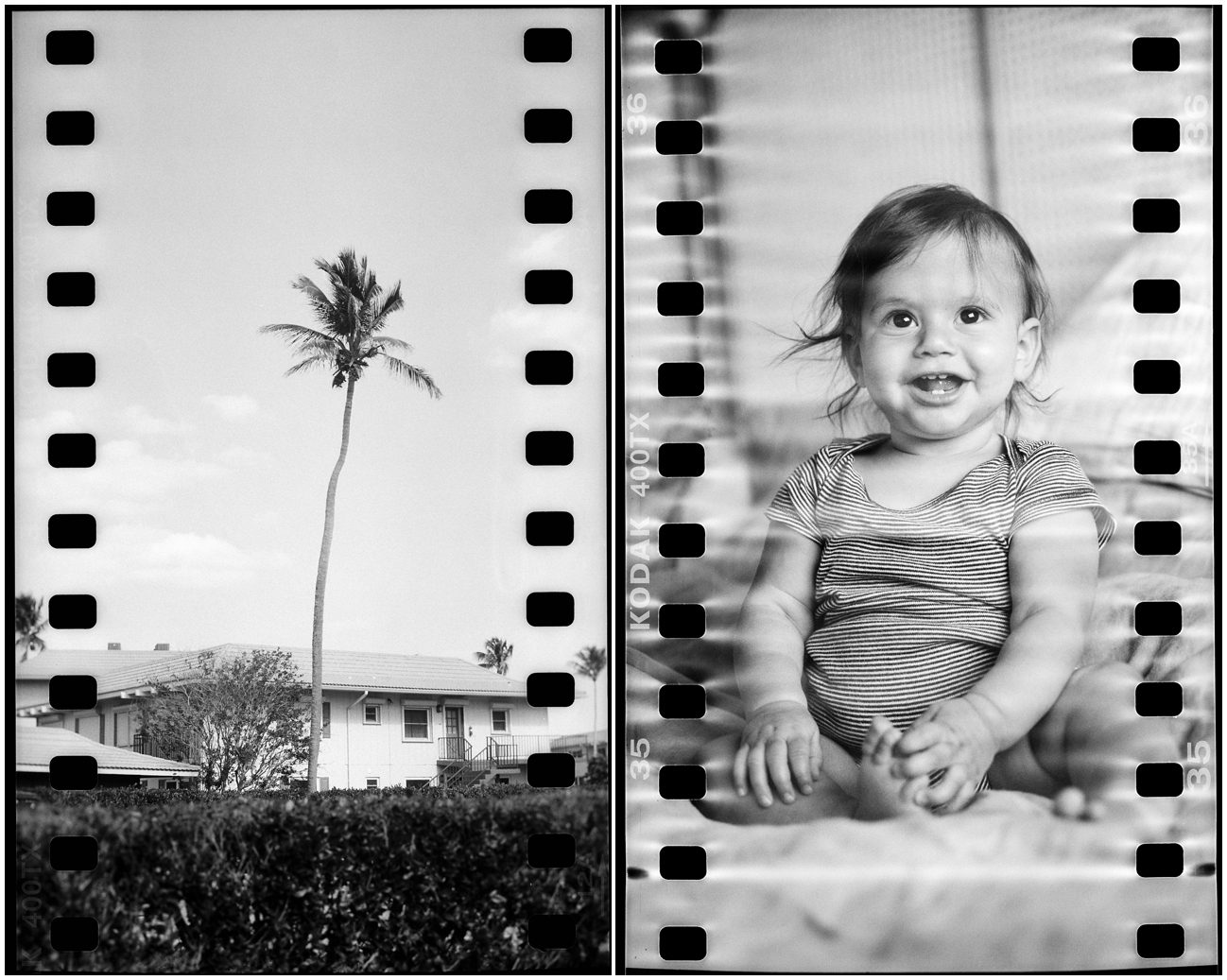
 shootitwithfilm.comshootitwithfilm.com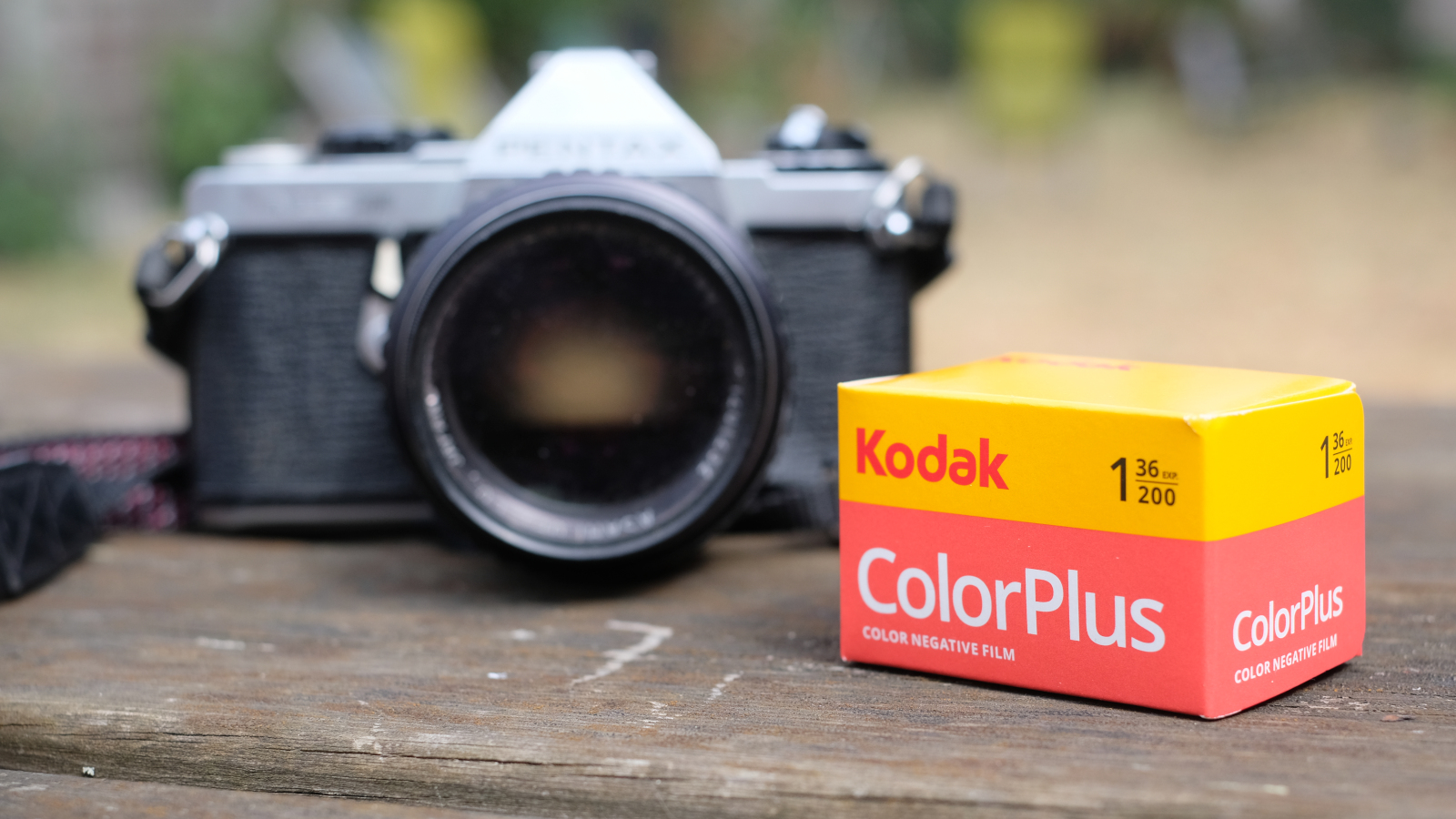
 photographyicon.comphotographyicon.com
+Field notes
- —Aperture is measured in f-stops like f/2.8 or f/16; a wide aperture (smaller number) lets in more light and creates shallow depth of field (bokeh), while a narrow aperture (larger number) lets in less light and keeps more of the scene in focus.
- —Reciprocity is the core film exposure concept: if you make the aperture one stop smaller, you must use a one-step slower shutter speed to let in the same total light.
- —Film ISO is fixed per roll—you can't change it mid-roll like digital ISO—so choosing ISO 100 Fuji Velvia for landscapes versus ISO 800 Ilford HP5 for low light is a deliberate creative decision with consequences for grain, sharpness, and exposure latitude.
- —Color negative films like Kodak Portra 400 have wide exposure latitude (up to 7-10 stops of forgiveness for over- or underexposure), whereas slide films like Fuji Velvia are unforgiving with only 2-3 stops of latitude before detail loss occurs.
- —120 medium format film, introduced by Kodak in 1901 for the Brownie No.2, produces negatives roughly three times larger than 35mm, yielding higher resolution, smoother grain, and unique aspect ratios like 6x6 and 6x9.
- —Film grain is not digital noise; it is the visible organic texture of silver halide crystals in the emulsion, and slower films (ISO 50-200) yield finer grain while faster films (ISO 400+) produce more pronounced but often desirable texture.
Discover
Watch the Chemistry and Mechanics Happen
![How Does Film ACTUALLY Work? (It's MAGIC) [Photos and Development] - Smarter Every Day 258](https://i.ytimg.com/vi/TCxoZlFqzwA/hqdefault.jpg)
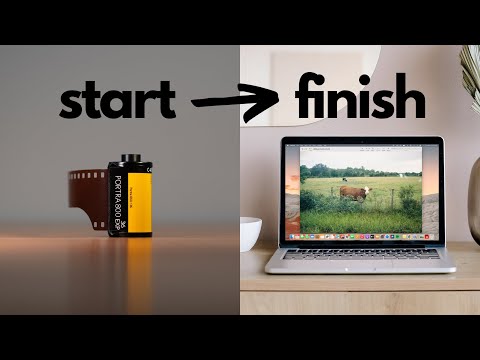
The magic of film photography is a precise chemical heist, where a silver halide crystal lattice on a plastic base captures photons to form a latent image—an invisible imprint that only becomes visible through the controlled chaos of development. In black-and-white film, a developer solution reduces exposed silver halide crystals to metallic silver, creating the negative, while a stop bath halts the reaction and fixer washes away unexposed crystals, leaving the image permanent. Color film like C-41 is far more intricate: it layers three emulsions sensitive to red, green, and blue, and during development, dye couplers in each layer form color dyes proportional to the exposure, resulting in a negative with orange masking that corrects for dye impurities. The process demands tight temperature control—typically 100°F for C-41—and timing to within seconds, as demonstrated by labs like Creative Photo Film Lab in Florida. For the DIY enthusiast, a Paterson tank and changing bag make home development accessible: you load the film onto a spiral reel in total darkness, then pour chemicals through the tank's light-tight lid under normal room light. The tactile reward comes when you unspool the dried negative and see the world inverted, its tones and colors a direct outcome of the chemistry you orchestrated.
+Field notes
- —Film isn't a single layer but a 'chemical sandwich': a plastic base coated with a gelatin emulsion embedded with silver halide crystals, each crystal acting as a tiny photon detector that, when struck by light, forms a latent image site of metallic silver atoms.
- —During black-and-white development, the developer (e.g., Kodak D-76 or Ilford HC-110) selectively reduces exposed silver halide crystals to opaque metallic silver; the more light a crystal received, the more silver it becomes, creating the negative's density range.
- —Color C-41 film uses a 'dye-coupler' system: each of its three color-sensitive layers contains coupler chemicals that react with oxidized developer to form yellow, magenta, or cyan dyes, producing a full-color negative with an integral orange mask to compensate for dye imperfections.
- —The Paterson tank, a standard home-developing tool, lets you load film onto a spiral reel in a changing bag (total darkness), then pour chemicals through the tank's top in room light; the inverted 'pop-top' lid allows agitation by gentle inversion without spillage.
- —At labs like Creative Photo Film Lab in Florida, film is spooled onto a hanger rack and dipped into temperature-controlled chemical tanks; for C-41, the developer must be held at exactly 100°F (37.8°C) and agitated for precisely 3 minutes 15 seconds—deviations shift color balance irreversibly.
- —After development, the fixer dissolves and washes away all remaining unexposed silver halide crystals, leaving only the metallic silver (B&W) or dye clouds (color) embedded in the gelatin—this is why unfixed film is still light-sensitive and will fog if exposed too soon.
Discover
Hear Ongoing Conversations Around Film Stocks, Cameras, and Labs


The Film Photography Podcast, hosted by Michael Raso and a rotating roundtable of regulars including Owen McCafferty, Trev Lee, Mat Marrash, and Leslie Lazenby, is a semi-monthly deep dive into analog photography that feels like sitting in on a conversation between passionate insiders. Episodes mix hands-on product reviews (like the Kodak Snapic A1 point-and-shoot or the Olympus LT Zoom 105), niche format love (828 film, large format Ilford Pan F), and practical darkroom tips (arguing whether stop bath is really necessary with monobath developers). The show is unafraid to wander into tangents—Owen McCafferty's Orson Welles impression, the debut of Michael Raso's synthwave album, or a hot sauce brand—which makes it feel less like a tutorial and more like a clubhouse for film heads who also happen to know their C-mount from their D-mount lenses.
+Field notes
- —Episode 380 (June 15, 2026) finally explains the running gag where Michael Raso and Owen McCafferty do a drawn-out 'Ahhhh, the French...' followed by an Orson Welles impression—a bit of film and television history trivia that regular listeners have wondered about for years.
- —Episode 374 (April 15, 2026) features indie filmmaker Henrique Couto discussing shooting on film in a digital-heavy landscape, plus Owen McCafferty's overview of the deeply obscure 828 film format—a roll-film size most casual shooters have never heard of.
- —Episode 377 (May 7, 2026) covers Ilford Pan F coming to 4x5 and 8x10 large format—a release that excited the large format community because Pan F is prized for ultra-fine grain and classic tonal rendering, but was previously unavailable in those sheet sizes.
- —Episode 371 (March 15, 2026) dives into FPP's Super Monobath developer, which lets you develop black & white film in a single step, and the hosts debate whether a stop bath is even needed in that workflow—a practical controversy for home darkroom workers.
- —Episode 320 (April 15, 2024) brings in guest host Trev Lee from TheDarkroomLab alongside Matt Day and Mat Marrash to discuss TheDarkroom Lab's history and investment in keeping film processing alive, plus exclusive 35mm film stocks sold by the Film Photography Project.
- —Episode 370 (March 1, 2026) focuses on proper storage for developed movie film and includes a detailed breakdown of how to correctly match C-mount and D-mount lenses—a specific technical skill for anyone shooting or projecting 8mm and 16mm.
Discover
Read Working Photographers on Film Choice and Technique

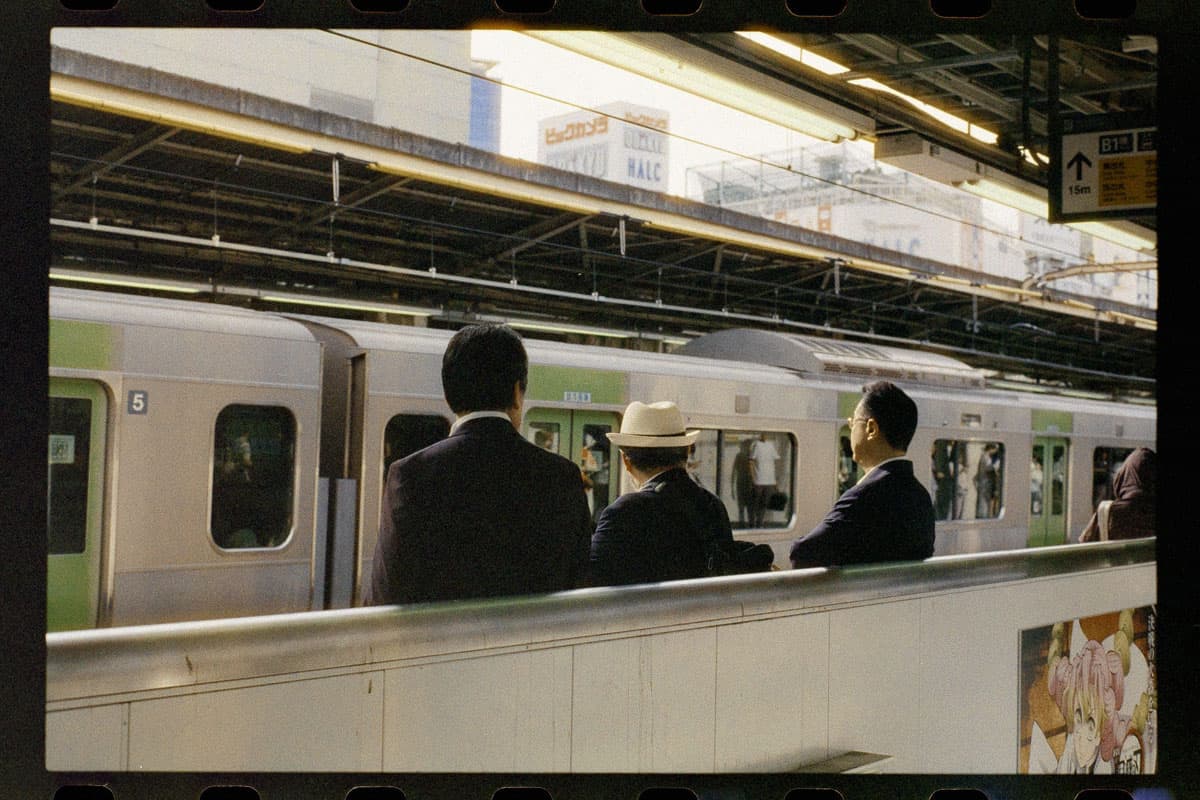
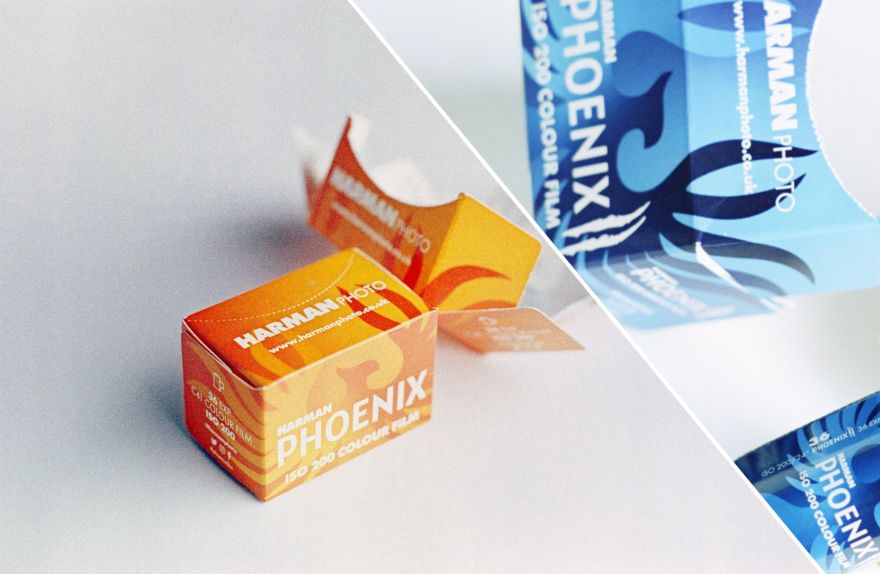
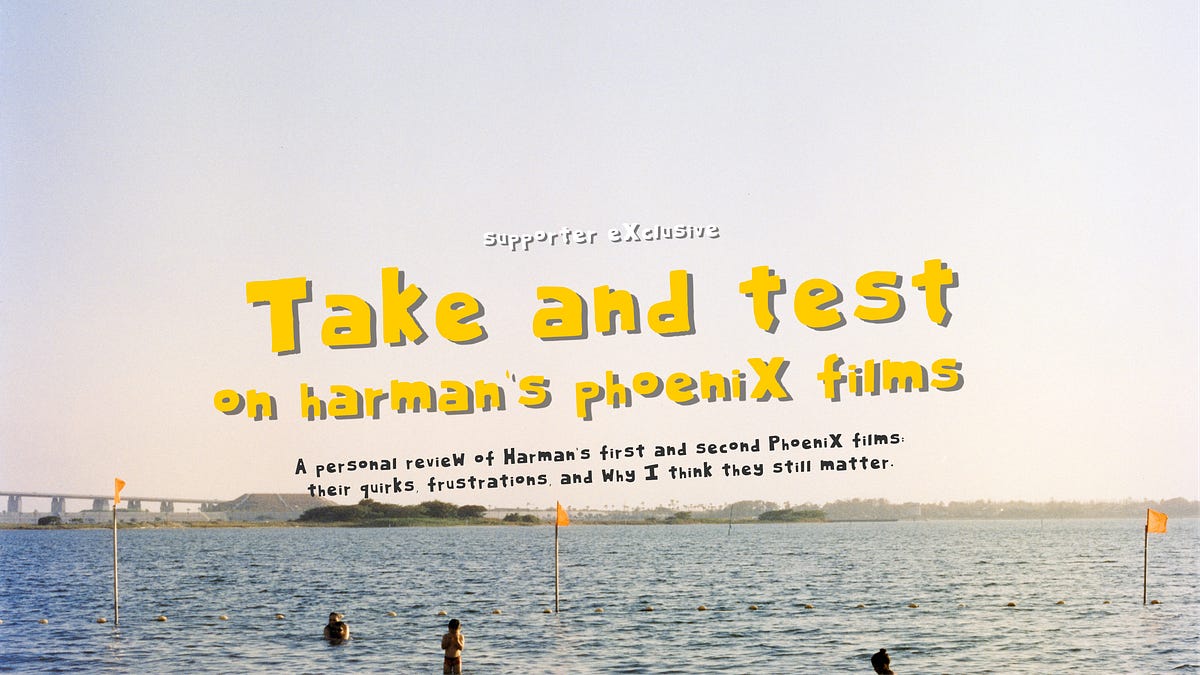
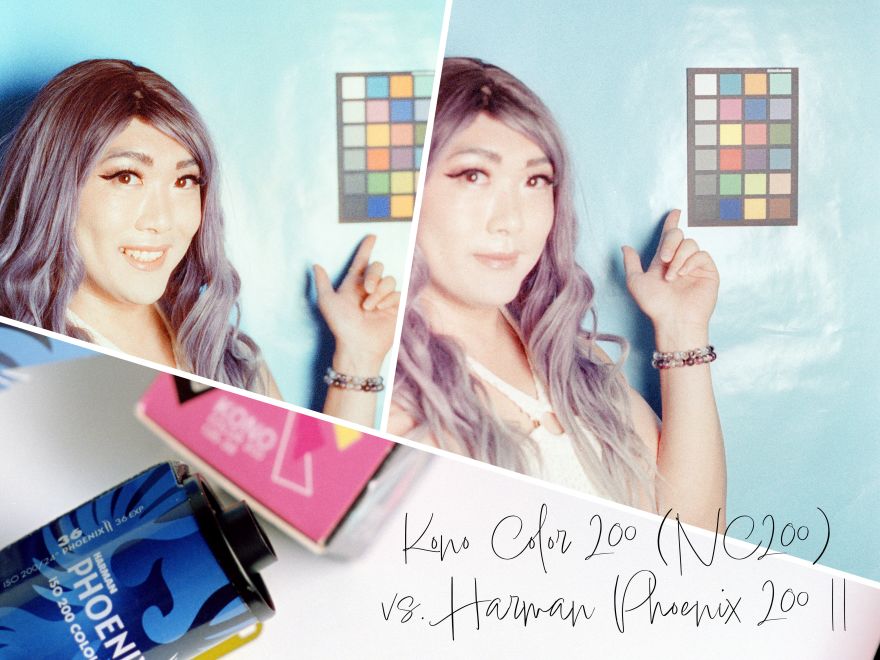
Harman Phoenix 200, launched in December 2023 by the UK’s Ilford/Harman factory, is the first entirely new color-negative film from a non-Kodak manufacturer in decades — and it’s built on a modified black-and-white emulsion (XP2 Super) rather than a traditional color formula. The original Phoenix I was famously chaotic: huge grain, unpredictable color shifts, muddy shadows, and a narrow exposure latitude that made even +1 overexposure risky and +2 a disaster. Scanning was a headache because the film lacks an orange mask. But with Phoenix II, released in 2025, Harman dramatically improved dynamic range, grain, color consistency, and halation control. Photographers now compare Phoenix II’s punchy, contrasty look to slide film like Ektachrome, especially in bright daylight where skies pop and shadows take on a blue tint. It’s still not a technical match for Kodak Portra or Ektar, but the film has carved out a devoted following for its raw, experimental character — and it proves that real innovation in color film chemistry is still possible outside Rochester.
+Field notes
- —Harman Phoenix is the first new color-negative film from a non-Kodak factory since the mid-2000s, and it’s made by modifying Ilford’s black-and-white XP2 Super emulsion — not a traditional color formula — which explains its missing orange mask and scanning difficulties.
- —Phoenix I had such a narrow exposure latitude that +2 stops overexposure caused highlights to blow out and colors to shift unpredictably; +1 was decent but still risky, and box speed delivered muddy shadows and grain that swallowed detail.
- —Phoenix II dramatically improved dynamic range, grain, color consistency, and halation control, leading some shooters to describe its look as similar to slide film — especially in daylight, where blue skies pop and shadows show a cool tint.
- —The 120 medium-format version of Phoenix II tames the chunky grain significantly compared to 35mm, making it more usable for portrait and landscape work where shadow detail matters.
- —Harman Phoenix is one of only two color-negative film lines in current production that are not made by Kodak — the other is ORWO Wolfen NC200 (also sold as KONO Color 200 and Optik Oldschool OptiColor 200), and both are European.
- —Despite its quirks, the film photography community embraced Phoenix as an experimental emulsion, and Harman released multiple versions (including a bleach-bypass and C41-reversal process) encouraging users to push the stock in creative ways.
Keep exploring
More of Film Photography
More to explore
In the same world.
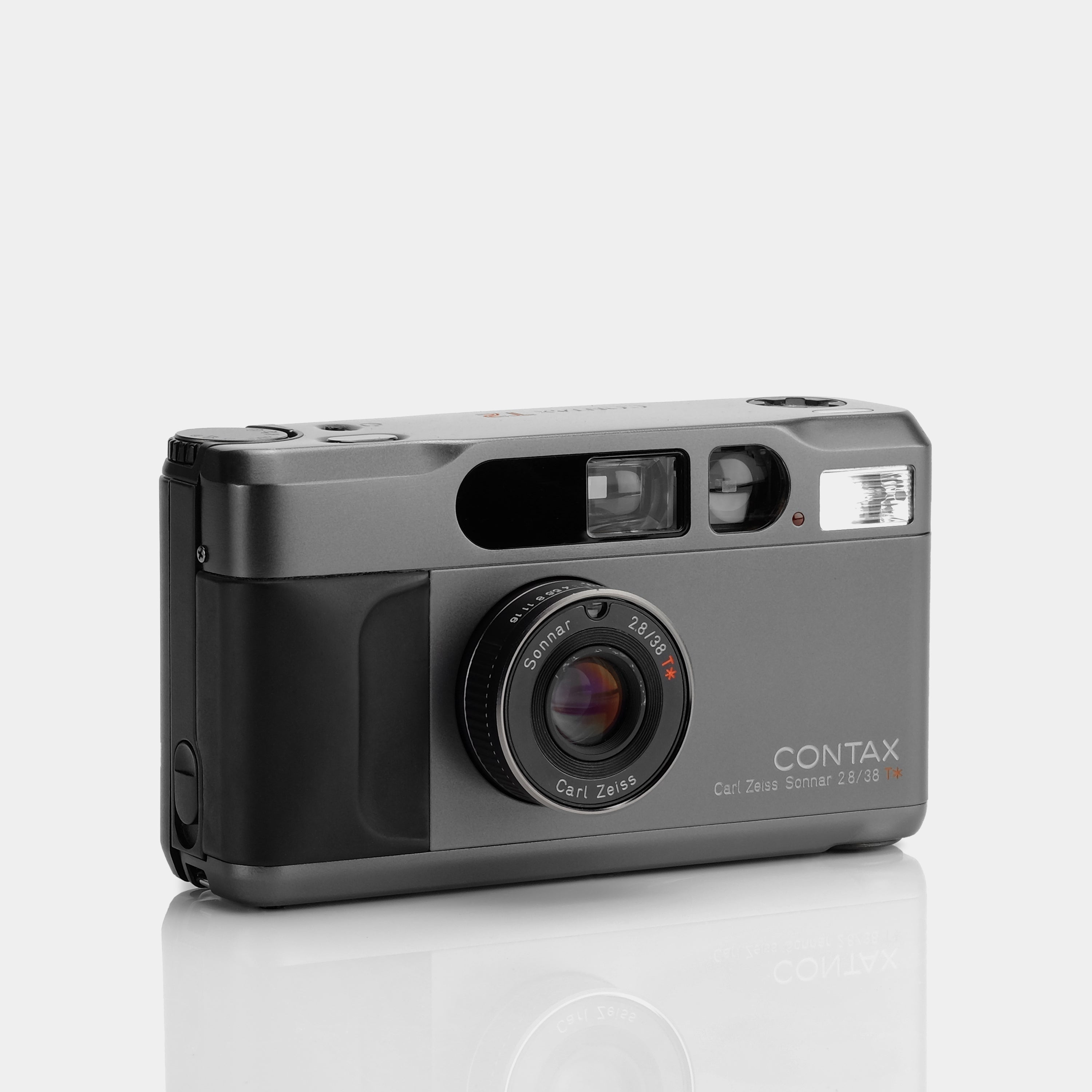
Contax T2 Point-and-Shoot Film Camera
The Contax T2 is a premium 35mm autofocus compact released in 1991 by Kyocera under the Contax name, and its appeal come…

Contax T2 Film Camera
The Contax T2 is a premium 35mm compact from 1990 that sits at the exact intersection of luxury object and serious shoot…

Contax T2
The Contax T2 is a high-end 35mm compact film camera that has become a status object as much as a shooter’s tool, prized…

Leica M3 Film Camera
The Leica M3 is the camera that launched the M system in 1954, and it matters because it reset what a 35mm rangefinder c…
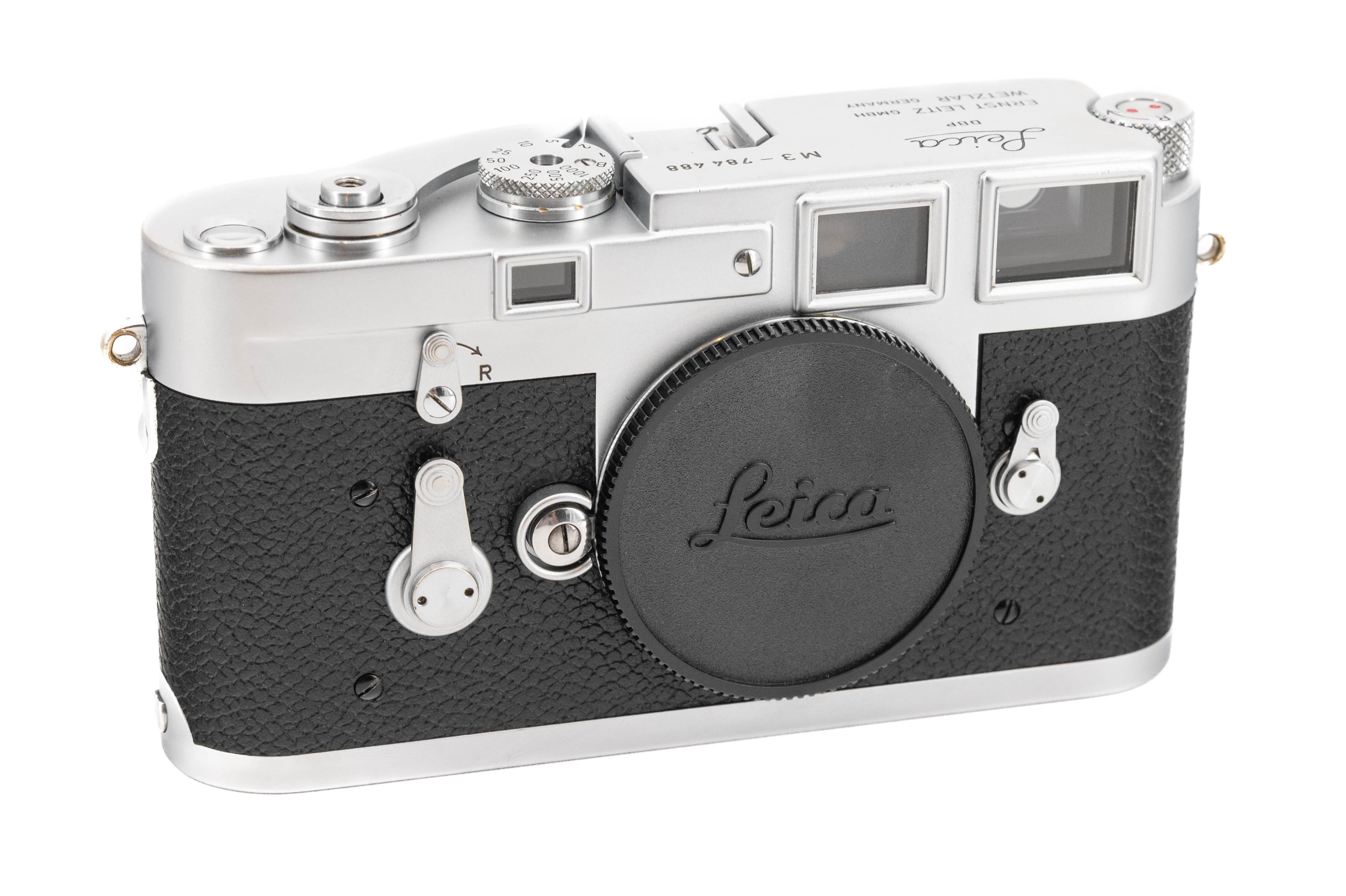
Leica M3 Camera
The Leica M3 is the 35mm rangefinder that began Leica’s M-system era in 1954, replacing the company’s earlier screw-moun…
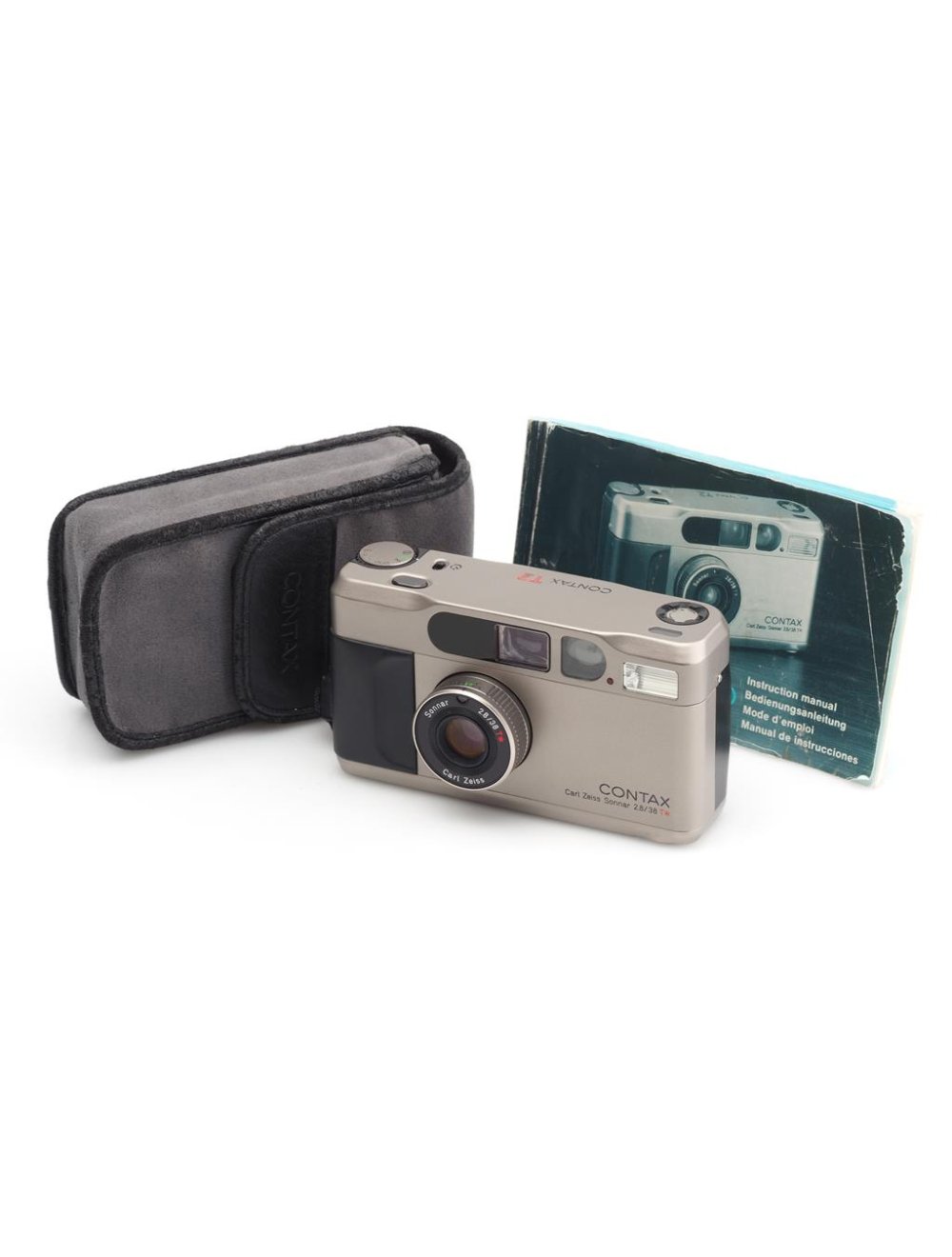
Contax T2 Camera
The Contax T2 is a 1991 autofocus 35mm compact built by Kyocera under the Contax name, and it matters because it turned…

Leica M3
Introduced in 1954 by Ernst Leitz GmbH, the Leica M3 was a radical departure from everything Leitz had built before — re…
More in Film & Analog Photography
Stay in this world.
Contax T2 Point-and-Shoot Film Camera
Leica M3 Film Camera
Contax T2 Film Camera
Contax T2 Camera
Contax T2
Leica M3
Imagery
Know someone who’d love this?
Discovered by ArcurianAuto-generated from public sources and AI synthesis — it may be incomplete or inaccurate. Treat it as a starting point for your own exploration, not professional (medical, legal, financial, or safety) advice. Verify anything you act on. Report this page.