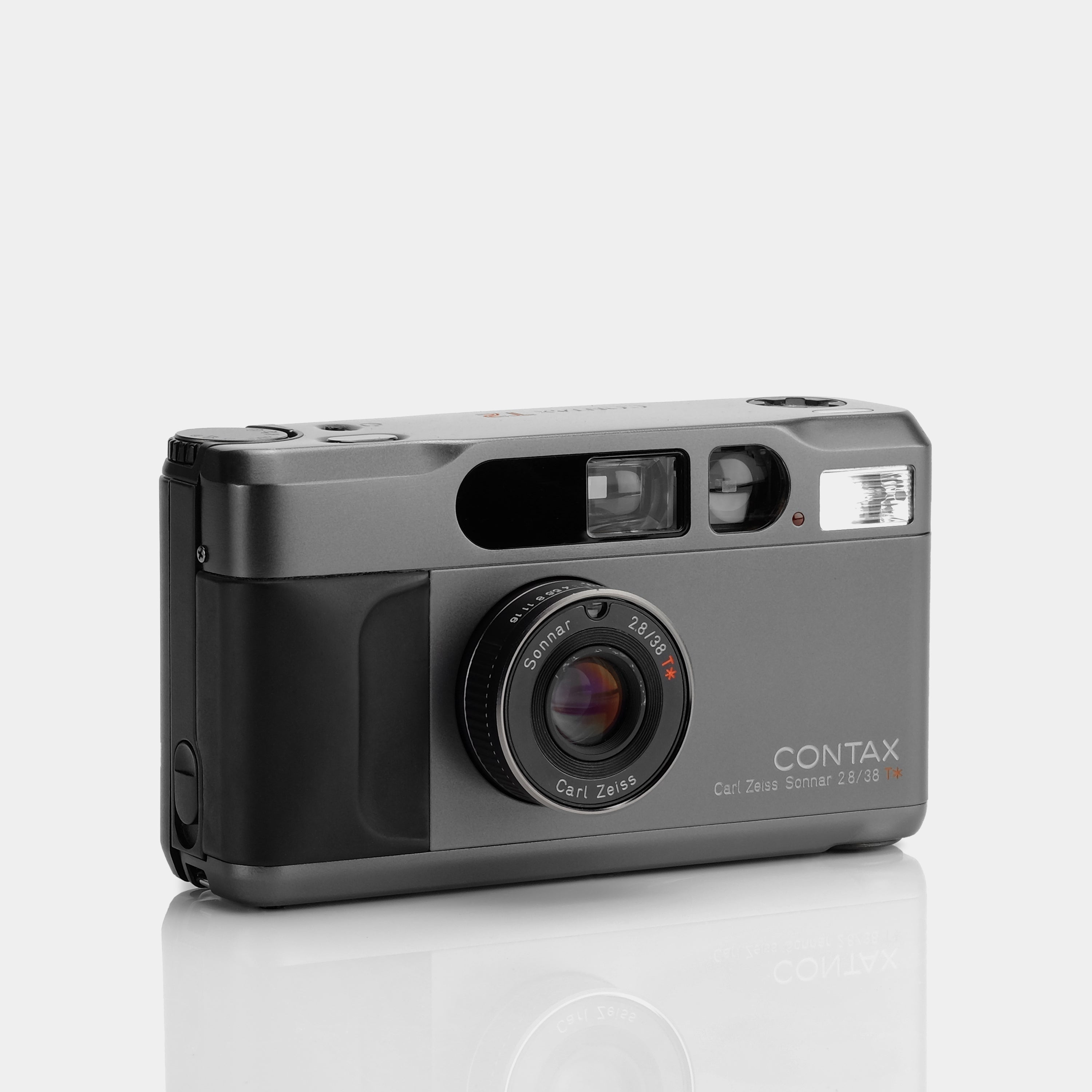
The Contax T2 is a premium 35mm autofocus compact released in 1991 by Kyocera under the Contax name, and its appeal comes from how much serious camera it compresses into a pocketable body. People fixate on the combination of a titanium shell, a Carl Zeiss Sonnar T* 38mm f/2.8 lens, autofocus, aperture-priority auto exposure, manual focus options, and exposure compensation—features that make it feel far more deliberate than an ordinary point-and-shoot. Just as important is the argument around it: the T2 is admired for its polished handling and image quality, but constantly debated because serviced examples now sell for startling prices. That tension between luxury object, everyday shooter, and market myth is exactly why it remains one of film photography’s most talked-about compacts.
Learn
Why the T2 Became the Compact Everyone Still Talks About
The Contax T2, released in 1990 by Kyocera, is a titanium-bodied point-and-shoot that has become the most talked-about compact camera of the film revival, not just for its Carl Zeiss Sonnar T* 38mm f/2.8 lens and premium build, but because of a perfect storm of scarcity, celebrity endorsement, and a price curve that went from $400–500 fifteen years ago to roughly $2,000 in 2026. Its legend was cemented in 2017 when Kendall Jenner used one on live TV, and it has since been favored by the likes of Zendaya, but the camera's appeal is also deeply practical: the lens delivers razor-sharp results with minimal distortion, and the body feels as refined as a mechanical watch despite being a relatively simple aperture-priority autofocus design. However, its electronics are aging, parts are hard to find, and the hype has pushed the price far beyond what its actual feature set justifies for most shooters.

 casualphotophile.comcasualphotophile.com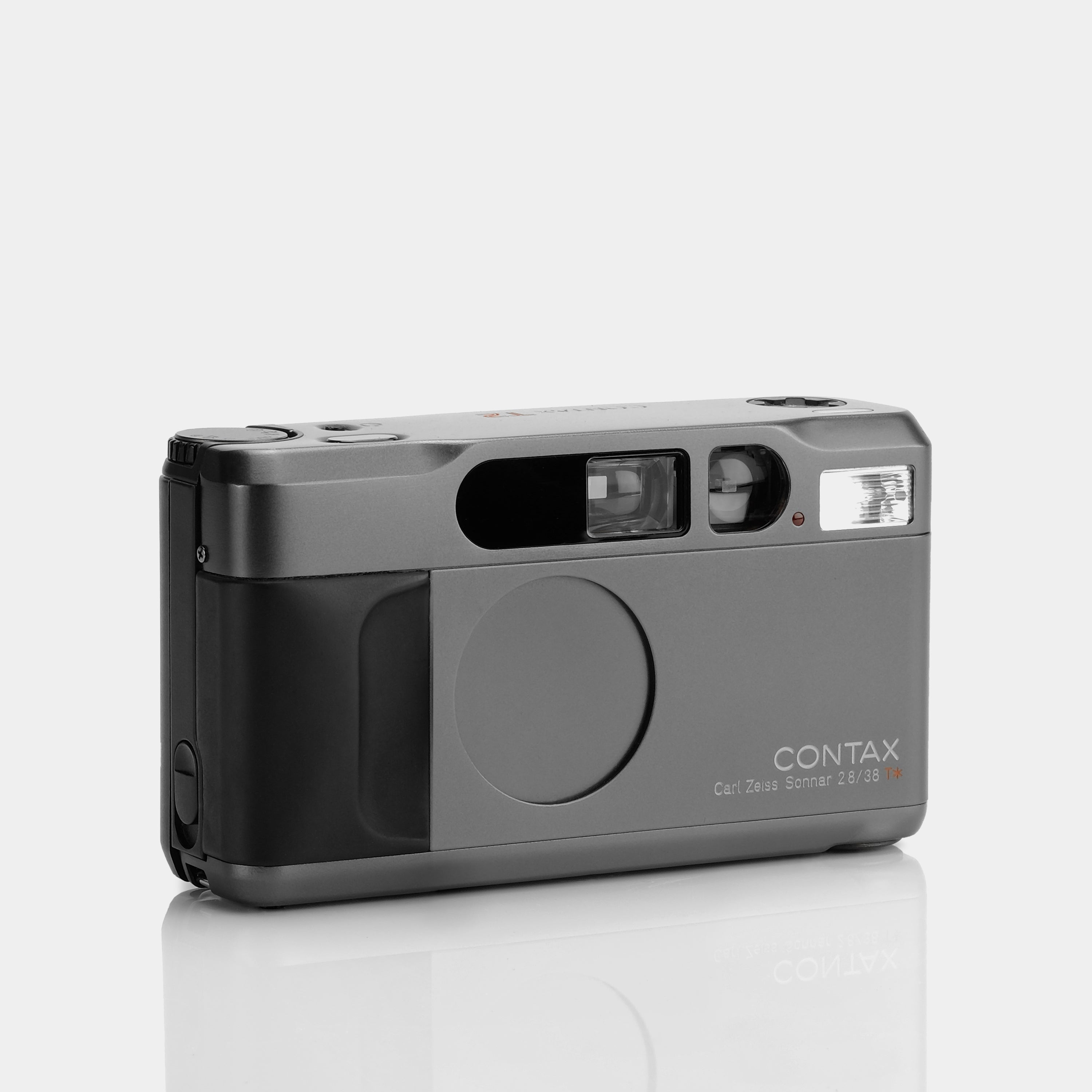

 mrleica.commrleica.com
+Field notes
- —The Contax T2 entered the mainstream in 2017 when supermodel Kendall Jenner used it to snap photos of Jimmy Fallon live on primetime television, instantly making it the most coveted film camera of the revival.
- —A serviced Contax T2 sells for around two thousand dollars in 2026, up from $400–500 just fifteen years ago, driven by limited production, attrition over 35 years, and intense collector demand.
- —The body is titanium with a milled metal battery cover, weighing 295g without battery, and it feels cold and dense in the hand—a stark contrast to the plastic compacts of its era.
- —The Carl Zeiss Sonnar T* 38mm f/2.8 lens uses 5 elements in 4 groups and delivers sharpness, rich tones, and minimal chromatic aberration, making it the primary reason for the camera's legendary image quality.
- —Despite its hype, the T2 offers only limited manual control—aperture priority and program AE—with no full manual mode, and its aperture priority is restricted to f/2.8 in low light and a maximum shutter speed of 1/200s in that mode.
Learn
From Contax T to T2: the Luxury-Compact Turn
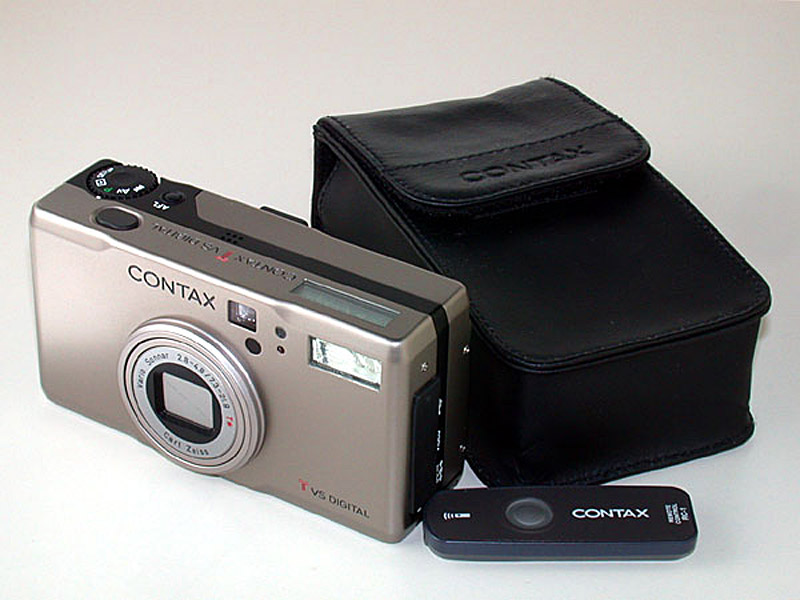
The Contax T2, launched by Kyocera in 1990/1991, represents a pivotal shift in the luxury-compact camera lineage — evolving from the 1984 Contax T, a manually-focused rangefinder designed by Porsche with a synthetic ruby shutter release and a clip-on flash, to a fully-autofocus point-and-shoot with a titanium body and a built-in flash. Its defining feature remains the Carl Zeiss Sonnar T* 38mm f/2.8 lens, a five-element design that delivers the same focal length as its predecessor but now retracts into the body, offering apertures from f/2.8 to f/16 with a tactile ring around the lens mount. Unlike the original Contax T, which had only a single +1.5 EV backlight compensation button, the T2 introduced a full +/-2 EV exposure compensation dial in half-stop increments, plus manual focus presets (0.7m to infinity) and aperture-priority mode alongside full program AE. The T2’s autofocus — a simple IR active system — works reliably in good light but struggles with low contrast or dim conditions, a limitation its successor the T3 would later address with passive phase-detection AF. By 2026, a serviced T2 regularly sells for around $2,000, driven by its cult status, limited production, and a legacy of image quality that still challenges modern premium compacts.


 cameralegend.comcameralegend.com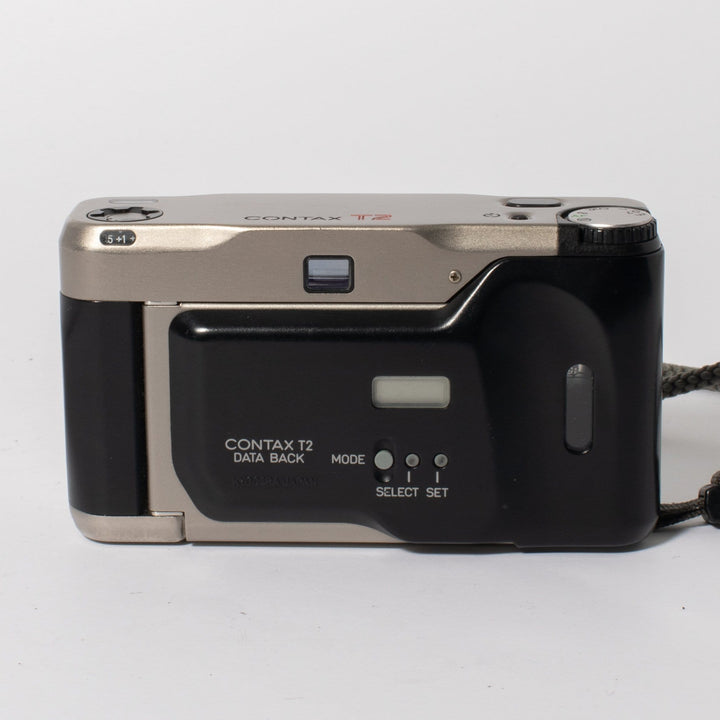
 35mmc.com35mmc.com
+Field notes
- —The Contax T2’s predecessor, the original Contax T (1984), was not a point-and-shoot but a manual-focus rangefinder designed by Porsche Design, featuring a synthetic ruby shutter release and a clam-shell front cover that protected the collapsible 38mm f/2.8 lens.
- —Unlike the Contax T, which required a separate clip-on A14 flash, the T2 integrated a built-in flash with an anti-red-eye pre-flash option, a move that made it a true all-in-one luxury compact.
- —The T2’s aperture ring around the lens mount — a rare physical control on autofocus compacts — lets you set f/2.8, 4, 5.6, 8, 11, or 16 (not f/22 like the original T), and also doubles as the flash mode selector.
- —In aperture-priority mode, the T2 only uses f/2.8 in low light; otherwise the camera often defaults to smaller apertures, limiting true depth-of-field control — a quirk not mentioned in marketing.
- —The T2’s autofocus uses an active IR system, which is reliable in bright conditions or with flash but becomes unreliable in low light or against low-contrast subjects, a weakness the later T3 fixed with passive phase-detection AF.
- —By 2026, a serviced Contax T2 fetches around $2,000, roughly four times its price from 15 years ago ($400–$500), driven by surviving unit scarcity, influencer demand, and Zeiss lens reputation.
Learn
The Terms That Actually Matter When Reading T2 Listings
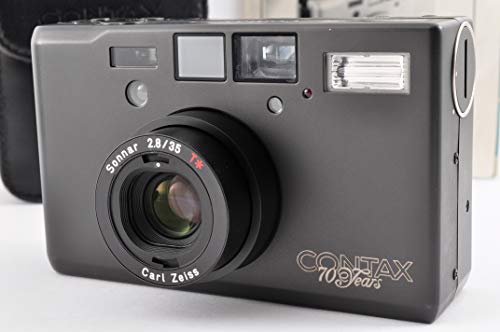
When you're hunting for a Contax T2 on the secondhand market, the first thing to know is that the lens ring isn't just for show — the aperture ring around the Carl Zeiss Sonnar 38mm f/2.8 T* lens is one of the camera's defining features, offering firm, tactile clicks between f/2.8 and f/16 that signal genuine mechanical quality. Condition is everything: a fully functional example in clean titanium finish can command around £1,000 at UK auction in 2026, while a heavily faulty body has sold for as little as £12, according to auction house results from Flints Auctions and others. The body itself is titanium in silver, black, or a rare gold special edition, and uses a single CR123A battery — but that battery cover is a milled disc of solid metal, a small detail that tells you how seriously this thing was built. You'll want to check the autofocus system, because the center-weighted AF can struggle in low light or against low-contrast subjects; solid, well-lit objects are its comfort zone. Also, the camera reads DX-coded film from ISO 25 to 5000, so if you prefer non-DX cassettes or want to push/pull, you're out of luck — there's no manual ISO override. Finally, don't expect true manual exposure: the T2 offers aperture-priority and a program mode, but no shutter speed control beyond a bulb setting, and the 1/500 sec top speed means it's not ideal for fast action in bright conditions.


 petapixel.competapixel.com
+Field notes
- —The aperture ring around the lens is a tactile highlight — it clicks between f/2.8 and f/16 with a smooth, positive feel that's rare on compacts; reviewers from PetaPixel and others specifically praise that ring as one of the most satisfying parts of the shooting experience.
- —The autofocus is center-weighted and can hunt in low light or against low-contrast subjects; reviews note it needs a solid, well-lit object to lock on reliably, so expect misses in dim interiors or at dusk.
- —There is no manual ISO override — the T2 reads DX codes from ISO 25 to 5000, meaning you cannot push or pull film speed without tricking the DX contacts, a limitation that's a frequent complaint in buyer guides.
- —The battery cover is a milled disc of solid metal, a detail that contributes to the T2's tactile premium feel; it uses one CR123A lithium battery, which is still widely available today.
- —Auction data from 2022–2026 shows a wide spread: clean T2s hit about £1,000 at hammer price in April 2026, while a heavily faulty example sold for £12 at Flints Auctions — condition dominates the price more than any other factor.
- —The body is titanium in champagne silver, titanium black, or a gold special edition; it weighs roughly 295g (10.4 oz) without battery and is coat-pocketable but not jeans-pocketable, often compared in size to the Leica Minilux or Konica Hexar.
Discover
See It in Use Before You Pay the Premium


Before you drop serious money on a Contax T2, it's worth seeing what it actually delivers in real-world shooting — not just the hype. The camera's titanium body and legendary Carl Zeiss 38mm f/2.8 Sonnar lens produce exceptionally sharp, contrasty images that can go toe-to-toe with Leica glass, as Matt Osborne demonstrated in his Budapest photo walk. But don't assume every T2 works perfectly: multiple owners report sticky shutters, electronics failure, and the notorious 'E.O2' error that can brick the camera mid-roll. Small-frame YT shooter 'metal fingers' calls the T2 'the greatest pocketable point-and-shoot' while admitting the repair cost often exceeds the purchase price. Even Josep Bautista's lost-and-found T2 had a shutter fault that needed fixing before it could shoot again. The consensus: the T2 is a fantastic photographic tool when it works, but its fragility and sky-high resale value mean you should test one with fresh batteries and a test roll before you commit.
+Field notes
- —The Contax T2's titanium shell is unexpectedly lightweight but can dent if dropped; many owners recommend a soft leather half-case from a maker like Luigi or a generic Etsy seller to protect the body.
- —Matt Osborne shot side-by-side comparisons in Budapest: the T2's Zeiss 38mm f/2.8 Sonnar produced images with noticeably higher contrast and micro-contrast than a Leica Minilux, though the auto-focus occasionally hunted in dim light.
- —The T2 launched in 1990 in four colors according to channel Tobias Steinert (champagne, silver, black, and gold), but silver is the most common; gold models command a huge premium but are no different mechanically.
- —The shutter reliability is a known weak point: a repair video shows that after a previous repairman's failed attempt, the shutter blades still jammed because a tiny coil spring had come off its anchor — a repair that requires micro-surgery skills and specialized tools.
- —'metal fingers' (28K views) emphasizes that the autofocus is single-point and center-weighted; there is no way to lock exposure and focus independently unless you use the exposure compensation dial, which can only adjust ±2 EV in half-stop increments.
- —You can mimic the T2's look for far less: a Yashica T4 or T5 uses the same Zeiss Tessar lens (though 35mm f/3.5) and costs a fraction, but its plastic body feels completely different and lacks the T2's titanium build quality.
Discover
Follow the Film Shooters Keeping the T2 in Circulation

The Contax T2’s survival as a working camera owes more to the quiet, obsessive community of film photographers than to the hype that made it famous. These shooters aren’t just collectors; they’re the ones who find a lost T2 in Japan, fix its sticky shutter blades, and send it back into the wild (as Josep Bautista did in early 2024). They’re the ones who carry it through Budapest side-by-side with a Leica M6, comparing the Carl Zeiss Sonnar 38mm f/2.8 to a Summicron, and deciding that the T2’s autofocus and program mode actually deliver better results in rapid street shooting (Matt Osborne’s 2022 review). And they’re the ones who, on TikTok, call it “the Tesla of 35mm film cameras” — a nickname that captures both its electric styling and its status as a surprisingly advanced piece of 1990s tech. These users keep the T2 relevant not by talking about its resale value, but by actually putting film through it, repairing the quirks, and sharing the results.
+Field notes
- —Lost-and-found stories like Josep Bautista’s early 2024 discovery of a malfunctioning T2 in Japan show that the camera’s circulation depends on enthusiasts who repair and return it, not just flip it.
- —Matt Osborne’s 2022 review pits the T2’s Carl Zeiss Sonnar 38mm f/2.8 against a Leica Summicron on an M6, arguing that the T2’s autofocus and program mode often beat a manual rangefinder for spontaneous street photography in Budapest.
- —On TikTok, the T2 is dubbed “the Tesla of 35mm film cameras” — a nod to its sleek titanium build, advanced electronics, and cult status among younger shooters who see it as a futuristic classic.
Discover
The Best Writing Lives in the Hype-versus-Value Argument

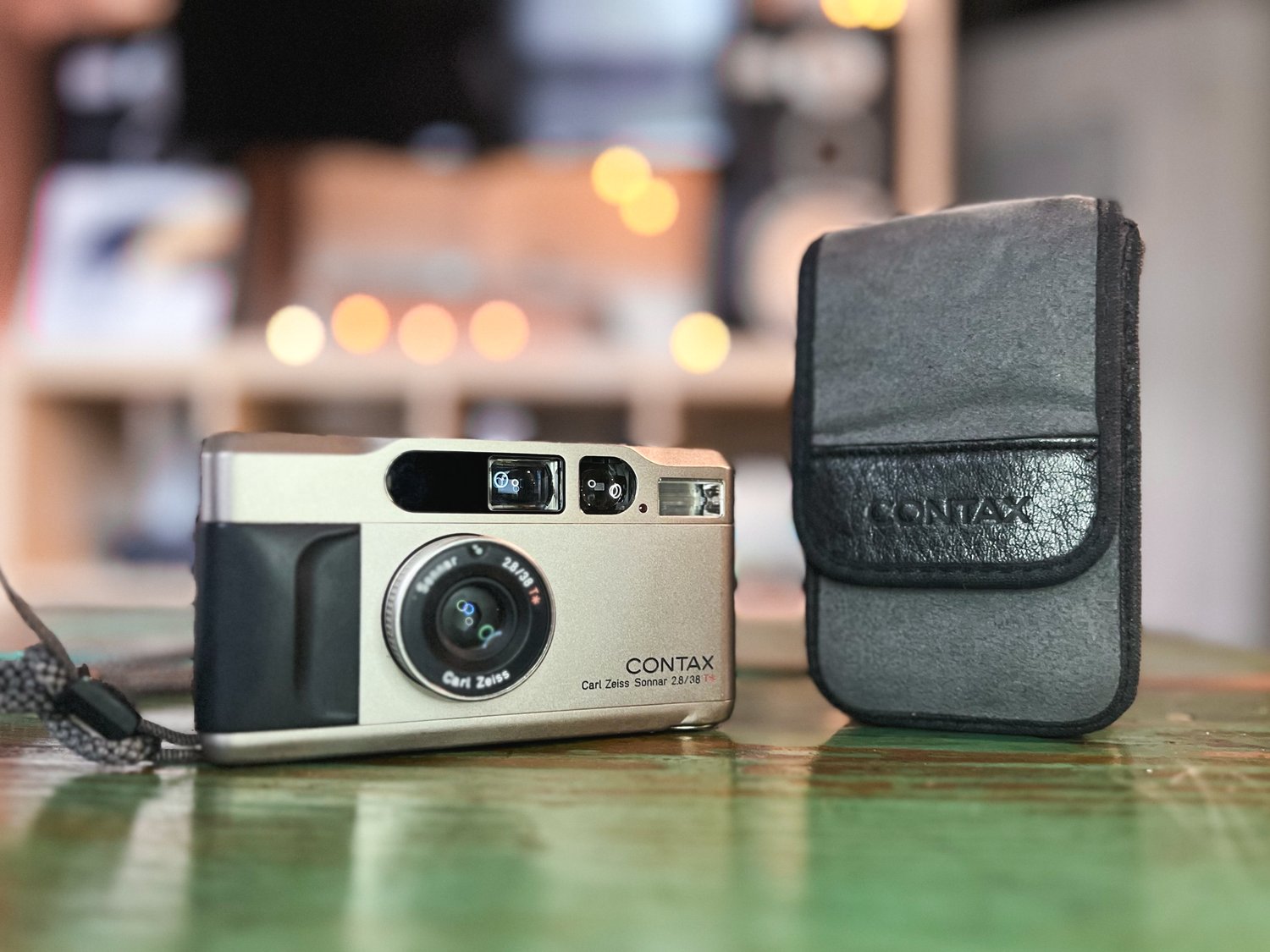
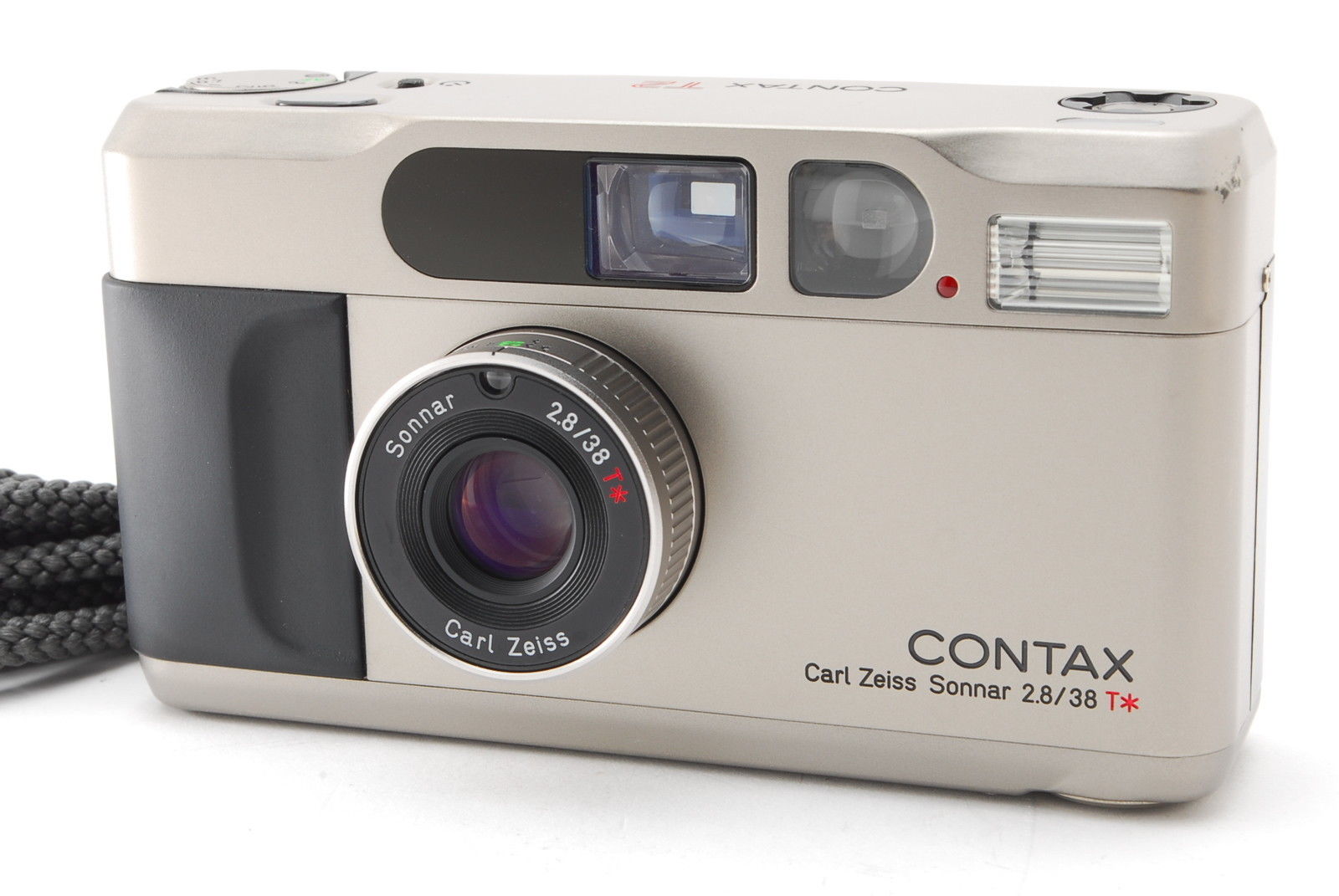
The Contax T2 is the ultimate case study in how hype and genuine quality can become indistinguishable. Released in 1990 by Kyocera, it was always a premium compact—titanium body, Carl Zeiss Sonnar 38mm f/2.8 T* lens, and a satisfying heft. But the 2017 Kendall Jenner sighting on primetime TV turned it into a cultural phenomenon, sending prices from a few hundred dollars to over $2,000 in 2026. The camera itself delivers sharp images and a tactile experience unmatched by plastic contemporaries, yet it has significant limitations: a crippled aperture-priority mode that only engages f/2.8 in low light, no multiple exposure function, and aging electronics that can fail. Writers consistently argue that the T2's value depends entirely on whether you're willing to pay for the lens and build or if you'd rather pocket the difference and shoot with a less hyped but equally capable alternative. The real surprise is how many of its flaws are overlooked in the rush to own a piece of the hype.
+Field notes
- —The Contax T2's aperture-priority mode is not a true manual control — it only allows you to shoot at f/2.8 when the camera decides there's insufficient light, making it more of a 'limited aperture priority' than a feature you can dial in at will.
- —Despite its luxury status, the T2 lacks a multiple exposure function, a feature many photographers consider essential for creative work; one reviewer notes that the only way to get double exposures is through accidental camera lock-ups.
- —The battery cover is a milled disc of solid metal, a detail that epitomizes the T2's over-engineered build — unusual for point-and-shoots, which are overwhelmingly plastic.
- —The original Contax T (1984) was a rangefinder, not a point-and-shoot; the T2 was the model that fully transitioned to an automatic compact, yet it retained the same Sonnar 38mm f/2.8 lens as its predecessor.
- —Fifteen years ago a clean Contax T2 could be bought for four or five hundred dollars; by 2026 a serviced example regularly sells for two thousand dollars, driven almost entirely by collector demand and influencer heat.
Explore
Where to Buy One Without Pretending Repairs Don’t Matter
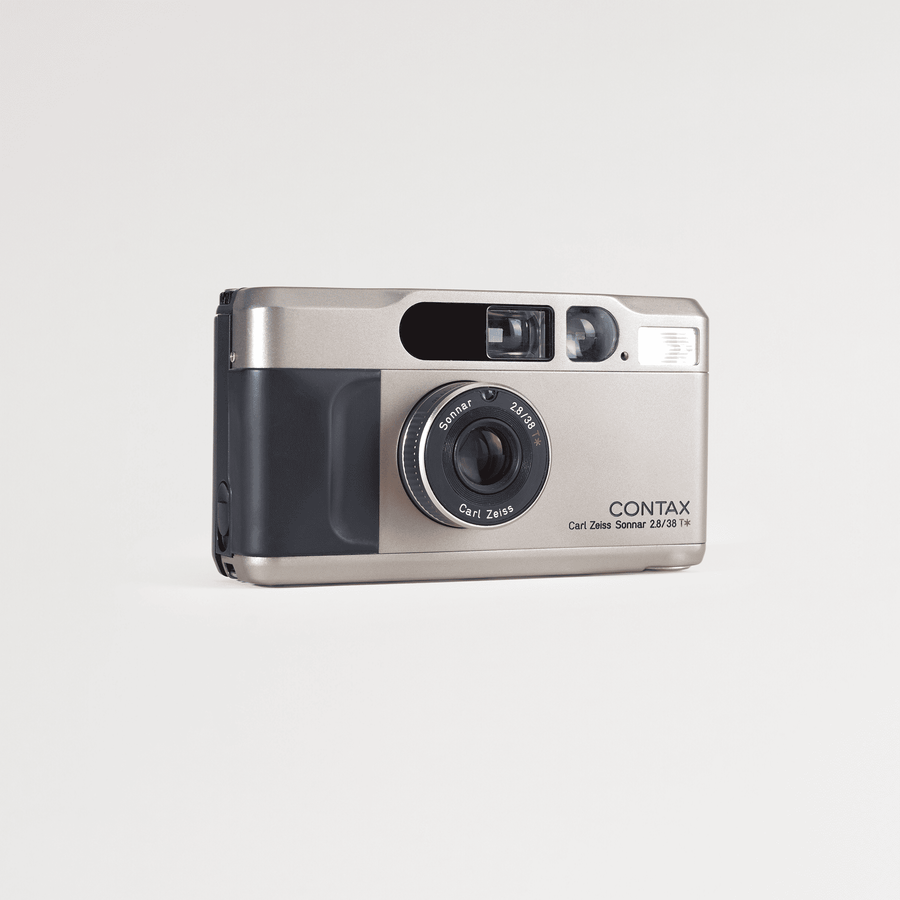
Buying a Contax T2 means navigating a market where condition descriptions are often optimistic and repairs are inevitable. Japanese proxy services like Buyee are the primary channels — a T2 listed as "Damaged/dirty" on JDirectItems Auction recently sat at 90,888 yen, while a titanium black example on Mercari with "No obvious damages/dirt" fetched 119,999 yen. For those unwilling to gamble on hidden LCD failures or flex-cable deaths, specialist restorers like ThisOldCamera on Etsy offer serviced units with known histories, trading price premium for peace of mind. The takeaway: decide whether you're buying a repair project or a shooter, and price accordingly.



+Field notes
- —Japanese proxy auctions via Buyee are the most common source for Contax T2s, but condition is often rough — one JDirectItems listing at 90,888 yen was explicitly marked "Damaged/dirty," implying it needs repair.
- —Cleaner examples appear on Mercari through Buyee, like a titanium black T2 at 119,999 yen described as "No obvious damages/dirt," but this is still a seller's assessment with no guarantee of internal health.
- —For buyers who want a camera that's already been serviced and guaranteed, shops like ThisOldCamera on Etsy specifically restore and repair vintage cameras — a safer but likely pricier route than raw Japanese listings.
Keep exploring
More of Contax T2 Point-and-Shoot Film Camera


Branch out
Beyond Contax T2 Point-and-Shoot Film Camera
More to explore
In the same world.

Contax T2 Film Camera
The Contax T2 is a premium 35mm compact from 1990 that sits at the exact intersection of luxury object and serious shoot…
Contax T2 Camera
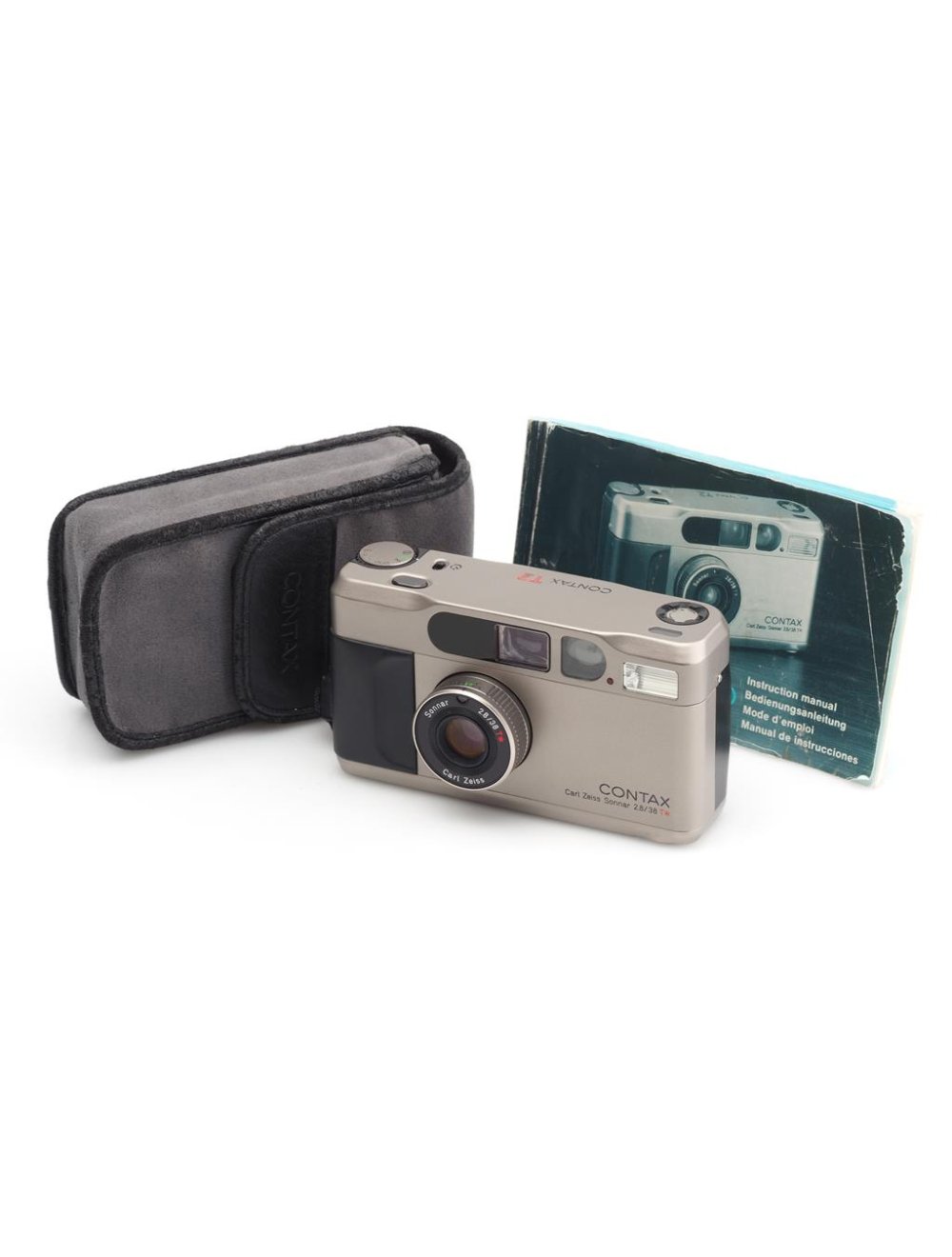
The Contax T2 is a 1991 autofocus 35mm compact built by Kyocera under the Contax name, and it matters because it turned…

Contax T2
The Contax T2 is a high-end 35mm compact film camera that has become a status object as much as a shooter’s tool, prized…
Leica M3 Camera
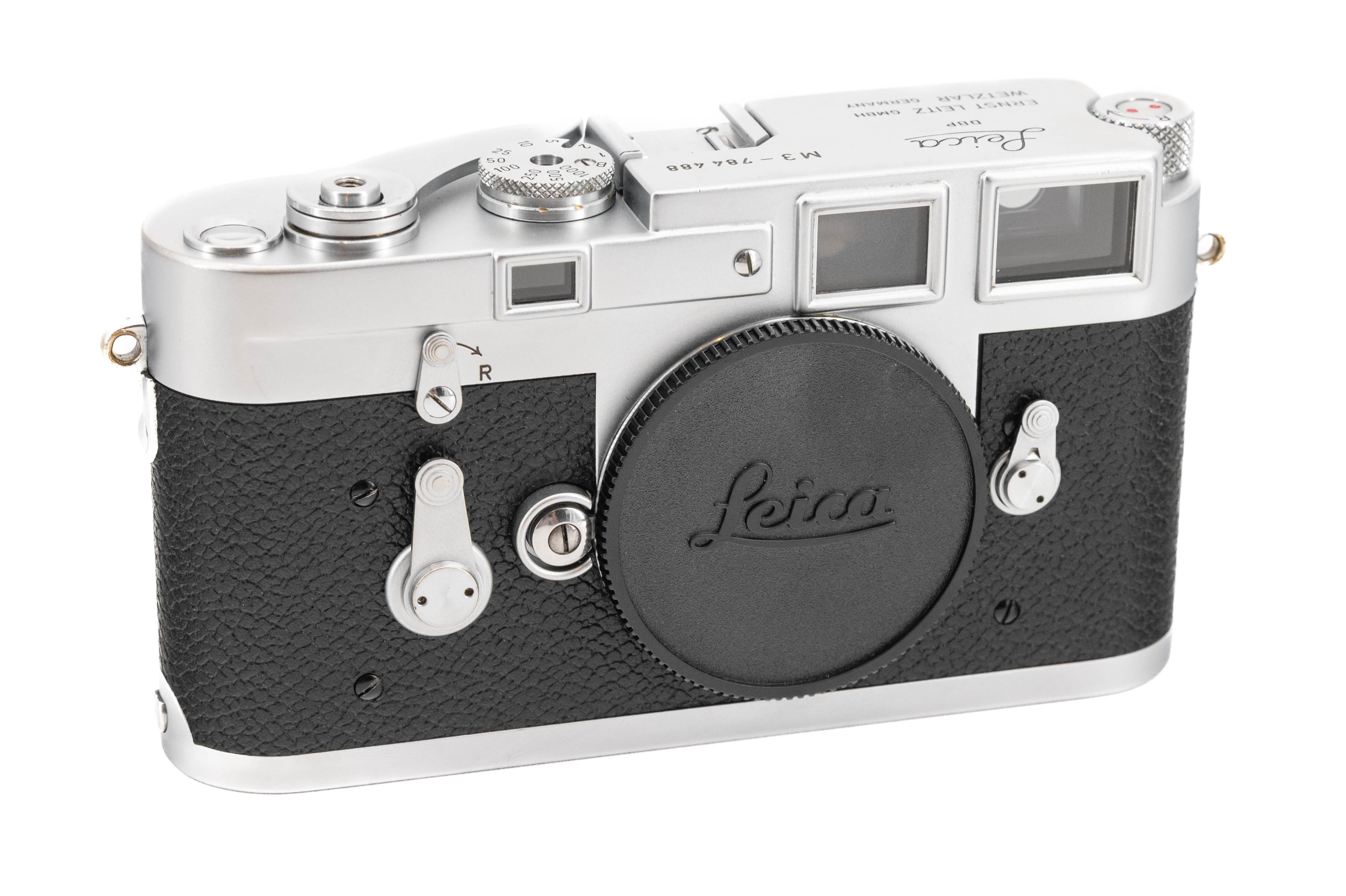
The Leica M3 is the 35mm rangefinder that began Leica’s M-system era in 1954, replacing the company’s earlier screw-moun…

Leica M3 Film Camera
The Leica M3 is the camera that launched the M system in 1954, and it matters because it reset what a 35mm rangefinder c…

Leica M3
Introduced in 1954 by Ernst Leitz GmbH, the Leica M3 was a radical departure from everything Leitz had built before — re…

Film Photography
Film photography is the chemical side of photography: images are recorded on gelatin film, paper, or even hard plates ra…

Affordable Watches Under $500 That Still Feel Like the Real Thing
At the sub-$500 mark, watch buyers are not just chasing low prices—they are looking for the point where finishing, relia…
More in Film & Analog Photography
Stay in this world.
See all of Film & Analog Photography →Imagery
Know someone who’d love this?
Discovered by ArcurianAuto-generated from public sources and AI synthesis — it may be incomplete or inaccurate. Treat it as a starting point for your own exploration, not professional (medical, legal, financial, or safety) advice. Verify anything you act on. Report this page.