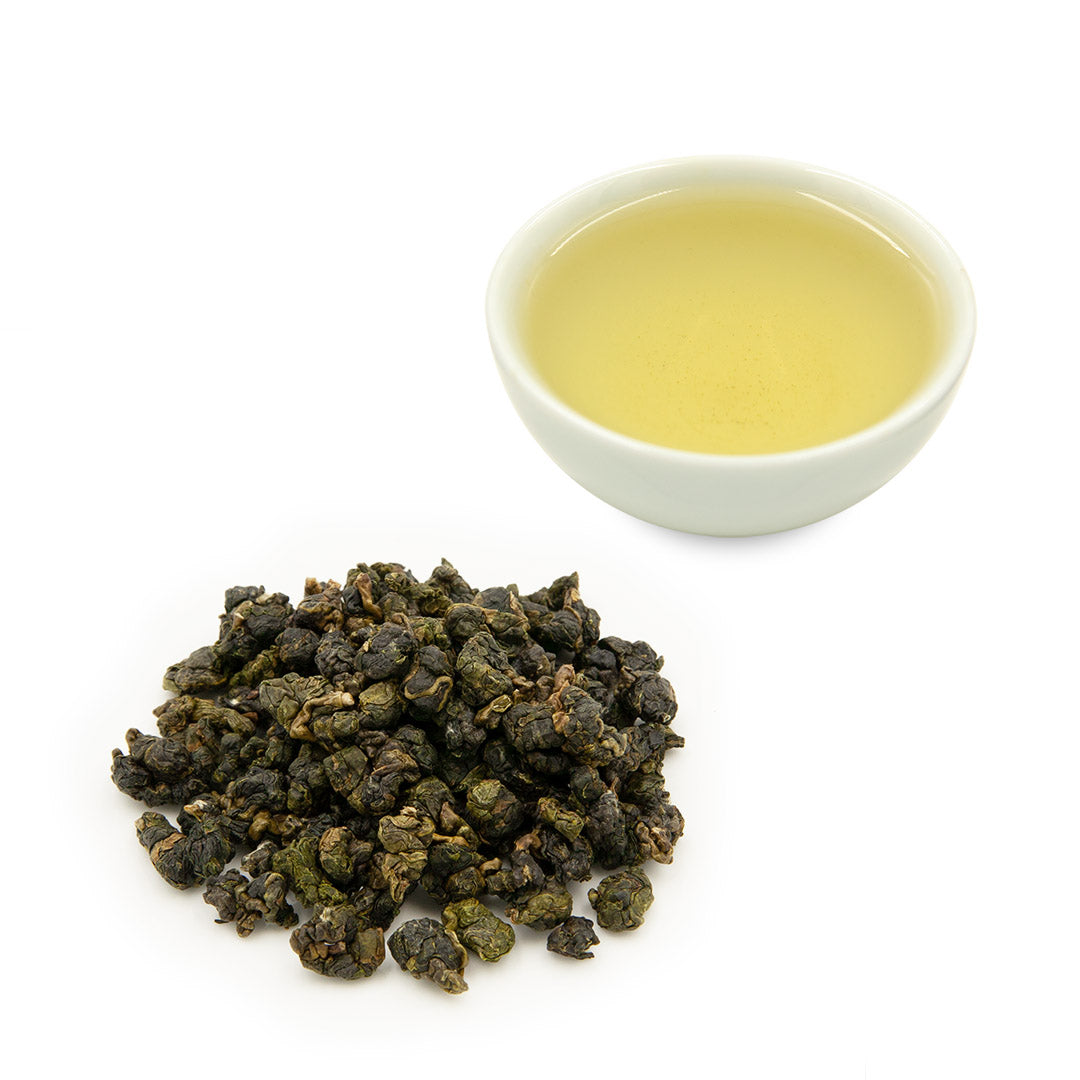
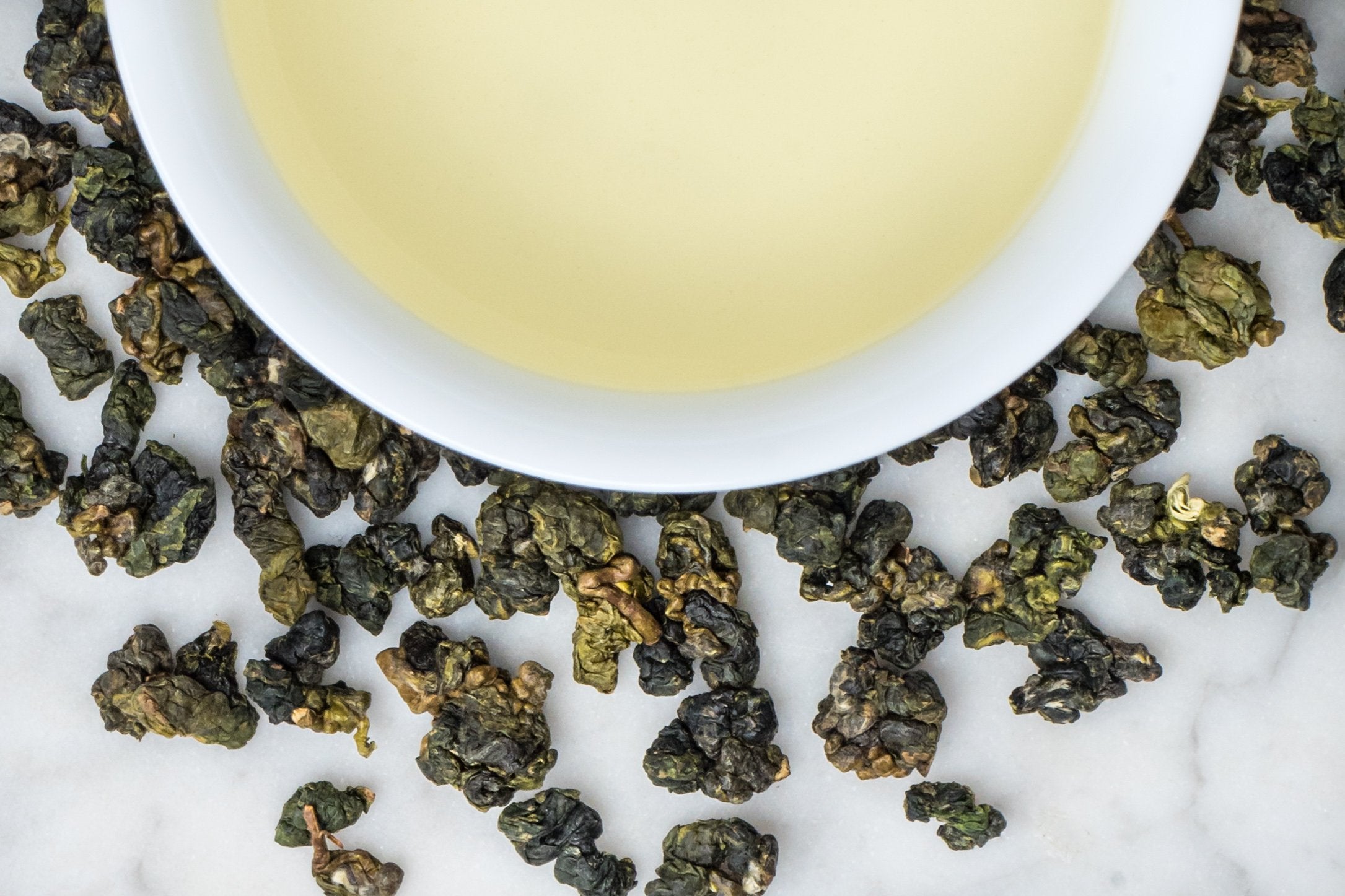
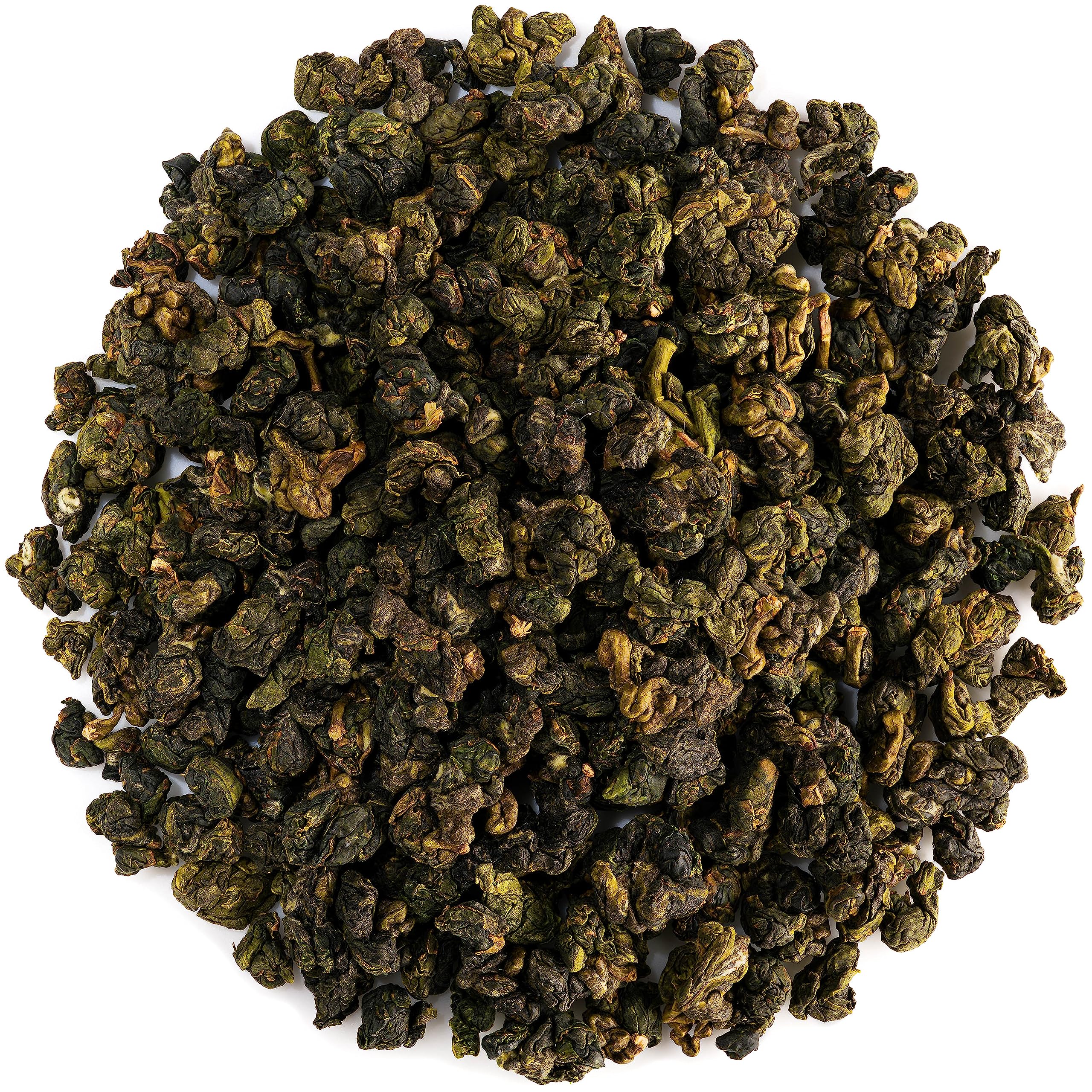
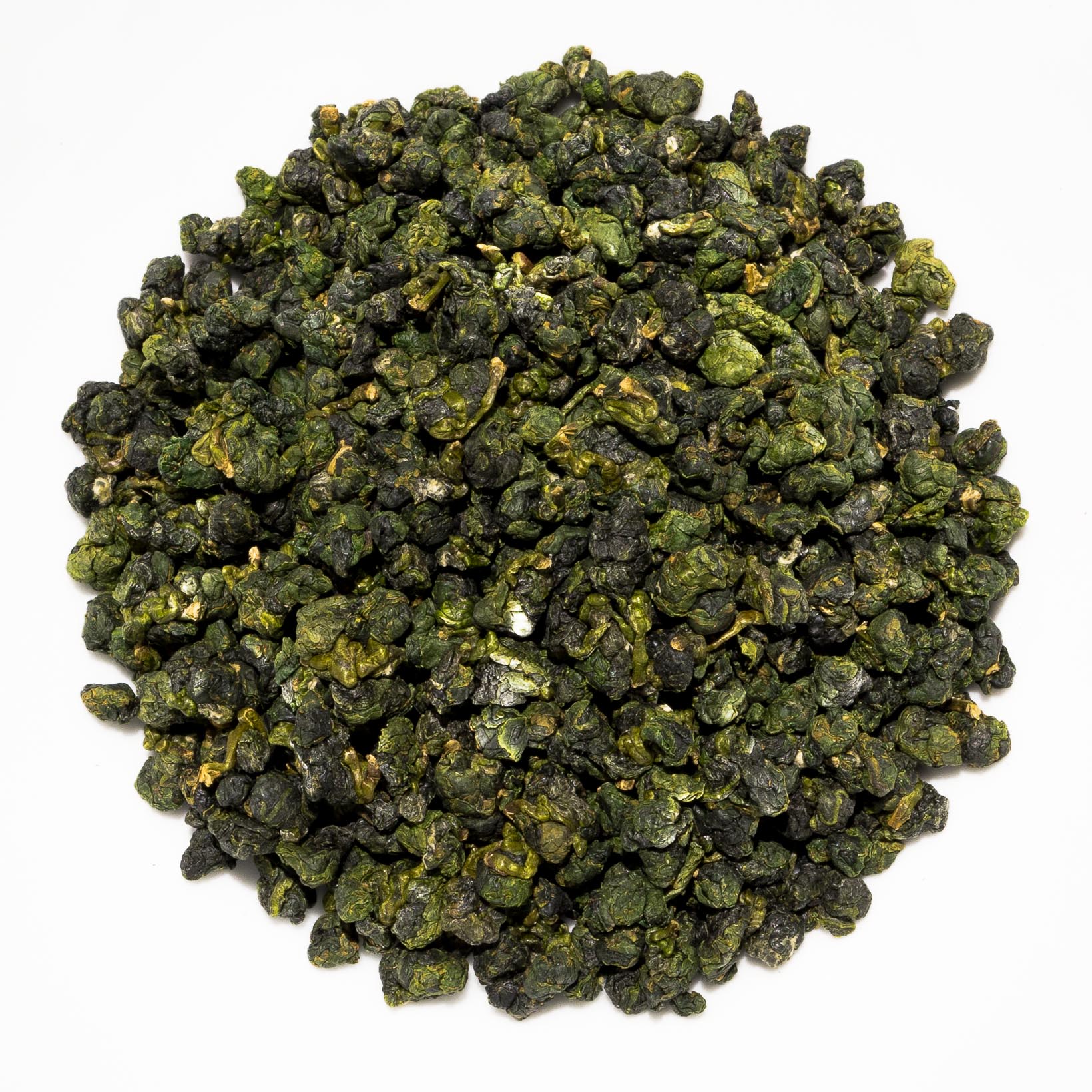
Jin Xuan is a Taiwanese oolong cultivar—officially TTES/TRES No. 12—developed in Taiwan and prized for a naturally creamy, buttery, lightly floral profile when processed as a lightly oxidized oolong. It is often sold as “milk oolong,” but the important distinction is that respected examples get their dairy-like softness from the cultivar and processing rather than added flavoring. You’ll see it tied to Taiwanese growing regions such as Alishan and Nantou, with altitude and oxidation shaping whether the cup leans more toward sweet cream, flowers, or green vegetal notes. The real fascination is learning to taste where cultivar character ends and craft begins.
Learn
What Jin Xuan Actually Is
Jin Xuan, officially TTES #12, is a Taiwanese oolong cultivar released in 1981 after decades of breeding at the Taiwan Tea Research and Extension Station under Dr. Wu Zhenduo, who named it 'Golden Daylily' after his grandmother. Its defining trait is a natural, creamy-milky flavor derived from elevated levels of lactone compounds—particularly gamma-butyrolactone, jasmine lactone, and coumarin—alongside terpenes like nerolidol and geraniol, which trick the brain into perceiving dairy without any added milk or flavoring. The cultivar was engineered for hardiness and high yield, thriving at lower altitudes where the fragile Qingxin fails, making it a lifeline for lowland farmers. However, the commercial market is flooded with imitations: up to 95% of cheap 'Milk Oolong' in the West uses synthetic milk-powder extract or artificial vanilla-like flavorings. Authentic Jin Xuan delivers a subtle, integrated creaminess that fades quickly after brewing, whereas fakes hit you with an aggressive, persistent sweet scent from the dry leaf. The best expressions come from mid-to-high elevations in Nantou (especially Alishan) and Chiayi counties, where the cool mist refines the floral-lactone balance.
+Field notes
- —Jin Xuan (TRES #12) was developed by crossing Ying Zhi Hong Xin (Hard Red Stem) with TRES #8; the 27-year breeding program was led by Dr. Wu Zhenduo, who named the cultivar 'Golden Daylily' in honor of his grandmother.
- —The milky flavor comes from naturally elevated levels of lactones—cyclic ester compounds that are also the primary aromatic molecules in heated milk and melted butter—not from steaming or soaking leaves in milk.
- —According to a 2022 analysis by the Taiwan Tea Research and Extension Station, TTES #12 has significantly higher lactone compound levels than other Taiwanese oolong cultivars, with gamma-butyrolactone being a key contributor to the dairy illusion.
- —The best natural Jin Xuan is grown at 1,000–1,600m elevation in Nantou (which produces nearly half of Taiwan's tea) and Chiayi (including Alishan); low-elevation plantings (below 800m) are more often artificially flavored and have thinner character.
- —A simple tell for authenticity: real Jin Xuan’s milky scent is subtle on the dry leaf and fades after the first few infusions, while artificially flavored versions smell intensely of vanilla or cream the moment you open the bag and persist through multiple brews.
- —Jin Xuan is the second most planted cultivar in Taiwan after Qingxin, prized for its disease resistance and high yield—traits that made it the 'People's Tea' and saved lowland tea farming in the 1980s.
Learn
From Taiwan Tea No. 12 to 'Milk Oolong'
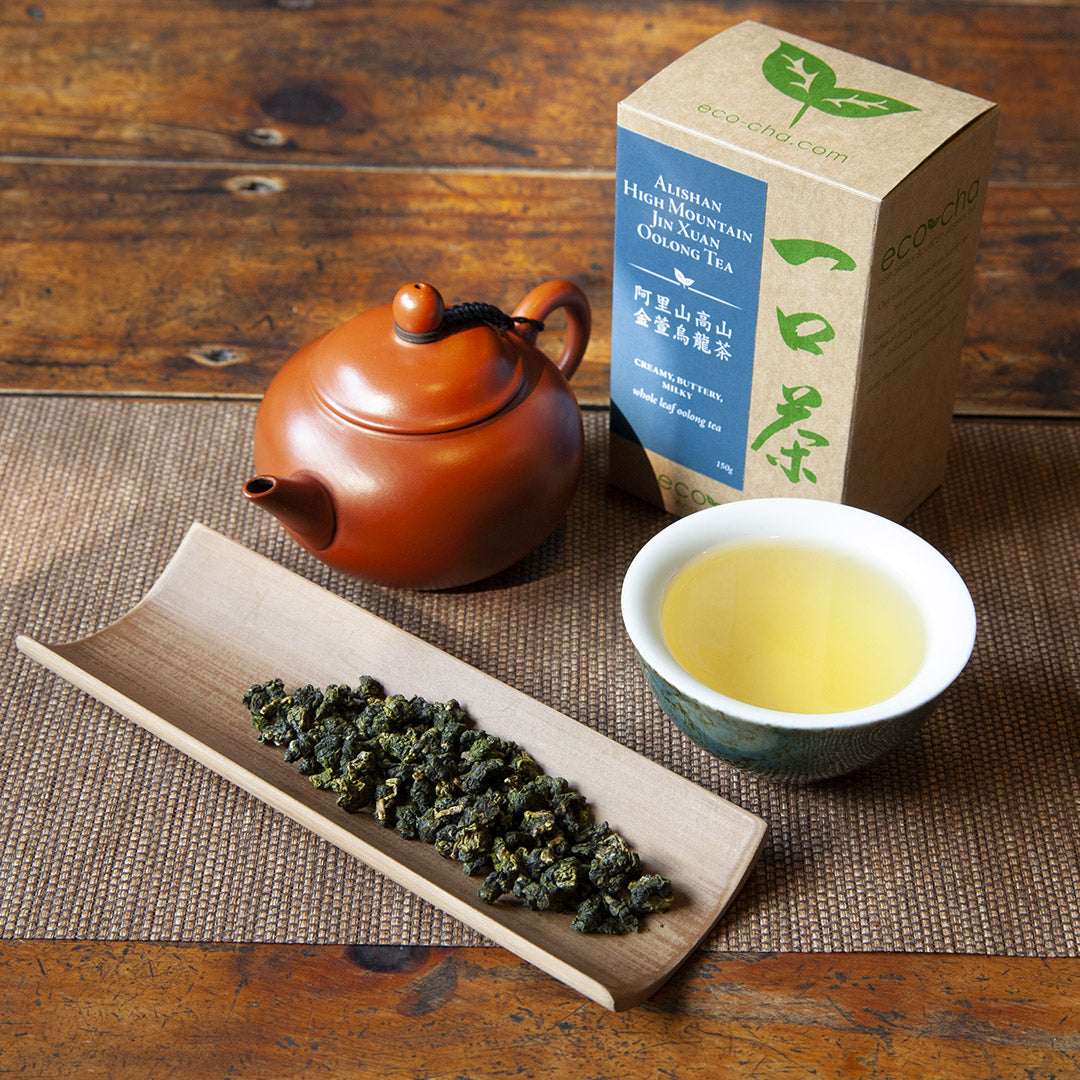
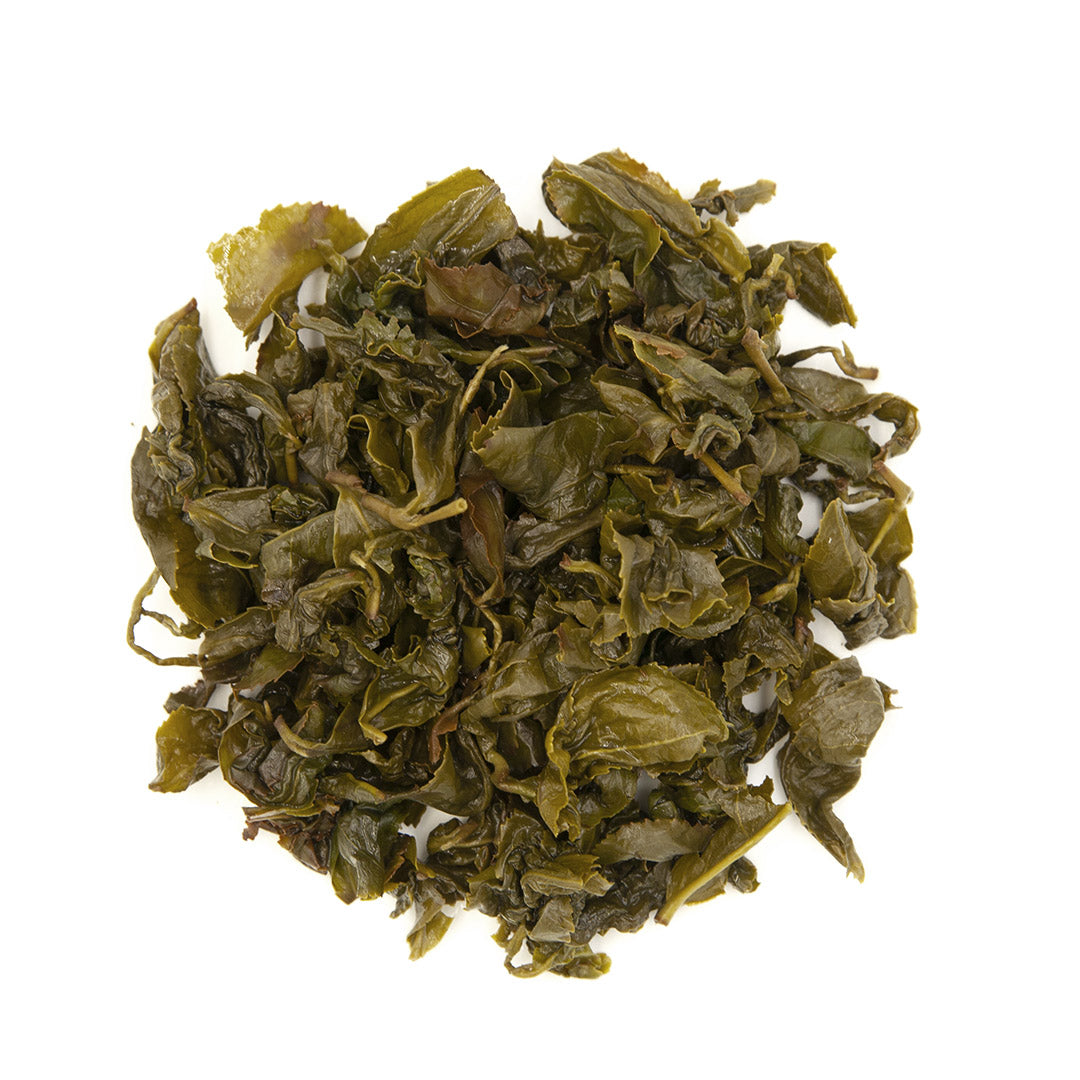
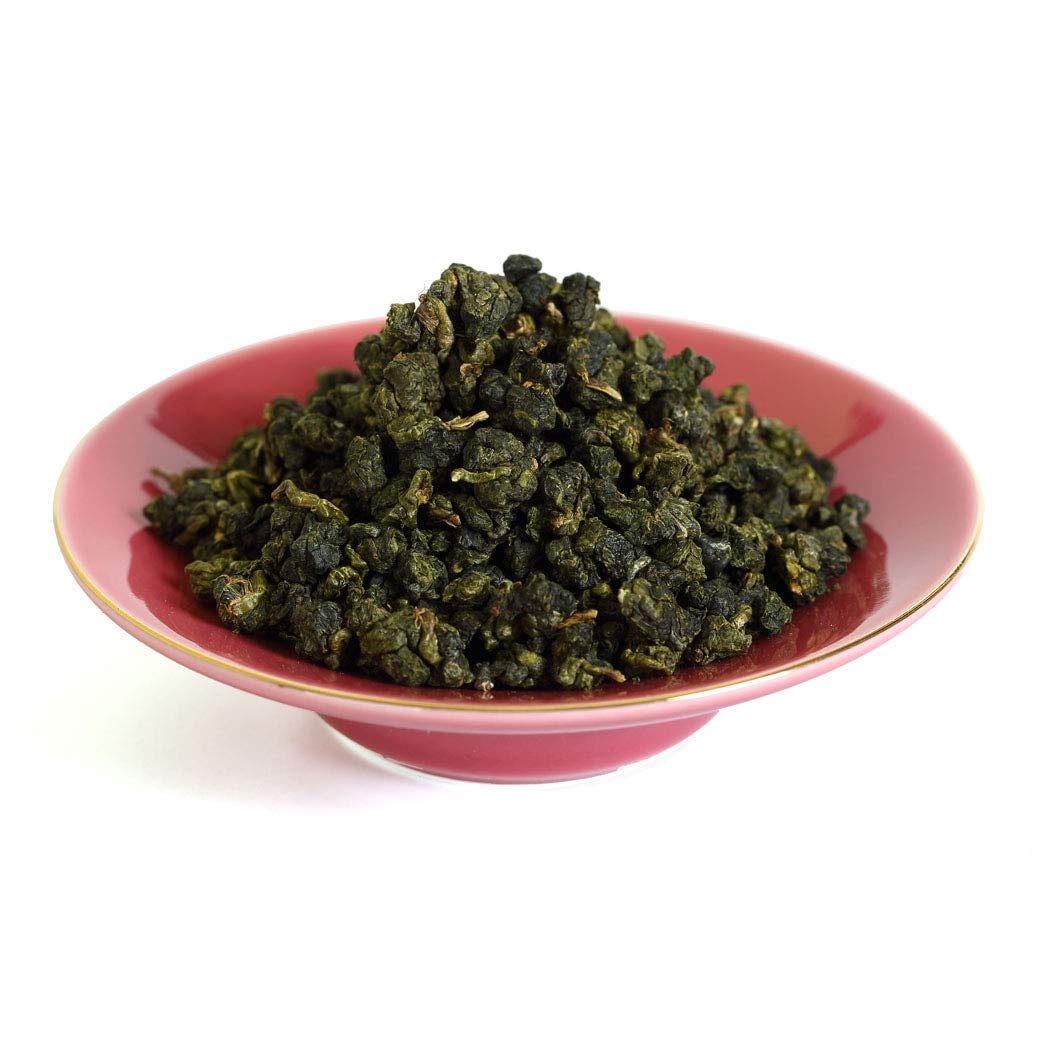
Jin Xuan (金萱), officially designated Taiwan Tea No. 12 in 1981, is a cultivar developed at the Taiwan Tea Research and Extension Station under the leadership of Dr. Wu Zhenduo, who named it after his grandmother. Bred from a cross between the mother plant Tainong No. 8 (Green Heart) and the father Ying Zhi Hong Xin (Hard Red Stem), it was selected from strain #2027 (known colloquially as "27仔") and released after 27 years of work. Its hallmark natural creamy, milky aroma comes from genetic lactone compounds—such as jasmine lactone and coumarin—not from any artificial flavoring or processing with milk, busting a pervasive myth. The cultivar was designed to be hardy, disease-resistant, and high-yielding, thriving at low elevations where traditional Qingxin struggled. When processed as a lightly oxidized oolong, Jin Xuan delivers a distinctive bouquet of osmanthus, wildflowers, milk sugar, and sometimes pineapple, with the creamy note fading quickly in subsequent infusions if natural. Low-elevation versions are often adulterated with artificial milk flavoring, while mid- and high-elevation examples exhibit a more restrained, complex character. The cultivar's versatility extends beyond oolong to green, white, and black teas, each showcasing its smooth, low-astringency profile.
 hanyitea.twhanyitea.tw
 sperotea.comsperotea.com
+Field notes
- —Jin Xuan was officially released in 1981 as Taiwan Tea No. 12, the result of a 27-year breeding program at the Taiwan Tea Research and Extension Station led by Dr. Wu Zhenduo, who named the cultivar after his grandmother (Jin Xuan means 'Golden Daylily').
- —The cultivar's natural milky flavor comes from a unique genetic profile producing high levels of lactones (including jasmine lactone and coumarin) during partial oxidation; it is NOT from steaming or soaking leaves in milk, a common myth.
- —Jin Xuan's parentage is a cross of Tainong No. 8 (Green Heart) as the mother and Ying Zhi Hong Xin (Hard Red Stem) as the father, and it is colloquially referred to by farmers as '27仔' (Er Shi Qi Zai) after its strain code #2027.
- —Unlike the fragile traditional Qingxin cultivar, Jin Xuan is a 'hardy warrior' bred for pest resistance, rapid growth, and high yields at low elevations (300-1,600m), making it a cost-effective and robust option for farmers.
- —Authentic high-quality Jin Xuan has a subtle milk aroma that fades quickly after the first infusion; if the tea smells of vanilla or condensed milk even after multiple steeps, it is likely adulterated with artificial flavoring.
- —The cultivar is versatile enough to be processed into oolong, green, white, and black teas, with its aroma described as a blend of osmanthus, wildflowers, milk sugar, and hints of pineapple, and its infusion is notably smooth and low in astringency.
Learn
Read the Labels: TTES No. 12, Qing Xiang, Oxidation, High Mountain
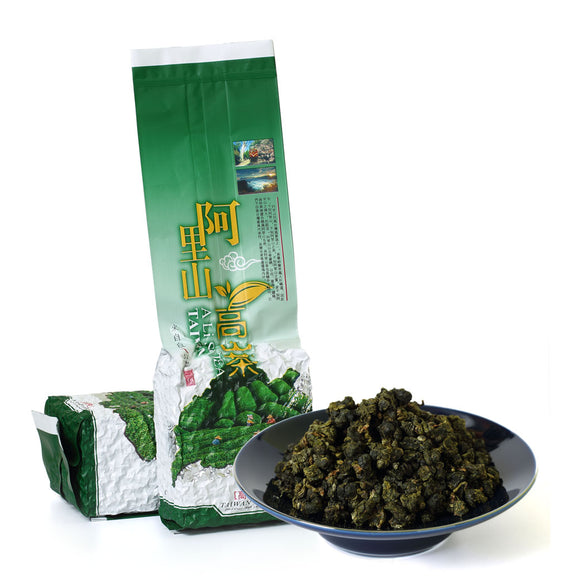
Jin Xuan (TTES No. 12) is the Taiwanese oolong cultivar that produces a natural milky, buttery flavor through its own biochemistry—specifically elevated lactones like nerolidol and geraniol—not from flavoring or steaming in milk. Developed by the Taiwan Tea Research and Extension Station and released in 1981, it was bred to be hardy, high-yielding, and accessible, especially for low-to-mid-elevation farmers. The cultivar's creamy character is most pronounced when grown at 800–1,500 meters, where it balances creaminess with floral complexity; at higher elevations the milky note softens in favor of alpine floral depth. A crucial skill for any enthusiast is distinguishing authentic Jin Xuan from the fake "milk oolongs" that dominate Western markets: real Jin Xuan's scent is subtle and fades quickly in hot water, while artificial versions smell aggressively of vanilla or condensed milk even before brewing. The cultivar's designation as the "People's Tea" reflects its role in sustaining Taiwan's lowland tea economy, standing in contrast to the fragile, expensive Qing Xin (Qing Xiang) cultivar that is the gold standard for high-mountain oolongs.

 teacurious.comteacurious.com
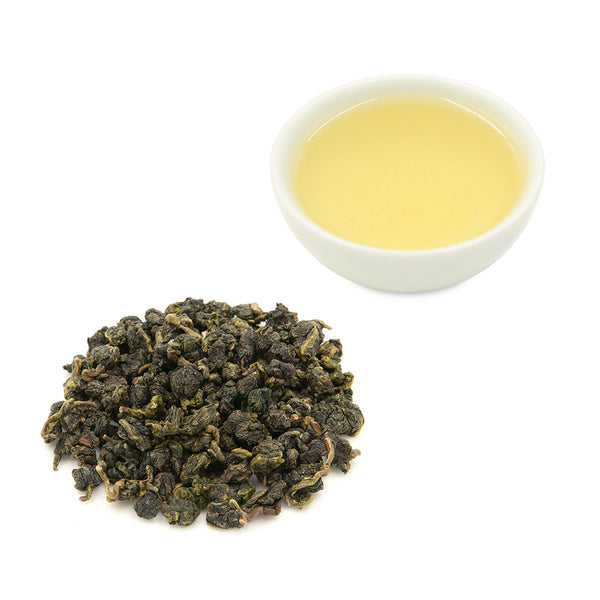
 taiwanleaftea.comtaiwanleaftea.com
+Field notes
- —Jin Xuan's creamy flavor comes from naturally elevated lactone compounds (including nerolidol, geraniol, linalool oxide, and jasmine lactone) produced by the plant's genetics—not from any milky processing or additives.
- —The cultivar was released in 1981 by the Taiwan Tea Research and Extension Station after a 27-year breeding program, with the parentage Ying Zhi Hong Xin (Hard Red Stem) crossed with TRES #8; Dr. Wu Zhenduo named it Jin Xuan (Golden Daylily) after his grandmother.
- —Authentic Jin Xuan's milky aroma diminishes rapidly in hot water and is most evident on the 2nd and 3rd infusions; fake milk oolongs smell strongly of vanilla or condensed milk from the dry leaf onward and persist artificially across many steeps.
- —Altitude dramatically shifts Jin Xuan's character: below 800m the flavor is thinner; at 800–1,500m (e.g., Alishan area) the creaminess is most balanced; above 1,500m (e.g., Da Yu Ling) the milky note becomes secondary to floral and alpine complexity.
- —Jin Xuan was intentionally bred as a hardy, high-yielding alternative to the delicate Qing Xin (Qing Xiang) cultivar—the traditional gold standard for premium high-mountain oolongs—making Jin Xuan more disease-resistant and suitable for lower-elevation commercial production.
- —Brew authentic Jin Xuan at 85–90°C (too-hot water flattens the milky notes); the cultivar's natural creaminess is best expressed in a neutral porcelain gaiwan rather than clay, which can absorb or alter the delicate volatile compounds.
Explore
Where to Buy Region-Specific Jin Xuan
For sourcing region-specific Jin Xuan tea, Etsy hosts several shops specializing in Taiwanese teas, though none of the provided listings explicitly advertise Jin Xuan by name. WolfTeaSelect, based in Taipei, is a top contender with a 4.8-star rating and over 1,500 sales, indicating a strong reputation for premium Taiwanese oolongs. ShopTaiwan, run from Washington, US, also offers Taiwanese tea and snacks, though its last activity was in 2021, suggesting a less active storefront. FinerTeaCompany, based in Pennsylvania, provides Asian specialty teas with similarly high reviews. Buyers should search these shops for Jin Xuan or contact sellers directly, as the curated sets may include it under generic oolong listings.


+Field notes
- —WolfTeaSelect, a Taipei-based Etsy shop, has a 4.8-star rating and over 1,500 sales, making it a reliable starting point for finding high-quality Taiwanese oolongs like Jin Xuan.
- —ShopTaiwan (Washington, US) sells Taiwanese tea and snacks on Etsy, but its last activity was November 2021, so inventory may be stale and Jin Xuan availability uncertain.
- —FinerTeaCompany in Pennsylvania offers Asian specialty teas with a 4.8-star rating, another potential outlet for Jin Xuan if you message the seller about specific cultivars.
- —None of the provided Etsy listings or shop descriptions explicitly mention 'Jin Xuan' — buyers should search for 'milky oolong' or 'jin xuan' within these shops, or request custom orders.
Keep exploring
More of Taiwanese Jin Xuan Tea

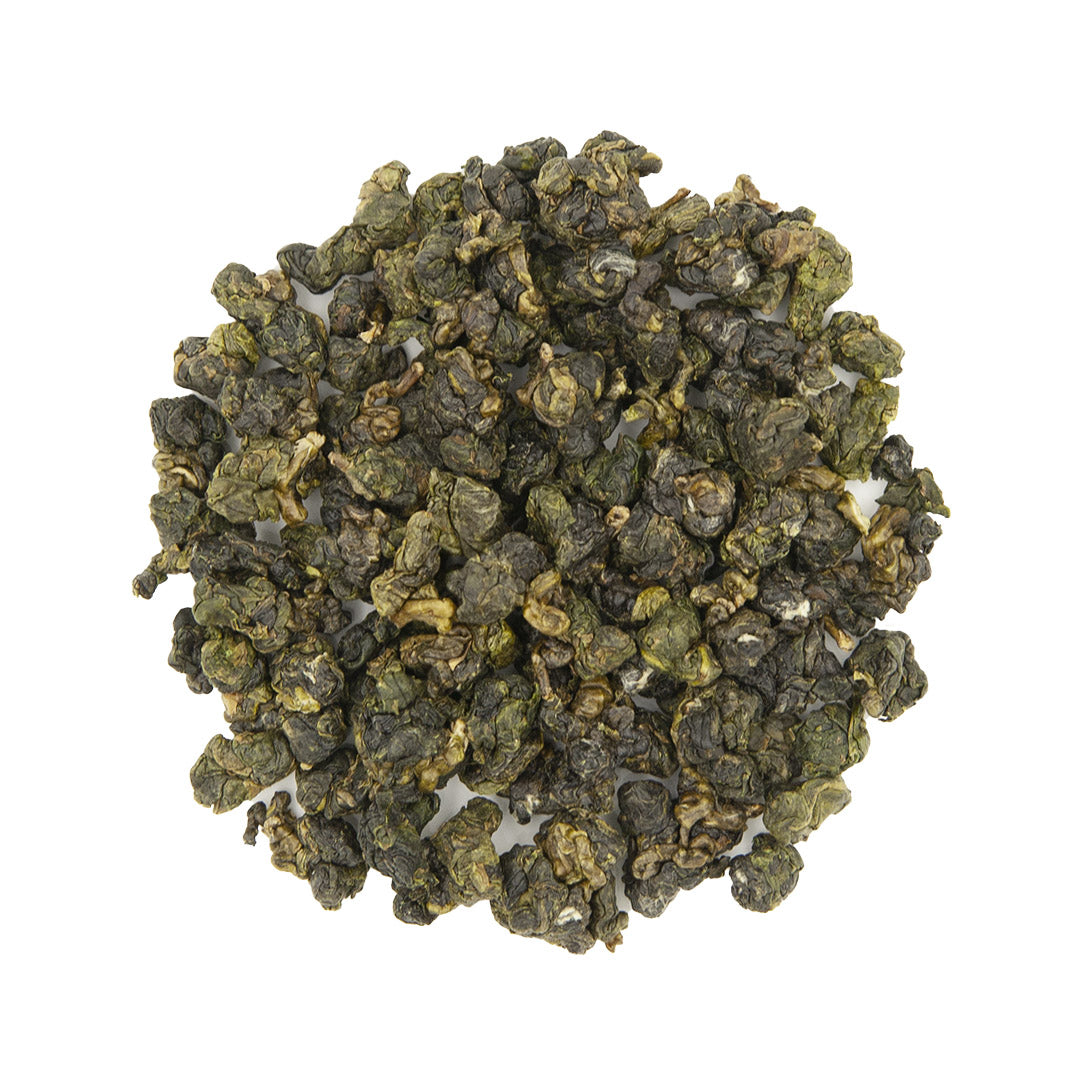
Branch out
Beyond Taiwanese Jin Xuan Tea
More in Coffee & Espresso
Stay in this world.

Hilo vs. Kona on Hawaiʻi Island

Coffee in Oʻahu, Hawaiʻi
Gaggia Classic Pro + Baratza Encore ESP Setup
Espresso Machines Under $500
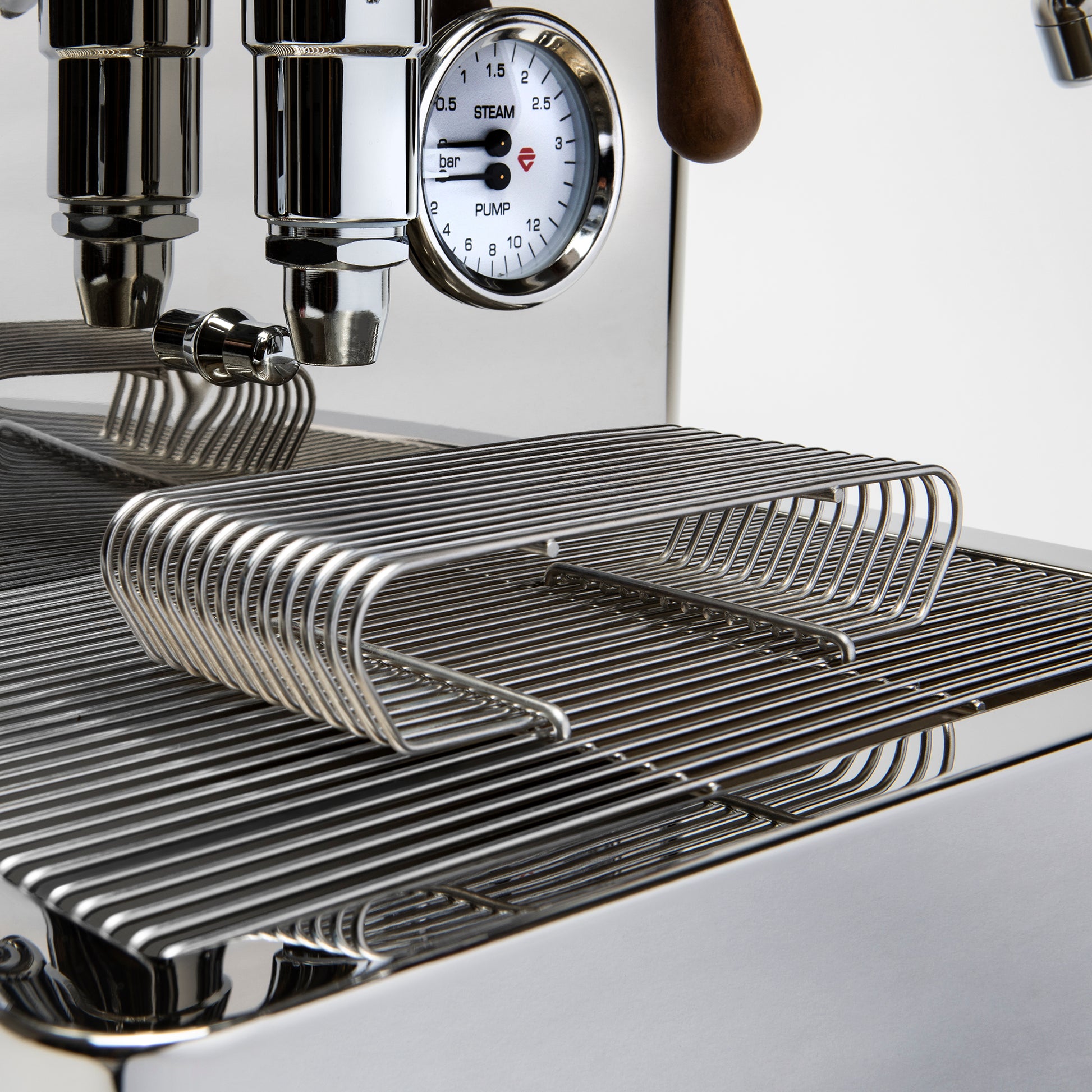
Lelit Bianca V3 Review

La Marzocco Linea Mini
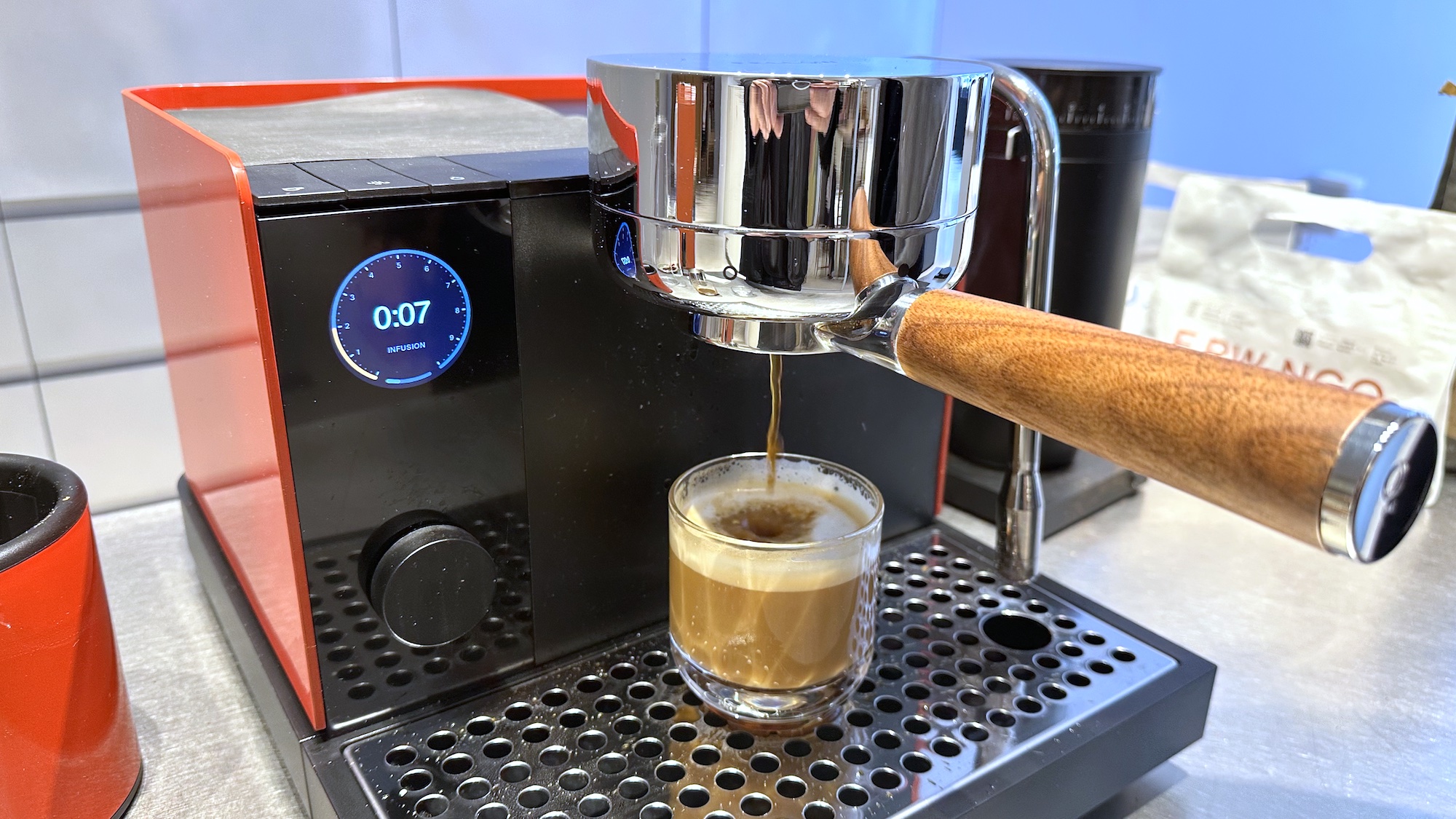
Home Espresso Machines
Espresso
Imagery
Know someone who’d love this?
Discovered by ArcurianAuto-generated from public sources and AI synthesis — it may be incomplete or inaccurate. Treat it as a starting point for your own exploration, not professional (medical, legal, financial, or safety) advice. Verify anything you act on. Report this page.