The under-$500 espresso category is where home espresso gets interesting: multiple guides now argue you can get a real pump-driven machine at this price, not just a toy, if you understand the compromises. The Breville Bambino sits right in the middle of that conversation at $299.95, while other roundups in this range emphasize how much results depend on grinder quality, puck prep, and whether you value speed, simplicity, or room to grow. The real split is not just brand versus brand, but appliance convenience versus home-barista technique. If this budget band hooks you, the fun starts when you stop asking “what’s the best machine?” and start asking “which trade-offs actually matter for the way I make espresso?”
Learn
How the Under-$500 Tier Really Breaks Down
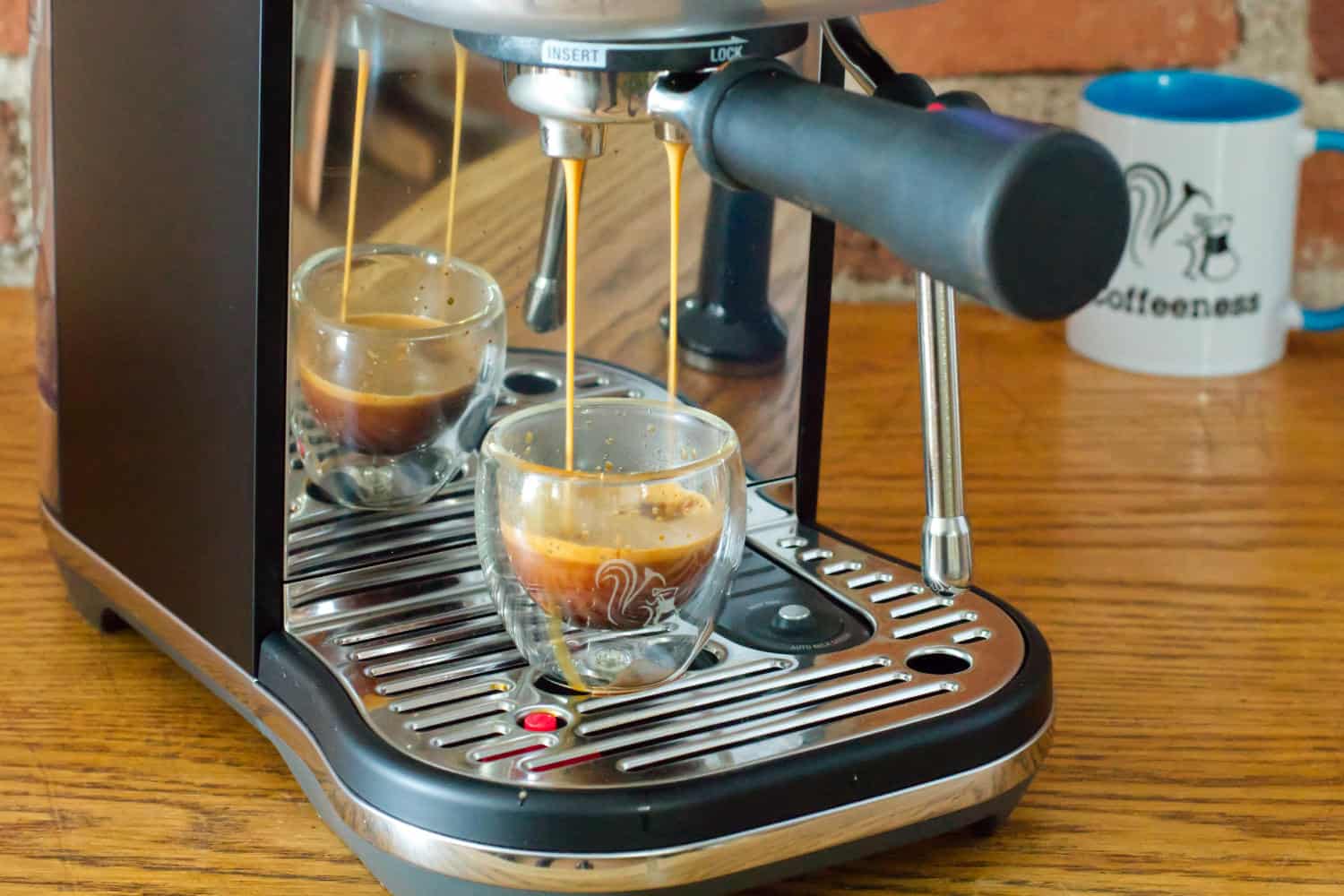
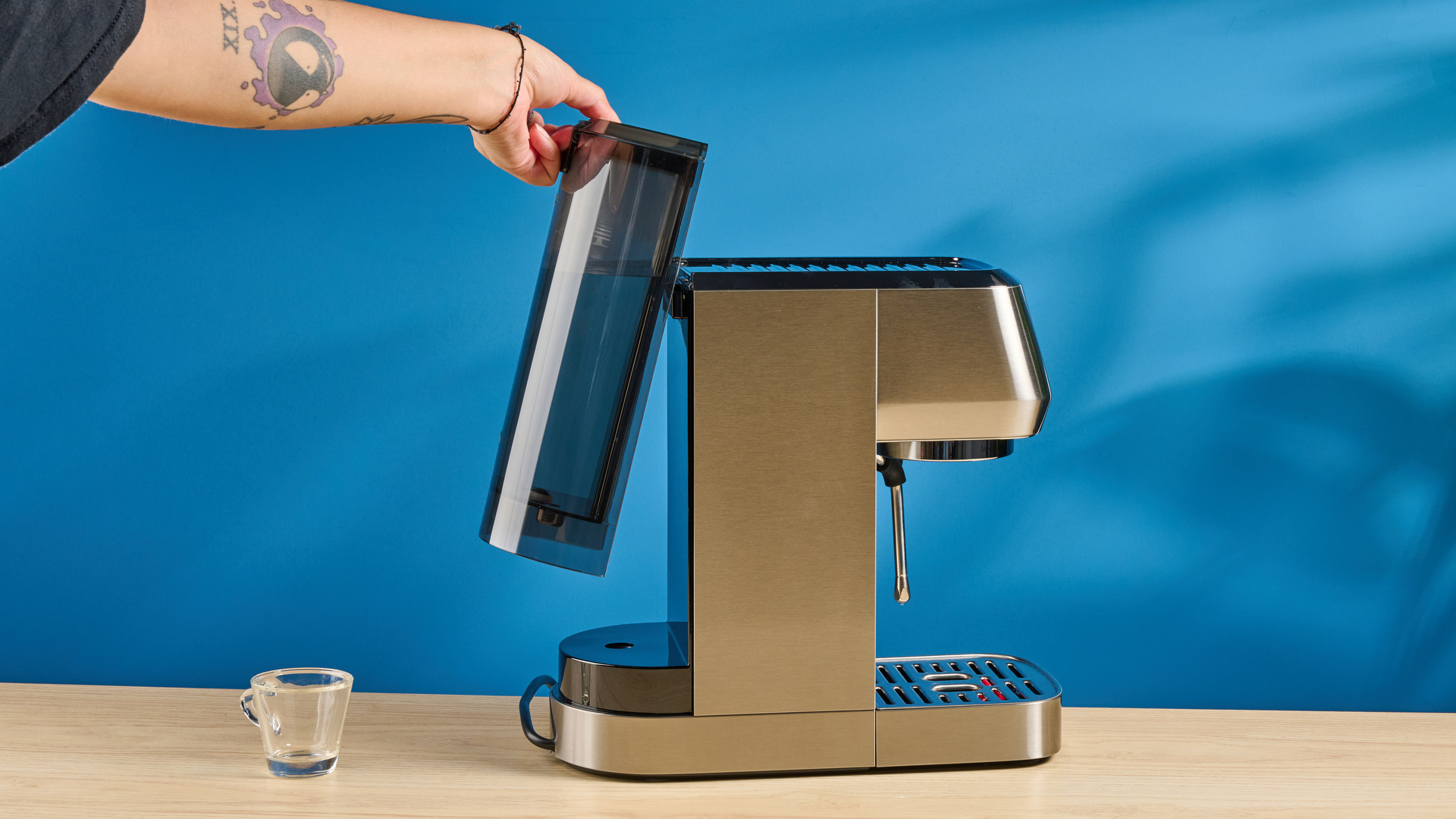
The under-$500 espresso machine tier splits into two distinct camps: the true budget entry point, represented by the De'Longhi Stilosa at around $100, and the serious starter tier occupied by the Breville Bambino Plus and Barista Express, which hover around $500 and $700 respectively, though the Barista Express frequently dips under $500 during sales. The $450 gap between the Stilosa and a machine like the Barista Express is not about espresso quality at the basket — both pull 15-bar shots — but about the grinder. The Stilosa has none, forcing you into pre-ground coffee or a separate grinder purchase, while the Barista Express bundles a conical burr grinder, a pressure gauge for learning, and a manual steam wand. The Bambino Plus, meanwhile, offers a three-second heat-up time via its ThermoJet system and an automatic steam wand that removes the milk-texturing learning curve entirely, making it the best pick for someone who wants decent espresso with minimal fuss. The real surprise is that the build quality and longevity diverge sharply: the Stilosa is mostly plastic and under 10 pounds, whereas the Breville machines are stainless steel and weigh over 20 pounds, meaning the cheaper machine may not survive a year of daily use while the Breville could last a decade.

 brewpathfinder.combrewpathfinder.com
 abt.comabt.com
+Field notes
- —The De'Longhi Stilosa has no built-in grinder, so your espresso quality is capped by pre-ground coffee unless you spend another $100–$150 on a separate burr grinder, erasing its price advantage.
- —The Breville Bambino Plus heats up in three seconds with its ThermoJet system, versus the Barista Express's 30-second thermocoil warm-up, making it the fastest path to a shot in the under-$500 class.
- —The Barista Express's built-in conical burr grinder has only 16 grind settings, which is a genuine limitation — as your skills improve, you'll likely want the finer control of a dedicated grinder like the Baratza Sette 270.
- —The Stilosa's steam wand is a panarello style, which injects air in a fixed pattern and produces coarse foam rather than the microfoam needed for latte art, while the Bambino Plus's auto-steam wand produces consistent microfoam with a single button press.
- —Both the Bambino Plus and Barista Express use Breville's proprietary 54mm portafilter, which means aftermarket accessories like precision baskets and tampers are less common than the industry-standard 58mm size used by the Rancilio Silvia.
- —The Stilosa weighs under 10 pounds and is mostly plastic, so it can walk across the counter during extraction and is unlikely to survive more than a couple of years of daily use, whereas the Barista Express's 23-pound stainless steel build suggests a much longer service life.
Learn
The Terms That Decide Whether a Cheap Machine Is Worth Buying
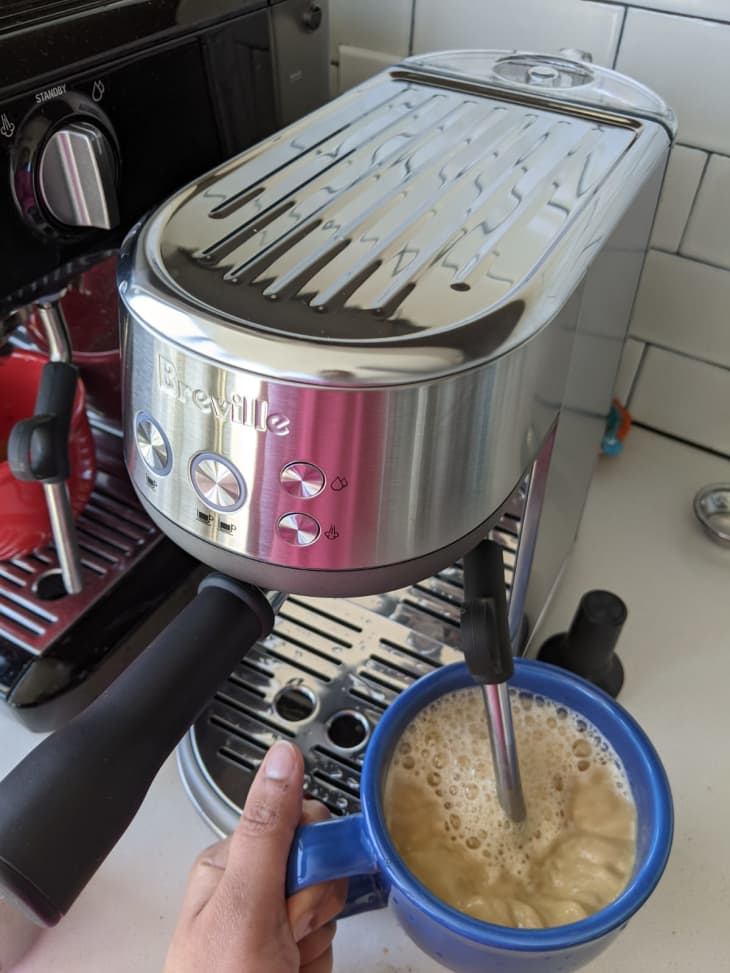
The path from tolerable to genuinely good espresso on a sub-$500 machine is paved by understanding three components most shoppers overlook: the portafilter basket, the over-pressure valve (OPV), and the temperature controller. Nearly every cheap machine ships with a pressurized (dual-wall) basket that fakes crema through a single pin-hole restriction, forgiving stale pre-ground coffee but capping shot quality hard. Upgrading to a non-pressurized single-wall basket, as found stock on the Gaggia Classic Pro, forces you to dial in grind, dose, and tamp—the real learning curve. Simultaneously, many machines leave the factory with the OPV set to 12–15 bar (well above the 9-bar sweet spot), causing channeling and harsh shots; adjusting it down is often the single most impactful mod you can make. Temperature stability is the third pillar: a PID controller, now appearing in budget machines like the Gaggia Espresso Evolution for under $250, holds brew temp to within a degree, while pressurestat-controlled machines oscillate wildly, especially when switching from steam to brew. Ignore any of these, and you’ll blame the wrong variable for a lifetime of sour or bitter shots.

 mikaeljasin.commikaeljasin.com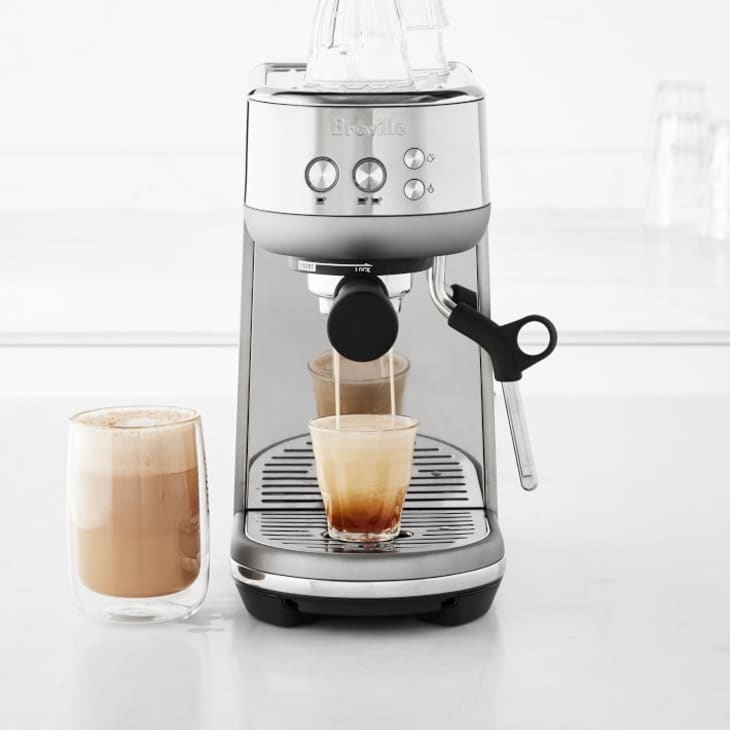
 coffeedant.comcoffeedant.com
+Field notes
- —The pressurized (dual-wall) basket found on every sub-$500 machine like the De'Longhi Dedica or Breville Barista Express creates artificial back-pressure through a single tiny hole, producing crema from any grind but hiding underextraction behind foam—it caps shot quality at 'drinkable' and prevents real learning.
- —A non-pressurized basket requires a fine grind (180–380 microns, like powdered sugar) and a proper tamp because it has no fake restriction—if your grinder can't produce consistent espresso-fine particles, you'll choke the shot or get gushers, which is why the real upgrade path starts with a decent burr grinder like the Timemore C3 ESP PRO.
- —Most Breville machines and many sub-$500 models leave the factory with the over-pressure valve (OPV) set to 12–15 bar, causing over-extraction and bitterness; adjusting it down to 9–10 bar widens the dial-in window and balances flavor, but requires opening the casing and using a pressure gauge, which can void the warranty.
- —A PID controller, now found in budget machines like the Gaggia Espresso Evolution EG2115 (under $250), stabilizes brew temperature to within a degree—unlike a pressurestat which oscillates in a jagged wave, especially noticeable when cooling from steam mode—making lighter roasts and repeatable shots possible at this price tier.
- —The 54mm portafilter on Breville machines (Barista Express, Bambino Plus) has a smaller upgrade ecosystem than the 58mm commercial standard used by Gaggia Classic Pro and Rancilio Silvia—precision baskets from VST, IMS, or Pullman are harder to find for 54mm, so your upgrade ceiling is lower out of the box.
- —On the Gaggia Espresso Evolution, you can remove the pannarello steam wand sleeve to expose a single-hole tip, mimicking a proper steam wand for microfoam without buying a new machine—a trick that many owners of pressurized-basket machines miss.
Discover
YouTube Reviews That Show Workflow, Not Just Specs

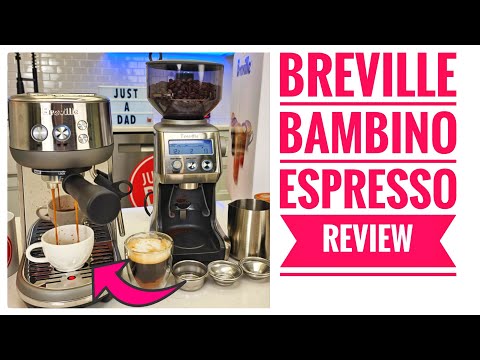
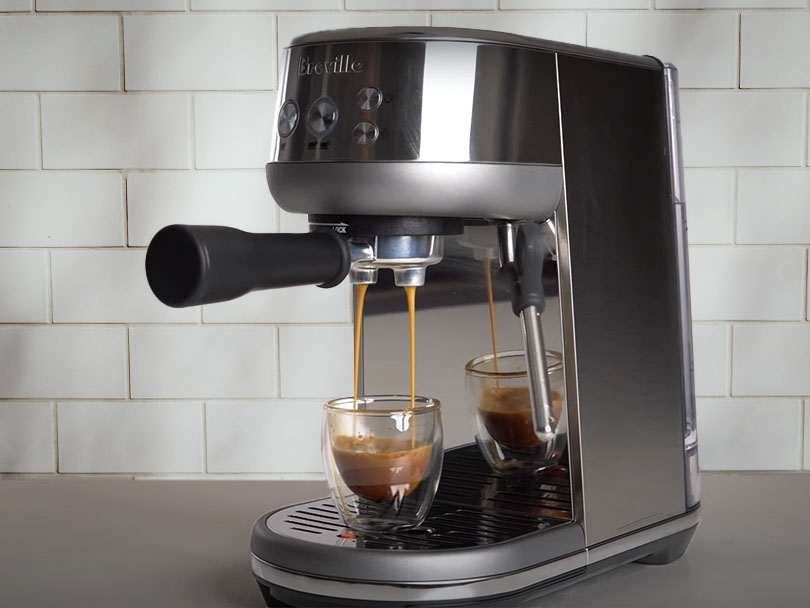
YouTube reviews of the Breville Bambino and Bambino Plus that focus on workflow — not just spec sheets — reveal that the real value of these sub-$500 machines lies in their surprising speed and forgiveness. The 3-second thermojet heat-up is a game-changer for morning routines, eliminating the anxious wait most home machines require. Both the Bambino and Bambino Plus include a low-pressure pre-infusion that gently wets the puck before full extraction, making them unusually tolerant of grind and tamping errors — a massive win for beginners dialing in their first real espresso. Lance Hedrick’s deep-dive uncovered a hidden temperature quirk: the Bambino Plus runs cooler than ideal for light roasts, nudging users toward medium-to-dark beans for balanced shots, a nuance you’d never guess from the product page. Meanwhile, the automatic milk frothing on the Plus, as demonstrated by Tom’s Coffee Corner and Home Barista Corner, produces genuinely decent microfoam without requiring the barista skill of manual wand technique. For anyone under $500, the Bambino line isn’t just an entry point; it’s a practical, repeatable daily driver.
+Field notes
- —The Bambino’s thermojet heating system reaches brew temperature in about 3 seconds, so you can pull a shot almost instantly after turning it on — no lengthy warm-up ritual.
- —Lance Hedrick discovered that the Bambino Plus runs at a lower brew temperature than many specialty coffee recommendations, making it better suited for medium-to-dark roasts; light roasts may taste sour or under-extracted.
- —Both the Bambino and Bambino Plus include automatic low-pressure pre-infusion, which gradually wets the coffee puck before ramping to full pressure — this feature forgives inconsistent tamping and grind size.
- —The Bambino Plus’s automatic steam wand (with the milk jug sensor) produces consistent microfoam for latte art with minimal user input, whereas the standard Bambino’s manual wand offers more control but requires practice.
- —Seattle Coffee Gear’s crew review notes that the standard Bambino lacks the auto milk sensor but includes a hot water spout, making it slightly more versatile for Americanos or tea without steaming.
Discover
Writers Comparing Real-World Picks and Budget Setups
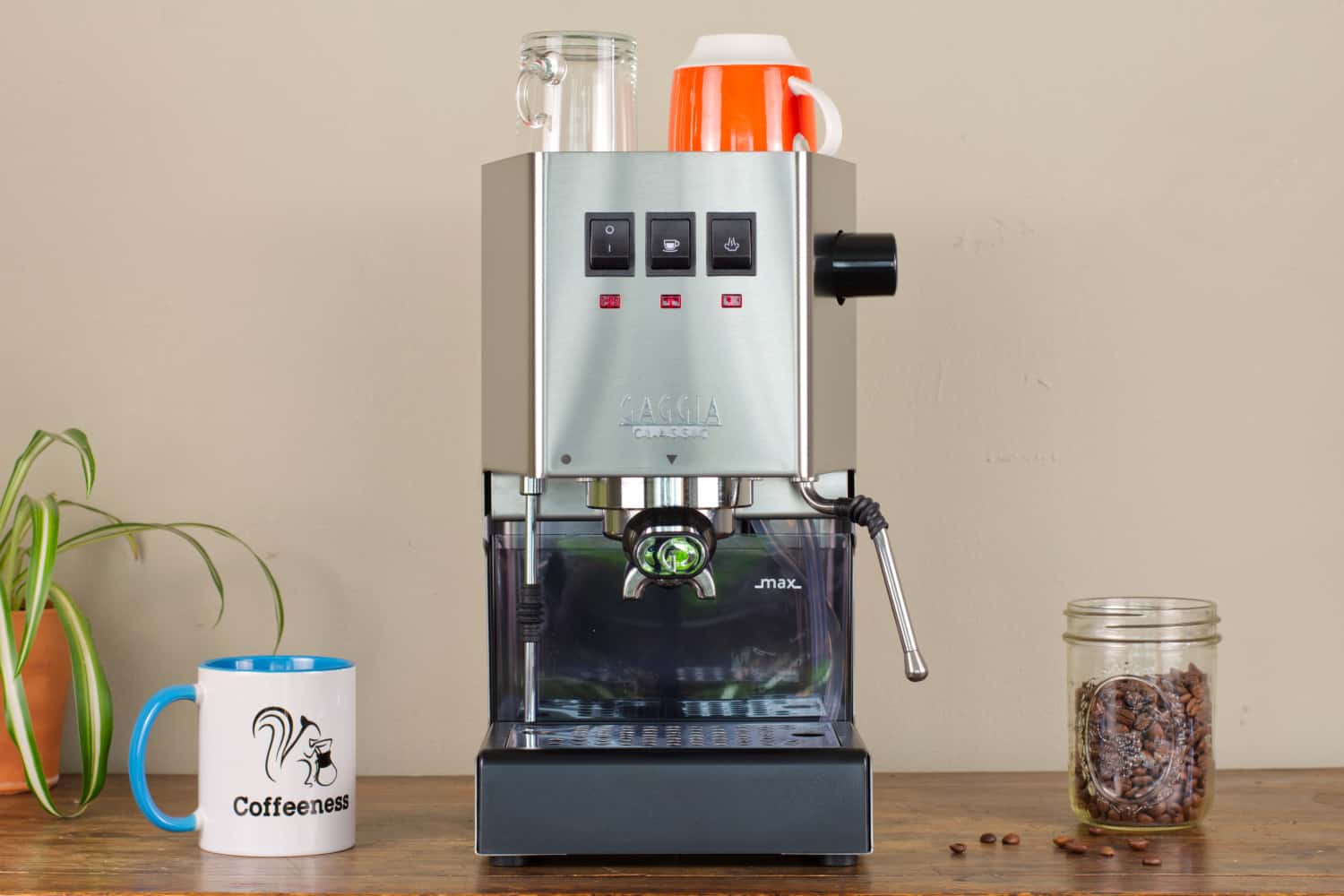
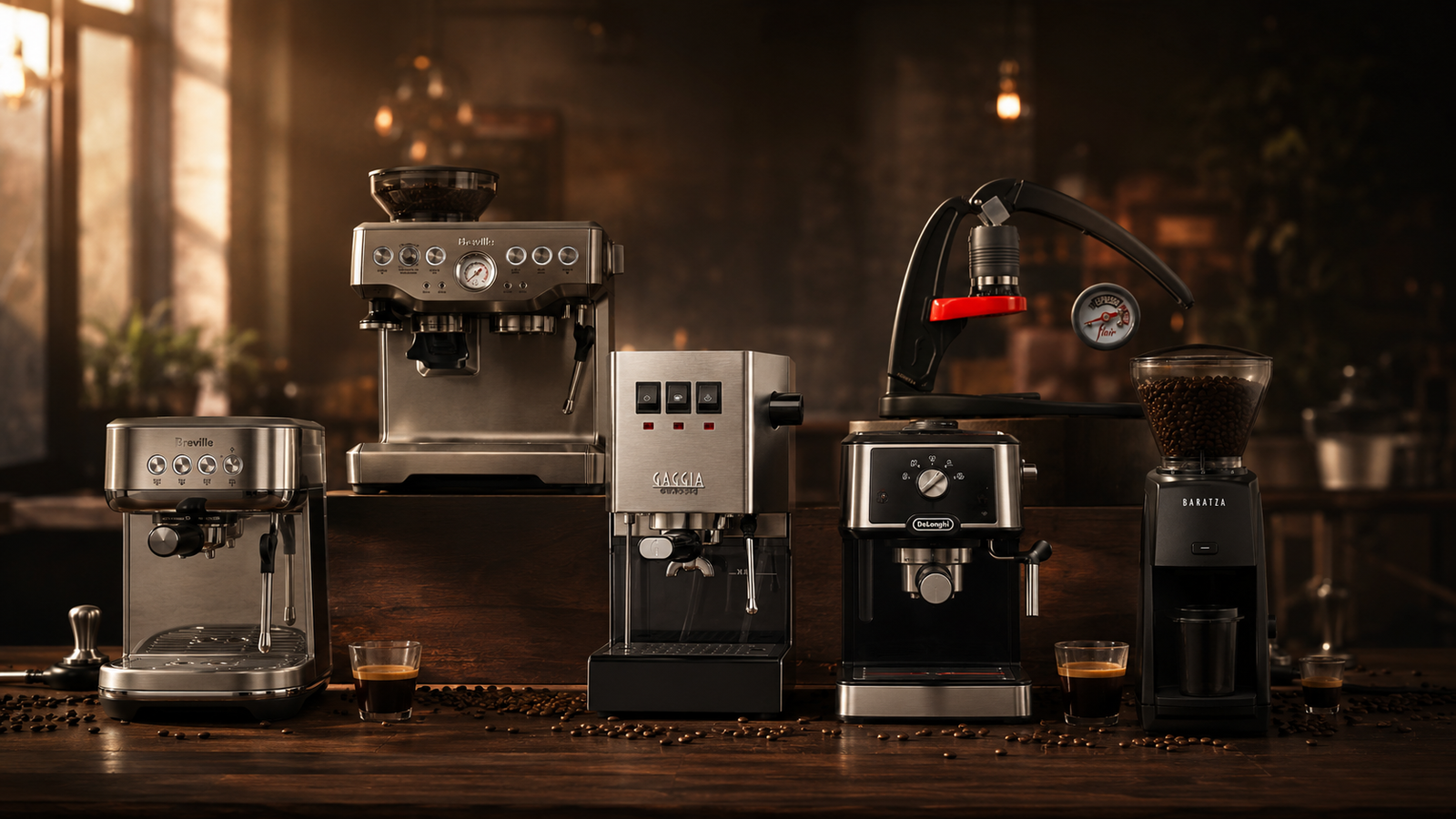

The under-$500 espresso machine market is less about picking a single winning machine and more about solving a dilemma that veteran home baristas constantly warn newcomers about: the grinder comes first. The top community consensus, echoed across enthusiast forums and buyer guides, is that spending roughly half your budget on a quality burr grinder—like the Baratza Encore ESP or a hand grinder such as the 1Zpresso JX-Pro—matters more than the machine itself. At this price point, the smartest setups pair a capable but affordable machine (the Breville Bambino Plus, Gaggia Classic Pro, or De'Longhi Dedica) with a dedicated grinder, rather than blowing the whole budget on a single all-in-one unit with a built-in grinder that often underperforms. The Bambino Plus emerges as a perennial favorite not because it's flashy, but because its thermocoil heating, automatic steam wand, and consistent shot quality make it genuinely easy to use—a rare combination under $500.
+Field notes
- —The single most common piece of advice in the r/espresso community when someone asks about a machine under $500 is 'buy a good grinder first'—the second-highest reply in one 142-comment thread bluntly stated that even the nicest machine paired with a trash grinder will produce bad espresso.
- —The Breville Bambino Plus ($350-$400) is widely considered the best machine under $500 because its thermocoil heating system (not a cheaper thermoblock) reaches brew temperature in three seconds, and its automatic steam wand offers nine temperature and foam settings, producing microfoam good enough for latte art.
- —For a total setup under $500, the most commonly recommended combo is the Gaggia Classic Pro (often on sale around $380) paired with a hand grinder like the Timemore C2 ($69), totaling roughly $449—this gives you a commercial-style 58mm portafilter and enough grind adjustment to actually dial in shots.
- —The De'Longhi Dedica ($179) is the slimmest espresso machine on the market at 6 inches wide, and when paired with a Baratza Encore grinder ($169) for around $348 total, it creates a forgiving starter setup because its pressurized dual-wall baskets compensate for grind inconsistency.
- —A $500 budget is considered the 'sweet spot' because it breaks the deadlock of cheaper $300 setups—at this level you get both a machine with thermocoil or small boiler heating (instead of a thermoblock) and a hand grinder with 200+ adjustment steps, enabling real espresso with non-pressurized baskets and steam wands capable of microfoam.
Learn
Where Home Baristas Debate Value, Mods, and Upgrade Paths
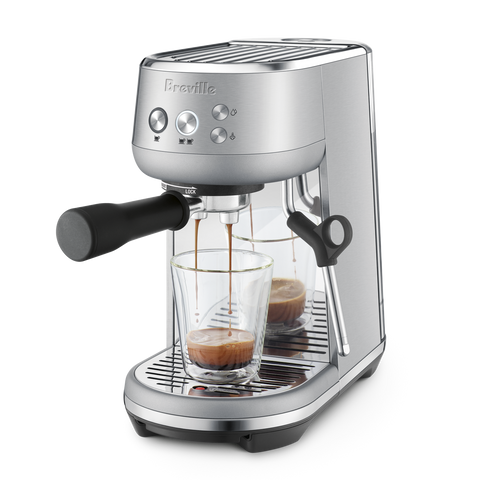
Two machines dominate the sub-$500 espresso conversation: the Breville/Sage Bambino Plus and the Gaggia Classic Pro. They represent opposed design philosophies. The Bambino Plus is a convenience-first appliance: it heats up in 3 seconds via a Thermojet system, features PID temperature control for shot-to-shot consistency, and includes an automatic milk frother that produces decent microfoam without skill. The Gaggia Classic Pro is a simplified commercial machine: a 58mm portafilter (same size as cafe equipment), a brass boiler, a manual steam wand, and an all-metal body built to last 15–20 years with easy DIY serviceability and a huge aftermarket for modifications. Both require a separate burr grinder — and the espresso community's hardest rule, repeated across every thread, is to budget at least $150–200 for a grinder, because a cheap grinder ruins even the best machine. The real choice isn't which machine is better; it's whether you want immediate, repeatable lattes with a low ceiling, or a machine that forces you to learn real technique and grows with you over years.
 brewpathfinder.combrewpathfinder.com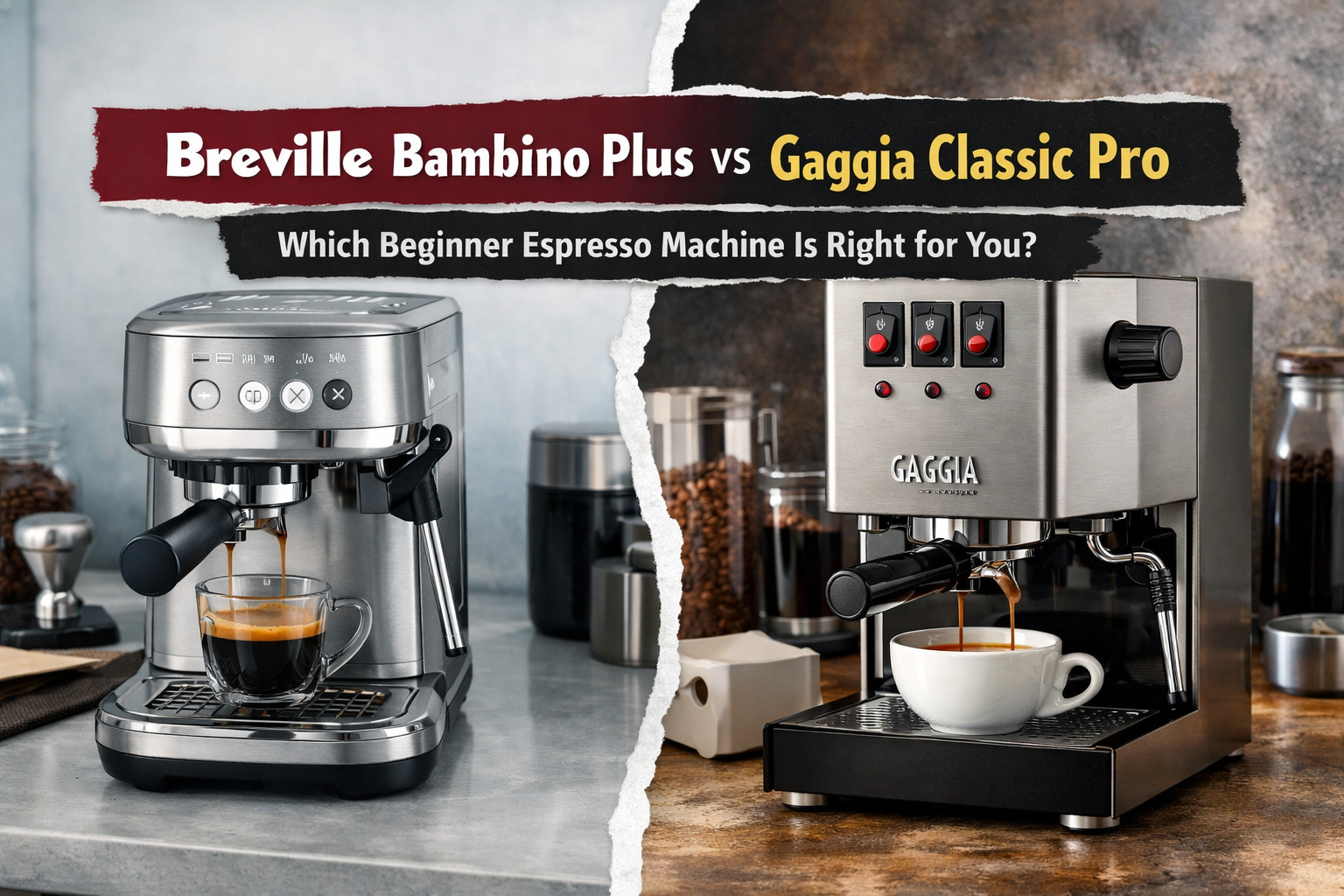
 coffeegearhub.comcoffeegearhub.com
+Field notes
- —The Bambino Plus's 3-second heat-up and PID (proportional-integral-derivative) controller deliver temperature stability that normally costs much more, but its 54mm portafilter is proprietary — you cannot use standard 58mm accessories, limiting upgrade options to aftermarket baskets and bottomless portafilters made specifically for that size.
- —The Gaggia Classic Pro ships with an over-pressure valve (OPV) set at about 12 bar; many owners immediately adjust it down to 9 bar for proper extraction, and its lack of factory PID means you either 'temperature surf' (waiting for the boiler cycling to hit the right window) or install an aftermarket PID kit — both common DIY projects in the Gaggia modding community.
- —The single most upvoted advice in a 142-comment thread about sub-$500 setups was four words: 'Buy a good grinder first.' The second-highest reply was 'You can have the nicest espresso machine and a trash grinder and have bad espresso' — an almost universal consensus across espresso forums.
- —At $540, the Breville Bambino Plus paired with a Timemore Chestnut C2 hand grinder is the best combo under $600 that stays under that ceiling; at $649, the Gaggia Classic Pro plus Baratza Encore ESP is considered the best value under $1,000 because the Gaggia's 58mm format and mod-friendly design let it improve over years while the grinder is a long-term keeper.
- —The Bambino Plus includes pre-infusion (a gradual pressure ramp before full extraction) that normally appears on machines costing twice as much; this makes shots far more forgiving of grind inconsistencies, effectively absorbing small dial-in errors that would cause channelling on a Gaggia.
Explore
Spend Less on the Machine, More Carefully on the Setup
The most surprising thing about building an espresso setup under $500 is that the grinder matters more than the machine. Nearly every beginner puts 80% of their budget toward the machine, but grind consistency is what determines whether you get balanced extraction or a sour-bitter mess. The sweet spot is roughly 50/50. The Breville Bambino Plus paired with a Timemore C3 ESP PRO hand grinder ($80) is the strongest complete combo under $500, thanks to PID temperature control, 9-bar pressure, and an automatic steam wand that produces microfoam. If you want to learn real technique and are fine with a manual steam wand, the Gaggia Classic Pro with the same hand grinder will outlast cheaper machines by a decade and has a huge modding community. The absolute budget entry is the De'Longhi Dedica with a Baratza Encore ESP, which gets you genuine espresso quality while you decide if upgrading is worth it. What really separates good from great at this price isn't a more expensive machine—it's a $15 WDT tool (0.3mm needles) to break up grinder clumps and a $30 scale that reads to 0.1g. Those two accessories fix the majority of consistency problems in any home setup, regardless of the machine.

 espressoadvice.comespressoadvice.com
:max_bytes(150000):strip_icc()/sea-espresso-machines-july-24-test-breville-bambino-plus-plus-nsimpson-568-cfe6029f6fa546d7b9021ea94af3f09d.jpeg)
 completehomebarista.comcompletehomebarista.com
:max_bytes(150000):strip_icc()/sea-espresso-machines-test-breville-barista-touch-impress-nsimpson-179-c2023f6713764cbcaecbff438b5e390e.jpeg) completehomebarista.comcompletehomebarista.com
completehomebarista.comcompletehomebarista.com:max_bytes(150000):strip_icc()/sea-espresso-machines-test-feb-25-breville-dual-boiler-espresso-machine-rkilgore-453-2d907f4d09db43efa48d10046cfb1caf.jpeg)
+Field notes
- —The most predictable cause of disappointing home espresso is putting 80% of the budget into the machine and 20% into the grinder; the practical rule is roughly 50/50 split.
- —The Breville Bambino Plus ($485) paired with a Timemore Chestnut C2 ($55) totals $540 and delivers PID temperature control, 9-bar extraction, and automatic milk frothing—the best sub-$600 combo tested hands-on.
- —A $15–25 WDT tool with 0.3mm needles reduces channeling frequency by approximately 60% according to Home-Barista community testing, fixing clumps that even a $500 grinder throws in low humidity.
- —The Gaggia Classic Pro ($250) uses a commercial 58mm group head and single boiler with excellent upgrade potential; at year three paired with a Baratza Encore ESP it pulls better espresso than any all-in-one under $800.
- —Stock accessories that ship with most home machines are fine for the first week—after that, a plastic tamper and no scale produce shot times varying by 10 seconds on the same beans; a $30 scale reading to 0.1g is non-negotiable.
- —For around $200–250 total, a Flair Neo or Classic lever machine with a Kingrinder K4 manual grinder delivers tasty espresso with no heating element or pump—you just heat your own water.
Keep exploring
More of Espresso Machines Under $500
Branch out
Beyond Espresso Machines Under $500
More to explore
In the same world.
Home Espresso Machines
Home espresso machines sit at the intersection of coffee craft, kitchen design, and equipment obsession: they promise ca…
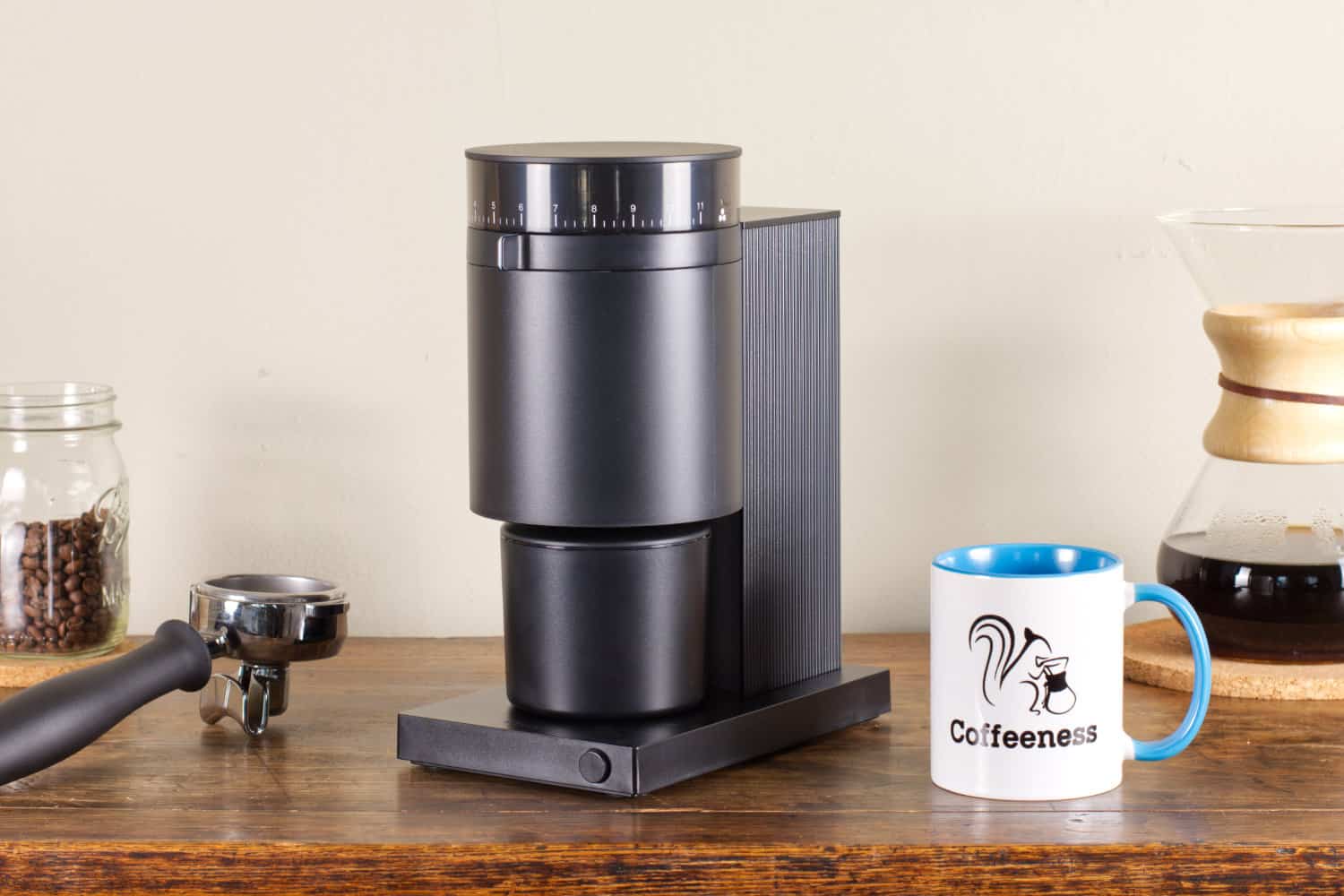
Gaggia Classic Pro + Baratza Encore ESP Setup
This setup pairs the Gaggia Classic Pro, a manual home espresso machine, with the Baratza Encore ESP, a grinder position…

La Marzocco Linea Mini
The La Marzocco Linea Mini is a home espresso machine built as a kitchen-scaled take on the brand’s Linea Classic, with…
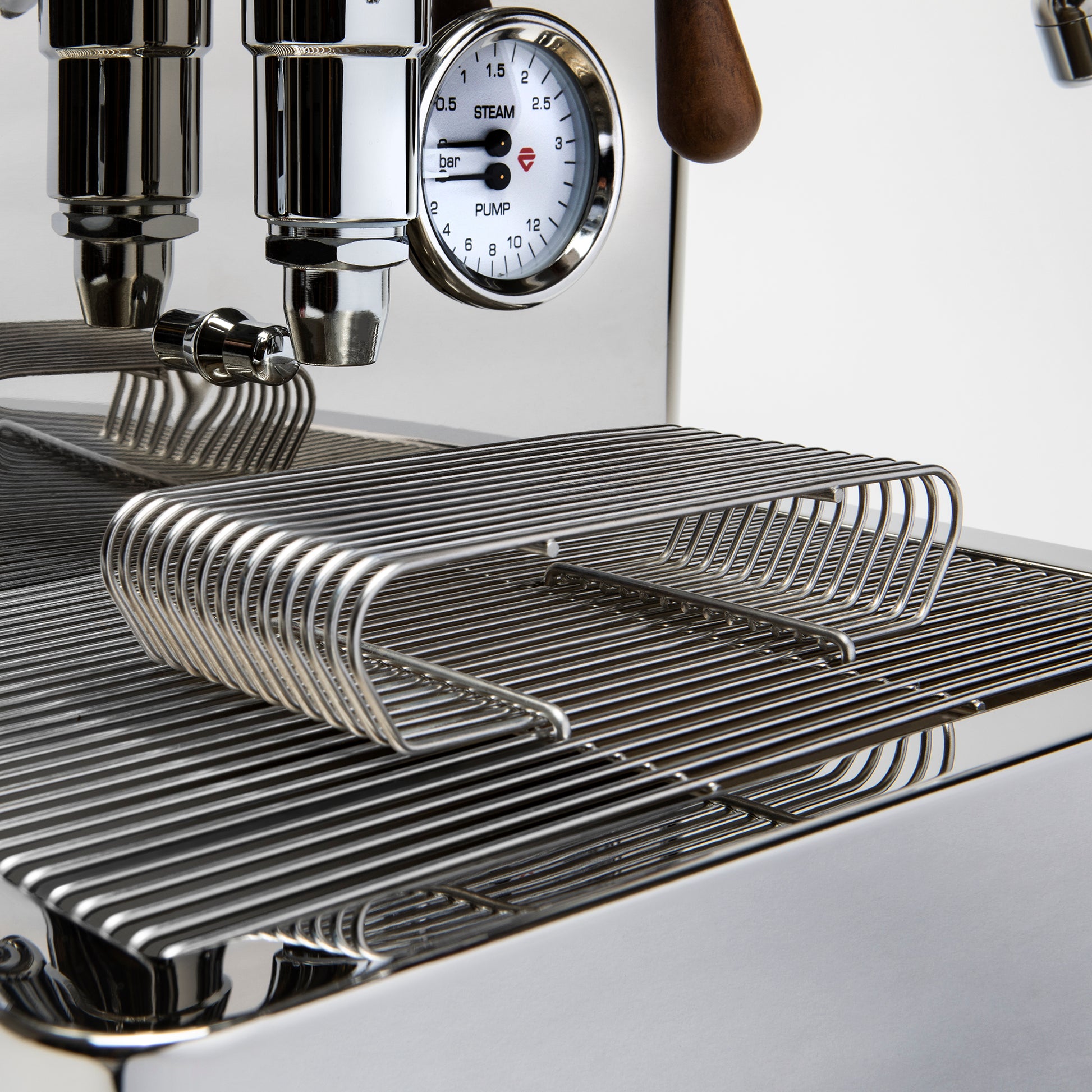
Lelit Bianca V3 Review
The Lelit Bianca V3 is a prosumer dual-boiler espresso machine that keeps showing up in serious home-barista conversatio…
Espresso
Espresso is a concentrated coffee drink made by forcing hot water under high pressure through finely ground coffee, a me…

Affordable Watches Under $500 That Still Feel Like the Real Thing
At the sub-$500 mark, watch buyers are not just chasing low prices—they are looking for the point where finishing, relia…
Affordable Microbrand Watches
Affordable microbrand watches are independently made watches sold outside the traditional luxury-brand system, with enth…

Japanese Whisky Under $200
Shopping Japanese whisky below $200 means navigating two different pleasures at once: the appeal of Japanese craftsmansh…
More in Coffee & Espresso
Stay in this world.
Hilo vs. Kona on Hawaiʻi Island

Coffee in Oʻahu, Hawaiʻi
Taiwanese Jin Xuan Tea
Gaggia Classic Pro + Baratza Encore ESP Setup
Lelit Bianca V3 Review
La Marzocco Linea Mini
Home Espresso Machines
Espresso
Imagery
Know someone who’d love this?
Discovered by ArcurianAuto-generated from public sources and AI synthesis — it may be incomplete or inaccurate. Treat it as a starting point for your own exploration, not professional (medical, legal, financial, or safety) advice. Verify anything you act on. Report this page.