The Lelit Bianca V3 is a prosumer dual-boiler espresso machine that keeps showing up in serious home-barista conversations because it offers features usually associated with much pricier machines. Across reviews, the recurring specifics are its manual flow-control paddle, quiet rotary pump, PID-driven temperature control, and reputation for bringing extra clarity out of lighter-roast espresso. Pricing in the sources generally places it around the mid-$2,000s to about $3,000, which is exactly why so many reviews frame it as a value play against more boutique flagship machines. What makes the Bianca interesting is not just whether it is "good," but whether you actually want the kind of hands-on pressure and flow profiling that turns espresso into a craft project as much as a daily appliance.
Learn
What Reviewers Actually Agree On About the Bianca
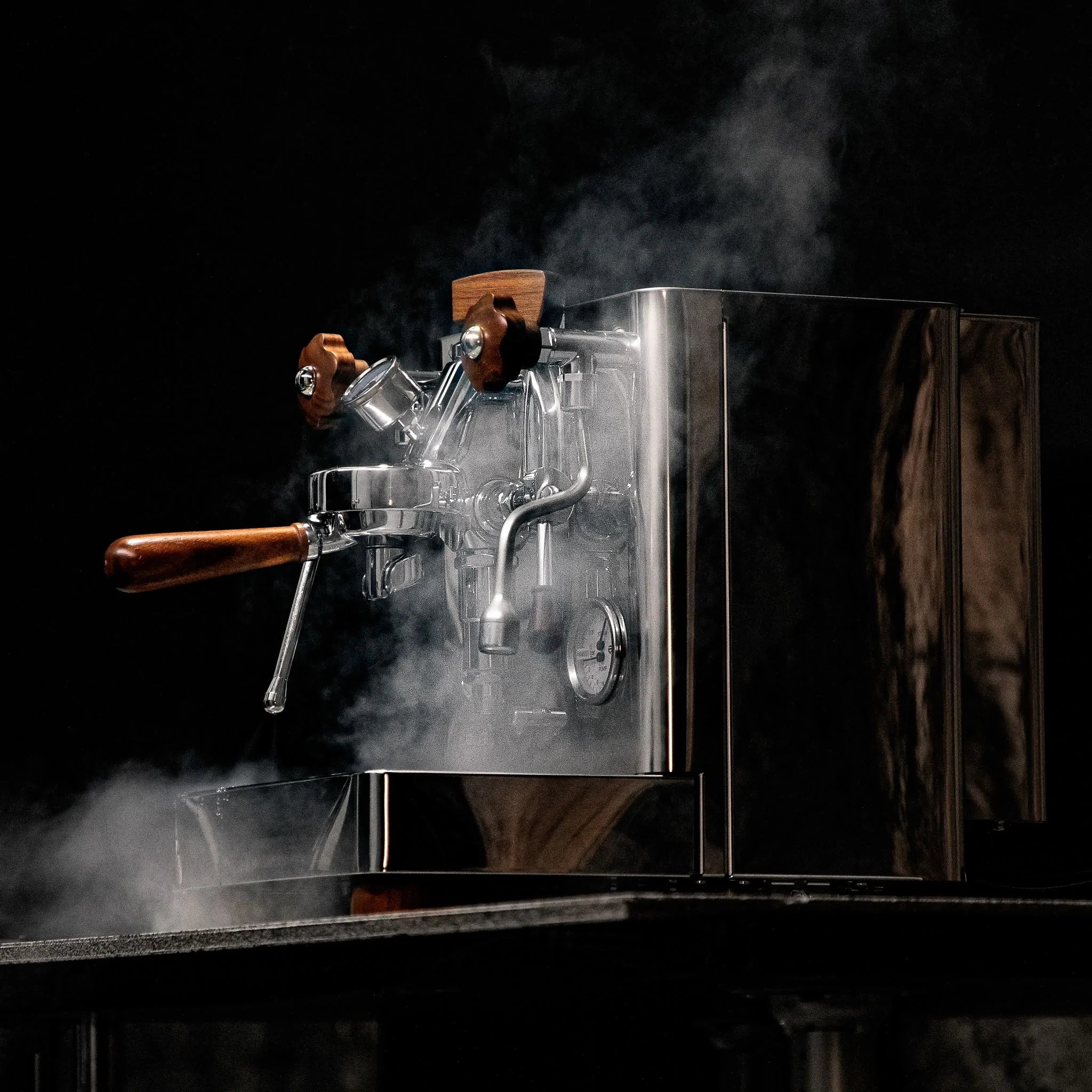
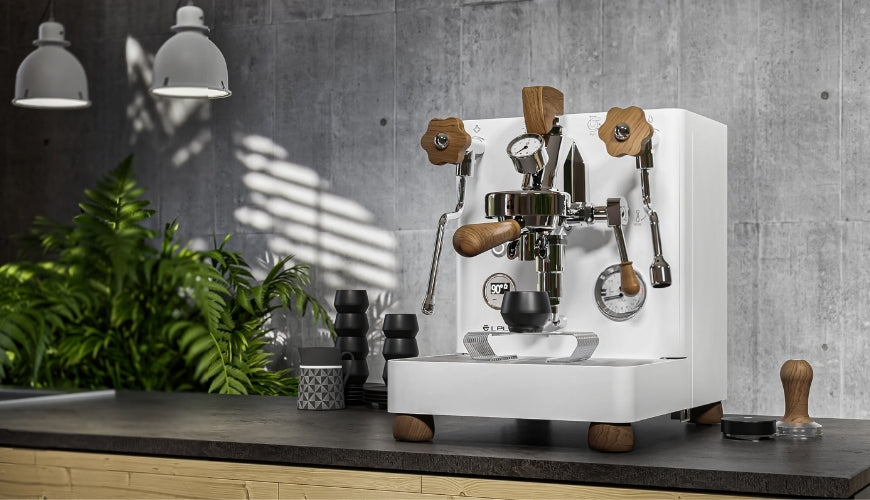
Across reviews from multiple enthusiasts and specialists, the Lelit Bianca V3 (model PL162T) earns consistent praise for delivering commercial-level espresso control at a price that undercuts heavyweights like the La Marzocco GS3 or Slayer. Reviewers agree its defining feature is the manual flow control paddle, which lets you profile pressure in real time—a capability that, combined with dual independent PID-controlled boilers (0.8L brew, 1.5L steam) and a quiet rotary pump, makes it a genuine tool for experimentation. The consensus is that the V3 iteration, released in 2022, fixed key V2 annoyances: a clearer water level gauge, a more readable PID display, and smoother pre-infusion plumbing. Owners say the machine rewards you with cafe-quality shots, especially with light roasts, but they also uniformly warn about the 20–25 minute heat-up time for the E61 group head to stabilize and the lack of memory for saved shot profiles. Nearly every source calls it a ‘tank’ at roughly 60 lbs (27 kg) with a large footprint, but they agree the build quality—brushed stainless steel, walnut wood accents, no-burn steam wand—justifies the premium feel. The bottom line: reviewers see the Bianca V3 as an ‘endgame’ home machine for those who want total control and are willing to learn, but not for someone who wants quick, repeatable push-button shots.
 home-barista.comhome-barista.com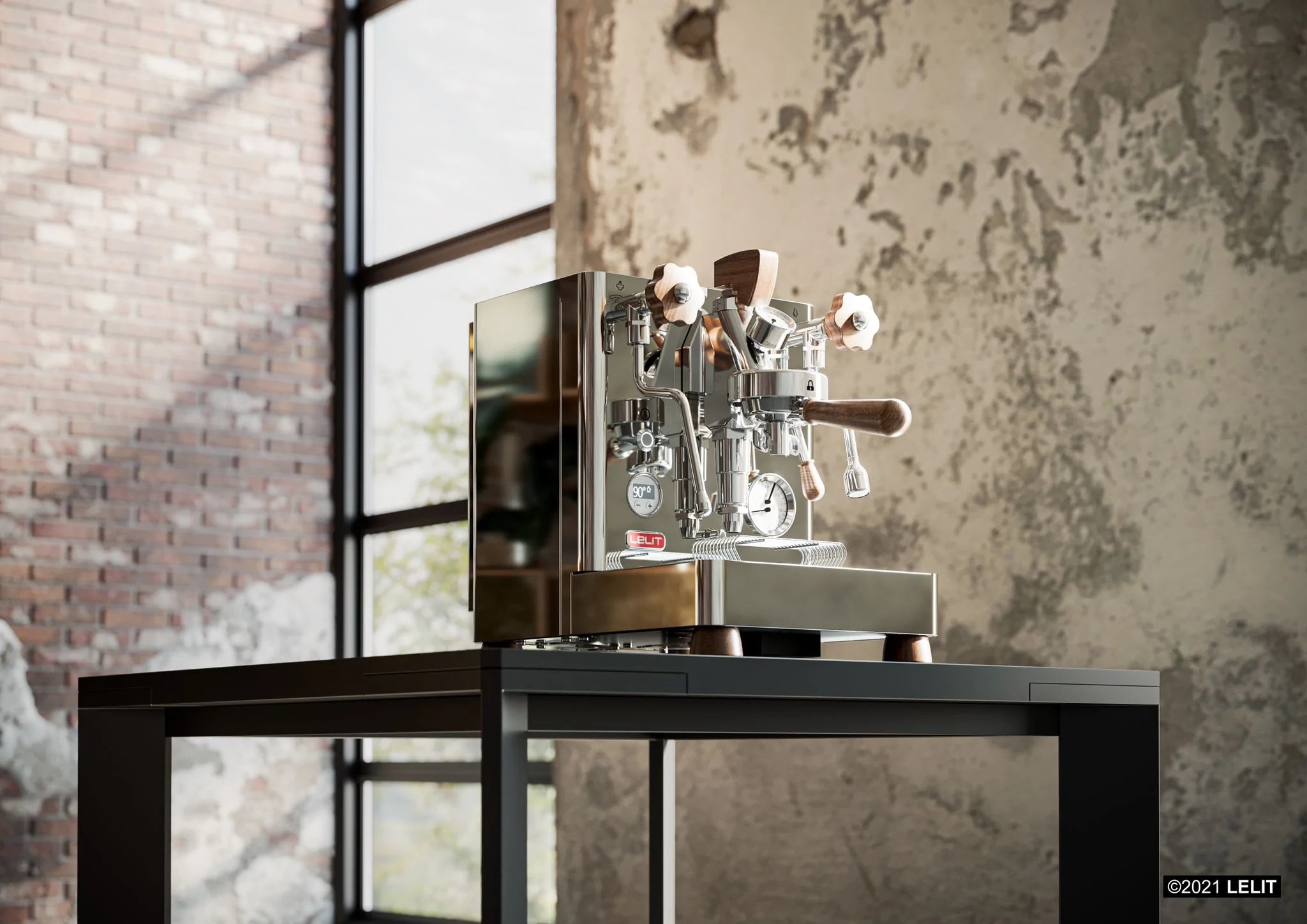
 coffeekev.comcoffeekev.com
+Field notes
- —The Bianca V3’s flow control paddle lets you manually profile pressure throughout the shot, a feature reviewers say is rare at its price point and directly comparable to machines costing double or triple, like the La Marzocco GS3 or Slayer.
- —Every reviewer notes the 20–25 minute heat-up time is necessary for the E61 group head to fully stabilize, making it less convenient for quick, on-demand shots compared to machines with saturated groups.
- —A common frustration across sources: there is no memory to save flow or pre-infusion profiles, so each shot must be manually dialed in from scratch—great for experimentation, not for repeatability.
- —The V3 improved over the V2 with a more visible water level gauge, a cleaner PID display readable from the side, and revised internals that reduce turbulence during pre-infusion for better consistency.
- —Reviewers agree the Bianca V3 is heavy (around 60 lbs / 27 kg) and large (~16 inches deep), requiring a dedicated counter space, but the rotary pump makes it noticeably quieter than vibratory-pump machines like the Rocket Appartamento.
- —Built-in energy-saving modes—Always On, Standby, Sleep, and Eco Mode—are highlighted as a thoughtful touch, allowing owners to balance convenience with power consumption without unplugging the machine.
Learn
The Bianca Terms That Matter Before You Buy
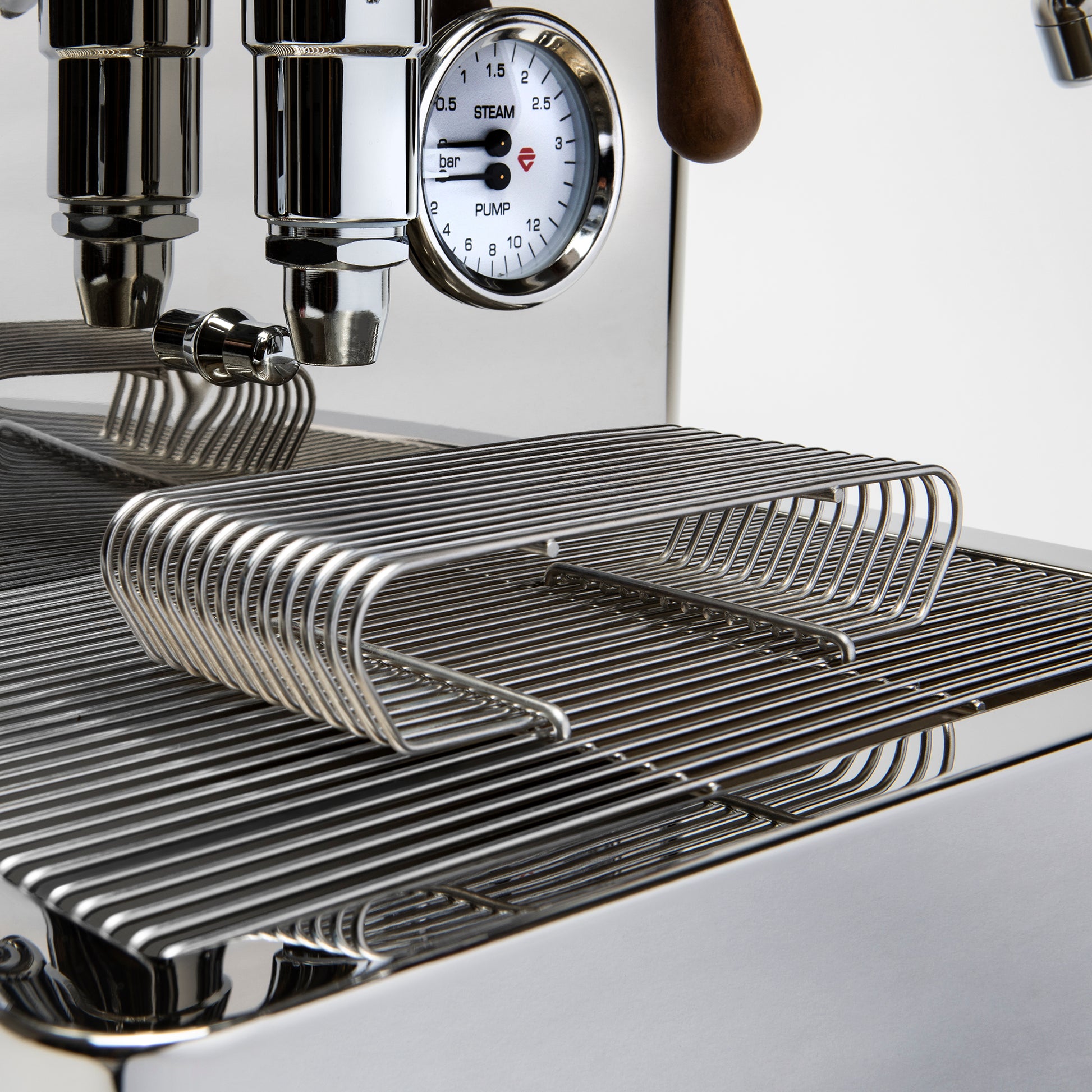
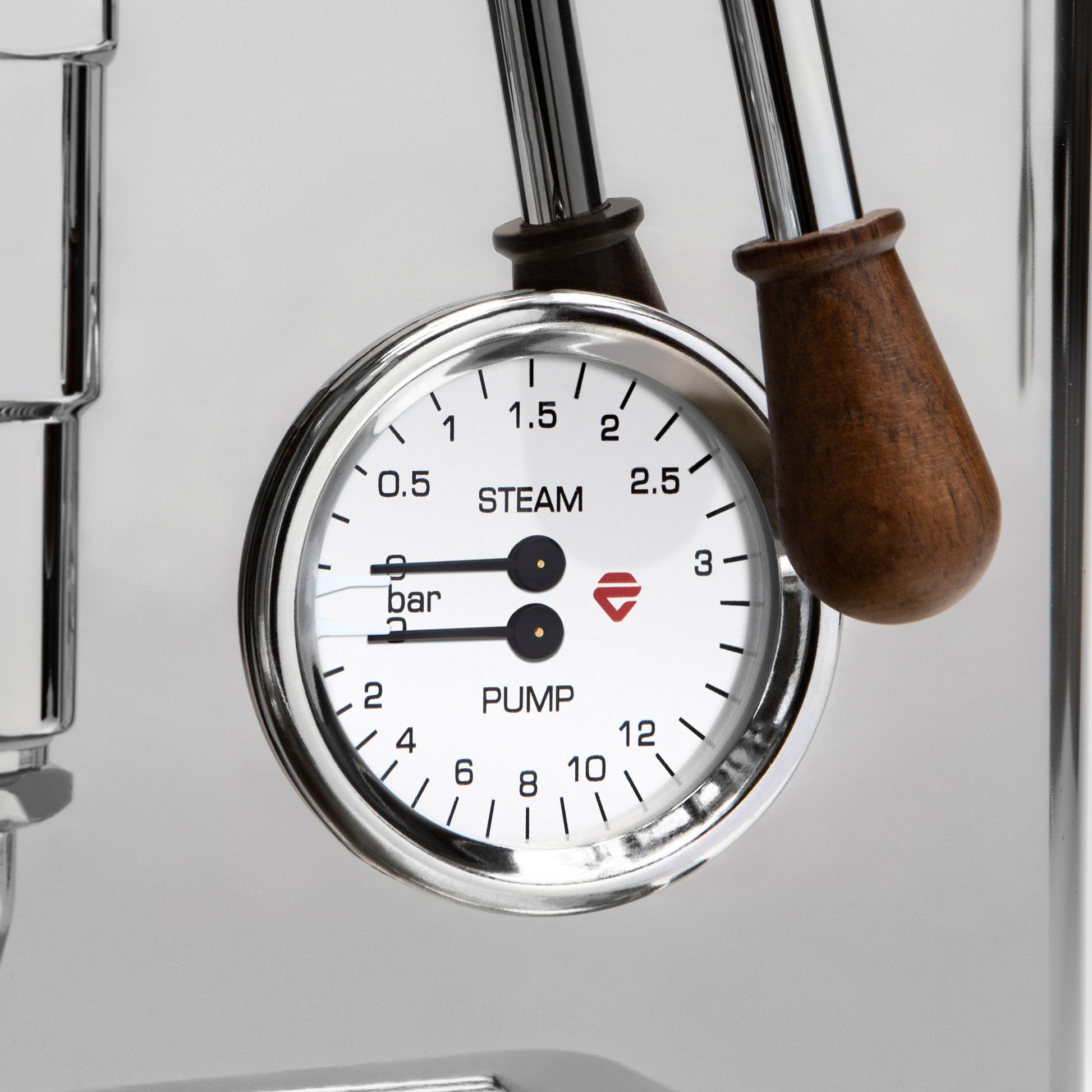
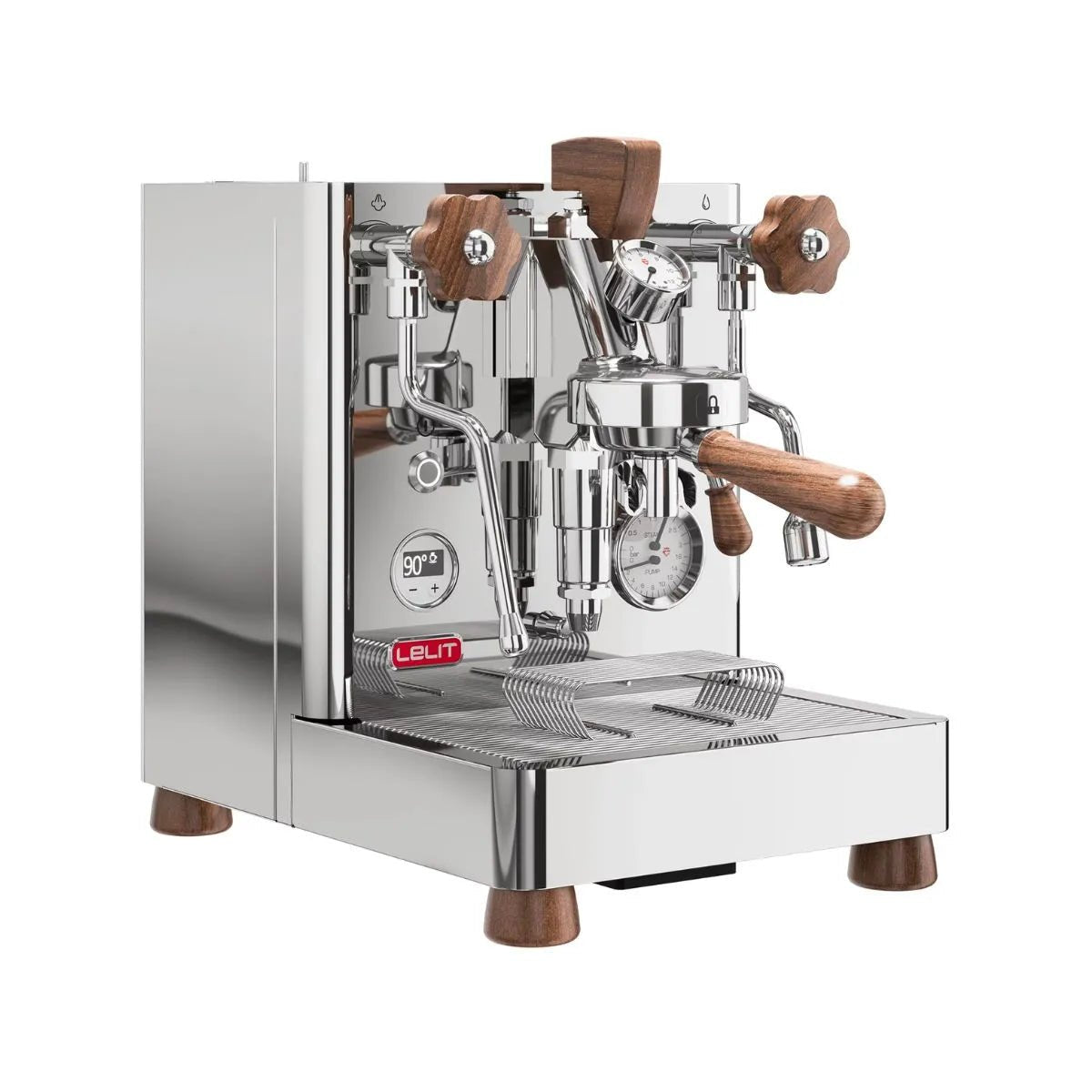
Before you even touch a Lelit Bianca V3, you need to understand the key terms that define how this machine works — and they're not just marketing fluff. The headline is **flow profiling**, controlled by a wooden paddle that adjusts a needle valve on the E61-style group head. Unlike cheaper machines where you set a fixed pressure and hope for the best, this paddle lets you manually vary water flow in real time: start with a gentle low-pressure pre-infusion, ramp to full extraction, then taper off as the shot finishes. The V3 takes this further with the LCC (Lelit Control Center), the machine's digital brain, which now includes a **programmable low-flow function** — you can set a low-flow window at the start (Low Flow Start) or end (Low Flow Final) of a shot, automating part of that manual paddle dance. The low-flow mode is separate from pre-infusion; pre-infusion can be set from 0–6 seconds, but low-flow lets you extend that gentle phase much longer before the paddle ramps up. Under the hood, it uses **dual stainless steel boilers** — a smaller 800ml brew boiler and a generous 1.5L steam boiler — each with its own PID temperature controller, letting you steam milk and brew simultaneously without temperature drift. The brew boiler feeds a **saturated group head** (not the traditional thermosiphon), meaning the group is plumbed directly from the brew boiler for better thermal stability. The pump is a **quiet rotary pump**, not a vibratory one common at this price: it runs whisper-quiet and can be either plumbed directly to a water line or run from the 2.5L reservoir that can be positioned on the back or either side of the machine. The dual pressure gauge shows both brew and steam boiler pressure, but the real control is in the LCC's ability to set brew temperature offset (adjusting water temp at the group), stand-by mode (after 30min of inactivity), and a shot timer. One term not to overlook is the **brew temperature offset**: the displayed boiler temp and the actual temp at the puck can differ, and the offset lets you fine-tune that final temperature. Understanding these terms — flow profiling paddle versus low-flow mode, saturated E61 versus thermosiphon, programmable pre-infusion versus programmable low-flow, and the role of the LCC — is the difference between buying a Bianca V3 and actually mastering it.
 clivecoffee.comclivecoffee.com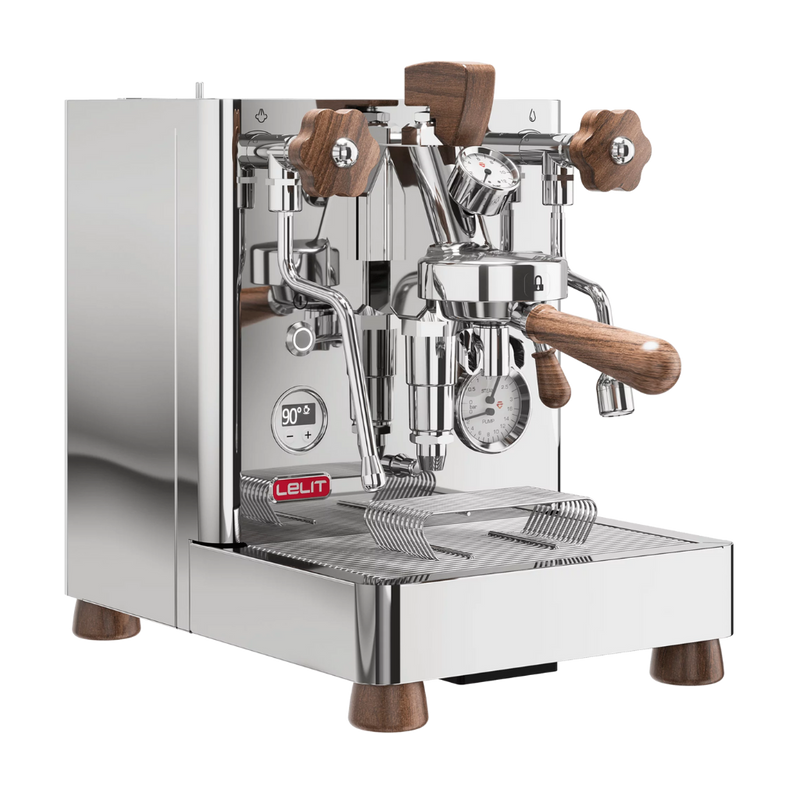
 support.clivecoffee.comsupport.clivecoffee.com
 support.clivecoffee.comsupport.clivecoffee.com
+Field notes
- —The wooden paddle isn't just for show: it manually adjusts a needle valve on the E61 group head to control water flow in real time, enabling genuine pressure profiling — ramp up, taper off, or hold at low flow for extended pre-infusion.
- —The V3's LCC introduces a programmable low-flow function separate from pre-infusion: Low Flow Start sets a low-flow window at the shot's beginning (0–30+ seconds), Low Flow Final sets it at the end, and both can be triggered automatically while the paddle remains wide open.
- —The brew boiler is 800ml and feeds a saturated group head (not a thermosiphon) for better thermal stability, while the steam boiler is 1.5L — both are stainless steel and independently PID-controlled, allowing simultaneous brewing and steaming without temperature drop.
- —The Bianca V3 uses a quiet rotary pump (not vibratory) that can be plumbed directly or run from the 2.5L tank, which can be placed on the back, left, or right side of the machine — line pressure must be 30–45 PSI to avoid pump damage.
- —Brew temperature offset is a critical term: it's a value you set in the LCC that increases or decreases the brew boiler temperature during extraction, adjusting the actual water temperature at the group head independently of the displayed boiler temp.
- —The V3's stand-by mode auto-activates after 30 minutes of inactivity (the ON/OFF light blinks), and the machine takes 20–25 minutes to fully stabilize the group head temperature — longer if you've adjusted the brew temperature offset.
Learn
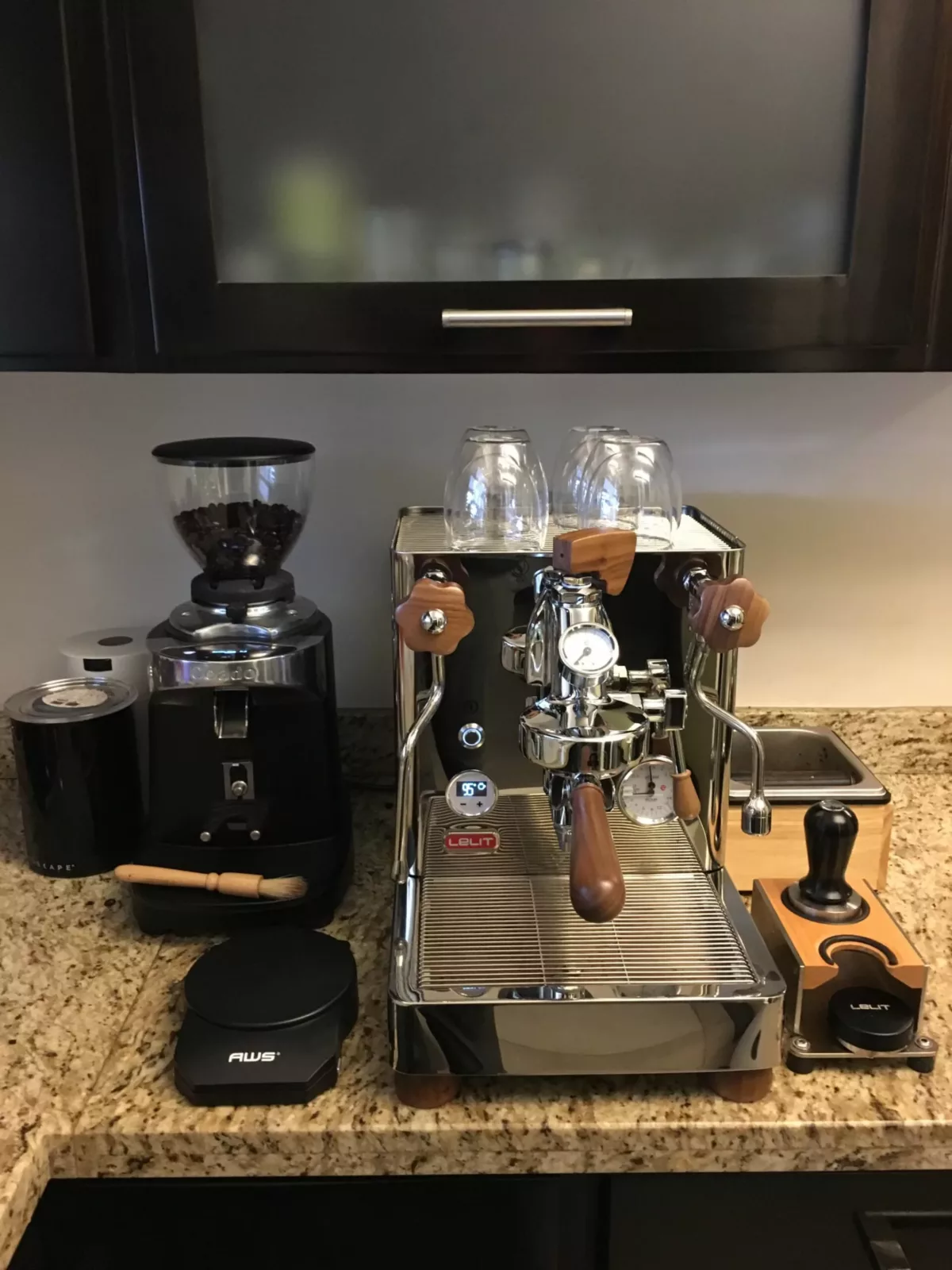
Where Owners Compare Shots, Mods, and Daily Use
Discover
Video Reviews That Show the Bianca in Real Use


Video reviews of the Lelit Bianca V3 reveal a machine that has quietly redefined what 'end-game' means for home espresso enthusiasts, blending commercial-grade internals with genuinely thoughtful software tweaks that the glossy spec sheets never fully convey. Lance Hedrick, in his exhaustive 28-minute deep-dive, tears into the E61 group head mechanics and explains how the Bianca's rotary pump and OPV adjustments let you mimic the pressure profiles of multi-thousand-dollar commercial levers—but cautions that the stock paddle's 'low flow' mode is less about precise profiling and more about giving beginners a safety net against channeling. The Kaffeemacher team, after months of testing, argues the V3's real killer feature isn't the flow control at all—it's the dual PID-boiler stability that lets you pull back-to-back light-roast shots without temperature drift, a claim backed by their thermal imaging. Alternative Brewing's review leans into the workflow transformation, noting that the programmable preinfusion (accessible only via a hidden submenu on the display) can turn notoriously difficult Ethiopian naturals into syrupy, even extractions without a grinder upgrade. Warren's Zen unboxes a production V3 and clocks a genuine 12-minute heat-up time from cold to brew-ready (14.5 minutes with steam boiler active), shattering the old E61 '30-minute warm-up' dogma—a direct result of Lelit wiring both 1200W heating elements to fire simultaneously during startup. And the official Lelit insider channel finally deciphers the confusing solenoid logic: low-flow isn't a pump restriction but a pressure-reducing solenoid that closes the water passage while the pump still runs at full tilt, creating a preinfusion-like soak without the pump cycling—a distinction that matters when diagnosing under-extracted shots.
+Field notes
- —The Bianca V3's low-flow mode is not a pump speed reduction but a solenoid valve that physically blocks the water path while the rotary pump runs at full pressure (e.g., 10 bar); this creates a controlled 'soak' rather than a pulsed preinfusion, and its behavior differs from the pump-cycling preinfusion used by most other E61 machines.
- —Lance Hedrick discovered that by adjusting the internal OPV screw (accessible through the drip tray), you can change the max pump pressure from the factory 10–10.5 bar down to around 8 bar, which dramatically reduces channeling on light roasts and makes the Bianca behave more like a manual lever machine—but he warns that the stock paddle's 'low flow' mode is more of a crutch than a precision tool.
- —Kaffeemacher's thermal imaging tests showed that the dual PID boilers maintain temperature stability within ±0.5°C across five consecutive shots, a performance level they attribute to the 1.2L steam boiler and 0.8L brew boiler both using 1200W heaters that fire simultaneously during warm-up, cutting traditional E61 heat-up from ~30 minutes to just 14.5 minutes.
- —The programmable preinfusion feature is buried in a submenu of the display (accessed by holding the steam button for 3 seconds); Alternative Brewing found that setting a 5-second preinfusion at low flow followed by a full-pressure ramp allowed him to extract a natural-process Ethiopian bean at 1:2.5 without bitterness, a ratio that previously stalled on his pump-only machine.
- —Warren's Zen measured the V3's cold-start time to brew-ready at 12 minutes (brew-boiler-only mode) and 14.5 minutes with the steam boiler active—a dramatic improvement over the V2's typical 25-minute wait, achieved by Lelit's new 'fast heat-up' algorithm that fires both elements together for the first heat cycle.
- —Artisti Coffee Roasters' review of the 'Golden Sands' limited edition highlights a rarely mentioned detail: the dual boilers are made of stainless steel with a copper heating coil, not full copper, which improves thermal recovery but requires a descaling schedule every 3–4 months in hard-water areas (versus 12 months for all-copper boilers).
Discover
Written Reviews Worth Reading Side by Side
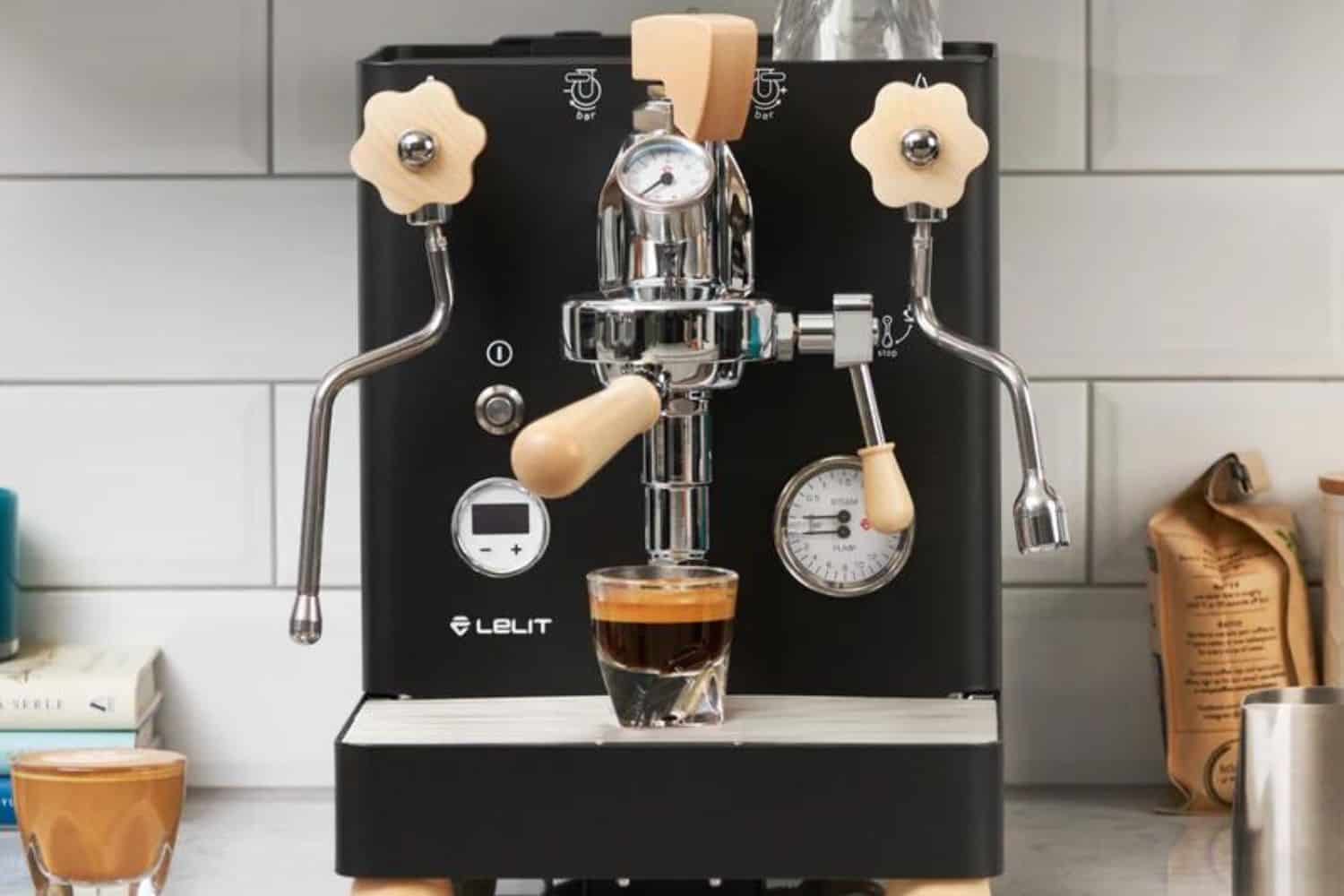
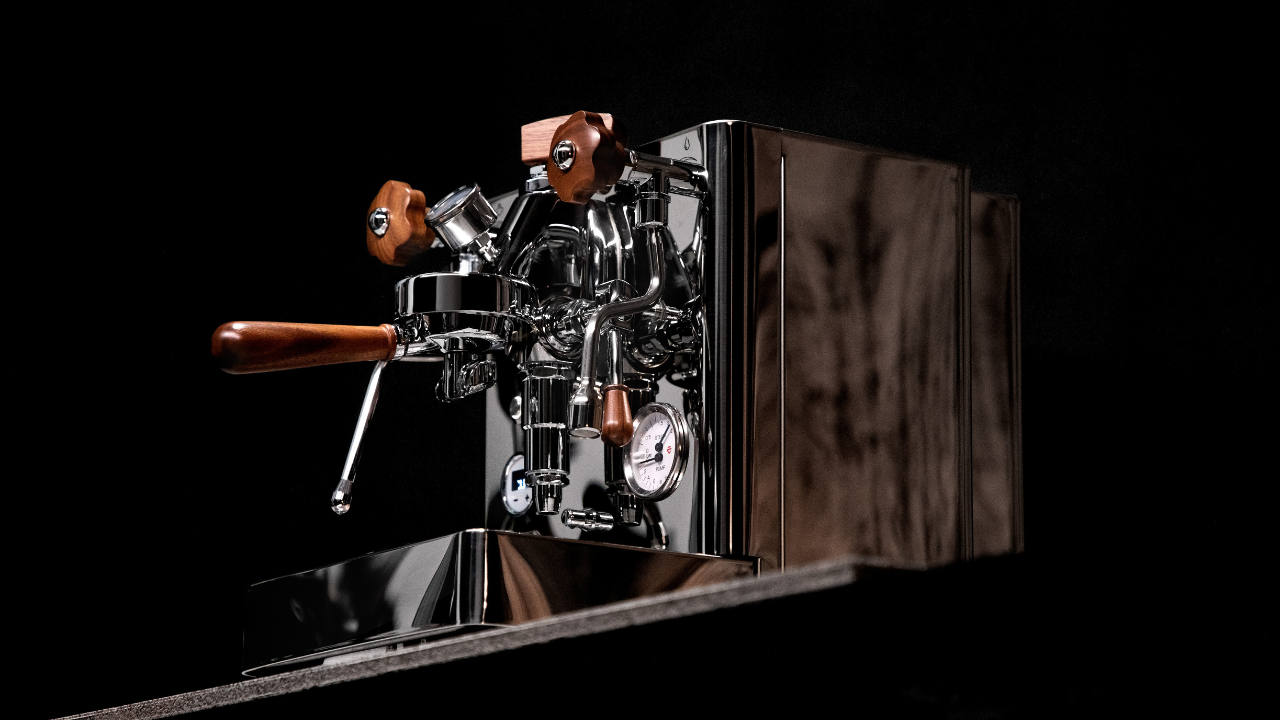
The Lelit Bianca V3 (PL162T) is a dual-boiler E61 machine that stands out for its built-in flow control paddle, giving home baristas real-time profiling ability typically found on machines costing double or triple. The V3 refines earlier iterations with a clearer water level gauge, revised plumbing for better pre-infusion consistency, and an improved control panel. While it shares the same Italian heritage as the Mara X and the same price bracket as the ECM Synchronika, the Bianca’s philosophy prioritizes customization and modern aesthetics (wood accents) over the Synchronika’s relentless durability. Reviews consistently note that its steam boiler is 50% larger than the Mara X’s, making it far more capable for back-to-back milk drinks, and that its rotary pump allows whisper-quiet operation and plumb-in flexibility. However, the Bianca lacks shot profile memory, and its 20–25 minute heat-up time demands patience. For serious home baristas who want to shape every extraction, it’s considered one of the best values in prosumer gear.
+Field notes
- —The V3 addresses V2 gripes with a more visible water level gauge, revised plumbing reducing turbulence during pre-infusion, and a cleaner PID display layout.
- —The Bianca’s flow control paddle is standard and allows shot profiling, whereas the ECM Synchronika only offers flow control as an optional add-on.
- —Its steam boiler is 1.5L — about 50% larger than the Mara X’s — enabling three or more back-to-back milk drinks without steam pressure drop.
- —The machine weighs about 50 lb (22.7 kg) and uses a quiet rotary pump that can be plumbed in, a feature usually reserved for commercial machines.
- —Heat-up time to fully stabilize the group head is around 20–25 minutes, noticeably longer than the Mara X’s ~15 minutes.
- —One common criticism: the Bianca has no memory for shot profiles, so each extraction must be manually adjusted if you want to repeat a specific flow curve.
Explore
The Grinder and Tools the Bianca Assumes You Already Have
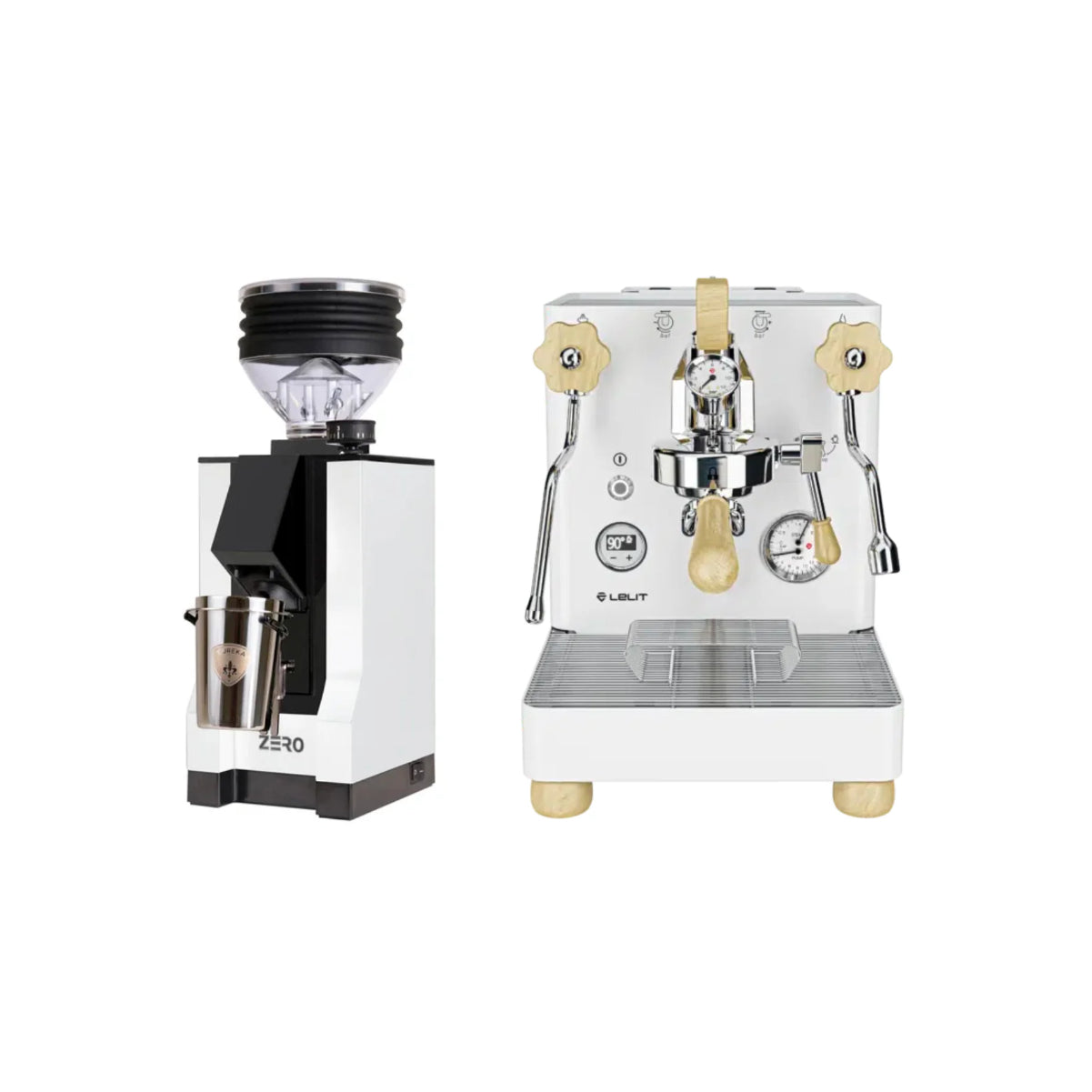
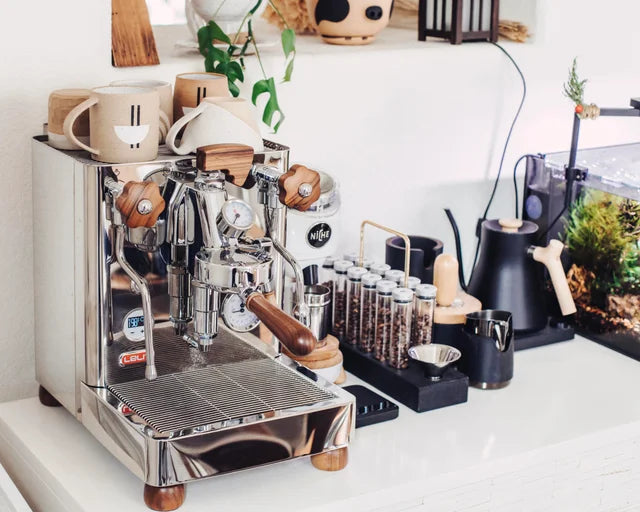
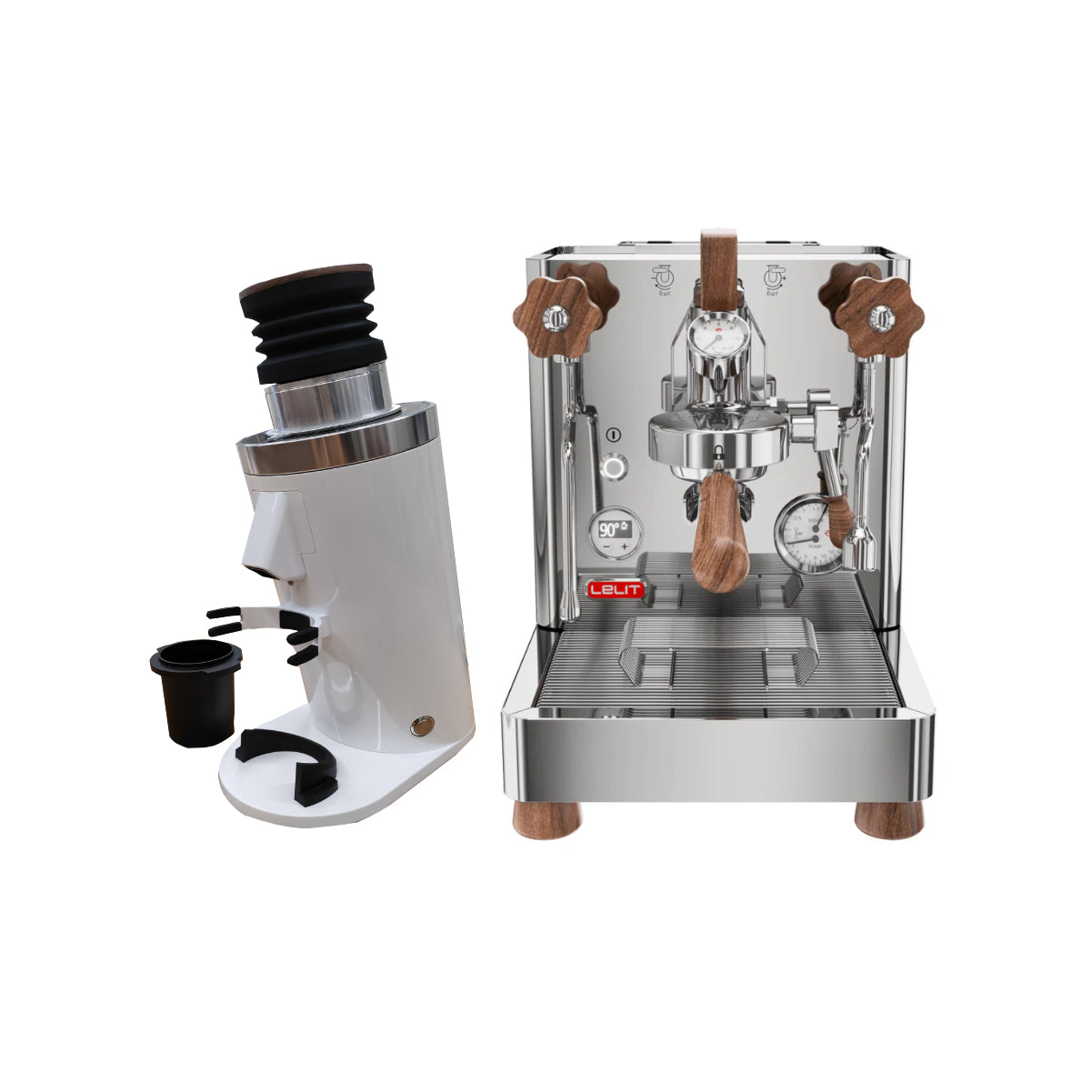
The Lelit Bianca's flow-control paddle lets you play with pressure profiles, but without a capable grinder you're just spinning your wheels. The community consensus is clear: single-dosing is the way to go, and your choice of burr set dramatically shapes the shot. Conical burrs (like the Niche Zero's 63mm) deliver heavy body and sweetness for dark roasts, while flat burrs (think DF64 or Mazzer Philos) unlock clarity and fruit in lighter beans. The $1,500 Mazzer Philos is the quiet star for zero-retention syrupy shots, but the £450 DF64 Gen 2 punches way above its price if you don't mind tweaking. And if counter space is tight, the compact Eureka Mignon Zero (with 55mm flat burrs) is a solid all-rounder that won't crowd your Bianca.


 beeancoffee.combeeancoffee.com

+Field notes
- —The Niche Zero's 63mm conical burrs produce a 'brilliant espresso shot' with near-zero retention, making it a top match for the Bianca's pressure profiling.
- —The DF64 Gen 2 with 64mm flat burrs is a £200 cheaper alternative that 'punches above its price bracket' but requires more tinkering.
- —The Mazzer Philos is praised for producing 'syrupy and sweet' espresso with 'best-in-class precision on espresso grinds' and near-zero retention, but costs $1,500.
- —Flat burrs (like in the DF64) create uniform grounds for bright, fruity flavors, while conical burrs (Niche Zero) provide more body and sweetness for traditional roasts.
- —The Eureka Mignon Zero, with 55mm flat burrs and stepless adjustment, is considered the 'best overall' grinder for the Lelit Bianca in one review.
Keep exploring
More of Lelit Bianca V3 Review


Branch out
Beyond Lelit Bianca V3 Review
More to explore
In the same world.

La Marzocco Linea Mini
The La Marzocco Linea Mini is a home espresso machine built as a kitchen-scaled take on the brand’s Linea Classic, with…
Home Espresso Machines
Home espresso machines sit at the intersection of coffee craft, kitchen design, and equipment obsession: they promise ca…
Espresso Machines Under $500
The under-$500 espresso category is where home espresso gets interesting: multiple guides now argue you can get a real p…
Gaggia Classic Pro + Baratza Encore ESP Setup
This setup pairs the Gaggia Classic Pro, a manual home espresso machine, with the Baratza Encore ESP, a grinder position…

Espresso
Espresso is a concentrated coffee drink made by forcing hot water under high pressure through finely ground coffee, a me…

Technics SL-1200 M3D
The Technics SL-1200 M3D is a quartz direct-drive SL-1200 variant that kept the core performance of the earlier 1200 for…
Leica M3 Camera
The Leica M3 is the 35mm rangefinder that began Leica’s M-system era in 1954, replacing the company’s earlier screw-moun…

Leica M3 Film Camera
The Leica M3 is the camera that launched the M system in 1954, and it matters because it reset what a 35mm rangefinder c…
More in Coffee & Espresso
Stay in this world.

Hilo vs. Kona on Hawaiʻi Island

Coffee in Oʻahu, Hawaiʻi
Taiwanese Jin Xuan Tea
Gaggia Classic Pro + Baratza Encore ESP Setup
Espresso Machines Under $500
La Marzocco Linea Mini
Home Espresso Machines
Espresso
Imagery
Know someone who’d love this?
Discovered by ArcurianAuto-generated from public sources and AI synthesis — it may be incomplete or inaccurate. Treat it as a starting point for your own exploration, not professional (medical, legal, financial, or safety) advice. Verify anything you act on. Report this page.