This is really the classic Big Island decision: whether to base yourself on the Kona side or the Hilo side, two towns on the same island that feel dramatically different in climate, pace, and daily rhythm. Kona is the sunnier, beach-and-resort side with many guided tours and bigger accommodation clusters, while Hilo is greener and quieter, with easier access to waterfalls, rainforests, and a more laid-back town feel. The choice shapes everything from your driving time to the kind of mornings you wake up to—dry coast and coffee-country light, or frequent rain and lush scenery. The fun of this comparison is that there is no universal “better” side; it only gets interesting once you match the island’s microclimates and distances to the trip you actually want.
Learn
How the Kona vs. Hilo Choice Actually Changes a Big Island Trip
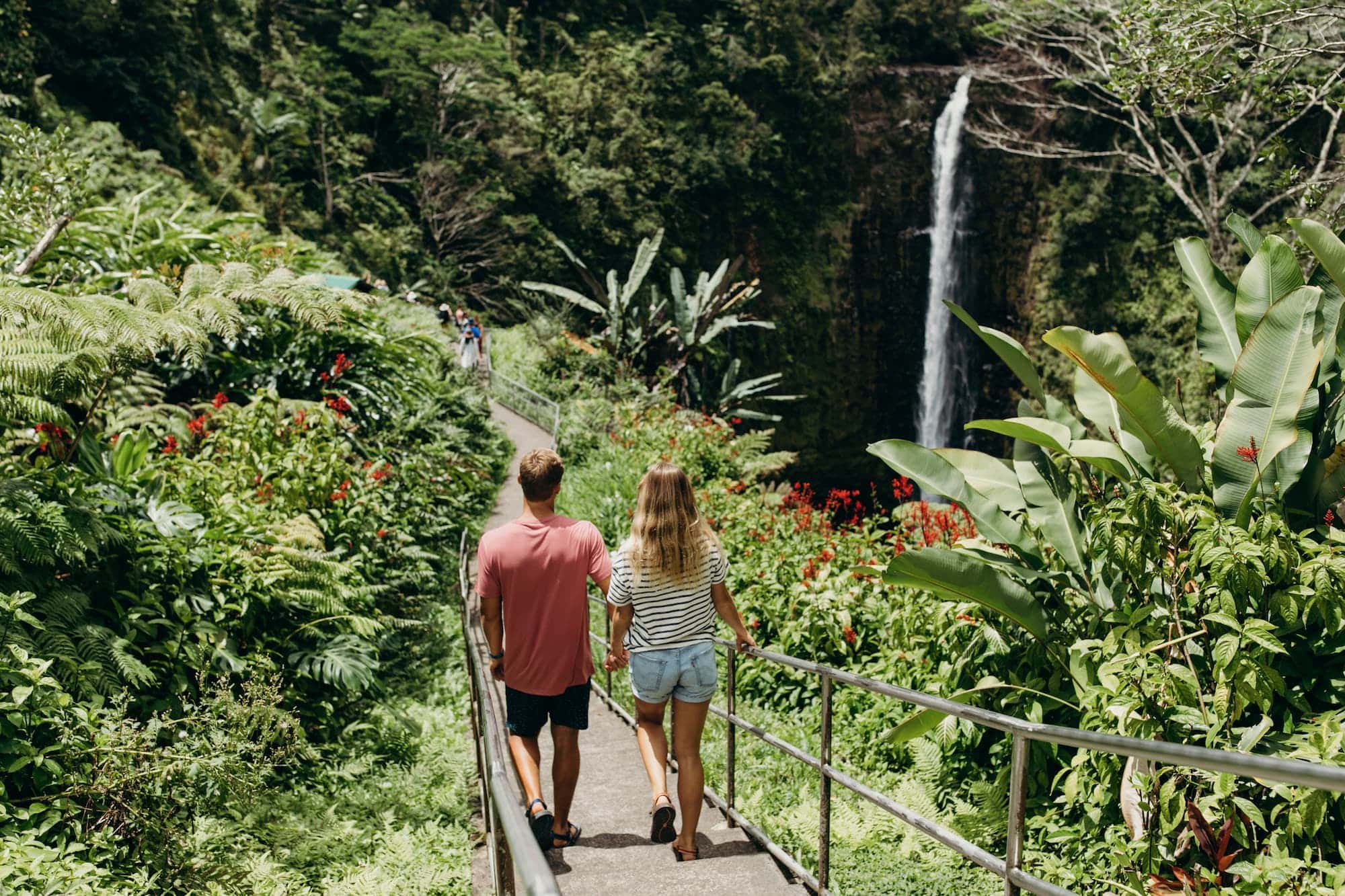
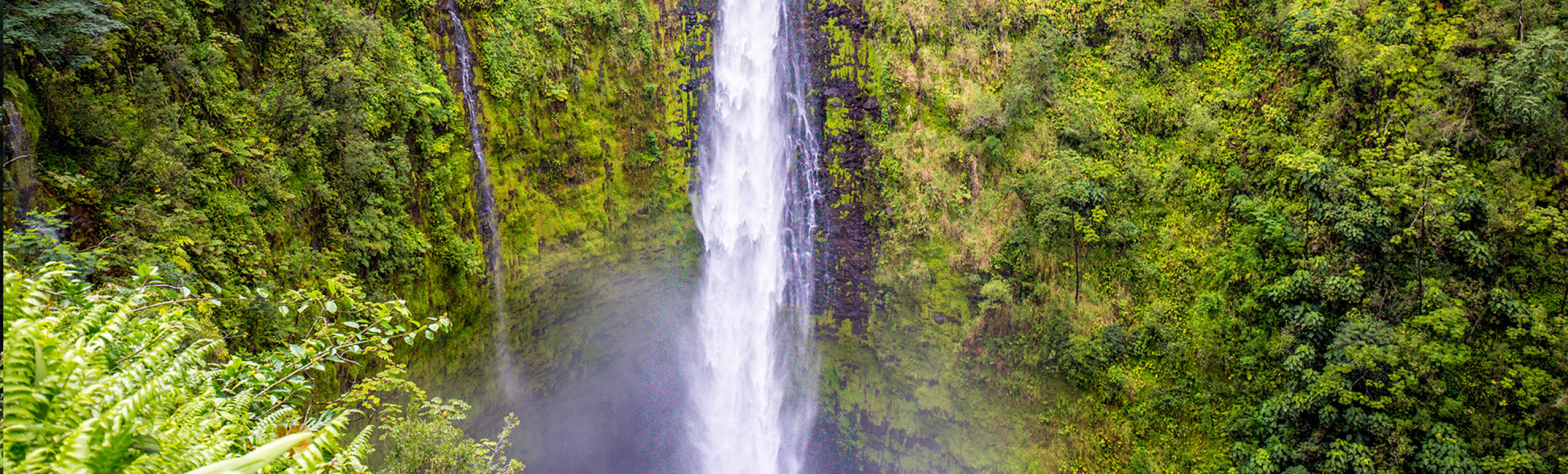
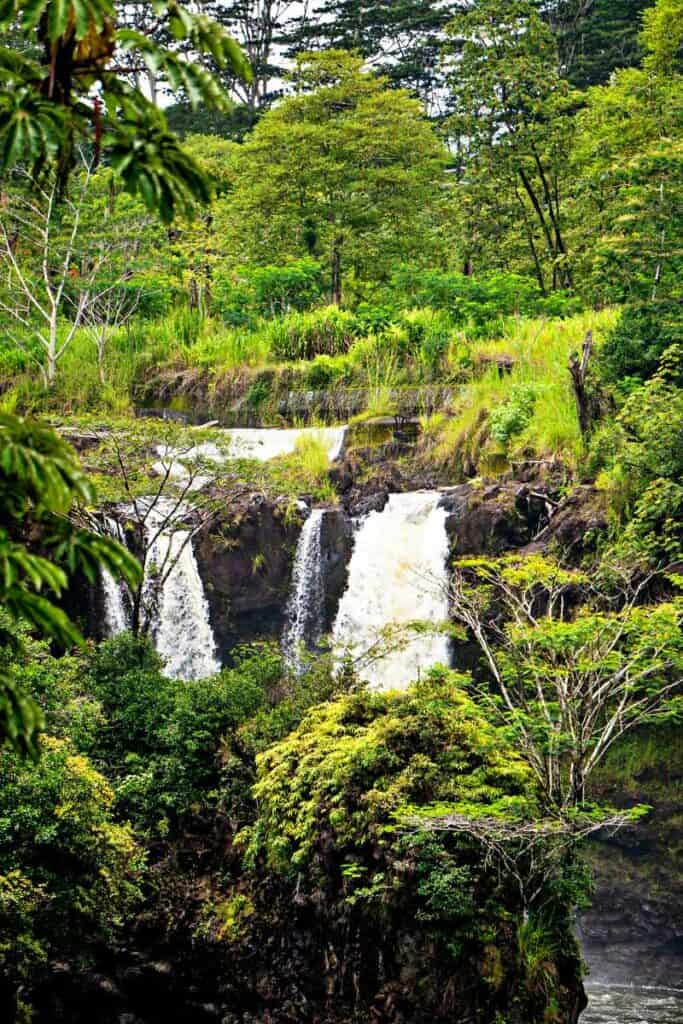
Choosing between Kona and Hilo isn't just about which town to sleep in—it rewires your entire trip. Kona, on the dry leeward coast, averages 18–27 inches of rain a year and is built for beach days, resort luxury, and the world-class manta ray night snorkel (exclusive to Keauhou Bay). Hilo, on the wet windward side, gets 130–147 inches annually, which fuels the island's waterfalls, rainforests, and puts you just 30 minutes from Hawaiʻi Volcanoes National Park—compared to 90 minutes from Kona. The rain shadow cast by Mauna Kea and Mauna Loa creates such a stark climate divide that packing for one side is useless on the other. Hotels on the Kona side run $250–600+ per night for resorts, while Hilo averages $130–250 for mid-range options—mostly lacking resort amenities altogether. Flights into Kona's KOA offer more direct mainland routes; Hilo's ITO mostly connects through Honolulu. Most savvy visitors split their stay: a few nights in Hilo for volcano and waterfall access, then move to Kona for reliable sun and ocean activities.

+Field notes
- —The annual rainfall difference is staggering: Kona receives 18–27 inches per year, while Hilo gets 130–147 inches—ten times more—which dictates not just what you pack but what you can reliably do each day.
- —Hawaiʻi Volcanoes National Park is a 30-minute drive from Hilo but a 90-minute drive from Kona, making Hilo the only practical base for early-morning lava viewings or multi-day park exploration.
- —The manta ray night snorkel—often called a once-in-a-lifetime experience—is exclusive to the Kona side, operating out of Keauhou Bay; you cannot do this activity from Hilo.
- —Kona's resort coast (Kohala Coast) has luxury properties like Four Seasons Hualalai and Mauna Lani, with nightly rates averaging $250–$600+, while Hilo has no major resort zone and mid-range hotels run just $130–$250 a night.
- —Kona's airport (KOA) receives direct flights from the mainland, whereas Hilo's airport (ITO) primarily connects through Honolulu—adding a flight leg and extra travel time if you choose Hilo as your entry point.
- —The island's geography—Mauna Kea and Mauna Loa block trade winds—means Kona is sunny and desert-like while Hilo is a rainforest; the 90-minute drive between them via Saddle Road feels like crossing into another world, not just another town.
Learn
Why One Side Feels Dry and Resort-Oriented While the Other Feels Lush and Local
The fundamental character divide between Hilo and the Kona coast is not a matter of vibe or resort density—it is a direct consequence of topography and prevailing trade winds. The Big Island's immense mass (4,028 square miles) and its towering volcanoes—Mauna Kea, Mauna Loa, Kohala, and Hualālai—block moisture-laden northeast trade winds, forcing them to dump rain on the windward east side before descending, dry and hot, onto the leeward west. Hilo receives roughly 147 inches of rain per year, while Kona gets around 32; that single metric drives everything from vegetation (lush rainforest vs. arid lava fields) to historical settlement patterns (the west coast had the highest population density at European contact) and the modern resort economy. Kona's dependable sun made it the natural hub for ocean tours, luxury resorts, and the coffee belt; Hilo's daily showers sustain waterfalls, botanical gardens, and a quieter, more locally-rooted pace. The difference is not subtle—it is the island's ruling logic.


 hawaii-guide.comhawaii-guide.com

+Field notes
- —The Big Island's five volcanoes rise high enough to wring nearly all moisture out of the northeast trade winds before they reach the west coast. Hilo gets 147 inches of rain per year; Kona gets only 32.
- —Kona's sunny, desert-like climate is a direct rain-shadow effect. The Kohala Coast and much of the Kona Coast can be sunny and dry while clouds sit heavily over the east side or the uplands.
- —Before European contact, the most continuously populated area of the island stretched along the coasts of North and South Kona, with an estimated 20,000 people. The Reverend William Ellis recommended missionary stations at Kailua, Kealakekua, and Honaunau because of their density.
- —The travel decision between Kona and Hilo is uniquely consequential: the two sides are a 1.5-hour drive apart (about 90 miles), but they feel like different worlds. Split stays are the optimal strategy for experiencing both.
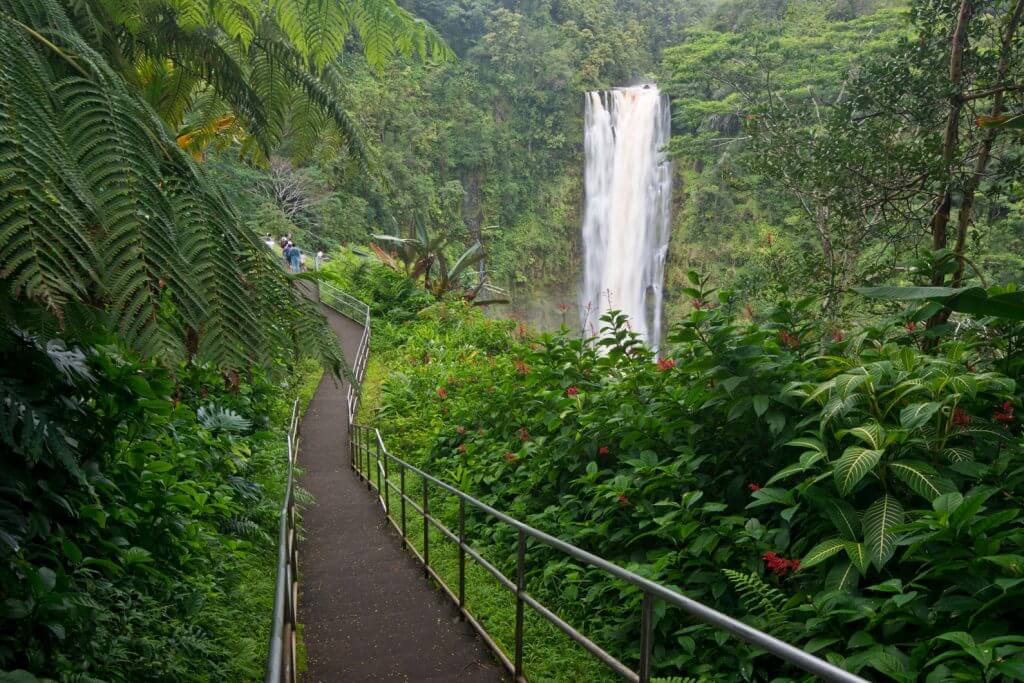
- —Kona's reliable sunshine (300+ sunny days per year) supports a resort and ocean-tourism economy—manta ray night snorkeling, sunset cruises, luaus, and white-sand beaches like Hapuna. Hilo's 130+ inches of rain produce rainforests, waterfalls like Rainbow Falls and Akaka Falls, and the closest access to Hawaiʻi Volcanoes National Park (45 minutes versus 2+ hours from Kona).
- —Kona weather is elevation-dependent: under normal trade winds, the coast may start bright, but clouds build over the slopes above town and along the coffee belt by afternoon, so mauka areas can be gray or showery even if the oceanfront stays dry.
Learn
Traveler Types: Beach Days, Volcano Days, Families, Slow Travel, and Split-Stay People
The Big Island utterly demolishes the idea of a single home base. The real divide isn't Kona versus Hilo — it's between travelers who accept the island's scale and those who fight it. Families with young kids and volcano chasers overwhelmingly benefit from a split-stay: 3–4 nights on the sunny Kona/Kohala Coast for predictable beach weather and manta ray night snorkels (book 4–6 weeks out), then 2–3 nights on the Hilo side for rainforest waterfalls and easy access to Hawaiʻi Volcanoes National Park. The alternative — one hotel in Kona with 2.5-hour drives each way to the volcano — burns 10+ hours in the car, a mistake multiple sources flag as the #1 family pitfall. Meanwhile, a distinct slow-travel type emerges: couples in their 50s who care more about scenic drives, black-sand beaches, and relaxed sightseeing than snorkeling. They often choose a single base (Waikoloa for walkable beach access, or a rental near Waimea for north-shore exploration) and accept a few long drives rather than switching hotels. And for the truly adventurous family, the current eruption of Kīlauea (intermittent since December 2024) turns Volcanoes National Park into a once-in-a-generation highlight — provided you know the main visitor center is closed through late 2026 and the temporary welcome center is at Kīlauea Military Camp.

 outroaminglife.comoutroaminglife.com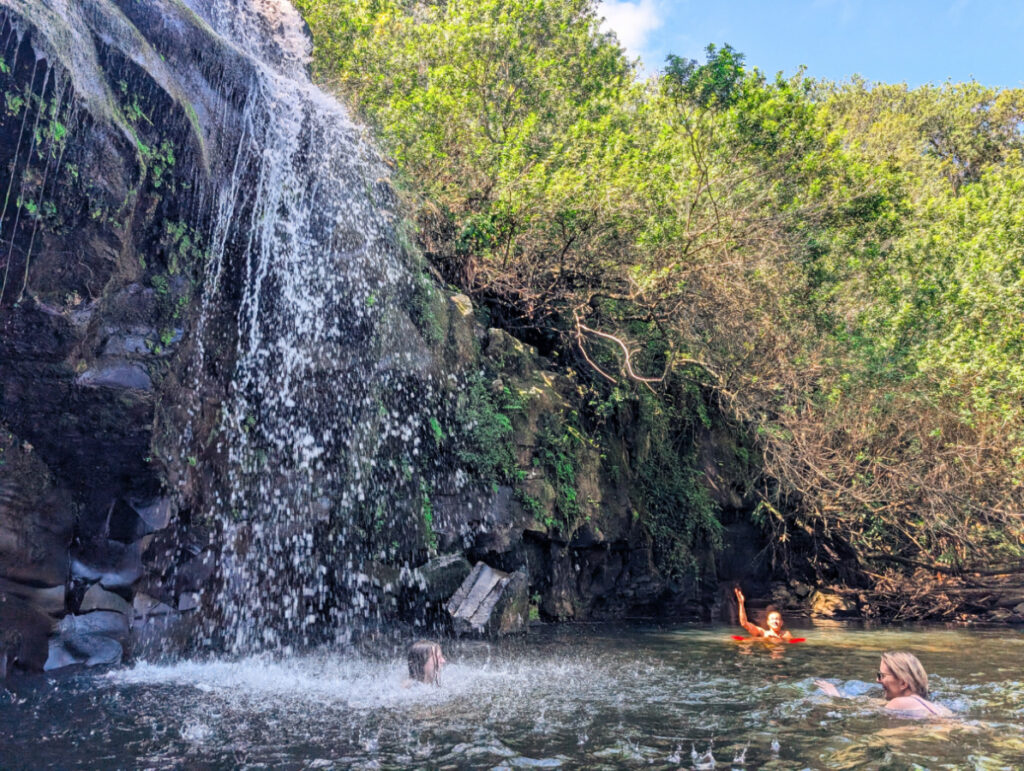

 hawaiisbesttravel.comhawaiisbesttravel.com
+Field notes
- —The split-stay formula is non-negotiable for anyone wanting both volcano and beach: 3–4 nights on the Kona/Kohala side plus 2–3 nights near Hilo or Volcano Village cuts driving time in half compared to a single Kona base.
- —Kona delivers reliably sunny, dry weather and classic resort activities (manta ray night snorkel, dolphin encounters, Kona coffee farm tours); Hilo is wetter, greener, and feels more like a local town with waterfalls on every corner — the choice is about vacation style, not quality.
- —Families with kids 5+ should book manta ray night snorkel tours 4–6 weeks ahead (they sell out), and kids can earn a Junior Ranger badge at Volcanoes National Park — a concrete engagement tool for young explorers.
- —Kīlauea has been erupting episodically since December 2024 with visible lava fountaining from the crater rim, but the main visitor center at Hawaiʻi Volcanoes National Park is closed for renovation through late 2026; the temporary welcome center is at Kīlauea Military Camp.
- —Slow-travel couples in their 50s who aren't interested in snorkeling often choose a single base like Waikoloa Beach (walking distance to ʻAnaehoʻomalu Bay) or a rental near Waimea for north-shore access, accepting that Hapuna Beach and scenic vistas require deliberate drives rather than a split-stay.
- —Budget-conscious families can find deals like Royal Kona Resort's 4-for-3 offer (stay 3 nights, get 1 free) in Kona, while Hilo's Grand Naniloa Hotel provides stunning bay views for a fraction of Kohala Coast resort prices.
Discover
Video Walkthroughs of Kailua-Kona, Hilo, and the Drives Between Them


Video walkthroughs of Kailua-Kona and Hilo reveal that the Big Island is effectively two different worlds connected by dramatically different drives—the fast, high-elevation Saddle Road (Route 200) and the twisting, waterfall-laden Hamakua Coast (Route 19). These videos stress that first-time visitors often underestimate the two-hour-plus travel time between the two sides and end up missing either the sunny Kona coast's manta ray night snorkels or Hilo's steaming volcanic vents at Hawaiʻi Volcanoes National Park. The family-focused vlogs highlight that even a single-day cruise stop can hit Carlsmith Beach Park for sea turtles and Punaluʻu Black Sand Beach, while real estate analysts point out that home prices on the wetter, quieter east side run substantially lower than the resort-heavy west side. The consistent message: choose a home base carefully, because the weather, pace, and even the sound of the surf are completely different on each side.
+Field notes
- —The drive between Kona and Hilo is far more than a commute—the Saddle Road (Route 200) cuts across Mauna Kea's flank at high elevation and can be foggy and chilly, while the Hamakua Coast (Route 19) snakes past dozens of roadside waterfalls like Akaka Falls and offers pull-offs for black-sand beaches and lush valleys.
- —Kona's west side is consistently dry and sunny, making it ideal for resort pools and beach lounging, while Hilo on the east side is one of the wettest spots in Hawaii and is carpeted in rainforest—a contrast visible even from the car window as you cross the island.
- —For families visiting Hilo, Carlsmith Beach Park offers a protected, sandy swimming area where green sea turtles regularly surface, and Punaluʻu Black Sand Beach on the southern coast is a reliable spot to see them basking—both featured in cruise-ship day itineraries.
- —Kona's famous manta ray night snorkel requires booking a specific boat tour that uses underwater spotlights to attract plankton and the rays—a near-guaranteed wildlife encounter that doesn't exist on the Hilo side.
- —Real estate comparisons show home prices on the Hilo side are significantly lower than in Kona and the Kohala coast, largely because the wetter weather and fewer resort amenities keep demand down, but the trade-off is a more authentic, local community feel.
- —The Hawaiʻi Volcanoes National Park, a short drive from Hilo, offers the rare chance to see steam vents and (if conditions allow) active lava glow at Halemaʻumaʻu crater—a stark contrast to Kona's gentler volcanic landscapes like the old lava flows at Puʻuhonua o Hōnaunau.
Explore
Booking the Right Base: Resorts, Small Inns, Vacation Rentals, and Split-Stay Logistics
The choice between basing your Big Island adventure on the Hilo or Kona side isn't just about weather—it's about aligning with the island's distinct artisan communities. The Etsy sellers rooted in each area reveal the local character: Kailua-Kona hosts shops like HawaiianDesignsCo and HawaiiSoapCompany, reflecting the sunny, ocean-focused Kona coast. On the Hilo side, Pahoa's HiddenHale and Volcano's VolcanoGallery represent a lush, rainforest creative scene steps from Volcanoes National Park. For a split-stay, consider a Kona base for beach days and dry-side crafts, then shift to the Volcano or Pahoa area for volcano views and wet-side artistry. The difference in shop locations mirrors the broader trade-offs: convenience to sunny resorts in Kona versus immersion in the tropical green of Hilo.


+Field notes
- —Kailua-Kona is home to established Etsy artisans like HawaiianDesignsCo (handmade jewelry) and HawaiiSoapCompany, indicating a local maker presence that suits visitors interested in Kona-side crafts and sunny coastal vibes.
- —Pahoa's HiddenHale art gallery and Volcano's VolcanoGallery—described as an 'Artisan Studio, Workshop, & Gallery in Volcano Hawaii'—anchor the Hilo side's creative hub, ideal for those basing near the volcano and rainforest.
- —A split-stay strategy lets you experience both artisan worlds: start in Kona (e.g., near HawaiianDesignsCo) for dry-side exploration, then relocate to Volcano or Pahoa for direct access to Hawaii Volcanoes National Park and the wet-side art scene.
- —The VolcanoGallery seller has Star Seller status with a 4.8+ rating, suggesting a reliable local connection for visitors seeking authentic Hilo-side experiences, though the shop itself is not a lodging.
- —HiddenHale in Pahoa boasts 'speedy replies' and 'rave reviews,' implying the area has responsive local businesses—a plus for visitors booking a Hilo-side base who want quick local tips.
Keep exploring
More of Hilo vs. Kona on Hawaiʻi Island


Branch out
Beyond Hilo vs. Kona on Hawaiʻi Island
More to explore
In the same world.
Things to Do in Kauai, Hawaii
Kauai earns its "Garden Isle" reputation with lush mountains, dramatic coastlines, beaches, waterfalls, and a noticeably…

Coffee in Oʻahu, Hawaiʻi
Oʻahu’s coffee scene is less about a single plantation identity and more about the island’s mix of neighborhood cafés, n…

Oʻahu in 4 Days
A four-day Hawaii trip almost always becomes an Oʻahu trip, because this is the island where first-timers can realistica…
4 Days in Kauai: How to Pace the Garden Isle Without Rushing It
A strong four-day Kauai trip is less about cramming in stops and more about sequencing the island’s big contrasts: lush…
Kauai 4-Day Itinerary
A four-day Kauai trip works best when you treat the island as a set of distinct landscapes rather than a nonstop checkli…

Waikiki Budget-Friendly Stays
Budget stays in Waikiki are less about one single style of lodging and more about choosing the right tradeoff between ho…

Waikiki Box Jellyfish Warnings
This is the recurring public-safety pattern around box jellyfish advisories at Waikiki and nearby south shore beaches, w…
More in Coffee & Espresso
Stay in this world.
Coffee in Oʻahu, Hawaiʻi
Taiwanese Jin Xuan Tea
Gaggia Classic Pro + Baratza Encore ESP Setup
Espresso Machines Under $500

Lelit Bianca V3 Review

La Marzocco Linea Mini

Home Espresso Machines

Espresso
Imagery
Know someone who’d love this?
Discovered by ArcurianAuto-generated from public sources and AI synthesis — it may be incomplete or inaccurate. Treat it as a starting point for your own exploration, not professional (medical, legal, financial, or safety) advice. Verify anything you act on. Report this page.