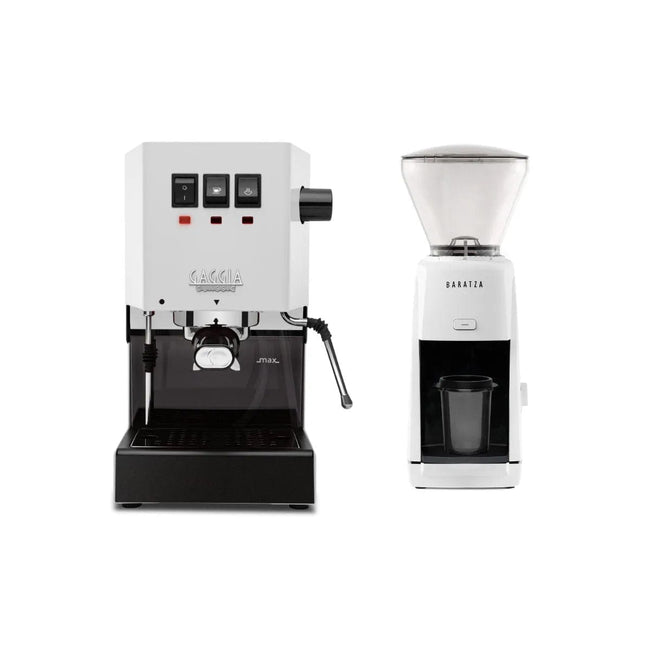
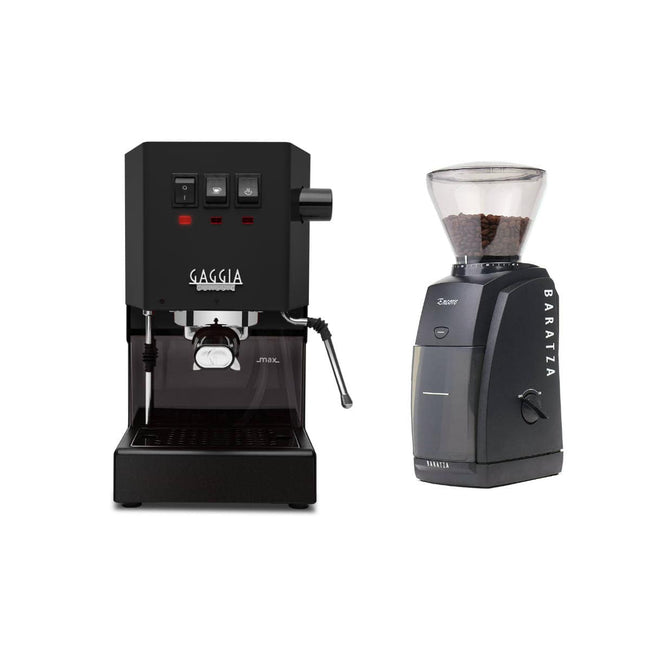
This setup pairs the Gaggia Classic Pro, a manual home espresso machine, with the Baratza Encore ESP, a grinder positioned for espresso-focused adjustment at home. The sources around this combination consistently frame it as a strong entry-level path because the Encore ESP is designed to be dialed in for espresso, with Baratza recommending a starting point around setting 15 for many home machines before fine-tuning. What makes this combo interesting is that the machine’s results depend heavily on user control and grinder adjustment rather than automation, so small changes in grind setting can reshape the shot. If you want a hands-on espresso routine that teaches puck prep, dialing in, and extraction by feel, this pairing is where a lot of home baristas start getting serious.
Learn
How This Gaggia Classic Pro + Encore ESP Pairing Actually Works
The Gaggia Classic Pro and Baratza Encore ESP pairing is less about plug-and-play convenience and more about a deliberate, repeatable workflow that manages the machine's inherent thermal instability while exploiting the grinder's calibrated espresso range. The Classic Pro's small aluminum boiler swings temperature dramatically during and between shots — cold water entering at brew start causes an immediate drop, and the heater cycles on and off unpredictably — so pulling a shot at the peak of that cycle vs. the trough produces completely different flavors even with an identical puck. The Encore ESP counters this with a stepped adjustment system (steps 0–20) that gives finer resolution in the espresso zone (clicks are closer together here than in the 21–40 brew range), letting you dial in with genuine precision. The practical starting point is grind setting 15, combined with an 18g dose into the machine's standard double basket and a target yield of 36g in 25–32 seconds. What makes this combination work is the systematic method: you first temperature-surf the Gaggia (wait for the ready light, then flush until the heater kicks back on, then pull within a narrow window), then you grind into the supplied dosing cup, do a blind shaker or WDT distribution, and time/taste through the shot. If the shot runs under 20 seconds and tastes sour, the fix is one click finer on the ESP; if it chokes past 35 seconds and tastes bitter, one click coarser. Because the Encore ESP's espresso range is stepped so tightly, a single click can drop your shot time by 3–5 seconds, which is exactly the resolution you need to chase the 25–32s window. The pairing works because the grinder gives you enough control to correct for the boiler's quirks, and the machine rewards that precision with a cup that genuinely competes with a café setup — provided you embrace the ritual of temperature surfing and don't expect factory-like automation.
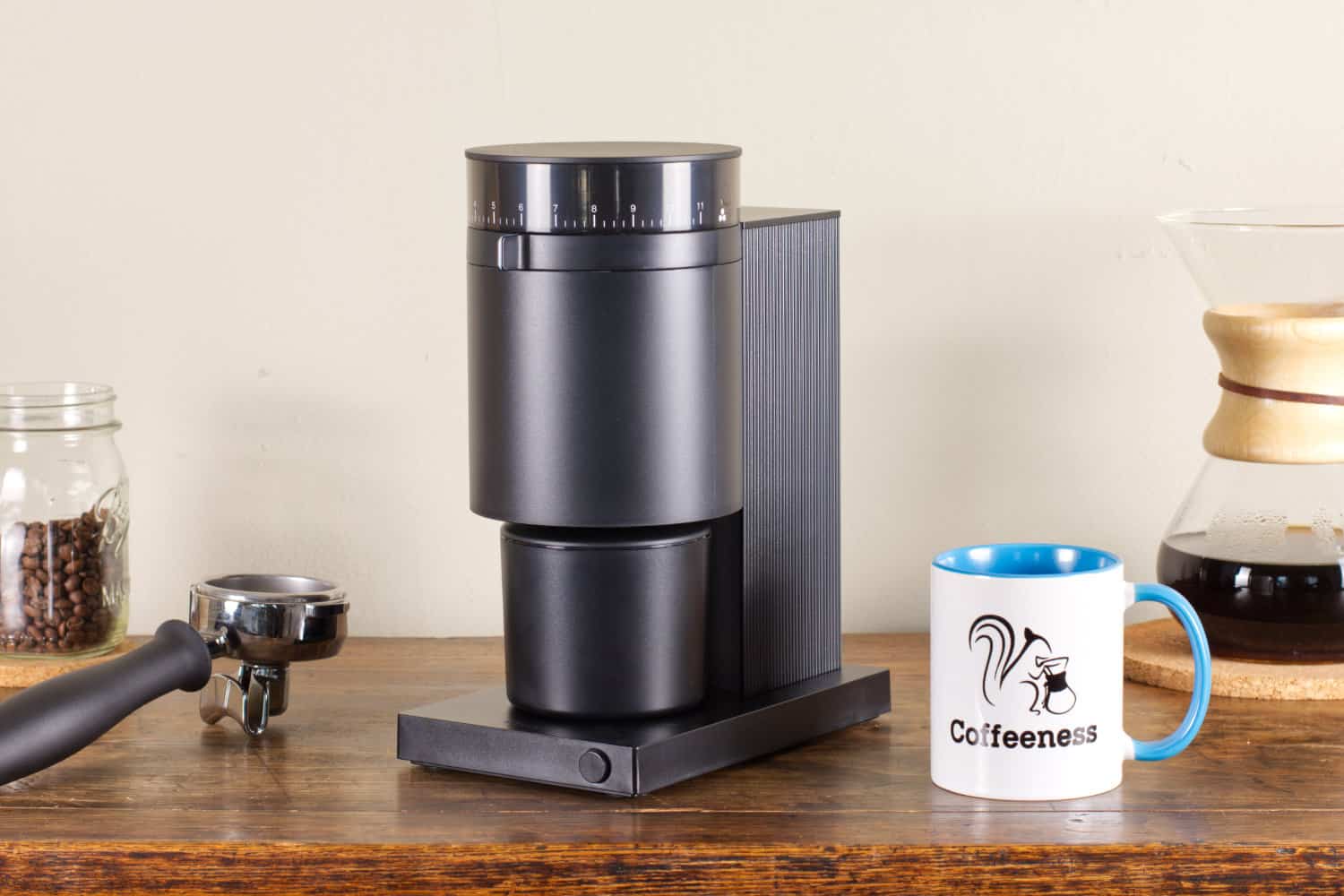
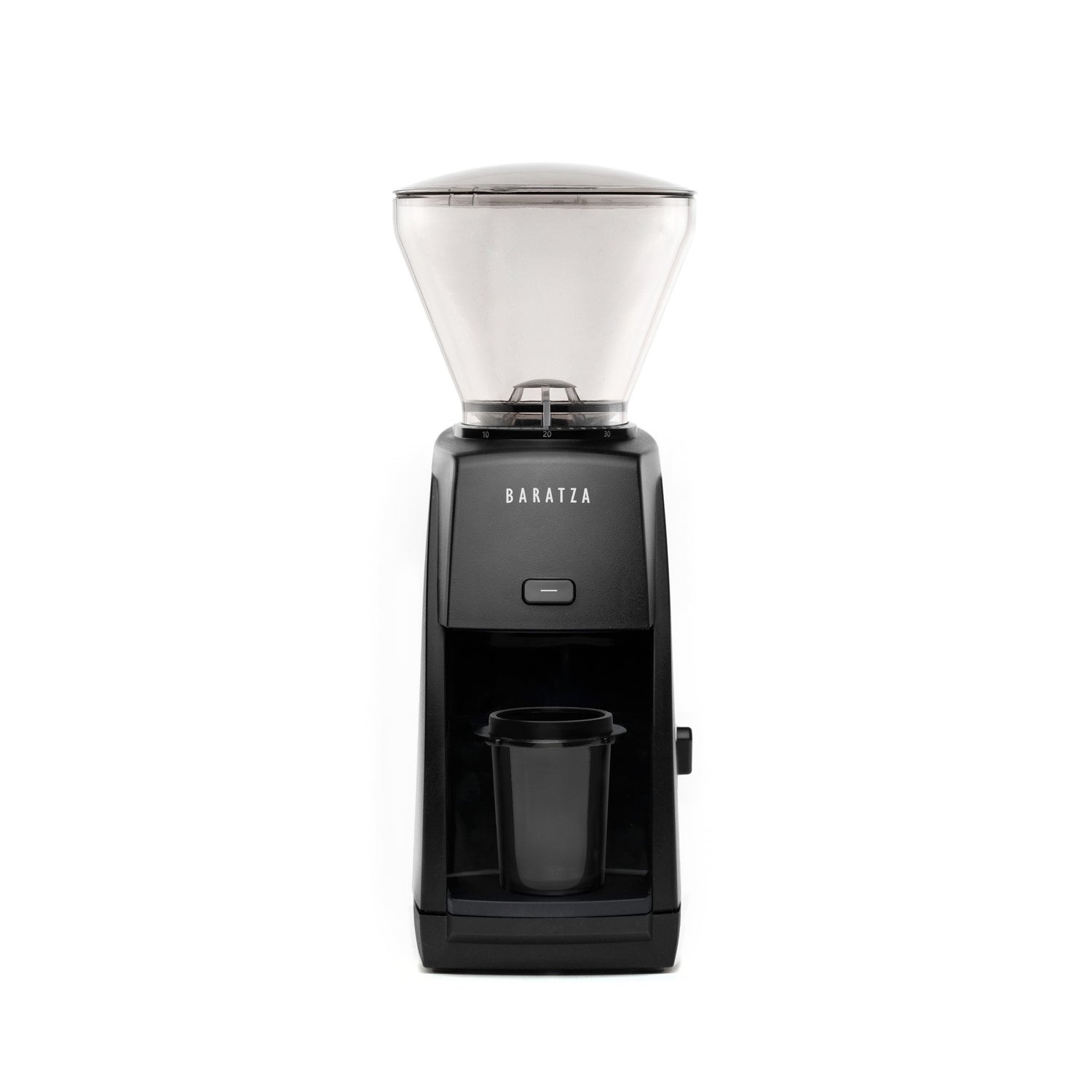
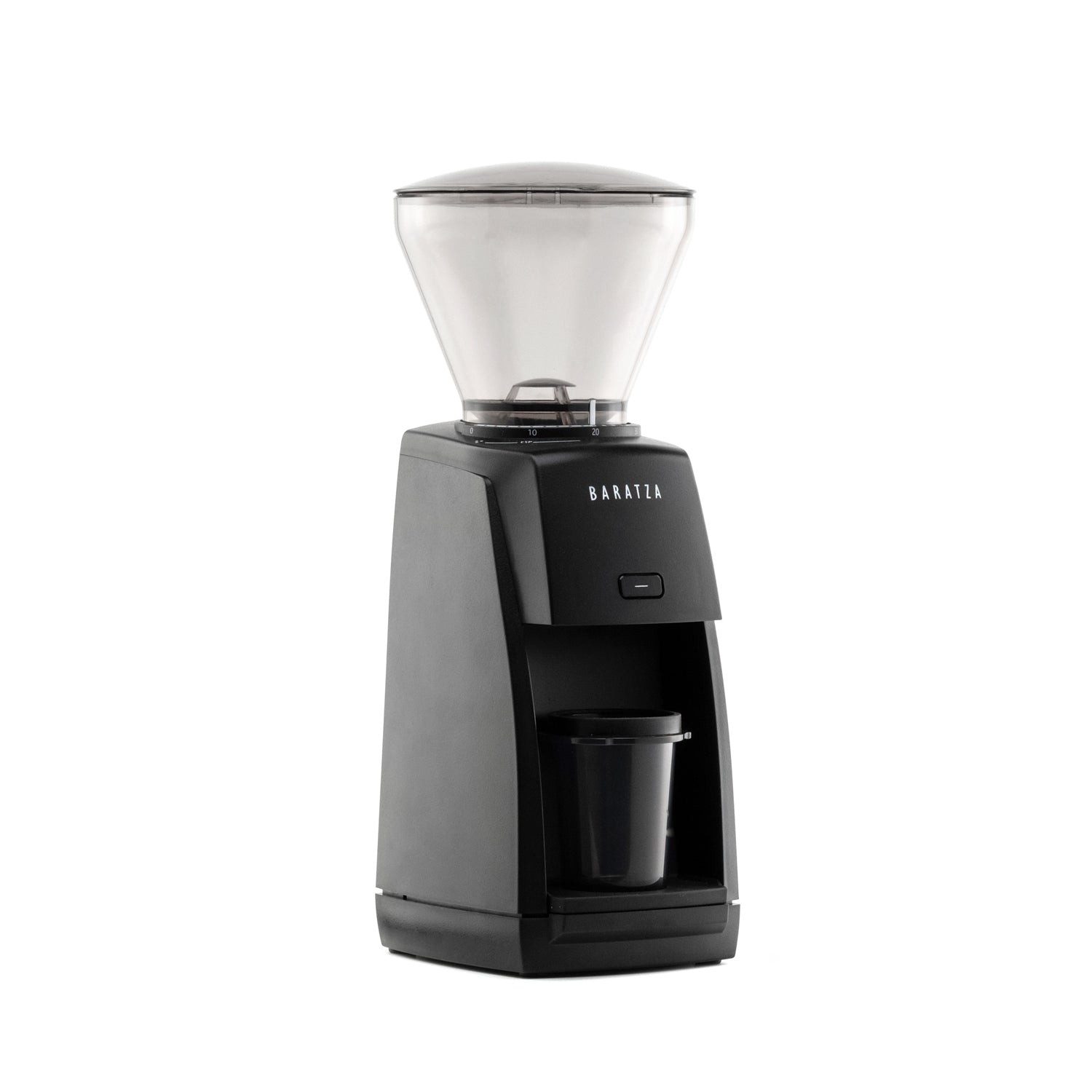
 papelespresso.compapelespresso.com
 meticulist.netmeticulist.net
+Field notes
- —The Gaggia Classic Pro's single-boiler temperature swing (cold water from the reservoir hitting the small aluminum boiler at brew start, plus the heater cycling on/off) means a shot pulled at the peak of a heat cycle tastes dramatically different from one pulled at the trough — you must temperature-surf (purge until the heater re-engages, then pull within a consistent window) to get repeatable results.
- —The Encore ESP's stepped adjustment range (0–20) is specifically calibrated for espresso: the click spacing in that zone is tighter than in steps 21–40 (which are for pour-over and drip), giving you finer grind resolution exactly where you need it for dialing in espresso.
- —Baratza's official recommended starting point for the Encore ESP is setting 15, and the company notes that roughly 10 seconds of grinding will yield about 18 grams of coffee — enough to fill the dosing cup about halfway — though they stress that using a scale is essential for both dose and output.
- —The standard target recipe for this pairing is 18g in, 36g out (a 1:2 ratio), aiming for 25–32 seconds total extraction time; if the shot runs under 20 seconds it's likely too coarse, and if it exceeds 35 seconds it's likely too fine, with the fix being a single click adjustment on the ESP's espresso range.
- —The Encore ESP's M2 burr upgrade ($35) notably improves particle consistency for lighter roasts, which is significant because the Classic Pro's tighter thermal margin amplifies uneven extraction — a more uniform grind helps mask the machine's temperature swings.
- —A practical workflow sequence backed by the sources: preheat the Gaggia for 30 minutes with the portafilter locked in, purge the boiler via the steam wand until steady water flows, temperature-surf, grind at setting 15 into the dosing cup, distribute and tamp, then pull and time — resetting between shots by purging the group head briefly to restore thermal equilibrium.
Explore
Dialing In the Encore ESP for Espresso on a Gaggia
Dialing in the Baratza Encore ESP for a Gaggia Classic Pro is about exploiting the grinder's dual-zone dial — the espresso range (settings 1–20) uses finer, ~20µm steps per click, while the filter range (20–40) uses coarser ~48µm steps. Baratza officially recommends starting at setting 15 for most home machines, but many users land closer to 8 for medium roasts on a Gaggia, adjusting one number at a time because even a single click can shift shot time by 2–3 seconds. The ESP shares the same 40mm conical steel burrs and 100W motor as the standard Encore, but the redesigned burr geometry and stepped adjustment give it genuine espresso capability the original lacked. It won't match flat-burr grinders like the Eureka Mignon Specialita for particle uniformity, but at $199–$299 it's the cheapest credible dual-use grinder that won't frustrate you with a Gaggia Classic Pro.


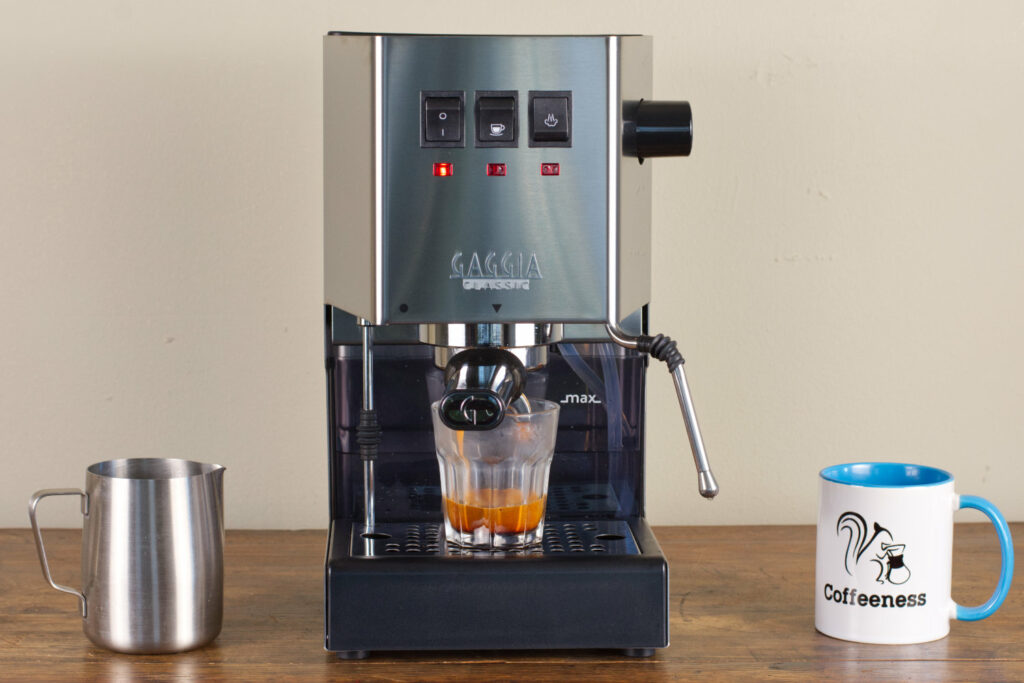
+Field notes
- —The Encore ESP's espresso zone (settings 1–20) uses ~20µm steps per click, while the filter zone (20–40) uses ~48µm steps — so a single-number change in the espresso range can shift your shot time by 2–3 seconds.
- —Baratza's official recommended starting point for most home espresso machines is setting 15, not the finer 8 that many Gaggia Classic Pro users eventually settle on for medium roasts.
- —The Encore ESP shares the same 40mm conical steel burrs and 100W motor as the standard Encore — the difference is entirely in the redesigned burr geometry and a 40-step dial with a dedicated espresso half.
- —With the Gaggia Classic Pro's 58mm portafilter and 15-bar pump, you'll typically need a finer setting for light roasts (0–2 on many grinders) and coarser for dark roasts (3–5), but the ESP's stepped adjustment means you're locked into discrete positions rather than stepless fine-tuning.
- —The ESP comes with a black rubber 58mm adapter ring in the box, designed to let you grind directly into a Gaggia Classic Pro's portafilter without a dosing cup — a detail most reviews gloss over.
- —If your shot channels (uneven extraction showing on a naked portafilter), the grinder is rarely the culprit — improve distribution and tamping instead, because the ESP's conical burrs generate some fines that actually make dialing in more forgiving.
Explore
The Small Add-Ons That Matter More Than Machine Upgrades
For a Gaggia Classic Pro paired with a Baratza Encore ESP, the real performance gains come not from expensive machine modifications but from a set of small, strategic add-ons that fix the machine's known quirks. A bottomless (naked) portafilter is the single most revealing diagnostic tool you can buy—it strips away the spouts so you can watch extraction in real time, instantly exposing channeling, uneven distribution, or a bad tamp. That visual feedback forces you to improve your puck prep, especially if you pair it with a Weiss Distribution Technique (WDT) tool: a set of fine needles (0.4mm or thinner) that you stir through the grounds to break up clumps before tamping. Stock Gaggia baskets are tapered and inconsistent, so swapping to a precision basket (like a VST or IMS) with straight walls and tighter hole tolerances gives you a more even flow and lets you use a snug-fitting tamper (58.4–58.5mm) that doesn't leave gaps. You'll also need a slim digital scale (under 8mm thick) because the stock drip tray leaves only about 8.5cm (3.3 inches) of clearance—too tight for a scale plus a large mug, unless you switch to a bottomless portafilter to reclaim those extra millimeters. Temperature surfing for consecutive shots is a non-negotiable workflow skill: flick the steam switch for 5–10 seconds, then wait for the brew light, to hit the same boiler temperature every time. And a dosing funnel (a simple collar that sits atop the basket) keeps grounds contained during grinding and distribution, eliminating mess and ensuring you hit your target dose consistently.
+Field notes
- —A bottomless portafilter is the best diagnostic tool for a Gaggia Classic Pro because it exposes channeling, uneven distribution, and tamping flaws in real time—the spouted version hides all of that.
- —The stock Gaggia basket is tapered (wider at the top, narrower at the bottom), so a standard 58mm tamper leaves gaps; switching to a straight-walled precision basket (e.g., VST or IMS) allows a snug-fitting 58.4–58.5mm tamper for more even pressure.
- —A WDT tool with fine needles (0.4mm or thinner) breaks up clumps and homogenizes the coffee bed before tamping, which is critical for preventing channeling on the Gaggia's high-pressure pump.
- —The stock drip tray leaves only about 8.5cm (3.3 inches) of clearance, too tight for a scale plus a large mug; a bottomless portafilter and a slim scale (under 8mm thick) are the two upgrades that solve this space problem.
- —To pull consecutive shots at a consistent temperature on a single-boiler Gaggia Classic Pro, you must temperature-surf: flick the steam switch for 5–10 seconds, then wait for the brew light before starting the shot.
- —A dosing funnel (a collar that sits on the portafilter) prevents grounds from spilling during grinding and distribution, making it easier to hit your target dose (16–18g for the stock basket) with 0.1g precision.
Discover
Watch Real Setup, Calibration, and Grind-Setting Walkthroughs
Watching real setup, calibration, and grind-setting walkthroughs for the Gaggia Classic Pro and Baratza Encore ESP reveals that the official Baratza tutorial recommends starting at setting 15 for most home espresso machines, then dialing in by taste and time. The Encore ESP, while sharing the classic Encore body, is optimized for espresso with 40 stepped adjustments (labeled 0–20 with micro-steps) and a dosing cup that fits directly under the portafilter, a detail that surprises many who expect to grind into a separate container. The trick of purging the group head before locking in the portafilter, and using the same scale to weigh both beans and output, are moves that experienced baristas emphasize but beginners often skip. The French Press Coffee channel's grind chart further maps each setting to brew methods, showing that espresso generally lives in the 8–15 range, with the Gaggia's pressurized basket forgiving slightly coarser grinds but the unpressurized demanding the tighter settings. These walkthroughs hammer home that calibration isn't just about the grinder—it's about puck prep consistency, from distribution to tamp pressure, which the Encore ESP's static-free grounds cup makes easier to replicate shot to shot.
+Field notes
- —The Baratza Encore ESP's 40 grind settings (numbered 0–20 with half-step micro-adjustments) are optimized for espresso; the official tutorial recommends starting at setting 15 for most home machines like the Gaggia Classic Pro.
- —A key walkthrough trick is purging the group head for a few seconds before locking in the portafilter—this clears stale water and stabilizes brew temperature, a step many newcomers skip.
- —The Encore ESP's dosing cup is designed to fit directly under the portafilter holder, allowing you to grind straight into the basket without transferring grounds—reducing mess and static clumping.
- —Grind settings for espresso on the Encore ESP with a Gaggia Classic Pro typically live in the 8–15 range; the pressurized basket can tolerate slightly coarser settings, but the unpressurized basket demands tighter, finer adjustments.
- —The French Press Coffee chart explicitly maps each Encore ESP setting to brew methods—espresso falls roughly between settings 8 and 15, with fine-tuning based on shot time (25–30 seconds for a double).
- —Both walkthroughs stress that dialing in is an iterative process: weigh beans in (e.g., 18g), grind, distribute evenly, tamp with consistent pressure, then time the shot—adjusting grind finer if it runs under 25 seconds and coarser if over 30.
Discover
Read Dial-In Guides Focused on Grind Settings and Extraction
Dialing in espresso on a Gaggia Classic Pro with a Baratza Encore ESP is a methodical process of matching grind size to the machine's unique thermal behavior. The Encore ESP's stepped adjustment has 20 dedicated micro-clicks specifically calibrated for espresso (settings 0–20 give finer resolution than the coarser brew range at 21–40), and Baratza recommends starting at setting 15 for most home machines. For the Gaggia Classic Pro, the critical variable is not just the grind but temperature surfing — manually timing shot initiation to the peak of the boiler's heating cycle to compensate for the small aluminum boiler's large temperature swings. A standard recipe is an 18-gram dose aiming for a 36-gram yield in 25–32 seconds, using grind size to control flow rate. Light roasts will need a finer grind (settings 0–2 on most espresso grinders) while dark roasts work coarser (3–5), with medium roasts falling in between (2–3). The process demands a scale and patience — change one variable at a time and taste each iteration.
+Field notes
- —The Encore ESP's espresso range (steps 0–20) has smaller step increments than the brew range (21–40), giving finer grind resolution for dialing in; Baratza's recommended starting point is setting 15.
- —For 18-gram baskets on the Gaggia Classic Pro, the standard target is a 1:2 ratio — 18g in, 36g out — in 25–32 seconds, using grind size as the primary control for flow time.
- —Light roasts require finer grind settings (0–2) to overcome high bean density and achieve extraction in 25–35 seconds; dark roasts need coarser settings (3–5) to avoid over-extraction and bitterness.
- —The Gaggia Classic Pro's small aluminum boiler causes significant temperature swings and drops during brewing; the technique of "temperature surfing" — starting a shot at the peak of the heater cycle — is essential for repeatable extraction.
- —Grinders with larger burrs (50mm+), like the DF64's 64mm flat burrs or the Eureka Mignon Specialita's 55mm flat burrs, produce more consistent particle distribution than smaller burr sets, improving extraction evenness with the Gaggia's 58mm group head.
- —You must purge the Encore ESP by grinding a small amount of coffee to fill the burr chamber before pulling your first shot; otherwise, the grind setting won't represent the actual particle size reaching the basket.
Keep exploring
More of Gaggia Classic Pro + Baratza Encore ESP Setup
Branch out
Beyond Gaggia Classic Pro + Baratza Encore ESP Setup
More to explore
In the same world.
Espresso Machines Under $500
The under-$500 espresso category is where home espresso gets interesting: multiple guides now argue you can get a real p…
Home Espresso Machines
Home espresso machines sit at the intersection of coffee craft, kitchen design, and equipment obsession: they promise ca…
Lelit Bianca V3 Review
The Lelit Bianca V3 is a prosumer dual-boiler espresso machine that keeps showing up in serious home-barista conversatio…
Espresso
Espresso is a concentrated coffee drink made by forcing hot water under high pressure through finely ground coffee, a me…

La Marzocco Linea Mini
The La Marzocco Linea Mini is a home espresso machine built as a kitchen-scaled take on the brand’s Linea Classic, with…

Technics SL-1200 M3D
The Technics SL-1200 M3D is a quartz direct-drive SL-1200 variant that kept the core performance of the earlier 1200 for…
More in Coffee & Espresso
Stay in this world.
Hilo vs. Kona on Hawaiʻi Island

Coffee in Oʻahu, Hawaiʻi
Taiwanese Jin Xuan Tea
Espresso Machines Under $500
Lelit Bianca V3 Review
La Marzocco Linea Mini
Home Espresso Machines
Espresso
Imagery
Know someone who’d love this?
Discovered by ArcurianAuto-generated from public sources and AI synthesis — it may be incomplete or inaccurate. Treat it as a starting point for your own exploration, not professional (medical, legal, financial, or safety) advice. Verify anything you act on. Report this page.