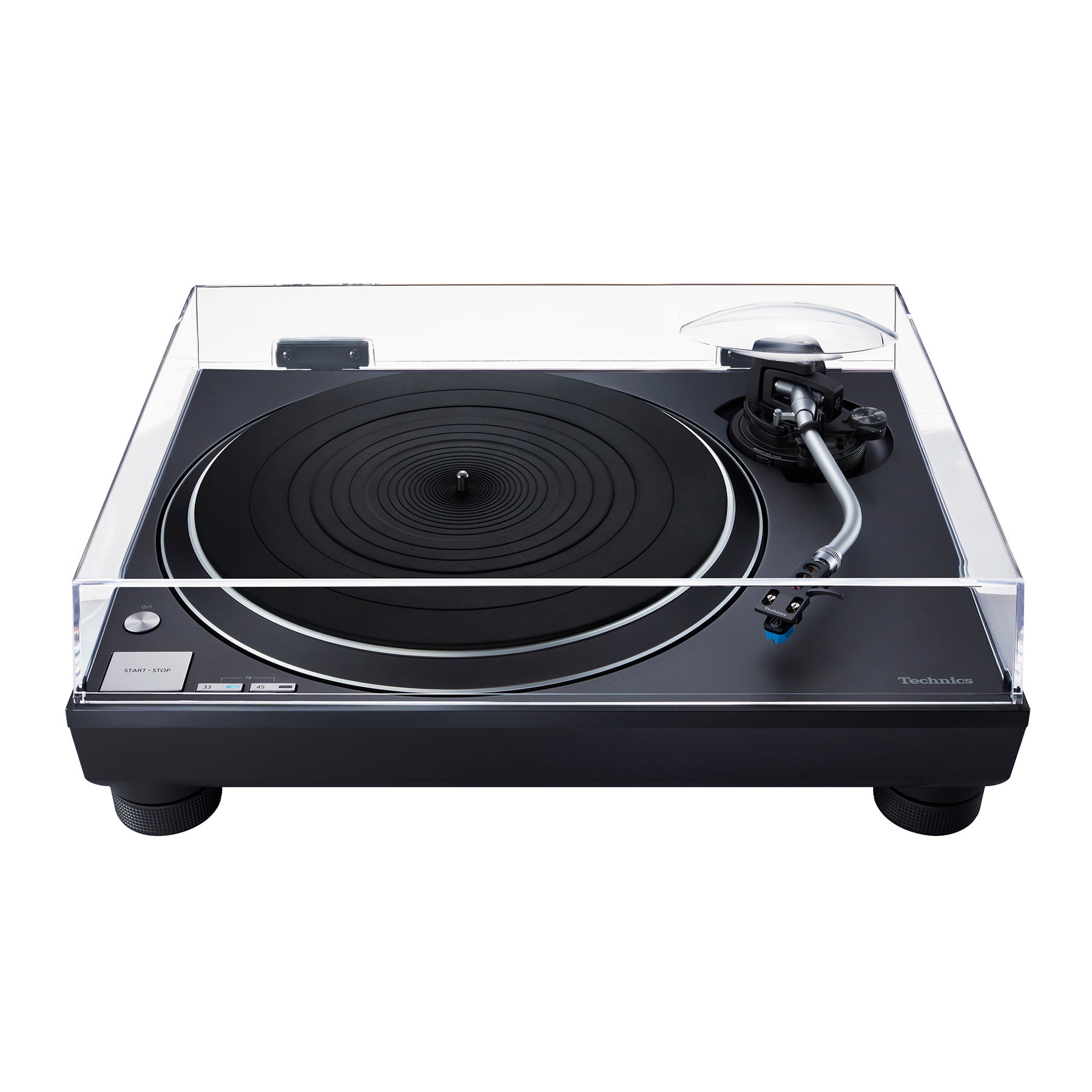
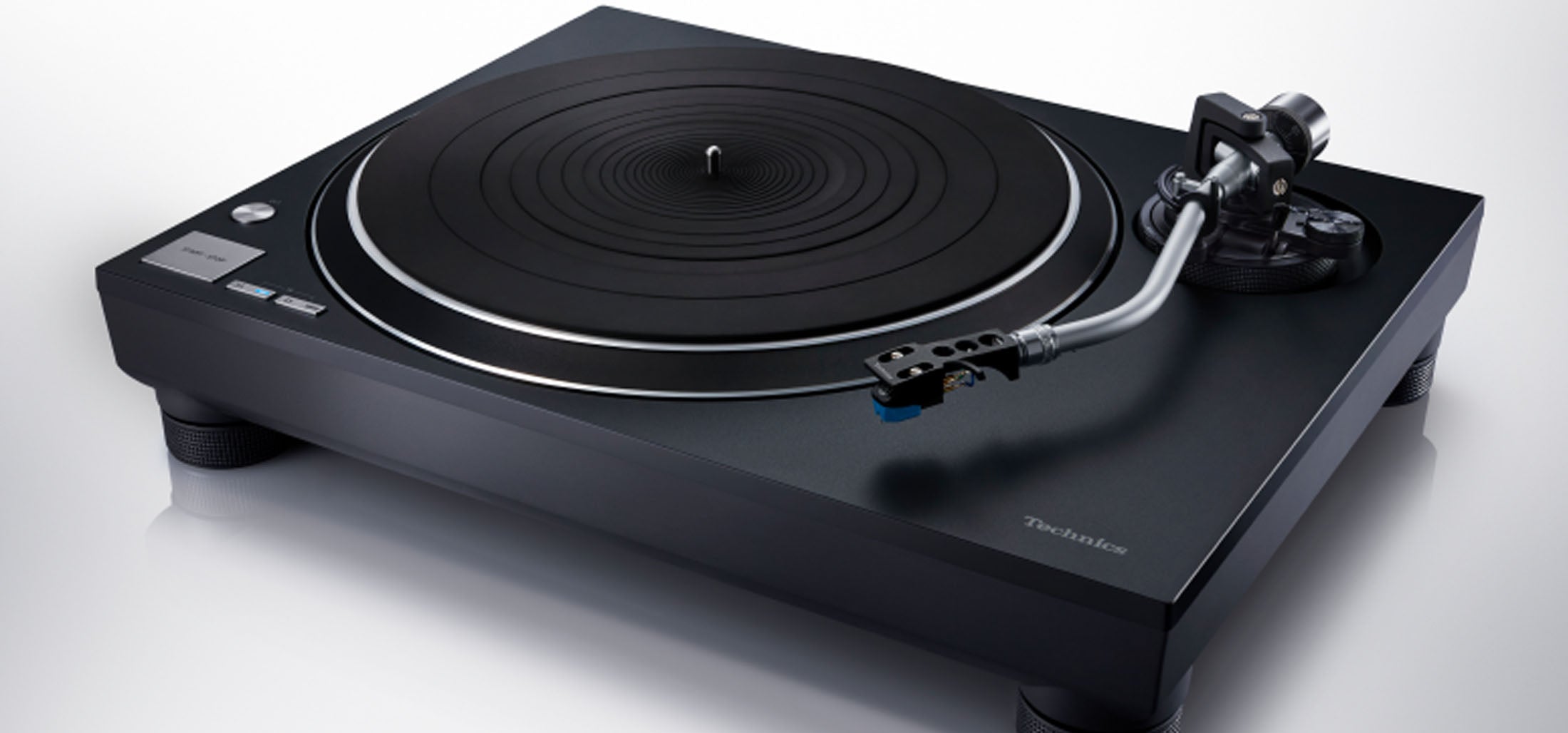
The Technics SL-1200 is a long-running direct-drive turntable series that became the go-to deck for DJs and a defining piece of music culture. Technics’ own history frames its rise as a shift from audio device to musical instrument, while the series’ quartz-controlled speed stability, pitch control, and compatibility with slipmat-based cueing helped make beat-mixing and turntablism practical in clubs and performance settings. The line has also kept evolving, from DJ-focused models like the SL-1200MK7 to hi-fi oriented versions such as the SL-1200GR. What makes the 1200 compelling is that it sits at the exact intersection of engineering, ritual, and performance: one machine, but several cultures built around it.
Learn
Why the SL-1200 Became the Reference Deck


Learn
From Turntable to Musical Instrument
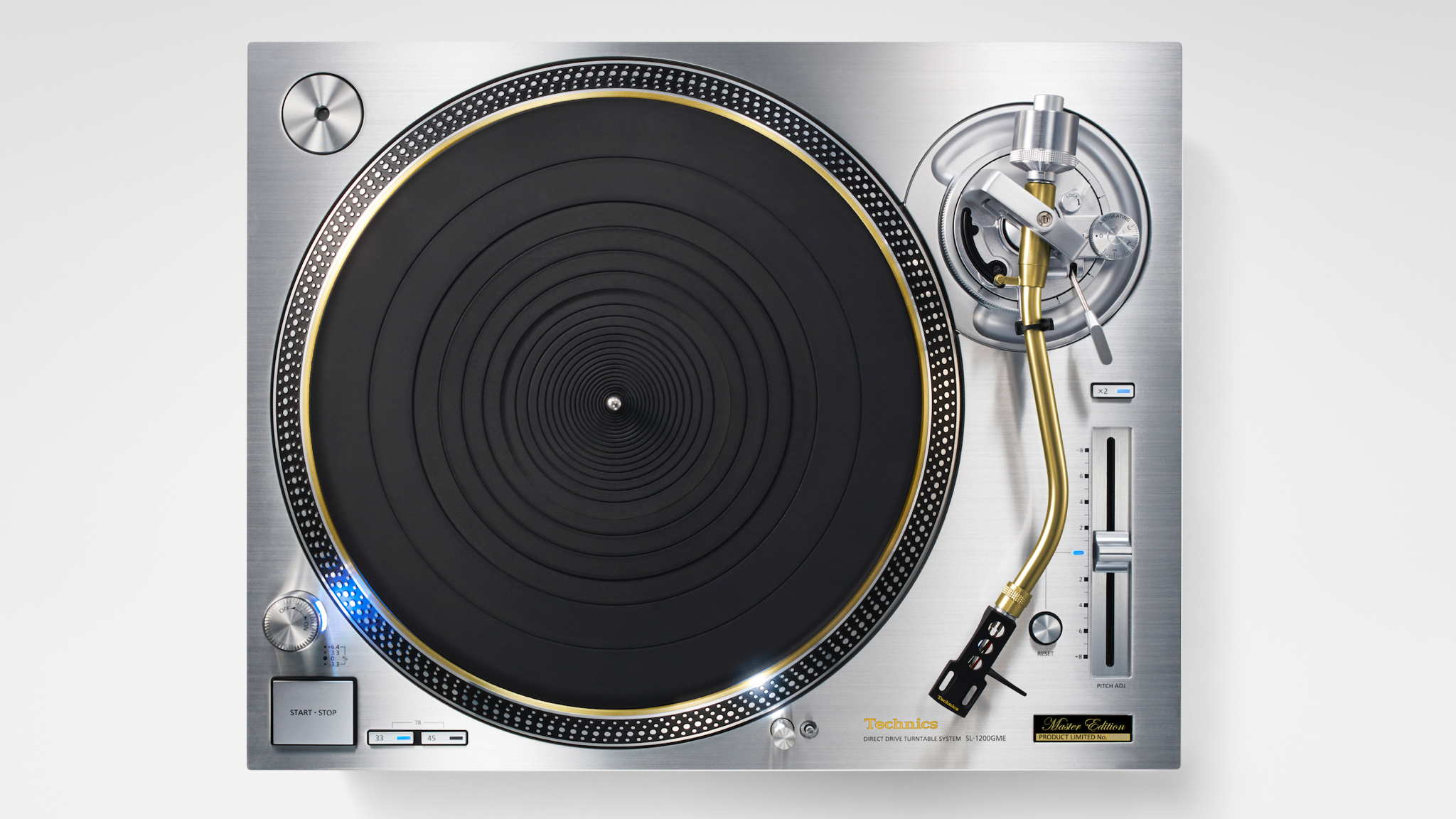
The Technics SL-1200 didn't just play records—it rewired what a turntable could be. Originally designed as a high-fidelity consumer component by Matsushita engineer Shuichi Obata in 1972, its direct-drive motor eliminated the belts and idlers that caused wow and flutter, delivering near-instant startup and rock-steady speed. That torque proved revolutionary for Bronx DJs like Kool Herc, who used two SL-1200s to extend breakbeats, and Grandmaster Flash, who tested everything from Fisher Price to Magnavox before settling on the Technics for its sheer power. The 1979 MK2 added a quartz-locked pitch slider, turning beatmatching from a guessing game into a precise art. By the 1980s, DJs discovered the motor would keep spinning at correct RPM even while wiggling the vinyl back and forth—the accidental birth of scratching. Grandmaster Flash even invented the slipmat by starching felt into record-sized wafers to replace rubber mats, unlocking backspins and cueing. The SL-1200 series became the de facto instrument of hip-hop, with over 3 million units sold and a 2010 London Science Museum display crediting it with 'making the Modern World.' After a brief hiatus (2010–2016), it returned in 2016 as the SL-1200GAE, and the MK7 arrived in 2019—proving that 50 years later, nothing else feels quite right under your fingers.


 museumofplay.orgmuseumofplay.org
 popularmechanics.compopularmechanics.com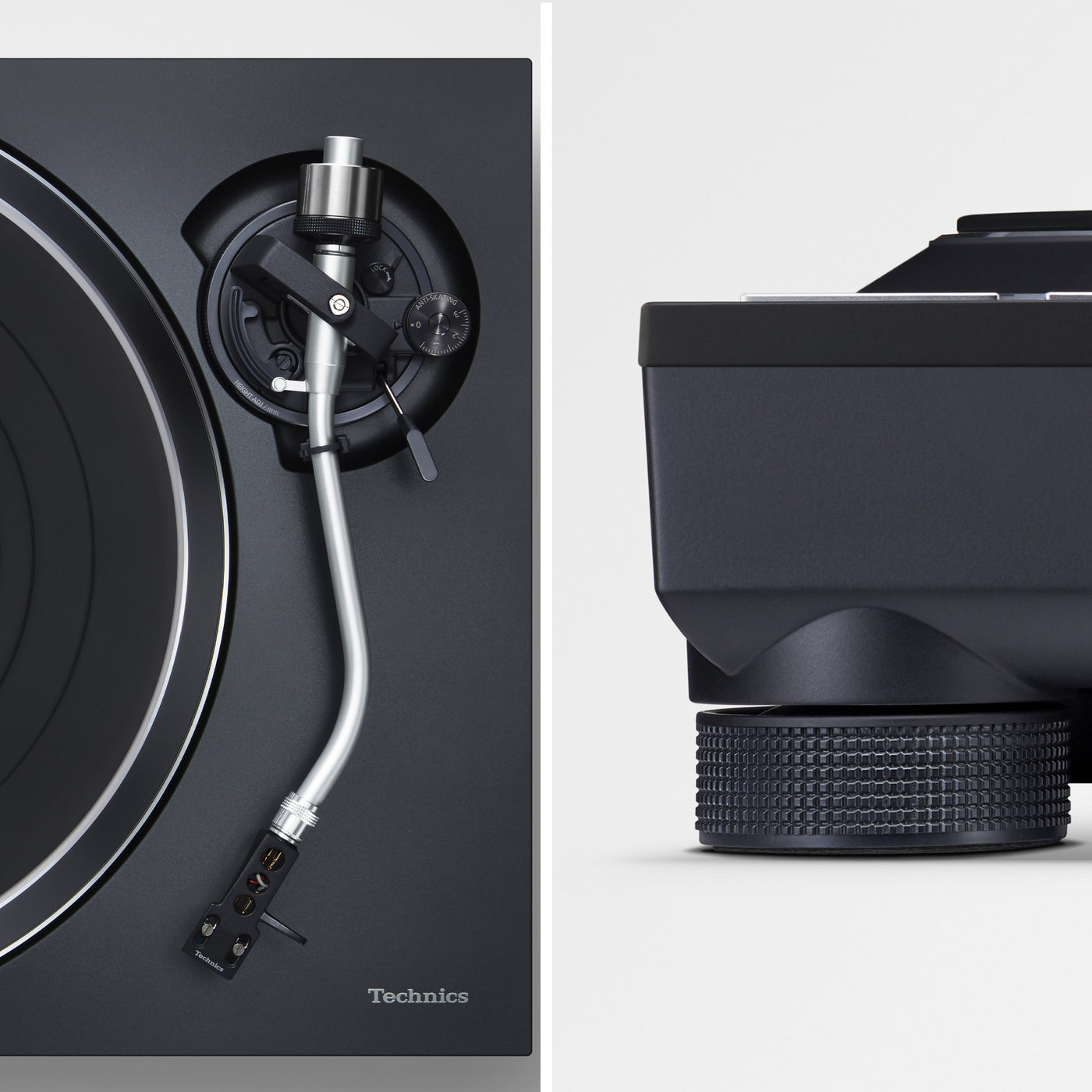
 blogs.panasonic.com.aublogs.panasonic.com.au
+Field notes
- —The direct-drive motor was a side effect of audiophile perfectionism: Shuichi Obata's 1970 SP-10 was the world's first direct-drive turntable, eliminating belt-induced vibration and wow/flutter, but its high torque and instant startup made it a DJ's secret weapon for breakbeats and backspins.
- —Grandmaster Flash tested turntables from Fisher Price to Magnavox before adopting the SL-1200, and he invented the slipmat by starching felt into record-sized wafers to replace rubber mats—allowing records to slide freely while the platter kept spinning.
- —The 1979 SL-1200MK2 added a quartz-locked pitch-control slider, enabling precise beatmatching; earlier models lacked this bypass for automatic speed regulation, so DJs had to manually adjust the pitch dial or physically touch the record to alter speed.
- —Scratching was an accident: DJs in the early 1980s discovered that the SL-1200's high-torque motor would keep spinning at correct RPM even while they wiggled the record back and forth on the platter—a behavior that belt-drive tables couldn't sustain without stalling.
- —The SL-1210MK2 is exhibited at the London Science Museum as one of the pieces of technology responsible for 'making the Modern World,' acknowledging its role in shaping hip-hop, electronic dance music, and global club culture.
- —After Panasonic discontinued the SL-1200 in 2010, a petition from vinyl-loving DJs pushed Technics to relaunch the series at CES 2016 with the limited-edition SL-1200GAE (1,200 units worldwide) and the consumer-grade 1200G, followed by the DJ-focused MK7 in 2019.
Learn
MK2, MK7, GR: Reading the Model Names and Features
The Technics SL-1200 family is a lineage of direct-drive turntables that began as a hi-fi component in 1972 and became the de facto standard for DJs worldwide, thanks to the MK2 revision in 1978. The model names carry real meaning: MK2 (1978–2010) is the foundational icon with a quartz-locked motor and ±8% pitch slider; later variants like the M3D introduced a redesigned pitch control with different resistance values; the MK5 added a pitch reset button and revised tonearm; the modern MK7 (2019) returned to production with a lighter body and digital pitch; and the GR sits as a mid-range audiophile model with a coreless motor for reduced cogging. Each suffix—MK2, MK5, GR, G—signals specific mechanical and electronic refinements, not just generational steps.
 1200s.com1200s.com
 help.na.panasonic.comhelp.na.panasonic.com
 toprecordplayers.comtoprecordplayers.com
 en.wikipedia.orgen.wikipedia.org
+Field notes
- —The SL-1200MK2, launched in summer 1978, was a complete ground-up redesign—not a simple revision—featuring the quartz-locked direct-drive motor, high-torque startup reaching 33⅓ RPM in about 0.7 seconds, and the ±8% pitch control that made beatmatching possible for hip-hop DJs in the Bronx.
- —Panasonic stopped production of the SL-1200 line in 2010, but revived it in 2016 with the audiophile-grade SL-1200G and SL-1200GAE ($4,000 range), built from entirely new tooling and molds, then followed with the more affordable MK7 in 2019 aimed at DJs.
- —The pitch control on MK2 units changed mid-production: early models used a 6-pin 20k ohm potentiometer with a rubber dust cover that degraded over time, while 1980s revisions switched to an 8-pin 22k ohm unit with a felt dust cover outside the plinth, changing the calibration from 2.70 ohms to 2.875 ohms—a detail the service manual never updated.
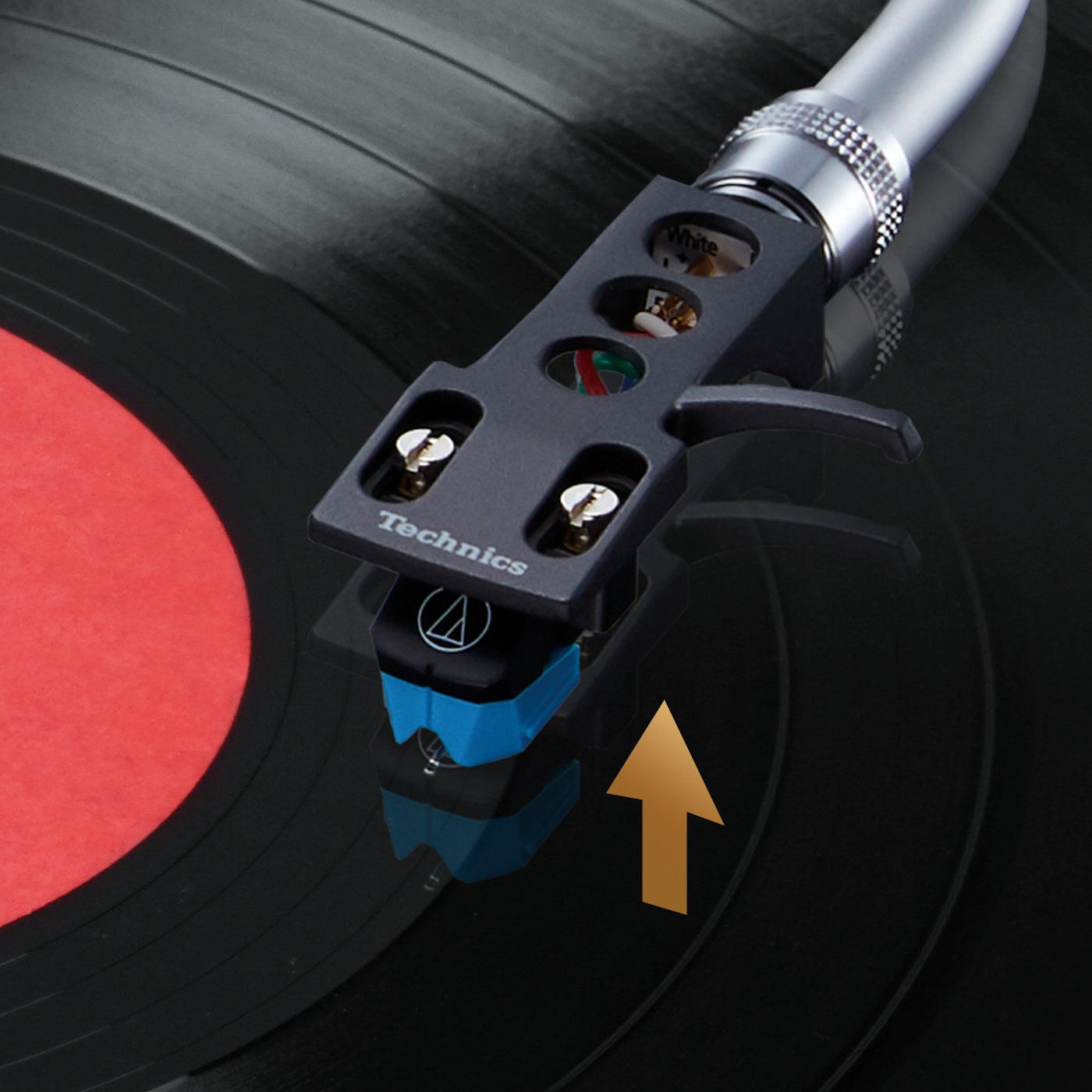
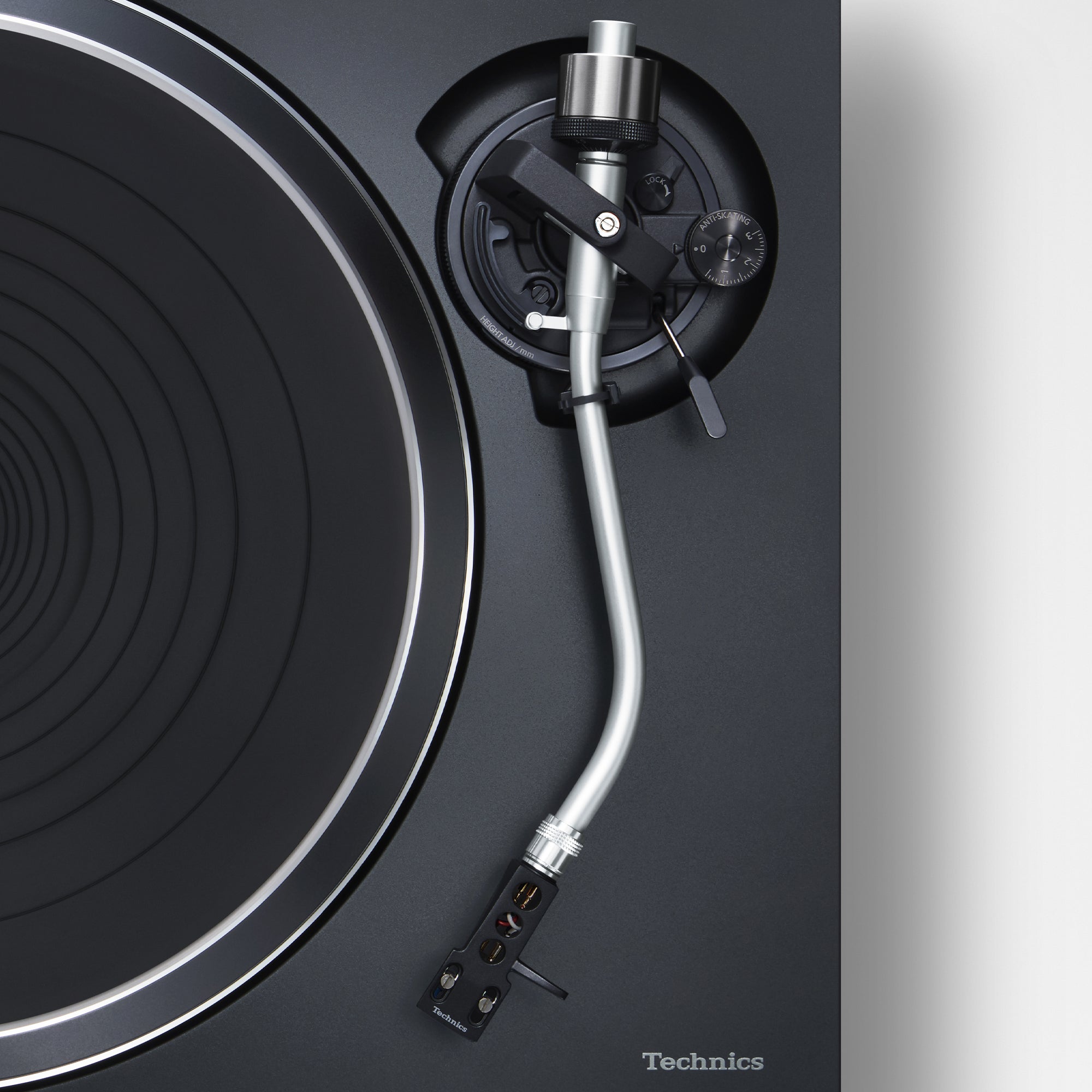
- —The MK5 introduced a pitch reset button that instantly returns the slider to zero detent, a redesigned tonearm with a removable headshell holder, a heavier diecast aluminum platter, and revised dust cover hinges with a metal collar around the power switch—improvements the MK2 lacks.
- —The SL-1200GR, positioned between the MK7 and the high-end G, uses a coreless direct-drive motor to eliminate cogging (the slight magnetic pulse felt in traditional direct-drive motors), delivering smoother rotation for audiophile listening while keeping a lower price than the G series.
- —The original SL-1200 from 1972 was an evolution of Technics' SP-10 broadcast turntable, designed purely for high-fidelity home use—its adoption by DJs was accidental, driven by the direct-drive motor's high torque and the speed adjustment dial, which DJs repurposed for beatmatching.
Discover
Watch Setups, Restorations, and Model Comparisons
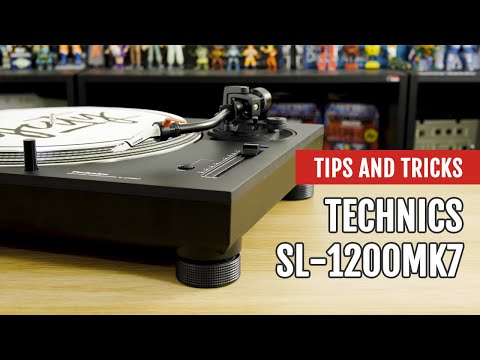

Restoring a classic Technics SL-1200 MK2 goes far beyond cleaning—it's a surgical overhaul targeting known weak points: the original audio cables get swapped for Mogami W2528 with Neutrik NYS373 Gold RCA plugs, the pitch slide potentiometer is replaced with an SFDZ122N11-2, and the pitch gain is recalibrated to exactly 262 kHz. Capacitors leak, voltage regulator transistors fail in sets of four, and solder joints on the main PCB need reflowing to prevent intermittent faults. Upgrading the target lamp to LED and replacing the pitch slide felt are finishing touches that bring a 40-year-old deck back to factory spec. On the modern side, the SL-1210GME demands more than the included alignment tools—precision jigs from Wally Tools are used to dial in cartridge azimuth, overhang, and antiskating, because even a legendary drive system sounds flat if those microscopic geometries are off. The GME's own manual offers deep adjustments like tonearm height per cartridge, arm lift height, startup speed, and brake speed, but without proper tooling you risk uneven stylus wear and lost fidelity. Meanwhile, the SL-1200MK7 marked Technics' return to the DJ turntable market, blending heritage with a lighter chassis and digital pitch lock.
+Field notes
- —A thorough restoration replaces the stock audio cables with Mogami W2528 dual unbalanced cable and Neutrik NYS373 Gold Plated RCA connectors, and the pitch slide potentiometer with an SFDZ122N11-2 or equivalent, followed by calibrating pitch gain to 262 kHz.
- —Common failure points on older Technics 1200s include leaking capacitors, failing voltage regulator components (specifically four power transistors), and cracked solder joints on the main PCB that require reflowing to restore reliability.
- —Technics SL-1210GME owners who rely solely on basic alignment tools miss the deck's full potential; precision tools like Wally Tools are required to correctly set cartridge azimuth, overhang, and antiskating, preventing uneven stylus wear and unlocking true audio fidelity.
- —The SL-1210GME's manual includes adjustable parameters such as tonearm height based on cartridge height, arm lift height, startup speed, and brake speed, allowing fine-tuning beyond standard setup.
- —The SL-1200MK7 represents the return of Technics' flagship DJ turntable after a hiatus, incorporating features like a direct-drive motor with digital pitch lock and a lighter plinth while retaining the iconic form factor.
Discover
Read Buyer Guides, Ownership Notes, and Long-Term Impressions

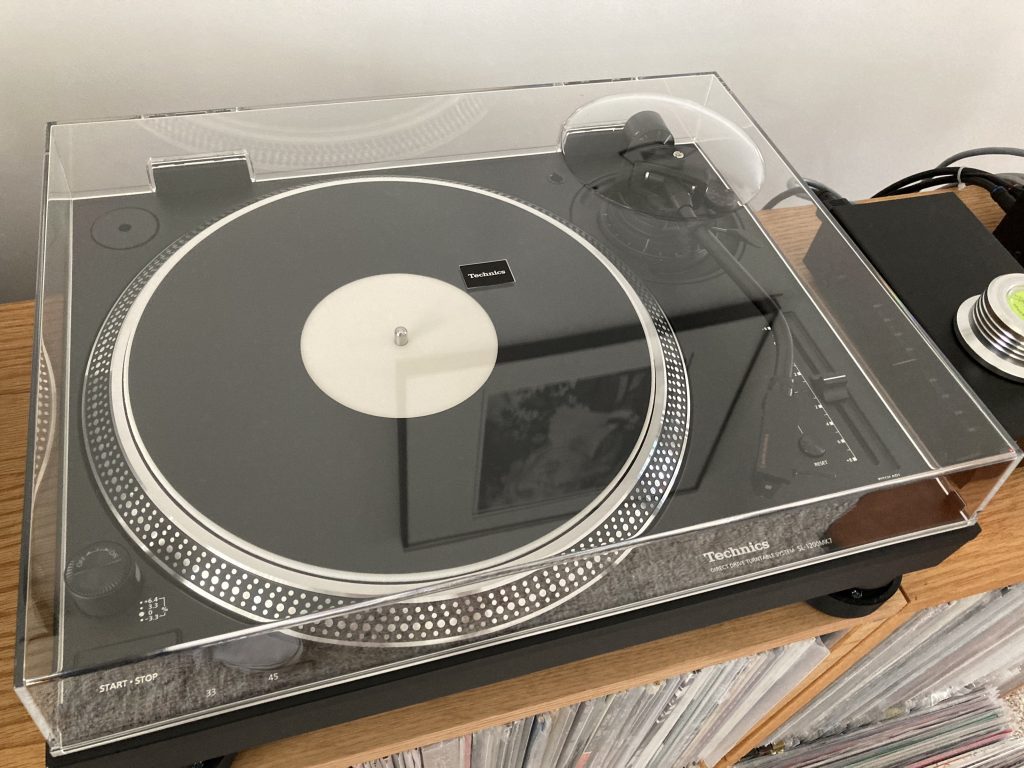


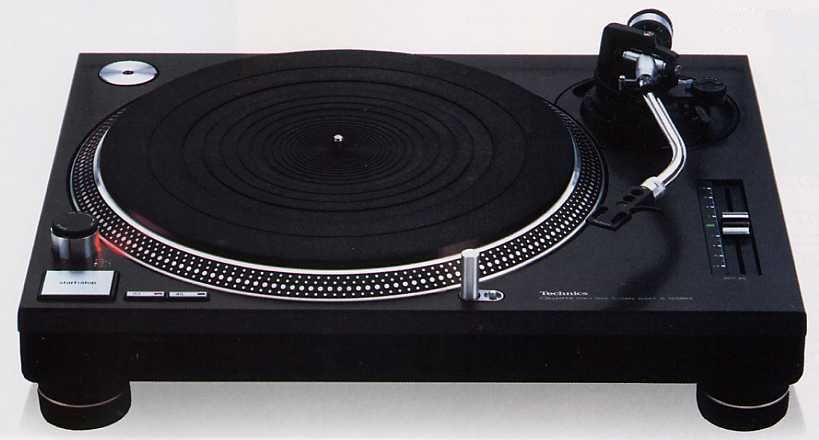
The Technics SL-1200 is one of the most documented and debated pieces of audio gear on the planet. Its history is well known, but the lived experience of buying and owning one is a different story entirely. The original SL-1200 was never a DJ turntable; it was designed as a high-fidelity consumer deck, and it took the improvisation of early hip-hop DJs to re-invent its purpose. The MK2, introduced in 1978, is the definitive model for that culture, but it has been out of production for over a decade, meaning the second-hand market is a minefield of fakes, worn-out RCA cables, and hidden maintenance issues. The re-release in 2019 with the MK7 broke a long dry spell, but it is a genuinely different machine: it uses a lightweight platter and a less powerful motor than the MK2, a clear engineering compromise for modern sensitivity and cost. The real surprise for any owner is that the cult of the 1200 is not a myth, but the specific details of its build—the quartz-locked motor, the S-shaped tonearm, the vibration isolation—are what separate a working machine from a legendary one. Every part matters, from the original black paint to the condition of the pitch slider, and the serious buyer's obsession with physical inspection over online trust is what defines the entire community.
+Field notes
- —The original SL-1200 (1972) was not designed for DJing at all; it was a hi-fi consumer turntable with a direct-drive motor that eliminated belt-driven wow and flutter, and its quartz-locked speed control was its only defining DJ feature until the MK2 added a pitch slider in 1978. [sourceUrl: https://www.haopicks.com/technics-sl-1200-turntable-dj-professional-guide-2026]
- —The MK2's motor reaches 33⅓ RPM in about 0.7 seconds, a startup torque that is significantly higher than the MK7's, which uses a lighter platter and a less powerful motor to achieve a similar spin-up feel but with lower rotational mass. [sourceUrl: https://www.haopicks.com/technics-sl-1200-turntable-dj-professional-guide-2026]
- —A common and dangerous myth is that any used MK2 will "last decades" — but in a club environment, the original RCA cables are a common failure point (often requiring full re-soldering), and the arm wiring can develop contact problems over time, especially if the turntable has been moved repeatedly. [sourceUrl: https://www.recordcase.de/en/technics-sl-1200-sl-1210-mk7-in-long-term-review]
- —The MK7 (2019) shares the same arm and cabinet construction as the SL-1500C, and its motor is a slightly less sophisticated version of the higher-end GR's; it is not a direct replacement for the MK2's build, and its platter is noticeably lighter, which some purists consider a downgrade for scratching feel. [sourceUrl: https://www.recordcase.de/en/technics-sl-1200-sl-1210-mk7-in-long-term-review]
- —Deadstock (new-in-box) MK2 units now regularly exceed $1,500, and the best option is often a refurbished unit from a specialist like Stokyo in Japan, which are thoroughly tested and calibrated with original parts, as opposed to a random eBay auction where the condition and history are completely unverified. [sourceUrl: https://www.turntablelab.com/pages/guide-to-technics-1200-turntables]
- —The SL-1200 is not merely a turntable; it is the de facto standard for club installations and turntablism practice, meaning that when a DJ booth has "decks," it almost always means a pair of 1200s, and the club culture of permanent installation has made them a long-term investment that can outlive a DJ's entire mixer or controller collection. [sourceUrl: https://www.haopicks.com/technics-sl-1200-turntable-dj-professional-guide-2026]
Keep exploring
More of Technics SL-1200

Branch out
Beyond Technics SL-1200
More to explore
In the same world.

Technics SL-1200 M3D
The Technics SL-1200 M3D is a quartz direct-drive SL-1200 variant that kept the core performance of the earlier 1200 for…

Technics SL-1200M3D Pitch Reset Button
On the SL-1200M3D, the pitch reset button is the small change that made this version instantly recognizable to DJs: pres…
Vinyl Records
Vinyl records are disc-shaped analog sound carriers cut with a spiral groove that a stylus traces from the outside edge…

Sennheiser HD 600
The Sennheiser HD 600 is an open-back, wired circumaural headphone that Sennheiser itself still presents as the audio pu…

La Marzocco Linea Mini
The La Marzocco Linea Mini is a home espresso machine built as a kitchen-scaled take on the brand’s Linea Classic, with…
Mechanical Keyboards
Mechanical keyboards sit at the overlap of typing tool, gaming hardware, and custom object: you can buy a polished board…
Datsun 240Z
The Datsun 240Z is the export-badged S30-generation Nissan Fairlady Z, a late-1960s-to-1970s sports car that reshaped ho…

Happy Hacking Keyboard Professional
Happy Hacking Keyboard Professional is PFU’s compact, layout-driven keyboard line built around electrostatic capacitive…
More in Hi-Fi & Vinyl Audio
Stay in this world.
See all of Hi-Fi & Vinyl Audio →Imagery
Know someone who’d love this?
Discovered by ArcurianAuto-generated from public sources and AI synthesis — it may be incomplete or inaccurate. Treat it as a starting point for your own exploration, not professional (medical, legal, financial, or safety) advice. Verify anything you act on. Report this page.