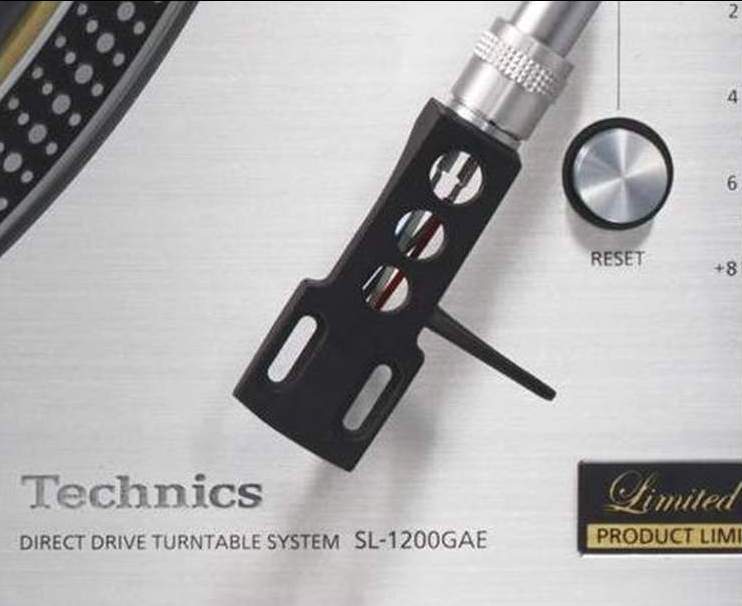
On the SL-1200M3D, the pitch reset button is the small change that made this version instantly recognizable to DJs: press it and the deck snaps back to quartz-locked 0.0% speed, regardless of where the pitch slider is sitting. That one control is part of what separates the M3D from the earlier SL-1200MK2, alongside the sunken power switch, while leaving the core direct-drive feel essentially intact. The interesting part is not just what the button does, but how it changes the ergonomics of cueing, checking true speed, and reading the M3D as a "close variation" model where tiny layout decisions matter. If you want to understand why Technics obsessives still compare 1200 versions line by line, this button is exactly where the conversation starts.
Learn
What the M3D Pitch Reset Actually Does
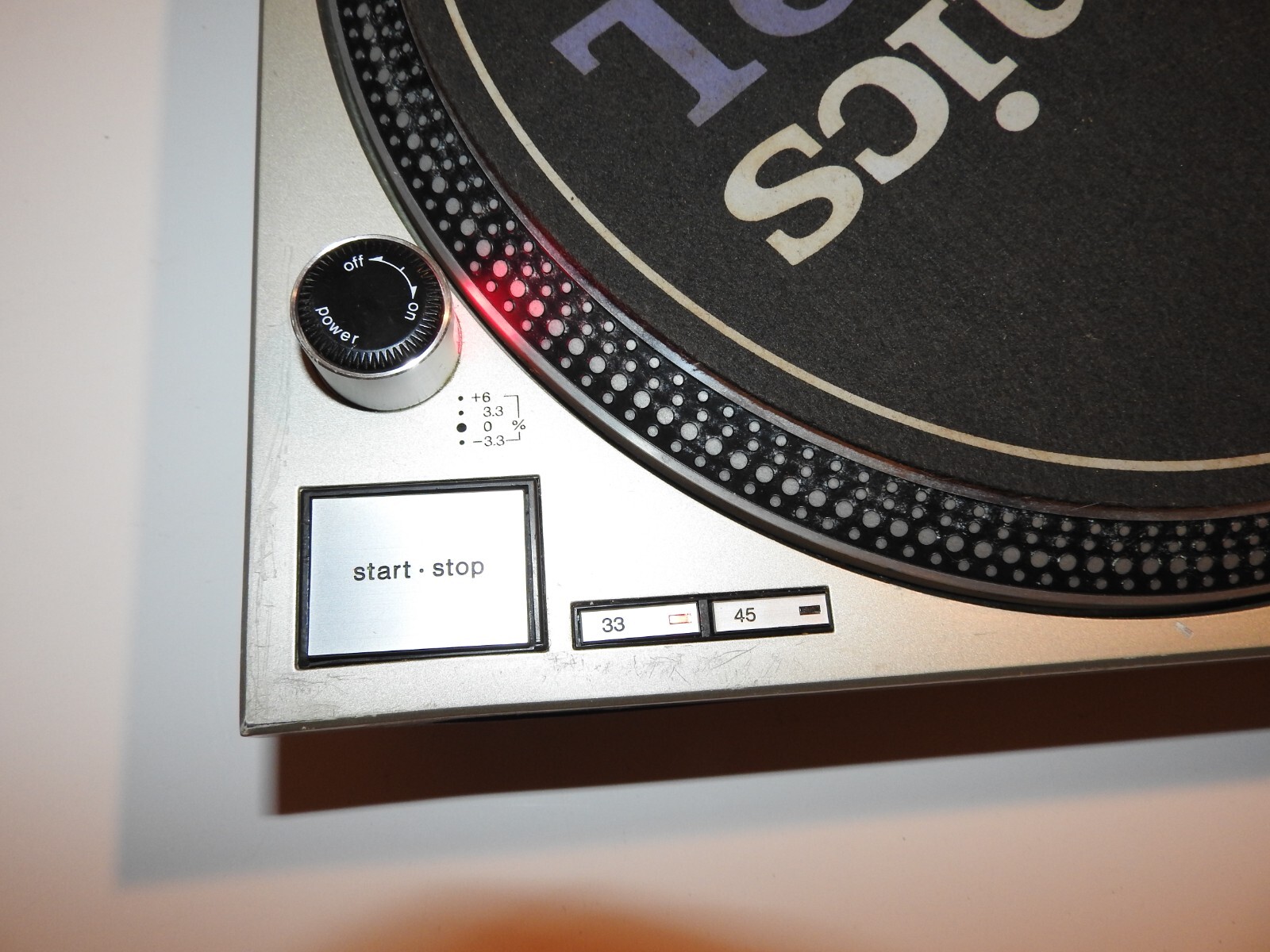
The Technics SL-1200M3D's pitch reset button is deceptively simple: it's a toggle that snaps the pitch back to the quartz-locked 0% (33⅓ or 45 rpm) the instant you press it, with the green lamp confirming the reset. Press it again and the deck returns to your last manual pitch setting. This isn't just a convenience—it solves a real problem that emerged when Technics changed the MK2's pitch control from a 20kΩ 6-pin part to a 22kΩ 8-pin version in the 1980s, inadvertently making the old MK2's center-point LED behavior inconsistent with later models. The M3D and MK5 pitch controls are electrically identical in resistance (22kΩ), but the M3D's LED only lights when the reset button is active, not at the physical center of the slider. The reset button is mechanically interlocked with the pitch adjustment in the service schematic — pressing it bypasses the trimmer position entirely, effectively disengaging the variable resistance network and forcing the motor controller to lock to the crystal reference. This is a far cleaner solution than the hack of disabling the quartz lock altogether, which experienced technicians warn introduces speed instability and is pointless if the fader is properly calibrated. It's one of those small features that separates the M3D from the MK2 as a more performance-minded DJ tool, alongside the sunken power switch meant to prevent accidental cut-outs during scratching.

 1200s.com1200s.com
![E¢ Adjustments While Using The Unit - Technics SL-1210M3D Instructions For Use Manual [Page 14] | ManualsLib](https://upload.wikimedia.org/wikipedia/commons/0/08/Technics_SL-1200G_under_the_platter.jpg)
 manualslib.commanualslib.com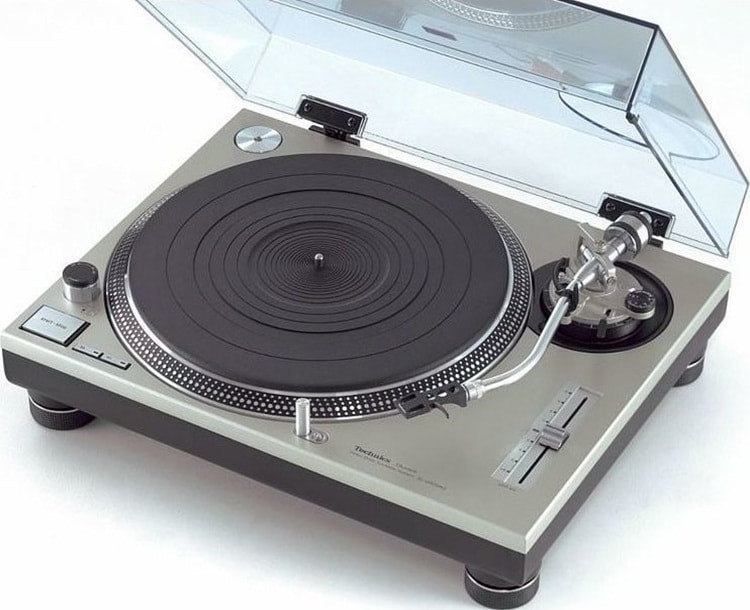
+Field notes
- —The reset button is a momentary toggle: press once to snap pitch to 0% (33⅓ or 45 rpm) with the green lamp lighting up; press again to return to your last manual pitch setting — it's not a permanent lock but a memory recall.
- —Technics changed the MK2 pitch control from a 20kΩ 6-pin part to a 22kΩ 8-pin design in the 1980s, dropping the rubber dust cover for a felt one and making the M3D/MK5 22kΩ control electrically identical to the revised MK2 fader.
- —Unlike the MK2, the M3D’s green LED only lights when the reset button is active — not at the physical center of the pitch slider — because the reset button is mechanically interlocked with the pitch trimmer in the service schematic (part S301, interlocked with VR303).
- —The reset button effectively bypasses the variable resistance network and forces the motor controller to lock to the quartz crystal reference, making it a safer alternative to the 'disable quartz lock' hack — which experienced technicians say introduces speed instability if the fader is properly calibrated.
- —The M3D was built alongside the sunken power switch (to prevent accidental cut-outs during scratching) and came with a slipmat and plastic undercover piece, all aimed at the working DJ — the reset button is part of that same performance-focused package.
Learn
Why the Pitch Reset Button Matters in the 1200 Line
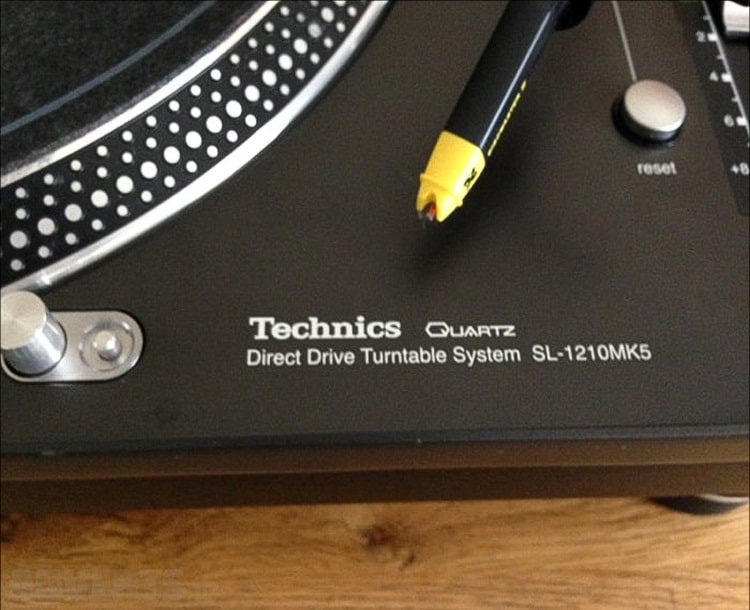
The pitch reset button on the Technics SL-1200M3D isn't just a convenience—it fundamentally changed how DJs interacted with tempo control, eliminating the crude center detent of the MK2 and replacing it with a quartz-locked reset that could recall the previous pitch offset with a second press. First appearing as a general model feature on the M3D in 1997 (previously exclusive to the limited SL-1200GLD), the button worked by disengaging the pitch slider's analog resistance and forcing the motor into precise quartz control at 0%, while the slider itself remained clickless at center, allowing finer adjustment near zero. Under the hood, this required a swap from the MK2's original 20k ohm pitch potentiometer to a 22k ohm unit, with a recalibration target of 2.875 ohms instead of 2.70—a change that also affected the LED behavior: the M3D's center light only fires when the reset button is engaged, not at the physical zero position like the MK2. Together, the recessed power switch, hingeless dust cover, and this reset button made the M3D the de facto choice for club DJs who needed reliability and precision without worrying about accidental resets or cable snags.

 audioappraisal.comaudioappraisal.com
 tranceaddict.comtranceaddict.com
+Field notes
- —The M3D was the first general-production model to include a pitch reset button; previously, that feature had only appeared on the limited-run SL-1200GLD, making it a rarity that quickly became a standard expectation.
- —Pressing the reset button snaps the platter to quartz-locked 0% regardless of the slider position, and pressing it again recalls the previous offset—meaning a DJ could jump between two tempos without moving the fader.
- —Technics removed the center detent (the mechanical notch at 0%) on the M3D pitch slider, which eliminated the jumpiness near zero and allowed much finer pitch adjustments—a change directly tied to the reset button taking over the role of returning to base tempo.
- —The M3D used a 22k ohm pitch potentiometer instead of the MK2's original 20k ohm part, and its service calibration shifted from 2.70 ohms to 2.875 ohms—a detail that means swapping pitch controls between models requires adjusting the entire PCB.
- —Unlike the MK2, the M3D's center LED only illuminates when the pitch reset button is active, not when the slider is physically at 0%—a design choice that visually confirms the quartz lock is engaged.
- —The pitch reset button was part of a broader M3D package that included a recessed power switch to prevent accidental shutdown and a hingeless dust cover—all refinements born from club DJ complaints about the MK2.
Learn
Quartz Lock, Zero Pitch, Slider Travel: The Terms Around It
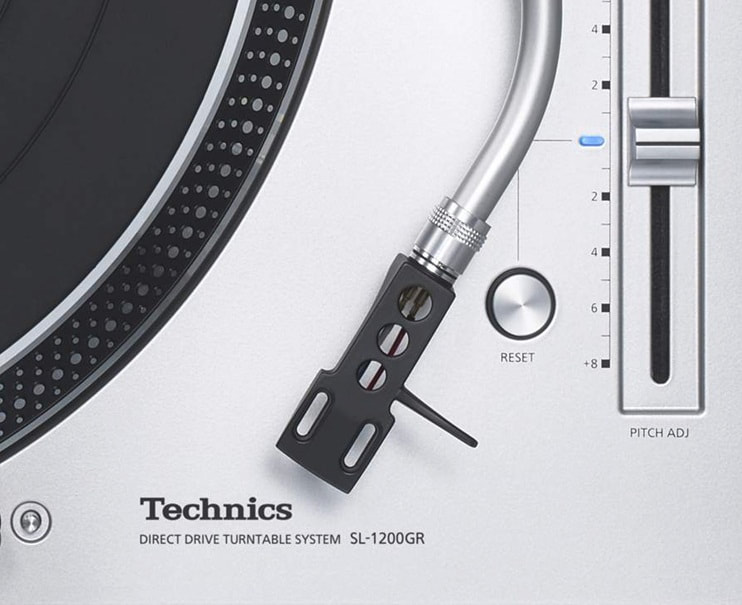
The Technics SL-1200M3D’s pitch reset button is Technics’ quiet admission that the MK2’s center-detent-and-quartz-lock combo was a pain for beatmatching. On the MK2, moving the pitch slider to zero engages a physical click and a Quartz Lock circuit that overrides the slider entirely, locking the platter to a precise 33.333 RPM via a crystal reference. While that sounds like precision, age and bar-gunk cause the potentiometer to drift from the quartz point, creating two zero positions—a nightmare where the slider passes through true 0% silently before hitting the click. The M3D kills this problem by replacing the detent with a push-button that instantly switches off the pitch circuit and throws the table into quartz-locked zero, letting you nudge the slider without that grabby center. Hardcore DJs often go further: they remove the center click and even disable the Quartz Lock entirely, because its servo constantly fights finger pressure on the platter, making tiny speed corrections feel jerky. The original MK2 pitch fader (SFDZ122N11-1) had a ±2.5mm quartz-lock zone; a later revision (SFDZ122N11-2, used on the MK4 and LTD) narrowed that to ±0.5mm for tighter control, but still kept the click. The M3D’s solution—a dedicated reset button—is cleaner than any hardware hack, but it also means you lose the tactile feedback of the center indent, which some DJs miss for fast returns to zero.
 manualslib.commanualslib.com
 albepro.nlalbepro.nl
+Field notes
- —On the MK2, the ‘Quartz Lock’ at the slider’s center isn’t just a speed stabilizer—it completely disconnects the pitch slider’s resistance value and substitutes a crystal-locked 33⅓ RPM, meaning tiny slider movements near zero do nothing until you break out of the lock zone.
- —The M3D’s reset button (RQT4912-2P manual calls it ‘Reset Button’) instantly forces the turntable to 0% pitch without touching the slider, a direct fix for the ‘double zero’ problem where the slider’s mechanical center no longer aligns with the quartz reference.
- —Technics produced two versions of the MK2 pitch fader: the original SFDZ122N11-1 (1989–2017) with a ±2.5mm quartz-lock zone, and the later SFDZ122N11-2 (1997–discontinued) with a shortened ±0.5mm lock—both still have the detent, but the MK4 and LTD use the -2 for tighter center feel.
- —The SL-1200M3D was the first production model to ship without the physical center click in the pitch slider, as noted in Keck’s DIY removal guide; he calls the M3D “the new ones … made without the click” and credits them as inspiration for modifying older decks.
- —Disabling the Quartz Lock (by soldering a jumper or removing components) lets the turntable free-wheel under finger pressure—the strobe dots wobble naturally—which experienced mixers say makes tiny beat corrections feel less ‘jerky’ than the servo fighting your touch.
- —The pitch slider’s full travel is ±8% (not ±6 or ±10), as stated in both the MK2 manual and the product page for the SFDZ122N11-1 replacement, and the scale on the side is only a rough guide—the true pitch is read from the strobe dots on the platter rim.
Discover
Owner Discussions, Manuals, and Model Comparisons
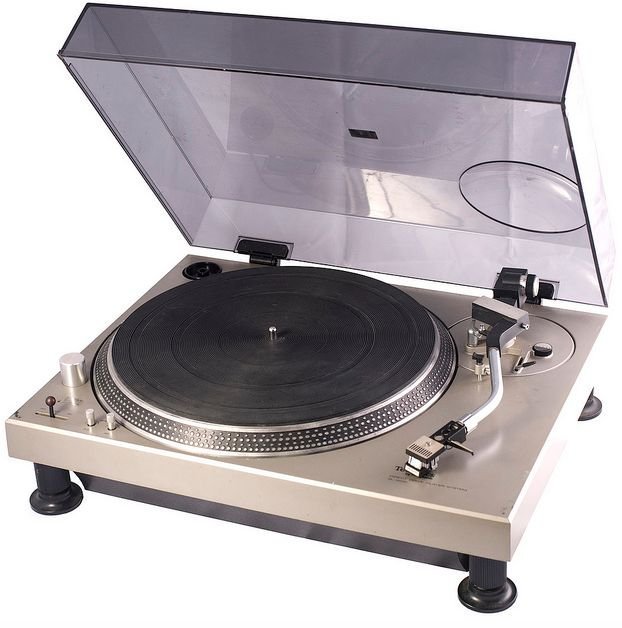
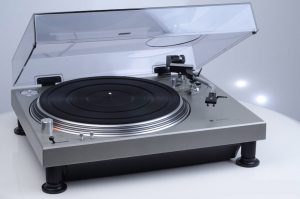
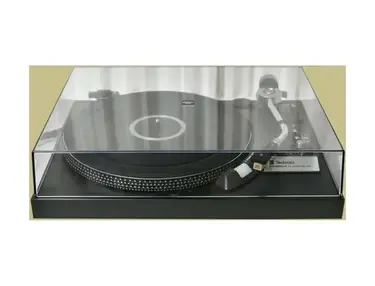
The Technics SL-1200M3D is essentially a refined SL-1200MK2, addressing specific DJ gripes with targeted hardware changes rather than a full redesign. The standout addition is the quartz-locked reset button, which instantly snaps the pitch back to 0% and memorizes your last setting so you can toggle back to it—a tiny convenience that saves you from recalibrating mid-set. The sunken power switch prevents accidental shut-offs during vigorous scratching, a common complaint with the MK2's protruding switch. The M3D also ditches the MK2's hinged dust cover for a fully removable one, and includes a cartridge holder, a slipmat, and a plastic undercover piece to reduce platter friction. Under the hood, the motor, tonearm, and chassis are identical to the MK2—same quartz direct drive, same 1.5 kg-cm starting torque, same 0.01% wow and flutter—so the core performance is unchanged. This makes the M3D a pragmatic upgrade for working DJs who value these ergonomic tweaks, but a purist might argue a well-calibrated MK2 offers the same reliability at a lower cost.
+Field notes
- —The reset button (labeled "Reset" on the unit) does more than return pitch to 0% — it memorizes the pitch slider's position before reset, so pressing again toggles back to your previous setting, allowing instant recall during a set.
- —The M3D's pitch slider is clickless, unlike the MK2's detented slider that clicks at the 0% midpoint, giving finer control for beatmatching without the tactile bump.
- —The power switch is recessed (sunken) into the chassis to prevent accidental power-offs during scratching or beat juggling — a direct fix for the MK2's protruding switch that DJs commonly hit by mistake.
- —The M3D comes with a slipmat and a plastic undercover piece (sometimes called a slip sheet) that sits between the platter and the vinyl, reducing friction for easier back-cueing and scratching.
- —Internally, the M3D shares the same motor, tonearm, and quartz direct-drive system as the MK2 — identical 1.5 kg-cm starting torque and 0.01% wow and flutter — meaning the audible performance is indistinguishable from its predecessor.
- —The dust cover on the M3D is fully removable (no hinges), a change from the MK2's hinged cover, which some DJs found got in the way during extended mixing sessions.
Explore
Finding M3D Parts and Donor Decks
Finding a replacement pitch reset button for the Technics SL-1200M3D is a scavenger hunt that typically leads to specialized Etsy vendors rather than mainstream electronics retailers. These small shops—often run by passionate restorers in Italy, Croatia, the UK, and the US—stock hard-to-find components harvested from donor decks or custom-manufactured, but the exact M3D button is rarely listed by name; you have to dig through their catalogs or message them directly. The shops here are representative of the kinds of sellers who might have the part, but none explicitly advertise the M3D pitch reset button in their storefront descriptions, so persistence and direct inquiry are key.
+Field notes
- —thefastcustomizer, based in Verona, Italy, explicitly customizes Technics turntables and slipmats, making them a likely first contact for M3D-specific parts even if not listed upfront.
- —RetroCultMods in Racine, Wisconsin, is a Star Seller with a focus on restoring and modding retro items; they likely have donor decks or individual components for the 1200 series.
- —ModingParts, based in Zagreb, Croatia, has 621 sales and a 4.5-star rating, indicating a steady supply of modding parts—worth checking for Technics switches.
- —FFFGamingEmporium in Rhode Island is a Star Seller with 2.1k sales specializing in parts for 20+ year-old gaming systems, which often share components with era-appropriate turntables like the M3D.
- —World12Studio in New York offers bespoke replacement parts and console upgrades; their custom-fabrication approach could produce a compatible pitch reset button if an original can't be sourced.
- —RetroByRemUK in Brighton, England, has 64 sales and a perfect 5.0 rating, suggesting a small but trusted operation that may have rare Technics parts from local donor decks.
Keep exploring
More of Technics SL-1200M3D Pitch Reset Button


Branch out
Beyond Technics SL-1200M3D Pitch Reset Button
More to explore
In the same world.

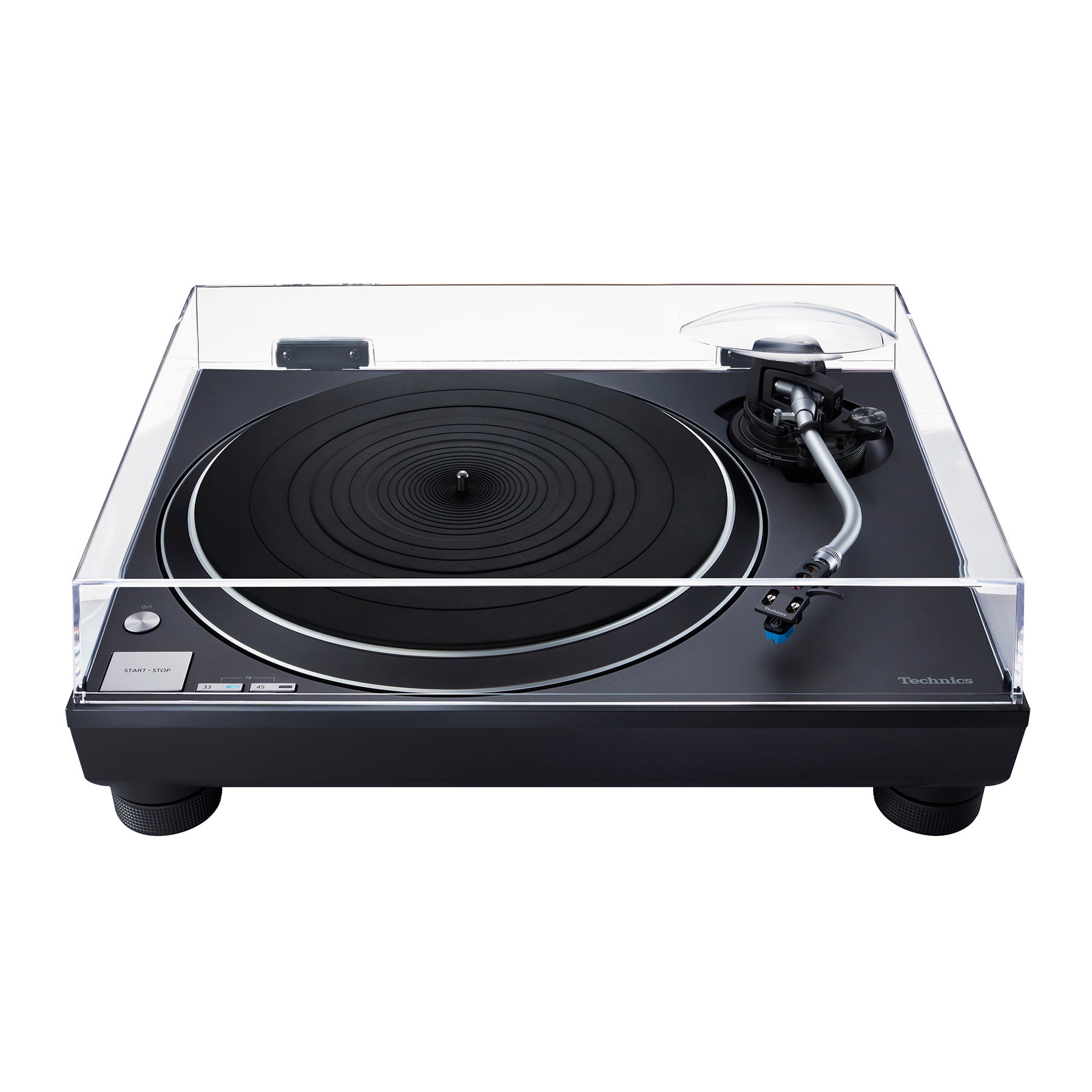
Technics SL-1200 M3D
The Technics SL-1200 M3D is a quartz direct-drive SL-1200 variant that kept the core performance of the earlier 1200 for…
Technics SL-1200
The Technics SL-1200 is a long-running direct-drive turntable series that became the go-to deck for DJs and a defining p…

Leica M3 Film Camera
The Leica M3 is the camera that launched the M system in 1954, and it matters because it reset what a 35mm rangefinder c…

Leica M3
Introduced in 1954 by Ernst Leitz GmbH, the Leica M3 was a radical departure from everything Leitz had built before — re…
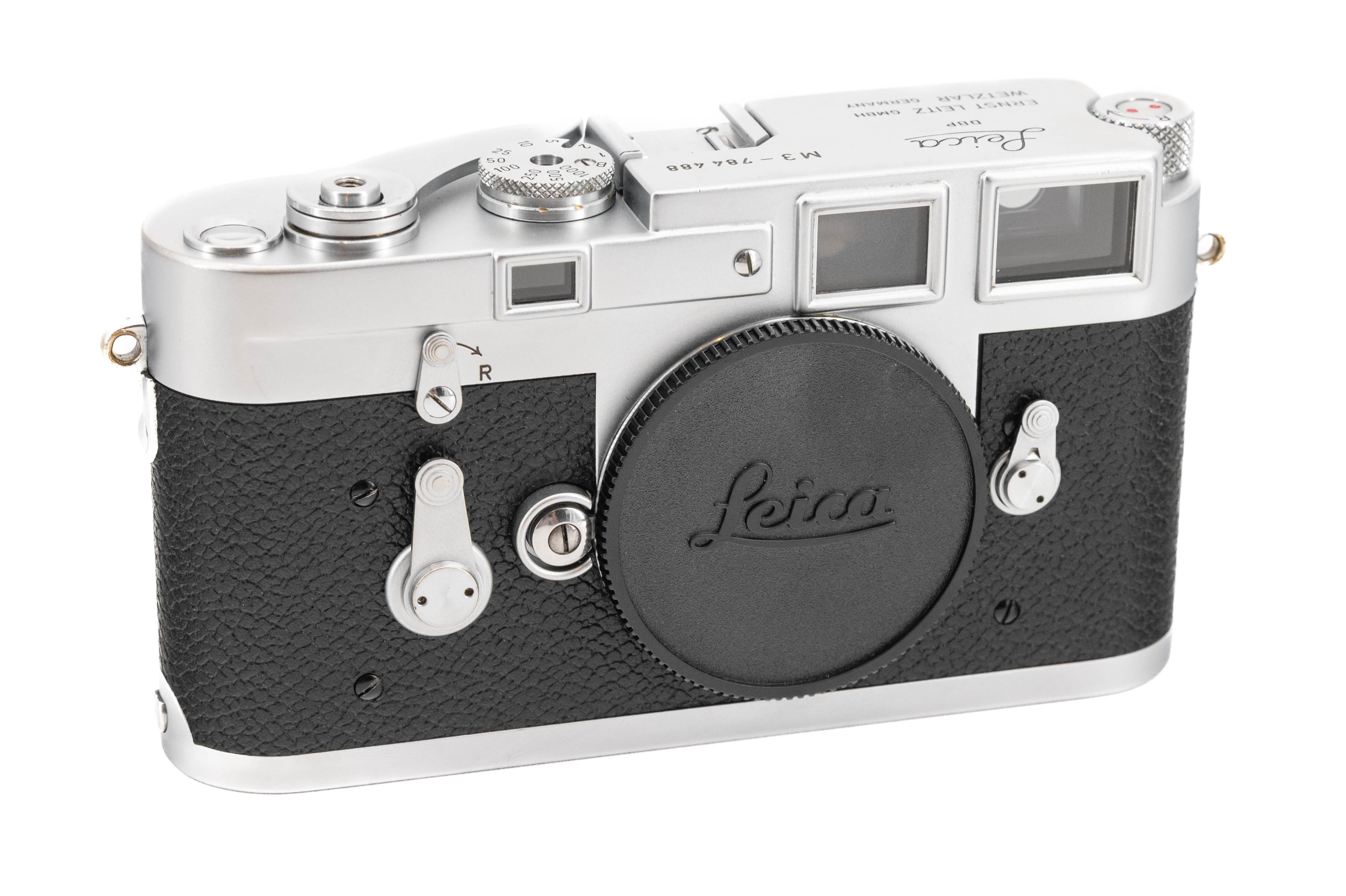
Leica M3 Camera
The Leica M3 is the 35mm rangefinder that began Leica’s M-system era in 1954, replacing the company’s earlier screw-moun…

Happy Hacking Keyboard Professional
Happy Hacking Keyboard Professional is PFU’s compact, layout-driven keyboard line built around electrostatic capacitive…
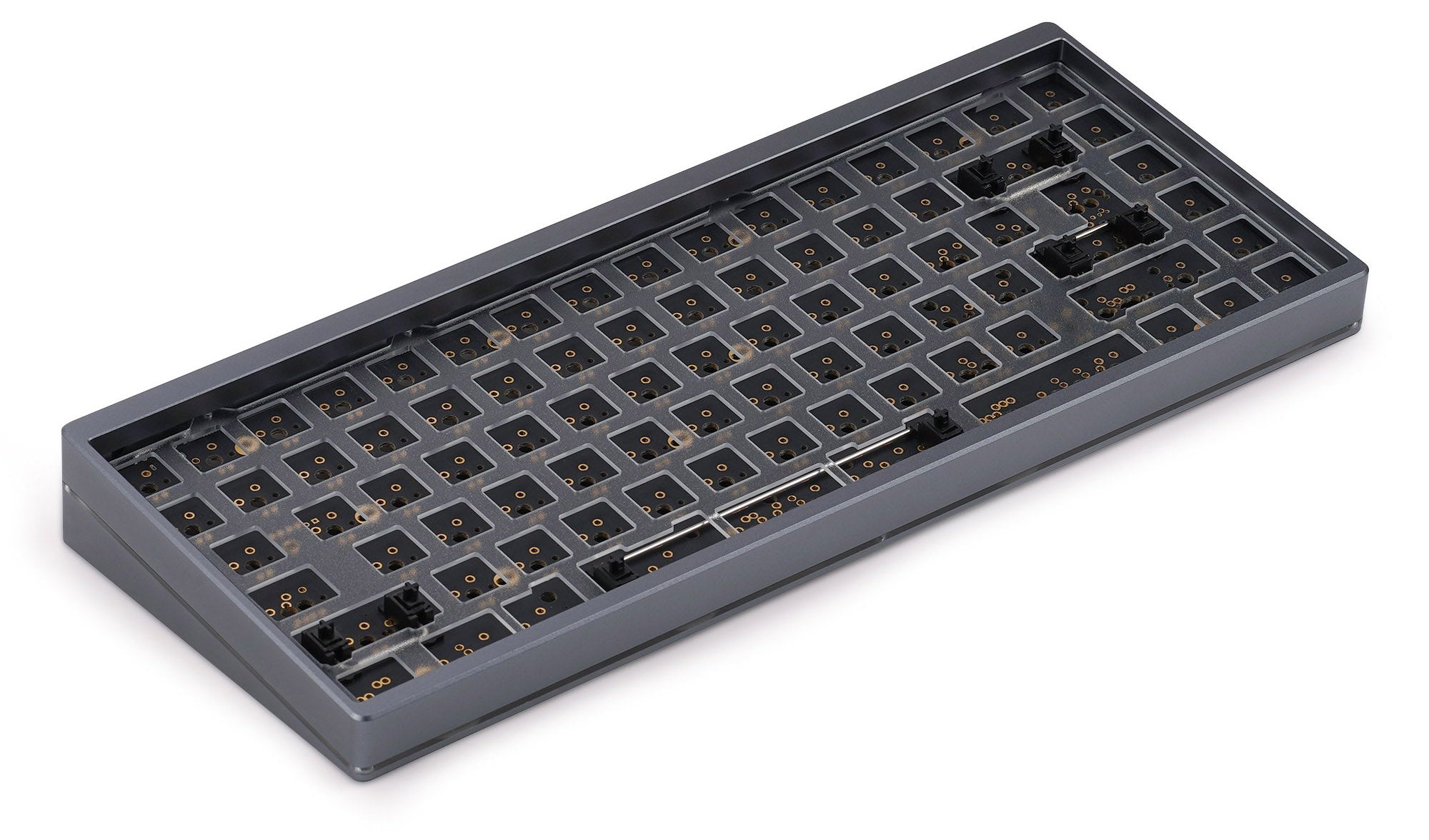
Mechanical Keyboards
Mechanical keyboards sit at the overlap of typing tool, gaming hardware, and custom object: you can buy a polished board…
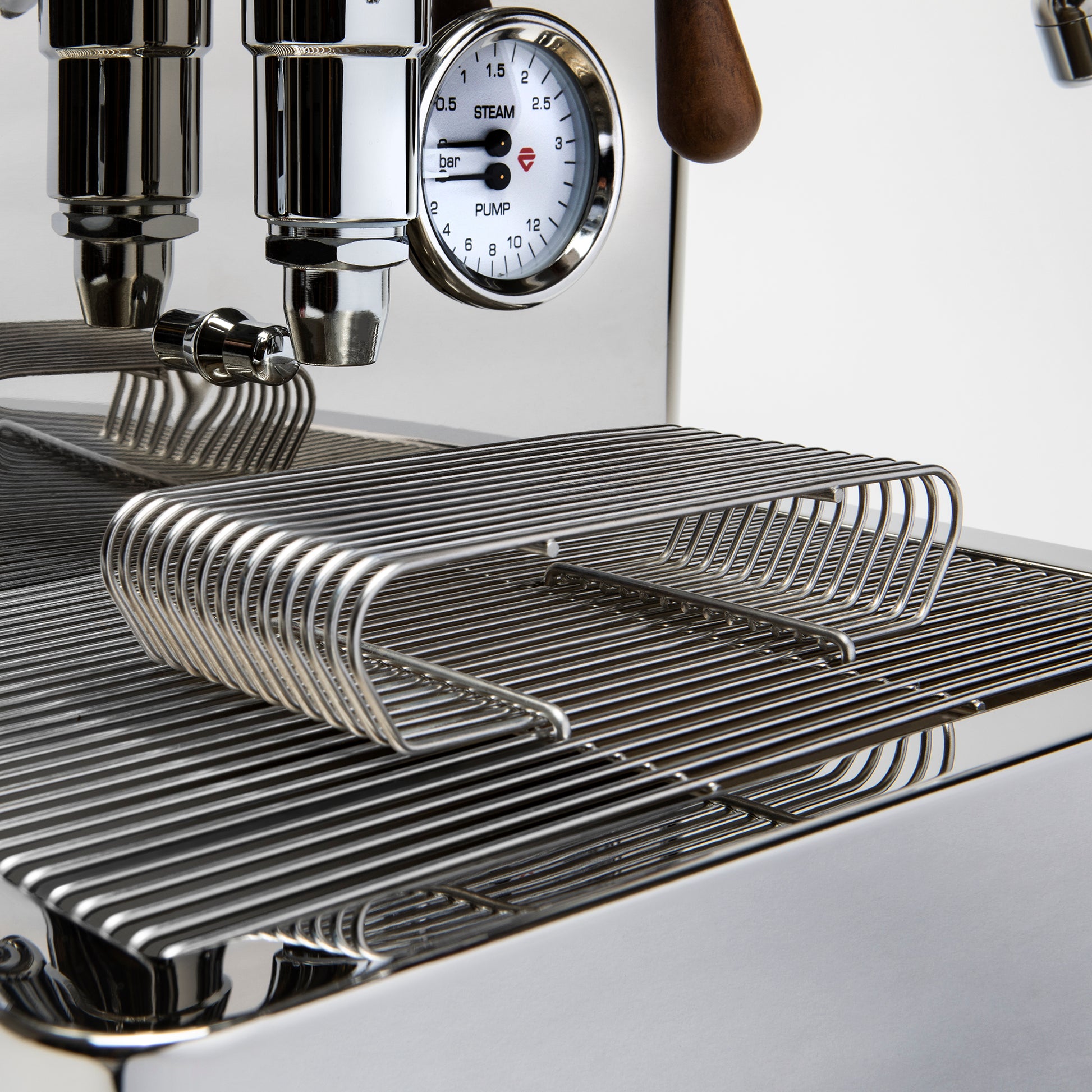
Lelit Bianca V3 Review
The Lelit Bianca V3 is a prosumer dual-boiler espresso machine that keeps showing up in serious home-barista conversatio…
More in Hi-Fi & Vinyl Audio
Stay in this world.
See all of Hi-Fi & Vinyl Audio →
Imagery
Know someone who’d love this?
Discovered by ArcurianAuto-generated from public sources and AI synthesis — it may be incomplete or inaccurate. Treat it as a starting point for your own exploration, not professional (medical, legal, financial, or safety) advice. Verify anything you act on. Report this page.