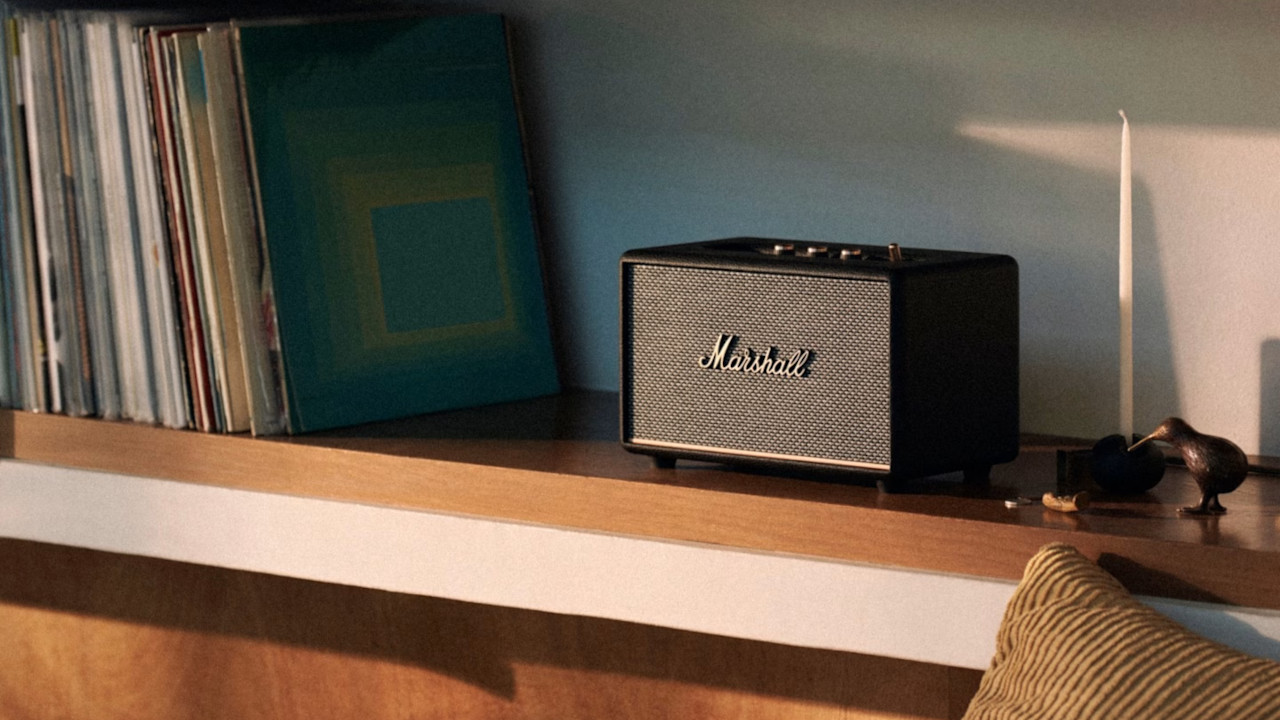
Vinyl records are disc-shaped analog sound carriers cut with a spiral groove that a stylus traces from the outside edge toward the center, turning those physical groove modulations back into sound. For collectors and listeners, the format’s appeal is inseparable from its physical forms: the 12-inch LP, 10-inch LP, and 7-inch single, each tied to different listening habits, artwork scales, and release traditions. Current record retail also shows how wide the culture has become, from mass-market vinyl shops to label-run stores selling colored, numbered, and special-edition pressings. The real fascination starts when you stop thinking of vinyl as just “music on plastic” and start seeing format, pressing, and presentation as part of the experience.
Learn
What Vinyl Actually Is
A vinyl record is, at its core, a flat thermoplastic disc—most commonly made from polyvinyl chloride (PVC)—carrying a single continuous spiral groove that physically encodes sound as microscopic undulations in the groove walls. The format we know today was introduced by Columbia Records on June 21, 1948 as the 'Long Playing' (LP) disc: a 12- or 10-inch black vinyl record rotating at 33⅓ RPM, with a tighter 'microgroove' specification that allowed roughly 25 minutes of music per side—a dramatic leap from the abrasive, noisy shellac 78 RPM records that preceded it. The groove itself is a V-shaped trench; in stereo records, each wall is cut at a 45° angle, so the left and right channels can be separated by the movement of a single stylus. The stylus—typically a diamond or sapphire tip with a profile as fine as 0.001 inches (25 μm)—tracks these microscopic modulations, converting physical geometry into an electrical voltage via the cartridge. Every detail of the disc—from the ratio of virgin to recycled PVC, to the thickness (which can range from 1.0 mm for lightweight pressings up to 2.5 mm for 200-gram audiophile editions), to the depth and spacing of the grooves—directly influences sound quality, dynamic range, and longevity. Colored vinyl, for instance, often sacrifices some audio fidelity for visual appeal, and wider groove spacing, necessary for loud dynamic peaks (common in classical music), can reduce total play time and push a single album across two discs. The runout groove area—also called the deadwax or lead-out groove—is a treasure trove for collectors, containing matrix numbers, mastering engineer signatures, and pressing plant codes that help verify a record's origin and pressing quality.
 slowhifi.comslowhifi.com
 allforturntables.comallforturntables.com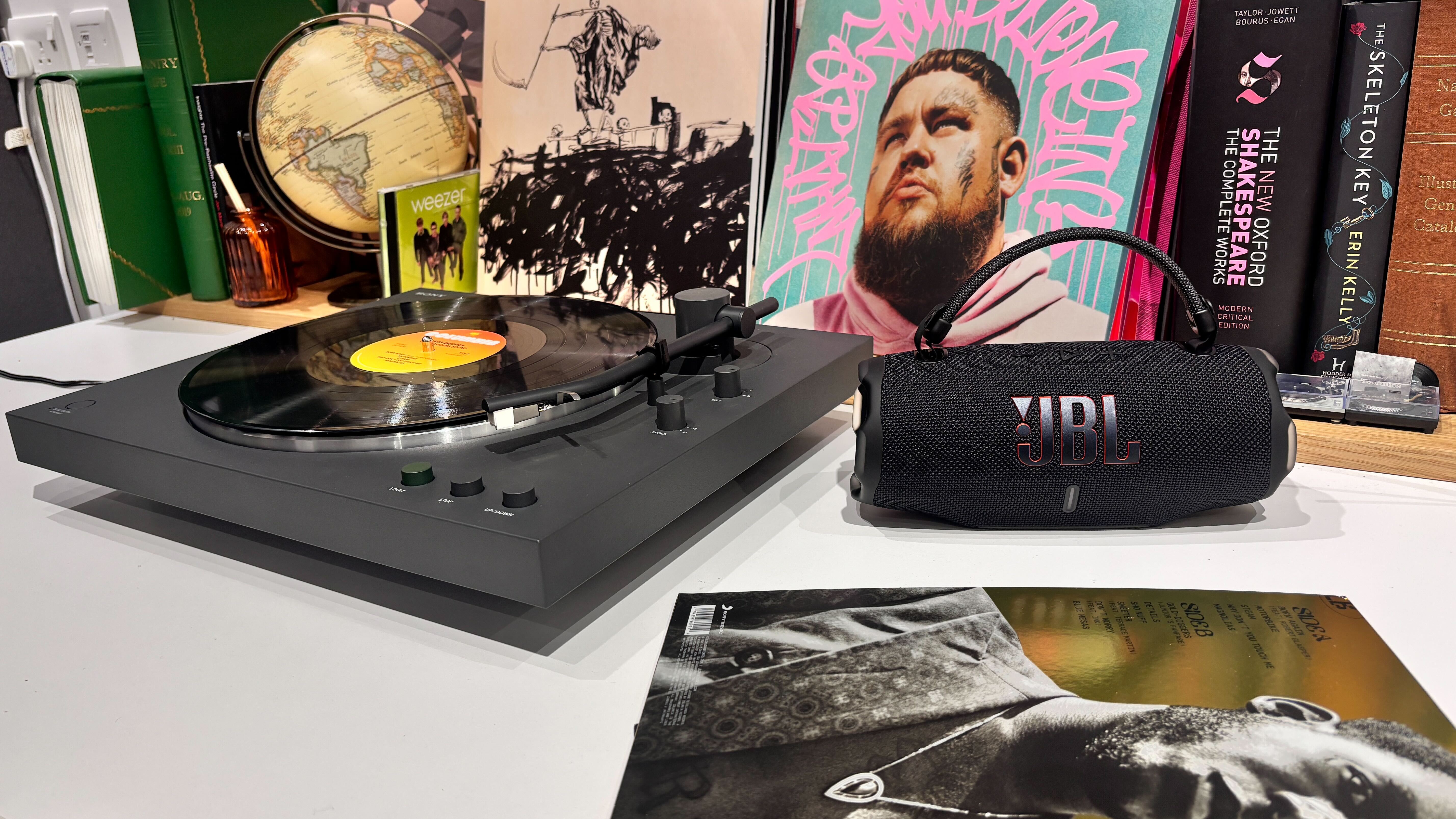
 knowyourinstrument.comknowyourinstrument.com
 vinylai.appvinylai.app
+Field notes
- —The LP was a specific 1948 Columbia Records invention: a 33⅓ RPM microgroove disc that replaced the abrasive, noisy 78 RPM shellac records and roughly quintupled playing time per side. The 'LP' was originally a Columbia trademark.
- —A stereo vinyl record uses a 45/45 cutting method: the left audio channel is modulated on one groove wall at a 45° angle, and the right channel on the opposite wall at 45°, allowing a single stylus to decode two separate channels from a single V-shaped groove.
- —Pressing weight varies dramatically: standard pressings from the 1970s–80s typically weigh 120–140g, while modern audiophile editions often use 180g to 200g vinyl for better bass response and lower surface noise. A 200g pressing can be 2.5 mm thick, compared to 1.0 mm for a lightweight 80g disc.
- —Using a modern microgroove stylus (0.7 mil or smaller) on a pre-1955 78 RPM shellac record will damage it—the stylus sinks too deep and gouges the groove. 78s require a 2.5–3.0 mil conical stylus designed for their wider groove geometry.
- —The runout groove area (deadwax) between the end of the music and the label contains matrix numbers, mastering engineer signatures, and pressing plant codes—critical clues for identifying first pressings and verifying authenticity, which can dramatically affect a record's value.
- —Virgin PVC pressings—like those from Mobile Fidelity Sound Lab or Analogue Productions—create a quieter surface with less inherent noise than pressings using a high percentage of recycled PVC, justifying their premium prices in the audiophile market.
Learn
From Groove to Format: Why LPs and Singles Feel Different
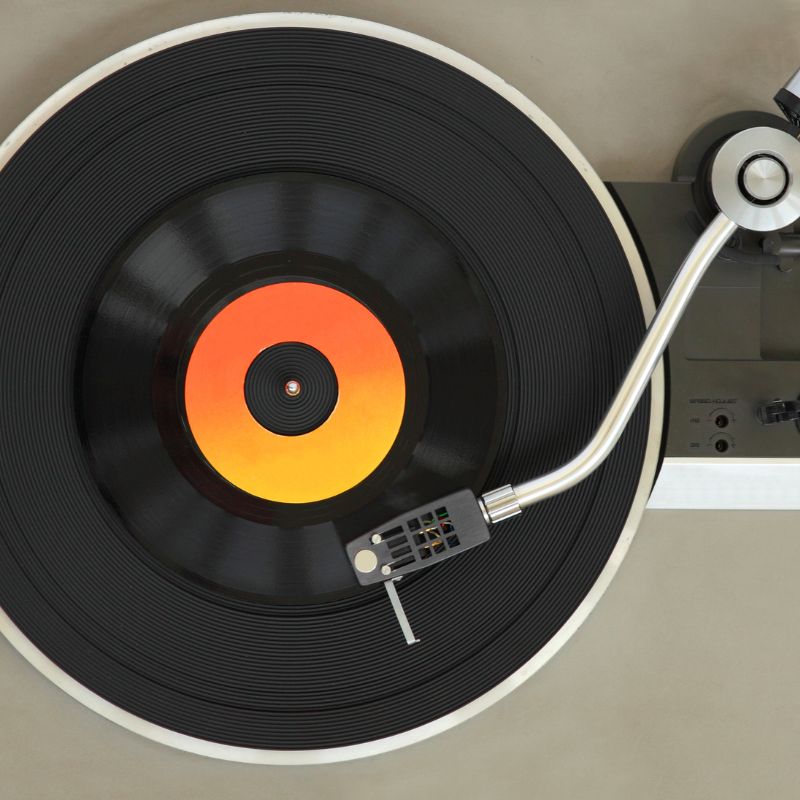
The physical difference between a 7-inch single and a 12-inch LP isn't just about size — it's a direct consequence of how the format's inventors solved the trade-off between sound quality, playing time, and groove geometry. A 7-inch 45 rpm single spins fast enough (78 ÷ 33⅓ ≈ 2.34 times faster than an LP) to capture more audio detail per second, but its coarse grooves and small diameter limit it to about three minutes per side, which is why early 78s required constant side changes. Columbia's 1948 LP — a deliberate 12-inch, 33⅓ rpm, microgroove disc — stretched that same surface area to roughly 23 minutes per side, enabling a full symphony movement or an album's worth of songs without interruption. That speed/size/groove trade-off was so fundamental that it shaped the entire music industry: RCA Victor launched the 7-inch 45 for quick-hit singles, while the 12-inch LP became the canvas for the album era. The result is that a 7-inch single feels spatially packed and urgent — its needle travels a tighter arc and reads more groove per second — while a 12-inch LP feels expansive, its wider spiral allowing subtler modulation and longer passages.

 www-s1.npr.orgwww-s1.npr.org
 jazzwax.comjazzwax.com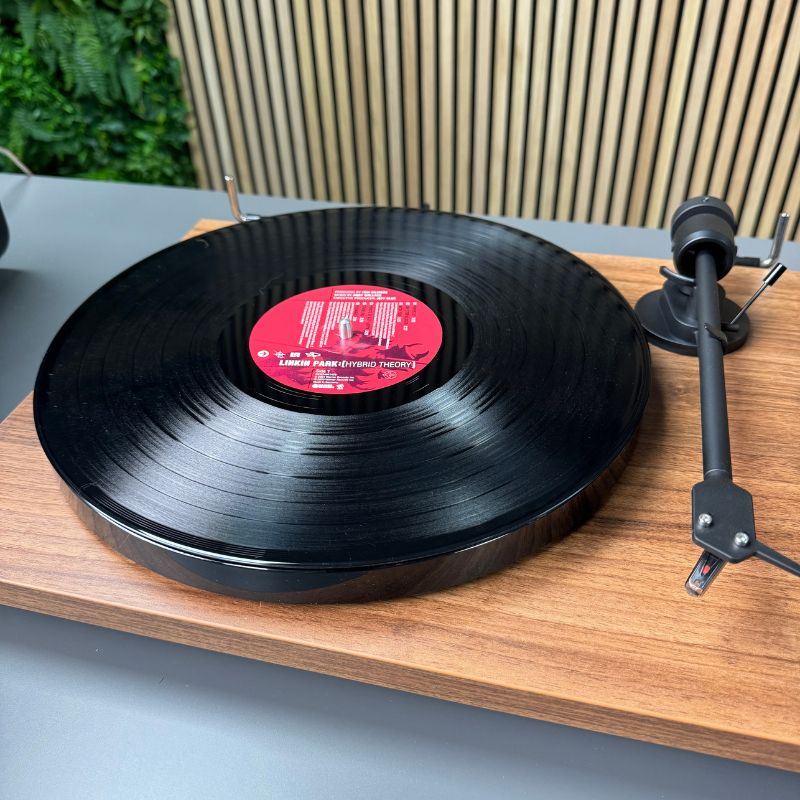
 thevinylhistorian.comthevinylhistorian.com
+Field notes
- —The 12-inch LP format was a direct compromise: Columbia chose 12 inches because that diameter had already been used for higher-end 78 rpm classical releases, meaning existing manufacturing equipment and turntables needed only adaptation, not re-invention.
- —At 78 rpm, a record spins more than twice as fast as a 33⅓ LP (78 ÷ 33⅓ ≈ 2.34), so the needle gathers more audio information per microsecond — which is why 1950s R&B and rock 'n' roll on a 78 jukebox can sound punchier and more present than a vinyl reissue, despite the shellac's brittleness and noise.
- —Early 78 rpm records used much wider 'coarse' grooves than LPs, meaning fewer spiral turns could fit on a side — so even a 12-inch 78 could only hold four to five minutes of music, while the same 12-inch disc at 33⅓ rpm with microgrooves could hold 23 minutes per side.
- —The 7-inch 45 rpm single was RCA Victor's 1949 counterpunch to Columbia's LP: the smaller diameter and higher speed meant the needle tracked a tighter, more densely packed arc, giving singles a distinct 'punchy' character that suited pop hooks, while the 12-inch LP's wider arc allowed more subtle low-frequency modulation.
- —Before the LP, a complete symphony or album required a stack of 78s in a 'record album' — a book-like binder with multiple paper sleeves — because each 10- or 12-inch side held only about three minutes of music; the LP's 23-minute-per-side capacity is what made the concept of a coherent, side-long artistic work possible.
Learn
The Terms That Matter When People Talk Records
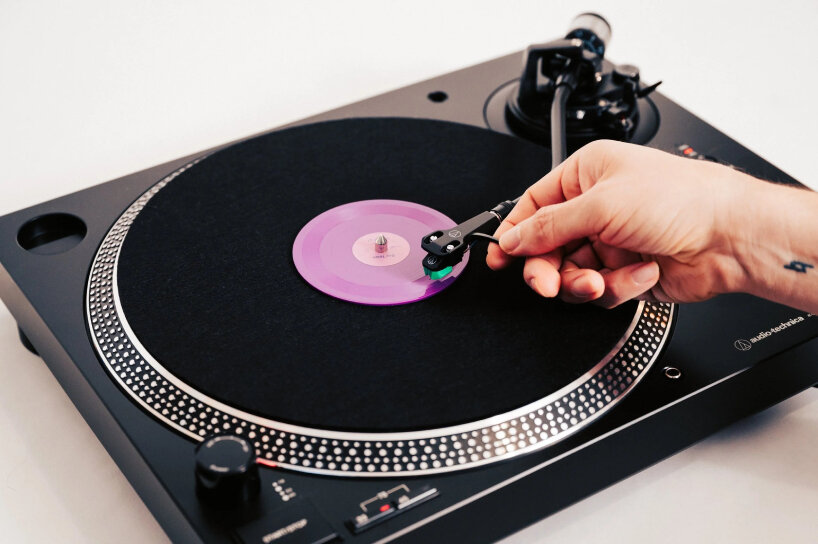
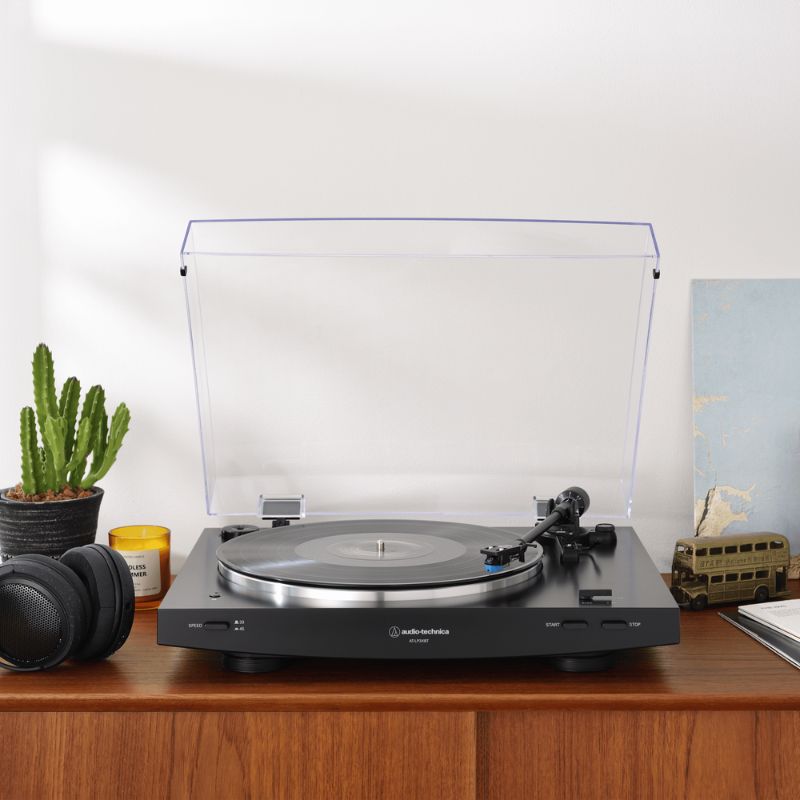
When people talk records, the language is a blend of technical specs, collector shorthand, and pressing-plant codes that separate the casual listener from the serious collector. The foundation is size and speed: 7-inch singles (45 RPM), 12-inch LPs (33⅓ RPM), and the less common 10-inch (either speed), with the LP format introduced by Columbia in June 1948 to replace fragile 78 RPM shellac discs that required flipping every few minutes. Beyond that, the real secrets live in the dead wax — the smooth ring between the last groove and the label — where matrix numbers, mother/stamper codes, and mastering marks like the legendary 'Porky Prime Cut' or 'Strawberry' etchings authenticate pressing provenance and can dramatically affect value. Heavier vinyl (180g or 200g) is prized for reduced warping and better bass response, though the 200g weight is debated. Collectors also navigate terms like catalog numbers (unique label IDs), colored vinyl in effects like splatter or marbled, and packaging details like gatefold sleeves or blister packs. The difference between a reissue and a first-press masterpiece often comes down to these forensic details.

 coolmaterial.comcoolmaterial.com
+Field notes
- —The phrase 'LP' dates to June 1948, when Columbia Records launched the 12-inch, 33⅓ RPM long-playing format with microgroove technology (224-300 grooves per inch versus 85-100 on 78s), allowing 21-22 minutes per side; the very first LP was Mendelssohn's Violin Concerto in E Minor (catalog number ML-4001) performed by Nathan Milstein.
- —The dead wax — the smooth area between the final groove and the label — contains etched matrix numbers and mastering codes like 'Porky Prime Cut' or 'Strawberry' marks, which serious collectors use to identify specific pressings and factories, directly affecting a record's provenance and market value.
- —Colored vinyl isn't just colored: the industry recognizes specific effects including splatter, split color, color-in-color, yolk (a colored center surrounded by another color), transparent, and marbled — each with its own collecting appeal and potential impact on sound quality.
- —Standard 12-inch LPs from earlier eras weighed 125-150 grams, while modern 'audiophile' pressings use 180g (common) or 200g (rarer and debated in the audio community as to whether the extra weight actually improves sound).
- —The catalog number (or cat number) on a record's spine or label is a unique identifier assigned by the record label; it's essential for distinguishing between pressings and identifying what specific edition you have, especially for reissues versus originals.
Discover
Watch Record Collectors Compare Pressings, Setups, and Finds


These vinyl shootout videos reveal a subculture where collectors obsess over mastering lacquer source, pressing plant, and even record weight's effect on groove geometry—a single album can have wildly different sonic signatures across its editions. Bob Marley's *Uprising*, for instance, sees the 2025 Analogue Productions 45rpm double-LP cut by Ryan K. Smith and Frank Cartwright from the original Island analog tapes, pressed on 190-gram vinyl that demands VTA adjustment (vertical tracking angle) compared to the 120-gram UK first pressings. Similarly, Toto IV's sound shifts between its 1982 original, later reissues, and audiophile remasters, with surface noise, dynamic range, and stereo imaging varying enough to make a definitive 'best' edition hotly debated. For Pet Sounds, the 60th-anniversary Vinylphile edition and the Definitive Sound Series One Step both tap the same mono master but deliver different listening experiences, the One Step's noise floor lowest, while the original mono Capitol pressing and the 1970s Brother Records two-fer hold their own for character. These comparisons are not just about sound—they're about provenance, pressing quality, and the chain from tape to groove.
+Field notes
- —Analogue Productions' 45rpm edition of *Uprising* is cut by Ryan K. Smith and Frank Cartwright from the original Island analog master tapes, giving it a different master than any previous reissue.
- —That same 45rpm pressing weighs 190 grams—not the advertised 180—which throws off VTA (vertical tracking angle) on turntables set for 120-gram originals; owners often need to retune their tonearm height for best sound.
- —Toto IV's vinyl shootout compares original 1982 pressings against later reissues and modern audiophile editions, focusing on mastering differences in dynamic range, bass response, and stereo imaging rather than just condition.
- —The Pet Sounds Definitive Sound Series One Step is a numbered, limited-edition 180-gram mono pressing from a one-step lacquer process—meaning only a single stamping step, no intermediate discs—which reduces noise floor versus typical reissues.
- —The Vinylphile 60th-anniversary 2LP of Pet Sounds includes both mono and stereo mixes, letting collectors compare the classic mono feel against the wider stereo version, something single-LP editions usually don't offer.
- —Steely Dan's *Aja* has seen so many reissues—including a 2023 UHQR (Ultra High Quality Record) at 33rpm and a 200g pressing—that collectors now maintain a 'pile of Steely Dan Ajas' just to track the sonic differences between editions.
Keep exploring
More of Vinyl Records
More to explore
In the same world.
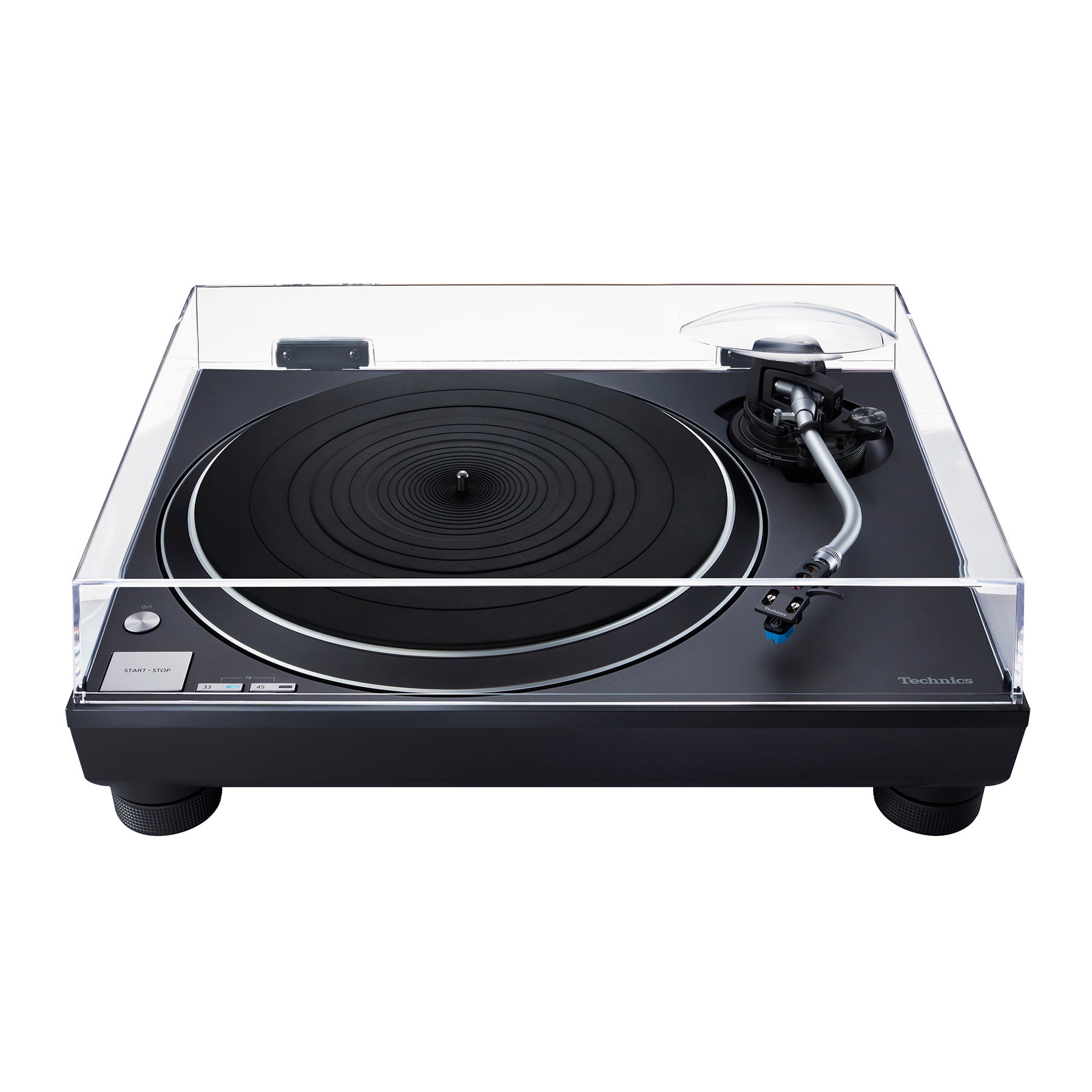
Technics SL-1200
The Technics SL-1200 is a long-running direct-drive turntable series that became the go-to deck for DJs and a defining p…

Record Watches
Record was a Swiss watch company founded in Tramelan in the early 20th century, first created around the patented Sector…

Vintage Levi's Denim
Vintage Levi's denim is a collector's world built around reading the garment itself: care tags, the red tab, and details…

Technics SL-1200 M3D
The Technics SL-1200 M3D is a quartz direct-drive SL-1200 variant that kept the core performance of the earlier 1200 for…

Vintage Rolex Watches
Vintage Rolex collecting revolves around older references whose value is tied not just to the model name, but to origina…
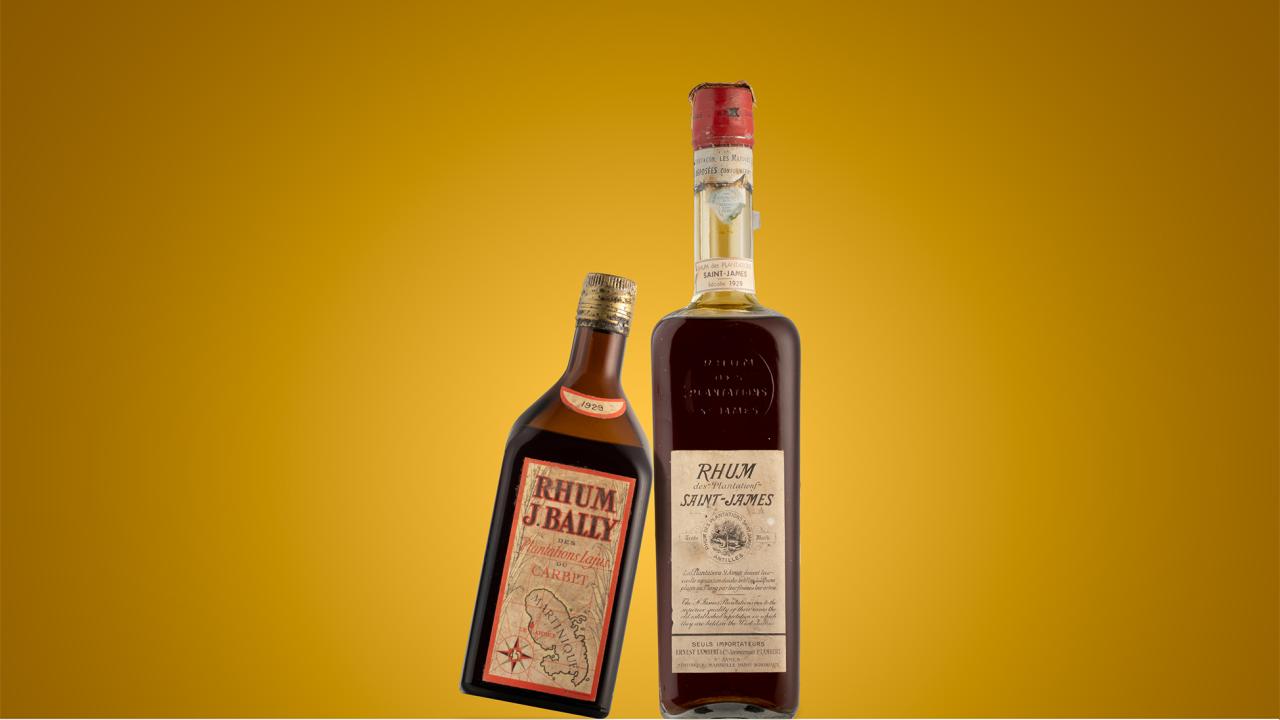
Vintage Rum
Vintage rum sits at the crossroads of spirits collecting, distillery history, and scarcity: bottles are often issued aro…

Levi’s 501 Big E
Levi’s 501 Big E means the red tab with the brand name in capital letters, a detail that has become a shorthand for some…

RRL (Double RL)
RRL, or Double RL, is Ralph Lauren’s heritage-focused line built around early 20th-century workwear, military clothing,…
More in Hi-Fi & Vinyl Audio
Stay in this world.
See all of Hi-Fi & Vinyl Audio →

Imagery
Know someone who’d love this?
Discovered by ArcurianAuto-generated from public sources and AI synthesis — it may be incomplete or inaccurate. Treat it as a starting point for your own exploration, not professional (medical, legal, financial, or safety) advice. Verify anything you act on. Report this page.